



1. Search Result
Search Result
Results for "

Feeding behavior

" in MedChemExpress (MCE) Product Catalog:

37

Inhibitors & Agonists

12

Peptides

7

Natural
Products

4

Isotope-Labeled Compounds

Cat. No. Product Name Target Research Areas Chemical Structure
  • HY-106224
    Orexin A (human, rat, mouse)
    Maximum Cited Publications
    11 Publications Verification

    Hypocretin-1 (human, rat, mouse)

    Orexin Receptor (OX Receptor) Neurological Disease
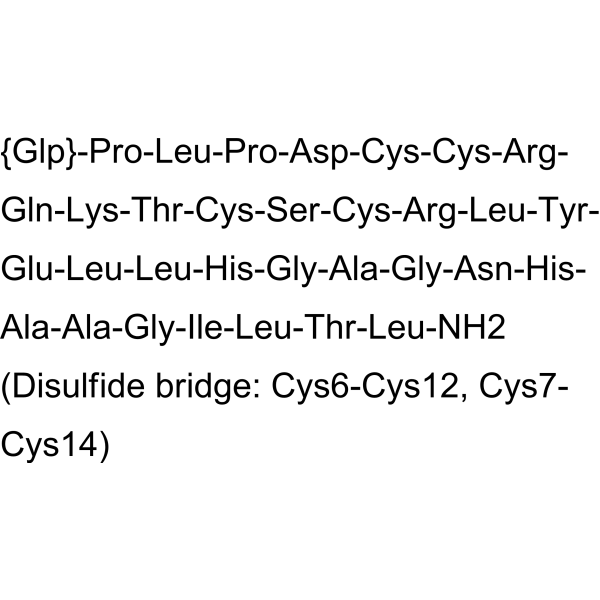
    Orexin A (human, rat, mouse) (Hypocretin-1 (human, rat, mouse)), a 33 amino acid excitatory neuropeptide, orchestrates diverse central and peripheral processes. Orexin A (human, rat, mouse) binds and activates two types of G protein-coupled receptors, the orexin-1 receptor (OX1R) and the orexin-2 receptor (OX2R). Orexin A (human, rat, mouse) has a role in the regulation of feeding behavior. Orexin A (human, rat, mouse) is an effective anti-nociceptive and anti-hyperalgesic agent in mice and rats .
    Orexin A (human, rat, mouse)
  • HY-W013150

    GABA Receptor Neurological Disease
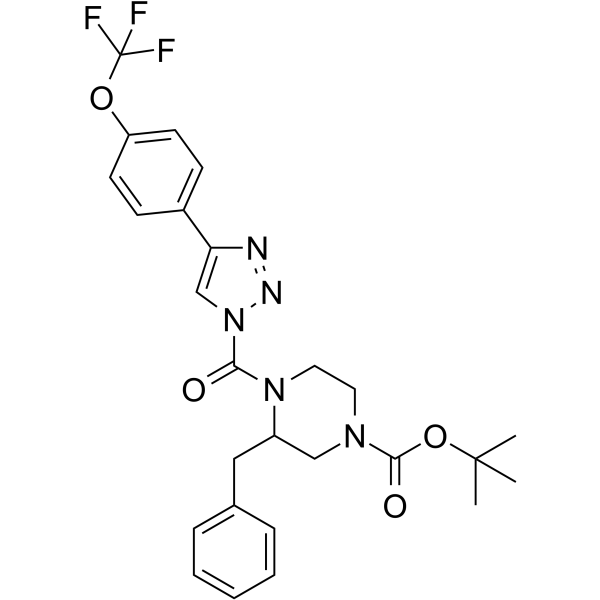
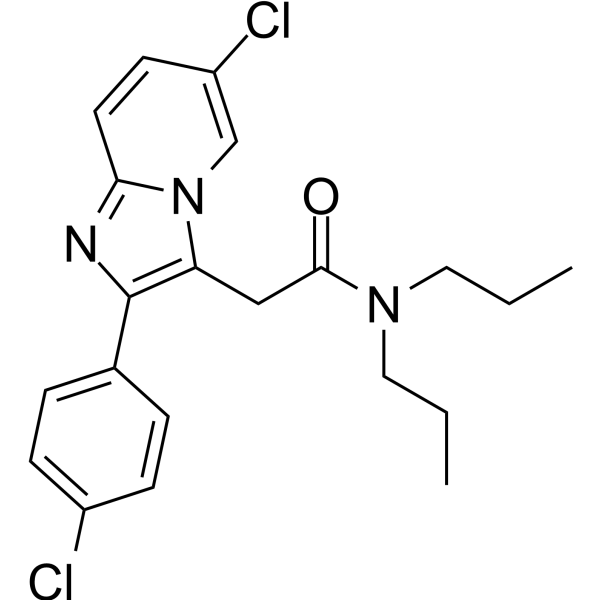
    Alpidem, an anxiolytic agent, is an orally active and brain-penetrant GABAA receptor ligand, binds to α1β2γ2 subunit-containing GABAA receptors (IC50 of 17 nM) over α5β2γ2 subunit-containing GABAA receptors (IC50 of >10 μM). Alpidem modulates calcium-induced mitochondrial permeability transition, induces glutathione depletion and hepatocyte necrosis, potentiates TNF-α toxicity, inhibits marble-burying and locomotor activity, enhances stressed rodent feeding behavior, and exerts anticonvulsant effects. Alpidem can be used for the research of anxiety, anxiety disorders, and convulsions .
    Alpidem
  • HY-A0191

    (+)-Brompheniramine; (S)-Brompheniramine

    Endogenous Metabolite Histamine Receptor TRP Channel Neurological Disease Metabolic Disease Inflammation/Immunology
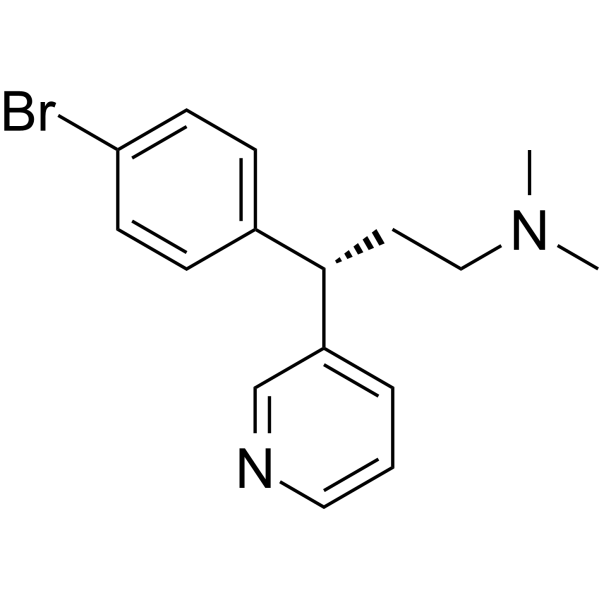
    Dexbrompheniramine ((+)-Brompheniramine; (S)-Brompheniramine) is a dual inhibitor of histamine H1 receptor and TRPV1 receptor that can cross the blood-brain barrier. Dexbrompheniramine exerts its effects by functionally blocking H1 receptor activity and dose-dependently inhibiting TRPV1-mediated calcium responses, including Capsaicin (HY-10448)-induced responses. The combination of Dexbrompheniramine with Cimetidine (HY-14289) eliminates histamine-induced and sham-feeding-induced drinking behavior, whereas Dexbrompheniramine alone does not induce thirst or alter sham-feeding behavior in rats. Dexbrompheniramine can be used in the research of chronic cough and related pathological mechanisms .
    Dexbrompheniramine
  • HY-117771
    DO34
    5 Publications Verification

    DAGL Neurological Disease Metabolic Disease
    DO34 is a selective DAGL inhibitor, with an IC50 of 6 nM for DAGLα conversion of SAG to 2-AG. DO34 blocks de novo 2-AG synthesis, and suppresses tonic CB1 receptor activation. DO34 blocks depolarization-induced suppression of excitation and inhibition in the cerebellum and hippocampus. DO34 regulates feeding behavior and locomotor activity in mice. DO34 abolishes AM251-mediated enhancement of parallel fiber-evoked excitatory postsynaptic currents in cerebellar slices from MAGL global knockout mice. DO34 can be used for the research of energy balance disorder and neuroinflammation .
    DO34
  • HY-P4058

    CGRP free acid

    CGRP Receptor Neurological Disease
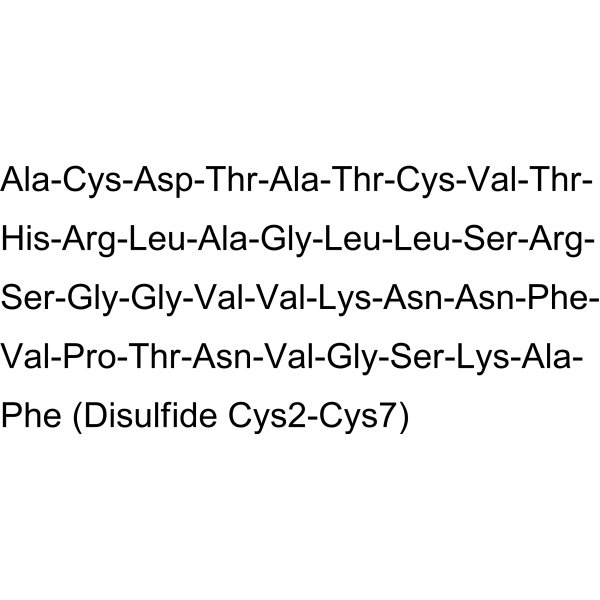
    Calcitonin gene-related peptide (CGRP) free acid is a 37-amino acid neuropeptide, which represents the deamidated form of α-CGRP (human) (HY-P1071). Calcitonin gene-related peptide free acid is produced in the central and peripheral nervous systems of rats, and localizes to specific sensory, integrative and motor neuron systems, including those involved in nociception/thermoreception, feeding behavior, olfaction and visceral motor functions .
    Calcitonin gene-related peptide free acid
  • HY-P2543
    Neuropeptide Y (3-36) (human, rat)
    1 Publications Verification

    Neuropeptide Y Receptor Cardiovascular Disease Neurological Disease
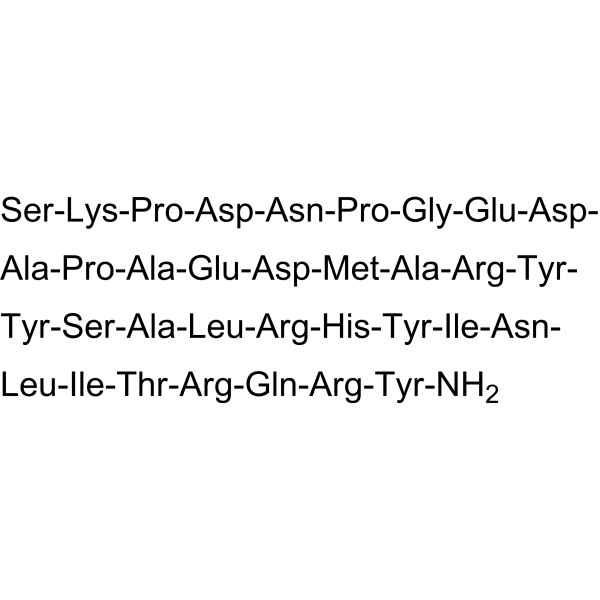
    Neuropeptide Y (3-36) (human, rat) is a neuropeptide Y fragment derived from humans or rats. Neuropeptide Y is an extremely abundant neurotransmitter in central and peripheral neurons, and it participates in the regulation of psychomotor activity, circadian rhythm, feeding behavior and cardiovascular function. Neuropeptide Y (3-36) (human, rat) can serve as a substrate to be sequentially degraded from its N-terminus by AfuS28, and it requires binding to AfuS28 and SedB to be decomposed into amino acids, dipeptides and tripeptides [1] [2].
    Neuropeptide Y (3-36) (human, rat)
  • HY-W007828

    Others Neurological Disease
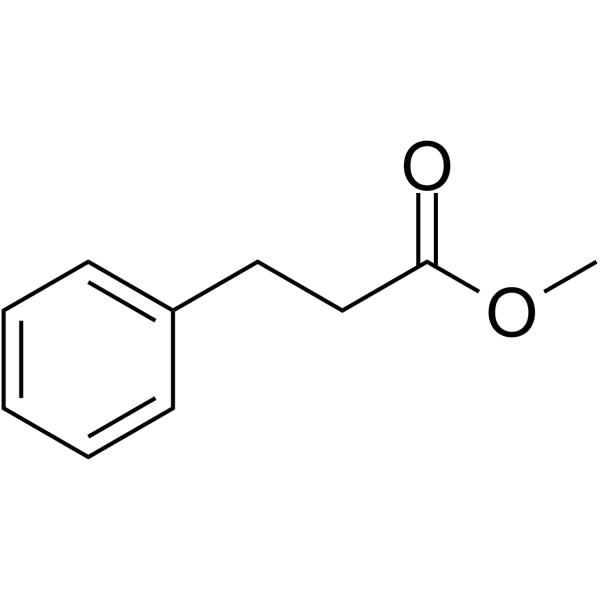
    Methyl 3-phenylpropanoate is a phenylpropionate compound. Methyl 3-phenylpropanoate derivatives interfere with insect feeding behavior. Methyl 3-phenylpropanoate can be used to study insect feeding behavior .
    Methyl 3-phenylpropanoate
  • HY-P1765

    Neuropeptide Y Receptor Neurological Disease
    Galanin (1-19), human is the 1-19 fragment of the human galanin. Galanin (GAL) is a widely distributed neuropeptide with diverse biological effects including modulation of hormone release, antinociception and modification of feeding behavior .
    Galanin (1-19), human
  • HY-110023

    Serotonin Transporter Neurological Disease
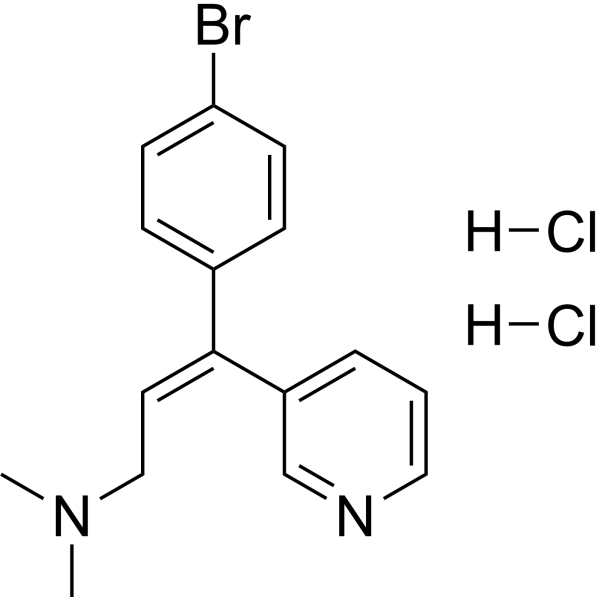
    Zimelidine dihydrochloride is an orally active selective serotonin reuptake inhibitor. Zimelidine dihydrochloride competitively inhibits central 5-HT uptake and desensitizes 5-HT autoreceptors in dorsal raphe nucleus. Zimelidine dihydrochloride time-dependently modulates 5-HT neuronal firing and hippocampal CA3 responses. Zimelidine dihydrochloride strengthens central serotonergic neurotransmission and produces related behavioral changes. Zimelidine dihydrochloride exerts anxiolytic, analgesic, feeding-suppressive and tolerance-attenuating effects. Zimelidine dihydrochloride is used for the study of depressive disorders and analgesic tolerance .
    Zimelidine dihydrochloride
  • HY-106224A
    Orexin A (human, rat, mouse) TFA
    Maximum Cited Publications
    11 Publications Verification

    Hypocretin-1 (human, rat, mouse) TFA

    Orexin Receptor (OX Receptor) Neurological Disease
    Orexin A (human, rat, mouse) (Hypocretin-1 (human, rat, mouse)) TFA, a 33 amino acid excitatory neuropeptide, orchestrates diverse central and peripheral processes. Orexin A (human, rat, mouse) TFA binds and activates two types of G protein-coupled receptors, the orexin-1 receptor (OX1R) and the orexin-2 receptor (OX2R). Orexin A (human, rat, mouse) TFA has a role in the regulation of feeding behavior. Orexin A (human, rat, mouse) TFA is an effective anti-nociceptive and anti-hyperalgesic agent in mice and rats .
    Orexin A (human, rat, mouse) TFA
  • HY-P1437

    Neuropeptide Y Receptor Neurological Disease
    Neuropeptide S (mouse) is a bioactive peptide. Neuropeptide S (mouse), as a neurotransmitter/neuromodulator of 20 amino acids, can be used for the research of arousal, anxiety, locomotion, feeding behaviors, memory and agent addiction .
    Neuropeptide S (mouse)
  • HY-119902

    Insecticide Infection
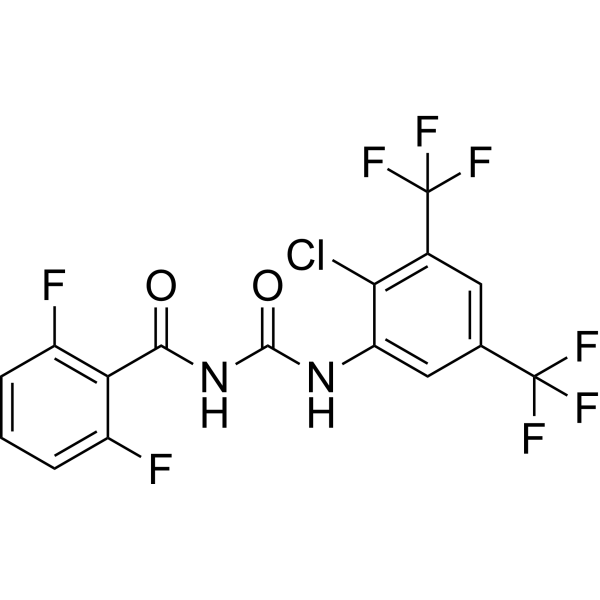
    Bistrifluron is a benzoylphenylurea compound and orally active insecticide with activity against termites. At a concentration of 5,000 ppm, Bistrifluron acts as a bait toxicant against workers of the Formosan subterranean termite (Coptotermes formosanus), and also inhibits the grooming behavior of termites and impairs their motor ability prematurely .
    Bistrifluron
  • HY-143312E

    GLP Receptor Metabolic Disease
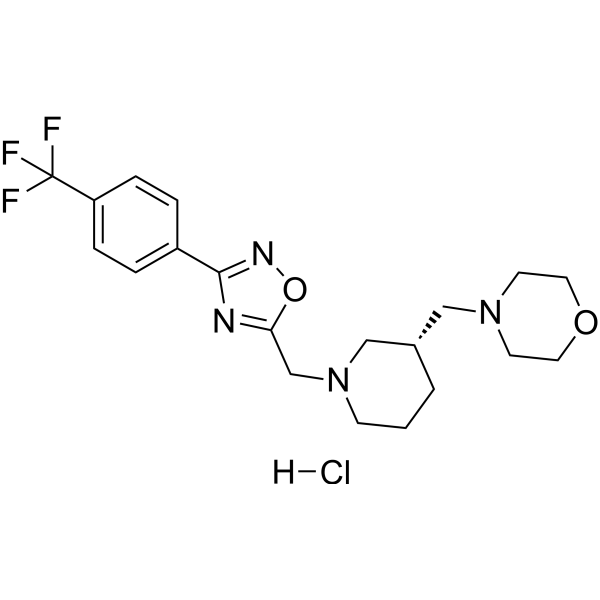
    (S)-V-0219 hydrochloride is an enantiomer of V-0219 (HY-143312). V-0219 is an orally active and positive allosteric modulator (PAM) of the GLP Receptor-1 (GLP-1R). (S)-V-0219 hydrochloride activates calcium fluxes in HEK cells stably expressing hGLP-1R. (S)-V-0219 hydrochloride is orally active and ameliorates high glucose levels in mice and inhibits feeding behavior in fasted mice .
    (S)-V-0219 hydrochloride
  • HY-103144

    5-HT Receptor Neurological Disease
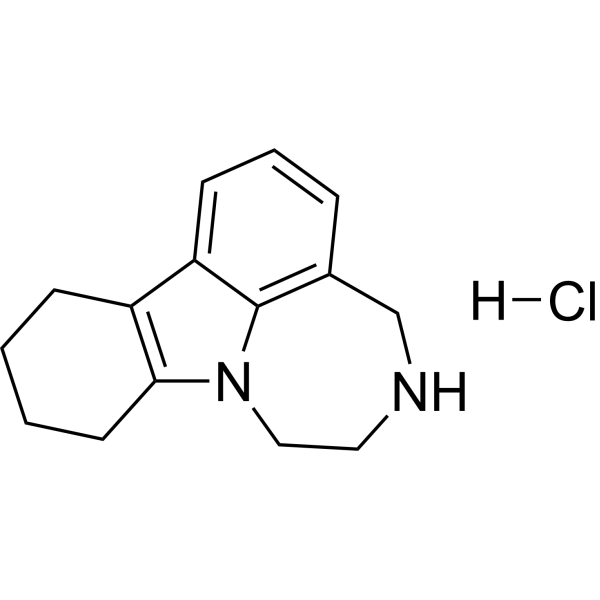
    WAY 629 hydrochloride is a potent and selective 5-HT2C agonist with EC50s of 426, 260000 nM for 5-HT2C and 5-HT2A, respectively. WAY 629 hydrochloride decreases feeding behavior .
    WAY 629 hydrochloride
  • HY-P1216

    Melanocortin Receptor Neurological Disease
    HS014 is a potent and selective melanocortin-4 (MC4) receptor antagonist, with Kis of 3.16, 108, 54.4 and 694 nM for human MC4, MC1, MC3 and MC5 receptors, respectively. HS014 modulates the behavioral effects of morphine in mice. HS014 increases food intake in free-feeding rats .
    HS014
  • HY-P3691

    Neuropeptide Y Receptor Neurological Disease
    CART (1-39), Human, Rat is a neuropeptide consisting of 1-39 residues of the CART peptide. CART (1-39), Human, Rat is a rat satiety factor with potent appetite-suppressing activity and is closely associated with leptin and neuropeptide Y. CART (1-39), Human, Rat inhibits both normal and starvation-induced feeding. CART (1-39), Human, Rat can induce anxiety and stress-related behavior .
    CART (1-39), Human
  • HY-A0191A

    (+)-Brompheniramine maleate; (S)-Brompheniramine maleate

    TRP Channel Histamine Receptor Inflammation/Immunology
    Dexbrompheniramine ((+)-Brompheniramine; (S)-Brompheniramine) maleate is a dual inhibitor of histamine H1 receptor and TRPV1 receptor that can cross the blood-brain barrier. Dexbrompheniramine maleate exerts its effects by functionally blocking H1 receptor activity and dose-dependently inhibiting TRPV1-mediated calcium responses, including Capsaicin (HY-10448)-induced responses. The combination of Dexbrompheniramine maleate with Cimetidine (HY-14289) eliminates histamine-induced and sham-feeding-induced drinking behavior, whereas Dexbrompheniramine maleate alone does not induce thirst or alter sham-feeding behavior in rats. Dexbrompheniramine maleate can be used in the research of chronic cough and related pathological mechanisms .
    Dexbrompheniramine maleate
  • HY-122021

    Neuropeptide Y Receptor Neurological Disease
    J-115814 is a potent and selective neuropeptide Y1 antagonist with Ki values of 1.4, 1.8, 1.9, >10000, 620, 6000, >10000 nM for hY1, rY1, mY1, hY2, hY4, hY5, mY6, respectively. J-115814 inhibits feeding behaviors .
    J-115814
  • HY-118835

    Serotonin Transporter Neurological Disease
    Zimelidine is an orally active selective serotonin reuptake inhibitor. Zimelidine competitively inhibits central 5-HT uptake and desensitizes 5-HT autoreceptors in dorsal raphe nucleus. Zimelidine time-dependently modulates 5-HT neuronal firing and hippocampal CA3 responses. Zimelidine strengthens central serotonergic neurotransmission and produces related behavioral changes. Zimelidine exerts anxiolytic, analgesic, feeding-suppressive and tolerance-attenuating effects. Zimelidine is used for the study of depressive disorders and analgesic tolerance .
    Zimelidine
  • HY-106224AS1

    Hypocretin-1-13C18,15N3 (human, rat, mouse) TFA

    Isotope-Labeled Compounds Orexin Receptor (OX Receptor) Neurological Disease
    Orexin A- 13C18, 15N3 (human, rat, mouse) ((Hypocretin-1- 13C18, 15N3 (human, rat, mouse)) TFA is the 13C- and 15N-labeled Orexin A (human, rat, mouse) (HY-106224). Orexin A (human, rat, mouse) (Hypocretin-1 (human, rat, mouse)), a 33 amino acid excitatory neuropeptide, orchestrates diverse central and peripheral processes. Orexin A (human, rat, mouse) binds and activates two types of G protein-coupled receptors, the orexin-1 receptor (OX1R) and the orexin-2 receptor (OX2R). Orexin A (human, rat, mouse) has a role in the regulation of feeding behavior. Orexin A (human, rat, mouse) is an effective anti-nociceptive and anti-hyperalgesic agent in mice and rats .
    Orexin A-13C18,15N3 (human, rat, mouse) TFA
  • HY-P5765

    Neuropeptide Y Receptor Neurological Disease
    Galanin (1-13)-spantide I is a chimeric peptide composed of the N-terminal fragment of galanin (amino acids 1-13) and spantide, a known substance P receptor antagonist. Galanin (1-13)-spantide I has a high affinity for spinal galanin receptor (Kd=1.16 nM). Galanin (1-13)-spantide I can be used to study the effects of galanin on feeding behavior .
    Galanin (1-13)-spantide I
  • HY-W110130

    Octadec-9-enamide

    PPAR Neurological Disease
    (E/Z)-Oleamide (Octadec-9-enamide) is a PPARα ligand in hippocampal nuclei. (E/Z)-Oleamide can be isolated from plant Galium aparine L. (GA). (E/Z)-Oleamide controls hippocampal plasticity via transcriptional activation of CREB, and regulates feeding and sexual behavior in rats .
    (E/Z)-Oleamide
  • HY-136560

    Drug Metabolite Others
    6-Azathymine acid is a metabolite of Pymetrozine. Pymetrozine is active against plant-sucking insects, such as aphids and whiteflies in vegetables, cotton, field crops and fruits and affects the nervous regulation of feeding behavior .
    6-Azathymine acid
  • HY-103144A

    5-HT Receptor Neurological Disease
    WAY 629 is a potent and selective 5-HT2C agonist with EC50s of 426, 260000 nM for 5-HT2C and 5-HT2A, respectively. WAY 629 decreases feeding behavior .
    WAY 629
  • HY-143312C

    GLP Receptor Metabolic Disease
    (S)-V-0219 is an enantiomer of V-0219 (HY-143312). V-0219 is an orally active and positive allosteric modulator (PAM) of the GLP Receptor-1 (GLP-1R). (S)-V-0219 activates calcium fluxes in HEK cells stably expressing hGLP-1R. (S)-V-0219 is orally active and ameliorates high glucose levels in mice and inhibits feeding behavior in fasted mice .
    (S)-V-0219
  • HY-P10290

    Neuropeptide Y Receptor Neurological Disease
    Neuropeptide Y (human) free acid is the deamidated form of Neuropeptide Y (human, rat, mouse) (HY-P0198). The amidation of Neuropeptide Y C-terminal tyrosine is critical for its function. Non-amidated Neuropeptide Y fails to elicit G protein signaling .
    Neuropeptide Y (human) free acid
  • HY-110023R

    Reference Standards Serotonin Transporter Neurological Disease
    Zimelidine dihydrochloride (Standard) is the analytical standard of Zimelidine dihydrochloride (HY-110023). This product is intended for research and analytical applications. Zimelidine dihydrochloride is an orally active selective serotonin reuptake inhibitor. Zimelidine dihydrochloride competitively inhibits central 5-HT uptake and desensitizes 5-HT autoreceptors in dorsal raphe nucleus. Zimelidine dihydrochloride time-dependently modulates 5-HT neuronal firing and hippocampal CA3 responses. Zimelidine dihydrochloride strengthens central serotonergic neurotransmission and produces related behavioral changes. Zimelidine dihydrochloride exerts anxiolytic, analgesic, feeding-suppressive and tolerance-attenuating effects. Zimelidine dihydrochloride is used for the study of depressive disorders and analgesic tolerance .
    Zimelidine dihydrochloride (Standard)
  • HY-118835S

    Isotope-Labeled Compounds Serotonin Transporter Neurological Disease
    Zimeldine-d6 is the deuterium labeled Zimeldine (HY-118835) . Zimelidine is an orally active selective serotonin reuptake inhibitor. Zimelidine competitively inhibits central 5-HT uptake and desensitizes 5-HT autoreceptors in dorsal raphe nucleus. Zimelidine time-dependently modulates 5-HT neuronal firing and hippocampal CA3 responses. Zimelidine strengthens central serotonergic neurotransmission and produces related behavioral changes. Zimelidine exerts anxiolytic, analgesic, feeding-suppressive and tolerance-attenuating effects. Zimelidine is used for the study of depressive disorders and analgesic tolerance .
    Zimeldine-d6
  • HY-W013150R

    Reference Standards GABA Receptor Neurological Disease
    Alpidem (Standard) is the analytical standard of Alpidem (HY-W013150). This product is intended for research and analytical applications. Alpidem, an anxiolytic agent, is an orally active and brain-penetrant GABAA receptor ligand, binds to α1β2γ2 subunit-containing GABAA receptors (IC50 of 17 nM) over α5β2γ2 subunit-containing GABAA receptors (IC50 of >10 μM). Alpidem modulates calcium-induced mitochondrial permeability transition, induces glutathione depletion and hepatocyte necrosis, potentiates TNF-α toxicity, inhibits marble-burying and locomotor activity, enhances stressed rodent feeding behavior, and exerts anticonvulsant effects. Alpidem can be used for the research of anxiety, anxiety disorders, and convulsions.
    Alpidem (Standard)
  • HY-W013150S

    Isotope-Labeled Compounds GABA Receptor Neurological Disease
    Alpidem-d14 is the deuterium labeled Alpidem (HY-W013150) . Alpidem, an anxiolytic agent, is an orally active and brain-penetrant GABAA receptor ligand, binds to α1β2γ2 subunit-containing GABAA receptors (IC50 of 17 nM) over α5β2γ2 subunit-containing GABAA receptors (IC50 of >10 μM). Alpidem modulates calcium-induced mitochondrial permeability transition, induces glutathione depletion and hepatocyte necrosis, potentiates TNF-α toxicity, inhibits marble-burying and locomotor activity, enhances stressed rodent feeding behavior, and exerts anticonvulsant effects. Alpidem can be used for the research of anxiety, anxiety disorders, and convulsions.
    Alpidem-d14
  • HY-W007828R

    Reference Standards Biochemical Assay Reagents Neurological Disease
    Methyl 3-phenylpropanoate (Standard) is the analytical standard of Methyl 3-phenylpropanoate (HY-W007828). This product is intended for research and analytical applications. Methyl 3-phenylpropanoate is a phenylpropionate compound. Methyl 3-phenylpropanoate derivatives interfere with insect feeding behavior. Methyl 3-phenylpropanoate can be used to study insect feeding behavior .
    Methyl 3-phenylpropanoate (Standard)
  • HY-N18061

    Insecticide Infection
    Neoazedarachin B is an insect antifeedant present in the root bark of Melia toosendan. Neoazedarachin B reduces the feeding behavior of third-instar larvae of Spodoptera littoralis .
    Neoazedarachin B
  • HY-N18060

    Insecticide Infection
    Nimbolinin C is an insect antifeedant present in the unripe fruits of Melia toosendan. Nimbolinin C exhibits weak activity against the feeding behavior of third-instar larvae of Spodoptera exigua at a concentration of 1000 ppm .
    Nimbolinin C
  • HY-N18873

    Insecticide Infection
    Inulasalsolin is a insecticide with antifeedant activity, which is isolated from the plant Inula salsoloides. Inulasalsolin reduces the feeding behavior of third-instar Plutella xylostella larvae. Inulasalsolin induces the death of third-instar Plutella xylostella larvae and vegetable aphids. Inulasalsolin is applicable to pest control research .
    Inulasalsolin
  • HY-N18288

    Insecticide Infection
    6''-O-(3'''-Hydroxy-3'''-methylglutaryl) vitexin is an orally active flavonoid glycoside and insecticide that can be isolated from the twigs of Eleusine coracana. 6''-O-(3'''-Hydroxy-3'''-methylglutaryl) vitexin exhibits distinct antifeedant activity against Nilaparvata lugens (brown planthopper) nymphs and effectively inhibits their feeding behavior. 6''-O-(3'''-Hydroxy-3'''-methylglutaryl) vitexin can serve as a plant-derived natural defense substance for regulating pest behavior and investigating potential control mechanisms of agricultural pests .
    6''-O-(3'''-Hydroxy-3'''-methylglutaryl) vitexin
  • HY-183694

    GLP Receptor Metabolic Disease Inflammation/Immunology
    GLP-1 receptor agonist 22 is an orally active GLP-1 receptor agonist. GLP-1 receptor agonist 22 promotes the accumulation of cAMP. GLP-1 receptor agonist 22 reduces blood glucose levels and inhibits feeding behavior in human glucagon-like peptide-1 receptor knock-in mice. GLP-1 receptor agonist 22 can be used in the research of type 2 diabetes and obesity .
    GLP-1 receptor agonist 22
  • HY-106224AS

    Hypocretin-1-13C6,15N (human, rat, mouse) TFA

    Isotope-Labeled Compounds Orexin Receptor (OX Receptor) Neurological Disease
    Orexin A- 13C6, 15N (human, rat, mouse) (Hypocretin-1- 13C6, 15N (human, rat, mouse)) TFA is the 13C- and 15N-labeled Orexin A (human, rat, mouse) (HY-106224). Orexin A (human, rat, mouse) (Hypocretin-1 (human, rat, mouse)), a 33 amino acid excitatory neuropeptide, orchestrates diverse central and peripheral processes. Orexin A (human, rat, mouse) binds and activates two types of G protein-coupled receptors, the orexin-1 receptor (OX1R) and the orexin-2 receptor (OX2R). Orexin A (human, rat, mouse) has a role in the regulation of feeding behavior. Orexin A (human, rat, mouse) is an effective anti-nociceptive and anti-hyperalgesic agent in mice and rats .
    Orexin A-13C6,15N (human, rat, mouse) TFA

Inquiry Online

Your information is safe with us. * Required Fields.

Salutation


Country or Region *

Applicant Name *


Organization Name *

Department *


Email Address *


Product Name *

Cat. No.


Requested quantity *

Phone Number *


Remarks

Inquiry Online

Inquiry Information

Product Name:
Cat. No.:
Quantity:
MCE Japan Authorized Agent:

