
From 11:00 pm to 12:00 pm EST ( 8:00 pm to 9:00 pm PST ) on January 6th, the website will be under maintenance. We are sorry for the inconvenience. Please arrange your schedule properly.
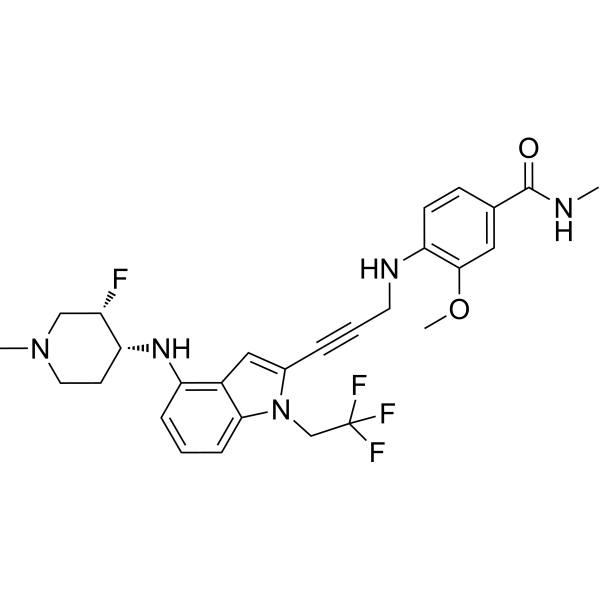
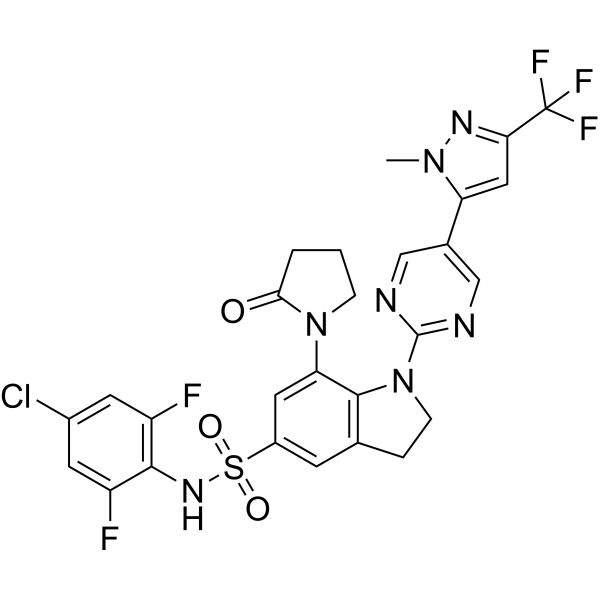
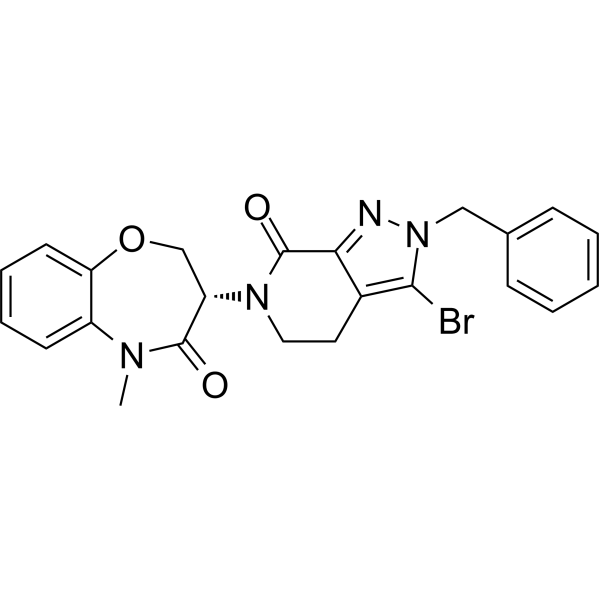
Rezatapopt (PC14586) is an orally active antineoplastic agent. Rezatapopt binds to a pocket created by the TP53 Y220C mutation. Rezatapopt restores p53 tumor suppressor functions by stabilization of the p53 protein structure. Rezatapopt demonstrates tumor inhibition and regression in mouse models with established human tumor xenografts harboring the TP53 Y220C mutation .
GW627368 (GW627368X) is a novel, potent and selective competitive antagonist of prostanoid EP4 receptor with additional humanTP receptor affinity, with pKi values of 7.0 and 6.8 for human prostanoid EP4 and TP receptors respectively .
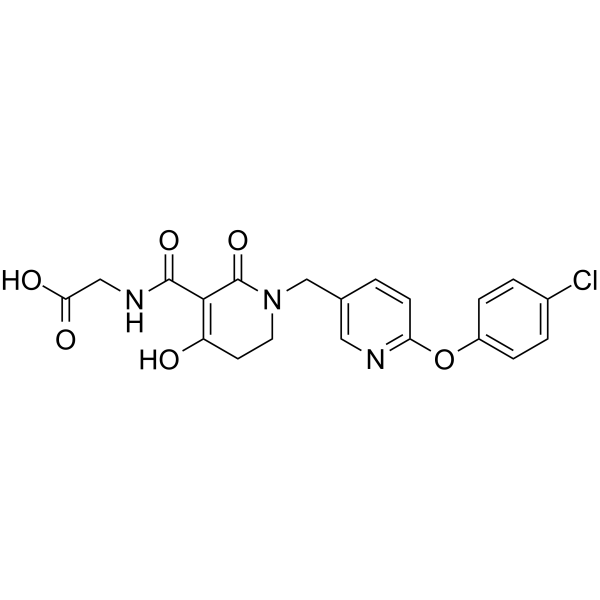
TP0463518 is an orally active, competitive pan-inhibitor of hypoxia-inducible factor prolyl hydroxylases PHD1/2/3. TP0463518 competitively inhibits humanPHD1 (IC50=18 nM), PHD2 (Ki=5.3 nM), and PHD3 (IC50=63 nM), and targets monkey PHD2 with an IC50 of 22 nM. TP0463518 inhibits PHD-catalyzed hydroxylation to stabilize HIFα, thereby upregulating erythropoietin (EPO) expression and enhancing intestinal iron absorption (such as increased DMT-1 and dCYTb expression), improving anemia. TP0463518 is mainly used for the research of renal anemia and inflammatory anemia .
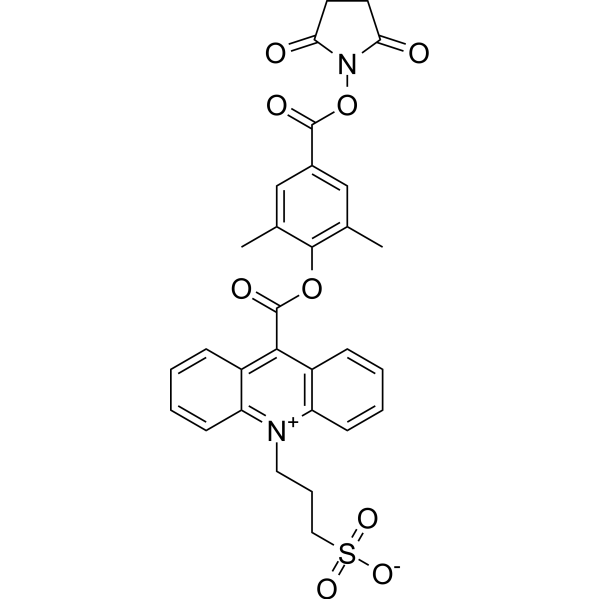
NSP-DMAE-NHS is an acridinium ester-based signal amplifier that can act as a luminescent probe to effectively improve the detection performance of biosensors. NSP-DMAE-NHS preserves the biochemical activity of biomolecules during the conjugation process. NSP-DMAE-NHS has been successfully applied to label mouse anti-humanPI3 monoclonal antibodies for chemiluminescent immunoassays, as well as for pre-competitive chemiluminescent immunochromatographic detection of TP53 fusion proteins. NSP-DMAE-NHS can be used in detection studies of cancer and related biomarkers .
TP-020 (MGAT2-IN-1), a chemical probe, is an orally active inhibitor of monoacylglycerol acyltransferase (MGAT2) with IC50 of 7.8 and 2.4 nM for human and mouse MGAT2, respectively.
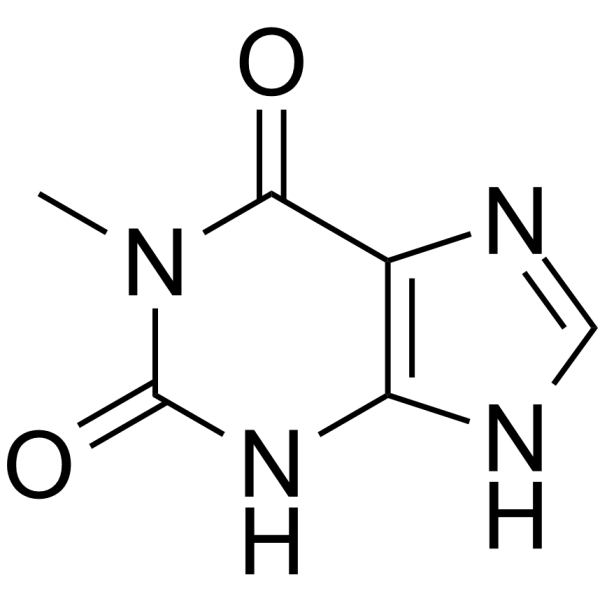
1-Methylxanthine, a caffeine derivative, is an essential human urinary metabolite of caffeine and theophylline (1,3-dimethylxanthine, TP) . 1-Methylxanthine enhances the radiosensitivity of tumor cells .
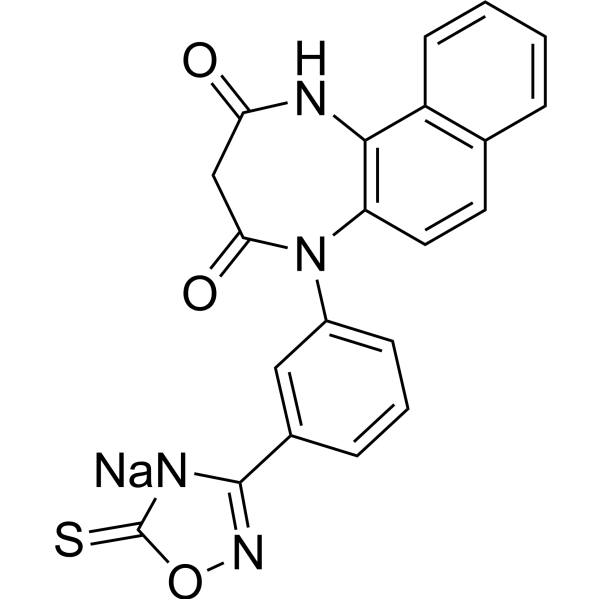
NP-1815-PX sodium is an orally active dual inhibitor of P2X4 and prostaglandin TP receptors, with an IC50 of 0.26 μM against humanP2X4 receptors. NP-1815-PX sodium specifically inhibits ATP-mediated prostaglandin production, TP receptor-induced calcium elevation, and the canonical/non-canonical NLRP3 inflammasome signaling pathway. NP-1815-PX sodium selectively blocks smooth muscle contractions induced by ATP, U46619 (HY-108566) and prostaglandin F2α. NP-1815-PX sodium not only produces anti-allodynic effects in vivo, but also significantly alleviates symptoms of DNBS (HY-W324435)-induced colitis (such as weight loss and tissue damage). NP-1815-PX sodium exerts anti-inflammatory effects by downregulating IL-1β levels and Caspase-1 activity. NP-1815-PX sodium is used in studies related to asthma and inflammatory bowel disease (colitis) .
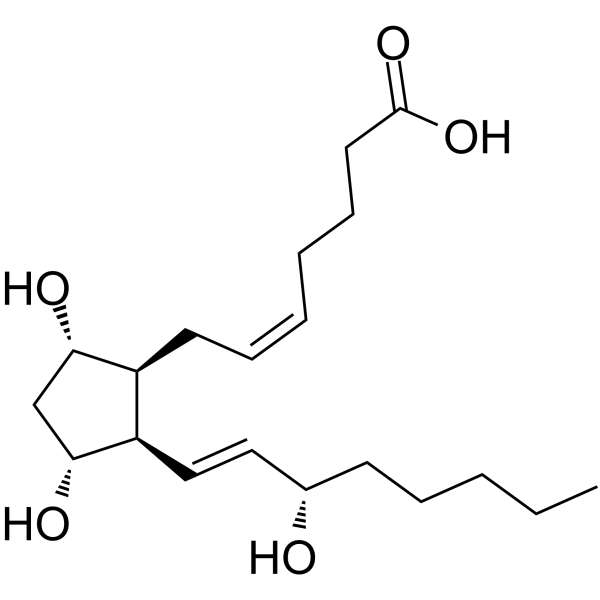
8-Isoprostaglandin F2α is an isoprostane produced by the non-enzymatic peroxidation of arachidonic acid in membrane phospholipids. 8-Isoprostaglandin F2α is present in human plasma in two distinct forms - esterified in phospholipids and as the free acid. 8-Isoprostaglandin F2α is a weak TP receptor agonist in vascular smooth muscle.
Ganciclovir triphosphate (GCV-TP) disodium is a synthetic 2'-deoxyguanosine analog with activity in inhibiting human cytomegalovirus (CMV) replication. Ganciclovir triphosphate disodium is effective against CMV infection by binding to viral DNA polymerase and interfering with viral DNA synthesis. Ganciclovir triphosphate disodium has an IC50 of 0.01 μM against CMV strains from humans, monkeys, mice, and guinea pigs. Ganciclovir triphosphate disodium has also been used in gene-directed enzyme prodrug inhibition for cancer inhibition .
TP receptor antagonist-3 (compound 51280) is a potent thromboxane A2 prostanoid (TP) receptor with an IC50 of 15.7 nM against HumanTP. TP receptor antagonist-3 can be used for alzheimer's disease, cardiovascular and respiratory diseases, and cancer research .
TP53 Human Pre-designed siRNA Set A contains three designed siRNAs for TP53 gene (Human), as well as a negative control, a positive control, and a FAM-labeled negative control.
TP508 is a 23-amino acid nonproteolytic thrombin peptide that represents a portion of the receptor-binding domain of thrombin molecule. TP508 activates endothelial NO synthase (eNOS) and stimulates production of NO in human endothelial cells. TP508 activates endothelial cells and stem cells to revascularize and regenerate tissues .
Ganciclovir triphosphate (GCV-TP) is a synthetic 2'-deoxyguanosine analog with activity in inhibiting human cytomegalovirus (CMV) replication. Ganciclovir triphosphate is effective against CMV infection by binding to viral DNA polymerase and interfering with viral DNA synthesis. Ganciclovir triphosphate has an IC50 of 0.01 μM against CMV strains from humans, monkeys, mice, and guinea pigs. Ganciclovir triphosphate has also been used in gene-directed enzyme prodrug inhibition for cancer inhibition .
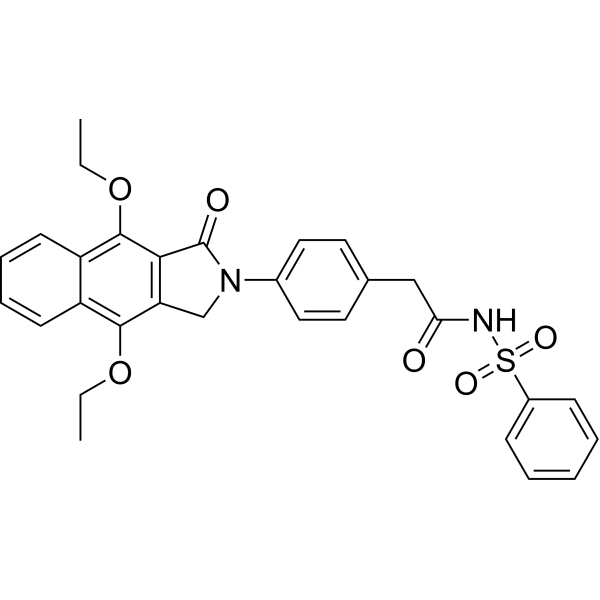
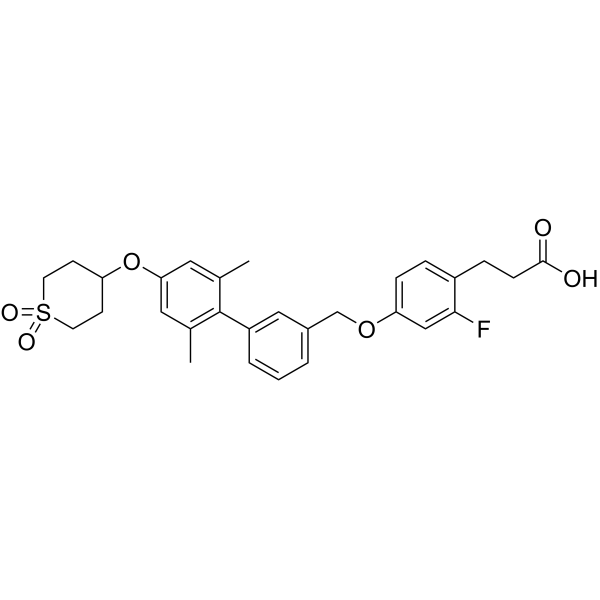
TP-051, a chemical probe, is a potent FFAR1 agonist with an Ki value of 16 nM for human FFAR1. TP-051 can increase insulin secretion in rat insulinoma cells. TP-051 can be used to research type 2 diabetes .
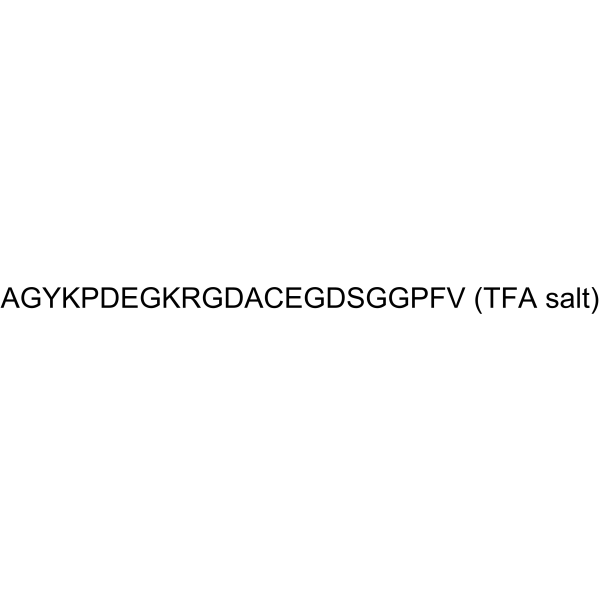
TP508 TFA is a 23-amino acid nonproteolytic thrombin peptide that represents a portion of the receptor-binding domain of thrombin molecule. TP508 TFA activates endothelial NO synthase (eNOS) and stimulates production of NO in human endothelial cells. TP508 TFA activates endothelial cells and stem cells to revascularize and regenerate tissues .
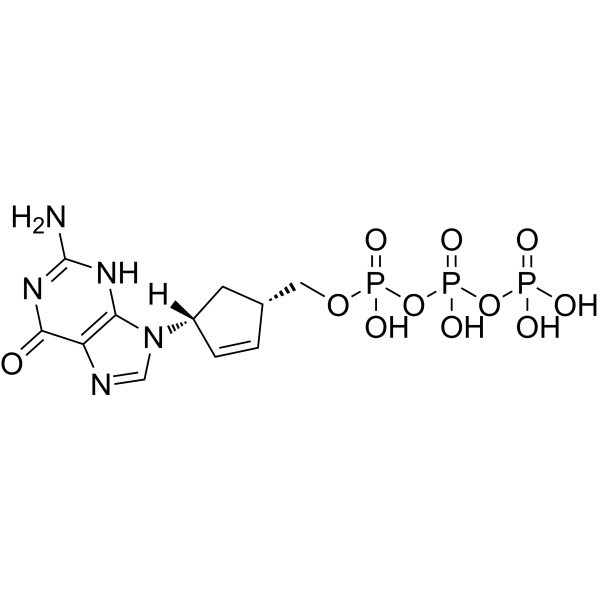
Carbovir triphosphate (CBV-TP) is a phosphorylated metabolite. Carbovir triphosphate can be used for the research of human immunodeficiency virus (HIV) .
CAY10471 Racemate (TM30089 Racemate) is a potent and highly selective prostaglandin D2 receptor CRTH2 antagonist, with a Ki of 0.6 nM for hCRTH2, selective over human thromboxane A2 receptor TP (Ki, >10000 nM) or PGD2 receptor DP (Ki, 1200 nM). CAY10471 Racemate also has effect on mouse and rat orthologs of CRTH2 .
NP-1815-PX is an orally active dual inhibitor of P2X4 and prostaglandin TP receptors, with an IC50 of 0.26 μM against humanP2X4 receptors. NP-1815-PX specifically inhibits ATP-mediated prostaglandin production, TP receptor-induced calcium elevation, and the canonical/non-canonical NLRP3 inflammasome signaling pathway. NP-1815-PX selectively blocks smooth muscle contractions induced by ATP, U46619 (HY-108566) and prostaglandin F2α. NP-1815-PX not only produces anti-allodynic effects in vivo, but also significantly alleviates symptoms of DNBS (HY-W324435)-induced colitis (such as weight loss and tissue damage). NP-1815-PX exerts anti-inflammatory effects by downregulating IL-1β levels and Caspase-1 activity. NP-1815-PX is used in studies related to asthma and inflammatory bowel disease (colitis) .
TP0427736 is a selective inhibitor of ALK5 with an IC50 of 2.72 nM. TP0427736 inhibits Smad2/3 phosphorylation in A549 cells. TP0427736 decreases the growth inhibition of human outer root sheath cells .
1-Methylxanthine- 13C,d3 is the 13C- and deuterium labeled 1-Methylxanthine. 1-Methylxanthine, a caffeine derivative, is an essential human urinary metabolite of caffeine and theophylline (1,3-dimethylxanthine, TP) . 1-Methylxanthine enhances the radiosensitivity of tumor cells .
BM-573 is an orally active dual thromboxane A₂ (TXA₂) modulator with an IC50 of 1.3 nM. BM-573 possesses both thromboxane synthase (TxAS) inhibition and thromboxane receptor (TP) antagonistic effects. BM-573 can completely inhibit platelet aggregation induced by Arachidonic acid (HY-109590) or U-46619 (TXA₂ analogues). BM-573 completely blocks the generation of TXB₂ (the stable metabolite of TXA₂) in human platelets and does not inhibit cyclooxygenase (COX-1/COX-2), thus avoiding interference with other prostaglandin synthesis. BM-573 has an inhibitory effect on U-46619-induced contractions in rat gastric fundus smooth muscle (ED₅₀ = 4.2 μM), but has no effect on contractions caused by PGE₂, PGF₂α, or PGI₂. BM-573 can be used in the study of atherosclerosis, myocardial infarction, pulmonary hypertension and shock .
HumanTP53 mRNA encodes the human tumor protein p53 (TP53) protein, a tumor suppressor protein containing transcriptional activation, DNA binding, and oligomerization domains. TP53 responds to diverse cellular stresses to regulate expression of target genes, thereby inducing cell cycle arrest, apoptosis, senescence, DNA repair, or changes in metabolism.
TP63 Human Pre-designed siRNA Set A contains three designed siRNAs for TP63 gene (Human), as well as a negative control, a positive control, and a FAM-labeled negative control.
TP73 Human Pre-designed siRNA Set A contains three designed siRNAs for TP73 gene (Human), as well as a negative control, a positive control, and a FAM-labeled negative control.
TP53RK Human Pre-designed siRNA Set A contains three designed siRNAs for TP53RK gene (Human), as well as a negative control, a positive control, and a FAM-labeled negative control.
TP53BP1 Human Pre-designed siRNA Set A contains three designed siRNAs for TP53BP1 gene (Human), as well as a negative control, a positive control, and a FAM-labeled negative control.
TP53INP1 Human Pre-designed siRNA Set A contains three designed siRNAs for TP53INP1 gene (Human), as well as a negative control, a positive control, and a FAM-labeled negative control.
TP53I11 Human Pre-designed siRNA Set A contains three designed siRNAs for TP53I11 gene (Human), as well as a negative control, a positive control, and a FAM-labeled negative control.
TP53BP2 Human Pre-designed siRNA Set A contains three designed siRNAs for TP53BP2 gene (Human), as well as a negative control, a positive control, and a FAM-labeled negative control.
TP53I13 Human Pre-designed siRNA Set A contains three designed siRNAs for TP53I13 gene (Human), as well as a negative control, a positive control, and a FAM-labeled negative control.
TP53I3 Human Pre-designed siRNA Set A contains three designed siRNAs for TP53I3 gene (Human), as well as a negative control, a positive control, and a FAM-labeled negative control.
TP53INP2 Human Pre-designed siRNA Set A contains three designed siRNAs for TP53INP2 gene (Human), as well as a negative control, a positive control, and a FAM-labeled negative control.
TP53AIP1 Human Pre-designed siRNA Set A contains three designed siRNAs for TP53AIP1 gene (Human), as well as a negative control, a positive control, and a FAM-labeled negative control.
EP 171 is a TP receptor agonist and human platelet activator. EP 171 can induce constriction of guinea pig trachea, and the constriction can be inhibited by the TP receptor antagonist EP 092. EP 171 binds to TP receptors on intact human platelets with an IC50 of 2.9 nM .
TP-9201 is a platelet glycoprotein (GP) IIb/IIIa receptor antagonist. TP-9201 inhibits the interaction between GPIIb/IIIa and fibrinogen, thereby suppressing platelet aggregation. TP-9201 exhibits similar inhibitory activity on adenosine diphosphate (ADP) (HY-W010918)-induced platelet aggregation in humans, baboons, and dogs (IC50 = 1-3 μM), while showing lower activity in rabbits (IC50 = 45 μM) and rats (IC50 = 20 μM). TP-9201can be used in studies related to the prevention of rethrombosis after arterial thrombolysis .
1-Methylxanthine (Standard) is the analytical standard of 1-Methylxanthine. This product is intended for research and analytical applications. 1-Methylxanthine, a caffeine derivative, is an essential human urinary metabolite of caffeine and theophylline (1,3-dimethylxanthine, TP) . 1-Methylxanthine enhances the radiosensitivity of tumor cells .
1-Methylxanthine-d3 is deuterated labeled 1-Methylxanthine (HY-W008449). 1-Methylxanthine, a caffeine derivative, is an essential human urinary metabolite of caffeine and theophylline (1,3-dimethylxanthine, TP) . 1-Methylxanthine enhances the radiosensitivity of tumor cells .
1-Methylxanthine- 13C4, 15N3 is the 13C-labeled and 15N-labeled 1-Methylxanthine. 1-Methylxanthine, a caffeine derivative, is an essential human urinary metabolite of caffeine and theophylline (1,3-dimethylxanthine, TP) . 1-Methylxanthine enhances the radiosensitivity of tumor cells .
AGN 191976 is a potent and selective thromboxane A2-sensitive (TP) receptor agonist with EC50 values of 0.23 nM and 24 nM in rat aorta and human platelets, respectively. AGN 191976 has potent IOP-lowering effects in dogs and monkeys. AGN 191976 can be used to study vascular biology and the role of thromboxane A2 in vascular function .
8-iso PGF3α is an isoprostane produced from the free-radical peroxidation of EPA. Little is known about the biological activity of 8-iso PGF3α. There is one report that it is inactive in a TP receptor mediated assay of human platelet shape change, where 8-iso PGF2α has an ED50 value of 1 μM.
Prostaglandin D2 methyl ester is a prodrug form of Prostaglandin D2 (HY-101988) that acts as a DPreceptor inhibitor. can be used for research on allergic inflammations .
8-Isoprostaglandin F2α (Standard) is the analytical standard of 8-Isoprostaglandin F2α. This product is intended for research and analytical applications. 8-Isoprostaglandin F2α is an isoprostane produced by the non-enzymatic peroxidation of arachidonic acid in membrane phospholipids. 8-Isoprostaglandin F2α is present in human plasma in two distinct forms - esterified in phospholipids and as the free acid. 8-Isoprostaglandin F2α is a weak TP receptor agonist in vascular smooth muscle.
8-Isoprostaglandin F2α- 13C5 is 13C labeled 8-Isoprostaglandin F2α (HY-113209). 8-Isoprostaglandin F2α is an isoprostane produced by the non-enzymatic peroxidation of arachidonic acid in membrane phospholipids. 8-Isoprostaglandin F2α is present in human plasma in two distinct forms - esterified in phospholipids and as the free acid. 8-Isoprostaglandin F2α is a weak TP receptor agonist in vascular smooth muscle.
8-iso Prostaglandin F2α-d9 is the deuterium labeled 8-Isoprostaglandin F2α. 8-Isoprostaglandin F2α is an isoprostane produced by the non-enzymatic peroxidation of arachidonic acid in membrane phospholipids. 8-Isoprostaglandin F2α is present in human plasma in two distinct forms - esterified in phospholipids and as the free acid. 8-Isoprostaglandin F2α is a weak TP receptor agonist in vascular smooth muscle.
TP-020 (Standard) (MGAT2-IN-1 (Standard)) is the analytical standard of TP-020 (HY-101857). This product is intended for research and analytical applications. TP-020 (MGAT2-IN-1), a chemical probe, is an orally active inhibitor of monoacylglycerol acyltransferase (MGAT2) with IC50 of 7.8 and 2.4 nM for human and mouse MGAT2, respectively.
AL-6556 is a full agonist of the DP receptor and a partial agonist of the EP2 receptor. AL-6556 has an EC50 of 799 nM for bovine DP, a Ki of 3200 nM for humanDP, and an EC50 of 1180 nM for humanEP2, with selectivity over EP3, FP, IP, TP and 19 non-prostaglandin receptors. AL-6556 stimulates cAMP production via receptor activation and reduces intraocular pressure through aqueous humor inflow and outflow mechanisms. AL-6556 can be used in research related to ocular hypertension and glaucoma .
AGN 225660 is a multi-prostanoid receptor antagonist with humanIC50 values of 70, 70, 5, 220 and 180 nM for EP1, EP4, TP, DP1, FP.AGN 225660 inhibits secretion of RANTES, IL-8, MCP-1, IL-12p70, and IL-23. AGN 225660 exhibits good ocular bioavailability and reduces ocular inflammation linked to phacoemulsification surgery and uveitis .
TP508 is a 23-amino acid nonproteolytic thrombin peptide that represents a portion of the receptor-binding domain of thrombin molecule. TP508 activates endothelial NO synthase (eNOS) and stimulates production of NO in human endothelial cells. TP508 activates endothelial cells and stem cells to revascularize and regenerate tissues .
TP508 TFA is a 23-amino acid nonproteolytic thrombin peptide that represents a portion of the receptor-binding domain of thrombin molecule. TP508 TFA activates endothelial NO synthase (eNOS) and stimulates production of NO in human endothelial cells. TP508 TFA activates endothelial cells and stem cells to revascularize and regenerate tissues .
1-Methylxanthine, a caffeine derivative, is an essential human urinary metabolite of caffeine and theophylline (1,3-dimethylxanthine, TP) . 1-Methylxanthine enhances the radiosensitivity of tumor cells .
8-Isoprostaglandin F2α is an isoprostane produced by the non-enzymatic peroxidation of arachidonic acid in membrane phospholipids. 8-Isoprostaglandin F2α is present in human plasma in two distinct forms - esterified in phospholipids and as the free acid. 8-Isoprostaglandin F2α is a weak TP receptor agonist in vascular smooth muscle.
1-Methylxanthine (Standard) is the analytical standard of 1-Methylxanthine. This product is intended for research and analytical applications. 1-Methylxanthine, a caffeine derivative, is an essential human urinary metabolite of caffeine and theophylline (1,3-dimethylxanthine, TP) . 1-Methylxanthine enhances the radiosensitivity of tumor cells .
8-Isoprostaglandin F2α (Standard) is the analytical standard of 8-Isoprostaglandin F2α. This product is intended for research and analytical applications. 8-Isoprostaglandin F2α is an isoprostane produced by the non-enzymatic peroxidation of arachidonic acid in membrane phospholipids. 8-Isoprostaglandin F2α is present in human plasma in two distinct forms - esterified in phospholipids and as the free acid. 8-Isoprostaglandin F2α is a weak TP receptor agonist in vascular smooth muscle.
CD7 Protein, with an elusive function, interacts with SECTM1, implying involvement in SECTM1-related cellular processes. Further research is essential to uncover the specific functions and molecular pathways in which CD7 intricately participates. The current lack of detailed information emphasizes the ongoing exploration needed to elucidate CD7's functional significance and its interplay with SECTM1 in cellular contexts. CD7 Protein, Human (HEK293, hFc) is the recombinant human-derived CD7 protein, expressed by HEK293 , with C-hFc labeled tag.
CD7 Protein, with an elusive function, interacts with SECTM1, implying involvement in SECTM1-related cellular processes. Further research is essential to uncover the specific functions and molecular pathways in which CD7 intricately participates. The current lack of detailed information emphasizes the ongoing exploration needed to elucidate CD7's functional significance and its interplay with SECTM1 in cellular contexts. FITC-Labeled CD7 Protein, Human (HEK293, Fc) is the recombinant human-derived FITC-Labeled CD7 protein, expressed by HEK293 , with Fc labeled tag.
CD7 Protein, with an elusive function, interacts with SECTM1, implying involvement in SECTM1-related cellular processes. Further research is essential to uncover the specific functions and molecular pathways in which CD7 intricately participates. The current lack of detailed information emphasizes the ongoing exploration needed to elucidate CD7's functional significance and its interplay with SECTM1 in cellular contexts. FITC-Labeled CD7 Protein, Human (HEK293, His) is the recombinant human-derived FITC-Labeled CD7 protein, expressed by HEK293 , with His labeled tag.
CD7 Protein, with an elusive function, interacts with SECTM1, implying involvement in SECTM1-related cellular processes. Further research is essential to uncover the specific functions and molecular pathways in which CD7 intricately participates. The current lack of detailed information emphasizes the ongoing exploration needed to elucidate CD7's functional significance and its interplay with SECTM1 in cellular contexts. CD7 Protein, Human (HEK293, Llama Fc) is the recombinant human-derived CD7 protein, expressed by HEK293, with C-Llama Fc labeled tag.
CD7 Protein, with an elusive function, interacts with SECTM1, implying involvement in SECTM1-related cellular processes. Further research is essential to uncover the specific functions and molecular pathways in which CD7 intricately participates. The current lack of detailed information emphasizes the ongoing exploration needed to elucidate CD7's functional significance and its interplay with SECTM1 in cellular contexts. CD7 Protein, Human (HEK293, His-Avi) is the recombinant human-derived CD7 protein, expressed by HEK293 , with C-Avi, C-His labeled tag.
CD7 Protein, with an elusive function, interacts with SECTM1, implying involvement in SECTM1-related cellular processes. Further research is essential to uncover the specific functions and molecular pathways in which CD7 intricately participates. The current lack of detailed information emphasizes the ongoing exploration needed to elucidate CD7's functional significance and its interplay with SECTM1 in cellular contexts. FITC-Labeled CD7 Protein, Human (HEK293, Llama IgG2b Fc) is the recombinant human-derived FITC-Labeled CD7 protein, expressed by HEK293 , with Fc labeled tag.
The p63/TP73L protein is a sequence-specific DNA-binding transcriptional regulator that exhibits diverse activities through its isoforms. Isoform 2 activates RIPK4 transcription, and binding of this protein to TP73/p73 initiates p53/TP53-dependent apoptosis in response to genotoxic stress. p63/TP73L Protein, Human (sf9, His-GST) is the recombinant human-derived p63/TP73L protein, expressed by Sf9 insect cells , with N-His, N-GST labeled tag.
The CD6 protein is located on the outer membrane of T lymphocytes and other immune cells. It has three cysteine-rich scavenger receptor (SRCR) domains and a binding site for activated leukocyte cell adhesion molecules. CD6 Protein, Human (HEK293, His) is the recombinant human-derived CD6 protein, expressed by HEK293 , with C-His labeled tag.
The CD28 protein is critical for T cell activation, enhancing proliferation, cytokine production, and survival. When linked to TCR/CD3 and CD40L, CD28 promotes the production of IL4 and IL10, thereby regulating immune responses. CD28 Protein, Human/Cynomolgus/Rhesus Macaque (HEK293, His) is the recombinant human-derived CD28 protein, expressed by HEK293 , with N-6*His labeled tag.
PIG3 is a key player in cellular processes, functioning as an enzyme that catalyzes NADPH-dependent quinone reduction. It exhibits moderate enzymatic activity towards β-naphthoquinone, with the para -quinone isomer (1,2-β-naphthoquinone) compared to the para -isomer (1,4-β-naphthoquinone). Obvious preference. PIG3 Protein, Human (His) is the recombinant human-derived PIG3 protein, expressed by E. coli , with N-6*His labeled tag.
Thymopoietin protein critically directs nuclear lamina assembly and maintains structural organization in the nuclear envelope. It is considered a potential receptor that attaches lamina fibrils to the inner nuclear membrane, where it anchors key structural components. Thymopoietin Protein, Human (His) is the recombinant human-derived Thymopoietin protein, expressed by E. coli , with C-6*His labeled tag.
The CD28 protein is critical for T cell activation, enhancing proliferation, cytokine production, and survival. When linked to TCR/CD3 and CD40L, CD28 promotes the production of IL4 and IL10, thereby regulating immune responses. CD28 Protein, Human/Cynomolgus/Rhesus Macaque (Biotinylated, HEK293, Fc-Avi) is the recombinant human, cynomolgus-derived CD28 protein, expressed by HEK293 , with C-Avi, C-hFc labeled tag.
CD28 Protein, Human/Cynomolgus/Rhesus Macaque (HEK293, hFc) is a polypeptide chain with the C-terminal human IgG1 Fc fragment produced in HEK293 cells. CD28, a T cell costimulatory receptor, is a primary target for PD-1-mediated inhibition.
TIGAR is a protein that helps cells survive stress by regulating glycolysis and promoting cell survival. It reduces reactive oxygen species (ROS) levels and protects against oxidative damage. TIGAR also plays a role in promoting tissue regeneration and has neuroprotective effects. In cancer cells, TIGAR promotes DNA repair and is involved in tumor progression. TIGAR Protein, Human (TAT) is the recombinant human-derived TIGAR protein, expressed by E. coli , with C-TAT labeled tag.
The CD28 protein is critical for T cell activation, enhancing proliferation, cytokine production, and survival. When linked to TCR/CD3 and CD40L, CD28 promotes the production of IL4 and IL10, thereby regulating immune responses. CD28 Protein, Human/Cynomolgus/Rhesus Macaque (HEK293, mFc) is the recombinant cynomolgus-derived CD28 protein, expressed by HEK293 , with N-mFc labeled tag.
The LCN1/Lipocalin-1 protein may be involved in taste reception and contribute to the concentration and transport of taste molecules in the taste system. LCN1/Lipocalin-1 Protein, Human (HEK293, His) is the recombinant human-derived LCN1/Lipocalin-1 protein, expressed by HEK293 , with C-His labeled tag.
OAF proteins are important members of the OAF family and play critical but not yet fully elucidated roles in cellular processes. As part of this family, OAFs contribute to intracellular functions and are continually being explored for their specific functions. OAF Protein, Human (HEK293, His) is the recombinant human-derived OAF protein, expressed by HEK293 , with C-His labeled tag.
GAMT protein uses S-adenosylmethionine as a methyl donor to catalyze the conversion of guanidinoacetic acid into creatine, playing a key role in cell metabolism. This enzyme activity is essential for the biosynthesis of creatine, a compound necessary for cellular energy storage and transport. GAMT Protein, Human (His) is the recombinant human-derived GAMT protein, expressed by E. coli , with N-6*His, C-6*His labeled tag.
The CD6 protein is a cell adhesion molecule that mediates cell-cell contacts and regulates T cell responses through interaction with ALCAM/CD166. It functions as a costimulatory molecule, promoting T cell activation, proliferation, and contributing to the formation of immune synapses. CD6 Protein, Human (HEK293, Fc) is the recombinant human-derived CD6 protein, expressed by HEK293 , with C-hFc labeled tag.
The CD28 protein is critical for T cell activation, enhancing proliferation, cytokine production, and survival. When linked to TCR/CD3 and CD40L, CD28 promotes the production of IL4 and IL10, thereby regulating immune responses. CD28 Protein, Human/Cynomolgus/Rhesus Macaque (HEK293) is the recombinant human-derived CD28 protein, expressed by HEK293 , with tag free.
The cellular tumor antigen P53/TP53 is a tumor suppressor that can induce growth arrest or apoptosis in a variety of tumor types. It regulates the cell cycle by negatively controlling genes critical for division. Cellular tumor antigen P53/TP53, Human (His-SUMO) is the recombinant human-derived Cellular tumor antigen P53/TP53, expressed by E. coli , with N-SUMO, N-6*His labeled tag.
PITPNA Protein catalyzes phosphatidylinositol (PI) and phosphatidylcholine (PC) transfer between membranes, displaying a preference for shorter saturated or monosaturated acyl chains at sn-1 and sn-2 positions. For PC, the preference order is C16:1 > C16:0 > C18:1 > C18:0 > C20:4, and for PI, it is C16:1 > C16:0 > C18:1 > C18:0 > C20:4 > C20:3. PITPNA Protein, Human (His) is the recombinant human-derived PITPNA protein, expressed by E. coli , with N-6*His labeled tag.
The CD28 protein is critical for T cell activation, enhancing proliferation, cytokine production, and survival. When linked to TCR/CD3 and CD40L, CD28 promotes the production of IL4 and IL10, thereby regulating immune responses. CD28 Protein, Human/Cynomolgus/Rhesus Macaque (HEK293, C-His) is the recombinant Rhesus Macaque, cynomolgus-derived CD28 protein, expressed by HEK293 , with C-His labeled tag.
The CD28 protein is critical for T cell activation, enhancing proliferation, cytokine production, and survival. When linked to TCR/CD3 and CD40L, CD28 promotes the production of IL4 and IL10, thereby regulating immune responses. CD28 Protein, Human/Cynomolgus/Rhesus Macaque (HEK293, His-Avi) is the recombinant cynomolgus-derived CD28 protein, expressed by HEK293 , with N-His, N-Avi labeled tag.
HADHB protein is an important component of mitochondrial trifunctional enzymes and directs three decisive reactions in the mitochondrial β-oxidation pathway. This pathway is critical for generating energy across tissues, breaking down long-chain fatty acids into acetyl-CoA. HADHB Protein, Human (GST) is the recombinant human-derived HADHB protein, expressed by E. coli , with N-GST labeled tag.
The CD28 protein is critical for T cell activation, enhancing proliferation, cytokine production, and survival. When linked to TCR/CD3 and CD40L, CD28 promotes the production of IL4 and IL10, thereby regulating immune responses. CD28 Protein, Human/Cynomolgus/Rhesus Macaque (Biotinylated, HEK293, His-Avi) is the recombinant cynomolgus, human-derived CD28 protein, expressed by HEK293 , with N-His, N-Avi labeled tag.
The CD26/dipeptidyl peptidase 4 protein is a cell surface glycoprotein receptor that induces T cell proliferation and NF-kappa-B activation. CD26 also works with FAP to promote pericellular proteolysis, endothelial cell migration, and invasion of the extracellular matrix. CD26/Dipeptidyl Peptidase 4 Protein, Human (HEK293) is the recombinant human-derived CD26/Dipeptidyl Peptidase 4 protein, expressed by HEK293 , with tag free.
CD7 Protein, with an elusive function, interacts with SECTM1, implying involvement in SECTM1-related cellular processes. Further research is essential to uncover the specific functions and molecular pathways in which CD7 intricately participates. The current lack of detailed information emphasizes the ongoing exploration needed to elucidate CD7's functional significance and its interplay with SECTM1 in cellular contexts. CD7 Protein, Human (HEK293, His) is the recombinant human-derived CD7 protein, expressed by HEK293 , with C-6*His labeled tag.
The CD26/dipeptidyl peptidase 4 protein is a cell surface glycoprotein receptor that induces T cell proliferation and NF-kappa-B activation. CD26 also works with FAP to promote pericellular proteolysis, endothelial cell migration, and invasion of the extracellular matrix. CD26/Dipeptidyl Peptidase 4 Protein, Human (HEK293, Fc) is the recombinant human-derived CD26/Dipeptidyl Peptidase 4 protein, expressed by HEK293 , with N-hFc labeled tag.
CD7 Protein, with an elusive function, interacts with SECTM1, implying involvement in SECTM1-related cellular processes. Further research is essential to uncover the specific functions and molecular pathways in which CD7 intricately participates. The current lack of detailed information emphasizes the ongoing exploration needed to elucidate CD7's functional significance and its interplay with SECTM1 in cellular contexts. CD7 Protein, Human (Biotinylated, HEK293, His-Avi) is the recombinant human-derived CD7 protein, expressed by HEK293 , with C-Avi, C-6*His labeled tag.
The TMED1 protein may facilitate vesicular protein trafficking in the early secretory pathway, acting as a cargo receptor on the luminal side to incorporate secretory cargo into transport vesicles. It is involved in the formation of the vesicle shell on the cytoplasmic side and positively affects IL-33-mediated IL-8 and IL-6 production by interacting with IL1RL1. TMED1 Protein, Human (HEK293, His) is the recombinant human-derived TMED1 protein, expressed by HEK293 , with C-10*His labeled tag.
The TMED1 protein may facilitate vesicular protein trafficking in the early secretory pathway, acting as a cargo receptor on the luminal side to incorporate secretory cargo into transport vesicles. It is involved in the formation of the vesicle shell on the cytoplasmic side and positively affects IL-33-mediated IL-8 and IL-6 production by interacting with IL1RL1. TMED1 Protein, Human (HEK293, Fc) is the recombinant human-derived TMED1 protein, expressed by HEK293 , with C-hFc labeled tag.
1-Methylxanthine- 13C,d3 is the 13C- and deuterium labeled 1-Methylxanthine. 1-Methylxanthine, a caffeine derivative, is an essential human urinary metabolite of caffeine and theophylline (1,3-dimethylxanthine, TP) . 1-Methylxanthine enhances the radiosensitivity of tumor cells .
1-Methylxanthine-d3 is deuterated labeled 1-Methylxanthine (HY-W008449). 1-Methylxanthine, a caffeine derivative, is an essential human urinary metabolite of caffeine and theophylline (1,3-dimethylxanthine, TP) . 1-Methylxanthine enhances the radiosensitivity of tumor cells .
1-Methylxanthine- 13C4, 15N3 is the 13C-labeled and 15N-labeled 1-Methylxanthine. 1-Methylxanthine, a caffeine derivative, is an essential human urinary metabolite of caffeine and theophylline (1,3-dimethylxanthine, TP) . 1-Methylxanthine enhances the radiosensitivity of tumor cells .
8-Isoprostaglandin F2α- 13C5 is 13C labeled 8-Isoprostaglandin F2α (HY-113209). 8-Isoprostaglandin F2α is an isoprostane produced by the non-enzymatic peroxidation of arachidonic acid in membrane phospholipids. 8-Isoprostaglandin F2α is present in human plasma in two distinct forms - esterified in phospholipids and as the free acid. 8-Isoprostaglandin F2α is a weak TP receptor agonist in vascular smooth muscle.
8-iso Prostaglandin F2α-d9 is the deuterium labeled 8-Isoprostaglandin F2α. 8-Isoprostaglandin F2α is an isoprostane produced by the non-enzymatic peroxidation of arachidonic acid in membrane phospholipids. 8-Isoprostaglandin F2α is present in human plasma in two distinct forms - esterified in phospholipids and as the free acid. 8-Isoprostaglandin F2α is a weak TP receptor agonist in vascular smooth muscle.
Beta Actin Antibody is a non-conjugated and Mouse origined IgG1 monoclonal antibody, targeting to Beta Actin. It can be used as a loading control antibody.
alpha isozyme; ATP hydrolyzing DNA topoisomerase II alfa; DNA gyrase; DNA topoisomerase; ATP hydrolyzing; DNA topoisomerase 2 alpha; DNA topoisomerase 2-alpha; DNA topoisomerase II 170 kD; DNA topoisomerase II alpha isozyme; DNA topoisomerase II; DNA Topoisomerase2; TOP 2A; TOP2; TOP2A; TOP2A_Human; Topoisomerase DNA II alpha 170 kDa; TP2A
IHC-P, WB, ICC/IF, ELISA
Human, Mouse, Rat
Topoisomerase II alpha Antibody (YA5621) is a Mouse-derived and non-conjugated IgG1 monoclonal antibody, targeting to Topoisomerase II alpha.
TP53 Human Pre-designed siRNA Set A contains three designed siRNAs for TP53 gene (Human), as well as a negative control, a positive control, and a FAM-labeled negative control.
HumanTP53 mRNA encodes the human tumor protein p53 (TP53) protein, a tumor suppressor protein containing transcriptional activation, DNA binding, and oligomerization domains. TP53 responds to diverse cellular stresses to regulate expression of target genes, thereby inducing cell cycle arrest, apoptosis, senescence, DNA repair, or changes in metabolism.
TP63 Human Pre-designed siRNA Set A contains three designed siRNAs for TP63 gene (Human), as well as a negative control, a positive control, and a FAM-labeled negative control.
TP73 Human Pre-designed siRNA Set A contains three designed siRNAs for TP73 gene (Human), as well as a negative control, a positive control, and a FAM-labeled negative control.
TP53RK Human Pre-designed siRNA Set A contains three designed siRNAs for TP53RK gene (Human), as well as a negative control, a positive control, and a FAM-labeled negative control.
TP53BP1 Human Pre-designed siRNA Set A contains three designed siRNAs for TP53BP1 gene (Human), as well as a negative control, a positive control, and a FAM-labeled negative control.
TP53INP1 Human Pre-designed siRNA Set A contains three designed siRNAs for TP53INP1 gene (Human), as well as a negative control, a positive control, and a FAM-labeled negative control.
TP53I11 Human Pre-designed siRNA Set A contains three designed siRNAs for TP53I11 gene (Human), as well as a negative control, a positive control, and a FAM-labeled negative control.
TP53BP2 Human Pre-designed siRNA Set A contains three designed siRNAs for TP53BP2 gene (Human), as well as a negative control, a positive control, and a FAM-labeled negative control.
TP53I13 Human Pre-designed siRNA Set A contains three designed siRNAs for TP53I13 gene (Human), as well as a negative control, a positive control, and a FAM-labeled negative control.
TP53I3 Human Pre-designed siRNA Set A contains three designed siRNAs for TP53I3 gene (Human), as well as a negative control, a positive control, and a FAM-labeled negative control.
TP53INP2 Human Pre-designed siRNA Set A contains three designed siRNAs for TP53INP2 gene (Human), as well as a negative control, a positive control, and a FAM-labeled negative control.
TP53AIP1 Human Pre-designed siRNA Set A contains three designed siRNAs for TP53AIP1 gene (Human), as well as a negative control, a positive control, and a FAM-labeled negative control.
Inquiry Online
Your information is safe with us. * Required Fields.
Western blot analysis of extracts from THP-1(lane 2(20μg), Jurkat (lane 3(20μg) and NIH3T3(lane 4(20μg) using FOXO1A (HY-P80132) Rabbit mAb. Proteins were transferred
to a PVDF membrane and blocked with 5% non-fat milk in TBST for 2 hour at room temperature. The primary antibody (1/1000) and Loading control antibody (Beta Actin, HY-P80438, 1/10000) was
used in 5% non-fat milk in TBST at 4°C overnight. Goat Anti-Mouse/Rabbit IgG-HRP Secondary Antibody (1/10000) was used for 1 hour at room temperature.
Western blot analysis of extracts from THP-1(lane 2(20μg), Jurkat (lane 3(20μg) and NIH3T3(lane 4(20μg) using FOXO1A (HY-P80132) Rabbit mAb. Proteins were transferred
to a PVDF membrane and blocked with 5% non-fat milk in TBST for 2 hour at room temperature. The primary antibody (1/1000) and Loading control antibody (Beta Actin, HY-P80438, 1/10000) was
used in 5% non-fat milk in TBST at 4°C overnight. Goat Anti-Mouse/Rabbit IgG-HRP Secondary Antibody (1/10000) was used for 1 hour at room temperature.
Western blot analysis of extracts from THP-1(lane 2(20μg), Jurkat (lane 3(20μg) and NIH3T3(lane 4(20μg) using FOXO1A (HY-P80132) Rabbit mAb. Proteins were transferred
to a PVDF membrane and blocked with 5% non-fat milk in TBST for 2 hour at room temperature. The primary antibody (1/1000) and Loading control antibody (Beta Actin, HY-P80438, 1/10000) was
used in 5% non-fat milk in TBST at 4°C overnight. Goat Anti-Mouse/Rabbit IgG-HRP Secondary Antibody (1/10000) was used for 1 hour at room temperature.
Western blot analysis of extracts from THP-1(lane 2(20μg), Jurkat (lane 3(20μg) and NIH3T3(lane 4(20μg) using FOXO1A (HY-P80132) Rabbit mAb. Proteins were transferred
to a PVDF membrane and blocked with 5% non-fat milk in TBST for 2 hour at room temperature. The primary antibody (1/1000) and Loading control antibody (Beta Actin, HY-P80438, 1/10000) was
MedchemExpress Validation 03
Western blot analysis of extracts from THP-1(lane 2(20μg), Jurkat (lane 3(20μg) and NIH3T3(lane 4(20μg) using FOXO1A (HY-P80132) Rabbit mAb. Proteins were transferred
MedchemExpress Validation 04
Western blot analysis of extracts from THP-1(lane 2(20μg), Jurkat (lane 3(20μg) and NIH3T3(lane 4(20μg) using FOXO1A (HY-P80132) Rabbit mAb. Proteins were transferred
to a PVDF membrane and blocked with 5% non-fat milk in TBST for 2 hour at room temperature. The primary antibody (1/1000) and Loading control antibody (Beta Actin, HY-P80438, 1/10000) was
used in 5% non-fat milk in TBST at 4°C overnight. Goat Anti-Mouse/Rabbit IgG-HRP Secondary Antibody (1/10000) was used for 1 hour at room temperature.
MedchemExpress Validation
Western blot analysis of extracts from THP-1(lane 2(20μg), Jurkat (lane 3(20μg) and NIH3T3(lane 4(20μg) using FOXO1A (HY-P80132) Rabbit mAb. Proteins were transferred
to a PVDF membrane and blocked with 5% non-fat milk in TBST for 2 hour at room temperature. The primary antibody (1/1000) and Loading control antibody (Beta Actin, HY-P80438, 1/10000) was
used in 5% non-fat milk in TBST at 4°C overnight. Goat Anti-Mouse/Rabbit IgG-HRP Secondary Antibody (1/10000) was used for 1 hour at room temperature.
Western blot analysis of extracts from THP-1(lane 2(20μg), Jurkat (lane 3(20μg) and NIH3T3(lane 4(20μg) using FOXO1A (HY-P80132) Rabbit mAb. Proteins were transferred
to a PVDF membrane and blocked with 5% non-fat milk in TBST for 2 hour at room temperature. The primary antibody (1/1000) and Loading control antibody (Beta Actin, HY-P80438, 1/10000) was
used in 5% non-fat milk in TBST at 4°C overnight. Goat Anti-Mouse/Rabbit IgG-HRP Secondary Antibody (1/10000) was used for 1 hour at room temperature.
MedchemExpress Validation
Western blot analysis of extracts from THP-1(lane 2(20μg), Jurkat (lane 3(20μg) and NIH3T3(lane 4(20μg) using FOXO1A (HY-P80132) Rabbit mAb. Proteins were transferred
to a PVDF membrane and blocked with 5% non-fat milk in TBST for 2 hour at room temperature. The primary antibody (1/1000) and Loading control antibody (Beta Actin, HY-P80438, 1/10000) was
used in 5% non-fat milk in TBST at 4°C overnight. Goat Anti-Mouse/Rabbit IgG-HRP Secondary Antibody (1/10000) was used for 1 hour at room temperature.
MedchemExpress Validation
Western blot analysis of extracts from THP-1(lane 2(20μg), Jurkat (lane 3(20μg) and NIH3T3(lane 4(20μg) using FOXO1A (HY-P80132) Rabbit mAb. Proteins were transferred
to a PVDF membrane and blocked with 5% non-fat milk in TBST for 2 hour at room temperature. The primary antibody (1/1000) and Loading control antibody (Beta Actin, HY-P80438, 1/10000) was
used in 5% non-fat milk in TBST at 4°C overnight. Goat Anti-Mouse/Rabbit IgG-HRP Secondary Antibody (1/10000) was used for 1 hour at room temperature.
MedchemExpress Validation
Western blot analysis of extracts from THP-1(lane 2(20μg), Jurkat (lane 3(20μg) and NIH3T3(lane 4(20μg) using FOXO1A (HY-P80132) Rabbit mAb. Proteins were transferred
to a PVDF membrane and blocked with 5% non-fat milk in TBST for 2 hour at room temperature. The primary antibody (1/1000) and Loading control antibody (Beta Actin, HY-P80438, 1/10000) was
used in 5% non-fat milk in TBST at 4°C overnight. Goat Anti-Mouse/Rabbit IgG-HRP Secondary Antibody (1/10000) was used for 1 hour at room temperature.
MedchemExpress Validation
Western blot analysis of extracts from THP-1(lane 2(20μg), Jurkat (lane 3(20μg) and NIH3T3(lane 4(20μg) using FOXO1A (HY-P80132) Rabbit mAb. Proteins were transferred
to a PVDF membrane and blocked with 5% non-fat milk in TBST for 2 hour at room temperature. The primary antibody (1/1000) and Loading control antibody (Beta Actin, HY-P80438, 1/10000) was
used in 5% non-fat milk in TBST at 4°C overnight. Goat Anti-Mouse/Rabbit IgG-HRP Secondary Antibody (1/10000) was used for 1 hour at room temperature.
MedchemExpress Validation
Western blot analysis of extracts from THP-1(lane 2(20μg), Jurkat (lane 3(20μg) and NIH3T3(lane 4(20μg) using FOXO1A (HY-P80132) Rabbit mAb. Proteins were transferred
to a PVDF membrane and blocked with 5% non-fat milk in TBST for 2 hour at room temperature. The primary antibody (1/1000) and Loading control antibody (Beta Actin, HY-P80438, 1/10000) was
used in 5% non-fat milk in TBST at 4°C overnight. Goat Anti-Mouse/Rabbit IgG-HRP Secondary Antibody (1/10000) was used for 1 hour at room temperature.
MedchemExpress Validation
Western blot analysis of extracts from THP-1(lane 2(20μg), Jurkat (lane 3(20μg) and NIH3T3(lane 4(20μg) using FOXO1A (HY-P80132) Rabbit mAb. Proteins were transferred
to a PVDF membrane and blocked with 5% non-fat milk in TBST for 2 hour at room temperature. The primary antibody (1/1000) and Loading control antibody (Beta Actin, HY-P80438, 1/10000) was
used in 5% non-fat milk in TBST at 4°C overnight. Goat Anti-Mouse/Rabbit IgG-HRP Secondary Antibody (1/10000) was used for 1 hour at room temperature.
MedChemExpress values your privacy and your trust is important to us. We use cookies to enhance your website experience. Some cookies are necessary to run the website.
Privacy and Cookie Policy

