



Delivery of temperature sensitive items including proteins and kits will be paused on 6/19 for the Juneteenth holiday. For urgent orders please contact customer service.
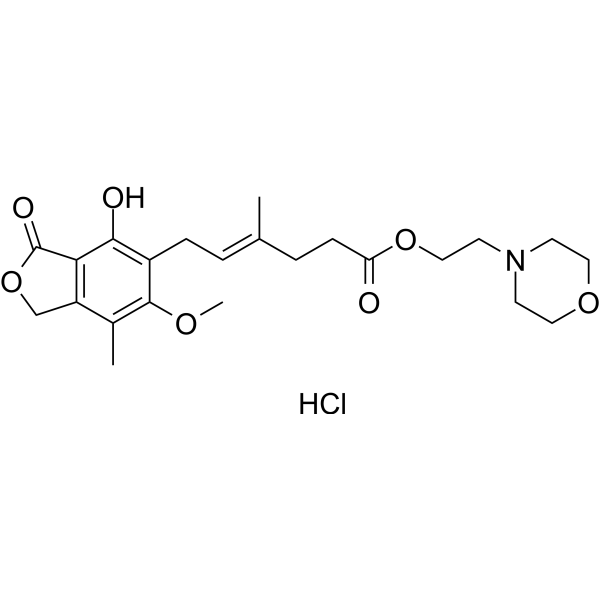
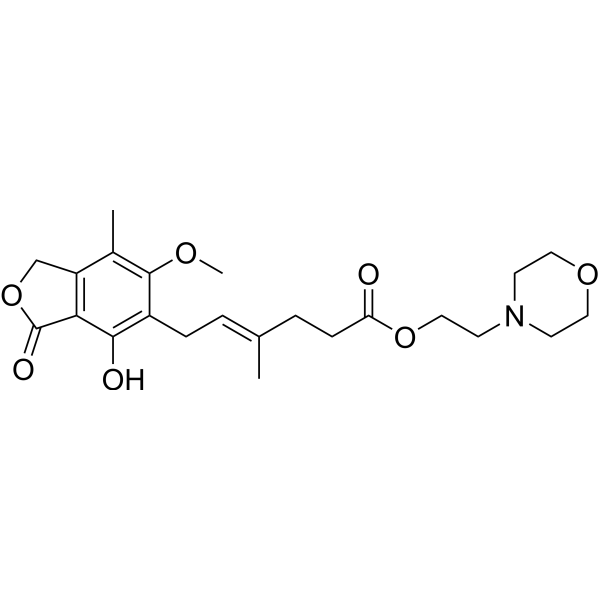
Mycophenolate mofetil (RS 61443; TM-MMF) hydrochloride is an orally active antimetabolic immunosuppressant with antiproliferative and anti-inflammatory properties. Mycophenolate mofetil hydrochloride significantly inhibits the production of B, T lymphocytes and the proliferation of smooth muscle cells by selectively blocking the de novo purine synthesis pathway. Mycophenolate mofetil hydrochloride effectively reduces adventitial inflammation, medial necrosis and intimal thickening in rat aortic allografts, and decreases the number of lymphocytes expressing the IL-2receptor, thereby delaying xenograft rejection. Mycophenolate mofetil hydrochloride shows certain toxicity in a hamster-to-rat limb xenotransplantation model when used in combination with FK506 (HY-13756). Mycophenolate mofetil hydrochloride is widely used in studies related to allograft arteriosclerosis (chronic rejection) .
Ordesekimab (AMG 714; PRV-015) is a fully human IgG1κ anti-IL-15 (Interleukin Related) monoclonal antibody. The binding of Ordesekimab to IL-15 inhibits the interaction of IL-15 with the IL-2Rβ and common γ chain of the IL-15 receptor complex, but not with the IL-15Rα chain. Ordesekimab has the potential for study of nonresponsive celiac disease (NRCD) .
Anti-TSHR Antibody (K1-70) is an anti-TSHR monoclonal antibody. Anti-TSHR Antibody (K1-70) incorporates a single-chain variable fragment into a chimeric antigen receptor to redirect T cells to TSHR-expressing cells. Anti-TSHR Antibody (K1-70) shows antitumor activity with no apparent toxicity. Anti-TSHR Antibody (K1-70) can be used for the research of differentiated thyroid cancer (DTC) .
Daclizumab (Ro 24-7375) is a humanized, monoclonal antibody that blocks CD25 (α-subunit of the high-affinity interleukin-2 receptor (IL-2R-HA)). Daclizumab inhibits effector T cell activation, regulatory T cell (Treg) expansion and survival, and activation-induced T-cell apoptosis. Daclizumab increases IL-2 bioavailability to bind to the intermediate-affinity IL-2R (IL-2R-IA), driving the expansion of anti-inflammatory CD56bright natural killer (NK) cells. Daclizumab can be used for multiple sclerosis and cancer research .
Ivuxolimab is a fully human IgG2 agonist targeting OX40 (CD134), which selectively binds to the OX40 receptor on the surface of activated CD4 + and CD8 + T cells without inducing antibody-dependent cytotoxicity. Ivuxolimab can promote T cell proliferation, survival and cytokine (such as IFN-γ, IL-2) secretion, inhibit regulatory T cell function, and enhance anti-tumor immune response. Ivuxolimab can be used in the study of melanoma, hepatocellular carcinoma, head and neck squamous cell carcinoma, etc .
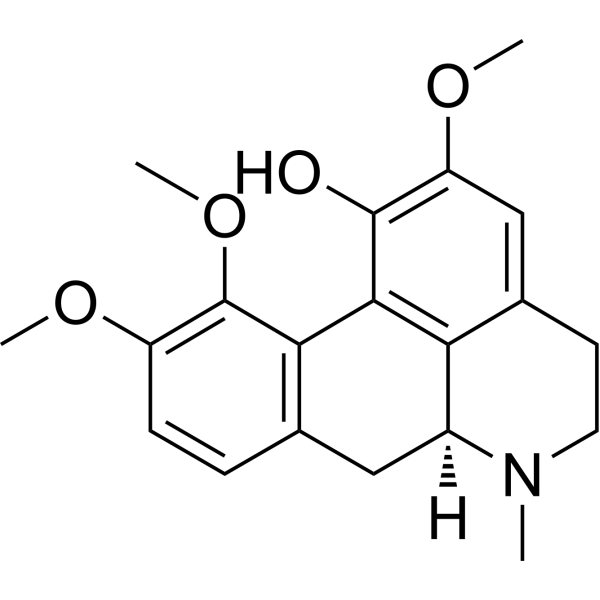
Corydine is a HIV-1 reverse transcriptase inhibitor and μ-opioid receptor (MOR) agonist, with an IC50 of 356.7 μg/mL against HIV-1 reverse transcriptase, an EC50 of 0.51 μM for MOR, and a Ki of 2.82 μM for MOR. Corydine produces antinociceptive effects by inhibiting acetic acid-induced writhing behavior in a MOR-dependent manner. Corydine inhibits the proliferation of cancer cells, mitogen-stimulated lymphocytes and IL-2-dependent cells. Corydine can be used in studies related to human immunodeficiency virus infection, visceral pain, leukemia, melanoma, bladder cancer and colon adenocarcinoma .
LCC-12 (formate) is a copper (II) chelator and a derivative of the biguanide metformin (HY-B0627). LCC-12 (formate) reduces its hydrogen peroxide-dependent oxidation of NADH to NAD+. LCC-12 (formate) reduces IL-1β, IL-2, IL-6, IL-8, and TNF-α levels, as well as JAK2, STAT2, and IL-1 receptor-associated kinase 4 (IRAK4) levels in primary human cytokine-activated monocyte-derived macrophages (MDMs). LCC-12 (formate) reduces the number of CD80+ and CD86+ cytokine-activated MDMs. LCC-12 LCC-12 (formate) improves survival in a mouse model of sepsis induced by LPS or cecal ligation and puncture .
IBI-363 is a PD-1/IL-2 bispecific antibody with functions of blocking the PD-1/PD-L1 pathway and activating the IL-2 pathway. The IL-2 arm of IBI-363 retains affinity for IL-2Rα but attenuates binding ability to IL-2Rβ and IL-2Rγ to reduce toxicity. The PD-1 binding arm of IBI-363 enables PD-1 blockade and selective delivery of IL-2. IBI-363 can be used in cancer research, such as non-small cell lung cancer .
REGN-7257 is a humanized monoclonal antibody targeting IL2RG. REGN-7257 blocks the signal transduction induced by common gamma chain (γc) cytokines via the IL2RG chain of the γc cytokine receptor complex. REGN-7257 is applicable for research on immune-mediated diseases and T cell-mediated diseases . Its corresponding isotype control is Human IgG4 kappa, Isotype Control (HY-P99003).
RO2959 monohydrochloride is a potent and selective CRAC channel inhibitor with an IC50 of 402 nM. RO2959 monohydrochloride is a potent blocker of store operated calcium entry (SOCE) mediated by Orai1/Stim1 channels with an IC50 of 25 nM. RO2959 monohydrochloride is also a potent inhibitor of human IL-2 production, and potently blocks T cell receptor triggered gene expression and T cell functional pathways .
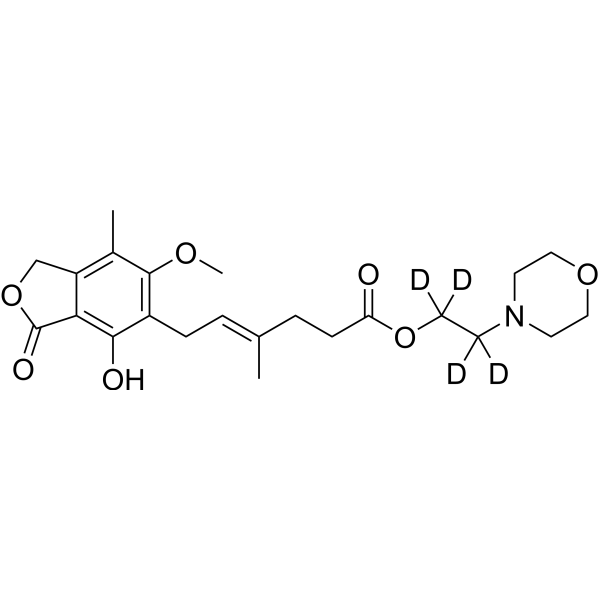
Mycophenolate Mofetil-d4 is the deuterium labeled Mycophenolate Mofetil. Mycophenolate mofetil (RS 61443; TM-MMF) hydrochloride is an orally active antimetabolic immunosuppressant with antiproliferative and anti-inflammatory properties. Mycophenolate mofetil hydrochloride significantly inhibits the production of B, T lymphocytes and the proliferation of smooth muscle cells by selectively blocking the de novo purine synthesis pathway. Mycophenolate mofetil hydrochloride effectively reduces adventitial inflammation, medial necrosis and intimal thickening in rat aortic allografts, and decreases the number of lymphocytes expressing the IL-2receptor, thereby delaying xenograft rejection. Mycophenolate mofetil hydrochloride shows certain toxicity in a hamster-to-rat limb xenotransplantation model when used in combination with FK506 (HY-13756). Mycophenolate mofetil hydrochloride is widely used in studies related to allograft arteriosclerosis (chronic rejection) .
SP4206 is an IL-2/IL-2Rα interaction inhibitor. SP4206 binds with high affinity (Kd=70 nM) to IL-2 and blocks binding to its natural receptorIL-2Rα (Kd=10 nM) .
Ferrichrome is a hydroxamate siderophore produced by various fungi, including U. sphaerogena, that facilitates iron chelation and uptake by these organisms. It can be used as a heterosiderophore by bacteria, including Pseudomonas aeruginosa and Vibrio parahaemolyticus. Ferrichrome (0.8 μM) inhibits concanavalin A-induced proliferation of mouse spleen monocytes and reduces the number of concanavalin A-stimulated CD4+ T cells expressing IL-2receptor. It also inhibits the heme-catalyzed oxidation of LDL by hydrogen peroxide in a concentration-dependent manner.
GNE-6893 is an orally active, selective HPK1 inhibitor with a Ki < 0.02 nM. GNE-6893 enhances T cell receptor signaling in primary human T cells. GNE-6893 increases IL2 production in stimulated primary human T cells. GNE-6893 can be used for the research of chronic refractory cancers .
Tucotuzumab celmoleukin (EMD 273066) is an immunocytokine. Tucotuzumab celmoleukin consists of the following components: an IgG1 monoclonal antibody targeting human EpCAM antigen, and two molecules of IL2. Tucotuzumab celmoleukin binds to EpCAM. Tucotuzumab celmoleukin exerts anti-tumor effects on colon adenocarcinoma in synergy with radiofrequency ablation. Tucotuzumab celmoleukin can be used in research related to colon adenocarcinoma and colon cancer .
RO2959 hydrochloride is a potent and selective CRAC channel inhibitor with an IC50 of 402 nM. RO2959 hydrochloride is a potent blocker of store operated calcium entry (SOCE) mediated by Orai1/Stim1 channels with an IC50 of 25 nM. RO2959 hydrochloride is also a potent inhibitor of human IL-2 production, and potently blocks T cell receptor triggered gene expression and T cell functional pathways .
A2AR-antagonist-1 (compound 38) is an orally active adenosine A2A receptor (A2AR) antagonist (IC50=29 nM). A2AR-antagonist-1 exhibits anti-tumor activity and mouse liver microsomal metabolic stability (t1/2=86.1 min). A2AR-antagonist-1 is also a T cells activator, via inhibiting immunosuppressive molecules (LAG-3 and TIM-3) and enhancing effector molecules (GZMB, IFNG, and IL-2) .
Mycophenolate Mofetil (Standard) is the analytical standard of Mycophenolate Mofetil. This product is intended for research and analytical applications. Mycophenolate mofetil (RS 61443; TM-MMF) hydrochloride is an orally active antimetabolic immunosuppressant with antiproliferative and anti-inflammatory properties. Mycophenolate mofetil hydrochloride significantly inhibits the production of B, T lymphocytes and the proliferation of smooth muscle cells by selectively blocking the de novo purine synthesis pathway. Mycophenolate mofetil hydrochloride effectively reduces adventitial inflammation, medial necrosis and intimal thickening in rat aortic allografts, and decreases the number of lymphocytes expressing the IL-2receptor, thereby delaying xenograft rejection. Mycophenolate mofetil hydrochloride shows certain toxicity in a hamster-to-rat limb xenotransplantation model when used in combination with FK506 (HY-13756). Mycophenolate mofetil hydrochloride is widely used in studies related to allograft arteriosclerosis (chronic rejection) .
Imneskibart (AU-007) is a human monoclonal antibody that binds to the CD25-binding epitope of interleukin-2 (IL-2), blocking the binding of IL-2 to the trimeric IL-2receptor while retaining the ability to bind to the dimeric IL-2receptor. Imneskibart expands effector T cell and NK cell populations, reduces regulatory T cells, increases the effector T cell/regulatory T cell ratio, and alleviates vascular leakage. Imneskibart can be used in research related to melanoma and non-small cell lung cancer. The corresponding isotype control is: Human IgG1 kappa, Isotype Control (HY-P99001) .
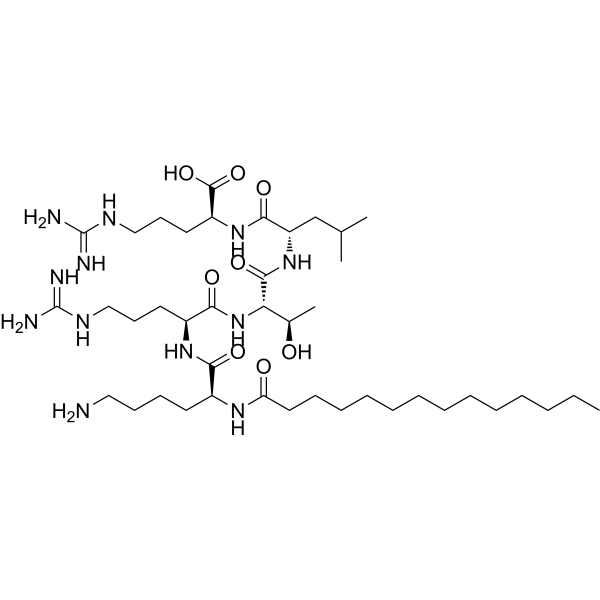
N-Myristoyl-Lys-Arg-Thr-Leu-Arg is a protein kinase C (PKC) inhibitor with an IC50 value of 75 μM. N-Myristoyl-Lys-Arg-Thr-Leu-Arg inhibits IL-2receptor induction and IL-2 production in the human leukemic cell line Jurkat .
PGN-9856 is a selective and high affinity (pKi ≥ 8.3) ligand at EP2 receptor. PGN-9856 is a potetn and non-prostanoid EP2 receptor agonist (pEC50 ≥ 8.5). PGN-9856 shows anti-inflammatory and anti-glaucoma activities .
LF 1695 is an immunomodulator. LF 1695 enhances the proliferative response of T cells by increasing the production of IL2 (interleukin-2) or the expression of the IL2receptor. LF 1695 also increases CONA-induced inhibitory activity in human lymphocytes. LF 1695 can be used to study the proliferative and inhibitory activity of T cell subpopulations, as well as their role in immune regulation .
Myelopeptide-2 is a peptide originally isolated from the supernatant of porcine bone marrow cell cultures, can restore mitogenic reactivity of human T lymphocytes inhibited by HL-60 leukemia cells or measles virus conditions. Myelopeptide-2 also recover depressed interleukin-2 (IL-2) synthesis and interleukin-2 receptor (IL-2R) expression. Myelopeptide-2 involves in immunity homeostasis, is perspective to be applied in antitumor and antivirus research .
Gusperimus is a fully synthetic racemate that has a novel mechanism of action by binding to the intracellular heat shock protein hsp70 and interfering with intracellular signal transduction. This mechanism of action can enhance the effect of immunosuppressive therapy. Gusperimus can inhibit the differentiation of T cells into cytotoxic T cells, reduce the expression of IL-2receptors on CD4 and CD8 cells, and inhibit IFN-γ-induced B cell maturation. In addition, when used with cyclosporine, tacrolimus or mycophenolate mofetil, Gusperimus can enhance the immunosuppressive effect and prevent allogeneic transplant rejection.
Mycophenolate Mofetil-d4 hydrochloride is deuterated labeled Mycophenolate mofetil hydrochloride (HY-B0199A). Mycophenolate mofetil (RS 61443; TM-MMF) hydrochloride is an orally active antimetabolic immunosuppressant with antiproliferative and anti-inflammatory properties. Mycophenolate mofetil hydrochloride significantly inhibits the production of B, T lymphocytes and the proliferation of smooth muscle cells by selectively blocking the de novo purine synthesis pathway. Mycophenolate mofetil hydrochloride effectively reduces adventitial inflammation, medial necrosis and intimal thickening in rat aortic allografts, and decreases the number of lymphocytes expressing the IL-2receptor, thereby delaying xenograft rejection. Mycophenolate mofetil hydrochloride shows certain toxicity in a hamster-to-rat limb xenotransplantation model when used in combination with FK506 (HY-13756). Mycophenolate mofetil hydrochloride is widely used in studies related to allograft arteriosclerosis (chronic rejection) .
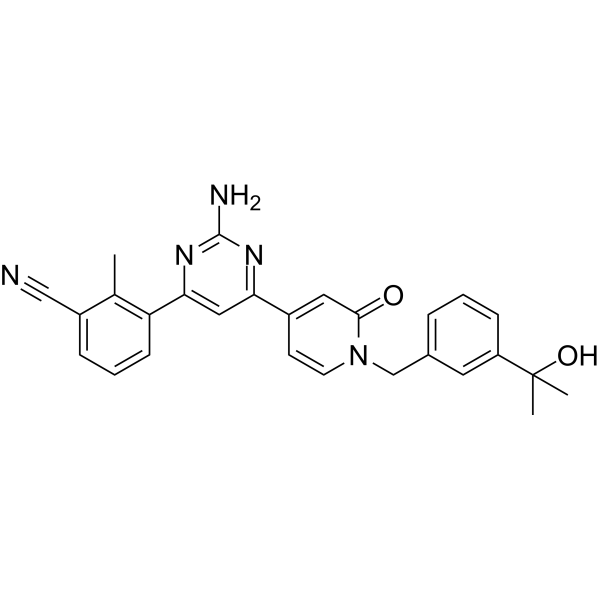
ITK/TRKA-IN-1 is a dual inhibitor of IL-2-inducible T-cell kinase (ITK) and tropomyosin receptor kinase A (TRKA) with an IC50 value of 1.0 nM and 96 % inhibition, respectively.
PROTAC BTK Degrader-13 (Compound 25) is the PROTAC degrader for BTK with a DC50 of 0.27 μM. PROTAC BTK Degrader-13 inhibits the activity of BTK with an IC50 of 0.44 μM, inhibits IL-2-induced T cell kinase (ITK) with an IC50 of 2.16 μM. PROTAC BTK Degrader-13 inhibits p38 MAPK signaling pathway, block the activation of the BCR (B cell receptor) signaling pathway . (Pink: ligand for target protein BTK ligand 15 (HY-168965); Black: linker (HY-Y0524); Blue: ligand for E3 ligase cereblon (HY-103596))
MT204 is a humanized IgG1 antibody inhibitor targeting IL-2 of human and rhesus monkey origin. MT204 prevents soluble IL-2 from binding to intermediate-affinity IL-2receptors and blocks CD25-bound IL-2 on high-affinity IL-2receptors. MT204 has potently anti-proliferative activity with NKL cells and primary NK cells. MT204 has good tolerability and potent immunosuppressive activity in allogeneic skin graft model of rhesus monkey, promising for immunosuppressive and anti-proliferative therapy .
Efercoleukin alfa is a recombinant fusion protein comprising an IL-2 fused to a human IgG1 Fc. Efercoleukin alfa binds the high-affinity IL-2receptor alpha chain (CD25) .
(R)-TCB2 is the R-enantiomer of TCB2. TCB2 is a potent anti-human interleukin-2 antibody, facilitates heterodimeric IL-2receptor signaling and improves anti-tumor immunity .
Humanized anti-tac (HAT) binding peptide is a peptide that can specifically bind to the Fc region of HAT. HAT is a humanized monoclonal antibody against the low affinity p55 subunit of the interleukin IL-2receptor. Humanized anti-tac (HAT) binding peptide can be used to develop affinity chromatography media to purify specific monoclonal antibodies .
Cbl-b-IN-28 (Compound B2) is an orally active Cbl-b inhibitor. Cbl-b-IN-28 promotes the secretion of cytokines such as IL-2 and enhances the function of immune cells by regulating the phosphorylation levels of key proteins in the T-cell receptor signaling pathway. Cbl-b-IN-28 can be used in research in the field of cancer immunology .
Adenosine receptor antagonist 6 is an orally active and selective A2A adenosine receptor (A2AAR) antagonist, with a Ki of 19.18 nM. Adenosine receptor antagonist 6 inhibits 5’-N-ethylcarboxamide adenosine (NECA) (HY-103173)-mediated cAMP production (IC50 = 0.089 μM) and immunosuppression, while promoting IL-2 and IFN-γ secretion. Adenosine receptor antagonist 6 abolishes the immunosuppressive effects of adenosine on T-cell activation and cytokine release. Adenosine receptor antagonist 6 inhibits tumor growth in a CT26/MC38 xenograft model. Adenosine receptor antagonist 6 can be used for the study of colon cancer .
d-T101 peptide, a human hormone-peptide, is a T1/ST2 receptor ligand. d-T101 peptide binds to the T1/ST2 receptor and activates caspases 8, 9 and 3 mediated apoptosis, together with activation of JNKinase and p38 MAPKinase. d-T101 peptide also changes Golgi structural with function loss and downregulation of the endoplasmic reticulum (ER) stress repair mechanism. d-T101 peptide has immunostimulatory and anticancer activity, selectively induces apoptosis in proliferating cancer cells and increases IL-2 and IFN-γ expression as well as the recruitment of NK cells and M1 macrophages to the tumor site .
Human IL2RA mRNA encodes the human interleukin 2 receptor subunit alpha (IL2RA) protein, a receptor for interleukin-2. IL2RA is involved in the regulation of immune tolerance by controlling regulatory T cells (TREGs) activity.
Inolimomab is an anti-interleukin-2 receptor(IL-2R) α chain monoclonal antibody. Inolimomab improves the survival rate in the early research of treating acute graft-versus-host disease (aGVHD) .
A2AAR antagonist 4 is an orally active A2A Adenosine receptor antagonist with a Ki of 0.36 nM and a KB of 1 nM at hA2AAR. A2AAR antagonist 4 fully inhibits hA2AAR and hA2bAR at 10 μM. A2AAR antagonist 4 can be used for research of cancer, such as MC38 tiumor .
REGN-10597, composed of an anti-huPD-1-targeting antibody and IL2Ra-IL2 moiety, is a PD-1-dependent IL-2 agonist. REGN-10597 binds PD-1 to deliver masked native IL-2 to PD-1+ T cells, engaging trimeric IL-2receptors to activate downstream signaling. REGN-10597 can be used for the research on melanoma, prostate cancer, colorectal cancer, and ovarian cancer .
Anti-Rat CD25 Antibody (OX-39) recognizes the 55 kDa low-affinity interleukin-2 receptor α chain (IL-2R α, CD25). Anti-Rat CD25 Antibody (OX-39) interacts with a single class of sites on the alpha chain of the rat R-IL2 with a high affinity (Kd of 0.8 nM) and competes with IL2 binding on this chain (Ki of 0.53 nM). Anti-Rat CD25 Antibody (OX-39) is a weak inhibitor in vitro on IL2-induced proliferation and in vivo on allograft rejection. Recommend Isotype Controls: Mouse IgG1 kappa, Isotype Control (HY-P99977) .
RTX-003 is a monoclonal antibody targeting CD25. RTX-003 induces the death of regulatory T cells (Tregs) by targeting the IL-2receptor α chain (CD25), and can enhance anti-tumor immune responses.
PE-AF700 is a tandem fluorescent dye used for flow cytometry, consisting of the donor phycoerythrin (PE) and the acceptor Alexa Fluor 700 (AF700) (Ex/Em = 488 nm/715 nm) .
HPK1-IN-68 (Compound 39) is a HPK1 inhibitor with an IC50 of 2.8 nM. HPK1-IN-68 blocks HPK1 signaling, inhibits HPK1-mediated phosphorylation of SLP76, and promotes the production of the IL-2 cytokine. HPK1-IN-68 antagonizes the immunosuppressive effect mediated by PGE2. HPK1-IN-68 enhances the infiltration of CD3 +/CD8 + T cells into tumor tissues. HPK1-IN-68 exerts T cell-dependent antitumor efficacy in a mouse colon cancer model. HPK1-IN-68 exhibits significant synergistic antitumor effects when used in combination with anti-PD-1. HPK1-IN-68 is applicable to research related to colon cancer .
Zemlikafusp alfa (IPH6501) is a tetra-specific NK cell engager that targets CD20, CD16a, NKp46 and carries an IL-2 variant. Zemlikafusp alfa (IPH6501) is used in research for the treatment of relapsed/refractory B-cell non-Hodgkin lymphoma .
PE-AF700 is a tandem fluorescent dye used for flow cytometry, consisting of the donor phycoerythrin (PE) and the acceptor Alexa Fluor 700 (AF700) (Ex/Em = 488 nm/715 nm) .
Ferrichrome is a hydroxamate siderophore produced by various fungi, including U. sphaerogena, that facilitates iron chelation and uptake by these organisms. It can be used as a heterosiderophore by bacteria, including Pseudomonas aeruginosa and Vibrio parahaemolyticus. Ferrichrome (0.8 μM) inhibits concanavalin A-induced proliferation of mouse spleen monocytes and reduces the number of concanavalin A-stimulated CD4+ T cells expressing IL-2receptor. It also inhibits the heme-catalyzed oxidation of LDL by hydrogen peroxide in a concentration-dependent manner.
N-Myristoyl-Lys-Arg-Thr-Leu-Arg is a protein kinase C (PKC) inhibitor with an IC50 value of 75 μM. N-Myristoyl-Lys-Arg-Thr-Leu-Arg inhibits IL-2receptor induction and IL-2 production in the human leukemic cell line Jurkat .
Myelopeptide-2 is a peptide originally isolated from the supernatant of porcine bone marrow cell cultures, can restore mitogenic reactivity of human T lymphocytes inhibited by HL-60 leukemia cells or measles virus conditions. Myelopeptide-2 also recover depressed interleukin-2 (IL-2) synthesis and interleukin-2 receptor (IL-2R) expression. Myelopeptide-2 involves in immunity homeostasis, is perspective to be applied in antitumor and antivirus research .
Humanized anti-tac (HAT) binding peptide is a peptide that can specifically bind to the Fc region of HAT. HAT is a humanized monoclonal antibody against the low affinity p55 subunit of the interleukin IL-2receptor. Humanized anti-tac (HAT) binding peptide can be used to develop affinity chromatography media to purify specific monoclonal antibodies .
d-T101 peptide, a human hormone-peptide, is a T1/ST2 receptor ligand. d-T101 peptide binds to the T1/ST2 receptor and activates caspases 8, 9 and 3 mediated apoptosis, together with activation of JNKinase and p38 MAPKinase. d-T101 peptide also changes Golgi structural with function loss and downregulation of the endoplasmic reticulum (ER) stress repair mechanism. d-T101 peptide has immunostimulatory and anticancer activity, selectively induces apoptosis in proliferating cancer cells and increases IL-2 and IFN-γ expression as well as the recruitment of NK cells and M1 macrophages to the tumor site .
MCE HOLO Human Interleukin-2 Receptor (IL-2R) Detection Kit is a homogeneous luminescence-based assay used for the quantitative detection of human IL-2R concentrations in biological samples such as buffer solutions, cell culture supernatants, or serum.
Ordesekimab (AMG 714; PRV-015) is a fully human IgG1κ anti-IL-15 (Interleukin Related) monoclonal antibody. The binding of Ordesekimab to IL-15 inhibits the interaction of IL-15 with the IL-2Rβ and common γ chain of the IL-15 receptor complex, but not with the IL-15Rα chain. Ordesekimab has the potential for study of nonresponsive celiac disease (NRCD) .
Anti-TSHR Antibody (K1-70) is an anti-TSHR monoclonal antibody. Anti-TSHR Antibody (K1-70) incorporates a single-chain variable fragment into a chimeric antigen receptor to redirect T cells to TSHR-expressing cells. Anti-TSHR Antibody (K1-70) shows antitumor activity with no apparent toxicity. Anti-TSHR Antibody (K1-70) can be used for the research of differentiated thyroid cancer (DTC) .
Daclizumab (Ro 24-7375) is a humanized, monoclonal antibody that blocks CD25 (α-subunit of the high-affinity interleukin-2 receptor (IL-2R-HA)). Daclizumab inhibits effector T cell activation, regulatory T cell (Treg) expansion and survival, and activation-induced T-cell apoptosis. Daclizumab increases IL-2 bioavailability to bind to the intermediate-affinity IL-2R (IL-2R-IA), driving the expansion of anti-inflammatory CD56bright natural killer (NK) cells. Daclizumab can be used for multiple sclerosis and cancer research .
Ivuxolimab is a fully human IgG2 agonist targeting OX40 (CD134), which selectively binds to the OX40 receptor on the surface of activated CD4 + and CD8 + T cells without inducing antibody-dependent cytotoxicity. Ivuxolimab can promote T cell proliferation, survival and cytokine (such as IFN-γ, IL-2) secretion, inhibit regulatory T cell function, and enhance anti-tumor immune response. Ivuxolimab can be used in the study of melanoma, hepatocellular carcinoma, head and neck squamous cell carcinoma, etc .
IBI-363 is a PD-1/IL-2 bispecific antibody with functions of blocking the PD-1/PD-L1 pathway and activating the IL-2 pathway. The IL-2 arm of IBI-363 retains affinity for IL-2Rα but attenuates binding ability to IL-2Rβ and IL-2Rγ to reduce toxicity. The PD-1 binding arm of IBI-363 enables PD-1 blockade and selective delivery of IL-2. IBI-363 can be used in cancer research, such as non-small cell lung cancer .
REGN-7257 is a humanized monoclonal antibody targeting IL2RG. REGN-7257 blocks the signal transduction induced by common gamma chain (γc) cytokines via the IL2RG chain of the γc cytokine receptor complex. REGN-7257 is applicable for research on immune-mediated diseases and T cell-mediated diseases . Its corresponding isotype control is Human IgG4 kappa, Isotype Control (HY-P99003).
Tucotuzumab celmoleukin (EMD 273066) is an immunocytokine. Tucotuzumab celmoleukin consists of the following components: an IgG1 monoclonal antibody targeting human EpCAM antigen, and two molecules of IL2. Tucotuzumab celmoleukin binds to EpCAM. Tucotuzumab celmoleukin exerts anti-tumor effects on colon adenocarcinoma in synergy with radiofrequency ablation. Tucotuzumab celmoleukin can be used in research related to colon adenocarcinoma and colon cancer .
Imneskibart (AU-007) is a human monoclonal antibody that binds to the CD25-binding epitope of interleukin-2 (IL-2), blocking the binding of IL-2 to the trimeric IL-2receptor while retaining the ability to bind to the dimeric IL-2receptor. Imneskibart expands effector T cell and NK cell populations, reduces regulatory T cells, increases the effector T cell/regulatory T cell ratio, and alleviates vascular leakage. Imneskibart can be used in research related to melanoma and non-small cell lung cancer. The corresponding isotype control is: Human IgG1 kappa, Isotype Control (HY-P99001) .
MT204 is a humanized IgG1 antibody inhibitor targeting IL-2 of human and rhesus monkey origin. MT204 prevents soluble IL-2 from binding to intermediate-affinity IL-2receptors and blocks CD25-bound IL-2 on high-affinity IL-2receptors. MT204 has potently anti-proliferative activity with NKL cells and primary NK cells. MT204 has good tolerability and potent immunosuppressive activity in allogeneic skin graft model of rhesus monkey, promising for immunosuppressive and anti-proliferative therapy .
Efercoleukin alfa is a recombinant fusion protein comprising an IL-2 fused to a human IgG1 Fc. Efercoleukin alfa binds the high-affinity IL-2receptor alpha chain (CD25) .
Lorukafusp alfa (14.18 mAb; hu14.18-IL2) is an immunocytokine consisting of the humanized 14.18 anti-GD2 mAb linked to IL210. Lorukafusp alfa has activity mediated by activation of antibody-dependent cellular cytotoxicity (ADCC) and complement-dependent cytotoxicity via the binding of hu14.18-IL2 to GD2 on the tumor cell surface, followed by binding to Fc receptors on effector cells along with activation of NK and T cells via IL2receptor binding. Lorukafusp alfa has anti-tumor activity .
Inolimomab is an anti-interleukin-2 receptor(IL-2R) α chain monoclonal antibody. Inolimomab improves the survival rate in the early research of treating acute graft-versus-host disease (aGVHD) .
REGN-10597, composed of an anti-huPD-1-targeting antibody and IL2Ra-IL2 moiety, is a PD-1-dependent IL-2 agonist. REGN-10597 binds PD-1 to deliver masked native IL-2 to PD-1+ T cells, engaging trimeric IL-2receptors to activate downstream signaling. REGN-10597 can be used for the research on melanoma, prostate cancer, colorectal cancer, and ovarian cancer .
Anti-Rat CD25 Antibody (OX-39) recognizes the 55 kDa low-affinity interleukin-2 receptor α chain (IL-2R α, CD25). Anti-Rat CD25 Antibody (OX-39) interacts with a single class of sites on the alpha chain of the rat R-IL2 with a high affinity (Kd of 0.8 nM) and competes with IL2 binding on this chain (Ki of 0.53 nM). Anti-Rat CD25 Antibody (OX-39) is a weak inhibitor in vitro on IL2-induced proliferation and in vivo on allograft rejection. Recommend Isotype Controls: Mouse IgG1 kappa, Isotype Control (HY-P99977) .
RTX-003 is a monoclonal antibody targeting CD25. RTX-003 induces the death of regulatory T cells (Tregs) by targeting the IL-2receptor α chain (CD25), and can enhance anti-tumor immune responses.
Zemlikafusp alfa (IPH6501) is a tetra-specific NK cell engager that targets CD20, CD16a, NKp46 and carries an IL-2 variant. Zemlikafusp alfa (IPH6501) is used in research for the treatment of relapsed/refractory B-cell non-Hodgkin lymphoma .
Mycophenolate mofetil (RS 61443; TM-MMF) hydrochloride is an orally active antimetabolic immunosuppressant with antiproliferative and anti-inflammatory properties. Mycophenolate mofetil hydrochloride significantly inhibits the production of B, T lymphocytes and the proliferation of smooth muscle cells by selectively blocking the de novo purine synthesis pathway. Mycophenolate mofetil hydrochloride effectively reduces adventitial inflammation, medial necrosis and intimal thickening in rat aortic allografts, and decreases the number of lymphocytes expressing the IL-2receptor, thereby delaying xenograft rejection. Mycophenolate mofetil hydrochloride shows certain toxicity in a hamster-to-rat limb xenotransplantation model when used in combination with FK506 (HY-13756). Mycophenolate mofetil hydrochloride is widely used in studies related to allograft arteriosclerosis (chronic rejection) .
Corydine is a HIV-1 reverse transcriptase inhibitor and μ-opioid receptor (MOR) agonist, with an IC50 of 356.7 μg/mL against HIV-1 reverse transcriptase, an EC50 of 0.51 μM for MOR, and a Ki of 2.82 μM for MOR. Corydine produces antinociceptive effects by inhibiting acetic acid-induced writhing behavior in a MOR-dependent manner. Corydine inhibits the proliferation of cancer cells, mitogen-stimulated lymphocytes and IL-2-dependent cells. Corydine can be used in studies related to human immunodeficiency virus infection, visceral pain, leukemia, melanoma, bladder cancer and colon adenocarcinoma .
Mycophenolate Mofetil (Standard) is the analytical standard of Mycophenolate Mofetil. This product is intended for research and analytical applications. Mycophenolate mofetil (RS 61443; TM-MMF) hydrochloride is an orally active antimetabolic immunosuppressant with antiproliferative and anti-inflammatory properties. Mycophenolate mofetil hydrochloride significantly inhibits the production of B, T lymphocytes and the proliferation of smooth muscle cells by selectively blocking the de novo purine synthesis pathway. Mycophenolate mofetil hydrochloride effectively reduces adventitial inflammation, medial necrosis and intimal thickening in rat aortic allografts, and decreases the number of lymphocytes expressing the IL-2receptor, thereby delaying xenograft rejection. Mycophenolate mofetil hydrochloride shows certain toxicity in a hamster-to-rat limb xenotransplantation model when used in combination with FK506 (HY-13756). Mycophenolate mofetil hydrochloride is widely used in studies related to allograft arteriosclerosis (chronic rejection) .
IL-2R beta (CD122), a type Ⅰ cytokine receptor expressed on T lymphocytes, is a receptor for IL-2 (Kd: 1 nM approximately). IL-2R beta mediates T cell immune responses, such as stimulating T cell proliferation and activating lymphokine-activated killer cells. IL-2R beta/CD122 Protein, Human (HEK293, His) is a recombinant human extracellular region of IL-2R beta (A27-D239) with a C-Terminal 6*His tags, which is produced in HEK293 cells.
IL-2R beta (CD122), a type Ⅰ cytokine receptor expressed on T lymphocytes, is a receptor for IL-2 (Kd: 1 nM approximately). IL-2R beta mediates T cell immune responses, such as stimulating T cell proliferation and activating lymphokine-activated killer cells. IL-2R beta/CD122 Protein, Human (Biotinylated, HEK293, His-Avi) is a recombinant human extracellular region of biotinylated IL-2R beta (A27-D239) with C-Terminal 6*His tags and an Avi tag, which is produced in HEK293 cells.
IL-2R beta (CD122), a type Ⅰ cytokine receptor expressed on T lymphocytes, is a receptor for IL-2 (Kd: 1 nM approximately). IL-2R beta mediates T cell immune responses, such as stimulating T cell proliferation and activating lymphokine-activated killer cells. IL-2R beta/CD122 Protein, Human (HEK293, Fc) is a recombinant human extracellular region of IL-2R beta (A27-D239) with a C-Terminal Fc tag, which is produced in HEK293 cells.
IL-2R beta (CD122), a type Ⅰ cytokine receptor expressed on T lymphocytes, is a receptor for IL-2 (Kd: 1 nM approximately). IL-2R beta mediates T cell immune responses, such as stimulating T cell proliferation and activating lymphokine-activated killer cells. IL-2R beta/CD122 Protein, Mouse (P.pastoris, His) is a recombinant mouse IL-2R beta (27A-240E) with a N-Terminal His tag, which is produced in P.pastoris.
IL-2R beta (CD122), a type I cytokine receptor expressed on T lymphocytes, is a receptor for IL-2 (Kd: 1 nM approximately). IL-2R beta mediates T cell immune responses, such as stimulating T cell proliferation and activating lymphokine-activated killer cells. IL-2R beta/CD122 Protein, Canine (HEK293, Fc) is a recombinant canine IL-2R beta (M1-P244) with a C-Terminal hFc tag, which is produced in HEK293 cells.
IL-2R beta (CD122), a type Ⅰ cytokine receptor expressed on T lymphocytes, is a receptor for IL-2 (Kd: 1 nM approximately). IL-2R beta mediates T cell immune responses, such as stimulating T cell proliferation and activating lymphokine-activated killer cells. IL-2R beta/CD122 Protein, Rat (HEK293, His) is a recombinant rat IL-2R beta (M1-E239) with a C-Terminal His tag, which is produced in HEK293 cells.
IL-2R beta (CD122), a type Ⅰ cytokine receptor expressed on T lymphocytes, is a receptor for IL-2 (Kd: 1 nM approximately). IL-2R beta mediates T cell immune responses, such as stimulating T cell proliferation and activating lymphokine-activated killer cells. IL-2R beta/CD122 Protein, Rhesus Macaque (HEK293, His) is a recombinant Rhesus Macaque IL-2R beta with a C-Terminal His tag, which is produced in HEK293 cells.
IL-2R beta (CD122), a type Ⅰ cytokine receptor expressed on T lymphocytes, is a receptor for IL-2 (Kd: 1 nM approximately). IL-2R beta mediates T cell immune responses, such as stimulating T cell proliferation and activating lymphokine-activated killer cells. IL-2R beta/CD122 Protein, Rhesus Macaque (HEK293, Fc) is a recombinant Rhesus Macaque IL-2R beta with a C-Terminal hFc tag, which is produced in HEK293 cells.
IL-2R alpha (CD25) is an essential component of high-affinity IL-2 receptors. IL-2R alpha enhances binding of IL-2 to its receptor complex so that regulates T cell growth and other lymphoid functions. IL-2R alpha/CD25 Protein, Cynomolgus (HEK293) is a recombinant cynomolgus IL-2R alpha protein and is expressed in HEK293 cells. It consists of 213 amino acids (M1-R213).
IL-2R alpha (CD25) is an essential component of high-affinity IL-2 receptors. IL-2R alpha enhances binding of IL-2 to its receptor complex so that regulates T cell growth and other lymphoid functions. IL-2R alpha/CD25 Protein, Rat (sf9, His) is a recombinant rat IL-2R alpha protein with a His tag at the C-terminus and is expressed in Sf9 insect cells.
IL-2R alpha (CD25) is an essential component of high-affinity IL-2 receptors. IL-2R alpha enhances binding of IL-2 to its receptor complex so that regulates T cell growth and other lymphoid functions. IL-2R alpha/CD25 Protein, Mouse (HEK293, hFc) is a recombinant mouse IL-2R alpha protein with an hFc tag at the C-terminus and is expressed in HEK293 cells.
IL-2R alpha (CD25) is an essential component of high-affinity IL-2 receptors. IL-2R alpha enhances binding of IL-2 to its receptor complex so that regulates T cell growth and other lymphoid functions. IL-2R alpha/CD25 Protein, Cynomolgus (HEK293, Fc) is a recombinant cynomolgus IL-2R alpha protein with an hFc tag at the C-terminus and is expressed in HEK293 cells. It consists of 213 amino acids (M1-R213).
IL-2R alpha (CD25) is an essential component of high-affinity IL-2 receptors. IL-2R alpha enhances binding of IL-2 to its receptor complex so that regulates T cell growth and other lymphoid functions. IL-2R alpha/CD25 Protein, Cynomolgus (HEK293, His) is a recombinant cynomolgus IL-2R alpha protein with a His tag at the C-terminus and is expressed in HEK293 cells. It consists of 213 amino acids (M1-R213).
IL-2R alpha protein is the receptor for interleukin 2 and plays a crucial role in immune tolerance by regulating the activity of regulatory T cells (TREG). These TREGs are responsible for inhibiting the activation and expansion of autoreactive T cells.IL-2R alpha/CD25 Protein, Human (HEK293, C-His) is the recombinant human-derived IL-2R alpha protein, expressed by HEK293 , with C-6*His labeled tag.
IL-2R gamma (CD132), a type I cytokine receptor expressed on leucocyte subsets, is a receptor for IL-2. IL-2R gamma forms heterodimer with IL-2R beta, and increases the affinity of IL-2R beta for IL-2. IL-2R gamma plays an important role in the development, activation, proliferation, differentiation and regulation of lymphocytes and other cell types. IL-2R gamma/CD132 Protein, Human (HEK293, His) is a recombinant human extracellular region of IL-2R gamma (L23-A262) with a C-Terminal 6*His tag, which is produced in HEK293 cells.
IL-2R gamma (CD132), a type I cytokine receptor expressed on leucocyte subsets, is a receptor for IL-2. IL-2R gamma forms heterodimer with IL-2R beta, and increases the affinity of IL-2R beta for IL-2. IL-2R gamma takes part in inflammatory response and mediates activation of the cells . IL-2R gamma plays an important role in the development, activation, proliferation, differentiation and regulation of lymphocytes and other cell types. IL-2R gamma/CD132 Protein, Mouse (HEK293, His) is a recombinant mice extracellular region of IL-2R gamma with a C-Terminal 6*His tag, which is produced in HEK293 cells.
IL-2R alpha/CD25 Protein, Cynomolgus (Biotinylated, HEK293, His, Avi) is the recombinant cynomolgus-derived IL-2R alpha/CD25 protein, expressed by HEK293, with C-His & Avi tag.
IL-2R alpha (CD25) is an essential component of high-affinity IL-2 receptors. IL-2R alpha enhances binding of IL-2 to its receptor complex so that regulates T cell growth and other lymphoid functions. IL-2R alpha/CD25 Protein, Rhesus Macaque (Biotinylated, HEK293, His-Avi) is a recombinant rhesus macaque IL-2R alpha protein with a His tag and an Avi tag at the C-terminus and is expressed in HEK293 cells. It consists of 213 amino acids (M1-R213) and is biotinylated.
IL-2R alpha/CD25 Protein, Cynomolgus (217a.a, HEK293, His) is the recombinant cynomolgus-derived IL-2R alpha/CD25 protein, expressed by HEK293, with C-His tag.
IL-2R gamma (CD132), a type I cytokine receptor expressed on leucocyte subsets, is a receptor for IL-2. IL-2R gamma forms heterodimer with IL-2R beta, and increases the affinity of IL-2R beta for IL-2. IL-2R gamma takes part in inflammatory response and mediates activation of the cells . IL-2R gamma plays an important role in the development, activation, proliferation, differentiation and regulation of lymphocytes and other cell types. IL-2R gamma/CD132 Protein, Rat (HEK293, His) is a recombinant rat extracellular region of IL-2R beta (M1-A262) with a C-Terminal His tag, which is produced in HEK293 cells.
IL-2R gamma (CD132), a type I cytokine receptor expressed on leucocyte subsets, is a receptor for IL-2. IL-2R gamma forms heterodimer with IL-2R beta, and increases the affinity of IL-2R beta for IL-2. IL-2R gamma takes part in inflammatory response and mediates activation of the cells . IL-2R gamma plays an important role in the development, activation, proliferation, differentiation and regulation of lymphocytes and other cell types. IL-2R gamma/CD132 Protein, Rat (HEK293, hFc) is a recombinant rat extracellular region of IL-2R beta (S25-A262) with a C-Terminal hFc tag, which is produced in HEK293 cells.
IL-2R beta (CD122), a type Ⅰ cytokine receptor expressed on T lymphocytes, is a receptor for IL-2 (Kd: 1 nM approximately). IL-2R beta mediates T cell immune responses, such as stimulating T cell proliferation and activating lymphokine-activated killer cells. IL-2R beta/CD122 Protein, Mouse (HEK293, His) is a recombinant mouse IL-2R beta with a C-Terminal 6*His tag, which is produced in HEK 293.
IL-2R alpha (CD25) is an essential component of high-affinity IL-2 receptors. IL-2R alpha enhances binding of IL-2 to its receptor complex so that regulates T cell growth and other lymphoid functions.IL-2R alpha/CD25 Protein, Mouse (HEK293, His) is a recombinant mouse IL-2R alpha protein with a His tag at the C-terminus and is expressed in HEK293 cells.
IL-2R gamma (CD132), a type I cytokine receptor expressed on leucocyte subsets, is a receptor for IL-2. IL-2R gamma forms heterodimer with IL-2R beta, and increases the affinity of IL-2R beta for IL-2. IL-2R gamma takes part in inflammatory response and mediates activation of the cells . IL-2R gamma plays an important role in the development, activation, proliferation, differentiation and regulation of lymphocytes and other cell types. IL-2R gamma/CD132 Protein, Mouse (HEK293, His-Fc) is a recombinant mice extracellular region of IL-2R gamma with a C-Terminal hFc and a His tag, which is produced in HEK293 cells.
Mycophenolate Mofetil-d4 is the deuterium labeled Mycophenolate Mofetil. Mycophenolate mofetil (RS 61443; TM-MMF) hydrochloride is an orally active antimetabolic immunosuppressant with antiproliferative and anti-inflammatory properties. Mycophenolate mofetil hydrochloride significantly inhibits the production of B, T lymphocytes and the proliferation of smooth muscle cells by selectively blocking the de novo purine synthesis pathway. Mycophenolate mofetil hydrochloride effectively reduces adventitial inflammation, medial necrosis and intimal thickening in rat aortic allografts, and decreases the number of lymphocytes expressing the IL-2receptor, thereby delaying xenograft rejection. Mycophenolate mofetil hydrochloride shows certain toxicity in a hamster-to-rat limb xenotransplantation model when used in combination with FK506 (HY-13756). Mycophenolate mofetil hydrochloride is widely used in studies related to allograft arteriosclerosis (chronic rejection) .
Mycophenolate Mofetil-d4 hydrochloride is deuterated labeled Mycophenolate mofetil hydrochloride (HY-B0199A). Mycophenolate mofetil (RS 61443; TM-MMF) hydrochloride is an orally active antimetabolic immunosuppressant with antiproliferative and anti-inflammatory properties. Mycophenolate mofetil hydrochloride significantly inhibits the production of B, T lymphocytes and the proliferation of smooth muscle cells by selectively blocking the de novo purine synthesis pathway. Mycophenolate mofetil hydrochloride effectively reduces adventitial inflammation, medial necrosis and intimal thickening in rat aortic allografts, and decreases the number of lymphocytes expressing the IL-2receptor, thereby delaying xenograft rejection. Mycophenolate mofetil hydrochloride shows certain toxicity in a hamster-to-rat limb xenotransplantation model when used in combination with FK506 (HY-13756). Mycophenolate mofetil hydrochloride is widely used in studies related to allograft arteriosclerosis (chronic rejection) .
Human IL2RA mRNA encodes the human interleukin 2 receptor subunit alpha (IL2RA) protein, a receptor for interleukin-2. IL2RA is involved in the regulation of immune tolerance by controlling regulatory T cells (TREGs) activity.
Inquiry Online
Your information is safe with us. * Required Fields.
Western blot analysis of extracts from THP-1(lane 2(20μg), Jurkat (lane 3(20μg) and NIH3T3(lane 4(20μg) using FOXO1A (HY-P80132) Rabbit mAb. Proteins were transferred
to a PVDF membrane and blocked with 5% non-fat milk in TBST for 2 hour at room temperature. The primary antibody (1/1000) and Loading control antibody (Beta Actin, HY-P80438, 1/10000) was
used in 5% non-fat milk in TBST at 4°C overnight. Goat Anti-Mouse/Rabbit IgG-HRP Secondary Antibody (1/10000) was used for 1 hour at room temperature.
Western blot analysis of extracts from THP-1(lane 2(20μg), Jurkat (lane 3(20μg) and NIH3T3(lane 4(20μg) using FOXO1A (HY-P80132) Rabbit mAb. Proteins were transferred
to a PVDF membrane and blocked with 5% non-fat milk in TBST for 2 hour at room temperature. The primary antibody (1/1000) and Loading control antibody (Beta Actin, HY-P80438, 1/10000) was
used in 5% non-fat milk in TBST at 4°C overnight. Goat Anti-Mouse/Rabbit IgG-HRP Secondary Antibody (1/10000) was used for 1 hour at room temperature.
Western blot analysis of extracts from THP-1(lane 2(20μg), Jurkat (lane 3(20μg) and NIH3T3(lane 4(20μg) using FOXO1A (HY-P80132) Rabbit mAb. Proteins were transferred
to a PVDF membrane and blocked with 5% non-fat milk in TBST for 2 hour at room temperature. The primary antibody (1/1000) and Loading control antibody (Beta Actin, HY-P80438, 1/10000) was
used in 5% non-fat milk in TBST at 4°C overnight. Goat Anti-Mouse/Rabbit IgG-HRP Secondary Antibody (1/10000) was used for 1 hour at room temperature.
Western blot analysis of extracts from THP-1(lane 2(20μg), Jurkat (lane 3(20μg) and NIH3T3(lane 4(20μg) using FOXO1A (HY-P80132) Rabbit mAb. Proteins were transferred
to a PVDF membrane and blocked with 5% non-fat milk in TBST for 2 hour at room temperature. The primary antibody (1/1000) and Loading control antibody (Beta Actin, HY-P80438, 1/10000) was
MedchemExpress Validation 03
Western blot analysis of extracts from THP-1(lane 2(20μg), Jurkat (lane 3(20μg) and NIH3T3(lane 4(20μg) using FOXO1A (HY-P80132) Rabbit mAb. Proteins were transferred
MedchemExpress Validation 04
Western blot analysis of extracts from THP-1(lane 2(20μg), Jurkat (lane 3(20μg) and NIH3T3(lane 4(20μg) using FOXO1A (HY-P80132) Rabbit mAb. Proteins were transferred
to a PVDF membrane and blocked with 5% non-fat milk in TBST for 2 hour at room temperature. The primary antibody (1/1000) and Loading control antibody (Beta Actin, HY-P80438, 1/10000) was
used in 5% non-fat milk in TBST at 4°C overnight. Goat Anti-Mouse/Rabbit IgG-HRP Secondary Antibody (1/10000) was used for 1 hour at room temperature.
MedchemExpress Validation
Western blot analysis of extracts from THP-1(lane 2(20μg), Jurkat (lane 3(20μg) and NIH3T3(lane 4(20μg) using FOXO1A (HY-P80132) Rabbit mAb. Proteins were transferred
to a PVDF membrane and blocked with 5% non-fat milk in TBST for 2 hour at room temperature. The primary antibody (1/1000) and Loading control antibody (Beta Actin, HY-P80438, 1/10000) was
used in 5% non-fat milk in TBST at 4°C overnight. Goat Anti-Mouse/Rabbit IgG-HRP Secondary Antibody (1/10000) was used for 1 hour at room temperature.
Western blot analysis of extracts from THP-1(lane 2(20μg), Jurkat (lane 3(20μg) and NIH3T3(lane 4(20μg) using FOXO1A (HY-P80132) Rabbit mAb. Proteins were transferred
to a PVDF membrane and blocked with 5% non-fat milk in TBST for 2 hour at room temperature. The primary antibody (1/1000) and Loading control antibody (Beta Actin, HY-P80438, 1/10000) was
used in 5% non-fat milk in TBST at 4°C overnight. Goat Anti-Mouse/Rabbit IgG-HRP Secondary Antibody (1/10000) was used for 1 hour at room temperature.
MedchemExpress Validation
Western blot analysis of extracts from THP-1(lane 2(20μg), Jurkat (lane 3(20μg) and NIH3T3(lane 4(20μg) using FOXO1A (HY-P80132) Rabbit mAb. Proteins were transferred
to a PVDF membrane and blocked with 5% non-fat milk in TBST for 2 hour at room temperature. The primary antibody (1/1000) and Loading control antibody (Beta Actin, HY-P80438, 1/10000) was
used in 5% non-fat milk in TBST at 4°C overnight. Goat Anti-Mouse/Rabbit IgG-HRP Secondary Antibody (1/10000) was used for 1 hour at room temperature.
MedchemExpress Validation
Western blot analysis of extracts from THP-1(lane 2(20μg), Jurkat (lane 3(20μg) and NIH3T3(lane 4(20μg) using FOXO1A (HY-P80132) Rabbit mAb. Proteins were transferred
to a PVDF membrane and blocked with 5% non-fat milk in TBST for 2 hour at room temperature. The primary antibody (1/1000) and Loading control antibody (Beta Actin, HY-P80438, 1/10000) was
used in 5% non-fat milk in TBST at 4°C overnight. Goat Anti-Mouse/Rabbit IgG-HRP Secondary Antibody (1/10000) was used for 1 hour at room temperature.
MedchemExpress Validation
Western blot analysis of extracts from THP-1(lane 2(20μg), Jurkat (lane 3(20μg) and NIH3T3(lane 4(20μg) using FOXO1A (HY-P80132) Rabbit mAb. Proteins were transferred
to a PVDF membrane and blocked with 5% non-fat milk in TBST for 2 hour at room temperature. The primary antibody (1/1000) and Loading control antibody (Beta Actin, HY-P80438, 1/10000) was
used in 5% non-fat milk in TBST at 4°C overnight. Goat Anti-Mouse/Rabbit IgG-HRP Secondary Antibody (1/10000) was used for 1 hour at room temperature.
MedchemExpress Validation
Western blot analysis of extracts from THP-1(lane 2(20μg), Jurkat (lane 3(20μg) and NIH3T3(lane 4(20μg) using FOXO1A (HY-P80132) Rabbit mAb. Proteins were transferred
to a PVDF membrane and blocked with 5% non-fat milk in TBST for 2 hour at room temperature. The primary antibody (1/1000) and Loading control antibody (Beta Actin, HY-P80438, 1/10000) was
used in 5% non-fat milk in TBST at 4°C overnight. Goat Anti-Mouse/Rabbit IgG-HRP Secondary Antibody (1/10000) was used for 1 hour at room temperature.
MedchemExpress Validation
Western blot analysis of extracts from THP-1(lane 2(20μg), Jurkat (lane 3(20μg) and NIH3T3(lane 4(20μg) using FOXO1A (HY-P80132) Rabbit mAb. Proteins were transferred
to a PVDF membrane and blocked with 5% non-fat milk in TBST for 2 hour at room temperature. The primary antibody (1/1000) and Loading control antibody (Beta Actin, HY-P80438, 1/10000) was
used in 5% non-fat milk in TBST at 4°C overnight. Goat Anti-Mouse/Rabbit IgG-HRP Secondary Antibody (1/10000) was used for 1 hour at room temperature.
MedchemExpress Validation
Western blot analysis of extracts from THP-1(lane 2(20μg), Jurkat (lane 3(20μg) and NIH3T3(lane 4(20μg) using FOXO1A (HY-P80132) Rabbit mAb. Proteins were transferred
to a PVDF membrane and blocked with 5% non-fat milk in TBST for 2 hour at room temperature. The primary antibody (1/1000) and Loading control antibody (Beta Actin, HY-P80438, 1/10000) was
used in 5% non-fat milk in TBST at 4°C overnight. Goat Anti-Mouse/Rabbit IgG-HRP Secondary Antibody (1/10000) was used for 1 hour at room temperature.
MedChemExpress values your privacy and your trust is important to us. We use cookies to enhance your website experience. Some cookies are necessary to run the website.
Privacy and Cookie Policy

