63 Results for "

Iron Chelator

" in MedChemExpress (MCE) Product Catalog:
Products (63)

63 Results for "Iron Chelator" in MCE Product Catalog:

438
438 Publications Verification
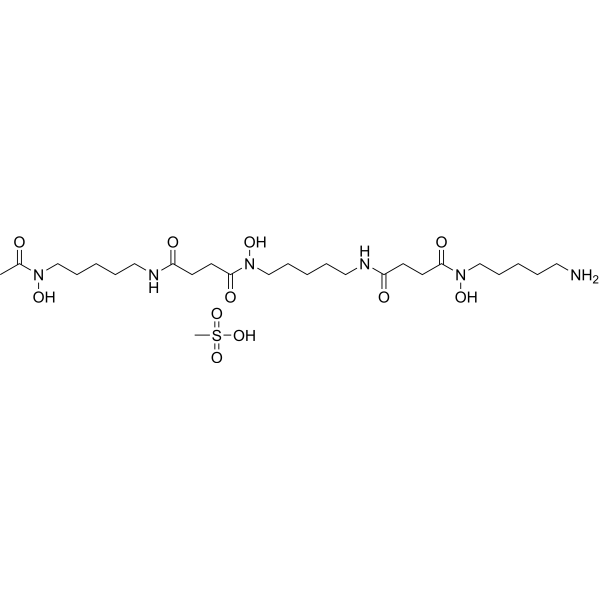
Cat. No.: HY-B0988
CAS No.: 138-14-7
Synonyms: Desferrioxamine B mesylate; DFOM
Deferoxamine mesylate (Deferoxamine B mesylate) is an iron chelator (binds to Fe(III) and many other metal cations), is widely used to reduce iron accumulation and deposition in tissues. Deferoxamine mesylate upregulates HIF-1α levels with good antioxidant activity. Deferoxamine mesylate also shows anti-proliferative activity, can induce apoptosis and autophagy in cancer cells. Deferoxamine mesylate can be used in studies of diabetes, neurodegenerative diseases as well as anti-cancer and anti-COVID-19 .
loading...
    loading...
438
438 Publications Verification
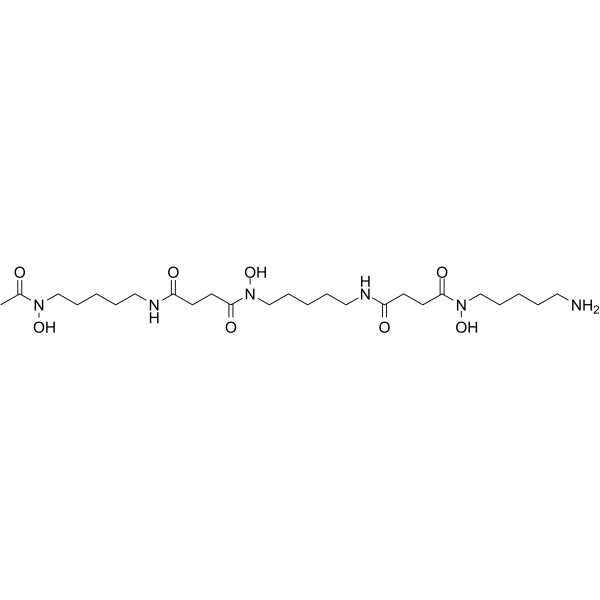
Cat. No.: HY-B1625
CAS No.: 70-51-9
Synonyms: Deferoxamine B; Deferriferrioxamine B; Deferrioxamine
Deferoxamine (Deferoxamine B) is an iron chelator (binds to Fe(III) and many other metal cations), is widely used to reduce iron accumulation and deposition in tissues. Deferoxamine upregulates HIF-1α levels with good antioxidant activity. Deferoxamine also shows anti-proliferative activity, can induce apoptosis and autophagy in cancer cells. Deferoxamine can be used in studies of diabetes, neurodegenerative diseases as well as anti-cancer and anti-COVID-19 .
loading...
    loading...
17
17 Cited Publications
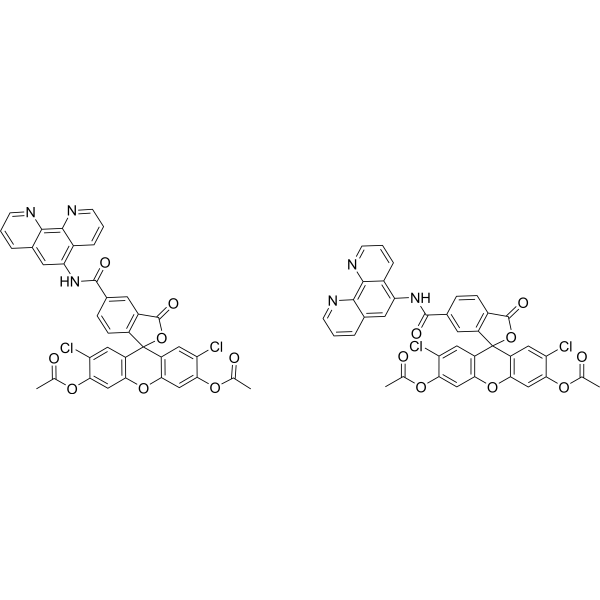
Cat. No.: HY-126823
CAS No.: 234075-45-7
Purity:  95.33%
Synonyms: PGSK diacetate (5/6-mixture)
Target:  

Fluorescent Dye

Research Areas:  

Others

Phen green SK (PGSK) diacetate (PGSK diacetate (5/6-mixture)) is a metal ion-sensitive fluorescent probe that can penetrate cell membranes. Phen green SK (PGSK) diacetate can react with a variety of metal ions, including Fe 2+, Cd 2+, Co 2+, Ni 2+, Zn 2+, etc. Phen green SK (PGSK) diacetate chelates Fe 2+, resulting in fluorescence quenching, which can be restored when a membrane-permeable chelator is added, thereby reflecting the changes in the intracellular chelatable iron pool. The excitation/emission maxima of Phen green SK diacetate are 507/532 nm, respectively .
loading...
    loading...
14
14 Cited Publications
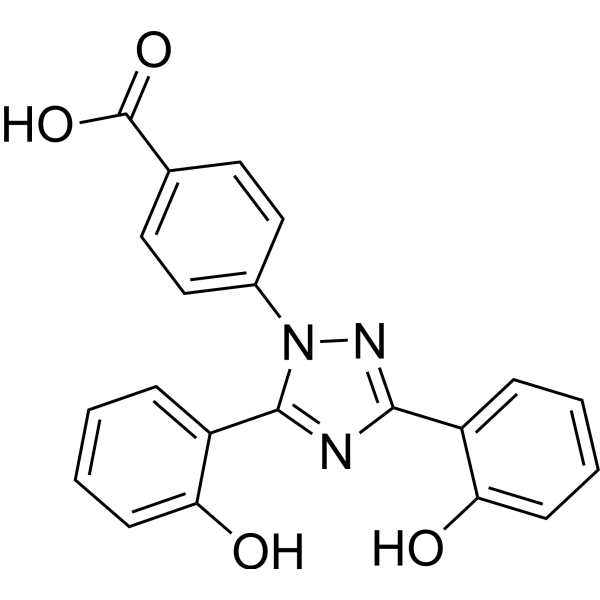
Cat. No.: HY-17359
CAS No.: 201530-41-8
Synonyms: ICL 670
Target:  

Bacterial Ferroptosis

Research Areas:  

Cancer

Deferasirox (ICL 670) is an orally available iron chelator used for the management of transfusional iron overload .
loading...
    loading...
12
12 Cited Publications
Cat. No.: HY-12723
CAS No.: 58-00-4
Purity:  98.05%
Synonyms: (-)-Apomorphine
Apomorphine ((-)-Apomorphine) is a potent dopamine receptor agonist. Apomorphine also inhibit MAO-A and MAO-B. Apomorphine exerts neuroprotective effect and can relax rat corpus cavernosum. Apomorphine can inhibit ROS production, DNA fragmentation and inibit JNK and ERK1/2 phosphorylation. Apomorphine can enhance degradation of intracellular Aβ40 and Aβ42, reduces tau protein levels and inhibit MMP-9 expression. Apomorphine is a highly potent radical scavenger and iron chelator. Apomorphine can be used for the researches of dementia, parkinson's disease, alzheimer disease, breast carcinoma, and erectile dysfunction .
loading...
    loading...
5
5 Cited Publications
Cat. No.: HY-18973
CAS No.: 152095-12-0
Target:  

Apoptosis Ferroptosis

Research Areas:  

Cancer

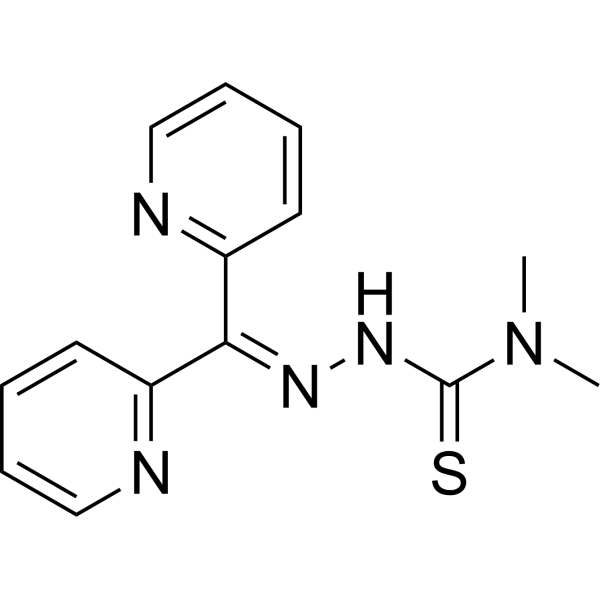
Dp44mT is an iron chelator with selective anticancer activity.
loading...
    loading...
4
4 Cited Publications
Cat. No.: HY-N0928
CAS No.: 500-44-7
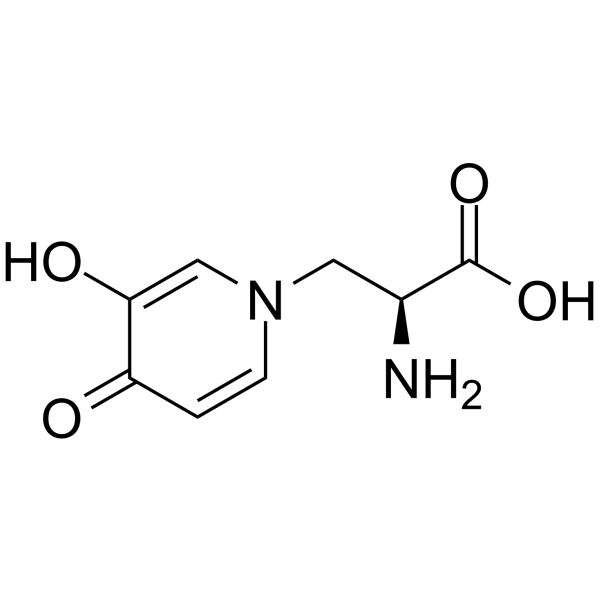
Mimosine, a tyrosine analog , can act as an antioxidant by its potent iron-binding activity . Mimosine is a known chelator of Fe(III) . Mimosine induces apoptosis through metal ion chelation, mitochondrial activation and ROS production in human leukemic cells . Anti-cancer, antiinflammation.
loading...
    loading...
4
4 Cited Publications
Cat. No.: HY-12406
CAS No.: 327031-55-0
Purity:  98.67%
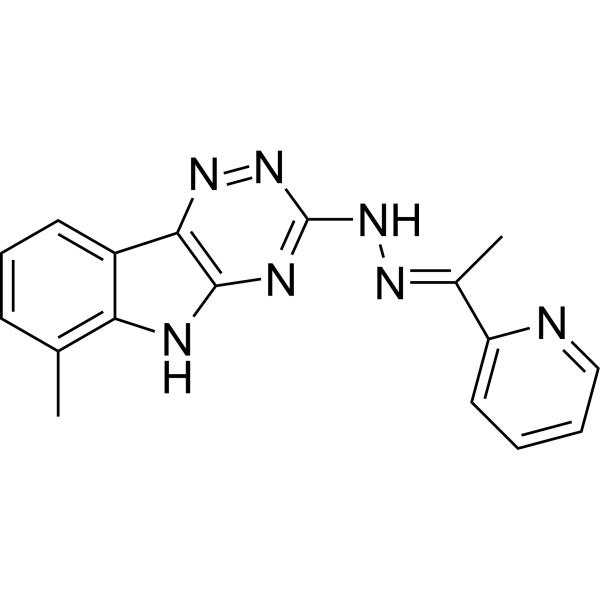
VLX600 is an iron-chelating inhibitor of oxidative phosphorylation (OXPHOS). VLX600 causes mitochondrial dysfunction and induces a strong shift to glycolysis. VLX600 displays selective cytotoxic activity against malignant cell and induces autophagy. Anticancer activity .
loading...
    loading...
4
4 Cited Publications
Cat. No.: HY-114758
CAS No.: 737-86-0
Purity:  99.96%
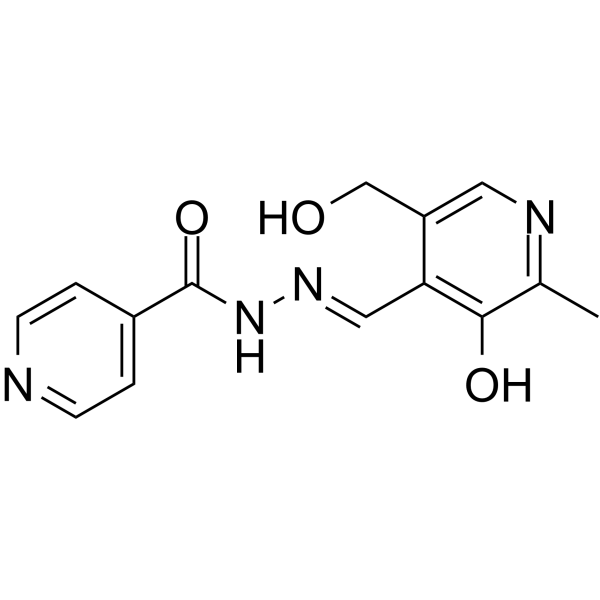
Pyridoxal isonicotinoyl hydrazone is an orally active and lipophilic iron-specific chelator that acts as a non-competitive inhibitor of ferrochelatase (FECH) by binding iron ions. Pyridoxal isonicotinoyl hydrazone disrupts heme biosynthesis, leading to reduced FECH stability and increased protoporphyrin IX (PPIX) accumulation. Pyridoxal isonicotinoyl hydrazone is promising for research of iron-overload diseases (e.g., β-thalassemia) .
loading...
    loading...
3
3 Cited Publications
Cat. No.: HY-B1625R
CAS No.: 70-51-9
Synonyms: Deferoxamine B (Standard); Deferriferrioxamine B (Standard); Deferrioxamine (Standard)
Deferoxamine (Standard) is the analytical standard of Deferoxamine. This product is intended for research and analytical applications. Deferoxamine (Deferoxamine B) is an iron chelator (binds to Fe(III) and many other metal cations), is widely used to reduce iron accumulation and deposition in tissues. Deferoxamine upregulates HIF-1α levels with good antioxidant activity. Deferoxamine also shows anti-proliferative activity, can induce apoptosis and autophagy in cancer cells. Deferoxamine can be used in studies of diabetes, neurodegenerative diseases as well as anti-cancer and anti-COVID-19 .
loading...
    loading...
2
2 Cited Publications
Cat. No.: HY-120475
CAS No.: 1232841-78-9
Synonyms: ATH434
Target:  

α-synuclein

Research Areas:  

Neurological Disease

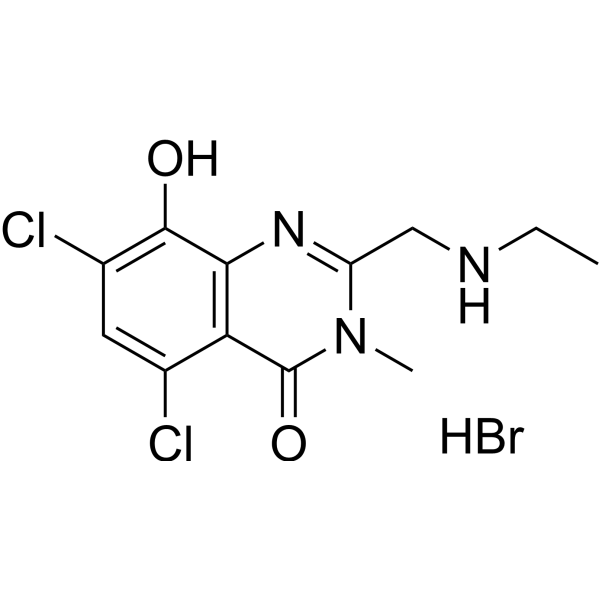
PBT434 is a potent, orally active and cross the blood-brain barrier α-synuclein aggregation inhibitor. PBT434 can be used as a iron chelator and modulates transcellular iron trafficking. PBT434 inhibits iron-mediated redox activity and iron-mediated aggregation of α-synuclein. PBT434 prevents the loss of substantia nigra pars compacta neurons (SNpc). PBT434 has the potential for the research of Parkinson’s disease (PD) .
loading...
    loading...
2
2 Cited Publications
Cat. No.: HY-120475A
CAS No.: 2387898-69-1
Purity:  99.92%
Synonyms: ATH434 mesylate
Target:  

α-synuclein

Research Areas:  

Neurological Disease

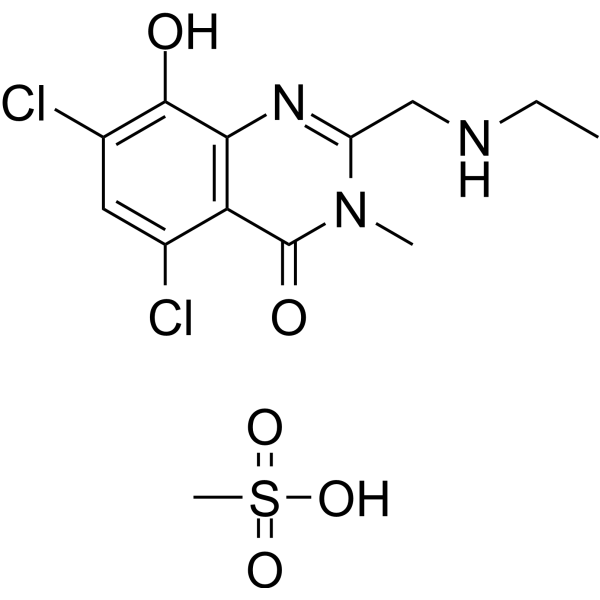
PBT434 methanesulfonate is a potent, orally active and cross the blood-brain barrier α-synuclein aggregation inhibitor. PBT434 methanesulfonate can be used as a iron chelator and modulates transcellular iron trafficking. PBT434 methanesulfonate inhibits iron-mediated redox activity and iron-mediated aggregation of α-synuclein. PBT434 methanesulfonate prevents the loss of substantia nigra pars compacta neurons (SNpc). PBT434 methanesulfonate has the potential for the research of Parkinson’s disease (PD) .
loading...
    loading...
1
1 Cited Publications
Cat. No.: HY-131036
CAS No.: 64821-19-8
Purity:  99.25%
Target:  

Monoamine Oxidase

Research Areas:  

Neurological Disease

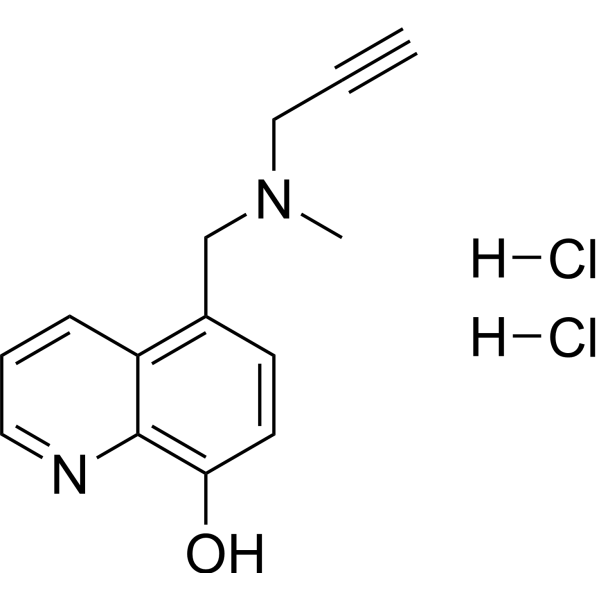
MAO-IN-M30 dihydrochloride is an orally active, brain-permeable, and brain selective irreversible MAO-A (IC50=37 nM) and MAO-B (IC50=57 nM) inhibitor. MAO-IN-M30 dihydrochloride is a potent iron chelator and radical scavenger. MAO-IN-M30 dihydrochloride has a neuroprotective effect against Dexamethasone-induced brain cell apoptosis. MAO-IN-M30 dihydrochloride also exhibits neurorestorative activity in post MPTP and lactacystin models of Parkinson's disease . MAO-IN-M30 (dihydrochloride) is a click chemistry reagent, it contains an Alkyne group and can undergo copper-catalyzed azide-alkyne cycloaddition (CuAAc) with molecules containing Azide groups.
loading...
    loading...
Cat. No.: HY-114243
CAS No.: 1382469-39-7
Purity:  98.28%
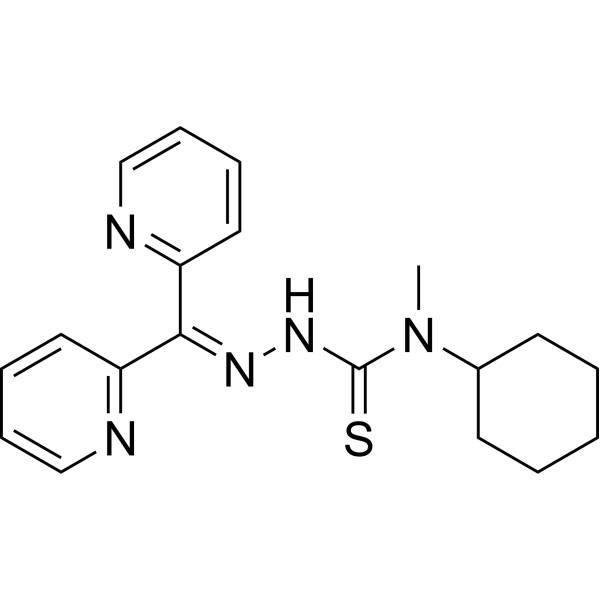
DpC is a selective, orally active iron chelator with anticancer activity. DpC acts on signaling pathway-related targets such as JNK, NF-κB, and its activity is competitively inhibited by another iron chelator Dp44mT (HY-18973). By chelating intracellular iron and copper ions in tumor cells to form redox-active complexes, DpC induces oxidative stress, activates the JNK, NF-κB pathways and downregulates IκBα, upregulates the expressions of neuroglobin and cytoglobin, activates caspase 3/9 to induce tumor cell apoptosis. It also overcomes P-glycoprotein-mediated multidrug resistance through a lysosome-targeting mechanism, and exhibits broad-spectrum synergistic effects when combined with various chemotherapeutic agents. DpC inhibits tumor metastasis and increases TNF-α levels in the tumor microenvironment to enhance endogenous immune responses. DpC is applicable to the research of various malignancies including neuroblastoma, pancreatic cancer, prostate cancer, lung cancer, and breast cancer .
loading...
    loading...
Cat. No.: HY-131060
CAS No.: 1335282-05-7
Purity:  98.15%
Synonyms: CN328
Target:  

Ferroptosis

Research Areas:  

Others

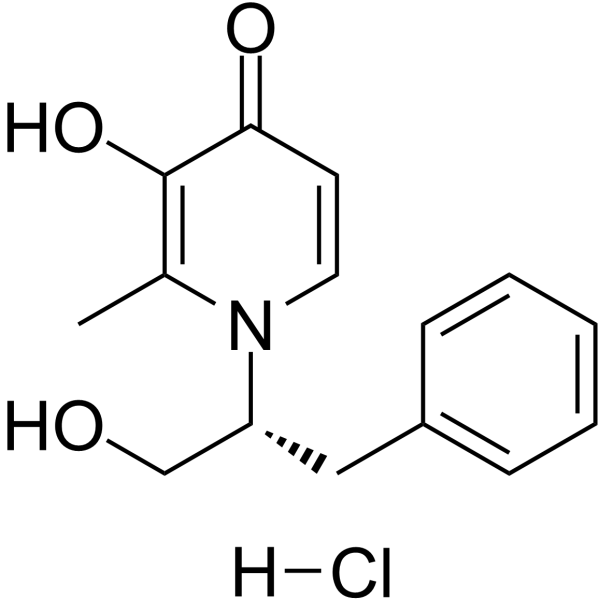
CN128 hydrochloride (CN328) is an orally active and selective iron chelator. CN128 is used for the research of β-thalassemia .
loading...
    loading...
Cat. No.: HY-108260
CAS No.: 239101-33-8
Purity:  99.32%
Synonyms: GT-56-252
Target:  

Ferroptosis

Research Areas:  

Cardiovascular Disease

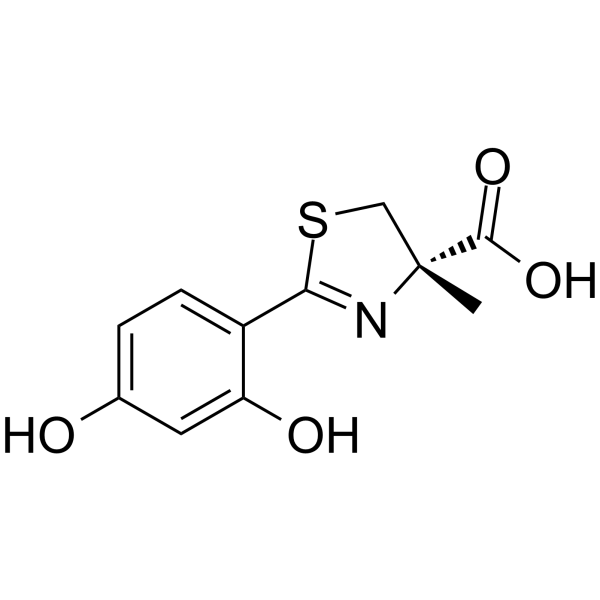
Deferitrin (GT-56-252), a desferrithiocin (DFT) analogue, is an orally active trident iron chelator. Deferitrin is used for chronic iron overload due to transfusional therapy. Deferitrin has the potential for beta-thalassemia major .
loading...
    loading...
Cat. No.: HY-B0988R
CAS No.: 138-14-7
Synonyms: Desferrioxamine B mesylate (Standard); DFOM (Standard)
Deferoxamine (mesylate) (Standard) is the analytical standard of Deferoxamine (mesylate). This product is intended for research and analytical applications. Deferoxamine mesylate (Deferoxamine B mesylate) is an iron chelator (binds to Fe(III) and many other metal cations), is widely used to reduce iron accumulation and deposition in tissues. Deferoxamine mesylate upregulates HIF-1α levels with good antioxidant activity. Deferoxamine mesylate also shows anti-proliferative activity, can induce apoptosis and autophagy in cancer cells. Deferoxamine mesylate can be used in studies of diabetes, neurodegenerative diseases as well as anti-cancer and anti-COVID-19 .
loading...
    loading...
Cat. No.: HY-N11874
CAS No.: 127902-98-1
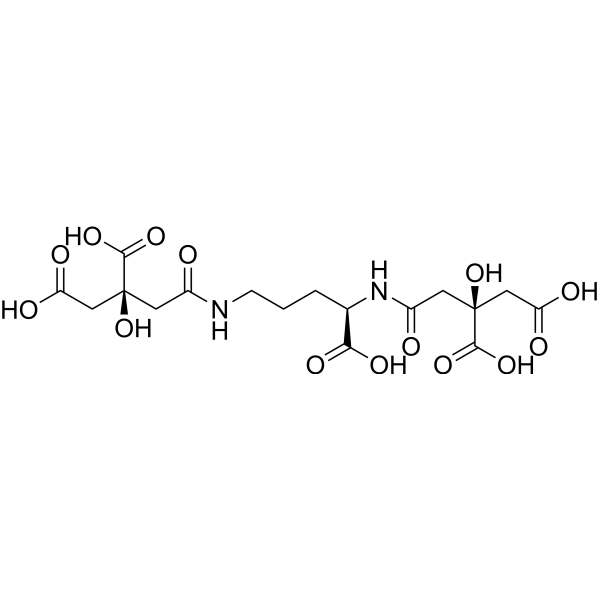
Staphyloferrin A is a carboxylate-type siderophore, as well as an iron (III) chelator and a HtsA ligand with high binding affinity for iron (III). Staphyloferrin A can be used in studies of bacterial infections .
loading...
    loading...
Cat. No.: HY-W035520
CAS No.: 35369-53-0
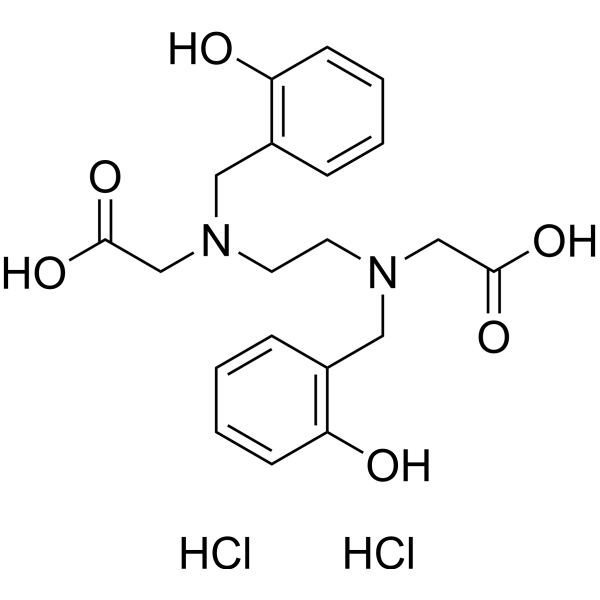
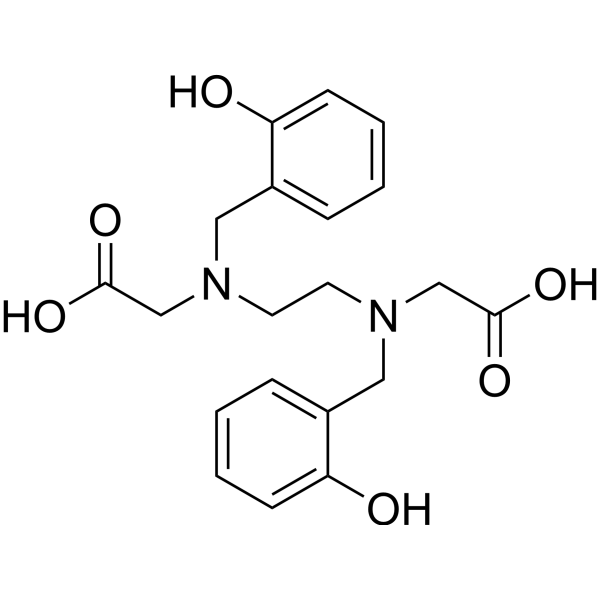
HBED dihydrochloride is an orally active and hexadentate phenolic aminocarboxylate iron chelator. HBED refers to N, N'-bis(2-hydroxybenzyl)ethylenediamine-N,N'-diacetic acid, inducing iron excretion in primates. HBED dihydrochloride has the potential to be used as an alternative to desferriamine for iron chelation therapy .
loading...
    loading...
Cat. No.: HY-114837
CAS No.: 35998-29-9
Purity:  98.00%
Target:  

Ferroptosis

Research Areas:  

Cancer

HBED is a potent iron chelator. HBED can be used to study transfusional iron overload .
loading...
    loading...

