1. Search Result
Search Result
Results for "

Kv7

" in MedChemExpress (MCE) Product Catalog:

55

Inhibitors & Agonists

1

Biochemical Assay Reagents

2

Peptides

1

Recombinant Proteins

1

Isotope-Labeled Compounds

2

Antibodies

1

Click Chemistry

Cat. No. Product Name Target Research Areas Chemical Structure
  • HY-139791

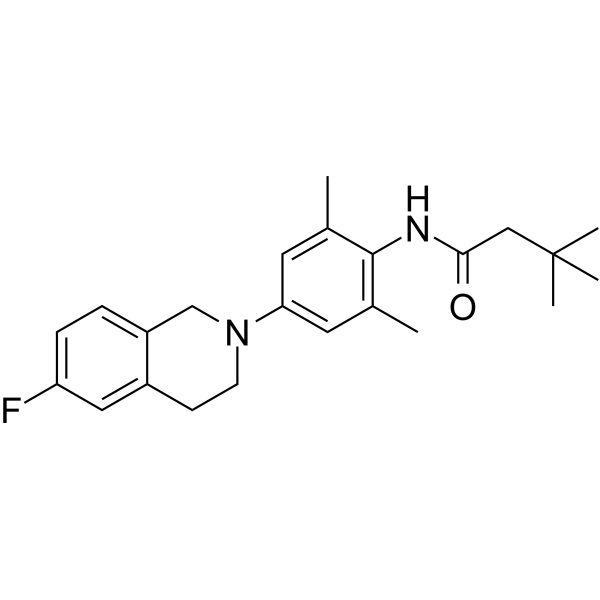
    XEN1101

    Potassium Channel Neurological Disease
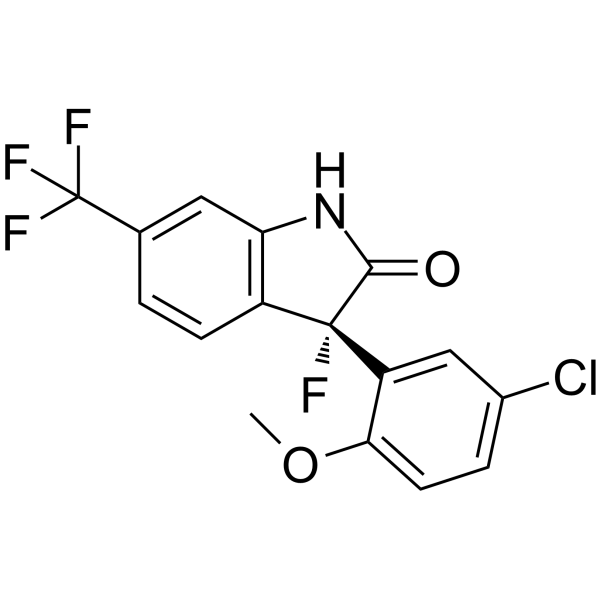
    Azetukalner (XEN1101) is a selective and orally active Kv7.2/Kv7.3 potassium channel opener with an EC50 of 27 nM. Azetukalner is approximately 4-fold more selective for Kv7.2/7.3 over Kv7.3/7.5 (EC50 of 94 nM) and Kv7.4 (EC50 of 113 nM) channels. Azetukalner exhibits a selectivity >100-fold for Kv7 channels over other ion channels and receptors. Azetukalner can be used for the study of focal epilepsy .
    Azetukalner
  • HY-17001A
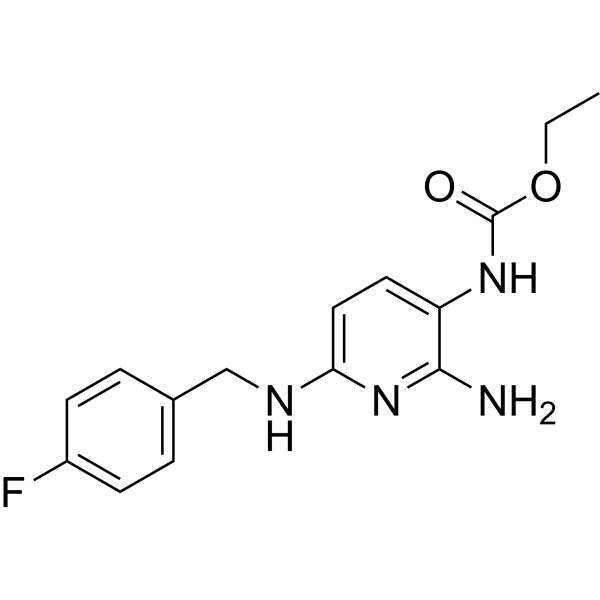
    Flupirtine
    1 Publications Verification

    D 9998

    Potassium Channel iGluR GABA Receptor Neurological Disease Inflammation/Immunology
    Flupirtine (D 9998) is an orally active, blood-brain barrier-crossing non-opioid analgesic and neuroprotective agent. Flupirtine is a neuronal potassium channel opener (Kv7 activator), a NMDA receptor antagonist and a GABA receptor activator. Flupirtine stabilizes blood-brain-barrier integrity, reduces oxidative stress and brain leukocyte infiltration, enhances angioneurogenesis, suppresses calcium influx, stabilizes neuronal resting membrane potential, and counteracts focal cerebral ischemia. Flupirtine exhibits analgesic, muscle relaxant properties, protects neurons from excitotoxic, ischemic, or cytokine-mediated death. Flupirtine functions as a non-opioid analgesic without antipyretic or antiphlogistic properties, shows no relevant affinity to opiate receptor. Flupirtine can be used for the research of focal cerebral ischemia, pain, Alzheimer’s disease, or multiple sclerosis .
    Flupirtine
  • HY-101843

    Potassium Channel Neurological Disease
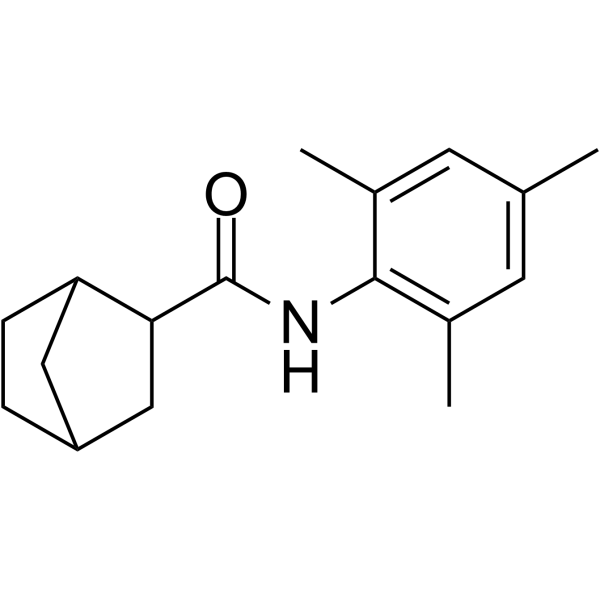
    ML213 is a selective activator of Kv7.2 and Kv7.4 channels, enhances Kv7.2 and Kv7.4 channels with EC50s of 230 and 510 nM, respectively.
    ML213
  • HY-108577
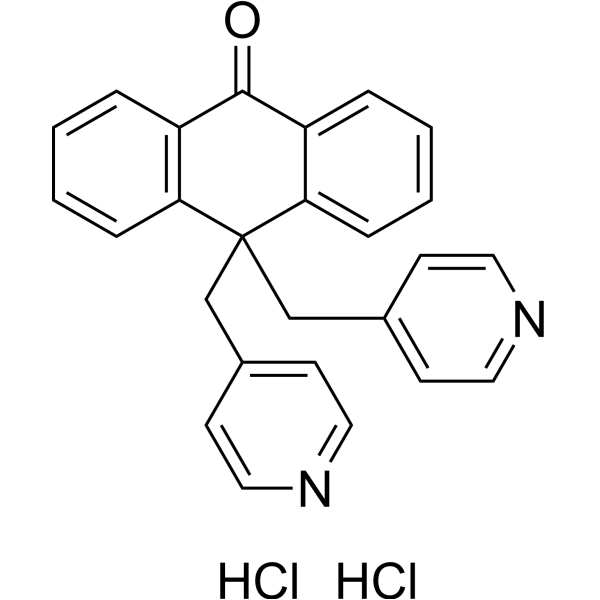
    XE991 dihydrochloride
    3 Publications Verification

    Potassium Channel Neurological Disease
    XE991 dihydrochloride, a Kv7 (KCNQ) channels blocker, potently inhibits Kv7.1 (KCNQ1), Kv7.2 (KCNQ2), Kv7.2 + Kv7.3 (KCNQ3) channel, and M-current with IC50s of 0.75 μM, 0.71 μM, 0.6 μM, and 0.98 μM, respectively .
    XE991 dihydrochloride
  • HY-17001
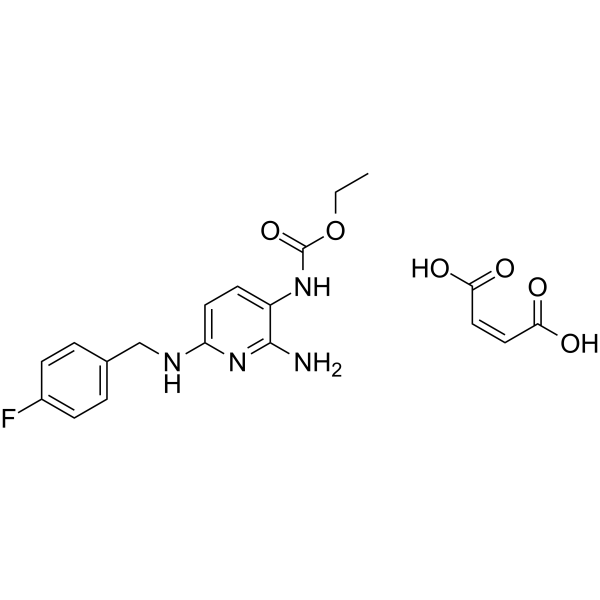
    Flupirtine Maleate
    1 Publications Verification

    D 9998 Maleate

    Potassium Channel iGluR GABA Receptor Neurological Disease Inflammation/Immunology
    Flupirtine (D 9998) Maleate is an orally active, blood-brain barrier-crossing non-opioid analgesic and neuroprotective agent. Flupirtine Maleate is a neuronal potassium channel opener (Kv7 activator), a NMDA receptor antagonist and a GABA receptor activator. Flupirtine Maleate stabilizes blood-brain-barrier integrity, reduces oxidative stress and brain leukocyte infiltration, enhances angioneurogenesis, suppresses calcium influx, stabilizes neuronal resting membrane potential, and counteracts focal cerebral ischemia. Flupirtine Maleate exhibits analgesic, muscle relaxant properties, protects neurons from excitotoxic, ischemic, or cytokine-mediated death. Flupirtine Maleate functions as a non-opioid analgesic without antipyretic or antiphlogistic properties, shows no relevant affinity to opiate receptor. Flupirtine Maleate can be used for the research of focal cerebral ischemia, pain, Alzheimer’s disease, or multiple sclerosis .
    Flupirtine Maleate
  • HY-172431

    BHV-7000

    Potassium Channel Neurological Disease
    Opakalim (BHV-7000) is a selective Kv7.2/7.3 potassium channels activator with an EC50 of 0.6 μM. Opakalim shows minimal GABAA receptor activation and exhibits potent anti-seizure efficacy in the maximal electroshock seizure (MES) model. Opakalim can be used for the study of seizures .
    Opakalim
  • HY-108577A
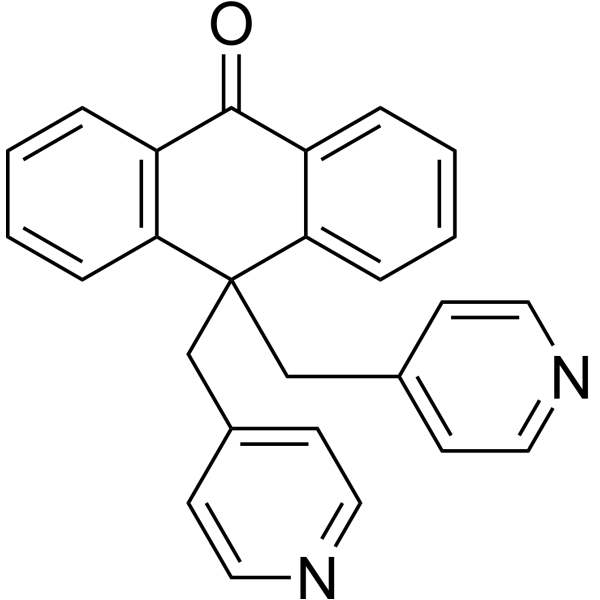
    XE991
    3 Publications Verification

    Potassium Channel Neurological Disease
    XE 991 dihydrochloride, a Kv7 (KCNQ) channels blocker, potently inhibits Kv7.1 (KCNQ1), Kv7.2 (KCNQ2), Kv7.2 + Kv7.3 (KCNQ3) channel, and M-current with IC50s of 0.75 μM, 0.71 μM, 0.6 μM, and 0.98 μM, respectively .
    XE991
  • HY-108584

    BMS-204352

    Potassium Channel Neurological Disease
    Flindokalner (BMS-204352) is a potassium channel modulator. Flindokalner is a positive modulator of all neuronal Kv7 channel subtypes expressed in HEK293 cells. Flindokalner is also a large conductance calcium-activated K channel (BKca) positive modulator. Flindokalner shows a negative modulatory activity at Kv7.1 channels (Ki=3.7 μM), and acts as a negative modulator of GABAA receptors. Flindokalner shows anxiolytic efficacy in vivo .
    Flindokalner
  • HY-125469

    PF-04895162

    Potassium Channel Neurological Disease
    ICA-105665 (PF-04895162) is a potent and orally active neuronal Kv7.2/7.3 and Kv7.3/7.5 potassium channels opener. ICA-105665 inhibits liver mitochondrial function and bile salt export protein (BSEP) transport (IC50 of 311 μM). ICA-105665 can penetrate the blood-brain barrier and has antiseizure effects .
    ICA-105665
  • HY-101396
    ICA-069673
    3 Publications Verification

    Potassium Channel Neurological Disease
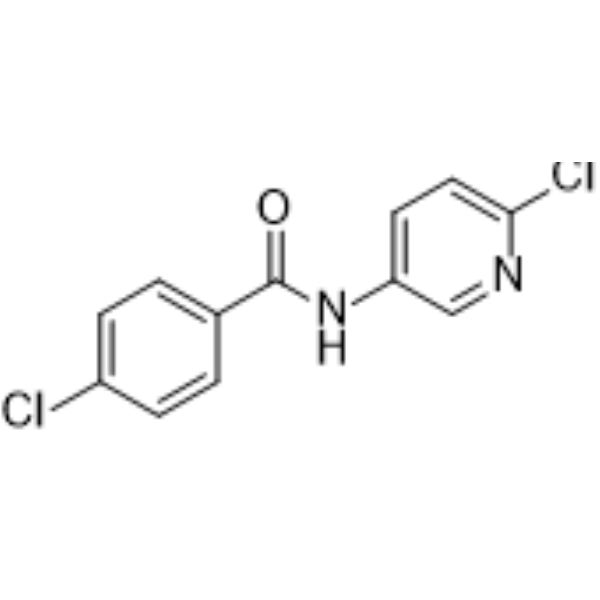
    ICA-069673 is a KCNQ2/Q3 potassium channel activator. ICA-069673 demonstrates greater selectivity for KV7.2/7.3 over KV7.3/KV7.5, with EC50s of 0.69 μM and 14.3 μM, respectively. ICA-069673 inhibits spontaneous phasic and nerve-evoked contractions in guinea pig detrusor smooth muscle (DSM). ICA-069673 also decreases the global intracellular Ca(2+) concentration in DSM cells .
    ICA-069673
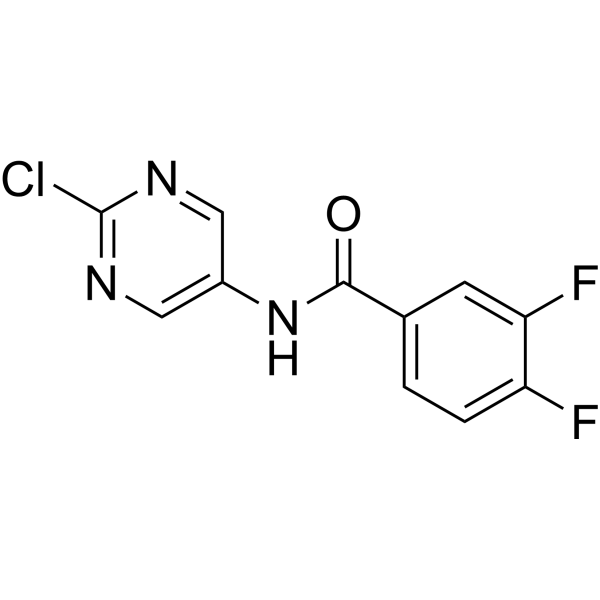
  • HY-18063

    Potassium Channel Cytochrome P450 Neurological Disease
    ML252 is a selective inhibitor of KCNQ2 (Kv7.2) channel with an IC50s of 69 nM, 2.92 μM, 0.12 μM and 0.20 μM for KCNQ2, KCNQ1 (Kv7.1), KCNQ2/Q3 and KCNQ4, respectively. ML252 also inhibits Cytochrome P450 with IC50s of 6.1 nM (CYP1A2), 18.9 nM (CYP2C9), 3.9 nM (CYP3A4), 19.9 nM (CYP2D6), respectively. ML252 shows highly brain penetrant .
    ML252
  • HY-W020468
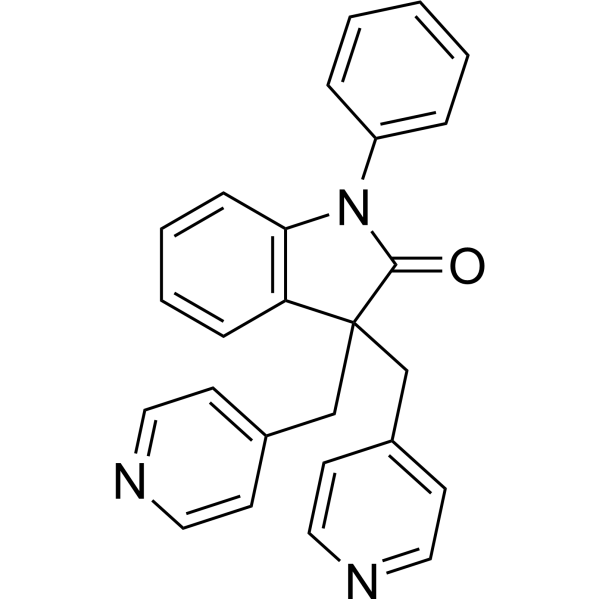
    Linopirdine
    2 Publications Verification

    DuP 996

    Potassium Channel TRP Channel Neurological Disease
    Linopirdine (DuP 996) is an orally active, selective M-type K + current (IM; Kv7; KCNQ Channels) inhibitor with an IC50 of 2.4 μM. Linopirdine is a TRPV1 agonist. Linopirdine, a putative cognition enhancing agent, increases acetylcholine release in rat brain tissue .
    Linopirdine
  • HY-108587

    Potassium Channel Neurological Disease
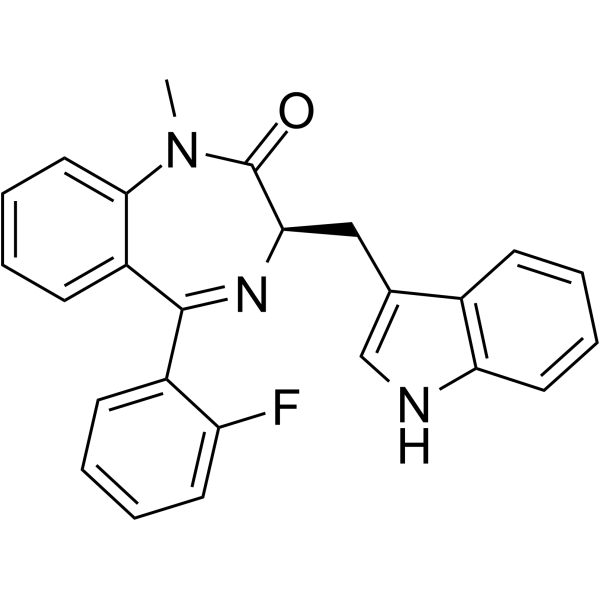
    ICA 110381 is an orally active Kv7.2/Kv7.3 (KCNQ2/3) potassium channel activator with anticonvulsive properties. ICA 110381 is a KCNQ2/Q3 activator (EC50=0.38 μM) as well as KCNQ1 antagonist (IC50=15 μM) .
    ICA 110381
  • HY-W001992

    3-Nitro-2,6-dichloropyridine

    Biochemical Assay Reagents Neurological Disease
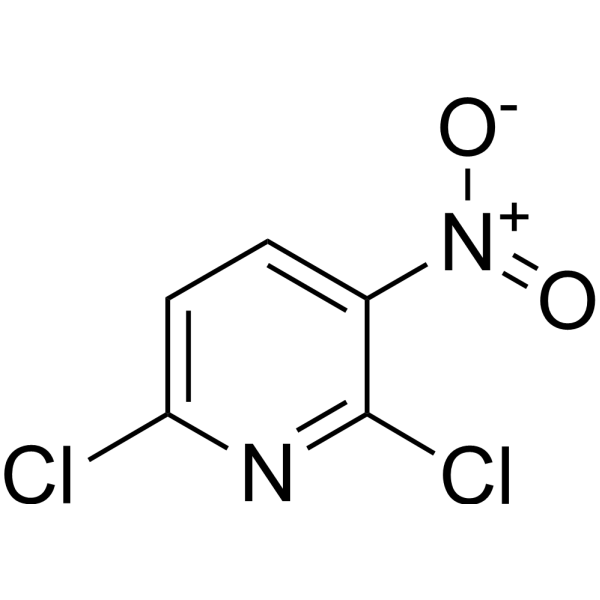
    2,6-Dichloro-3-nitropyridine is a starting compound for the synthesis of a sulfide analog of Flupirtine (HY-17001A) with KV7.2/3 channel opening activity. 2,6-Dichloro-3-nitropyridine can be used in pain research .
    2,6-Dichloro-3-nitropyridine
  • HY-178281

    Potassium Channel Sodium Channel Neurological Disease
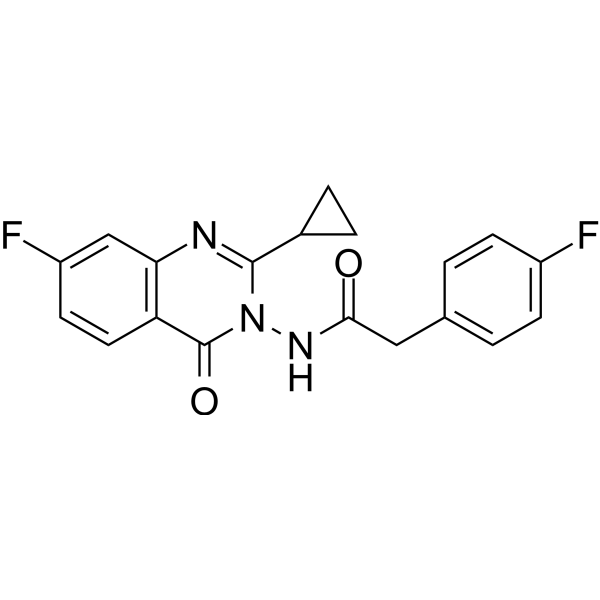
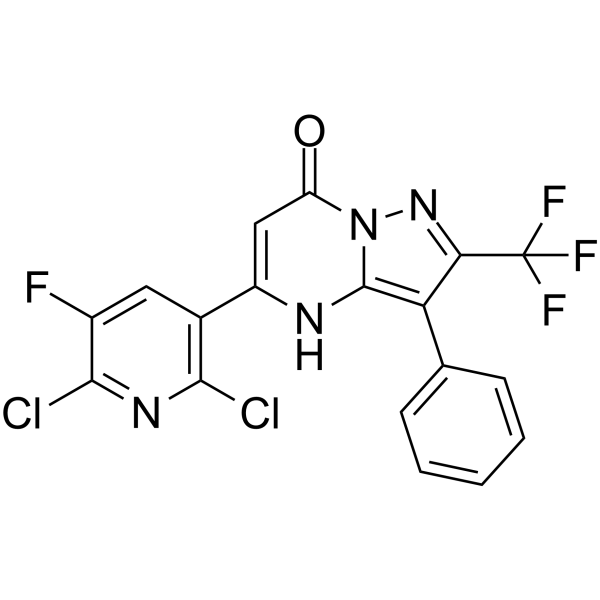
    E0199 is a novel potent dual-target KV7/NaV modulator that activates the KV7 channel (KV7.2/7.3 (EC50 = 12.78 nM), KV7.2 (EC50 = 0.50 μM), and KV7.5 (EC50 = 27.14 nM) channels) while simultaneously blocks the NaV1.7 (IC50 = 0.52 μM), NaV1.8 (IC50 = 0.24 μM), and NaV1.9 (IC50 = 0.16 μM) channels. E0199 shows a potent analgesic effect without affecting heart and skeletal muscle ion channels critically in a chronic constriction injury (CCI) mouse model. E0199 can be used for Neuropathic pain (NP) research .
    E0199
  • HY-108591

    R-L3

    Potassium Channel Cardiovascular Disease
    L-364,373 (R-L3) is a voltage-gated Kv7.1 (KCNQ1)/mink channels activator. L-364,373 activates Iks (slow delayed rectifier potassium current) and shortens action potential duration in guinea pig cardiac myocytes, and suppresses early afterdepolarizations in rabbit ventricular myocytes .
    L-364,373
  • HY-180468

    Potassium Channel Neurological Disease
    Kv7 activator-2 (A14a) is a Kv7 potassium channel activator. Kv7 activator-2 can be used for the research of neurological disease, such as epilepsy .
    Kv7 activator-2
  • HY-145016

    Potassium Channel Neurological Disease
    HN37 as a potent and chemically stable antiepileptic agent candidate, with an EC50 of 37 nM for KCNQ2 . HN37 is a click chemistry reagent, it contains an Alkyne group and can undergo copper-catalyzed azide-alkyne cycloaddition (CuAAc) with molecules containing Azide groups.
    HN37
  • HY-110162

    Potassium Channel Neurological Disease
    QO 58 is a potent modulator of K(v)7 channels. QO-58 increases the current amplitudes, shifts the voltage-dependent activation curve in a more negative direction and slows the deactivation of K(v)7.2/K(v)7.3 currents. QO-58 has the potential for the research of diseases associated with neuronal hyperexcitability .
    QO 58
  • HY-175668

    Potassium Channel Neurological Disease
    IDOR-1104-0086 is an orally active Kv7 potassium channel opener with an EC50 of 210 nM that can cross blood-brain barrier. IDOR-1104-0086 displays strong selectivity against the hERG channel with an IC20 of 25 μM. IDOR-1104-0086 exhibits efficacy in two rodent models of epilepsy and a favorable tolerability profile. IDOR-1104-0086 can used for the study of epilepsy .
    IDOR-1104-0086
  • HY-178300

    Potassium Channel Neurological Disease
    Kv7 activator-1 (Page 66) is a Kv7 channel activator. Kv7 activator-1 can be used for the studies of depression disorders, neurodegenerative diseases or pain disorders .
    Kv7 activator-1
  • HY-175340

    Potassium Channel TSPO Neurological Disease
    Kv7.2/Kv7.3 activator-3 (GRT-X) is an orally active Kv7.2/Kv7.3 and TSPO activator. Kv7.2/Kv7.3 activator-3 activates Kv7.2/Kv7.3, Kv7.4, and Kv7.5 with EC50 values of 0.37, 2.06, and 0.75 μM, respectively, and binds to TSPO with Ki values of 0.07 μM (rat membrane) and 4.60 μM (human U-118 MG cells). Kv7.2/Kv7.3 activator-3 prevents motor neuron degeneration in mice and humans conditioned by ALS/FTD astrocytes. Kv7.2/Kv7.3 activator-3 stimulates dorsal root ganglion axonal growth through TSPO and Kv7.2/3 activation. Kv7.2/Kv7.3 activator-3 has anti-epileptic effects in epileptic seizure models. Kv7.2/Kv7.3 activator-3 reduces pain hypersensitivity in patients with diabetic neuropathy, promotes neuronal survival and regeneration after cervical neuropathy in rats, and accelerates the recovery of normal function of sensory and motor neurons .
    Kv7.2/Kv7.3 activator-3
  • HY-164417

    Potassium Channel Neurological Disease
    Kv7.2/Kv7.3 activator-1 (compound 517) is a potent Kv7.2/Kv7.3 channel activator with an EC50 value of <1 µM. Kv7.2/Kv7.3 activator-1 has the potential for the research of neurological diseases .
    Kv7.2/Kv7.3 activator-1
  • HY-P5925A

    SsTx Toxin TFA

    Potassium Channel Neurological Disease Inflammation/Immunology
    Ssm Spooky Toxin TFA is found in Scolopendra mutilans that potently inhibits KCNQ (voltage-gated potassium channel family 7) channels, with IC50s of 2.8 μM, 5.26 μM and 0.1-0.3 M for Kv7.4, Kv1.3, and Shal channel, respectivily. Ssm Spooky Toxin TFA inhibits cytokine generation by specifically acting on the KV1.3 channel in T cells. Ssm Spooky Toxin TFA plays an essential role in the centipede’s circulatory system .
    Ssm spooky toxin TFA
  • HY-172887

    Potassium Channel Neurological Disease
    Kv7.2/Kv7.3 activator-2 is a BBB-penetrable Kv7.2/7.3 activator (EC50: 0.25 μM). Kv7.2/Kv7.3 activator-2 has good photostability. Kv7.2/Kv7.3 activator-2 has potently antiepileptic effects in maximal electroshock (MES) and sc-pentylenetetrazol (sc-PTZ)-induced acute mice seizure models .
    Kv7.2/Kv7.3 activator-2
  • HY-110230

    D 9998-d4 hydrochloride

    Isotope-Labeled Compounds Potassium Channel iGluR GABA Receptor Neurological Disease Inflammation/Immunology
    Flupirtine-d4 (D 9998-d4) hydrochloride is the deuterium labeled Flupirtine hydrochloride (HY-W709349). Flupirtine hydrochloride is an orally active, blood-brain barrier-crossing non-opioid analgesic and neuroprotective agent. Flupirtine hydrochloride is a neuronal potassium channel opener (Kv7 activator), a NMDA receptor antagonist and a GABA receptor activator. Flupirtine hydrochloride stabilizes blood-brain-barrier integrity, reduces oxidative stress and brain leukocyte infiltration, enhances angioneurogenesis, suppresses calcium influx, stabilizes neuronal resting membrane potential, and counteracts focal cerebral ischemia. Flupirtine hydrochloride exhibits analgesic, muscle relaxant properties, protects neurons from excitotoxic, ischemic, or cytokine-mediated death. Flupirtine hydrochloride functions as a non-opioid analgesic without antipyretic or antiphlogistic properties, shows no relevant affinity to opiate receptor. Flupirtine hydrochloride can be used for the research of focal cerebral ischemia, pain, Alzheimer’s disease, or multiple sclerosis .
    Flupirtine-d4 hydrochloride
  • HY-159506

    Bimokalnerum

    Potassium Channel Neurological Disease
    Bimokalner (Bimokalnerum) is a voltage-gated potassium channel (Kv7.4) agonist .
    Bimokalner
  • HY-168214

    Potassium Channel Neurological Disease
    Kv7.2/Kv7.3 agonist 1 (Compound 16) is an orally active agonist for KV7.2/7.3 channel (KCNQ2/3) with an EC50 of 1.03 μM. Kv7.2/Kv7.3 agonist 1 exhibits analgesic efficacy in mice chronic constriction injury (CCI) model and mice Streptozotocin (HY-13753)-induced diabetic peripheral neuropathic pain (DPNP) model, with ED50 of 12.02 and 9.63 mg/kg .
    Kv7.2/Kv7.3 agonist 1
  • HY-176715

    Potassium Channel Neurological Disease
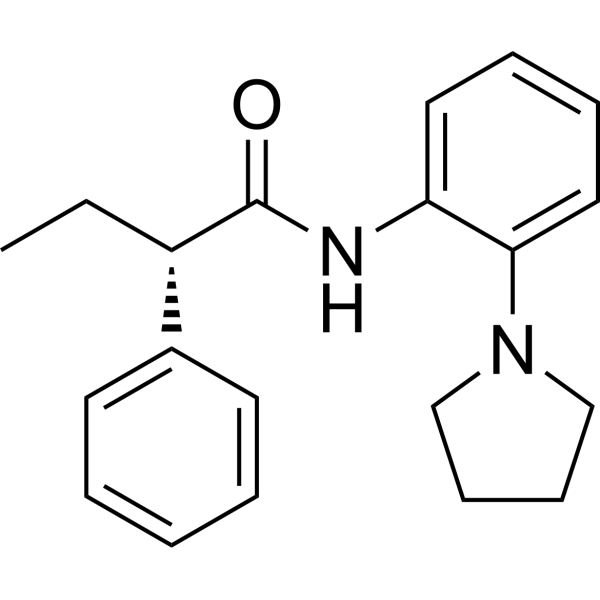
    Kv7.2 activator-1 (Compound 8) is a Kv7.2/3 activator with an EC50 of 178 nM. Kv7.2 activator-1 has a long half-life of 120 minutes in HLM .
    Kv7.2 activator-1
  • HY-108590

    XR-543

    Potassium Channel Neurological Disease
    DMP-543 (XR-543) is a KV7 channel blocker, also acts as a potent neurotransmitter release enhancer .
    DMP-543
  • HY-161625

    Potassium Channel Neurological Disease
    Kv7.2 modulator 2 (compound 52) is a Kv7.2 channel modulator and can be used for study of epilepsy .
    Kv7.2 modulator 2
  • HY-161624

    Potassium Channel Neurological Disease
    Kv7.2 modulator 1 (compound 10) is a Kv7.2 channel modulator and can be used for study of epilepsy .
    Kv7.2 modulator 1
  • HY-115823

    Potassium Channel Neurological Disease
    ztz240 is a chemical modulator of voltage-gated potassium channel Kv7 (KCNQ) (KCNQ2 and 3: EC50=6.1 μM; KCNQ4: EC50=12.2 μM). ztz240 can be used in analgesia and anti-epileptic research .
    ztz240
  • HY-P5925

    SsTx Toxin

    Potassium Channel Neurological Disease Inflammation/Immunology
    Ssm Spooky Toxin is found in Scolopendra mutilans that potently inhibits KCNQ (voltage-gated potassium channel family 7) channels, with IC50s of 2.8 μM, 5.26 μM and 0.1-0.3 M for Kv7.4, Kv1.3, and Shal channel, respectivily. Ssm Spooky Toxin inhibits cytokine generation by specifically acting on the KV1.3 channel in T cells. Ssm Spooky Toxin plays an essential role in the centipede’s circulatory system .
    Ssm spooky toxin
  • HY-120960

    ARA-S

    Akt p38 MAPK Apoptosis Potassium Channel Cardiovascular Disease Neurological Disease
    N-Arachidonoyl-L-serine (ARA-S) is an endocannabinoid. N-Arachidonoyl-L-serine induces phosphorylation of Akt and MAPK in endothelial cells. N-Arachidonoyl-L-serine also induces endothelium-dependent vasodilation in isolated rat mesenteric and abdominal aortas. N-Arachidonoyl-L-serine exhibits neuroprotective effects after traumatic brain injury by reducing apoptosis. N-Arachidonoyl-L-serine promotes the opening of KV7.1/KCNE1 channels in mammalian cells and shortens the action potential duration in cardiomyocytes. N-Arachidonoyl-L-serine may be used in research on cardiovascular and cerebrovascular diseases and neurological disorders .
    N-Arachidonoyl-L-serine
  • HY-108577R

    Potassium Channel Neurological Disease
    XE991 dihydrochloride (Standard) is the analytical standard of XE991 dihydrochloride. This product is intended for research and analytical applications. XE991 dihydrochloride, a Kv7 (KCNQ) channels blocker, potently inhibits Kv7.1 (KCNQ1), Kv7.2 (KCNQ2), Kv7.2 + Kv7.3 (KCNQ3) channel, and M-current with IC50s of 0.75 μM, 0.71 μM, 0.6 μM, and 0.98 μM, respectively .
    XE991 dihydrochloride (Standard)
  • HY-172584

    Potassium Channel Neurological Disease
    Kv7.2/Kv7.3 modulator-1 (compound 6a) is a Kv7.2/Kv7.3 modulator with the pEC50 of 7.96 (KV7.2/3 channel opening activity). Kv7.2/Kv7.3 modulator-1 can be used for study of epilepsy, depression,brain injury and pain .
    Kv7.2/Kv7.3 modulator-1
  • HY-172585

    Potassium Channel Neurological Disease
    Kv7.2/Kv7.3 modulator-2 (compound 7d) is a Kv7.2/Kv7.3 modulator with the pEC50 of 7.42 (KV7.2/3 channel opening activity). Kv7.2/Kv7.3 modulator-2 can be used for study of epilepsy, depression,brain injury and pain .
    Kv7.2/Kv7.3 modulator-2
  • HY-108327

    Potassium Channel Neurological Disease
    PF-05020182 is an orally active opener for Kv7 channel, that activates human Kv7.2/7.3, Kv7.4 and Kv7.3/7.5 with EC50 of 334, 625 and 588 nM, respectively. PF-05020182 exhibits anticonvulsant activity in rats corneal electric shock-induced tonic seizure (MES) models. PF-05020182 is blood-brain barrier (BBB) penetrable .
    PF-05020182
  • HY-180464

    Potassium Channel Neurological Disease
    Kv7.2/Kv7.3 modulator-3 (example 40 peak-1) is a selective Kv7.2/Kv7.3 modulator with an EC50 of 0.099 μM .
    Kv7.2/Kv7.3 modulator-3
  • HY-171116

    Potassium Channel Neurological Disease
    Kv7.2/Kv7.3 activator-4 (example 53) is a Kv7.2/Kv7.3 potassium channel activator that can be used in the research of epilepsy, neuropathic pain and other related diseases .
    Kv7.2/Kv7.3 activator-4
  • HY-W020468R

    DuP 996 (Standard)

    Reference Standards Potassium Channel TRP Channel Neurological Disease
    Linopirdine (DuP 996) is an orally active, selective M-type K+ current (IM; Kv7; KCNQ Channels) inhibitor with an IC50 of 2.4 μM. Linopirdine is a TRPV1 agonist. Linopirdine, a putative cognition enhancing agent, increases acetylcholine release in rat brain tissue .
    Linopirdine (Standard)
  • HY-108584R

    BMS-204352 (Standard)

    Potassium Channel Reference Standards Neurological Disease
    Flindokalner (Standard) is the analytical standard of Flindokalner. This product is intended for research and analytical applications. Flindokalner (BMS-204352) is a potassium channel modulator. Flindokalner is a positive modulator of all neuronal Kv7 channel subtypes expressed in HEK293 cells. Flindokalner is also a large conductance calcium-activated K channel (BKca) positive modulator. Flindokalner shows a negative modulatory activity at Kv7.1 channels (Ki=3.7 μM), and acts as a negative modulator of GABAA receptors. Flindokalner shows anxiolytic efficacy in vivo .
    Flindokalner (Standard)
  • HY-18063A

    Potassium Channel Cytochrome P450 Neurological Disease
    ML252 hydrochloride is a selective inhibitor of KCNQ2 (Kv7.2) channel with IC50s of 69 nM, 2.92 μM, 0.12 μM and 0.20 μM for KCNQ2, KCNQ1 (Kv7.1), KCNQ2/Q3 and KCNQ4, respectively. ML252 hydrochloride also inhibits Cytochrome P450 with IC50s of 6.1 nM (CYP1A2), 18.9 nM (CYP2C9), 3.9 nM (CYP3A4), 19.9 nM (CYP2D6), respectively. ML252 hydrochloride shows highly brain penetrant .
    ML252 hydrochloride
  • HY-181874

    Potassium Channel Neurological Disease
    E0714 is a blood-brain barrier-permeable, selective Kv7.2 potassium channel activator, with EC50 values of 1.90 μM and 0.021 μM for homotetrameric Kv7.2 channels and heterotetrameric Kv7.2/7.3 channels, respectively. E0714 exhibits anticonvulsant activity. E0714 can be used in research related to epilepsy .
    E0714
  • HY-101843R

    Reference Standards Potassium Channel Neurological Disease
    ML213 (Standard) is the analytical standard of ML213 (HY-101843). This product is intended for research and analytical applications. ML213 is a selective activator of Kv7.2 and Kv7.4 channels, enhances Kv7.2 and Kv7.4 channels with EC50s of 230 and 510 nM, respectively.
    ML213 (Standard)
  • HY-108577AR

    Potassium Channel Reference Standards Neurological Disease
    XE991 (Standard) is the analytical standard of XE991 (HY-108577A). This product is intended for research and analytical applications. XE 991, a Kv7 (KCNQ) channels blocker, potently inhibits Kv7.1 (KCNQ1), Kv7.2 (KCNQ2), Kv7.2 + Kv7.3 (KCNQ3) channel, and M-current with IC50s of 0.75 μM, 0.71 μM, 0.6 μM, and 0.98 μM, respectively .
    XE991 (Standard)
  • HY-W709349

    D 9998 hydrochloride

    Potassium Channel iGluR GABA Receptor Neurological Disease Inflammation/Immunology
    Flupirtine (D 9998) hydrochloride is an orally active, blood-brain barrier-crossing non-opioid analgesic and neuroprotective agent. Flupirtine hydrochloride is a neuronal potassium channel opener (Kv7 activator), a NMDA receptor antagonist and a GABA receptor activator. Flupirtine hydrochloride stabilizes blood-brain-barrier integrity, reduces oxidative stress and brain leukocyte infiltration, enhances angioneurogenesis, suppresses calcium influx, stabilizes neuronal resting membrane potential, and counteracts focal cerebral ischemia. Flupirtine hydrochloride exhibits analgesic, muscle relaxant properties, protects neurons from excitotoxic, ischemic, or cytokine-mediated death. Flupirtine hydrochloride functions as a non-opioid analgesic without antipyretic or antiphlogistic properties, shows no relevant affinity to opiate receptor. Flupirtine hydrochloride can be used for the research of focal cerebral ischemia, pain, Alzheimer’s disease, or multiple sclerosis .
    Flupirtine hydrochloride
  • HY-17001R

    D 9998 Maleate (Standard)

    Reference Standards Potassium Channel iGluR GABA Receptor Neurological Disease Inflammation/Immunology
    Flupirtine Maleate (Standard) is the analytical standard of Flupirtine Maleate (HY-17001). This product is intended for research and analytical applications. Flupirtine Maleate is an orally active, blood-brain barrier-crossing non-opioid analgesic and neuroprotective agent. Flupirtine Maleate is a neuronal potassium channel opener (Kv7 activator), a NMDA receptor antagonist and a GABA receptor activator. Flupirtine Maleate stabilizes blood-brain-barrier integrity, reduces oxidative stress and brain leukocyte infiltration, enhances angioneurogenesis, suppresses calcium influx, stabilizes neuronal resting membrane potential, and counteracts focal cerebral ischemia. Flupirtine Maleate exhibits analgesic, muscle relaxant properties, protects neurons from excitotoxic, ischemic, or cytokine-mediated death. Flupirtine Maleate functions as a non-opioid analgesic without antipyretic or antiphlogistic properties, shows no relevant affinity to opiate receptor. Flupirtine Maleate can be used for the research of focal cerebral ischemia, pain, Alzheimer’s disease, or multiple sclerosis .
    Flupirtine Maleate (Standard)
  • HY-17001AR

    D 9998 (Standard)

    Reference Standards Potassium Channel iGluR GABA Receptor Neurological Disease Inflammation/Immunology
    Flupirtine (Standard) (D 9998 (Standard)) is the analytical standard of Flupirtine (HY-17001A). This product is intended for research and analytical applications. Flupirtine is an orally active, blood-brain barrier-crossing non-opioid analgesic and neuroprotective agent. Flupirtine is a neuronal potassium channel opener (Kv7 activator), a NMDA receptor antagonist and a GABA receptor activator. Flupirtine stabilizes blood-brain-barrier integrity, reduces oxidative stress and brain leukocyte infiltration, enhances angioneurogenesis, suppresses calcium influx, stabilizes neuronal resting membrane potential, and counteracts focal cerebral ischemia. Flupirtine exhibits analgesic, muscle relaxant properties, protects neurons from excitotoxic, ischemic, or cytokine-mediated death. Flupirtine functions as a non-opioid analgesic without antipyretic or antiphlogistic properties, shows no relevant affinity to opiate receptor. Flupirtine can be used for the research of focal cerebral ischemia, pain, Alzheimer’s disease, or multiple sclerosis .
    Flupirtine (Standard)

Inquiry Online

Your information is safe with us. * Required Fields.

Salutation


Country or Region *

Applicant Name *


Organization Name *

Department *


Email Address *


Product Name *

Cat. No.


Requested quantity *

Phone Number *


Remarks

Inquiry Online

Inquiry Information

Product Name:
Cat. No.:
Quantity:
MCE Japan Authorized Agent:

