1. Search Result
Search Result
Results for "

ML 2-14

" in MedChemExpress (MCE) Product Catalog:

108

Inhibitors & Agonists

1

Screening Libraries

1

Fluorescent Dyes

2

Biochemical Assay Reagents

3

Peptides

2

Inhibitory Antibodies

4

Natural
Products

3

Isotope-Labeled Compounds

19

Oligonucleotides

1

GMP Molecules

Cat. No. Product Name Target Research Areas Chemical Structure
  • HY-B1402
    Hydrocortisone hemisuccinate
    1 Publications Verification

    Hydrocortisone 21-hemisuccinate

    Interleukin Related Cardiovascular Disease Metabolic Disease Inflammation/Immunology Endocrinology
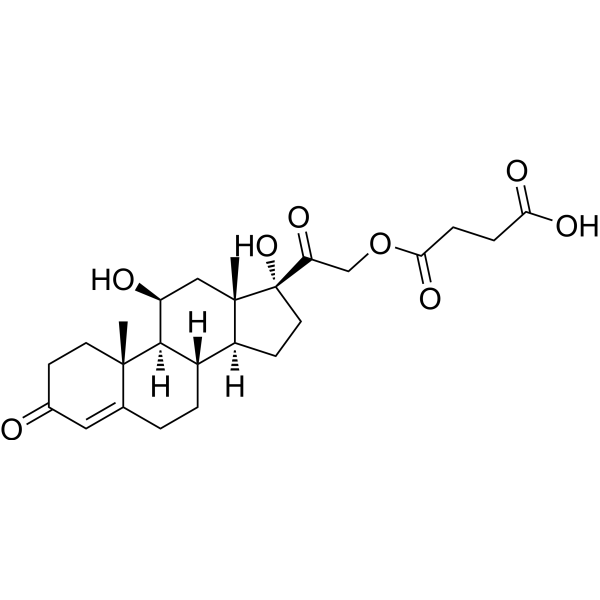
    Hydrocortisone hemisuccinate (Hydrocortisone 21-hemisuccinate), a glucocorticoid, is an orally active steroidal anti-inflammatory agent (SAID) with anti-inflammatory and immunomodulatory activities. Hydrocortisone hemisuccinate inhibits the bioactivity of IL-6 and IL-3 with IC50 values of 6.7 and 21.4 μM, respectively. Hydrocortisone hemisuccinate can be used in the study of ulcerative colitis (UC) and recurrent oral ulcers .
    Hydrocortisone hemisuccinate
  • HY-158116

    RO7589831; VVD-133214

    DNA/RNA Synthesis Cancer
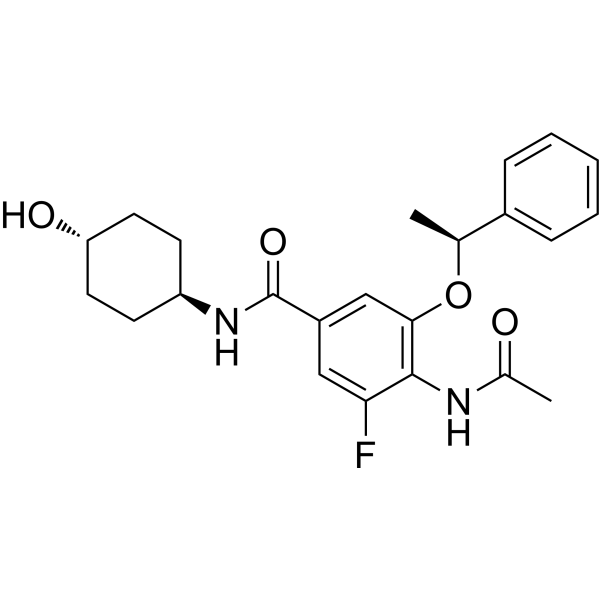
    VVD-214 is a synthetic lethal allosteric inhibitor of WRN helicase with an IC50 of 0.1316 µM. VVD-214 covalently binds to cysteine 727 of WRN and inhibits ATP hydrolysis and helicase activity. VVD-214 is potent in causing double-stranded DNA breaks, nuclear swelling, and cell death in high microsatellite instability (MSI) cancers .
    VVD-214
  • HY-12501A
    ITI-214
    3 Publications Verification

    Phosphodiesterase (PDE) Neurological Disease
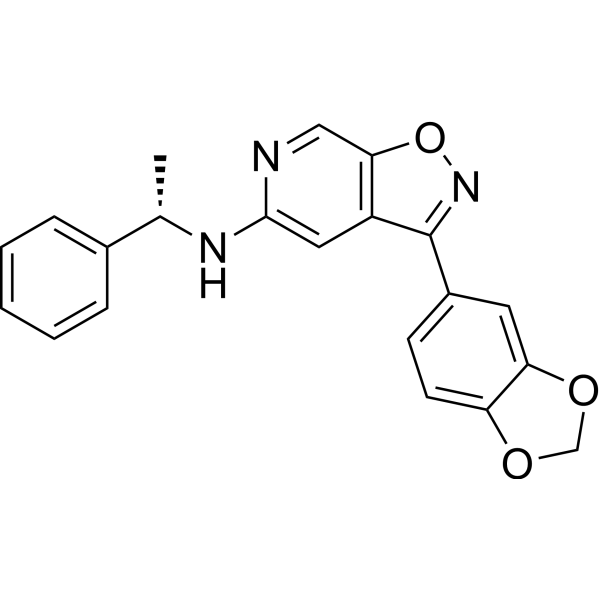
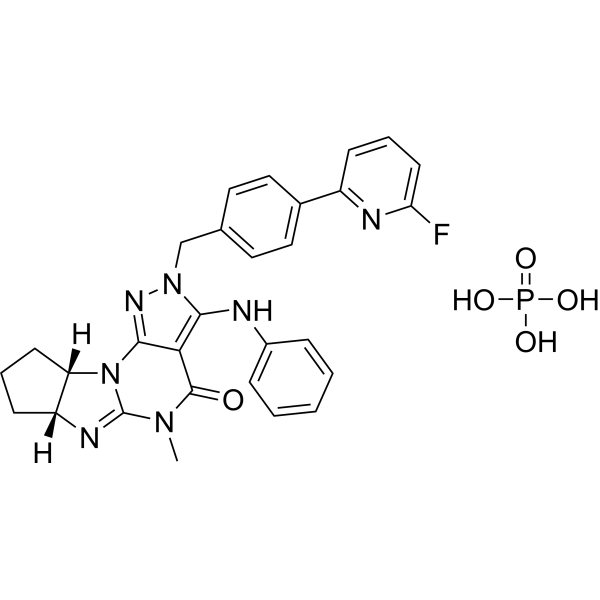
    ITI-214 is a potent, CNS-active, orally bioavailable PDE1 inhibitor (Ki of 58 pM) with excellent selectivity against other PDE family members and against a panel of enzymes, receptors, transporters and ion channels. ITI-214 inhibits recombinant full-length human PDE1A, PDE1B and PDE1C with Kis of 33 pM, 380 pM and 35 pM, respectively. ITI-214 shows efficacy in various animal models of motor and cognitive functions .
    ITI-214
  • HY-12045
    HMN-214
    3 Publications Verification

    IVX-214

    Polo-like Kinase (PLK) Cancer
    HMN-214, an orally bioavailable proagent of HMN-176, is an inhibitor of polo-like kinase-1 (plk1), with antitumor activity.
    HMN-214
  • HY-100753
    STAT3-IN-1
    Maximum Cited Publications
    11 Publications Verification

    STAT Apoptosis Cancer
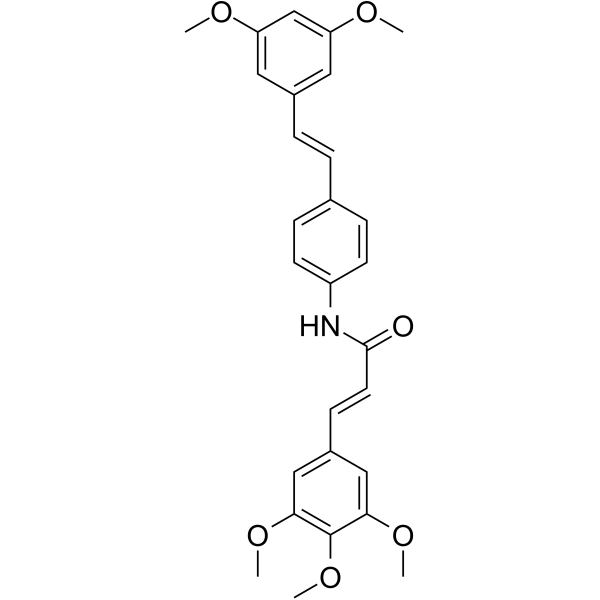
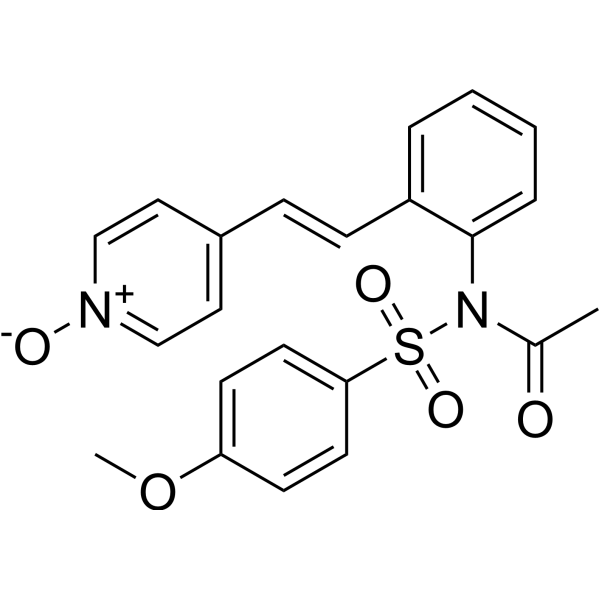
    STAT3-IN-1 (compound 7d) is an excellent, selective and orally active STAT3 inhibitor, with IC50 values of 1.82 μM and 2.14 μM in HT29 and MDA-MB 231 cells, respectively. STAT3-IN-1 (compound 7d) induces tumor cells apoptosis .
    STAT3-IN-1
  • HY-14945

    GSK189075

    SGLT Metabolic Disease
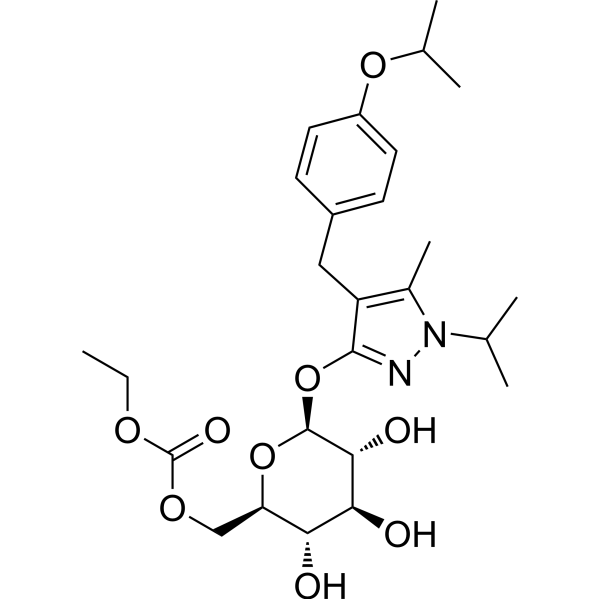
    Remogliflozin etabonate (GSK189075) is an orally active, selective and low-affinity sodium glucose cotransporter (SGLT2) inhibitor with Ki values of 1.95 μM, 2.14 μM, 43.1 μM, 8.57 μM for hSGLT2, rSGLT2, hSGLT1, rSGLT1, respectively. Remogliflozin etabonate is a proagent based on benzylpyrazole glucoside and is metabolized to its active form, Remogliflozin, in the body. Remogliflozin etabonate exhibits antidiabetic efficacy in rodent models .
    Remogliflozin etabonate
  • HY-13775
    XL019
    5 Publications Verification

    JAK Apoptosis Cancer
    XL019?is a potent, orally active, and selective JAK2 inhibitor, with IC50s of 2.2, 134.3, and 214.2 nM for JAK2, JAK1 and JAK3, respectively. XL019 shows 50-fold or greater selectivity for JAK2, versus a panel of over 100 serine/threonine and tyrosine kinases, including other members of the JAK family. XL019 potently inhibits STAT3 and STAT5 phosphorylation in cells harboring either JAK2V617F or wild-type JAK2 .
    XL019
  • HY-136571
    GSK046
    3 Publications Verification

    iBET-BD2

    Epigenetic Reader Domain Inflammation/Immunology
    GSK046 (iBET-BD2), a chemical probe, is a potent, selective and orally active BD2 bromodomain inhibitor of the BET proteins, with IC50s of 264 nM (BRD2 BD2), 98 nM (BRD3 BD2), 49 nM (BRD4 BD2) and 214 nM (BRDT BD2), respectively. GSK046 has immunomodulatory activity .
    GSK046
  • HY-W010668
    Quinine sulfate hydrate
    5+ Cited Publications

    Flavivirus Dengue Virus Parasite Potassium Channel Others
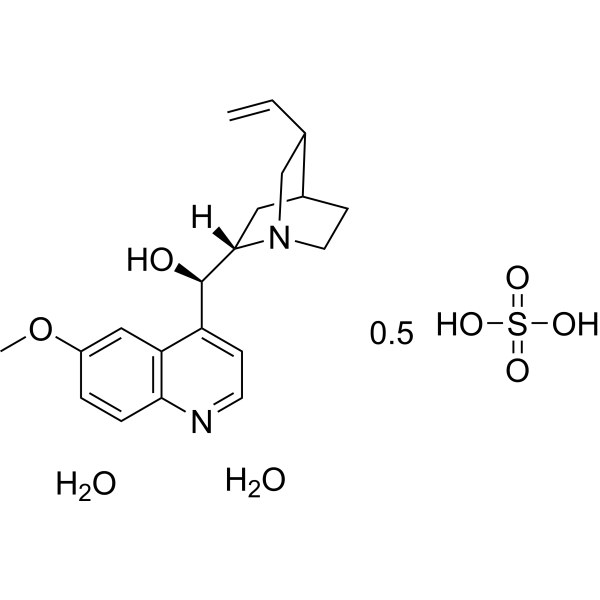
    Quinine sulfate hydrate (2:1:4) is an orally active alkaloid extracted from cinchona bark and can be used in anti-malarial studies. Quinine sulfate hydrate (2:1:4) is a potassium channel inhibitor that inhibits WT mouse Slo3 (KCa5.1) channel currents evoked by voltage pulses to +100 mV with an IC50 of 169 μM .
    Quinine sulfate hydrate
  • HY-101442
    SR9238
    2 Publications Verification

    LXR Metabolic Disease
    SR9238 is a synthetic liver X receptor (LXR) inverse agonist with IC50s of 214 nM and 43 nM for LXRα and LXRβ, respectively.
    SR9238
  • HY-108597
    TC-S 7005
    4 Publications Verification

    Polo-like Kinase (PLK) Cardiovascular Disease Inflammation/Immunology
    TC-S 7005 is a Polo-like kinases (Plks) inhibitor with IC50s of 4 nM, 24 nM and 214 nM for Plk2, Plk3, and Plk1, respectively .
    TC-S 7005
  • HY-108613
    JJKK 048
    2 Publications Verification

    MAGL Neurological Disease Cancer
    JJKK 048 is a highly selective and potent monoacylglycerol lipase (MAGL) inhibitor with IC50 values of 214 pM, 275 pM and 363 pM for human, rat, and mouse MAGL. JJKK 048 displays low cross-reactivity with other endocannabinoid targets. JJKK 048 can be used in the research of diseases such as cancer, neurodegenerative diseases, and pain .
    JJKK 048
  • HY-163159

    NOD-like Receptor (NLR) Interleukin Related Inflammation/Immunology
    NP3-562 is an orally active NLRP3 Inhibitor. NP3-562 inhibits IL-1β release in the supernatant of Nigericin (HY-127019)-stimulated THP-1 cells (IC50 = 66 nM), human whole blood (IC50 = 214 nM) and a mouse acute peritonitis model. NP3-562 can be used for the study of acute peritonitis .
    NP3-562
  • HY-B1402B
    Hydrocortisone hemisuccinate sodium
    1 Publications Verification

    Hydrocortisone 21-hemisuccinate sodium

    Glucocorticoid Receptor Cardiovascular Disease Metabolic Disease
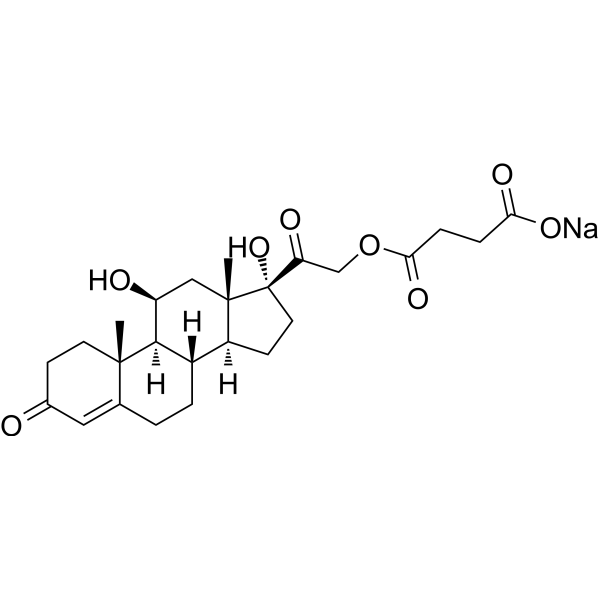
    Hydrocortisone hemisuccinate sodium is an orally active physiological glucocorticoid. Hydrocortisone hemisuccinate sodium inhibits proinflammatory cytokine activity, with IC50s of 6.7 and 21.4 μM for IL-6 and IL-3, respectively. Hydrocortisone hemisuccinate sodium can be used for the research of ulcerative colitis (UC) .
    Hydrocortisone hemisuccinate sodium
  • HY-132991
    ML 2-14
    1 Publications Verification

    PROTACs Epigenetic Reader Domain Cancer
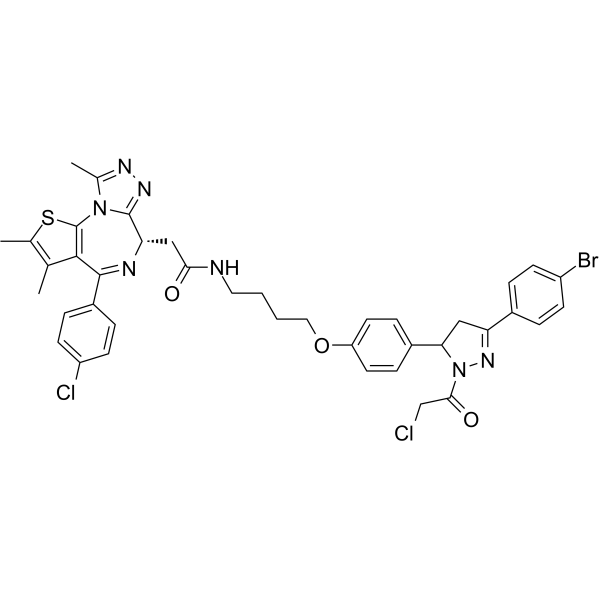
    ML 2-14 is a PROTAC targeting BRD4 with a C4 alkyl linker. ML 2-14 consists of the E3 ligase ligand EN219 (HY-115715) (bule part), the target protein ligand JQ-1 (HY-13030) (red part), and the PROTAC linker (balck part). ML 2-14 can effectively degrade BRD4 in 231MFP breast cancer cells, and this effect can be reversed by the proteasome inhibitor Bortezomib (HY-10227) and the E1 activase inhibitor TAK-243 (HY-100487) .
    ML 2-14
  • HY-P5489

    IFNAR Metabolic Disease Inflammation/Immunology
    IGRP(206-214) is a biological active peptide. IGRP(206-214) corresponds to residues 206-214 of murine islet-specific glucose-6-phosphatase catalytic subunit-related protein (IGRP). IGRP(206-214) is T cells specific for proinsulin and IGRP induces diabetes in non-obese diabetic (NOD) mice .
    IGRP(206-214)
  • HY-162608

    PROTACs Cancer
    PROTAC JAK1 degrader 1 degrader 1 (compound 10c) is an effective and selective PROTAC JAK1 degrader with a DC50 of 214 nM. PROTAC JAK1 degrader 1 has antitumor activity. (Structure Note: PINK, JAK1 ligand 1 (HY-10961); Blue, VHL ligand Thalidomide (HY-14658); Black, linker) .
    PROTAC JAK1 degrader 1
  • HY-168708

    Histone Demethylase Apoptosis Cancer
    AH2-14c is an inhibitor for DNA demethylase ALKBH2. AH2-14c inhibits the cell viability (IC50 is 4.56 µM) and migration of GBM U87. AH2-14c regulates the expression of apoptosis-related genes, and induces apoptosis in GBM U87 cell .
    AH2-14c
  • HY-P3813

    Tyrosinase Inflammation/Immunology Cancer
    Tyrosinase (206-214), human (AFLPWHRLF), a 9-amino acid peptide, is a tyrosinase epitope. Tyrosinase (206-214), human can be recognized by HLA-A24 restricted, tumor-infiltrating lymphocytes (TIL) .
    Tyrosinase (206-214), human
  • HY-164049

    Prostaglandin Receptor Inflammation/Immunology
    TG8-260 is a second-generation EP2 antagonist developed to alleviate the pathology of central nervous system and peripheral diseases driven by inflammation. TG8-260 can reduce neuroinflammation and gliosis in the hippocampus of rats after pilocarpine-induced persistent epileptic status. Pharmacokinetic data of TG8-260 showed that its plasma half-life was 2.14 hours and its oral bioavailability was 77.3%. TG8-260 is also a potent inhibitor of CYP450 and shows antagonistic activity in inhibiting EP2 receptor-mediated inflammatory gene expression in BV2-hEP2 microglia, which is suitable for studying anti-inflammatory pathways in animal models of peripheral inflammatory diseases .
    TG8-260
  • HY-B1402R

    Hydrocortisone 21-hemisuccinate (Standard)

    Reference Standards Glucocorticoid Receptor Interleukin Related Metabolic Disease Inflammation/Immunology Endocrinology
    Hydrocortisone hemisuccinate (Standard) is the analytical standard of Hydrocortisone hemisuccinate. This product is intended for research and analytical applications. Hydrocortisone hemisuccinate (Hydrocortisone 21-hemisuccinate), a physiological glucocorticoid, is an orally active steroidal anti-in ammatory agent (SAID). Hydrocortisone hemisuccinate inhibits proinflammatory cytokine activity, with IC50s of 6.7 and 21.4 μM for IL-6 and IL-3, respectively. Hydrocortisone hemisuccinate can be used for the research of ulcerative colitis (UC).
    Hydrocortisone hemisuccinate (Standard)
  • HY-159854

    Liposome Cancer
    C14-O2 is an ionizable cationic lipid that can be used to synthesize lipid nanoparticles (LNP) for delivering mRNA and other payloads .
    C14-O2
  • HY-108960

    P2X Receptor Interleukin Related Neurological Disease
    PPADS is a P2X receptor (P2X Receptor) antagonist and a reversible competitive antagonist of NAADP receptors, with IC50 values of 68 nM (P2X1) and 214 nM (P2X3), respectively. PPADS alleviates pain-related behaviors in the central and peripheral nervous systems of mice after peripheral neuropathy, inhibits the overproduction of IL-1β, IL-6, iNOS and nNOS, and suppresses the hydrolytic activity of extracellular ATPase. PPADS blocks ATP-mediated inward currents on recombinant rat P2X1 and P2X3 receptors, and inhibits purinergic nerve stimulation-induced contraction of rabbit bladder detrusor muscle. PPADS is applicable to research related to neuropathic pain .
    PPADS
  • HY-150053
    JNK-IN-11
    1 Publications Verification

    JNK Neurological Disease
    JNK-IN-11 (compound 1) is a potent JNK inhibitor with an IC50 value of 2.2, 21.4, 1.8 µM for JNK1, JNK2, JNK3, respectively. JNK-IN-11 has the potential for the research of alzheimer and parkinson disease .
    JNK-IN-11
  • HY-101311

    AIDA

    mGluR Inflammation/Immunology Cancer
    UPF-523 (AIDA), a rigid (carboxyphenyl) glycine derivative, is a relatively potent and selective antagonist of group I metabotropic glutamate receptors (mGlu1a) with an IC50 of 214 μM. But UPF-523 has no effect on group II (mGlu2), group III (mGlu4) receptors or ionotropic glutamate receptors. UPF-523 has the potential for the research of the acute arthritis .
    UPF-523
  • HY-136584

    Drug Derivative Cardiovascular Disease Metabolic Disease
    2,2,14,14-Tetramethyl-8-oxopentadecanedioic acid is a ketone compound extracted from patent WO2002030860A2, compound example II-9. 2,2,14,14-Tetramethyl-8-oxopentadecanedioic acid can be used for the research of cardiovascular diseases, dyslipidemias, dysproteinemias, and glucose metabolism disorders .
    2,2,14,14-Tetramethyl-8-oxopentadecanedioic acid
  • HY-113254

    Endogenous Metabolite 5-HT Receptor Metabolic Disease
    13,14-Dihydro-15-keto-PGE2 participates in Bifidobacterium animalis F1-7 to alleviate opioid-induced constipation by 5-HT pathway .
    13,14-Dihydro-15-keto-PGE2
  • HY-177777

    Molecular Glues Others
    FL2-14 is a CRBN-dependent, selective GSPT2 molecular glue degrader. FL2-14 downregulates GSPT2, FAM83F, and ZBTB39 .
    FL2-14
  • HY-12501

    Phosphodiesterase (PDE) Neurological Disease
    ITI-214 free base is a potent, CNS-active, orally bioavailable PDE1 inhibitor (Ki of 58 pM) with excellent selectivity against other PDE family members and against a panel of enzymes, receptors, transporters and ion channels. ITI-214 free base inhibits recombinant full-length human PDE1A, PDE1B and PDE1C with Kis of 33 pM, 380 pM and 35 pM, respectively. ITI-214 free base shows efficacy in various animal models of motor and cognitive functions .
    ITI-214 free base
  • HY-124582
    NEO214
    1 Publications Verification

    Autophagy mTOR Cancer
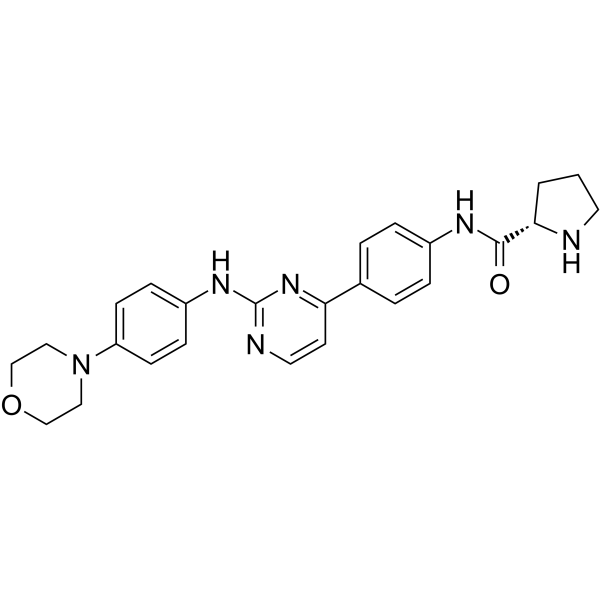
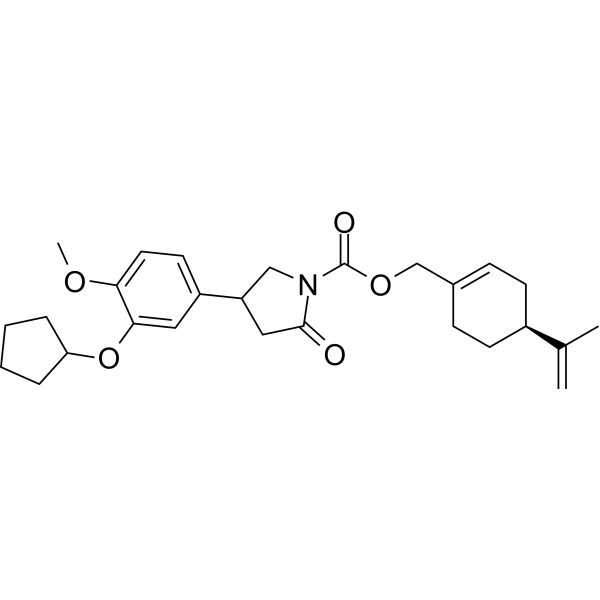
    NEO214 is an autophagy inhibitor and a covalent conjugate of the PDE4 inhibitor Rolipram (HY-16900) and perillyl alcohol (HY-N7000). It has anti-cancer activity and blood-brain barrier (BBB) permeability. Over sex. NEO214 prevents autophagy-lysosome fusion, thereby blocking autophagic flux and triggering glioma cell death. The process involves mTOR activation, andTFEB(Transcription Factor EB) aggregation. NEO214 inhibitionMacroautophagy/autophagy in glioblastoma cells has the potential to overcome chemotherapy resistance in glioblastoma .
    NEO214
  • HY-B1402A
    Hydrocortisone hemisuccinate hydrate
    1 Publications Verification

    Hydrocortisone 21-hemisuccinate hydrate

    Interleukin Related Inflammation/Immunology Endocrinology
    Hydrocortisone hemisuccinate hydrate (Hydrocortisone 21-hemisuccinate hydrate), a glucocorticoid, is an orally active steroidal anti-inflammatory agent (SAID) with anti-inflammatory and immunomodulatory activities. Hydrocortisone hemisuccinate hydrate inhibits the bioactivity of IL-6 and IL-3 with IC50 values of 6.7 and 21.4 μM, respectively. Hydrocortisone hemisuccinate hydrate can be used in the study of ulcerative colitis (UC) and recurrent oral ulcers .
    Hydrocortisone hemisuccinate hydrate
  • HY-145931

    mTOR Autophagy Cancer
    CC214-2 is an oral active and selective mTOR kinase inhibitor. CC214-2 targets to both of mTORC1 (pS6) and mTORC2 (pAktS473). CC214-2 induces autophagy, which is a potential target for host-directed therapy (HDT) in tuberculosis. CC214-2 exhibits synergistic bactericidal and sterilizing activity agasinst tuberculosis (TB), and shortens the treatment duration. CC214-2 also inhibits Rapamycin (HY-10219)-resistant signaling and the growth of glioblastomas in vitro and in vivo .
    CC214-2
  • HY-P4149

    IDO194-214

    Indoleamine 2,3-Dioxygenase (IDO) Inflammation/Immunology Cancer
    Imsamotide (IDO194-214) is a Indoleamine 2,3-Dioxygenase (IDO) peptide with sequences of DTLLKALLEIASCLEKALQVF, the IDO194-214. Imsamotide is also an immunological agent for active immunization, as well as an antineoplastic agent .
    Imsamotide
  • HY-175003

    Proton Pump Cancer
    HV1-IN-2 (Compound 14c) is a human voltage-gated proton channel (HV1) inhibitor with an IC50 of 2.14 μM. HV1-IN-2 has a potent anticancer activity with significant antiproliferative effects against THP-1 and MCF-7 cells. HV1-IN-2 can be used for cancers research, such as colorectal tumours, leukaemia, and breast cancer .
    HV1-IN-2
  • HY-75270

    Drug Intermediate Others
    tert-Butyl 2-(1-(4-(ethoxycarbonyl)phenyl)ethylidene)hydrazinecarboxylate is a drug intermediate for synthesis of various active compounds.
    tert-Butyl 2-(1-(4-(ethoxycarbonyl)phenyl)ethylidene)hydrazinecarboxylate
  • HY-W049455

    Drug Intermediate Others
    (S)-2-(1,4-Dibenzylpiperazin-2-yl)acetonitrile is a drug intermediate for synthesis of various active compounds.
    (S)-2-(1,4-Dibenzylpiperazin-2-yl)acetonitrile
  • HY-W010668R

    Flavivirus Dengue Virus Reference Standards Parasite Potassium Channel Others
    Quinine (sulfate hydrate) (Standard) is the analytical standard of Quinine (sulfate hydrate). This product is intended for research and analytical applications. Quinine sulfate hydrate (2:1:4) is an orally active alkaloid extracted from cinchona bark and can be used in anti-malarial studies. Quinine sulfate hydrate (2:1:4) is a potassium channel inhibitor that inhibits WT mouse Slo3 (KCa5.1) channel currents evoked by voltage pulses to +100?mV with an IC50 of 169 μM .
    Quinine sulfate hydrate (Standard)
  • HY-167711

    Mitochondrial Metabolism Metabolic Disease Inflammation/Immunology Cancer
    Sirtuin modulator 9 (Compound 214) is a sirtuin-modulating compound that may be used to increase lifespan of cells and in diseases related to aging, inflammation and cancer as well as diseases that would benefit from increased mitochondrial activity .
    Sirtuin modulator 9
  • HY-145408

    CDK Cancer
    CDK7/9-IN-1 is a cyclin-dependent kinases 7/9 (CDK7/9) inhibitor. CDK7/9-IN-1 selectively inhibits CDK7 over CDK9. CDK7/9-IN-1 inhibits CDK7 with IC50s of 0.0656 μM and 0.00574 μM without pre-incubation and after 3 hours pre-incubation, respectively. CDK7/9-IN-1 inhibits CDK9 with an IC50 of 2.14 μM after 3 hours pre-incubation. CDK7/9-IN-1 can be used for the research of cancer .
    CDK7/9-IN-1
  • HY-RI00446

    MicroRNA Cancer
    hsa-miR-214-5p inhibitors are chemically-modified oligonucleotides that hybridize with mature miRNAs. The miRNA inhibitors have full-length nucleotide 2'-methoxy modification. The miRNA inhibitors strongly compete with mature miRNAs to prevent the complementary pairing of miRNAs and their target genes, thereby inhibiting miRNAs from functioning.
    hsa-miR-214-5p inhibitor
    hsa-miR-214-5p inhibitor
  • HY-156203

    P2Y Receptor Inflammation/Immunology
    MRS4608 (Compound 17) is a selective P2Y14 receptor antagonist with IC50 values of 20 (hP2Y14R) and 21.4 nM (mP2Y14R). MRS4608 has anti-inflammatory activity and can reduce the infiltration of eosinophils. MRS4608 can be used for the researches of inflammation and immunology, such as asthma .
    MRS4608
  • HY-B1402G

    Hydrocortisone 21-hemisuccinate

    Interleukin Related Metabolic Disease Inflammation/Immunology Endocrinology
    Hydrocortisone hemisuccinate GMP (Hydrocortisone 21-hemisuccinate GMP) is a GMP-grade version of Hydrocortisone hemisuccinate (HY-B1402). GMP-grade small molecules can be used as auxiliary reagents in cell therapy. Hydrocortisone hemisuccinate (Hydrocortisone 21-hemisuccinate), a glucocorticoid, is an orally active steroidal anti-inflammatory agent (SAID) with anti-inflammatory and immunomodulatory activities. Hydrocortisone hemisuccinate inhibits the bioactivity of IL-6 and IL-3 with IC50 values of 6.7 and 21.4 μM, respectively. Hydrocortisone hemisuccinate can be used in the study of ulcerative colitis (UC) and recurrent oral ulcers . .
    Hydrocortisone hemisuccinate
  • HY-172537

    DNA/RNA Synthesis Inflammation/Immunology Cancer
    Indolimine-214 is a metabolite of M. morganii Indolimine-214 increases the level of γH2AX in HeLa cells. Indolimine-214 can be used in the study of inflammatory bowel disease (IBD) and colorectal cancer (CRC) .
    Indolimine-214
  • HY-150553

    COX Inflammation/Immunology
    COX-2-IN-28 is a potent and selective COX-2 inhibitor with IC50 values of 0.054, 2.14, 13.21 µM for COX-2, 15-LOX, COX-1,respectively .
    COX-2-IN-28
  • HY-106820

    Dopamine Receptor Neurological Disease
    BRL 34778 is a potent, selective and orally active dopamine D2 receptor antagonist with a Ki of 2.14 nM. BRL 34778 exhibits antipsychotic activity with low activity for extrapyramidal effects and sedation. BRL 34778 can be used for the research of neurological disease, such as schizophrenia .
    BRL 34778
  • HY-164455

    STAT JAK Aurora Kinase Mitosis Inflammation/Immunology
    AJI-214 is a dual-target inhibitor of Aurora kinase A and JAK2. AJI-214 directly blocks Aurora kinase A to inhibit T cell mitotic progression and cell polarity, and inhibits JAK2 activation to inhibit STAT3 phosphorylation, thereby reducing the differentiation of TH1 and TH17 cells. AJI-214 can be used in studies on regulating immune responses and preventing graft-versus-host disease (GVHD) .
    AJI-214
  • HY-154910

    mTOR Cancer
    CC214-1 is a potentially efficacious mTOR inhibitor that induces autophagy ,with an IC50 is 0.002 μM. CC214-1 proved to be useful as an in vitro tool compound for the exploration of mTOR kinase biology. CC214-1 can be used for Glioblastoma study .
    CC214-1
  • HY-159158

    COX Inflammation/Immunology
    COX-1/2-IN-8 (compound 11f) is an orally active and potent inhibitor of COX-1 and COX-2, with IC50 values of 2.14 and 0.58 µM, respectively. COX-1/2-IN-8 displays a higher significant anti-inflammatory activity than Celecoxib (HY-14398) .
    COX-1/2-IN-8
  • HY-RS14698

    Small Interfering RNA (siRNA) Others

    TMEM214 Human Pre-designed siRNA Set A contains three designed siRNAs for TMEM214 gene (Human), as well as a negative control, a positive control, and a FAM-labeled negative control.

    TMEM214 Human Pre-designed siRNA Set A
    TMEM214 Human Pre-designed siRNA Set A
  • HY-RS09692

    Small Interfering RNA (siRNA) Others

    NUP214 Human Pre-designed siRNA Set A contains three designed siRNAs for NUP214 gene (Human), as well as a negative control, a positive control, and a FAM-labeled negative control.

    NUP214 Human Pre-designed siRNA Set A
    NUP214 Human Pre-designed siRNA Set A

Inquiry Online

Your information is safe with us. * Required Fields.

Salutation


Country or Region *

Applicant Name *


Organization Name *

Department *


Email Address *


Product Name *

Cat. No.


Requested quantity *

Phone Number *


Remarks

Inquiry Online

Inquiry Information

Product Name:
Cat. No.:
Quantity:
MCE Japan Authorized Agent:

