1. Search Result
Search Result
Results for "

Myc

" in MedChemExpress (MCE) Product Catalog:

332

Inhibitors & Agonists

4

Screening Libraries

1

Fluorescent Dye

1

Biochemical Assay Reagents

3

Peptides

2

MCE Kits

2

Inhibitory Antibodies

25

Natural
Products

214

Recombinant Proteins

6

Isotope-Labeled Compounds

22

Antibodies

2

Click Chemistry

7

Oligonucleotides

Targets Recommended:
Cat. No. Product Name Target Research Areas Chemical Structure
  • HY-153356

    Molecular Glues Apoptosis Inflammation/Immunology Cancer
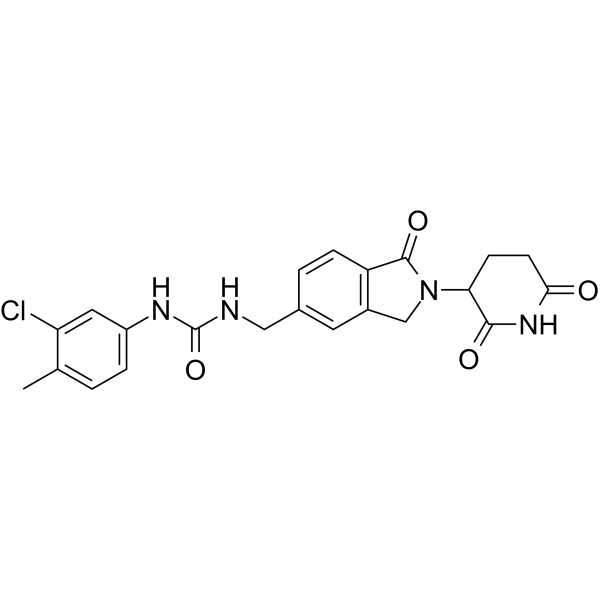
    MRT-2359 is an orally active and selective GSPT1 molecular glue degrader, with a DC50 of 5 nM. MRT-2359 induces CRBN/GSPT1 ternary complex formation to drive CRBN- and degron-dependent proteasomal GSPT1 degradation, with selectivity for wild-type GSPT1 over the GSPT1G575N mutant. MRT-2359 disrupts protein translation, induces ribosome stalling, downregulates MYC family proteins and their transcriptional output, reduces proliferation, and induces apoptosis in cancer cells. MRT-2359 can be used for the research of non-small cell lung cancer (NSCLC), small cell lung cancer (SCLC), neuroendocrine lung cancer, high grade neuroendocrine cancers, diffuse large B-cell lymphoma, prostate cancer, and MYC-driven solid tumors .
    MRT-2359
  • HY-X0009
    Tambiciclib
    1 Publications Verification

    GFH009; JSH-009; SLS009

    CDK DYRK Apoptosis Bcl-2 Family c-Myc Caspase PARP DNA/RNA Synthesis Metabolic Disease Inflammation/Immunology Cancer
    Tambiciclib (GFH009, JSH-009) is an orally active, highly potent and selective CDK9 inhibitor (IC50 = 1 nM), demonstrating >200-fold selectivity over other CDKs, >100-fold selectivity over DYRK1A/B, and excellent selectivity over 468 kinases/mutants. Tambiciclib demonstrates potent in vitro and in vivo antileukemic efficacy in acute myeloid leukemia (AML) mouse models by inhibiting RNA Pol II phosphorylation, downregulating MCL1 and MYC, and inducing apoptosis. Tambiciclib can be used for AML research .
    Tambiciclib
  • HY-145898

    14-D-Valine-TPL

    c-Myc Molecular Glues Cancer
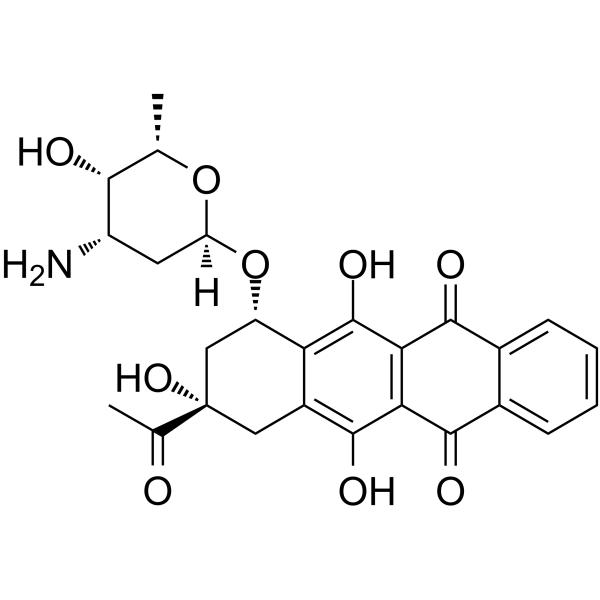
    WBC100 (14-D-Valine-TPL) is a potent, selective, and orally active c-Myc molecule glue degrader. WBC100 is a c-Myc degrader and targets ubiquitin E3 ligase CHIP mediated 26S proteasome pathway. WBC100 is used for c-Myc overexpressing tumors research .
    WBC100
  • HY-19735
    KJ Pyr 9
    5+ Cited Publications

    c-Myc Autophagy Cancer
    KJ Pyr 9 is an inhibitor of MYC with a Kd of 6.5 nM in in vitro assay.
    KJ Pyr 9
  • HY-134582
    dCBP-1
    10+ Cited Publications

    PROTACs Epigenetic Reader Domain Cancer
    dCBP-1 is a potent and selective heterobifunctional degrader of p300/CBP based on Cereblon ligand. dCBP-1 is exceptionally potent at killing multiple myeloma cells and ablates oncogenic enhancer activity driving MYC expression .
    dCBP-1
  • HY-162318
    MYC degrader 1
    1 Publications Verification

    Molecular Glues c-Myc Cancer
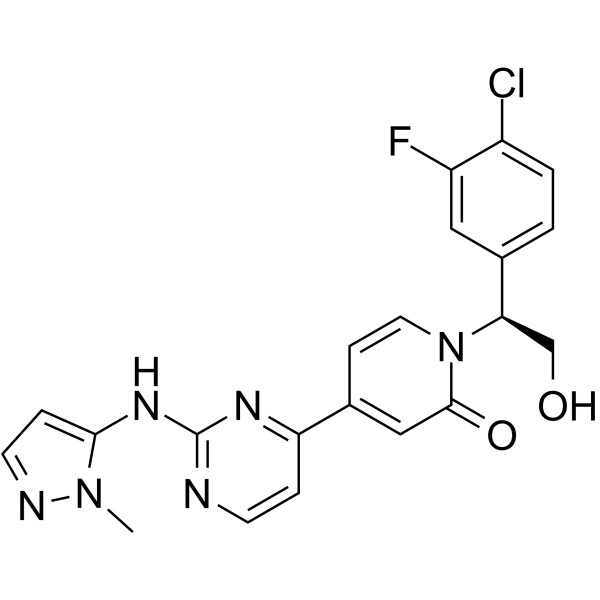
    MYC degrader 1 (compound A80.2HCl) is an orally available MYC molecular glues degrader with anti-tumor activity. MYC degrader 1 restores pRB1 protein activity and re-establishes sensitivity of MYC overexpressing cancer cells to CDK4/6 inhibitors .
    MYC degrader 1
  • HY-139330
    MGH-CP1
    1 Publications Verification

    Apoptosis Cancer
    MGH-CP1 is a potent and orally active TEAD2 and TEAD4 auto-palmitoylation inhibitor with IC50s of 710 nM and 672 nM, respectively. MGH-CP1 can decrease the palmitoylation levels of endogenous or ectopically expressed TEAD proteins in cells. MGH-CP1 can suppress Myc expression, inhibit epithelial over-proliferation, and induce apoptosis when together with Lats1/2 deletion .
    MGH-CP1
  • HY-134761
    EN4
    2 Publications Verification

    c-Myc Cancer
    EN4 is a covalent ligand that targets cysteine 171 (C171) of MYC. EN4 is selective for c-MYC over N-MYC and L-MYC. EN4 inhibits MYC transcriptional activity, downregulates MYC targets, and impairs tumorigenesis .
    EN4
  • HY-12702
    10058-F4
    50+ Cited Publications

    c-Myc Autophagy Cancer
    10058-F4 is a c-Myc inhibitor that prevents c-Myc-Max dimerization and transactivation of c-Myc target gene expression.
    10058-F4
  • HY-129600
    MYCi361
    2 Publications Verification

    NUCC-0196361

    c-Myc Cancer
    MYCi361 (NUCC-0196361) is a MYC inhibitor with the Kd of 3.2 μM for binding to MYC. MYCi361 (NUCC-0196361) suppresses tumor growth and enhances anti-PD1 immunotherapy .
    MYCi361
  • HY-100996
    10074-G5
    2 Publications Verification

    c-Myc Autophagy Cancer
    10074-G5 is an inhibitor of c-Myc-Max dimerization with an IC50 of 146 μM.
    10074-G5
  • HY-100669
    Mycro 3
    5 Publications Verification

    c-Myc Autophagy Cancer
    Mycro 3 is an orally active, potent and selective inhibitor of Myc-associated factor X (MAX) dimerization. Mycro 3 also inhibit DNA binding of c-Myc . Mycro 3 could be used for the research of pancreatic cancer .
    Mycro 3
  • HY-N10790

    Wnt c-Myc Notch Cancer
    RA-V is a cyclic hexapeptide. RA-V has activity against Wnt, Myc and Notch with IC50 values of 50, 75, and 93 ng/mL, respectively. RA-V can be used for the research of cancer-related signaling pathways .
    RA-V
  • HY-124675
    MYCMI-6
    1 Publications Verification

    NSC354961

    c-Myc Apoptosis Cancer
    MYCMI-6 (NSC354961) is a potent and selective endogenous MYC:MAX protein interactions inhibitor. MYCMI-6 blocks MYC-driven transcription and binds selectively to the MYC bHLHZip domain with a Kd of 1.6 μM. MYCMI-6 inhibits tumor cell growth in a MYC-dependent manner (IC50<0.5 μM). MYCMI-6 is not cytotoxic to normal human cells. MYCMI-6 induces apoptosis .
    MYCMI-6
  • HY-172113

    PROTACs YAP c-Myc Apoptosis Cancer
    H122 is a PROTAC degrader for TEAD that degrades TEAD1 with a DC50 of 3 nM. H122 exhibits good affinity to TEAD2, TEAD3, and TEAD4 with Ki values of 2.0, 3.6 and 1.6 nM, respectively. H122 relies on binding to TEAD1 and CRBN, functional E3 ligase activity, and a functional proteasome for degradation.H122 induces degradation of TEAD3 and forms a ternary complex with TEAD4 and CRBN/DDB1 to mediate degradation.H122 downregulates expression of Myc target genes. H122 exhibits antitumor efficacy in MSTO-211H mouse xenograft models.H122 can be used for the research of malignant mesothelioma .
    H122
  • HY-N6747

    c-Myc Autophagy Cancer
    Stauprimide is a staurosporine analog that promotes embryonic stem cell (ESC) differentiation. Stauprimide is a non-broad spectrum inhibitor that binds to the MYC transcription factor NME2 and blocks its nuclear localization in ESCs, which results in down-regulation of MYC transcription .
    Stauprimide
  • HY-153713
    MYC-RIBOTAC
    1 Publications Verification

    PROTACs c-Myc Apoptosis Cancer
    MYC-RIBOTAC is a nucleic acid-targeting degrader (ribonuclease-targeting chimera, RIBOTAC) that targets the MYC internal ribosome entry site (IRES). MYC-RIBOTAC contains a MYC mRNA binding component and a small molecule that recruits and locally activates RNAse L1. MYC-RIBOTAC reduces MYC mRNA and protein expression levels, induces cell apoptosis, and can be used for antitumor research . MYC-RIBOTAC consists of pre-miR-155 binder Anticancer agent 167 (HY-156839), RNA binder NCI-B16 (HY-156215), and Linker Amino-PEG4-alcohol (HY-W008005).
    MYC-RIBOTAC
  • HY-148836

    c-Myc Infection Cardiovascular Disease Cancer
    c-Myc inhibitor 6 (compound A102) is a c-Myc inhibitor. c-Myc inhibitor 6 decreases cancer cell viability and degrades c-Myc protein. c-Myc inhibitor 6 can be used for the research of c-Myc imbalance, such as cancer, cardiovascular diseases, and viral infection .
    c-Myc inhibitor 6
  • HY-113225

    GTP

    Endogenous Metabolite DNA/RNA Synthesis Apoptosis Mitosis Cancer
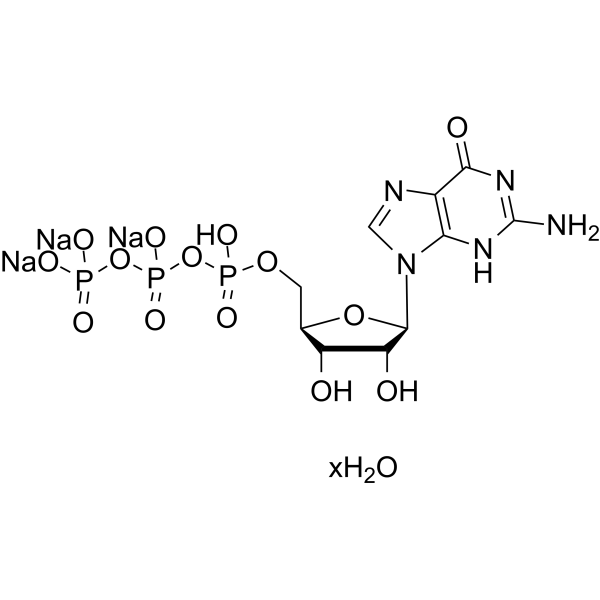
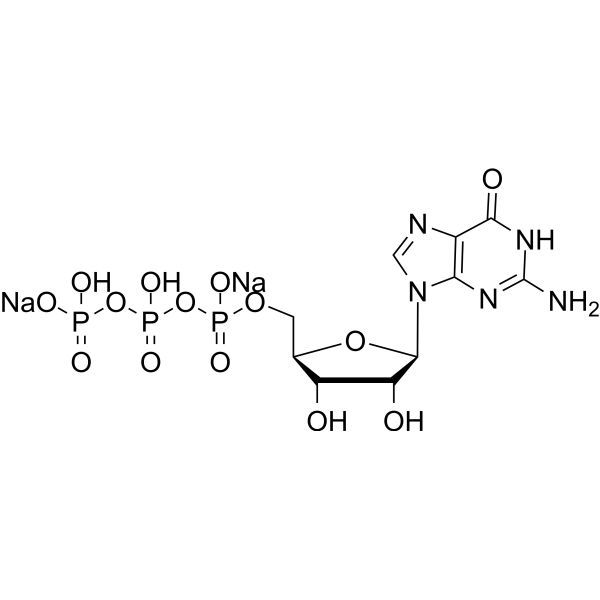
    Guanosine triphosphate (GTP) is a critical nucleotide and regulator of cellular metabolism. Guanosine triphosphate promotes ribosomal DNA localization, pre-rRNA transcription and ribosome biogenesis by binding to RNA polymerase I and GPN proteins (GPN1/3). Guanosine triphosphate links MYC-dependent ribosome biogenesis to nucleotide sufficiency, acts as a metabolic gatekeeper supporting protein synthesis, DNA/RNA synthesis and cellular signal transduction, while also participating in the physiological activities of pancreatic β-cells and serving as an oxidative substrate for reactive oxygen species. In small cell lung cancer with high MYC expression, Guanosine triphosphate accumulates through the IMPDH-driven synthetic pathway, thereby affecting apoptosis and mitotic processes. Guanosine triphosphate is used in the research of small cell lung cancer, hepatoblastoma and cellular metabolism .
    Guanosine triphosphate
  • HY-148837

    PROTACs c-Myc Casein Kinase Infection Cardiovascular Disease Cancer
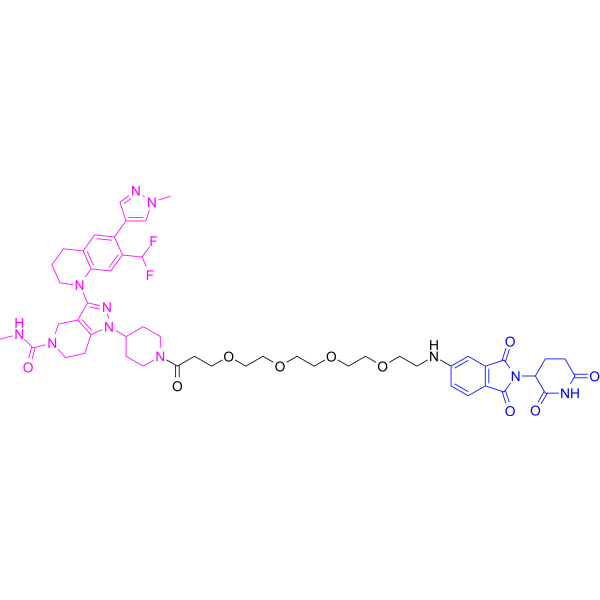
    PROTAC c-Myc degrader-1 (Compound A153) is a multiple target protein degrader (PROTAC). PROTAC c-Myc degrader-1 effective degrades c-MYC, CK1α, GSPT1 and IKZF1/2/3 proteins in a variety of tumor cells. PROTAC c-Myc degrader-1 can be used for c-Myc high expression related disease research, such as cancer, cardiovascular and cerebrovascular diseases, and viral infection (Pink: c-Myc ligand (HY-168685); Blue: E3 ligase ligand (HY-W093472); Black: linker (HY-W015808)) .
    GT19630
  • HY-162919

    CDK Apoptosis c-Myc Cancer
    YK-2168 is a potent and selective CDK9 inhibitor with an IC50 of 5.9 nM. YK-2168 inhibits phosphorylation of the CDK9 substrate pS2-RNA Pol II C-terminal domain. YK-2168 induces apoptosis in tumor cells, suppresses expression of CDK9-regulated genes including MYC and Mcl1, and inhibits tumor growth in CDX mice models. YK-2168 can be used for the research of cancer, such as leukemia .
    YK-2168
  • HY-117286

    TEN-010

    Epigenetic Reader Domain Apoptosis Neurological Disease Cancer
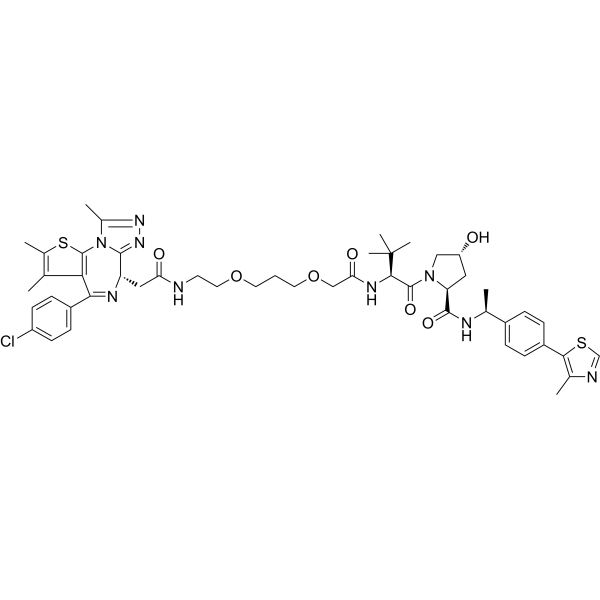
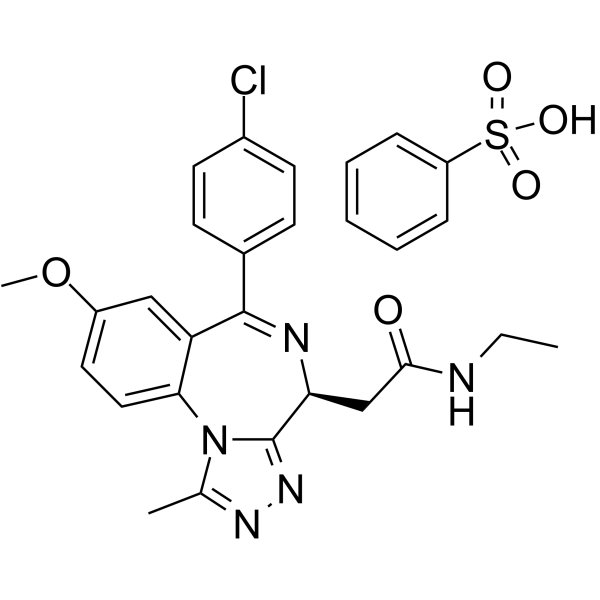
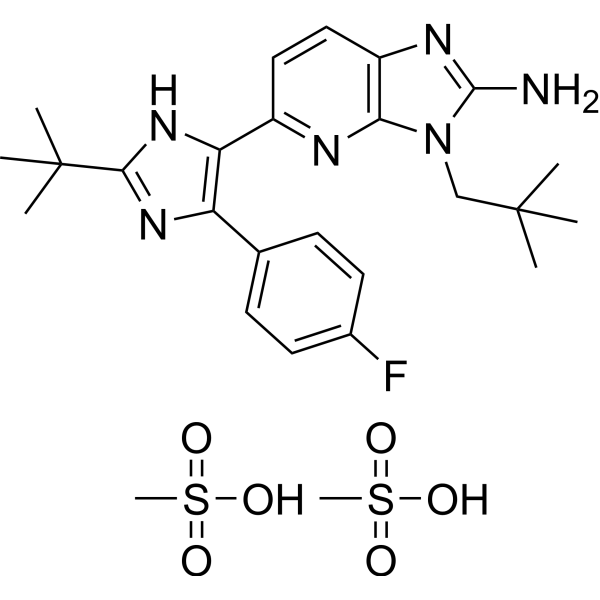
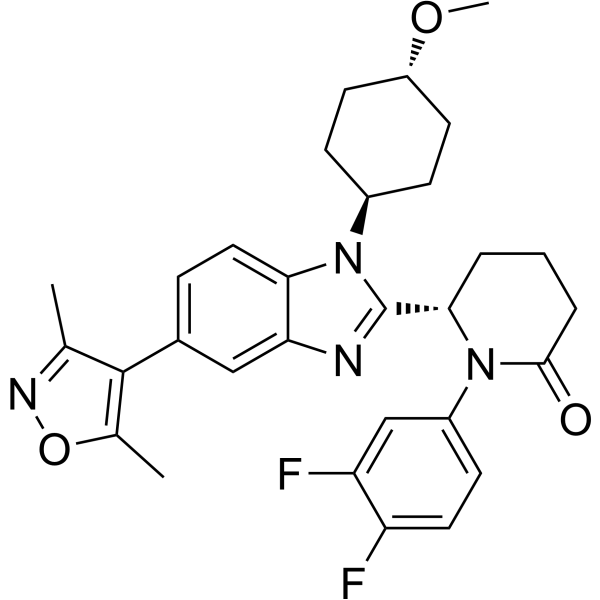
    (S)-JQ-35 (TEN-010) is an orally active, blood-brain barrier-permeable bromodomain inhibitor that selectively targets the bromodomain and extra-terminal domain (BET) protein family (BRD4, BRD3, BRD2 and BRDT). (S)-JQ-35 blocks the activation of Myc gene expression by BRD4, thereby inhibiting cancer cell proliferation and promoting cancer cell apoptosis. (S)-JQ-35 can be used in research related to NUT midline carcinoma and neuroblastoma .
    (S)-JQ-35
  • HY-P0312
    c-Myc Peptide TFA
    1 Publications Verification

    c-Myc Cancer
    c-Myc Peptide (TFA) is a synthetic peptide corresponding to the C-terminal amino acids (410-419) of human c-myc protein, and participates in regulation of growth-related gene transcription.
    c-Myc Peptide TFA
  • HY-150259

    PROTACs c-Myc Cancer
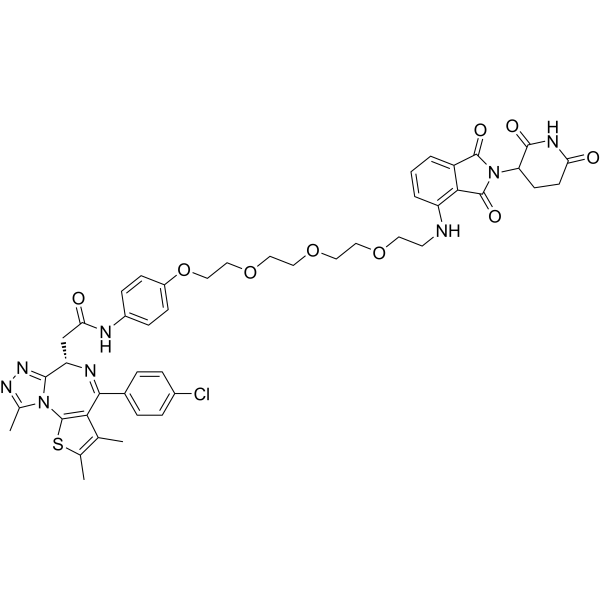
    MDEG-541 is a potent MYC-MAX degrader. MDEG-541 is a PROTAC that based on the MYC-MAX dimerization inhibitor 10058-F4 derivative 28RH and Thalidomide (HY-14658). MDEG-541 shows antiproliferative activity. MDEG-541 decreases the expression of GSPT1, MYC, GSPT2, PLK1 protein .
    MDEG-541
  • HY-122683
    sAJM589
    2 Publications Verification

    c-Myc Cancer
    sAJM589 is a Myc inhibitor which potently disrupts the Myc-Max heterodimer with an IC50 of 1.8 μM .
    sAJM589
  • HY-132941

    PROTACs Epigenetic Reader Domain c-Myc Apoptosis Cancer
    CFT-2718 is a selective CRBN-dependent BRD4 PROTAC degrader. CFT-2718 mediates rapid, selective BRD4 degradation, reduces total and phosphorylated Ser2 RPB1 levels, and reduces MYC protein levels. CFT-2718 can inhibit cancer cells proliferation and induce apoptosis. CFT-2718 reduces growth of lung cancer and pancreatic patient-derived xenograft models. CFT-2718 can be used for the research of cancer, such as small-cell lung cancer and pancreatic cancer .
    CFT-2718
  • HY-154847

    WDR5 Neurological Disease Metabolic Disease Cancer
    WM-662 is a WDR5-MYC interaction inhibitor, with an IC50 of 18 μM. WM-662 has potential for the research of cancer, aging, and neurodegenerative disorders .
    WM-662
  • HY-12703
    KSI-3716
    2 Publications Verification

    c-Myc Autophagy Cancer
    KSI-3716 is a potent c-Myc inhibitor that blocks c-MYC/MAX binding to target gene promoters. KSI-3716 is an effective intravesical chemotherapy agent for bladder cancer .
    KSI-3716
  • HY-147291

    c-Myc PARP Apoptosis Cancer
    VPC-70063 is a potent Myc-Max inhibitor with an IC50 value of 8.9 μM for Myc-Max transcriptional activity inhibition. VPC-70063 reduces UBE2C promotor activity and AR-V7 levels, and induces PARP cleavage. VPC-70063 induces apoptosis and blocks Myc-Max interactions with DNA. VPC-70063 can be used for researching anticancer .
    VPC-70063
  • HY-144878
    VPC-70619
    2 Publications Verification

    c-Myc Cancer
    VPC-70619 is a potent N-Myc inhibitor. VPC-70619 blocks the binding of the N-Myc-Max heterocomplex to the DNA E-box and exhibits potent inhibitory activity against N-Myc-dependent cell lines. VPC-70619 can partially reverse paclitaxel (HY-B0015) resistance in cells by reducing MYCN expression. VPC-70619 can be used for cancer research (e.g., neuroblastoma and thyroid cancer) .
    VPC-70619
  • HY-111411
    IZCZ-3
    2 Publications Verification

    c-Myc Autophagy Cancer
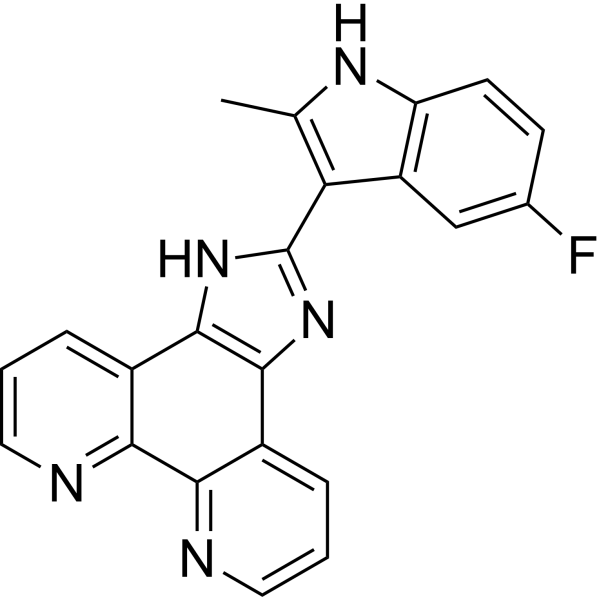
    IZCZ-3 is a potent c-MYC transcription inhibitor with antitumor activity .
    IZCZ-3
  • HY-135691

    c-Myc Apoptosis Cancer
    hnRNPK-IN-1 is a heterogeneous nuclear ribonucleoprotein K (hnRNPK) binding ligand with Kd values of 4.6 μM and 2.6 μM measured with SPR and MST, respectively. hnRNPK-IN-1 inhibits c-myc transcription by disrupting the binding of hnRNPK and c-myc promoter. hnRNPK-IN-1 induces Hela cells apoptosis and has strongly anti-tumor activities .
    hnRNPK-IN-1
  • HY-172825

    c-Myc Cancer
    KL4-219A is a selective covalent oncogenic transcription factor MYC degrader. KL4-219A potently and durably degrades MYC in cancer cells. KL4-219A binds covalently to MYC at C203, leading to the destabilization of MYC and subsequent proteasome-dependent degradation. KL4-219A is promising for research of cancers driven by MYC overexpression .
    KL4-219A
  • HY-133121

    Apoptosis WDR5 Cancer
    WDR5-IN-1 is a potent and selective WD repeat domain 5 (WDR5) inhibitor, with a Kd of <0.02 nM. WDR5-IN-1 inhibits MLL1 histone methyltransferase (HMT) activity with an IC50 of 2.2 nM. WDR5-IN-1 diminishes MYC recruitment at WDR5-displaced genes and exhibits potent anti-proliferative effects in CHP-134 (neuroblastoma) and Ramos (Burkitt’s lymphoma) lines .
    WDR5-IN-1
  • HY-22445

    c-Myc Cancer
    MY05 selectively targets c-MYC in cells and disrupts MYC-MAX interaction. MY05 engages intracellular c-MYC, modulates c-MYC thermal stability, reduces c-MYC transcriptional targets, and possesses anticancer activity (TNBC, Triple-Negative Breast Cancer) .
    MY05
  • HY-124129

    c-Myc Cancer
    10074-A4 is a c-Myc inhibitor. 10074-A4 could bind to c-Myc370-409 at different sites along the peptide chain. 10074-A4 has anticancer effects .
    10074-A4
  • HY-162318A
    MYC degrader 1 TFA
    1 Publications Verification

    Molecular Glues c-Myc Cancer
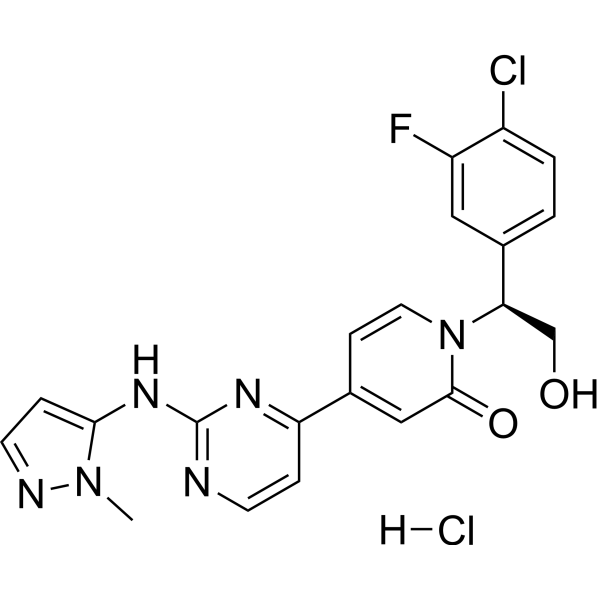
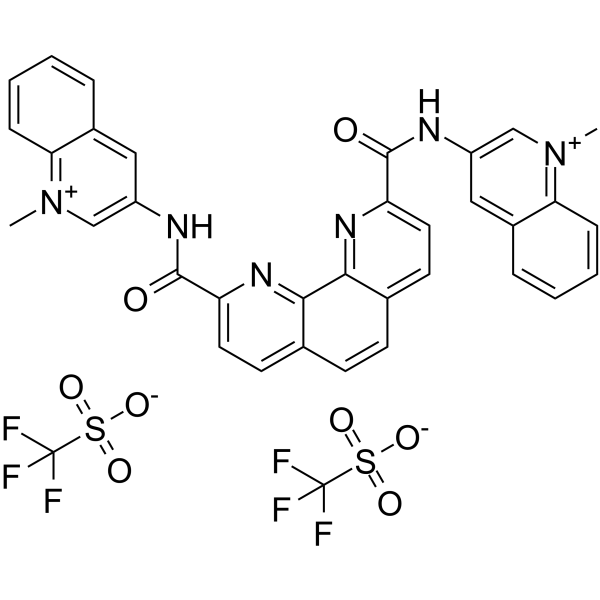
    MYC degrader 1 TFA (compound A80.2HCl) is an orally available MYC molecular glues degrader with anti-tumor activity. MYC degrader 1 TFA restores pRB1 protein activity and re-establishes sensitivity of MYC overexpressing cancer cells to CDK4/6 inhibitors .
    MYC degrader 1 TFA
  • HY-168685

    c-Myc Ligands for Target Protein for PROTAC Cancer
    c-Myc ligand 1, a c-Myc inhibitor, is a PROTAC target protein ligand (Ligand for Target Protein for PROTAC). c-Myc ligand 1 can be used for synthesis PROTAC c-Myc inhibitor 7 (HY-148837) .
    c-Myc ligand 1
  • HY-RS08877

    Small Interfering RNA (siRNA) Others

    MYC Human Pre-designed siRNA Set A contains three designed siRNAs for MYC gene (Human), as well as a negative control, a positive control, and a FAM-labeled negative control.

    MYC Human Pre-designed siRNA Set A
    MYC Human Pre-designed siRNA Set A
  • HY-149873

    WDR5 Cancer
    Anticancer agent 126 (compound 12) is a WDR5 inhibitor with anticancer effects. Anticancer agent 126 disrupts WDR5-MYC interaction in cells and reduce MYC target gene expression .
    Anticancer agent 126
  • HY-125978

    c-Myc Cancer
    JY-3-094 is a Myc inhibitor that inhibits Myc-Max heterodimer formation (IC50: 33 μM) .
    JY-3-094
  • HY-126979

    c-Myc Cancer
    Mycro2 is an inhibitor of c-Myc/Max dimer and DNA binding, with an IC50 value of 23 μM for the inhibition of Myc/Max DNA binding activity. Mycro2 can inhibit c-myc-dependent cell proliferation, gene transcription and oncogenic transformation .
    Mycro2
  • HY-D2188

    Deubiquitinase Cancer
    IMP-2373 is a low-toxicity activity-based probe targeting covalent pan-deubiquitinase (DUB), which modulates and monitors DUB activity via covalent binding to the catalytic cysteine and active site of DUB. IMP-2373 enables real-time tracking of dynamic intracellular DUB activity in physiologically relevant living cell systems, and quantitative analysis of activity changes induced by pharmacological inhibition or MYC dysregulation. IMP-2373 can be used for research on related diseases such as B-cell lymphoma .
    IMP-2373
  • HY-148838

    c-Myc Cancer
    c-Myc inhibitor 8 (compound 56) is a c-Myc inhibitor. c-Myc inhibitor 8 effectively inhibits cell viability of a variety of cancer cells. c-Myc inhibitor 8 inhibits human prostate and lung cancer growth in mouse models. c-Myc inhibitor 8 can be used for cancer research .
    c-Myc inhibitor 8
  • HY-162470

    Aurora Kinase Cancer
    DBPR728 is an acyl prodrug of 6K465 that carries fewer hydrogen bond donors. 6K465 acts as an Aurora kinase inhibitor that destabilizes MYC family cancer proteins and has antitumor efficacy. DBPR728 has the potential to inhibit cancers that overexpress C-MYC and N-MYC, with a 10-fold increase in oral bioavailability compared to 6K465 .
    DBPR728
  • HY-RS08878

    Small Interfering RNA (siRNA) Others

    Myc Mouse Pre-designed siRNA Set A contains three designed siRNAs for Myc gene (Mouse), as well as a negative control, a positive control, and a FAM-labeled negative control.

    Myc Mouse Pre-designed siRNA Set A
    Myc Mouse Pre-designed siRNA Set A
  • HY-134975

    c-Myc Cancer
    NY2267 is a disruptor of Myc-Max interaction, with an IC50 of 36.5 μM. NY2267 inhibits Myc- and Jun-induced transcriptional activation .
    NY2267
  • HY-162469

    Aurora Kinase c-Myc Cancer
    6K465 is a pyrimidine-based Aurora A (AURKA) inhibitor. 6K465 can reduce the levels of c-MYC and N-MYC oncoproteins, demonstrating anticancer activity .
    6K465
  • HY-178045

    c-Myc Cancer
    MYC-IN-4 is a MYC inhibitor. MYC-IN-4 impairs MYC/MAX protein-protein interaction (IC50 = 3.06 μM). MYC-IN-4 inhibits MYC-aberrant PC-3 prostate cancer cells with an IC50 of 0.440 μM. MYC-IN-4 demonstrates potent antitumor efficacy in FVB mice bearing Myc-CaP prostate tumor allografts. MYC-IN-4 can be used for the study of prostate cancer .
    MYC-IN-4
  • HY-141666

    c-Myc Cancer
    MYC-IN-2 is a MYC protein-protein inhibitor. MYC-IN-2 can be used for the research of cancer .
    MYC-IN-2

Inquiry Online

Your information is safe with us. * Required Fields.

Salutation


Country or Region *

Applicant Name *


Organization Name *

Department *


Email Address *


Product Name *

Cat. No.


Requested quantity *

Phone Number *


Remarks

Inquiry Online

Inquiry Information

Product Name:
Cat. No.:
Quantity:
MCE Japan Authorized Agent:

