
1. Search Result
Search Result
Results for "

OPCs

" in MedChemExpress (MCE) Product Catalog:

91

Inhibitors & Agonists

1

Fluorescent Dyes

1

Biochemical Assay Reagents

3

Peptides

4

Natural
Products

15

Isotope-Labeled Compounds

1

GMP Molecules

Cat. No. Product Name Target Research Areas Chemical Structure
  • HY-17464
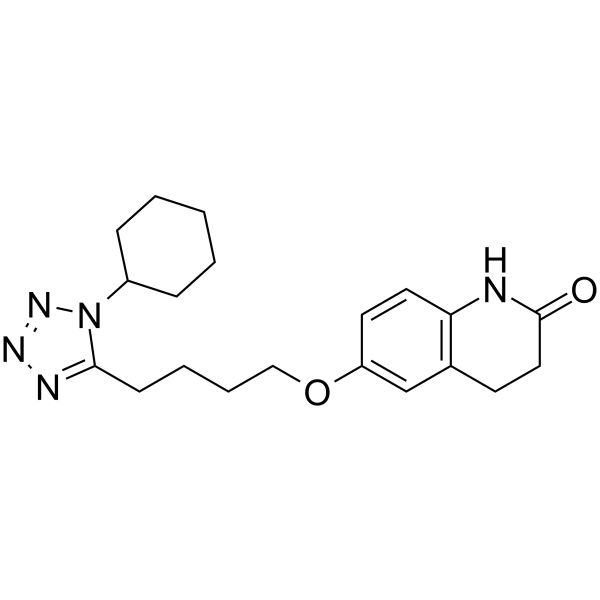
    Cilostazol
    5+ Cited Publications

    OPC 13013

    Phosphodiesterase (PDE) Autophagy Cardiovascular Disease Cancer
    Cilostazol (OPC 13013) is a potent and selective inhibitor of phosphodiesterase (PDE) 3A, the isoform of PDE 3 in the cardiovascular system, with an IC50 of 0.2 μM .
    Cilostazol
  • HY-14546
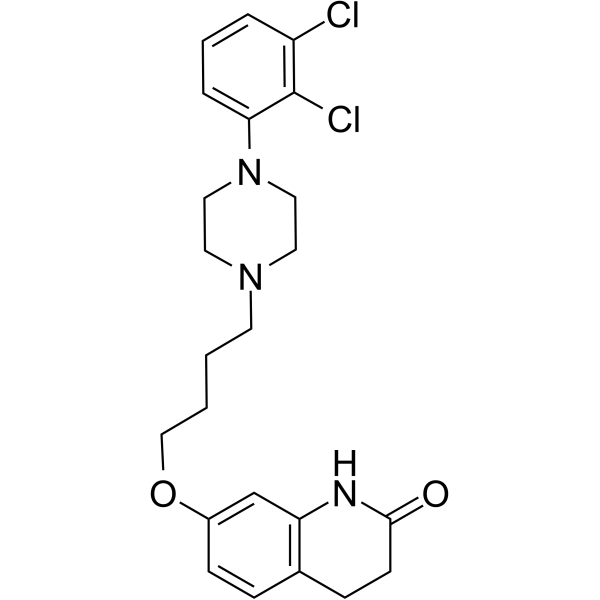
    Aripiprazole
    Maximum Cited Publications
    11 Publications Verification

    OPC-14597

    5-HT Receptor Dopamine Receptor Infection Neurological Disease Inflammation/Immunology
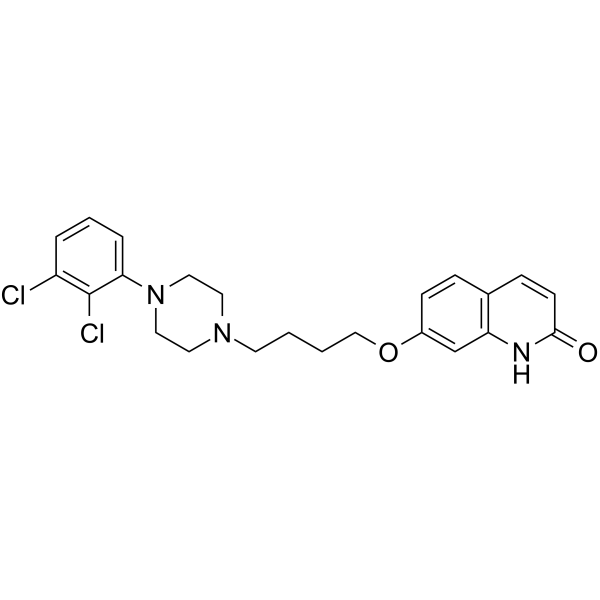
    Aripiprazole (OPC-14597), an atypical antipsychotic, is a potent and high-affinity dopamine D2 receptor partial agonist. Aripiprazole is an inverse agonist at 5-HT2B and 5-HT2A receptors and displays partial agonist actions at 5-HT1A, 5-HT2C, D3, and D4 receptors. Aripiprazole can be used for the research of schizophrenia and COVID19 .
    Aripiprazole
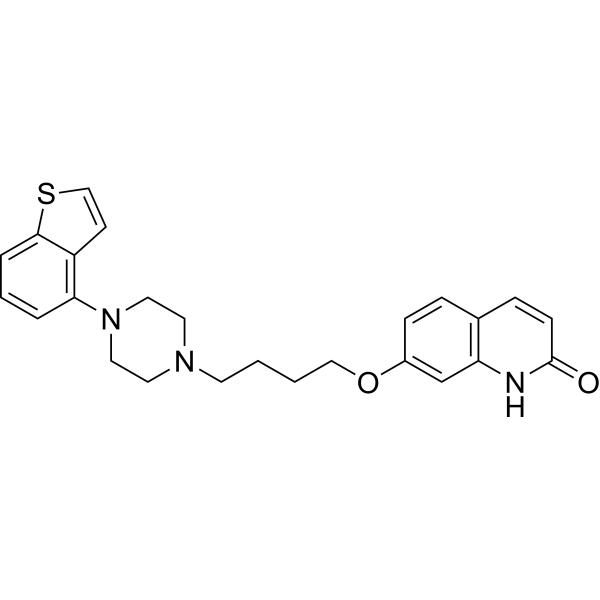
  • HY-15780
    Brexpiprazole
    5+ Cited Publications

    OPC-34712

    5-HT Receptor Dopamine Receptor Adrenergic Receptor Neurological Disease
    Brexpiprazole (OPC-34712), an atypical orally active antipsychotic agent, is a partial agonist of human 5-HT1A and dopamine D2L receptor with Kis of 0.12 nM and 0.3 nM, respectively. Brexpiprazole is also a 5-HT2A receptor antagonist with a Ki of 0.47 nM. Brexpiprazole also shows potent antagonist activity at human noradrenergic α1B (Ki=0.17 nM) and α2C receptors (Ki=0.59 nM) .
    Brexpiprazole
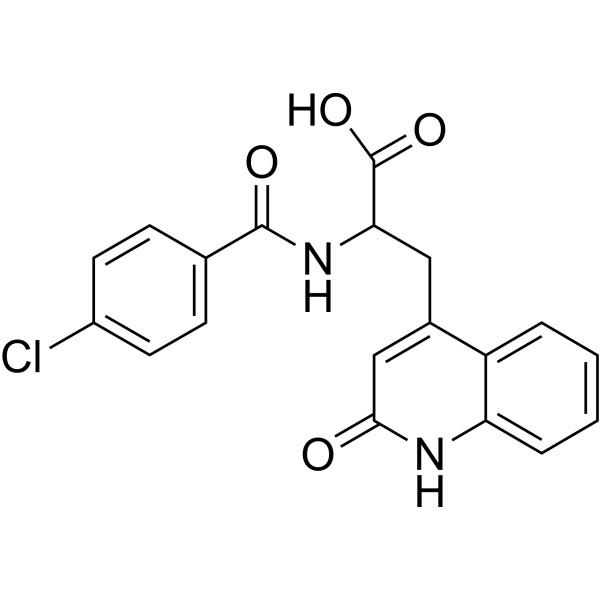
  • HY-B0360
    Rebamipide
    5+ Cited Publications

    OPC12759; Proamipide

    COX Inflammation/Immunology Cancer
    Rebamipide (OPC12759) is an orally active gastroprotective agent that enhances the production of endogenous PGs (especially intragastric PGE2) by inducing COX-2 expression, thereby protecting the gastric mucosa from injury. Rebamipide exerts anti-proliferative activity against gastric cancer cells. Rebamipide can be used in studies of mucosal protection, gastroduodenal ulcer, gastritis and gastric cancer .
    Rebamipide
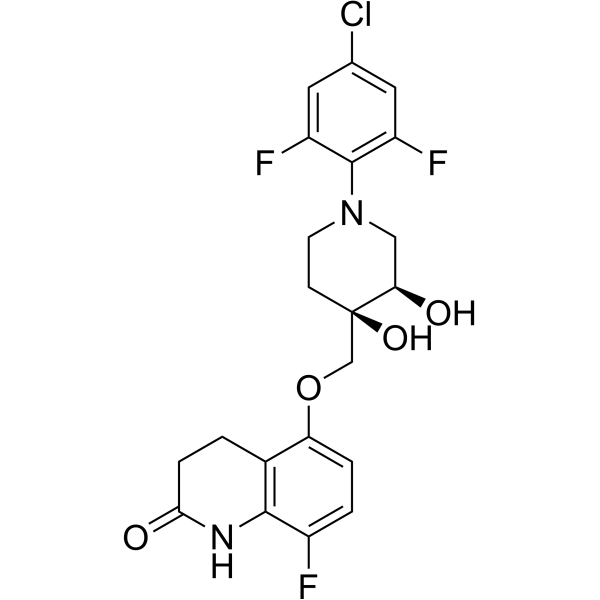
  • HY-142617
    ACT-1004-1239
    2 Publications Verification

    CXCR Neurological Disease Inflammation/Immunology Cancer
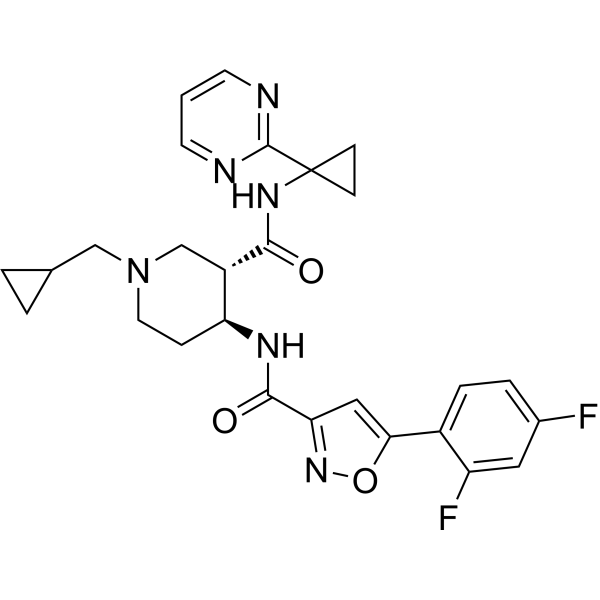
    ACT-1004-1239 is a potent, selective, orally active CXCR7 antagonist with an IC50 value of 3.2 nM .
    ACT-1004-1239
  • HY-P10408

    EGFR MMP Calcium Channel NOD-like Receptor (NLR) ERK p38 MAPK Infection Inflammation/Immunology
    Candidalysin is a cytolytic peptide toxin secreted by the fungus Candida albicans. Candidalysin drives epithelial immune responses by activating the EGFR-MAPK signaling pathway, inducing MMP expression and calcium influx, and regulating the c-Fos transcription factor and MKP1 via p38 MAPK and ERK1/2 respectively. Candidalysin is essential for mucosal and systemic infections, activating NLRP3 to promote inflammatory responses, neutrophil recruitment, and Th17 immunity. Candidalysin activates LDH causing membrane damage and exhibiting cytotoxicity
    Candidalysin
  • HY-10254G
    Mirdametinib
    1 Publications Verification

    PD0325901; PD325901

    MEK Cancer
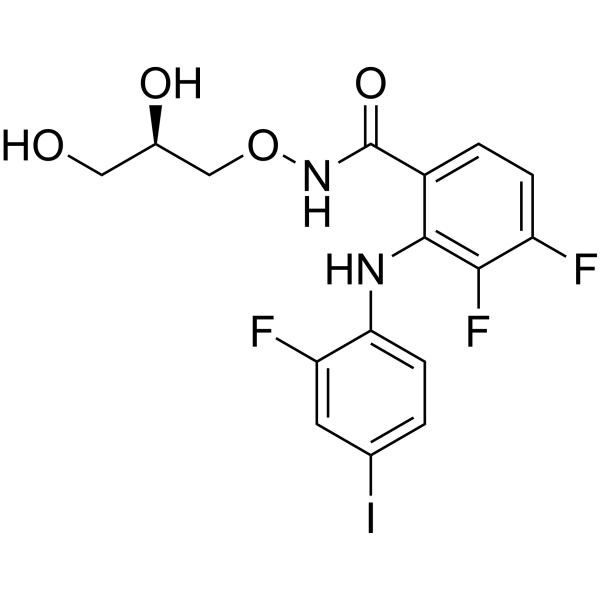
    Mirdametinib (PD0325901) (GMP) is Mirdametinib (HY-10254) produced by using GMP guidelines. GMP small molecules works appropriately as an auxiliary reagent for cell therapy manufacture. Mirdametinib is an orally active, selective and non-ATP-competitive MEK inhibitor .
    Mirdametinib
  • HY-14546A
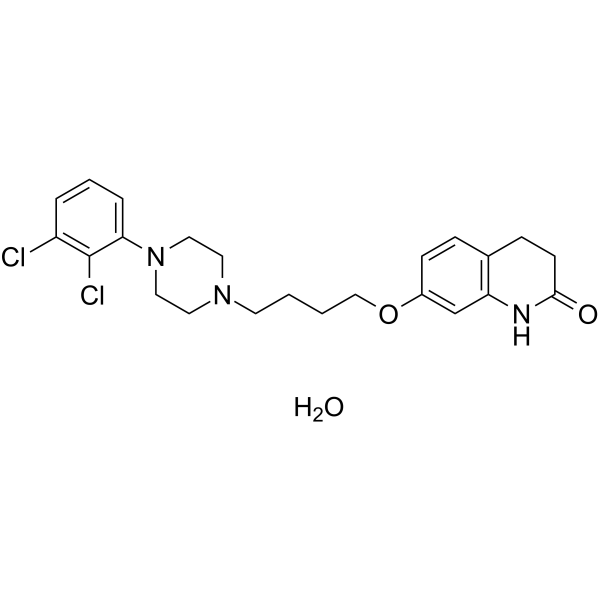
    Aripiprazole monohydrate
    Maximum Cited Publications
    11 Publications Verification

    OPC-14597 monohydrate

    5-HT Receptor Dopamine Receptor Infection Neurological Disease Inflammation/Immunology
    Aripiprazole (OPC-14597) monohydrate, an atypical antipsychotic, is a potent and high-affinity dopamine D2 receptor partial agonist. Aripiprazole monohydrate is an inverse agonist at 5-HT2B and 5-HT2A receptors and displays partial agonist actions at 5-HT1A, 5-HT2C, D3, and D4 receptors. Aripiprazole monohydrate can be used for the research of schizophrenia and COVID19 .
    Aripiprazole monohydrate
  • HY-B0506
    Nadifloxacin
    1 Publications Verification

    OPC7251

    Bacterial Antibiotic DNA/RNA Synthesis Interleukin Related Infection Inflammation/Immunology
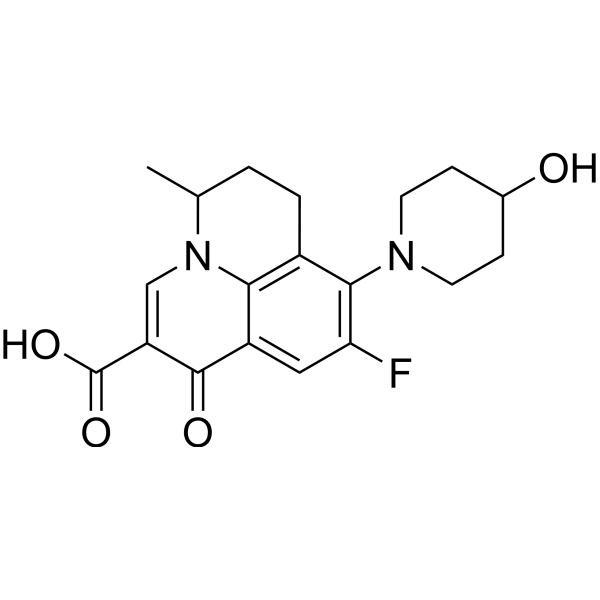
    Nadifloxacin (OPC7251) is a broad-spectrum quinolone antibiotic. Nadifloxacin inhibits bacterial DNA gyrase and topoisomerase IV, interfering with DNA replication. It also suppresses the production of proinflammatory cytokines (such as IL-1α, IL-6, and IL-8). Nadifloxacin exhibits antibacterial activity against various pathogens, including Propionibacterium acnes and Staphylococcus aureus. Nadifloxacin also exhibits anti-inflammatory activity. Nadifloxacin can be used in the research of skin infections such as acne vulgaris, folliculitis, and impetigo .
    Nadifloxacin
  • HY-162351

    Emopamil Binding Protein Metabolic Disease
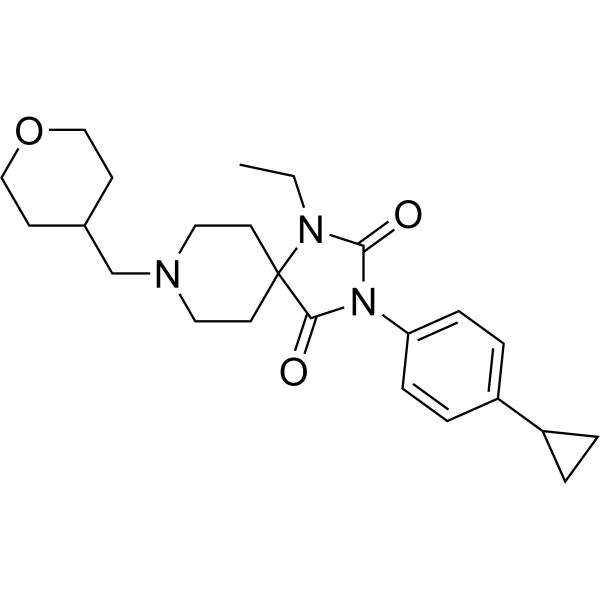
    EBP-IN-1 is an orally active, blood-brain barrier-permeable inhibitor of emopamil binding protein (EBP). EBP-IN-1 has an IC50 of 8.2 μM against human ERG potassium channels (in CHO background). By inhibiting the sterol isomerase activity of EBP, EBP-IN-1 causes the accumulation of Zymostenol (HY-113345), and exhibits strong target binding in the brain after repeated administration in rodents. EBP-IN-1 also promotes oligodendrocyte formation in human cortical organoids and can be used in research related to multiple sclerosis .
    EBP-IN-1
  • HY-17495A
    Carteolol hydrochloride
    2 Publications Verification

    OPC-1085 hydrochloride

    Adrenergic Receptor Cardiovascular Disease Endocrinology
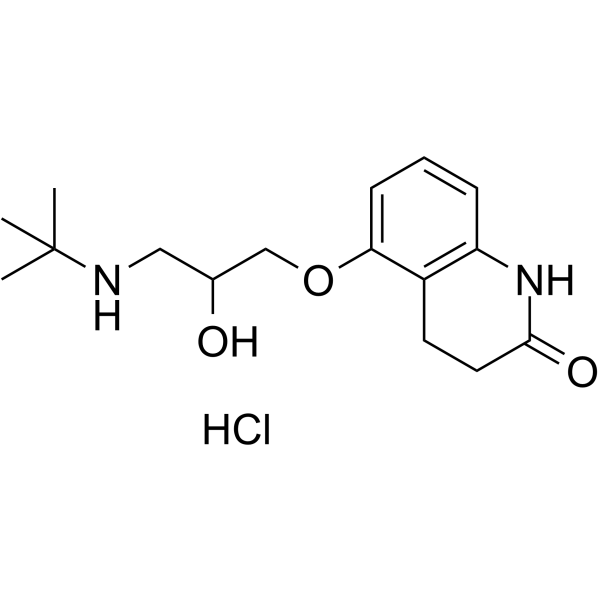
    Carteolol hydrochloride (OPC-1085 hydrochloride) is a non-selective beta blocker used to treat glaucoma.
    Carteolol hydrochloride
  • HY-15009
    Fuscoside
    1 Publications Verification

    OPC-21268

    Vasopressin Receptor Cardiovascular Disease Endocrinology
    Fuscoside (OPC-21268) is an orally effective, nonpeptide, vasopressin V1 receptor antagonist with an IC50 of 0.4 μM.
    Fuscoside
  • HY-134940
    Quabodepistat
    3 Publications Verification

    OPC-167832

    Bacterial Infection Inflammation/Immunology
    Quabodepistat (OPC-167832) is a potent and orally active dprE1 inhibitor with an IC50 of 0.258 μM. Quabodepistat has antituberculosis activity and can be used for the research of tuberculosis caused by Mycobacterium tuberculosis .
    Quabodepistat
  • HY-15297
    Vesnarinone
    2 Publications Verification

    OPC-8212

    Phosphodiesterase (PDE) Infection Cardiovascular Disease
    Vesnarinone (OPC-8212) is an orally active phosphodiesterase 3 (PDE3) inhibitor. Vesnarinone can increase in calcium flux and decrease in potassium flux. Vesnarinone shows dose-dependent positive inotropic activity. Vesnarinone can be used in heart failure research .
    Vesnarinone
  • HY-18346
    Mozavaptan
    1 Publications Verification

    OPC-31260

    Vasopressin Receptor Cardiovascular Disease Metabolic Disease Endocrinology Cancer
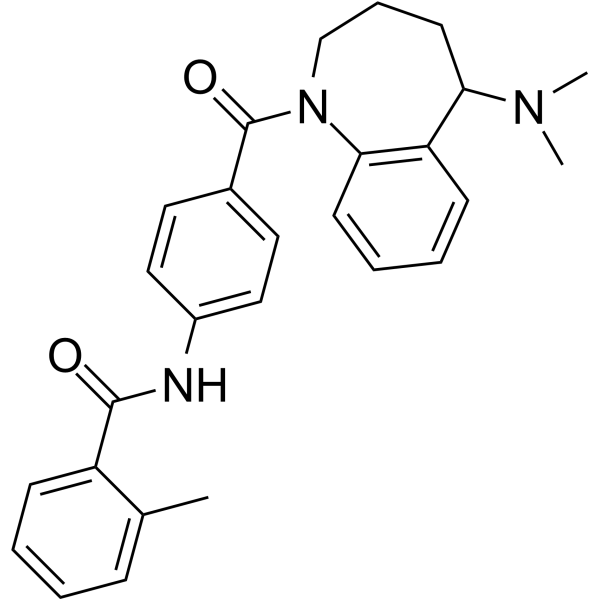
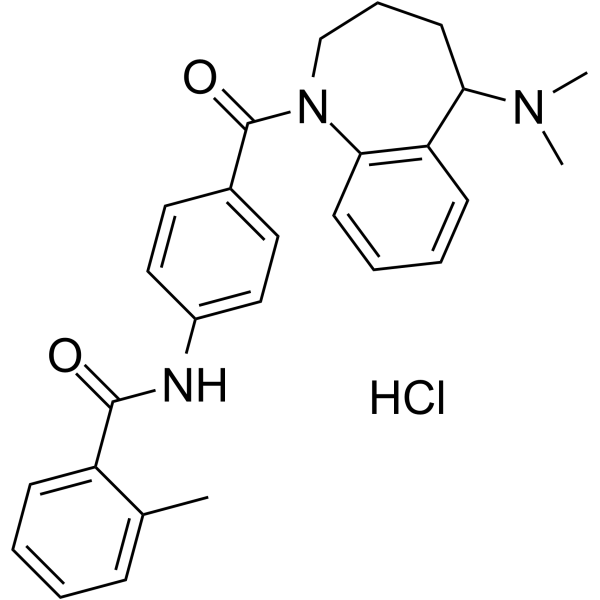
    Mozavaptan (OPC-31260) is a benzazepine derivative and a potent, selective, competitive and orally active vasopressin V2 receptor antagonist with an IC50 of 14 nM. Mozavaptan shows ~85-fold selectivity for V2 receptor over V1 receptor (IC50 of 1.2 μM), and can antagonize the antidiuretic action of arginine vasopressin (AVP) in vivo. Mozavaptan has the potential for hyponatremia, syndrome of inappropriate antidiuretic hormone (SIADH), and congestive heart failure treatment .
    Mozavaptan
  • HY-128879A
    VP3.15 dihydrobromide
    3 Publications Verification

    Phosphodiesterase (PDE) GSK-3 Tau Protein Cardiovascular Disease Neurological Disease Inflammation/Immunology
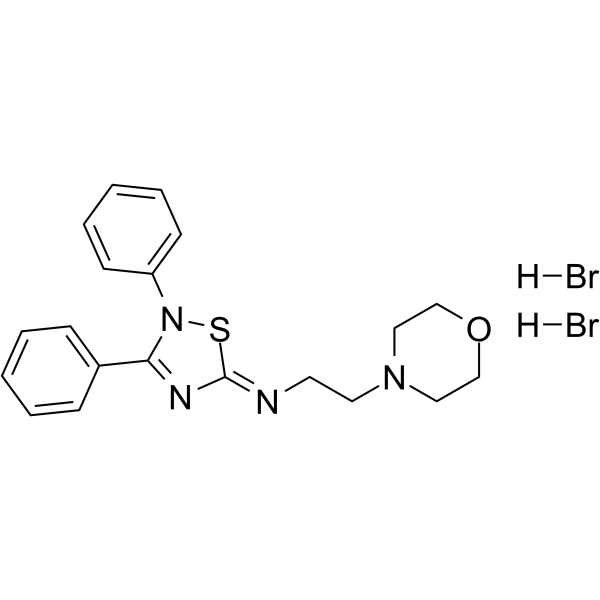
    VP3.15 dihydrobromide is a highly potent, orally bioavailable, and CNS-penetrant PDE7-GSK3 dual inhibitor, with IC50 values of 1.59 μM and 0.88 μM against PDE7 and GSK3, respectively . VP3.15 dihydrobromide elevates intracellular cAMP levels, suppresses immune responses, enhances remyelination, limits excessive tau phosphorylation, and alleviates neuroinflammation and neuronal loss. VP3.15 dihydrobromide promotes oligodendrocyte precursor cell differentiation, improves in vivo remyelination, inhibits autoimmune encephalomyelitis, and mitigates germinal matrix-intraventricular hemorrhage-related brain injury, cerebral atrophy, ventricular enlargement, and cognitive impairment. VP3.15 dihydrobromide can be used in research related to multiple sclerosis and germinal matrix-intraventricular hemorrhage .
    VP3.15 dihydrobromide
  • HY-105092

    OPC-6535

    Phosphodiesterase (PDE) Inflammation/Immunology
    Tetomilast (OPC-6535) is a PDE4 inhibitor with potential for the research of inflammatory bowel disease (IBD) and chronic obstructive pulmonary disease (COPD).
    Tetomilast
  • HY-100665
    Dehydroaripiprazole
    1 Publications Verification

    OPC-14857; DM-14857

    5-HT Receptor Dopamine Receptor Neurological Disease
    Dehydroaripiprazole (OPC-14857) is an active metabolite of Aripiprazole (HY-14546) and dopamine D2/D3 receptor partial agonist. Dehydroaripiprazole also has certain affinity for serotonin 5-HT1A, 5-HT2A and 5-HT2B receptors. Dehydroaripiprazole has antipsychotic activity equivalent to Aripiprazole .
    Dehydroaripiprazole
  • HY-134769

    Mitochondrial Metabolism Reactive Oxygen Species (ROS) Cardiovascular Disease Metabolic Disease
    OPC-163493 is an orally active and liver-targeted mitochondrial uncoupling agent. OPC-163493 reduces the production of mitochondrial Δψ and ROS. OPC-163493 has anti-diabetic and lipid-lowering effects. In addition, OPC-163493 has a protective effect on cardiovascular disease .
    OPC-163493
  • HY-P5982

    Phosphatase Neurological Disease
    PTPσ Inhibitor, ISP can bind to recombinant human PTPs and inhibits PTPσ signaling. PTPσ Inhibitor, ISP can penetrate the membrane and relieves the chondroitin sulfate proteoglycan (CSPG)-mediated axonal sprouting inhibition in spinal cord injury model. PTPσ Inhibitor, ISP enhances remyelination in LPC-induced demyelinated spinal cord. PTPσ Inhibitor, ISP also promotes oligodendrocyte progenitor cells (OPCs) migration, maturation, remyelination, and functional recovery in animal models of Multiple Sclerosis (MS) .
    PTPσ Inhibitor, ISP
  • HY-15780S1

    OPC-34712-d8-1

    Isotope-Labeled Compounds Dopamine Receptor Adrenergic Receptor 5-HT Receptor Neurological Disease
    Brexpiprazole-d8-1 (OPC-34712-d8-1) is the deuterium labeled Brexpiprazole (HY-15780) . Brexpiprazole (OPC-34712), an atypical orally active antipsychotic agent, is a partial agonist of human 5-HT1A and dopamine D2L receptor with Kis of 0.12 nM and 0.3 nM, respectively. Brexpiprazole is also a 5-HT2A receptor antagonist with a Ki of 0.47 nM. Brexpiprazole also shows potent antagonist activity at human noradrenergic α1B (Ki=0.17 nM) and α2C receptors (Ki=0.59 nM) .
    Brexpiprazole-d8-1
  • HY-123593
    Mozavaptan hydrochloride
    1 Publications Verification

    OPC-31260 hydrochloride

    Vasopressin Receptor Cardiovascular Disease Metabolic Disease Endocrinology Cancer
    Mozavaptan hydrochloride (OPC-31260 hydrochloride) is a benzazepine derivative and a potent, selective, competitive and orally active vasopressin V2 receptor antagonist with an IC50 of 14 nM. Mozavaptan hydrochloride shows ~85-fold selectivity for V2 receptor over V1 receptor (IC50 of 1.2 μM), and can antagonize the antidiuretic action of arginine vasopressin (AVP) in vivo. Mozavaptan hydrochloride has the potential for hyponatremia, syndrome of inappropriate antidiuretic hormone (SIADH), and congestive heart failure treatment .
    Mozavaptan hydrochloride
  • HY-19664

    OPC-13340

    Calcium Channel NO Synthase Cardiovascular Disease
    Pranidipine (OPC-13340) is an orally active L-type voltage-dependent calcium channel (L-VDCC) blocker with a Ki value of 0.16 nM. Pranidipine inhibits calcium-induced contraction, suppresses slow-response action potentials, shortens action potential duration, reduces systolic and diastolic blood pressure, and exerts vasodilatory effects. Pranidipine enhances its vasodilatory effect by blocking NO decomposition. Pranidipine can be used in research related to essential hypertension, angina pectoris, myocardial infarction, and dilated cardiomyopathy .
    Pranidipine
  • HY-116567

    Vasopressin Receptor Metabolic Disease
    OPC-51803 is an orally active nonpeptide vasopressin V2 receptor agonist. OPC-51803 can be used for the research of micturition disorders that result in frequent micturition, such as that from polyuria, nocturnal polyuria, and some kinds of urinary incontinence .
    OPC-51803
  • HY-135910

    OPC-13015

    Drug Metabolite Cardiovascular Disease Cancer
    3,4-Dehydro Cilostazol (OPC-13015) is an active metabolite of Cilostazol (CLZ; HY-17464). 3,4-Dehydro Cilostazol is used for pharmacokinetic study .
    3,4-Dehydro Cilostazol
  • HY-A0147A

    OPC-17116 hydrochloride; dl-Grepafloxacin hydrochloride

    Antibiotic Bacterial Infection
    Grepafloxacin (OPC-17116) hydrochloride is an oral actively fluoroquinolone antibiotic with potent activity against community-acquired respiratory pathogens including Streptococcus pneumonia. Grepafloxacin hydrochloride has high tissue penetration and a promising pharmacodynamic profile .
    Grepafloxacin hydrochloride
  • HY-116594A

    Sigma Receptor 5-HT Receptor Neurological Disease
    OPC-14523 hydrochloride is an orally active sigma and 5-HT1A receptor agonist, with high affinity for sigma receptors (σ1/2 IC50=47/56 nM), the 5-HT1A receptor (IC50=2.3 nM), and the 5-HT transporter (IC50=80 nM). OPC-14523 hydrochloride shows antidepressant-like activity .
    OPC-14523 hydrochloride
  • HY-101610

    Adrenergic Receptor Cardiovascular Disease Endocrinology
    OPC-28326 is a selective peripheral vasodilator and an angatonist of α2-adrenergic receptor, with Ki of 2040, 285, and 55 nM for α2A-, α2B- and α2C-adrenoceptors, respectively.
    OPC-28326
  • HY-15780S

    OPC-34712-d8

    Isotope-Labeled Compounds 5-HT Receptor Dopamine Receptor Adrenergic Receptor Neurological Disease
    Brexpiprazole-d8 (OPC-34712-d8) is the deuterium labeled Brexpiprazole (HY-15780). Brexpiprazole (OPC-34712), an atypical orally active antipsychotic agent, is a partial agonist of human 5-HT1A and dopamine D2L receptor with Kis of 0.12 nM and 0.3 nM, respectively. Brexpiprazole is also a 5-HT2A receptor antagonist with a Ki of 0.47 nM. Brexpiprazole also shows potent antagonist activity at human noradrenergic α1B (Ki=0.17 nM) and α2C receptors (Ki=0.59 nM) .
    Brexpiprazole-d8
  • HY-15780R

    OPC-34712 (Standard)

    Reference Standards 5-HT Receptor Dopamine Receptor Adrenergic Receptor Neurological Disease
    Brexpiprazole (Standard) is the analytical standard of Brexpiprazole. This product is intended for research and analytical applications. Brexpiprazole (OPC-34712), an atypical orally active antipsychotic agent, is a partial agonist of human 5-HT1A and dopamine D2L receptor with Kis of 0.12 nM and 0.3 nM, respectively. Brexpiprazole is also a 5-HT2A receptor antagonist with a Ki of 0.47 nM. Brexpiprazole also shows potent antagonist activity at human noradrenergic α1B (Ki=0.17 nM) and α2C receptors (Ki=0.59 nM) .
    Brexpiprazole (Standard)
  • HY-17495AR

    OPC-1085 hydrochloride (Standard)

    Reference Standards Adrenergic Receptor Cardiovascular Disease Endocrinology
    Carteolol hydrochloride (Standard) is the analytical standard of Carteolol hydrochloride. This product is intended for research and analytical applications. Carteolol hydrochloride (OPC-1085 hydrochloride) is a non-selective beta blocker used to treat glaucoma.
    Carteolol hydrochloride (Standard)
  • HY-116567A

    Endogenous Metabolite Endocrinology
    (S)-OPC-51803 is an agonist of the vasopressin V2 receptor, with activity in suppressing nocturia and urinary incontinence. (S)-OPC-51803 was evaluated in terms of biological activity and showed a stronger V2 receptor agonist effect compared to its (R)-isomer. The use of (S)-OPC-51803 may improve the patient's ability to control nocturnal polyuria .
    (S)-OPC-51803
  • HY-14546S

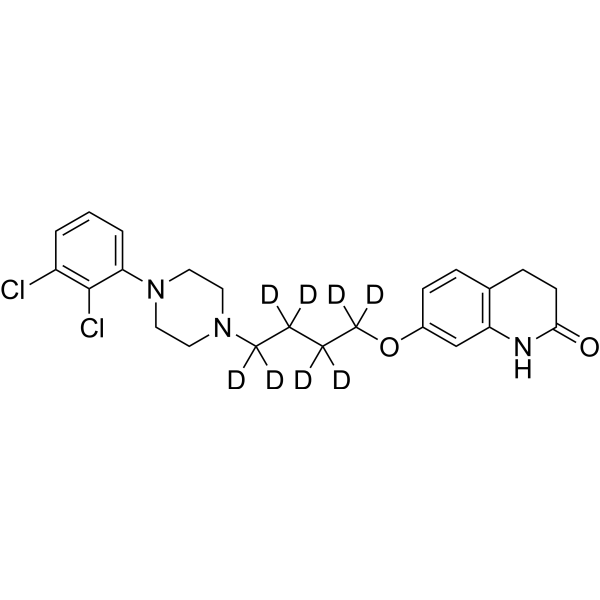
    OPC-14597-d8

    5-HT Receptor Neurological Disease
    Aripiprazole-d8 (OPC-14597-d8) is the deuterium labeled Aripiprazole (HY-14546). Aripiprazole (OPC-14597), an atypical antipsychotic, is a potent and high-affinity dopamine D2 receptor partial agonist. Aripiprazole is an inverse agonist at 5-HT2B and 5-HT2A receptors and displays partial agonist actions at 5-HT1A, 5-HT2C, D3, and D4 receptors. Aripiprazole can be used for the research of schizophrenia and COVID19.
    Aripiprazole-d8
  • HY-14546S1
    Aripiprazole-d8-1
    10+ Cited Publications

    OPC-14597-d8

    Isotope-Labeled Compounds 5-HT Receptor Neurological Disease
    Aripiprazole (1,1,2,2,3,3,4,4-d8) is the deuterium labeled Aripiprazole. Aripiprazole (OPC-14597) is a human 5-HT1A receptor partial agonist with a Ki of 4.2 nM .
    Aripiprazole-d8-1
  • HY-15780A

    OPC-34712 hydrochloride

    5-HT Receptor Dopamine Receptor Adrenergic Receptor Neurological Disease
    Brexpiprazole (OPC-34712) hydrochloride, an atypical orally active antipsychotic agent, is a partial agonist of human 5-HT1A and dopamine D2L receptor with Kis of 0.12 nM and 0.3 nM, respectively. Brexpiprazole hydrochloride is also a 5-HT2A receptor antagonist with a Ki of 0.47 nM. Brexpiprazole hydrochloride also shows potent antagonist activity at human noradrenergic α1B (Ki=0.17 nM) and α2C receptors (Ki=0.59 nM) .
    Brexpiprazole hydrochloride
  • HY-14546R

    OPC-14597 (Standard)

    Reference Standards 5-HT Receptor Dopamine Receptor Infection Neurological Disease Inflammation/Immunology
    Aripiprazole (Standard) is the analytical standard of Aripiprazole. This product is intended for research and analytical applications. Aripiprazole (OPC-14597), an atypical antipsychotic, is a potent and high-affinity dopamine D2 receptor partial agonist. Aripiprazole is an inverse agonist at 5-HT2B and 5-HT2A receptors and displays partial agonist actions at 5-HT1A, 5-HT2C, D3, and D4 receptors. Aripiprazole can be used for the research of schizophrenia and COVID19 .
    Aripiprazole (Standard)
  • HY-109158

    COX Inflammation/Immunology
    Rebamipide mofetil is an orally active proagent of Rebamipide (OPC12759). Rebamipide is a mucoprotective agent. Rebamipide induces COX-2 expression, increases PGE2 levels, and enhances gastric mucosal defense in a COX-2-dependent manner .
    Rebamipide mofetil
  • HY-112631

    Phosphodiesterase (PDE) Cardiovascular Disease
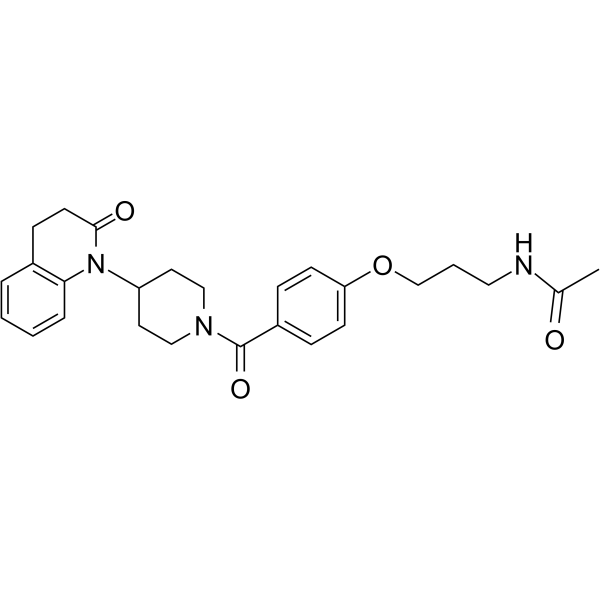
    OPC-33540 is a highly selective and competitive PDE3 inhibitor with IC50 values of 0.32 nM (PDE3A) and 1.5 nM (PDE3B). OPC-33540 exhibits IC50s against PDE1, PDE2, PDE4, PDE5, and PDE7 of 42.9, 52.3, 100.8, 2.5, and 51.3 μM, respectively. OPC-33540 significantly enhances cAMP accumulation in platelets and effectively inhibits thrombin-induced platelet aggregation. OPC-33540 can be used in antithrombotic studies .
    OPC 33540
  • HY-106781

    Dopamine Receptor Neurological Disease
    OPC-4392 is a orally active presynaptic dopamine autoreceptor agonist and postsynaptic D2 receptor antagonist. OPC 4392 reverses the Reserpine (HY-N0480)-induced dopamine accumulation, inhibits Apomorphine (HY-12723)-induced stereotypic and climbing behaviors in mouse models. OPC-4392 can be used as antipsychotic agent .
    OPC-4392
  • HY-A0147

    OPC-17116; dl-Grepafloxacin

    Antibiotic Bacterial Infection
    Grepafloxacin (OPC-17116) is an oral actively fluoroquinolone antibiotic with potent activity against community-acquired respiratory pathogens including Streptococcus pneumonia. Grepafloxacin has high tissue penetration and a promising pharmacodynamic profile .
    Grepafloxacin
  • HY-18346R

    OPC-31260 (Standard)

    Vasopressin Receptor Reference Standards Cardiovascular Disease Metabolic Disease Endocrinology Cancer
    Mozavaptan (Standard) is the analytical standard of Mozavaptan. This product is intended for research and analytical applications. Mozavaptan (OPC-31260) is a benzazepine derivative and a potent, selective, competitive and orally active vasopressin V2 receptor antagonist with an IC50 of 14 nM. Mozavaptan shows ~85-fold selectivity for V2 receptor over V1 receptor (IC50 of 1.2 μM), and can antagonize the antidiuretic action of arginine vasopressin (AVP) in vivo. Mozavaptan has the potential for hyponatremia, syndrome of inappropriate antidiuretic hormone (SIADH), and congestive heart failure treatment .
    Mozavaptan (Standard)
  • HY-17464S1

    OPC-13013-d4

    Isotope-Labeled Compounds Phosphodiesterase (PDE) Autophagy Cardiovascular Disease Cancer
    Cilostazol-d4 is deuterium labeled Cilostazol. Cilostazol (OPC 13013) is a potent and selective inhibitor of phosphodiesterase (PDE) 3A, the isoform of PDE 3 in the cardiovascular system, with an IC50 of 0.2 μM .
    Cilostazol-d4
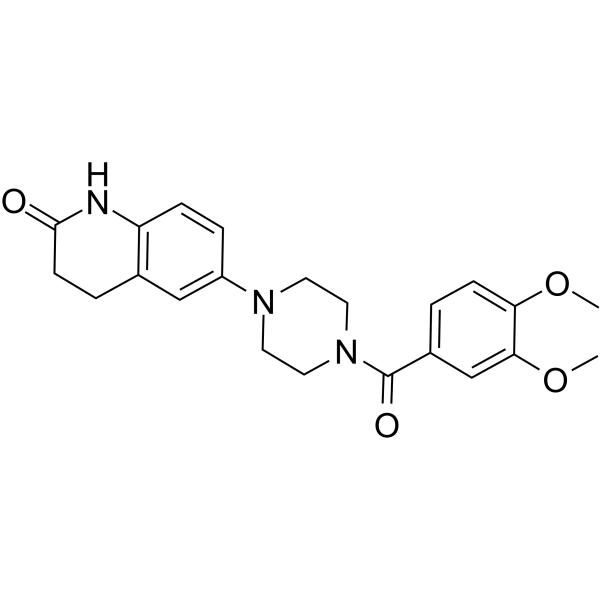
  • HY-163277

    Opioid Receptor Inflammation/Immunology
    PIPE-3297 (compound 25) is a selective kappa opioid receptor (KOR) agonist, which activates the G-protein signaling with EC50 of 1.1 nM and exhibits low β-arrestin-2 recruitment activity (10%). PIPE-3297 induces myelination and reveals an anti-inflammatory activity .
    PIPE-3297
  • HY-B0360R

    COX Reference Standards Inflammation/Immunology Cancer
    Rebamipide (Standard) is the analytical standard of Rebamipide. This product is intended for research and analytical applications. Rebamipide (OPC12759) is an orally active gastroprotective agent that enhances the production of endogenous PGs (especially intragastric PGE2) by inducing COX-2 expression, thereby protecting the gastric mucosa from injury. Rebamipide exerts anti-proliferative activity against gastric cancer cells. Rebamipide can be used in studies of mucosal protection, gastroduodenal ulcer, gastritis and gastric cancer .
    Rebamipide (Standard)
  • HY-CE01632

    OPC6-Coenzyme A

    Biochemical Assay Reagents Metabolic Disease
    OPC6-CoA (OPC6-Coenzyme A) is a coenzyme A derivative .
    OPC6-CoA
  • HY-CE01631

    OPC4-Coenzyme A

    Biochemical Assay Reagents Metabolic Disease
    OPC4-CoA (OPC4-Coenzyme A) is a coenzyme A derivative .
    OPC4-CoA
  • HY-165493

    Drug Derivative Others
    Opc-15161 is a novel superoxide generation inhibitor and major degradation product of OPC-15160 .
    Opc-15161
  • HY-167079

    Drug Derivative Cardiovascular Disease
    OPC-18750 is a novel positive inotropic agent and 2(lH)-quinolinone derivative. OPC-18750 displays positive inotropic and coronary vasodilating effects .
    OPC-18750
  • HY-165492

    Reactive Oxygen Species (ROS) NF-κB Apoptosis Neurological Disease Inflammation/Immunology
    OPC-14117 is an orally active superoxide radical scavenger that can cross the blood-brain barrier. OPC-14117 inhibits the oxidative stress cascade reaction, significantly reducing the increase in tissue osmotic pressure and alleviating brain edema in the brain contusion model. OPC-14117 blocks the NF-κB-dependent apoptotic pathway in the striatum neuron apoptosis model induced by Quinolinic acid (HY-100807). OPC-14117 can reduce the necrotic volume, protect hippocampal CA3 neurons and restore cognitive function. OPC-14117 can be used to study secondary brain injury and improve neurological prognosis .
    Opc 14117
  • HY-167079A

    Drug Isomer Cardiovascular Disease
    OPC-18750 hydrochloride has positive inotropic and coronary vasodilatory effects .
    OPC-18750 hydrochloride

Inquiry Online

Your information is safe with us. * Required Fields.

Salutation


Country or Region *

Applicant Name *


Organization Name *

Department *


Email Address *


Product Name *

Cat. No.


Requested quantity *

Phone Number *


Remarks

Inquiry Online

Inquiry Information

Product Name:
Cat. No.:
Quantity:
MCE Japan Authorized Agent:

