


Delivery of temperature sensitive items including proteins and kits will be paused on 6/19 for the Juneteenth holiday. For urgent orders please contact customer service.
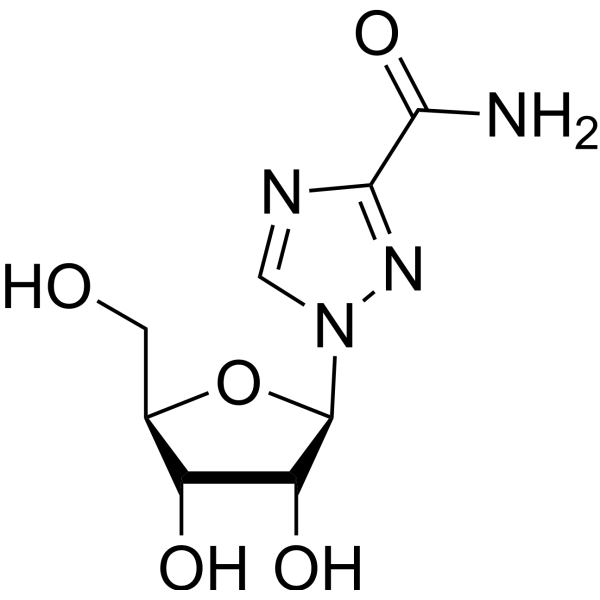
Ribavirin (ICN-1229) is an antiviral agent against a broad spectrum of viruses including HCV, HIVl, and RSV. Ribavirin also has anti-orthopoxvirus and anti-variola activities.
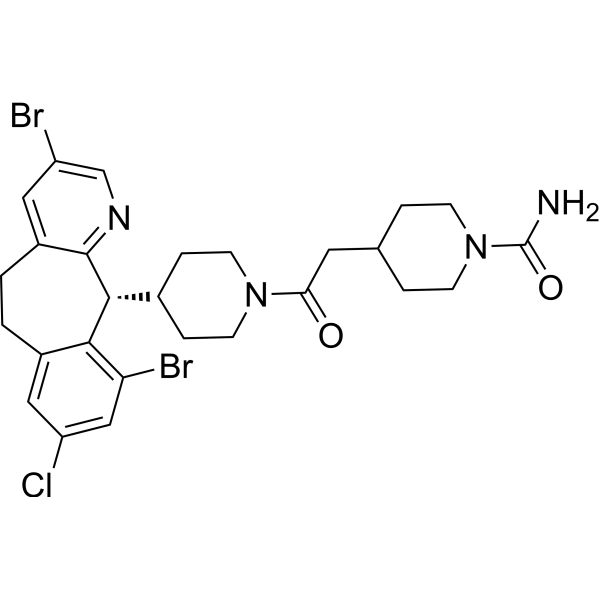
Ac-CoA Synthase-IN-1 is a potent, reversible acetate-dependent acetyl-CoA synthetase 2 (ACSS2) inhibitor with an IC50 of 0.6 μM . Ac-CoA Synthase-IN-1 inhibits the respiratory syncytial virus (RSV) .
Nirsevimab (MEDI8897) is a recombinant monoclonal antibody against human respiratory syncytial virus (RSV). Nirsevimab has neutralizing activity against RSV A and RSV B viruses, with IC50 values of 5.42 ng/mL and 9.71 ng/mL, respectively. Nirsevimab can be used for research on respiratory infections .
Palivizumab (MEDI 493) is a humanized monoclonal antibody against respiratory syncytial virus (RSV). Palivizumab can bind to RSV F protein with a Kd value of 1.4 nM. Palivizumab can prevent respiratory syncytial virus infection in cotton mice .
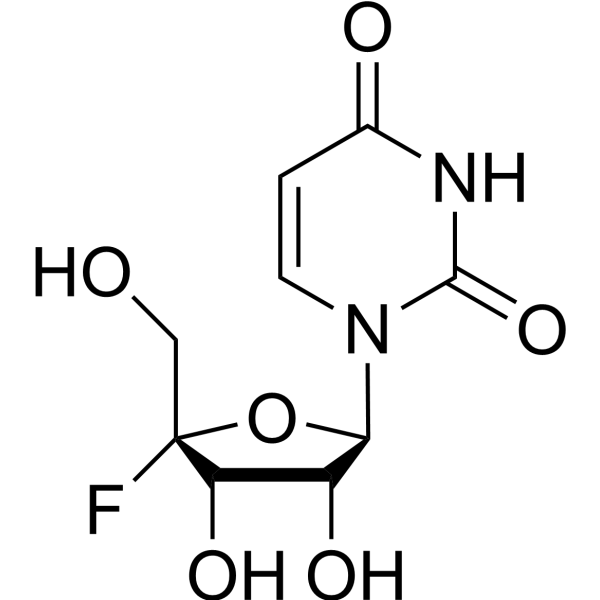
EIDD-2749 (4'-Fluorouridine) is an orally active RdRp inhibitor. EIDD-2749 effectively blocks the replication of RSV and SARS-CoV-2. EIDD-2749 also exhibits activity against HCV and lymphocytic choriomeningitis virus (LCMV). EIDD-2749 is a promising oral therapeutic candidate for COVID-19 and is also suitable for research on other RNA viruses .
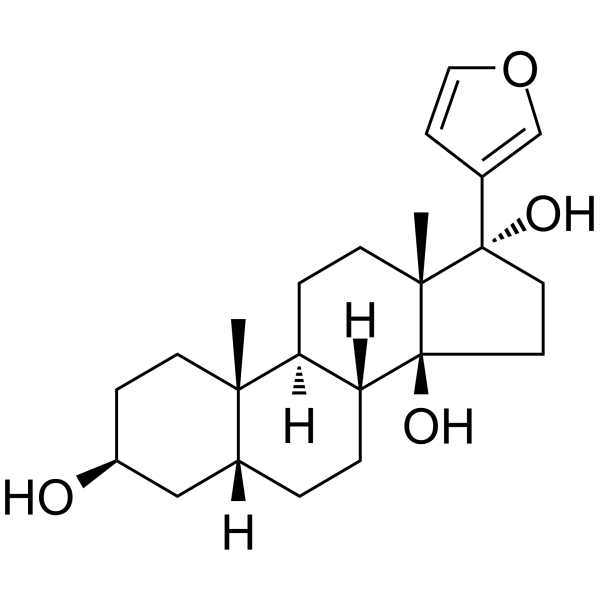
Rostafuroxin (PST 2238), a digitoxigenin derivative, is an orally active and potent Na +,K +-ATPase (ATP1A1) antognist. Rostafuroxin binds specifically to the ATP1A1 extracellular domain and blocks respiratory syncytial virus (RSV)-triggered EGFR Tyr845 phosphorylation. Rostafuroxin has antihypertensive and anti-RSV activity .
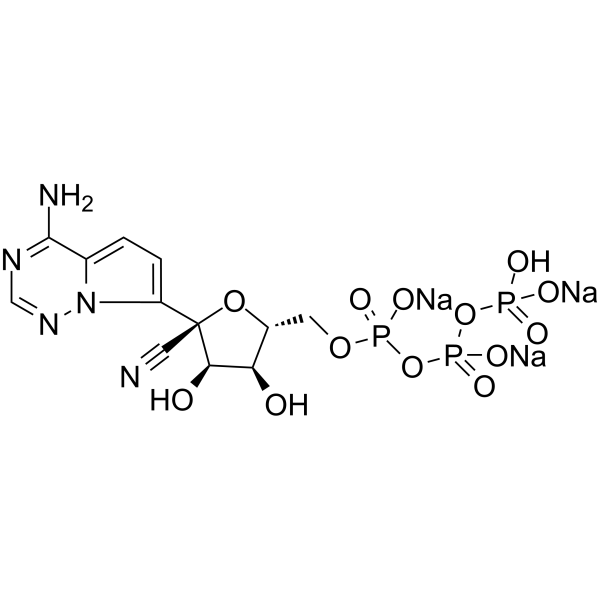
GS-443902 trisodium (GS-441524 triphosphate trisodium) is a potent viral RNA-dependent RNA-polymerases (RdRp) inhibitor with IC50s of 1.1 μM, 5 μM for RSV RdRp and HCV RdRp, respectively. GS-443902 trisodium is the active triphosphate metabolite of Remdesivir (GS-5734) .
Ziresovir (AK0529;RO-0529) is a potent, selective, and orally bioavailable respiratory syncytial virus (RSV) fusion (F) protein (RSV F) protein inhibitor. Ziresovir shows anti-RSV activity (EC50=3 nM) and highlights pharmacokinetics in animal species .
Mindeudesivir (JT001; VV116; GS-621763-d1) hydrobromide is a deuterated version of Remdesivir (HY-104077), a highly orally active nucleoside antiviral against SARS-CoV-2 and respiratory syncytial virus (RSV). Mindeudesivir hydrobromide retains the antiviral activity of Remdesivir against COVID-19, and is the first domestically produced deuterium targeting the COVID-19 .
Clesrovimab (MK1654) is a humanized IgG1 monoclonal antibody targeting the respiratory syncytial virus (RSV) protein F. Clesrovimab binds to pre-fusion and post-fusion forms of RSV-A fusion protein with high affinity, with corresponding KD values of 71 pM and 480 pM, respectively. Clesrovimab is applicable for the research of RSV infection .
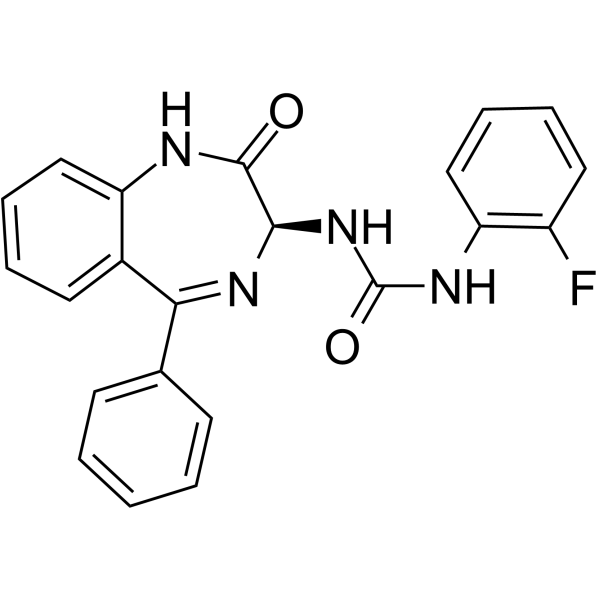
RSV604 (A-60444) is an inhibitor of respiratory syncytial virus (RSV) replication. RSV604 targets the nucleocapsid protein, with a Kd of 1.6 μM. RSV604 displays submicromolar activity against numerous clinical isolates of both the A and B subtypes of RSV (average EC50s=0.8 μM) .
Gontivimab (ALX-0171; VR-465) is a poent anti-RSV prefusion F protein nanobody with a KD value of 0.113 nM. Gontivimab shows antiviral activity. Gontivimab reduces the RSV load in the nose and lung .
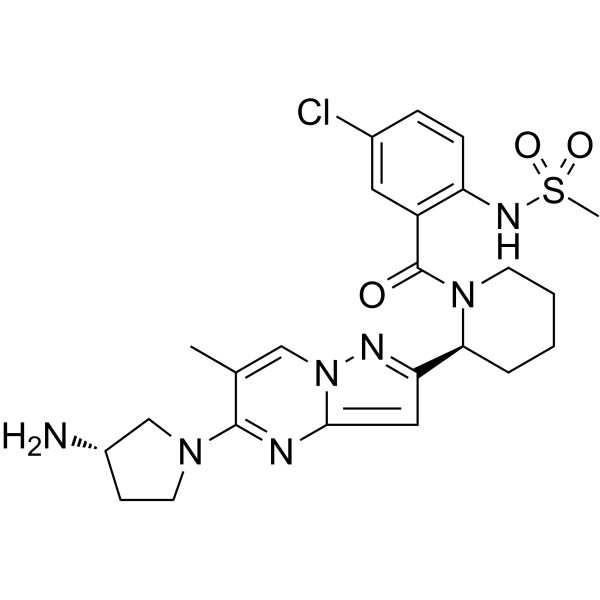
Sisunatovir (RV521) hydrochloride is a potent and orally active respiratory syncytial virus (RSV) inhibitor with IC50 values of 1.4, 1.0 nM for RSV A, RSV B, respectively. Sisunatovir hydrochloride inhibits RSV infection and reduces virus titers in the lungs of mice .
Sisunatovir (RV521) is a potent and orally active respiratory syncytial virus (RSV) inhibitor with IC50 values of 1.4, 1.0 nM for RSV A, RSV B, respectively. Sisunatovir inhibits RSV infection and reduces virus titers in the lungs of mice .
PC786 is an inhaled respiratory syncytial virus (RSV) L protein polymerase inhibitor. PC786 demonstrates potent antiviral activity against RSV-A (IC50 <0.09 to 0.71 nM) and RSV-B (IC50, 1.3 to 50.6 nM) .
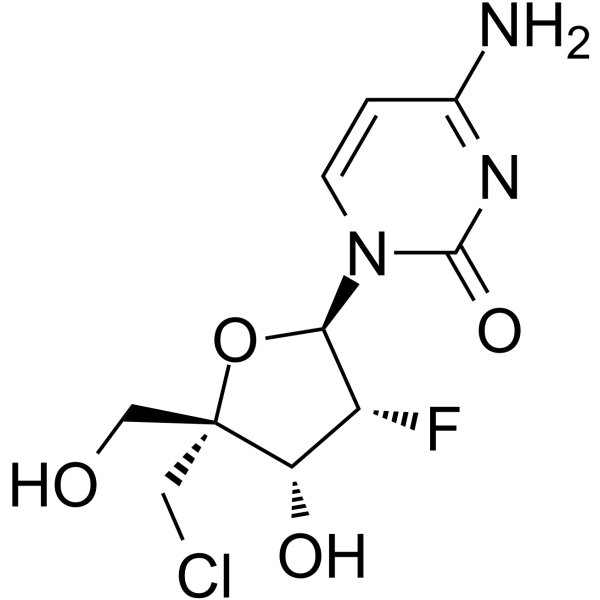
ALS-8112 is a potent and selective respiratory syncytial virus (RSV) polymerase inhibitor. The 5'-triphosphate form of ALS-8112 inhibits RSV polymerase with an IC50 of 0.02 μM.
Alizarin complexone is a calcium-binding fluorescent dye. Alizarin complexone stains mineralized areas of bone by binding to calcium crystals. Alizarin complexone inhibits the reverse transcriptase activity of RAV-2, HIV-1, and RSV with IC50 values of 3.8 μg/mL, 45 μg/mL, and 100 μg/mL, respectively. Alizarin complexone exhibits antiviral activity against HIV-1 and RSV. Alizarin complexone delays RSV-induced tumor induction in chickens .
Motavizumab (MEDI-524) is an anti-human RSV (respiratory syncytial virus) monoclonal antibody. Motavizumab can be used in respiratory syncytial virus infection in high-risk infants research .
Suptavumab (REGN2222) is a human monoclonal antibody. Suptavumab can bind and block a conserved epitope on RSV A and B subtypes. Suptavumab can be used for the research of RSV infection .
AVG-233 is a potent, orally active RNA dependent RNA polymerase (RdRp) inhibitor. AVG-233 prevents initiation of the viral polymerase complex at the promoter. AVG-233 binding site is present in the L1-1749 fragment. AVG-233 has nanomolar activity against both RSV strains and clinical RSV isolates (EC50=0.14-0.31 μM). AVG-233 can be used for research of respiratory syncytial virus (RSV) .
JNJ-8003 is a potent and orally active non-nucleoside RSV polymerase inhibitor with an IC50 of 0.29 nM. JNJ-8003 targets the L protein polymerase complex of RSV (IC50 = 0.67 nM), and blocks the transcription and replication of the viral genome by inhibiting the activity of RNA-dependent RNA polymerase (RdRp). JNJ-8003 displays subnanomolar activity in vitro as well as prominent efficacy in mice and a neonatal lamb models. JNJ-8003 can be used for the study of respiratory syncytial virus (RSV) .
GS-443902 (GS-441524 triphosphate) is a potent viral RNA-dependent RNA-polymerases (RdRp) inhibitor with IC50s of 1.1 µM, 5 µM for RSV RdRp and HCV RdRp, respectively. GS-443902 is the active triphosphate metabolite of Remdesivir .
RSM-01 is a monoclonal antibody targeting site Ø of the pre-fusion F glycoprotein (Fusion glycoprotein F0) of respiratory syncytial virus (RSV). RSM-01 can be used in studies related to RSV infection .
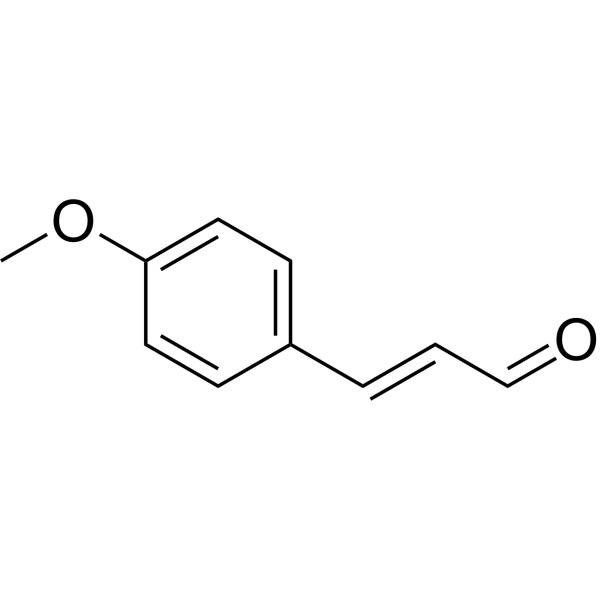
4-Methoxycinnamaldehyde (p-Methoxycinnamaldehyde), an active constituent of Agastache rugosa, exhibits cytoprotective activity against respiratory syncytial virus (RSV) in human larynx carcinoma cell line. 4-Methoxycinnamaldehyde effectively inhibits cytopathic effect of RSV with an estimated IC50 of 0.055 μg/mL .
MEDS433 is a potent inhibitor of human dihydroorotate dehydrogenase (hDHODH) with an IC50 of 1.2 nM. MEDS433 exerts a potent antiviral activity against RSV-A and RSV-B in the one-digit nanomolar range. MEDS433 induces the expression of antiviral proteins encoded by interferon stimulated genes (ISGs) able to reduce RSV replication .
BMS-433771 is a potent orally active inhibitor of respiratory syncytial virus (RSV). BMS-433771 is active against both A and B groups of RSV, with an average EC50 of 20 nM. BMS-433771 can be used for the research of respiratory tract disease .
Quercetin pentaacetate could interact with F-protein with lower binding energy and better stability to block viral adhesion. Quercetin pentaacetate interacts with RSV and inhibit the viral adhesion on cell surface .
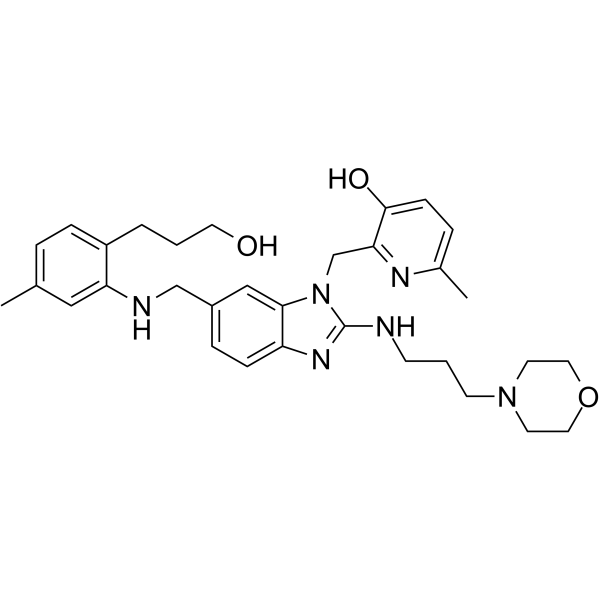
RSV/IAV-IN-3 (compound 14'i) is a dual inhibitor of respiratory syncytial virus (RSV) and influenza A virus (IAV) with EC50 values of 2.92 µM and 1.90 µM,respectively. RSV/IAV-IN-3 has antiviral effect against H1N1 and H3N2 with EC50 values of 3.25 µM and 1.50 µM in MDCK cells, respectively. RSV/IAV-IN-3 significantly inhibits the activity of luciferase in a dose-dependent manner, with an EC50 of 3.89 µM. RSV/IAV-IN-3 inhibits IAV infectivity and RdRp activity. RSV/IAV-IN-3 inhibits IAV and RSV replication at the post-entry stage .
3,4-Di-O-caffeoyl quinic acid methyl ester (Macroantoin F) is a dicaffeoyl derivative isolated from the rhizome of Elephantopus scaber Linn. 3,4-Di-O-caffeoyl quinic acid methyl ester exhibited in vitro antiviral activity against respiratory syncytial virus (RSV) with an IC50 value of 0.78 μg/mL .
RSV604 R enantiomer is the R-enantiomer of RSV604. RSV604 is an inhibitor of respiratory syncytial virus (RSV) replication. R-enantiomer is less active against RSV.
YM 53403 is an anti-respiratory syncytial virus (RSV) agent, with an EC50 of 0.20 μM. YM 53403 potently inhibits the replication of RSV strains belonging to both A and B subgroups .
Glarivibart is a humanized IgG1κ monoclonal antibody inhibitor targeting Respiratory syncytial virus (RSV) fusion F protein (RSV-F). Glarivibart has significant antiviral activity. Glarivibart can be used for RSV infections research .
MAY0132 is a potent and selective EPAC2 inhibitor with an IC50 of 0.4 μM. MAY0132 significantly inhibits replication of HMPV, AdV and RSV, reduces viral infection-induced cytokine/chemokine production, and inhibits NF-κB activation. MAY0132 has antiviral activity and can be used in the study of respiratory virus infection .
JNJ-7184 is a non-nucleoside inhibitor of the RSV-Large (L) polymerase, with the pEC50 and pCC50 of 7.86 and 4.29 in Hela cells, respectively. JNJ-7184 prevents RSV replication and transcription by inhibiting initiation or early elongation .
RSV-IN-13 (compound 24) is a selective RSV fusion protein inhibitor with antiviral activity. RSV-IN-13 has an EC50 of 444.2 nM against RSV A2 strain and a CC90 of 23.7 μM in HepG2 cells. RSV-IN-13 can block the virus from entering host cells. RSV-IN-13 can be used to study RSV infection .
BTA-9881 (MEDI-564) is a RSV inhibitor, with an EC50: 48 nM, 59 nM and 160 nM for RSV A2, RSV Long, and RSV B1. BTA-9881 has favorable pharmacokinetics property .
CGR-50 is a potent RSV fusion glycoprotein (F protein) inhibitor (EC50 = 32.6 nM against RSV A2 in HEp-2 cells). CGR-50 blocks RSV entry by binding to the F protein and inhibiting membrane fusion. CGR-50 can be used for RSV infection research .
AZ-27 is a respiratory syncytial virus (RSV) inhibitor. AZ-27 can differentially suppress various RSV polymerase activities at the promoter, thereby inhibiting the early stages of mRNA transcription and genome replication by targeting the promoter .
JNJ 2408068 is a potent RSV (respiratory syncytial virus) inhibitor. JNJ 2408068 significantly inhibits replication of RSV A and B subtypes in the lungs of cotton rats without any evidence of toxicity. The minimum protective dose of JNJ 2408068 appears to be approximately 0.39 mg/kg .
JNJ-7950 (compound 5c) exhibits antiviral activity against RSV with an EC50 value of 0.78 nM. JNJ-7950 can be used in the study of respiratory tract infections .
Sophoranol is an alkaloid that can be isolated from S. flavescens, with antiviral activity. Sophoranol has anti-HBV (hepatitis B virus) activity. Sophoranol shows potent antiviral activities against respiratory syncytial virus (RSV) with an IC50 of 10.4 μg/mL .
RSV/IAV-IN-2 (compound 14c) is a potent and dual inhibitor of RSV/IAV. RSV/IAV-IN-2 has lesser cytotoxicity than the clinical agent, Ribavirin. RSV/IAV-IN-2 has the potential for the research of RSV and/or IAV infections .
RSV/IAV-IN-1 (compound 14e) is a potent and dual inhibitor of RSV/IAV. RSV/IAV-IN-1 has lesser cytotoxicity than the clinical agent, Ribavirin. RSV/IAV-IN-1 has the potential for the research of RSV and/or IAV infections .
RSV-IN-3 (Compound 1) is a dual inhibitor of respiratory syncytial virus(RSV) and influenza virus A (IAV). RSV-IN-3 shows anti-RSV activity (EC50 = 32.70 μM) .
RSV-IN-4 (Compound 2) is a dual inhibitor of respiratory syncytial virus(RSV) and influenza virus A (IAV). RSV-IN-4 shows anti-RSV activity (EC50 = 11.76 μM) .
CL-A3-7 is a virus-cell fusion inhibitor targeting the RSV F protein. It exerts its effect by blocking the interaction between the virus and the host IGF1R, effectively inhibiting infections of both wild-type RSV and the K394R variant. It is applicable to anti-RSV drug development and resistance-related research .
RSV-IN-5 (Compound 4) is a potent dual inhibitor of wild-type and mutant respiratory syncytial virus (RSV) fusion proteins. RSV-IN-5 exhibits potent anti-RSV activities against not only wild-type A2 F protein (EC50=2.0 nM), but also D486N-mutant F protein (EC50=8.1 nM) .
Retavibart is a human respiratory syncytial virus (RSV) fusion glycoprotein F. Retavibart can be used for antiviral research. Isotype control: Human IgG1 kappa .
Ribavirin- 13C5 is the 13C-labeled Ribavirin. Ribavirin (ICN-1229) is an antiviral agent against a broad spectrum of viruses including HCV, HIVl, and RSV.
RFI-641 is a selective inhibitor of the respiratory syncytial virus (RSV), with an IC50 of 50 nM. RFI-641 inhibit binding and fusion of enveloped virus via interaction with the viral fusion protein .
RSV-IN-6 (Compound 53) is an anti-RSV agent targeting M2-1 protein with EC50 values of 4.4 μM and 1.3 μM against RSV-A and RSV-B strain, respectively .
RSV L-protein-6 (Compound 19a) is a respiratory syncytial virus polymerase inhibitor, with an IC50 of 13 nM in SPA primer extensions enzymatic assay. RSV L-protein-6 can inhibit RSV replication in Hela cells .
RSV L-protein-IN-3 is a wild-type RSVpolymerase inhibitor with an IC50 value of 10.4 μM and an EC50 value of 2.1 μM (against RSV). RSV L-protein-IN-3 has lesser cytotoxicity than the clinical agent, Ribavirin (HY-B0434) .
(S)-Enzaplatovir ((S)-BTA-C585) is the S-enantiomer of Enzaplatovir. (S)-Enzaplatovir shows antiviral activities with an EC50 of 56 nM for respiratory syncytial viral (RSV) (patent WO2011094823A1 compound 77) .
4-Methoxycinnamaldehyde (Standard) is the analytical standard of 4-Methoxycinnamaldehyde. This product is intended for research and analytical applications. 4-Methoxycinnamaldehyde (p-Methoxycinnamaldehyde), an active constituent of Agastache rugosa, exhibits cytoprotective activity against respiratory syncytial virus (RSV) in human larynx carcinoma cell line. 4-Methoxycinnamaldehyde effectively inhibits cytopathic effect of RSV with an estimated IC50 of 0.055 μg/mL[1].
4,5-O-Dicaffeoyl quinic acid methyl ester (compound 4), a dicaffeoylquinic acid, has potent antiviral activity against respiratory syncytial virus (RSV) with an IC50 of 0.63 μg/mL and a CC50 of 118.68 μg/mL.
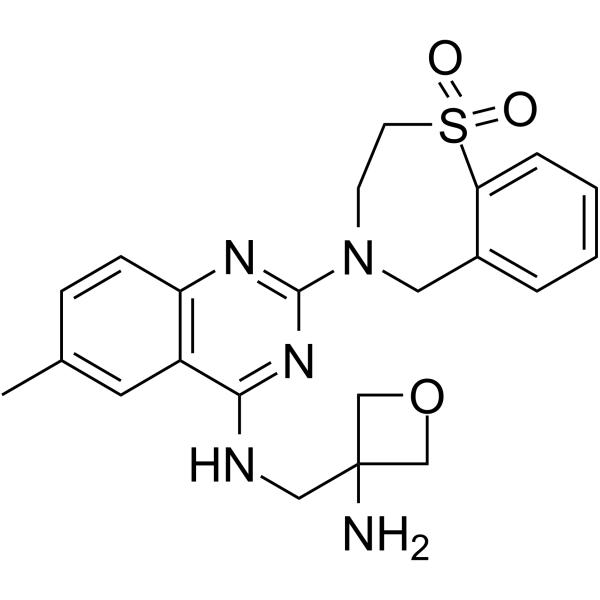
Syncytial Virus Inhibitor-1 is a potent, orally bioavailable respiratory syncytial virus (RSV) fusion inhibitor with EC50s of 0.002 μM, 0.004 μM, and 0.002 μM for RSV Long, RSV A2, and RSV B strains, respectively .
BMS-433771 dihydrochloride hydrate is a potent orally active inhibitor of respiratory syncytial virus (RSV). BMS-433771 dihydrochloride hydrate is active against both A and B groups of RSV, with an average EC50 of 20 nM. BMS-433771 dihydrochloride hydrate can be used for the research of respiratory tract disease .
ALizarin complexone dihydrate is the dehydrate of Alizarin complexone (HY-121075). Alizarin complexone is a calcium-binding fluorescent dye. Alizarin complexone stains mineralized areas of bone by binding to calcium crystals. Alizarin complexone inhibits the reverse transcriptase activity of RAV-2, HIV-1, and RSV with IC50 values of 3.8 μg/mL, 45 μg/mL, and 100 μg/mL, respectively. Alizarin complexone exhibits antiviral activity against HIV-1 and RSV. Alizarin complexone delays RSV-induced tumor induction in chickens .
Alizarin complexone (Standard) is the analytical standard of Alizarin complexone (HY-121075). This product is intended for research and analytical applications. Alizarin complexone is a calcium-binding fluorescent dye. Alizarin complexone stains mineralized areas of bone by binding to calcium crystals. Alizarin complexone inhibits the reverse transcriptase activity of RAV-2, HIV-1, and RSV with IC50 values of 3.8 μg/mL, 45 μg/mL, and 100 μg/mL, respectively. Alizarin complexone exhibits antiviral activity against HIV-1 and RSV. Alizarin complexone delays RSV-induced tumor induction in chickens .
Anti-RSV F Antibody (R4.C6) is a monoclonal antibody against RSV F, with a Kd of 0.34 nM for the post-fusion RSV F trimer. Anti-RSV F Antibody (R4.C6) recognizes a unique neutralizing epitope spanning epitopes II and IV on both pre-fusion and post-fusion RSV F. Anti-RSV F Antibody (R4.C6) can be used in studies related to respiratory syncytial virus infection .
Rostafuroxin (Standard) is the analytical standard of Rostafuroxin. This product is intended for research and analytical applications. Rostafuroxin (PST 2238), a digitoxigenin derivative, is an orally active and potent Na+,K+-ATPase (ATP1A1) antognist. Rostafuroxin binds specifically to the ATP1A1 extracellular domain and blocks respiratory syncytial virus (RSV)-triggered EGFR Tyr845 phosphorylation. Rostafuroxin has antihypertensive and anti-RSV activity .
IN-002 is a human monoclonal antibody (mAb) targeting F, Fusion glycoprotein F0. IN-002 can be used in respiratory syncytial virus (RSV) infections research.
EVO-46120 is a human monoclonal antibody (mAb) targeting F, Fusion glycoprotein F0. EVO-46120 can be used in respiratory syncytial virus (RSV) and metapneumovirus infections research.
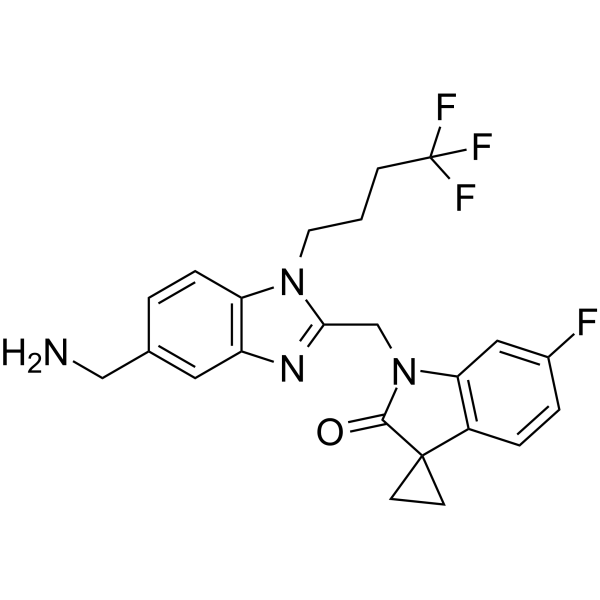
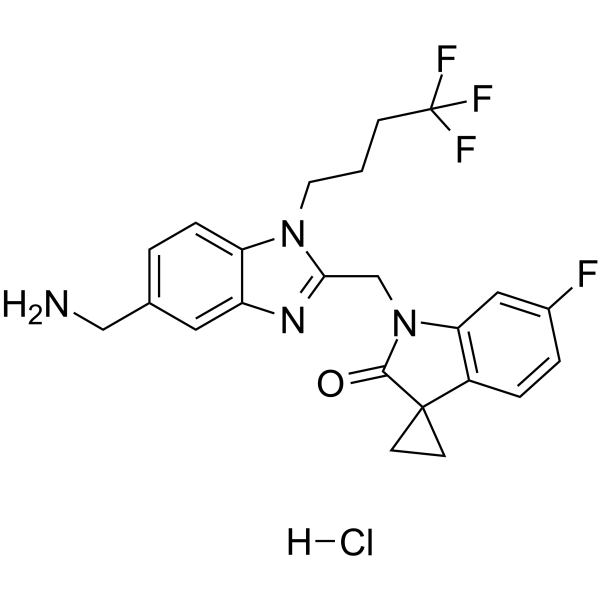
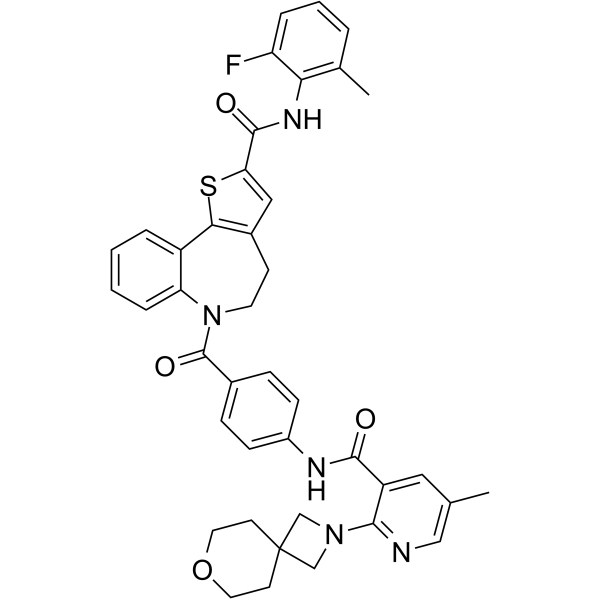
RSV fusion protein IN-1 is an orally active RSV pre-fusion F protein inhibitor with an IC50 of 0.10 nM against RSV. RSV fusion protein IN-1 forms stable hydrogen bonds and π-π stacking interactions with pre-fusion F protein to block viral fusion and entry. RSV fusion protein IN-1 suppresses RSV F protein expression in epithelial cells. RSV fusion protein IN-1 reduces viral burden in the lungs of RSV-infected murine models.RSV fusion protein IN-1 can be used for the research of respiratory syncytial virus (RSV) infection .
ADI-14448 is a RSV prefusion fusion glycoprotein inhibitor and HMPV fusion glycoprotein inhibitor, with a Kd of 3.8 × 10 -10 M for RSV preF. ADI-14448 binds to epitope III of RSV preF, thereby blocking viral infection. ADI-14448 neutralizes RSV subtype A and HMPV subtype A1. ADI-14448 can be used in studies related to respiratory syncytial virus infection and metapneumovirus infection .
NIAID RSVF2-5 is a human monoclonal antibody fragment. NIAID RSVF2-5 binds to conserved, distinct conformational epitopes on RSV fusion glycoprotein, and shows activity against RSVsubgroup A and B strains. NIAID RSVF2-5 reduces pulmonary and lung viral titers in RSV-infected rodents. NIAID RSVF2-5 can be used for the research of respiratory syncytial virus infection .
ALS-8112-TP is the 5'-triphosphate metabolite of ALS-8112 (HY-12983). ALS-8112-TP is a potent, selective and competitive respiratory syncytial virus (RSV)RNA polymerase inhibitor, with selectivity against polymerases from host or viruses unrelated to RSV such as hepatitis C virus (HCV). ALS-8112-TP can be efficiently recognized by the recombinant RSV polymerase complex, causing chain termination of RNA synthesis. ALS-8112-TP can be used for RSV-infection research .
ADI-14359 is an antibody that binds to RSV postF, with a KD value of 387 nM, and exhibits non-neutralizing activity. ADI-14359 binds to antigenic site I on RSV postF through interactions of its conserved CDR H3 motif, germline-encoded IGKV1-39 light chain residues and heavy chain residues, where the light chain mediates preferential binding to postF by conflicting with the rearranged preF region. ADI-14359 can be used in studies related to respiratory syncytial virus (RSV) infection .
Ziresovir (Standard) is the analytical standard of Ziresovir (HY-109142). This product is intended for research and analytical applications. Ziresovir (AK0529;RO-0529) is a potent, selective, and orally bioavailable respiratory syncytial virus (RSV) fusion (F) protein (RSV F) protein inhibitor. Ziresovir shows anti-RSV activity (EC50=3 nM) and highlights pharmacoKinetics in animal species .
(S)-Enzaplatovir (Standard) is the analytical standard of (S)-Enzaplatovir (HY-109004A). This product is intended for research and analytical applications. (S)-Enzaplatovir ((S)-BTA-C585) is the S-enantiomer of Enzaplatovir. (S)-Enzaplatovir shows antiviral activities with an EC50 of 56 nM for respiratory syncytial viral (RSV) (patent WO2011094823A1 compound 77) .
GS-646089 is a broad-spectrum antiviral nucleoside analog that exhibits significant inhibitory activity against respiratory syncytial virus (RSV), human metapneumovirus (hMPV), rhinovirus (enterovirus) and enteroviruses. The IC50 of GS-646089 targeting RNA-dependent RNA polymerase (RdRp) ranges from 43 to 46 nM. GS-646089 blocks viral replication by being converted into a triphosphate metabolite intracellularly, which competes with ATP for incorporation into nascent RNA strands and acts as an immediate chain terminator. GS-646089 is the parent compound of the double prodrug GS-7682 (HY-161877), and is used in studies of acute respiratory viral infections and infections caused by related pathogens .
Ac-CoA Synthase-IN-1 (Standard) is the analytical standard of Ac-CoA Synthase-IN-1 (HY-104032). This product is intended for research and analytical applications. Ac-CoA Synthase-IN-1 is a potent, reversible acetate-dependent acetyl-CoA synthetase 2 (ACSS2) inhibitor with an IC50 of 0.6 μM . Ac-CoA Synthase-IN-1 inhibits the respiratory syncytial virus (RSV) .
PC786 (Standard) is the analytical standard of PC786 (HY-102038). This product is intended for research and analytical applications. PC786 is an inhaled respiratory syncytial virus (RSV) L protein polymerase inhibitor. PC786 demonstrates potent antiviral activity against RSV-A (IC50 <0.09 to 0.71 nM) and RSV-B (IC50, 1.3 to 50.6 nM) .
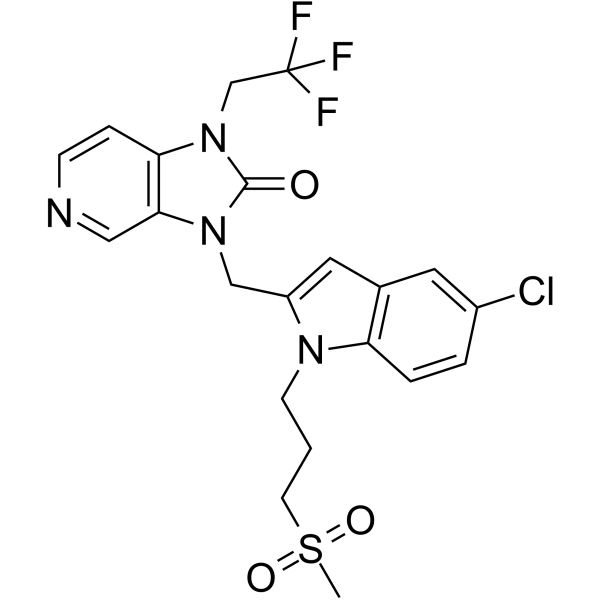
AZD-4316 is a respiratory syncytial virus (RSV) L protein inhibitor. AZD-4316 has an inhibitory effect on RSV A subtypes (such as strain A2) and can effectively block viral replication in the early stage of infection (the viral entry stage). AZD-4316 is inactive when administered 12-24 hours after infection. AZD-4316 can be used for the research of RSV infection .
ASF-006 sodium, a tetrapodal tryptophan derivative, is a potent viral invasion inhibitor. ASF-006 sodium shows potent antiviral activity against different SARS-CoV-2 Omicron variants but not against the ancestral SARS-CoV.2 strain (Wuhan-Hu-1). ASF-006 sodium competitively inhibits receptor-binding domain (RBD)-ACE2 binding via an allosteric mechanism. ASF-006 sodium inhibits Omicron BA.1, Omicron XBB.1.5, respiratory syncytial virus (RSV) and Ebola virus infection with IC50s of 0.02 μM, 0.3 μM, 1.52 μM and 0.2 μM, respectively. ASF-006 sodium inhibits cell entry of both HIV and enterovirus A71[1].
Enzaplatovir (Standard) is the analytical standard of Enzaplatovir (HY-109004). This product is intended for research and analytical applications. Enzaplatovir (BTA-C585) is an orally bioavailable Inhibitor for respiratory syncytial virus (RSV) infection .
Phosphatidylglycerols (PG) is a selective inhibitor targeting the TLR4 accessory protein CD14/MD-2 complex, inhibiting LPS or virus (such as RSV)-mediated inflammatory signaling pathways through competitive binding. Phosphatidylglycerols directly bind to viral particles to block infection, inhibit COX-2 expression to reduce the release of inflammatory factors (IL-6, IL-8), and improve oxidative stress by regulating mitochondrial membrane phospholipid remodeling. Phosphatidylglycerols can be taken orally or by inhalation and can be used in the study of chronic inflammatory diseases (such as atherosclerosis) and respiratory viral infections (such as RSV) .
Ribavirin (Standard) is the analytical standard of Ribavirin. This product is intended for research and analytical applications. Ribavirin (ICN-1229) is an antiviral agent against a broad spectrum of viruses including HCV, HIVl, and RSV. Ribavirin also has anti-orthopoxvirus and anti-variola activities.
4'-Fluorouridine triphosphate (4'-Fluorouridine TP) sodium is a bioactive 5’-triphosphate form of 4'-Fluorouridine (EIDD-2749) (HY-146246). 4'-Fluorouridine triphosphate can effectively bind to RSV RdRP .
Fusion glycoprotein 92-106 is a polypeptide from fusion protein of respiratory syncytial virus (RSV). Fusion glycoprotein 92-106 acts as MHC class I-restricted CTL epitope, that all 15 amino acids are required for efficient recognition by cytotoxic T lymphocyte (CTL) .
Oleoside dimethylester is a secoiridoid glucoside found in the fruits of Ligustrum lucidum. Oleoside dimethylester exhibits inhibitory activity against type 3 parainfluenza virus (Para 3) and respiratory syncytial virus (RSV), with IC50 values of 20.8 and 83.2 μg/mL. Oleoside dimethylester also shows antioxidant effect .
HRSV/HMPV-IN-1 (compound 3) is a HRSV/HMPV inhibitor with the EC50 values of < 0.2 μM and < 0.5 μM for human RSV-A and human MPV A2 TN/94-49, respectively. HRSV/HMPV-IN-1 can be used for study of bronchiolitis and pneumonia .
Ribavirin- 13C2 (Ribasphere- 13C2) is the 13C-labeled Ribavirin (HY-B0434). Ribavirin (ICN-1229) is an antiviral agent against a broad spectrum of viruses including HCV, HIVl, and RSV. Ribavirin also has anti-orthopoxvirus and anti-variola activities.
VIR-8190 is a human IgG1 monoclonal antibody (mAb) targeting F, Fusion glycoprotein F0. VIR-8190 can be used in respiratory syncytial virus (RSV) and metapneumovirus infections research. Recommended isotype control: Human IgG1 kappa, Isotype Control (HY-P99001).
Ribavirin (GMP) is Ribavirin (HY-B0434) produced by using GMP guidelines. GMP small molecules work appropriately as an auxiliary reagent for cell therapy manufacture. Ribavirin (ICN-1229) is an antiviral agent against a broad spectrum of viruses including HCV, HIVl, and RSV. Ribavirin also has anti-orthopoxvirus and anti-variola activities.
ent-11β-Hydroxyatis-16-ene-3,14-dione (compound 11) is a diterpenoid from the fresh roots of Euphorbia jolkinii. ent-11β-Hydroxyatis-16-ene-3,14-dione has anti-RSV activity .
GHP-88309 is a broad-spectrum, orally active antiviral agent targeting paramyxoviruses, that targets the viral polymerase, interupts the viral RNA synthesis, and inhibits respiratory syncytial virus(RSV),measles virus (MeV), and canine distemper virus (CDV) with EC50 of 0.06-1.2 μM. GHP-88309 exhibits anti-infectious efficacy in mouse models .
Ethyl (S)-2-aminobutanoate hydrochloride (Ethyl (2S)-2-aminobutanoate hydrochloride) is an antiviral compound. Ethyl (S)-2-aminobutanoate hydrochloride exhibits antiviral activity against RSV A2. Ethyl (S)-2-aminobutanoate hydrochloride can be used in research related to respiratory syncytial virus and DENV-2 .
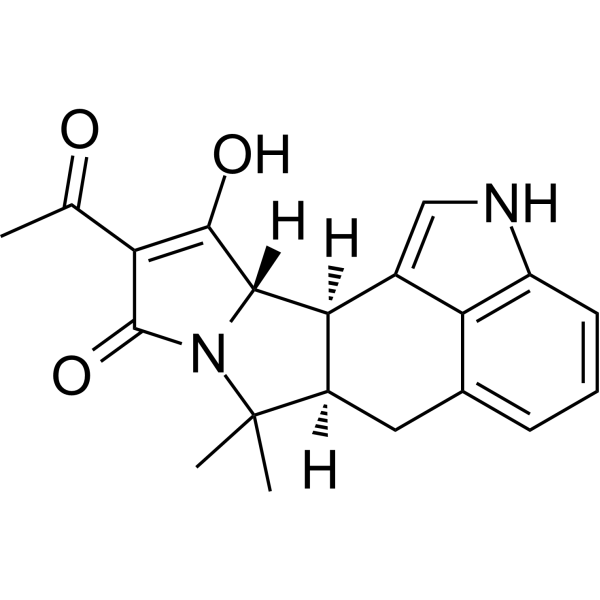
Cyclopiazonic acid is an endoplasmic reticulum calcium ATPase (ECAs) inhibitor and human respiratory syncytial virus (RSV) inhibitor (EC50 value of 4.13 μ M), which can reduce the antagonistic effect of 5-HT receptors in rat thoracic aorta, induce p53 dependent cell apoptosis and reproductive toxicity in mouse testes, and inhibit the biological activation of aflatoxin B [1][4][5].
AR-201 is a human IgG1 monoclonal antibody (mAb) targeting F, Fusion glycoprotein F0. AR-201 has anti-respiratory syncytial virus (RSV) activity. AR-201 can be used in lower respiratory tract illness (LRTI) research. Recommended isotype control: Human IgG1 kappa, Isotype Control (HY-P99001).
Verdinexor (KPT-335) is an orally active inhibitor for selective inhibitor of nuclear export (SINE). Verdinexor inhibits the respiratory syncytial virus A2 (RSV A2) replication with an IC50 of 0.96 µM. Verdinexor inhibits the function of nuclear export protein Exportin 1 (XPO1/CRM1), inhibiting pro-inflammatory responses. Verdinexor exhibits antitumor effciency .
GS-7682 is an antiviral compound. GS-7682 has inhibitory activity against pneumoviruses and picornaviruses. GS-7682 can be used in the study of respiratory diseases such as asthma and chronic obstructive pulmonary disease .
Antiviral agent 58 (Compound J1) is an orally active antiviral agent with broad-spectrum antiviral activity against enveloped viruses, including influenza A virus (IAV), respiratory syncytial virus (RSV), severe acute respiratory syndrome coronavirus 2 (SARS-CoV-2), human coronavirus OC43 (HCoV-OC43), herpes simplex virus type 1 (HSV-1), and HSV-2 .
Foryshiyanine A is a triterpenoid alkaloid. Foryshiyanine A possesses anti-inflammatory activity, inhibiting the release of β-glucuronidase from rat polymorphonuclear leukocytes. Foryshiyanine A exhibits antiviral activity, with an EC50 of 4.5 μM against respiratory syncytial virus(RSV) and an IC50 of 7.3 μM against influenza A virus (H1N1). Foryshiyanine A reduces viral load by disrupting viral replication and entry. Foryshiyanine A may be used for the researches of inflammation and infection .
Cyclopiazonic acid- 13C20 is the 13C-labeled Cyclopiazonic acid (HY-N6771). Cyclopiazonic acid is an endoplasmic reticulum calcium ATPase (ECAs) inhibitor and human respiratory syncytial virus (RSV) inhibitor (EC50 value of 4.13 μ M), which can reduce the antagonistic effect of 5-HT receptors in rat thoracic aorta, induce p53 dependent cell apoptosis and reproductive toxicity in mouse testes, and inhibit the biological activation of aflatoxin B .
Antiviral agent 64 (Compound 12) is a diarylheptanoid that can be isolated from Alpinia officinarum. Antiviral agent 64 exhibits cytotoxicity in human neuroblastoma cell IMR-32 with an IC50 of 0.23 μM. Antiviral agent 64 exhibits antiviral efficacy, that inhibits RSV, poliovirus, measles virus, HSV-1, and influenza virus H1N1, with EC50 of 13.3, 3.7, 6.3, 5.7, and <10 μg/mL, respectively .
2-5A (2′,5′-ApApA; 2′,5′-trioligoadenylate; 5'-O-Triphosphoryladenylyl-(2'→5')-adenylyl-(2'→5')-adenosine) TEA is a 5'-triphosphorylated (2',5') oligoadenylate. 2-5A TEA is an immunotransmitter that fuels RNase L immunity. 2-5A TEA degrades viral mRNA and inhibits protein synthesis by binding to RNase L and activating its endoribonuclease activity. 2-5A TEA can be used in RSV and cancer research .
CpG ODN 10101 (ODN 10101; CPG 10101) is a selective agonist targeting TLR9, a synthetic oligodeoxynucleotide modified with phosphate thioester. CpG ODN 10101 activates B cells and plasmacytoid dendritic cells (pDCs), inducing the production of cytokines and chemokines such as interferon-IFN-α, interferon-inducible protein IP-10, and 2'5'-oligoadenylate synthase (2'5'-OAS), regulating innate immunity and promoting Th1 adaptive immune responses. CpG ODN 10101 also possesses antiviral properties and enhances vaccine immunogenicity, making it suitable as an immunomodulator and vaccine adjuvant for vaccine development in chronic hepatitis C and infectious diseases such as melioidosis, pertussis, and respiratory syncytial virus (RSV) .
2'-Deoxy-2'-fluorouridine is a derivative of the pyrimidine nucleoside uridine. 2'-Deoxy-2'-fluorouridine is a nucleoside analog that inhibits the replication of wild-type viruses by binding to the viral RNA. Hepatitis C polyU/UC RNA strands containing 2'-Deoxy-2'-fluorouridine, bind to RIG-I but do not activate RIG-I signaling in a reporter assay using Huh7 cells. 2'-Deoxy-2'-fluorouridine also has been used as a starting material in the synthesis of respiratory syncytial virus (RSV) polymerase inhibitors. 2'-Deoxy-2'-fluorouridine can incorporate into DNA and RNA in rat and woodchuck model upon administration. 2'-Deoxy-2'-fluorouridine can be studied in anti-viral research .
Influenza HA (518-526) is an H-2d-restricted CTL epitope derived from influenza virus hemagglutinin. Influenza HA (518-526) is highly conserved across various H5N1, some H9N2, and H1N1 strains. Influenza HA (518-526) binds to the mouse MHC class I allele K d to form a complex, which is then recognized by specific CD8 + T cells. Influenza HA (518-526) is an immunodominant epitope in influenza-infected BALB/c mice, and it stimulates CD8 + T cells to secrete IFN-γ to induce a robust immune response. Currently, Influenza HA (518-526) is widely used in research related to respiratory syncytial virus(RSV),influenza virus, and H5N1 influenza .
FLS-359 is a selective, orally active allosteric modulator for sirtuin 2, with the IC50 of 3 μM. FLS-359 exhibits antiviral activity against RNA and DNA virus, through inhibition of DNA/RNA replication .
Clemastanin B, a lignin, has potent anti-influenza activities by inhibiting the virus multiplication, prophylaxsis and blocking the virus attachment. Clemastanin B targets viral endocytosis, uncoating or ribonucleoprotein (RNP) export from the nucleus. Clemastanin B has antioxidant and anti-inflammatory activities .
2'-Deoxy-2'-fluorouridine-d2 is the deuterium labeled 2'-Deoxy-2'-fluorouridine . 2'-Deoxy-2'-fluorouridine is a derivative of the pyrimidine nucleoside uridine. 2'-Deoxy-2'-fluorouridine is a nucleoside analog that inhibits the replication of wild-type viruses by binding to the viral RNA. Hepatitis C polyU/UC RNA strands containing 2'-Deoxy-2'-fluorouridine, bind to RIG-I but do not activate RIG-I signaling in a reporter assay using Huh7 cells. 2'-Deoxy-2'-fluorouridine also has been used as a starting material in the synthesis of respiratory syncytial virus (RSV) polymerase inhibitors. 2'-Deoxy-2'-fluorouridine can incorporate into DNA and RNA in rat and woodchuck model upon administration. 2'-Deoxy-2'-fluorouridine can be studied in anti-viral research .
SARS-CoV-2-IN-23 disodium is a two-armed diphosphate ester and medium length molecular tweezers. SARS-CoV-2-IN-23 disodium exhibits antiviral activity with IC50s of 8.2 μM and 2.6 μM against SARS-CoV-2 activity and the spike pseudoparticle transduction, respectively. SARS-CoV-2-IN-23 disodium induces liposomal membrane disruption with an EC50 value of 4.4 μM .
SARS-CoV-2-IN-23 is a two-armed diphosphate ester and medium length molecular tweezers. SARS-CoV-2-IN-23 exhibits antiviral activity with IC50s of 8.2 μM and 2.6 μM against SARS-CoV-2 activity and the spike pseudoparticle transduction, respectively. SARS-CoV-2-IN-23 induces liposomal membrane disruption with an EC50 value of 4.4 μM .
SARS-CoV-2-IN-29 disodium is a two-armed diphosphate ester with benzene system and molecular tweezers. SARS-CoV-2-IN-29 disodium exhibits antiviral activity with IC50s of 1.5 μM and 1.6 μM against SARS-CoV-2 activity and the spike pseudoparticle transduction, respectively. SARS-CoV-2-IN-29 disodium induces liposomal membrane disruption with an EC50 value of 3.0 μM .
SARS-CoV-2-IN-30 is a two-armed diphosphate ester with benzene system and molecular tweezers. SARS-CoV-2-IN-30 exhibits antiviral activity with IC50s of 0.6 μM and 6.9 μM against SARS-CoV-2 activity and the spike pseudoparticle transduction, respectively. SARS-CoV-2-IN-30 induces liposomal membrane disruption with an EC50 value of 6.9 μM .
SARS-CoV-2-IN-29 is a two-armed diphosphate ester with benzene system and molecular tweezers. SARS-CoV-2-IN-29 exhibits antiviral activity with IC50s of 1.5 μM and 1.6 μM against SARS-CoV-2 activity and the spike pseudoparticle transduction, respectively. SARS-CoV-2-IN-29 induces liposomal membrane disruption with an EC50 value of 3.0 μM .
SARS-CoV-2-IN-30 disodium is a two-armed diphosphate ester with benzene system and molecular tweezers. SARS-CoV-2-IN-30 disodium exhibits antiviral activity with IC50s of 0.6 μM and 6.9 μM against SARS-CoV-2 activity and the spike pseudoparticle transduction, respectively. SARS-CoV-2-IN-30 disodium induces liposomal membrane disruption with an EC50 value of 6.9 μM .
SARS-CoV-2-IN-28 is a two-armed diphosphate ester with C7 alkyl and molecular tweezers with extended length. SARS-CoV-2-IN-28 exhibits antiviral activity with IC50s of 0.4 μM and 1.0 μM against SARS-CoV-2 activity and the spike pseudoparticle transduction, respectively. SARS-CoV-2-IN-28 induces liposomal membrane disruption with an EC50 value of 4.4 μM .
SARS-CoV-2-IN-28 disodium is a two-armed diphosphate ester with C7 alkyl and molecular tweezers with extended length. SARS-CoV-2-IN-28 disodium exhibits antiviral activity with IC50s of 0.4 μM and 1.0 μM against SARS-CoV-2 activity and the spike pseudoparticle transduction, respectively. SARS-CoV-2-IN-28 disodium induces liposomal membrane disruption with an EC50 value of 4.4 μM .
SARS-CoV-2-IN-27 is a two-armed diphosphate ester with C6 alkyl and molecular tweezers with extended length. SARS-CoV-2-IN-27 exhibits antiviral activity with IC50s of 1.0 μM and 1.7 μM against SARS-CoV-2 activity and the spike pseudoparticle transduction, respectively. SARS-CoV-2-IN-27 induces liposomal membrane disruption with an EC50 value of 6.5 μM .
SARS-CoV-2-IN-27 disodium is a two-armed diphosphate ester with C6 alkyl and molecular tweezers with extended length. SARS-CoV-2-IN-27 disodium exhibits antiviral activity with IC50s of 1.0 μM and 1.7 μM against SARS-CoV-2 activity and the spike pseudoparticle transduction, respectively. SARS-CoV-2-IN-27 disodium induces liposomal membrane disruption with an EC50 value of 6.5 μM .
Ribavirin (GMP) is Ribavirin (HY-B0434) produced by using GMP guidelines. GMP small molecules work appropriately as an auxiliary reagent for cell therapy manufacture. Ribavirin (ICN-1229) is an antiviral agent against a broad spectrum of viruses including HCV, HIVl, and RSV. Ribavirin also has anti-orthopoxvirus and anti-variola activities.
Phosphatidylglycerols (PG) is a selective inhibitor targeting the TLR4 accessory protein CD14/MD-2 complex, inhibiting LPS or virus (such as RSV)-mediated inflammatory signaling pathways through competitive binding. Phosphatidylglycerols directly bind to viral particles to block infection, inhibit COX-2 expression to reduce the release of inflammatory factors (IL-6, IL-8), and improve oxidative stress by regulating mitochondrial membrane phospholipid remodeling. Phosphatidylglycerols can be taken orally or by inhalation and can be used in the study of chronic inflammatory diseases (such as atherosclerosis) and respiratory viral infections (such as RSV) .
Ribavirin (GMP) is Ribavirin (HY-B0434) produced by using GMP guidelines. GMP small molecules work appropriately as an auxiliary reagent for cell therapy manufacture. Ribavirin (ICN-1229) is an antiviral agent against a broad spectrum of viruses including HCV, HIVl, and RSV. Ribavirin also has anti-orthopoxvirus and anti-variola activities.
ALizarin complexone dihydrate is the dehydrate of Alizarin complexone (HY-121075). Alizarin complexone is a calcium-binding fluorescent dye. Alizarin complexone stains mineralized areas of bone by binding to calcium crystals. Alizarin complexone inhibits the reverse transcriptase activity of RAV-2, HIV-1, and RSV with IC50 values of 3.8 μg/mL, 45 μg/mL, and 100 μg/mL, respectively. Alizarin complexone exhibits antiviral activity against HIV-1 and RSV. Alizarin complexone delays RSV-induced tumor induction in chickens .
Influenza HA (518-526) is an H-2d-restricted CTL epitope derived from influenza virus hemagglutinin. Influenza HA (518-526) is highly conserved across various H5N1, some H9N2, and H1N1 strains. Influenza HA (518-526) binds to the mouse MHC class I allele K d to form a complex, which is then recognized by specific CD8 + T cells. Influenza HA (518-526) is an immunodominant epitope in influenza-infected BALB/c mice, and it stimulates CD8 + T cells to secrete IFN-γ to induce a robust immune response. Currently, Influenza HA (518-526) is widely used in research related to respiratory syncytial virus(RSV),influenza virus, and H5N1 influenza .
Fusion glycoprotein 92-106 is a polypeptide from fusion protein of respiratory syncytial virus (RSV). Fusion glycoprotein 92-106 acts as MHC class I-restricted CTL epitope, that all 15 amino acids are required for efficient recognition by cytotoxic T lymphocyte (CTL) .
Nirsevimab (MEDI8897) is a recombinant monoclonal antibody against human respiratory syncytial virus (RSV). Nirsevimab has neutralizing activity against RSV A and RSV B viruses, with IC50 values of 5.42 ng/mL and 9.71 ng/mL, respectively. Nirsevimab can be used for research on respiratory infections .
Palivizumab (MEDI 493) is a humanized monoclonal antibody against respiratory syncytial virus (RSV). Palivizumab can bind to RSV F protein with a Kd value of 1.4 nM. Palivizumab can prevent respiratory syncytial virus infection in cotton mice .
Clesrovimab (MK1654) is a humanized IgG1 monoclonal antibody targeting the respiratory syncytial virus (RSV) protein F. Clesrovimab binds to pre-fusion and post-fusion forms of RSV-A fusion protein with high affinity, with corresponding KD values of 71 pM and 480 pM, respectively. Clesrovimab is applicable for the research of RSV infection .
Gontivimab (ALX-0171; VR-465) is a poent anti-RSV prefusion F protein nanobody with a KD value of 0.113 nM. Gontivimab shows antiviral activity. Gontivimab reduces the RSV load in the nose and lung .
Motavizumab (MEDI-524) is an anti-human RSV (respiratory syncytial virus) monoclonal antibody. Motavizumab can be used in respiratory syncytial virus infection in high-risk infants research .
Suptavumab (REGN2222) is a human monoclonal antibody. Suptavumab can bind and block a conserved epitope on RSV A and B subtypes. Suptavumab can be used for the research of RSV infection .
RSM-01 is a monoclonal antibody targeting site Ø of the pre-fusion F glycoprotein (Fusion glycoprotein F0) of respiratory syncytial virus (RSV). RSM-01 can be used in studies related to RSV infection .
Glarivibart is a humanized IgG1κ monoclonal antibody inhibitor targeting Respiratory syncytial virus (RSV) fusion F protein (RSV-F). Glarivibart has significant antiviral activity. Glarivibart can be used for RSV infections research .
Retavibart is a human respiratory syncytial virus (RSV) fusion glycoprotein F. Retavibart can be used for antiviral research. Isotype control: Human IgG1 kappa .
VIR-8190 is a human IgG1 monoclonal antibody (mAb) targeting F, Fusion glycoprotein F0. VIR-8190 can be used in respiratory syncytial virus (RSV) and metapneumovirus infections research. Recommended isotype control: Human IgG1 kappa, Isotype Control (HY-P99001).
Anti-RSV F Antibody (R4.C6) is a monoclonal antibody against RSV F, with a Kd of 0.34 nM for the post-fusion RSV F trimer. Anti-RSV F Antibody (R4.C6) recognizes a unique neutralizing epitope spanning epitopes II and IV on both pre-fusion and post-fusion RSV F. Anti-RSV F Antibody (R4.C6) can be used in studies related to respiratory syncytial virus infection .
IN-002 is a human monoclonal antibody (mAb) targeting F, Fusion glycoprotein F0. IN-002 can be used in respiratory syncytial virus (RSV) infections research.
EVO-46120 is a human monoclonal antibody (mAb) targeting F, Fusion glycoprotein F0. EVO-46120 can be used in respiratory syncytial virus (RSV) and metapneumovirus infections research.
AR-201 is a human IgG1 monoclonal antibody (mAb) targeting F, Fusion glycoprotein F0. AR-201 has anti-respiratory syncytial virus (RSV) activity. AR-201 can be used in lower respiratory tract illness (LRTI) research. Recommended isotype control: Human IgG1 kappa, Isotype Control (HY-P99001).
ADI-14448 is a RSV prefusion fusion glycoprotein inhibitor and HMPV fusion glycoprotein inhibitor, with a Kd of 3.8 × 10 -10 M for RSV preF. ADI-14448 binds to epitope III of RSV preF, thereby blocking viral infection. ADI-14448 neutralizes RSV subtype A and HMPV subtype A1. ADI-14448 can be used in studies related to respiratory syncytial virus infection and metapneumovirus infection .
NIAID RSVF2-5 is a human monoclonal antibody fragment. NIAID RSVF2-5 binds to conserved, distinct conformational epitopes on RSV fusion glycoprotein, and shows activity against RSVsubgroup A and B strains. NIAID RSVF2-5 reduces pulmonary and lung viral titers in RSV-infected rodents. NIAID RSVF2-5 can be used for the research of respiratory syncytial virus infection .
ADI-14359 is an antibody that binds to RSV postF, with a KD value of 387 nM, and exhibits non-neutralizing activity. ADI-14359 binds to antigenic site I on RSV postF through interactions of its conserved CDR H3 motif, germline-encoded IGKV1-39 light chain residues and heavy chain residues, where the light chain mediates preferential binding to postF by conflicting with the rearranged preF region. ADI-14359 can be used in studies related to respiratory syncytial virus (RSV) infection .
Cyclopiazonic acid is an endoplasmic reticulum calcium ATPase (ECAs) inhibitor and human respiratory syncytial virus (RSV) inhibitor (EC50 value of 4.13 μ M), which can reduce the antagonistic effect of 5-HT receptors in rat thoracic aorta, induce p53 dependent cell apoptosis and reproductive toxicity in mouse testes, and inhibit the biological activation of aflatoxin B [1][4][5].
Clemastanin B, a lignin, has potent anti-influenza activities by inhibiting the virus multiplication, prophylaxsis and blocking the virus attachment. Clemastanin B targets viral endocytosis, uncoating or ribonucleoprotein (RNP) export from the nucleus. Clemastanin B has antioxidant and anti-inflammatory activities .
4-Methoxycinnamaldehyde (p-Methoxycinnamaldehyde), an active constituent of Agastache rugosa, exhibits cytoprotective activity against respiratory syncytial virus (RSV) in human larynx carcinoma cell line. 4-Methoxycinnamaldehyde effectively inhibits cytopathic effect of RSV with an estimated IC50 of 0.055 μg/mL .
3,4-Di-O-caffeoyl quinic acid methyl ester (Macroantoin F) is a dicaffeoyl derivative isolated from the rhizome of Elephantopus scaber Linn. 3,4-Di-O-caffeoyl quinic acid methyl ester exhibited in vitro antiviral activity against respiratory syncytial virus (RSV) with an IC50 value of 0.78 μg/mL .
Sophoranol is an alkaloid that can be isolated from S. flavescens, with antiviral activity. Sophoranol has anti-HBV (hepatitis B virus) activity. Sophoranol shows potent antiviral activities against respiratory syncytial virus (RSV) with an IC50 of 10.4 μg/mL .
Foryshiyanine A is a triterpenoid alkaloid. Foryshiyanine A possesses anti-inflammatory activity, inhibiting the release of β-glucuronidase from rat polymorphonuclear leukocytes. Foryshiyanine A exhibits antiviral activity, with an EC50 of 4.5 μM against respiratory syncytial virus(RSV) and an IC50 of 7.3 μM against influenza A virus (H1N1). Foryshiyanine A reduces viral load by disrupting viral replication and entry. Foryshiyanine A may be used for the researches of inflammation and infection .
Antiviral agent 64 (Compound 12) is a diarylheptanoid that can be isolated from Alpinia officinarum. Antiviral agent 64 exhibits cytotoxicity in human neuroblastoma cell IMR-32 with an IC50 of 0.23 μM. Antiviral agent 64 exhibits antiviral efficacy, that inhibits RSV, poliovirus, measles virus, HSV-1, and influenza virus H1N1, with EC50 of 13.3, 3.7, 6.3, 5.7, and <10 μg/mL, respectively .
4-Methoxycinnamaldehyde (Standard) is the analytical standard of 4-Methoxycinnamaldehyde. This product is intended for research and analytical applications. 4-Methoxycinnamaldehyde (p-Methoxycinnamaldehyde), an active constituent of Agastache rugosa, exhibits cytoprotective activity against respiratory syncytial virus (RSV) in human larynx carcinoma cell line. 4-Methoxycinnamaldehyde effectively inhibits cytopathic effect of RSV with an estimated IC50 of 0.055 μg/mL[1].
4,5-O-Dicaffeoyl quinic acid methyl ester (compound 4), a dicaffeoylquinic acid, has potent antiviral activity against respiratory syncytial virus (RSV) with an IC50 of 0.63 μg/mL and a CC50 of 118.68 μg/mL.
ent-11β-Hydroxyatis-16-ene-3,14-dione (compound 11) is a diterpenoid from the fresh roots of Euphorbia jolkinii. ent-11β-Hydroxyatis-16-ene-3,14-dione has anti-RSV activity .
Oleoside dimethylester is a secoiridoid glucoside found in the fruits of Ligustrum lucidum. Oleoside dimethylester exhibits inhibitory activity against type 3 parainfluenza virus (Para 3) and respiratory syncytial virus (RSV), with IC50 values of 20.8 and 83.2 μg/mL. Oleoside dimethylester also shows antioxidant effect .
A glycoprotein/G protein critical in the immune response forms the interleukin-31 receptor with OSMR.This receptor activates STAT3 and, to a lesser extent, STAT1 and STAT5, playing a critical role in skin immunity and mediating IL31-induced itch, possibly involving TRPA1 and TRPV1.glycoprotein/G Protein, HRSV (sf9, His) is the recombinant Virus-derived glycoprotein/G protein, expressed by Sf9 insect cells , with C-His labeled tag.
F0/F is a class of viral fusion proteins that, as an inactive precursor, are cleaved by a furfurin-like protease at two sites to produce mature F1 and F2 fusion glycoproteins.The F protein can mediate cell-cell fusion, lead to syncytial formation, and trigger p53-dependent apoptosis in the later stages of infection.Fusion glycoprotein F0/F Protein, HRSV (AFX60213, sf9, His) is the recombinant Virus-derived Fusion glycoprotein F0/F protein, expressed by Sf9 insect cells , with C-His labeled tag.
F0/F is a class of viral fusion proteins that, as an inactive precursor, are cleaved by a furfurin-like protease at two sites to produce mature F1 and F2 fusion glycoproteins.The F protein can mediate cell-cell fusion, lead to syncytial formation, and trigger p53-dependent apoptosis in the later stages of infection.Fusion glycoprotein F0/F Protein, HRSV (AHX57537, sf9, His) is the recombinant Virus-derived Fusion glycoprotein F0/F protein, expressed by Sf9 insect cells , with C-His labeled tag.
A glycoprotein/G protein critical in the immune response forms the interleukin-31 receptor with OSMR.This receptor activates STAT3 and, to a lesser extent, STAT1 and STAT5, playing a critical role in skin immunity and mediating IL31-induced itch, possibly involving TRPA1 and TRPV1.Glycoprotein/G Protein, HRSV (95% Homology, HEK293, His) is the recombinant Virus-derived Glycoprotein/G protein, expressed by HEK293 , with C-His labeled tag.
A glycoprotein/G protein critical in the immune response forms the interleukin-31 receptor with OSMR.This receptor activates STAT3 and, to a lesser extent, STAT1 and STAT5, playing a critical role in skin immunity and mediating IL31-induced itch, possibly involving TRPA1 and TRPV1.glycoprotein/G Protein, HRSV (93% Homology, HEK293, His) is the recombinant Virus-derived glycoprotein/G protein, expressed by HEK293 , with C-His labeled tag.
The fusion glycoprotein F0/F protein is cleaved to generate mature F1 and F2 fusion glycoproteins.It functions as a viral fusion protein, promoting the fusion of virus and cell membranes through different state transitions.Fusion glycoprotein F0/F Protein, HRSV (P11209, sf9, His) is the recombinant Virus-derived Fusion glycoprotein F0/F protein, expressed by Sf9 insect cells , with C-His labeled tag.
RSV G protein is a type II, highly glycosylated membrane protein with a full length of 292-319 amino acids (AA), an intracellular cytoplasmic tail (AA 1-37), and a transmembrane domain (AA 38 -66) and the extracellular domain ending in its carboxyl terminus.The RSV G protein has broad effects on the biology of RSV infection as well as host immune responses and infection-associated diseases.glycoprotein/G Protein, HRSV (HEK293, His) is the recombinant Virus-derived glycoprotein/G protein, expressed by HEK293 , with C-His labeled tag.
The fusion glycoprotein F0/F protein is initially an inactive precursor that is cleaved by furin-like proteases to produce the mature F1 and F2 fusion glycoproteins.As a class I viral fusion protein, it undergoes prefusion, prehairpin, and postfusion states.Fusion glycoprotein F0/F Protein, HRSV (sf9, His) is the recombinant Virus-derived Fusion glycoprotein F0/F protein, expressed by Sf9 insect cells , with C-His labeled tag.
Mindeudesivir (JT001; VV116; GS-621763-d1) hydrobromide is a deuterated version of Remdesivir (HY-104077), a highly orally active nucleoside antiviral against SARS-CoV-2 and respiratory syncytial virus (RSV). Mindeudesivir hydrobromide retains the antiviral activity of Remdesivir against COVID-19, and is the first domestically produced deuterium targeting the COVID-19 .
Ribavirin- 13C5 is the 13C-labeled Ribavirin. Ribavirin (ICN-1229) is an antiviral agent against a broad spectrum of viruses including HCV, HIVl, and RSV.
Ribavirin- 13C2 (Ribasphere- 13C2) is the 13C-labeled Ribavirin (HY-B0434). Ribavirin (ICN-1229) is an antiviral agent against a broad spectrum of viruses including HCV, HIVl, and RSV. Ribavirin also has anti-orthopoxvirus and anti-variola activities.
2'-Deoxy-2'-fluorouridine-d2 is the deuterium labeled 2'-Deoxy-2'-fluorouridine . 2'-Deoxy-2'-fluorouridine is a derivative of the pyrimidine nucleoside uridine. 2'-Deoxy-2'-fluorouridine is a nucleoside analog that inhibits the replication of wild-type viruses by binding to the viral RNA. Hepatitis C polyU/UC RNA strands containing 2'-Deoxy-2'-fluorouridine, bind to RIG-I but do not activate RIG-I signaling in a reporter assay using Huh7 cells. 2'-Deoxy-2'-fluorouridine also has been used as a starting material in the synthesis of respiratory syncytial virus (RSV) polymerase inhibitors. 2'-Deoxy-2'-fluorouridine can incorporate into DNA and RNA in rat and woodchuck model upon administration. 2'-Deoxy-2'-fluorouridine can be studied in anti-viral research .
Cyclopiazonic acid- 13C20 is the 13C-labeled Cyclopiazonic acid (HY-N6771). Cyclopiazonic acid is an endoplasmic reticulum calcium ATPase (ECAs) inhibitor and human respiratory syncytial virus (RSV) inhibitor (EC50 value of 4.13 μ M), which can reduce the antagonistic effect of 5-HT receptors in rat thoracic aorta, induce p53 dependent cell apoptosis and reproductive toxicity in mouse testes, and inhibit the biological activation of aflatoxin B .
CpG ODN 10101 (ODN 10101; CPG 10101) is a selective agonist targeting TLR9, a synthetic oligodeoxynucleotide modified with phosphate thioester. CpG ODN 10101 activates B cells and plasmacytoid dendritic cells (pDCs), inducing the production of cytokines and chemokines such as interferon-IFN-α, interferon-inducible protein IP-10, and 2'5'-oligoadenylate synthase (2'5'-OAS), regulating innate immunity and promoting Th1 adaptive immune responses. CpG ODN 10101 also possesses antiviral properties and enhances vaccine immunogenicity, making it suitable as an immunomodulator and vaccine adjuvant for vaccine development in chronic hepatitis C and infectious diseases such as melioidosis, pertussis, and respiratory syncytial virus (RSV) .
Ribavirin (GMP) is Ribavirin (HY-B0434) produced by using GMP guidelines. GMP small molecules work appropriately as an auxiliary reagent for cell therapy manufacture. Ribavirin (ICN-1229) is an antiviral agent against a broad spectrum of viruses including HCV, HIVl, and RSV. Ribavirin also has anti-orthopoxvirus and anti-variola activities.
Inquiry Online
Your information is safe with us. * Required Fields.
Western blot analysis of extracts from THP-1(lane 2(20μg), Jurkat (lane 3(20μg) and NIH3T3(lane 4(20μg) using FOXO1A (HY-P80132) Rabbit mAb. Proteins were transferred
to a PVDF membrane and blocked with 5% non-fat milk in TBST for 2 hour at room temperature. The primary antibody (1/1000) and Loading control antibody (Beta Actin, HY-P80438, 1/10000) was
used in 5% non-fat milk in TBST at 4°C overnight. Goat Anti-Mouse/Rabbit IgG-HRP Secondary Antibody (1/10000) was used for 1 hour at room temperature.
Western blot analysis of extracts from THP-1(lane 2(20μg), Jurkat (lane 3(20μg) and NIH3T3(lane 4(20μg) using FOXO1A (HY-P80132) Rabbit mAb. Proteins were transferred
to a PVDF membrane and blocked with 5% non-fat milk in TBST for 2 hour at room temperature. The primary antibody (1/1000) and Loading control antibody (Beta Actin, HY-P80438, 1/10000) was
used in 5% non-fat milk in TBST at 4°C overnight. Goat Anti-Mouse/Rabbit IgG-HRP Secondary Antibody (1/10000) was used for 1 hour at room temperature.
Western blot analysis of extracts from THP-1(lane 2(20μg), Jurkat (lane 3(20μg) and NIH3T3(lane 4(20μg) using FOXO1A (HY-P80132) Rabbit mAb. Proteins were transferred
to a PVDF membrane and blocked with 5% non-fat milk in TBST for 2 hour at room temperature. The primary antibody (1/1000) and Loading control antibody (Beta Actin, HY-P80438, 1/10000) was
used in 5% non-fat milk in TBST at 4°C overnight. Goat Anti-Mouse/Rabbit IgG-HRP Secondary Antibody (1/10000) was used for 1 hour at room temperature.
Western blot analysis of extracts from THP-1(lane 2(20μg), Jurkat (lane 3(20μg) and NIH3T3(lane 4(20μg) using FOXO1A (HY-P80132) Rabbit mAb. Proteins were transferred
to a PVDF membrane and blocked with 5% non-fat milk in TBST for 2 hour at room temperature. The primary antibody (1/1000) and Loading control antibody (Beta Actin, HY-P80438, 1/10000) was
MedchemExpress Validation 03
Western blot analysis of extracts from THP-1(lane 2(20μg), Jurkat (lane 3(20μg) and NIH3T3(lane 4(20μg) using FOXO1A (HY-P80132) Rabbit mAb. Proteins were transferred
MedchemExpress Validation 04
Western blot analysis of extracts from THP-1(lane 2(20μg), Jurkat (lane 3(20μg) and NIH3T3(lane 4(20μg) using FOXO1A (HY-P80132) Rabbit mAb. Proteins were transferred
to a PVDF membrane and blocked with 5% non-fat milk in TBST for 2 hour at room temperature. The primary antibody (1/1000) and Loading control antibody (Beta Actin, HY-P80438, 1/10000) was
used in 5% non-fat milk in TBST at 4°C overnight. Goat Anti-Mouse/Rabbit IgG-HRP Secondary Antibody (1/10000) was used for 1 hour at room temperature.
MedchemExpress Validation
Western blot analysis of extracts from THP-1(lane 2(20μg), Jurkat (lane 3(20μg) and NIH3T3(lane 4(20μg) using FOXO1A (HY-P80132) Rabbit mAb. Proteins were transferred
to a PVDF membrane and blocked with 5% non-fat milk in TBST for 2 hour at room temperature. The primary antibody (1/1000) and Loading control antibody (Beta Actin, HY-P80438, 1/10000) was
used in 5% non-fat milk in TBST at 4°C overnight. Goat Anti-Mouse/Rabbit IgG-HRP Secondary Antibody (1/10000) was used for 1 hour at room temperature.
Western blot analysis of extracts from THP-1(lane 2(20μg), Jurkat (lane 3(20μg) and NIH3T3(lane 4(20μg) using FOXO1A (HY-P80132) Rabbit mAb. Proteins were transferred
to a PVDF membrane and blocked with 5% non-fat milk in TBST for 2 hour at room temperature. The primary antibody (1/1000) and Loading control antibody (Beta Actin, HY-P80438, 1/10000) was
used in 5% non-fat milk in TBST at 4°C overnight. Goat Anti-Mouse/Rabbit IgG-HRP Secondary Antibody (1/10000) was used for 1 hour at room temperature.
MedchemExpress Validation
Western blot analysis of extracts from THP-1(lane 2(20μg), Jurkat (lane 3(20μg) and NIH3T3(lane 4(20μg) using FOXO1A (HY-P80132) Rabbit mAb. Proteins were transferred
to a PVDF membrane and blocked with 5% non-fat milk in TBST for 2 hour at room temperature. The primary antibody (1/1000) and Loading control antibody (Beta Actin, HY-P80438, 1/10000) was
used in 5% non-fat milk in TBST at 4°C overnight. Goat Anti-Mouse/Rabbit IgG-HRP Secondary Antibody (1/10000) was used for 1 hour at room temperature.
MedchemExpress Validation
Western blot analysis of extracts from THP-1(lane 2(20μg), Jurkat (lane 3(20μg) and NIH3T3(lane 4(20μg) using FOXO1A (HY-P80132) Rabbit mAb. Proteins were transferred
to a PVDF membrane and blocked with 5% non-fat milk in TBST for 2 hour at room temperature. The primary antibody (1/1000) and Loading control antibody (Beta Actin, HY-P80438, 1/10000) was
used in 5% non-fat milk in TBST at 4°C overnight. Goat Anti-Mouse/Rabbit IgG-HRP Secondary Antibody (1/10000) was used for 1 hour at room temperature.
MedchemExpress Validation
Western blot analysis of extracts from THP-1(lane 2(20μg), Jurkat (lane 3(20μg) and NIH3T3(lane 4(20μg) using FOXO1A (HY-P80132) Rabbit mAb. Proteins were transferred
to a PVDF membrane and blocked with 5% non-fat milk in TBST for 2 hour at room temperature. The primary antibody (1/1000) and Loading control antibody (Beta Actin, HY-P80438, 1/10000) was
used in 5% non-fat milk in TBST at 4°C overnight. Goat Anti-Mouse/Rabbit IgG-HRP Secondary Antibody (1/10000) was used for 1 hour at room temperature.
MedchemExpress Validation
Western blot analysis of extracts from THP-1(lane 2(20μg), Jurkat (lane 3(20μg) and NIH3T3(lane 4(20μg) using FOXO1A (HY-P80132) Rabbit mAb. Proteins were transferred
to a PVDF membrane and blocked with 5% non-fat milk in TBST for 2 hour at room temperature. The primary antibody (1/1000) and Loading control antibody (Beta Actin, HY-P80438, 1/10000) was
used in 5% non-fat milk in TBST at 4°C overnight. Goat Anti-Mouse/Rabbit IgG-HRP Secondary Antibody (1/10000) was used for 1 hour at room temperature.
MedchemExpress Validation
Western blot analysis of extracts from THP-1(lane 2(20μg), Jurkat (lane 3(20μg) and NIH3T3(lane 4(20μg) using FOXO1A (HY-P80132) Rabbit mAb. Proteins were transferred
to a PVDF membrane and blocked with 5% non-fat milk in TBST for 2 hour at room temperature. The primary antibody (1/1000) and Loading control antibody (Beta Actin, HY-P80438, 1/10000) was
used in 5% non-fat milk in TBST at 4°C overnight. Goat Anti-Mouse/Rabbit IgG-HRP Secondary Antibody (1/10000) was used for 1 hour at room temperature.
MedchemExpress Validation
Western blot analysis of extracts from THP-1(lane 2(20μg), Jurkat (lane 3(20μg) and NIH3T3(lane 4(20μg) using FOXO1A (HY-P80132) Rabbit mAb. Proteins were transferred
to a PVDF membrane and blocked with 5% non-fat milk in TBST for 2 hour at room temperature. The primary antibody (1/1000) and Loading control antibody (Beta Actin, HY-P80438, 1/10000) was
used in 5% non-fat milk in TBST at 4°C overnight. Goat Anti-Mouse/Rabbit IgG-HRP Secondary Antibody (1/10000) was used for 1 hour at room temperature.
MedChemExpress values your privacy and your trust is important to us. We use cookies to enhance your website experience. Some cookies are necessary to run the website.
Privacy and Cookie Policy

