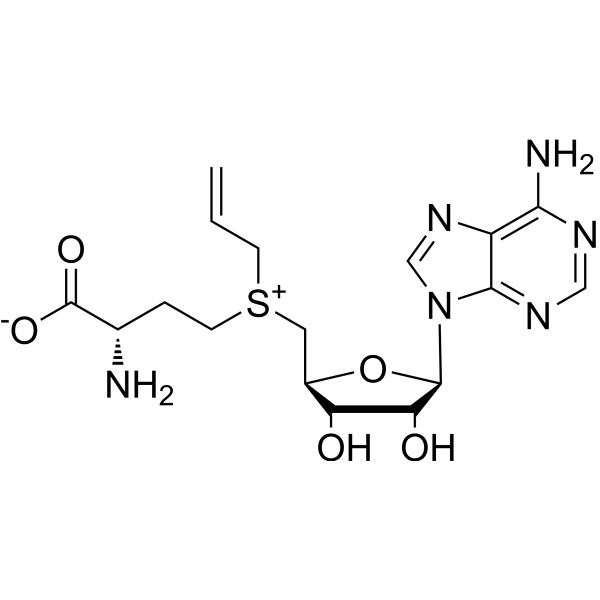
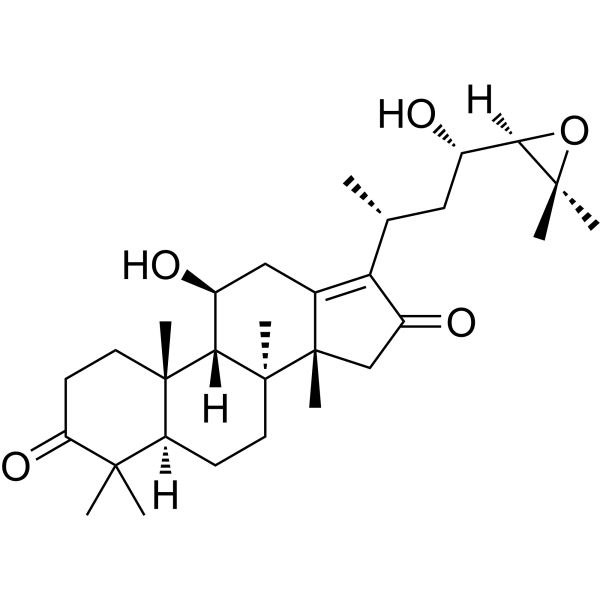
From 11:00 pm to 12:00 pm EST ( 8:00 pm to 9:00 pm PST ) on January 6th, the website will be under maintenance. We are sorry for the inconvenience. Please arrange your schedule properly.
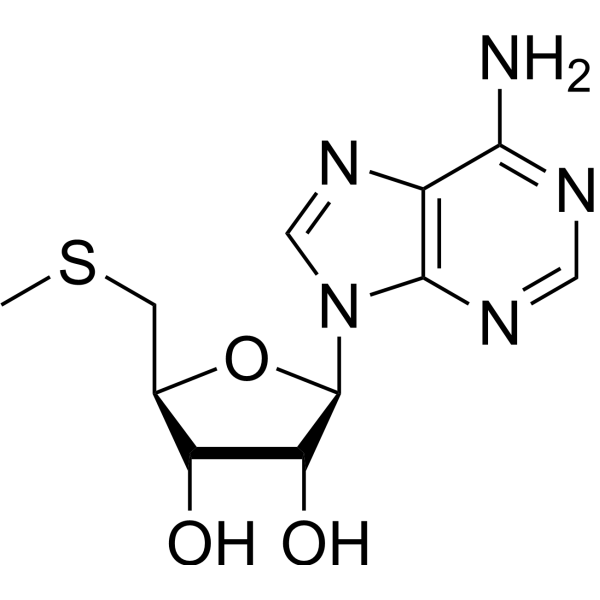
5'-Methylthioadenosine (5'-(Methylthio)-5'-deoxyadenosine) is a nucleoside generated from S-adenosylmethionine (SAM) during polyamine synthesis . 5'-Methylthioadenosine suppresses tumors by inhibiting tumor cell proliferation, invasion, and the induction of apoptosis while controlling the inflammatory micro-environments of tumor tissue. 5'-Methylthioadenosine and its associated materials have striking regulatory effects on tumorigenesis .
NCGC00685960 is a Nicotinamide N-methyltransferase (NNMT) inhibitor with an IC50 <10 nM. NCGC00685960 has potent antitumor activity. NCGC00685960 increases H3K27 trimethylation levels in ovarian cancer cells and inhibits α-SMA expression in NNMT-expressing ovarian fibroblasts. NCGC00685960 reduces 1-MNA levels, reverses SAM and H3K27 hypomethylation and significantly impairs collagen contractility in cancer-associated fibroblasts (CAFs). NCGC00685960 can be used for cancers research, such as ovarian cancer, breast cancer, colon cancer .
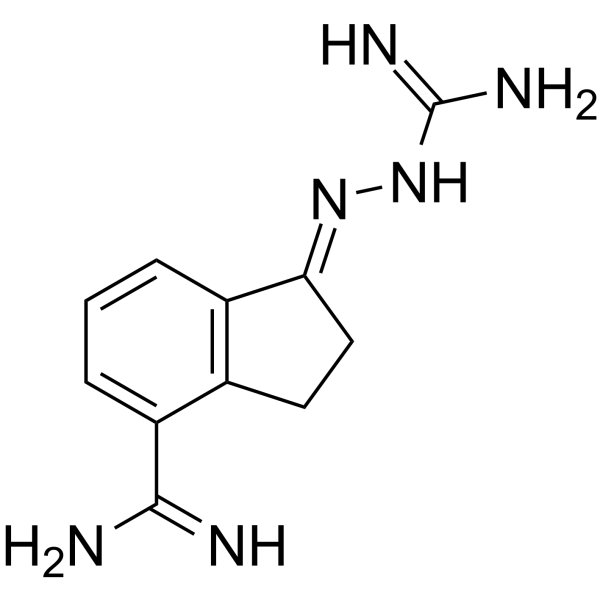
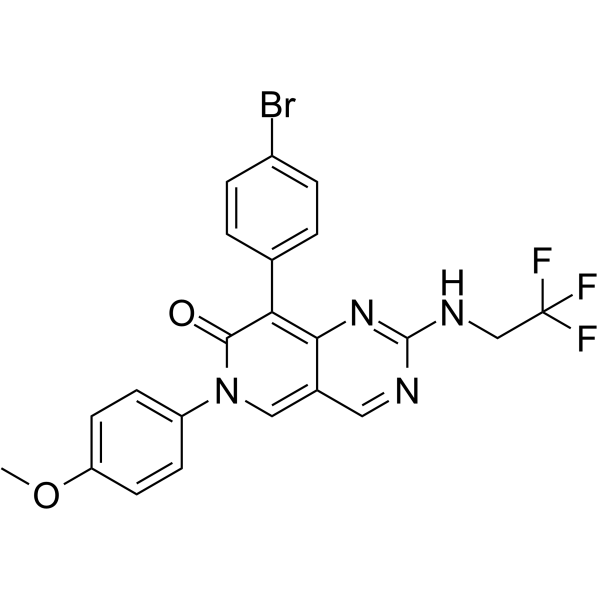
FIDAS-5 is a potent and orally active methionine S-adenosyltransferase 2A (MAT2A) inhibitor with an IC50 of 2.1 μM. FIDAS-5 effectively competes against S-adenosylmethionine (SAM) for MAT2A binding. FIDAS-5 has anticancer activities .
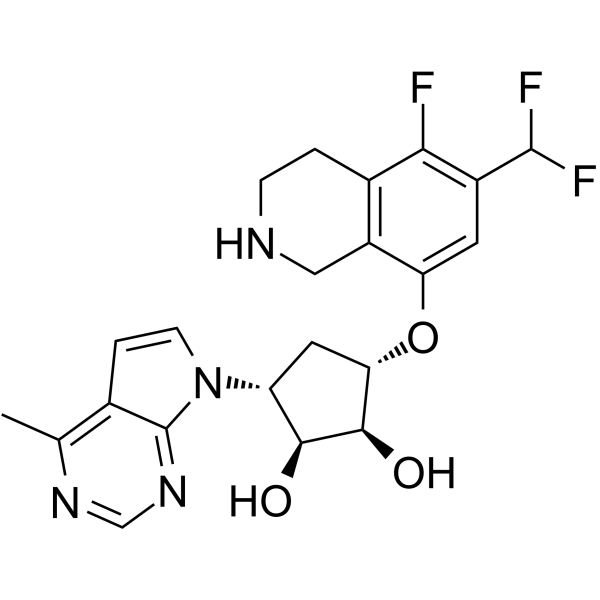
PF-06939999 (PRMT5-IN-3) is a SAM-competitive, orally active PRMT5 inhibitor that inhibits the expression of SDMA protein (IC50 in A427 is 1.1 nM). PF-06939999 exhibits antitumor effect .
Puxitatug samrotecan (AZD 8205) is a B7-H4-directed antibody-drug conjugate (ADC) bearing a Topoisomerase I inhibitor (TOP1i) payload. Puxitatug samrotecan improves HR +/HER2 - breast cancer .
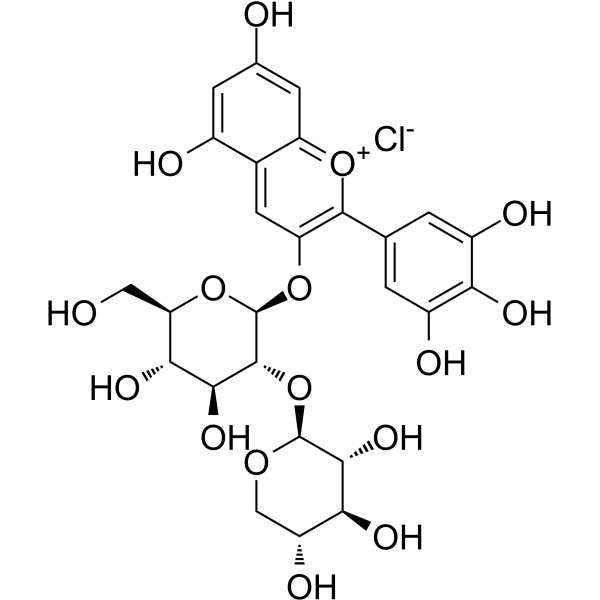
Delphinidin-3-sambubioside (Dp3‐Sam) chloride is an anthocyanin that has orally active anti-inflammatory activity. Delphinidin-3-sambubioside chloride inhibits LPS-induced inflammatory factors release. Delphinidin-3-sambubioside chloride also alleviates hepatic lipid accumulation in HFD rats. Delphinidin-3-sambubioside chloride can be isolated from Hibiscus sabdariffa L. .
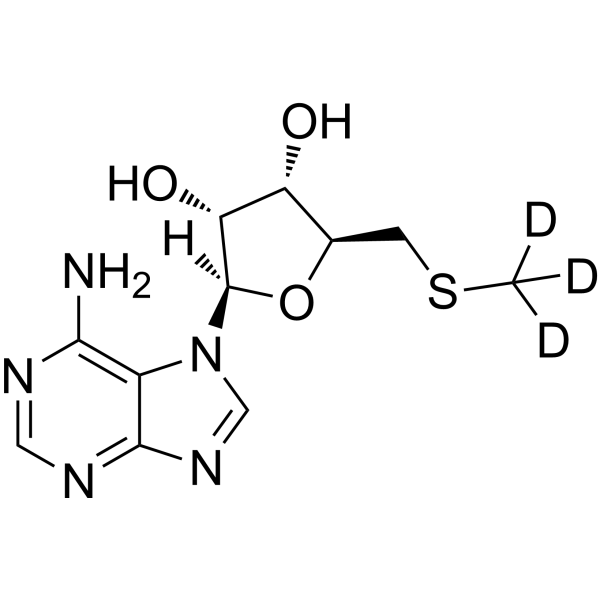
5'-Methylthioadenosine-d3 is the deuterium labeled 5'-Methylthioadenosine . 5'-Methylthioadenosine (5'-(Methylthio)-5'-deoxyadenosine) is a nucleoside generated from S-adenosylmethionine (SAM) during polyamine synthesis. 5'-Methylthioadenosine suppresses tumors by inhibiting tumor cell proliferation, invasion, and the induction of apoptosis while controlling the inflammatory micro-environments of tumor tissue. 5'-Methylthioadenosine and its associated materials have striking regulatory effects on tumorigenesis .
BMS-984923, a potent mGluR5 silent allosteric modulator (SAM), with exquisite binding affinity (Ki = 0.6 nM), exhibits good oral bioavailability and BBB penetration. BMS-984923 potently inhibits the PrPC-mGluR5 interaction and prevents pathological Aβo signaling without affecting physiological glutamate signaling .
AZ'9567 is an orally active MAT2a inhibitor with a pIC50 of 9.1. AZ'9567 binds to MAT2a allosterically, reduces the synthesis of SAM, decreases SDMA levels, and exerts antiproliferative effects on MTAP-knockout cells. AZ'9567 depletes SAM, causes methionine accumulation in plasma and tissues, triggers adaptive disorders in one-carbon metabolism, transsulfuration metabolism and lipid metabolism, and induces oxidative stress, hepatic steatosis and lipid homeostasis imbalance. AZ'9567 can be used in studies related to MTAP-deficient/deleted cancers .
Samidorphan (ALKS-33) is an orally active opioid system modulator that has a high affinity for binding with μ‐opioid, κ‐opioid, and δ‐opioid receptors. Samidorphan acts as an antagonist at μ‐opioid receptors and acts as a partial agonist at k-opioid and δ‐opioid receptors. Samidorphan primarily acts as an opioid receptor antagonist in vivo. Samidorphan can improve the behavior of depressed animals .
AGI-43192 is a potent and orally active inhibitor of methionine adenosyltransferase 2A (MAT2A) that limitedly penetrates the blood-brain barrier. AGI-43192 exhibits inhibitory activitity against MAT2A and S-adenosyl methionine (SAM) in HCT-116 MTAP-null cells with IC50s of 32 and 14 nM. AGI-43192 can significantly inhibit the proliferation of HCT-116 cells and tumor growth. AGI-43192 can be used to study the role of SAM regulation in the central nervous system (CNS) and colon cancer .
AGI-41998 is a potent and orally active inhibitor of methionine adenosyltransferase 2A (MAT2A) that effectively penetrates the blood-brain barrier. AGI-41998 exhibits inhibitory activities against MAT2A and S-adenosyl methionine (SAM) in HCT-116 MTAP-null cells with IC50s of 22 nM and 34 nM. AGI-41998 can significantly inhibit the proliferation of HCT-116 cells and tumor growth. AGI-41998 can be used to study the role of SAM regulation in the central nervous system (CNS) and colon cancer .
KMI169 is a potent and selective inhibitor targeting lysine methyl-transferase (KMT9) (IC50 = 0.05 μM, Kd = 0.025 μM). KMI169 functions as a bi-substrate inhibitor targeting the cofactor S-5’-adenosyl-L-methionine (SAM) and substrate binding pockets of KMT9. KMI169 can downregulate target genes involved in cell cycle regulation and impair proliferation of tumor cells by inhibiting KMT9. KMI169 is a valuable tool to probe cellular KMT9 functions and can be research for combating diseases including prostate, lung, colon, and invasive bladder cancer .
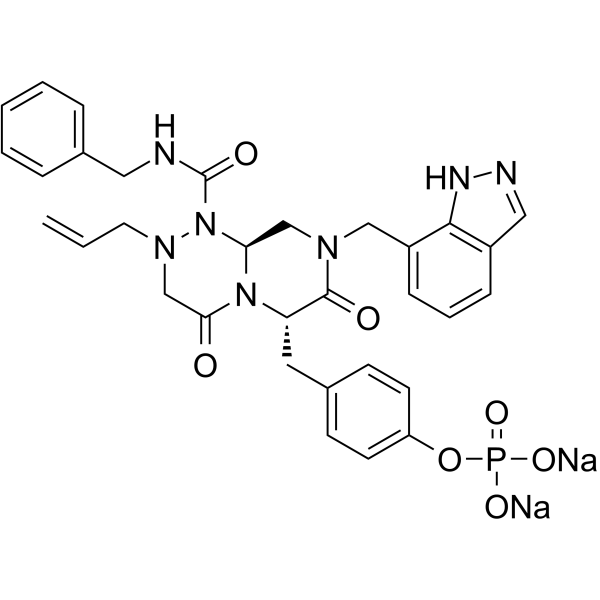
YB-0158 (Wnt pathway inhibitor 2) is a reverse-turn peptidomimetic and a potent colorectal cancer stem cell (CSC) targeting agent. YB-0158 disrupts Sam68-Src interactions and induces apoptosis in CRC cells. Anti-cancer activities .
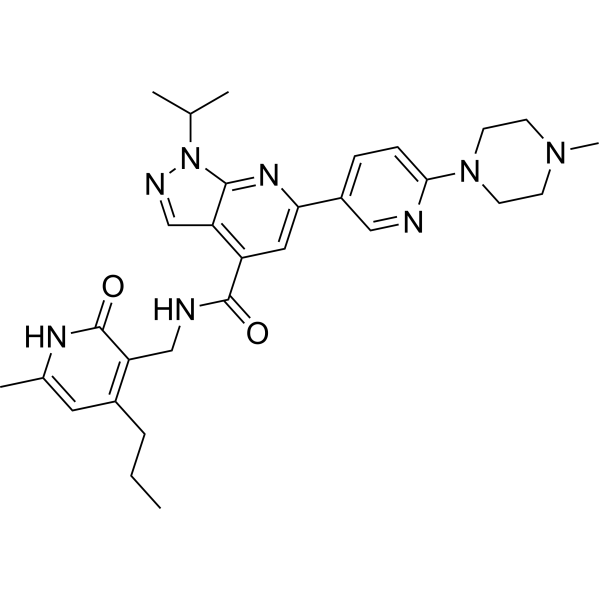
JQEZ5 is a potent and selective EZH2 lysine methyltransferase inhibitor. JQEZ5 SAM-competitively inhibits polycomb repressive complex 2 (PRC2) with an IC50 of 80 nM. JQEZ5 has anti-tumor effects .
DS-437 is a dual PRMT5/7 inhibitor (IC50s of PRMT5/7=6 μM). DS-437 is selective for PRMT5 and PRMT7 over 29 other human protein-, DNA-, and RNA-methyltransferases. DS-437 is a S-adenosylmethionine (SAM)-competitive inhibitor of PRMT5. DS-437 also inhibits DNMT3A and DNMT3B, with IC50s of 52 and 62 μM, respectively. DS-437 inhibits the methylation of FOXP3 .
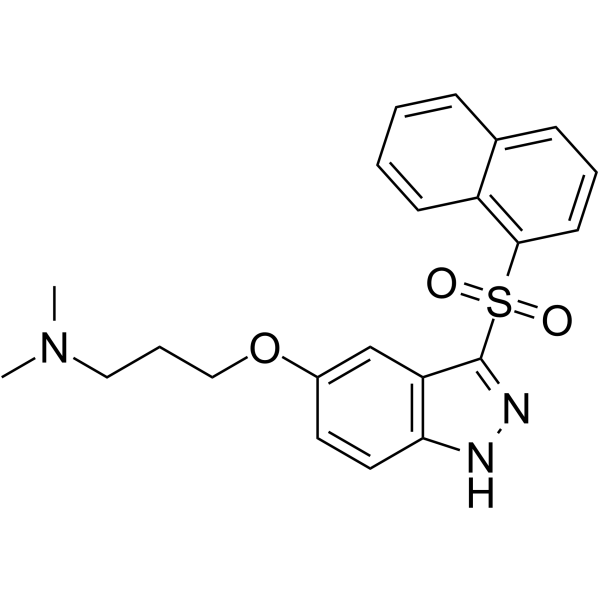
Cerlapirdine (SAM-531, PF-05212365) is a selective and potent full antagonist of the 5-hydroxytryptamine 6 (5-HT6) receptor. Cerlapirdine has the potential for researching the Alzheimer's disease .
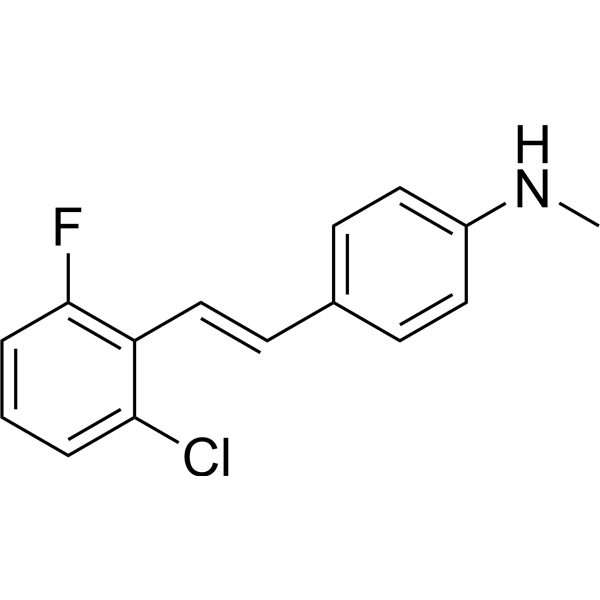
FIDAS-3 is a stilbene derivative and is a potent Wnt inhibitor with an IC50 of 4.9 μM for methionine S-adenosyltransferase 2A (MAT2A). FIDAS-3 effectively competes against S-adenosylmethionine (SAM) for MAT2A binding. FIDAS-3 has anticancer activities .
BRK inhibitor P21d hydrochloride is a potent breast tumor kinase (BRK/PTK6) inhibitor with an IC50 of 30 nM. BRK inhibitor P21d hydrochloride inhibits p-SAM68 with an IC50 of 52 nM. BRK inhibitor P21d hydrochloride can be used to evaluate the in vivo activity of BRK inhibitors in xenograft breast tumor models .
DL-Allylglycine (2-Aminopent-4-enoic acid) is a glutamate decarboxylase (GAD) inhibitor. DL-Allylglycine significantly increases mouse brain ornithine decarboxylase (ODC) activity and decreases S-adenosyl-L-methionine decarboxylase (SAM-DC) activity. DL-Allylglycine causes a marked decrease in brain GABA concentration. DL-Allylglycine has convulsant activity that can be used in studies to induce epileptic seizures .
5'-Deoxy-5'-(methylthio)adenosine-d3 is deuterium labeled 5'-Methylthioadenosine. 5'-Methylthioadenosine (5'-(Methylthio)-5'-deoxyadenosine) is a nucleoside generated from S-adenosylmethionine (SAM) during polyamine synthesis . 5'-Methylthioadenosine suppresses tumors by inhibiting tumor cell proliferation, invasion, and the induction of apoptosis while controlling the inflammatory micro-environments of tumor tissue. 5'-Methylthioadenosine and its associated materials have striking regulatory effects on tumorigenesis.
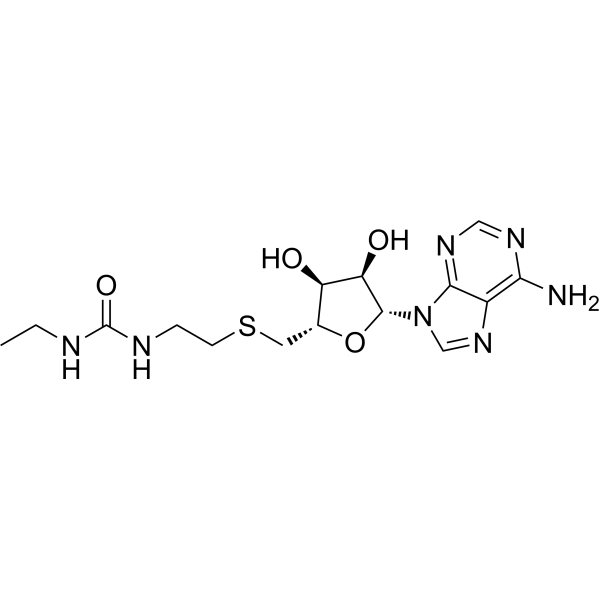
II399 is a potent, selective NNMT bisubstrate inhibitor containing an unconventional SAM mimic, with a Ki of 5.9 nM. II399 exhibits an explicit pattern of competitive inhibition for NAM. II399 occupies both the substrate and cofactor binding pockets. II399 has the potential for the research of cancers, metabolic, cardiovascular, and neurodegenerative diseases .
mRNA Cap 2'-O-methyltransferase uses S-adenosylmethionine (SAM) as a methyl donor to add a methyl group at the 2'-O position of the first nucleotide at the 5’ end of Cap-0 mRNA, resulting in Cap-1 structure. Cap-1 structure promotes translation efficiency, increasing subsequent protein expression .
TDI-015051 is a highly selective, orally active antiviral agent that targets the coronavirus NSP14guanine-N7 methyltransferase. TDI-015051 binds to substrates in a non-competitive manner and forms a stable ternary complex, precisely blocking the capping and methylation processes of viral mRNA. TDI-015051 potently inhibits a variety of coronaviruses (including SARS-CoV-2 and MERS). By impairing viral replication and translation and inducing a moderate type I interferon-mediated immune response, it significantly reduces pulmonary viral load and exhibits a synergistic effect with Nirmatrelvir (HY-138687). In addition, TDI-015051 does not inhibit non-coronavirus methyltransferases, and the drug-resistant mutations it induces impair viral fitness, demonstrating excellent antiviral properties and safety. TDI-015051 can be used for research on COVID-19 and the replication mechanism of coronaviruses .The IC50 values of TDI-015051 against SARS-CoV-2, α-hCoV-NL63, α-hCoV-229E, β-hCoV-MERS are 0.15 nM, 1.7 nM, 2.6 nM and 3.6 nM, respectively, and the Ka value against SARS-CoV-2 is 0.061 nM .
SARS-CoV-2-IN-60 (compound 5a) is an S-adenosylmethionine (SAM)-competitive and irreversible SARS-CoV-2 nsp16-nsp10 methyltransferase activity inhibitor with an IC50 of 9 μM and a Ki of 26 μM. SARS-CoV-2-IN-60 can specifically occupy a newly identified pocket adjacent to the SAM-binding site on nsp16. SARS-CoV-2-IN-60 has the potential for pan-coronavirus therapeutics .
SAMβA is conjugated to the cell permeable peptide TAT47-57. SAMβA, a rationally designed selective antagonist of Mfn1-βIIPKC association. SAMβA is a selective inhibitor of mitofusin 1-βIIPKC association improves heart failure outcome in rats .
SAMβA TFA is a rationally designed selective antagonist of Mfn1-βIIPKC association and can bind to TAT (HY-P0281). SAMβA TFA is a selective inhibitor of mitofusin 1-βIIPKC association improves heart failure outcome in rats .
5'-Methylthioadenosine- 13C6 is the 13C-labeled 5'-Methylthioadenosine. 5'-Methylthioadenosine (5'-(Methylthio)-5'-deoxyadenosine) is a nucleoside generated from S-adenosylmethionine (SAM) during polyamine synthesis . 5'-Methylthioadenosine suppresses tumors by inhibiting tumor cell proliferation, invasion, and the induction of apoptosis while controlling the inflammatory micro-environments of tumor tissue. 5'-Methylthioadenosine and its associated materials have striking regulatory effects on tumorigenesis .
NSD2/H3K36me2 modulator-1 is an orally active NSD2/H3K36me2 modulator. NSD2/H3K36me2 modulator-1 competitively binds to the SAM pocket of NSD2, potently inhibits NSD2 expression and suppresses H3K36me2 methylation. NSD2/H3K36me2 modulator-1 reverses epithelial-mesenchymal transition (EMT), inhibits cell migration, and induces G0/G1 phase arrest and apoptosis. NSD2/H3K36me2 modulator-1 induces decreased Mitochondrial membrane potential (MMP) and subsequent Reactive oxygen species (ROS) generation. NSD2/H3K36me2 modulator-1 can be used to research the NSD2-targeting epigenetic anticancer strategies for hepatocellular carcinoma (HCC) .
PF-05212377 (SAM-760) is an inhibitor for serotonin receptor 5-HT6. PF-05212377 is a substrate for P-gp/non-BCRP human transporter. PF-05212377 exhibits blood brain barrier permeability in non-human primates. PF-05212377 can be used for Alzheimer’s Disease research .
ML353 is a selective ligand of mGlu5 silent allosteric modulator (SAM) with an Ki value of 18.2 nM. ML353 improves the affinity of common allosteric sites, 20-fold higher than the previous mGlu5 SAM tool compound 5mpep. ML353 has potential applications in solving the intrinsic activity of SAM in vivo or as a agent blocker . ML353 is a click chemistry reagent, it contains an Alkyne group and can undergo copper-catalyzed azide-alkyne cycloaddition (CuAAc) with molecules containing Azide groups.
5'-Methylthioadenosine (Standard) is the analytical standard of 5'-Methylthioadenosine. This product is intended for research and analytical applications. 5'-Methylthioadenosine (5'-(Methylthio)-5'-deoxyadenosine) is a nucleoside generated from S-adenosylmethionine (SAM) during polyamine synthesis[1]. 5'-Methylthioadenosine suppresses tumors by inhibiting tumor cell proliferation, invasion, and the induction of apoptosis while controlling the inflammatory micro-environments of tumor tissue. 5'-Methylthioadenosine and its associated materials have striking regulatory effects on tumorigenesis[2].
NSC 288387 is a pan-flavivirus MTase inhibitor. NSC 288387 binds to the SAM-binding pocket. NSC 288387 inhibits ZIKV with an IC50 of 0.2 μM. NSC 288387 also inhibits viral replication in cell culture .
5'-Methylthioadenosine- 13C (5'-(Methylthio)-5'-deoxyadenosine- 13C) is the 13C-labeled 5'-Methylthioadenosine (HY-16938). 5'-Methylthioadenosine (5'-(Methylthio)-5'-deoxyadenosine) is a nucleoside generated from S-adenosylmethionine (SAM) during polyamine synthesis . 5'-Methylthioadenosine suppresses tumors by inhibiting tumor cell proliferation, invasion, and the induction of apoptosis while controlling the inflammatory micro-environments of tumor tissue. 5'-Methylthioadenosine and its associated materials have striking regulatory effects on tumorigenesis .
SAM-315 (WAY-255315) is a potent antagonist of 5-Hydroxytryptamine-6, with Ki and IC50 of 1.1 nM and 4.6 nM, respectively. SAM-315 significantly increases acetylcholine and glutamate release in hippocampus of the brain .
GDI-5755 (SAM002706100), an antibacterial agent by inhibiting ClpP1P2, inhibits the growth of Mtb and M. bovis BCG, the model organism of mycobacteria. GDI-5755 can be used in the research for tuberculosis (TB) .
Delphinidin-3-sambubioside (chloride) (Standard) is the analytical standard of Delphinidin-3-sambubioside (chloride). This product is intended for research and analytical applications. Delphinidin-3-sambubioside (Dp3‐Sam) chloride is an anthocyanin that has orally active anti-inflammatory activity. Delphinidin-3-sambubioside chloride inhibits LPS-induced inflammatory factors release. Delphinidin-3-sambubioside chloride also alleviates hepatic lipid accumulation in HFD rats. Delphinidin-3-sambubioside chloride can be isolated from Hibiscus sabdariffa L. .
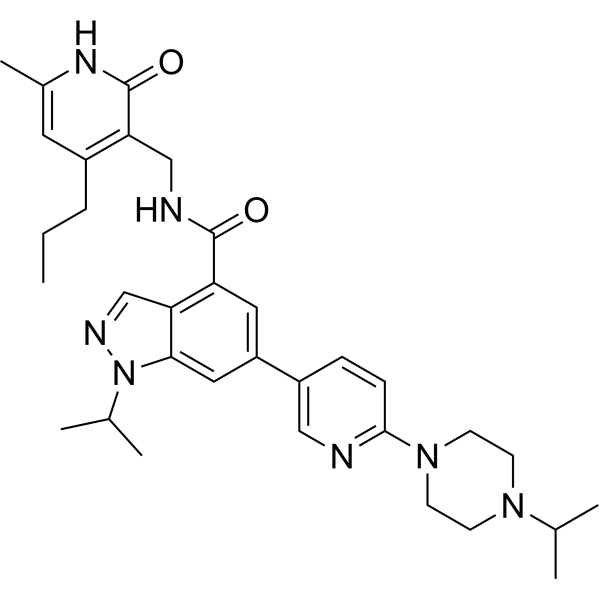
GSK926 (compound 3) is a selective histone lysine methyltransferase EZH2 inhibitor (IC50=0.02 μM; Ki=7.9 nM), with SAM-competitive and cell-active properties. GSK926 can be used in cancer research .
Y-29794 oxalate is a selective, orally active and blood-brain barrier permeable non-peptide prolyl endopeptidase inhibitor. Y-29794 oxalate blocks the IRS1-AKT-mTORC1 pathway and inhibits tumor growth. Y-29794 oxalate is also effective in inhibiting the progression of Aβ-like deposition in the hippocampus of aging-accelerated mice (SAM) .
EZH2-IN-21 is a potent inhibitor of the histone lysine methyltransferase enhancer of zeste homologue 2 (EZH2) with anticancer activity. EZH2-IN-21 is competitive with the cofactor SAM and noncompetitive with peptide or nucleosome substrates .
PRMT5-IN-33 (compound A8) is a selective, SAM-competitve PRMT5 inhibitors with IC50 of 10.9 nM. PRMT5-IN-33 induces apoptosis and inhibits proliferation of cells Z-138 and MOLM-13. PRMT5-IN-33 exhibits an antitumor activity .
TAT-SAMβA is the peptide consist of RNAENFDRF (SAMβA; HY-P3429) conjugated to the cell penetrating TAT protein-derived peptide TAT47–57. TAT-SAMβA is a selective antagonist of Mfn1-βIIPKC association. TAT-SAMβA protects mouse embryonic fibroblast cells (MEFs) against oxidative stress-induced cytotoxicity .
EZH2-IN-1 (compound 3) is a selective and SAM-competitive EZH2 and EZH1 inhibitor with an IC50s of 32 nM, 197 nM and 213 nM for EZH2wt, EZH2 Y641N mutant and EZH1, respectively. EZH2-IN-1 reduces bulk H3K27me3 and H3K27me2 levels. EZH2-IN-1 has the potential for diffuse large B cell lymphoma research .
ICMT-IN-48 (compound 1) is an ICMT inhibitor that is competitive (Km=13 μM) for the prenylated methyl acceptor, the first substrate of ICMT. ICMT-IN-48 inhibits ICMT activity with IC50s affected by the concentration of the second substrate S-adenosylmethinine (SAM), and the IC50s are 3.5 μM (1×Km SAM) and 2.3 μM (10×Km SAM), respectively .
Cerlapirdine hydrochloride is a selective and potent full antagonist of the 5-hydroxytryptamine 6 (5-HT6) receptor. Cerlapirdine hydrochloride has the potential for researching the Alzheimer's disease .
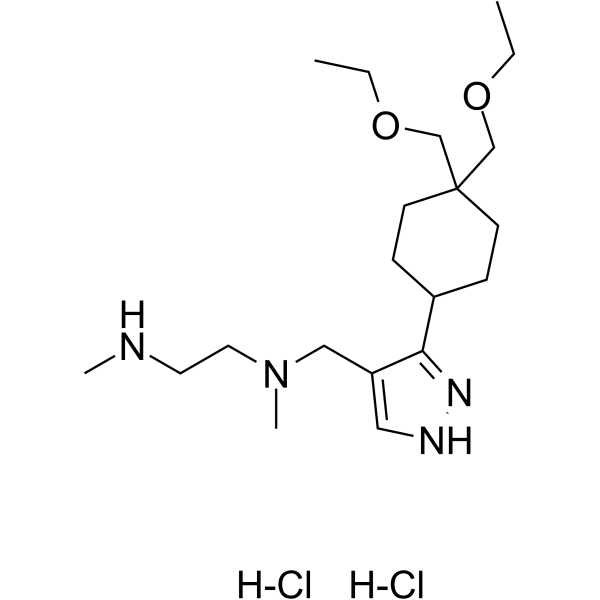
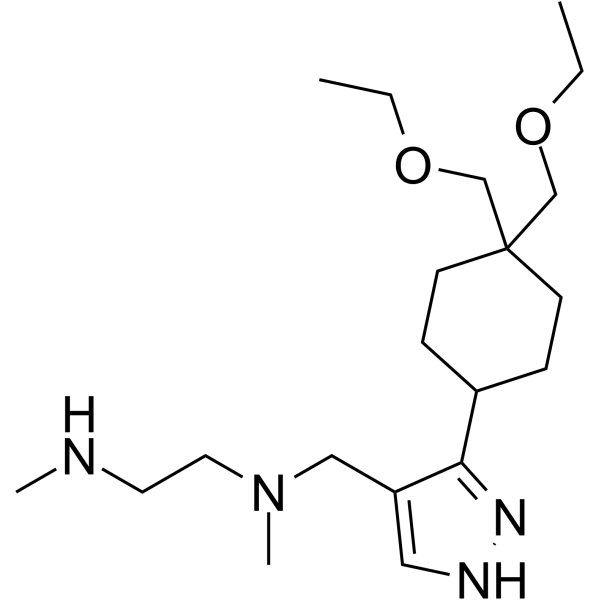
GSK2807 is a potent and selective SAM-competitive inhibitor of SMYD3, exhibiting a Ki value of 14 nM, and it may be useful for cancer treatment by preventing the methylation of MEKK2.
(S)-AM-9022 is the S-enantiomer of AM-9022 (HY-162110). AM-9022 is an orally active, potent, selective KIF18A inhibitor that can be used for research on cancer .
α5-GABAA receptor modulator 1 (Compound A-4) is a silencing allosteric modulator (SAM) specifically targeting the a5 subunit of the GABAA receptor, suitable for research into central nervous system (CNS) disorders .
Samidorphan-d4 is the deuterium labeled Samidorphan(HY-123689).Samidorphan (ALKS-33) is an orally active opioid system modulator that has a high affinity for binding with μ‐opioid, κ‐opioid, and δ‐opioid receptors. Samidorphan acts as an antagonist at μ‐opioid receptors and acts as a partial agonist at k-opioid and δ‐opioid receptors. Samidorphan primarily acts as an opioid receptor antagonist in vivo .
Samidorphan (Standard) is the analytical standard of Samidorphan. This product is intended for research and analytical applications. Samidorphan (ALKS-33) is an orally active opioid system modulator that has a high affinity for binding with μ‐opioid, κ‐opioid, and δ‐opioid receptors. Samidorphan acts as an antagonist at μ‐opioid receptors and acts as a partial agonist at k-opioid and δ‐opioid receptors. Samidorphan primarily acts as an opioid receptor antagonist in vivo. Samidorphan can improve the behavior of depressed animals.
Samidorphan hydrochloride is an orally active opioid system modulator that has a high affinity for binding with μ‐opioid, κ‐opioid, and δ‐opioid receptors. Samidorphan hydrochloride acts as an antagonist at μ‐opioid receptors and acts as a partial agonist at k-opioid and δ‐opioid receptors. Samidorphan hydrochloride primarily acts as an opioid receptor antagonist in vivo. Samidorphan can improve the behavior of depressed animals .
DCE_254 is an EZH2 inhibitor (IC50=11 μM) that also exhibits significant antiproliferative activity against lymphoma cell lines. DCE_254 inhibits the development of hypermethylation-related cancers by inhibiting the SAM-mediated methyl transfer process (IC50=10.3 μM) .
MAIT-203, a cyclopentyalanin-derived peptidomimetic, potently inhibits the interaction of adenomatous polyposis coli (APC) and Asef (RhoGEF4), but not APC-Sam68 or APC-striatin interactions. MAIT-203 binds APC-ARM with a Ki of 0.015 μM and a Kd of 0.036 μM. MAIT-203 significantly represses the migration and invasion of colorectal cancer cells.
MAIT-203 acetate is a cyclopentyalanin-derived peptidomimetic, potently inhibits the interaction of adenomatous polyposis coli (APC) and Asef (RhoGEF4), but not APC-Sam68 or APC-striatin interactions. MAIT-203 acetate binds APC-ARM with a Ki value of 0.015 μM and aKd value of 0.036 μM. MAIT-203 acetate significantly represses the migration and invasion of colorectal cancer cells .
GSK3368715 (EPZ019997) hydrochloride is an orally active, reversible, SAM-noncompetitive type I protein arginine methyltransferase (PRMT) inhibitor with IC50 values of 3.1 nM (PRMT1), 48 nM (PRMT3), 1148 nM (PRMT4), 5.7 nM (PRMT6), and 1.7 nM (PRMT8). GSK3368715 hydrochloride induces a shift in arginine methylation states, alters exon usage, and exhibits potent anticancer activity .
Indeloxazine ((rac)-AS1069562 free base) is a brain active compound with anti-amnesic activity. Indeloxazine significantly prolonged the step latency in senescence accelerated mice (SAM-P/8/Ta), indicating that it has a promoting effect on brain function. Indeloxazine has a broader pharmacology than piracetam and exhibits stronger anti-amnesic activity. Indeloxazine has also been used as an anticonvulsant compound, further supporting its potential use in neuroprotection and behavioral improvement .
PRMT5-IN-19 (Compound 41) is an selective orally active non-nucleoside PRMT5 inhibitor with IC50 values of 23.9 nM (radioactive biochemical assay) and 47 nM (AlphaLISA assay). PRMT5-IN-19 can occupy the SAM-binding pocket in PRMT5 and block methyltransferase activity, which displays good selectivity over other PRMTs and PKMTs. PRMT5-IN-19 inhibits cell proliferation by inducing cell apoptosis, and can be used for cancer-related research .
DNMT1-IN-3 (compound 7t-S) is an effective DNA methyltransferase 1 (DNMT1) inhibitor with an IC50 value of 0.777 μM and a KD value of 0.183 μM. DNMT1-IN-3 can bind to the methyl donor S-adenosyl-l-methionine (SAM) site in DNMT1. DNMT1-IN-3 can inhibit cell proliferation in K562 cells by inducing cells apoptosis and arresting cell cycle at G0 / G1 phase, which has the potential to be used for the research of hematologic tumor .
Antiproliferative agent-25 (Compound 3s4) is a selective PRMT5 inhibitor (IC50: 0.11 μM). Antiproliferative agent-25 up-regulates hnRNP E1 protein level. Antiproliferative agent-25 forms H-bond interactions with SAM and E444 residue of PRMT5. Antiproliferative agent-25 has antiproliferative effects against A549 cells by inducing apoptosis and inhibiting cell migration. Antiproliferative agent-25 has high clearances with T1/2 of only 21.8 and 4.7 min in human and rat liver microsomes .
MAT2A-IN-23 (compound 39) is a MAT2A inhibitor, with an IC50 of 4 nM. MAT2A-IN-23 inhibits SAM in the HCT-116 (MTAP −/−) and in the HCT-116 WT cell line with IC50s of 3 and 2 nM, respectively. MAT2A-IN-23 inhibits SDMA in the HCT-116 (MTAP −/−) and in the HCT-116 WT cell line with IC50s of 2 and >3000 nM, respectively. MAT2A-IN-23 inhibits HCT-116 (MTAP −/−) cell proliferation with with an IC50 of 47 nM .
5'-Methylthioadenosine- 13C5 (5'-(Methylthio)-5'-deoxyadenosine- 13C5) is the 13C--labeled 5'-Methylthioadenosine (HY-16938). 5'-Methylthioadenosine (5'-(Methylthio)-5'-deoxyadenosine) is a nucleoside generated from S-adenosylmethionine (SAM) during polyamine synthesis . 5'-Methylthioadenosine suppresses tumors by inhibiting tumor cell proliferation, invasion, and the induction of apoptosis while controlling the inflammatory micro-environments of tumor tissue. 5'-Methylthioadenosine and its associated materials have striking regulatory effects on tumorigenesis .
ZS34 is a potent, orally active, and selective MAT2A inhibitor with an IC50 of 13.7 nM, displaying minimal hERG and UGT1A1 liabilities. ZS34 selectively suppresses the growth of methylthioadenosine phosphorylase (MTAP)-deficient cancer cells by inhibiting SAM synthesis, reducing SDMA levels, and inducing DNA damage. ZS34 exhibits antitumor efficacy in a HCT116 MTAP -/- xenograft mouse model. ZS34 can be used for the research of MTAP-deficient cancer .
AGI-25696 is an orally active ethionine adenosyltransferase 2A (MAT2A) inhibitor with an IC50 of 97 nM. AGI-25696 reduces intracellular SAM levels in cancer cells. AGI-25696 inhibits tumor growth in mice bearing subcutaneous KP4 MTAP-null pancreatic xenografts. AGI-25696 can be used for the research of mtap-deleted pancreatic cancer .
ZINC-1000507824 is a non-covalent reversible RNA cytosine-5 methyltransferase NSUN2 inhibitor. ZINC-1000507824 targets the SAM cofactor binding pocket of NSUN2 and forms stable NSUN2-ligand complexes. ZINC-1000507824 destabilizes oncogenic mRNAs encoding PI3K/AKT and MAPK/ERK pathway components, attenuates growth signals, reduces proliferative drive, and restores therapy sensitivity in cancer cells. ZINC-1000507824 can be used for the research of NSUN2-driven malignancies .
Leptolstatin is an inhibitor of the progression of G1 and G2 phases of the mammalian cell cycle. Leptolstatin can be extracted from the fermentation broth of Streptomyces sp. SAM1595 .
GSK2807 Trifluoroacetate (Standard) is the analytical standard of GSK2807 Trifluoroacetate (HY-104009A). This product is intended for research and analytical applications. GSK2807 Trifluoroacetate is a potent, selective and SAM-competitive inhibitor of SMYD3, with a Ki of 14 nM and an IC50 of 130 nM .
PRMT5-MTA-IN-7 (Compound 14) is a selective PRMT5-MTA inhibitor. PRMT5-MTA-IN-7 exhibits KD values of PRMT5-MTA-IN-7 for PRMT5-MTA and PRMT5-SAM of 236 nM and 2.84 μM respectively, and the IC50 values of 4.08 and 13.6 μM respectively. PRMT5-MTA-IN-7 can selectively inhibit the proliferation of MTAP-deficient cancer cells. PRMT5-MTA-IN-7 can be used for the study of colon cancer .
α-D-Ribose 1-methylphosphonate 5-phosphate C-P-lyase (EC 4.7.1.1) can be isolated from Escherichia coli and involves the [4Fe-4S] cluster and S-adenosyl-L-methionine (SAM) radical.
PROTAC EZH2 Degrader-38 (Compound 17) is a EZH2 PROTAC degrader with an IC50 of 165.00 nM. PROTAC EZH2 Degrader-38 functionally inhibits the methyltransferase activity of EZH2 and competitively binds to the SAM-binding pocket of the EZH2 SET domain .
NT32 is a selective METTL13 stabilizer with a Kd value of 14 μM. NT32 could occupy both the SAM/SAH-binding pocket and the peptide substrate-binding site of METTL13 simultaneously. NT32 specifically targets and stabilizes METTL13. NT32 shows no inhibitory activity against non-small cell lung cancer .
JQEZ5 (Standard) is the analytical standard of JQEZ5 (HY-100846). This product is intended for research and analytical applications. JQEZ5 is a potent and selective EZH2 lysine methyltransferase inhibitor. JQEZ5 SAM-competitively inhibits polycomb repressive complex 2 (PRC2) with an IC50 of 80 nM. JQEZ5 has anti-tumor effects .
NNMT-IN-8 is a non-SAM-mimicking bisubstrate inhibitor and a selective methyltransferase NNMT inhibitor, with IC50 values of 0.0084 μM and 0.0085 μM against human NNMT, and an IC50 of 0.0072 μM against mouse NNMT. NNMT-IN-8 exhibits prominent renal distribution characteristics and moderate bioavailability in rodents. NNMT-IN-8 dose-dependently inhibits renal NNMT in renal fibrosis models, thereby exerting antifibrotic effects. NNMT-IN-8 can be used to investigate the mechanisms of renal fibrosis .
MAT2A-IN-26 is an orally active MAT2A inhibitor with a human IC50 of 17.53 nM. MAT2A-IN-26 inhibits the enzymatic activity of MAT2A, thereby reducing the levels of S-adenosylmethionine (SAM) and symmetric dimethylarginine (sDMA). MAT2A-IN-26 inhibits the proliferation of MTAP-deficient cancer cells and induces anti-tumor efficacy in xenograft models. MAT2A-IN-26 can be used in non-small cell lung cancer research .
SARS-CoV-2 nsp14-IN-10 is a highly potent and selective NSP14 (IC50 = 0.34 µM) S-adenosylmethionine (SAM) binding pocket inhibitor. SARS-CoV-2 nsp14-IN-10 demonstrates robust antiviral activity against SARS-CoV-2. SARS-CoV-2 nsp14-IN-10 exhibits broad-spectrum activity against other betacoronaviruses and inhibits SARS-CoV-2 at the replication stage. SARS-CoV-2 nsp14-IN-10 suppresses viral translation and exhibits immunostimulatory effects. SARS-CoV-2 nsp14-IN-10 specifically reverses NSP14-mediated alterations inhost transcriptome. SARS-CoV-2 nsp14-IN-10 can be used for the study of SARS-CoV-2 .
ZINC-1000507789 is a non-covalent and reversible RNA cytosine-5 methyltransferase NSUN2 inhibitor. ZINC-1000507789 is applicable to the research of NSUN2-driven malignancies .
DL-Allylglycine (2-Aminopent-4-enoic acid) is a glutamate decarboxylase (GAD) inhibitor. DL-Allylglycine significantly increases mouse brain ornithine decarboxylase (ODC) activity and decreases S-adenosyl-L-methionine decarboxylase (SAM-DC) activity. DL-Allylglycine causes a marked decrease in brain GABA concentration. DL-Allylglycine has convulsant activity that can be used in studies to induce epileptic seizures .
SAMβA is conjugated to the cell permeable peptide TAT47-57. SAMβA, a rationally designed selective antagonist of Mfn1-βIIPKC association. SAMβA is a selective inhibitor of mitofusin 1-βIIPKC association improves heart failure outcome in rats .
SAMβA TFA is a rationally designed selective antagonist of Mfn1-βIIPKC association and can bind to TAT (HY-P0281). SAMβA TFA is a selective inhibitor of mitofusin 1-βIIPKC association improves heart failure outcome in rats .
TAT-SAMβA is the peptide consist of RNAENFDRF (SAMβA; HY-P3429) conjugated to the cell penetrating TAT protein-derived peptide TAT47–57. TAT-SAMβA is a selective antagonist of Mfn1-βIIPKC association. TAT-SAMβA protects mouse embryonic fibroblast cells (MEFs) against oxidative stress-induced cytotoxicity .
MAIT-203, a cyclopentyalanin-derived peptidomimetic, potently inhibits the interaction of adenomatous polyposis coli (APC) and Asef (RhoGEF4), but not APC-Sam68 or APC-striatin interactions. MAIT-203 binds APC-ARM with a Ki of 0.015 μM and a Kd of 0.036 μM. MAIT-203 significantly represses the migration and invasion of colorectal cancer cells.
MAIT-203 acetate is a cyclopentyalanin-derived peptidomimetic, potently inhibits the interaction of adenomatous polyposis coli (APC) and Asef (RhoGEF4), but not APC-Sam68 or APC-striatin interactions. MAIT-203 acetate binds APC-ARM with a Ki value of 0.015 μM and aKd value of 0.036 μM. MAIT-203 acetate significantly represses the migration and invasion of colorectal cancer cells .
5'-Methylthioadenosine (5'-(Methylthio)-5'-deoxyadenosine) is a nucleoside generated from S-adenosylmethionine (SAM) during polyamine synthesis . 5'-Methylthioadenosine suppresses tumors by inhibiting tumor cell proliferation, invasion, and the induction of apoptosis while controlling the inflammatory micro-environments of tumor tissue. 5'-Methylthioadenosine and its associated materials have striking regulatory effects on tumorigenesis .
Delphinidin-3-sambubioside (Dp3‐Sam) chloride is an anthocyanin that has orally active anti-inflammatory activity. Delphinidin-3-sambubioside chloride inhibits LPS-induced inflammatory factors release. Delphinidin-3-sambubioside chloride also alleviates hepatic lipid accumulation in HFD rats. Delphinidin-3-sambubioside chloride can be isolated from Hibiscus sabdariffa L. .
5'-Methylthioadenosine (Standard) is the analytical standard of 5'-Methylthioadenosine. This product is intended for research and analytical applications. 5'-Methylthioadenosine (5'-(Methylthio)-5'-deoxyadenosine) is a nucleoside generated from S-adenosylmethionine (SAM) during polyamine synthesis[1]. 5'-Methylthioadenosine suppresses tumors by inhibiting tumor cell proliferation, invasion, and the induction of apoptosis while controlling the inflammatory micro-environments of tumor tissue. 5'-Methylthioadenosine and its associated materials have striking regulatory effects on tumorigenesis[2].
Delphinidin-3-sambubioside (chloride) (Standard) is the analytical standard of Delphinidin-3-sambubioside (chloride). This product is intended for research and analytical applications. Delphinidin-3-sambubioside (Dp3‐Sam) chloride is an anthocyanin that has orally active anti-inflammatory activity. Delphinidin-3-sambubioside chloride inhibits LPS-induced inflammatory factors release. Delphinidin-3-sambubioside chloride also alleviates hepatic lipid accumulation in HFD rats. Delphinidin-3-sambubioside chloride can be isolated from Hibiscus sabdariffa L. .
Leptolstatin is an inhibitor of the progression of G1 and G2 phases of the mammalian cell cycle. Leptolstatin can be extracted from the fermentation broth of Streptomyces sp. SAM1595 .
The FGFR-3 protein is a tyrosine protein kinase that serves as a cell surface receptor for fibroblast growth factors and controls cellular processes, including proliferation, differentiation, and apoptosis. It is essential for chondrocyte differentiation, proliferation, apoptosis and normal bone development functions. FGFR-3 Protein, Mouse (HEK293, His) is the recombinant mouse-derived FGFR-3 protein, expressed by HEK293 , with C-His labeled tag.
The FGFR-3 protein is a tyrosine-protein kinase receptor for fibroblast growth factor that is critical for cellular processes, particularly in chondrocytes, osteoblasts, and inner ear development. Its effects span normal skeletal development and postnatal bone mineralization. FGFR-3 Protein, Human (P. pastoris, N-His) is the recombinant human-derived FGFR-3 protein, expressed by P. pastoris , with N-6*His labeled tag.
FGFR-1 alpha is a tyrosine-protein kinase receptor for fibroblast growth factor that is critical in embryonic development, cell proliferation, differentiation, and migration. GnRH is essential for mesodermal patterning, axial organization, skeletogenesis, and nervous system development. FGFR-1 beta (IIIc) Protein, Human (Biotinylated, HEK293, His-Avi) is the recombinant human-derived FGFR-1 beta, expressed by HEK293 , with C-Avi, C-His labeled tag.
FGFR-3 is a member of the fibroblast growth factor receptor family and is expressed in tissues such as cartilage, brain, intestine and kidney. FGFR-3 regulates chondrocyte differentiation and proliferation by activating the MAPK/STAT signaling pathway. FGFR-3 is a tumor marker. FGFR-3 Protein, Cynomolgus/Rhesus Macaque (HEK293, His) is the recombinant cynomolgus-derived FGFR-3 protein, expressed by HEK293 , with C-His labeled tag.
FGFR-3 is a member of the fibroblast growth factor receptor family and is expressed in tissues such as cartilage, brain, intestine and kidney. FGFR-3 regulates chondrocyte differentiation and proliferation by activating the MAPK/STAT signaling pathway. FGFR-3 is a tumor marker. FGFR-3 Protein, Cynomolgus/Rhesus Macaque (HEK293, Fc) is the recombinant cynomolgus-derived FGFR-3 protein, expressed by HEK293 , with C-hFc labeled tag.
FGFR-2 beta is a tyrosine protein kinase that serves as a cell surface receptor for fibroblast growth factor and is critical for cell regulation, proliferation, differentiation, migration, and apoptosis. It plays important roles in embryonic development, trophoblast function, limb buds, lungs, osteogenesis, and skin development. FGFR-2 beta (IIIb) Protein, Cynomolgus (HEK293, His) is the recombinant cynomolgus-derived FGFR-2 beta, expressed by HEK293 , with C-His labeled tag.
FGFR-2 beta is a tyrosine protein kinase that serves as a cell surface receptor for fibroblast growth factor and is critical for cell regulation, proliferation, differentiation, migration, and apoptosis. It plays important roles in embryonic development, trophoblast function, limb buds, lungs, osteogenesis, and skin development. FGFR-2 beta (IIIb) Protein, Mouse (HEK293, His) is the recombinant mouse-derived FGFR-2 beta, expressed by HEK293 , with C-His labeled tag.
The FGFR-2 α IIIc protein is a tyrosine protein kinase receptor for fibroblast growth factor and is critical for embryonic development, regulating proliferation, differentiation, and apoptosis. Its importance is evident in embryonic patterning, trophoblast function, limb bud development, lung morphogenesis, osteogenesis, and skin development. FGFR-2 beta (IIIb) Protein, Human (HEK293, Fc) is the recombinant human-derived FGFR-2 beta (IIIb) protein, expressed by HEK293, with C-hFc labeled tag.
The FGFR-2 α IIIc protein is a tyrosine protein kinase receptor for fibroblast growth factor and is critical for embryonic development, regulating proliferation, differentiation, and apoptosis. Its importance is evident in embryonic patterning, trophoblast function, limb bud development, lung morphogenesis, osteogenesis, and skin development. FGFR-2 beta (IIIb) Protein, Human (Biotinylated, HEK293, His-Avi) is the recombinant human-derived FGFR-2 beta IIIb protein, expressed by HEK293 , with C-Avi, C-His labeled tag.
The FGFR-2 α IIIc protein is a tyrosine protein kinase receptor for fibroblast growth factor and is critical for embryonic development, regulating proliferation, differentiation, and apoptosis. Its importance is evident in embryonic patterning, trophoblast function, limb bud development, lung morphogenesis, osteogenesis, and skin development. FGFR-2 beta (IIIc) Protein, Human (Biotinylated, HEK293, His-Avi) is the recombinant human-derived FGFR-2 beta IIIc protein, expressed by HEK293 , with C-Avi, C-His labeled tag.
The FGFR-2 α IIIc protein is a tyrosine protein kinase receptor for fibroblast growth factor and is critical for embryonic development, regulating proliferation, differentiation, and apoptosis. Its importance is evident in embryonic patterning, trophoblast function, limb bud development, lung morphogenesis, osteogenesis, and skin development. FGFR-2 alpha (IIIb) Protein, Human (Biotinylated, HEK293, His-Avi) is the recombinant human-derived FGFR-2 alpha IIIb protein, expressed by HEK293 , with C-Avi, C-His labeled tag.
The FGFR-2 α IIIc protein is a tyrosine protein kinase receptor for fibroblast growth factor and is critical for embryonic development, regulating proliferation, differentiation, and apoptosis. Its importance is evident in embryonic patterning, trophoblast function, limb bud development, lung morphogenesis, osteogenesis, and skin development. FGFR-2 alpha (IIIc) Protein, Human (Biotinylated, HEK293, His-Avi) is the recombinant human-derived FGFR-2 alpha IIIc protein, expressed by HEK293 , with C-His, C-Avi labeled tag.
The FGFR-3 protein is a tyrosine-protein kinase receptor for fibroblast growth factor that is critical for cellular processes, particularly in chondrocytes, osteoblasts, and inner ear development. Its effects span normal skeletal development and postnatal bone mineralization. FGFR-3 Protein, Human (His-B2M) is the recombinant human-derived FGFR-3 protein, expressed by E. coli , with N-6*His, N-B2M labeled tag.
5'-Methylthioadenosine-d3 is the deuterium labeled 5'-Methylthioadenosine . 5'-Methylthioadenosine (5'-(Methylthio)-5'-deoxyadenosine) is a nucleoside generated from S-adenosylmethionine (SAM) during polyamine synthesis. 5'-Methylthioadenosine suppresses tumors by inhibiting tumor cell proliferation, invasion, and the induction of apoptosis while controlling the inflammatory micro-environments of tumor tissue. 5'-Methylthioadenosine and its associated materials have striking regulatory effects on tumorigenesis .
5'-Deoxy-5'-(methylthio)adenosine-d3 is deuterium labeled 5'-Methylthioadenosine. 5'-Methylthioadenosine (5'-(Methylthio)-5'-deoxyadenosine) is a nucleoside generated from S-adenosylmethionine (SAM) during polyamine synthesis . 5'-Methylthioadenosine suppresses tumors by inhibiting tumor cell proliferation, invasion, and the induction of apoptosis while controlling the inflammatory micro-environments of tumor tissue. 5'-Methylthioadenosine and its associated materials have striking regulatory effects on tumorigenesis.
5'-Methylthioadenosine- 13C6 is the 13C-labeled 5'-Methylthioadenosine. 5'-Methylthioadenosine (5'-(Methylthio)-5'-deoxyadenosine) is a nucleoside generated from S-adenosylmethionine (SAM) during polyamine synthesis . 5'-Methylthioadenosine suppresses tumors by inhibiting tumor cell proliferation, invasion, and the induction of apoptosis while controlling the inflammatory micro-environments of tumor tissue. 5'-Methylthioadenosine and its associated materials have striking regulatory effects on tumorigenesis .
5'-Methylthioadenosine- 13C (5'-(Methylthio)-5'-deoxyadenosine- 13C) is the 13C-labeled 5'-Methylthioadenosine (HY-16938). 5'-Methylthioadenosine (5'-(Methylthio)-5'-deoxyadenosine) is a nucleoside generated from S-adenosylmethionine (SAM) during polyamine synthesis . 5'-Methylthioadenosine suppresses tumors by inhibiting tumor cell proliferation, invasion, and the induction of apoptosis while controlling the inflammatory micro-environments of tumor tissue. 5'-Methylthioadenosine and its associated materials have striking regulatory effects on tumorigenesis .
Samidorphan-d4 is the deuterium labeled Samidorphan(HY-123689).Samidorphan (ALKS-33) is an orally active opioid system modulator that has a high affinity for binding with μ‐opioid, κ‐opioid, and δ‐opioid receptors. Samidorphan acts as an antagonist at μ‐opioid receptors and acts as a partial agonist at k-opioid and δ‐opioid receptors. Samidorphan primarily acts as an opioid receptor antagonist in vivo .
MAT2A-IN-23 (compound 39) is a MAT2A inhibitor, with an IC50 of 4 nM. MAT2A-IN-23 inhibits SAM in the HCT-116 (MTAP −/−) and in the HCT-116 WT cell line with IC50s of 3 and 2 nM, respectively. MAT2A-IN-23 inhibits SDMA in the HCT-116 (MTAP −/−) and in the HCT-116 WT cell line with IC50s of 2 and >3000 nM, respectively. MAT2A-IN-23 inhibits HCT-116 (MTAP −/−) cell proliferation with with an IC50 of 47 nM .
5'-Methylthioadenosine- 13C5 (5'-(Methylthio)-5'-deoxyadenosine- 13C5) is the 13C--labeled 5'-Methylthioadenosine (HY-16938). 5'-Methylthioadenosine (5'-(Methylthio)-5'-deoxyadenosine) is a nucleoside generated from S-adenosylmethionine (SAM) during polyamine synthesis . 5'-Methylthioadenosine suppresses tumors by inhibiting tumor cell proliferation, invasion, and the induction of apoptosis while controlling the inflammatory micro-environments of tumor tissue. 5'-Methylthioadenosine and its associated materials have striking regulatory effects on tumorigenesis .
Western blot analysis of extracts from THP-1(lane 2(20μg), Jurkat (lane 3(20μg) and NIH3T3(lane 4(20μg) using FOXO1A (HY-P80132) Rabbit mAb. Proteins were transferred
to a PVDF membrane and blocked with 5% non-fat milk in TBST for 2 hour at room temperature. The primary antibody (1/1000) and Loading control antibody (Beta Actin, HY-P80438, 1/10000) was
used in 5% non-fat milk in TBST at 4°C overnight. Goat Anti-Mouse/Rabbit IgG-HRP Secondary Antibody (1/10000) was used for 1 hour at room temperature.
Western blot analysis of extracts from THP-1(lane 2(20μg), Jurkat (lane 3(20μg) and NIH3T3(lane 4(20μg) using FOXO1A (HY-P80132) Rabbit mAb. Proteins were transferred
to a PVDF membrane and blocked with 5% non-fat milk in TBST for 2 hour at room temperature. The primary antibody (1/1000) and Loading control antibody (Beta Actin, HY-P80438, 1/10000) was
used in 5% non-fat milk in TBST at 4°C overnight. Goat Anti-Mouse/Rabbit IgG-HRP Secondary Antibody (1/10000) was used for 1 hour at room temperature.
Western blot analysis of extracts from THP-1(lane 2(20μg), Jurkat (lane 3(20μg) and NIH3T3(lane 4(20μg) using FOXO1A (HY-P80132) Rabbit mAb. Proteins were transferred
to a PVDF membrane and blocked with 5% non-fat milk in TBST for 2 hour at room temperature. The primary antibody (1/1000) and Loading control antibody (Beta Actin, HY-P80438, 1/10000) was
used in 5% non-fat milk in TBST at 4°C overnight. Goat Anti-Mouse/Rabbit IgG-HRP Secondary Antibody (1/10000) was used for 1 hour at room temperature.
Western blot analysis of extracts from THP-1(lane 2(20μg), Jurkat (lane 3(20μg) and NIH3T3(lane 4(20μg) using FOXO1A (HY-P80132) Rabbit mAb. Proteins were transferred
to a PVDF membrane and blocked with 5% non-fat milk in TBST for 2 hour at room temperature. The primary antibody (1/1000) and Loading control antibody (Beta Actin, HY-P80438, 1/10000) was
MedchemExpress Validation 03
Western blot analysis of extracts from THP-1(lane 2(20μg), Jurkat (lane 3(20μg) and NIH3T3(lane 4(20μg) using FOXO1A (HY-P80132) Rabbit mAb. Proteins were transferred
MedchemExpress Validation 04
Western blot analysis of extracts from THP-1(lane 2(20μg), Jurkat (lane 3(20μg) and NIH3T3(lane 4(20μg) using FOXO1A (HY-P80132) Rabbit mAb. Proteins were transferred
to a PVDF membrane and blocked with 5% non-fat milk in TBST for 2 hour at room temperature. The primary antibody (1/1000) and Loading control antibody (Beta Actin, HY-P80438, 1/10000) was
used in 5% non-fat milk in TBST at 4°C overnight. Goat Anti-Mouse/Rabbit IgG-HRP Secondary Antibody (1/10000) was used for 1 hour at room temperature.
MedchemExpress Validation
Western blot analysis of extracts from THP-1(lane 2(20μg), Jurkat (lane 3(20μg) and NIH3T3(lane 4(20μg) using FOXO1A (HY-P80132) Rabbit mAb. Proteins were transferred
to a PVDF membrane and blocked with 5% non-fat milk in TBST for 2 hour at room temperature. The primary antibody (1/1000) and Loading control antibody (Beta Actin, HY-P80438, 1/10000) was
used in 5% non-fat milk in TBST at 4°C overnight. Goat Anti-Mouse/Rabbit IgG-HRP Secondary Antibody (1/10000) was used for 1 hour at room temperature.
Western blot analysis of extracts from THP-1(lane 2(20μg), Jurkat (lane 3(20μg) and NIH3T3(lane 4(20μg) using FOXO1A (HY-P80132) Rabbit mAb. Proteins were transferred
to a PVDF membrane and blocked with 5% non-fat milk in TBST for 2 hour at room temperature. The primary antibody (1/1000) and Loading control antibody (Beta Actin, HY-P80438, 1/10000) was
used in 5% non-fat milk in TBST at 4°C overnight. Goat Anti-Mouse/Rabbit IgG-HRP Secondary Antibody (1/10000) was used for 1 hour at room temperature.
MedchemExpress Validation
Western blot analysis of extracts from THP-1(lane 2(20μg), Jurkat (lane 3(20μg) and NIH3T3(lane 4(20μg) using FOXO1A (HY-P80132) Rabbit mAb. Proteins were transferred
to a PVDF membrane and blocked with 5% non-fat milk in TBST for 2 hour at room temperature. The primary antibody (1/1000) and Loading control antibody (Beta Actin, HY-P80438, 1/10000) was
used in 5% non-fat milk in TBST at 4°C overnight. Goat Anti-Mouse/Rabbit IgG-HRP Secondary Antibody (1/10000) was used for 1 hour at room temperature.
MedchemExpress Validation
Western blot analysis of extracts from THP-1(lane 2(20μg), Jurkat (lane 3(20μg) and NIH3T3(lane 4(20μg) using FOXO1A (HY-P80132) Rabbit mAb. Proteins were transferred
to a PVDF membrane and blocked with 5% non-fat milk in TBST for 2 hour at room temperature. The primary antibody (1/1000) and Loading control antibody (Beta Actin, HY-P80438, 1/10000) was
used in 5% non-fat milk in TBST at 4°C overnight. Goat Anti-Mouse/Rabbit IgG-HRP Secondary Antibody (1/10000) was used for 1 hour at room temperature.
MedchemExpress Validation
Western blot analysis of extracts from THP-1(lane 2(20μg), Jurkat (lane 3(20μg) and NIH3T3(lane 4(20μg) using FOXO1A (HY-P80132) Rabbit mAb. Proteins were transferred
to a PVDF membrane and blocked with 5% non-fat milk in TBST for 2 hour at room temperature. The primary antibody (1/1000) and Loading control antibody (Beta Actin, HY-P80438, 1/10000) was
used in 5% non-fat milk in TBST at 4°C overnight. Goat Anti-Mouse/Rabbit IgG-HRP Secondary Antibody (1/10000) was used for 1 hour at room temperature.
MedchemExpress Validation
Western blot analysis of extracts from THP-1(lane 2(20μg), Jurkat (lane 3(20μg) and NIH3T3(lane 4(20μg) using FOXO1A (HY-P80132) Rabbit mAb. Proteins were transferred
to a PVDF membrane and blocked with 5% non-fat milk in TBST for 2 hour at room temperature. The primary antibody (1/1000) and Loading control antibody (Beta Actin, HY-P80438, 1/10000) was
used in 5% non-fat milk in TBST at 4°C overnight. Goat Anti-Mouse/Rabbit IgG-HRP Secondary Antibody (1/10000) was used for 1 hour at room temperature.
MedchemExpress Validation
Western blot analysis of extracts from THP-1(lane 2(20μg), Jurkat (lane 3(20μg) and NIH3T3(lane 4(20μg) using FOXO1A (HY-P80132) Rabbit mAb. Proteins were transferred
to a PVDF membrane and blocked with 5% non-fat milk in TBST for 2 hour at room temperature. The primary antibody (1/1000) and Loading control antibody (Beta Actin, HY-P80438, 1/10000) was
used in 5% non-fat milk in TBST at 4°C overnight. Goat Anti-Mouse/Rabbit IgG-HRP Secondary Antibody (1/10000) was used for 1 hour at room temperature.
MedchemExpress Validation
Western blot analysis of extracts from THP-1(lane 2(20μg), Jurkat (lane 3(20μg) and NIH3T3(lane 4(20μg) using FOXO1A (HY-P80132) Rabbit mAb. Proteins were transferred
to a PVDF membrane and blocked with 5% non-fat milk in TBST for 2 hour at room temperature. The primary antibody (1/1000) and Loading control antibody (Beta Actin, HY-P80438, 1/10000) was
used in 5% non-fat milk in TBST at 4°C overnight. Goat Anti-Mouse/Rabbit IgG-HRP Secondary Antibody (1/10000) was used for 1 hour at room temperature.
MedChemExpress values your privacy and your trust is important to us. We use cookies to enhance your website experience. Some cookies are necessary to run the website.
Privacy and Cookie Policy

