




Search Result
Results for "
SARS-CoV-2 variants
" in MedChemExpress (MCE) Product Catalog:
1
Biochemical Assay Reagents
| Cat. No. |
Product Name |
Target |
Research Areas |
Chemical Structure |
-
- HY-15298
-
Grazoprevir
Maximum Cited Publications
29 Publications Verification
MK-5172
|
HCV Protease
HCV
SARS-CoV
|
Infection
|
|
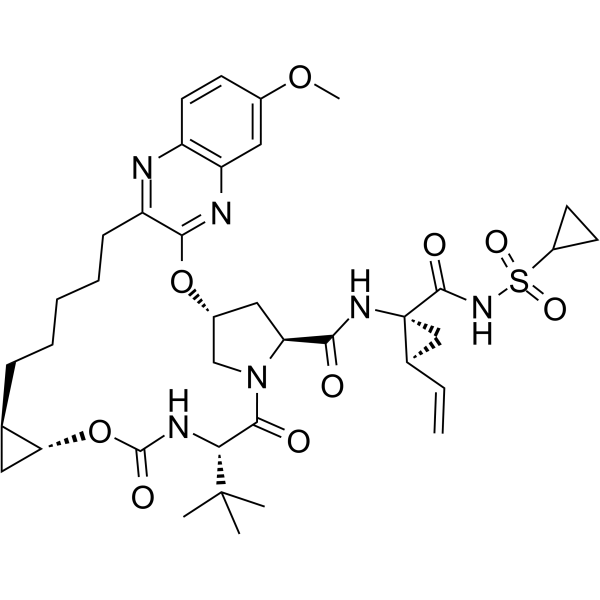
Grazoprevir (MK-5172) is a selective inhibitor of Hepatitis C virus NS3/4a protease with broad activity across genotypes and resistant variants, with Kis of 0.01 nM (gt1b), 0.01 nM (gt1a), 0.08 nM (gt2a), 0.15 nM (gt2b), 0.90 nM (gt3a), respectively . Grazoprevir inhibits SARS-CoV-2 3CL pro activity .
|
-
-
- HY-138794
-
XL177A
5 Publications Verification
|
Deubiquitinase
Histone Demethylase
SARS-CoV
|
Cancer
|
|
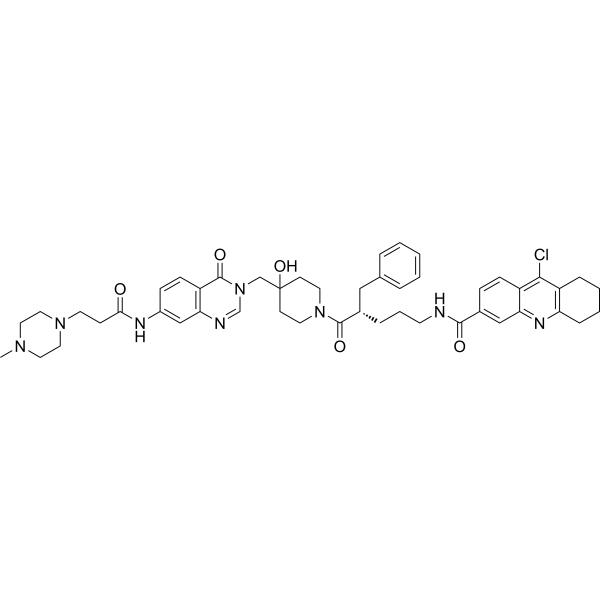
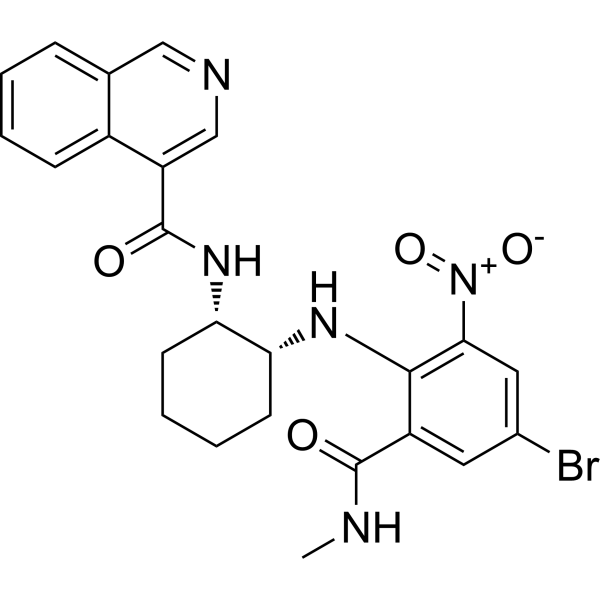
XL177A is a covalent USP7 inhibitor that blocks the deubiquitinase activity of USP7. XL177A destabilizes non-canonical PRC1 complexes or KDM6A and reduces chromatin deposition of H2AK119Ub, thereby relieving the repression of neuronal differentiation programs. Meanwhile, XL177A also regulates the ELOF1-UVSSA-USP7-nuclear β-catenin axis, decreasing the transcription levels of related proteins and the accumulation of nuclear β-catenin. XL177A exerts antiviral effects by reducing the expression levels of coronavirus receptors, and exhibits inhibitory activity against APC-mutated colorectal cancer cells, neuroblastoma, and coronaviruses including SARS-CoV-2 variants. XL177A is mainly used in studies related to colorectal cancer, neuroblastoma, and coronavirus infections .
|
-
-
- HY-N2183
-
|
Quercetin 3-O-sophoroside
|
SARS-CoV
|
Infection
Neurological Disease
|
|
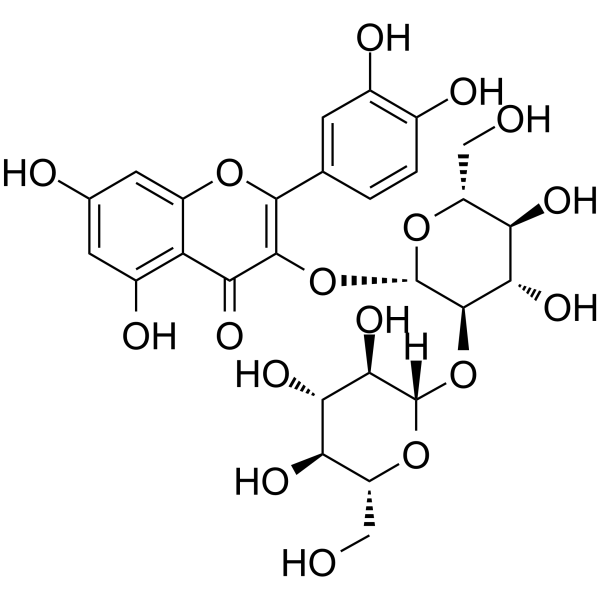
Baimaside (Quercetin 3-O-sophoroside) is a flavonoid cholinergic function modulator that binds to SARS-CoV-2-related targets. Baimaside regulates the expression of cholinergic system-related proteins and acetylcholine levels, improves scopolamine-induced learning and memory impairment, protects hippocampal neurons, inhibits pollen protein fluorescence, and protects pollen DNA. Its biosynthesis is regulated by multiple enzymes. Baimaside is completely absorbed in rats, undergoes phase Ⅱ metabolism and gut microbiota decomposition, and inhibits the invasion and proliferation of SARS-CoV-2 and its variants, making it suitable for research related to Alzheimer's disease and COVID-19 .
|
-
-
- HY-172437
-
|
S-892216
|
Virus Protease
SARS-CoV
|
Infection
|
|
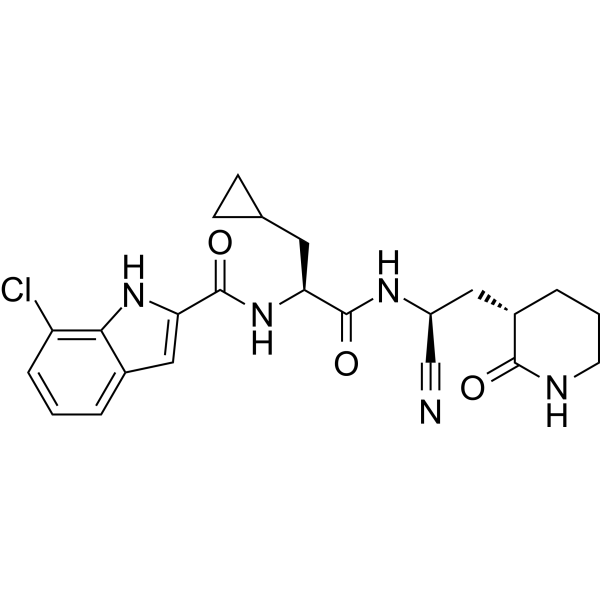
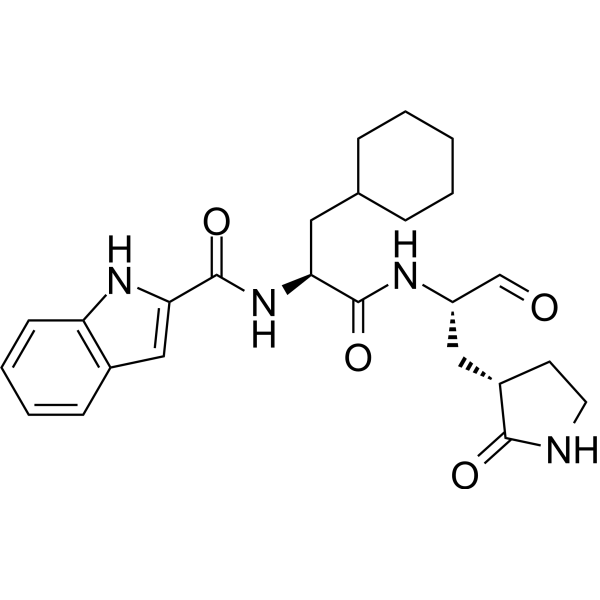
Secutrelvir is an oral SARS-CoV-2 3C-like protease (3CLpro) inhibitor and antiviral agent, with IC50 values of 0.655 nM and 0.697 nM against SARS-CoV-2 3CLpro, respectively. Secutrelvir forms a reversible covalent bond with the catalytic cysteine C145 of SARS-CoV-2 3CLpro, thereby inhibiting viral replication. Secutrelvir exhibits activity against multiple SARS-CoV-2 variants and can be used in research related to coronavirus disease 2019 (COVID-19) .
|
-
-
- HY-133894
-
|
FB2001
|
SARS-CoV
|
Infection
|
|
Bofutrelvir (FB2001) is a SARS-CoV-2 main protease M pro inhibitor with an IC50 value of 53 nM and an EC50 value of 0.53 μM. Bofutrelvir exhibits potent antiviral efficacy against several current SARS-CoV-2 variants with EC50 values of 0.26-0.42 μM. Bofutrelvir has an additive antiviral effect when combined with Remdesivir (HY-104077) .
|
-
-
- HY-152955
-
|
|
STING
|
Infection
Inflammation/Immunology
|
|
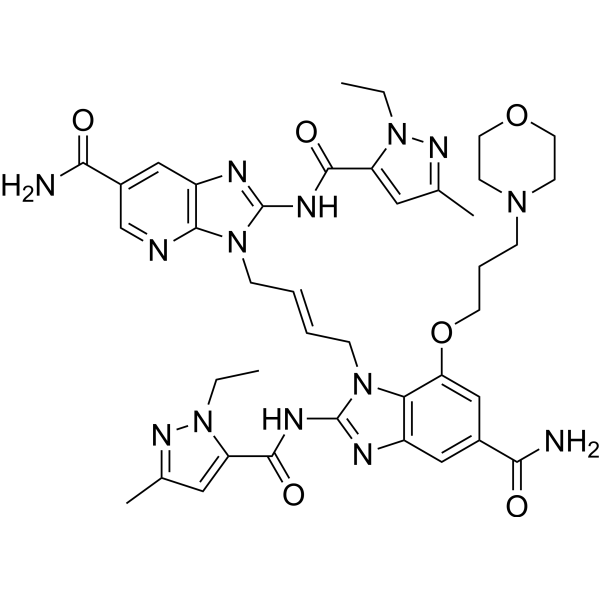
STING agonist-22 (CF501) is a potent non-nucleotide STING agonist. STING agonist-22 is a adjuvant by activating STING to induce the type I interferon (IFN-I) response and proinflammatory cytokine production. STING agonist-22 can be used as an adjuvant to boost the original protein vaccine, producing potent, broad, and long-term immune protection. STING agonist-22 can be used for SARS-CoV-2 variants and sarbecovirus diseases research .
|
-
-
- HY-145994
-
|
ATV006
|
SARS-CoV
|
Infection
|
|
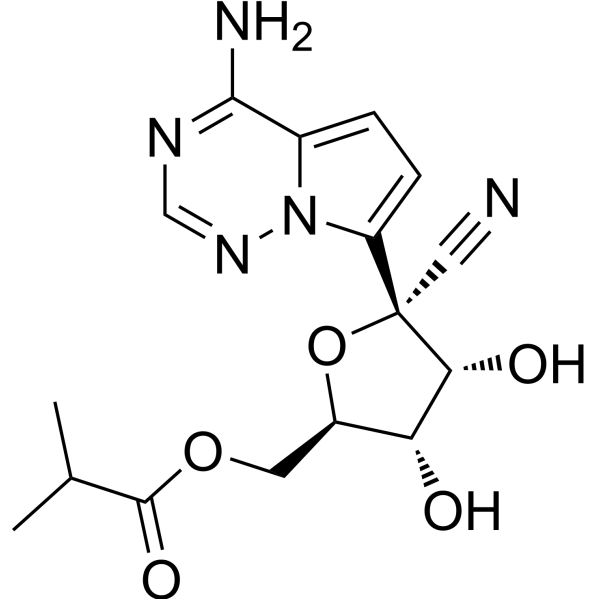
Obeldesivir (ATV006) is a potent, orally active antiviral agent and ester proagents of GS-441524. Obeldesivir inhibits the replication of SARS-CoV-2 and its variants. Obeldesivir can be used for SARS-CoV-2 research .
|
-
-
- HY-172760
-
|
|
SARS-CoV
|
Infection
|
|
CIM-834 is an orally effective inhibitor of SARS-CoV-2 membrane protein. CIM-834 can prevent the assembly of infectious virus particles without inhibiting the synthesis of viral RNA. CIM-834 can reduce the viral titer in the lungs of SCID mice infected nasally with SARS-CoV-2, block the spread of SARS-CoV-2 among Syrian hamsters, and inhibit the replication of SARS-CoV-2 (including variants) and SARS-CoV. CIM-834 can be used in related research on COVID-19 .
|
-
-
- HY-P99423
-
|
ADG 20
|
SARS-CoV
|
Infection
|
|
Adintrevimab (ADG 20) is a human IgG1 monoclonal SARS-CoV (SARS-CoV) antibody. Adintrevimab inhibits SARS-CoV-2 variants and other SARS-like coronaviruses with pandemic potential .
|
-
-
- HY-15298A
-
|
MK-5172 potassium salt
|
HCV
HCV Protease
SARS-CoV
|
Infection
|
|
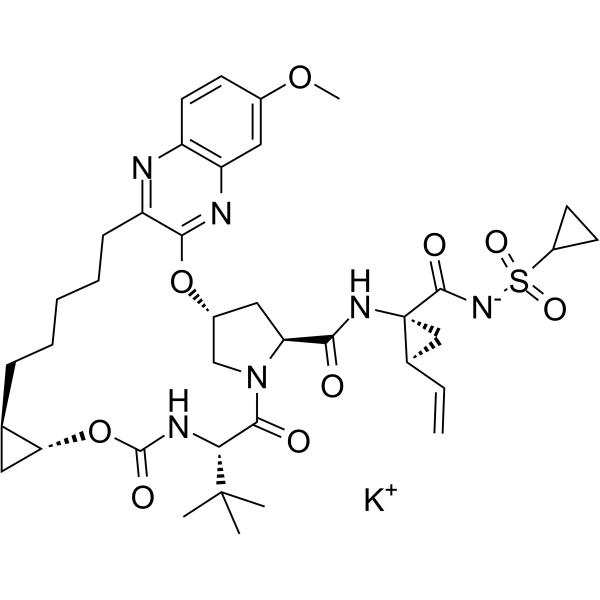
Grazoprevir potassium salt (MK-5172 potassium salt) is a selective inhibitor of Hepatitis C virus NS3/4a protease with broad activity across genotypes and resistant variants, with Kis of 0.01 nM (gt1b), 0.01 nM (gt1a), 0.08 nM (gt2a), 0.15 nM (gt2b), 0.90 nM (gt3a), respectively . Grazoprevir potassium salt inhibits SARS-CoV-2 3CL pro activity .
|
-
-
- HY-P99344
-
|
Anti-Human SARS-CoV-2
|
SARS-CoV
|
Infection
|
|
Bamlanivimab (Anti-Human SARS-CoV-2) is the first COVID-19 monoclonal antibody (mAb) to be granted Emergency Use Authorization (EUA) in November 2020 by the U.S. Food and agent Administration (FDA). However, Bamlanivimab is withdrawn in April 2021 following the rise of SARS-CoV-2 virus variants resistant to Bamlanivimab .
|
-
-
- HY-153228
-
|
PBI-0451
|
SARS-CoV
|
Infection
|
|
Pomotrelvir is a selective, competitive, orally active covalent inhibitor of the SARS-CoV-2 main protease (M pro), with an IC50 of 24 nM for wild-type SARS-CoV-2 M pro. Pomotrelvir inhibits viral polyprotein processing, thereby preventing viral replication. Pomotrelvir has shown broad antiviral activity against multiple SARS-CoV-2 variants (including Omicron) in cell-based experiments, and has an additive effect when combined with nucleoside analogs that target viral RNA synthesis. Pomotrelvir is primarily used for the research and development of COVID-19 antiviral drugs, especially for infections caused by SARS-CoV-2 and its variants .
|
-
-
- HY-P99103
-
|
LY-3853113; LY-CoV1404
|
SARS-CoV
|
Infection
|
|
Bebtelovimab a human IgG1-λ2 antibody targeting to SARS-CoV-2, especially COVID-19 ((the IC50 value for SARS-CoV-2/MT020880.1 virus is 9-22.1 ng/mL)). Bebtelovimab potently neutralizes SARS-CoV-2 variants, and inhibits COVID-19 with mild-to-moderate efficacy .
|
-
-
- HY-P99341
-
|
REGN10933
|
SARS-CoV
|
Infection
|
|
Casirivimab (REGN10933) is a human monoclonal antibody that targets the SARS-CoV-2 virus, which causes COVID-19. Casirivimab is ineffective against COVID-19 variants. Casirivimab can be used in combination with Imdevimab (HY-P99342), which alters the lung response of K18-hACE2 mice to the SARS-CoV-2 δ variant, effectively reducing viral load and improving symptoms .
|
-
-
- HY-149535
-
|
WU-04
|
SARS-CoV
|
Infection
|
|
Iscartrelvir (WU-04) is a non-covalent inhibitor of SARS-CoV-2, targeting the 3CLpro protein. Iscartrelvir has high inhibitory effect on the 3CLpro protein of 6 SARS-CoV-2 variants (Alpha, Beta, Gamma, Delta, Lambda and Omicron) and 2 coronaviruses (SARS-CoV and MERS-CoV) .
|
-
-
- HY-15298B
-
|
MK-5172 hydrate
|
HCV
HCV Protease
SARS-CoV
|
Infection
|
|
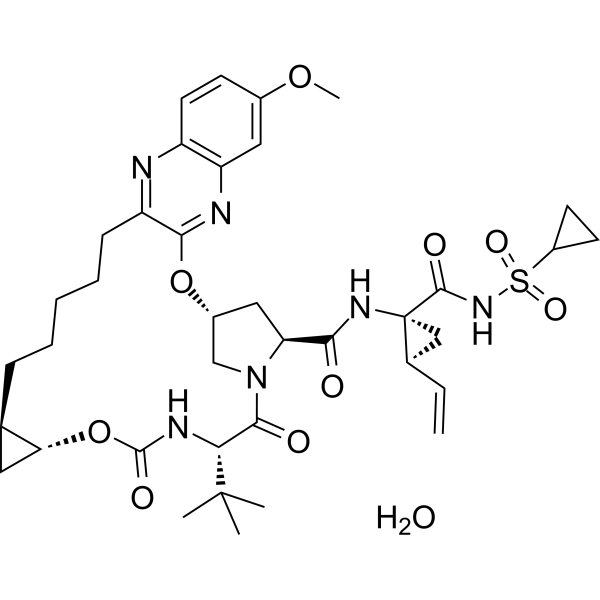
Grazoprevir hydrate (MK-5172 hydrate) is a selective inhibitor of Hepatitis C virus NS3/4a protease with broad activity across genotypes and resistant variants, with Kis of 0.01 nM (gt1b), 0.01 nM (gt1a), 0.08 nM (gt2a), 0.15 nM (gt2b), 0.90 nM (gt3a), respectively . Grazoprevir hydrate inhibits SARS-CoV-2 3CL pro activity .
|
-
-
- HY-139582
-
|
OC-02
|
nAChR
SARS-CoV
|
Infection
|
|
Simpinicline (OC-02), a highly selective nicotinic acetylcholine receptor (nAChR) agonist, shows potent antiviral activity against the SARS-CoV-2 variants in cell culture with an IC50 of 0.04 µM .
|
-
-
- HY-161356
-
|
|
DNA/RNA Synthesis
SARS-CoV
|
Infection
|
|
BPR3P0128 is an orally active, non-nucleoside RNA-dependent RNA polymerase (RdRp) inhibitor that has been shown to inhibit the activity of various SARS-CoV-2 variants. The EC50 for SARS-CoV-2 and HCoV-229E are 0.62 μM and 0.14 μM. BPR3P0128 demonstrates effective anti-pancoronavirus activity within the submicromolar range. PR3P0128 shows synergistic antiviral activity when combined with Remdesivir (HY-104077) .
|
-
-
- HY-176264
-
|
|
SARS-CoV
Virus Protease
Cytochrome P450
|
Infection
|
|
DNDI-6510 (Compound (S)-x38) is a non-covalent SARS-CoV-2 MPro inhibitor with a IC50 of 0.04 μM. DNDI-6510 has a potent antiviral activity across SARS-CoV-2 and its variants as well as a weak efficacy to SARS-CoV-1. DNDI-6510 significantly improves drug exposure in metabolically humanized mice model (8HUM) .
|
-
-
- HY-P99435
-
|
BRII-196
|
SARS-CoV
|
Infection
|
Amubarvimab (BRII-196) is a human IgG1 mAb that bind to non-competing epitopes on the receptor binding domain (RBD) of spike protein, with a KD of 5.88 nM. Amubarvimab can effectively neutralize SARS-CoV-2 variants .
|
-
-
- HY-161844
-
|
|
SARS-CoV
Dengue Virus
|
Infection
|
|
Virapinib is a macropinocytosis inhibitor with antiviral activity. Virapinib exhibits broad-spectrum antiviral activity against SARS-CoV-2, monkeypox virus, tick-borne encephalitis virus, and Ebola pseudotyped vesicular stomatitis virus, and it enhances Dengue Virus infection. Virapinib blocks viral entry by inhibiting macropinocytosis, reduces syncytium formation in SARS-CoV-2-infected cells, and impairs cellular entry of SARS-CoV-2 variants. Virapinib upregulates the expression of genes related to sterol biosynthesis. Virapinib can be used in studies related to COVID-19, monkeypox, tick-borne encephalitis, and Ebola virus infection .
|
-
-
- HY-162484
-
|
|
SARS-CoV
Virus Protease
|
Infection
|
|
GZNL-P36 is an orally active inhibitor for SARS-CoV-2 papain-like protease (PL pro), with an IC50 of 6.45 nM. GZNL-P36 inhibits SARS-CoV and its variants with EC50 range from 58.2 nM to 2.66 μM. GZNL-P36 exhibits a peak plasma concentration Cmax of 549 ng/mL, a half-life T1/2 of 1.45 h and a bioavailability of 74.7% in CD-1 mouse. GZNL-P36 exhibits antiviral activity in SARS-CoV-2 XXB.1 infection in mouse .
|
-
-
- HY-138794A
-
|
|
Deubiquitinase
|
Cancer
|
|
(Rac)-XL177A is the racemic isomer of XL177A (HY-138794). XL177A is a covalent USP7 inhibitor that blocks the deubiquitinase activity of USP7. XL177A destabilizes non-canonical PRC1 complexes or KDM6A and reduces chromatin deposition of H2AK119Ub, thereby relieving the repression of neuronal differentiation programs. Meanwhile, XL177A also regulates the ELOF1-UVSSA-USP7-nuclear β-catenin axis, decreasing the transcription levels of related proteins and the accumulation of nuclear β-catenin. XL177A exerts antiviral effects by reducing the expression levels of coronavirus receptors, and exhibits inhibitory activity against APC-mutated colorectal cancer cells, neuroblastoma, and coronaviruses including SARS-CoV-2 variants. XL177A is mainly used in studies related to colorectal cancer, neuroblastoma, and coronavirus infections .
|
-
-
- HY-168916
-
|
|
SARS-CoV
Virus Protease
|
|
|
Jun13296 is an orally active quinoline SARS-CoV-2 papain-like protease inhibitor (IC50 = 0.13 µM, Ki = 8.8 nM). Jun13296 exhibits potent inhibition against SARS-CoV-2 variants and Nirmatrelvir (HY-138687)-resistant mutants. Jun13296 improves lung viral titers, and prevents lung tissue damage in a SARS-CoV-2 infection model .
|
-
-
- HY-175344
-
|
|
SARS-CoV
Virus Protease
Ser/Thr Protease
|
Infection
Inflammation/Immunology
|
|
TMP1 is an orally active bispecific inhibitor of M pro (IC50 = 312.5 nM)/TMPRSS2 (IC50 = 1.28 μM, KD = 10.10 μM). TMP1 exhibits broad protection against different SARS-CoV-2 variants in vitro. TMP1 cross-protects against highly pathogenic coronaviruses (SARS-CoV-1, SARS-CoV-2, and MERS-CoV) in vivo and effectively blocks the transmission of SARS-CoV-2. TMP1 can inhibit infection by SARS-CoV-2 escape mutants that are resistant to Nivolumab (HY-P9903). TMP1 can be used in coronavirus research .
|
-
-
- HY-175029
-
|
|
SARS-CoV
Virus Protease
|
Infection
|
|
ALG-097558 is an orally active 3CLpro inhibitor. ALG-097558 demonstrates pan-coronavirus activity against various SARS-CoV-2 variants as well as other human coronaviruses (HCoVs) such as SARS-CoV-1, α-HCoV 229E, and β-HCoV OC43. ALG-097558 demonstrates potent inhibition with IC50s of 2 nM (SARS-CoV-2 3CLpro) and 6 nM (229E 3CLpro). ALG-097558 demonstrates antiviral activity in the SARS-CoV-2 hamster infection model. ALG-097558 can be used for the study of viral infections[1].
|
-
-
- HY-178435
-
|
|
SARS-CoV
|
Infection
|
|
SARS-CoV-2 Mpro-IN-48 is a potent SARS-CoV-2 main protease inhibitor with an IC50 of 21.1 nM. SARS-CoV-2 Mpro-IN-48 exhibits potent antiviral activity against the SARS-CoV-2 JN.1 variant. SARS-CoV-2 Mpro-IN-48 can be used for the research of infection, such as COVID-19 .
|
-
-
- HY-173148
-
|
|
SARS-CoV
|
Infection
|
|
TKB272 is an orally active and selective antiviral agent targeting the main protease (Mpro) of SARS-CoV-2. It effectively blocks the infection and replication of various SARS-CoV-2 strains, including Omicron variants such as XBB.1.5 and EG.5.1. The enzymatic inhibitory activity of TKB272 shows an IC50 of 0.7 µM (against SARS-CoV-2WK-521 Mpro), and its antiviral activity at the cellular level reaches an EC50 as low as 2.6 nM (against BQ.1.1 strain in HeLahACE2-TMPRSS2 cells), with a cytotoxicity CC50 of 98 µM, indicating no apparent toxicity. In addition, TKB272 significantly suppresses the replication of SARS-CoV-2XBB.1.5 in B6.Cg-Tg(K18-hACE2)2-Prlmn/J transgenic mouse models. TKB272 holds promise for research in the field of SARS-CoV-2 infection .
|
-
-
- HY-109072
-
|
|
DNA/RNA Synthesis
SARS-CoV
|
Infection
|
|
Riamilovir is an antiviral drug whose activity is primarily directed against RNA viruses. Riamilovir acts directly on the virus's RNA-dependent RNA polymerase, thereby preventing the virus from replicating. This mechanism allows Riamilovir to effectively reduce the amount of virus, accelerate the relief of symptoms, and help reduce the severity of the disease. Riamilovir can be used in the study of acute respiratory viral infections caused by new variants of SARS-CoV-2 .
|
-
-
- HY-151988
-
|
|
SARS-CoV
|
Infection
|
|
SARS-CoV-2-IN-36 is a potent SARS-CoV-2 Mpro (SARS-CoV) inhibitor with an IC50 of 2.37 μM and a Kd of 1.19 μM in enzymatic assays. SARS-CoV-2-IN-36 shows antiviral activity against UC-1074, RG2674, and NVDBB-2220 SARS-CoV-2 variants in Vero cells .
|
-
-
- HY-15298C
-
|
MK-5172 sodium salt
|
HCV
HCV Protease
SARS-CoV
|
Infection
|
|
Grazoprevir sodium salt (MK-5172 sodium salt) is a selective inhibitor of Hepatitis C virus NS3/4a protease with broad activity across genotypes and resistant variants, with Kis of 0.01 nM (gt1b), 0.01 nM (gt1a), 0.08 nM (gt2a), 0.15 nM (gt2b), 0.90 nM (gt3a), respectively . Grazoprevir sodium salt inhibits SARS-CoV-2 3CL pro activity .
|
-
-
- HY-175712
-
|
|
SARS-CoV
Virus Protease
|
Infection
|
|
SARS-CoV-2 Mpro-IN-47 is an orally active SARS-CoV-2 Mpro reversible covalent Inhibitor. SARS-CoV-2 Mpro-IN-47 shows potent antiviral activity against several clinical variants of SARS-CoV-2. SARS-CoV-2 Mpro-IN-47 can be used for the research of infection, such as SARS-CoV-2 .
|
-
-
- HY-168600
-
|
|
SARS-CoV
|
Infection
|
|
SARS-CoV-2 Mpro-IN-32 (Compound 1) is a selective inhibitor of SARS-CoV-2 M Pro with an IC50 value of 230 nM. SARS-CoV-2 Mpro-IN-32 can also inhibit the replication of multiple SARS-CoV-2 variants in vitro .
|
-
-
- HY-174385
-
|
|
SARS-CoV
|
Infection
|
|
SARS-CoV-2-IN-114 (Compound 36) is an antiviral agent. SARS-CoV-2-IN-114 exhibits significant antiviral activity against both the SARS-CoV-2 original strain and the Delta variant. SARS-CoV-2-IN-114 has an EC50 of 0.29 μM for inhibiting CPE of the SARS-CoV-2 original strain, and that for the Delta variant is 5.77 μM. SARS-CoV-2-IN-114 has low cytotoxicity and can be used in coronavirus research .
|
-
-
- HY-169224
-
|
|
SARS-CoV
|
Infection
|
|
SARS-CoV-2-IN-100 (Compound 172) is an inhibitor of SARS-CoV-2, demonstrating broad-spectrum antiviral activity against various SARS-CoV-2 variants. SARS-CoV-2-IN-100 exhibits synergistic effects with Nirmatrelvir, which can reduce the risk of antiviral drug resistance .
|
-
-
- HY-149304
-
|
|
SARS-CoV
|
Infection
|
|
SARS-CoV-2-IN-40 (Compound 19) is a SARS-CoV-2 inhibitor. SARS-CoV-2-IN-40 inhibits SARS-CoV-2 BA.1 and BA.5 variant infection of Calu3 lung cells, with IC50s of 100 nM and 160 nM respectively .
|
-
-
- HY-P10976
-
|
|
SARS-CoV
|
Infection
|
|
Spike Glycoprotein (1147-1162) is a linear and broadly neutralizing peptide in the S2 protein of SARS-CoV-2. Spike Glycoprotein (1147-1162) is conserved across SARS-CoV, BatCoV RaTG13, SARS-CoV-2, and SARS-CoV-2 variants. Spike Glycoprotein (1147-1162)-targeting mAbs can neutralize both SARS-CoV-2 and SARS-CoV by preventing fusion between the virus and cell membrane. Spike Glycoprotein (1147-1162) can be used for universal vaccines against SARS-CoV-2 mutants research .
|
-
-
- HY-178772
-
|
|
SARS-CoV
|
Infection
|
|
SARS-CoV-2 Mpro-IN-50 (Compound 30) is a noncovalent SARS-CoV-2 Mpro inhibitor with an IC50 of 14 nM. SARS-CoV-2 Mpro-IN-50 is also a pan-CoV Mpro inhibitor with IC50 s of 20-190 nM for SARS-CoV-1 Mpro, 229E Mpro, HKU1 Mpro, MERS Mpro, NL63 Mpro and OC43 Mpro. SARS-CoV-2 Mpro-IN-50 has significant antiviral activity against the SARS-CoV-2 omicron variant (EC50 : 22 nM). SARS-CoV-2 Mpro-IN-50 can be used for coronavirus infections research .
|
-
-
- HY-161777
-
|
|
SARS-CoV
Virus Protease
|
Infection
|
|
SARS-CoV-2 Mpro-IN-23 (Compound 2) is an inhibitor for SARS-CoV-2 main protease (Mpro), which inhibits wildtype Mpro and mutant Mpro variants, with IC50 of 0.057-0.92 μM. SARS-CoV-2 Mpro-IN-23 inhibits the post-entry viral processes of wild-type SARS-CoV-2 single-round infectious particles (SRIPs), suppresses the viral replication of Mpro wildtype and Mpro mutants with EC50 of 0.02-0.52 μM .
|
-
-
- HY-159477
-
|
|
SARS-CoV
|
Infection
Inflammation/Immunology
|
|
SARS-CoV-2-IN-92 (compound 11) inhibits SARS-CoV-2 variants (EC50 = 0.48 μM), as well as SARS-CoV and MERS-CoV. SARS-CoV-2-IN-92 (compound 11) potently and selectively blocks ERα-Glu II .
|
-
-
- HY-162550
-
|
|
SARS-CoV
|
Infection
|
|
Jobosic acid, a saturated fatty acid, is a selective SARS-CoV-2 inhibitor. Jobosic acid inhibits Mpro and spike-RBD/ACE-2 interaction with IC50 values of 7.5 μg/mL and 3 μg/mL, respectively. Jobosic acid shows viral entry inhibition for the omicron SARS-CoV-2 variant .
|
-
-
- HY-P3492
-
|
|
SARS-CoV
|
Infection
|
|
SARS-CoV-2-IN-34 (S-20-1) is a blood brain barrier penetrable pan-coronavirus (CoV) fusion inhibitor with broad-spectrum inhibitory activity. SARS-CoV-2-IN-34 effectively inhibits infection by pseudotyped and authentic SARS-CoV-2, and pseudotyped variants of concern (VOCs). SARS-CoV-2-IN-34 shows high affinity to RBD in S1 and HR1 domain in S2 of SARS-CoV-2 S protein. SARS-CoV-2-IN-34 can be used for the research of infection .
|
-
-
- HY-149368
-
|
|
SARS-CoV
|
Infection
|
|
SARS-CoV-2-IN-51 (S-10) is a potent lead compound of Omicron fusion inhibitor. SARS-CoV-2-IN-51 inhibits Omicron and other variants with EC50s of 0.82-5.45 μM. SARS-CoV-2-IN-51 inhibits SARS-CoV-2 virus entry, by the direct interaction with S in the prefusion state .
|
-
-
- HY-151265
-
|
|
SARS-CoV
|
Infection
|
|
MMT5-14 is a remdesivir analogue with a higher antiviral activity in four variants of SARS-CoV-2 than Remdesivir (HY-104077). MMT5-14 inhibits SARS-CoV-2, α, β, γ and δ variants with EC50s of 0.4, 2.5, 15.9, 1.7 and 5.6 μM, respectively. MMT5-14 can be used for the research of COVID-19 .
|
-
-
- HY-172214
-
|
|
SARS-CoV
Virus Protease
|
Infection
|
|
AB-343 is a selective covalent inhibitor of SARS-CoV-2 Mpro, with an IC50 of 8 nM and a Ki of 2.8 nM. AB-343 can effectively inhibit the main proteases of SARS-CoV-2 and many other coronaviruses, and is also active against some resistant variants. AB-343 can be used in the research of treating coronavirus infection-related diseases .
|
-
-
- HY-P10855
-
|
|
SARS-CoV
|
Infection
|
|
S1b3inL1 is a SARS-CoV-2 spike protein macrocyclic peptide inhibitor. S1b3inL1 can bind the conserved site of spike protein with high affinity and inhibit the infection of various SARS-CoV-2 variant strains. S1b3inL1 has antiviral activity .
|
-
-
- HY-168917
-
|
9-AMN
|
SARS-CoV
Virus Protease
|
Infection
|
|
9-Aminominocycline (9-AMN) is the inhibitor for SARS-CoV-2 papain-like protease (SARS-CoV-2 PLpro), inhibits its deubiquitination (DUB) activity and protease activity with IC50 of 4.55 µM and 4.15 µM. 9-Aminominocycline inhibits the SARS-CoV variants Delta and Omicron replication in Calu-3 cell with IC50 of 1.04 µM and 2.35 µM .
|
-
-
- HY-155144
-
|
|
SARS-CoV
|
Infection
|
|
CDD-1845 is a non-covalent and non-peptide potent SARS-CoV-2 Mpro inhibitor with a Ki of 3 nM. CDD-1845 also inhibits ΔP168, A173V, and ΔP168/A173V Mpro variants .
|
-
-
- HY-155142
-
|
|
SARS-CoV
|
Infection
|
|
CDD-1819 is a non-covalent and non-peptide potent SARS-CoV-2 Mpro inhibitor with a Ki of 5 nM. CDD-1819 also inhibits ΔP168, A173V, and ΔP168/A173V Mpro variants .
|
-
-
- HY-155143
-
|
|
SARS-CoV
|
Infection
|
|
CDD-1733 is a non-covalent and non-peptide potent SARS-CoV-2 Mpro inhibitor with a Ki of 12 nM. CDD-1733 also inhibits ΔP168, A173V, and ΔP168/A173V Mpro variants .
|
-
- HY-173459
-
|
|
SARS-CoV
|
Infection
|
|
N-0920 is a potent TMPRSS2 inhibitor with an IC50 of 0.35 nM. N-0920 effectively inhibits SARS-CoV-2 variants EG.5.1 and JN.1 entry in Calu-3 cells, with picomolar EC50s values of 300 pM and 90 pM, respectively .
|
-
- HY-173411
-
|
|
Glycosidase
SARS-CoV
|
Infection
Inflammation/Immunology
|
|
DNJ-20 is an α-glucosidase inhibitor (IC50: 55.3 μg/mL). DNJ-20 has broad-spectrum anti-SARS-CoV-2 activity. DNJ-20 inhibits the correct processing of viral glycoproteins by interfering with the endoplasmic reticulum-associated glycoprotein folding process (ERQC), thereby blocking the formation and infection of viral particles. DNJ-20 has IC50 values up to 1.49 uM against several SARS-CoV-2 variants, as well as HCoV-229E and HCoV-0C43。DNJ-20 can be used for pan-coronavirus research .
|
-
- HY-144120
-
|
|
SARS-CoV
|
Infection
|
|
αGalCer-RBD is a self-adjuvanting lipoprotein conjugate. αGalCer-RBD induces potent immunity against SARS-CoV-2 and its variants of concern. αGalCer-RBD conjugate induces RBD-specific, cytokine-producing T cell development. αGalCer-RBD has great potential to be an effective COVID-19 vaccine candidate. α-Galactosylceramide (αGalCer) is a potent invariant natural killer T cell (iNKT) agonist . RBD: receptor-binding domain
|
-
- HY-163913
-
|
|
SARS-CoV
|
Infection
|
|
SARS-CoV-IN-5 (compound 49) is a highly selective, nonpeptidic and noncovalent 3CL pro inhibitor with IC50s of 38 nM, 21.1 nM and 86 nM for 3CL pro of SARS-CoV-1, SARS-CoV-2, Bat coronavirus WIV1, respectively. SARS-CoV-IN-5 inhibits the replication of the SARS-CoV-2 delta variant with an EC50 of 0.272 μM. SARS-CoV-IN-5 significantly reduces the lung viral copies in a K18-hACE2 transgenic mouse model. SARS-CoV-IN-5 has good target-specific and potential broad-spectrum anticoronavirus activities against SARS-CoV-1, WIV1, MERS, HCoV-OC43, HCoV-229E, and HKU9 .
|
-
- HY-N2183R
-
|
Quercetin 3-O-sophoroside (Standard)
|
Reference Standards
SARS-CoV
|
Others
|
|
Baimaside (Standard) is the analytical standard of Baimaside. This product is intended for research and analytical applications. Baimaside (Quercetin 3-O-sophoroside) is a flavonoid cholinergic function modulator that binds to SARS-CoV-2-related targets. Baimaside regulates the expression of cholinergic system-related proteins and acetylcholine levels, improves scopolamine-induced learning and memory impairment, protects hippocampal neurons, inhibits pollen protein fluorescence, and protects pollen DNA. Its biosynthesis is regulated by multiple enzymes. Baimaside is completely absorbed in rats, undergoes phase Ⅱ metabolism and gut microbiota decomposition, and inhibits the invasion and proliferation of SARS-CoV-2 and its variants, making it suitable for research related to Alzheimer's disease and COVID-19 .
|
-
- HY-182913
-
|
|
SARS-CoV
|
Infection
|
|
SARS-CoV-2-IN-122 is a SARS-CoV-2 inhibitor by targeting the S2 subunit of the spike protein. SARS-CoV-2-IN-122 interacts with residues linked to membrane fusion-associated conformational rearrangements, interfering with viral entry events. SARS-CoV-2-IN-122 inhibits SARS-CoV-2 replication, lacks direct virucidal activity, and does not impair viral-host cell attachment. SARS-CoV-2-IN-122 exhibits activity against SARS-CoV-2 variants including B.1 and Omicron (BA.2.86.1). SARS-CoV-2-IN-122 can be used for the research of coronavirus disease 2019 (COVID-19) .
|
-
- HY-182894
-
|
|
Virus Protease
SARS-CoV
|
Infection
|
|
MR1-114 is an orally active SARS-CoV-2 papain-like protease (PLpro) inhibitor with an IC50 of 0.037 μM. As a broad-spectrum inhibitor, MR1-114 maintains submicromolar activity against SARS-CoV-2 Delta, Omicron B.1.1.529 and Omicron BA.5 variants, with EC50 values of 0.18 μM, 0.39 μM and 0.20 μM, respectively. MR1-114 can be used for the research of coronavirus disease 2019 (SARS-CoV-2 infection) .
|
-
- HY-181263
-
|
|
SARS-CoV
Virus Protease
|
Infection
|
|
Jun13698 is a SARS-CoV-2 main protease (M pro) inhibitor with Ki values of 65.6 nM, 510.0 nM, and 117.5 nM against the wild-type, E166V, and E166A mutants, respectively. Jun13698 forms stable complexes with wild-type and mutant M pro to mediate enzyme inhibition. Jun13698 exhibits antiviral activity against SARS-CoV-2 variants carrying the E166V/A mutation. Jun13698 is applicable to COVID-19-related research .
|
-
- HY-183752
-
|
|
SARS-CoV
Virus Protease
|
Infection
|
|
CG-0988 is a selective SARS-CoV-2 3C-like protease (3CL pro) inhibitor with an IC50 of 8.5 nM. CG-0988 functionally inhibits SARS-CoV-2 3CL pro, blocks SARS-CoV-2 replication, and exerts antiviral activity against SARS-CoV-2 variants. CG-0988 can be used in research related to coronavirus disease 2019 (COVID-19) .
|
-
- HY-168472
-
|
|
SARS-CoV
|
Infection
|
|
13-TP prodrug (compound 15) is a potent and orally active anti-SARS-CoV-2 agent. 13-TP prodrug shows cytotoxicity. 13-TP prodrug decreases the SARS-CoV-2 N protein expression. 13-TP prodrug shows antiviral activity .
|
-
- HY-180129
-
|
|
SARS-CoV
|
Infection
|
|
SARS-CoV-2-IN-120 (Compound S22) is a SARS-CoV-2-specific entry inhibitor. SARS-CoV-2-IN-120 binds and trimerizes within the apex cavity of the SARS2 spike trimer. SARS-CoV-2-IN-120 blocks RBD-ACE2 interaction. SARS-CoV-2-IN-120 neutralizes BA.2 and subsequent Omicron variants. SARS-CoV-2-IN-120 inhibits SARS-CoV-2 replication in mice .
|
-
- HY-175829
-
|
|
SARS-CoV
|
Infection
|
|
SARS-CoV-2-IN-119 (Compound A28) is a SARS-CoV-2 fusion inhibitor. SARS-CoV-2-IN-119 strongly inhibits Omicron entry with an EC50s of 1.95 and 1.08 μM for pOmicron (BA.2.86.1) and wild Omicron. SARS-CoV-2-IN-119 also has antiviral activities against wild SARS-CoV-2 and other variants, such as pseudotyped Delta SARS-CoV-2, pOmicron (BA.4) and (KP.3). SARS-CoV-2-IN-119 directly interferes with Omicron S2-mediated viral membrane fusion to block Omicron virus into host cells. SARS-CoV-2-IN-119 can be used for COVID-19 research .
|
-
- HY-181661
-
|
|
SARS-CoV
Virus Protease
|
Infection
|
|
YL1004 is a potent, selective and orally active noncovalent inhibitor of SARS-CoV-2 papain-like protease (PL pro). YL1004 shows an IC50 of 17.5 nM and a Ki of 2.3 nM against PL pro, with an in vitro anti-SARS-CoV-2 EC50 of 0.08 μM-1.37 μM. YL1004 suppresses the proteolytic activity of PL pro and blocks its deubiquitinating and deISGylating effects to restore host innate antiviral immune signaling. YL1004 inhibits the replication of wild-type, Delta, Omicron variants and nirmatrelvir-resistant strains of SARS-CoV-2. YL1004 can be used for the research of COVID-19 (SARS-CoV-2 infection) .
|
-
- HY-P991763
-
|
|
SARS-CoV
|
Infection
|
|
Anti-SARS-CoV-2 S protein (RBD) Antibody (SARS2-38) reacts with many variants of SARS-CoV-2 that binds a conserved epitope on the RBD (amino acids K444 and G446). Anti-SARS-CoV-2 S protein (RBD) Antibody (SARS2-38) does not cross-react with the SARS-CoV-1 spike protein. Recommend Isotype Controls: Mouse IgG1 kappa, Isotype Control (HY-P99977) .
|
-
- HY-180229
-
|
|
SARS-CoV
|
Infection
|
|
GK730 is a potent and selective SARS-CoV-2 main protease inhibitor with an IC50 of 5.75 nM. GK730 does not inhibit cathepsin B, while exhibits weak inhibition of cathepsin L (IC50 = 11 μM). GK730 can simultaneously block the replication of the virus and the entry pathways for variants such as Omicron into cells. GK730 demonstrates an EC50 value of 5.70 μM against a wild-type SARS-CoV-2 strain in Vero E6 cells and CC50 value greater than 100 μM. GK730 can be used for the research of COVID-19 .
|
-
- HY-179634
-
|
|
SARS-CoV
HIV
Enterovirus
Angiotensin-converting Enzyme (ACE)
RSV
Filovirus
|
Infection
|
|
ASF-006 sodium, a tetrapodal tryptophan derivative, is a potent viral invasion inhibitor. ASF-006 sodium shows potent antiviral activity against different SARS-CoV-2 Omicron variants but not against the ancestral SARS-CoV.2 strain (Wuhan-Hu-1). ASF-006 sodium competitively inhibits receptor-binding domain (RBD)-ACE2 binding via an allosteric mechanism. ASF-006 sodium inhibits Omicron BA.1, Omicron XBB.1.5, respiratory syncytial virus (RSV) and Ebola virus infection with IC50s of 0.02 μM, 0.3 μM, 1.52 μM and 0.2 μM, respectively. ASF-006 sodium inhibits cell entry of both HIV and enterovirus A71[1].
|
-
- HY-138794G
-
|
|
Deubiquitinase
SARS-CoV
Histone Demethylase
|
Cancer
|
|
XL177A GMP is XL177A (HY-138794) produced by using GMP guidelines. GMP small molecules works appropriately as an auxiliary reagent for cell therapy manufacture. XL177A is a covalent USP7 inhibitor that blocks the deubiquitinase activity of USP7. XL177A destabilizes non-canonical PRC1 complexes or KDM6A and reduces chromatin deposition of H2AK119Ub, thereby relieving the repression of neuronal differentiation programs. Meanwhile, XL177A also regulates the ELOF1-UVSSA-USP7-nuclear β-catenin axis, decreasing the transcription levels of related proteins and the accumulation of nuclear β-catenin. XL177A exerts antiviral effects by reducing the expression levels of coronavirus receptors, and exhibits inhibitory activity against APC-mutated colorectal cancer cells, neuroblastoma, and coronaviruses including SARS-CoV-2 variants. XL177A is mainly used in studies related to colorectal cancer, neuroblastoma, and coronavirus infections .
|
-
- HY-184171
-
|
|
SARS-CoV
Virus Protease
|
Infection
|
|
mCMX110 is an orally active SARS-CoV-2 main protease inhibitor with an IC50 of 35 nM. mCMX110 inhibits SARS-CoV-2 infection. SARS-CoV-2 mCMX110 can be used for the research of SARS-CoV-2 infection .
|
-
| Cat. No. |
Product Name |
Type |
-
- HY-138794G
-
|
|
Fluorescent Dyes
|
|
XL177A GMP is XL177A (HY-138794) produced by using GMP guidelines. GMP small molecules works appropriately as an auxiliary reagent for cell therapy manufacture. XL177A is a covalent USP7 inhibitor that blocks the deubiquitinase activity of USP7. XL177A destabilizes non-canonical PRC1 complexes or KDM6A and reduces chromatin deposition of H2AK119Ub, thereby relieving the repression of neuronal differentiation programs. Meanwhile, XL177A also regulates the ELOF1-UVSSA-USP7-nuclear β-catenin axis, decreasing the transcription levels of related proteins and the accumulation of nuclear β-catenin. XL177A exerts antiviral effects by reducing the expression levels of coronavirus receptors, and exhibits inhibitory activity against APC-mutated colorectal cancer cells, neuroblastoma, and coronaviruses including SARS-CoV-2 variants. XL177A is mainly used in studies related to colorectal cancer, neuroblastoma, and coronavirus infections .
|
| Cat. No. |
Product Name |
Type |
-
- HY-138794G
-
|
|
Biochemical Assay Reagents
|
|
XL177A GMP is XL177A (HY-138794) produced by using GMP guidelines. GMP small molecules works appropriately as an auxiliary reagent for cell therapy manufacture. XL177A is a covalent USP7 inhibitor that blocks the deubiquitinase activity of USP7. XL177A destabilizes non-canonical PRC1 complexes or KDM6A and reduces chromatin deposition of H2AK119Ub, thereby relieving the repression of neuronal differentiation programs. Meanwhile, XL177A also regulates the ELOF1-UVSSA-USP7-nuclear β-catenin axis, decreasing the transcription levels of related proteins and the accumulation of nuclear β-catenin. XL177A exerts antiviral effects by reducing the expression levels of coronavirus receptors, and exhibits inhibitory activity against APC-mutated colorectal cancer cells, neuroblastoma, and coronaviruses including SARS-CoV-2 variants. XL177A is mainly used in studies related to colorectal cancer, neuroblastoma, and coronavirus infections .
|
| Cat. No. |
Product Name |
Target |
Research Area |
-
- HY-P10976
-
|
|
SARS-CoV
|
Infection
|
|
Spike Glycoprotein (1147-1162) is a linear and broadly neutralizing peptide in the S2 protein of SARS-CoV-2. Spike Glycoprotein (1147-1162) is conserved across SARS-CoV, BatCoV RaTG13, SARS-CoV-2, and SARS-CoV-2 variants. Spike Glycoprotein (1147-1162)-targeting mAbs can neutralize both SARS-CoV-2 and SARS-CoV by preventing fusion between the virus and cell membrane. Spike Glycoprotein (1147-1162) can be used for universal vaccines against SARS-CoV-2 mutants research .
|
-
- HY-P3492
-
|
|
SARS-CoV
|
Infection
|
|
SARS-CoV-2-IN-34 (S-20-1) is a blood brain barrier penetrable pan-coronavirus (CoV) fusion inhibitor with broad-spectrum inhibitory activity. SARS-CoV-2-IN-34 effectively inhibits infection by pseudotyped and authentic SARS-CoV-2, and pseudotyped variants of concern (VOCs). SARS-CoV-2-IN-34 shows high affinity to RBD in S1 and HR1 domain in S2 of SARS-CoV-2 S protein. SARS-CoV-2-IN-34 can be used for the research of infection .
|
-
- HY-P10855
-
|
|
SARS-CoV
|
Infection
|
|
S1b3inL1 is a SARS-CoV-2 spike protein macrocyclic peptide inhibitor. S1b3inL1 can bind the conserved site of spike protein with high affinity and inhibit the infection of various SARS-CoV-2 variant strains. S1b3inL1 has antiviral activity .
|
-
- HY-173459
-
|
|
SARS-CoV
|
Infection
|
|
N-0920 is a potent TMPRSS2 inhibitor with an IC50 of 0.35 nM. N-0920 effectively inhibits SARS-CoV-2 variants EG.5.1 and JN.1 entry in Calu-3 cells, with picomolar EC50s values of 300 pM and 90 pM, respectively .
|
| Cat. No. |
Product Name |
Target |
Research Area |
Image |
-
- HY-P99423
-
|
ADG 20
|
SARS-CoV
|
Infection
|
|
Adintrevimab (ADG 20) is a human IgG1 monoclonal SARS-CoV (SARS-CoV) antibody. Adintrevimab inhibits SARS-CoV-2 variants and other SARS-like coronaviruses with pandemic potential .
|
-
(5)
-
- HY-P99344
-
|
Anti-Human SARS-CoV-2
|
SARS-CoV
|
Infection
|
|
Bamlanivimab (Anti-Human SARS-CoV-2) is the first COVID-19 monoclonal antibody (mAb) to be granted Emergency Use Authorization (EUA) in November 2020 by the U.S. Food and agent Administration (FDA). However, Bamlanivimab is withdrawn in April 2021 following the rise of SARS-CoV-2 virus variants resistant to Bamlanivimab .
|
-
(5)
-
- HY-P99103
-
|
LY-3853113; LY-CoV1404
|
SARS-CoV
|
Infection
|
|
Bebtelovimab a human IgG1-λ2 antibody targeting to SARS-CoV-2, especially COVID-19 ((the IC50 value for SARS-CoV-2/MT020880.1 virus is 9-22.1 ng/mL)). Bebtelovimab potently neutralizes SARS-CoV-2 variants, and inhibits COVID-19 with mild-to-moderate efficacy .
|
-
(5)
-
- HY-P99341
-
|
REGN10933
|
SARS-CoV
|
Infection
|
|
Casirivimab (REGN10933) is a human monoclonal antibody that targets the SARS-CoV-2 virus, which causes COVID-19. Casirivimab is ineffective against COVID-19 variants. Casirivimab can be used in combination with Imdevimab (HY-P99342), which alters the lung response of K18-hACE2 mice to the SARS-CoV-2 δ variant, effectively reducing viral load and improving symptoms .
|
-
(5)
-
- HY-P99435
-
|
BRII-196
|
SARS-CoV
|
Infection
|
Amubarvimab (BRII-196) is a human IgG1 mAb that bind to non-competing epitopes on the receptor binding domain (RBD) of spike protein, with a KD of 5.88 nM. Amubarvimab can effectively neutralize SARS-CoV-2 variants .
|
-
(5)
-
- HY-P991763
-
|
|
SARS-CoV
|
Infection
|
|
Anti-SARS-CoV-2 S protein (RBD) Antibody (SARS2-38) reacts with many variants of SARS-CoV-2 that binds a conserved epitope on the RBD (amino acids K444 and G446). Anti-SARS-CoV-2 S protein (RBD) Antibody (SARS2-38) does not cross-react with the SARS-CoV-1 spike protein. Recommend Isotype Controls: Mouse IgG1 kappa, Isotype Control (HY-P99977) .
|
-
(5)
| Cat. No. |
Product Name |
Category |
Target |
Chemical Structure |
-
- HY-N2183
-
-
-
- HY-N2183R
-
|
Quercetin 3-O-sophoroside (Standard)
|
Apocynaceae
Flavonols
Structural Classification
Flavonoids
Phenols
Polyphenols
Plants
Apocynum venetum Linn.
Source Classification
|
Reference Standards
SARS-CoV
|
|
Baimaside (Standard) is the analytical standard of Baimaside. This product is intended for research and analytical applications. Baimaside (Quercetin 3-O-sophoroside) is a flavonoid cholinergic function modulator that binds to SARS-CoV-2-related targets. Baimaside regulates the expression of cholinergic system-related proteins and acetylcholine levels, improves scopolamine-induced learning and memory impairment, protects hippocampal neurons, inhibits pollen protein fluorescence, and protects pollen DNA. Its biosynthesis is regulated by multiple enzymes. Baimaside is completely absorbed in rats, undergoes phase Ⅱ metabolism and gut microbiota decomposition, and inhibits the invasion and proliferation of SARS-CoV-2 and its variants, making it suitable for research related to Alzheimer's disease and COVID-19 .
|
-
| Cat. No. |
Product Name |
Target |
Research Areas |
Chemical Structure |
-
- HY-138794G
-
|
|
Deubiquitinase
SARS-CoV
Histone Demethylase
|
Cancer
|
|
XL177A GMP is XL177A (HY-138794) produced by using GMP guidelines. GMP small molecules works appropriately as an auxiliary reagent for cell therapy manufacture. XL177A is a covalent USP7 inhibitor that blocks the deubiquitinase activity of USP7. XL177A destabilizes non-canonical PRC1 complexes or KDM6A and reduces chromatin deposition of H2AK119Ub, thereby relieving the repression of neuronal differentiation programs. Meanwhile, XL177A also regulates the ELOF1-UVSSA-USP7-nuclear β-catenin axis, decreasing the transcription levels of related proteins and the accumulation of nuclear β-catenin. XL177A exerts antiviral effects by reducing the expression levels of coronavirus receptors, and exhibits inhibitory activity against APC-mutated colorectal cancer cells, neuroblastoma, and coronaviruses including SARS-CoV-2 variants. XL177A is mainly used in studies related to colorectal cancer, neuroblastoma, and coronavirus infections .
|
-
Your information is safe with us. * Required Fields.
Inquiry Information
- Product Name:
- Cat. No.:
- Quantity:
- MCE Japan Authorized Agent:

