

1. Search Result
Search Result
Pathways Recommended: Neuronal Signaling JAK/STAT Signaling
Results for "

Signal peptides

" in MedChemExpress (MCE) Product Catalog:

222

Inhibitors & Agonists

3

Screening Libraries

8

Fluorescent Dye

1

Biochemical Assay Reagents

186

Peptides

2

Inhibitory Antibodies

8

Natural
Products

7

Isotope-Labeled Compounds

Targets Recommended:
Cat. No. Product Name Target Research Areas Chemical Structure
  • HY-E70005I
    Collagenase, Type VI
    1 Publications Verification

    Type VI collagenase

    MMP Cancer
    Collagenase, Type VI (EC 3.4.24.3) is a collagenase that can degrade type VI collagen. Type VI collagen is a component of cell membranes in various tissues (such as skin, heart, blood vessels, cartilage, and synovial fluid). Excessive collagenase can cause extracellular matrix lesions. Collagenase is also a biomarker for tumor invasion and metastasis. Collagenase, Type VI can specifically act on the peptide bond between proline and glycine. This feature can be used to quickly and sensitively detect its concentration level in experiments using corresponding modified electrodes .
    Collagenase, Type VI
  • HY-10805
    Almorexant
    5+ Cited Publications

    ACT 078573

    Orexin Receptor (OX Receptor) Calcium Channel Caspase Apoptosis Neurological Disease Endocrinology Cancer
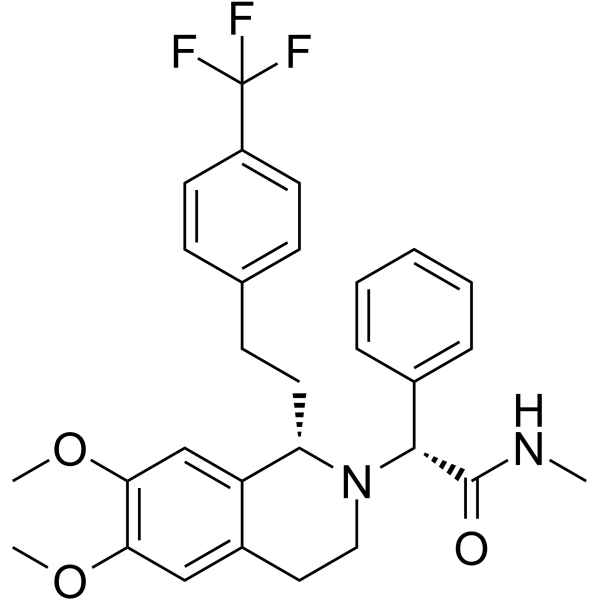
    Almorexant (ACT 078573) is an orally active, potent and competitive dual orexin receptor antagonist, with Kd values of 1.3 nM (OX1) and 0.17 nM (OX2), respectively. Almorexant reversibly blocks signaling of orexin-A and orexin-B peptides. Almorexant totally blocked the intracellular Ca 2+ signal pathway. Almorexant stimulates caspase-3 activity in AsPC-1 cells and induces apoptosis .
    Almorexant
  • HY-P0045

    Matrixyl; Palmitoyl pentapeptide 3; Matrixyl (Palmitoyl Pentapeptide)

    Collagen Others
    Palmitoyl pentapeptide 4 (Matrixyl; Palmitoyl pentapeptide 3; Matrixyl (Palmitoyl Pentapeptide) is a bioactive peptide with anti-ageing effect and has been reported used as a cosmetic ingredient [1]
    Palmitoyl pentapeptide 4
  • HY-P0119
    Lixisenatide
    2 Publications Verification

    GLP Receptor Akt MEK Apoptosis Reactive Oxygen Species (ROS) MMP Cardiovascular Disease Neurological Disease Metabolic Disease Inflammation/Immunology
    Lixisenatide is a glucagon-like peptide-1 (GLP-1) receptor agonist. Lixisenatide inhibits the inflammatory response through down regulation of pro-inflammatory cytokines, and suppresses of the Akt-MEK1/2 signaling pathway. Lixisenatide can inhibit oxidative stress, mitochondrial dysfunction and apoptosis. Lixisenatide can be used for the researches of inflammation, metabolic disease, neurological disease and cardiovascular disease, such as rheumatoid arthritis, diabetes, Alzheimer's disease and atherosclerosis .
    Lixisenatide
  • HY-P2565
    Pepinh-TRIF TFA
    5+ Cited Publications

    Toll-like Receptor (TLR) Inflammation/Immunology
    Pepinh-TRIF (TFA) is a 30 aa peptide that blocks TIR-domain-containing adapter-inducing interferon-β (TRIF) signaling by interfering with TLR-TRIF interaction .
    Pepinh-TRIF TFA
  • HY-P3212
    Allo-aca
    5+ Cited Publications

    Neuropeptide Y Receptor Others Cancer
    Allo-aca, a leptin peptidomimetic, is a potent, specific leptin receptor antagonist peptide. Allo-aca blocks leptin signaling and action in numerous in vitro and in vivo models .
    Allo-aca
  • HY-P10533

    Tyrosinase Others
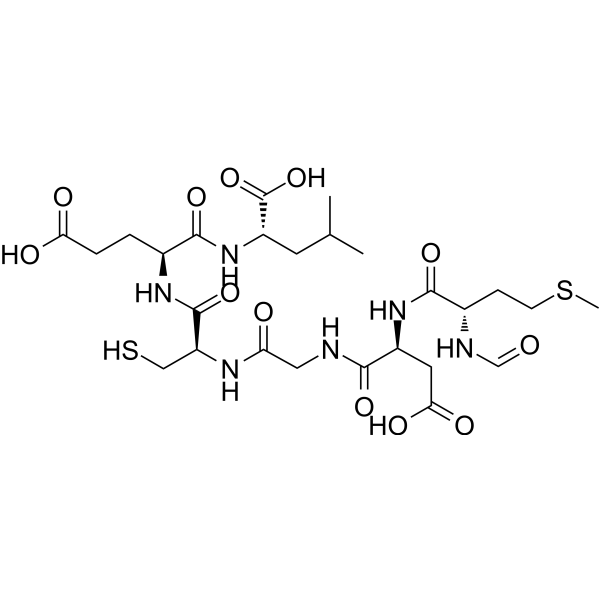
    Cysteine peptide is a tyrosinase inhibitor with skin-whitening, antioxidant and multi-regulatory activities. Cysteine peptide inhibits enzyme activity and blocks melanin transport, effectively reducing UV-B-induced skin erythema and pigmentation. Cysteine peptide synergistically maintains skin health by quenching ROS, resisting oxidative stress and promoting pheomelanin production. Cysteine peptide safely prevents daily ultraviolet damage and supports moderate sun exposure for vitamin D synthesis. Cysteine peptide also acts as a plant signaling factor to regulate vegetative growth, development and stress resistance responses .
    Cysteine peptide
  • HY-P990685

    Cyclin G-associated Kinase (GAK) Cardiovascular Disease
    Romiplostim is an Fc-peptide fusion protein mimetic of TPO (thrombopoietin protein) and also a c-Mpl agonist. Romiplostim binds to c-Mpl, stimulates megakaryocyte-mediated thrombopoiesis, and activates the same downstream signaling pathways as endogenous TPO. Romiplostim is applicable to research related to hematopoietic acute radiation syndrome and chronic immune thrombocytopenia .
    Romiplostim
  • HY-P3281

    FGFR Neurological Disease
    FGL peptide is a fibroblast growth factor receptor (FGFR) modulator and blood-brain barrier-penetrant. FGL peptide activates NCAM-FGFR and FGFR1 signaling pathways. FGL peptide alters expression of apoptosis, signal transduction and metabolism regulator genes in traumatic brain injury contexts. FGL peptide can be used for the research of traumatic brain injury .
    FGL peptide
  • HY-P3325

    D-P8RI

    VEGFR Inflammation/Immunology
    P8RI (D-P8RI) is a biomimetic peptide of CD31 and a CD31 agonist. P8RI binds to the juxtamembrane amino acid sequence of the ectodomain of CD31, shows an immunosuppressive effect through restoration of the CD31 inhibitory pathway .
    P8RI
  • HY-P2230
    Angstrom6
    1 Publications Verification

    A6 Peptide

    PAI-1 Cancer
    Angstrom6 (A6 Peptide) is an 8 amino-acid peptide derived from single-chain urokinase plasminogen activator (scuPA) and interferes with the uPA/uPAR cascade and abrogates downstream effects. Angstrom6 binds to CD44 resulting in the inhibition of migration, invasion, and metastasis of tumor cells, and the modulation of CD44-mediated cell signaling .
    Angstrom6
  • HY-10805A
    Almorexant hydrochloride
    5+ Cited Publications

    ACT 078573 hydrochloride

    Orexin Receptor (OX Receptor) Calcium Channel Caspase Apoptosis Neurological Disease Endocrinology Cancer
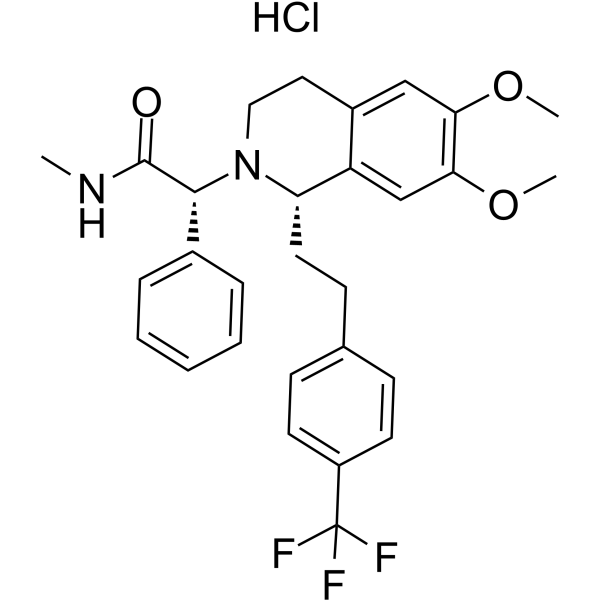
    Almorexant (ACT 078573) hydrochloride is an orally active, potent and competitive dual orexin receptor antagonist, with Kd values of 1.3 nM (OX1) and 0.17 nM (OX2), respectively. Almorexant hydrochloride reversibly blocks signaling of orexin-A and orexin-B peptides. Almorexant hydrochloride totally blocked the intracellular Ca 2+ signal pathway. Almorexant hydrochloride stimulates caspase-3 activity in AsPC-1 cells and induces apoptosis .
    Almorexant hydrochloride
  • HY-134809

    CADA

    HIV Infection Inflammation/Immunology
    Cyclotriazadisulfonamide (CADA) is a specific CD4-targeted HIV entry inhibitors. Cyclotriazadisulfonamide (CADA) inhibits the co-translational translocation of human CD4 (huCD4) into the ER lumen in a signal peptide (SP)-dependent way. Cyclotriazadisulfonamide is also a Sec61 translocon inhibitor .
    Cyclotriazadisulfonamide
  • HY-P1111

    Src Interleukin Related Inflammation/Immunology
    Lyn peptide inhibitor (YGYRLRRKWEEKIPNP-NH2) is a potent, cell-permeable Lyn kinase inhibitor that inhibits Lyn-coupled signaling pathways associated with the IL-5 receptor while preserving the integrity of other signals. Lyn peptide inhibitor blocks the activation of Lyn and inhibits the binding of Lyn tyrosine kinase to the βc subunit of the IL-3/GM-CSF/IL-5 receptor. Lyn peptide inhibitor can be used in the research of eosinophilic diseases such as asthma and allergy .
    Lyn peptide inhibitor
  • HY-P3496
    Pep19-2.5
    1 Publications Verification

    Pyroptosis Inflammation/Immunology
    Pep19-2.5 is an synthetic and antitoxin peptide, blocks the intracellular endotoxin signaling cascade. Pep19-2.5 inhibits signaling of lipopeptides (LP) and lipopolysaccharides (LPS) mediated by transmembrane and cytosolic pattern recognition receptors (PRRs). The signaling cascades lead to inflammation and cell pyroptosis .
    Pep19-2.5
  • HY-P4076

    HIV DNA Alkylator/Crosslinker Infection
    MPG peptides, Pβ is an amphipathic cell-penetrating peptide. MPG peptides, Pβ consists of three components: the hydrophobic fusion sequence (GALFLGFLGAAGSTMGA) of HIV glycoprotein 41, a spacer domain (WSQP), and the nuclear localization signal (KKKRKV) of the large T antigen of Simian virus 40. MPG peptides, Pβ can form stable non-covalent complexes with nucleic acids (including DNA) through electrostatic interactions and improve their intracellular delivery. MPG peptides, Pβ can be used in studies of HIV-1-related immune responses .
    MPG peptides, Pβ
  • HY-P11056

    MDM-2/p53 Others
    REF1 peptide is a PORK1 agonist with an EC50 of 0.028 nM in tomato. REF1 peptide binds to the extracellular domain of PORK1, triggers receptor autophosphorylation, and drives downstream MPK3/MPK6 activation, thereby initiating defense and regeneration signaling cascades. REF1 peptide induces callus formation, inhibits shoot regeneration upon continuous exposure, and enhances the regeneration and transformation efficiency of recalcitrant dicotyledonous and monocotyledonous crops .
    REF1 peptide
  • HY-P11328

    Integrin Others
    GFOGER peptide is an artificially synthesized collagen-mimetic sequence. GFOGER peptide acts as a ligand for α2β1, α11β1 and α1β1 integrins, thereby supporting integrin-mediated cell adhesion to collagen. GFOGER peptide triggers signaling pathways mediated by the α2β1 integrin receptor and upregulates osteoblast differentiation. GFOGER peptide accelerates and enhances bone formation at sites of refractory femoral defects. GFOGER peptide can be passively adsorbed onto polymer scaffolds for cell-free/growth factor-free bone formation. GFOGER peptide is used in biomaterials such as hydrogels and 3D bioinks for tissue engineering research including bone formation .
    GFOGER peptide
  • HY-P10927A

    BRINP2-related peptide TFA

    PKA AP-1 Metabolic Disease
    BRP (BRINP2-related peptide) TFA is a 12-peptide derived from BRINP2 that can cross the blood-brain barrier. BRP TFA induces the central activation of FOS in neuronal cells via the cAMP-PKA-CREB signaling pathway. BRP TFA exerts anorectic and anti-obesity effects without triggering nausea or aversive responses. The action of BRP TFA is independent of the leptin, GLP-1 receptor and melanocortin 4 receptor pathways. BRP TFA is applicable to obesity-related research .
    BRP TFA
  • HY-P2522

    Bacterial Infection
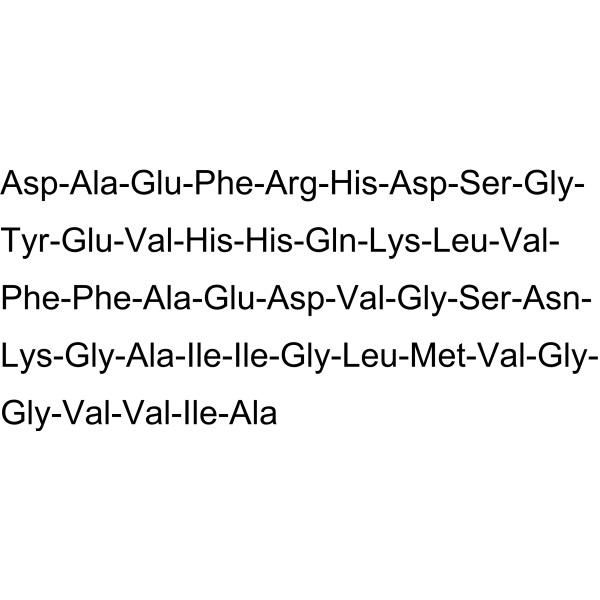
    Competence-Stimulating Peptide-2 (CSP-2) is a 17-amino acid signal peptide produced by Streptococcus pneumoniae, with an EC50 of 50.7 nM for its compatible receptor ComD2. Competence-Stimulating Peptide-2 (CSP-2) can regulate bacterial phenotypes such as competence development, virulence, and biofilm formation through quorum sensing .
    Competence-Stimulating Peptide-2 (CSP-2)
  • HY-P5251

    Amino Acid Derivatives Metabolic Disease
    Oligopeptide-68 is a bioactive peptide with anti-aging effect and has been reported used as a cosmetic ingredient .
    Oligopeptide-68
  • HY-P5275

    CG-Lipoxyn

    NF-κB Histone Demethylase Metabolic Disease
    Tripeptide-41 (CG-Lipoxyn) is a signal peptide. Tripeptide-41 activates the NF-kB signaling pathway, inhibits the expression of C/EBP and increases cAMP. Tripeptide-41 is an important intracellular signaling factor that causes lipolysis by promoting the hydrolysis of lipids into triglycerides. Tripeptide-41 can be used in cosmetics that targets fat accumulation .
    Tripeptide-41
  • HY-107024

    OGP(10-14); Historphin

    Src Others
    Osteogenic Growth Peptide (10-14) (OGP(10-14)), the C-terminal truncated pentapeptide of osteogenic growth peptide (OGP), retains the full OGP-like activity. Osteogenic Growth Peptide (10-14) is responsible for the binding to the OGP receptor and activates an intracellular Gi-protein-MAP kinase signaling pathway. Osteogenic Growth Peptide (10-14) is a potent mitogen and stimulator of osteogenesis and hematopoiesis. Osteogenic Growth Peptide (10-14) acts as a Src inhibitor .
    Osteogenic Growth Peptide (10-14)
  • HY-P3163

    PPAR Collagen SOD Inflammation/Immunology
    Hexapeptide-9 is a signaling peptide. Hexapeptide-9 can promote collagen production. Hexapeptide-9 has anti-aging activity, and can be used in cosmetic research .
    Hexapeptide-9
  • HY-P1868
    α2β1 Integrin Ligand Peptide
    3 Publications Verification

    DGEA peptide

    Integrin Infection
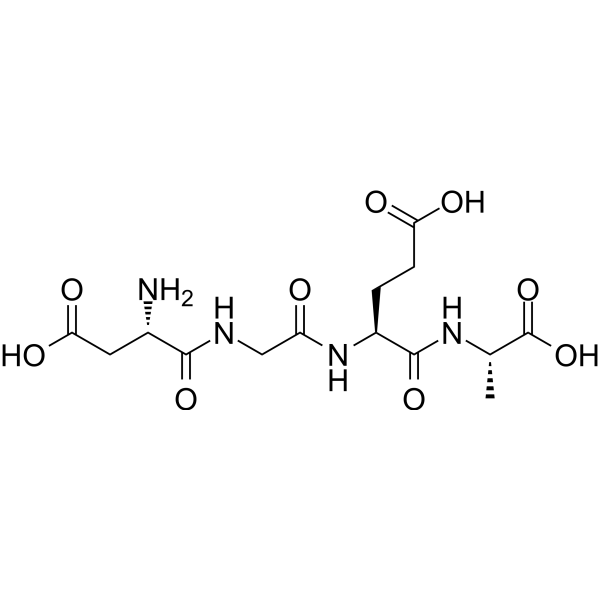
    α2β1 Integrin Ligand Peptide interacts with the α2β1 integrin receptor on the cell membrane and mediates extracellular signals into cells. It is a potential antagonist of collagen receptors .
    α2β1 Integrin Ligand Peptide
  • HY-P10086
    TREM-1 inhibitory peptide GF9
    1 Publications Verification

    Human TREM-1(213-221)

    TREM receptor TNF Receptor Interleukin Related c-Fms Neurological Disease Inflammation/Immunology Cancer
    TREM-1 inhibitory peptide GF9 (Human TREM-1 (213-221)) is a TREM-1 inhibitor. TREM-1 inhibitory peptide GF9 blocks the TREM-1 signaling pathway via a ligand-independent mechanism, spontaneously inserts into the cell membrane to dissociate TREM-1 from DAP-12, and functions through the Signaling Chain Homooligomerization (SCHOOL) model. TREM-1 inhibitory peptide GF9 reduces the levels of TNFα, IL-1β, IL-6, and M-CSF. TREM-1 inhibitory peptide GF9 inhibits tumor growth, prolongs the survival of mice with pancreatic cancer models, ameliorates collagen-induced arthritis, and exerts protective effects on bone and cartilage simultaneously. TREM-1 inhibitory peptide GF9 can be used in research related to arthritis, pancreatic cancer, retinopathy, alcoholic liver disease, and liver cancer .
    TREM-1 inhibitory peptide GF9
  • HY-P10927

    BRINP2-related peptide

    AP-1 PKA Metabolic Disease
    BRP is a 12-peptide derived from BRINP2 that can cross the blood-brain barrier. BRP induces the central activation of FOS in neuronal cells via the cAMP-PKA-CREB signaling pathway. BRP exerts anorectic and anti-obesity effects without triggering nausea or aversive responses. The action of BRP is independent of the leptin, GLP-1 receptor and melanocortin 4 receptor pathways. BRP is applicable to obesity-related research .
    BRP
  • HY-P1420
    TAT-cyclo-CLLFVY
    2 Publications Verification

    HIF/HIF Prolyl-Hydroxylase Cancer
    TAT-cyclo-CLLFVY is a cyclic peptide inhibitor of HIF-1 heterodimerization that inhibits hypoxia signaling in cancer cells. TAT-cyclo-CLLFVY disrupts HIF-1α/HIF-1β protein-protein interaction with an IC50 of 1.3 μM .
    TAT-cyclo-CLLFVY
  • HY-P10392AF

    Wnt β-catenin Cancer
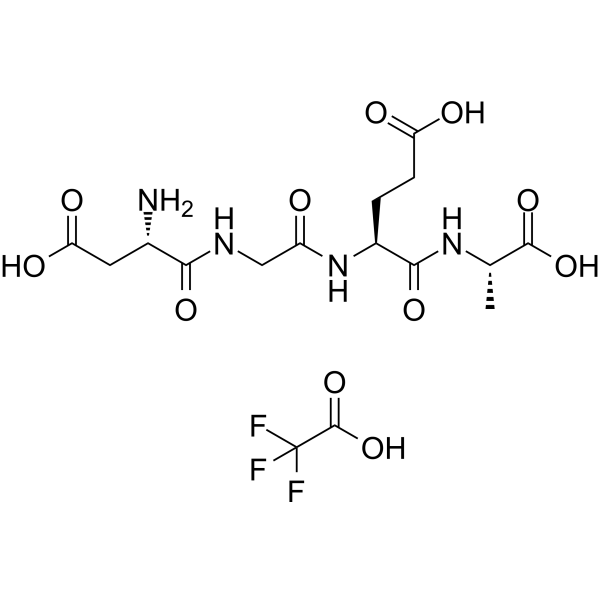
    fStAx-35R TFA is the hydrocarbon-stapled peptide. fStAx-35R TFA inhibits Wnt/β-catenin signaling pathway by disrupting the β-catenin-TCF interaction. fStAx-35R TFA can be used in cancer research .
    fStAx-35R TFA
  • HY-P10953

    PSP 29-mer, anti-inflammatory peptide

    ERK STAT Inflammation/Immunology
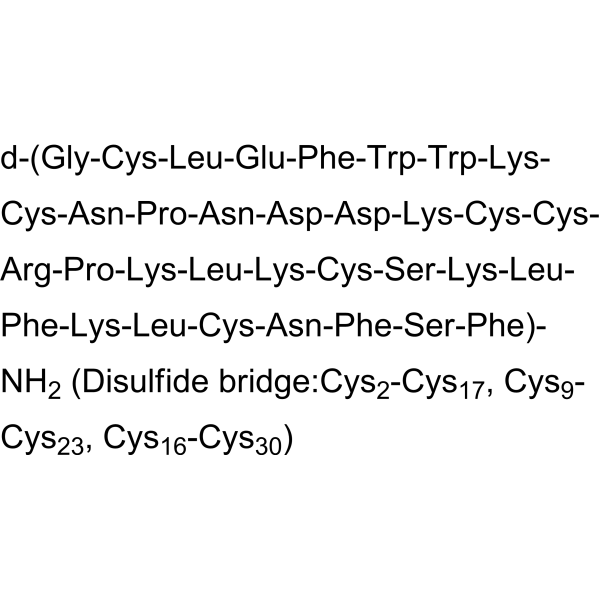
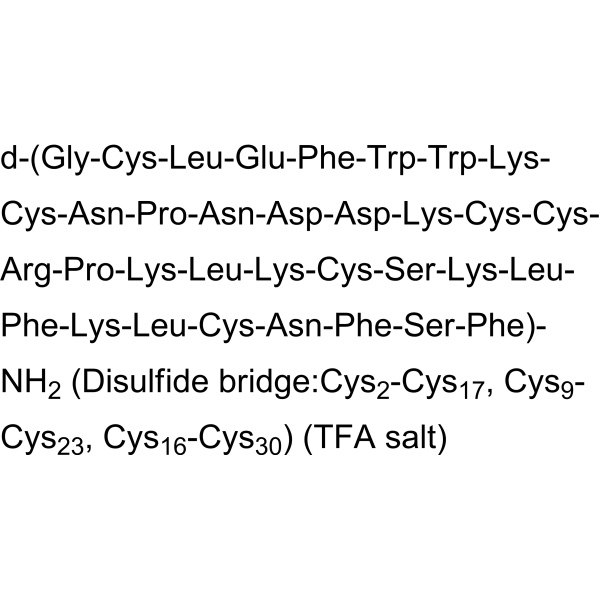
    Fulipiftide is a short peptide derived from pigment epithelium-derived factor (PEDF). Fulipiftide induces the expansion of nuclear stem cell factor +TSPC by activating ERK2 and STAT3 signaling pathways. Fulipiftide has anti-inflammatory activity and can be used in the study of acute tendon injury .
    Fulipiftide
  • HY-P10489

    Kisspeptin Receptor Cancer
    Kisspeptin-14 human is a peptide hormone encoded by the KiSS-1 gene. Kisspeptin-14 human, along with several other similar peptide hormones, is produced from a common precursor protein by cleavage by different proteases. Kisspeptin-14 human is an endogenous ligand of KISS1R. Kisspeptin-14 human has the same receptor binding efficiency and potency as full-length kisspeptin. Kisspeptin-14 human binds to its receptor GPR54 and is able to activate this G protein-coupled receptor and activate multiple intracellular signaling pathways. Kisspeptin-14 human can be used to study reproductive development and tumor metastasis .
    Kisspeptin-14 human
  • HY-111360
    SPL-707
    1 Publications Verification

    γ-secretase Inflammation/Immunology
    SPL-707 is an orally active, selective signal peptide peptidase-like 2a (SPPL2a) inhibitor with an IC50 of 77 nM for hSPPL2a. SPL-707 inhibits γ-secretase (IC50=6.1 μM) and SPP (IC50=3.7 μM). SPL-707 has the potential for autoimmune diseases research by targeting B cells and dendritic cells .
    SPL-707
  • HY-P4858

    GSK-3 Wnt Cancer
    C-Peptide 1 (rat), a peptide, is aβ-catenin/GSK-3β activator. C-Peptide 1 (rat) can regulate the Wnt/β-catenin signaling pathway. C-Peptide 1 (rat) can be used for the research of cancer .
    C-Peptide 1 (rat)
  • HY-128356

    CD74 Inflammation/Immunology
    SPL-410 is an orally active, highly potent and selective hydroxyethylamine based SPPL2a (Signal Peptide Peptidase Like 2a) inhibitor, with an IC50 of 9 nM .
    SPL-410
  • HY-P1868A
    α2β1 Integrin Ligand Peptide TFA
    3 Publications Verification

    DGEA peptide TFA

    Integrin Others
    α2β1 Integrin Ligand Peptide TFA interacts with the α2β1 integrin receptor on the cell membrane and mediates extracellular signals into cells. It is a potential antagonist of collagen receptors .
    α2β1 Integrin Ligand Peptide TFA
  • HY-106275

    Fibrin-derived peptide Bβ15-42

    Flavivirus Dengue Virus Cardiovascular Disease
    FX-06 (Fibrin-derived peptide Bβ15-42) is a fibrin Bbeta chain-derived peptide. FX-06 binds to VE-cadherin and inhibits leukocyte transmigration and initiates VE-cadherin-mediated signaling. FX-06 can be used in the research of ischemia/reperfusion injury, Dengue shock syndrome (DSS) .
    FX-06
  • HY-P2282
    APTSTAT3-9R
    1 Publications Verification

    STAT Cancer
    APTSTAT3-9R, a specific STAT3-binding peptide, inhibits STAT3 activation and downstream signaling by specifically blocking STAT3 phosphorylation. APTSTAT3-9R exerts antiproliferative effects and antitumor activity .
    APTSTAT3-9R
  • HY-P3970

    TGF-β Receptor Inflammation/Immunology
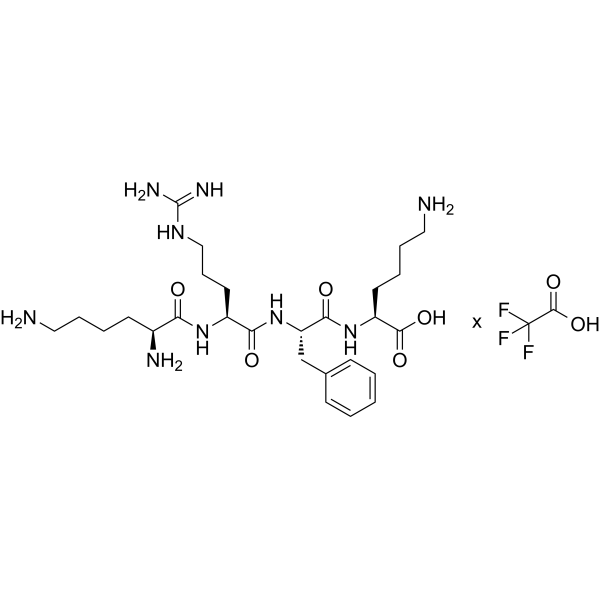
    KRFK, a peptide derived from TSP-1, can activate TGF-β. KRFK promotes TGF-β-mediated signaling and its downstream role, independent of thrombospondin (TSP) receptors such as CD47 and CD36. KRFK can be used for chronic ocular surface inflammatory disorders reseach .
    KRFK
  • HY-P0119A
    Lixisenatide acetate
    2 Publications Verification

    GLP Receptor Akt MEK Reactive Oxygen Species (ROS) Apoptosis MMP Cardiovascular Disease Neurological Disease Metabolic Disease Inflammation/Immunology
    Lixisenatide acetate is a glucagon-like peptide-1 (GLP-1) receptor agonist. Lixisenatide acetate inhibits the inflammatory response through down regulation of pro-inflammatory cytokines, and suppresses of the Akt-MEK1/2 signaling pathway. Lixisenatide acetate can inhibit oxidative stress, mitochondrial dysfunction and apoptosis. Lixisenatide acetate can be used for the researches of inflammation, metabolic disease, neurological disease and cardiovascular disease, such as rheumatoid arthritis, diabetes, Alzheimer's disease and atherosclerosis .
    Lixisenatide acetate
  • HY-103473A
    Boc-MLF TFA
    4 Publications Verification

    Boc-Met-Leu-Phe-OH TFA

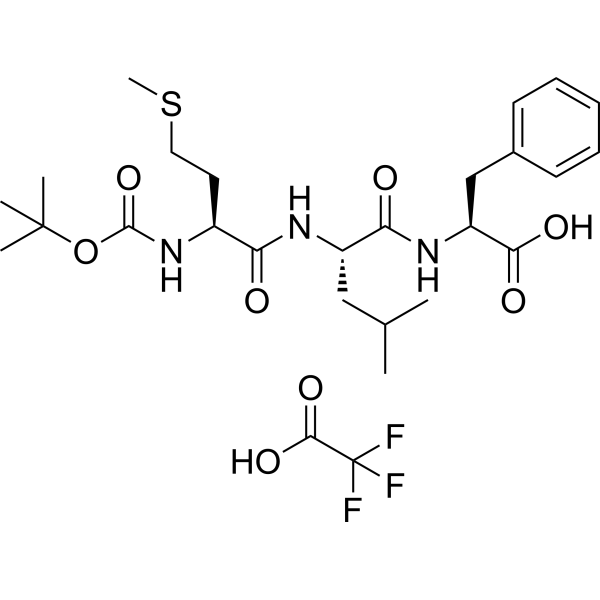
    Formyl Peptide Receptor (FPR) Inflammation/Immunology
    Boc-MLF (TFA) is a peptide, used as a specific formyl peptide receptor (FPR) antagonist, also inhibits the signaling through formyl peptide receptor like 1 (FPRL1) at higher concentrations .
    Boc-MLF TFA
  • HY-P0142A

    PKG Cardiovascular Disease
    DT-3 acetate is a membrane-permeable protein kinase G Iα (PKG Iα) inhibitory peptide and shows pharmacological blockade of the cGMP-PKG signalling .
    DT-3 acetate
  • HY-P10600A

    Ras Others
    BIMAX2 acetate is a high affinity nuclear localization signal (NLS) peptide. BIMAX2 acetate can mimic the activity of the classical nuclear localization signal (cNLS) and competitively bind to importin α, thereby inhibiting the binding of cNLS-cargo proteins to importin α. BIMAX2 acetate can be used to study the role of RBBP4 in regulating nuclear import efficiency and cell senescence .
    BIMAX2 acetate
  • HY-117971

    CXCR Formyl Peptide Receptor (FPR) Others
    BVT173187 is a selective inhibitor of the neutrophil formyl peptide receptor FPR1, with activity that inhibits FPR1 activation. BVT173187 inhibits FPR1 agonist-induced activation in neutrophils, reduces adhesion molecule mobilization and superoxide anion production, and has inhibitory activity on FPR1 similar to that of earlier described peptide antagonists, but also has effects on C5aR and CXCR signaling.
    BVT173187
  • HY-P10438

    Raf Cancer
    TAT-Braftide is a peptide inhibitor designed to block the dimerization of BRAF, thereby inhibiting its kinase activity. The destruction of BRAF dimer by TAT-Braftide makes BRAF protein more susceptible to proteasome degradation, directly inhibits the activity of BRAF kinase, and reduces the activation of MAPK signaling pathway. Tat-braftide can be used for the role of RAF kinase in MAPK signaling pathway and for the study of BRAF mutant cancers .
    TAT-Braftide
  • HY-126858

    (+)-Ambuic acid

    ERK JNK NO Synthase COX Infection Inflammation/Immunology
    Ambuic acid exhibits antimicrobial activity against Staphylococcus aureus, with IC50 of 43.9 μM for strain ATCC 6538. Ambuic acid is an inhbitor for the biosynthesis of cyclic peptide quorum sensing molecules (quormones) in gram-positive bacteria. Ambuic acid exhibits anti-inflammatory activity through ERK/JNK/MAPK signaling pathway .
    Ambuic acid
  • HY-P5239

    Collagen Others
    Myristoyl pentapeptide-4 is a bioactive peptide with promotion of hair growth effect and has been reported used as a cosmetic ingredient .
    Myristoyl pentapeptide-4
  • HY-P10839

    NF-κB Inflammation/Immunology
    NBD peptide inhibits NF-κB signaling pathway through inhibition of the NEMO-IKK complex combination. NBD peptide exhibits anti-inflammatory efficacy through block of pro-inflammatory cytokines production. NBD peptide exhibits immunosuppressive activity through regulation of immune cells. NBD peptide enhances its transmembrane ability by combining with cell-penetrating peptide HIV-TAT .
    NBD peptide
  • HY-P10164

    Wnt Cancer
    Pen-N3 is a PDZ peptide. Pen-N3 inhibits Wnt/b-catenin signaling by recognizing dishevelled protein .
    Pen-N3
  • HY-P5435

    Ser/Thr Kinase Others
    LKBtide is a biological active peptide. (This is a peptide substrate that is phosphorylated by Serine/Threonine kinase 11 (STK11), also known as LKB1. LKBtide is derived from sucrose non-fermenting 1 (SNF1) protein kinase, which is normally activated by the LKB1/AMP-activated protein kinase (AMPK) signaling pathway.)
    LKBtide
  • HY-P1453A

    STAT Cancer
    CMD178 TFA is a lead peptide that consistently reduced the expression of Foxp3 and STAT5 induced by IL-2/s IL-2Rα signaling and inhibits Treg cell development .
    CMD178 TFA

Inquiry Online

Your information is safe with us. * Required Fields.

Salutation


Country or Region *

Applicant Name *


Organization Name *

Department *


Email Address *


Product Name *

Cat. No.


Requested quantity *

Phone Number *


Remarks

Inquiry Online

Inquiry Information

Product Name:
Cat. No.:
Quantity:
MCE Japan Authorized Agent:

