75 Results for "

Sp1

" in MedChemExpress (MCE) Product Catalog:
Products (75)

75 Results for "Sp1" in MCE Product Catalog:

56
56 Publications Verification
Cat. No.: HY-A0122
CAS No.: 18378-89-7
Synonyms: Mithramycin A
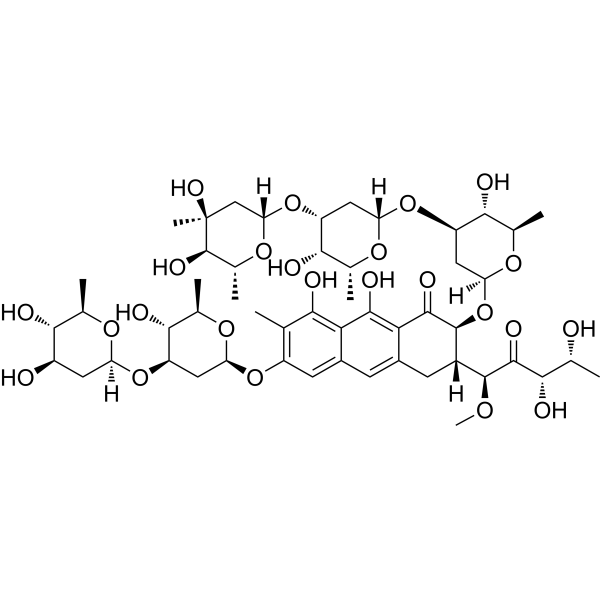
Plicamycin (Mithramycin A) is a selective specificity protein 1 (Sp1) inhibitor. Plicamycin inhibits the growth of various cancers by decreasing Sp1 protein. Plicamycin inhibits GSTM2 promoter activity and protein expression [1] .
loading...
    loading...
7
7 Cited Publications
Cat. No.: HY-100008
CAS No.: 81485-25-8
Purity:  98.06%
Synonyms: NIK333
Target:  

RAR/RXR SphK Autophagy HCV

Research Areas:  

Infection Cancer

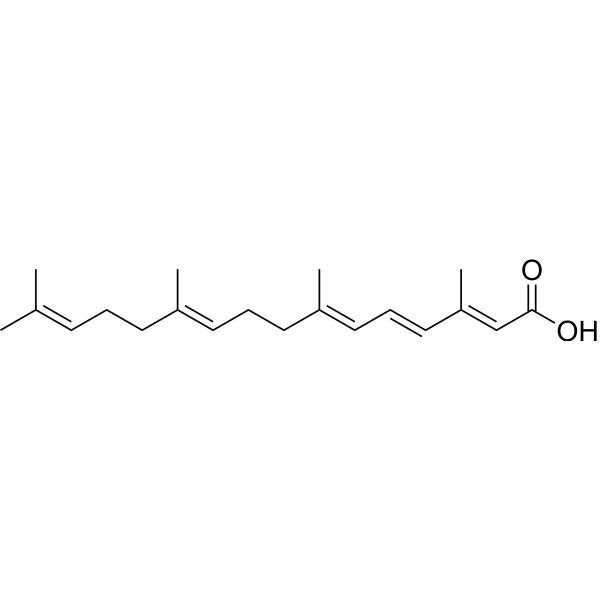
Peretinoin is an oral acyclic retinoid with a vitamin A-like structure that targets retinoid nuclear receptors such as retinoid X receptor (RXR) and retinoic acid receptor (RAR). Peretinoin reduces the mRNA level of sphingosine kinase 1 (SPHK1) in vitro by downregulating a transcription factor, Sp1 [1]. Peretinoin prevents the progression of non-alcoholic steatohepatitis (NASH) and the development of hepatocellular carcinoma (HCC) through activating the autophagy pathway by increased Atg16L1 expression . Peretinoin inhibits HCV RNA amplification and virus release by altering lipid metabolism with a EC50 of 9 μM .
loading...
    loading...
2
2 Cited Publications
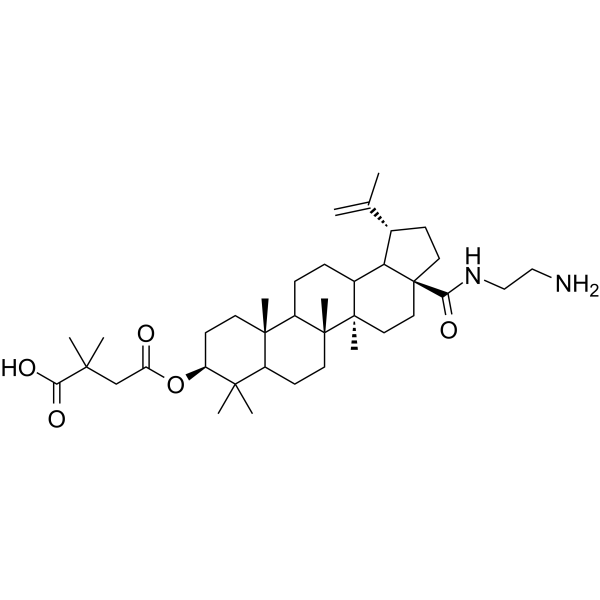
Cat. No.: HY-N0842
CAS No.: 174022-42-5
Synonyms: PA-457; MPC-4326; YK FH312
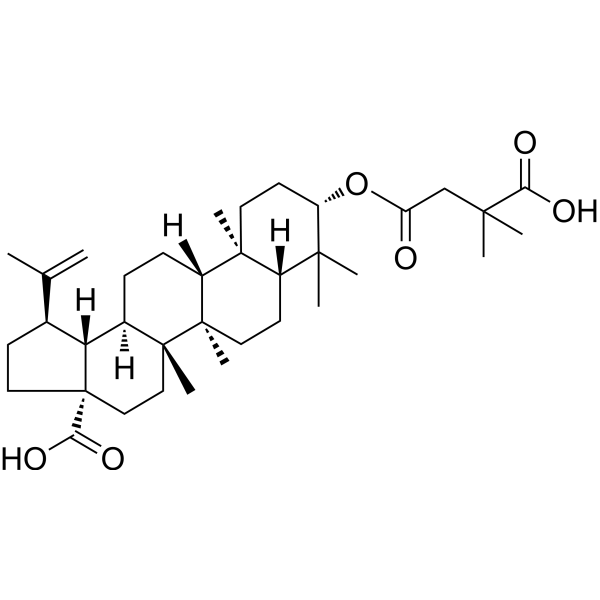
Bevirimat (PA-457, MPC-4326, YK FH312) is an inhibitor of HIV-1 viral particle maturation.Bevirimat specifically inhibits the final rate-limiting step in Gag processing, preventing the release of the mature capsid protein (CA) from its precursor (CA-SP1), resulting in the production of immature non-infectious viral particles. Bevirimat can be used in HIV-1 infection studies [1] .
loading...
    loading...
1
1 Cited Publications
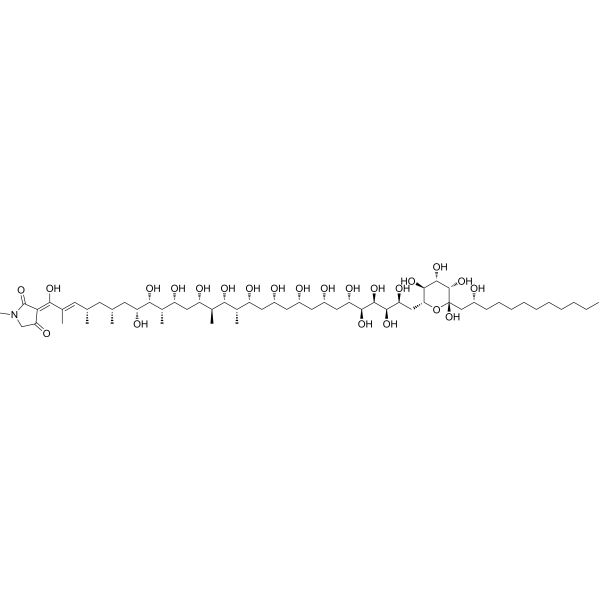
Cat. No.: HY-W040129
CAS No.: 7059-24-7
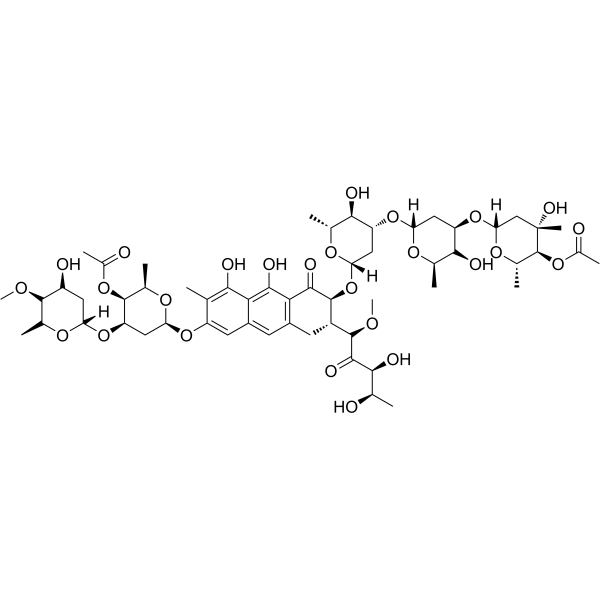
Chromomycin A3 is an inhibitor that selectively binds to GC-rich DNA sequences. Chromomycin A3 targets the DNA minor groove after forming a dimer with Mg 2+. Chromomycin A3 inhibits DNA replication and transcription, blocks the binding of Sp1 transcription factor to target gene promoters, downregulates the expression of anti-apoptotic proteins such as FLIP, Mcl-1, and XIAP, and induces S-phase cycle arrest and caspase-dependent apoptosis in tumor cells. Chromomycin A3 can antagonize oxidative stress induced by glutathione depletion and neuronal apoptosis induced by Camptothecin (HY-15660). Chromomycin A3 can be used in basic research on malignant tumors such as cholangiocarcinoma, and is a potential chemosensitizer and GC-rich region probe [1] .
loading...
    loading...
1
1 Cited Publications
Cat. No.: HY-113542
CAS No.: 100513-53-9
Synonyms: (+)-Blasticidin A
Target:  

Antibiotic Fungal

Research Areas:  

Infection

Blasticidin A ((+)-Blasticidin A) is a tetraamide acid derivative antibiotic produced by Streptomyces griseochromogenes, as well as a selective inhibitor of aflatoxin production. Blasticidin A exhibits antimicrobial activity against yeast. Blasticidin A can be used in research related to aflatoxin contamination (infection by Aspergillus sp.) .
loading...
    loading...
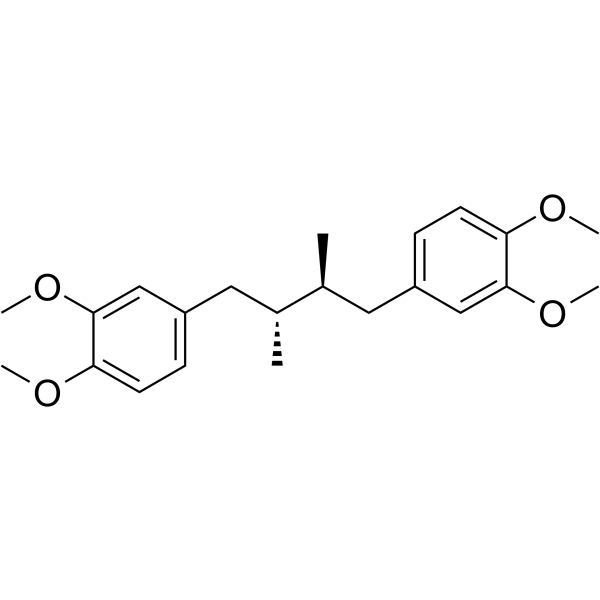
Cat. No.: HY-10447
CAS No.: 24150-24-1
Purity:  99.33%
Synonyms: EM-1421
Terameprocol is an inhibitor targeting the Sp1 transcription factor, which can selectively inhibit the transcription of Sp1-dependent genes. Terameprocol exerts its effects by inhibiting Sp1-mediated gene transcription, such as reducing the expression of genes like CDC2, survivin and HMGB1, thereby arresting the cell cycle, inducing apoptosis, and suppressing the inflammatory response. Terameprocol exhibits anti-proliferative, pro-apoptotic, and anti-inflammatory activities and is currently mainly used in the research of diseases such as cancer and pulmonary arterial hypertension[1][2][3].
loading...
    loading...
Cat. No.: HY-RS13600
Research Areas:  

Others

SP1 Human Pre-designed siRNA Set A contains three designed siRNAs for SP1 gene (Human), as well as a negative control, a positive control, and a FAM-labeled negative control.

loading...
    loading...
Cat. No.: HY-W100287
CAS No.: 4532-33-6
Murrayafoline A is a carbazole alkaloid that can be extracted from Murraya tetramera. Murrayafoline A directly targets Specificity protein 1 (Sp1), thereby inhibiting NF-κB and MAPK signaling pathways. Murrayafoline a induces a G0/G1-phase arrest in platelet-derived growth factor (PDGF)-stimulated vascular smooth muscle cells. Murrayafoline A attenuates the Wnt/β-catenin pathway by promoting the degradation of intracellular β-catenin proteins. Murrayafoline A enhances the contraction of rat ventricular myocytes and L-type calcium current by activating protein kinase C. Murrayafoline A inhibits LPS (HY-D1056)-induced neuroinflammation in vivo. Murrayafoline A can be used for the study of inflammation, vascular complications and colon cancer [1] .
loading...
    loading...
Cat. No.: HY-RS29499
Research Areas:  

Others

SP1 Monkey Pre-designed siRNA Set A contains three designed siRNAs for SP1 (Monkey), as well as a negative control, a positive control, and a FAM-labeled negative control.
Components
SP1 siRNA-1: 5 nmol (HPLC)
SP1 siRNA-2: 5 nmol (HPLC)
SP1 siRNA-3: 5 nmol (HPLC)
siRNA Negative Control: 5 nmol (HPLC)
FAM-labeled siRNA Negative Control: 5 nmol (HPLC)
GAPDH siRNA Positive Control: 5 nmol (HPLC)
loading...
    loading...
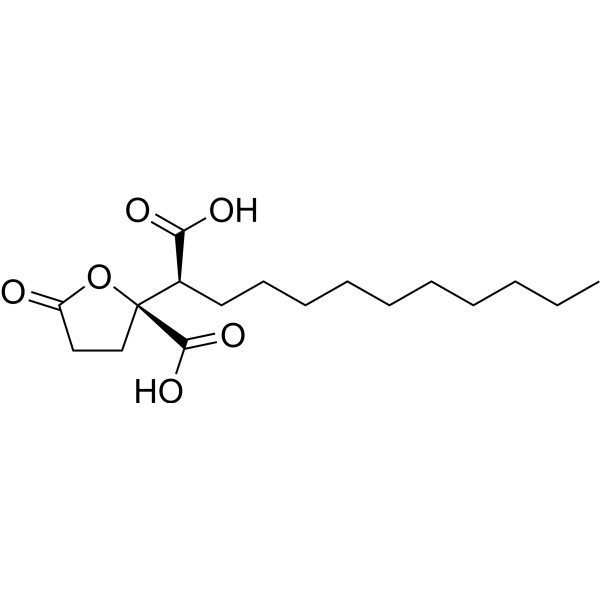
Cat. No.: HY-N7078
CAS No.: 469-77-2
Spiculisporic acid is a γ-butenolide isolated from the cultue of Aspergillus sp . Spiculisporic acid is a microbial biosurfactant and has anti-oxidative stress actions .
loading...
    loading...
Cat. No.: HY-P10336
CAS No.: 1383743-23-4
Target:  

Serpin

Research Areas:  

Neurological Disease Endocrinology

Serpinin is an agonist of the protease inhibitor Nexin-1 (PN-1). Serpinin upregulates the expression of PN-1 through the cAMP-PKA-Sp1 signaling pathway, promoting granule biogenesis in endocrine cells. Serpinin is used in research related to the regulation of secretory function [1]. Serpinin is a selective agonist for β-adrenergic receptors. Serpinin interacts with β1-adrenergic receptors to activate the AC-cAMP-PKA pathway, which regulates myocardial systolic and diastolic function. pGlu-serpinin upregulates Bcl2 mRNA transcription and exerts neuroprotective effects .
loading...
    loading...
Cat. No.: HY-P10603
CAS No.: 858602-44-5
Target:  

Antibiotic Bacterial

Research Areas:  

Infection

SP1 is an α-peptide encoded by the mating pheromone MFα1 gene in Candida albicans, which can induce cell growth arrest at the mating type locus MTLa in Candida albicans. SP1 can be used in the study of the prevention and treatment of Candida albicans infection [1].
loading...
    loading...
Cat. No.: HY-W006646
CAS No.: 934-07-6
Methyl 5-bromo-1H-pyrrole-2-carboxylate (Compound 7) is a pyrrole that can be isolated from marine sponges Lissodendotyx sp.
loading...
    loading...
Cat. No.: HY-RS16562
Research Areas:  

Others

Sp1 Mouse Pre-designed siRNA Set A contains three designed siRNAs for Sp1 gene (Mouse), as well as a negative control, a positive control, and a FAM-labeled negative control.

loading...
    loading...
Cat. No.: HY-RS22994
Research Areas:  

Others

Sp1 Rat Pre-designed siRNA Set A contains three designed siRNAs for Sp1 gene (Rat), as well as a negative control, a positive control, and a FAM-labeled negative control.

loading...
    loading...
Cat. No.: HY-178143
Target:  

KLF

Research Areas:  

Cancer

Sp1-IN-1 is a selective specificity protein 1 (Sp1) inhibitor. Sp1-IN-1 inhibits the proliferation of Hela cells and MCF-7 cells. Sp1-IN-1 can be used to the studies of cervical cancer and breast cancer [1].
loading...
    loading...
Cat. No.: HY-137462
CAS No.: 38678-60-3
Synonyms: L-Leucyl-L-phenylalaninamide
Leucyl-phenylalanine amide (L-Leucyl-L-phenylalaninamide) is a dipeptide analog. Leucyl-phenylalanine amide is a ligand of SP1-7 with a Ki value of 10.2 nM. Leucyl-phenylalanine amide shows no binding activity to human NK-1 or NK-3 receptors [1].
loading...
    loading...
Cat. No.: HY-150536
Target:  

HIV HIV Protease

Research Areas:  

Infection

EP39 is a potent HIV-1 maturation inhibitor. EP39 interacts with the SP1 domain of Gag. EP39 decreases the dynamics of CA-SP1 junction, by binding to the QVT motif of the SP1 domain, and perturbs the natural coil-helix equilibrium on both sides of the SP1 domain by stabilizing the transient alpha helical structure. EP39 acts by arresting maturation of HIV-1 thereby blocking its infectivity [1].
loading...
    loading...
Cat. No.: HY-178021
Research Areas:  

Cancer

HDAC1-IN-11 (Compound 6) is a HDAC1 inhibitor with an IC50 of 106.6  nM. HDAC1-IN-11 inhibits the expression of Sp1 and RAD51, thereby inducing Caspase-dependent apoptosis. HDAC1-IN-11 has antitumor activity and sensitizes Etoposide (HY-13629) and Gemcitabine (HY-17026), promoting synergistic death of NSCLC cells through the inhibition of homologous recombination and non-homologous end joining (NHEJ) pathways involved in DNA DSB repair. HDAC1-IN-11 can be used for chemotherapy of cancers like NSCLC research [1].
loading...
    loading...
Cat. No.: HY-178022
Research Areas:  

Cancer

HDAC6-IN-63 (Compound 7) is an orally active HDAC6 inhibitor with an IC50 of 145  nM. HDAC6-IN-63 inhibits the expression of Sp1 and RAD51, thereby inducing Caspase-dependent apoptosis. HDAC6-IN-63 has antitumor activity and sensitizes Etoposide (HY-13629) and Gemcitabine (HY-17026), promoting synergistic death of NSCLC cells through the inhibition of homologous recombination and non-homologous end joining (NHEJ) pathways involved in DNA DSB repair. HDAC6-IN-63 can be used for chemotherapy of cancers like NSCLC research [1].
loading...
    loading...

