1. Search Result
Search Result
Results for "

Structure-activity relationships

" in MedChemExpress (MCE) Product Catalog:

134

Inhibitors & Agonists

4

Screening Libraries

5

Biochemical Assay Reagents

9

Peptides

1

Natural
Products

1

Isotope-Labeled Compounds

3

Click Chemistry

Cat. No. Product Name Target Research Areas Chemical Structure
  • HY-124424

    Potassium Channel Others Neurological Disease
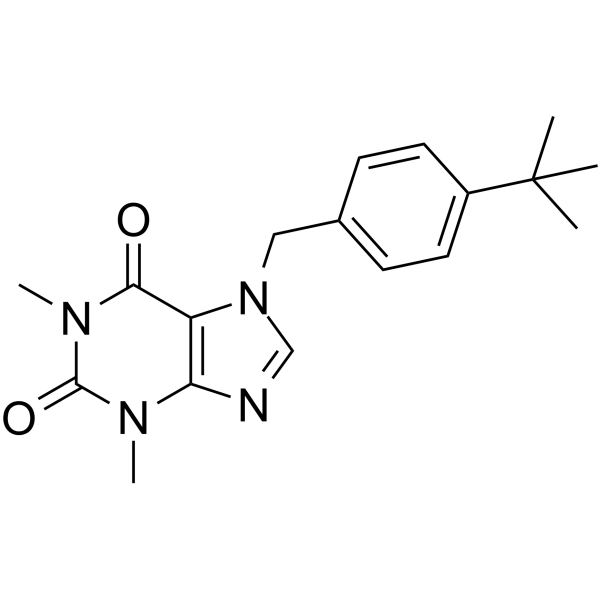
    VU0071063 is a potent and specific Kir6.2/SUR1 opener (EC50=7.44 μM) and can be used for investigating Kir6.2/SUR1 expressed in the pancreas and brain. VU0071063 inhibits insulin secretion by inducing hyperpolarization of β-cell membrane potential. VU0071063 chemotype has a very steep structure-activity relationships .
    VU0071063
  • HY-112319

    Drug Isomer Syk Cardiovascular Disease Inflammation/Immunology
    (R,S)-MK-8457 is a stereoisomer of MK-8457. MK-8457 is a dual inhibitor of Syk and ZAP70 .
    (R,S)-MK-8457
  • HY-40181

    Drug Intermediate Infection
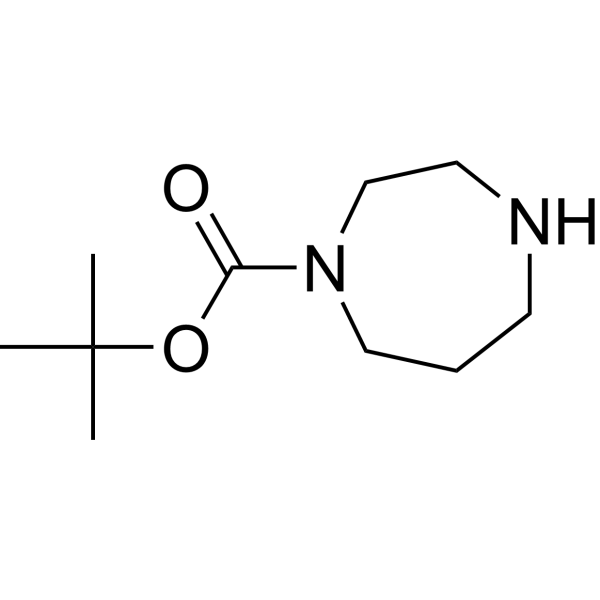
    1-Boc-homopiperazine is a drug intermediate that can be used for the synthesis of bacterial FtsZ inhibitors .
    1-Boc-homopiperazine
  • HY-W011231

    Calcium Channel Cardiovascular Disease
    DHP-050 is a Felodipine (HY-B0309) analog. DHP-050 can be used to study the structure-activity relationship of 1,4-dihydropyridine (DHP) compounds .
    DHP-050
  • HY-W008003

    Cytochrome P450 Others
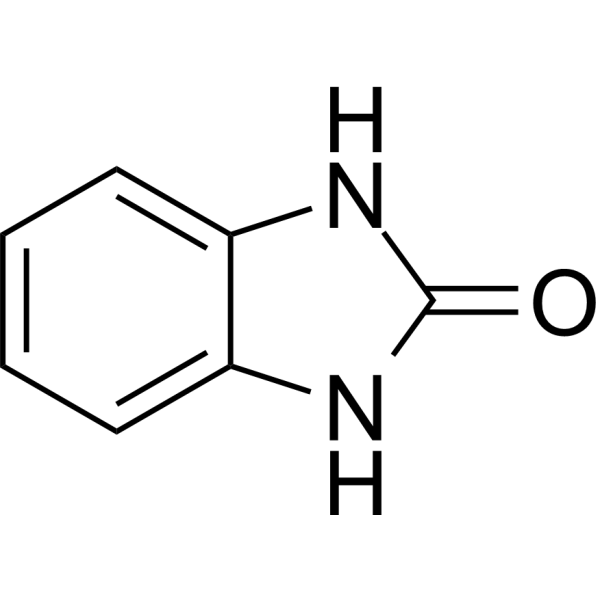
    2-Hydroxybenzimidazole is an inactive compound targeting CYP1A1 and is mainly used as a control compound in the structure-activity relationship study of benzimidazole derivatives. 2-Hydroxybenzimidazole does not have the ability to induce CYP1A1 expression like its thiol or amino substituted derivatives .
    2-Hydroxybenzimidazole
  • HY-145860

    Phosphoglycerate Dehydrogenase (PHGDH) Cancer
    PHGDH-IN-2 is a potent and NAD + competitive PHGDH inhibitor with an IC50 of 5.2 µM. PHGDH-IN-2 inhibits the serine synthetic pathway in MDA-MB-468 cells. PHGDH-IN-2 inhibits the growth of PHGDH-dependent cancer cells .
    PHGDH-IN-2
  • HY-W128705

    3-Phenyl-1H-indole

    Bacterial Infection
    3-Phenylindole (3-phenyl-1H-indole) is an indole compound. 3-Phenylindole exhibits weak anti-tuberculosis activity with an MIC of 129.4 μM. 3-Phenylindole can be utilized in anti-tuberculosis research .
    3-Phenylindole
  • HY-176545

    HDAC Sirtuin Others
    Z-MAL is a highly efficient and broad-spectrum HDAC substrate. Z-MAL exhibits high conversion activity for class I, II histone deacetylases, and class III SIRT1. Z-MAL can be used in studies on the structure-activity relationship, subtype selectivity, and inhibitor screening of HDAC .
    Z-MAL
  • HY-175504

    Dopamine Receptor PERK Neurological Disease
    MLS6357 is a D3 dopamine receptor (D3R)-selective positive allosteric modulator (PAM)-antagonist. MLS6357 exhibits antagonist activity in the D3R-mediated and the BRET-based β-arrestin recruitment assay with IC50s of 13 and 14 μM, and no activity for other DAR subtypes (D1R/D2R/D4R/D5R) (IC50 > 100 μM). MLS6357 is also an antagonist in the D3R-mediated Go-BRET assay with an IC50 of 17 μM. MLS6357 can be used for the study of neuropsychiatric disorders, including substance use disorder .
    MLS6357
  • HY-139898

    Taste Receptor Others
    S7958 is a selective and orally active antagonist of the TAS2R8 bitter taste receptor, with its IC50 being 0.06 μM. S7958 only has a weak inhibitory effect on TASR8 and TAS2R39, and has no significant impact on other receptors. S7958 significantly inhibits the perception of bitterness caused by substances such as coffee and drug active ingredients (API) by selectively antagonizing the human bitter taste receptor TAS2R8. S7958 can be used in the medical field to improve the research on the bitterness of oral preparations .
    S7958
  • HY-178777

    PROTACs BCL6 Cancer
    BCL6-760 is an orally active BCL-6 PROTAC degrader with an EC50 of 0.8 nM. BCL6-760 only degrades BCL6 and has no effect on other CRBN substrates. BCL6-760 demonstrates significant efficacy in the orthotopic xenograft mouse model of OCI-LY-1 tumors. BCL6-760 can be used in the research of diffuse Large B-cell Lymphoma (DLBCL) (Pink: BCL-6 ligand (HY-179317); Blue: CRBN ligand (HY-179305); Black: Linker) .
    BCL6-760
  • HY-P1704

    11-Demethylcyclosporin A

    Biochemical Assay Reagents Infection
    Cyclosporin E (11-Demethylcyclosporin A) is a cyclic oligopeptide that can be isolated from fungi such as TTrichoderma polysporum and other imperfect fungi. Cyclosporin E belongs to the Cyclosporins family. Cyclosporin E can be used for studying the structure-activity relationships and molecular dynamic properties of cyclosporin compounds. As a structural control compound, Cyclosporin E holds significant research value in the fields of medicinal chemistry and biophysics .
    Cyclosporin E
  • HY-75577

    Drug Intermediate Cancer
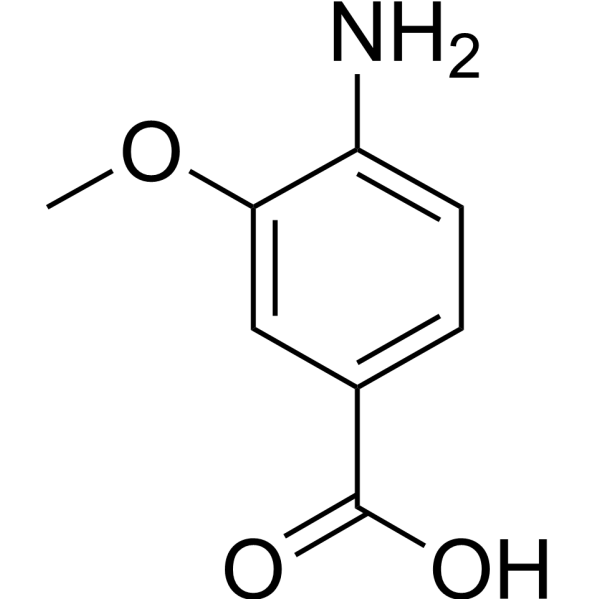
    4-Amino-3-methoxybenzoic acid is a drug intermediate that can be used to construct benzothiazole compounds with anti-breast cancer activity .
    4-Amino-3-methoxybenzoic acid
  • HY-16979

    Opioid Receptor Neurological Disease
    RK-851 is a highly selective and orally active δ-opioid receptor antagonist, with a negative logarithm of the antagonist concentration (pA2) of 8.84. TRK-851 exhibits the selectivity for the δ receptor of more than 100 times higher than that for the μ or κ receptors. TRK-851 exhibits a potent antitussive effect in a rat model of capsaicin-induced cough. TRK-851 can be used for research on antitussive effects .
    TRK-851
  • HY-179133

    P2Y Receptor PKA Raf MEK ERK Inflammation/Immunology
    HDB-1 is a selective inhibitor of the P2Y14 receptor (P2Y14R) with an IC50 of 26 pM. HDB-1 shows no significant inhibition on P2Y1R, P2Y2R, P2Y4R, P2Y6R, and P2Y12R. HDB-1 blocks the activation of hepatic stellate cells (HSC) by inhibiting the PKA/Raf1/MEK/ERK signaling pathway mediated by P2Y14R, thereby alleviating the core pathological process of liver fibrosis. HDB-1 can be used for the study of liver fibrosis .
    HDB-1
  • HY-178989

    Phosphoglycerate Kinase (PGK) Cuproptosis Cancer
    PGK1-IN-2 (Compound 60) is a PGK1 inhibitor with an IC50 of 8.24 μM. PGK1-IN-2 demonstrates a significant ability to inhibit the proliferation of osteosarcoma cells. PGK1-IN-2 interferes with the glycolytic pathway of tumor cells by inhibiting PGK1. PGK1-IN-2 inhibits cell migration and invasion, and induces cell S phase and G2-M phase cycle arrest. PGK1-IN-2 may kill cells by inducing cuproptosis. PGK1-IN-2 shows a significant anti-tumor effect in the MNNG-HOS osteosarcoma xenograft mouse model. PGK1-IN-2 can be used for the study of osteosarcoma .
    PGK1-IN-2
  • HY-W130043

    Glycosidase Infection Metabolic Disease
    N-Methyltetrachlorophthalimide (Compound 4) is an inhibitor of α-glucosidase with an IC50 of 22.1 μM. N-Methyltetrachlorophthalimide can be used in anti-diabetic and anti-viral research .
    N-Methyltetrachlorophthalimide
  • HY-176736

    CDK Apoptosis Cancer
    CDK9-IN-40 is a potent and orally active CDK9 inhibitor with an IC50 of 5.5 nM. CDK9-IN-40 shows high selectivity for CDK9 versus CDK1, CDK2, CDK4, and CDK6, respectively. CDK9-IN-40 can arrest cell cycle, induce cell apoptosis and inhibit tumor growth. CDK9-IN-40 exhibits strong anti-cancer activity .
    CDK9-IN-40
  • HY-176735

    IRAK FLT3 Apoptosis Cancer
    FLT3/IRAK4-IN-1 is a selective FLT3/IRAK4 inhibitor with the remarkable activity towards FLT3-WT (IC50 = 1.95 nM), FLT3-D835Y (IC50 = 3.22 nM) and IRAK4 (IC50 = 53.72 nM). LT3/IRAK4-IN-1 has relatively low toxicity to normal bone marrow cells, can effectively promote cell apoptosis, and has the potential to overcome drug resistance. FLT3/IRAK4-IN-1 can be used for research on acute myeloid leukemia (AML) .
    FLT3/IRAK4-IN-1
  • HY-136111

    HBV Infection
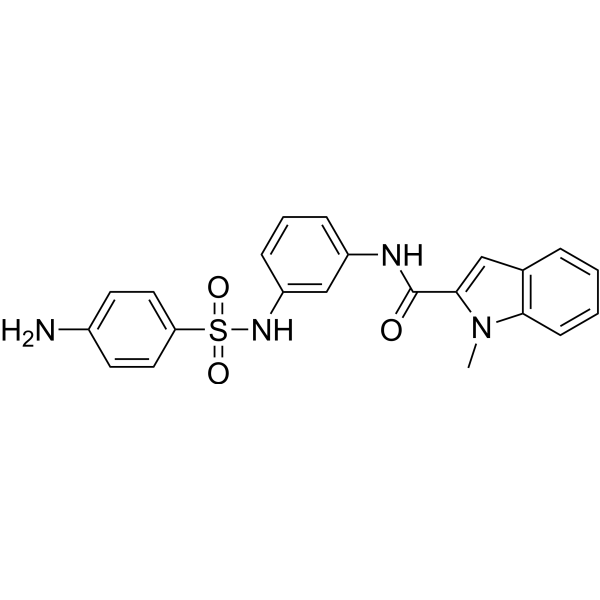
    KR-26556 is a sulfonamide type hepatitis B virus (HBV) capsid assembly regulator. KR-26556 exhibits anti-HBV activity with an EC50 of 0.04 μM. KR-26556 has favorable safety characteristics. KR-26556 can be used for research on chronic hepatitis B .
    KR-26556
  • HY-W007614

    3-Fluoro-para-anisaldehyde

    Drug Intermediate Cancer
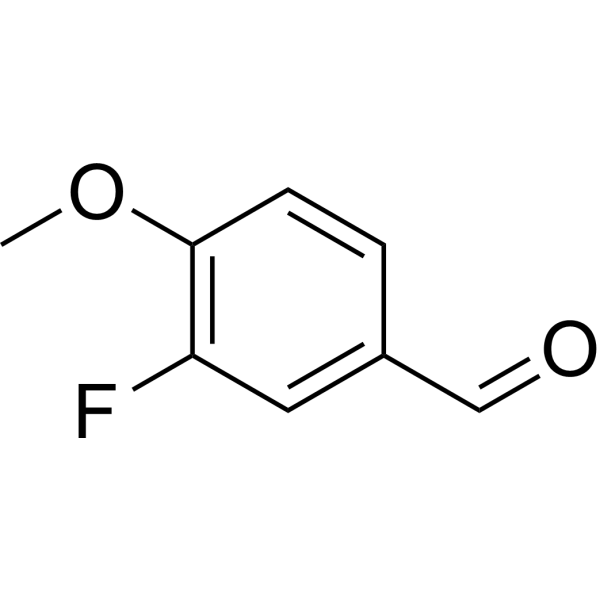
    3-Fluoro-4-methoxybenzaldehyde (3-Fluoro-para-anisaldehyde) is a drug intermediate that can be used to synthesize the fluorinated derivative of Combretastatin A-4 (HY-N2146), which has anti-cancer activity.
    3-Fluoro-4-methoxybenzaldehyde
  • HY-178236

    TRP Channel Metabolic Disease
    TRPM5 agonist-1 is an orally active TRPM5 agonist with a pEC50 of 8.1. TRPM5 agonist-1 shows excellent selectivity (> 100-fold) versus related cation channels (TRPM8, TRPV1, TRPV4, TRPA1, TRPM4). TRPM5 agonist-1 exhibits locally acting stimulatory effect on gastrointestinal transit in mice. TRPM5 agonist-1 can be used for research on promoting gastric motility .
    TRPM5 agonist-1
  • HY-179251

    CHIKV Infection
    BDGR-651 is an efficient and selective inhibitor of the Chikungunya virus (CHIKV) with an EC50 in NHDF cells of 0.86 μM, and the therapeutic index (SI) of 22.1. BDGR-651 exhibits dose-dependent protective effects when infecting Vero E6 cells, with its EC50 being 6 μM. BDGR-651 can be used for research on CHIKV infection .
    BDGR-651
  • HY-125313

    Orphan GPCR Cardiovascular Disease Inflammation/Immunology
    PSB-1737 is a human-selective GPR17 agonist with an EC50 for human GPR17 of 270 nM, and its activity on murine GPR17 is relatively weak (EC50 > 10 μM). PSB-1737 shows no significant inhibition at the glycine binding site of NMDA receptors, and has no significant agonistic or antagonistic activity on P2Y receptor subtypes. PSB-1737 can be used in demyelinating diseases (such as multiple sclerosis) or inflammatory-related anemia .
    PSB-1737
  • HY-W140208

    Cytochrome P450 Neurological Disease
    3-Phenylthiophene (Compound 25) is a CYP2A6 inhibitor with a Ki value of 3.3 μM. The Ki values for CYP2E1, CYP2B6, CYP2C9, and CYP2C19 are 9.7, 14, 112, and 107 μM respectively. It shows no significant inhibition on CYP3A4 and CYP2D6. 3-Phenylthiophene can be used in smoking cessation research .
    3-Phenylthiophene
  • HY-P11223

    TGF-beta/Smad Inflammation/Immunology
    CMF9, a cyclic peptide molecule, is an inhibitor of the SMAD2-SMAD4 interaction. CMF9 effectively blocks the formation of the heterodimeric complex of SMAD2 and SMAD4 by inhibiting the phosphorylation of SMAD2. CMF9 has no effect on the phosphorylation of SMAD3 or SMAD1/5/8. CMF9 downregulates the expression of fibrotic markers α-SMA and COL1A1. CMF9 exhibits potent anti-fibrotic effects in mouse models by promoting the degradation of pathological extracellular matrix (ECM) and inhibiting inflammation. CMF9 can be used for the study of liver fibrosis .
    CMF9
  • HY-125288

    Ferroportin Metabolic Disease
    DS42450411 is an orally active hepcidin production inhibitor with an IC50 of 32 nM. DS42450411 in an acute inflammatory mouse model induced by IL-6, DS42450411 significantly reduces serum hepcidin levels. DS42450411 can be used for studying iron homeostasis .
    DS42450411
  • HY-176969

    Bacterial Infection
    Antimicrobial agent-44 (Compound 7C) is an antibacterial agent .
    Antimicrobial agent-44
  • HY-176970

    Fungal Bacterial Infection
    Antimicrobial agent-45 (Compound 16) is a broad-spectrum antibacterial agent. Antimicrobial agent-45 exhibits MICs against Cr. neoformans, S. aureus, MRSA and My. intracellulare of 9.25, 74.04, 74.04 and 74.04 μM respectively. Antimicrobial agent-45 can be used for the study of cryptococcal infections .
    Antimicrobial agent-45
  • HY-178112

    CDK Apoptosis Cancer
    CDK2-IN-47 is a potent CDK2 inhibitor with an IC50 of 0.21 μM. CDK2-IN-47 exhibits outstanding anticancer activity against MCF-7, HCT-116, and MGC-803 cell lines. CDK2-IN-47 effectively induces G1 cell cycle arrest, retinoblastoma protein (Rb) dephosphorylation, and significant apoptosis. CDK2-IN-47 can be used for the studies of breast cancer, colorectal cancer and gastric cancer .
    CDK2-IN-47
  • HY-178762S

    RIP kinase Necroptosis Inflammation/Immunology
    RIPK1-IN-35 is a selective and orally active RIPK1 inhibitor with an IC50 of 5.33 nM. RIPK1-IN-35 has a potent protective effect against necroptosis in both human and murine cells. RIPK1-IN-35 shows good therapeutic effects in both TNF-α-induced systemic inflammatory response syndrome and DSS (HY-116282C)-induced inflammatory bowel disease models. RIPK1-IN-35 can be used to the study of inflammatory diseases related to necroptosis .
    RIPK1-IN-35
  • HY-115814

    PI3K Inflammation/Immunology
    AM-1430 is an efficient, highly selective and orally active small molecule inhibitor of PI3Kδ with an IC50 of 4.6 nM. AM-1430 exhibits IC50s for PI3Kα, PI3Kβ and PI3Kγ of 14.18, 2.2 and 3.22 μM, respectively. AM-1430 inhibits B cell proliferation and exhibits excellent in vivo activity in pAKT inhibition models and the hemoglobin (KLH) immune response model. AM-1430 can be used for the study of inflammation and autoimmune diseases .
    AM-1430
  • HY-179446

    Histone Methyltransferase Cancer
    HP1-IN-2 (Compound (R)-18) is a HP1/H3K9me3 interaction inhibitor with an IC50 of 18.1 μM. HP1-IN-2 can be used for studying various cancers with overexpression of HP1 .
    HP1-IN-2
  • HY-P11262

    GLP Receptor Metabolic Disease
    GUB021794 is a potent and highly selective glucagon-like peptide-1 receptor (GLP-1R) agonist developed using the streaMLine platform with an EC50 value of 18 pM. GUB021794 has a very weak activity against SCTR, with an EC50 value of 190 nM. GUB021794 can significantly reduce the body weight, food intake, and total fat mass of mice in a diet-induced obesity (DIO) model. GUB021794 can be used for research on obesity/diabetes .
    GUB021794
  • HY-179275

    Toll-like Receptor (TLR) Cancer
    TLR7 agonist 33 (Compound 141) is a potent TLR7 activator with an EC50 of 1 nM. TLR7 agonist 33 can be used for cancer research .
    TLR7 agonist 33
  • HY-178991

    DNA/RNA Synthesis Cancer
    WRN-IN-21 (Compound 11b) is a WRN helicase inhibitor with pIC50 values for WRN and BLM helicases of 3.6 and 5.4 respectively. WRN-IN-21 can be used for the study of MSI-related cancers .
    WRN-IN-21
  • HY-121682

    Drug Derivative Neurological Disease Inflammation/Immunology
    N-(2-Chlorophenyl)-1H-indole-3-carboxamide (Compound 60) is a substituted derivative of the pyrazolo[1,5-a]pyridine core. N-(2-Chlorophenyl)-1H-indole-3-carboxamide does not exhibit EphB3 kinase inhibitory activity and can be used as a negative control compound .
    N-(2-Chlorophenyl)-1H-indole-3-carboxamide
  • HY-180895

    Polo-like Kinase (PLK) Cancer
    Y207–5465 is a potent and highly selective PLK2 inhibitor with an IC50 value of 584.3 nM. Y207–5465 shows only limited anti-cancer activity in HT-29 and HCT-116 cells. Y207–5465 can be used in cancer research .
    Y207–5465
  • HY-101136

    AT-265

    Antibiotic Carbonic Anhydrase Bacterial Infection
    Dealanylascamycin (AT-265) (Compound 2) is a nucleoside antibiotic. AT 265 is a carbonic anhydrase (CA) inhibitor, with Ki values of 167, 65.2, 234, and 143 nM for hCA I, hCA II, hCA IV, and hCA IX respectively. Dealanylascamycin is the active form of Ascamycin (HY-121071). Dealanylascamycin exhibits broad-spectrum antibacterial activity and is effective against pathogenic bacteria such as Xanthomonas citri (MIC = 0.4 μg/mL). Dealanylascamycin has high cytotoxicity .
    Dealanylascamycin
  • HY-124127

    Parasite Others
    Allylpyrocatechol is a compound with antimalarial activity isolated from plants. Its antimalarial activity in vitro and in vivo has been verified, and structure-activity relationship analysis of its analogs has also been performed.
    Allylpyrocatechol
  • HY-W125014

    Drug Intermediate
    Octahydrocyclopenta[c]pyrrole is a multifunctional organic compound with significant biological activity and compound development potential. Octahydrocyclopenta[c]pyrrole has shown good application prospects in the fields of anti-inflammatory, anti-tumor and neuroprotection. The unique structure-activity relationship of Octahydrocyclopenta[c]pyrrole provides new ideas for the design of new drugs.
    Octahydrocyclopenta[c]pyrrole
  • HY-P2138

    HIV Protease Others
    U-85548E is an HIV protease inhibitor with nanomolar affinity for HIV-1 aspartic protease. By studying its structure-activity relationship, a potent nanomolar inhibitor with inhibitory effects on both HIV-1 and HIV-2 proteases was designed, and its binding mode was studied by X-ray crystallography and molecular modeling.
    U-85548E
  • HY-126230

    Endogenous Metabolite Others
    PAT-494 is an ATX inhibitor with significant activity in biochemical and plasma assays. PAT-494 can reduce LPA levels in rat plasma through oral administration. The structure-activity relationship study of PAT-494 shows that its binding mode with ATX is novel and it can effectively occupy the hydrophobic pockets and channels of ATX .
    PAT-494
  • HY-103513

    GABA Receptor Others
    GABAA receptor agent 2 (compound 13) is a compound used to study the structure and orthosteric ligand binding of GABA(A) receptors. The relevant model of GABAA receptor agent 2 can be used to understand the details of orthosteric ligand binding, and a detailed binding mode hypothesis was created through structure-activity relationships with two homologous series of orthosteric GABA(A)R antagonists.
    GABAA receptor agent 2
  • HY-W140555

    Biochemical Assay Reagents Bacterial Infection
    5,7-Dimethoxyphthalide, a dimethoxy derivative of phthalide, can undergo nucleophilic substitution reactions with functionalized long-chain alkyl iodides. 5,7-Dimethoxyphthalide acts as a synthetic building block to prepare anti-Helicobacter pylori products including CJ molecule and sporotricale methyl ether. 5,7-Dimethoxyphthalide can be utilized for relevant researches on Helicobacter pylori infection and structure-activity relationship (SAR) .
    5,7-Dimethoxyphthalide
  • HY-157928

    Keap1-Nrf2 Inflammation/Immunology
    Keap1-Nrf2-IN-18 (Compound 22) is an orally active Keap1-Nrf2 protein-protein interaction (PPI) inhibitor with good pharmacokinetics (PK) profiles and more potent in vivo activities in rats. Keap1-Nrf2-IN-18 has the strongest inhibitory activity in structure−activity relationship (SAR) study (KD = 0.0029 μM) .
    Keap1-Nrf2-IN-18
  • HY-116264

    Ser/Thr Protease Cancer
    CatB-IN-1 is an enzyme inhibitor with significant inhibitory activity against tumor invasion. CatB-IN-1 may reduce the invasiveness of tumor cells by regulating intracellular protein metabolism. CatB-IN-1 demonstrates effective anti-invasive ability in cell models and can significantly reduce the invasive ability of MCF-10A neoT cells. The structure-activity relationship study of CatB-IN-1 shows that its design can target multiple functions of cat hepsin B .
    CatB-IN-1
  • HY-120864

    Wnt Cancer
    SEN461 is a potent and orally active Wnt pathway inhibitor. SEN461 shows effective anti-tumor activity and can be used for GBM research .
    SEN461
  • HY-141649

    Apoptosis Autophagy Ferroptosis Cancer
    Anticancer agent 251 (compound 7j) can induce cell death of bladder cancer cell T24 by inducing apoptosis, autophagy or ferroptosis .
    Anticancer agent 251
  • HY-159134

    TRP Channel Others
    TRPA1-IN-3 (commound 1) is a TRPA1 inhibitor. TRPA1-IN-3 can be used in skin and respiratory tract related research .
    TRPA1-IN-3

Inquiry Online

Your information is safe with us. * Required Fields.

Salutation


Country or Region *

Applicant Name *


Organization Name *

Department *


Email Address *


Product Name *

Cat. No.


Requested quantity *

Phone Number *


Remarks

Inquiry Online

Inquiry Information

Product Name:
Cat. No.:
Quantity:
MCE Japan Authorized Agent:

