1. Search Result
Search Result
Results for "

Sulfur

" in MedChemExpress (MCE) Product Catalog:

148

Inhibitors & Agonists

3

Screening Libraries

6

Fluorescent Dye

15

Biochemical Assay Reagents

5

Peptides

40

Natural
Products

10

Recombinant Proteins

11

Isotope-Labeled Compounds

4

Antibodies

3

Oligonucleotides

Cat. No. Product Name Target Research Areas Chemical Structure
  • HY-50730
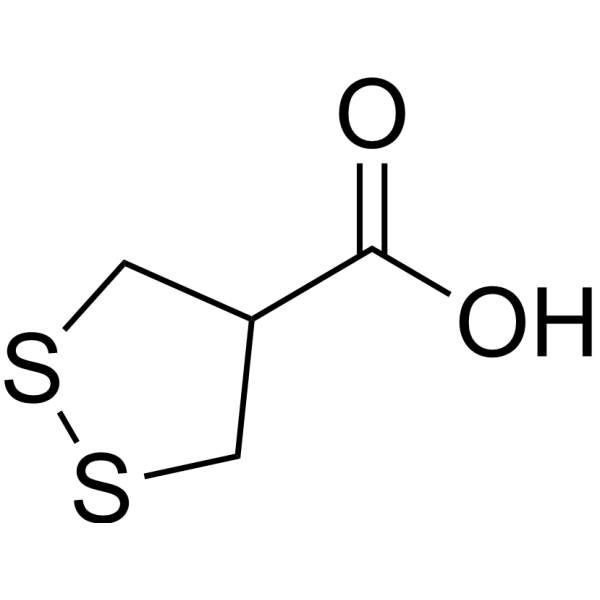
    Asparagusic acid
    4 Publications Verification

    Parasite Endogenous Metabolite Infection
    Asparagusic acid is a sulfur-containing flavor component produced by Asparagus officinalis Linn., with anti-parasitic effect. Asparagusic acid is a plant growth inhibitor .
    Asparagusic acid
  • HY-W009749
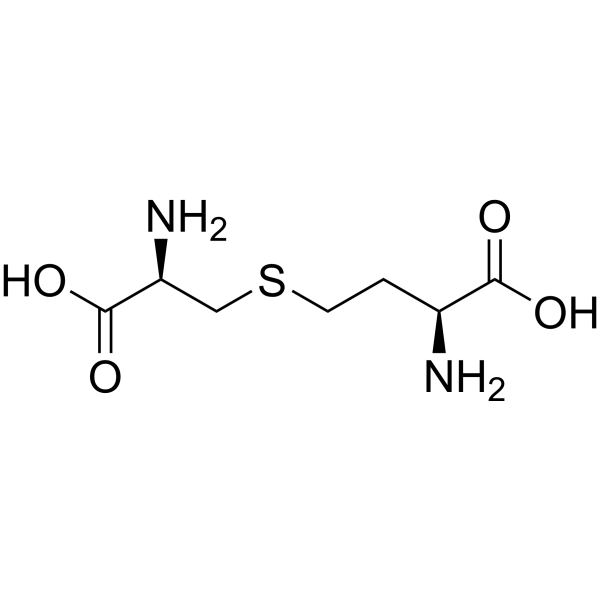
    L-Cystathionine
    1 Publications Verification

    Endogenous Metabolite Apoptosis Cardiovascular Disease
    L-Cystathionine is a nonprotein thioether and is a key amino acid associated with the metabolic state of sulfur-containing amino acids. L-Cystathionine protects against Homocysteine-induced mitochondria-dependent apoptosis of vascular endothelial cells (HUVECs). L-Cystathionine plays an important role in cardiovascular protection .
    L-Cystathionine
  • HY-N0325
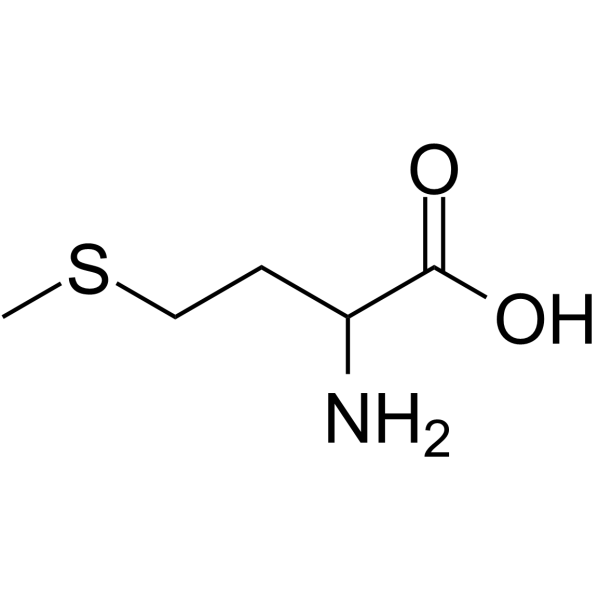
    DL-Methionine
    2 Publications Verification

    Environmental Pollutants Parasite Infection Inflammation/Immunology
    DL-Methionine is an essential amino acid containing sulfur with oxidative stress defense effects. DL-Methionine can be used for animal natural feed. DL-Methionine also kills H. rostochiensis on potato plants .
    DL-Methionine
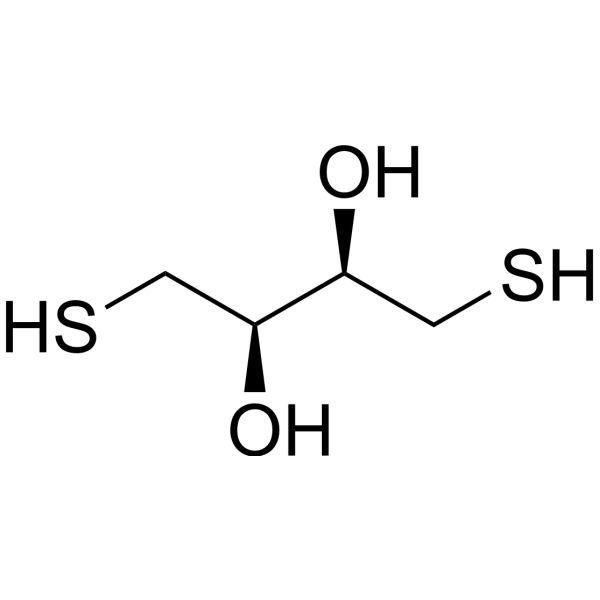
  • HY-15917A
    L-Dithiothreitol
    2 Publications Verification

    Biochemical Assay Reagents Others
    L-Dithiothreitol (DTT) is a reducing agent commonly used in various biochemical applications to break disulfide bonds in proteins, thereby denaturing proteins or preventing the formation of unwanted aggregates. DTT has a unique chemical property that cleaves the sulfur-sulfur bond in the disulfide bond to form a sulfhydryl group. This makes it a useful tool for protein purification, enzyme assays, and protein structure studies.
    L-Dithiothreitol
  • HY-W006416

    Drug Intermediate Others
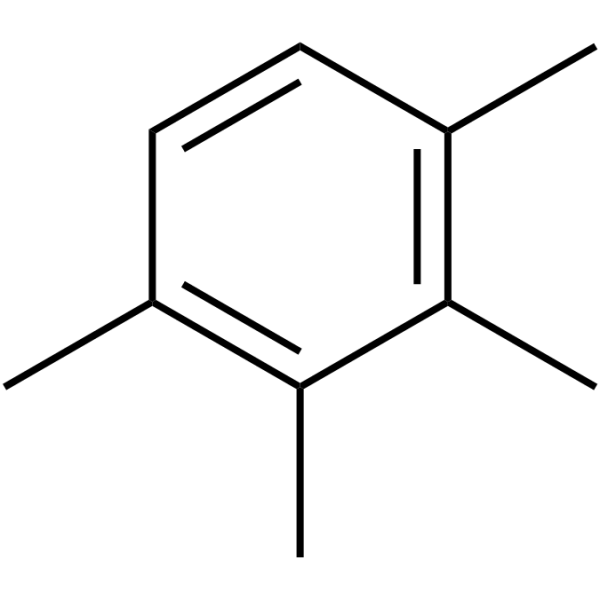
    1,2,3,4-Tetramethylbenzene is an aromatic hydrocarbon. 1,2,3,4-Tetramethylbenzene can serve as a molecular marker indicating the input of photosynthetic sulfur bacteria (especially green sulfur bacteria) in ancient sedimentary environments, reflecting the static marine environment of the source rock deposition. 1,2,3,4-Tetramethylbenzene can also be used as a pharmaceutical intermediate .
    1,2,3,4-Tetramethylbenzene
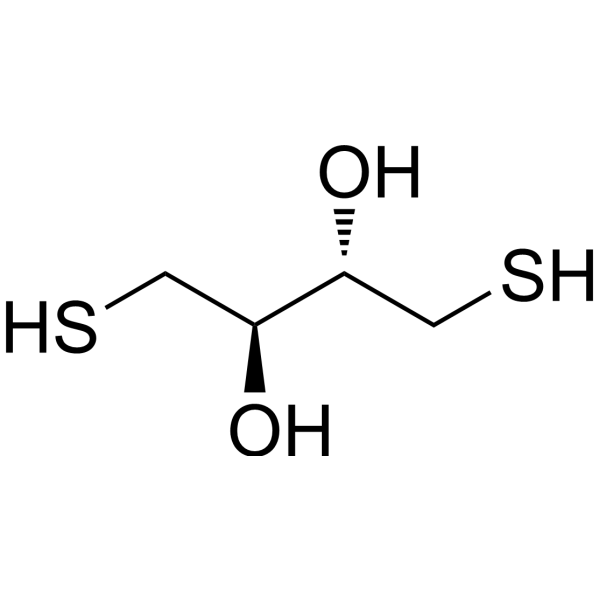
  • HY-15916
    DTE
    2 Publications Verification

    Dithioerythritol; Cleland’s reagent

    Biochemical Assay Reagents Others
    DTE (Dithioerythritol) is a sulfur-containing sugar derived from the corresponding 4-carbon monosaccharide erythrose. DTE is an epimer of Dithiothreitol (DTT) (HY-15917). DTE is a thiol reducing agent .
    DTE
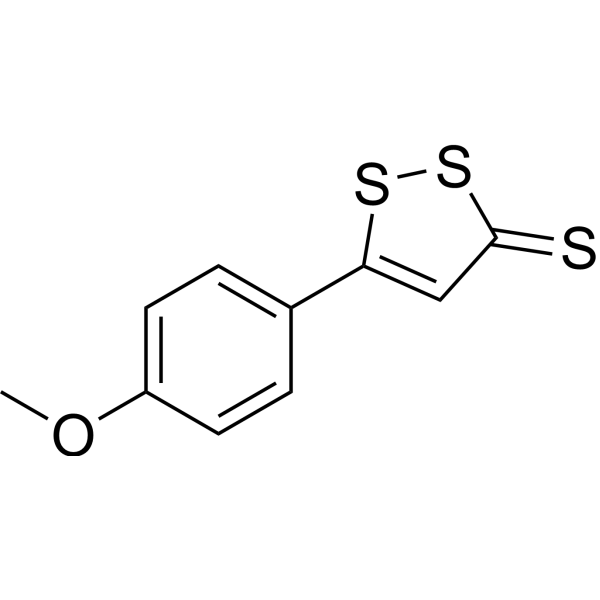
  • HY-B1223
    Anethole trithione
    2 Publications Verification

    mAChR Neurological Disease Cancer
    Anethole trithione, a sulfur heterocyclic choleretic, is a bile secretion-stimulating agent. Anethole trithione enhances salivary secretion and increases mAChRs, and can be used for dry mouth research .
    Anethole trithione
  • HY-W004461

    MMTS

    Endogenous Metabolite Bacterial Infection
    S-Methyl thiomethanesulfonate (MMTS) is a sulfur-containing volatile organic compound produced by plants and bacteria and is an effective anti-oomycete agent .
    S-Methyl thiomethanesulfonate
  • HY-N0301

    GABA Receptor Neurological Disease Inflammation/Immunology
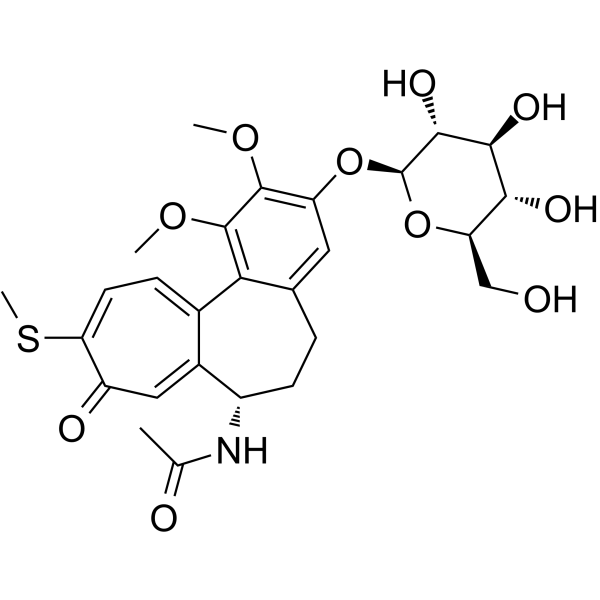
    Thiocolchicoside is a competitive γ-aminobutyric acid type A (GABAA) receptor antagonist and glycine receptor agonist in the central nervous system. Thiocolchicoside is a semisynthetic sulfur derivative of colchicoside. Thiocolchicoside is a muscle relaxant and has anti-inflammatory, and analgesic properties .
    Thiocolchicoside
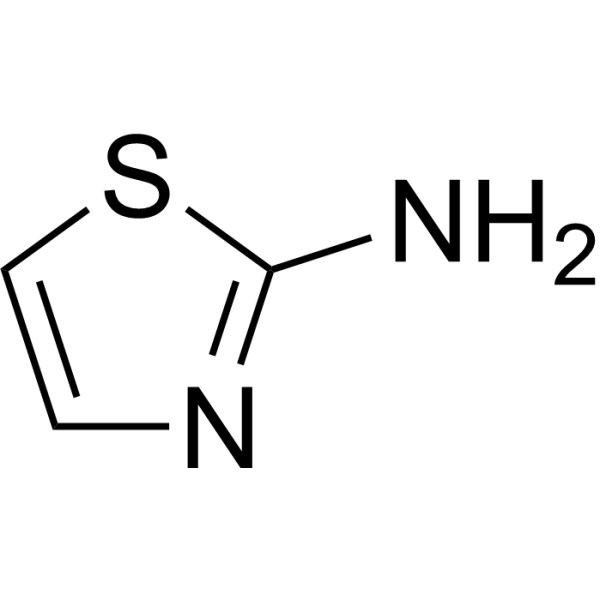
  • HY-12396
    Aminothiazole
    2 Publications Verification

    2-Aminothiazole; 2-Thiazolylamine

    Bacterial Fungal Virus Protease Infection
    Aminothiazole (2-Aminothiazole), a typical heterocyclic amine, is a precursor for the synthesis of biologically active molecules including sulfur agents, biocides, fungicides, antibiotics, dyes and chemical reaction accelerators .
    Aminothiazole
  • HY-W010104

    H-Met(O)-OH

    Endogenous Metabolite Metabolic Disease
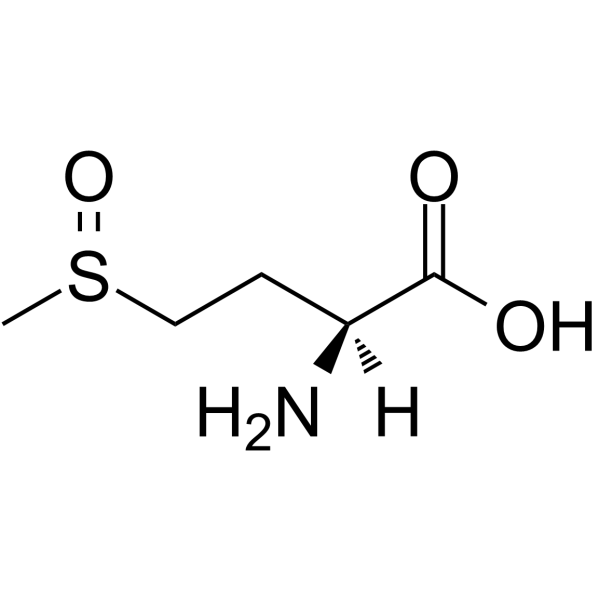
    L-Methionine sulfoxide is an orally active oxidation product of Methionine (HY-N0326). L-Methionine sulfoxide can be partially converted into Methionine in the body and participate in the synthesis of glutathione in the liver. L-Methionine sulfoxide provides the body with sulfur activity and can participate in the synthesis of proteins and sulfur-containing compounds .
    L-Methionine sulfoxide
  • HY-40229

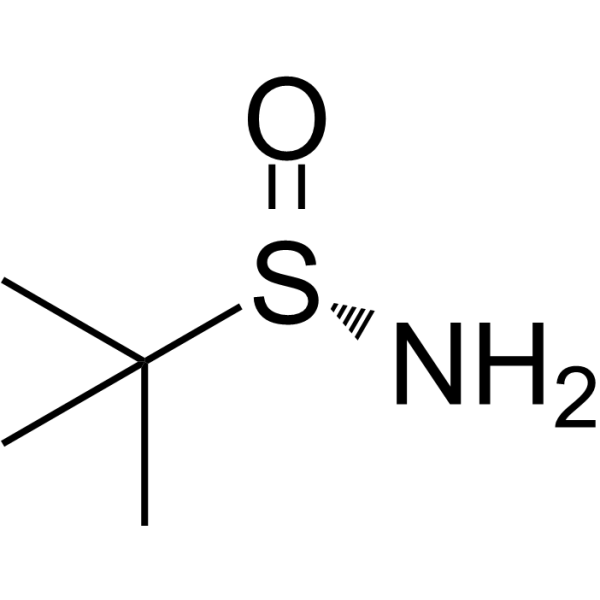
    S-(-)-T-Butylsulfinimide

    Biochemical Assay Reagents Others
    (S)-(-)-tert-Butylsulfinamide (S-(-)-T-Butylsulfinimide) is a compound containing a chiral sulfur atom. (S)-(-)-tert-Butylsulfinamide can be used in the synthesis of other compounds .
    (S)-(-)-tert-Butylsulfinamide
  • HY-W037619

    Biochemical Assay Reagents Neurological Disease Cancer
    Pteridine-2,4 (1H,3H)-dione is a pteridine derivative (xanthopterin) and a sulfur-containing pteridine compound (2,4-dimercaptopyrimidine). Pteridine-2,4 (1H,3H)-dione possesses metal-binding ability, and forms closed-shell (ionic) interactions with palladium via sulfur and nitrogen atoms. Pteridine-2,4 (1H,3H)-dione derivates can be used in studies related to neuroblastoma, glioma and breast cancer .
    Pteridine-2,4(1H,3H)-dione
  • HY-162386

    Cuproptosis Mitochondrial Metabolism Cancer
    UM4118 is a potent copper-selective non-genotoxic copper ionophore that induces cuproptosis in acute myeloid leukemia cells. UM4118 exhibits stronger activity against SF3B1G12C mutant acute myeloid leukemia cells. UM4118 transports extracellular copper into cells, elevates intracellular and mitochondrial copper levels, and triggers lipoylated DLAT aggregation, proteotoxic stress, iron-sulfur cluster protein depletion, reduced lipoylated protein levels, and maximal mitochondrial respiratory damage. UM4118 cytotoxicity can be enhanced by supplementation with extracellular copper, abolished by copper chelation, and shows synthetic lethal effects in the absence of iron-sulfur cluster biosynthesis/transport genes. UM4118 can be used for the study of acute myeloid leukemia .
    UM4118
  • HY-W015695

    Drug Intermediate Others
    4-Methyl-5-thiazoleethanol is a natural sulfur-containing flavor compound with the aroma of beef and nuts. In addition, the composite material prepared by modifying graphene oxide with 4-Methyl-5-thiazoleethanol through a one-step esterification reaction can selectively adsorb copper ions (Cu 2+) in aqueous solutions .
    4-Methyl-5-thiazoleethanol
  • HY-W033049

    DABSO

    Biochemical Assay Reagents Others
    DABCO-Bis(sulfur dioxide) (DABSO) is a source of sulfur dioxide in organic synthesis and can be used in the preparation of sulfonamides and sulfonamides .
    DABCO-Bis(sulfur dioxide)
  • HY-158779

    SSP4

    Fluorescent Dye Others
    Sulfane sulfur probe 4 (SSP4) is a fluorescent probe used to detect sulfane sulfur species (Ex/Em=494/515 nm). Sulfane sulfur probe 4 exhibits high sensitivity in detecting sulfane sulfur, even in the presence of other substances such as homocysteine, methionine, cysteine, glutathione, N-acetyl-L-cysteine, glycine, tyrosine, tryptophan, arginine, and metal ions (Fe 2+, Fe 3+, Mg 2+, Ca 2+, and Zn 2+) .
    Sulfane sulfur probe 4
  • HY-135024

    Phenylacetyl Coenzyme A

    Endogenous Metabolite Metabolic Disease
    Phenylacetyl CoA is an acceptor oxidoreductase. Phenylacetyl CoA is a membrane-bound molybdenum–iron–sulfur enzyme involved in anaerobic metabolism of phenylalanine in the denitrifying bacterium Thauera aromatica .
    Phenylacetyl CoA
  • HY-Y0109

    Pyrazin-2-yl chloride

    Drug Intermediate Others
    Chloropyrazine (Pyrazin-2-yl chloride) is a pyrazine compound that can be used for the synthesis of active compounds. Chloropyrazine can also serve as an electrolyte additive for research on lithium-sulfur batteries .
    Chloropyrazine
  • HY-125923
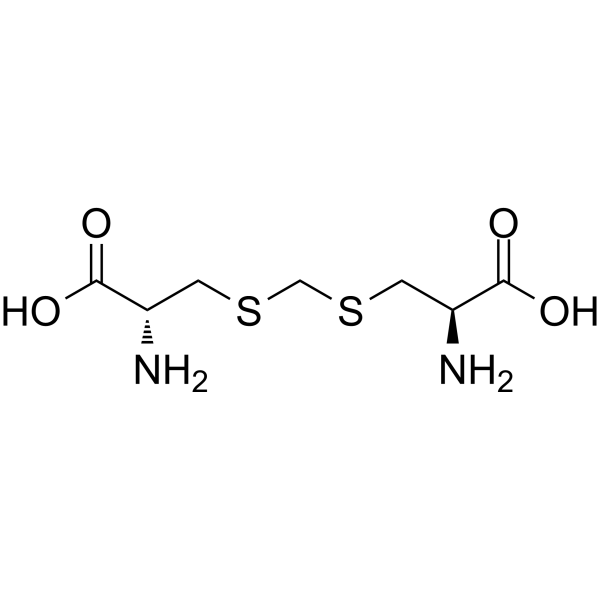
    Djenkolic acid
    2 Publications Verification

    Bacterial Infection Endocrinology
    Djenkolic acid is a sulfur-containing amino acid. Djenkolic acid can be isolated from the djenkol beans of the Southeast Asian plant Archidendron jiringa. Djenkolic acid de-inhibits the SO4 2- uptake system in Pseudomonas fluorescens. Djenkolic acid causes supersaturation of the urinary system with djenkolic acid crystals, leading to urinary tract obstruction and acute kidney injury .
    Djenkolic acid
  • HY-W010104R

    H-Met(O)-OH (Standard)

    Reference Standards Endogenous Metabolite Metabolic Disease
    L-Methionine sulfoxide is an orally active oxidation product of Methionine (HY-N0326). L-Methionine sulfoxide can be partially converted into Methionine in the body and participate in the synthesis of glutathione in the liver. L-Methionine sulfoxide provides the body with sulfur activity and can participate in the synthesis of proteins and sulfur-containing compounds .
    L-Methionine sulfoxide (Standard)
  • HY-113606

    Drug Intermediate Metabolic Disease
    Adenosine 5'-phosphosulfate disodium is a metabolism intermediates of sulfur. Adenosine 5'-phosphosulfate disodium can used in study sulfotransferases and sulforeductases in various organisms .
    Adenosine 5'-phosphosulfate disodium
  • HY-W010488

    Biochemical Assay Reagents Others
    Dithiooxamide (Rubeanic Acid) is a selective chelating agent and sulfur-containing analog of Oxamide. Dithiooxamide forms stable chelates with various metal ions (such as lead, iron, cadmium, manganese, and aluminum), which can be separated, enriched, and detected by adsorption on solid adsorbents or electrode surfaces .
    Dithiooxamide
  • HY-W009749C
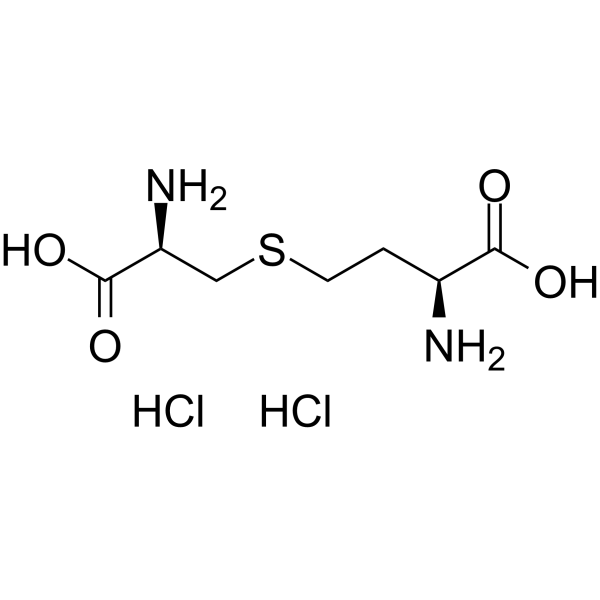
    L-Cystathionine dihydrochloride
    1 Publications Verification

    Endogenous Metabolite Apoptosis Cardiovascular Disease
    L-Cystathionine (dihydrochloride) is a nonprotein thioether and is a key amino acid associated with the metabolic state of sulfur-containing amino acids. L-Cystathionine (dihydrochloride) protects against Homocysteine-induced mitochondria-dependent apoptosis of vascular endothelial cells (HUVECs). L-Cystathionine (dihydrochloride) plays an important role in cardiovascular protection .
    L-Cystathionine dihydrochloride
  • HY-N0325S4

    Parasite Cancer
    DL-Methionine-d4 is the deuterium labeled DL-Methionine. DL-Methionine is an essential amino acid containing sulfur with oxidative stress defense effects. DL-Methionine can be used for animal natural feed. DL-Methionine also kills H. rostochiensis on potato plants .
    DL-Methionine-d4
  • HY-151344

    HIF/HIF Prolyl-Hydroxylase Cancer
    HIF-1/2α-IN-2 is an inhibitor of HIF-1/2α. HIF-1/2α-IN-2 decrease HIF-1/2α levels and induces iron starvation response by targeting Iron Sulfur Cluster Assembly 2 (ISCA2) .
    HIF-1/2α-IN-2
  • HY-W001189

    Bacterial Infection
    1,3-Dithiane is a protected formaldehyde anion equivalent and a sulfur-containing Maillard reaction product. 1,3-Dithiane is found in cooked beef extracts. 1,3-Dithiane is a potent mutagenic agent against S. typhimurium TA98 and TA100. 1,3-Dithiane can be used as a useful marker synthon .
    1,3-Dithiane
  • HY-152903S

    Isotope-Labeled Compounds Others
    Sulfuric- 34S acid disodium is an active compound.
    Sulfuric acid-34S disodium
  • HY-W024241

    Others Others
    Tidiacic is a hepatoprotective agent that acts as an antioxidant and a sulfur donor .
    Tidiacic
  • HY-N15156

    Endogenous Metabolite Inflammation/Immunology
    Thiotaurine is the metabolite of Cystine. Thiotaurine is a sulfur donor, which may probably modulates the activity of GAPDH, followed by the pparticipation in neutrophil activation and leukocytes energy metabolism. Thiotaurine is a potential anti-inflammatory agent and immunomodulator .
    Thiotaurine
  • HY-W017850

    Biochemical Assay Reagents Others
    1,5,2,4-Dioxadithiane 2,2,4,4-tetraoxide is a sulfur-containing electrolyte additive that can be used to prepare graphite/NMC111 lithium-ion cells .
    1,5,2,4-Dioxadithiane 2,2,4,4-tetraoxide
  • HY-138665

    Prostaglandin Receptor Endocrinology
    HHS-0701, a sulfur-triazole exchange (SuTEx) ligand, is a potent tyrosine-reactive prostaglandin reductase 2 (PTGR2) inhibitor. HHS-0701 blocks PTGR2 metabolism of the lipid substrate 15-Keto-PGE2 .
    HHS-0701
  • HY-W012472

    Environmental Pollutants Biochemical Assay Reagents Others
    1,3,5-Triisopropylbenzene is a symmetric aromatic hydrocarbon compound. 1,3,5-Triisopropylbenzene serves as a saturated crosslinker to participate in the "inverse vulcanization" reaction of elemental sulfur. 1,3,5-Triisopropylbenzene acts as a probe molecule to evaluate the external surface acidity and accessibility of zeolite materials. 1,3,5-Triisopropylbenzene is also used as fuel and fuel additive, lubricant and lubricant additive, as well as micelle swelling agent .
    1,3,5-Triisopropylbenzene
  • HY-129792

    Environmental Pollutants Herbicide Others
    Thiobencarb is an herbicide, can reduce growth, photosynthetic activity, and amount of rieske iron-sulfur protein in the diatom Thalassiosira pseudonana .
    Thiobencarb
  • HY-115773

    NMTPRO; N-Nitroso-2-methylthiazolidine 4-carboxylic acid; N-nitrosomethylthioproline

    Endogenous Metabolite Metabolic Disease
    NMTCA (NMTPRO) is a sulfur-containing N-nitrosamino acid. NMTCA can be used as an indicator of endogenous nitrosation by gas chromatography-thermalenergyanalysis .
    NMTCA
  • HY-W273281

    MOFs Others
    6,6′-Dithiodinicotinic acid is a sulfur-containing organic compound belonging to nicotinic acid derivatives, which can be used as a specific sulfhydryl blocker .
    6,6′-Dithiodinicotinic acid
  • HY-N6705

    Bacterial Antibiotic Infection
    Tropodithietic acid is a sulfur-containing antibiotic produced by the marine bacterium Phaeobacter inhibens. Tropodithietic acid exhibits a strong antibiotic activity against a broad spectrum of bacteria including alpha- and gammaproteobacteria, flavobacteria and actinobacteria .
    Tropodithietic acid
  • HY-118462A

    Coelenterazine 400a hydrochloride; Bisdeoxycoelenterazine hydrochloride

    Fluorescent Dye Others
    Coelenteramine (Coelenterazine) 400a hydrochloride, a derivative of Coelenterazine, is a Renilla luciferase (RLuc) substrate. In the presence of Coelenteramine 400a hydrochloride, RLuc can emit blue light at 395 nm . Coelenteramine 400a hydrochloride will causes color change in the bioluminescence reaction of Rluc by replacing the sulfur and oxygen heteroatoms of the methylene bridge. Coelenteramine 400a hydrochloride provides higher signal resolution and can be used in the research of bioluminescence resonance energy transfer (BRET) .
    Coelenteramine 400a hydrochloride
  • HY-N0325R

    Reference Standards Parasite Infection Inflammation/Immunology
    DL-Methionine (Standard) is the analytical standard of DL-Methionine. This product is intended for research and analytical applications. DL-Methionine is an essential amino acid containing sulfur with oxidative stress defense effects. DL-Methionine can be used for animal natural feed. DL-Methionine also kills H. rostochiensis on potato plants .
    DL-Methionine (Standard)
  • HY-133158S

    Isotope-Labeled Compounds Others
    (S)-Adenosylmethionine decarboxylated-d3 (sulfuric) is the deuterium labeled (S)-Adenosylmethionine decarboxylated sulfuric .
    (S)-Adenosylmethionine decarboxylated-d3 (sulfuric)
  • HY-W010615

    Drug Intermediate Others
    4-Methylthiophene is an intermediate used in the synthesis of the aromatic sulfur compounds .
    2-Methylthiophene
  • HY-129756

    N-Phenylthioacetamide

    Biochemical Assay Reagents Metabolic Disease
    Thioacetanilide (N-Phenylthioacetamide) is a sulfur-containing thioamide derivative of acetanilide. Thioacetanilide displays a solvent‑dependent Z/E isomeric distribution, preferring the E conformation in polar hydrogen‑bonding solvents and the Z conformation in halogenated solvents. Thioacetanilide serves as a substrate for metabolic desulfurization and aromatic hydroxylation. Thioacetanilide is mainly metabolized via desulfurization and 4‑hydroxylation of the aromatic ring in Rattus norvegicus, and the released sulfur integrates into the total body sulfur pool. Thioacetanilide is well absorbed in rats, and more than 90% of the dose is excreted in urine as conjugated metabolites after oral administration .
    Thioacetanilide
  • HY-N7639

    Others Others
    Paeoniflorin, a main component of Paeoniae Radix Alba, could be transformed into Paeoniflorin sulfite during sulfur-fumigation of Paeoniae Radix Alba .
    Paeoniflorin sulfite
  • HY-P1512

    SOD Cancer
    Antioxidant peptide A is a short peptide, which contains alternative aromatic or sulfur-containing amino acid. The side chains of Antioxidant peptide A are believed to contribute to strong radical scavenging activities of peptides in the cancer cell.
    Antioxidant peptide A
  • HY-59302

    Biochemical Assay Reagents Others
    Indole-5-carboxylic acid, 98% is an indole derivative. Indole-5-carboxylic acid, 98% inhibits corrosion of low carbon steel in deoxygenated 0.5 M sulfuric acid solution .
    Indole-5-carboxylic acid, 98%
  • HY-W145053

    Sodium chloro(4-methylbenzenesulfonyl)azanide hydrate

    Factor Xa Bacterial Infection
    ChloraMine-T hydrate (Sodium chloro(4-methylbenzenesulfonyl)azanide (hydrate)) is a common reagent in various synthetic processes. It has been used as a reagent in aminohydroxylation and allylic amination reactions, a nitrogen source in aziridination reactions of alkenes and alkenes, and deprotection of sulfur groups in sulfur-containing compounds. It has been used as a reagent in the synthesis of factor Xa inhibitors. ChloraMine-T hydrate (Sodium chloro(4-methylbenzenesulfonyl)azanide (hydrate)) (0.2% w/v) is also an antimicrobial agent that kills Staphylococcus epidermidis, Staphylococcus aureus, Enterococcus faecalis, Escherichia coli, Proteus mirabilis, and Enterococcus cloacae.
    ChloraMine-T hydrate
  • HY-113811

    DIXDS; Diproxide

    Biochemical Assay Reagents Others
    Diisopropyl xanthogen disulfide (DIXDS) is a superaccelerator for natural rubber and latex, styrene-butadiene rubber and latex, nitrile butadiene rubber and recycled rubber. It can also be used as a neoprene rubber modifier and an insoluble sulfur stabilizer .
    Diisopropyl xanthogen disulfide
  • HY-50730R

    Parasite Endogenous Metabolite Reference Standards Infection
    Asparagusic acid (Standard) is the analytical standard of Asparagusic acid. This product is intended for research and analytical applications. Asparagusic acid is a sulfur-containing flavor component produced by Asparagus officinalis Linn., with anti-parasitic effect. Asparagusic acid is a plant growth inhibitor .
    Asparagusic acid (Standard)
  • HY-148205A

    Drug Derivative Others
    Trypanothione TFA is a bis-glutathionyl derivative, can be isolated from trypanosomatids. Trypanothione TFA itself or assisted by different enzymatic systems is involved in anti-oxidant defense, cell proliferation, removal of toxic compounds and metabolites and iron-sulfur metabolism .
    Trypanothione TFA
  • HY-I0144

    Drug Intermediate Others
    Thiazolidine is a five-membered heterocyclic compound containing sulfur and nitrogen heteroatoms. Thiazolidine is an important intermediate in organic synthesis. Thiazolidine derivatives possess diverse bioactivities, such as anti-tumor, antibacterial and insecticidal activities, and the capacity to reduce blood glucose levels .
    Thiazolidine

Inquiry Online

Your information is safe with us. * Required Fields.

Salutation


Country or Region *

Applicant Name *


Organization Name *

Department *


Email Address *


Product Name *

Cat. No.


Requested quantity *

Phone Number *


Remarks

Inquiry Online

Inquiry Information

Product Name:
Cat. No.:
Quantity:
MCE Japan Authorized Agent:

