1. Search Result
Search Result
Results for "

Vinyl

" in MedChemExpress (MCE) Product Catalog:

100

Inhibitors & Agonists

1

Screening Libraries

3

Fluorescent Dye

34

Biochemical Assay Reagents

1

Peptides

4

Natural
Products

9

Isotope-Labeled Compounds

5

Oligonucleotides

Cat. No. Product Name Target Research Areas Chemical Structure
  • HY-15399
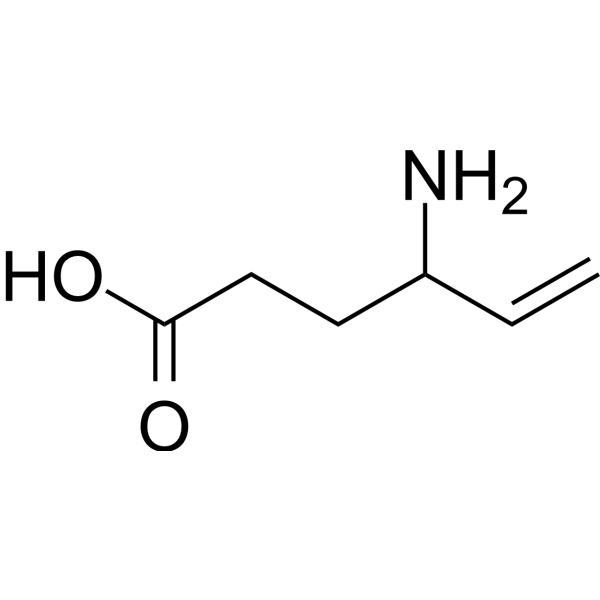
    Vigabatrin
    Maximum Cited Publications
    6 Publications Verification

    γ-Vinyl-GABA

    GABA Receptor Neurological Disease
    Vigabatrin (γ-Vinyl-GABA), an inhibitory neurotransmitter GABA vinyl-derivative, is an orally active and irreversible GABA transaminase inhibitor. Vigabatrin is an antiepileptic agent, which acts by increasing GABA levels in the brain by inhibiting the catabolism of GABA by GABA transaminase .
    Vigabatrin
  • HY-Y0850H

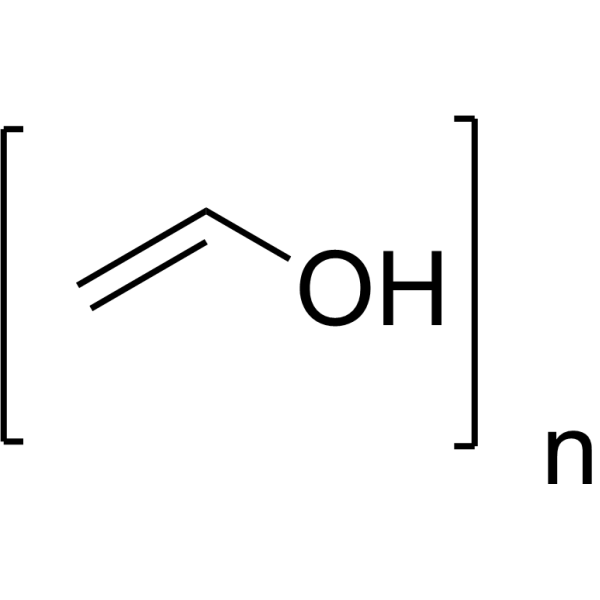
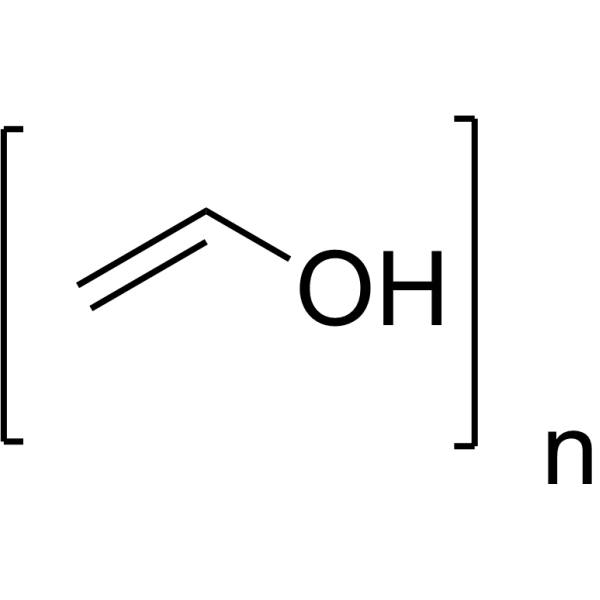
    PVA (Mw 89000-98000, 99+% hydrolyzed); Poly(Ethenol) (Mw 89000-98000, 99+% hydrolyzed)

    Environmental Pollutants Biochemical Assay Reagents Others
    Polyvinyl alcohol (Mw 89000-98000, 99+% hydrolyzed) also known as PVA, is a vinyl water-soluble polymer that can be used as a non-ionic surfactant. It can also be used as a biodegradable polymer and can be used in adhesives, coatings, textiles, ceramics and cosmetics .
    Polyvinyl alcohol (Mw 89000-98000, 99+% hydrolyzed)
  • HY-W017330
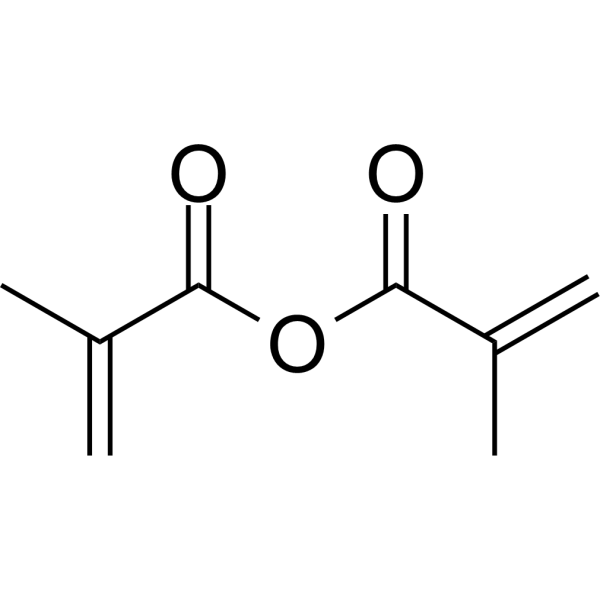
    Methacrylic anhydride
    1 Publications Verification

    Biochemical Assay Reagents Others
    Methacrylic anhydride is a typical polymerizable 1,6-diolefin. Methacrylic anhydride can form a soluble csyclopolymer by free-radical initiation. Methacrylic anhydride can spontaneously polymerize through the vinyl group and justifies the use of 2-6-di-tert-butyl4-methylphenol as an inhibitor .
    Methacrylic anhydride
  • HY-129225
    WRR139
    2 Publications Verification

    Keap1-Nrf2 Transglutaminase Cancer
    WRR139 is a peptide vinyl sulfone involving in disease processes such as inflammation and cancer. WRR139 is also a cytosolic enzyme N-glycanase 1 (NGLY1) and Nrf1 inhibitor. WRR139 enhances Carfilzomib cytotoxicity against cancer cells .
    WRR139
  • HY-Y0850I

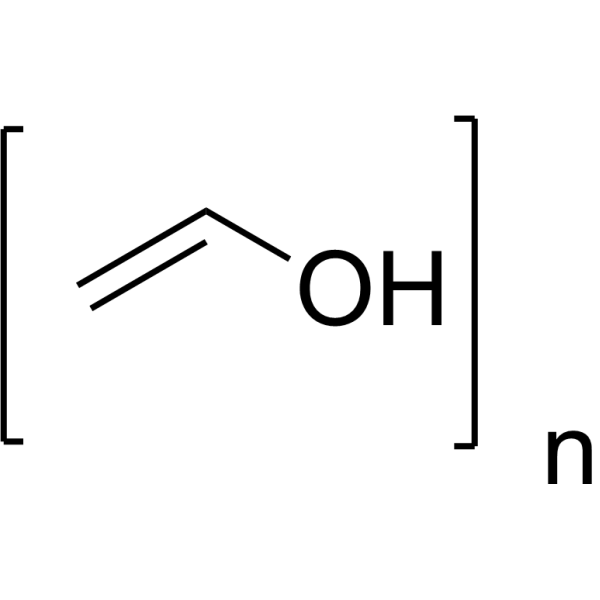
    PVA (Mw 9000-10000, 80% hydrolyzed); Poly(Ethenol) (Mw 9000-10000, 80% hydrolyzed)

    Environmental Pollutants Biochemical Assay Reagents Cancer
    Polyvinyl alcohol (Mw 9000-10000, 80% hydrolyzed) also known as PVA, is a vinyl water-soluble polymer that can be used as a non-ionic surfactant. Polyvinyl alcohol (Mw 9000-10000, 80% hydrolyzed) can be used as a biodegradable polymer and can be used in adhesives, coatings, textiles, ceramics, and cosmetics. Polyvinyl alcohol can be used in tissue engineering by electrospinning. Polyvinyl alcohol can achieve high cellular density, infiltration, and uniform distribution, facilitating functional connections between cells. Polyvinyl alcohol can improve cell vitality through in vitro cultivation. Polyvinyl alcohol demonstrates promising inhibition of ostersarcoma cancer cells with Doxorubicin (HY-15142A) .
    Polyvinyl alcohol (Mw 9000-10000, 80% hydrolyzed)
  • HY-W004761

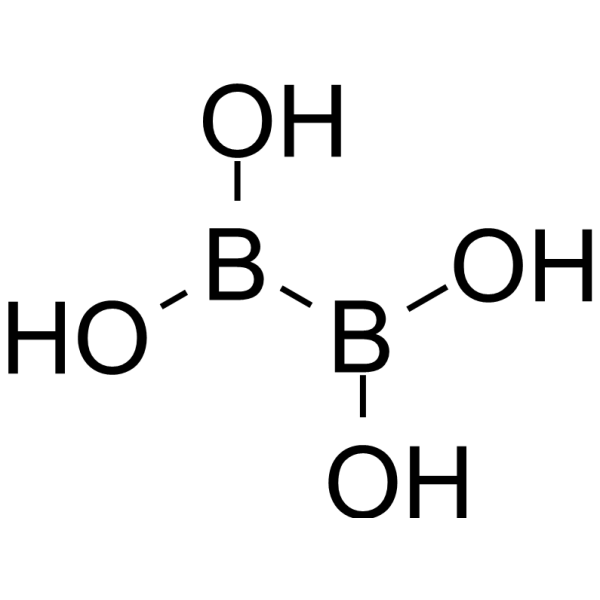
    Hypodiboric acid

    Biochemical Assay Reagents Reactive Oxygen Species (ROS) Infection
    Tetrahydroxydiboron acts as a hydrogel initiator and bioadhesion promoter, with broad-spectrum antibacterial activity, ROS scavenging capacity and osteogenic induction properties. Tetrahydroxydiboron initiates rapid gelation by generating free radicals through reactions with vinyl monomers and dissolved oxygen, and overcomes oxygen inhibition without deoxygenation or external triggers. Tetrahydroxydiboron achieves strong bioadhesion through interaction with carboxymethyl chitosan. Tetrahydroxydiboron can be used in the research of periodontitis and related inflammatory diseases .
    Tetrahydroxydiboron
  • HY-128971
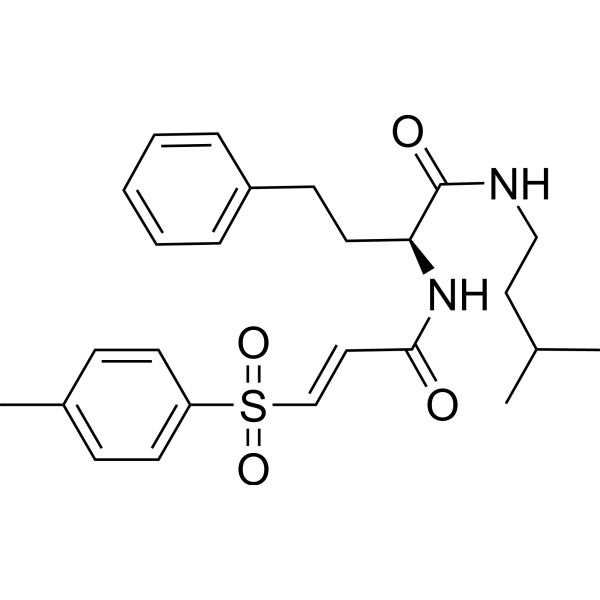
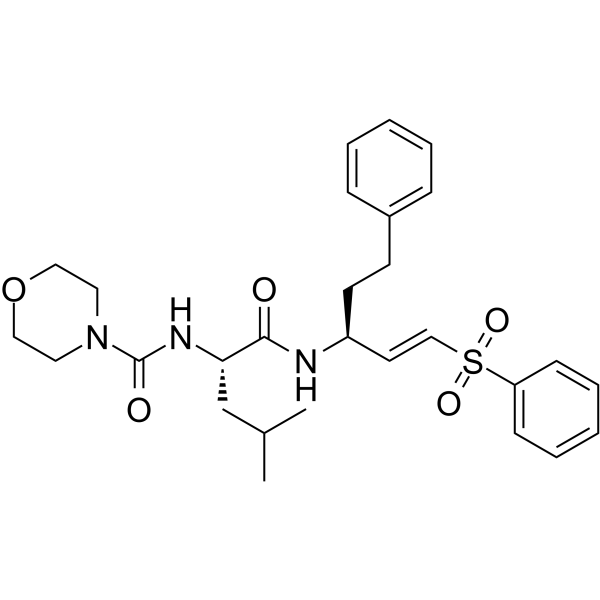
    LHVS
    3 Publications Verification

    Cathepsin Parasite Infection Neurological Disease
    LHVS is a potent, non-selective, irreversible, cell-permeable cysteine protease and cathepsin inhibitor. LHVS decreases actin ring formation. LHVS inhibits T. gondii invasion with an IC50 of 10 μM .
    LHVS
  • HY-Y0850K

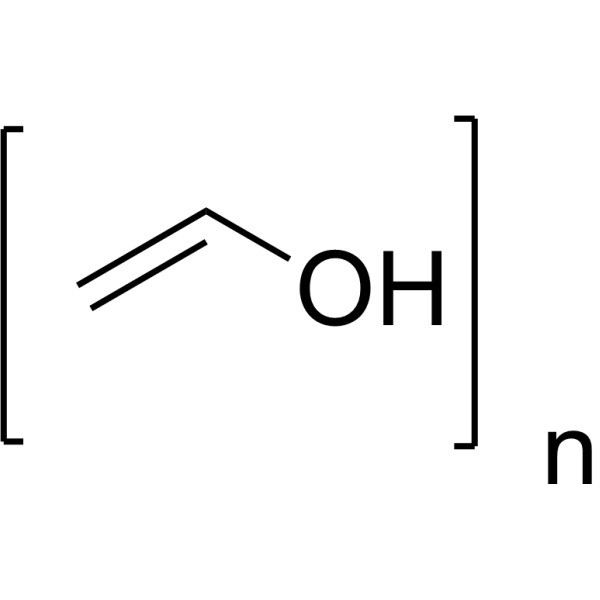
    PVA (Mw 31000-50000, 98-99% hydrolyzed); Poly(Ethenol) (Mw 31000-50000, 98-99% hydrolyzed)

    Environmental Pollutants Biochemical Assay Reagents Cancer
    Polyvinyl alcohol (Mw 31000-50000, 98-99% hydrolyzed), also known as PVA, is a vinyl water-soluble polymer that can be used as a non-ionic surfactant. It can also be used as a biodegradable polymer and can be used in adhesives, coatings, textiles, ceramics and cosmetics. Polyvinyl alcohol can be used in tissue engineering by electrospinning. Polyvinyl alcohol can achieve high cellular density, infiltration, and uniform distribution, facilitating functional connections between cells. Polyvinyl alcohol can improve cell vitality through in vitro cultivation. Polyvinyl alcohol demonstrates promising inhibition of ostersarcoma cancer cells with Doxorubicin (HY-15142A) .
    Polyvinyl alcohol (Mw 31000-50000, 98-99% hydrolyzed)
  • HY-B0033
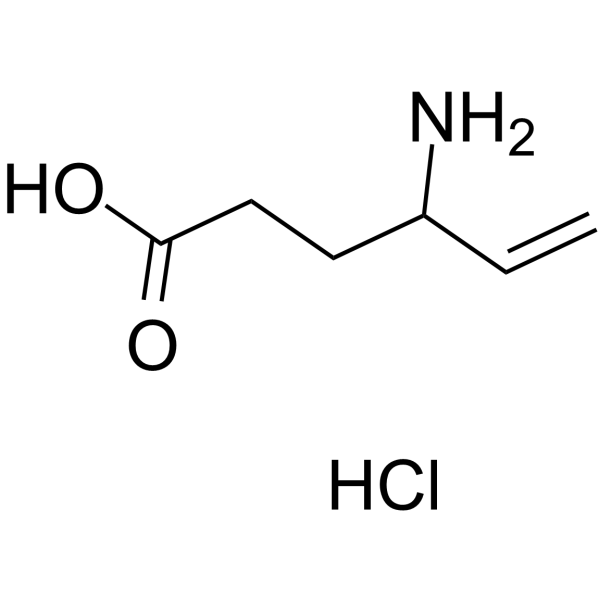
    Vigabatrin hydrochloride
    Maximum Cited Publications
    6 Publications Verification

    γ-Vinyl-GABA hydrochloride

    GABA Receptor Neurological Disease
    Vigabatrin hydrochloride (γ-Vinyl-GABA hydrochloride), a inhibitory neurotransmitter GABA vinyl-derivative, is an orally active and irreversible GABA transaminase inhibitor. Vigabatrin hydrochloride is an antiepileptic agent, which acts by increasing GABA levels in the brain by inhibiting the catabolism of GABA by GABA transaminase .
    Vigabatrin hydrochloride
  • HY-Y0850U4

    PolyVinyl alcohol (Mw 145000, 99+% hydrolyzed, ~3300 polymerization); Poly(Ethenol) (Mw 145000, 99+% hydrolyzed, ~3300 polymerization)

    Biochemical Assay Reagents Others
    PVA (Mw 145000, 99+% hydrolyzed, ~3300 polymerization) is a polyvinyl alcohol with molecular weight of 145000 with hydrolysis properties. PVA (Mw 145000, 99+% hydrolyzed, ~3300 polymerization) is obtained by polymerizing vinyl acetate followed by hydrolysis to remove acetate groups, yielding polyvinyl alcohol .
    PVA (Mw 145000, 99+% hydrolyzed, ~3300 polymerization)
  • HY-161762

    RA-2034

    CHIKV Virus Protease Infection
    RA-0002034 is a Chikungunya virus (CHIKV) nsP2 protease inhibitor with an IC50 of 58 nM. RA-0002034 covalently modifies the catalytic cysteine in a site-specific manner .
    RA-0002034
  • HY-Y0850U9

    PolyVinyl alcohol (Mw 67000, 87-89% hydrolyzed, ~1400 polymerization); Poly(Ethenol) (Mw 67000, 87-89% hydrolyzed, ~1400 polymerization)

    Biochemical Assay Reagents Others
    PVA (Mw 67000, 87-89% hydrolyzed, ~1400 polymerization) is a polyvinyl alcohol with a molecular weight of 67000 and hydrolytic properties. Degree of hydrolysis refers to the conversion rate of acetate groups in the original polyvinyl acetate to hydroxyl groups; PVA (Mw 67000, 87-89% hydrolyzed, ~1400 polymerization) is obtained by hydrolyzing and removing acetate groups after the polymerization of vinyl acetate. Polyvinyl alcohol with different degrees of hydrolysis can be used to form self-crosslinked cryogels and is applied as a biological adjuvant .
    PVA (Mw 67000, 87-89% hydrolyzed, ~1400 polymerization)
  • HY-Y0850N

    PVA (Mw 13000-23000, 98% hydrolyzed); Poly(Ethenol) (Mw 13000-23000, 98% hydrolyzed)

    Environmental Pollutants Biochemical Assay Reagents Cancer
    Polyvinyl alcohol (PVA; Poly(Ethenol)) (Mw 13000-23000, 98% hydrolyzed) , also known as PVA, is a vinyl water-soluble polymer that can be used as a non-ionic surfactant. Polyvinyl alcohol (Mw 13000-23000, 98% hydrolyzed) can also be used as a biodegradable polymer and can be used in adhesives, coatings, textiles, ceramics and cosmetics. Polyvinyl alcohol (Mw 13,000–23,000, 98% hydrolyzed) can be used in studies involving breast cancer as well as cisplatin (HY-17394)-induced sensorineural hearing loss .
    Polyvinyl alcohol (Mw 13000-23000, 98% hydrolyzed)
  • HY-Y1777

    Drug Derivative Infection
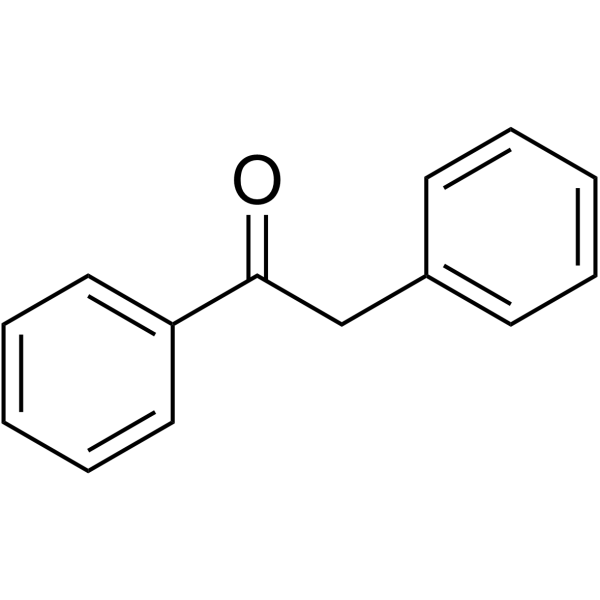
    2-Phenylacetophenone has broad-spectrum efflux pump inhibition activity. 2-Phenylacetophenone is a benzoin derivative used as a photoinitiator in vinyl polymerization .
    2-Phenylacetophenone
  • HY-W250126

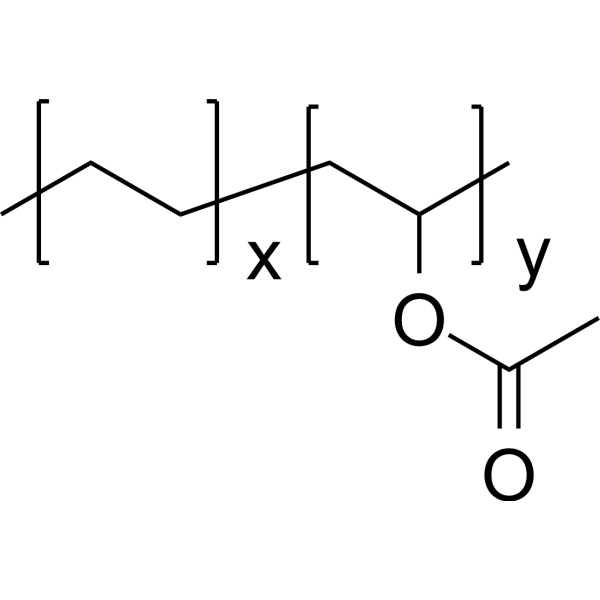
    Poly(ethylene-co-Vinyl acetate)

    Environmental Pollutants Biochemical Assay Reagents Others
    Ethylene-vinyl acetate copolymer (Poly(ethylene-co-vinyl acetate)) is an encapsulant. Ethylene-vinyl acetate copolymer is cross-linked by a thermally activated reaction with peroxides. Ethylene-vinyl acetate copolymer can be used for encapsulation of photovoltaic modules .
    Ethylene-vinyl acetate copolymer
  • HY-123538

    Dopamine Receptor G Protein-coupled Receptor Kinase (GRK) Cardiovascular Disease
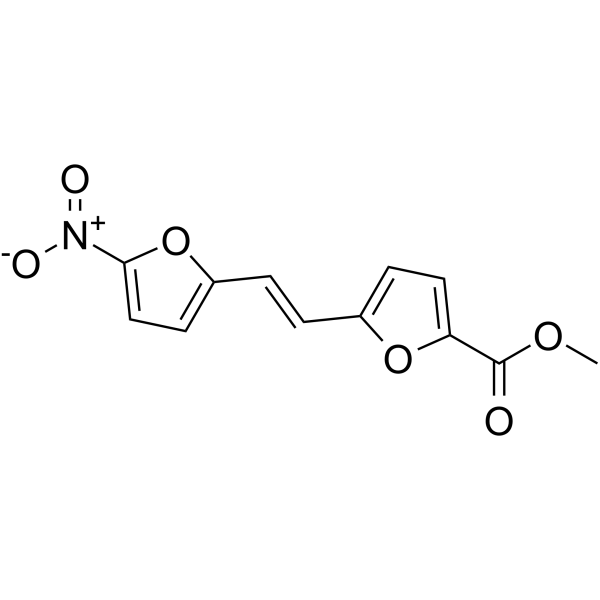
    GRK2 Inhibitor 1 (methyl 5-[2-(5-nitro-2-furyl)vinyl]-2-furoate) is a dual GRK2/β-ARK1 inhibitor that induces dopamine (DA) inhibition reversal (DIR). GRK2 Inhibitor 1 can also block serotonin-induced or neurotensin-induced DIR reversal. Note: DIR refers to the phenomenon in which neurons in addiction-related brain pathways become less sensitive to DA inhibition when exposed to moderate concentrations of DA for a long time .
    GRK2 Inhibitor 1
  • HY-W190976

    5-Vinyl-DURD

    DNA/RNA Synthesis Apoptosis Cancer
    5-Vinyl-2'-deoxyuridine (5-VINYL-DURD), a thymidine analogue, is incorporated into cellular DNA during DNA replication. 5-Vinyl-2'-deoxyuridine is a click chemistry reagent, it contains an Alkyne group and induces DNA damage leads to apoptosis in human cultured cells .
    5-Vinyl-2'-deoxyuridine
  • HY-169784

    Drug Derivative Metabolic Disease
    PPI-1040 is an orally bioavailable vinyl ether synthetic plasmalogen. PPI-1040 acts as a precursor of plasmalogen. PPI-1040 increases plasmalogen levels in plasmalogen-deficient mice and normalizes hyperactive behaviors in these mice. In wild-type mice, PPI-1040 retains the sn-1 vinyl ether group and sn-3 phosphoethanolamine group, and is converted into endogenous ethanolamine plasmalogen. PPI-1040 can be used in studies related to rhizomelic chondrodysplasia punctata .
    PPI-1040
  • HY-41984

    D-Glucose diacetonide; 1,2:5,6-Diisopropylidene-D-glucose

    Biochemical Assay Reagents Drug Intermediate Others
    Diacetone-D-glucose (D-Glucose diacetonide) is a sugar-derived secondary alcohol that serves as an important pharmaceutical intermediate for the synthesis of other active compounds .
    Diacetone-D-glucose
  • HY-W687022A

    PolyVinyl chloride

    Environmental Pollutants Biochemical Assay Reagents Endocrinology
    Chloroethene polymer (Polyvinyl chloride) is an orally active vinyl chloride polymer. Chloroethene polymer is cytotoxic, reproductively toxic, and an endocrine disruptor. Chloroethene polymer can be used in the research of packaging inner surfaces, food wrapping paper, agricultural crop coverings, and plastic bottles .
    Chloroethene (polymer)
  • HY-125273

    Fluorescent Dye Phosphoglycerate Dehydrogenase (PHGDH) Others
    DNS-pE is a 3-phosphoglycerate dehydrogenase (PHGDH) inhibitor with a Ki of 7.4 μM. DNS-pE selectively and irreversibly covalently modifies endogenous PHGDH in live mammalian cells, its vinyl sulfone moiety acts as a fluorescence quencher that becomes highly fluorescent upon covalent modification of PHGDH. DNS-pE can be used as a fluorescent dye for live-cell imaging .
    DNS-pE
  • HY-W011547

    Biochemical Assay Reagents Others
    Methyl 4,6-O-Benzylidene-α-D-glucopyranoside serves as the starting material for the active intermediate Dibutylstannylene acetals. Using Dibutylstannylene acetals as the starting material, the regioselective synthesis of carbohydrate-based vinyl monomer compounds is successfully achieved .
    Methyl 4,6-O-Benzylidene-α-D-glucopyranoside
  • HY-Y0850U7

    PolyVinyl alcohol (Mw 195000, 98-99% hydrolyzed, ~4300 polymerization); Poly(Ethenol) (Mw 195000, 98-99% hydrolyzed, ~4300 polymerization)

    Biochemical Assay Reagents Others
    PVA (Mw 195000, 98-99% hydrolyzed, ~4300 polymerization) is polyvinyl alcohol with a molecular weight of 195,000 and hydrolytic properties. PVA (Mw 195000, 98-99% hydrolyzed, ~4300 polymerization) is obtained by polymerizing vinyl acetate followed by hydrolysis to remove acetate groups, yielding polyvinyl alcohol .
    PVA (Mw 195000, 98-99% hydrolyzed, ~4300 polymerization)
  • HY-Y0850U8

    PolyVinyl alcohol (Mw 47000, 98-99% hydrolyzed, ~1000 polymerization); Poly(Ethenol) (Mw 47000, 98-99% hydrolyzed, ~1000 polymerization)

    Biochemical Assay Reagents Others
    PVA (Mw 47000, 98-99% hydrolyzed, ~1000 polymerization) is a polyvinyl alcohol with molecular weight of 47000 with hydrolysis properties. Hydrolysis degree refers to the conversion rate of acetic acid group hydrolysis to hydroxyl group in the original polyvinyl acetate, PVA (Mw 47000, 98-99% hydrolyzed, ~1000 polymerization). In addition, polyvinyl alcohol is obtained from polymerization of vinyl acetate to remove acetic acid group by hydrolysis. Polyvinyl alcohol with different degrees of hydrolysis can be self-crosslinked to form frozen gels and used as biological excipients .
    PVA (Mw 47000, 98-99% hydrolyzed, ~1000 polymerization)
  • HY-130579

    L-VNIO hydrochloride

    NO Synthase NADPH Oxidase Cardiovascular Disease Neurological Disease
    Vinyl-L-NIO (L-VNIO) hydrochloride is a neuronal nitric oxide synthase (NOS) inhibitor with a rat Ki of 0.10 μM. Vinyl-L-NIO hydrochloride inhibits NADPH oxidase activity, attenuates renal fibrosis, inflammation, oxidative stress indices, and albuminuria. Vinyl-L-NIO hydrochloride can be used for the research of parkinson's disease, migraine headache, and hypertension .
    Vinyl-L-NIO hydrochloride
  • HY-W1048867B

    4-Arm-PEG10000-VS

    Biochemical Assay Reagents Others
    4-Arm-PEG10000-Vinyl sulfone (4-Arm-PEG10000-VS) is a four-armed PEG derivative. The core structure of 4-Arm-PEG10000-Vinyl sulfone consists of four PEG chains, each modified at the end with a vinyl sulfone (Vinyl sulfone) group. 4-Arm-PEG10000-Vinyl sulfone can be used for bioconjugation and drug delivery.
    4-Arm-PEG10000-Vinyl sulfone
  • HY-156579

    DNA/RNA Synthesis Cancer
    WRN inhibitor 3 (example 110), a cyclic vinyl sulfone compound, is a Wemer Syndrome ATP dependent helicase enzyme (WRN) inhibitor. WRN inhibitor 3 can be used for the research of cancer .
    WRN inhibitor 3
  • HY-156581

    DNA/RNA Synthesis Cancer
    WRN inhibitor 5, a cyclic vinyl sulfone compound, is a Wemer Syndrome ATP dependent helicase enzyme (WRN) inhibitor. WRN inhibitor 5 can be used for the research of cancer, including cancers characterized by microsatellite instability (MSI) and/or defective DNA mismatch repair system (dMMR) .
    WRN inhibitor 5
  • HY-158759

    Environmental Pollutants Biochemical Assay Reagents Others
    Poly(vinyl acetate) is a widely available adhesive used for porous materials like wood, paper, and cloth. Poly(vinyl acetate) is prepared by polymerization of vinyl acetate (VAM) .
    Poly(vinyl acetate)
  • HY-W106427

    Biochemical Assay Reagents Others
    VinylPalmitate(stabilizedwithMEHQ) is a biochemical reagent that can be used as a biological material or organic compound for life science related research.
    Vinyl palmitate
  • HY-W106445

    Biochemical Assay Reagents Others
    VinylDecanoate(stabilizedwithMEHQ) can be used as pharmaceutical intermediates.
    Vinyl decanoate
  • HY-W106425

    Biochemical Assay Reagents Others
    Vinyl10-Undecenoate(stabilizedwithMEHQ) is a biochemical reagent that can be used as a biological material or organic compound for life science related research.
    Ethenyl 10-undecenoate
  • HY-W106434

    Vinyl myristate

    Biochemical Assay Reagents Others
    VinylMyristate(stabilizedwithMEHQ) is a biochemical reagent that can be used as a biological material or organic compound for life science related research.
    VinylMyristate(stabilizedwithMEHQ)
  • HY-W075285

    MOFs Others
    4-(1,2,2-Triphenylvinyl)benzoic acid (4-(1,2,2-triphenyl vinyl)benzoic acid) is a metal-organic framework (MOF).
    4-(1,2,2-Triphenylvinyl)benzoic acid
  • HY-N0224A

    (S)-Goitrin; L-5-Vinyl-2-thiooxazolidone

    Influenza Virus Metabolic Disease
    Goitrin ((S)-Goitrin), a product of glucosinolate-myrosinase reactions, is a potent inhibitor of thyroid peroxidase. Goitrin can inhibit iodine utilization by the thyroid. Goitrin also exhibits anti-influenza virus (H1N1) activity .
    Goitrin
  • HY-178732

    Fungal Acetolactate Synthase (ALS) Endothelin-Converting Enzyme (ECE) Infection
    AB-22, a vinyl sulfate compound, is an orally active antifungal agent. AB-22 inhibits hyphal growth and biofilm initiation by inhibiting the gene expression of ALS3, HWP1, and ECE1 in Candida albicans SC5314 cells. AB-22 can be used for the research of infrction, such as systemic candidiasis .

    AB-22
  • HY-W392258A

    Biochemical Assay Reagents Infection
    Poly(methyl vinyl ether-alt-maleic anhydride) (MW 1080000) can be used to prepare antibacterial hydrogels with good mechanical strength and excellent swelling ability .
    Poly(methyl vinyl ether-alt-maleic anhydride) (MW 1080000)
  • HY-W392258

    Biochemical Assay Reagents Infection
    Poly(methyl vinyl ether-alt-maleic anhydride) (MW 216000) can be used to prepare antibacterial hydrogels with good mechanical strength and excellent swelling ability .
    Poly(methyl vinyl ether-alt-maleic anhydride) (MW 216000)
  • HY-B0033S

    γ-Vinyl-GABA-13C,d2 hydrochloride

    Isotope-Labeled Compounds GABA Receptor Neurological Disease
    Vigabatrin- 13C,d2 (hydrochloride) is the 13C- and deuterium labeled Vigabatrin (hydrochloride). Vigabatrin hydrochloride (γ-Vinyl-GABA hydrochloride), a inhibitory neurotransmitter GABA vinyl-derivative, is an orally active and irreversible GABA transaminase inhibitor. Vigabatrin hydrochloride is an antiepileptic agent, which acts by increasing GABA levels in the brain by inhibiting the catabolism of GABA by GABA transaminase .
    Vigabatrin-13C,d2 hydrochloride
  • HY-W044394

    PROTAC Linkers Cancer
    tert-Butyl (E)-4-(2-(4,4,5,5-tetramethyl-1,3,2-dioxaborolan-2-yl)vinyl)piperidine-1-carboxylate is a PROTAC linker that can be used in the synthesis of PROTACs.
    tert-Butyl (E)-4-(2-(4,4,5,5-tetramethyl-1,3,2-dioxaborolan-2-yl)vinyl)piperidine-1-carboxylate
  • HY-W106424

    Vinyl laurate

    Biochemical Assay Reagents Others
    VinylLaurate(stabilizedwithMEHQ) is a biochemical reagent that can be used as a biological material or organic compound for life science related research.
    VinylLaurate(stabilizedwithMEHQ)
  • HY-W010875

    Biochemical Assay Reagents Others
    Didecyl phthalate is the primary plasticizer for vinyl resins and is also compatible with polystyrene and cellulose .
    Didecyl phthalate
  • HY-D1545

    Acid Violet 9

    Fluorescent Dye Others
    Violamine R (Acid Violet 9) is a potent fluorophore. Violamine R shows environment and temperature-dependent photoluminescence (PL) intermittency in poly(vinyl alcohol) (PVOH) and potassium acid phthalate (KAP). Violamine R can be used to measure the temperatures spanning the glass-transition temperature (Tg) of the polymer host by the fluorescence intermittency or blinking in poly(vinyl alcohol) (PVA) .
    Violamine R
  • HY-157592

    Molecular Glues Epigenetic Reader Domain Cancer
    MMH2-NR a negtive control of MMH2. MMH2 is a CUL4-associated factor (DCAF16)-based bromodomain protein 4 (BRD4) degrader .
    MMH2-NR
  • HY-W010354

    Drug Intermediate Infection
    2,2-Diethoxyethanol is a drug intermediate used in research related to Plasmodium falciparum infection .
    2,2-Diethoxyethanol
  • HY-W1048545H

    Amine-PEG1000-Thiol hydrochloride

    Biochemical Assay Reagents Others
    H2N-PEG1000-SH (Amine-PEG1000-Thiol) hydrochloride is a linear heterobifunctional PEGylated product containing thiol and amine. H2N-PEG1000-SH hydrochloride is an important cross-linking or bioconjugation reagent with PEG chains. Thiol or SH, sulfhydryl or thiol selectively reacts with maleimide, OPSS, vinyl sulfone and transition metal surfaces (including gold, silver, etc.) .
    H2N-PEG1000-SH hydrochloride
  • HY-W722456

    Isotope-Labeled Compounds Others
    Tributyl(vinyl-d3)stannane is the deuterium labeled Tributyl(vinyl)stannane (HY-Y0687).
    Tributyl(vinyl-d3)stannane
  • HY-113322S

    Isotope-Labeled Compounds Others
    (3S)-3-Hydroxy quinidine-vinyl-d3 is the deuterium labeled (3S)-3-Hydroxy quinidine-vinyl .
    (3S)-3-Hydroxy quinidine-vinyl-d3
  • HY-N13837

    Drug Derivative HSV Infection Cancer
    2-Methoxy-1,6-dimethyl-5-vinyl-9,10-dihydrophenanthren-7-ol (Compound 1) is a 9,10-dihydrophenanthrene derivative. 2-Methoxy-1,6-dimethyl-5-vinyl-9,10-dihydrophenanthren-7-ol can be isolated from Juncus compressus. 2-Methoxy-1,6-dimethyl-5-vinyl-9,10-dihydrophenanthren-7-ol exhibits anticancer activity against cervical and ovarian cancers. 2-Methoxy-1,6-dimethyl-5-vinyl-9,10-dihydrophenanthren-7-ol can be used for HSV-2 virus research .
    2-Methoxy-1,6-dimethyl-5-vinyl-9,10-dihydrophenanthren-7-ol
  • HY-114029

    3-Epiquinine; EpiVinylquinidine

    Parasite Infection Cardiovascular Disease
    Ep vinyl quinidine (3-Epiquinine) is an epi-vinyl stereoisomer of Quinidine. Quinidine is an antiarrhythmic agent. Quinidine is a potent, orally active, selective cytochrome P450db inhibitor. Quinidine is also a K+ channel blocker with an IC50 of 19.9 μM. Quinidine can be used for malaria research .
    Ep vinyl quinidine

Inquiry Online

Your information is safe with us. * Required Fields.

Salutation


Country or Region *

Applicant Name *


Organization Name *

Department *


Email Address *


Product Name *

Cat. No.


Requested quantity *

Phone Number *


Remarks

Inquiry Online

Inquiry Information

Product Name:
Cat. No.:
Quantity:
MCE Japan Authorized Agent:

