






1. Search Result
Search Result
Results for "

a type of mRNA

" in MedChemExpress (MCE) Product Catalog:

100

Inhibitors & Agonists

3

Biochemical Assay Reagents

1

Peptides

1

Inhibitory Antibodies

8

Natural
Products

68

Oligonucleotides

Cat. No. Product Name Target Research Areas Chemical Structure
  • HY-145405
    C12-200
    Maximum Cited Publications
    16 Publications Verification

    Liposome Others
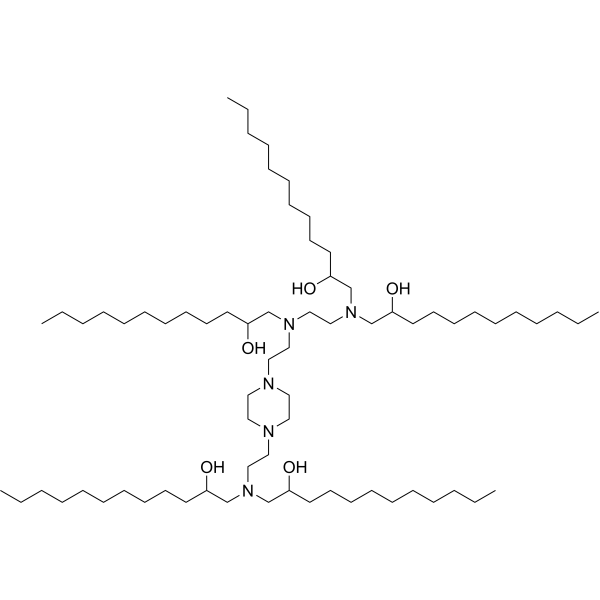
    C12-200 is a type of ionizable cationic lipid and helper lipid commonly used for mRNA delivery. In the hemophilia B mouse model, mRNA encoding human erythropoietin (EPO) and coagulation factor IX (FIX) can be successfully delivered and expressed using C12-200. C12-200 is utilized in research related to hemophilia B .
    C12-200
  • HY-148503

    Phosphoramidites Nucleoside Antimetabolite/Analog Others
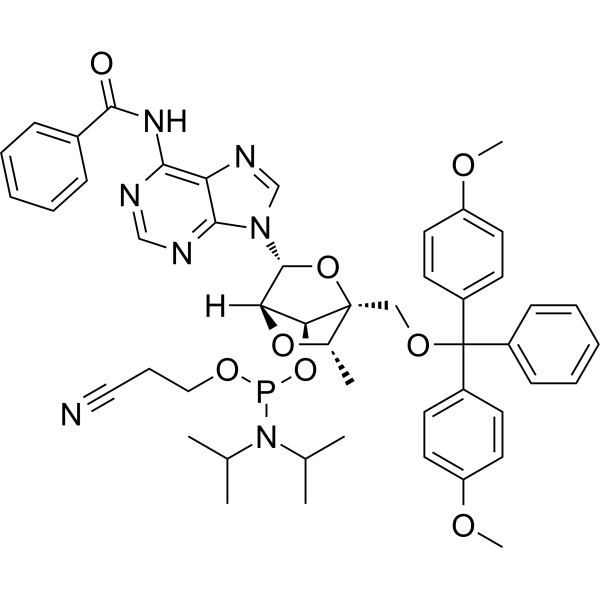
    5'-ODMT cEt N-Bz A Phosphoramidite (Amidite) is a nucleoside phosphoramidite monomer used to synthesize locked nucleic acid (LNA) analog oligonucleotides. It can be used as a building block of antisense oligonucleotides (ASOs) to target complementary RNA sequences. 5'-ODMT cEt N-Bz A Phosphoramidite (Amidite) locks the furanose ring into an N-type conformation through 2',4'-constrained ethyl (cEt) modification, enhancing hybridization affinity and mismatch discrimination with RNA, while significantly improving the resistance of oligonucleotides to exonuclease digestion. 5'-ODMT cEt N-Bz A Phosphoramidite (Amidite) mediates RNase H-dependent mRNA degradation or inhibits translation by forming a stable hybrid with RNA, thereby achieving gene expression regulation. 5'-ODMT cEt N-Bz A Phosphoramidite (Amidite) is mainly used in the development of antisense drugs, gene function research and oligonucleotide synthesis related to disease treatment .
    5'-ODMT cEt N-Bz A Phosphoramidite (Amidite)
  • HY-145727A

    ISIS 304801 sodium

    Apolipoprotein Endocrinology
    Volanesorsen (ISIS 304801) sodium is an antisense oligonucleotide inhibitor of apolipoprotein CIII (apo-CIII) mRNA that reduces triglyceride levels and improves insulin resistance. Volanesorsen sodium is being studied in the treatment of hypertriglyceridemia, familial chylosiderosis syndrome, and type 2 diabetes .
    Volanesorsen sodium
  • HY-145411
    PEG2000-C-DMG
    3 Publications Verification

    Liposome Endocrinology
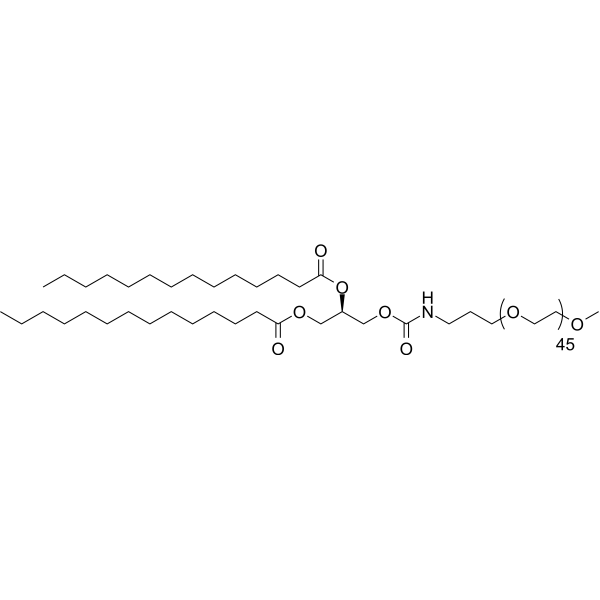
    PEG2000-C-DMG, a pegylated lipid, can be used for the preparation of Onpattro. Onpattro, a hepatically directed investigational RNAi therapeutic agent, harnesses this process to reduce the production of mutant and wild-type transthyretin by targeting the 3′ untranslated region of transthyretin mRNA .
    PEG2000-C-DMG
  • HY-148089
    Eplontersen
    1 Publications Verification

    Transthyretin (TTR) Neurological Disease
    Eplontersen is a triantennary N-acetyl galactosamine (GalNAc3-7a)-conjugated antisense oligonucleotide targeting transthyretin (TTR) mRNA to inhibit production of both variant and wild-type TTR protein. Misfolded TTR induces amyloid fibrils formation in the heart and peripheral nerves, leads to amyloid TTR (ATTR) amyloidosis diseases .
    Eplontersen
  • HY-13858A
    Sarecycline hydrochloride
    4 Publications Verification

    P-005672 hydrochloride

    Antibiotic Bacterial DNA/RNA Synthesis Infection
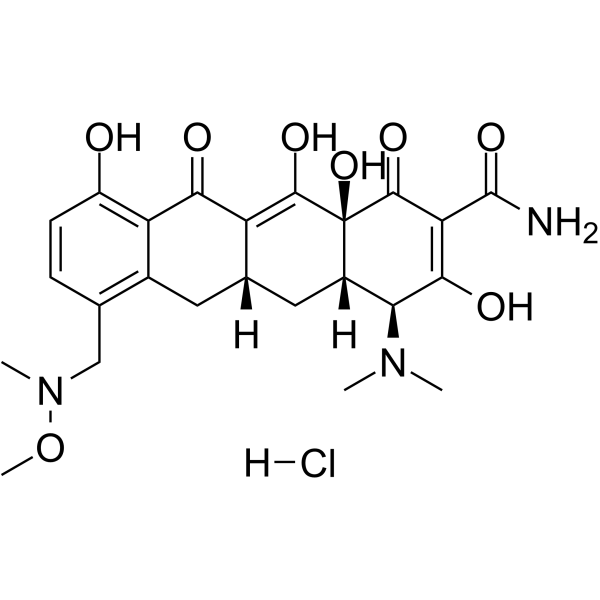
    Sarecycline hydrochloride is an orally active narrow-spectrum tetracycline derivative antibiotic. Sarecycline hydrochloride has anti-inflammatory activity. Sarecycline hydrochloride inhibits the activity of Gram-positive bacteria and several types of keratobacterium acnes. Sarecycline hydrochloride interferes with tRNA accommodation and tethers mRNA to the 70S ribosome. Sarecycline hydrochloride can be used to study moderate to severe acne .
    Sarecycline hydrochloride
  • HY-112974

    GSK-2998728; ISIS-420915

    Transthyretin (TTR) Cardiovascular Disease Neurological Disease
    Inotersen (GSK-2998728; ISIS-420915) is a 2'-O-methoxyethyl-modified antisense oligonucleotide and transthyretin (TTR) inhibitor with low genotoxicity. Inotersen triggers RNase H1-mediated degradation by binding to TTR mRNA, thereby effectively reducing the production of both mutant and wild-type transthyretin in the liver. Inotersen significantly reduces amyloid fiber deposition, yet specific toxicities such as inflammation or tumors are observed at high doses in some animal models. Inotersen is used in studies of hereditary transthyretin amyloidosis and the associated polyneuropathy and cardiomyopathy .
    Inotersen
  • HY-107322

    Mepirodipine hydrochloride; YM-09730-5

    Calcium Channel Cardiovascular Disease
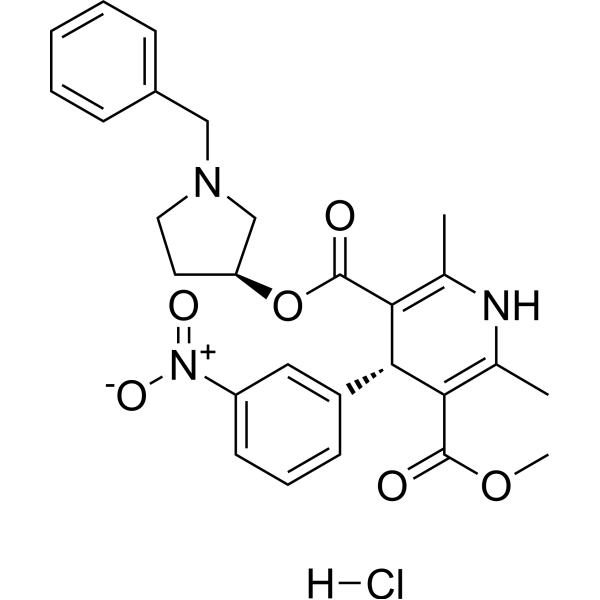
    Barnidipine (Mepirodipine) hydrochloride is an L-type calcium antagonist (CaA) with high affinity for [ 3H] initrendipine binding sites (Ki = 0.21 nmol/L, has selective action against CaA receptors. Barnidipine hydrochloride is an orally active antihypertensive agent that can reduce the level of platelet-derived growth factor B-chain mRNA and peripheral vascular resistance .
    Barnidipine hydrochloride
  • HY-12502A
    Efonidipine hydrochloride monoethanolate
    1 Publications Verification

    NZ-105 hydrochloride monoethanolate; (±)-Efonidipine hydrochloride monoethanolate

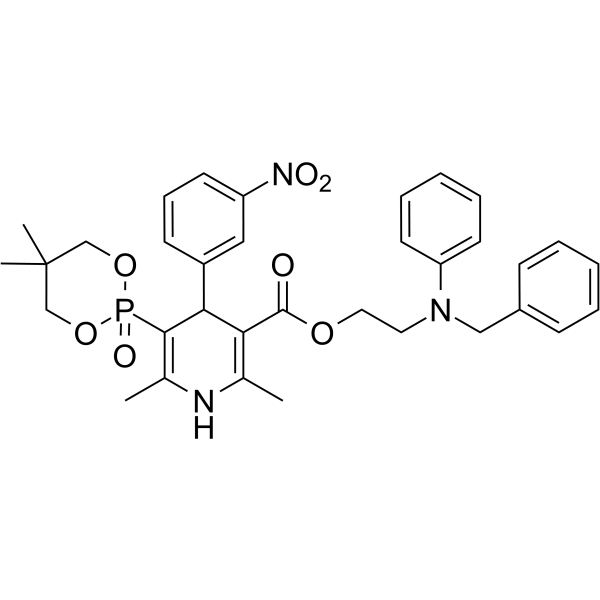
    Calcium Channel SARS-CoV Cardiovascular Disease Neurological Disease Cancer
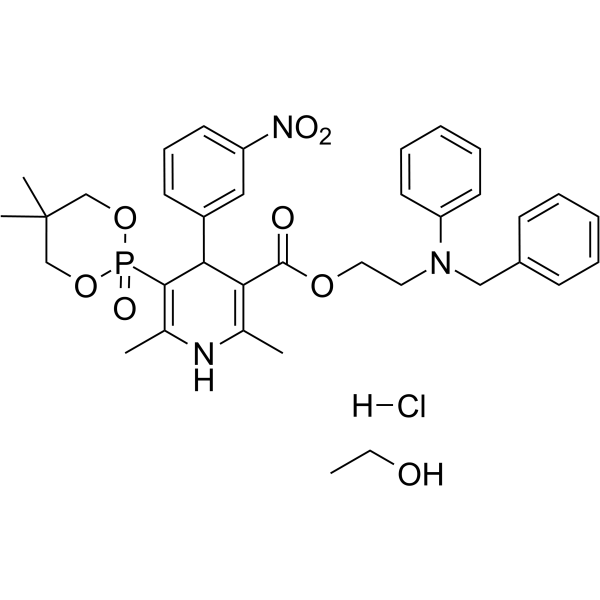
    Efonidipine (NZ-105) hydrochloride monoethanolate is an orally active dual L-type and T-type calcium channel blocker (CCB) with IC50 values of 1.8 and 350 nM, respectively. Efonidipine hydrochloride monoethanolate inhibits SARS-CoV-2 main protease. Efonidipine hydrochloride monoethanolate modulates adrenal steroidogenesis by increasing the expression of steroidogenic acute regulatory protein (StAR), dbcAMP-or angiotensin II-induced StAR mRNA expression and DHEA-S production, while suppressing the biosynthesis of aldosterone and cortisol. Efonidipine hydrochloride monoethanolate reduces plasma aldosterone levels in vivo. Efonidipine hydrochloride monoethanolate improves cardiac function in heart failure models by inhibiting T-type calcium channels (via both tonic and use-dependent blockade), independently of blood pressure reduction. Efonidipine hydrochloride monoethanolate can be used for research in hypertension, heart failure, and disorders involving dysregulated steroid hormone synthesis .
    Efonidipine hydrochloride monoethanolate
  • HY-W416291

    Poly(A)

    Biochemical Assay Reagents Cancer
    Polyadenylic acid potassium, also known as Poly(A), is enzymatically added to messenger RNA (mRNA) in eukaryotic cells to stabilize mRNAs. Poly(A) is used to evaluate binding on cationic liposomes doped with non-ionic nucleolipids. Poly(A) is used in small molecule mRNA targeted drug development to evaluate the binding of potential therapeutic agents such as the Isoquinoline group of alkaloids. Small molecules that could bind to this poly(A) tail could influence and possibly inhibit mRNA function and subsequent protein production in the cell leading to the development of new type of therapeutic agents.
    Polyadenylic acid potassium
  • HY-145727

    ISIS 304801

    Apolipoprotein Endocrinology
    Volanesorsen (ISIS 304801) is an antisense oligonucleotide inhibitor of apolipoprotein CIII (apo-CIII) mRNA that reduces triglyceride levels and improves insulin resistance. Volanesorsen is being studied in the treatment of hypertriglyceridemia, familial chylosiderosis syndrome, and type 2 diabetes .
    Volanesorsen
  • HY-145725A

    ISIS 598769; IONIS 598769; BIIB 065; ISIS-DMPK-2.5Rx

    Ser/Thr Kinase Neurological Disease
    Baliforsen (ISIS 5987690) is an antisense oligonucleotide (ASO) that inhibits DMPK mRNA. Baliforsen binds within exon 9 of the human DMPK transcript to promote RNase H1-mediated degradation Baliforsen can be used for the research of myotonic dystrophy type 1 .
    Baliforsen
  • HY-148687A

    PCSK9 Cardiovascular Disease
    SPC5001 sodium is a locked nucleic acid (LNA)-modifed antisense oligonucleotide (ASO) complementary to human PCSK9 (proprotein convertase subtilisin/kexin type 9) mRNA. SPC5001 sodium can be used for the research of hypercholesterolemia. SPC5001 sodium sequence: 5′-TGmCTACAAAACmCmCA-3′ .
    SPC5001 sodium
  • HY-150229

    Liposome Cancer
    306-N16B is a selective lung-targeted lipid nanoparticle that reversibly targets lung endothelial cells and specific immune cells through selective adsorption of a protein corona mediated by differences in tail structure (such as fibrinogen β/γ chain). 306-N16B binds to specific plasma proteins in the blood to form a protein corona, which guides the particles to be enriched in the lungs, releases mRNA and promotes target cell gene expression, exerts efficient lung cell transfection activity, and can precisely regulate gene delivery of different cell types in the lungs (such as endothelial cells and macrophages). 306-N16B can be used in gene therapy technologies for hereditary lung diseases including pulmonary lymphangioleiomyomatosis (LAM), restoring tumor suppressor function by delivering Tsc2 mRNA, and can also be used for lung-specific mRNA vaccines and gene editing therapies .
    306-N16B
  • HY-N4087
    Platycodin D2
    3 Publications Verification

    Mitophagy Autophagy Ferroptosis Interleukin Related IFNAR Reactive Oxygen Species (ROS) Inflammation/Immunology Cancer
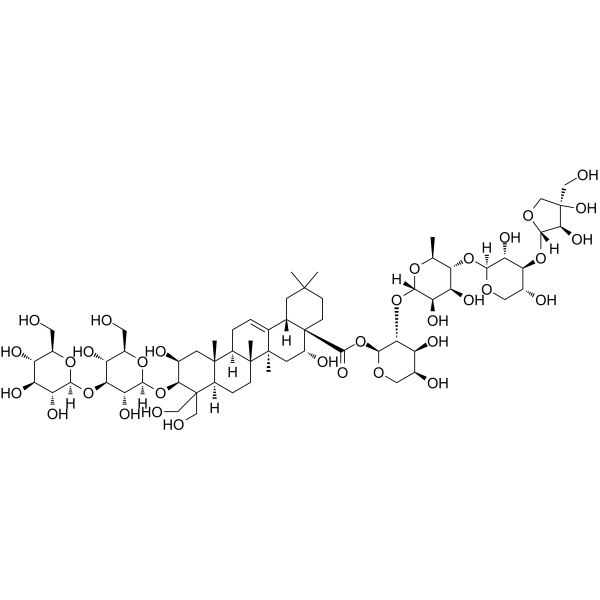
    Platycodin D2 is an orally active triterpenoid saponin found in Platycodon grandiflorum. Platycodin D2 induces mitophagy in cancer cells through NIX, thereby activating the P21/CyclinA2 pathway and promoting cell senescence. Platycodin D2 induces mitochondrial dysfunction, enhances autophagy, inhibits hepatocellular carcinoma cell proliferation, and exhibits anti-tumor activity against multiple cancer cell types. Platycodin D2 promotes mRNA expression of T-bet, GATA-3, Th1 cytokines IL-2 and IFN-γ, and Th2 cytokines IL-4 and IL-10, enhances splenocyte proliferation, and acts as a vaccine adjuvant with low rabbit red blood cell hemolytic activity. Platycodin D2 induces mitochondrial ROS production, incomplete autophagy, and ferroptosis to inhibit breast cancer cell proliferation. Platycodin D2 can be used for the research of cancer, inflammation and immunology .
    Platycodin D2
  • HY-N1970
    5,7-Dihydroxychromone
    2 Publications Verification

    Keap1-Nrf2 Caspase PARP Fungal Infection Neurological Disease Metabolic Disease Inflammation/Immunology Cancer
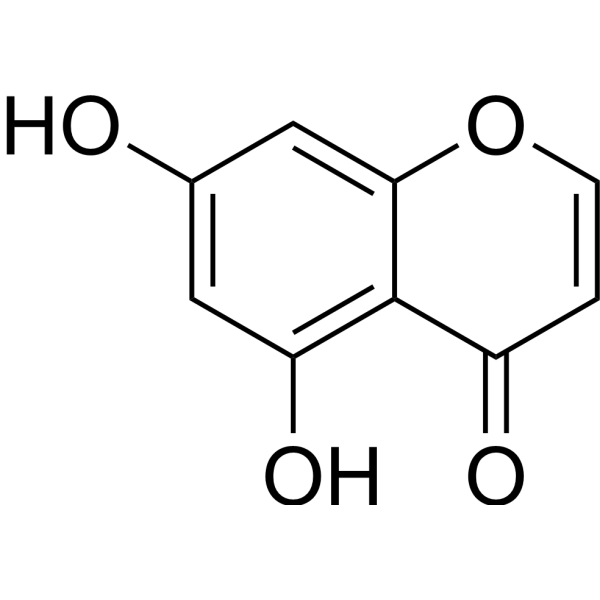
    5,7-Dihydroxychromone is a flavonoid compound with antioxidant properties. 5,7-Dihydroxychromone induces Nrf2 nuclear translocation, increases Nrf2/ARE binding activity, and up-regulates Nrf2-dependent antioxidant genes HO-1, NQO1, GCLc. 5,7-Dihydroxychromone attenuates excessive ROS generation, inhibits activated caspase-3, caspase-9, cleaved PARP expression, and prevents neuronal apoptosis and cell death. 5,7-Dihydroxychromone increases LXRα and PPARγ mRNA expression, induces preadipocyte differentiation, and regulates blood glucose levels. 5,7-Dihydroxychromone inhibits radial growth of soil pathogenic fungi, radicle elongation of select seedlings, and transiently inhibits Bradyrhizobium sp. growth in high mannitol medium. 5,7-Dihydroxychromone can be used for the research of Parkinson’s disease, type 2 diabetes mellitus and pathogenic fungal infection .
    5,7-Dihydroxychromone
  • HY-148089A
    Eplontersen sodium
    1 Publications Verification

    Transthyretin (TTR) Neurological Disease
    Eplontersen sodium the sodium salt form of Eplontersen (HY-148089). Eplontersen sodium is a triantennary N-acetyl galactosamine (GalNAc3-7a)-conjugated antisense oligonucleotide targeting transthyretin (TTR) mRNA to inhibit production of both variant and wild-type TTR protein. Misfolded TTR induces amyloid fibrils formation in the heart and peripheral nerves, leads to amyloid TTR (ATTR) amyloidosis diseases .
    Eplontersen sodium
  • HY-12502
    Efonidipine
    1 Publications Verification

    NZ-105; (±)-Efonidipine

    Calcium Channel SARS-CoV Cardiovascular Disease Neurological Disease Cancer
    Efonidipine (NZ-105) is an orally active dual L-type and T-type calcium channel blocker (CCB) with IC50 values of 1.8 and 350 nM, respectively. Efonidipine inhibits SARS-CoV-2 main protease. Efonidipine modulates adrenal steroidogenesis by increasing the expression of steroidogenic acute regulatory protein (StAR), dbcAMP-or angiotensin II-induced StAR mRNA expression and DHEA-S production, while suppressing the biosynthesis of aldosterone and cortisol. Efonidipine reduces plasma aldosterone levels in vivo. Efonidipine improves cardiac function in heart failure models by inhibiting T-type calcium channels (via both tonic and use-dependent blockade), independently of blood pressure reduction. Efonidipine can be used for research in hypertension, heart failure, and disorders involving dysregulated steroid hormone synthesis .
    Efonidipine
  • HY-N0475

    Hypolide; (+)-Triptophenolide

    Androgen Receptor Pyroptosis Caspase Bcl-2 Family Apoptosis Inflammation/Immunology Cancer
    Triptophenolide (Hypolide) is a colorless crystal isolated from the ethyl acetate extract of Tripterygium wilfordii. Triptophenolide is an orally active pan‑antagonist of the androgen receptor (AR) with an IC50 of 467 nM against human wild‑type AR. Triptophenolide reduces AR expression, inhibits AR nuclear translocation, downregulates prostate‑specific antigen mRNA levels, and suppresses the growth of AR‑positive prostate cancer cells. Triptophenolide shows anti-tumor effects against breast cancer by inhibiting cell proliferation and migration, inducing G1-phase arrest and apoptosis, repressing xenograft tumor growth. Triptophenolide inhibits pyroptosis, alleviates tissue inflammation, and ameliorates synovial injury. Triptophenolide can be used for the study of prostate cancer, rheumatoid arthritis and breast cancer .
    Triptophenolide
  • HY-P5832

    TGF-beta/Smad RUNX Metabolic Disease
    BMP2-derived peptide is an osteogenic inducer and BMP receptor ligand. BMP2-derived peptide binds to BMP receptors on the cell surface to form a complex, activates the downstream Smad signaling pathway, and regulates the expression of osteogenic transcription factors. BMP2-derived peptide effectively promotes the adhesion, proliferation, osteogenic differentiation and mineralization of bone marrow mesenchymal stem cells, significantly up-regulates the mRNA levels of OCN, Runx2 and type I collagen, and increases alkaline phosphatase activity and calcium deposition. BMP2-derived peptide induces osteoblast differentiation and ectopic bone regeneration, and improves cranial bone defect repair. Meanwhile, BMP2-derived peptide enhances the cytocompatibility of mesoporous silica nanoparticles, synergistically increases osteogenic activity with Dexamethasone (HY-14648), serving as an important tool for bone defect repair research .
    BMP2-derived peptide
  • HY-120602

    Carboxylesterase (CES) PPAR Interleukin Related Mitochondrial Metabolism Metabolic Disease Inflammation/Immunology
    WWL229 is a selective inhibitor of carboxylesterase 3 (CES3) with an IC50 1.94 μM. WWL229 attenuates LPS (HY-D1056)-induced pro-inflammatory cytokine mRNA levels, inhibits lipolysis and adipose thermogenesis, impairs mitochondrial function, and promotes lipid storage. WWL229 can be used for the research of obesity, insulin resistance, type 2 diabetes, and lung inflammation .
    WWL229
  • HY-147412

    QR-421a

    Nucleoside Antimetabolite/Analog DNA/RNA Synthesis Neurological Disease
    Ultevursen (QR-421a) is a splice-modulating antisense oligonucleotide targeting exon 13 of the USH2A gene, which restores the functional expression of Usherin protein by inducing exon skipping. Ultevursen binds to USH2A pre-mRNA and modulates the splicing process to specifically skip exon 13 carrying the pathogenic mutation c.2299delG, generating an in-frame transcript and a truncated yet functionally normal protein. Ultevursen exhibits concentration-dependent exon skipping activity in human cells and retinal organoid models, and restores Usherin expression and retinal function in zebrafish and gene-edited mouse models. Ultevursen can be used for related research on type 2 Usher syndrome and non-syndromic retinitis pigmentosa .
    Ultevursen
  • HY-122578

    MDM-2/p53 Cancer
    P53R3 is a potent p53 reactivator and restores sequence-specific DNA binding of p53 hot spot mutants, including p53 R175H, p53 R248W and p53 R273H. P53R3 induces p53-dependent antiproliferative effects with much higher specificity than PRIMA-1. P53R3 enhances the recruitment of wild-type p53 and p53 M237I to several target gene promoters. P53R3 strongly enhances the mRNA, total protein and cell surface expression of the death receptor death receptor 5 (DR5). P53R3 is used for cancer research .
    P53R3
  • HY-174646

    mRNA Inflammation/Immunology
    Human IL10 mRNA is the messenger ribonucleic acid that encodes human IL-10. The expression of IL-10 mRNA is highly inducible and cell type-specific.
    Human IL10 mRNA
  • HY-177650

    ALN-TTRsc04

    Transthyretin (TTR) Others
    Nucresiran is a siRNA that inhibits hepatic synthesis of both wild-type and variant TTR mRNA.
    Nucresiran
  • HY-107322A

    Mepirodipine; YM-09730-5 Free base

    Calcium Channel Cardiovascular Disease
    Barnidipine (Mepirodipine) is an L-type calcium antagonist (CaA) with high affinity for [ 3H] initrendipine binding sites (Ki = 0.21 nmol/L), has selective action against CaA receptors. Barnidipine is an orally effective antihypertensive agent that can reduce the level of platelet-derived growth factor B-chain mRNA and peripheral vascular resistance .
    Barnidipine
  • HY-161982

    TNF Receptor Cancer
    JNU-0921 is a potent and orally active CD137 agonist. JNU-0921 increases the mRNA expression of IFN-γ and GZMB. JNU-0921 induces luciferase activity with an EC50 value of 64.07 nM.JNU-0921 enhances effector and memory function of cytotoxic CD8 + T cells (CTLs) and alleviates their exhaustion. JNU-0921 also skews polarization of helper T cells toward T helper 1 type and enhances their activity to boost CTL function. JNU-0921 shows anticancer activity .
    JNU-0921
  • HY-134851
    HIV-1 inhibitor-6
    1 Publications Verification

    HIV Infection
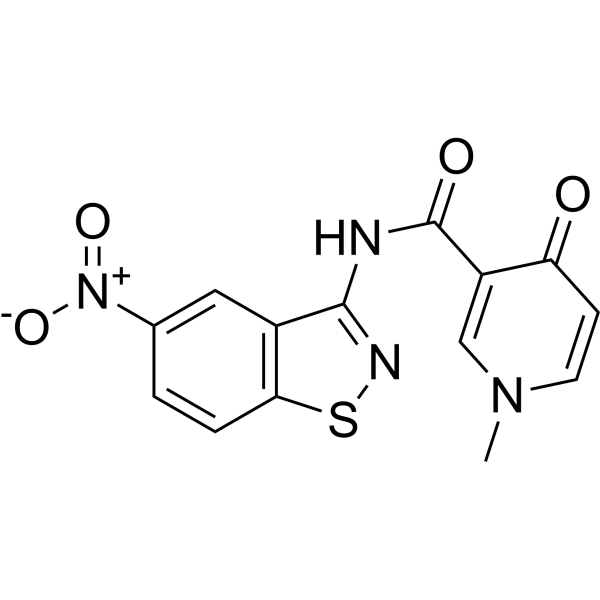
    HIV-1 inhibitor-6 (compound 9), a diheteroarylamide-based compound, is a potent HIV-1 pre-mRNA alternative splicing inhibitor. HIV-1 inhibitor-6 blocks HIV replication. HIV-1 inhibitor-6 is active against wild-type HIV-1IIIB (subtype B, X4-tropic) and HIV-1 97USSN54 (subtype A, R5-tropic) with EC50s of 0.6 μM and 0.9 μM, respectively. HIV-1 inhibitor-6 inhibits HIV strains resistant to agents targeting HIV reverse transcriptase, protease, integrase, and coreceptor CCR5 with EC50s ranging from 0.9 to 1.5 μM .
    HIV-1 inhibitor-6
  • HY-159858

    Liposome Cancer
    Lipid 16 is an ionizable lipid that can be used to synthesize lipid nanoparticles (LNP) for delivering mRNA and other payloads. Lipid 16 as a potent cell type-specific ionizable lipid for the CD11bhi macrophage population without an additional targeting moiety .
    Lipid 16
  • HY-170524

    SARS-CoV DNA Methyltransferase Cytochrome P450 Infection
    TDI-015051 is a highly selective, orally active antiviral agent that targets the coronavirus NSP14 guanine-N7 methyltransferase. TDI-015051 binds to substrates in a non-competitive manner and forms a stable ternary complex, precisely blocking the capping and methylation processes of viral mRNA. TDI-015051 potently inhibits a variety of coronaviruses (including SARS-CoV-2 and MERS). By impairing viral replication and translation and inducing a moderate type I interferon-mediated immune response, it significantly reduces pulmonary viral load and exhibits a synergistic effect with Nirmatrelvir (HY-138687). In addition, TDI-015051 does not inhibit non-coronavirus methyltransferases, and the drug-resistant mutations it induces impair viral fitness, demonstrating excellent antiviral properties and safety. TDI-015051 can be used for research on COVID-19 and the replication mechanism of coronaviruses .The IC50 values of TDI-015051 against SARS-CoV-2, α-hCoV-NL63, α-hCoV-229E, β-hCoV-MERS are 0.15 nM, 1.7 nM, 2.6 nM and 3.6 nM, respectively, and the Ka value against SARS-CoV-2 is 0.061 nM .
    TDI-015051
  • HY-148687

    PCSK9 Cardiovascular Disease
    SPC5001 is a locked nucleic acid (LNA)-modifed antisense oligonucleotide (ASO) complementary to human PCSK9 (proprotein convertase subtilisin/kexin type 9) mRNA. SPC5001 can be used for the research of hypercholesterolemia. SPC5001 sequence: 5′-TGmCTACAAAACmCmCA-3′ .
    SPC5001
  • HY-177650A

    ALN-TTRsc04 sodium

    Transthyretin (TTR) Others
    Nucresiran sodium is a siRNA that inhibits hepatic synthesis of both wild-type and variant TTR mRNA.
    Nucresiran sodium
  • HY-177610

    ISIS 2105

    HPV Infection
    Afovirsen is a 20-mer phosphorothioate oligonucleotide. It is complementary to the mRNA sequence for the translation initiation codon of the E2 protein vital to replication of HPV types 6 and 11.
    Afovirsen
  • HY-16770

    P-005672

    Antibiotic Bacterial DNA/RNA Synthesis Infection
    Sarecycline is an orally effective narrow-spectrum tetracycline derivative antibiotic. Sarecycline has anti-inflammatory activity. Sarecycline inhibits the activity of Gram-positive bacteria and several types of keratobacterium acnes. Sarecycline interferes with tRNA accommodation and tethers mRNA to the 70S ribosome. Sarecycline can be used to study moderate to severe acne .
    Sarecycline
  • HY-117000A

    DNA/RNA Synthesis Dihydrofolate reductase (DHFR) Neurological Disease
    D156844 (Compound 11a) hydrochloride is a SMN2 promoter activator with an EC50 of 4 nM. D156844 hydrochloride increases the mRNA expression of the mouse SMN in NSC-34 cells and human SMN2 promoter in severe type I spinal muscular atrophy (SMA) fibroblasts as well as full-length human SMN protein. D156844 hydrochloride overcomes DHFR inhibition. D156844 hydrochloride can be used for SMA research .
    D156844 hydrochloride
  • HY-174499

    mRNA Others
    Cas9 Nickase D10A mRNA expresses a version of the Streptococcus pyogenes SF370 Cas9 protein (CRISPR Associated Protein 9) that contains a D10A amino acid substitution. This mRNA also contains a C-terminal nuclear localization signal followed by a HA tag.Cas9 functions as part of the CRISPR (clustered regularly interspaced short palindromic repeats) genome editing system. In the CRISPR system, an RNA guide sequence targets the site of interest and the Cas9 protein is employed to perform the DNA cleavage. While wild-type Cas9 creates a double-stranded break at the target site, Cas9 nickase creates a single-stranded break. This favors homology-directed repair and decreases the occurrence of non-homologous end joining.
    Cas9 Nickase D10A mRNA (5moU)
  • HY-12502B

    NZ-105 hydrochloride; (±)-Efonidipine hydrochloride

    Calcium Channel SARS-CoV Cardiovascular Disease Cancer
    Efonidipine (NZ-105) hydrochloride is an orally active dual L-type and T-type calcium channel blocker (CCB) with IC50 values of 1.8 and 350 nM, respectively. Efonidipine hydrochloride inhibits SARS-CoV-2 main protease. Efonidipine hydrochloride modulates adrenal steroidogenesis by increasing the expression of steroidogenic acute regulatory protein (StAR), dbcAMP-or angiotensin II-induced StAR mRNA expression and DHEA-S production, while suppressing the biosynthesis of aldosterone and cortisol. Efonidipine hydrochloride reduces plasma aldosterone levels in vivo. Efonidipine hydrochloride improves cardiac function in heart failure models by inhibiting T-type calcium channels (via both tonic and use-dependent blockade), independently of blood pressure reduction. Efonidipine hydrochloride can be used for research in hypertension, heart failure, and disorders involving dysregulated steroid hormone synthesis .
    Efonidipine hydrochloride
  • HY-175769

    VSV Infection
    SMU-V18 is a vesicular stomatitis virus (VSV) inhibitor, with an EC50 of 6.2 μM. SMU-V18 inhibits VSV-GFP fluorescence intensity, viral mRNA/protein expression, and progeny virus replication. SMU-V18 interferes with early viral infection stages, also effective against wild-type VSV (VSV-WT). SMU-V18 inhibits VSV-GFP in mouse tissues and prolongs survival. SMU-V18 can be used for the study of vesicular stomatitis virus (VSV) infection .
    SMU-V18
  • HY-178938

    Molecular Glues Androgen Receptor Caspase Apoptosis Endocrinology Cancer
    AR Degrader-3 is an orally active molecular glue that targets AR/ARV7 and induces the degradation of AR and ARV7 through the ubiquitin-proteasome pathway (UPP). AR Degrader-3 directly interacts with the ligand-binding domain (LBD) and the N-terminal domain (NTD) of AR. AR Degrader-3 effectively suppresses the transcriptional activity of wild-type AR (AR-WT), AR mutants, and ARV7. AR Degrader-3 downregulates the mRNA and protein levels of downstream AR target genes, thereby overcoming antiandrogen resistance mediated by ARV7 and AR point mutations. AR Degrader-3 induces apoptosis in Enzalutamide (HY-70002) (ENZa)-resistant cells and increases cleaved caspase-3 protein levels. AR Degrader-3 can be used for the study of castration-resistant prostate cancer (CRPC) .
    AR Degrader-3
  • HY-N1970R

    Reference Standards Keap1-Nrf2 Caspase PARP Fungal Infection Neurological Disease Metabolic Disease Inflammation/Immunology Cancer
    5,7-Dihydroxychromone (Standard) is the analytical standard of 5,7-Dihydroxychromone (HY-N1970). This product is intended for research and analytical applications. 5,7-Dihydroxychromone is a flavonoid compound with antioxidant properties. 5,7-Dihydroxychromone induces Nrf2 nuclear translocation, increases Nrf2/ARE binding activity, and up-regulates Nrf2-dependent antioxidant genes HO-1, NQO1, GCLc. 5,7-Dihydroxychromone attenuates excessive ROS generation, inhibits activated caspase-3, caspase-9, cleaved PARP expression, and prevents neuronal apoptosis and cell death. 5,7-Dihydroxychromone increases LXRα and PPARγ mRNA expression, induces preadipocyte differentiation, and regulates blood glucose levels. 5,7-Dihydroxychromone inhibits radial growth of soil pathogenic fungi, radicle elongation of select seedlings, and transiently inhibits Bradyrhizobium sp. growth in high mannitol medium. 5,7-Dihydroxychromone can be used for the research of Parkinson’s disease, type 2 diabetes mellitus and pathogenic fungal infection .
    5,7-Dihydroxychromone (Standard)
  • HY-164875

    Biochemical Assay Reagents Others
    Apt-A-FAM-AS is a type of mRNA.
    Apt-A-FAM-AS
  • HY-174786

    mRNA Cancer
    Human ACVR1 mRNA encodes the human activin A receptor type 1 (ACVR1) protein, a member of type I receptor which signals a particular transcriptional response in concert with activin type II receptors.
    Human ACVR1 mRNA
  • HY-174661

    mRNA Inflammation/Immunology
    Human IFNK mRNA encodes the human interferon kappa (IFNK) protein, a member of the type I interferon family. Type I interferons are a group of related glycoproteins that play an important role in host defenses against viral infections.
    Human IFNK mRNA
  • HY-174780

    mRNA Cancer
    Human AMHR2 mRNA encodes the human anti-Mullerian hormone receptor type 2 (AMHR2) protein, a receptor for the anti-Mullerian hormone (AMH).
    Human AMHR2 mRNA
  • HY-177610A

    ISIS 2105 sodium

    HPV Infection
    Afovirsen sodium is a 20-mer phosphorothioate oligonucleotide. It is complementary to the mRNA sequence for the translation initiation codon of the E2 protein vital to replication of HPV types 6 and 11.
    Afovirsen sodium
  • HY-174784

    mRNA Cancer
    Human ACVR1C mRNA encodes the human activin A receptor type 1C (ACVR1C) protein, a type I receptor for the TGFB family of signaling molecules. Upon ligand binding, type I receptors phosphorylate cytoplasmic SMAD transcription factors, which then translocate to the nucleus and interact directly with DNA or in complex with other transcription factors.
    Human ACVR1C mRNA
  • HY-174666

    mRNA Cancer
    Human IFNAR1 mRNA encodes the human interferon alpha and beta receptor subunit 1 (IFNAR1) protein, a protein that belongs to the type II cytokine receptor family and functions as an antiviral factor.
    Human IFNAR1 mRNA
  • HY-174664

    mRNA Inflammation/Immunology
    Human IFNB1 mRNA encodes the human interferon beta 1 (IFNB1) protein, a cytokine that belongs to the interferon family. IFNB1 belongs to the type I class of interferons, which are important for defense against viral infections. In addition, type I interferons are involved in cell differentiation and anti-tumor defenses.
    Human IFNB1 mRNA
  • HY-174781

    mRNA Cancer
    Human ACVRL1 mRNA encodes the human activin A receptor like type 1 (ACVRL1) protein. ACVRL1 is a type I cell-surface receptor for the TGF-beta superfamily ligands BMP9/GDF2 and BMP10 and important regulator of normal blood vessel development.
    Human ACVRL1 mRNA
  • HY-174640

    mRNA Inflammation/Immunology
    Human IL12RB1 mRNA encodes the human interleukin 12 receptor subunit beta 1 (IL12RB1) protein, a type I transmembrane protein that belongs to the hemopoietin receptor superfamily.
    Human IL12RB1 mRNA

Inquiry Online

Your information is safe with us. * Required Fields.

Salutation


Country or Region *

Applicant Name *


Organization Name *

Department *


Email Address *


Product Name *

Cat. No.


Requested quantity *

Phone Number *


Remarks

Inquiry Online

Inquiry Information

Product Name:
Cat. No.:
Quantity:
MCE Japan Authorized Agent:

