

1. Search Result
Search Result
Results for "

carotid

" in MedChemExpress (MCE) Product Catalog:

38

Inhibitors & Agonists

2

Peptides

2

Inhibitory Antibodies

5

Natural
Products

2

Isotope-Labeled Compounds

Cat. No. Product Name Target Research Areas Chemical Structure
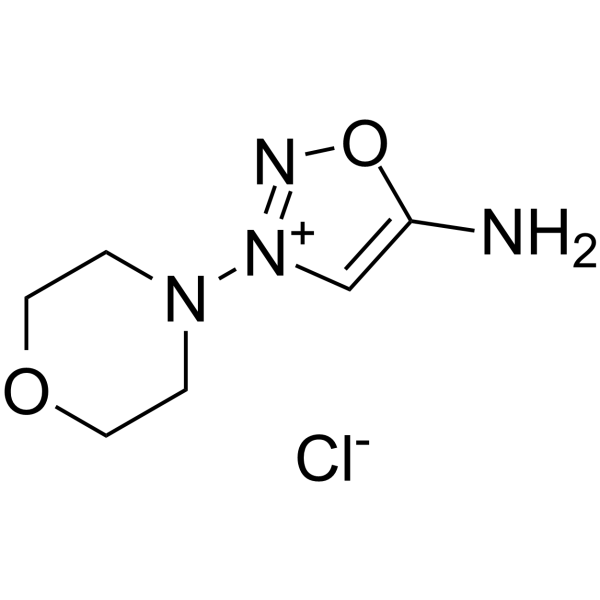
  • HY-101200

    SIN-1 chloride

    Apoptosis Autophagy Reactive Oxygen Species (ROS) Annexin A NF-κB Cardiovascular Disease Neurological Disease Inflammation/Immunology Cancer
    Linsidomine hydrochloride (SIN-1 chloride) is a spontaneous ROS/RNS generator and peroxynitrite donor. Linsidomine hydrochloride is a vasodilator and platelet aggregation inhibitor. Linsidomine hydrochloride induces oxidative stress-induced chondrocyte apoptosis and necrosis. Linsidomine hydrochloride inhibits the migration, proliferation and neointima formation of vascular smooth muscle cells by inhibiting the expression of annexin A2. In addition, low doses of Linsidomine hydrochloride shows protective effects on Zn 2+ treated nerve cells .
    Linsidomine hydrochloride
  • HY-B0190A
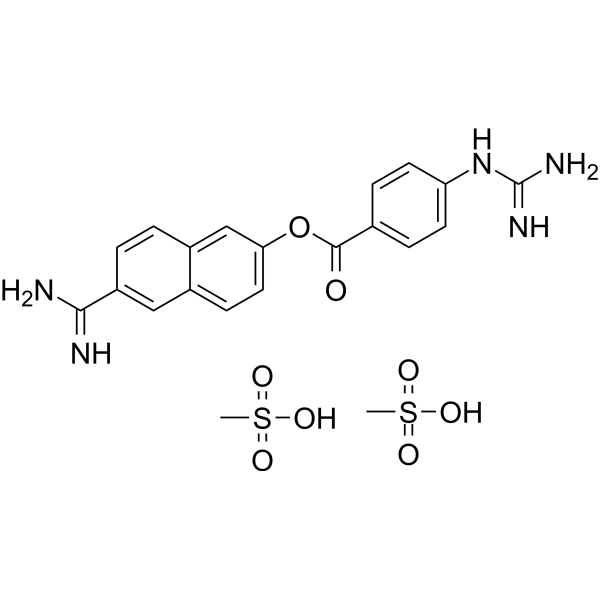
    Nafamostat mesylate
    Maximum Cited Publications
    18 Publications Verification

    FUT-175

    Flavivirus TNF Receptor NF-κB Apoptosis Ser/Thr Protease Infection Cancer
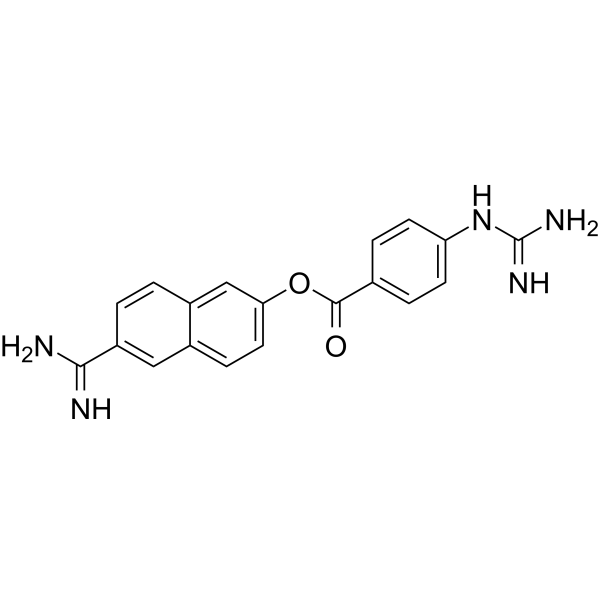
    Nafamostat mesylate (FUT-175), an anticoagulant, is a synthetic serine protease inhibitor. Nafamostat mesylate has anticancer and antivirus effect. Nafamostat mesylate induce apoptosis by up-regulating the expression of tumor necrosis factor receptor-1 (TNFR1). Nafamostat mesylate can be used in the development of the pathological thickening of the arterial wall .
    Nafamostat mesylate
  • HY-12807
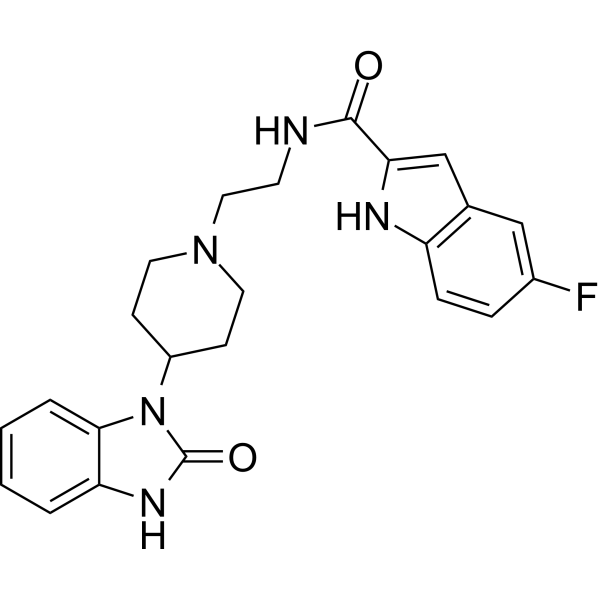
    FIPI
    5 Publications Verification

    5-Fluoro-2-indolyl deschlorohalopemide

    Phospholipase Cardiovascular Disease Neurological Disease Inflammation/Immunology Cancer
    FIPI is a phospholipase D (PLD) inhibitor with an IC50 for PLD1 and PLD2 of about 25 nM. FIPI regulates cytoskeletal recombination, cell diffusion and chemotaxis. FIPI can be used in cancer research. In addition, FIPI can enhance the secretion and aggregation of platelet dense particles, inhibit thrombosis, reduce ischemic stroke infarct volume and improve nerve function .
    FIPI
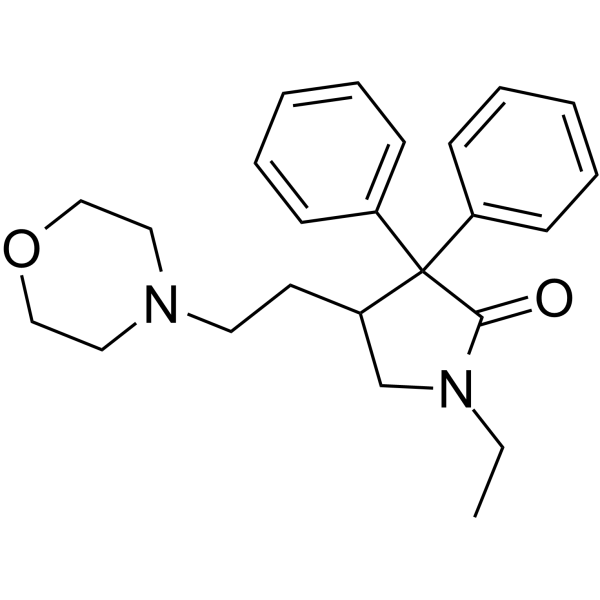
  • HY-B0551

    Potassium Channel Neurological Disease
    Doxapram is a respiratory stimulant. Doxapram increases breathing rate and depth by acting on the brain's respiratory centers and peripheral chemoreceptors. Doxapram inhibits TASK-1, TASK-3, TASK-1/TASK-3 heterodimeric channel function with EC50s of 410 nM, 37 μM, 9 μM, respectively. Doxapram inhibits the Ca²⁺-activated potassium current (IC50 ≈ 13 μM) and Ca²⁺-independent potassium current (IC50 ≈ 20 μM) in type I cells of the carotid body. Doxapram significantly prolongs the effective refractory period of the atrium and has an anti-arrhythmic effect. Doxapram can be used for the study of respiratory depression such as post-anesthesia respiratory depression, chronic obstructive pulmonary disease and apnea of prematurity .
    Doxapram
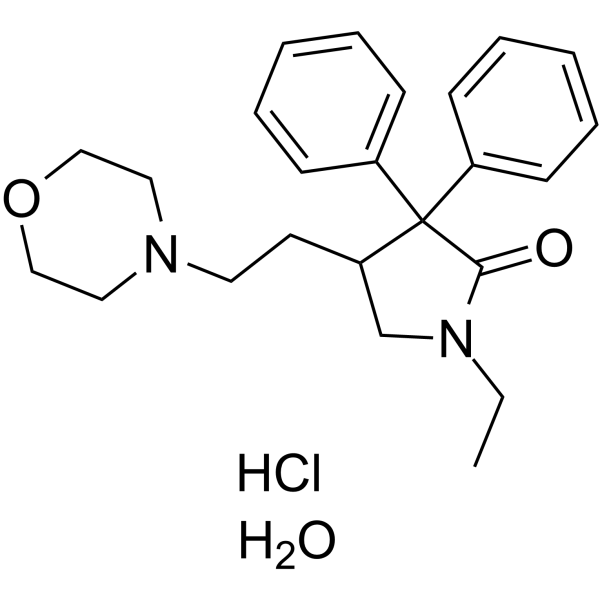
  • HY-B0551A

    Potassium Channel Neurological Disease
    Doxapram hydrochloride hydrate is a respiratory stimulant. Doxapram hydrochloride hydrate increases breathing rate and depth by acting on the brain's respiratory centers and peripheral chemoreceptors. Doxapram hydrochloride hydrate inhibits TASK-1, TASK-3, TASK-1/TASK-3 heterodimeric channel function with EC50s of 410 nM, 37 μM, 9 μM, respectively. Doxapram hydrochloride hydrate inhibits the Ca²⁺-activated potassium current (IC50 ≈ 13 μM) and Ca²⁺-independent potassium current (IC50 ≈ 20 μM) in type I cells of the carotid body. Doxapram hydrochloride hydrate significantly prolongs the effective refractory period of the atrium and has an anti-arrhythmic effect. Doxapram hydrochloride hydrate can be used for the study of respiratory depression such as post-anesthesia respiratory depression, chronic obstructive pulmonary disease and apnea of prematurity .
    Doxapram hydrochloride hydrate
  • HY-B0910A
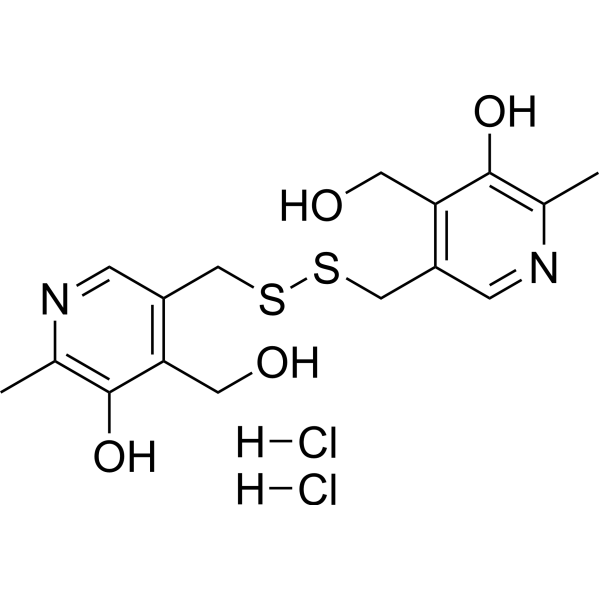
    Pyrithioxin dihydrochloride
    2 Publications Verification

    Pyritinol dihydrochloride; Pyridoxine disulfide dihydrochloride; Vitamin B6 disulfide dihydrochloride

    Drug Derivative Infection Neurological Disease Metabolic Disease Inflammation/Immunology Cancer
    Pyrithioxin (Pyritinol) dihydrochloride is the dihydrochloride salt of Pyrithioxin (HY-B0910). Pyrithioxin (Pyritinol) is an orally active neurodynamic compound. Pyrithioxin can promote the metabolism of glucose and amino acids, increase carotid blood flow and improve cerebral blood flow. Pyrithioxin exhibits anti-inflammation, anti-tumor and neuroprotective effect. Pyrithioxin can be used for the researches of cancer, inflammation, immunology, metabolic and neurological disease such as cerebral infarct, epilepsy, fibrosarcomas and rheumatoid polyarthritis .
    Pyrithioxin dihydrochloride
  • HY-P99171
    Gevokizumab
    2 Publications Verification

    Interleukin Related Inflammation/Immunology Cancer
    Gevokizumab is a potent anti-IL-1β antibody, negatively modulates IL-1β signaling through an allosteric mechanism. Gevokizumab selectively decreases the binding affinity of IL-1β for the IL-1 receptor type I (IL-1RI) signaling receptor instead of IL-1 counter-regulatory decoy receptor (IL-1 receptor type II) .
    Gevokizumab
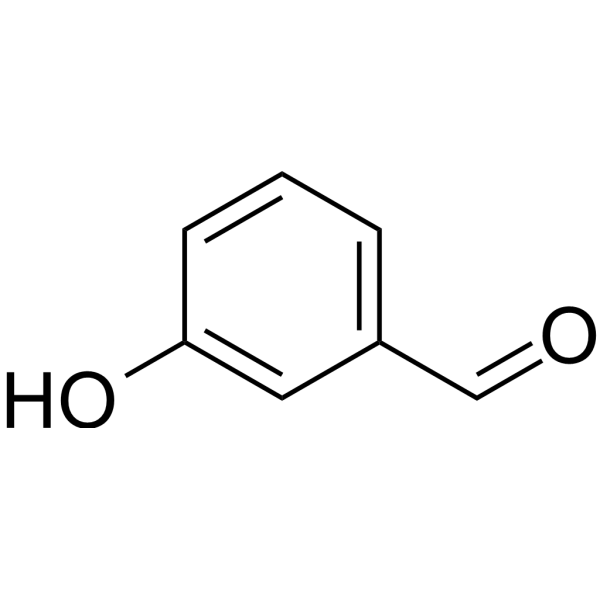
  • HY-76006

    M-Hydroxybenzaldehyde

    Aldehyde Dehydrogenase (ALDH) NF-κB p38 MAPK Cardiovascular Disease Inflammation/Immunology
    3-Hydroxybenzaldehyde (3-HBA) is a precursor compound for phenolic compounds like Protocatechuic aldehyde (PCA) (HY-N0295). 3-Hydroxybenzaldehyde, produced by 3-hydroxybenzyl-alcohol dehydrogenase, is a substrate of aldehyde dehydrogenase (ALDH) in rats and humans. 3-Hydroxybenzaldehyde has vasculoprotective effects in vitro and in vivo. 3-Hydroxybenzaldehyde is proming for research of atherosclerosis .
    3-Hydroxybenzaldehyde
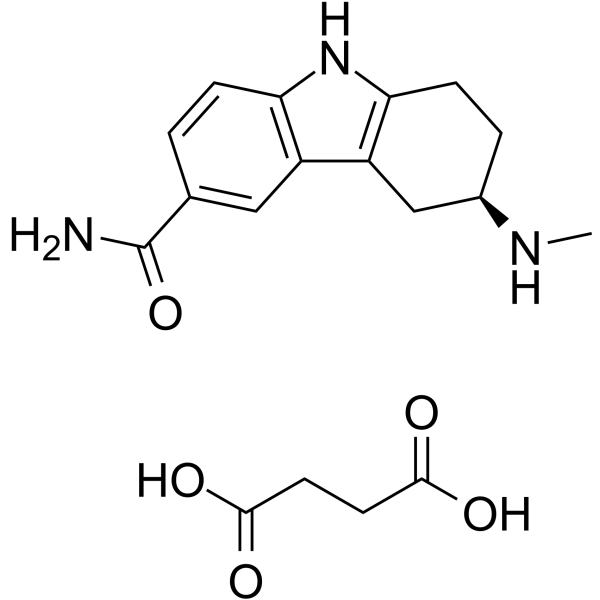
  • HY-B1658A

    (R)-Frovatriptan succinate hydrate; SB 209509 succinate hydrate; VML 251 succinate hydrate

    5-HT Receptor Neurological Disease
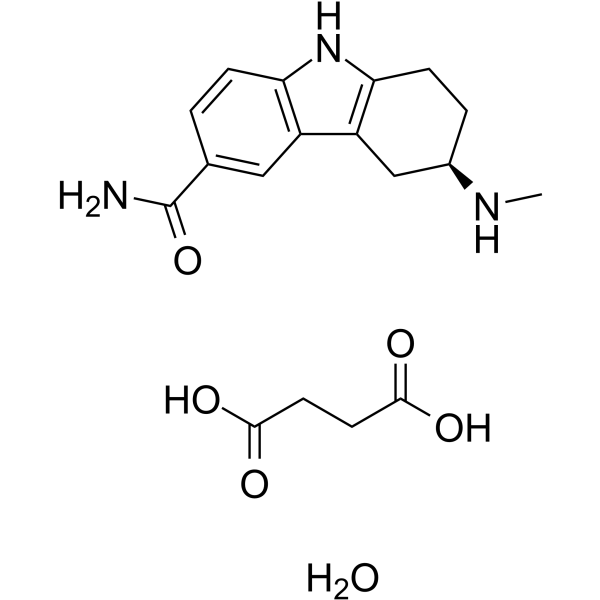
    Frovatriptan succinate hydrate ((R)-Frovatriptan succinate hydrate) is a potent, high affinity, selective and orally active 5-HT1B (pK50 of 8.2) and 5-HT1D receptor agonist. Frovatriptan succinate hydrate exhibits >10-fold selectivity for 5-HT1B and 5-HT1D over 5-HT1A, 5-HT1F, and 5-HT7 and >1000-fold selectivity over other 5-HT, dopamine, histamine H1, and α1-adrenoceptor. Frovatriptan succinate hydrate has the potential for migraine research .
    Frovatriptan succinate hydrate
  • HY-P99959

    MT-3921; rH116A3

    TGF-β Receptor Neurological Disease
    Unasnemab (MT-3921) is a humanised IgG1 monoclonal antibody that binds to repulsive guidance molecule A (RGMa). Unasnemab improves locomotor function and promotes neuroregeneration. Unasnemab exerts ameliorative effects on hippocampal neurogenesis impairment and cognitive decline in db/db mice, Streptozotocin (STZ) (HY-13753)-induced type 1 diabetic and bilateral common carotid artery stenosis (BCAS)-induced mice. Unasnemab can be used for the research of spinal cord injury, diabetes-induced neurological impairments .
    Unasnemab
  • HY-B1735

    Prostaglandin Receptor Cardiovascular Disease
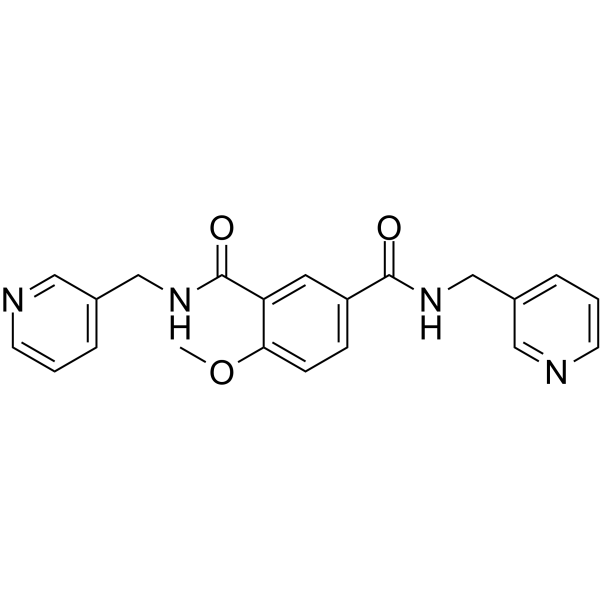
    Picotamide is a combined inhibitor of thromboxane A2 (TxA2) synthase and receptor. Picotamide has antiplatelet activity. Picotamide promotes the reduction of microalbuminuria and the inhibition of growth of carotid plaques in diabetes. Picotamide can be used for researching acute or chronic cardiovascular diseases .
    Picotamide
  • HY-114511

    Factor VIIa Cardiovascular Disease
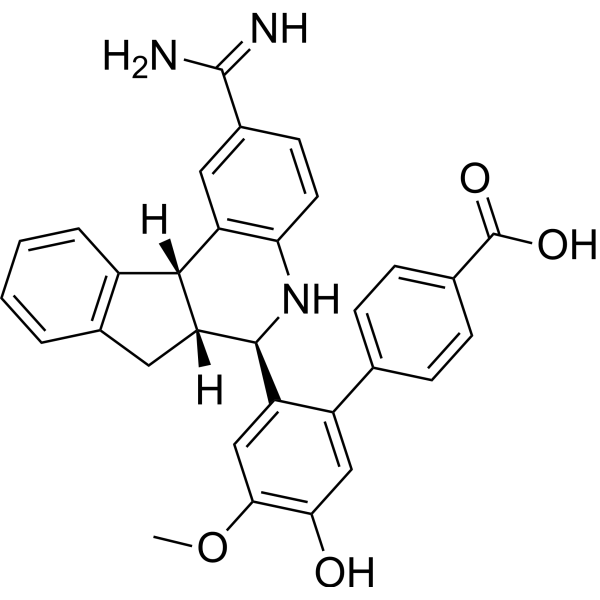
    BMS-593214 is an active site-directed factor (F) VIIa inhibitor. BMS-593214 shows antithrombotic and antihaemostatic properties. BMS-593214 is a direct competitive inhibitor of human FVIIa and a non-competitive inhibitor of Viia-activated substrate FX. BMS-593214 prevents electroinduced carotid artery thrombosis (AT) and wire induced vena cava thrombosis (VT) .
    BMS-593214
  • HY-B0910
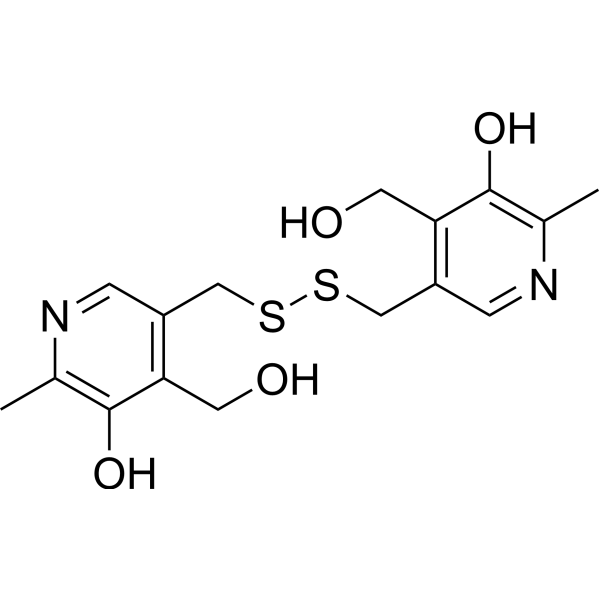
    Pyrithioxin
    2 Publications Verification

    Pyritinol; Pyridoxine disulfide; Vitamin B6 disulfide

    Drug Derivative Neurological Disease Metabolic Disease Inflammation/Immunology Cancer
    Pyrithioxin (Pyritinol) is an orally active neurodynamic compound. Pyrithioxin can promote the metabolism of glucose and amino acids, increase carotid blood flow and improve cerebral blood flow. Pyrithioxin exhibits anti-inflammation, anti-tumor and neuroprotective effect. Pyrithioxin can be used for the researches of cancer, inflammation, immunology, metabolic and neurological disease such as cerebral infarct, epilepsy, fibrosarcomas and rheumatoid polyarthritis .
    Pyrithioxin
  • HY-B0190

    Flavivirus TNF Receptor NF-κB Apoptosis Ser/Thr Protease Infection Cancer
    Nafamostat, an anticoagulant, is a synthetic serine protease inhibitor. Nafamostat has anticancer and antivirus effect. Nafamostat induce apoptosis by up-regulating the expression of tumor necrosis factor receptor-1 (TNFR1). Nafamostat can be used in the development of the pathological thickening of the arterial wall .
    Nafamostat
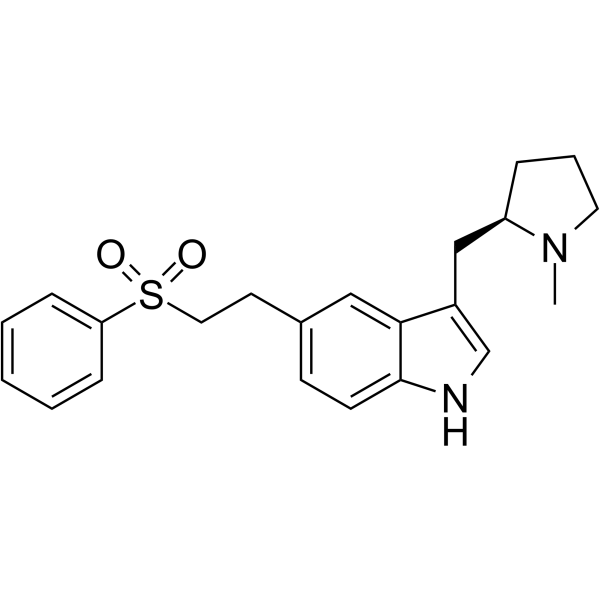
  • HY-A0039

    UK-116044

    5-HT Receptor Neurological Disease Inflammation/Immunology
    Eletriptan (UK-116044) is a highly selective and orally active serotonin 5-HT1B and 5-HT1D receptor agonist, with pKi values of 8.0 and 8.9, respectively. Eletriptan has inhibitory effects on markers of neurogenic inflammation in rats. Eletriptan can be used for researching migraine .
    Eletriptan
  • HY-B0190AR

    FUT-175 (Standard)

    Flavivirus TNF Receptor NF-κB Apoptosis Ser/Thr Protease Reference Standards Infection Cancer
    Nafamostat (mesylate) (Standard) is the analytical standard of Nafamostat (mesylate). This product is intended for research and analytical applications. Nafamostat mesylate (FUT-175), an anticoagulant, is a synthetic serine protease inhibitor. Nafamostat mesylate has anticancer and antivirus effect. Nafamostat mesylate induce apoptosis by up-regulating the expression of tumor necrosis factor receptor-1 (TNFR1). Nafamostat mesylate can be used in the development of the pathological thickening of the arterial wall .
    Nafamostat mesylate (Standard)
  • HY-120612

    P2Y Receptor Cardiovascular Disease
    BMS-884775 is a selective and orally active P2Y1 antagonist with an IC50 of 0.1 nM for the human P2Y1 receptor. BMS-884775 has a similar efficacy in preventing arterial thrombosis to Clopidogrel (HY-15283) and Prasugrel (HY-15284), but treatment with BMS-884775 results in shorter bleeding time and lower bleeding risk. BMS-884775 can be used in research related to antiplatelet and arterial thrombosis-associated diseases .
    BMS-884775
  • HY-19210

    Endothelin Receptor Cardiovascular Disease
    SB-209670 is an extremely potent and highly specific non-peptide, subnanomolar endothelin (ET) receptor antagonist. SB 209670 selectively inhibits binding of 125I-labeled ET-1 to cloned human ET receptor subtypes ETA and ETB (Ki=0.2 and 18 nM, respectively). SB 209670 produces a dose-dependent reduction in blood pressure in hypertensive rats, protects from ischemia-induced neuronal degeneration in a gerbil stroke model, and attenuates neointima formation following rat carotid artery balloon angioplasty .
    SB-209670
  • HY-B1658B

    (R)-Frovatriptan succinate; SB 209509 succinate; VML 251 succinate

    5-HT Receptor Neurological Disease
    Frovatriptan succinate ((R)-Frovatriptan succinate) is a potent, high affinity, selective and orally active 5-HT1B (pK50 of 8.2) and 5-HT1D receptor agonist. Frovatriptan succinate exhibits >10-fold selectivity for 5-HT1B and 5-HT1D over 5-HT1A, 5-HT1F, and 5-HT7 and >1000-fold selectivity over other 5-HT, dopamine, histamine H1, and α1-adrenoceptor. Frovatriptan succinate has the potential for migraine research .
    Frovatriptan succinate
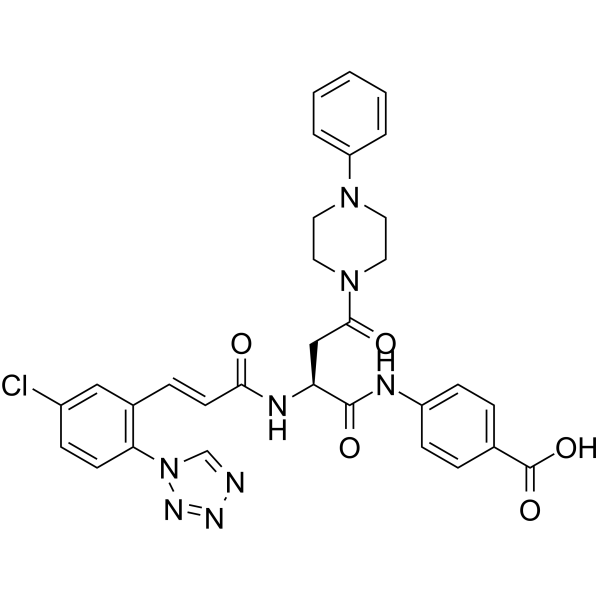
  • HY-144658

    Factor Xa Cardiovascular Disease
    FXIa-IN-8 is a potent and selective FXIa inhibitor with an IC50 of 14.2 nM. FXIa-IN-8 shows antithrombotic activity without increasing the bleeding risk and obvious toxicitysup>[1].
    FXIa-IN-8
  • HY-119883

    Adrenergic Receptor Neurological Disease
    A-61603 free base is a potent adrenergic receptor agonist. A-61603 free base reduces carotid artery conductance in anesthetized pigs mediated by α1 and α2 adrenergic receptors (pEC50=7.25). A-61603 free base can be used as a probe to study adrenergic function .
    A-61603 (free base)
  • HY-122237

    Endothelin Receptor Cardiovascular Disease
    ATZ-1993 is an orally active, nonpeptide endothelin receptor subtype Aand endothelin receptor subtype B antagonist with pKi values of 8.69, 7.20, respectively. ATZ-1993 has the potential for the research of intimal hyperplasia after balloon denudation of the carotid artery .
    ATZ-1993
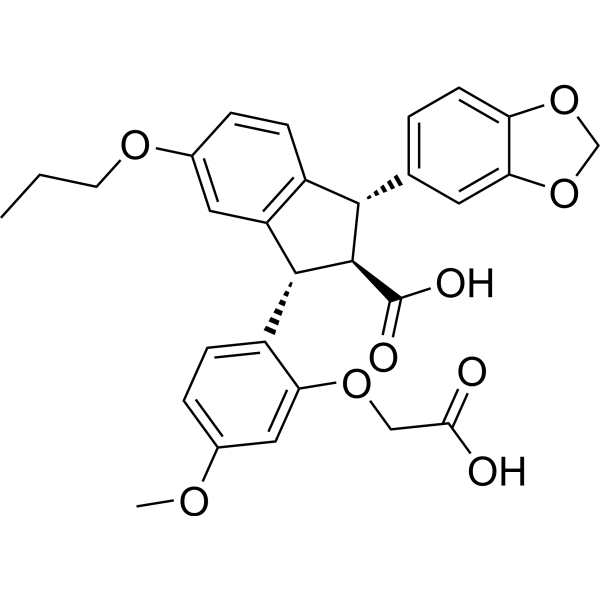
  • HY-P3973

    Bradykinin Receptor Others
    Thrombostatin cont-1 is an analogue of thrombostatin, which is a a bradykinin metabolite. Thrombostatin could decrease platelet activation in the canine carotid artery model of balloon angioplasty (BA) injury .
    Thrombostatin cont-1
  • HY-P3082

    Endogenous Metabolite Cardiovascular Disease
    SKF 106760 is a potent platelet fibrin receptor (glycoprotein IIb/IIIa) antagonist with significant antiplatelet and antithrombotic activities. SKF 106760 inhibits platelet aggregation in dogs in vitro and prevents thrombus formation in stenotic carotid arteries. SKF 106760 has also shown elimination effects against aspirin-resistant thrombi that develop in the setting of high-grade stenosis .
    SKF 106760
  • HY-116262

    Phosphodiesterase (PDE) Cardiovascular Disease Inflammation/Immunology
    SCH 51866 is a potent, selective and orally active inhibitor of PDE1 (IC50=70 nM) and PDE5 (IC50=60 nM). SCH 51866 inhibits collagen-induced aggregation of human washed platelets (IC50=10 μM), prevents neointimal formation in balloon catheter-injured carotid arteries of spontaneously hypertensive rats (SHR), and reduces blood pressure in SHR. SCH 51866 can be used in the study of hypertension .
    SCH 51866
  • HY-B0910AR

    Pyritinol dihydrochloride (Standard); Pyridoxine disulfide dihydrochloride (Standard); Vitamin B6 disulfide dihydrochloride (Standard)

    Reference Standards Drug Derivative Neurological Disease Metabolic Disease Inflammation/Immunology Cancer
    Pyrithioxin (Pyritinol) dihydrochloride (Standard) is the analytical standard of Pyrithioxin dihydrochloride (HY-B0910A). Pyrithioxin (Pyritinol) is an orally active neurodynamic compound. Pyrithioxin can promote the metabolism of glucose and amino acids, increase carotid blood flow and improve cerebral blood flow. Pyrithioxin exhibits anti-inflammation, anti-tumor and neuroprotective effect. Pyrithioxin can be used for the researches of cancer, inflammation, immunology, metabolic and neurological disease such as cerebral infarct, epilepsy, fibrosarcomas and rheumatoid polyarthritis .
    Pyrithioxin dihydrochloride (Standard)
  • HY-B1658AR

    (R)-Frovatriptan succinate hydrate (Standard); SB 209509 succinate hydrate (Standard); VML 251 succinate hydrate (Standard)

    Reference Standards 5-HT Receptor Neurological Disease
    Frovatriptan (succinate hydrate) (Standard) is the analytical standard of Frovatriptan (succinate hydrate). This product is intended for research and analytical applications. Frovatriptan succinate hydrate ((R)-Frovatriptan succinate hydrate) is a potent, high affinity, selective and orally active 5-HT1B (pK50 of 8.2) and 5-HT1D receptor agonist. Frovatriptan succinate hydrate exhibits >10-fold selectivity for 5-HT1B and 5-HT1D over 5-HT1A, 5-HT1F, and 5-HT7 and >1000-fold selectivity over other 5-HT, dopamine, histamine H1, and α1-adrenoceptor. Frovatriptan succinate hydrate has the potential for migraine research .
    Frovatriptan succinate hydrate (Standard)
  • HY-129146S

    Isotope-Labeled Compounds Potassium Channel Others
    Doxapram-d5 hydrochloride is deuterium labeled Doxapram hydrochloride. Doxapram hydrochloride is a respiratory stimulant. Doxapram hydrochloride increases breathing rate and depth by acting on the brain's respiratory centers and peripheral chemoreceptors. Doxapram hydrochloride inhibits TASK-1, TASK-3, TASK-1/TASK-3 heterodimeric channel function with EC50s of 410 nM, 37 μM, 9 μM, respectively. Doxapram hydrochloride inhibits the Ca²⁺-activated potassium current (IC50 ≈ 13 μM) and Ca²⁺-independent potassium current (IC50 ≈ 20 μM) in type I cells of the carotid body. Doxapram hydrochloride significantly prolongs the effective refractory period of the atrium and has an anti-arrhythmic effect. Doxapram hydrochloride can be used for the study of respiratory depression such as post-anesthesia respiratory depression, chronic obstructive pulmonary disease and apnea of prematurity.
    Doxapram-d5 hydrochloride
  • HY-B0190B

    Flavivirus TNF Receptor NF-κB Apoptosis Ser/Thr Protease Infection Cancer
    Nafamostat hydrochloride, an anticoagulant, is a synthetic serine protease inhibitor. Nafamostat hydrochloride has anticancer and antivirus effect. Nafamostat hydrochloride induces apoptosis by up-regulating the expression of tumor necrosis factor receptor-1 (TNFR1). Nafamostat hydrochloride can be used in the development of the pathological thickening of the arterial wall .
    Nafamostat hydrochloride
  • HY-B0551S

    Isotope-Labeled Compounds Potassium Channel Neurological Disease
    Doxapram-d8 is deuterated labeled Doxapram (HY-B0551). Doxapram is a respiratory stimulant. Doxapram increases breathing rate and depth by acting on the brain's respiratory centers and peripheral chemoreceptors. Doxapram inhibits TASK-1, TASK-3, TASK-1/TASK-3 heterodimeric channel function with EC50s of 410 nM, 37 μM, 9 μM, respectively. Doxapram inhibits the Ca²⁺-activated potassium current (IC50 ≈ 13 μM) and Ca²⁺-independent potassium current (IC50 ≈ 20 μM) in type I cells of the carotid body. Doxapram significantly prolongs the effective refractory period of the atrium and has an anti-arrhythmic effect. Doxapram can be used for the study of respiratory depression such as post-anesthesia respiratory depression, chronic obstructive pulmonary disease and apnea of prematurity.
    Doxapram-d8
  • HY-B0551AR

    Reference Standards Potassium Channel Neurological Disease
    Doxapram hydrochloride hydrate (Standard) is the analytical standard of Doxapram hydrochloride hydrate (HY-B0551A). This product is intended for research and analytical applications. Doxapram hydrochloride hydrate is a respiratory stimulant. Doxapram hydrochloride hydrate increases breathing rate and depth by acting on the brain's respiratory centers and peripheral chemoreceptors. Doxapram hydrochloride hydrate inhibits TASK-1, TASK-3, TASK-1/TASK-3 heterodimeric channel function with EC50s of 410 nM, 37 μM, 9 μM, respectively. Doxapram hydrochloride hydrate inhibits the Ca²⁺-activated potassium current (IC50 ≈ 13 μM) and Ca²⁺-independent potassium current (IC50 ≈ 20 μM) in type I cells of the carotid body. Doxapram hydrochloride hydrate significantly prolongs the effective refractory period of the atrium and has an anti-arrhythmic effect. Doxapram hydrochloride hydrate can be used for the study of respiratory depression such as post-anesthesia respiratory depression, chronic obstructive pulmonary disease and apnea of prematurity.
    Doxapram hydrochloride hydrate (Standard)
  • HY-76006R

    M-Hydroxybenzaldehyde (Standard)

    Reference Standards Aldehyde Dehydrogenase (ALDH) NF-κB p38 MAPK Cardiovascular Disease Inflammation/Immunology
    3-Hydroxybenzaldehyde (Standard) is the analytical standard of 3-Hydroxybenzaldehyde. This product is intended for research and analytical applications. 3-Hydroxybenzaldehyde (3-HBA) is a precursor compound for phenolic compounds like Protocatechuic aldehyde (PCA) (HY-N0295). 3-Hydroxybenzaldehyde, produced by 3-hydroxybenzyl-alcohol dehydrogenase, is a substrate of aldehyde dehydrogenase (ALDH) in rats and humans. 3-Hydroxybenzaldehyde has vasculoprotective effects in vitro and in vivo. 3-Hydroxybenzaldehyde is proming for research of atherosclerosis[1][2][3][4].
    3-Hydroxybenzaldehyde (Standard)
  • HY-B1735A

    Prostaglandin Receptor Cardiovascular Disease Metabolic Disease
    Picotamide monohydrate is a combined inhibitor of thromboxane A2 (TxA2) synthase and receptor. Picotamide monohydrate has antiplatelet activity. Picotamide monohydrate promotes the reduction of microalbuminuria and the inhibition of growth of carotid plaques in diabetes. Picotamide monohydrate can be used for researching acute or chronic cardiovascular diseases .
    Picotamide monohydrate
  • HY-129599

    PARP NF-κB Cardiovascular Disease Neurological Disease
    L-2286 is an orally active PARP-1 inhibitor. L-2286 alleviates carotid artery remodeling, oxidative stress and inflammation in spontaneously hypertensive rats, protects neurons in the dorsal hippocampus, and reduces pyramidal cell loss and gliosis without affecting blood pressure. L-2286 can be used in research related to hypertension .
    L-2286
  • HY-165434

    EL 784

    Prostaglandin Receptor Cardiovascular Disease
    Naxaprostene is a prostacyclin analogue. Naxaprostene was much more selective for IP receptors and tended towards partial agonism. Naxaprostene inhibits ADP-induced platelet aggregation. It has been shown to prevent rabbit carotid artery thrombosis.
    Naxaprostene
  • HY-P1650

    B 9870

    Bradykinin Receptor ERK Cancer
    Breceptin (B 9870) is an antagonist of the bradykinin B1/B2 receptor (B1/B2R). Breceptin exhibits an irreversible antagonist effect on B2R, inhibiting the vasodilation induced by Bradykinin (HY-P0206) in the rabbit carotid vein contraction experiment. B-9870 shows partial agonist properties in HEK 293 cells with high expression of B2R, and can activate ERK1/2 phosphorylation, calcium ion mobilization, arachidonic acid release, and receptor internalization. Breceptin can be used in research to inhibit breast cancer and non-small cell lung cancer .
    Breceptin
  • HY-182713

    Tyrosinase Others
    Tyrphostin AG-808 is a protein tyrosine kinase inhibitor that does not reduce neointimal formation. Perivascular implantation of Tyrphostin AG-808 causes medial damage in rats .
    Tyrphostin AG-808
  • HY-183921

    Calcium Channel Cardiovascular Disease Inflammation/Immunology
    SQ 32547 is a dihydropyridine calcium channel inhibitor with antihypertensive and anti-ischemic activities. SQ 32547 modulates sarcolemmal voltage-dependent calcium channels to inhibit calcium influx, and exerts direct anti-ischemic activity by suppressing myocardial contracture formation and reducing lactate dehydrogenase (LDH) release. SQ 32547 can be used in research related to hypertension, angina pectoris and neurogenic inflammation .
    SQ 32547

Inquiry Online

Your information is safe with us. * Required Fields.

Salutation


Country or Region *

Applicant Name *


Organization Name *

Department *


Email Address *


Product Name *

Cat. No.


Requested quantity *

Phone Number *


Remarks

Inquiry Online

Inquiry Information

Product Name:
Cat. No.:
Quantity:
MCE Japan Authorized Agent:

