
1. Search Result
Search Result
Results for "

chlorine

" in MedChemExpress (MCE) Product Catalog:

50

Inhibitors & Agonists

10

Fluorescent Dyes

5

Biochemical Assay Reagents

6

Natural
Products

Cat. No. Product Name Target Research Areas Chemical Structure
  • HY-Y0678
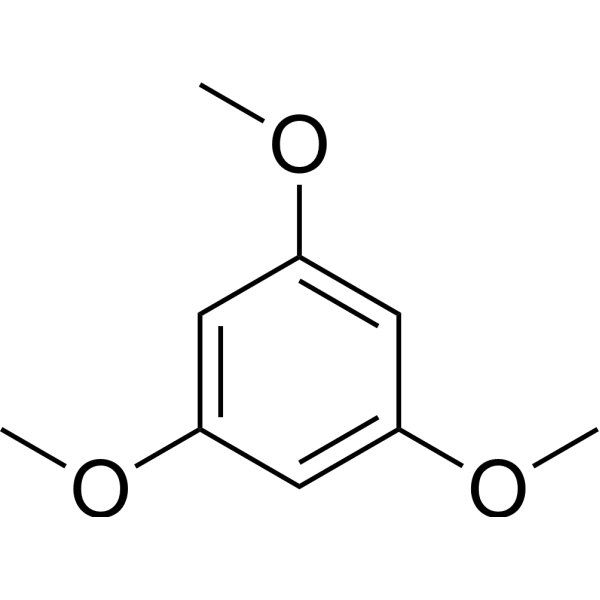
    1,3,5-Trimethoxybenzene
    1 Publications Verification

    TRIMETHYL PHLOROGLUCINOL

    Biochemical Assay Reagents Others
    1,3,5-Trimethoxybenzene (TRIMETHYL PHLOROGLUCINOL) is an electrophilic substitution reaction substrate targeting free chlorine (Cl +) and free bromine (Br +). 1,3,5-Trimethoxybenzene has highly selective electrophilic addition characteristics. By capturing halogens, it undergoes specific substitution reactions to generate stable halogenated products. 1,3,5-Trimethoxybenzene can not only quench residual oxidants, but also quantify the halogen concentration by detecting the product without affecting the stability of redox-sensitive disinfection byproducts (DBPs). 1,3,5-Trimethoxybenzene is mainly used in water quality testing and quantitative analysis of free chlorine/bromine in water. At the same time, in phytochemistry, it is a key component of rose fragrance and participates in the study of pollination attraction mechanism .
    1,3,5-Trimethoxybenzene
  • HY-141633

    Bacterial Infection
    Sucrose monolaurate is a glycolipid surfactant . Sucrose monolaurate interacts with bacterial DNA, disrupts cell membrane permeability, and exerts excellent inhibitory and bactericidal effects against a variety of foodborne pathogens (especially Gram-positive bacteria). Sucrose monolaurate significantly reduces liquid surface tension, and acts as a synergist for chlorine-based disinfectants in food cleaning and disinfection to improve the removal efficiency of pathogens on the surface of agricultural products .
    Sucrose monolaurate
  • HY-W030778
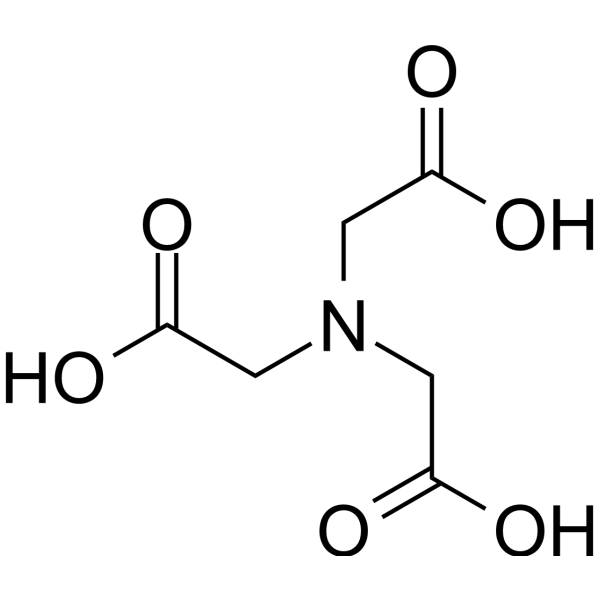
    Nitrilotriacetic acid
    1 Publications Verification

    Triglycollamic acid

    Biochemical Assay Reagents Others
    Nitrilotriacetic acid is an orally active chelating agent for metal ions. Nitrilotriacetic acid is an aminotricarboxylic acid that can sequester metal ions as water soluble complexes. Nitrilotriacetic acid reacts with strong oxidizing agents such as hypochlorite, chlorine, ozone, or oxygen in the presence of palladium/carbon catalyst. Nitrilotriacetic acid interacts with solid phases such as cell membranes and bone matrices in the mammalian system. Nitrilotriacetic acid is classified as an epigenetic rodent carcinogen .
    Nitrilotriacetic acid
  • HY-116772

    Irganox 1790

    Biochemical Assay Reagents Others
    Cyanox CY 1790 (Irganox 1790) is a synthetic phenolic antioxidant. Cyanox CY 1790 is mainly used to protect polyolefin materials such as polypropylene and polyethylene from thermo-oxidative degradation during processing (high temperature) and service .
    Cyanox CY 1790
  • HY-Y0537K

    Biochemical Assay Reagents Cardiovascular Disease
    Potassium chloride, ACS, 99.0% is a metal halide salt composed of potassium and chlorine. Potassium chloride, ACS, 99.0% replenishes electrolytes, corrects water-electrolyte imbalance, and is used in hypokalemia research. Potassium chloride, ACS, 99.0% is also used to prepare buffer solutions and produce fertilizers, with applications in the fields of medicine, scientific research and food processing. Potassium chloride, ACS, 99.0% plays a key role in protein extraction and dissolution .
    Potassium chloride, ACS, 99.0%
  • HY-128431

    Reactive Oxygen Species (ROS) Neurological Disease Metabolic Disease
    Arochlor 1254 is a polychlorinated biphenyl (PCB) mixture with biphenyl and 54% chlorine. Aroclor 1254 reduced cell viability and induced overproduction of intracellular reactive oxygen species in a dose-dependent manner. Arochlor 1254 exposure reduces calcium homeostasis, osteoblast differentiation and bone formation .
    Arochlor 1254
  • HY-W041171
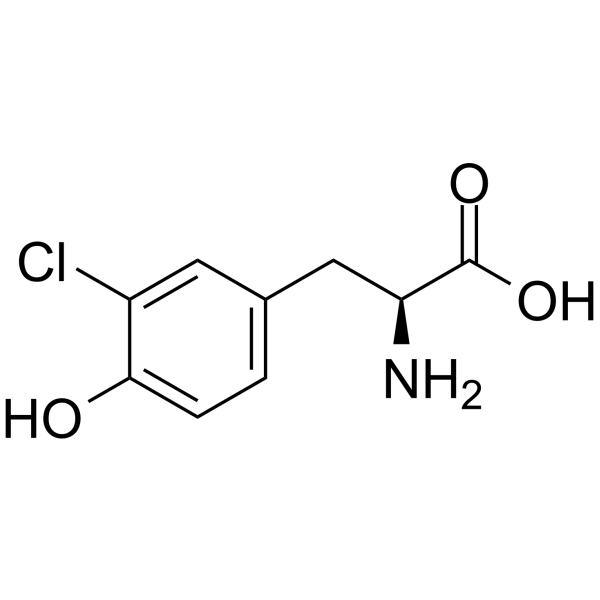
    3-Chloro-L-tyrosine
    1 Publications Verification

    3-Chlorotyrosine

    Glutathione Peroxidase Others
    3-Chloro-L-tyrosine is a specific biomarker in myeloperoxidase-catalyzed oxidation. 3-Chloro-L-tyrosine can be used as a molecular marker for oxidative stress and inflammation to determine whether myeloperoxidase-mediated tyrosine chlorination occurs. 3-Chloro-L-tyrosine is therefore used in the diagnosis of chlorine poisoning in forensic toxicology and in the auxiliary diagnosis of inflammation such as colorectal cancer .
    3-Chloro-L-tyrosine
  • HY-121935

    Environmental Pollutants Fungal Infection
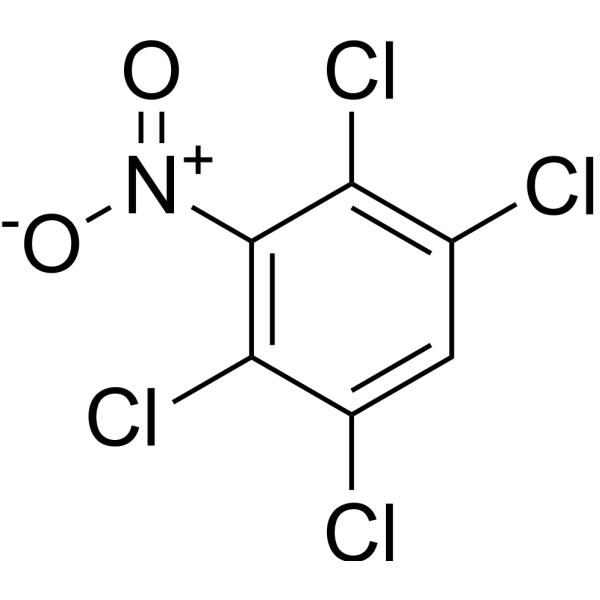
    Tecnazene is a dinitroaromatic fungicide and plant growth regulator. Tecnazene binds irreversibly to human skin tissues and exhibits acute toxicity in Rattus norvegicus (brown rat). Tecnazene exerts sprouting-inhibiting and antifungal activities by inhibiting the sprouting of potato tuber buds and blocking the growth and reproduction of fungi that cause dry rot. Tecnazene has significant antifungal and sprouting-inhibiting activities, and shows high toxicity to aquatic organisms such as freshwater fish and crustaceans. Tecnazene is used for sprouting inhibition and dry rot control during potato storage .
    Tecnazene
  • HY-76779

    Drug Derivative Cancer
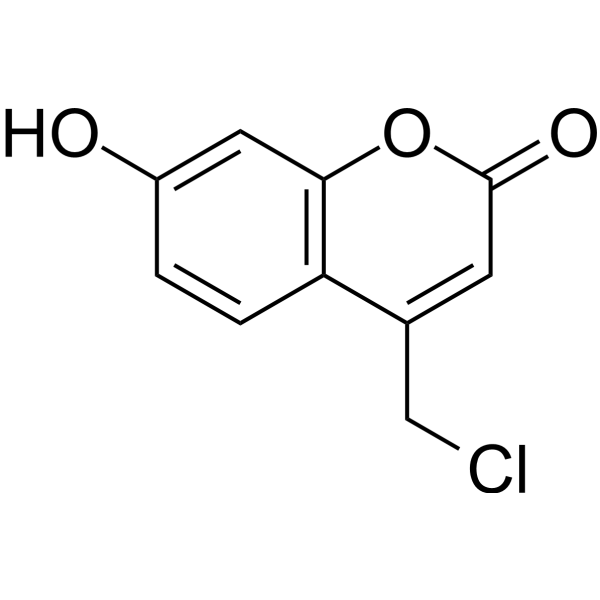
    4-(Chloromethyl)-7-hydroxycoumarin (compound 4) is a hydroxycoumarin derivative with potent antioxidant effect and high hydroxyl radical-scavenging property. 4-(Chloromethyl)-7-hydroxycoumarin contains a methyl group and a chlorine group in the heterocyclic ring. A series of coumarins incorporating hydroxy-, chloro- and/or chloromethyl-moieties has been investigated as potent inhibitors of the zinc enzyme carbonic anhydrase, expecially tumor-associated isoforms CA IX and XII .
    4-(Chloromethyl)-7-hydroxycoumarin
  • HY-137905

    Drug Derivative Cancer
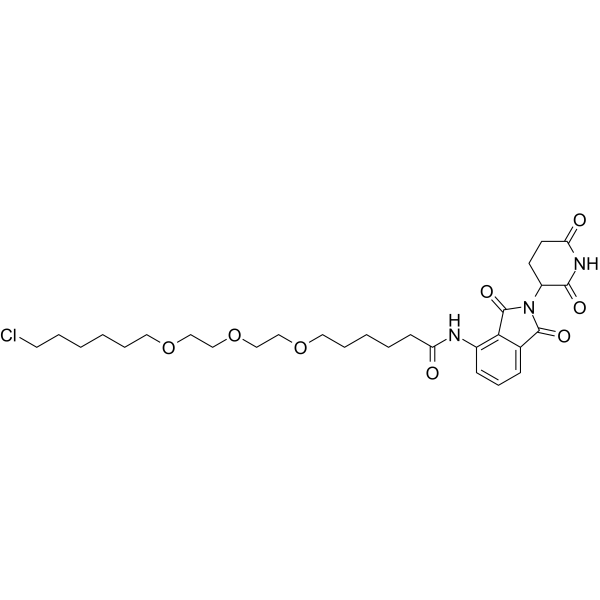
    Pomalidomide-amido-C5-PEG2-C6-chlorine is a derivant of Pomalidomide (HY-10984) .
    Pomalidomide-amido-C5-PEG2-C6-chlorine
  • HY-Y0141

    Drug Intermediate Others
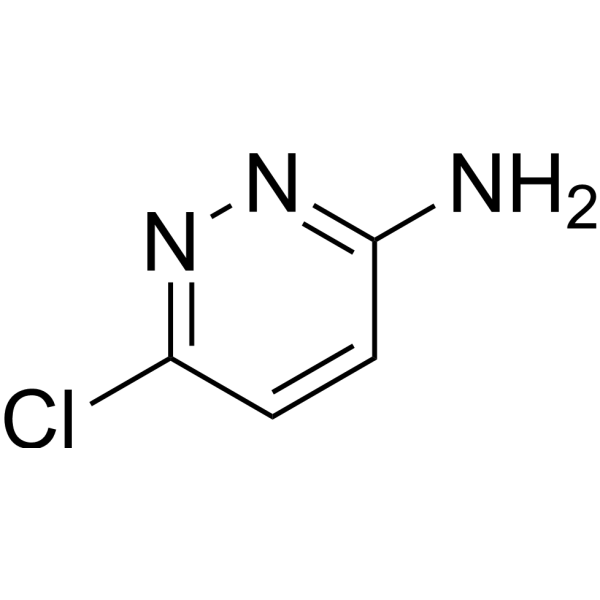
    3-Amino-6-chloropyridazine is a nitrogen-containing heterocyclic organic compound belonging to the pyridazine derivatives. 3-Amino-6-chloropyridazine has the basicity of amino groups and the nucleophilic substitution activity of chlorine atoms. 3-Amino-6-chloropyridazine can serve as an important intermediate for synthesizing some active compounds .
    3-Amino-6-chloropyridazine
  • HY-Y0317I

    Disodium sulfate, meets analytical specification of Ph. Eur. BP USP

    Biochemical Assay Reagents Cancer
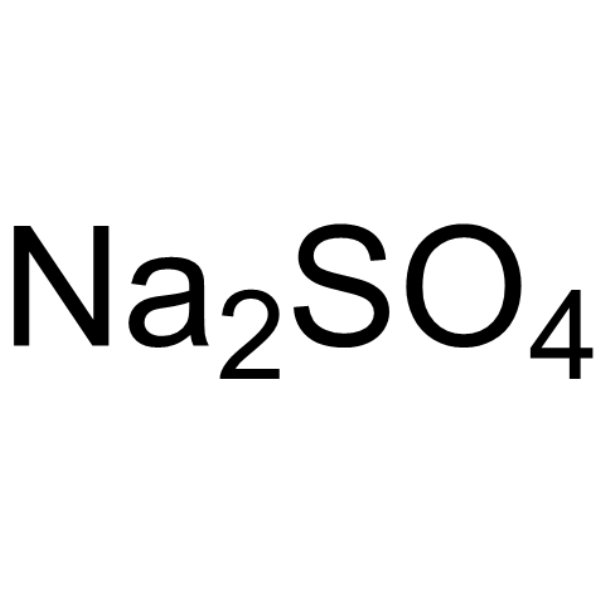
    Sodium sulfate anhydrous (Disodium sulfate), meets analytical specification of Ph. Eur. BP USP is an orally active multifunctional ionic salt that serves as a protein precipitant, collagen fibril bundling inducer, and chlorine-free sodium source. Sodium sulfate anhydrous, meets analytical specification of Ph. Eur. BP USP promotes collagen fibril bundling to increase matrix pore size, alters cancer cell morphology and regulates their migration direction via geometric signals, and separates plasma/serum proteins or concentrates proteins at 37°C without causing thermal denaturation. In poultry farming applications, Sodium sulfate anhydrous, meets analytical specification of Ph. Eur. BP USP improves laying performance and eggshell quality, and is safe and effective at an addition level of 0.3-1.5%, while a high concentration of 3.0% causes negative physiological effects. Sodium sulfate anhydrous, meets analytical specification of Ph. Eur. BP USP can be widely applied in scientific research on cervical cancer and related fields .
    Sodium sulfate anhydrous, meets analytical specification of Ph. Eur. BP USP
  • HY-Y0678R

    Reference Standards Biochemical Assay Reagents Others
    1,3,5-Trimethoxybenzene (TRIMETHYL PHLOROGLUCINOL) is an electrophilic substitution reaction substrate targeting free chlorine (Cl+) and free bromine (Br+). 1,3,5-Trimethoxybenzene has highly selective electrophilic addition characteristics. By capturing halogens, it undergoes specific substitution reactions to generate stable halogenated products. 1,3,5-Trimethoxybenzene can not only quench residual oxidants, but also quantify the halogen concentration by detecting the product without affecting the stability of redox-sensitive disinfection byproducts (DBPs). 1,3,5-Trimethoxybenzene is mainly used in water quality testing and quantitative analysis of free chlorine/bromine in water. At the same time, in phytochemistry, it is a key component of rose fragrance and participates in the study of pollination attraction mechanism .
    1,3,5-Trimethoxybenzene (Standard)
  • HY-133646

    DNA/RNA Synthesis Others
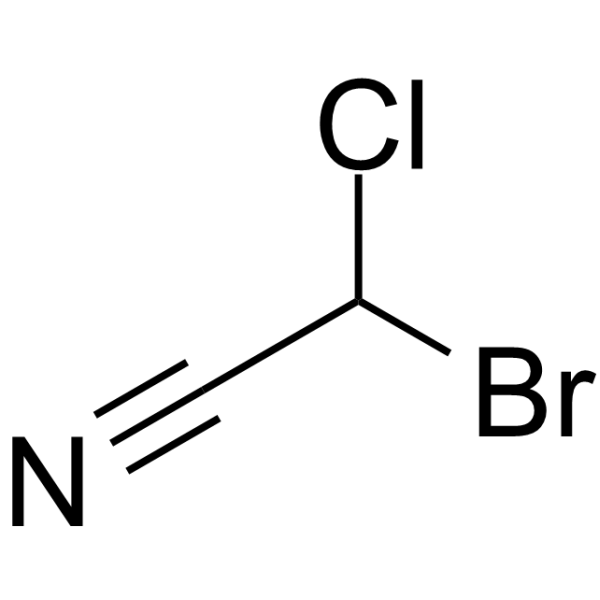
    Bromochloroacetonitrile is a by-product of the chlorine disinfection of water containing natural organic material. Bromochloroacetonitrile possesses direct acting mutagenic activity and is capable of inducing DNA strand breakage .
    Bromochloroacetonitrile
  • HY-W007398

    Biochemical Assay Reagents Metabolic Disease
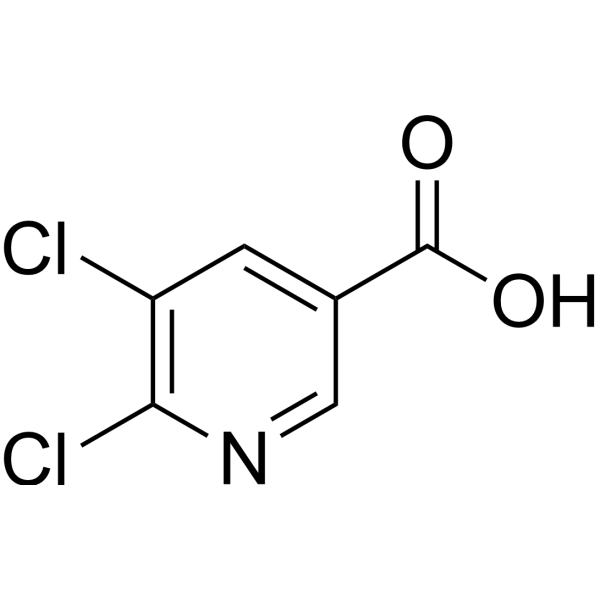
    5,6-Dichloronicotinic acid is a compound produced by the reaction of 6-Hydroxynicotinic acid (HY-W001996) with chlorine. 5,6-Dichloronicotinic acid can be used as diet pills .
    5,6-Dichloronicotinic acid
  • HY-127074

    HET acid

    Biochemical Assay Reagents Others
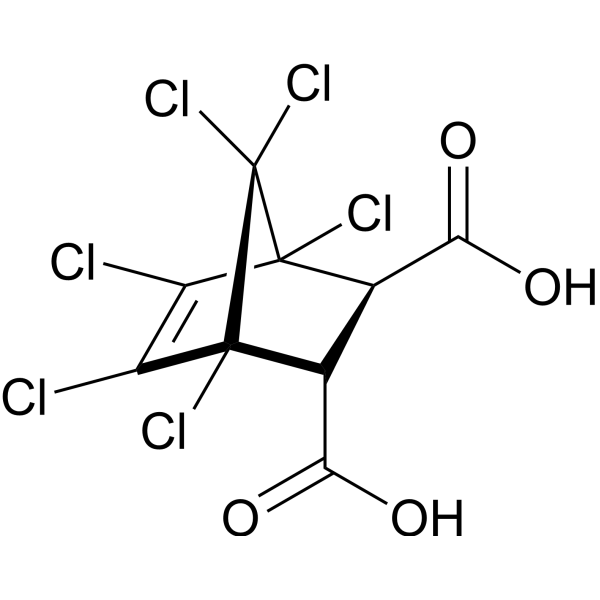
    Chlorendic acid (HET acid) can be used as a diacid component for the synthesis of oligoesters with potential flame retardant properties with aliphatic diols. Degradation by chlorine radicals may be responsible for the flame retardancy of HET acid-based oligoesters .
    Chlorendic acid
  • HY-133629

    Drug Intermediate Others
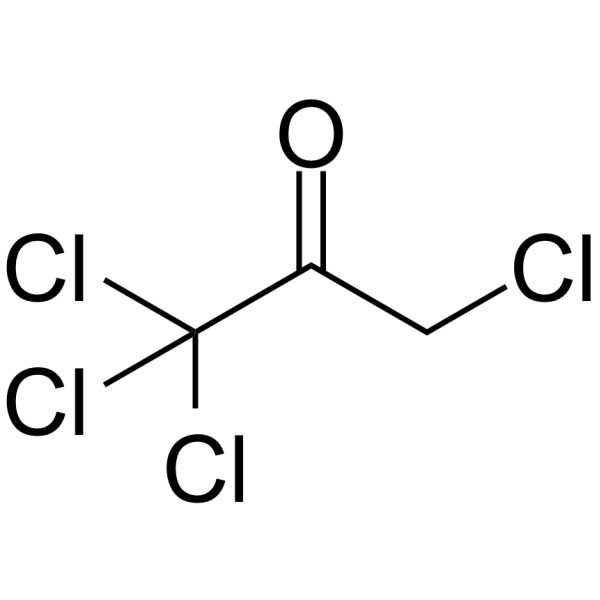
    1,1,1,3-Tetrachloroacetone is a halogenated ozone-chlorine and ozone chloramine disinfection byproducts (DBPs) at elevated bromide levels when chlorine or chloramine is used as a secondary disinfectant .
    1,1,1,3-Tetrachloroacetone
  • HY-133625

    Biochemical Assay Reagents Others
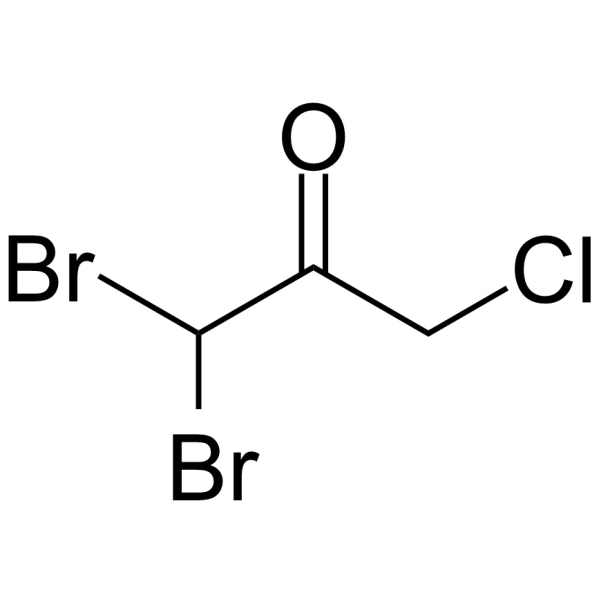
    1,1-Dibromo-3-chloroacetone is a halogenated ozone-chlorine and ozone chloramine disinfection byproducts (DBPs) at elevated bromide levels when chlorine or chloramine is used as a secondary disinfectant .
    1,1-Dibromo-3-chloroacetone
  • HY-133628

    Biochemical Assay Reagents Others
    1,1,3-Tribromo-3-chloroacetone is a halogenated ozone-chlorine and ozone chloramine disinfection byproducts (DBPs) at elevated bromide levels when chlorine or chloramine is used as a secondary disinfectant .
    1,1,3-Tribromo-3-chloroacetone
  • HY-133626

    Drug Derivative Others
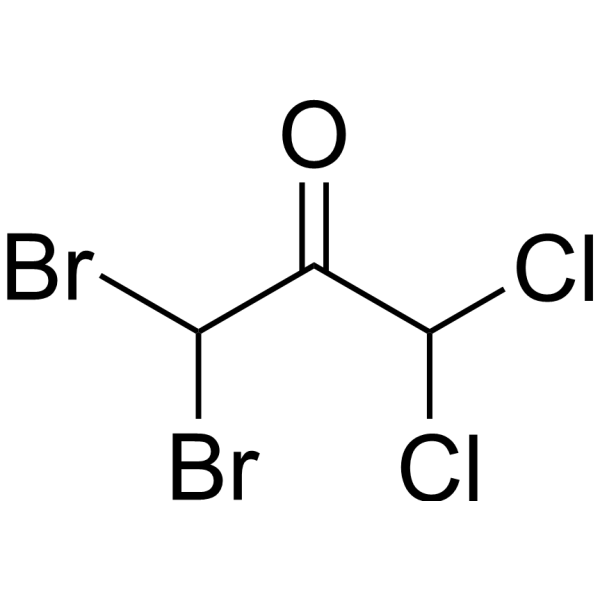
    1,1-Dibromo-3,3-dichloroacetone is a halogenated ozone-chlorine and ozone chloramine disinfection byproducts (DBPs) at elevated bromide levels when chlorine or chloramine is used as a secondary disinfectant .
    1,1-Dibromo-3,3-dichloroacetone
  • HY-133627

    Drug Derivative Others
    1,3-Dibromo-1,3-dichloroacetone is a halogenated ozone-chlorine and ozone chloramine disinfection byproducts (DBPs) at elevated bromide levels when chlorine or chloramine is used as a secondary disinfectant .
    1,3-Dibromo-1,3-dichloroacetone
  • HY-133658

    Drug Derivative Others
    Chloroiodoacetic acid exists in the water disinfected with chlorine/hypochlorite .
    Chloroiodoacetic acid
  • HY-122146

    Alanylbactobolin; Y-12896

    Antibiotic Bacterial Infection Cancer
    Bactobolin B (Alanylbactobolin) is a chlorine-containing antibiotic with antitumor activities .
    Bactobolin B
  • HY-D2854E

    Fluorescent Dye Others
    FITC-PEG10000-CL is a fluorescent dye composed of FITC (HY-66019), PEG and chlorine (-Cl). The chlorine group is an electrophilic active group that can be used for nucleophilic substitution reactions and facilitate subsequent chemical modification (Ex/Em = 488/525 nm).
    FITC-PEG10000-CL
  • HY-D2856

    Fluorescent Dye Others
    FITC-PEG1000-Br is a fluorescent dye composed of FITC (HY-66019), PEG and chlorine (-Cl). The chlorine group is an electrophilic active group that can be used for nucleophilic substitution reactions and facilitate subsequent chemical modification (Ex/Em=488/525 nm).
    FITC-PEG1000-Br
  • HY-D2854B

    Fluorescent Dye Others
    FITC-PEG2000-CL is a fluorescent dye composed of FITC (HY-66019), PEG and chlorine (-Cl). The chlorine group is an electrophilic active group that can be used for nucleophilic substitution reactions and facilitate subsequent chemical modification (Ex/Em=488/525 nm).
    FITC-PEG2000-CL
  • HY-D2854D

    Fluorescent Dye Others
    FITC-PEG5000-CL is a fluorescent dye composed of FITC (HY-66019), PEG and chlorine (-Cl). The chlorine group is an electrophilic active group that can be used for nucleophilic substitution reactions and facilitate subsequent chemical modification (Ex/Em=488/525 nm).
    FITC-PEG5000-CL
  • HY-D2856A

    Fluorescent Dye Others
    FITC-PEG2000-Br is a fluorescent dye composed of FITC (HY-66019), PEG and chlorine (-Cl). The chlorine group is an electrophilic active group that can be used for nucleophilic substitution reactions and facilitate subsequent chemical modification (Ex/Em=488/525 nm).
    FITC-PEG2000-Br
  • HY-D2854C

    Fluorescent Dye Others
    FITC-PEG3400-CL is a fluorescent dye composed of FITC (HY-66019), PEG and chlorine (-Cl). The chlorine group is an electrophilic active group that can be used for nucleophilic substitution reactions and facilitate subsequent chemical modification (Ex/Em=488/525 nm).
    FITC-PEG3400-CL
  • HY-D2856B

    Fluorescent Dye Others
    FITC-PEG3400-Br is a fluorescent dye composed of FITC (HY-66019), PEG and chlorine (-Cl). The chlorine group is an electrophilic active group that can be used for nucleophilic substitution reactions and facilitate subsequent chemical modification (Ex/Em=488/525 nm).
    FITC-PEG3400-Br
  • HY-D2856D

    Fluorescent Dye Others
    FITC-PEG10000-Br is a fluorescent dye composed of FITC (HY-66019), PEG and chlorine (-Cl). The chlorine group is an electrophilic active group that can be used for nucleophilic substitution reactions and facilitate subsequent chemical modification (Ex/Em=488/525 nm).
    FITC-PEG10000-Br
  • HY-133602

    Biochemical Assay Reagents Others
    Tetrachloroguaiacol is the major chlorinated phenol produced during chlorine bleaching of wood pulp .
    Tetrachloroguaiacol
  • HY-133603

    Drug Derivative Others
    4,5-Dichloroveratrole is a chlorinated product formed by reaction of Veratryl alcohol (VE; HY-107858) with chlorine dioxide solution .
    4,5-Dichloroveratrole
  • HY-W460141

    Ligands for E3 Ligase Cancer
    Thalidomide 4-chloro is a chlorinated E3 ligase activator. Thalidomide 4-chloro may be used for further derivitization by substitution of chlorine.
    Thalidomide 4-chloro
  • HY-134404

    Biochemical Assay Reagents Infection
    6-Cl-PuTP is an ATP analog with active chlorine functionality. 6-Cl-PuTP can be used in viral disease related research .
    6-Cl-PuTP
  • HY-134406

    Phosphodiesterase (PDE) Neurological Disease
    6-Cl-cPuMP (sodium) is a cAMP analog with active chlorine function. 6-Cl-cPuMP (sodium) has good membrane permeability and phosphodiesterase (PDE) stability. 6-Cl-cPuMP (sodium) can be used for nervous system research .
    6-Cl-cPuMP sodium
  • HY-W777866

    Biochemical Assay Reagents Others
    (Rac)-1-Linoleoyl-2-stearoyl-3-chloropropanediol is a diacylglycerol that contains Linoleic acid at the sn-1 position and stearic acid group at the sn-2 position. The chlorine is a good leaving group and can undergo substitution reactions.
    (Rac)-1-Linoleoyl-2-stearoyl-3-chloropropanediol
  • HY-W041171R

    3-Chlorotyrosine (Standard)

    Glutathione Peroxidase Reference Standards Others
    3-Chloro-L-tyrosine is a specific biomarker in myeloperoxidase-catalyzed oxidation. 3-Chloro-L-tyrosine can be used as a molecular marker for oxidative stress and inflammation to determine whether myeloperoxidase-mediated tyrosine chlorination occurs. 3-Chloro-L-tyrosine is therefore used in the diagnosis of chlorine poisoning in forensic toxicology and in the auxiliary diagnosis of inflammation such as colorectal cancer .
    3-Chloro-L-tyrosine (Standard)
  • HY-143439

    Estrogen Receptor/ERR Cancer
    LX-039 is a highly potent, selective and orally active estrogen receptor degrader with EC50 value of 2.29 nM. LX-039 has indole C-3 chlorine atom. LX-039 exhibits excellent mouse pharmacokinetics, low clearance, high Cmax and oral exposure. LX-039 has anti-tumor activity .
    LX-039
  • HY-169434

    Lon-TK-BMS-1

    PD-1/PD-L1 Cancer
    LTB is a prodrug formed by coupling glycolysis inhibitor (Lonidamine (HY-B0486)) with PD1/PDL1 blocker (BMS-1 (HY-19991)) by thioketal linkage. LTB can further encapsulate photosensitizer chlorine e6 (Ce6) (HY-13594) to construct a co-delivery photodynamic nanoplatform (LTB-6 NPs) by self-assembly .
    LTB
  • HY-161505

    Transthyretin (TTR) Others
    Transthyretin-IN-3 (compound 6) is a designed benzofuran analogue. Transthyretin-IN-3 selectively binds to plasma transthyretin (TTR) to inhibit Amyloid aggregation (IC50=5.0±0.2 μM). Transthyretin-IN-3 can bind to TTR's thyroxine binding site specifically by carrying chlorine substituents at specific locations in its structure. This binding can prevent TTR tetramers from dissociating into unstable monomers .
    Transthyretin-IN-3
  • HY-163770

    Proteasome Cancer
    Anticancer agent 233 (compound 5g) is a 3,5-bis(arylmethylene)-4-piperidinone derivative with anticancer activity, with GI50 of 0.25 and 0.23 μM for cervical cancer (HeLa) and colon cancer (HCT116) cell lines, respectively. The chlorine atom on the aromatic ring of Anticancer agent 233 interacts well with the catalytic site of 20S proteasome, inhibiting the activity of 20S proteasome to exert its anticancer effect .
    Anticancer agent 233
  • HY-W030778R

    Triglycollamic acid (Standard)

    Biochemical Assay Reagents Reference Standards Others
    Nitrilotriacetic acid (Standard) is the analytical standard of Nitrilotriacetic acid. This product is intended for research and analytical applications. Nitrilotriacetic acid is an orally active chelating agent for metal ions. Nitrilotriacetic acid is an aminotricarboxylic acid that can sequester metal ions as water soluble complexes. Nitrilotriacetic acid reacts with strong oxidizing agents such as hypochlorite, chlorine, ozone, or oxygen in the presence of palladium/carbon catalyst. Nitrilotriacetic acid interacts with solid phases such as cell membranes and bone matrices in the mammalian system. Nitrilotriacetic acid is classified as an epigenetic rodent carcinogen .
    Nitrilotriacetic acid (Standard)
  • HY-D2854A

    Fluorescent Dye Others
    FITC-PEG1000-CL is a fluorescent dye composed of FITC (HY-66019), PEG and chlorine (-Cl). The chlorine group is an electrophilic active group that can be used for nucleophilic substitution reactions and facilitate subsequent chemical modification (Ex/Em=488/525 nm).
    FITC-PEG1000-CL
  • HY-D2854

    Fluorescent Dye Others
    FITC-PEG400-CL is a fluorescent dye composed of FITC (HY-66019), PEG and chlorine (-Cl). The chlorine group is an electrophilic active group that can be used for nucleophilic substitution reactions and facilitate subsequent chemical modification (Ex/Em=488/525 nm).
    FITC-PEG400-CL
  • HY-D2856C

    Fluorescent Dye Others
    FITC-PEG5000-Br is a fluorescent dye composed of FITC (HY-66019), PEG and chlorine (-Cl). The chlorine group is an electrophilic active group that can be used for nucleophilic substitution reactions and facilitate subsequent chemical modification (Ex/Em=488/525 nm).
    FITC-PEG5000-Br
  • HY-W679111

    Biochemical Assay Reagents Others
    1,3-Dichloro-5-ethyl-5-methylhydantoin serves as the active ingredient in toilet tablets .
    1,3-Dichloro-5-ethyl-5-methylhydantoin
  • HY-119417A

    Herbicide Others
    Chloramben sodium is a herbicide with anti-growth activity against plants. Chloramben sodium can be effectively removed by photo-Fenton reaction under natural pH conditions, showing good degradation performance. The removal rate of chloramben sodium is consistent with different electrodes, mainly due to the oxidation mediated by the hydroxyl ions formed in the Fenton reaction. Chloramben sodium is almost completely mineralized using IrO2-based electrodes at high current density, indicating that it can be effectively degraded under light. Chloramben sodium leads to the formation of persistent chlorine derivatives in chlorine-containing environments, so the removal rate and mineralization rate are slightly reduced. Chloramben sodium can form intermediates with a variety of aromatic compounds and organic acids, reflecting the complexity of its transformation in the environment .
    Chloramben sodium
  • HY-W702728

    Biochemical Assay Reagents Others
    rac 1-Palmitoyl-2-chloropropanediol is a monoacylglycerol of palmitic acid at the sn-1 position and a chloride group at the sn-2 position. The hydroxyl group enables further derivatization or replacement with other reactive functional groups. The chlorine is a good leaving group and can undergo substitution reactions.
    rac 1-Palmitoyl-2-chloropropanediol
  • HY-N9715

    Herbicide Others
    4-Chloropinselin is a chlorine-containing xanthone herbicide that can be isolated from Alternaria sonchi. 4-Chloropinselin is a biosynthetic precursor or degradation product of chloromonilicin and exhibits phytotoxic and antimicrobial activity. 4-Chloropinselin can inhibit the growth of weeds such as field sowthistle and suppress the proliferation of certain microorganisms .
    4-Chloropinselin

Inquiry Online

Your information is safe with us. * Required Fields.

Salutation


Country or Region *

Applicant Name *


Organization Name *

Department *


Email Address *


Product Name *

Cat. No.


Requested quantity *

Phone Number *


Remarks

Inquiry Online

Inquiry Information

Product Name:
Cat. No.:
Quantity:
MCE Japan Authorized Agent:

