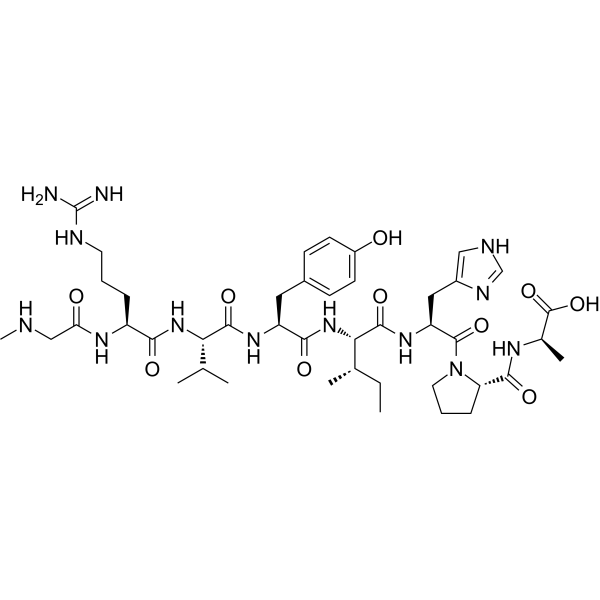
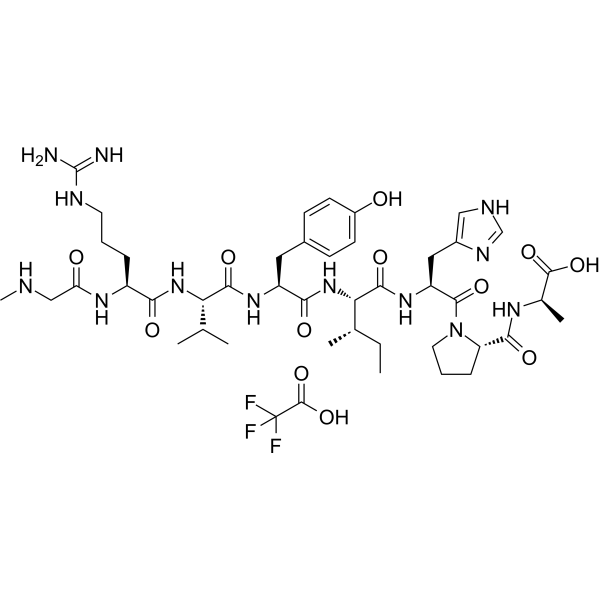
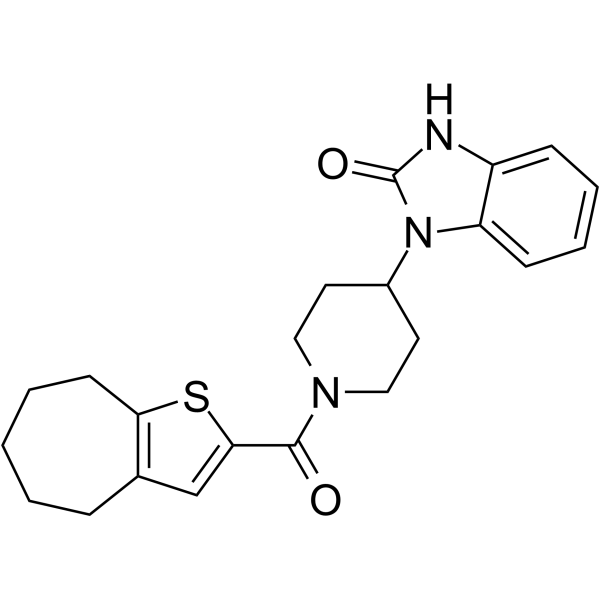
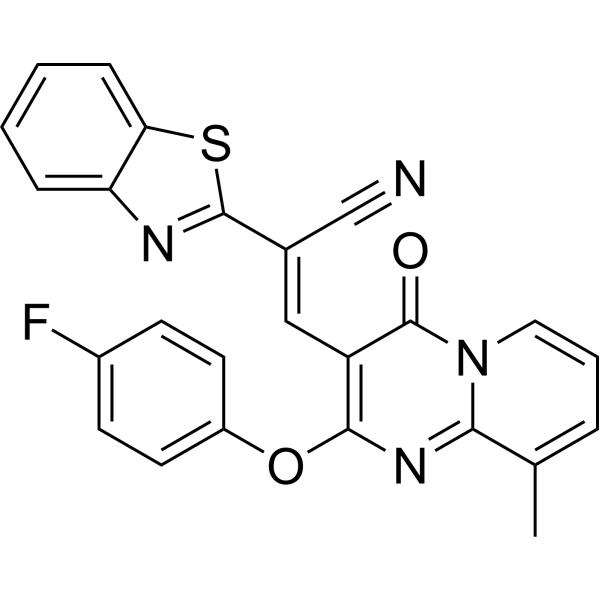
1. Search Result
Search Result
Results for "

contractility

" in MedChemExpress (MCE) Product Catalog:

143

Inhibitors & Agonists

3

Biochemical Assay Reagents

20

Peptides

11

Natural
Products

8

Isotope-Labeled Compounds

1

Click Chemistry

Cat. No. Product Name Target Research Areas Chemical Structure
  • HY-B1793
    Tetraethylammonium chloride
    5 Publications Verification

    Potassium Channel Neurological Disease Cancer
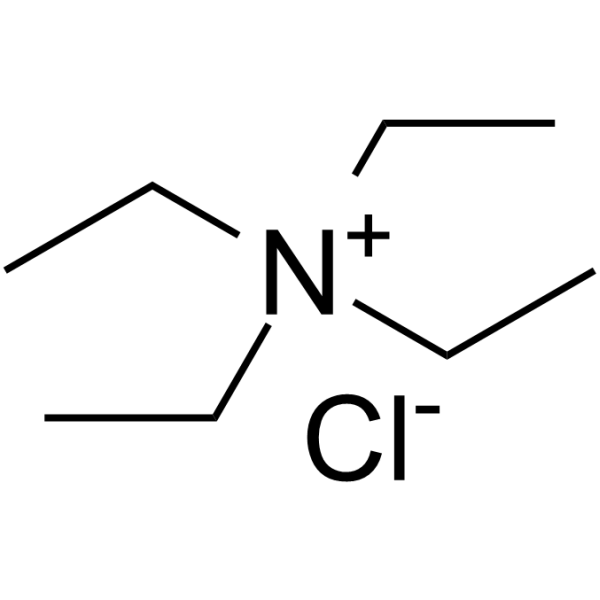
    Tetraethylammonium chloride is a non-selective potassium channel blocker. Tetraethylammonium chloride is a good substrate for organic cation transporter (OCTN1). Tetraethylammonium chloride antitumor properties .
    Tetraethylammonium chloride
  • HY-B0763
    Ibudilast
    Maximum Cited Publications
    10 Publications Verification

    KC-404; AV-411; MN-166

    Phosphodiesterase (PDE) Inflammation/Immunology Cancer
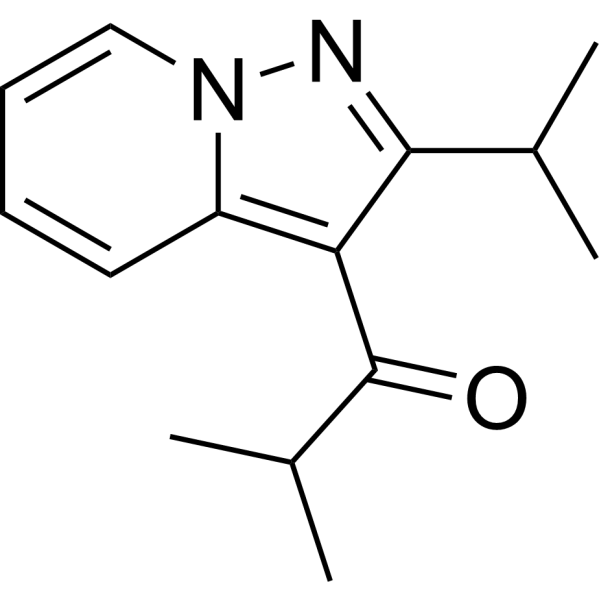
    Ibudilast (KC-404; AV-411; MN-166) is a cyclic AMP phosphodiesterase (PDE) inhibitor. Ibudilast has platelet anti-aggregatory effects. Ibudilast can be used for the research of asthma for its inhibitory effects on tracheal smooth muscle contractility. Ibudilast may be a useful neuroprotective and anti-dementia agent counteracting neurotoxicity in activated microglia .
    Ibudilast
  • HY-111098
    GSK1702934A
    2 Publications Verification

    TRP Channel Cardiovascular Disease
    GSK1702934A is a selective TRPC3 agonist. GSK1702934A modulates cardiac contractility and f arrhythmogenesis by activation of TRPC3 .
    GSK1702934A
  • HY-W016733

    H-D-Cit-OH

    Endogenous Metabolite Cardiovascular Disease
    D-Citrulline (H-D-Cit-OH) is a stereoisomer of L-citrulline (HY-N0391). D-Citrulline significantly attenuates polymorphonuclear leukocyte (PMN)-induced cardiac contractile dysfunction in the isolated perfused rat heart subjected to ischemia/reperfusion via a non-NO-mediated mechanism .
    D-Citrulline
  • HY-W008820

    MOFs Endogenous Metabolite Metabolic Disease
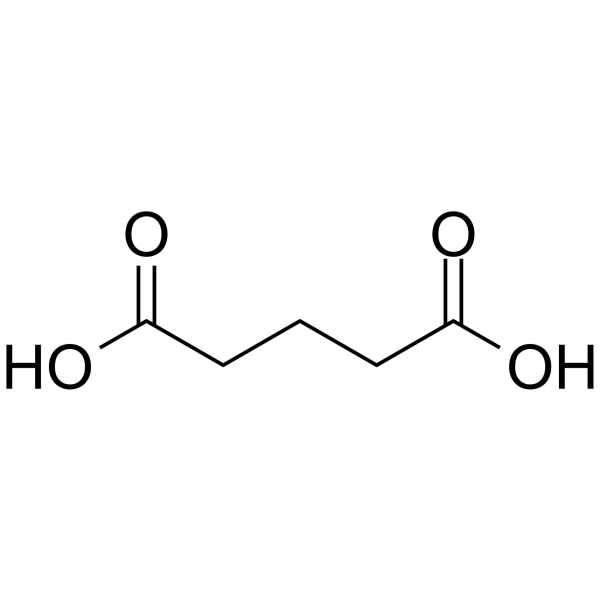
    Glutaric acid, C5 dicarboxylic acid, is an intermediate during the catabolic pathways of lysine and tryptophan. Glutaric acid affects pericyte contractility and migration. Glutaric acid is an indicator of glutaric aciduria type I .
    Glutaric acid
  • HY-W050000
    OR-1855
    1 Publications Verification

    Drug Metabolite Reactive Oxygen Species (ROS) ERK p38 MAPK Cardiovascular Disease Inflammation/Immunology
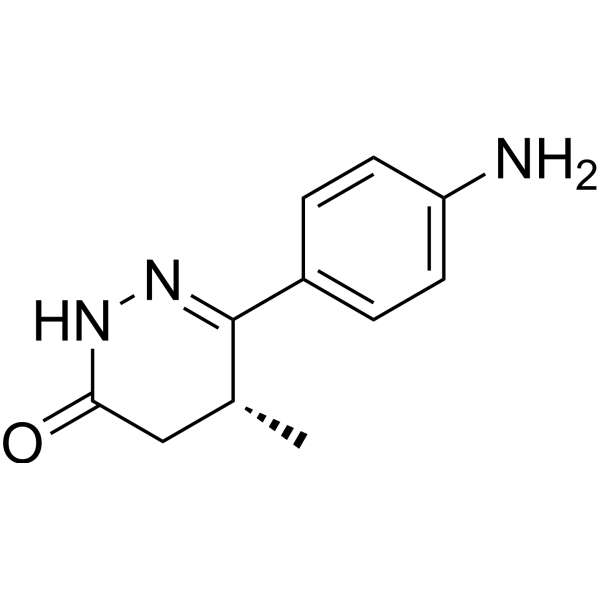
    OR-1855, an active metabolite of Levosimendan (HY-14286), has effect on myometrial contractility. OR-1855 exerts anti-inflammatory effects by inhibiting IL-1β-induced ROS formation and NAD(P)H oxidase-dependent superoxide radical generation in HUVECs. OR-1855 inhibits IL-1β-induced phosphorylation p38 MAPK, ERK1/2, c-Jun and JNK in HUVECs. OR-1855 can be used for the study of inflammation .
    OR-1855
  • HY-106844A

    Phosphodiesterase (PDE) Cardiovascular Disease
    (+)-EMD 57033 is a cardiac troponin C (cTnC) activator, is a dominant Ca 2+ sensitizer. (+)-EMD 57033 binds the cardiac/slow skeletal troponin C isoform and exerts myocardial contractile promotion function .
    (+)-EMD 57033
  • HY-136933

    Na+/K+ ATPase Cardiovascular Disease
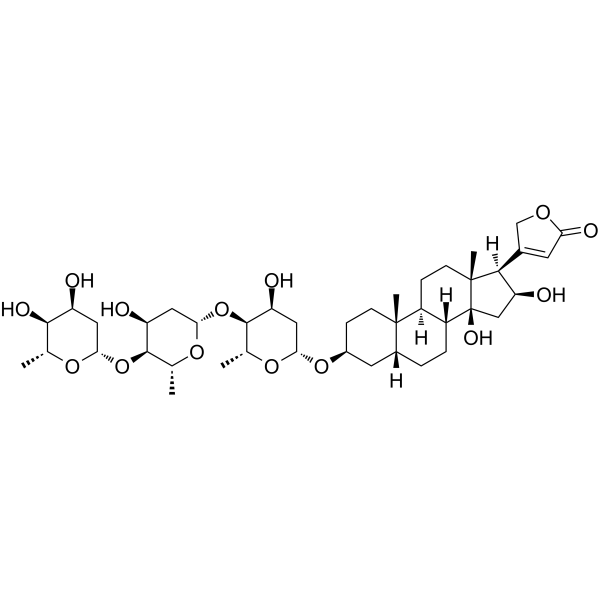
    Gitoxin is a degradation metabolite of Digitoxin (HY-B1357) and a non-competitive Na +/K +-ATPase inhibitor, with an IC50 of 1.18e-6 M against the porcine high-affinity subtype and an IC50 of 2.85e-5 M against the porcine low-affinity subtype. Gitoxin regulates atrial contractility and rhythmicity. Gitoxin is applicable to research related to congestive heart failure .
    Gitoxin
  • HY-100634

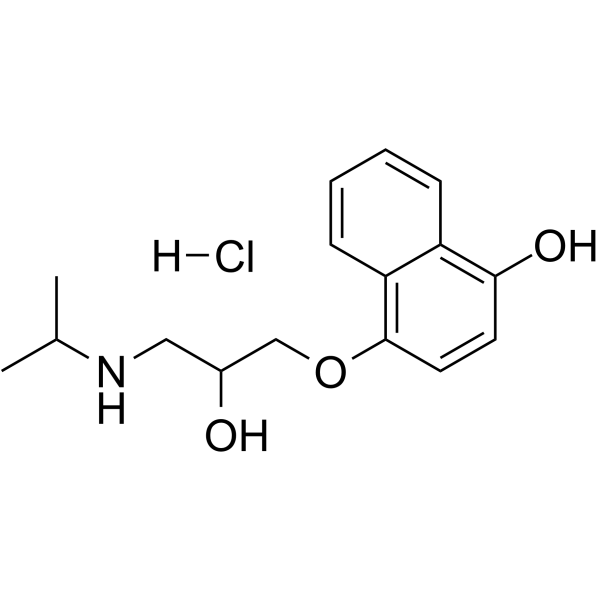
    (±)-4-hydroxy Propranolol hydrochloride

    Adrenergic Receptor Cardiovascular Disease
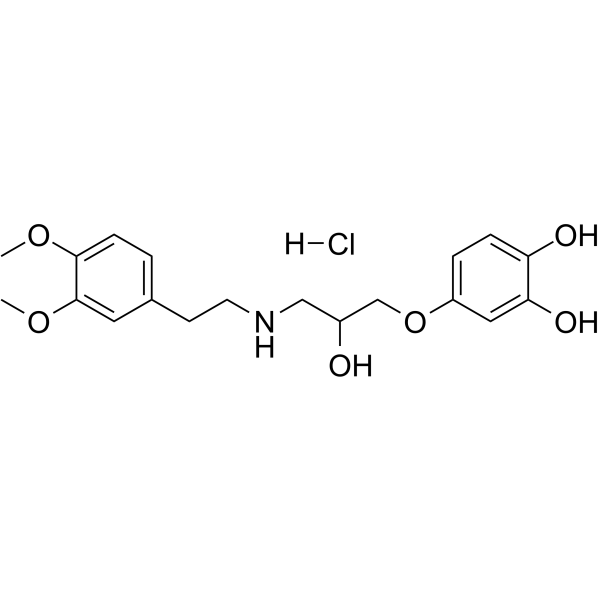
    4-Hydroxypropranolol hydrochloride is a non-cardiac selective β-adrenergic receptor antagonist and a metabolite produced after oral administration of Propranolol (HY-B0573B). 4-Hydroxypropranolol hydrochloride also acts as a membrane stabilizer and possesses intrinsic sympathomimetic inhibitory activity. 4-Hydroxypropranolol hydrochloride blocks β-adrenergic receptors to antagonize the effects of catecholamines, acts as a partial β-adrenergic receptor agonist, and induces membrane stabilization. 4-Hydroxypropranolol hydrochloride alters heart rate, left ventricular contractility, and atrioventricular conduction time. 4-Hydroxypropranolol hydrochloride can be used in research related to cardiovascular and cerebrovascular diseases .
    4-Hydroxypropranolol hydrochloride
  • HY-121467

    Z-338 free base; YM443 free base

    Cholinesterase (ChE) Metabolic Disease Inflammation/Immunology
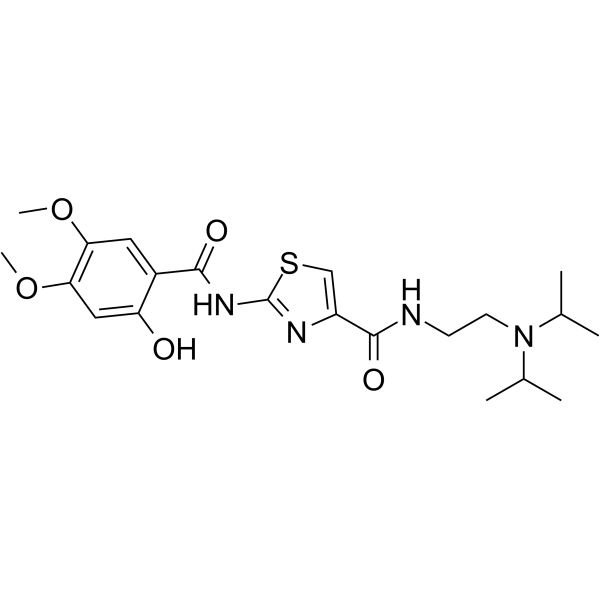
    Acotiamide is an orally active, selective and reversible acetylcholinesterase (AChE) inhibitor, with an IC50 of 1.79 μM. Acotiamide can enhance gastric contractility and accelerate delayed gastric emptying. Acotiamide has the potential for the research of functional dyspepsia involving gastric motility dysfunction and intestinal inflammatory .
    Acotiamide
  • HY-147292

    CK-136

    Calcium Channel Cardiovascular Disease
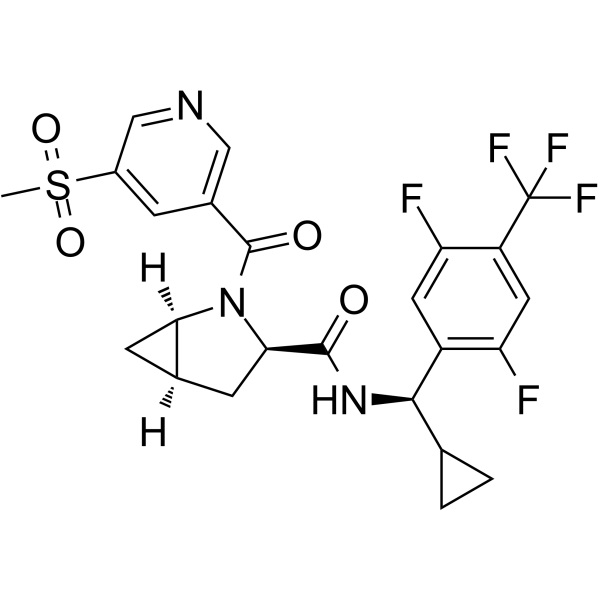
    Nelutroctiv (CK-136) is an orally active and selective cardiac troponin activator. Nelutroctiv activates cardiac sarcomeres by enhancing the sensitivity of troponin to calcium ions and promoting the interaction between actin and myosin. Nelutroctiv enhances cardiac contractility. Nelutroctiv can be used in the researches for cardiovascular diseases with impaired cardiac contractile function .
    Nelutroctiv
  • HY-119926

    Hydroxylupanine

    Integrin Cardiovascular Disease Neurological Disease
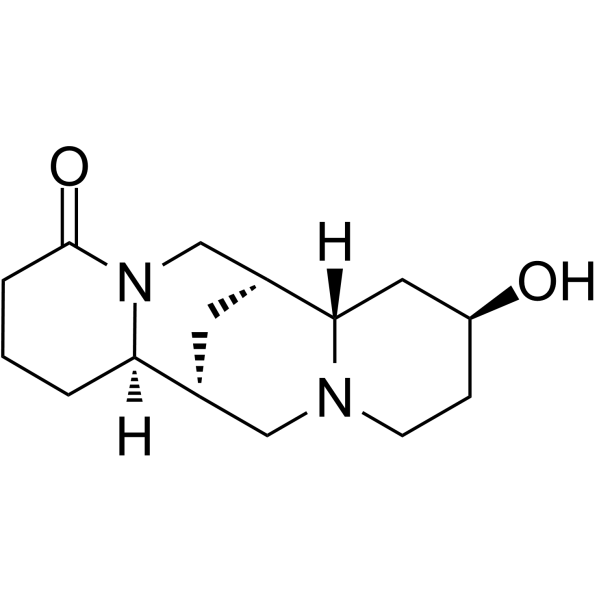
    13-Hydroxylupanine (Hydroxylupanine) is the typical alkaloid profile of sweet lupins.13-Hydroxylupanine blocks ganglionic transmission, decreases cardiac contractility and contracts uterine smooth muscle .
    13-Hydroxylupanine
  • HY-101366

    Adrenergic Receptor Endocrinology
    A-61603 is a selective α1A/α1a-adrenergic receptor agonist with Ki of 8.89 nM for rat submaxillary gland α1A, Ki of 30.5 nM for cloned bovine α1a. A-61603 potentiates Ca 2+ transients with EC50 of 6.9 nM. A-61603 stimulates phosphoinositide hydrolysis, induces contractile responses in vas deferens, prostate strips, and spleen strips, and exhibits low activity in aortic rings. A-61603 can be used for research on adrenergic function .
    A-61603
  • HY-W008820S
    Glutaric acid-d6
    1 Publications Verification

    Endogenous Metabolite Metabolic Disease
    Glutaric acid-d6 is the deuterium labeled Glutaric acid. Glutaric acid is an intermediate during the catabolic pathways of lysine and tryptophan. Glutaric acid affects pericyte contractility and migration. Glutaric acid is an indicator of glutaric aciduria type I .
    Glutaric acid-d6
  • HY-B1233

    2-Amino-6-methylheptane; 1,5-Dimethylhexylamine; 6-Methyl-2-heptylamine

    Dopamine Receptor Others
    Octodrine (2-Amino-6-methylheptane) is a central nervous stimulant that increases the uptake of dopamine and noradrenaline. Octodrine is found to increase the pain threshold, cardiac rate (positive chronotropic effect) and myocardial contractility (positive inotropic effect) .
    Octodrine
  • HY-123068

    SQ 14551

    Drug Derivative Cardiovascular Disease
    Captopril disulfide (SQ 14551) is an orally active disulfide dimer prodrug. Captopril disulfide is metabolized to Captopril and acts as a Bradykinin potentiator. Captopril disulfide enhances the vasodilatory effect of Bradykinin in anesthetized rats and the contractile response of isolated guinea pig ileum to Bradykinin. Captopril disulfide exhibits antihypertensive activity in spontaneously hypertensive rats. Captopril disulfide can be used in hypertension-related research .
    Captopril disulfide
  • HY-153977

    NADPH Oxidase Cardiovascular Disease
    GLX481304 is a specific inhibitor of Nox-2 and -4, with IC50s of 1.25 μM. GLX481304 suppresses ROS production in isolated mouse cardiomyocytes and improves cardiomyocyte contractility. GLX481304 can be used for research of ischemic injury to the heart .
    GLX481304
  • HY-118960

    ATP Synthase Cardiovascular Disease
    BMS-199264 hydrochloride is an inhibitor of F1F0 ATP hydrolase (IC50=0.5 μM) without inhibitory effect on F1F0 ATP synthase. BMS-199264 hydrochloride selectively inhibits ATP decline during ischemia to reduces cardiac necrosis. BMS-199264 hydrochloride also enhances the recovery of contractile function following reperfusion .
    BMS-199264 hydrochloride
  • HY-162345

    Calcium Channel Cardiovascular Disease
    CK-963 is an activator for cardiac troponin (cTnC) with Ki of 11.5 μM. CK-963 exhibits activity in enhancing cardiac contractility in Sprague-Dawley rats .
    CK-963
  • HY-P10655

    Proton Pump Calcium Channel Cardiovascular Disease
    Caloxin 1C2 is a specific PMCA (plasma-membrane Ca 2+-ATPases) inhibitor. Caloxin 1C2 is selective for PMCA4 over PMCA1, 2 and 3. The Ki values of Caloxin 1C2 are 2.3 μM for PMCA4 and 21 μM for PMCA1. Caloxin 1C2 dose not cause any significant effects on total Ca 2+ transfer. Caloxin 1C2 affects coronary contractility .
    Caloxin 1C2
  • HY-B2155

    Cholinesterase (ChE) Metabolic Disease Inflammation/Immunology
    Acotiamide monohydrochloride trihydrate is an orally active, selective and reversible acetylcholinesterase (AChE) inhibitor, with IC50 of 1.79 μM. Acotiamide monohydrochloride trihydrate can enhance gastric contractility and accelerate delayed gastric emptying. Acotiamide monohydrochloride trihydrate has the potential for the research of functional dyspepsia involving gastric motility dysfunction and intestinal inflammatory .
    Acotiamide monohydrochloride trihydrate
  • HY-103291

    Bradykinin Receptor Inflammation/Immunology Endocrinology
    Sar-[D-Phe8]-des-Arg9-Bradykinin is a agonist of B1 receptor. Sar-[D-Phe8]-des-Arg9-Bradykinin selectively amplifies the contractile response when incubation with human recombinant interleukin-1 β (IL-1 β) in rabbit aortic rings .
    Sar-[D-Phe8]-des-Arg9-Bradykinin
  • HY-N9141

    5-HT Receptor Neurological Disease
    Nantenine is a serotonergic receptor antagonist. Nantenine selectively inhibits the contractile response of tissues to serotonin. Nantenine can be isolated from Nandina domestica .
    Nantenine
  • HY-112071

    Adrenergic Receptor Cardiovascular Disease
    Prenalterol is a selective β1-adrenergic receptor agonist. Prenalterol has no effect on gut smooth muscle contractile activity. Prenalterol can be used for researching cardiovascular disease .
    Prenalterol
  • HY-108991

    (-)-T-0509

    Adrenergic Receptor Cardiovascular Disease
    T-0509 ((-)-T-0509) is a selective full agonist of the β1 receptor. T-0509 activates the cAMP signaling pathway through the β1 receptor and enhances myocardial contractility .
    T-0509
  • HY-B1233A

    2-Amino-6-methylheptane hydrochloride; 1,5-Dimethylhexylamine hydrochloride; 6-Methyl-2-heptylamine hydrochloride

    Dopamine Receptor Neurological Disease
    Octodrine (2-Amino-6-methylheptane) is a central nervous activator that increases the uptake of dopamine and noradrenaline. Octodrine is found to increase the pain threshold, cardiac rate (positive chronotropic effect) and myocardial contractility (positive inotropic effect) .
    Octodrine hydrochloride
  • HY-P4678

    Vasopressin Receptor Neurological Disease
    (Phe2,Orn8)-Oxytocin is a selective V1 vasopressin agonist. (Phe2,Orn8)-Oxytocin induces a sustained contractility of rabbit epididymis with EC50 value of 280 nM .
    (Phe2,Orn8)-Oxytocin
  • HY-121467A

    Z-338; YM443

    Cholinesterase (ChE) Others Metabolic Disease Inflammation/Immunology
    Acotiamide hydrochloride is an orally active, selective and reversible acetylcholinesterase (AChE) inhibitor, with an IC50 of 1.79 μM. Acotiamide hydrochloride can enhance gastric contractility and accelerate delayed gastric emptying. Acotiamide hydrochloride has the potential for the research of functional dyspepsia involving gastric motility dysfunction and intestinal inflammatory .
    Acotiamide hydrochloride
  • HY-123268A

    Adrenergic Receptor Cardiovascular Disease
    Ro 363 hydrochloride, an effective inotropic stimulant, is a potent and highly selective β1-adrenoceptor agonist. Ro 363 hydrochloride is a cardiovascular modulator that reduces diastolic blood pressure and pronounces increases in myocardial contractility .
    Ro 363 hydrochloride
  • HY-123268

    Adrenergic Receptor Cardiovascular Disease
    Ro 363, an effective inotropic stimulant, is a potent and highly selective β1-adrenoceptor agonist. RO 363 is a cardiovascular modulator that reduces diastolic blood pressure and pronounces increases in myocardial contractility .
    Ro 363
  • HY-106844

    Phosphodiesterase (PDE) Cardiovascular Disease
    EMD 53998 is a cardiotonic agent that increases myocardial contractility as an inhibitor for phosphodiesterase III (PDE III) and a calcium sensitizer. EMD 53998 increases myocardial contractility, reduces energy consumption and the risk of inducing arrhythmias .
    EMD 53998
  • HY-P3591

    Calcium Channel Neurological Disease
    YMRF-NH2 is a neuropeptide. YMRF-NH2 binds to FMRFa-R with an EC50 value of 31 nM .
    YMRF-NH2
  • HY-107645

    mAChR Neurological Disease
    DAU 5884 hydrochloride is a potent muscarinic M3 receptor antagonist. DAU 5884 hydrochloride inhibits methacholine-dependent effects on cell proliferation and muscle contractility .
    DAU 5884 hydrochloride
  • HY-P3618

    Somatostatin Receptor Neurological Disease Inflammation/Immunology
    Cortistatin-29 is a neuropeptide. Cortistatin-29 alleviates neuropathic pain. Cortistatin-29 binds all somatostatin (SS) receptor subtypes with high affinity and shows IC50 values of 2.8 nM, 7.1 nM, 0.2 nM, 3.0 nM, 13.7 nM for SSTR1, SSTR2, SSTR3, SSTR4, SSTR5, respectively. Cortistatin-29 shows anti-fibrotic effects .
    Cortistatin-29 (reduced)
  • HY-W008820S1

    Endogenous Metabolite Metabolic Disease
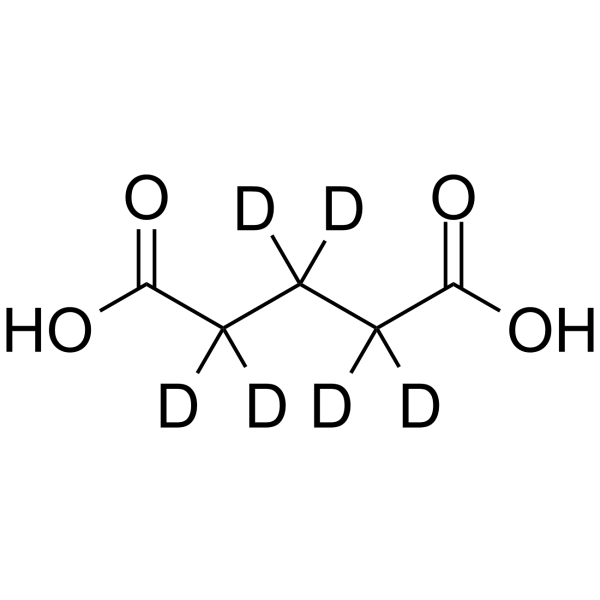
    Glutaric acid-d4 is the deuterium labeled Glutaric acid. Glutaric acid, C5 dicarboxylic acid, is an intermediate during the catabolic pathways of lysine and tryptophan. Glutaric acid affects pericyte contractility and migration. Glutaric acid is an indicator of glutaric aciduria type I .
    Glutaric acid-d4
  • HY-107610

    Leukotriene Receptor Inflammation/Immunology
    SR2640 (hydrochloride) is a potent and selective competitive leukotriene D4/leukotriene E4 antagonist. SR2640 can be used for researching the role of leukotrienes in human asthma .
    SR2640 hydrochloride
  • HY-103283

    GRP(18-27) (porcine)

    Biochemical Assay Reagents Neurological Disease
    Neuromedin C porcine (GRP, 18-27, porcine) is a bombesin-like neuropeptide that can be obtained from porcine spinal cord. Neuromedin C porcine exhibits a potent contractile activity on rat uterus in the characteristic manner of bombesin. Neuromedin C porcine has research potential for neurological-related diseases .
    Neuromedin C (porcine)
  • HY-16056

    Adrenergic Receptor Cardiovascular Disease
    Arbutamine is a short-acting, potent and nonselective β-adrenoceptor agonist. Arbutamine stimulates cardiac β1-, tracheal β2-, and adiopocyte β3- adrenergic receptors. Arbutamine provides cardiac stress increases heart rate, cardiac contractility, and systolic blood pressure. Arbutamine can be used for cardiac stress agent .
    Arbutamine
  • HY-16056A

    Adrenergic Receptor Cardiovascular Disease
    Arbutamine hydrochloride is a short-acting, potent and nonselective β-adrenoceptor agonist. Arbutamine hydrochloride stimulates cardiac β1-, tracheal β2-, and adiopocyte β3- adrenergic receptors. Arbutamine hydrochloride provides cardiac stress increases heart rate, cardiac contractility, and systolic blood pressure. Arbutamine hydrochloride can be used for cardiac stress agent .
    Arbutamine hydrochloride
  • HY-120648A

    Cytochrome P450 Cardiovascular Disease
    CAY 10434 dihydrochloride is a potent CYP4A hydroxylase inhibitor. CAY 10434 dihydrochloride improves contractile response to angiotensin II with the maximal contractile response (Emax) 6764 mg .
    CAY 10462 dihydrochloride
  • HY-160076

    Apelin Receptor (APJ) Cardiovascular Disease
    APJ receptor agonist 8 (compound 99) is an agonist of APJ receptor. APJ receptor agonist 8 increases the load independent cardiac contractility of isolated perfused rat hearts .
    APJ receptor agonist 8
  • HY-P3853

    Neurokinin Receptor Neurological Disease
    GR 87389 is a potent NK2 receptor antagonist. GR 87389 antagonized GA 64349-induced smooth muscle strips contractions in a competitive manner in the human detrusor, prostate and prostatic urethra .
    GR 87389
  • HY-113096

    PGD1

    Endogenous Metabolite Metabolic Disease
    Prostaglandin D1 is a prostanoid which causes contractile and relaxant on isolated human pial arteries, it is also an inhibitor of ADP-induced platelet aggregation with an IC50 value of 320 ng/ml. Prostaglandin D1 can be used for metabolic research .
    Prostaglandin D1
  • HY-19020

    Leukotriene Receptor Cardiovascular Disease
    FK-664 is a leukotriene inhibitor. FK-664 enhances ventricular contractility and shortens the time to peak tension in cardiac cells. FK-664 reduces mean circulating pressure (MCP) in a canine model of heart failure. FK-664 can be used in research on cardiovascular diseases such as heart failure .
    FK-664
  • HY-N13747

    Myosin PKC Calcium Channel Cardiovascular Disease
    Chrysosplenol C is a type of flavonoid compound. Chrysosplenol C selectively activates cardiac myosin ATPase, with its EC50 being 45 µM. Chrysosplenol C enhances the release of intracellular calcium ions by activating protein kinase C (PKC), thereby increasing the contractility of rat ventricular muscle cells. Chrysosplenol C can be used in the research of heart failure .
    Chrysosplenol C
  • HY-103209

    Adrenergic Receptor Cardiovascular Disease Endocrinology
    Rec 15/2615 hydrochloride is a potent and selective α-1B adrenoceptor antagonist with Ki values of 1.9 nM, 0.3 nM, 2.6 nM for α1A, α1B, α1D, respectively. Rec 15/2615 hydrochloride modulates vaginal smooth muscle contractility and genital engorgement .
    Rec 15/2615 hydrochloride
  • HY-118960A

    ATP Synthase Cardiovascular Disease
    BMS-199264 is an inhibitor of F1F0 ATP hydrolase (IC50=0.5 μM) without inhibitory effect on F1F0 ATP synthase. BMS-199264 selectively inhibits ATP decline during ischemia to reduces cardiac necrosis. BMS-199264 also enhances the recovery of contractile function following reperfusion .
    BMS-199264
  • HY-10382

    Angiotensin Receptor Cardiovascular Disease
    EXP-6803 is a specific nonpeptide angiotensin II receptor antagonist with antihypertensive activity. EXP-6803 inhibits the contractile response to angiotensin II with a pA2 value of 7.20. EXP-6803 effectively blocks responses to angiotensin I and II while not affecting responses to bradykinin or acetylcholine in guinea pig ileum. EXP-6803 can be used for hypertension research .
    EXP-6803
  • HY-P0084A

    SRIF-14 acetate; Somatostatin-14 acetate

    Endogenous Metabolite Cardiovascular Disease Metabolic Disease
    Cyclic somatostatin (SRIF-14) acetate is a growth hormone-release inhibiting factor used in the research of severe, acute hemorrhages of gastroduodenal ulcers. Cyclic somatostatin acetate is a neuropeptide co-stored with acetylcholine in the cardiac parasympathetic innervation, exerts influences directly on contraction of ventricular cardiomyocytes. Cyclic somatostatin acetate inhibits the contractile response of isoprenaline with an IC50 value of 13 nM. Cyclic somatostatin acetate can be used for the research of cardiovascular disease .
    Cyclic somatostatin acetate
  • HY-106049

    Endogenous Metabolite Cardiovascular Disease
    Acrihellin is a type of cardiac-active steroid. Acrihellin can increase the contractility of the left atrium in guinea pigs .
    Acrihellin

Inquiry Online

Your information is safe with us. * Required Fields.

Salutation


Country or Region *

Applicant Name *


Organization Name *

Department *


Email Address *


Product Name *

Cat. No.


Requested quantity *

Phone Number *


Remarks

Inquiry Online

Inquiry Information

Product Name:
Cat. No.:
Quantity:
MCE Japan Authorized Agent:

