




1. Search Result
Search Result
Results for "

cynomolgus

" in MedChemExpress (MCE) Product Catalog:

196

Inhibitors & Agonists

5

Fluorescent Dyes

3

Biochemical Assay Reagents

8

Peptides

86

Inhibitory Antibodies

2

Natural
Products

680

Recombinant Proteins

1

Isotope-Labeled Compounds

14

Oligonucleotides

Cat. No. Product Name Target Research Areas Chemical Structure
  • HY-112185
    Orforglipron
    1 Publications Verification

    LY3502970; GLP-1 receptor agonist 1

    GCGR Metabolic Disease Inflammation/Immunology
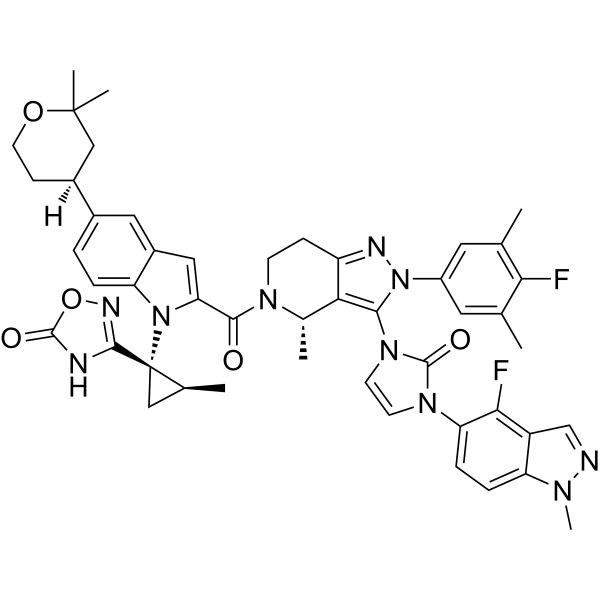
    Orforglipron (LY3502970) (Compound 67) is an orally active agonist for Glucagon-like peptide-1 receptor (GLP-1R), which exhibits potency in ameliorates the type 2 diabete .
    Orforglipron
  • HY-P9999

    RG6102; RO-7126209

    Amyloid-β Neurological Disease
    Trontinemab (RG6102) is a brain-penetrant, anti-amyloid, bispecific and humanizedized IgG1-κ antibody, targeting to plaques and transferrin receptor 1 (TFR1). Trontinemab binds to fibrillar as well as plaques triggering plaque clearance by engaging immune cells on Alzheimer disease (AD) brain sections. Trontinemab also shows specific affinity to cynomolgus and human TFR1 .
    Trontinemab
  • HY-P99241
    Ponsegromab
    1 Publications Verification

    PF 06946860

    TGF-beta/Smad Cancer
    Ponsegromab is a Growth differentiation factor 15 (GDF15) inhibitor with human, cynomolgus monkey, and mouse target IC50 values of 0.123 nM, 0.053 nM, and 0.102 nM, respectively . Ponsegromab acts as a chemosensitizer, increases intracellular reactive oxygen species, reduces glutathione levels . Ponsegromab can be used for the research of oxaliplatin-resistant colorectal cancer .
    Ponsegromab
  • HY-P99248

    Risankizumab rzaa; BI 655066; ABBV-066

    Interleukin Related Inflammation/Immunology
    Risankizumab (BI 655066) is a humanised IgG monoclonal antibody, targeting IL-23 p19 subunit (Kd <10 pM) and inhibiting IL-17 production induced by human IL-23 in mouse splenocytes (IC50 = 2 pM). Risankizumab can be used to research immunological and inflammatory disorders such as psoriasis vulgaris, psoriatic arthritis, generalized pustular psoriasis and erythrodermic psoriasis .
    Risankizumab
  • HY-152857

    LY3473329

    LDLR Cardiovascular Disease
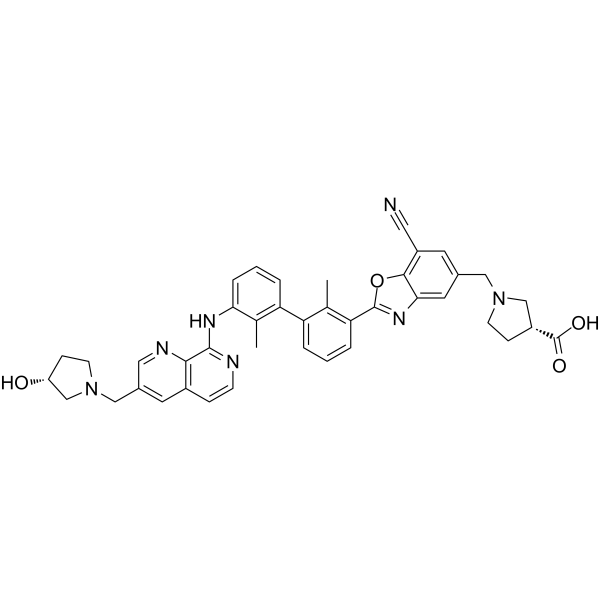
    Muvalaplin (LY3473329) is an orally active, selective small molecule inhibitor of lipoprotein (a) (Lp (a)) that disrupts the initial non-covalent interaction between apo(a) and apoB100, preventing the disulphide bond and Lp(a) formation. Muvalaplin reduces the levels of Lp (a) in transgenic mice and in cynomolgus monkeys .
    Muvalaplin
  • HY-164535

    AMG 133

    Antibody-Drug Conjugates (ADCs) GLP Receptor Insulin Receptor Metabolic Disease
    Maridebart cafraglutide (AMG 133) is a long-acting peptide-antibody conjugate that combines GLP-1 receptor agonist with glucose-dependent insulinotropic polypeptide (GIP) receptor antagonism. Maridebart cafraglutide shows antagonist activity against human, cynomolgus monkey and rat GIPR with IC50 values of 46.4 nM, 26.5 nM, 822.3 nM, respectively. Maridebart cafraglutide shows agonist activity against human, cynomolgus monkey, rat and mouse GLP-1R with EC50 values of 24.4 pM, 5.7 pM, 2.4 pM and 123 pM, respectively. Maridebart cafraglutide can be used for the study of obesity and type 2 diabetes .
    Maridebart cafraglutide
  • HY-10198
    Navarixin
    Maximum Cited Publications
    31 Publications Verification

    SCH 527123; MK-7123

    CXCR Inflammation/Immunology Endocrinology Cancer
    Navarixin (SCH 527123) is a potent, allosteric and orally active antagonist of both CXCR1 and CXCR2, with Kd values of 41 nM for cynomolgus CXCR1 and 0.20 nM, 0.20 nM, 0.08 nM for mouse, rat and cynomolgus monkey CXCR2, respectivelly .
    Navarixin
  • HY-P9931

    CNTO 1959

    Interleukin Related Inflammation/Immunology
    Guselkumab is a recombinant human IgG1 monoclonal antibody against the IL-23p19 subunit. Guselkumab binds to human and cynomolgus monkey IL-23 with Kd values of 3.3 and 1.9 pmol/L, respectively. Guselkumab inhibits production of cytokines lying downstream of the IL-23 signaling pathway and can be used for psoriatic arthritis research .
    Guselkumab
  • HY-P99100
    Visugromab
    2 Publications Verification

    CTL-002

    TGF-beta/Smad PD-1/PD-L1 Cancer
    Visugromab (CTL-002) is a GDF-15 neutralizing IgG4 mAb. Visugromab has synergistic anticancer activity with the anti-PD1 antibody Nivolumab (HY-P9903) and can effectively act on PD-1/PD-L1 relapsed/refractory metastatic solid tumors. Recommend Isotype Controls: Human IgG4 (S228P) kappa, Isotype Control (HY-P99003) .
    Visugromab
  • HY-P990688

    AMG-509

    CD3 Cancer
    Xaluritamig (AMG-509) is a bispecific T cell engager and cytolytic agent with a Kd of 27.6 nM for human CD3ε. Xaluritamig binds to CD3ε via an anti-CD3 single-chain variable fragment (scFv) domain, and to STEAP1 via a bispecific anti-STEAP1 antigen-binding fragment (Fab) domain, thereby recruiting and activating T cells and forming a bridge between T cells and STEAP1-expressing cancer cells. Xaluritamig induces T cell-mediated redirected cytotoxicity, tumor cell lysis, cytokine release, CD8 + T cell activation and expansion, as well as tumor stasis or regression. Xaluritamig contains an Fc domain with no effector function, which prolongs serum half-life, exhibits only minimal activity against cells with low STEAP1 expression and normal cells, and shows extremely low target-related off-tumor toxicity in cynomolgus monkeys. Xaluritamig is used in STEAP1×CD3 XmAb 2+1 immunotherapy and in research on metastatic castration-resistant prostate cancer and Ewing sarcoma .
    Xaluritamig
  • HY-109114

    MT-7117

    Melanocortin Receptor Metabolic Disease
    Dersimelagon (MT-7117) is an orally active, selective melanocortin 1 receptor (MC1R) agonist with EC50 values of 8.16, 3.91, 1.14 and 0.251 nM for human (h), cynomolgus monkey (cm), mouse (m) and rat (r) MC1R, respectively. Dersimelagon shows good affinity for hMC1R and hMC4R with Ki values of 2.26, 32.9 nM, respectively. Dersimelagon can be used for the research of skin pigmentation .
    Dersimelagon
  • HY-P991272

    PF-05230900

    Interleukin Related Inflammation/Immunology
    ATR-107 (PF-05230900) is a humanized monoclonal antibody inhibitor that targets the interleukin-21 receptor (IL-21R). The Ka value of ATR-107 is 2-4 nM in cynomolgus monkeys, 16 nM in mice, and 71 nM in rats. ATR-107 can be used in research related to systemic lupus erythematosus and air pouch inflammation .
    ATR-107
  • HY-164734

    R-DXd; DS-6000

    Antibody-Drug Conjugates (ADCs) Cancer
    Raludotatug Deruxtecan is an antibody-drug conjugate targeting CDH6, with an EC50 of 64.7 ng/mL in humans, 70.4 ng/mL in cynomolgus monkeys, and 228 ng/mL in mice. Raludotatug Deruxtecan specifically binds to CDH6 on the surface of cancer cells, triggers lysosomal internalization, and releases the DXd payload that inhibits TOP1. Raludotatug Deruxtecan induces DNA damage, Chk1 phosphorylation, caspase-3 cleavage, apoptosis, and bystander cell death. Raludotatug Deruxtecan is applicable to research related to serous ovarian cancer and renal cell carcinoma .
    Raludotatug Deruxtecan
  • HY-112185A
    Orforglipron hemicalcium hydrate
    1 Publications Verification

    LY3502970 hemicalcium hydrate; GLP-1 receptor agonist 1 hemicalcium hydrate

    GCGR Metabolic Disease Inflammation/Immunology
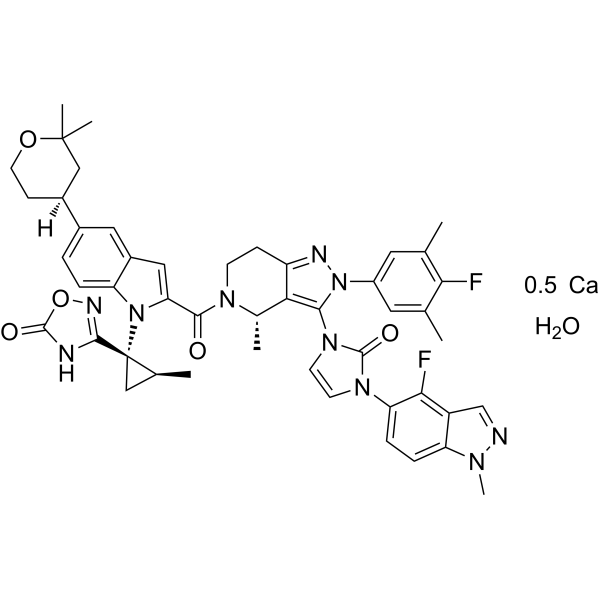
    Orforglipron hemicalcium hydrate (LY3502970 hemicalcium hydrate; GLP-1 receptor agonist 1 hemicalcium hydrate) is the calcium salt hydrate form of Orforglipron (HY-112185). Orforglipron is an orally active agonist for Glucagon-like peptide-1 receptor (GLP-1R), which exhibits potency in ameliorating the type 2 diabete .
    Orforglipron hemicalcium hydrate
  • HY-132610A
    Givosiran sodium
    1 Publications Verification

    ALN-AS1 sodium

    Small Interfering RNA (siRNA) Metabolic Disease
    Givosiran (ALN-AS1) sodium is a small interfering RNA that targets hepatic aminolevulinate synthase 1 (ALAS1) messenger RNA. Givosiran sodium downregulates ALAS1 mRNA and prevents accumulation of neurotoxic δ-aminolevulinic acid (ALA) and porphobilinogen (PBG) levels. Givosiran sodium demonstrates potent inhibitory activity against ALAS1 in mouse, rat, and cynomolgus monkey models. Givosiran sodium can be used for the research of acute hepatic porphyria (AHP) .
    Givosiran sodium
  • HY-132610
    Givosiran
    1 Publications Verification

    ALN-AS1

    Small Interfering RNA (siRNA) Metabolic Disease
    Givosiran (ALN-AS1) is a small interfering RNA that targets hepatic aminolevulinate synthase 1 (ALAS1) messenger RNA. Givosiran downregulates ALAS1 mRNA and prevents accumulation of neurotoxic δ-aminolevulinic acid (ALA) and porphobilinogen (PBG) levels. Givosiran demonstrates potent inhibitory activity against ALAS1 in mouse, rat, and cynomolgus monkey models. Givosiran can be used for the research of acute hepatic porphyria (AHP) .
    Givosiran
  • HY-P10736A

    GCGR Metabolic Disease
    AMG133 peptide payload TFA is a GLP-1 analog agonist peptide. AMG133 peptide payload TFA potently activates GLP-1R and exhibits weight loss and metabolic improvement activities. AMG133 peptide payload TFA can be used for the synthesis of AMG 133 (HY-164535) .
    AMG133 peptide payload TFA
  • HY-P9938
    Erenumab
    1 Publications Verification

    AMG-334

    CGRP Receptor Neurological Disease
    Erenumab (AMG-334) is a fully human monoclonal antibody. Erenumab inhibits the calcitonin gene-related peptide (CGRP) receptor. Erenumab prevents the increase in dermal blood flow in cynomolgus monkeys. Erenumab can be used in the research of episodic migraine .
    Erenumab
  • HY-149136

    Integrin TGF-beta/Smad Inflammation/Immunology
    MORF-627 is a highly selective, orally active integrin αvβ6 inhibitor. By blocking TGF-β1 activation and pSMAD2 signaling, MORF-627 significantly reduces collagen deposition, epithelial-mesenchymal transition markers, and structural changes in fibrotic cells. MORF-627 exhibits significant antifibrotic efficacy without genotoxicity in idiopathic pulmonary fibrosis models. However, MORF-627 induces bladder epithelial proliferation and early invasive urothelial carcinoma in cynomolgus monkeys and human cells, and this toxic effect can be reversed by exogenous TGF-β. MORF-627 can be used for studying the pathological mechanisms of pulmonary fibrosis and evaluating drug safety .
    MORF-627
  • HY-164729

    Antibody-Drug Conjugates (ADCs) Topoisomerase Apoptosis Cancer
    FZ-AD005 is a DLL3-targeting antibody-drug conjugate (ADC) with high selectivity, composed of the anti-DLL3 antibody FZ-A038 (HY-P990896), a dipeptide linker (Val-Ala), and DXd (HY-13631D). The Kd value of FZ-AD005 for human DLL3 ranges from 13.29 to 58.3 pmol/L. After binding to DLL3 on the cell surface, FZ-AD005 mediates endocytosis, and the payload DXd is released via cleavage by lysosomal cathepsins. DXd inhibits topoisomerase TopI to induce double-strand DNA breaks, cell cycle arrest and apoptosis, and FZ-AD005 exhibits bystander killing activity against adjacent DLL3-negative cells. FZ-AD005 shows stable circulation in vivo, has good tolerance and acceptable pharmacokinetic profiles in rats and cynomolgus monkeys, and effectively inhibits the growth of DLL3-expressing tumor cells. FZ-AD005 serves as a promising candidate molecule for research on small cell lung cancer and human neuroendocrine prostate cancer .
    FZ-AD005
  • HY-P99721

    ABT-981

    Interleukin Related Inflammation/Immunology
    Lutikizumab (ABT-981) is an anti-IL-1α and IL-1β dual variable domain immunoglobulin. Lutikizumab binds and inhibits IL-1α and IL-1β. Lutikizumab can be used for the research of osteoarthritis .
    Lutikizumab
  • HY-134884
    INCB086550
    2 Publications Verification

    PD-1/PD-L1-IN-8

    PD-1/PD-L1 Cancer
    INCB086550 is a potent, oral, small-molecule PD-L1 inhibitor with IC50s value of 3.1, 4.9 and 1.9 nM for human, cynomolgus, and rat, respectively. INCB086550 promotes the dimerization of cell-surface PD-L1 and induces PD-L1 entry into Golgi vesicles then traffick to the nucleus. INCB086550 can be used for multiple cancers research .
    INCB086550
  • HY-163689

    BI 690517

    Mineralocorticoid Receptor Cardiovascular Disease Metabolic Disease
    Vicadrostat (BI 690517) is an orally active aldosterone synthase (aldosterone synthase) inhibitor, with IC50 values of 19 nM, 16 nM, and 18 μM against human, cynomolgus monkey, and rat aldosterone synthase, respectively. Vicadrostat has an in vivo IC50 of 25 nM for aldosterone synthesis. Vicadrostat exhibits high selectivity for cortisol synthase; it reduces aldosterone production and decreases plasma aldosterone levels. Vicadrostat can be used in the research of chronic kidney disease, heart failure, and hypertension .
    Vicadrostat
  • HY-P99728

    RG7835; RO7049665

    Interleukin Related Metabolic Disease Inflammation/Immunology
    Melredableukin alfa (RG7835) is a bivalent conjugate composed of a human IL-2 mutant (T3A, N88D, C125A) and human IgG1. Melredableukin alfa exhibits enhanced Treg cell selectivity in cynomolgus monkey and humanized mouse models. Melredableukin alfa can be used in research related to ulcerative colitis and autoimmune hepatitis .
    Melredableukin alfa
  • HY-153999A

    BT200 sodium

    Integrin Apoptosis Cardiovascular Disease Inflammation/Immunology
    Rondaptivon pegol (BT200) sodium is an aptamer targeting von Willebrand factor (VWF), with an EC50 of 33 nM in humans. Rondaptivon pegol sodium effectively alleviates acute myocardial ischemia-reperfusion injury in mice by inhibiting VWF activity, reducing microvascular obstruction, inflammatory responses and cardiomyocyte apoptosis (apoptosis). Rondaptivon pegol sodium inhibits the binding of VWF to platelet glycoprotein GPIb, thereby preventing arterial thrombosis in cynomolgus monkeys. Rondaptivon pegol sodium can be used in research related to arterial thrombosis, stroke, myocardial infarction and myocardial ischemia-reperfusion injury .
    Rondaptivon pegol sodium
  • HY-159099

    Molecular Glues Histone Acetyltransferase Cardiovascular Disease
    WIZ degrader 9 is an orally active molecular glue degrader of the WIZ transcription factor. As a molecular glue, WIZ degrader 9 recruits WIZ to the cereblon E3 ubiquitin ligase complex via its ZF7 domain, driving proteasome-dependent degradation of WIZ. WIZ degrader 9 induces hemoglobin production, reduces the level of H3K9 dimethylation across the whole genome and at the β-globin locus, upregulates the transcription of γ-globin and BGLT3, and increases the level of histone H3K9 acetylation in the promoter region of HBG1/2. WIZ degrader 9 effectively induces fetal hemoglobin production in both mice and cynomolgus monkeys. WIZ degrader 9 can be used for research on sickle cell disease .
    WIZ degrader 9
  • HY-P991149

    YH32367; ABL105

    TNF Receptor Cancer
    Nesfrotamig (YH32367; ABL105) is a bispecific activator targeting HER2 and 4-1BB. The Kd values of Nesfrotamig for human HER2 and human 4-1BB are 0.48 nM and 3.36 nM, respectively. By blocking tumor cell growth signals, activating HER2-dependent local 4-1BB in tumors to maintain T cell survival, and inducing NK cell-mediated antibody-dependent cellular cytotoxicity, Nesfrotamig enhances the cytotoxicity and tumor infiltration ability of immune cells. Nesfrotamig promotes the generation of tumor-specific memory T cells, drives T cell-mediated tumor lysis, exhibits significant anti-tumor efficacy against both HER2-positive and HER2-low-expressing tumors, and shows synergistic activity when combined with anti-PD-1 antibodies. In cynomolgus monkey studies, Nesfrotamig demonstrates good safety and is suitable for research related to HER2-positive and HER2-low-expressing tumors .
    Nesfrotamig
  • HY-145720

    ALN-CC5

    Complement System Small Interfering RNA (siRNA) Metabolic Disease
    Cemdisiran (ALN-CC5) is an N-acetylgalactosamine-conjugated RNAi agent and also a complement component C5 inhibitor. Cemdisiran targets C5 mRNA, cleaves C5 mRNA via the endogenous RNA interference pathway, and inhibits the production of C5 protein in the liver. Cemdisiran exerts a dose-dependent inhibitory effect on total C5 concentrations in cynomolgus monkeys. When used in combination with Pozelimab (HY-P99786) in cynomolgus monkeys, Cemdisiran achieves a more sustained and complete inhibitory effect on complement activity. Cemdisiran can be used in the research of paroxysmal nocturnal hemoglobinuria and other complement-mediated diseases .
    Cemdisiran
  • HY-152846

    GDC-8264

    RIP kinase Interleukin Related Cardiovascular Disease Inflammation/Immunology Endocrinology
    Flizasertib (GDC-8264) is an orally active, reversible and selective RIP1 inhibitor with Ki app values of 0.00071 μM and 0.0013 μM for human and cynomolgus monkey RIP1 kinase, respectively. Flizasertib blocks RIP1 autophosphorylation but does not affect RIP1 protein stability. Flizasertib inhibits pro-inflammatory cytokines (CCL3, CCL4, and IL-1β) production. Flizasertib results in inhibition of colitis and ileitis. Flizasertib can be used in the research of cardiac surgery-associated acute kidney injury .
    Flizasertib
  • HY-P990993

    GYM-329, RG6237, RG-70240

    TGF-beta/Smad Inflammation/Immunology
    Emugrobart (GYM-329, RG6237, RG-70240) is a humanized IgG1κ antibody targeting myostatin (Myostatin; GDF8). Emugrobart binds to pro-myostatin and latent myostatin, blocking their cleavage into mature myostatin; it also has a clearance function, which transports bound myostatin for degradation and allows for cyclic reuse. Emugrobart enhances muscle strength in mouse models of muscle atrophy and increases muscle mass in cynomolgus monkeys. Emugrobart can be used in research on spinal muscular atrophy and facioscapulohumeral muscular dystrophy .
    Emugrobart
  • HY-112209
    VU0467154
    5 Publications Verification

    mAChR Neurological Disease
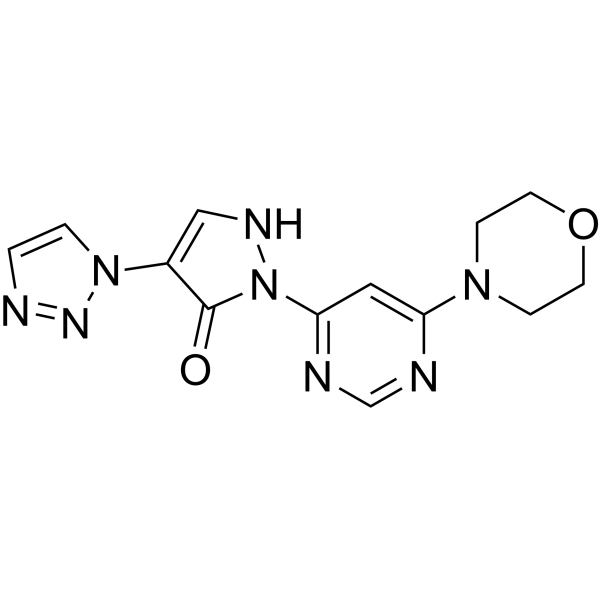
    VU0467154 is a positive allosteric modulator of the M4 muscarinic acetylcholine receptor (mAChR), potentiating the response to ACh with pEC50s of 7.75, 6.2 and 6 for rat, human and cynomolgus monkey M4 receptor, respectively.
    VU0467154
  • HY-P99512

    UCB-7858

    Glutaminase Endocrinology
    Zampilimab (UCB-7858) is a monoclonal antibody against transglutaminase 2 (TG2). Zampilimab inhibits TG2 crosslinking transamidation activity with an IC50 of 0.25 nM and a Kd of <50 pM. Zampilimab improves renal fibrosis .
    Zampilimab
  • HY-17611

    MSP-2017; (-)-MSP-2017

    Calcium Channel Cardiovascular Disease Neurological Disease
    Etripamil (MSP-2017) is a short-acting, L-type calcium-channel antagonist. Etripamil inhibits calcium influx through slow calcium channels, thereby slowing AV node conduction and prolonging the AV node refractory period. Etripamil increases heart rate and decreases systolic blood pressure. Etripamil can be used in the study of paroxysmal supraventricular tachycardia (PSVT) .
    Etripamil
  • HY-P99399

    RG 6100; RO7105705; MTAU-9937A

    Tau Protein Neurological Disease
    Semorinemab (RG 6100) is an anti-Tau humanized IgG4 monoclonal antibody, targets the N-terminal portion of the Tau protein (amino acid residues 6-23). Semorinemab binds with human Tau with a Kd value of 3.8 nM. Semorinemab can be used for the research of Alzheimer's Disease .
    Semorinemab
  • HY-133091

    7-O-Ethylumbelliferone

    Cytochrome P450 Metabolic Disease
    7-Ethoxycoumarin is a substrate of cytochrome P450 (CYP450). 7-Ethoxycoumarin has been used for the functional characterization of various CYPs and for the generation of 7-hydroxycoumarin (HY-N0573) .
    7-Ethoxycoumarin
  • HY-P99030

    MGAH-22

    EGFR Cancer
    Margetuximab (MGAH22) is a chimeric anti-HER2 monoclonal antibody optimized Fc domain, with an EC50 value of 39.33 ng/mL. Margetuximab can be used for researching metastatic HER2-positive breast cancer .
    Margetuximab
  • HY-P99404

    E6011

    CXCR Inflammation/Immunology Cancer
    Quetmolimab (E6011) is a humanized anti-Fractalkine (CX3CL1) monoclonal antibody. Quetmolimab binds to membrane-bound and soluble Fractalkine, neutralizes Fractalkine-induced migration of CX3CR1-expressing cells, mediates target-bound complex elimination from serum. Quetmolimab suppresses free soluble Fractalkine levels in cynomolgus monkeys, with target engagement linked to increased serum total Fractalkine concentration. Quetmolimab can be used for the research of Crohn’s disease, rheumatoid arthritis, and primary biliary cholangitis .
    Quetmolimab
  • HY-P99439

    IMA-638

    Interleukin Related Inflammation/Immunology
    Anrukinzumab (IMA-638) is a humanized anti-IL-13 monoclonal antibody. Anrukinzumab effectively reduces lung inflammation in a cynomolgus monkey model. Anrukinzumab can be used in studies of ulcerative colitis (UC) as well as asthma .
    Anrukinzumab
  • HY-130249

    GnRH Receptor Endocrinology
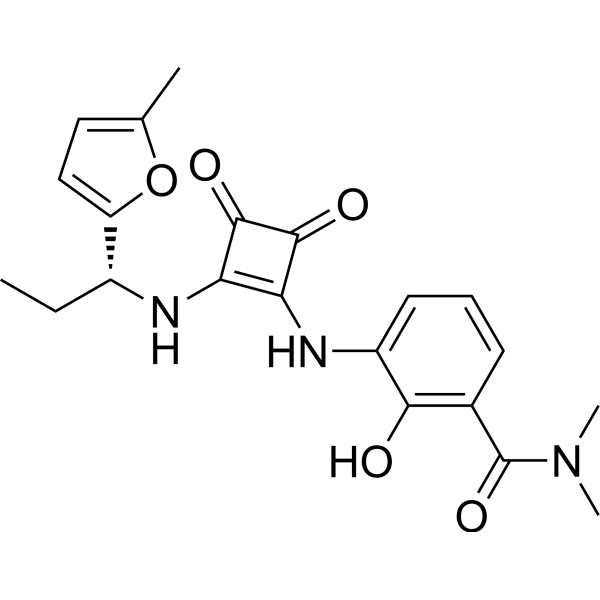
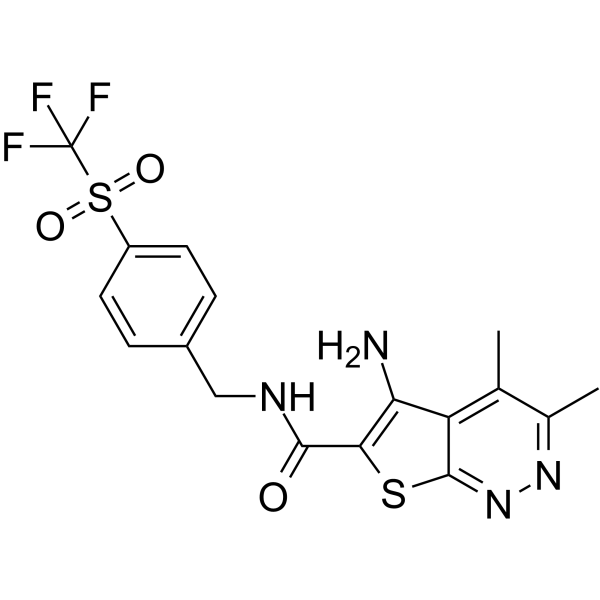
    BAY-298 is an orally active and selective luteinizing hormone receptor (LH-R) antagonist with IC50s of 96 nM, 23 nM and 78 nM for hLH (human LH) and rLH (rat LH) and cLH (cynomolgus monkey LH), respectively. BAY-298 can reduce sex hormone levels .
    BAY-298
  • HY-12811
    PF-04856264
    1 Publications Verification

    Sodium Channel Neurological Disease
    PF-04856264 is a potent and selective Nav1.7 inhibitor, with IC50s of 28, 131, 19, and 42 nM for human, mouse, cynomolgus monkey and dog Nav1.7, respectively. PF-04856264 has low potency against the rat Nav1.7 channel. PF-04856264 shows analgesic effect .
    PF-04856264
  • HY-10294

    SB-462795

    Cathepsin Metabolic Disease Cancer
    Relacatib (SB-462795) is a novel, potent, and orally active inhibitor of human cathepsins K, L, and V with Ki values of 41 pM, 68 pM, and 53 pM, respectively. Relacatib inhibits endogenous cathepsin K in situ in human osteoclasts and human osteoclast-mediated bone resorption with IC50 values of 45 nM and 70 nM, respectively. Relacatib inhibits bone resorption in vitro in human tissue as well as in cynomolgus monkeys in vivo .
    Relacatib
  • HY-16785

    INXN-1001; RG-115932

    Interleukin Related Inflammation/Immunology Cancer
    Veledimex (INXN-1001), a synthetic analog of the insect molting hormone ecdysone, is an orally active activator ligand for a proprietary gene therapy promoter system. Veledimex can be used to activate certain genes using the ecdysone receptor (EcR)-based inducible gene regulation system, the RheoSwitch Therapeutic System (RTS). Veledimex can cross blood-brain barrier (BBB) in both orthotopic GL-261 mice and cynomolgus monkeys .
    Veledimex
  • HY-P99786

    REGN3918

    Complement System Metabolic Disease
    Pozelimab (REGN3918) is a fully human IgG4 anti-C5 monoclonal antibody. Pozelimab binds to C5 and C5 variants with high affinity and blocks complement-mediated hemolysis. Pozelimab can be used for the research of complement-mediated diseases .
    Pozelimab
  • HY-157802

    Sodium Channel Neurological Disease
    LTGO-33 is a potent and selective voltage-gated sodium channel NaV1.8 inhibitor. LTGO-33 inhibits NaV1.8 in the nM potency range and exhibits over 600-fold selectivity against human NaV1.1-NaV1.7 and NaV1.9. LTGO-33 exhibits state-independent inhibition with similar potencies on channels in the closed and inactivated conformations. LTGO-33 inhibits native TTX-R NaV1.8 currents in non-human primate and human DRG neurons, where it reduces action potential firing. LTGO-33 can be used for pain disorders research .
    LTGO-33
  • HY-P99110

    SHP643; DX-2930; X124-G01

    Kallikrein Inflammation/Immunology
    Lanadelumab (SHP643) is a human IgG1 monoclonal antibody against plasma kallikrein (pKal) with an Ki value of 0.12 nM. Lanadelumab inhibits both free and HMWK (high molecular weight kininogen)-bound pKal. Lanadelumab has the potential for the research of hereditary angioedema .
    Lanadelumab
  • HY-145726

    TNF Receptor Cardiovascular Disease Inflammation/Immunology
    ISIS 104838 is an antisense oligonucleotide targeting TNF-α. ISIS 104838 specifically binds to human TNF-α mRNA via Watson-Crick base pairing to form a DNA:RNA hybrid duplex, thereby recruiting the ubiquitously expressed intracellular enzyme RNase H to degrade the target mRNA and inhibit TNF-α protein synthesis at the transcriptional level. ISIS 104838 induces moderate, self-limiting thrombocytopenia in cynomolgus monkeys. ISIS 104838 can be used for the study of inflammatory diseases .
    ISIS 104838
  • HY-12699
    RO5166017
    2 Publications Verification

    Trace Amine-associated Receptor (TAAR) Metabolic Disease
    RO5166017 is an orally active and species-crosses TAAR1 agonist, with Ki values of 1.9 nM, 2.7 nM, 31 nM and 24 nM for mouse, rat, human and cynomolgus monkey, respectively .
    RO5166017
  • HY-164893

    Antibody-Drug Conjugates (ADCs) TNF Receptor Glucocorticoid Receptor Inflammation/Immunology
    ABBV-154 is an anti-TNF antibody-drug conjugate (ADC). ABBV-154 is composed of the humanized antibody Adalimumab (HY-P9908) conjugated with a glucocorticoid receptor modulator (HY-137883). ABBV-154 can be used in studies of rheumatoid arthritis, Crohn's disease and polymyalgia rheumatica .
    ABBV-154
  • HY-158424

    LDLR Cardiovascular Disease
    LSN3353871 is a potent inhibitor of lipoprotein(a) (Lp(a)) that can binds to Kringle IV (KIV) 8, KIV7-8 and KIV5-8, with Kd of 756 nM, 605 nM and 423 nM, respectively. LSN3353871 disrupts the formation of Lp(a) with the IC50 of 1.69 μM. LSN3353871 has oral bioactivity .
    LSN3353871
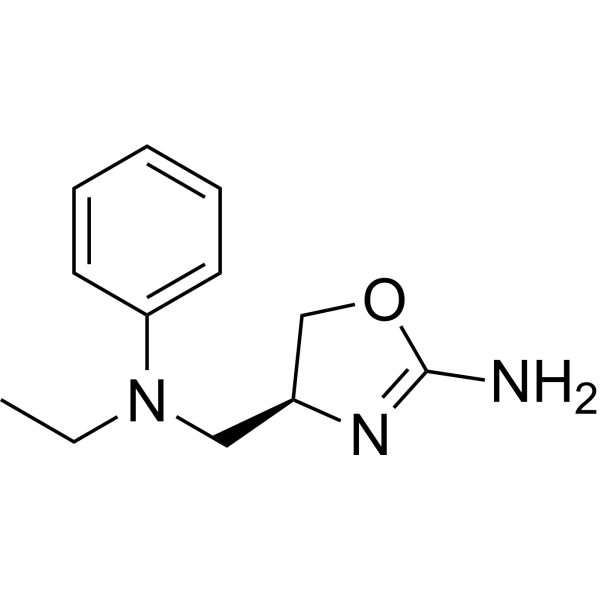
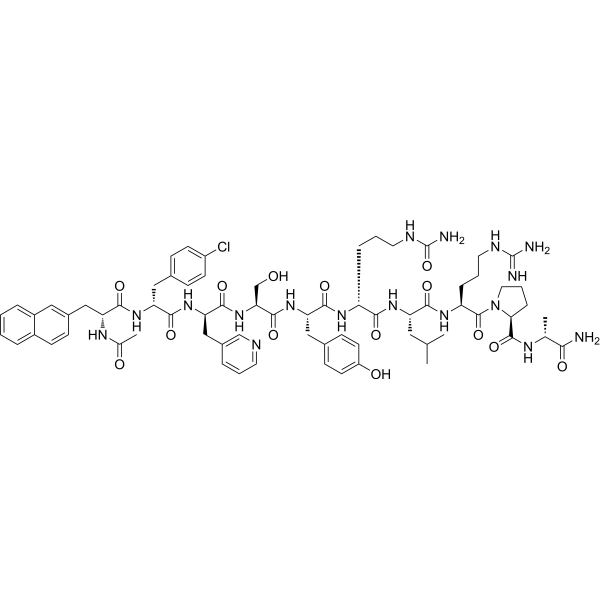
  • HY-P0013

    D-21074; ORF 23541

    GnRH Receptor Cancer
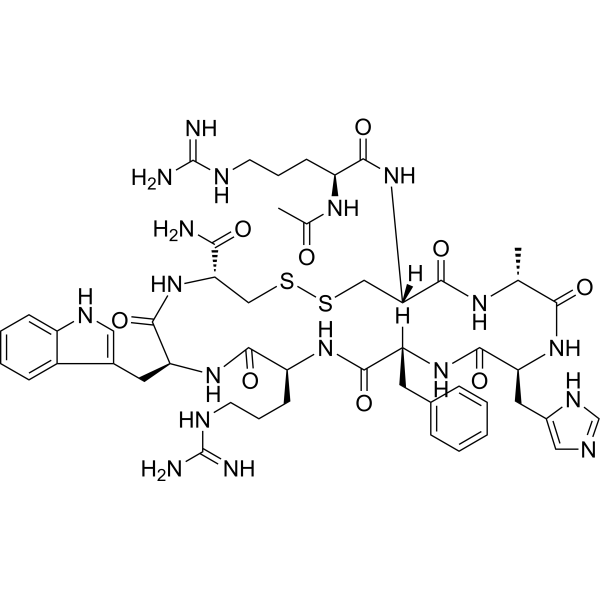
    Antide (D-21074) is a potent LHRH antagonist. Antide also can be used for the research of prostatic cancer .
    Antide

Inquiry Online

Your information is safe with us. * Required Fields.

Salutation


Country or Region *

Applicant Name *


Organization Name *

Department *


Email Address *


Product Name *

Cat. No.


Requested quantity *

Phone Number *


Remarks

Inquiry Online

Inquiry Information

Product Name:
Cat. No.:
Quantity:
MCE Japan Authorized Agent:

