1. Search Result
Search Result
Results for "

deacetylate

" in MedChemExpress (MCE) Product Catalog:

37

Inhibitors & Agonists

11

Biochemical Assay Reagents

6

Peptides

5

Natural
Products

1

Click Chemistry

1

Oligonucleotides

Cat. No. Product Name Target Research Areas Chemical Structure
  • HY-B2144C

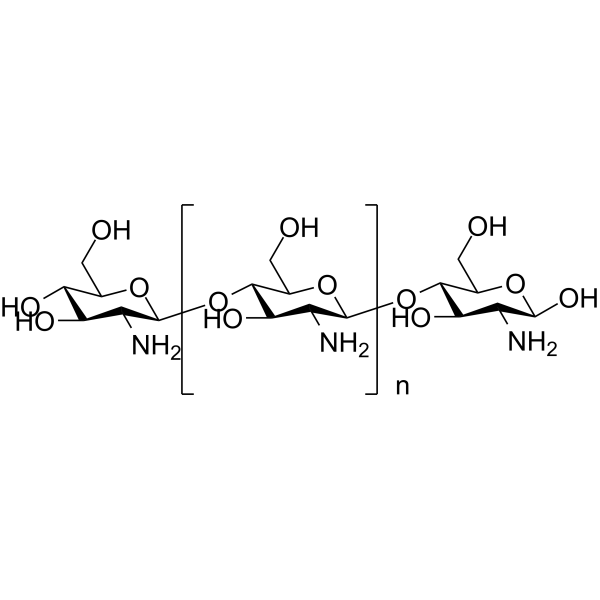
    deacetylated chitin (≥95% deacetylated,viscosity 100-200 mPa.s); Poly(D-glucosamine) (≥95% deacetylated,viscosity 100-200 mPa.s)

    Environmental Pollutants Biochemical Assay Reagents Bacterial Fungal Infection Cancer
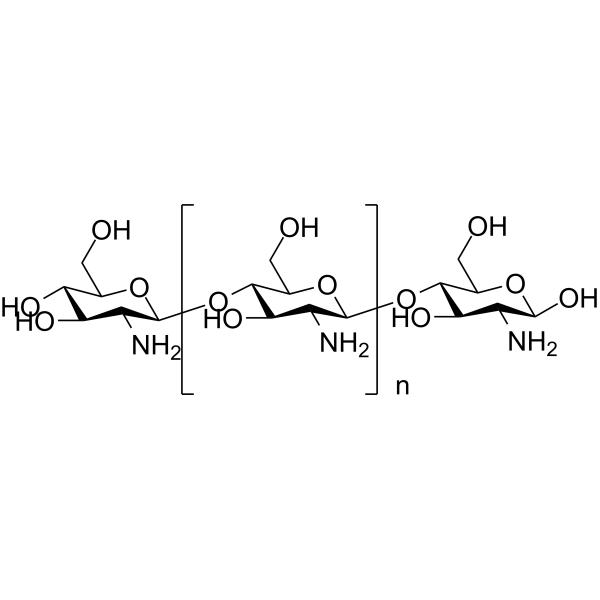
    Chitosan (Deacetylated chitin) (≥95% deacetylated,viscosity 100-200 mPa.s) is a polysaccharide obtained by deacetylating chitin, and exhibits antimicrobial activity against various bacteria and fungi .
    Chitosan (≥95% deacetylated,viscosity 100-200 mPa.s)
  • HY-B2144A
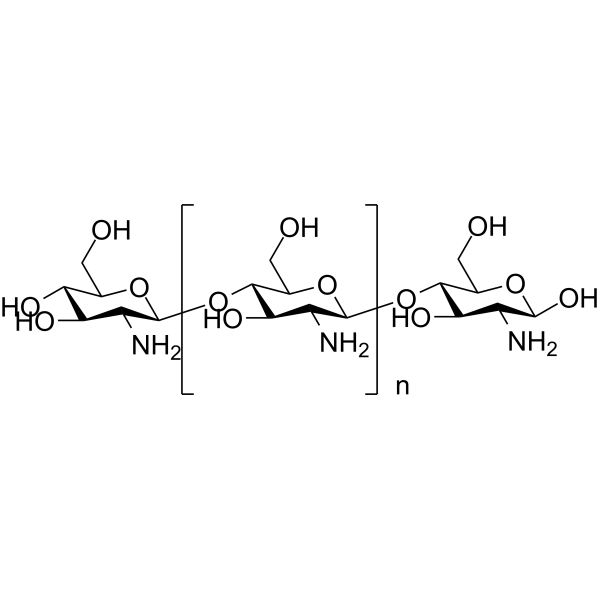
    Chitosan (MW 150000)
    2 Publications Verification

    deacetylated chitin (MW 150000); Poly(D-glucosamine) (MW 150000)

    Environmental Pollutants Fungal Bacterial Infection Cancer
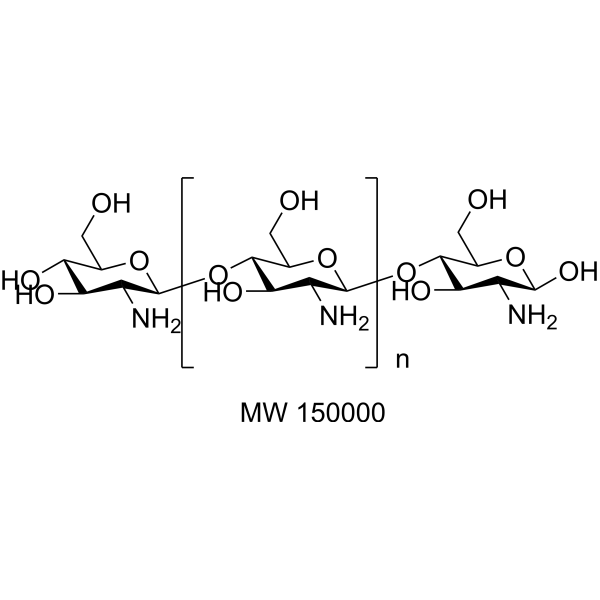
    Chitosan (MW 150000) (Deacetylated chitin (MW 150000)) is a polycationic linear polysaccharide derived from chitin with the molecular weight of 150000. Chitosan is an versatile biomaterial because of its non-toxicity, low allergenicity, biocompatibility and biodegradability. Chitosan also has antitumor, antibacterial, antifungal, and antioxidant activities .
    Chitosan (MW 150000)
  • HY-B2144B

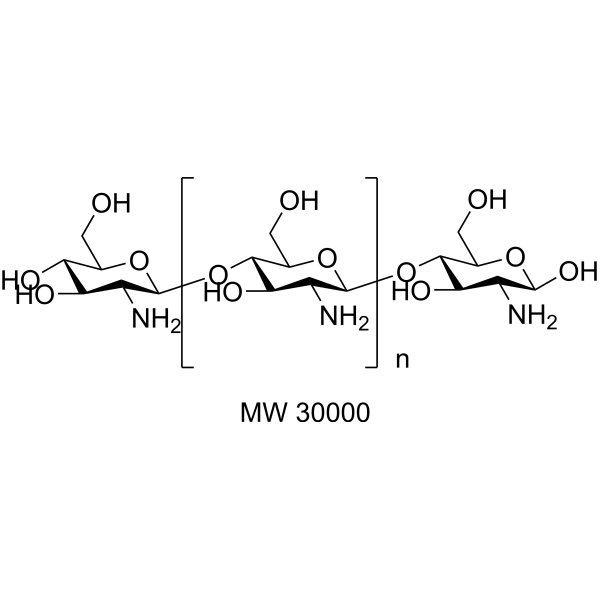
    deacetylated chitin (MW 30000); Poly(D-glucosamine) (MW 30000)

    Environmental Pollutants Bacterial Fungal Infection Cancer
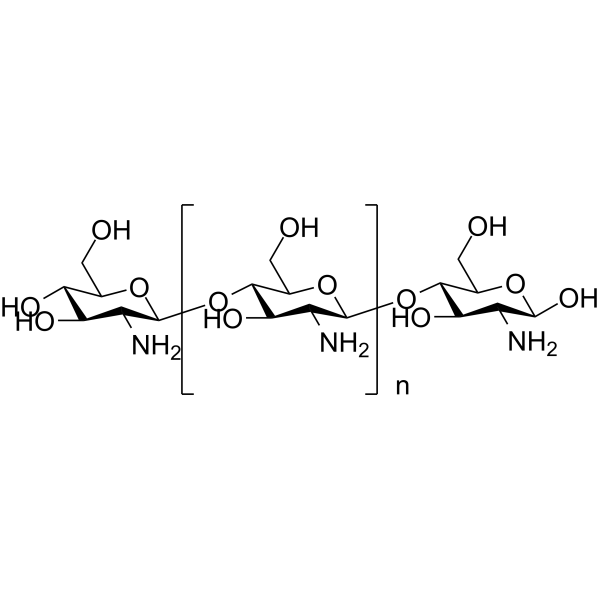
    Chitosan (MW 30000) (Deacetylated chitin (MW 30000)) is a polycationic linear polysaccharide derived from chitin with the molecular weight of 30000. Chitosan is an versatile biomaterial because of its non-toxicity, low allergenicity, biocompatibility and biodegradability. Chitosan also has antitumor, antibacterial, antifungal, and antioxidant activities .
    Chitosan (MW 30000)
  • HY-14905

    Tri-O-acetyl uridine

    Drug Derivative Neurological Disease
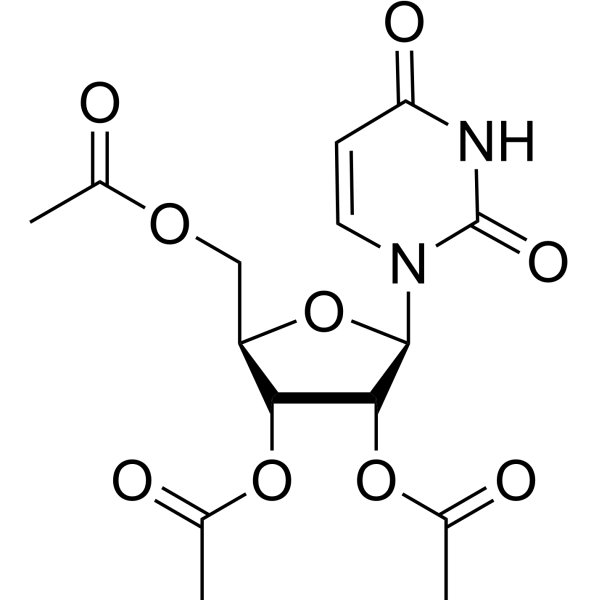
    Uridine triacetate (Tri-O-acetyl uridine) is an orally active proagent of Uridine (HY-B1449). Uridine triacetate is quickly absorbed in the gut, and is rapidly deacetylated in the circulation to yield free uridine. Uridine triacetate is used for the research of 5-fluorouracil (5-FU) and capecitabine toxicity, or early-onset cardiac or central nervous system (CNS) .
    Uridine triacetate
  • HY-B2144E

    deacetylated chitin (≥90% deacetylated, Low viscosity,<200mPa.s); Poly(D-glucosamine) (≥90% deacetylated, Low viscosity,<200mPa.s)

    Environmental Pollutants Biochemical Assay Reagents Bacterial Fungal Infection Cancer
    Chitosan (Deacetylated chitin) (≥90% deacetylated, Low viscosity,<200mPa.s) is a polysaccharide obtained by deacetylating chitin, and exhibits antimicrobial activity against various bacteria and fungi .
    Chitosan (≥90% deacetylated, Low viscosity,<200mPa.s)
  • HY-148507
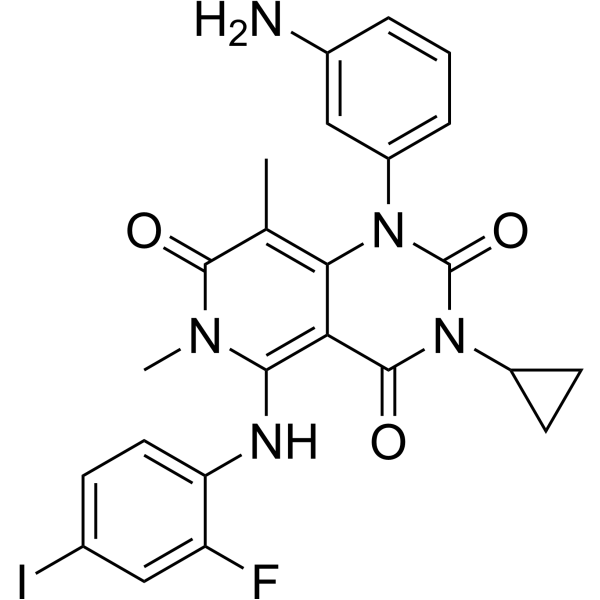
    GSK1790627
    1 Publications Verification

    MEK Cancer
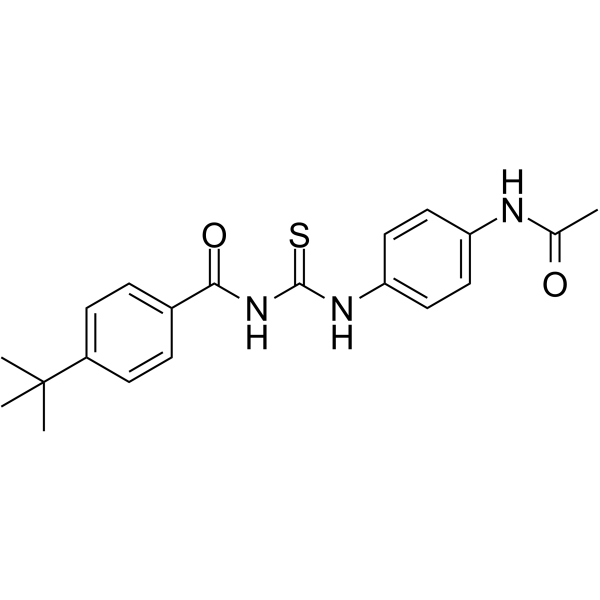
    GSK1790627 is the N-deacetylated metabolite of Trametinib (HY-10999). Trametinib is an orally active MEK inhibitor, and activates autophagy and induces apoptosis .
    GSK1790627
  • HY-N1511
    Ganoderic acid D
    2 Publications Verification

    Sirtuin Apoptosis Cancer
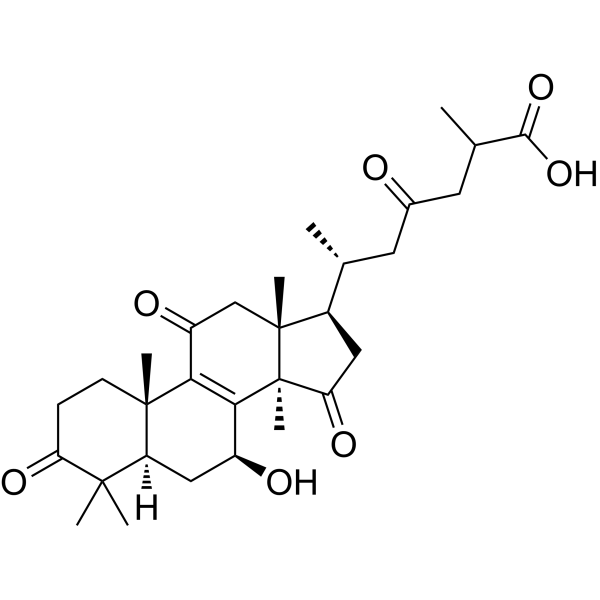
    Ganoderic acid D, a highly oxygenated tetracyclic triterpenoid, is the major active component of Ganoderma lucidum. Ganoderic acid D upregulates the protein expression of SIRT3 and induces the deacetylated cyclophilin D (CypD) by SIRT3. Ganoderic acid D inhibits the energy reprogramming of colon cancer cells including glucose uptake, lactate production, pyruvate and acetyl-coenzyme production in colon cancer cells . Ganoderic acid D induces HeLa human cervical carcinoma apoptosis .
    Ganoderic acid D
  • HY-B2144K

    deacetylated chitin (≥85% deacetylated, viscosity>90 mPa.s, MW 15000); Poly(D-glucosamine) (≥85% deacetylated, viscosity>90 mPa.s, MW 15000)

    Environmental Pollutants Biochemical Assay Reagents Bacterial Fungal Infection Inflammation/Immunology Cancer
    Chitosan (Deacetylated chitin) (≥85% deacetylated, viscosity>90 mPa.s, MW 15000) is a polysaccharide obtained by deacetylating chitin, and exhibits antimicrobial activity against various bacteria and fungi .
    Chitosan (≥85% deacetylated, viscosity>90 mPa.s, MW 15000)
  • HY-B2144J

    deacetylated chitin (≥90% deacetylated,viscosity 650-700 mPa.s); Poly(D-glucosamine) (≥90% deacetylated,viscosity 650-700 mPa.s)

    Environmental Pollutants Biochemical Assay Reagents Bacterial Fungal Infection Cancer
    Chitosan (Deacetylated chitin) (≥90% deacetylated, viscosity 650-700 mPa.s) is a polysaccharide obtained by deacetylating chitin, and exhibits antimicrobial activity against various bacteria and fungi. Chitosan (≥90% deacetylated, viscosity 650-700 mPa.s) can be used as a versatile biomaterial in drug delivery, tissue engineering, and wound healing .
    Chitosan (≥90% deacetylated,viscosity 650-700 mPa.s)
  • HY-B2144G

    deacetylated chitin (≥80% deacetylated, High viscosity,>400mPa.s); Poly(D-glucosamine) (≥80% deacetylated, High viscosity,>400mPa.s)

    Environmental Pollutants Biochemical Assay Reagents Bacterial Fungal Infection Cancer
    Chitosan (Deacetylated chitin; Poly(D-glucosamine)) (≥80% deacetylated, High viscosity,>400mPa.s) is a polysaccharide obtained by deacetylating chitin, and exhibits antimicrobial activity against various bacteria and fungi .
    Chitosan (≥80% deacetylated, High viscosity,>400mPa.s)
  • HY-B2144F

    deacetylated chitin (≥80% deacetylated, Medium viscosity,200-400mPa.s); Poly(D-glucosamine) (≥80% deacetylated, Medium viscosity,200-400mPa.s)

    Environmental Pollutants Biochemical Assay Reagents Bacterial Fungal Infection Cancer
    Chitosan (Deacetylated chitin; Poly(D-glucosamine)) (≥80% deacetylated, Medium viscosity,200-400mPa.s) is a polysaccharide obtained by deacetylating chitin, and exhibits antimicrobial activity against various bacteria and fungi .
    Chitosan (≥80% deacetylated, Medium viscosity,200-400mPa.s)
  • HY-17569

    Phospholipase Inflammation/Immunology
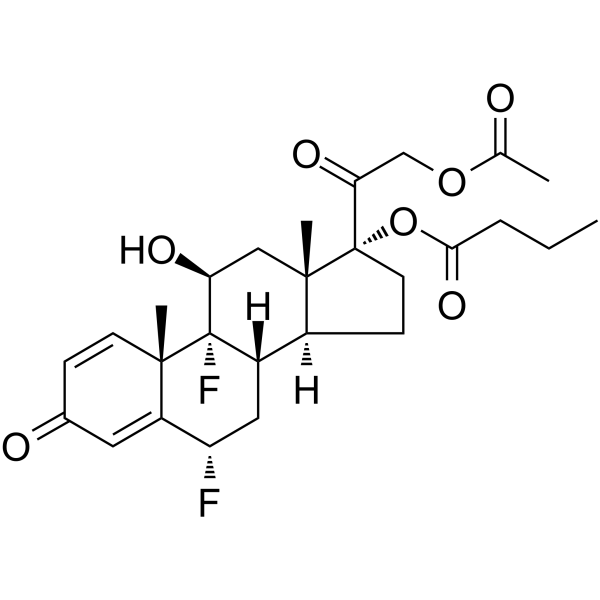
    Difluprednate is a glucocorticoid receptor (GC receptor) agonist with a Ki of 0.78 nM. Difluprednate's active metabolite 21-deacetylated difluprednate (DFB) is a competitive agonist of GC receptors with a Ki of 0.061 nM. Difluprednate binds to GC receptors through metabolism to DFB, regulating the transcription of inflammatory mediator genes, thereby exerting anti-inflammatory activity. Difluprednate can be used for research related to ocular inflammation, such as postoperative inflammation, anterior uveitis, etc .
    Difluprednate
  • HY-13423
    Tenovin-1
    5 Publications Verification

    MDM-2/p53 Dihydroorotate Dehydrogenase Sirtuin Autophagy Cancer
    Tenovin-1, a p53 activator, protects p53 from MDM2-mediated degradation. Tenovin-1 acts through inhibition of the protein-deacetylating activities of SirT1 and SirT2. Tenovin-1 is also a dihydroorotate dehydrogenase (DHODH) inhibitor .
    Tenovin-1
  • HY-W013172

    Progesterone Receptor Endocrinology
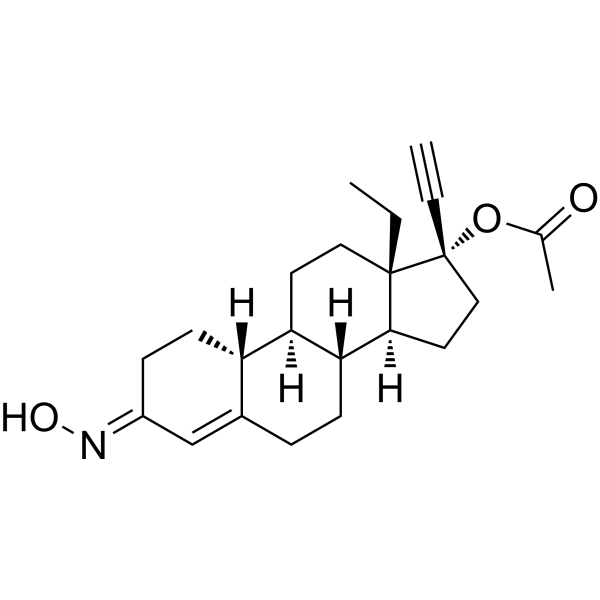
    Norgestimate, a synthetic progesterone analog, is an orally active progestin with highly selective progestational activity and minimal androgenicity. Norgestimate is used for an oral contraceptive . Norgestimate is a click chemistry reagent, it contains an Alkyne group and can undergo copper-catalyzed azide-alkyne cycloaddition (CuAAc) with molecules containing Azide groups.
    Norgestimate
  • HY-P2161B
    TAK-683 acetate
    4 Publications Verification

    Kisspeptin Receptor Cancer
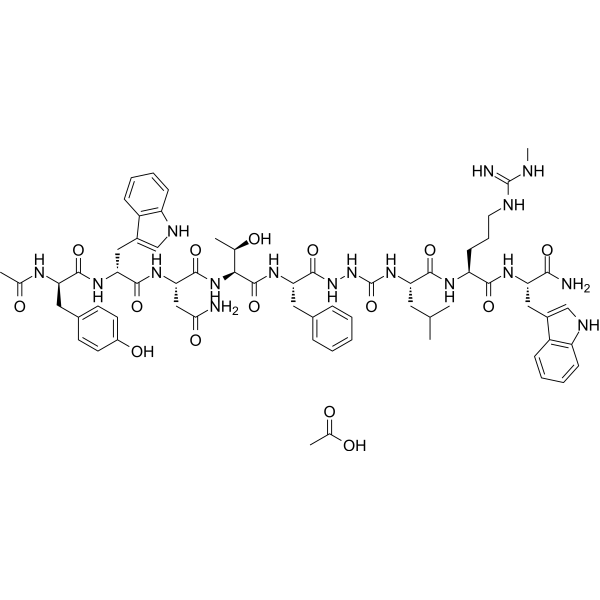
    TAK-683 acetate is a potent full KISS1 receptor (KISS1R) agonist (IC50=170 pM) with improved metabolic stability. TAK-683 acetate is a nonapeptide metastin analog, exhibits agonistic activities to KISS1R with EC50 values of 0.96 nM and 1.6 nM for human and rat, respectively . TAK-683 acetate depletes GnRH in the hypothalamus and reduces plasma FSH, LH, and testosterone levels in vivo, it has the potential for the study of hormone-dependent prostate cancer .
    TAK-683 acetate
  • HY-B2144H

    Chitosan HCl (80%-90% deacetylated)

    Bacterial Fungal Infection
    Chitosan hydrochloride 80%-90% deacetylated (Chitosan HCl 80%-90% deacetylated) is the deacetylated, hydrocholoride form of chitosan. Chitosan hydrochloride 80%-90% deacetylated is a polysaccharide obtained by deacetylating chitin, and exhibits antimicrobial activity against various bacteria and fungi. Chitosan hydrochloride 80%-90% deacetylated is utilized in agriculture, water treatment and pharmaceutical aspects .
    Chitosan hydrochloride (80%-90% deacetylated)
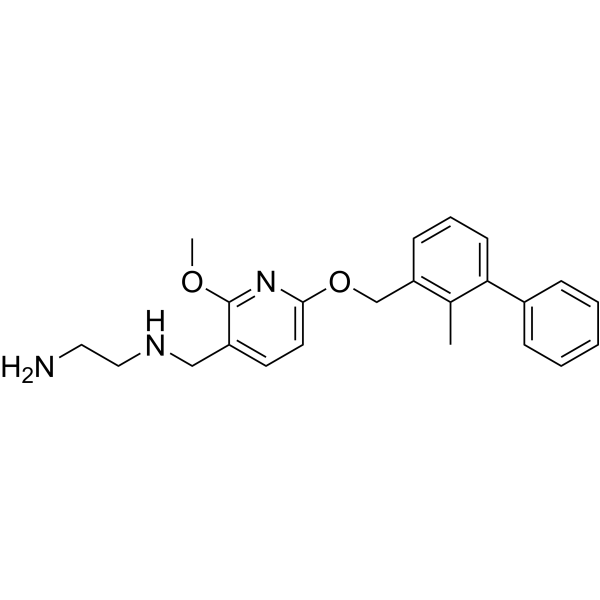
  • HY-19745A
    N-deacetylated BMS-202
    1 Publications Verification

    PD-1/PD-L1 Cancer
    N-deacetylated BMS-202 is the deacetylated of BMS-202. BMS-202 is an inhibitor of the PD-1/PD-L1 interaction, mainly used for cancer treatment.
    N-deacetylated BMS-202
  • HY-117006
    E1231
    1 Publications Verification

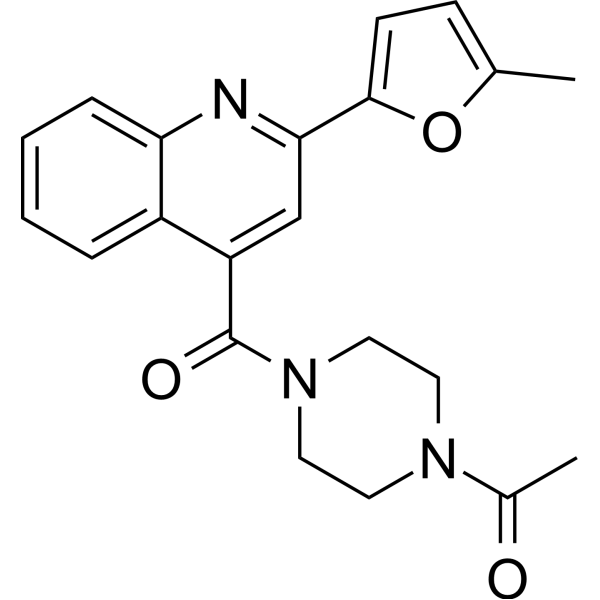
    1-{4-[2-(5-Methylfuran-2-yl)quinoline-4-carbonyl]piperazin-1-yl}ethan-1-one

    Sirtuin Cardiovascular Disease
    E1231 is an orally active activator of Sirtuin 1 (SIRT1) (EC50=0.83 μM), to modulate cholesterol and lipid metabolism. E1231 interactes with SIRT1 (KD=9.61 μM) and deacetylated liver X receptor-alpha (LXRα), and increases ATP-binding cassette transporter A1 (ABCA1) expression. E1231 also reduces atherosclerotic plaque development in ApoE -/- mice model. E1231 can be used for research in cholesterol and lipid disorder-related diseases .
    E1231
  • HY-130538
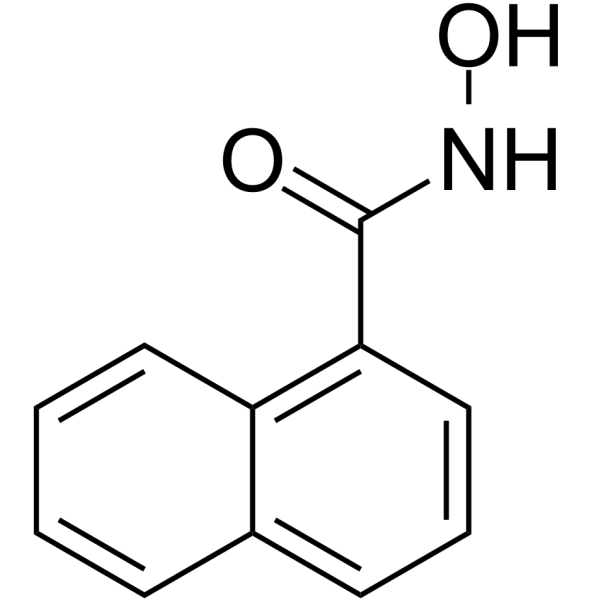
    1-Naphthohydroxamic acid
    2 Publications Verification

    HDAC Cancer
    1-Naphthohydroxamic acid (Compound 2) is a potent and selective HDAC8 inhibitor with an IC50 of 14 μM. 1-Naphthohydroxamic acid is more selectively for HDAC8 than class I HDAC1 and class II HDAC6 (IC50 >100 μM). 1-Naphthohydroxamic acid does not increase global histone H4 acetylation and also does not reduce total intracellular HDAC activity .1-Naphthohydroxamic acid can induce tubulin acetylation .
    1-Naphthohydroxamic acid
  • HY-P5544

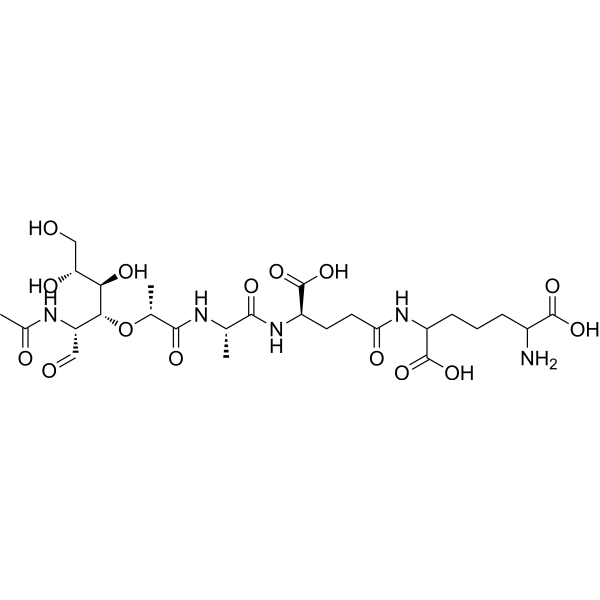
    N-Acetylmuramyl-L-Ala-γ-D-Glu-meso-diaminopimelic acid

    NOD-like Receptor (NLR) Others
    M-TriDAP (N-Acetylmuramyl-L-Ala-γ-D-Glu-meso-diaminopimelic acid) is a NOD1/2 agoist and biological active peptide .
    M-TriDAP
  • HY-B2144M

    Biochemical Assay Reagents Infection Cancer
    Chitosan (85%-90% deacetylated,mushroom) is a polysaccharide obtained by deacetylating chitin from mushroom .
    Chitosan (85%~90% deacetylated,mushroom)
  • HY-B2144I

    deacetylated chitin (≥90% deacetylated,viscosity 10 mPa.s); Poly(D-glucosamine) (≥90% deacetylated,viscosity 10 mPa.s)

    Environmental Pollutants Biochemical Assay Reagents Bacterial Fungal Infection Cancer
    Chitosan (Deacetylated chitin) (≥90% deacetylated,viscosity 10 mPa.s) is a polysaccharide obtained by deacetylating chitin, and exhibits antimicrobial activity against various bacteria and fungi. Chitosan (≥90% deacetylated,viscosity 10 mPa.s) can be used as a versatile biomaterial in drug delivery, tissue engineering, and wound healing .
    Chitosan (≥90% deacetylated,viscosity 10 mPa.s)
  • HY-B2144L

    Biochemical Assay Reagents Infection Cancer
    Chitosan (≥95% deacetylated,mushroom) is a polysaccharide obtained by deacetylating chitin from mushroom .
    Chitosan (≥95% deacetylated,mushroom)
  • HY-B2144N

    Biochemical Assay Reagents Infection Cancer
    Chitosan (≥98% deacetylated,mushroom) is a biochemical reagent that can be used as a flocculant, protein precipitant, encapsulation agent, and aqueous thickener .
    Chitosan (≥98% deacetylated,mushroom)
  • HY-P2161

    Kisspeptin Receptor Cancer
    TAK-683 is a potent full KISS1 receptor (KISS1R) agonist (IC50=170 pM) with improved metabolic stability. TAK-683 is a nonapeptide metastin analog, exhibits agonistic activities to KISS1R with EC50 values of 0.96 nM and 1.6 nM for human and rat, respectively . TAK-683 depletes GnRH in the hypothalamus and reduces plasma FSH, LH, and testosterone levels in vivo, it has the potential for the study of hormone-dependent prostate cancer .
    TAK-683
  • HY-P2115

    GnRH Receptor Cancer
    Ramorelix is a luteinizing-hormone-releasing hormone (LHRH) antagonist. Ramorelix can inhibit tumor progression in vivo. Ramorelix can be studied in anti-cancer research .
    Ramorelix
  • HY-N1511R

    Reference Standards Sirtuin Apoptosis Cancer
    Ganoderic acid D (Standard) is the analytical standard of Ganoderic acid D. This product is intended for research and analytical applications. Ganoderic acid D, a highly oxygenated tetracyclic triterpenoid, is the major active component of Ganoderma lucidum. Ganoderic acid D upregulates the protein expression of SIRT3 and induces the deacetylated cyclophilin D (CypD) by SIRT3. Ganoderic acid D inhibits the energy reprogramming of colon cancer cells including glucose uptake, lactate production, pyruvate and acetyl-coenzyme production in colon cancer cells . Ganoderic acid D induces HeLa human cervical carcinoma apoptosis .
    Ganoderic acid D (Standard)
  • HY-N13082

    Others Metabolic Disease
    Deacetylescin Ia (compound 12) is a deacetylated compound with anti-hyperglycemic effects that can be extracted from the debittered Aesculus and deacetylated at the C-22 position. Deacetylescin Ia (100 mg/kg) can inhibit blood glucose elevation in mouse glucose tolerance tests .
    Deacetylescin Ia
  • HY-130201

    Drug Derivative Cancer
    Deacetylsaptomycin D is a deacetylated saptomycin with in vitro antitumor activity. Deacetylsaptomycin D inhibits the growth of mouse methoxy-A fibrosarcoma cells .
    Deacetylsaptomycin D
  • HY-115420

    Drug Metabolite Cardiovascular Disease
    1-β-D-Glucosylsphingadienine (d18:2 (4E8E)) is a glucosylsphingosine, which are deacetylated lysolipid derivatives of glucosylcerebrosides .
    1-β-D-Glucosylsphingadienine (d18:2 (4E8E))
  • HY-105516

    Interleukin Related Inflammation/Immunology
    E5090 is an orally active inhibitor of IL-1 generation which is converted in vivo into the pharmacologically active deacetylated form (DA-E5090). E5090 can be utilized in immunology research .
    E5090
  • HY-137934

    7-Deacetylforskolin

    Endogenous Metabolite Cardiovascular Disease
    Deacetylforskolin is a deacetylated derivative of forskolin (HY-15371) that can be extracted from C. forskohlii. Deacetylforskolin activates rat adipocyte adenylyl cyclase (IC50 = 20 µM), inhibits glucose transport in rat adipocyte plasma membranes and exhibits antihypertensive activity .
    Deacetylforskolin
  • HY-N11648

    Apoptosis Caspase Inflammation/Immunology Cancer
    Ganoderic acid T1 is a deacetylated derivative of Ganoderic acid T. Ganoderic acid T1 attenuates antioxidant defense system and induces apoptosis of cancer cells. Ganoderic acid T1 decreases mitochondrial membrane potential and activates caspase-9 and caspase-3, to trigger apoptosis. Ganoderic acid T1 also increases the generation of intracellular ROS to produce pro-oxidant activities and cytotoxicity .
    Ganoderic acid T1
  • HY-P5544A

    N-Acetylmuramyl-L-Ala-γ-D-Glu-meso-diaminopimelic acid TFA

    NOD-like Receptor (NLR) Others
    M-TriDAP (N-Acetylmuramyl-L-Ala-γ-D-Glu-meso-diaminopimelic acid) TFA is a NOD1/2 agoist and biological active peptide .
    M-TriDAP TFA
  • HY-P2161A

    Kisspeptin Receptor Cancer
    TAK-683 TFA is a potent full KISS1 receptor (KISS1R) agonist (IC50=170 pM) with improved metabolic stability. TAK-683 TFA is a nonapeptide metastin analog, exhibits agonistic activities to KISS1R with EC50 values of 0.96 nM and 1.6 nM for human and rat, respectively . TAK-683 TFA depletes GnRH in the hypothalamus and reduces plasma FSH, LH, and testosterone levels in vivo, it has the potential for the study of hormone-dependent prostate cancer .
    TAK-683 TFA
  • HY-117921

    Interleukin Related Inflammation/Immunology
    DA-E 5090 is an orally effective inhibitor of IL-1 production that can be converted into a pharmacologically active deacetylated form (DA-E5090) in vivo. In this study, the effects of DA-E5090 on IL-1 production in vitro were examined by LPS-stimulated human monocytes. The results showed that DA-E5090 could dose-dependently inhibit the production of IL-1α and IL-1β (1-10 μM) by LPS-stimulated human monocytes, as determined by LAF assay and ELISA. Northern blotting analysis showed that DA-E5090 inhibited the transcription of IL-1α and IL-1β mRNA.
    DA-E 5090
  • HY-P2859A

    Biochemical Assay Reagents Metabolic Disease
    Chitosanase, Streptomyces griseus (EC 3.2.1.132) catalyzes the endohydrolysis of β (1,4) linkages between N-acetyl-D-glucosamine and D-glucosamine residues in partially deacetylated chitosan. Chitosanase, Streptomyces griseus (EC 3.2.1.132) is capable of hydrolyzing both chitosan and carboxymethyl cellulose.
    Chitosanase, Streptomyces griseus

Inquiry Online

Your information is safe with us. * Required Fields.

Salutation


Country or Region *

Applicant Name *


Organization Name *

Department *


Email Address *


Product Name *

Cat. No.


Requested quantity *

Phone Number *


Remarks

Inquiry Online

Inquiry Information

Product Name:
Cat. No.:
Quantity:
MCE Japan Authorized Agent:

