1. Search Result
Search Result
Results for "

dilator

" in MedChemExpress (MCE) Product Catalog:

97

Inhibitors & Agonists

2

Biochemical Assay Reagents

2

Peptides

2

Inhibitory Antibodies

12

Natural
Products

7

Isotope-Labeled Compounds

1

Oligonucleotides

Cat. No. Product Name Target Research Areas Chemical Structure
  • HY-101952
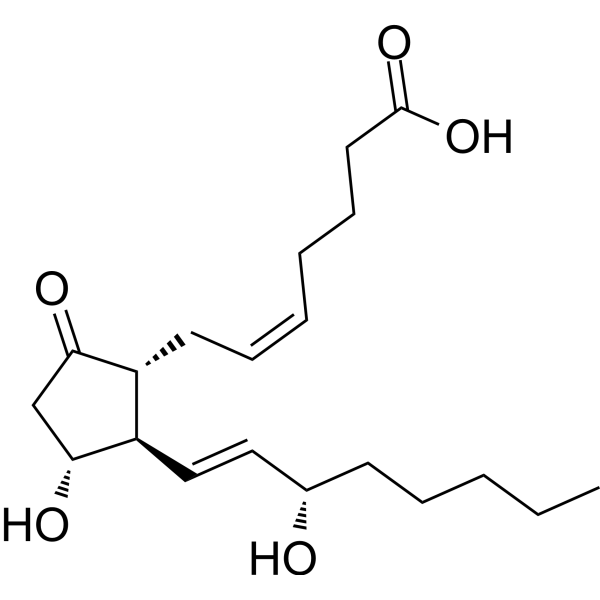
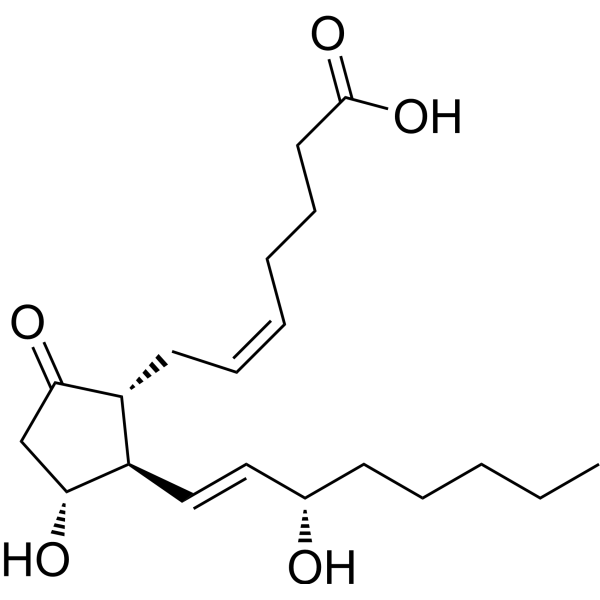
    Prostaglandin E2
    Maximum Cited Publications
    55 Publications Verification

    PGE2; Dinoprostone

    Organoid Prostaglandin Receptor Endogenous Metabolite Cardiovascular Disease Endocrinology
    Prostaglandin E2 (PGE2) is a hormone-like substance that participate in a wide range of body functions such as the contraction and relaxation of smooth muscle, the dilation and constriction of blood vessels, control of blood pressure, and modulation of inflammation.
    Prostaglandin E2
  • HY-17360
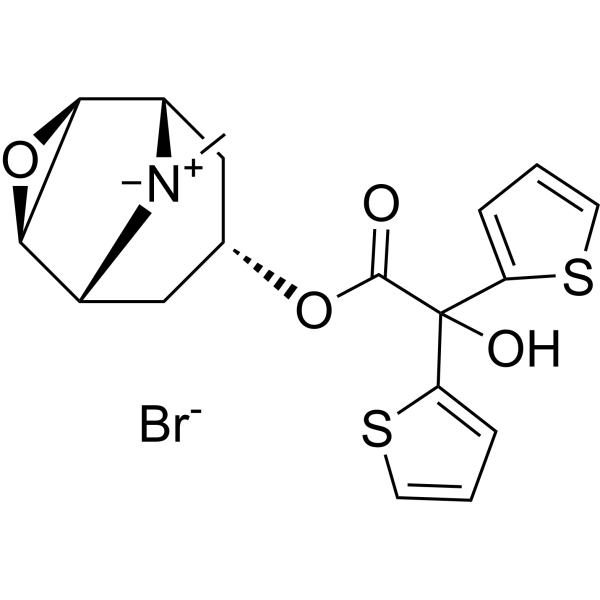
    Tiotropium Bromide
    2 Publications Verification

    BA679 BR

    mAChR Inflammation/Immunology
    Tiotropium bromide (BA-679 BR) is a long-acting anticholinergic bronchodilator. Tiotropium bromide blocks the action of acetylcholine at muscarinic M1, M2, and M3 receptors, prevents bronchoconstriction, and dilates bronchial airways. Tiotropium bromide is applicable to research related to chronic obstructive pulmonary disease and asthma .
    Tiotropium Bromide
  • HY-119708
    Ensifentrine
    1 Publications Verification

    RPL-554

    Phosphodiesterase (PDE) Infection Neurological Disease Inflammation/Immunology Cancer
    Ensifentrine (RPL-554) is an inhaled dual inhibitor of PDE3 and PDE4 with IC50s of 0.4 nM and 1479 nM, respectively. Ensifentrine blocks PDE3 and PDE4 enzymes, thereby increasing the levels of cyclic adenosine monophosphate (cAMP) and cyclic guanosine monophosphate (cGMP) in lung cells, dilating the bronchi, and inhibiting the activation and migration of inflammatory cells. Ensifentrine can be used in the research of chronic obstructive pulmonary disease (COPD) .
    Ensifentrine
  • HY-17402
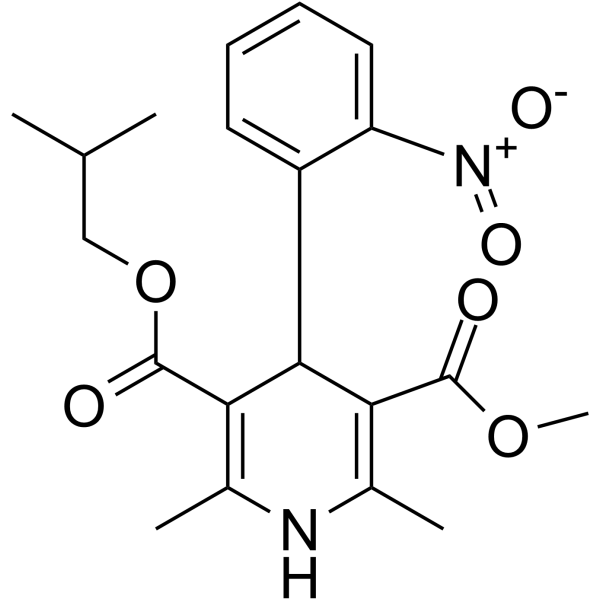
    Nisoldipine
    2 Publications Verification

    BAY-k 5552

    Calcium Channel Reactive Oxygen Species (ROS) Infection Cardiovascular Disease Neurological Disease
    Nisoldipine (BAY-k 5552; Sular) is an orally active and blood-brain barrier-penetrating dihydropyridine calcium antagonist, with greater vascular selectivity than other calcium channel antagonists. Nisoldipine inhibits calcium influx and blocks voltage-gated calcium channels. Nisoldipine dilates coronary and systemic arteries. Nisoldipine has antihypertensive and anti-anginal activity. Nisoldipine also displays neuroprotective and antiviral activity .
    Nisoldipine
  • HY-B0642
    Isosorbide mononitrate
    5 Publications Verification

    Isosorbide-5-mononitrate

    Autophagy Endogenous Metabolite Apoptosis Cardiovascular Disease Cancer
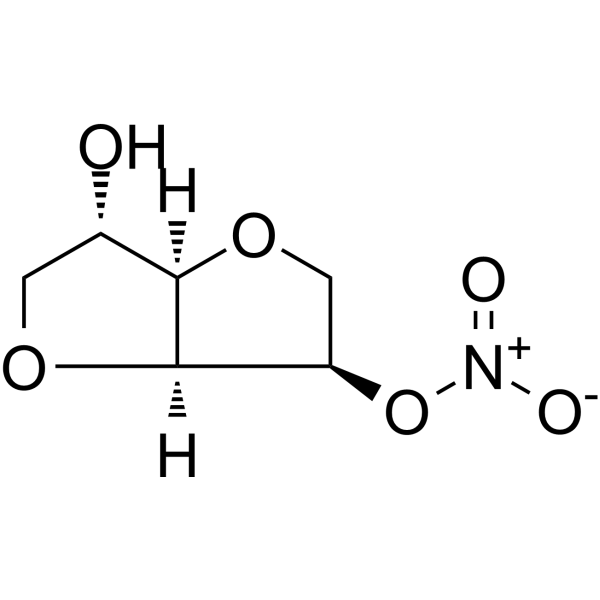
    Isosorbide mononitrate (Isosorbide-5-mononitrate) is an orally active nitric acid compound used for angina pectoris by dilating blood vessels and lowering blood pressure. Isosorbide mononitrate increases the viability and proliferation of HUVECs by decreasing Apoptosis and elevated the expressions of vedf, kdrl, pdgfr in zebrafish embryos. Isosorbide mononitrate is promising for research of heart failure and coronary heart disease .
    Isosorbide mononitrate
  • HY-12798
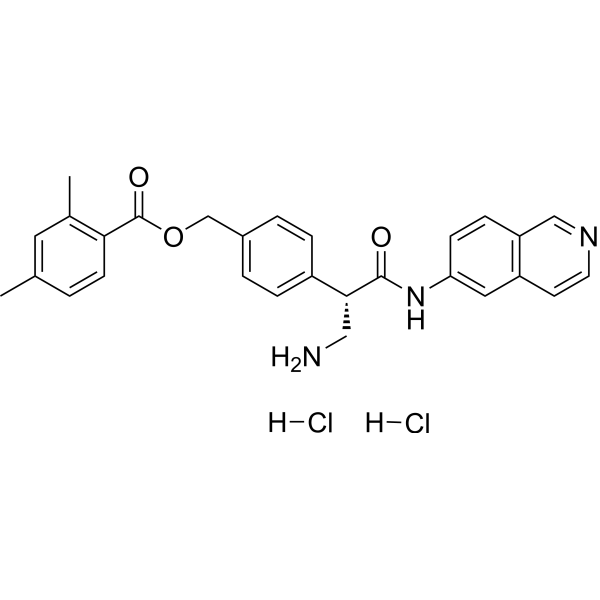
    Netarsudil
    1 Publications Verification

    AR-13324

    Monoamine Transporter ROCK Cardiovascular Disease Neurological Disease
    Netarsudil (AR-13324) is a competitive inhibitor of Rho-associated protein kinases (ROCK I and ROCK II) and a reversible inhibitor of the norepinephrine transporter (NET). Netarsudil reduces intraocular pressure by inhibiting ROCK, causing relaxation of trabecular meshwork cells and dilation of episcleral veins, thereby increasing the ease of aqueous humor outflow, while inhibiting NET to reduce aqueous humor production. Netarsudil is mainly used in the study of ocular hypertension and primary open-angle glaucoma .
    Netarsudil
  • HY-B0321
    Tropicamide
    5 Publications Verification

    Ro 1-7683

    mAChR Neurological Disease
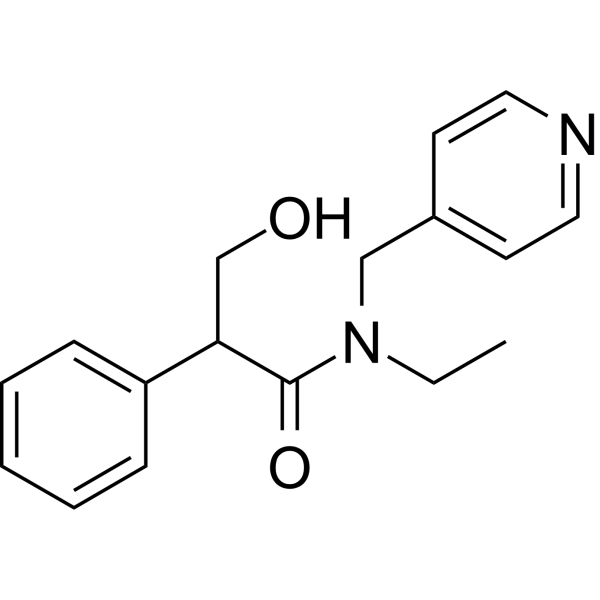
    Tropicamide (Ro 1-7683) is a selective M4 muscarinic acetylcholine receptor antagonist. When used as an eye drop, Tropicamide causes short-term mydriasis (pupil dilation) and cycloplegia. Tropicamide can be used in the research of neurological diseases, such as epilepsy .
    Tropicamide
  • HY-N0165

    HIV Reverse Transcriptase Cardiovascular Disease Infection Inflammation/Immunology
    Methyl-Hesperidin is a glycoside compound. Methyl-Hesperidin has hypotensive, coronary dilating, smooth muscle relaxing, capillary stabilizing, choleretic, and anti-ulcer activities. Methyl-Hesperidin act as a competitive substrate to inhibit HIV-1 reverse transcriptase activity. Methyl-Hesperidin potentiates coronary dilating actions of adenine nucleotides and 3'-AMP, enhances depressant action on isolated atria, and prolongs adenosine- and ATP-induced heart block in guinea pigs .
    Methyl-Hesperidin
  • HY-B0424
    Nitrendipine
    3 Publications Verification

    BAY-E-5009

    Calcium Channel Apoptosis Cardiovascular Disease Neurological Disease Cancer
    Nitrendipine (BAY-E-5009) is an orally active analog of Nifedipine (HY-B0284) and dihydropyridine calcium channel blocker. Nitrendipine induces Apoptosis. Nitrendipine has antihypertensive effects. Nitrendipine blocks alcohol and Morphine withdrawal symptoms. Nitrendipine reduces right ventricular hypertrophy and pulmonary vascular changes induced by intermittent hypoxia. Nitrendipine has anticancer effects on neuroblastoma .
    Nitrendipine
  • HY-B2141

    NO Synthase HIF/HIF Prolyl-Hydroxylase Cardiovascular Disease Others Metabolic Disease
    Bendazol is an orally effective antihypertensive agent. Bendazol acts directly on vascular smooth muscle to dilate blood vessels and reduce peripheral resistance, thereby improving blood circulation. Bendazol significantly inhibits the development of myopia in rabbit models. Bendazol can regulate kidney function by increasing the activity of NO synthase in the rat model of nephrogenic hypertension. In addition, Bendazol has an effect on sexual behavior and spermatogenesis in male rats .
    Bendazol
  • HY-B0347
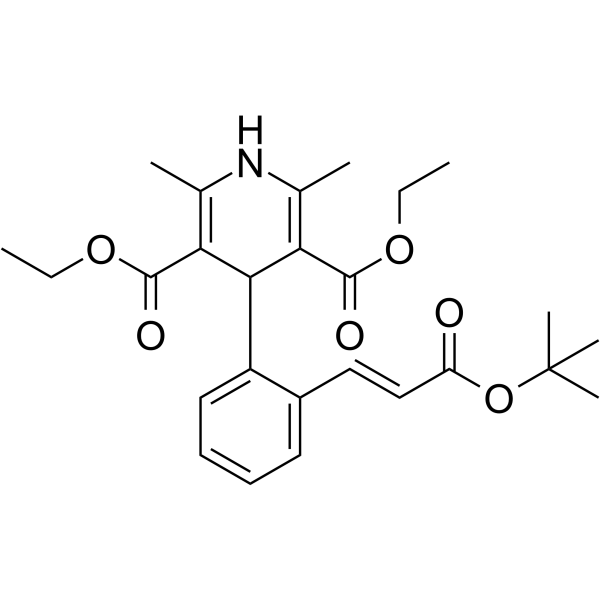
    Lacidipine
    2 Publications Verification

    Calcium Channel Reactive Oxygen Species (ROS) Caspase Apoptosis Cardiovascular Disease
    Lacidipine is an orally active and highly selective L-type calcium channel blocker that acts on smooth muscle calcium channels, primarily dilates peripheral arteries, reduces peripheral resistance, and has long-lasting anti-hypertensive activity. Lacidipine protects HKCs from apoptosis induced by ATP depletion and recovery by modulating the caspase-3 pathway. Lacidipine can be used in studies of hypertension, atherosclerosis and acute kidney injury (AKI) .
    Lacidipine
  • HY-12798B
    Netarsudil hydrochloride
    1 Publications Verification

    AR-13324 hydrochloride

    ROCK Cardiovascular Disease Neurological Disease
    Netarsudil (AR-13324) hydrochloride is a competitive inhibitor of Rho-associated protein kinases (ROCK I and ROCK II) and a reversible inhibitor of the norepinephrine transporter (NET). Netarsudil hydrochloride reduces intraocular pressure by inhibiting ROCK, causing relaxation of trabecular meshwork cells and dilation of episcleral veins, thereby increasing the ease of aqueous humor outflow, while inhibiting NET to reduce aqueous humor production. Netarsudil hydrochloride is mainly used in the study of ocular hypertension and primary open-angle glaucoma .
    Netarsudil hydrochloride
  • HY-173117

    CaMK Cardiovascular Disease Cancer
    RA306 is an orally active CaMKIIδ/γ inhibitor with IC50 values of 15, 25, 61, and 420 nM against CaMKIIδ, γ, α, and β isoforms, respectively. RA306 reduces the serine/threonine phosphorylation level of PEAK1, inhibits PEAK1-mediated cancer cell migration and invasion, and attenuates the growth and metastasis of cancer xenografts. RA306 can be used in research related to triple-negative breast cancer and dilated cardiomyopathy .
    RA306
  • HY-P99047

    AB 0024; GS 6624

    Monoamine Oxidase Cardiovascular Disease Inflammation/Immunology
    Simtuzumab (AB 0024; GS 6624) is a monoclonal antibody directed against Lysyl oxidase like-2 (LOXL2). Simtuzumab non-competitively blocks collagen cross-linking, reduces LOXL2 protein expression and attenuates extracellular matrix changes. Simtuzumab reduces myocardial fibrosis and prevents cardiac dysfunction. Simtuzumab lowers Myh7 and Nppa gene expression, reduces contraction heterogeneity, and cuts COL1A1 deposition. Simtuzumab can be used for the research of LMNA mutation-induced dilated cardiomyopathy, idiopathic pulmonary fibrosis, and primary sclerosing cholangitis .
    Simtuzumab
  • HY-112076

    Methylatropine bromide

    mAChR Neurological Disease
    Atropine methyl bromide, a muscarinic receptor (mAChR) antagonist, is a quaternary ammonium salt of atropine and a mydriatic for dilation of the pupil during ophthalmic examination. It is introduced for relieving pyloric spasm in infants for its highly polar nature. It penetrates less readily into the central nervous system than atropine .
    Atropine methyl bromide
  • HY-101952R
    Prostaglandin E2 (Standard)
    Maximum Cited Publications
    55 Publications Verification

    PGE2(Standard); Dinoprostone (Standard)

    Reference Standards Prostaglandin Receptor Endogenous Metabolite Cardiovascular Disease Endocrinology
    Prostaglandin E2 (Standard) is the analytical standard of Prostaglandin E2. This product is intended for research and analytical applications. Prostaglandin E2 (PGE2) is a hormone-like substance that participate in a wide range of body functions such as the contraction and relaxation of smooth muscle, the dilation and constriction of blood vessels, control of blood pressure, and modulation of inflammation.
    Prostaglandin E2 (Standard)
  • HY-101952S
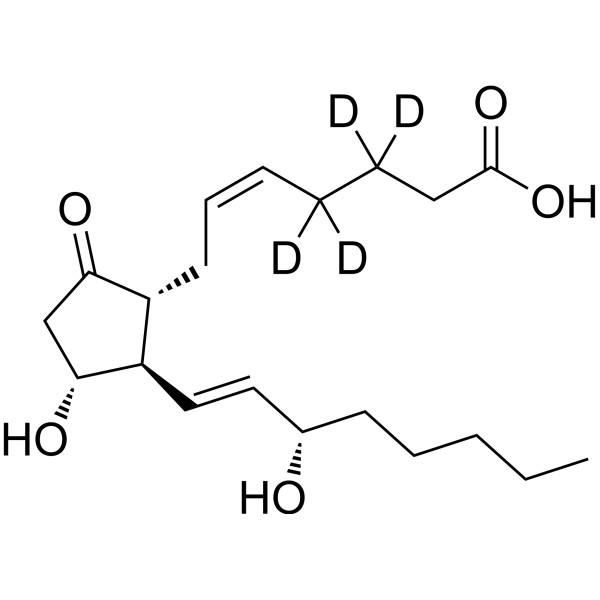
    Prostaglandin E2-d4
    2 Publications Verification

    PGE2-d4; Dinoprostone-d4

    Prostaglandin Receptor Endogenous Metabolite Cardiovascular Disease Endocrinology
    Prostaglandin E2-d4 is the deuterium labeled Prostaglandin E2. Prostaglandin E2 (PGE2) is a hormone-like substance that participate in a wide range of body functions such as the contraction and relaxation of smooth muscle, the dilation and constriction of blood vessels, control of blood pressure, and modulation of inflammation .
    Prostaglandin E2-d4
  • HY-12798A
    Netarsudil dimesylate
    1 Publications Verification

    AR-13324 dimesylate

    ROCK Cardiovascular Disease Neurological Disease
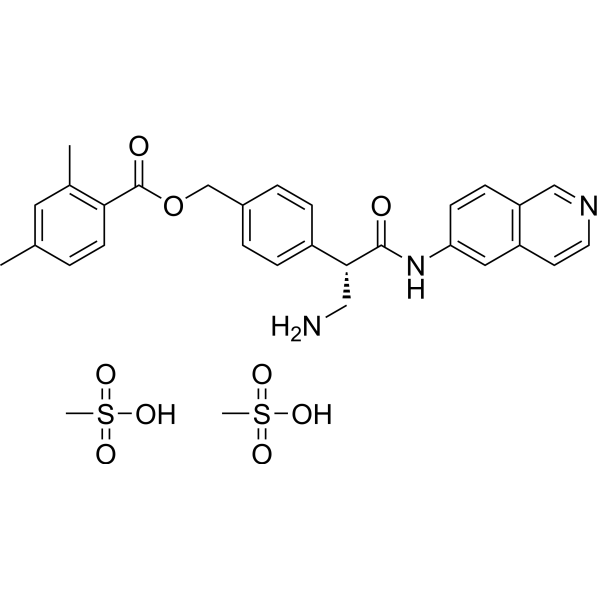
    Netarsudil (AR-13324) dimesylate is a competitive inhibitor of Rho-associated protein kinases (ROCK I and ROCK II) and a reversible inhibitor of the norepinephrine transporter (NET). Netarsudil dimesylate reduces intraocular pressure by inhibiting ROCK, causing relaxation of trabecular meshwork cells and dilation of episcleral veins, thereby increasing the ease of aqueous humor outflow, while inhibiting NET to reduce aqueous humor production. Netarsudil dimesylate is mainly used in the study of ocular hypertension and primary open-angle glaucoma .
    Netarsudil dimesylate
  • HY-101369
    BW-723C86
    1 Publications Verification

    5-HT Receptor Cardiovascular Disease Neurological Disease
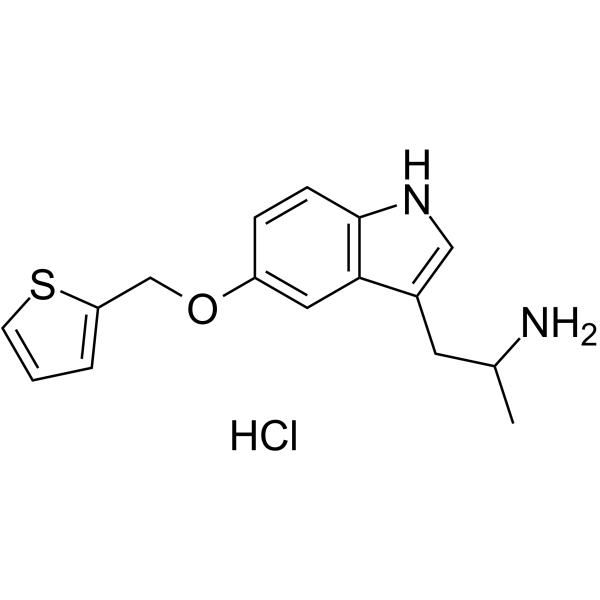
    BW-723C86 is an orally active and a selective 5-HT2B receptor agonist. BW-723C86 exhibits anxiolytic-like actions. BW-723C86 also causes hyperphagia and reduced grooming in rats. BW-723C86 dilates pulmonary arteries and inhibits liquid meal-induced gastric accommodation .
    BW-723C86
  • HY-A0169A
    Methyl aminolevulinate hydrochloride
    1 Publications Verification

    Reactive Oxygen Species (ROS) Photosensitizer Cancer
    Methyl aminolevulinate hydrochloride is a sensitizer used in photodynamic therapy (PDT). Methyl aminolevulinate hydrochloride penetrates the skin and induces the production of photoactive porphyrins including protoporphyrin IX in cells; upon exposure to appropriate light, it generates ROS, which triggers cellular oxidation and cell death. Methyl aminolevulinate hydrochloride acts as a photo-damage reversing agent through epidermal reconstruction, cytokine-mediated activation of dermal fibroblasts, elastin breakdown, new collagen formation, and compression of dilated capillaries. Methyl aminolevulinate hydrochloride reduces the expression of the proliferation marker Ki-67 and the early skin carcinogenesis marker TP53. Methyl aminolevulinate hydrochloride delays the onset of ultraviolet-induced skin tumors and reduces tumor burden in hairless mice. Methyl aminolevulinate hydrochloride is applicable to research related to actinic keratosis and basal cell carcinoma .
    Methyl aminolevulinate hydrochloride
  • HY-P990951

    REGN-5381

    Natriuretic Peptide Receptor (NPR) Cardiovascular Disease
    Vixticibart (REGN-5381) is a fully human IgG4 monoclonal antibody and NPR1 agonist that targets NPR1. Vixticibart stabilizes the receptor in an activated conformation by binding to the N-terminal domain of NPR1, and enhances the activity of endogenous ligands ANP and BNP without blocking ligand binding when these ligands are present. Vixticibart exerts vasodilatory and hypotensive effects by inducing cGMP production, preferentially dilating venous vessels to reduce systolic and venous pressure, but does not induce diuresis and may trigger a compensatory increase in heart rate. Vixticibart produces a synergistic hypotensive effect when combined with angiotensin-converting enzyme inhibitors or angiotensin receptor blockers, and is currently mainly used in research related to heart failure and hypertension .
    Vixticibart
  • HY-N7055

    Trierucoylglycerol

    Drug Derivative Metabolic Disease
    Trierucin (Trierucoylglycerol) is a triester formed by glycerol and erucic acid, which serves as an occlusive skin conditioning agent and non-aqueous thickener in cosmetics. Long-term feeding of Trierucin to rats induces chronic toxicities such as cardiac lipid deposition and fibrosis .
    Trierucin
  • HY-175746

    CX3CR1 Cardiovascular Disease
    AZD0233 is an orally active CX3CR1 antagonist. AZD0233 modulates the CX3CR1/CX3CL1 signaling axis via immunomodulatory effects. AZD0233 has improved physicochemical properties, metabolic stability, low toxicity and CYP inhibition. AZD0233 improves cardiac function and reduces macrophages and fibrotic scar in mice model of dilated cardiomyopathy. AZD0233 can be used for cardiovascular diseases like dilated cardiomyopathy research .
    AZD0233
  • HY-W013195

    Nucleoside Antimetabolite/Analog Cancer
    8-Bromoadenosine is an adenosine analog. Adenosine analogs mostly act as smooth muscle vasodilators and have also been shown to inhibit cancer progression. 8-Bromoadenosine can quench the intrinsic fluorescence of human serum albumin (HSA) through static quenching procedure. 8-Bromoadenosine can be used to synthesize adenosine phosphate, such as Acadesine (HY-13417), Clofarabine (HY-A0005), Fludarabine phosphate (HY-B0028) and Vidarabine (HY-B0277) .
    8-Bromoadenosine
  • HY-B0460
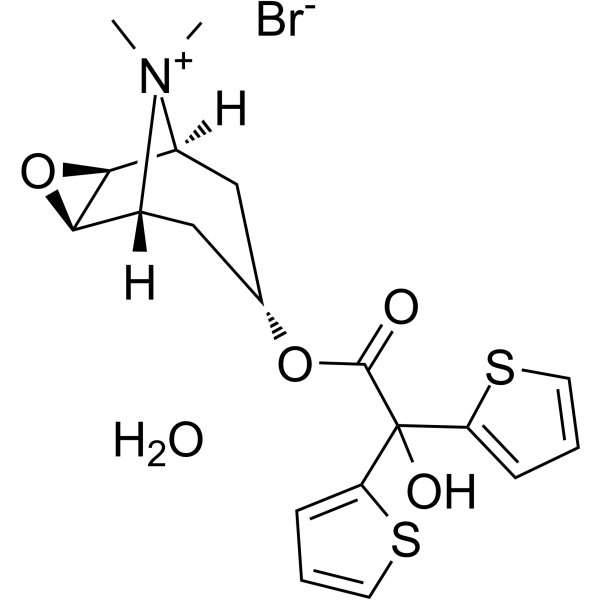
    Tiotropium bromide monohydrate
    2 Publications Verification

    BA-679 BR monohydrate

    mAChR Inflammation/Immunology
    Tiotropium bromide monohydrate (BA-679 BR monohydrate) is a long-acting anticholinergic bronchodilator. Tiotropium bromide monohydrate blocks the action of acetylcholine at muscarinic M1, M2, and M3 receptors, prevents bronchoconstriction, and dilates bronchial airways. Tiotropium bromide monohydrate is applicable to research related to chronic obstructive pulmonary disease and asthma .
    Tiotropium bromide monohydrate
  • HY-17360S1

    BA679 BR-d6

    Isotope-Labeled Compounds mAChR Neurological Disease
    Tiotropium-d6 (bromide) is deuterium labeled Tiotropium (Bromide). Tiotropium bromide (BA-679 BR) is a long-acting anticholinergic bronchodilator. Tiotropium bromide blocks the action of acetylcholine at muscarinic M1, M2, and M3 receptors, prevents bronchoconstriction, and dilates bronchial airways. Tiotropium bromide is applicable to research related to chronic obstructive pulmonary disease and asthma .
    Tiotropium-d6 bromide
  • HY-W010514

    Endogenous Metabolite Metabolic Disease
    trans-Cyclohexane-1,2-diol (TCHD) is a transient dilator of the nuclear pore complex (NPC). By interacting with the hydrophobic core (FG nucleoporin) of the NPC, trans-Cyclohexane-1,2-diol can disrupt the NPC structure and reversibly increase the permeability of the nuclear pore, allowing macromolecules larger than 40 kDa (such as plasmid DNA) to enter the cell nucleus by passive diffusion, thereby enhancing the nuclear import efficiency of non-viral vectors. trans-Cyclohexane-1,2-diol can improve the efficiency of in vitro electrotransfection or lipid-mediated gene transfection, especially significantly increasing gene expression in differentiated airway epithelial cells .
    trans-Cyclohexane-1,2-diol
  • HY-B1035
    Levobunolol hydrochloride
    1 Publications Verification

    l-Bunolol hydrochloride

    Adrenergic Receptor Calcium Channel Casein Kinase Cardiovascular Disease
    Levobunolol (l-Bunolol) hydrochloride is a non-selective β-adrenergic antagonist and vasodilator. By blocking calcium ion influx and reducing the sensitivity of vascular smooth muscle to calcium, Levobunolol hydrochloride effectively dilates the ciliary arteries and increases ocular blood flow, so it is widely used in research on glaucoma and ocular hypertension. Levobunolol hydrochloride inhibits the β-receptor signaling pathway and the expression of related proliferation markers (such as CK3, CK14, CK19, Ki67) in corneal cells. In rabbit models, Levobunolol hydrochloride not only does not inhibit corneal epithelial regeneration, but also accelerates the healing of mechanical injury without adverse effects. Levobunolol hydrochloride also inhibits histamine-induced vasoconstriction and intracellular calcium elevation, exhibiting unique vascular regulatory activity. Levobunolol hydrochloride protects ocular blood flow and promotes corneal repair .
    Levobunolol hydrochloride
  • HY-B2112

    mAChR Neurological Disease
    Valethamate bromide is an ester, serving as an effective rapidly acting anticholinergic antispasmodic and muscle relaxant. Valethamate bromide accelerates labor by improving cervical dilation. Valethamate bromide can significantly shorten the labor process and have fewer side effects .
    Valethamate bromide
  • HY-112076A

    Methylatropine nitrate; Atropine methyl nitrate

    mAChR Neurological Disease
    Atropine methyl bromide, a muscarinic receptor (mAChR) antagonist, is a quaternary ammonium salt of atropine and a mydriatic for dilation of the pupil during ophthalmic examination. It is introduced for relieving pyloric spasm in infants for its highly polar nature. It penetrates less readily into the central nervous system than atropine .
    Atropine methyl nitrate
  • HY-114672

    Phosphodiesterase (PDE) Cardiovascular Disease
    MBCQ is a potent and selective cGMP-specific phosphodiesterase (PDE V; PDE5) inhibitor with an IC50 of 19 nM. MBCQ lacks inhibitory activity toward other PDE isozymes (all IC50s>100 μM). MBCQ dilates coronary arteries via specific inhibition of cGMP-PDE .
    MBCQ
  • HY-101952S1

    PGE2-d9; Dinoprostone-d9

    Isotope-Labeled Compounds Prostaglandin Receptor Endogenous Metabolite Cardiovascular Disease Endocrinology
    Prostaglandin E2-d9 is the deuterium labeled Prostaglandin E2. Prostaglandin E2 (PGE2) is a hormone-like substance that participate in a wide range of body functions such as the contraction and relaxation of smooth muscle, the dilation and constriction of blood vessels, control of blood pressure, and modulation of inflammation .
    Prostaglandin E2-d9
  • HY-145564

    PF-07265803

    p38 MAPK Cardiovascular Disease Inflammation/Immunology
    Emprumapimod (PF-07265803) is a potent, orally active and selective inhibitor of p38α MAPK directly inhibits LPS-induced IL-6 production from RPMI-8226 cell (IC50=100 pM). Emprumapimod can be used for the research of dilated cardiomyopathy and acute inflammatory pain .
    Emprumapimod
  • HY-B0642R

    Isosorbide-5-mononitrate (Standard)

    Reference Standards Autophagy Endogenous Metabolite Cardiovascular Disease Cancer
    Isosorbide mononitrate (Standard) is the analytical standard of Isosorbide mononitrate. This product is intended for research and analytical applications. Isosorbide mononitrate (Isosorbide-5-mononitrate) is a nitric acid compound used for angina pectoris by dilating blood vessels and lowering blood pressure.
    Isosorbide mononitrate (Standard)
  • HY-B0321S

    Ro 1-7683-d3

    mAChR Neurological Disease
    Tropicamide-d3 is the deuterium labeled Tropicamide . Tropicamide (Ro 1-7683) is a selective M4 muscarinic acetylcholine receptor antagonist. Tropicamide produces short acting mydriasis (dilation of the pupil) and cycloplegia when applied as eye drops .
    Tropicamide-d3
  • HY-14252A
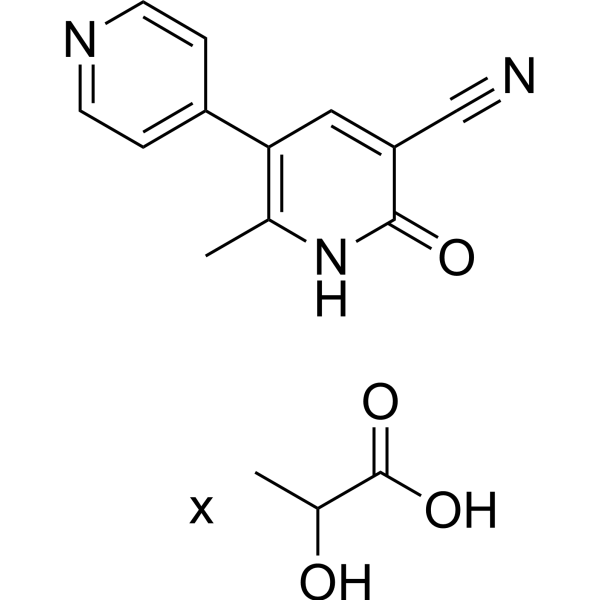
    Milrinone lactate
    30+ Cited Publications

    Win 47203 lactate

    Phosphodiesterase (PDE) Cardiovascular Disease
    Milrinone lactate is a potent inotropic dilating agent. Milrinone lactate shows simultaneous positive inotropic and vasodilating activities. Milrinone lactate promotes reduction of SVR and PVR in patients with DCM and NYHA class III and IV of heart failure. Milrinone lactate has the potential for the research of cardiovascular function after cardiac surgery and in septic shock .
    Milrinone lactate
  • HY-148400

    TXC hydrochloride

    Ser/Thr Protease Drug Derivative Metabolic Disease
    Cetyl tranexamate (TXC) hydrochloride is an ester derivative of Tranexamic acid (HY-B0149). Cetyl tranexamate hydrochloride is an inhibitor of fibrinogen activation and can reduce the production of fibrinogen in keratinocytes induced by ultraviolet rays or damage, indirectly inhibiting the melanin production pathway. Cetyl tranexamate hydrochloride also targets melanin (dark spots) and hemoglobin (red spots), reducing vascular dilation and pigmentation by inhibiting inflammatory mediators (such as prostaglandins, platelet activating factors). Cetyl tranexamate hydrochloride can be used as a cosmetic ingredient and is suitable for epidermal pigment disorders such as photoaging, post-inflammatory hyperpigmentation (PIH), and melasma .
    Cetyl tranexamate hydrochloride
  • HY-U00172

    C80-1324

    Guanylate Cyclase Cardiovascular Disease
    Ipramidil (C80-1324) is a vasodilator with significant active dilation of coronary circulation in isolated hearts. Ipramidil can cause an increase in NO release and stimulate guanylate cyclase activity.
    Ipramidil
  • HY-B0424R

    BAY-E-5009 (Standard)

    Reference Standards Calcium Channel Apoptosis Cardiovascular Disease Neurological Disease Cancer
    Nitrendipine (Standard) is the analytical standard of Nitrendipine (HY-B0424). This product is intended for research and analytical applications. Nitrendipine (BAY-E-5009) is an orally active analog of Nifedipine (HY-B0284) and dihydropyridine calcium channel blocker. Nitrendipine induces Apoptosis. Nitrendipine has antihypertensive effects. Nitrendipine blocks alcohol and Morphine withdrawal symptoms. Nitrendipine reduces right ventricular hypertrophy and pulmonary vascular changes induced by intermittent hypoxia. Nitrendipine has anticancer effects on neuroblastoma .
    Nitrendipine (Standard)
  • HY-150092

    Drug Metabolite Cardiovascular Disease
    8(S),9(R)-EET is an eicosanoid product of Arachidonic acid (AA; HY-109590) by cytochromes P450. 8(S),9(R)-EET dilates canine epicardial arterioles in a concentration-dependent manner with an EC50 value of 121 nM .
    8(S),9(R)-EET
  • HY-Z7082

    Angiotensin-converting Enzyme (ACE) Cardiovascular Disease
    Perindopril L-arginine is an orally active and selective angiotensin-converting enzyme (ACE) inhibitor. Perindopril L-arginine reduces the production of angiotensin II by inhibiting ACE, thereby dilating blood vessels, lowering blood pressure, and also exerting activities such as vasculoprotection and antithrombosis. Perindopril L-arginine is promising for research of cardiovascular diseases .
    Perindopril L-arginine
  • HY-155475

    mTOR Cardiovascular Disease
    mTORC1-IN-2 (compound H3) is a NO donor compound that alleviates vasodilation and attenuates myocardial hypoxic injury. mTORC1-IN-2 upregulates TSC2-P expression and inhibits mTORC1 expression .
    mTORC1-IN-2
  • HY-121185

    Adrenergic Receptor Infection Neurological Disease Inflammation/Immunology Endocrinology
    Hexoprenaline is an orally active and selective β-adrenergic receptor agonist. Hexoprenaline can dilate the bronchi. Hexoprenaline can activate adenylate cyclase and increases 14C-Aminopyrine uptake. Hexoprenaline exhibits anti-infection and anti-inflammmation effect. Hexoprenaline can increase placental weight and blood flow. Hexoprenaline can be used for the researches of inflammation, immunology, infection, endocrinology and neurological disease, such as asthma, chronic bronchitis, sepsis and intoxication of organophosphorus compounds .
    Hexoprenaline
  • HY-B0347S1

    Apoptosis Caspase Calcium Channel Reactive Oxygen Species (ROS) Cardiovascular Disease
    Lacidipine- 13C8 is the deuterium labeled Lacidipine . Lacidipine is an orally active and highly selective L-type calcium channel blocker that acts on smooth muscle calcium channels, primarily dilates peripheral arteries, reduces peripheral resistance, and has long-lasting anti-hypertensive activity. Lacidipine protects HKCs from apoptosis induced by ATP depletion and recovery by modulating the caspase-3 pathway. Lacidipine can be used in studies of hypertension, atherosclerosis and acute kidney injury (AKI) .
    Lacidipine-13C8
  • HY-N12777

    Endogenous Metabolite Metabolic Disease Inflammation/Immunology Cancer
    Coixenolide can be isolated from coix seeds, and exhibits anti-inflammatory, anti-tumor and pain-reducing activities. Coixenolide stimulates the lung, heart, striated and smooth muscles at low doses, while inhibits at high doses. Coixenolide dilates pulmonary veins and improves pulmonary blood circulation. Coixenolide can also be used as nutraceuticals and functional foods. Coixenolide enhances the prodcutionof mycelia biomass and polysaccharides when added to the media of submerged culture of G. lucidum. Coixenolide affects the synthesis level of phosphoglucose isomerase and α-phosphoglucomutase .
    Coixenolide
  • HY-160846

    HDAC Cardiovascular Disease
    HDAC6-IN-40 (Compound I-6) is an inhibitor for HDAC6 with IC50 of 0.029 μM .
    HDAC6-IN-40
  • HY-B1098

    4-Hydroxyamphetamine

    Drug Derivative Neurological Disease
    Hydroxyamphetamine (4-Hydroxyamphetamine) is a sympathomimetic agent, stimulates the sympathetic nervous system. Hydroxyamphetamine can be used in eye drops to dilate the pupil .
    Hydroxyamphetamine
  • HY-B1098A

    4-Hydroxyamphetamine hydrobromide

    Adrenergic Receptor Neurological Disease
    Hydroxyamphetamine (4-Hydroxyamphetamine) hydrobromide is a sympathomimetic agent, stimulates the sympathetic nervous system. Hydroxyamphetamine hydrobromide can be used in eye drops to dilate the pupil .
    Hydroxyamphetamine hydrobromide
  • HY-119544

    UP-2696

    Angiotensin Receptor Cardiovascular Disease
    Ripisartan (UP-2696) is an angiotensin II receptor antagonist. Ripisartan is orally available. Ripisartan binds to angiotensin II receptors, dilates blood vessels, and lowers blood pressure .
    Ripisartan
  • HY-119081

    Guanylate Cyclase Cardiovascular Disease
    GSK2181236A is a NO-insensitive soluble guanylate cyclase (sGC) activator. GSK2181236A can dilate blood vessels, decrease mean arterial pressure and attenuate the development of cardiac hypertrophy. GSK2181236A can be used for the research of cardiovascular disease, such as hypertension .
    GSK2181236A

Inquiry Online

Your information is safe with us. * Required Fields.

Salutation


Country or Region *

Applicant Name *


Organization Name *

Department *


Email Address *


Product Name *

Cat. No.


Requested quantity *

Phone Number *


Remarks

Inquiry Online

Inquiry Information

Product Name:
Cat. No.:
Quantity:
MCE Japan Authorized Agent:

