Search Result
Results for "
fluorescently labeled substrate
" in MedChemExpress (MCE) Product Catalog:
5
Biochemical Assay Reagents
1
Isotope-Labeled Compounds
| Cat. No. |
Product Name |
Target |
Research Areas |
Chemical Structure |
-
- HY-110210
-
|
BODIPY FL,SE
|
Fluorescent Dye
|
Others
|
|
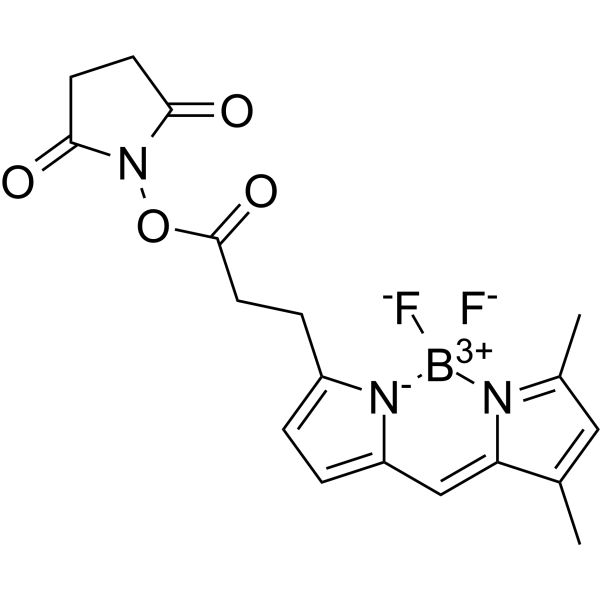
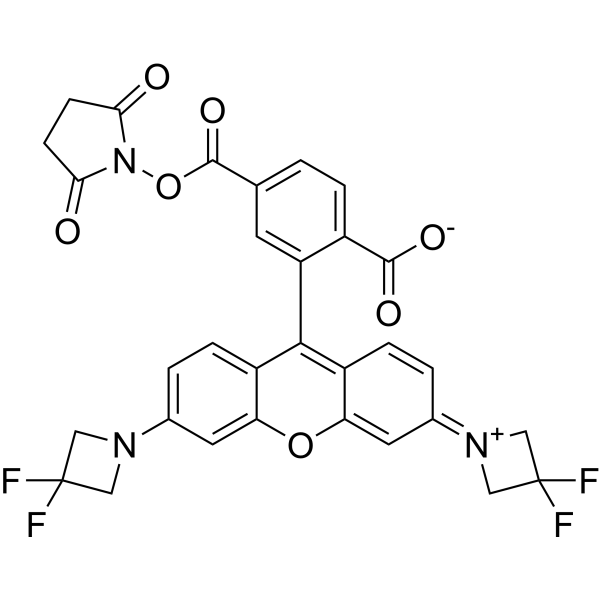
BODIPY FL NHS ester (BODIPY FL, SE) is a cell membranes-penatrable amine-reactive fluorescent probe. The maximum excitation/emission wavelength of the BODIPY-FL NHS ester are 502/511 nm, respectively. BODIPY-FL NHS ester has high stability and is insensitive to the polarity, pH and type of solvent, and can maintain stable fluorescence properties under different environmental conditions. BODIPY-FL NHS ester can be used for the synthesis of protease substrates, live cell imaging, protein labeling and immunoassay .
|
-
-
- HY-150145A
-
|
|
Nucleoside Antimetabolite/Analog
Fluorescent Dye
|
Others
|
|
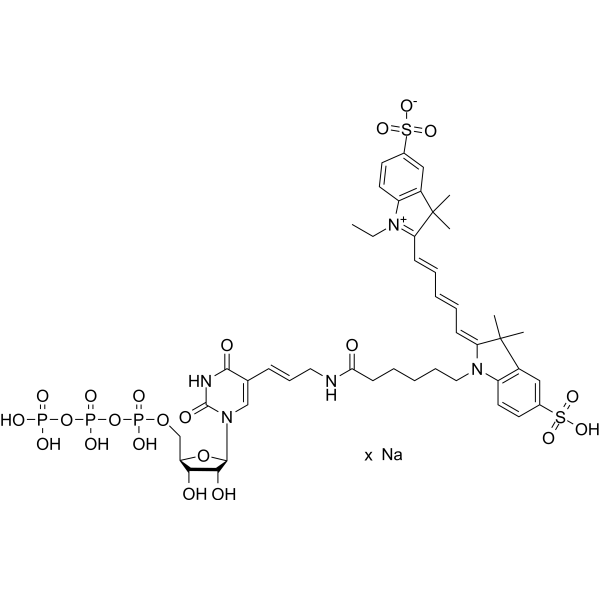
Cy5-UTP sodium (10 mM in water) is a fluorescently labeled ribonucleotide triphosphate that can be used as a substrate for terminal deoxynucleotide transferase (TdT). Cy5-UTP sodium can be used to label RNA probes generated in vitro (Ex/Em: 650/665 nm). Cy5-UTP sodium can be applied in FISH, multi-color fluorescence analysis, especially in dual-color expression arrays combined with Cy5-UTP .
|
-
-
- HY-W017776
-
|
SNAP-NH2
|
Drug Intermediate
|
Others
|
|
BG-NH2 is a pharmaceutical intermediate. BG-NH2 is suitable for synthesizing fluorescent SNAP tag substrates to label RNA .
|
-
-
- HY-D2919
-
|
|
Fluorescent Dye
|
Infection
|
|
DMN-Tre is a conjugate of a solvatochromic fluorescent dye and trehalose. DMN-Tre takes advantage of the substrate promiscuity of the endogenous antigen 85 protein complex in mycobacteria to be metabolically integrated into the hydrophobic mycobacterial membrane. Once entering this hydrophobic environment, the linked DMN dye fluorescence is "turned on", enabling specific labeling . DMN-Tre can be used to reflect bacterial metabolic activity and support physiological studies of Mycobacterium tuberculosis .
|
-
-
- HY-149170
-
|
|
5-HT Receptor
Monoamine Transporter
|
Neurological Disease
|
|
FFN246 is a fluorescent, dual substrate of serotonin transporter (SERT) probe and vesicular monoamine transporter 2 (VMAT2) with excitation and emission spectra 392/427 nm. FFN246 can be used for labeling serotonergic neurons in mouse brain tissue through SERT-dependent accumulation .
|
-
-
- HY-D1154
-
|
|
Fluorescent Dye
|
Others
|
|
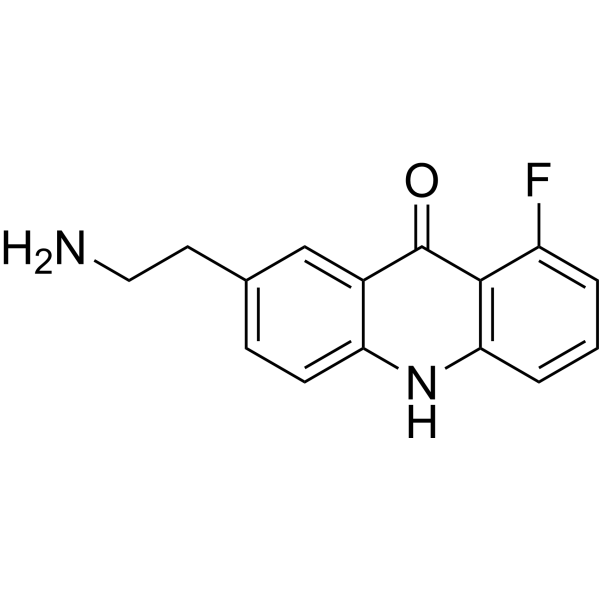
β-Ala-Lys (AMCA) is a fluorescently labeled substrate of oligopeptide transporters . β-Ala-Lys (AMCA) acts as a substrate for a variety of bacterial proton-coupled oligopeptide transporters, and is used to label the activity of oligopeptide transporters. Excitation/emission wavelength: 340 nM/460 nM .
|
-
-
- HY-D2335
-
|
|
Fluorescent Dye
|
Neurological Disease
|
|
SERTlight is a fluorescent agent that can specifically label serotonergic neuronal cell bodies, dendrites, and axonal projections as fluorescent substrates of the serotonin transporter (SERT). SERTlight is orthogonal to various genetically encoded sensors in terms of optics, pharmacology, and operation, enabling multiple imaging. SERTlight allows the use of GRAB5HT sensors to label distal 5HT axonal projections and simultaneously image the release of endogenous 5HT, providing a new multifunctional molecular tool for studying serotonergic systems .
|
-
-
- HY-150145
-
|
|
Nucleoside Antimetabolite/Analog
Fluorescent Dye
|
Others
|
|
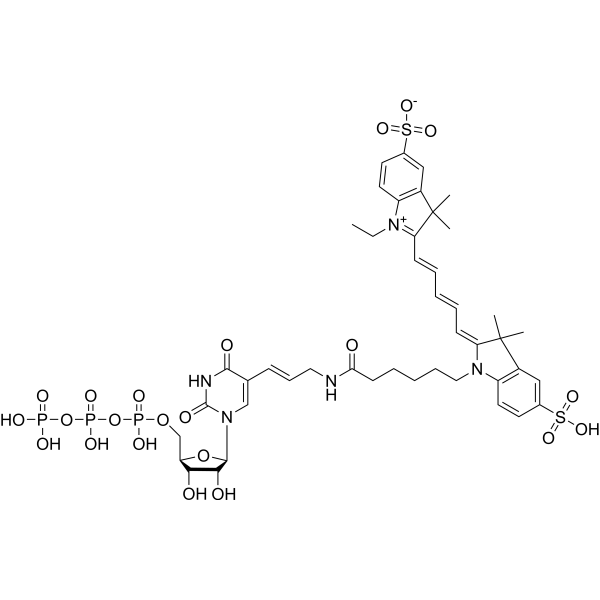
Cy5-UTP is a fluorescently labeled ribonucleotide triphosphate that can be used as a substrate for terminal deoxynucleotidyl transferase (TdT). Cy5-UTP can be employed to label RNA probes generated in vitro (Ex/Em: 650/665 nm). Cy5-UTP can be applied in FISH, multi-color fluorescence analysis, especially in dual-color expression arrays that combine with Cy5-UTP .
|
-
-
- HY-D1021
-
|
Aminoallyl-dUTP sodium salt
|
DNA/RNA Synthesis
|
Others
|
|
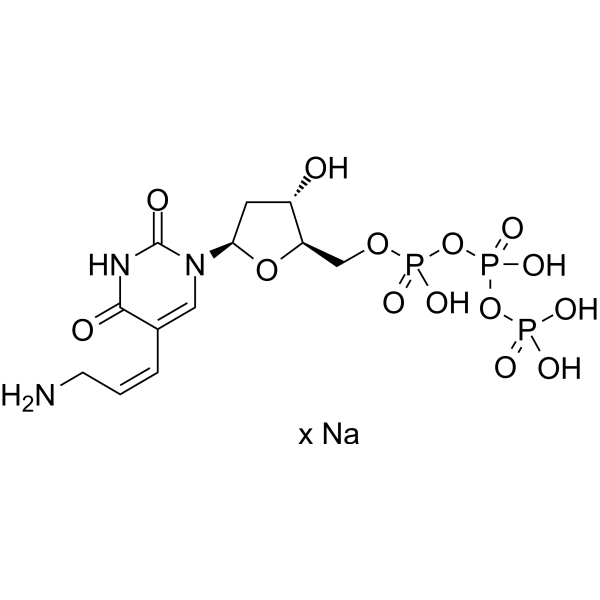
AA-dUTP (Aminoallyl-dUTP) sodium salt is a reverse transcriptase and DNA polymerase I substrate with probe precursor activity. AA-dUTP sodium salt undergoes enzymatic incorporation into DNA during cDNA synthesis and nick translation. AA-dUTP sodium salt generates amine-modified DNA, which can be used for labeling with amine-reactive fluorescent dyes .
|
-
-
- HY-110334
-
|
|
Fluorescent Dye
|
Others
|
|
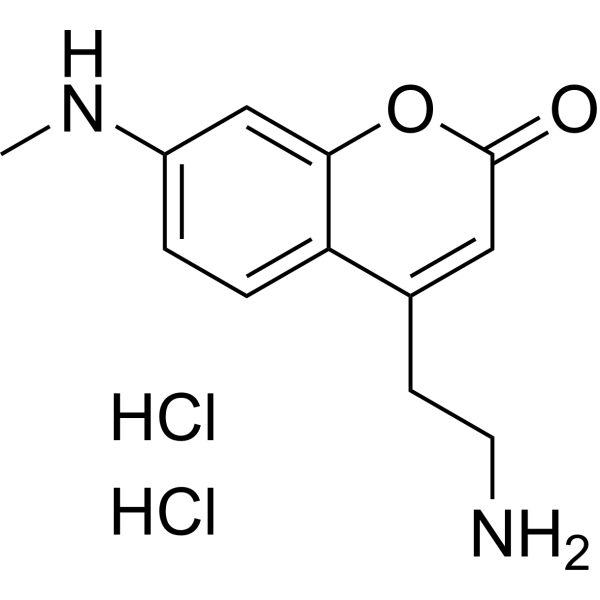
FFN 206 dihydrochloride, a fluorescent probe, is used as an excellent Vesicular Monoamine Transporter 2 (VMAT2) substrate with an apparent Km of 1.16 μM. FFN 206 dihydrochloride is capable of detecting VMAT2 activity in intact cells using fluorescence microscopy, with subcellular localization to VMAT2-expressing acidic compartments without apparent labeling of other organelles .
|
-
-
- HY-P5485
-
|
|
Bacterial
|
Others
|
|
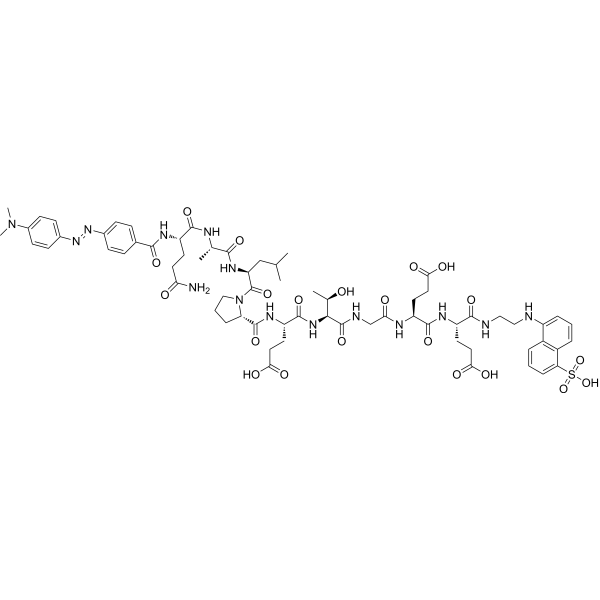
Dabcyl-QALPETGEE-Edans is a synthetic peptide substrate for fluorescence resonance energy transfer (FRET) detection of Sortase A (SrtA) enzymatic activity. Dabcyl-QALPETGEE-Edans is labeled at both ends with the fluorescent group Edans (donor) and the quencher Dabcyl (acceptor), respectively. Dabcyl-QALPETGEE-Edans's central sequence contains a conserved motif specifically recognized by SrtA. Dabcyl-QALPETGEE-Edans demonstrates high sensitivity in vitro assays, enabling precise determination of the half-maximal inhibitory concentration of SrtA .
|
-
-
- HY-W048513
-
|
|
DNA/RNA Synthesis
|
Cancer
|
|
7-Deaza-2'-deoxyadenosine is an isosteric dATP analog of 2'-deoxyadenosine. 7-Deaza-2'-deoxyadenosine is recognized by various DNA polymerases and incorporated into DNA strands as a substrate. 7-Deaza-2'-deoxyadenosine undergoes a bioorthogonal inverse electron demand Diels-Alder reaction with tetrazine-modified molecules, enabling site-specific labeling of DNA, surface antibody immobilization and intracellular fluorescent labeling. 7-Deaza-2'-deoxyadenosine reduces the DNA curvature of d(A6)·d(T6) fragments and the stability of DNA/RNA double helices, and leads to decreased antisense activity against SV40 T Antigen. 7-Deaza-2'-deoxyadenosine finds application in the research field of SV40 T Antigen-related cancers .
|
-
-
- HY-P5378A
-
|
Cathepsin S substrate TFA
|
Ser/Thr Protease
|
Others
|
|
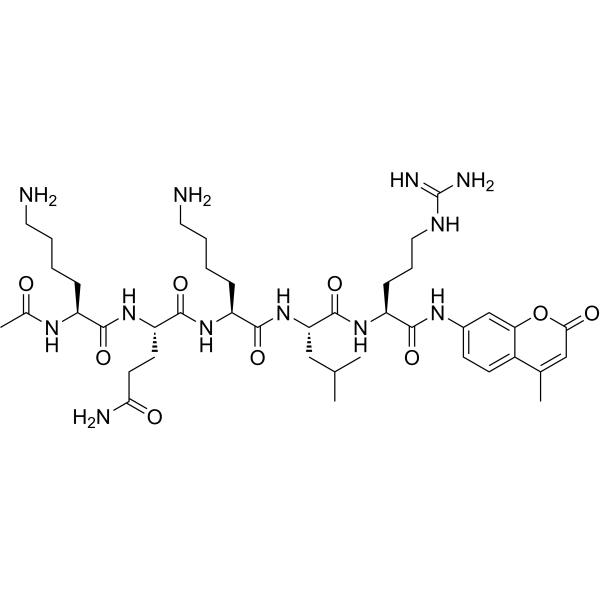
Ac-KQKLR-AMC TFA is a substrate peptide of Cathepsin S fluorescently labeled with AMC (Ex/Em=354 nm/442 nm). Ac-KQKLR-AMC TFA can be used to measure Cathepsin S activity) .
|
-
-
- HY-136143
-
|
|
Fluorescent Dye
|
Others
|
|
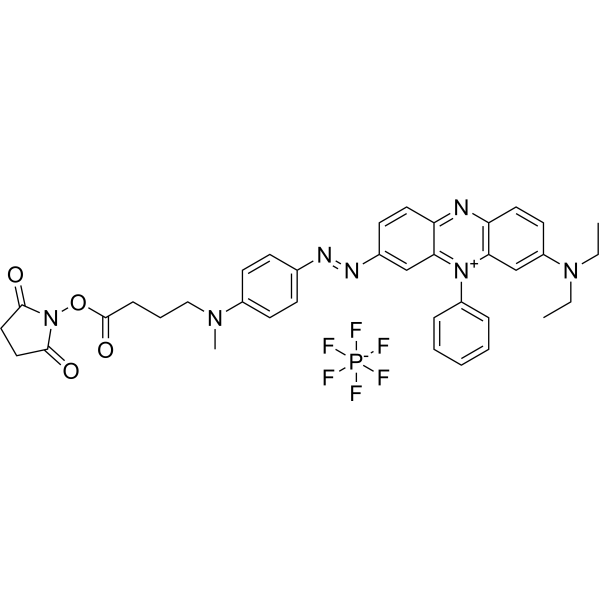
(BHQ-3)-OSu hexafluorophosphate is used for fluorescent labeling of protease substrates .
|
-
-
- HY-P5378
-
|
Cathepsin S substrate
|
Ser/Thr Protease
|
Others
|
|
Ac-KQKLR-AMC is a substrate peptide of Cathepsin S fluorescently labeled with AMC (Ex/Em=354 nm/442 nm). Ac-KQKLR-AMC can be used to measure Cathepsin S activity) .
|
-
-
- HY-158800
-
|
|
Biochemical Assay Reagents
|
Others
|
|
1-NBD-decanoyl-2-decanoyl-sn-glycerol is a diacylglycerol (DAG) derivative, which is labeled with a fluorescent group NBD. 1-NBD-decanoyl-2-decanoyl-sn-glycerol is the substrate for diacylglycerol kinase (DGK), and can be used for quantitative detection of the DGF enzyme kinetics in vitro, and the changes in DAG and PA during cell signaling .
|
-
-
- HY-P0248F
-
|
|
PKA
Fluorescent Dye
|
Metabolic Disease
|
|
Kemptide, 5-FAM labeled is a 5-FAM labeled Kemptide (HY-P0248). Kemptide is a phosphate acceptor peptide that serves as a synthetic substrate for PKA (Km = 16 μM). The corresponding fluorescent and biotinylated peptides are also proven to be good substrates for PKA.
|
-
-
- HY-D1609
-
|
|
Fluorescent Dye
|
Others
|
|
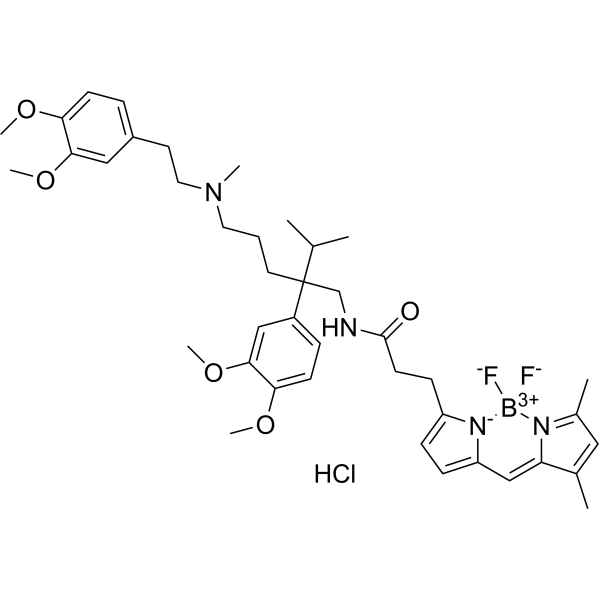
BODIPY FL Verapamil hydrochloride is a fluorescent dye, it can be used as a molecular probe to label tissues and cells. BODIPY FL Verapamil hydrochloride is a substrate for both ABCB1 and ABCC1 .
|
-
-
- HY-D2745
-
|
|
Fluorescent Dye
|
Others
|
|
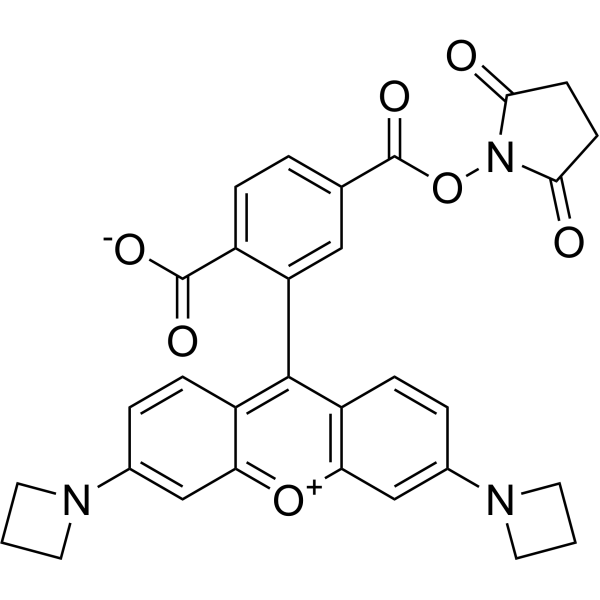
BP Fluor 594 NHS ester is the most popular tool for modifying proteins or antibodies through the primary amines (Lys), amine-modified oligonucleotides, and other amine-containing biomolecules with BP Fluor 594 label. The labeling occurs most efficiently at pH 7-9 and forms a stable, covalent amide bond. BP Fluor 594 dye can be used for proteins labeling at high molar ratios without significant self-quenching, enabling brighter conjugates and more sensitive detection.
BP Fluor 594 is bright, water-soluble, and pH-insensitive from pH 4 to pH 10 red-fluorescent dye with absorption and emission maxima at 590 and 617 nm, respectively. It can be used with the 561 nm and 594 nm laser lines. BP Fluor 594 dye conjugated to a variety of antibodies, peptides, proteins, tracers, and amplification substrates often used for generation of stable signal in imaging and flow cytometry.
|
-
-
- HY-130893A
-
|
|
Biochemical Assay Reagents
|
Others
|
|
Biotin-EDA TFA is a nucleophilic biotinylation reagent used for the conjugation of various substrates and identification and quantification using biotin-conjugated fluorescent labels .
|
-
-
- HY-P4899
-
|
RE(EDANS)EVNLDAEFK(DABCYL)R
|
Beta-secretase
|
Neurological Disease
|
|
β-Secretase substrate VI, fluorogenic is an EDANS and DABCYL double-labeled peptide,serves as a fluorescent substrate for BACE1(Em=360nm,Ex=528nm). β-Secretase substrate VI, fluorogenic can be used for BACE1 activity measurement and the enzyme activity level is directly proportional to the fluorescence reaction .
|
-
-
- HY-W277900
-
|
|
MMP
|
Inflammation/Immunology
Cancer
|
|
2-Methoxy-2,4-diphenylfuran-3-one is a fluorescent compound which can be used to label gelatin as a substrate for detection of the gelatin degrading MMP-2 and MMP-9 by zymography .
|
-
-
- HY-W027544S
-
|
7-Methoxycoumarin-4-acetic acid-d3
|
Isotope-Labeled Compounds
Fluorescent Dye
|
Others
|
|
MCA-d3 (7-Methoxycoumarin-4-acetic acid3) is the deuterium labeled MCA (HY-W027544) . MCA is a Coumarin (HY-N0709) derivative. MCA quantitates platelet-activating factor (PAF) by high-performance liquid chromatography with fluorescent detection. MCA can modify FRET peptide substrates for analyzing protease activities .
|
-
-
- HY-D2738
-
|
|
Fluorescent Dye
|
Others
|
|
BP Fluor 532 NHS ester is an amine reactive, yellow-emitting dye routinely used to label proteins or antibodies through primary amines (Lys), amine-modified oligonucleotides, and other amine-containing biomolecules. The labeling occurs most efficiently at pH 7-9 and forms a stable, covalent amide bond.
BP Fluor 532 is a bright yellow-fluorescent dye with pH insensitive emission from pH 4 to pH 10. The excitation of BP Fluor 532 is ideally suited for the frequency-doubled Nd:YAG laser line. BP Fluor 532 can be conjugated to a variety of antibodies, peptides, proteins, tracers, and amplification substrates, and is often used for the generation of stable signals in imaging and flow cytometry.
|
-
-
- HY-134392A
-
|
|
Nucleoside Antimetabolite/Analog
|
Others
|
|
6-Alkyne-NAD+ sodium is a nicotinamide adenine dinucleotide (NAD) analogue. 6-Alkyne-NAD+ sodium can be used as a fluorescent probe coupled with fluorescent labels for marking ADP-ribose polymerase substrate proteins .
|
-
-
- HY-203233
-
|
|
Fluorescent Dye
|
Others
|
|
Rhodamine-DHPE is a fluorescently labeled phosphatidylethanolamine lipid that labels phospholipid bilayers. Rhodamine-DHPE serves as a fluorescence quenching substrate and membrane stain. The fluorescence lifetime of Rhodamine-DHPE decreases significantly in the presence of Cu 2+-PS complexes. Rhodamine-DHPE effectively stains the membranes of human red blood cells and mouse fibroblasts, and supports lifetime-resolved imaging via pump-probe fluorescence microscopy .
|
-
-
- HY-137744
-
|
|
Adenylate Cyclase
Nucleoside Antimetabolite/Analog
|
Infection
|
|
MANT-GppNHp is a competitive adenyl cyclase (AC) inhibitor. MANT-GppNHp is a fluorescently labeled GTP (HY-113225) analogue. MANT-GppNHp interacts with the hydrophobic pocket near the AC catalytic site through its MANT group, thereby directly blocking the binding of the substrate ATP. MANT-GppNHp can be used to study diseases related to the increased activity of AC (such as cholera) .
|
-
-
- HY-D3182
-
|
|
Fluorescent Dye
Aldehyde Dehydrogenase (ALDH)
|
Cancer
|
|
AldeRed 588-A is a fluorescent labeling reagent and a substrate for aldehyde dehydrogenase (ALDH). AldeRed 588-A is metabolized by functionally active ALDH enzymes, thereby specifically labeling viable ALDH bright cell populations with red-shifted fluorescence. AldeRed 588-A supports one-step isolation and sorting of ALDH-expressing cells (including normal stem cells and cancer stem cells), and can be used in combination with green fluorophores for multicolor experimental applications. AldeRed 588-A is widely applicable to research related to various cancers such as bladder cancer, breast cancer, and head and neck cancer .
|
-
| Cat. No. |
Product Name |
Type |
-
- HY-110210
-
|
BODIPY FL,SE
|
Fluorescent Dye
|
|
BODIPY FL NHS ester (BODIPY FL, SE) is a cell membranes-penatrable amine-reactive fluorescent probe. The maximum excitation/emission wavelength of the BODIPY-FL NHS ester are 502/511 nm, respectively. BODIPY-FL NHS ester has high stability and is insensitive to the polarity, pH and type of solvent, and can maintain stable fluorescence properties under different environmental conditions. BODIPY-FL NHS ester can be used for the synthesis of protease substrates, live cell imaging, protein labeling and immunoassay .
|
-
- HY-W017776
-
|
SNAP-NH2
|
Fluorescent Dye
|
|
BG-NH2 is a pharmaceutical intermediate. BG-NH2 is suitable for synthesizing fluorescent SNAP tag substrates to label RNA .
|
-
- HY-D2919
-
|
|
Fluorescent Dye
|
|
DMN-Tre is a conjugate of a solvatochromic fluorescent dye and trehalose. DMN-Tre takes advantage of the substrate promiscuity of the endogenous antigen 85 protein complex in mycobacteria to be metabolically integrated into the hydrophobic mycobacterial membrane. Once entering this hydrophobic environment, the linked DMN dye fluorescence is "turned on", enabling specific labeling . DMN-Tre can be used to reflect bacterial metabolic activity and support physiological studies of Mycobacterium tuberculosis .
|
-
- HY-D1154
-
|
|
Fluorescent Dye
|
|
β-Ala-Lys (AMCA) is a fluorescently labeled substrate of oligopeptide transporters . β-Ala-Lys (AMCA) acts as a substrate for a variety of bacterial proton-coupled oligopeptide transporters, and is used to label the activity of oligopeptide transporters. Excitation/emission wavelength: 340 nM/460 nM .
|
-
- HY-D2335
-
|
|
Fluorescent Dye
|
|
SERTlight is a fluorescent agent that can specifically label serotonergic neuronal cell bodies, dendrites, and axonal projections as fluorescent substrates of the serotonin transporter (SERT). SERTlight is orthogonal to various genetically encoded sensors in terms of optics, pharmacology, and operation, enabling multiple imaging. SERTlight allows the use of GRAB5HT sensors to label distal 5HT axonal projections and simultaneously image the release of endogenous 5HT, providing a new multifunctional molecular tool for studying serotonergic systems .
|
-
- HY-D1609
-
|
|
Fluorescent Dye
|
|
BODIPY FL Verapamil hydrochloride is a fluorescent dye, it can be used as a molecular probe to label tissues and cells. BODIPY FL Verapamil hydrochloride is a substrate for both ABCB1 and ABCC1 .
|
-
- HY-D2745
-
|
|
Fluorescent Dye
|
|
BP Fluor 594 NHS ester is the most popular tool for modifying proteins or antibodies through the primary amines (Lys), amine-modified oligonucleotides, and other amine-containing biomolecules with BP Fluor 594 label. The labeling occurs most efficiently at pH 7-9 and forms a stable, covalent amide bond. BP Fluor 594 dye can be used for proteins labeling at high molar ratios without significant self-quenching, enabling brighter conjugates and more sensitive detection.
BP Fluor 594 is bright, water-soluble, and pH-insensitive from pH 4 to pH 10 red-fluorescent dye with absorption and emission maxima at 590 and 617 nm, respectively. It can be used with the 561 nm and 594 nm laser lines. BP Fluor 594 dye conjugated to a variety of antibodies, peptides, proteins, tracers, and amplification substrates often used for generation of stable signal in imaging and flow cytometry.
|
-
- HY-W277900
-
|
|
Fluorescent Dye
|
|
2-Methoxy-2,4-diphenylfuran-3-one is a fluorescent compound which can be used to label gelatin as a substrate for detection of the gelatin degrading MMP-2 and MMP-9 by zymography .
|
-
- HY-D2738
-
|
|
Fluorescent Dye
|
|
BP Fluor 532 NHS ester is an amine reactive, yellow-emitting dye routinely used to label proteins or antibodies through primary amines (Lys), amine-modified oligonucleotides, and other amine-containing biomolecules. The labeling occurs most efficiently at pH 7-9 and forms a stable, covalent amide bond.
BP Fluor 532 is a bright yellow-fluorescent dye with pH insensitive emission from pH 4 to pH 10. The excitation of BP Fluor 532 is ideally suited for the frequency-doubled Nd:YAG laser line. BP Fluor 532 can be conjugated to a variety of antibodies, peptides, proteins, tracers, and amplification substrates, and is often used for the generation of stable signals in imaging and flow cytometry.
|
-
- HY-203233
-
|
|
Fluorescent Dye
|
|
Rhodamine-DHPE is a fluorescently labeled phosphatidylethanolamine lipid that labels phospholipid bilayers. Rhodamine-DHPE serves as a fluorescence quenching substrate and membrane stain. The fluorescence lifetime of Rhodamine-DHPE decreases significantly in the presence of Cu 2+-PS complexes. Rhodamine-DHPE effectively stains the membranes of human red blood cells and mouse fibroblasts, and supports lifetime-resolved imaging via pump-probe fluorescence microscopy .
|
-
- HY-D3182
-
|
|
Fluorescent Dye
|
|
AldeRed 588-A is a fluorescent labeling reagent and a substrate for aldehyde dehydrogenase (ALDH). AldeRed 588-A is metabolized by functionally active ALDH enzymes, thereby specifically labeling viable ALDH bright cell populations with red-shifted fluorescence. AldeRed 588-A supports one-step isolation and sorting of ALDH-expressing cells (including normal stem cells and cancer stem cells), and can be used in combination with green fluorophores for multicolor experimental applications. AldeRed 588-A is widely applicable to research related to various cancers such as bladder cancer, breast cancer, and head and neck cancer .
|
| Cat. No. |
Product Name |
Type |
-
- HY-150145A
-
|
|
Biochemical Assay Reagents
|
|
Cy5-UTP sodium (10 mM in water) is a fluorescently labeled ribonucleotide triphosphate that can be used as a substrate for terminal deoxynucleotide transferase (TdT). Cy5-UTP sodium can be used to label RNA probes generated in vitro (Ex/Em: 650/665 nm). Cy5-UTP sodium can be applied in FISH, multi-color fluorescence analysis, especially in dual-color expression arrays combined with Cy5-UTP .
|
-
- HY-150145
-
|
|
Biochemical Assay Reagents
|
|
Cy5-UTP is a fluorescently labeled ribonucleotide triphosphate that can be used as a substrate for terminal deoxynucleotidyl transferase (TdT). Cy5-UTP can be employed to label RNA probes generated in vitro (Ex/Em: 650/665 nm). Cy5-UTP can be applied in FISH, multi-color fluorescence analysis, especially in dual-color expression arrays that combine with Cy5-UTP .
|
-
- HY-D1021
-
|
Aminoallyl-dUTP sodium salt
|
Biochemical Assay Reagents
|
|
AA-dUTP (Aminoallyl-dUTP) sodium salt is a reverse transcriptase and DNA polymerase I substrate with probe precursor activity. AA-dUTP sodium salt undergoes enzymatic incorporation into DNA during cDNA synthesis and nick translation. AA-dUTP sodium salt generates amine-modified DNA, which can be used for labeling with amine-reactive fluorescent dyes .
|
-
- HY-W048513
-
|
|
Biochemical Assay Reagents
|
|
7-Deaza-2'-deoxyadenosine is an isosteric dATP analog of 2'-deoxyadenosine. 7-Deaza-2'-deoxyadenosine is recognized by various DNA polymerases and incorporated into DNA strands as a substrate. 7-Deaza-2'-deoxyadenosine undergoes a bioorthogonal inverse electron demand Diels-Alder reaction with tetrazine-modified molecules, enabling site-specific labeling of DNA, surface antibody immobilization and intracellular fluorescent labeling. 7-Deaza-2'-deoxyadenosine reduces the DNA curvature of d(A6)·d(T6) fragments and the stability of DNA/RNA double helices, and leads to decreased antisense activity against SV40 T Antigen. 7-Deaza-2'-deoxyadenosine finds application in the research field of SV40 T Antigen-related cancers .
|
-
- HY-130893A
-
|
|
Biochemical Assay Reagents
|
|
Biotin-EDA TFA is a nucleophilic biotinylation reagent used for the conjugation of various substrates and identification and quantification using biotin-conjugated fluorescent labels .
|
| Cat. No. |
Product Name |
Target |
Research Area |
-
- HY-P5485
-
|
|
Bacterial
|
Others
|
|
Dabcyl-QALPETGEE-Edans is a synthetic peptide substrate for fluorescence resonance energy transfer (FRET) detection of Sortase A (SrtA) enzymatic activity. Dabcyl-QALPETGEE-Edans is labeled at both ends with the fluorescent group Edans (donor) and the quencher Dabcyl (acceptor), respectively. Dabcyl-QALPETGEE-Edans's central sequence contains a conserved motif specifically recognized by SrtA. Dabcyl-QALPETGEE-Edans demonstrates high sensitivity in vitro assays, enabling precise determination of the half-maximal inhibitory concentration of SrtA .
|
-
- HY-P5378A
-
|
Cathepsin S substrate TFA
|
Ser/Thr Protease
|
Others
|
|
Ac-KQKLR-AMC TFA is a substrate peptide of Cathepsin S fluorescently labeled with AMC (Ex/Em=354 nm/442 nm). Ac-KQKLR-AMC TFA can be used to measure Cathepsin S activity) .
|
-
- HY-P5378
-
|
Cathepsin S substrate
|
Ser/Thr Protease
|
Others
|
|
Ac-KQKLR-AMC is a substrate peptide of Cathepsin S fluorescently labeled with AMC (Ex/Em=354 nm/442 nm). Ac-KQKLR-AMC can be used to measure Cathepsin S activity) .
|
-
- HY-P0248F
-
|
|
PKA
Fluorescent Dye
|
Metabolic Disease
|
|
Kemptide, 5-FAM labeled is a 5-FAM labeled Kemptide (HY-P0248). Kemptide is a phosphate acceptor peptide that serves as a synthetic substrate for PKA (Km = 16 μM). The corresponding fluorescent and biotinylated peptides are also proven to be good substrates for PKA.
|
-
- HY-P4899
-
|
RE(EDANS)EVNLDAEFK(DABCYL)R
|
Beta-secretase
|
Neurological Disease
|
|
β-Secretase substrate VI, fluorogenic is an EDANS and DABCYL double-labeled peptide,serves as a fluorescent substrate for BACE1(Em=360nm,Ex=528nm). β-Secretase substrate VI, fluorogenic can be used for BACE1 activity measurement and the enzyme activity level is directly proportional to the fluorescence reaction .
|
| Cat. No. |
Product Name |
Chemical Structure |
-
- HY-W027544S
-
|
|
|
MCA-d3 (7-Methoxycoumarin-4-acetic acid3) is the deuterium labeled MCA (HY-W027544) . MCA is a Coumarin (HY-N0709) derivative. MCA quantitates platelet-activating factor (PAF) by high-performance liquid chromatography with fluorescent detection. MCA can modify FRET peptide substrates for analyzing protease activities .
|
-
| Cat. No. |
Product Name |
|
Classification |
-
- HY-W048513
-
|
|
|
Nucleoside Analogs
Adenosine
|
|
7-Deaza-2'-deoxyadenosine is an isosteric dATP analog of 2'-deoxyadenosine. 7-Deaza-2'-deoxyadenosine is recognized by various DNA polymerases and incorporated into DNA strands as a substrate. 7-Deaza-2'-deoxyadenosine undergoes a bioorthogonal inverse electron demand Diels-Alder reaction with tetrazine-modified molecules, enabling site-specific labeling of DNA, surface antibody immobilization and intracellular fluorescent labeling. 7-Deaza-2'-deoxyadenosine reduces the DNA curvature of d(A6)·d(T6) fragments and the stability of DNA/RNA double helices, and leads to decreased antisense activity against SV40 T Antigen. 7-Deaza-2'-deoxyadenosine finds application in the research field of SV40 T Antigen-related cancers .
|
Your information is safe with us. * Required Fields.
Inquiry Information
- Product Name:
- Cat. No.:
- Quantity:
- MCE Japan Authorized Agent:

