Search Result
Results for "
greater selectivity
" in MedChemExpress (MCE) Product Catalog:
4
Isotope-Labeled Compounds
| Cat. No. |
Product Name |
Target |
Research Areas |
Chemical Structure |
-
- HY-110203
-
R-7050
Maximum Cited Publications
29 Publications Verification
TNF-α Antagonist III
|
TNF Receptor
|
Cancer
|
|
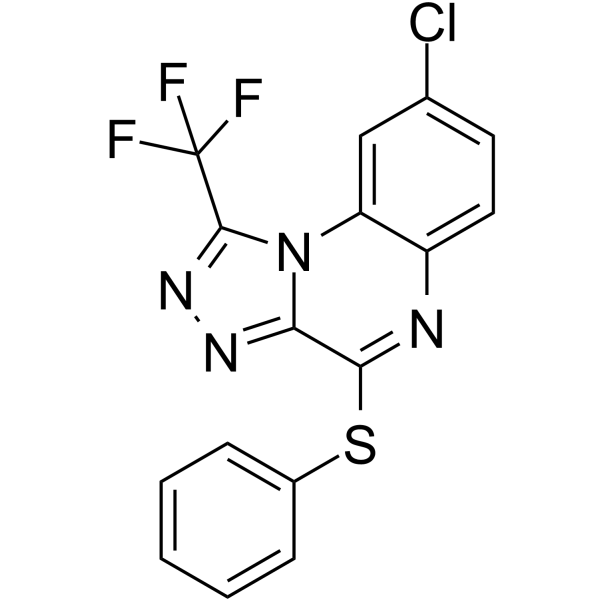
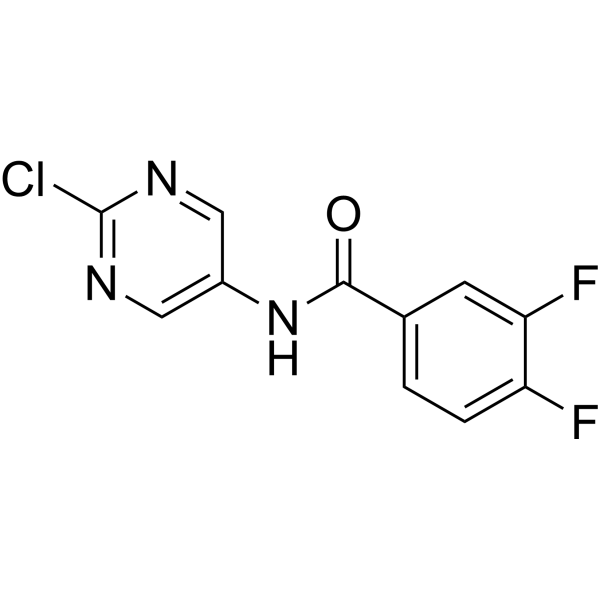
R-7050 (TNF-α Antagonist III) is a tumor necrosis factor receptor (TNFR) antagonist with greater selectivity toward TNFα.
|
-
-
- HY-173632
-
|
|
Ras
|
Cancer
|
|
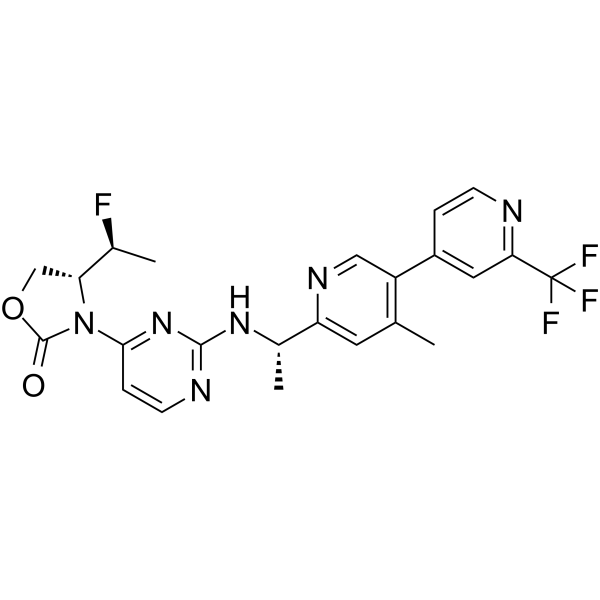
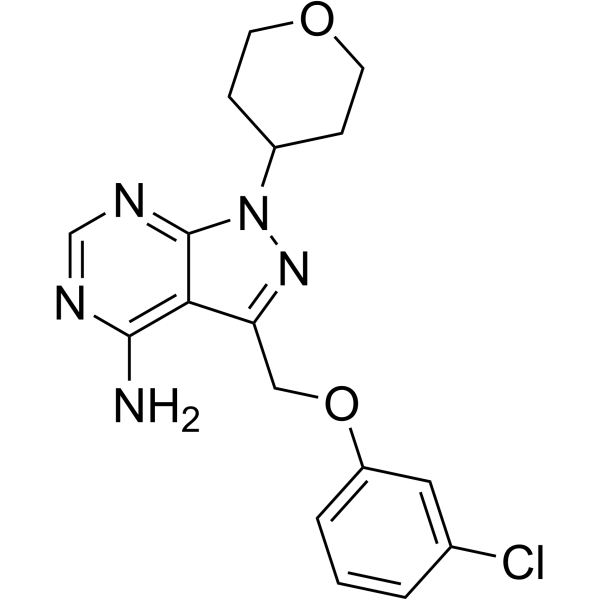
AMG410 is a non-covalent and selective pan-KRAS inhibitor with IC50 values of 1-4 nM for KRAS G12D, KRAS G12V, and KRAS G13D. AMG410 shows greater than 100-fold selectivity against both HRAS and NRAS. AMG410 is a dual GTP(on)- and GDP(off)-state inhibitor (Kd(GDP-state) of 1 nM; Kd(GTP-state) of 22 nM). AMG410 blocks KRAS signaling in a cycling state-independent manner and also blocks proliferation in wildtype KRAS-amplified tumor cells. AMG410 can be used for the study of colorectal, pancreatic, and lung cancers .
|
-
-
- HY-A0023A
-
-
-
- HY-101257
-
|
|
CDK
|
Cancer
|
|
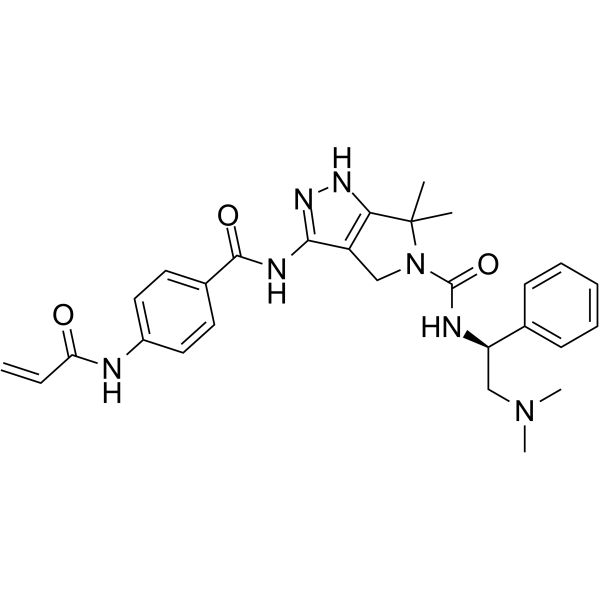
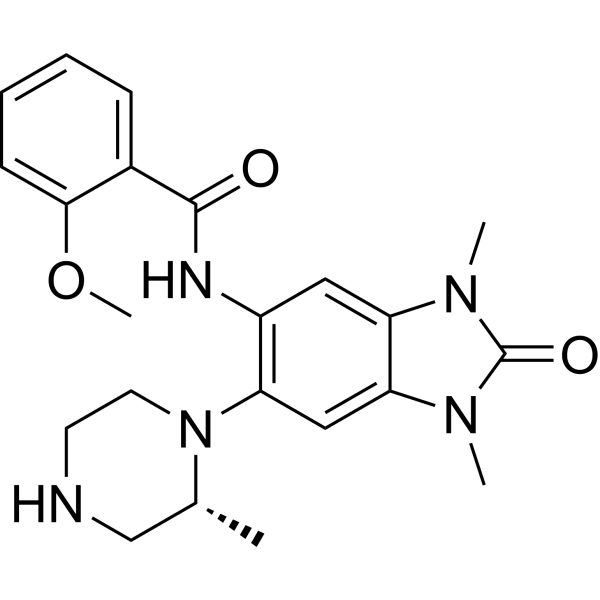
YKL-5-124 is a potent, selective, irreversible and covalent CDK7 inhibitor with IC50s of 53.5 nM and 9.7 nM for CDK7 and CDK7/Mat1/CycH, respectively. YKL-5-124 is >100-fold greater selective for CDK7 than CDK9 and CDK2, and inactive against CDK12 and CDK13. YKL-5-124 induces a strong cell-cycle arrest, inhibits E2F-driven gene expression, and exhibits little effect on RNA polymerase II phosphorylation status .
|
-
-
- HY-12076
-
|
BMS 817378
|
c-Met/HGFR
TAM Receptor
|
Cancer
|
|
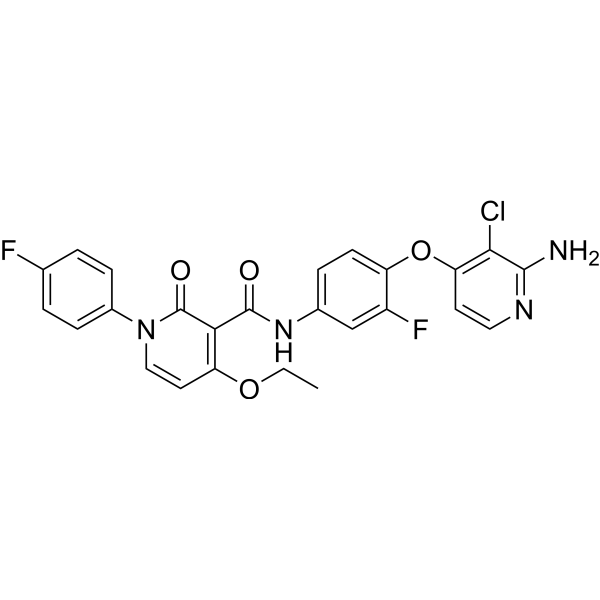
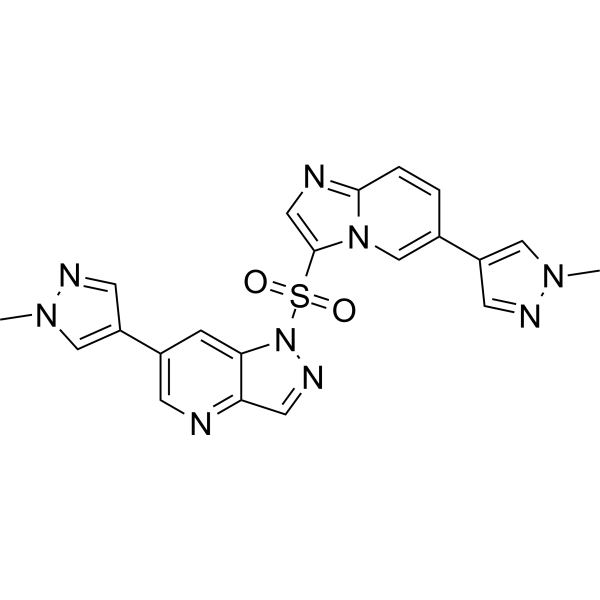
BMS 777607 (BMS 817378) is a Met-related inhibitor for c-Met, Axl, Ron and Tyro3 with IC50s of 3.9 nM, 1.1 nM, 1.8 nM and 4.3 nM, respectively, and 40-fold more selective for Met-related targets than Lck, VEGFR-2, and TrkA/B, with more than 500-fold greater selectivity versus all other receptor and non receptor kinases .
|
-
-
- HY-14803
-
|
BMS-214778; VEC-162
|
Melatonin Receptor
|
Neurological Disease
Endocrinology
|
|
Tasimelteon (BMS-214778) is an orally active and selective dual melatonin receptor agonist (DMRA). Tasimelteon has 2.1-4.4 times greater affinity for the MT2 receptor than for the MT1 receptor. Tasimelteon is a circadian regulator and has the potential for Non-24-Hour Sleep-Wake Disorder (Non-24) .
|
-
-
- HY-153714
-
|
BN-104; BNM-1192; Menin-MLL inhibitor 27
|
Epigenetic Reader Domain
Potassium Channel
|
Cancer
|
|
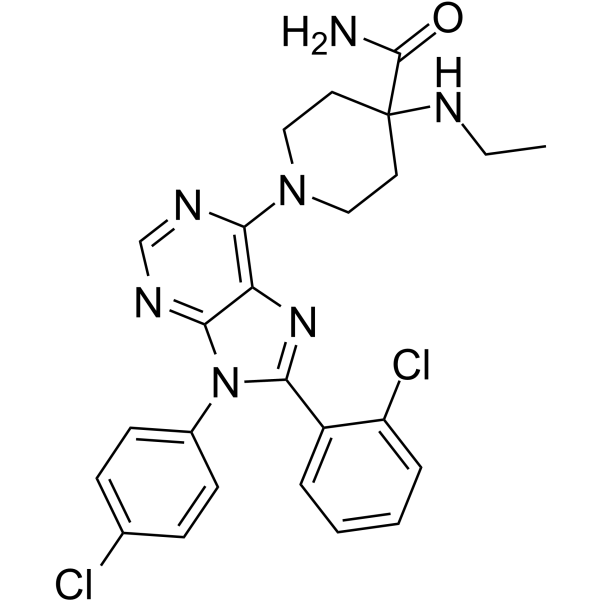
Zefamenib (BN-104) is an effective selective brain membrane protein inhibitor with oral activity, and it's also a Menin inhibitor, it can block the Menin-MLL interaction and leads to the degradation of Menin protein. Zefamenib is a weak hERG inhibitor, with an IC50 greater than 100 μM. Zefamenib has anti-tumor activity and can be used in cancer research, such as for acute myeloid leukemia .
|
-
-
- HY-17402
-
|
BAY-k 5552
|
Calcium Channel
Reactive Oxygen Species (ROS)
|
Infection
Cardiovascular Disease
Neurological Disease
|
|
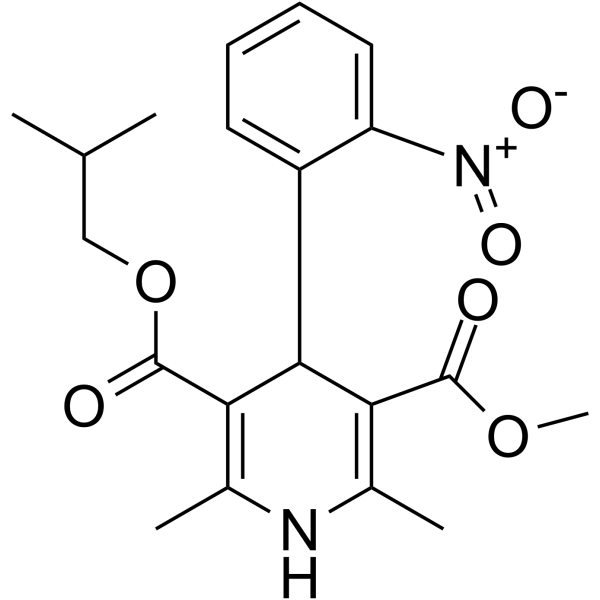
Nisoldipine (BAY-k 5552; Sular) is an orally active and blood-brain barrier-penetrating dihydropyridine calcium antagonist, with greater vascular selectivity than other calcium channel antagonists. Nisoldipine inhibits calcium influx and blocks voltage-gated calcium channels. Nisoldipine dilates coronary and systemic arteries. Nisoldipine has antihypertensive and anti-anginal activity. Nisoldipine also displays neuroprotective and antiviral activity .
|
-
-
- HY-70057
-
|
FCE 26743; EMD 1195686
|
Monoamine Oxidase
|
Neurological Disease
|
|
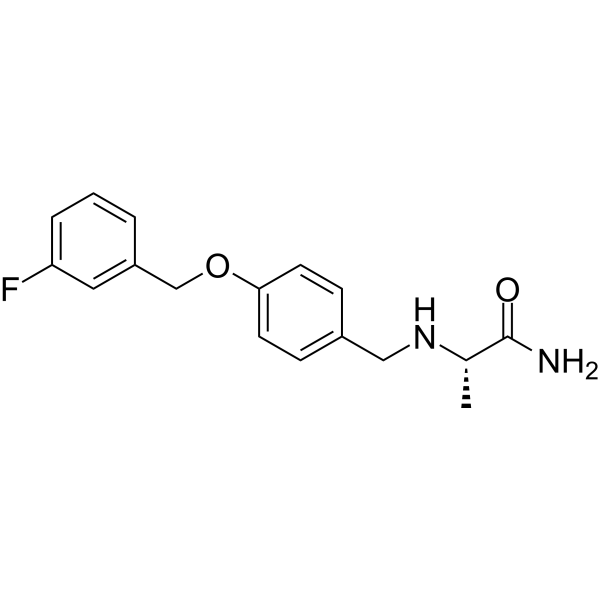
Safinamide is a potent, selective, and reversible monoamine oxidase B (MAO-B) inhibitor (IC50=0.098 μM) over MAO-A (IC50=580 μM) . Safinamide also blocks sodium channels and modulates glutamate (Glu) release, showing a greater affinity at depolarized (IC50=8 μM) than at resting (IC50=262 μM) potentials. Safinamide has neuroprotective and neurorescuing effects and can be used for the study of parkinson disease, ischemia stroke etc.al .
|
-
-
- HY-19369
-
|
L-685,458
|
γ-secretase
Apoptosis
|
Neurological Disease
Cancer
|
|
L-685458 is a potent transition state analog (TSA) γ-secretase inhibitor (GSI). L-685458 inhibits amyloid β-protein precursor γ-secretase activity with IC50 of 17 nM, shows greater than 50-100-fold selectivity over other aspartyl proteases tested. L685458 inhibits γ-secretase-mediated cleavage of APP-C99 and Notch-100 with IC50s of 301.3 nM and 351.3 nM, respectively. L-685458 can be used for the research of alzheimer’s disease (AD) and cancers .
|
-
-
- HY-12470
-
|
|
Casein Kinase
|
Others
|
|
PF-4800567 is a potent and selective inhibitor of casein kinase 1? (CK1?), with an IC50 of 32 nM, which is greater than 20-fold selectivity over CK1δ (IC50, 711 nM).
|
-
-
- HY-104036
-
IDH-305
4 Publications Verification
|
Isocitrate Dehydrogenase (IDH)
|
Cancer
|
|
IDH-305 is an orally available, mutant-selective and brain-penetrant IDH1 inhibitor that targets IDH1 (R132) mutation. IDH-305 exhibits greater than 200 fold selectivity for mutant IDH1 isoforms vs. WT (IC50= 27 nM (IDH1 R132H), 28 nM (IDH1 R132C), 6.14 µM (IDH1 WT)) .
|
-
-
- HY-103112B
-
|
|
5-HT Receptor
|
Neurological Disease
|
|
SB 243213 is an orally active, selective and high-affinity 5-HT2C receptor antagonist with a pKi of 9.37 and a pKb of 9.8 for human 5-HT2C receptor. SB 243213 shows greater than a 100-fold selectivity over a wide range of neurotransmitter receptors, enzymes and ion channels. SB 243213 has improved anxiolytic profile and has the potential for schizophrenia and motor disorders .
|
-
-
- HY-13775
-
XL019
5 Publications Verification
|
JAK
Apoptosis
|
Cancer
|
|
XL019?is a potent, orally active, and selective JAK2 inhibitor, with IC50s of 2.2, 134.3, and 214.2 nM for JAK2, JAK1 and JAK3, respectively. XL019 shows 50-fold or greater selectivity for JAK2, versus a panel of over 100 serine/threonine and tyrosine kinases, including other members of the JAK family. XL019 potently inhibits STAT3 and STAT5 phosphorylation in cells harboring either JAK2V617F or wild-type JAK2 .
|
-
-
- HY-100220
-
GSK6853
2 Publications Verification
|
Epigenetic Reader Domain
|
Cancer
|
|
GSK6853, a chemical probe, is a potent and selective inhibitor of the BRPF1 bromodomain. GSK6853 shows excellent BRPF1 potency (pKd = 9.5) and greater than 1600-fold selectivity over all other bromodomains .
|
-
-
- HY-116000
-
|
Gumarontinib; SCC244
|
c-Met/HGFR
|
Cancer
|
|
Glumetinib (SCC244) is a highly selective, orally bioavailable, ATP-competitive c-Met inhibitor with an IC50 of 0.42 nM. Glumetinib has greater than 2400-fold selectivity for c-Met over those 312 kinases evaluated, including the c-Met family member RON and highly homologous kinases Axl, Mer, TyrO3. Antitumor activity .
|
-
-
- HY-70057A
-
|
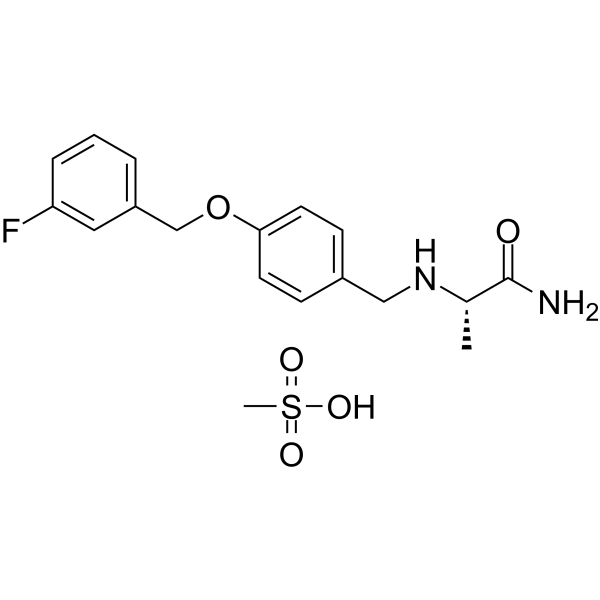
FCE 26743 mesylate; EMD 1195686 mesylate
|
Monoamine Oxidase
|
Cardiovascular Disease
Neurological Disease
|
|
Safinamide (FCE 26743; EMD 1195686) mesylate is a potent, selective, and reversible monoamine oxidase B (MAO-B) inhibitor (IC50=0.098 μM) over MAO-A (IC50=580 nM) . Safinamide mesylate also blocks sodium channels and modulates glutamate (Glu) release, showing a greater affinity at depolarized (IC50=8?μM) than at resting (IC50=262?μM) potentials. Safinamide mesylate has neuroprotective and neurorescuing effects and can be used for the study of parkinson disease, ischemia stroke et.al .
|
-
-
- HY-10871
-
|
CP-945598
|
Cannabinoid Receptor
|
Metabolic Disease
|
|
Otenabant is a potent and selective cannabinoid receptor CB1 antagonist with Ki of 0.7 nM, exhibits 10,000-fold greater selectivity against human CB2 receptor.
|
-
-
- HY-A0023
-
-
-
- HY-101029
-
|
|
NEKs
Apoptosis
|
Cancer
|
|
MBM-55 is a potent NIMA-related kinase 2 (Nek2) inhibitor with an IC50 of 1 nM. MBM-55 shows a 20-fold or greater selectivity in most kinases with the exception of RSK1 (IC50=5.4 nM) and DYRK1a (IC50=6.5 nM). MBM-55 effectively inhibits the proliferation of cancer cells by inducing cell cycle arrest and apoptosis. MBM-55 shows antitumor activities, and no obvious toxicity to mice .
|
-
-
- HY-130118
-
|
|
Mas-related G-protein-coupled Receptor (MRGPR)
|
Neurological Disease
|
|
MRGPRX1 agonist 1 is a highly potent MRGPRX1 agonist (EC50=50 nM) with greater than 50-fold selectivity for δ, μ, and κ opioid receptors. MRGPRX1 agonist 1 is inactive against MRGPRC11. MRGPRC11 inhibits high voltage-activated (HVA) Ca 2+ currents, reduces neurotransmitter release, and mitigates nociceptive transmission in the spinal cord. MRGPRX1 agonist 1 is useful for the study of chronic pain, especially neuropathic pain .
|
-
-
- HY-101396
-
|
|
Potassium Channel
|
Neurological Disease
|
|
ICA-069673 is a KCNQ2/Q3 potassium channel activator. ICA-069673 demonstrates greater selectivity for KV7.2/7.3 over KV7.3/KV7.5, with EC50s of 0.69 μM and 14.3 μM, respectively. ICA-069673 inhibits spontaneous phasic and nerve-evoked contractions in guinea pig detrusor smooth muscle (DSM). ICA-069673 also decreases the global intracellular Ca(2+) concentration in DSM cells .
|
-
-
- HY-161615
-
|
|
PROTACs
ATM/ATR
Apoptosis
|
Inflammation/Immunology
Cancer
|
|
PROTAC ATR degrader-2 is a selective ATR PROTAC degrader. PROTAC ATR degrader-2 degrades ATR in acute myeloid leukemia (AML) cells MV-4-11 and MOLM-13, with DC50 values of 22.9 nM and 34.5 nM, respectively. PROTAC ATR degrader-2 has an IC50 of 29.6 nM against ATR, and its IC50 values against ATM and PI3K are both greater than 2000 nM. PROTAC ATR degrader-2 induces apoptosis, DNA damage, and upregulates p53 expression. PROTAC ATR degrader-2 inhibits cancer cell proliferation through the kinase-independent function of ATR protein. PROTAC ATR degrader-2 is applicable to research related to acute myeloid leukemia .
|
-
-
- HY-10721
-
|
AKT protein kinase inhibitor
|
Akt
|
Cancer
|
|
PF-AKT400 is a broadly selective, potent, ATP-competitive Akt inhibitor, displays 900-fold greater selectivity for PKBα (IC50=0.5 nM) than PKA (IC50=450 nM).
|
-
-
- HY-112776
-
|
|
Phosphatase
|
Cancer
|
|
BN82002 is a potent, selective and irreversible inhibitor of CDC25 phosphatase family. BN82002 inhibits CDC25A, CDC25B2, CDC25B3, CDC25C CDC25A, and 25C-cat with IC50 values of 2.4, 3.9, 6.3, 5.4, and 4.6 µM, respectively. BN82002 displays ~20-fold greater selectivity over CD45 tyrosine phosphatase .
|
-
-
- HY-157485
-
|
|
Potassium Channel
|
Others
|
|
Ebio1 is a selective voltage-gated potassium channel KCNQ2 activator. Ebio1 activates KCNQ2 by generating an extended channel gate with greater conductance at a saturation voltage (+50 mV) .
|
-
-
- HY-15280
-
|
|
PI3K
|
Inflammation/Immunology
|
|
GSK2292767 is a potent and selective inhibitor of PI3Kδ, with a pIC50 of 10.1. GSK2292767 showing greater than 500-fold selective over the other PI3K isoforms. GSK2292767 can be used for the research of respiratory disease .
|
-
-
- HY-135366
-
|
|
IKK
|
Inflammation/Immunology
|
|
HPN-01 is a potent and selective IKK inhibitor, with pIC50 values of 6.4, 7.0 and <4.8 for IKK-α, IKK-β and IKK-ε, respectively. HPN-01 displays greater 50-fold selectivity over a panel of more than 50 other kinases, including ALK5, CDK-2, EGFR, ErbB2, GSK3β, PLK1, Src, and VEGFR-2 .
|
-
-
- HY-112776A
-
|
|
Phosphatase
|
Cancer
|
|
BN82002 hydrochloride is a potent, selective and irreversible inhibitor of CDC25 phosphatase family. BN82002 hydrochloride inhibits CDC25A, CDC25B2, CDC25B3, CDC25C CDC25A, and 25C-cat with IC50 values of 2.4, 3.9, 6.3, 5.4, and 4.6 µM, respectively. BN82002 hydrochloride displays ~20-fold greater selectivity over CD45 tyrosine phosphatase .
|
-
-
- HY-161305
-
|
|
HDAC
|
Metabolic Disease
Cancer
|
|
SE-7552, a 2-(difluoromethyl)-1,3,4-oxadiazole (DFMO) derivative, is an orally active, highly selective, non-hydroxamate HDAC6 inhibitor with an IC50 of 33 nM. SE-7552 is greater than 850-fold selectivity versus all other known HDAC isozymes. SE-7552 is capable of blocking multiple myeloma growth in vivo. SE-7552 acts as an anti-obesity agent in diet-induced obese mice .
|
-
-
- HY-122624
-
|
|
MMP
|
Inflammation/Immunology
|
|
MMP13-IN-2 is a potent, selective and orally active MMP-13 inhibitor. MMP13-IN-2 exhibits excellent potency for MMP-13 (IC50=0.036 nM) and selectivities (greater than 1,500-fold) over MMP-1, 3, 7, 8, 9, 14, and TACE. MMP13-IN-2 has the ability to block the release of collagen from cartilage in vitro. MMP13-IN-2 has the potential for collagenase related disease research .
|
-
-
- HY-101257B
-
|
|
CDK
|
Cancer
|
|
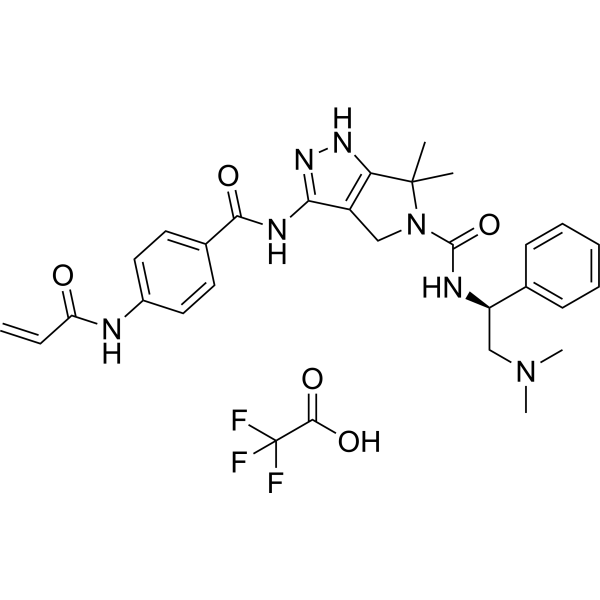
YKL-5-124 TFA is a potent, selective, irreversible and covalent CDK7 inhibitor with IC50s of 53.5 nM and 9.7 nM for CDK7 and CDK7/Mat1/CycH, respectively. YKL-5-124 TFA is >100-fold greater selective for CDK7 than CDK9 and CDK2, and inactive against CDK12 and CDK13. YKL-5-124 TFA induces a strong cell-cycle arrest, inhibits E2F-driven gene expression, and exhibits little effect on RNA polymerase II phosphorylation status .
|
-
-
- HY-178317
-
|
|
PARP
Apoptosis
|
Infection
Inflammation/Immunology
Cancer
|
|
OUL312 is a potent PARP10 inhibitor (IC50 = 20 nM), showing more than 75-fold greater selectivity for PARP15 (IC50 = 1500 nM). OUL312 is also at least 18-fold higher than all other human enzymes in the family. OUL312 has a good ADME profile, is able to enter cells, is not toxic, and effectively rescues human cells from PARP10-induced apoptosis at sub-micromolar concentrations. OUL312 can be used for the study of cervical cancer .
|
-
-
- HY-147600
-
|
|
CDK
|
Cancer
|
|
CDK7-IN-15 (Compound 8) is a selective CDK7 inhibitor with an IC50 greater than 10 nM and less than or equal to 100 nM. CDK7-IN-15 is applicable to the research of cancers associated with transcriptional dysregulation .
|
-
-
- HY-A0023R
-
-
-
- HY-172930
-
|
|
Molecular Glues
IKZF Family
Potassium Channel
|
Inflammation/Immunology
Cancer
|
|
PVTX-405 is a selective and oral active IKZF2 molecular glue degrader with a DC50 of 0.7 nM and a Dmax of 91%. PVTX-405 enhances degradation efficiency, significantly reduces off-target degradation, and alleviates hERG inhibition with IC50 of 48 µM. PVTX-405 significantly inhibits the growth of MC38 tumors, with greater synergistic anti-cancer efficacy in combination with immune checkpoint therapies (ICTs) (anti-PD1 or anti-LAG3) in the MC38 mouse tumor xenograft model using Crbn 391V C57BL/6 mice .
|
-
-
- HY-150023
-
|
|
EGFR
Itk
PI4K
Btk
CDK
Raf
JAK
|
Cancer
|
|
BI-1622 is an orally active, potent and highly selective HER2 (ERBB2) inhibitor, with an IC50 of 7 nM. BI-1622 shows greater than 25-fold selectivity over EGFR. BI-1622 shows high antitumor efficacy in vivo in xenograft mouse tumor models with engineered H2170 and PC9 cells and had a favorable agent metabolism and pharmacokinetics profile .
|
-
-
- HY-108645
-
|
|
p38 MAPK
Autophagy
|
Inflammation/Immunology
|
|
AL 8697 is a specific and orally active p38α MAPK inhibitor with an IC50 of 6 nM. AL 8697 displays 14-fold greater inhibition of p38α compared to p38β (IC50=82 nM), and 300-fold selectivity for p38α over a panel of 91 kinases. Anti-inflammatory activity .
|
-
-
- HY-N1965
-
-
-
- HY-125209A
-
|
|
Apoptosis
PARP
DNA/RNA Synthesis
|
Cancer
|
|
TH5427 hydrochloride is a NUDT5 inhibitor with a human target IC50 of 29 nM, ~690-fold selectivity over MTH1 in vitro, and selective functional inhibition over other NUDIX hydrolases including NUDT9 .TH5427 hydrochloride binds to the active site of NUDT5, blocking enzymatic activity related to ADP-ribose metabolism and PAR-derived ATP synthesis .TH5427 hydrochloride blocks progestin-dependent nuclear ATP synthesis, impairs progestin-induced chromatin remodeling, inhibits histone H1 displacement, disrupts progestin-dependent gene regulation, and abrogates progestin-dependent proliferation in breast cancer cells .TH5427 hydrochloride functions as a versatile probe to study nuclear ATP dynamics and ADP-ribose-related metabolism in cells .TH5427 hydrochloride engages NUDT5 at physiological temperatures, as demonstrated by Drug Affinity Responsive Target Stability (DARTS) assay .TH5427 hydrochloride stabilizes NUDT5 against thermal denaturation in cell lysates and intact cells, as shown by cellular thermal shift assay (CETSA) .TH5427 hydrochloride functionally inhibits NUDT5 activity, leading to downstream effects on oxidative DNA damage and DNA replication in triple-negative breast cancer (TNBC) cells .TH5427 hydrochloride suppresses proliferation of TNBC cells without inducing cell death or apoptosis, slows DNA replication in TNBC cells, promotes accumulation of oxidative DNA lesions, and triggers DNA damage response in TNBC cells .TH5427 hydrochloride suppresses growth of TNBC cells in vitro, inhibits growth of TNBC xenograft tumors in nude mice in vivo, and shows greater potency against TNBC cell lines compared to ER-positive and normal-like breast cell lines .TH5427 hydrochloride can be used for the research of breast cancer and triple-negative breast cancer .
|
-
-
- HY-10871A
-
|
CP 945598 Hydrochloride
|
Cannabinoid Receptor
|
Metabolic Disease
|
|
Otenabant Hydrochloride is a potent and selective cannabinoid receptor CB1 antagonist with Ki of 0.7 nM, exhibits 10,000-fold greater selectivity against human CB2 receptor.
|
-
-
- HY-122592
-
|
|
Factor Xa
|
Cardiovascular Disease
|
|
Zifaxaban is an orally active, competitively and selective Factor Xa (FXa) inhibitor with an IC50 of 11.1 nM for human FXa. Zifaxaban shows >10000-fold greater selectivity than other serine proteases. Zifaxaban can be used for the arterial and venous thrombosis research .
|
-
-
- HY-A0023AS1
-
-
-
- HY-150085
-
|
|
Kallikrein
|
Inflammation/Immunology
|
|
GSK951 is a potent and selective Kallikrein-5 (KLK5) inhibitor amenable to epidermal delivery. GSK951 shows an IC50 of 250 pM for KLK5 and greater than 100-fold selectivity over KLK7 and KLK14. GSK951 can reduce transepidermal water loss, and decrease proinflammatory cytokine expression. GSK951 can be used for the researches of inflammation and immunology, such as Netherton syndrome .
|
-
-
- HY-103112
-
|
|
5-HT Receptor
|
Neurological Disease
|
|
SB 243213 hydrochloride is an orally active, selective and high-affinity 5-HT2C receptor antagonist with a pKi of 9.37 and a pKb of 9.8 for human 5-HT2C receptor. SB 243213 hydrochloride shows greater than a 100-fold selectivity over a wide range of neurotransmitter receptors, enzymes and ion channels. SB 243213 hydrochloride has improved anxiolytic profile and has the potential for schizophrenia and motor disorders .
|
-
-
- HY-70057S1
-
|
FCE 26743-d4-1; EMD 1195686-d4-1
|
Isotope-Labeled Compounds
Monoamine Oxidase
|
Neurological Disease
|
|
Safinamide-d4-1 is deuterium labeled Safinamide. Safinamide is a potent, selective, and reversible monoamine oxidase B (MAO-B) inhibitor (IC50=0.098 μM) over MAO-A (IC50=580 μM) . Safinamide also blocks sodium channels and modulates glutamate (Glu) release, showing a greater affinity at depolarized (IC50=8?μM) than at resting (IC50=262?μM) potentials. Safinamide has neuroprotective and neurorescuing effects and can be used for the study of parkinson disease, ischemia stroke etc.al .
|
-
-
- HY-19263
-
|
|
Endothelin Receptor
|
Cardiovascular Disease
|
|
BMS-193884 is a selective, orally active, and competitive ETA antagonist with 10000-fold greater affinity for the human ETA receptor (Ki=1.4 nM) than for the ETB receptor .
|
-
-
- HY-100283
-
-
-
- HY-12470A
-
|
|
Casein Kinase
|
Cancer
|
|
PF-4800567 hydrochloride is a potent and selective inhibitor of?casein kinase?1? (CK1?), with an?IC50?of 32 nM, which is greater than 20-fold selectivity over CK1δ (IC50, 711 nM). PF-4800567 hydrochloride is useful in probing unique roles between these two kinases in multiple signaling pathways .
|
-
-
- HY-19972
-
|
|
Wnt
|
Cancer
|
|
ML243 is a selective small-molecule inhibitor of breast cancer stem cells. ML243 has 32-fold greater selective inhibition in the breast CSC-like cell line HMLE_shECad than the control cell line HMLE_shGFP. ML243 may target the Wnt pathway at the protein level without altering RNA expression levels .
|
-
- HY-A0023AR
-
-
- HY-143300
-
-
- HY-103112A
-
|
|
5-HT Receptor
|
Neurological Disease
|
|
SB 243213 dihydrochloride is an orally active, selective and high-affinity 5-HT2C receptor antagonist with a pKi of 9.37 and a pKb of 9.8 for human 5-HT2C receptor. SB 243213 dihydrochloride shows greater than a 100-fold selectivity over a wide range of neurotransmitter receptors, enzymes and ion channels. SB 243213 dihydrochloride has improved anxiolytic profile and has the potential for schizophrenia and motor disorders .
|
-
- HY-161306
-
|
|
HDAC
|
Cancer
|
|
ITF5924 (compound 1) is a potent and highly selective HDAC6 inhibitor with an IC50 of 7.7 nM. ITF5924 shows greater than 104-fold selectivity for HDAC6 over all other HDAC subtypes. ITF5924 containing a difluoromethyl-1,3,4-oxadiazole (DFMO) moiety is slow-binding substrate analog of HDAC6 that undergo an enzyme-catalyzed ring opening reaction, forming a tight and long-lived enzyme-inhibitor complex .
|
-
- HY-138942
-
|
|
Acyltransferase
|
Metabolic Disease
Inflammation/Immunology
|
|
PF-06427878 is an orally active, selective liver-targeted diacylglycerol acyltransferase 2 (DGAT2) inhibitor with IC50s of 99 nM and 202 nM for human and rat DGAT2, respectively. PF-06427878 shows greater than 470-fold selectivity for DGAT2 over DGAT1, MGAT1, MGAT2 and MGAT3. PF-06427878 can improve liver steatosis and function. PF-06427878 can be used for the study of nonalcoholic fatty liver diseases .
|
-
- HY-173479
-
|
|
GLP Receptor
|
Cardiovascular Disease
Metabolic Disease
|
|
GLP-1R agonist 30 is a selective and orally active GLP-1R agonist with an EC50 of 0.048 nM. GLP-1R has excellent selectivity, with EC50 greater than 20 μM for GLP-2R, GIPR, and GCPR. GLP-1R agonist significantly increases cAMP-stimulating activity while markedly reducing hERG inhibitory activities. GLP-1R agonist has preferable absorption and excellent β-arrestin pathway selectivity. GLP-1R agonist effectively improves glucose tolerance and promoted insulin secretion in B-hGLP1R knock-in mice .
|
-
- HY-101029A
-
|
|
NEKs
Ribosomal S6 Kinase (RSK)
DYRK
Apoptosis
|
Cancer
|
|
MBM-55S is a potent NIMA-related kinase 2 (Nek2) inhibitor with an IC50 of 1 nM. MBM-55S shows a 20-fold or greater selectivity in most kinases with the exception of RSK1 (IC50=5.4 nM) and DYRK1a (IC50=6.5 nM). MBM-55S effectively inhibits the proliferation of cancer cells by inducing cell cycle arrest and apoptosis. MBM-55S shows antitumor activities, and no obvious toxicity to mice .
|
-
- HY-70057R
-
|
FCE 26743 (Standard); EMD 1195686 (Standard)
|
Reference Standards
Monoamine Oxidase
|
Neurological Disease
|
|
Safinamide (Standard) is the analytical standard of Safinamide. This product is intended for research and analytical applications. Safinamide is a potent, selective, and reversible monoamine oxidase B (MAO-B) inhibitor (IC50=0.098 µM) over MAO-A (IC50=580 µM) . Safinamide also blocks sodium channels and modulates glutamate (Glu) release, showing a greater affinity at depolarized (IC50=8 µM) than at resting (IC50=262 µM) potentials. Safinamide has neuroprotective and neurorescuing effects and can be used for the study of parkinson disease, ischemia stroke etc.al .
|
-
- HY-155645
-
|
|
Topoisomerase
Apoptosis
|
Cancer
|
|
Topoisomerase II inhibitor 15 (compound 2g) is a Topoisomerase II inhibitor. Topoisomerase II inhibitor 15 potently is an apoptotic inducer with greater selectivity against head and neck tumors .
|
-
- HY-124264
-
|
|
iGluR
|
Neurological Disease
|
|
UBP710 is a selective NMDA receptor modulator. UBP710 displays greater activity in potentiating GluN2B-containing receptors than those containing GluN2A .
|
-
- HY-123254
-
|
|
G Protein-coupled Receptor Kinase (GRK)
|
Cardiovascular Disease
|
|
CCG-224406 is a selective G protein-coupled receptor kinase 2 (GRK2) inhibitor with the IC50 values of 13 nM, greater than 700-fold selectivity over other GRK subfamilies, and no inhibition of ROCK1. CCG-224406 can be used for study of heart failure .
|
-
- HY-134971
-
|
|
mAChR
|
Neurological Disease
|
|
AE9C90CB, muscarinic receptor antagonist, has greater affinity for M3 muscarinic receptors with pKi of 9.90 and was 20-fold more selective for M3 than for M2 muscarinic receptors .
|
-
- HY-141494
-
|
|
PPAR
|
Metabolic Disease
|
|
Pparδ agonist 5, an orally active PPARδ-selective agonist (EC50=0.335 μM), is much greater than that of the prototypical standard GW0742. Pparδ agonist 5 promotes improvements in bone density and microarchitecture in vivo .
|
-
- HY-150057
-
|
|
Cannabinoid Receptor
|
Others
|
|
CB1R Allosteric modulator 4 is a positive allosteric modulator of cannabinoid type-1 (CB1R) with good biological activity. CB1R Allosteric modulator 4 inhibits cAMP production and shows robust activity in β-arrestin-2 recruitment .
|
-
- HY-159802
-
|
|
Adrenergic Receptor
|
Endocrinology
|
|
Tolamolol is a selective beta-adrenergic antagonist with significant activity in reducing exercise-induced ST-segment depression. Tolamolol is clinically equivalent to propranolol in suppressing angina and exhibits greater cardiac selectivity. Tolamolol is effective in reducing the frequency of angina attacks and the amount of glyceryl trinitrate used. Tolamolol is effective in lowering blood pressure and has a positive effect on increasing the amount of exercise that can be performed before angina attacks. The use of Tolamolol also helps improve the suppression of arrhythmias .
|
-
- HY-14803S
-
|
BMS-214778-d5; VEC-162-d5
|
Isotope-Labeled Compounds
Melatonin Receptor
|
Neurological Disease
Endocrinology
|
|
Tasimelteon-d5 is the deuterium labeled Tasimelteon. Tasimelteon (BMS-214778) is an orally active and selective dual melatonin receptor agonist (DMRA). Tasimelteon has 2.1-4.4 times greater affinity for the MT2 receptor than for the MT1 receptor. Tasimelteon is a circadian regulator and has the potential for Non-24-Hour Sleep-Wake Disorder (Non-24) .
|
-
- HY-14803R
-
|
BMS-214778 (Standard); VEC-162 (Standard)
|
Reference Standards
Melatonin Receptor
|
Neurological Disease
Endocrinology
|
|
Tasimelteon (Standard) is the analytical standard of Tasimelteon. This product is intended for research and analytical applications. Tasimelteon (BMS-214778) is an orally active and selective dual melatonin receptor agonist (DMRA). Tasimelteon has 2.1-4.4 times greater affinity for the MT2 receptor than for the MT1 receptor. Tasimelteon is a circadian regulator and has the potential for Non-24-Hour Sleep-Wake Disorder (Non-24) .
|
-
- HY-121916
-
|
|
Isocitrate Dehydrogenase (IDH)
|
Cancer
|
|
ML309 is a highly selective and potent inhibitor of the R132H mutant isocitrate dehydrogenase 1 (IDH1 R132H), with an IC50 of 96 nM. ML309 is a competitive inhibitor of α-KG, with a Ki value of 156 nM, and its inhibitory activity against the wild-type IDH1 is greater than 35 μM. ML309 effectively reduces the production of the tumor metabolite 2-HG in U87MG cells. ML309 can be used as a chemical probe to study the role of the mutant IDH1 in cancer .
|
-
- HY-N1965R
-
-
- HY-70057S4
-
|
FCE 26743-d5; EMD 1195686-d5
|
Isotope-Labeled Compounds
Monoamine Oxidase
|
Neurological Disease
|
|
Safinamide-d5 (FCE 26743-d5) is deuterium labeled Safinamide. Safinamide is a potent, selective, and reversible monoamine oxidase B (MAO-B) inhibitor (IC50=0.098 μM) over MAO-A (IC50=580 μM) . Safinamide also blocks sodium channels and modulates glutamate (Glu) release, showing a greater affinity at depolarized (IC50=8?μM) than at resting (IC50=262?μM) potentials. Safinamide has neuroprotective and neurorescuing effects and can be used for the study of parkinson disease, ischemia stroke etc.al .
|
-
- HY-136765
-
|
|
PI3K
|
Cancer
|
|
PI3K-IN-11 (compound 13) is a PI3K inhibitor, which selectively inhibits PI3Kα, PI3Kβ, PI3K, and PI3Kδ (IC50s=6.4, 13, 8, and 11 nM, respectively) over mTOR (IC50=2.9 μM). PX-13-17OH is greater than 420-fold selective for PI3K in a panel of 20 lipid and protein kinases. PX-13-17OH inhibits phosphorylation of Akt and S6 kinase (S6K) in PTEN-negative U87MG cells when used at concentrations ranging from 0.03 to 1 μg/mL. It inhibits tumor growth in a U87MG mouse xenograft model when administered at doses ranging from 2.5 to 10 mg/kg.
|
-
- HY-14988
-
|
|
Bacterial
|
Infection
|
|
I-A09 and its derivatives, specifically 1,2,3-triazole-adamantylacetamide hybrids (5a–u), exhibit significant antitubercular activity. These hybrids were synthesized using copper-catalyzed click chemistry, combining bioactive fragments from antitubercular I-A09 and substituted adamantyl urea. The compound N-(1-adamantyl)-2-azido acetamide was reacted with various alkyl/aryl acetylenes to produce new analogues. Among them, N-(1-adamantan-1-yl)-2-(4-(phenanthren-2-yl)-1H-1,2,3-triazol-1-yl)acetamide (5t) showed the most promise with a minimum inhibitory concentration (MIC) of 3.12 μg/mL against Mycobacterium tuberculosis H37Rv, and a selectivity index greater than 15 .
|
-
- HY-10871R
-
|
CP-945598 (Standard)
|
Reference Standards
Cannabinoid Receptor
|
Metabolic Disease
|
|
Otenabant (Standard) is the analytical standard of Otenabant (HY-10871). This product is intended for research and analytical applications. Otenabant is a potent and selective cannabinoid receptor CB1 antagonist with Ki of 0.7 nM, exhibits 10,000-fold greater selectivity against human CB2 receptor.
|
-
- HY-100220R
-
|
|
Epigenetic Reader Domain
Reference Standards
|
Cancer
|
|
GSK6853 (Standard) is the analytical standard of GSK6853 (HY-100220). This product is intended for research and analytical applications. GSK6853, a chemical probe, is a potent and selective inhibitor of the BRPF1 bromodomain. GSK6853 shows excellent BRPF1 potency (pKd = 9.5) and greater than 1600-fold selectivity over all other bromodomains .
|
-
- HY-138983
-
|
|
Potassium Channel
|
Neurological Disease
|
|
A-278637 is a selective KATP channel opening agent with an EC50 of 102 nM. A-278637 does not interact with other ion channels, including L-type calcium channels or other neurotransmitter receptor systems. A-278637 possesses a greater functional selectivity for urinary bladder versus vascular smooth muscle in vivo. A-278637 can be used for the study of overactive bladder .
|
-
- HY-110197A
-
|
|
IDE
|
Metabolic Disease
|
|
6bK formate is a potent and selective insulin degrading enzyme (IDE) inhibitor with an IC50 value of 50 nM. 6bK formate increases circulating insulin in high-fat-fed mice. Acute administration of 6bK formate enhances glucose tolerance to oral glucose, notably to a greater extent in high-fat-fed mice. 6bK formate can be used for type 2 diabetes research .
|
-
- HY-104036R
-
|
|
Reference Standards
Isocitrate Dehydrogenase (IDH)
|
Cancer
|
|
IDH-305 (Standard) is the analytical standard of IDH-305 (HY-104036). This product is intended for research and analytical applications. IDH-305 is an orally available, mutant-selective and brain-penetrant IDH1 inhibitor that targets IDH1 (R132) mutation. IDH-305 exhibits greater than 200 fold selectivity for mutant IDH1 isoforms vs. WT (IC50= 27 nM (IDH1R132H), 28 nM (IDH1R132C), 6.14 µM (IDH1WT)) .
|
-
- HY-103112BR
-
|
|
Reference Standards
5-HT Receptor
|
Neurological Disease
|
|
SB 243213 (Standard) is the analytical standard of SB 243213 (HY-103112B). This product is intended for research and analytical applications. SB 243213 is an orally active, selective and high-affinity 5-HT2C receptor antagonist with a pKi of 9.37 and a pKb of 9.8 for human 5-HT2C receptor. SB 243213 shows greater than a 100-fold selectivity over a wide range of neurotransmitter receptors, enzymes and ion channels. SB 243213 has improved anxiolytic profile and has the potential for schizophrenia and motor disorders .
|
-
- HY-173632A
-
|
|
Ras
|
Cancer
|
|
AMG410 diTFA is a non-covalent and selective pan-KRAS inhibitor with IC50 values of 1-4 nM for KRAS G12D, KRAS G12V, and KRAS G13D. AMG410 diTFA shows greater than 100-fold selectivity against both HRAS and NRAS. AMG410 diTFA is a dual GTP(on)- and GDP(off)-state inhibitor (Kd(GDP-state) of 1 nM; Kd(GTP-state) of 22 nM). AMG410 diTFA blocks KRAS signaling in a cycling state-independent manner and also blocks proliferation in wildtype KRAS-amplified tumor cells. AMG410 diTFA can be used for the study of colorectal, pancreatic, and lung cancers .
|
-
- HY-101029R
-
|
|
NEKs
Apoptosis
Reference Standards
|
Cancer
|
|
MBM-55 (Standard) is the analytical standard of MBM-55 (HY-101029). This product is intended for research and analytical applications. MBM-55 is a potent NIMA-related kinase 2 (Nek2) inhibitor with an IC50 of 1 nM. MBM-55 shows a 20-fold or greater selectivity in most kinases with the exception of RSK1 (IC50=5.4 nM) and DYRK1a (IC50=6.5 nM). MBM-55 effectively inhibits the proliferation of cancer cells by inducing cell cycle arrest and apoptosis. MBM-55 shows antitumor activities, and no obvious toxicity to mice .
|
-
- HY-180229
-
|
|
SARS-CoV
|
Infection
|
|
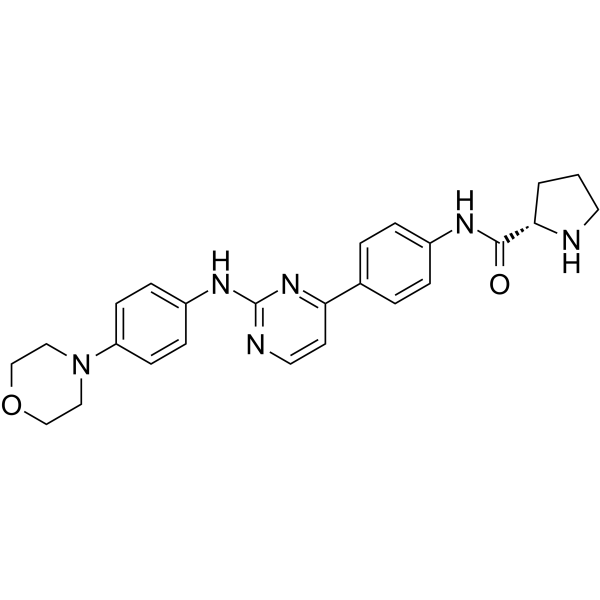
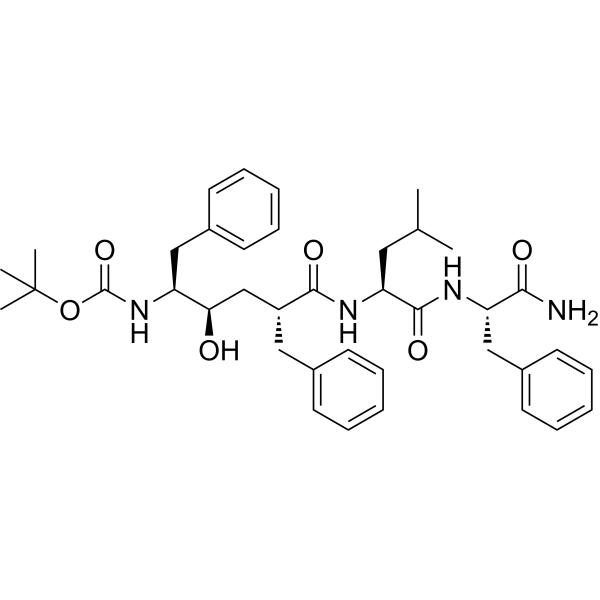
GK730 is a potent and selective SARS-CoV-2 main protease inhibitor with an IC50 of 5.75 nM. GK730 does not inhibit cathepsin B, while exhibits weak inhibition of cathepsin L (IC50 = 11 μM). GK730 can simultaneously block the replication of the virus and the entry pathways for variants such as Omicron into cells. GK730 demonstrates an EC50 value of 5.70 μM against a wild-type SARS-CoV-2 strain in Vero E6 cells and CC50 value greater than 100 μM. GK730 can be used for the research of COVID-19 .
|
-
- HY-129481
-
|
|
5-HT Receptor
|
Neurological Disease
|
|
LY 178210 (Compound 24) is a selective partial agonist of the 5-HT1A receptor, with Ki values of 0.67 and 380 nM for the 5-HT1A and 5-HT1D receptors, respectively. LY 178210 has almost no activity against α₂-adrenergic receptors, 5-HT₂, and other neurotransmitter receptors. LY 178210 inhibits Foscolin-stimulated cyclase activity, but its maximum potency is lower than that of the full agonist 8-OH-DPAT (HY-112061). LY 178210 significantly reduces 5-hydroxyindoleacetic acid (5-HIAA) levels in the greater hypothalamus and increases serum corticosterone concentrations .
|
-
- HY-101396R
-
|
|
Potassium Channel
Reference Standards
|
Neurological Disease
|
|
ICA-069673 (Standard) is the analytical standard of ICA-069673 (HY-101396). This product is intended for research and analytical applications. ICA-069673 is a KCNQ2/Q3 potassium channel activator. ICA-069673 demonstrates greater selectivity for KV7.2/7.3 over KV7.3/KV7.5, with EC50s of 0.69 μM and 14.3 μM, respectively. ICA-069673 inhibits spontaneous phasic and nerve-evoked contractions in guinea pig detrusor smooth muscle (DSM). ICA-069673 also decreases the global intracellular Ca(2+) concentration in DSM cells .
|
-
- HY-160844
-
|
|
Prostaglandin Receptor
TNF Receptor
Interleukin Related
|
Inflammation/Immunology
|
|
CT-133 is a selective and potent CRTH2 Receptor antagonist, with a Ki value of 2.2 nM. The Ki value for the DP1 receptor is greater than 3800 nM. CT-133 inhibits neutrophil migration induced by PGD2 (HY-101988). CT-133 significantly alleviates lung inflammation and improves lung function impairment in a mouse model of acute lung injury (ALI) induced by cigarette smoke. CT-133 effectively inhibits the excessive expression of pro-inflammatory cytokines (TNF-α, IL-1β, and IL-6) and chemokines (KC), and reverses the inhibition of the anti-inflammatory factor IL-10. CT-133 can be used for the study of ALI .
|
-
| Cat. No. |
Product Name |
Category |
Target |
Chemical Structure |
| Cat. No. |
Product Name |
Chemical Structure |
-
- HY-A0023AS1
-
|
|
|
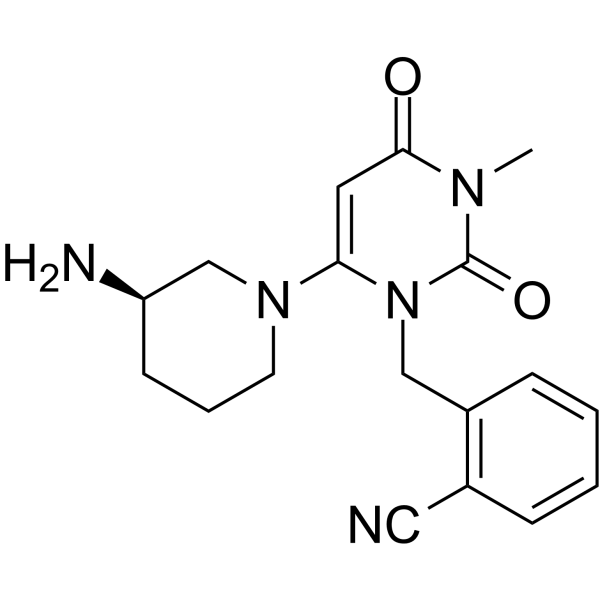
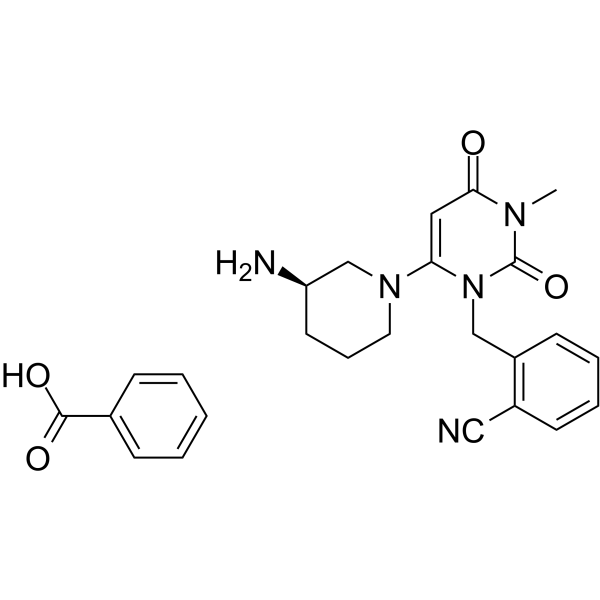
Alogliptin-d3 is the deuterium labeled Alogliptin. Alogliptin (SYR-322 free base) is a potent, selective and orally active inhibitor of DPP-4 with an IC50 of <10 nM, and exhibits greater than 10,000-fold selectivity over DPP-8 and DPP-9. Alogliptin can be used for the research of type 2 diabetes .
|
-
-
- HY-70057S1
-
|
|
|
Safinamide-d4-1 is deuterium labeled Safinamide. Safinamide is a potent, selective, and reversible monoamine oxidase B (MAO-B) inhibitor (IC50=0.098 μM) over MAO-A (IC50=580 μM) . Safinamide also blocks sodium channels and modulates glutamate (Glu) release, showing a greater affinity at depolarized (IC50=8?μM) than at resting (IC50=262?μM) potentials. Safinamide has neuroprotective and neurorescuing effects and can be used for the study of parkinson disease, ischemia stroke etc.al .
|
-
-
- HY-14803S
-
|
|
|
Tasimelteon-d5 is the deuterium labeled Tasimelteon. Tasimelteon (BMS-214778) is an orally active and selective dual melatonin receptor agonist (DMRA). Tasimelteon has 2.1-4.4 times greater affinity for the MT2 receptor than for the MT1 receptor. Tasimelteon is a circadian regulator and has the potential for Non-24-Hour Sleep-Wake Disorder (Non-24) .
|
-
-
- HY-70057S4
-
|
|
|
Safinamide-d5 (FCE 26743-d5) is deuterium labeled Safinamide. Safinamide is a potent, selective, and reversible monoamine oxidase B (MAO-B) inhibitor (IC50=0.098 μM) over MAO-A (IC50=580 μM) . Safinamide also blocks sodium channels and modulates glutamate (Glu) release, showing a greater affinity at depolarized (IC50=8?μM) than at resting (IC50=262?μM) potentials. Safinamide has neuroprotective and neurorescuing effects and can be used for the study of parkinson disease, ischemia stroke etc.al .
|
-
Your information is safe with us. * Required Fields.
Inquiry Information
- Product Name:
- Cat. No.:
- Quantity:
- MCE Japan Authorized Agent:

