Search Result
Results for "
hydrating
" in MedChemExpress (MCE) Product Catalog:
13
Biochemical Assay Reagents
4
Isotope-Labeled Compounds
| Cat. No. |
Product Name |
Target |
Research Areas |
Chemical Structure |
-
- HY-107784
-
|
|
Bacterial
|
Inflammation/Immunology
|
|
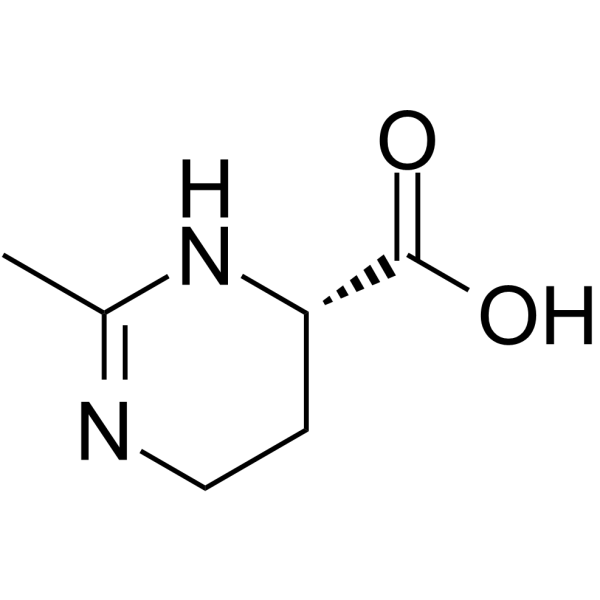
Ectoine is a natural cell protectant, an amino acid derivate produced by bacteria living under extremely harsh environmental conditions. Ectoine serves as an osmoregulatory compatible solute, increasing the hydration of the skin surface and stabilizing lipid layers, which is useful in skincare. Ectoine demonstrates a good safety profile for the treatment of allergic rhinitis .
|
-
-
- HY-B0633D
-
|
|
CD44
Endogenous Metabolite
Bacterial
Akt
PI3K
|
Neurological Disease
Metabolic Disease
Inflammation/Immunology
Cancer
|
|
Hyaluronic acid sodium (MW 200-1560) is a biopolymer composed of repeating disaccharide units, with a molecular weight of 200-1560. Hyaluronic acid sodium is a major component of the extracellular matrix (ECM). It is synthesized on the plasma membrane. Hyaluronic acid sodium exerts its effects by binding to receptors CD44 and RHAMM. Hyaluronic acid sodium activates PI3K-Akt signaling. Hyaluronic acid sodium also enhances cell invasion and angiogenesis by promoting or stimulating the binding of proteolytic MMP-9 to the cell surface. Elevated hyaluronic acid levels are associated with tumor cell growth, adhesion, migration, invasion, and angiogenesis in digestive system cancers. Hyaluronic acid sodium is involved in tissue remodeling and rapid cell proliferation in several physiological processes, including embryonic morphogenesis and wound healing. Hyaluronic acid sodium can be used as a regulator of cancer-associated lymphangiogenesis. Hyaluronic acid sodium can be used as a drug delivery carrier for sodium butyrate, enhancing its anti-proliferative activity against breast cancer cell lines. Hyaluronic acid sodium can lubricate the corneal endothelium. Hyaluronic acid sodium can improve tissue hydration and enhance the resistance of cells to mechanical damage. Hyaluronic acid sodium has been conjugated with antibodies to ensure that the active compound continues to exert its effects at the site of inflammation. Hyaluronic acid sodium can be used in research in the fields of osteoarthritis, ophthalmology, cosmetic dermatology, oncology, and liver diseases .
|
-
-
- HY-B0633E
-
|
Hyaluronan, low endotoxin; Hyaluronate, low endotoxin
|
Endogenous Metabolite
CD44
Bacterial
Akt
PI3K
|
Neurological Disease
Metabolic Disease
Inflammation/Immunology
Cancer
|
|
Hyaluronic acid, low endotoxin (Hyaluronan, low endotoxin) is a biopolymer composed of repeating disaccharide units containing low levels of endotoxin. Hyaluronic acid is a major component of the extracellular matrix (ECM). It is synthesized on the plasma membrane. Hyaluronic acid exerts its effects by binding to receptors CD44 and RHAMM. Hyaluronic acid activates PI3K-Akt signaling. Hyaluronic acid also enhances cell invasion and angiogenesis by promoting or stimulating the binding of proteolytic MMP-9 to the cell surface. Elevated hyaluronic acid levels are associated with tumor cell growth, adhesion, migration, invasion, and angiogenesis in digestive system cancers. Hyaluronic acid is involved in tissue remodeling and rapid cell proliferation in several physiological processes, including embryonic morphogenesis and wound healing. Hyaluronic acid can be used as a regulator of cancer-associated lymphangiogenesis. Hyaluronic acid can be used as a drug delivery carrier for sodium butyrate, enhancing its anti-proliferative activity against breast cancer cell lines. Hyaluronic acid can lubricate the corneal endothelium. Hyaluronic acid can improve tissue hydration and enhance the resistance of cells to mechanical damage. Hyaluronic acid has been conjugated with antibodies to ensure that the active compound continues to exert its effects at the site of inflammation. Hyaluronic acid can be used in research in the fields of osteoarthritis, ophthalmology, cosmetic dermatology, oncology, and liver diseases .
|
-
-
- HY-Y0481A
-
|
Stannous chloride dihydrate; Tin dichloride dihydrate
|
Biochemical Assay Reagents
|
Others
|
|
Tin (II) chloride dihydrate (Tinchloridedihydrate) is a hydrated salt of tin (II) .
|
-
-
- HY-Y0975
-
|
|
Environmental Pollutants
Drug Intermediate
|
Others
|
|
Silver(I) fluoride is a drug intermediate for synthesis of various active compounds. Silver(I) fluoride is a silver(I) complex that can form hydrates in aqueous solutions and in the solid state, enabling its localized application to the tooth decay area for oral health research .
|
-
-
- HY-Y1309
-
|
Furro ER; NSC 9586; Nako TRB
|
Environmental Pollutants
Endogenous Metabolite
|
Others
|
|
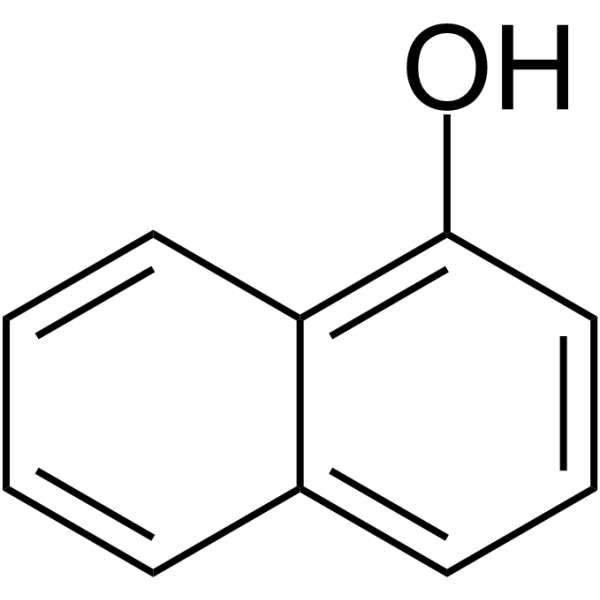
1-naphthol (Furro ER) is an excited state proton transfer (ESPT) fluorescent molecular probe. 1-naphthol can sense the hydrophobic domains in micellar aggregation and accurately sense the sol-gel transition. 1-naphthol can be used to study the thermally induced microenvironmental changes and hydration levels of Pluronic F127 (PF127) in different microenvironments in aqueous media .
|
-
-
- HY-B1500
-
-
-
- HY-108036
-
|
Hydroxypropyl tetrahydropyrantriol (30% in water)
|
Biochemical Assay Reagents
|
Metabolic Disease
|
|
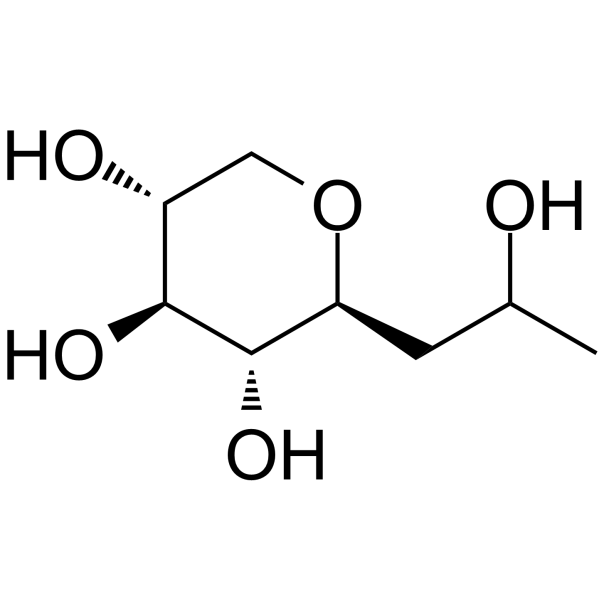
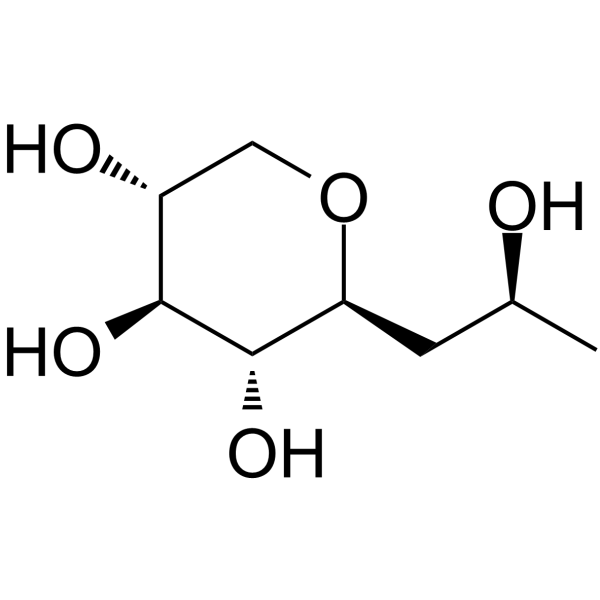
Pro-xylane (30% in water) (Hydroxypropyl tetrahydropyrantriol) is a bioactive C-glycoside that targets the biosynthesis pathway of glycosaminoglycans/mucopolysaccharides (GAGs) in the skin matrix and can be absorbed transdermally. Pro-xylane (30% in water) stimulates the biosynthesis of GAGs in fibroblasts, enhances the structural stability of the skin extracellular matrix, improves skin elasticity and moisturizing ability, and delays wrinkle formation. Pro-xylane (30% in water) can effectively promote the synthesis of collagen fibers and hyaluronic acid in the dermis. Pro-xylane (30% in water) is used in the field of anti-aging cosmetics to improve skin hydration and elasticity. Pro-xylane (30% in water) is eco-friendly and biodegradable .
|
-
-
- HY-N7113
-
|
|
Environmental Pollutants
|
Cancer
|
|
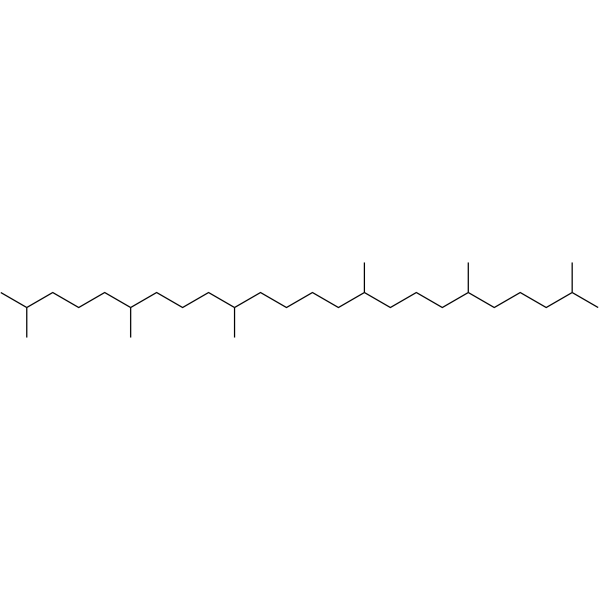
Squalane, found in certain fish oils (especially shark liver oil), and some vegetable oils, is a saturated derivative of Squalene. Squalane shows anticancer, antioxidant, skin hydrating, and emollient activities .
|
-
-
- HY-A0104K
-
|
Hypromellose (Type II,Viscosity:3mPa.s); (Hydroxypropyl)methyl cellulose (Type II,Viscosity:3mPa.s); Celacol HPM 5000 (Type II,Viscosity:3mPa.s)
|
Environmental Pollutants
Biochemical Assay Reagents
|
Others
|
|
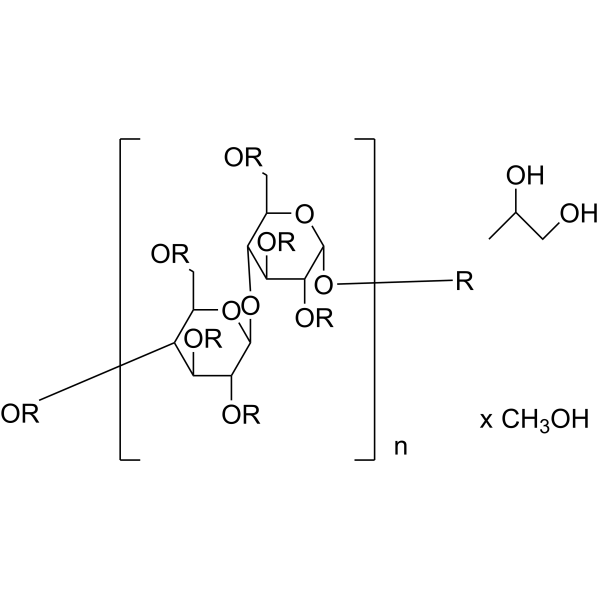
HPMC (Type II, Viscosity: 3 mPa.s) is a nonionic polymer prepared via synthetic modification of cellulose. As a hydrophilic matrix material, HPMC prolongs drug release through non-Fickian diffusion, which includes the diffusion of drugs in the hydrated matrix and the polymer relaxation process .
|
-
-
- HY-A0104B
-
|
Hypromellose (Type I,Viscosity:100mPa.s); (Hydroxypropyl)methyl cellulose (Type I,Viscosity:100mPa.s); Celacol HPM 5000 (Type I,Viscosity:100mPa.s)
|
Environmental Pollutants
Biochemical Assay Reagents
|
Others
|
|
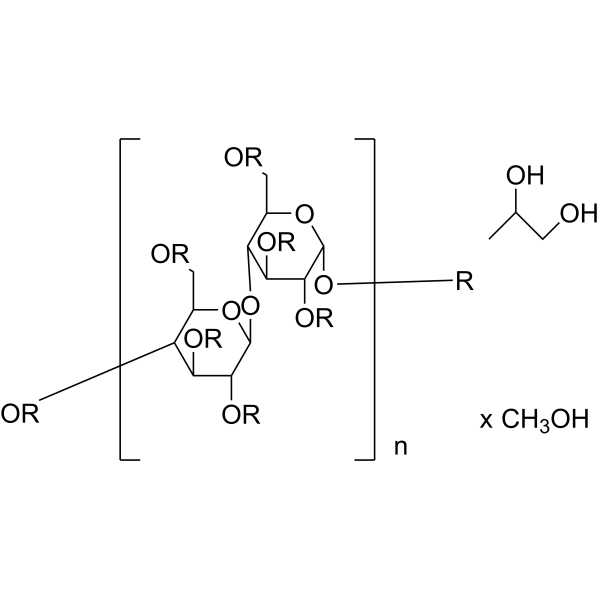
HPMC (Type I, Viscosity: 100 mPa·s) is a nonionic polymer obtained via synthetic modification of cellulose. As a hydrophilic matrix material, HPMC prolongs drug release through non-Fickian diffusion, including the diffusion of drugs within the hydrated matrix and the polymer relaxation process .
|
-
-
- HY-W004295
-
|
|
Biochemical Assay Reagents
|
Inflammation/Immunology
|
|
1-Pentadecanol is a long-chain fatty alcohol. 1-Pentadecanol has anti-comedone activity. 1-Pentadecanol has moisturizing and hydrating properties and can be applied to skin care products. 1-Pentadecanol can be used in the production of surfactants, emulsifiers and lubricants .
|
-
-
- HY-A0104E
-
|
Hypromellose (Type II,Viscosity:100mPa.s); (Hydroxypropyl)methyl cellulose (Type II,Viscosity:100mPa.s); Celacol HPM 5000 (Type II,Viscosity:100mPa.s)
|
Environmental Pollutants
Biochemical Assay Reagents
|
Others
|
|
HPMC (Hypromellose; (Hydroxypropyl)methyl cellulose; Celacol HPM 5000) (Type II,Viscosity:100mPa.s) is a non-ionic polymer obtained via synthetic modification of cellulose. As a hydrophilic matrix material, HPMC prolongs drug release through non-Fickian diffusion, including the diffusion of drugs in the hydrated matrix and the polymer relaxation process .
|
-
-
- HY-134120
-
|
DL-2-Hydroxystearic acid
|
Biochemical Assay Reagents
|
Others
|
|
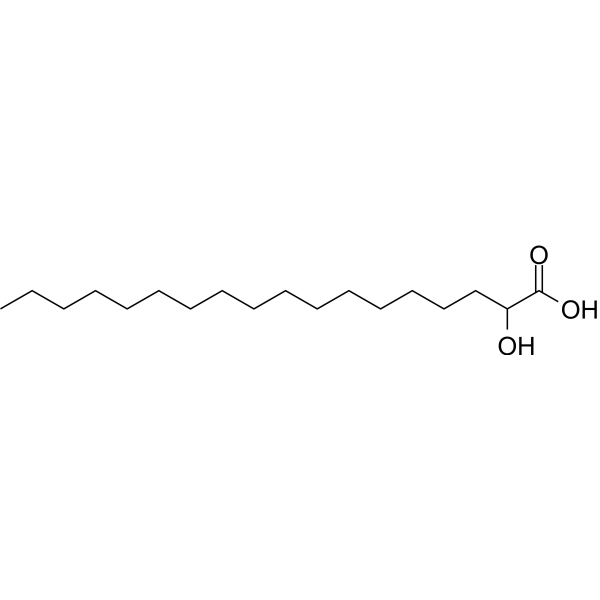
2-Hydroxystearic acid is an alpha-hydroxy fatty acid commonly used in a variety of personal care products, especially cosmetic and skin care formulations. 2-Hydroxystearic acid has unique chemical properties that make it an effective emulsifier and stabilizer, improving the texture and shelf life of cosmetic products. It also has a potential physiological role in improving skin hydration and elasticity, although its biological function is not fully understood.
|
-
-
- HY-B1746
-
|
|
Endogenous Metabolite
|
Neurological Disease
|
|
Pyridoxamine 5′-phosphate is the active form of vitamin B6 bound to phosphoric acid. Pyridoxamine 5′-phosphate is the aminated form of Pyridoxal 5'-?phosphate monohydrate (HY-W011727A) and as co-factor of a variety of enzymes central metabolite, potent antioxidant, vitamin B6 vitamer and enzyme substrate. Pyridoxamine 5′-phosphate can be interconverted with pyridoxal 5'-phosphate hydrate .
|
-
-
- HY-108036B
-
|
Hydroxypropyl tetrahydropyrantriol
|
Biochemical Assay Reagents
|
Metabolic Disease
|
|
Pro-xylane (Hydroxypropyl tetrahydropyrantriol) is a bioactive C-glycoside that targets the biosynthesis pathway of glycosaminoglycans/mucopolysaccharides (GAGs) in the skin matrix and can be absorbed transdermally. Pro-xylane stimulates the biosynthesis of GAGs in fibroblasts, enhances the structural stability of the skin extracellular matrix, improves skin elasticity and moisturizing ability, and delays wrinkle formation. Pro-xylane can effectively promote the synthesis of collagen fibers and hyaluronic acid in the dermis. Pro-xylane is used in the field of anti-aging cosmetics to improve skin hydration and elasticity. Pro-xylane is eco-friendly and biodegradable .
|
-
-
- HY-112624E
-
|
Dextran 0.8; Dextran D0.8; Dextran T0.8(MW 640-960)
|
Biochemical Assay Reagents
|
Others
|
|
Dextran T0.8 (Dextran 0.8; Dextran T0.8(MW 640-960)) is a food additive with a porous network structure that exhibits strong hydration capacity and low browning activity. Dextran T0.8 (MW 800) can improve the coagulation of dairy products and is used as a prebiotic in baked goods. Dextran T0.8 (MW 800) is non-toxic to HeLa cells at a concentration of ~500 μg/mL and has a low relative browning rate in the Maillard reaction. The Dextran series of compounds are also natural polysaccharide drug carriers that can be connected to drugs through covalent bonding methods such as ester bonds, amide bonds or click chemistry, or self-assembled to form carriers such as nanoparticles and hydrogels. Dextran is biodegradable and biocompatible, and can achieve targeted delivery and controlled release of drugs. Dextran derivatives can prolong the half-life of drugs, increase local concentrations, and reduce the activity of immune clearance .
|
-
-
- HY-148009
-
|
16:0-18:1 Cardiolipin sodium
|
Biochemical Assay Reagents
|
Others
|
|
Cardiolipin (16:0/18:1/16:0/18:1) (16:0-18:1 Cardiolipin) sodium is a di-saturated mitochondrial-specific anionic phospholipid sodium salt containing the long-chain fatty acid palmitic acid (HY-N0830) and the monounsaturated fatty acid oleic acid (HY-N1446). Cardiolipin (16:0/18:1/16:0/18:1) sodium undergoes in-source fragmentation via diglyceride (DG)-H2O fragment formation and (DG-H2O) fragment loss pathways. Cardiolipin (16:0/18:1/16:0/18:1) sodium can be used in the synthesis of lipid nanodiscs for application in in situ mass spectrometry .
|
-
-
- HY-N7113S
-
|
|
Isotope-Labeled Compounds
|
Cancer
|
|
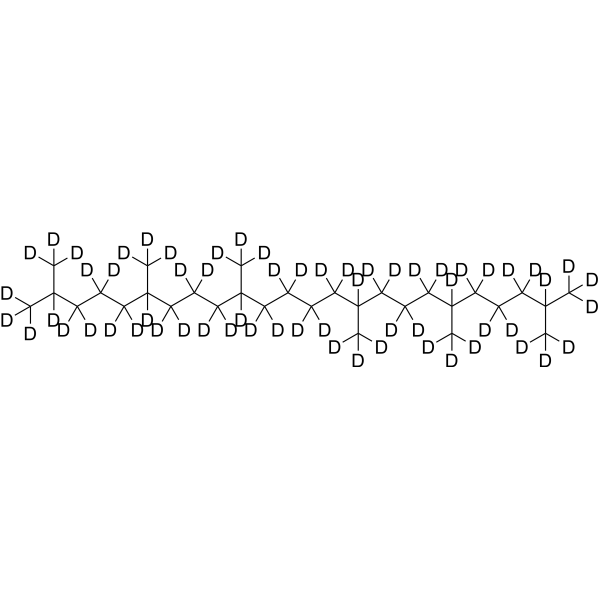
Squalane-d62 is the deuterium labeled Squalane . Squalane, found in certain fish oils (especially shark liver oil), and some vegetable oils, is a saturated derivative of Squalene. Squalane shows anticancer, antioxidant, skin hydrating, and emollient activities .
|
-
-
- HY-A0104I
-
|
Hypromellose (Type II,Viscosity:100000mPa.s); (Hydroxypropyl)methyl cellulose (Type II,Viscosity:100000mPa.s); Celacol HPM 5000 (Type II,Viscosity:100000mPa.s)
|
Biochemical Assay Reagents
|
Others
|
|
HPMC (Hypromellose; (Hydroxypropyl)methyl cellulose; Celacol HPM 5000) (Type II,Viscosity:100000mPa.s) is a non-ionic polymer obtained via synthetic modification of cellulose. As a hydrophilic matrix material, HPMC prolongs drug release through non-Fickian diffusion, including the diffusion of drugs in the hydrated matrix and the polymer relaxation process .
|
-
-
- HY-108036A
-
|
(S)-Hydroxypropyl tetrahydropyrantriol
|
Biochemical Assay Reagents
|
Metabolic Disease
|
|
(S)-Pro-xylane ((S)-Hydroxypropyl tetrahydropyrantriol) is a bioactive C-glycoside that targets the biosynthesis pathway of glycosaminoglycans/mucopolysaccharides (GAGs) in the skin matrix and can be absorbed transdermally. (S)-Pro-xylane stimulates the biosynthesis of GAGs in fibroblasts, enhances the structural stability of the skin extracellular matrix, improves skin elasticity and moisturizing ability, and delays wrinkle formation. (S)-Pro-xylane can effectively promote the synthesis of collagen fibers and hyaluronic acid in the dermis. (S)-Pro-xylane is used in the field of anti-aging cosmetics to improve skin hydration and elasticity. (S)-Pro-xylane is eco-friendly and biodegradable .
|
-
-
- HY-145539
-
|
|
Liposome
|
Others
|
|
1,2-Dipalmitoyl-sn-glycero-3-PS sodium is a phosphatidylserine phospholipid. 1,2-Dipalmitoyl-sn-glycero-3-PS sodium is used for the preparation of phospholipid bilayers .
|
-
-
- HY-107784R
-
|
|
Reference Standards
Bacterial
|
Inflammation/Immunology
|
|
Ectoine (Standard) is the analytical standard of Ectoine. This product is intended for research and analytical applications. Ectoine is a natural cell protectant, an amino acid derivate produced by bacteria living under extremely harsh environmental conditions. Ectoine serves as an osmoregulatory compatible solute, increasing the hydration of the skin surface and stabilizing lipid layers, which is useful in skincare. Ectoine demonstrates a good safety profile for the treatment of allergic rhinitis .
|
-
-
- HY-160113E
-
|
|
Biochemical Assay Reagents
|
Others
|
|
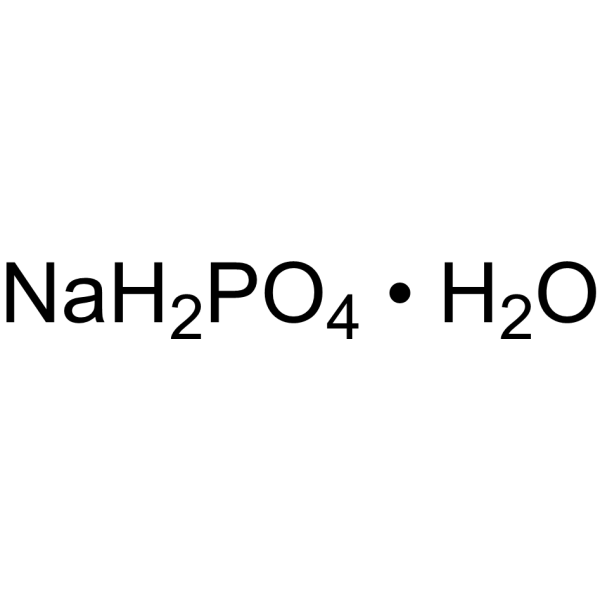
Sodium phosphate buffer 0.1M, pH 8.0 is an aqueous sodium phosphate buffer with a concentration of 0.1M and a pH value of 8.0. Sodium phosphate buffer 0.1M, pH 8.0 can be used for the preparation of hydrated micellar membranes, the construction of pH-sensitive nanocarriers, and the maintenance of stable environmental conditions for pH-cleavable PEG-Hz-PE micelles. Sodium phosphate buffer 0.1M, pH 8.0 can also serve as a universal solvent, reaction medium and eluent, and is widely applied in experimental processes such as antibody thiolation, nanoparticle purification and cross-linking reactions .
|
-
-
- HY-Y1890B
-
|
|
Biochemical Assay Reagents
|
Others
|
|
Cremophor EL-10 is a nonionic polyoxyethylene castor oil surfactant with multiple functions including organic solubilizer, mixed zinc anode corrosion inhibitor and dendrite growth inhibitor. By forming a physical barrier to block electrolyte contact and constructing oriented hydration channels to reduce the desolvation energy barrier of Zn 2+ , Cremophor EL-10 achieves a corrosion inhibition efficiency of over 99%. Cremophor EL-10 exerts no significant effects on the mitochondrial activity and cell viability of epithelial cells, making it suitable for in vitro drug delivery and biopharmaceutical research at concentrations ≤10% v/v. However, Cremophor EL-10 may induce sustained non-endothelium-dependent contraction in rat aortic rings and exert concentration-dependent inhibitory effects on acetylcholine-induced endothelium-dependent relaxation responses .
|
-
-
- HY-155908
-
|
DSPE-PEG10000-NH2 ammonium
|
Liposome
|
Others
|
|
DSPE-PEG10000-Amine ammonium is a phosphoethanolamine involved in the synthesis of liposomes for delivery systems. The amino group of DSPE-PEG10000-Amine ammonium can be converted into aromatic aldehydes by reacting with acetone-protected aromatic hydrazines on the surface of bovine carbonic anhydrase (BCA) molecules. Liposomes form a liposome-BAH-BCA conjugate by forming a bisarylhydrazone (BAH) with the target enzyme molecule. The conjugate catalyzes the hydration of carbon dioxide to bicarbonate.
|
-
-
- HY-155907
-
|
DSPE-PEG5000-NH2 ammonium
|
Liposome
|
Others
|
|
DSPE-PEG5000-Amine ammonium is a phosphoethanolamine involved in the synthesis of liposomes for delivery systems. DSPE-PEG5000-Amine ammonium amino group can be converted to aromatic aldehydes that react with acetone-protected aromatic hydrazides on the surface of the bovine carbonic anhydrase (BCA) molecule. Liposomes produce liposome-Bah-BCA conjugates by forming diaryl hydrazone (BAH) with target enzyme molecules. The conjugate catalyzes the hydration of carbon dioxide to bicarbonate.
|
-
-
- HY-N7113R
-
|
|
Reference Standards
Others
|
Cancer
|
|
Squalane (Standard) is the analytical standard of Squalane. This product is intended for research and analytical applications. Squalane, found in certain fish oils (especially shark liver oil), and some vegetable oils, is a saturated derivative of Squalene. Squalane shows anticancer, antioxidant, skin hydrating, and emollient activities .
|
-
-
- HY-164431
-
|
|
Amino Acid Derivatives
|
Others
|
|
4-(Azidomethyl)-L-phenylalanine is an unnatural amino acid with an azidomethyl group at position 4 of L-phenylalanine. 4-(Azidomethyl)-L-phenylalanine can be used as a reporter for probing protein hydration through addition of an azide group .
|
-
-
- HY-W588249
-
|
|
Bacterial
Endogenous Metabolite
|
Infection
|
|
Sabinene hydrate is a volatile organic compound of a bicyclic monoterpene alcohol. Sabinene hydrate, as a plant secondary metabolite, is naturally present in various plants and their essential oils. Sabinene hydrate exhibits broad-spectrum but varying-intensity antibacterial activity, with the greatest sensitivity to Gram-positive bacteria, especially Bacillus subtilis (MIC = 0.0312 mg/mL) and Staphylococcus aureus (MIC = 0.0625 mg/mL). Sabinene hydrate also shows certain sensitivity to Escherichia coli and Candida albicans, with MIC values of 0.125 mg/mL for both. Sabinene hydrate can be used in the research of the ecological functions of plant defense substances .
|
-
-
- HY-13682A
-
|
MTP-PE sodium hydrate; L-MTP-PE sodium hydrate; CGP 19835 sodium hydrate
|
NOD-like Receptor (NLR)
|
Inflammation/Immunology
Cancer
|
|
Mifamurtide (MTP-PE; CGP 19835) sodium hydrate is the sodium hydrate of mifamurtide. Mifamurtide is a nonspecific immunomodulator that acts by stimulating immune responses by activating macrophages and monocytes. Mifamurtide is a specific ligand for NOD2 and is used as an insulin sensitizer and may also be used in osteosarcoma research .
|
-
-
- HY-N12962
-
|
|
Others
|
Others
|
|
11S(12R)-EET is a dominant enantiomer of epoxytrienoic acid (EET) that is metabolized at a higher rate in rat organs. It shows enantiomeric-dependent reaction selectivity in hydration, especially in the case of 11,12-EET, where water addition is non-regioselective, while in 8,9-EET, water addition occurs mainly at the C9 position. In addition, 11S(12R)-EET generates diol products with specific stereochemistry through enzymatic hydration reactions, which are affected by the selective recognition of epoxidases, reaction conversion rates, and substrate binding parameters .
|
-
-
- HY-165034
-
|
((±)-2'-Hydroxy) cer(d18:1/18:0); 18:0 (2R/S-OH)-Ceramide; ((±)-2'-Hydroxy) ceramide (d18:1/18:0)
|
Endogenous Metabolite
|
Others
|
|
C18 ((±)-2'-Hydroxy) ceramide ((±)-2'-Hydroxy) cer) (d18:1/18:0) is a bioactive sphingolipid found in the stratum corneum layer of mammalian epidermis. Ceramides maintains the normal hydration levels required for the normal physiological .
|
-
-
- HY-B2143
-
|
|
Environmental Pollutants
Biochemical Assay Reagents
Bacterial
|
Infection
|
|
Montmorillonite is composed of two layers of co-top connected silicon oxygen tetrahedral sheet and one layer of co-edge connected aluminum (magnesium) oxygen (hydroxide) octahedral sheet, which consists of a 2:1 structure containing water of crystal. Montmorillonite can be used for large-scale industrial decontamination and can effectively remove harmful ions in sewage. Montmorillonite can also be used as a carrier of ionic antibacterial agents because of its exchangeable hydrated cations, which can adsorb bacteria .
|
-
-
- HY-N12962A
-
|
|
Others
|
Others
|
|
11R(12S)-EET is a cis-epoxytrienoic acid (EETs) derivative that is metabolized by cytoplasmic cyclooxygenases. Studies have shown that 14(R), 15(S)-, 11(S),12(R)-, and 8(S),9(R)-EETs are metabolized at significantly higher rates than their enantiomers. Enzyme-catalyzed hydration revealed that water addition was non-regioselective for the 11,12-EET enantiomers, whereas water addition occurred primarily at the C9 position for both enantiomers of 8,9-EET. These results suggest that the metabolic properties of 11R(12S)-EET and other EET enantiomers in enzyme-catalyzed processes are significantly affected by their stereostructures .
|
-
-
- HY-143664
-
-
-
- HY-N15835
-
-
-
- HY-47272A
-
|
|
Nucleoside Antimetabolite/Analog
|
Cancer
|
|
N6-Benzoyl-9-β-D-arabinofuranosyladenine hydrate is the hydrate of N6-Benzoyl-9-β-D-arabinofuranosyladenine (HY-47272). N6-Benzoyl-9-β-D-arabinofuranosyladenine is an adenosine analog. Adenosine analogs mostly act as smooth muscle vasodilators and have also been shown to inhibit cancer progression. Its popular products are adenosine phosphate, Acadesine (HY-13417), Clofarabine (HY-A0005), Fludarabine phosphate (HY-B0028) and Vidarabine (HY-B0277) .
|
-
-
- HY-W015370R
-
|
|
Reference Standards
Endogenous Metabolite
|
Others
Inflammation/Immunology
|
|
Squalane (Standard) is the analytical standard of Squalane. This product is intended for research and analytical applications. Squalane, found in certain fish oils (especially shark liver oil), and some vegetable oils, is a saturated derivative of Squalene. Squalane shows anticancer, antioxidant, skin hydrating, and emollient activities .
|
-
-
- HY-143664S
-
-
-
- HY-W040186
-
|
|
Biochemical Assay Reagents
|
Others
|
|
1-Naphthenyl phosphate hydrate sodium is commonly used as a flame retardant for various materials such as plastics, textiles, and construction materials. In addition, its potential use as a corrosion inhibitor and as an ingredient in fertilizers and detergents has been investigated. Its hydrated form contains variable amounts of water molecules, which affects its physical properties and applications.
|
-
-
- HY-W777434
-
|
|
Isotope-Labeled Compounds
Potassium Channel
|
Metabolic Disease
|
|
Mitiglinide (calcium hydrate)-d8 is the deuterium labeled Mitiglinide (calcium hydrate) (HY-B0682A). Mitiglinide calcium hydrate (KAD-1229), an insulinotropic agent, is an ATP-sensitive K+ (KATP) channel antagonist. Mitiglinide calcium hydrate is highly specific to the Kir6.2/SUR1 complex (the pancreatic beta-cell KATP channel). Mitiglinide Calcium hydrate can be used for the research of type 2 diabetes .
|
-
-
- HY-Y1309S1
-
|
Furro ER-d7; NSC 9586-d7; Nako TRB-d7
|
Isotope-Labeled Compounds
Endogenous Metabolite
|
Others
|
|
1-Naphthol-d7 (Furro ER-d7) is the deuterium labeled Naphthol (HY-Y1309). 1-Naphthol (Furro ER) is an excited state proton transfer (ESPT) fluorescent molecular probe. 1-naphthol can sense the hydrophobic domains in micellar aggregation and accurately sense the sol-gel transition. 1-naphthol can be used to study the thermally induced microenvironmental changes and hydration levels of Pluronic F127 (PF127) in different microenvironments in aqueous media .
|
-
-
- HY-B1746R
-
|
|
Reference Standards
Endogenous Metabolite
|
Neurological Disease
|
|
Sacubitril (sodium) (Standard) is the analytical standard of Sacubitril (sodium). This product is intended for research and analytical applications. Sacubitril sodium is a potent and orally active NEP (neprilysin) inhibitor, with an IC50 of 5 nM. Sacubitril sodium enhances the tone of the natriuretic peptide (NP) system and exerts significant antihypertensive effects. Sacubitril sodium is a component of the heart failure medicine LCZ696. Sacubitril sodium can be used for the research of heart failure, hypertension and COVID-19 .
|
-
-
- HY-B1500R
-
-
-
- HY-E71110
-
-
-
- HY-N12970
-
|
|
Others
|
Others
|
|
14S(15R)-EET is an endogenous epoxytrienoic acid derivative that mainly exists in rat organs. By studying its metabolic process, it was found that its stereoselective hydration and formation of chiral diols were significantly affected by epoxidase. Different 14,15-EET enantiomers showed different regions and stereochemistry of hydration reactions, among which 14(R),15(S)-EET showed specific hydration for C15. These findings reveal the important role of epoxidase in the metabolism of endogenous EETs, and the differences in enzyme affinity and reaction rate for individual EET enantiomers may lead to their stereoselective metabolism .
|
-
-
- HY-126915
-
-
-
- HY-E70919B
-
|
|
Biochemical Assay Reagents
|
Metabolic Disease
|
|
Nitrile hydratase, Rhodococcus erythropolis (EC 4.2.1.84) is a mononuclear iron or non-corrinoid cobalt enzyme that catalyse the hydration of diverse nitriles to their corresponding amides.
|
-
-
- HY-E70919A
-
|
|
Biochemical Assay Reagents
|
Metabolic Disease
|
|
Nitrile hydratase, Rhodopseudomonas palustris (EC 4.2.1.84) is a mononuclear iron or non-corrinoid cobalt enzyme that catalyse the hydration of diverse nitriles to their corresponding amides.
|
-
- HY-E70919
-
|
|
Biochemical Assay Reagents
|
Metabolic Disease
|
|
Nitrile hydratase, Sinorhizobium meliloti (EC 4.2.1.84) is a mononuclear iron or non-corrinoid cobalt enzyme that catalyse the hydration of diverse nitriles to their corresponding amides.
|
-
- HY-N18816
-
|
|
Others
|
Others
|
|
Clary Sage Oil is obtained from the flowers and leaves of scented perilla through steam distillation. Clary sage oil has the effects of nourishing, moisturizing, hydrating and maintaining skin.
|
-
- HY-E71050
-
|
|
Biochemical Assay Reagents
|
Others
|
|
Fumarate Hydratase, Human (EC 4. 2. 1. 2) catalyzes the reversible hydration of fumarate to malate. In its mitochondrial form, fumarate is involved in the Krebs Cycle, while the cytosolic form is involved in amino acid metabolism.
|
-
- HY-154792
-
|
PCA
|
Amino Acid Derivatives
|
Others
|
|
Pyrrolidone carboxylic acid (PCA), the primary constituent of the natural moisturizing factor (NMF), is an hydrating agent. Pyrrolidone carboxylic acid can be used as a key cutaneous biomarker for skin barrier function and health .
|
-
- HY-W020018
-
|
|
Biochemical Assay Reagents
|
Others
|
|
N-Methylacetamide is a hydrogen bond-forming agent that mimics the intermolecular interactions of intrinsically disordered proteins. N-Methylacetamide is used to investigate the hydration properties of peptide bonds, peptide bond-water interactions, and the aggregation of intrinsically disordered proteins .
|
-
- HY-W460727
-
|
|
Insecticide
|
Infection
|
|
Boron sodium oxide (tetrahydrate) is an alkaline salt. Boron sodium oxide (tetrahydrate) can be used as an insecticide, a flame retardant, and an agricultural micronutrient .
|
-
- HY-P1775B
-
|
|
Endogenous Metabolite
|
Metabolic Disease
|
|
Carbonic Anhydrase, Human (EC 4.2.1.1) is a zinc metalloenzyme that catalyzes the hydration of carbon dioxide to form carbonic acid. Carbonic Anhydrase participates in a variety of important physiological processes, such as the maintenance of pH and carbon dioxide homeostasis, the transport of bicarbonate and carbon dioxide, biosynthetic reactions, bone resorption, calcification, and tumorigenesis.
|
-
- HY-E70986
-
|
|
Endogenous Metabolite
|
Metabolic Disease
|
|
Carbonic Anhydrase I, Human (EC 4.2.1.1) is a zinc metalloenzyme that catalyzes the hydration of carbon dioxide to form carbonic acid. Carbonic Anhydrase I participates in a variety of important physiological processes, such as the maintenance of pH and carbon dioxide homeostasis, the transport of bicarbonate and carbon dioxide, biosynthetic reactions, bone resorption, calcification, and tumorigenesis.
|
-
- HY-W004295R
-
|
|
Reference Standards
Others
|
Inflammation/Immunology
|
|
1-Pentadecanol (Standard) is the analytical standard of 1-Pentadecanol. This product is intended for research and analytical applications. 1-Pentadecanol is a long-chain fatty alcohol. 1-Pentadecanol has anti-comedone activity. 1-Pentadecanol has moisturizing and hydrating properties and can be applied to skin care products. 1-Pentadecanol can be used in the production of surfactants, emulsifiers and lubricants.
|
-
- HY-W108862
-
|
|
Bacterial
|
Infection
|
|
3,3'-Methylenebis[5-methyloxazolidine] is a bisoxazolidine-based hydrogen sulfide scavenger and fungicide derived from monoisopropanolamine (MIPA). 3,3'-Methylenebis[5-methyloxazolidine] exists as a mixture of structural isomers. 3,3'-Methylenebis[5-methyloxazolidine] is oil-soluble and serves as an oil-soluble alternative to hydrated hexahydrotriazine-based scavengers. 3,3'-Methylenebis[5-methyloxazolidine] can scavenge hydrogen sulfide and methanethiol via chemical reactions, and its scavenging efficiency increases after hydrolysis to MIPA-triazine in water .
|
-
- HY-N14147
-
-
- HY-108036AR
-
|
(S)-Hydroxypropyl tetrahydropyrantriol (Standard)
|
Reference Standards
Biochemical Assay Reagents
|
Metabolic Disease
|
|
(S)-Pro-xylane (Standard) is the analytical standard of (S)-Pro-xylane (HY-108036A). This product is intended for research and analytical applications. (S)-Pro-xylane ((S)-Hydroxypropyl tetrahydropyrantriol) is a bioactive C-glycoside that targets the biosynthesis pathway of glycosaminoglycans/mucopolysaccharides (GAGs) in the sKin matrix and can be absorbed transdermally. (S)-Pro-xylane stimulates the biosynthesis of GAGs in fibroblasts, enhances the structural stability of the sKin extracellular matrix, improves sKin elasticity and moisturizing ability, and delays wrinkle formation. (S)-Pro-xylane can effectively promote the synthesis of collagen fibers and hyaluronic acid in the dermis. (S)-Pro-xylane is used in the field of anti-aging cosmetics to improve sKin hydration and elasticity. (S)-Pro-xylane is eco-friendly and biodegradable .
|
-
- HY-W415107
-
|
|
Insecticide
|
Others
|
|
Copper citrate is a is the copper salt of Citric acid (HY-N1428). Copper citrate can be used as a source of copper in industrial, agricultural and some supplement applications. Copper citrate can also be used as a preservative, insecticide, and astringent .
|
-
- HY-145539A
-
|
|
Liposome
|
Others
|
|
1,2-Dipalmitoyl-sn-glycero-3-PS is a phosphatidylserine phospholipid. 1,2-Dipalmitoyl-sn-glycero-3-PS is used for the preparation of phospholipid bilayers .
|
-
-
-
HY-L098
-
|
|
415 compounds
|
|
A drug metabolite is a byproduct of the body breaking down, or “metabolizing” a drug into a different substance. Most drugs undergo chemical alteration by various bodily systems as a way to create compounds that are more easily excreted from the body. Drugs can be metabolized by oxidation, reduction, hydrolysis, hydration, conjugation, condensation, or isomerization. Drug metabolism can produce metabolites with physicochemical and pharmacological properties that differ substantially from those of the parent drug, and consequently have important implications for both drug safety and efficacy.
MCE offers a unique collection of 415 drug metabolites which is a useful tool for drug safety and efficacy study and drug repurposing.
|
| Cat. No. |
Product Name |
Type |
-
- HY-B0633E
-
|
Hyaluronan, low endotoxin; Hyaluronate, low endotoxin
|
Biochemical Assay Reagents
|
|
Hyaluronic acid, low endotoxin (Hyaluronan, low endotoxin) is a biopolymer composed of repeating disaccharide units containing low levels of endotoxin. Hyaluronic acid is a major component of the extracellular matrix (ECM). It is synthesized on the plasma membrane. Hyaluronic acid exerts its effects by binding to receptors CD44 and RHAMM. Hyaluronic acid activates PI3K-Akt signaling. Hyaluronic acid also enhances cell invasion and angiogenesis by promoting or stimulating the binding of proteolytic MMP-9 to the cell surface. Elevated hyaluronic acid levels are associated with tumor cell growth, adhesion, migration, invasion, and angiogenesis in digestive system cancers. Hyaluronic acid is involved in tissue remodeling and rapid cell proliferation in several physiological processes, including embryonic morphogenesis and wound healing. Hyaluronic acid can be used as a regulator of cancer-associated lymphangiogenesis. Hyaluronic acid can be used as a drug delivery carrier for sodium butyrate, enhancing its anti-proliferative activity against breast cancer cell lines. Hyaluronic acid can lubricate the corneal endothelium. Hyaluronic acid can improve tissue hydration and enhance the resistance of cells to mechanical damage. Hyaluronic acid has been conjugated with antibodies to ensure that the active compound continues to exert its effects at the site of inflammation. Hyaluronic acid can be used in research in the fields of osteoarthritis, ophthalmology, cosmetic dermatology, oncology, and liver diseases .
|
-
- HY-Y0481A
-
|
Stannous chloride dihydrate; Tin dichloride dihydrate
|
Biochemical Assay Reagents
|
|
Tin (II) chloride dihydrate (Tinchloridedihydrate) is a hydrated salt of tin (II) .
|
-
- HY-A0104B
-
|
Hypromellose (Type I,Viscosity:100mPa.s); (Hydroxypropyl)methyl cellulose (Type I,Viscosity:100mPa.s); Celacol HPM 5000 (Type I,Viscosity:100mPa.s)
|
Biochemical Assay Reagents
|
|
HPMC (Type I, Viscosity: 100 mPa·s) is a nonionic polymer obtained via synthetic modification of cellulose. As a hydrophilic matrix material, HPMC prolongs drug release through non-Fickian diffusion, including the diffusion of drugs within the hydrated matrix and the polymer relaxation process .
|
-
- HY-A0104E
-
|
Hypromellose (Type II,Viscosity:100mPa.s); (Hydroxypropyl)methyl cellulose (Type II,Viscosity:100mPa.s); Celacol HPM 5000 (Type II,Viscosity:100mPa.s)
|
Biochemical Assay Reagents
|
|
HPMC (Hypromellose; (Hydroxypropyl)methyl cellulose; Celacol HPM 5000) (Type II,Viscosity:100mPa.s) is a non-ionic polymer obtained via synthetic modification of cellulose. As a hydrophilic matrix material, HPMC prolongs drug release through non-Fickian diffusion, including the diffusion of drugs in the hydrated matrix and the polymer relaxation process .
|
-
- HY-134120
-
|
DL-2-Hydroxystearic acid
|
Biochemical Assay Reagents
|
|
2-Hydroxystearic acid is an alpha-hydroxy fatty acid commonly used in a variety of personal care products, especially cosmetic and skin care formulations. 2-Hydroxystearic acid has unique chemical properties that make it an effective emulsifier and stabilizer, improving the texture and shelf life of cosmetic products. It also has a potential physiological role in improving skin hydration and elasticity, although its biological function is not fully understood.
|
-
- HY-112624E
-
|
Dextran 0.8; Dextran D0.8; Dextran T0.8(MW 640-960)
|
Biochemical Assay Reagents
|
|
Dextran T0.8 (Dextran 0.8; Dextran T0.8(MW 640-960)) is a food additive with a porous network structure that exhibits strong hydration capacity and low browning activity. Dextran T0.8 (MW 800) can improve the coagulation of dairy products and is used as a prebiotic in baked goods. Dextran T0.8 (MW 800) is non-toxic to HeLa cells at a concentration of ~500 μg/mL and has a low relative browning rate in the Maillard reaction. The Dextran series of compounds are also natural polysaccharide drug carriers that can be connected to drugs through covalent bonding methods such as ester bonds, amide bonds or click chemistry, or self-assembled to form carriers such as nanoparticles and hydrogels. Dextran is biodegradable and biocompatible, and can achieve targeted delivery and controlled release of drugs. Dextran derivatives can prolong the half-life of drugs, increase local concentrations, and reduce the activity of immune clearance .
|
-
- HY-A0104I
-
|
Hypromellose (Type II,Viscosity:100000mPa.s); (Hydroxypropyl)methyl cellulose (Type II,Viscosity:100000mPa.s); Celacol HPM 5000 (Type II,Viscosity:100000mPa.s)
|
Biochemical Assay Reagents
|
|
HPMC (Hypromellose; (Hydroxypropyl)methyl cellulose; Celacol HPM 5000) (Type II,Viscosity:100000mPa.s) is a non-ionic polymer obtained via synthetic modification of cellulose. As a hydrophilic matrix material, HPMC prolongs drug release through non-Fickian diffusion, including the diffusion of drugs in the hydrated matrix and the polymer relaxation process .
|
-
- HY-145539
-
|
|
Biochemical Assay Reagents
|
|
1,2-Dipalmitoyl-sn-glycero-3-PS sodium is a phosphatidylserine phospholipid. 1,2-Dipalmitoyl-sn-glycero-3-PS sodium is used for the preparation of phospholipid bilayers .
|
-
- HY-160113E
-
|
|
Biochemical Assay Reagents
|
|
Sodium phosphate buffer 0.1M, pH 8.0 is an aqueous sodium phosphate buffer with a concentration of 0.1M and a pH value of 8.0. Sodium phosphate buffer 0.1M, pH 8.0 can be used for the preparation of hydrated micellar membranes, the construction of pH-sensitive nanocarriers, and the maintenance of stable environmental conditions for pH-cleavable PEG-Hz-PE micelles. Sodium phosphate buffer 0.1M, pH 8.0 can also serve as a universal solvent, reaction medium and eluent, and is widely applied in experimental processes such as antibody thiolation, nanoparticle purification and cross-linking reactions .
|
-
- HY-Y1890B
-
|
|
Biochemical Assay Reagents
|
|
Cremophor EL-10 is a nonionic polyoxyethylene castor oil surfactant with multiple functions including organic solubilizer, mixed zinc anode corrosion inhibitor and dendrite growth inhibitor. By forming a physical barrier to block electrolyte contact and constructing oriented hydration channels to reduce the desolvation energy barrier of Zn 2+ , Cremophor EL-10 achieves a corrosion inhibition efficiency of over 99%. Cremophor EL-10 exerts no significant effects on the mitochondrial activity and cell viability of epithelial cells, making it suitable for in vitro drug delivery and biopharmaceutical research at concentrations ≤10% v/v. However, Cremophor EL-10 may induce sustained non-endothelium-dependent contraction in rat aortic rings and exert concentration-dependent inhibitory effects on acetylcholine-induced endothelium-dependent relaxation responses .
|
-
- HY-155908
-
|
DSPE-PEG10000-NH2 ammonium
|
Biochemical Assay Reagents
|
|
DSPE-PEG10000-Amine ammonium is a phosphoethanolamine involved in the synthesis of liposomes for delivery systems. The amino group of DSPE-PEG10000-Amine ammonium can be converted into aromatic aldehydes by reacting with acetone-protected aromatic hydrazines on the surface of bovine carbonic anhydrase (BCA) molecules. Liposomes form a liposome-BAH-BCA conjugate by forming a bisarylhydrazone (BAH) with the target enzyme molecule. The conjugate catalyzes the hydration of carbon dioxide to bicarbonate.
|
-
- HY-155907
-
|
DSPE-PEG5000-NH2 ammonium
|
Biochemical Assay Reagents
|
|
DSPE-PEG5000-Amine ammonium is a phosphoethanolamine involved in the synthesis of liposomes for delivery systems. DSPE-PEG5000-Amine ammonium amino group can be converted to aromatic aldehydes that react with acetone-protected aromatic hydrazides on the surface of the bovine carbonic anhydrase (BCA) molecule. Liposomes produce liposome-Bah-BCA conjugates by forming diaryl hydrazone (BAH) with target enzyme molecules. The conjugate catalyzes the hydration of carbon dioxide to bicarbonate.
|
-
- HY-W040186
-
|
|
Biochemical Assay Reagents
|
|
1-Naphthenyl phosphate hydrate sodium is commonly used as a flame retardant for various materials such as plastics, textiles, and construction materials. In addition, its potential use as a corrosion inhibitor and as an ingredient in fertilizers and detergents has been investigated. Its hydrated form contains variable amounts of water molecules, which affects its physical properties and applications.
|
| Cat. No. |
Product Name |
Category |
Target |
Chemical Structure |
-
- HY-107784
-
-
-
- HY-Y1309
-
-
-
- HY-B1500
-
-
-
- HY-N7113
-
-
-
- HY-W004295
-
-
-
- HY-B1746
-
-
-
- HY-107784R
-
|
|
Structural Classification
Microorganisms
Amino acids
Source Classification
|
Reference Standards
Bacterial
|
|
Ectoine (Standard) is the analytical standard of Ectoine. This product is intended for research and analytical applications. Ectoine is a natural cell protectant, an amino acid derivate produced by bacteria living under extremely harsh environmental conditions. Ectoine serves as an osmoregulatory compatible solute, increasing the hydration of the skin surface and stabilizing lipid layers, which is useful in skincare. Ectoine demonstrates a good safety profile for the treatment of allergic rhinitis .
|
-
-
- HY-N7113R
-
-
-
- HY-W588249
-
|
|
Structural Classification
Other Monoterpenes
Juniperus communis L.
Cupressaceae
Terpenoids
Plants
Source Classification
|
Bacterial
Endogenous Metabolite
|
|
Sabinene hydrate is a volatile organic compound of a bicyclic monoterpene alcohol. Sabinene hydrate, as a plant secondary metabolite, is naturally present in various plants and their essential oils. Sabinene hydrate exhibits broad-spectrum but varying-intensity antibacterial activity, with the greatest sensitivity to Gram-positive bacteria, especially Bacillus subtilis (MIC = 0.0312 mg/mL) and Staphylococcus aureus (MIC = 0.0625 mg/mL). Sabinene hydrate also shows certain sensitivity to Escherichia coli and Candida albicans, with MIC values of 0.125 mg/mL for both. Sabinene hydrate can be used in the research of the ecological functions of plant defense substances .
|
-
-
- HY-N12962
-
|
|
Ketones, Aldehydes, Acids
Endogenous metabolite
Source Classification
|
Others
|
|
11S(12R)-EET is a dominant enantiomer of epoxytrienoic acid (EET) that is metabolized at a higher rate in rat organs. It shows enantiomeric-dependent reaction selectivity in hydration, especially in the case of 11,12-EET, where water addition is non-regioselective, while in 8,9-EET, water addition occurs mainly at the C9 position. In addition, 11S(12R)-EET generates diol products with specific stereochemistry through enzymatic hydration reactions, which are affected by the selective recognition of epoxidases, reaction conversion rates, and substrate binding parameters .
|
-
-
- HY-N12962A
-
|
|
Ketones, Aldehydes, Acids
Endogenous metabolite
Source Classification
|
Others
|
|
11R(12S)-EET is a cis-epoxytrienoic acid (EETs) derivative that is metabolized by cytoplasmic cyclooxygenases. Studies have shown that 14(R), 15(S)-, 11(S),12(R)-, and 8(S),9(R)-EETs are metabolized at significantly higher rates than their enantiomers. Enzyme-catalyzed hydration revealed that water addition was non-regioselective for the 11,12-EET enantiomers, whereas water addition occurred primarily at the C9 position for both enantiomers of 8,9-EET. These results suggest that the metabolic properties of 11R(12S)-EET and other EET enantiomers in enzyme-catalyzed processes are significantly affected by their stereostructures .
|
-
-
- HY-N15835
-
-
-
- HY-W015370R
-
-
-
- HY-B1746R
-
-
-
- HY-B1500R
-
-
-
- HY-N12970
-
|
|
Ketones, Aldehydes, Acids
Endogenous metabolite
Source Classification
|
Others
|
|
14S(15R)-EET is an endogenous epoxytrienoic acid derivative that mainly exists in rat organs. By studying its metabolic process, it was found that its stereoselective hydration and formation of chiral diols were significantly affected by epoxidase. Different 14,15-EET enantiomers showed different regions and stereochemistry of hydration reactions, among which 14(R),15(S)-EET showed specific hydration for C15. These findings reveal the important role of epoxidase in the metabolism of endogenous EETs, and the differences in enzyme affinity and reaction rate for individual EET enantiomers may lead to their stereoselective metabolism .
|
-
-
- HY-N18816
-
|
|
Structural Classification
Extract
|
Others
|
|
Clary Sage Oil is obtained from the flowers and leaves of scented perilla through steam distillation. Clary sage oil has the effects of nourishing, moisturizing, hydrating and maintaining skin.
|
-
-
- HY-W004295R
-
-
-
- HY-N14147
-
-
| Cat. No. |
Product Name |
Chemical Structure |
-
- HY-N7113S
-
|
|
|
Squalane-d62 is the deuterium labeled Squalane . Squalane, found in certain fish oils (especially shark liver oil), and some vegetable oils, is a saturated derivative of Squalene. Squalane shows anticancer, antioxidant, skin hydrating, and emollient activities .
|
-
-
- HY-143664S
-
|
|
|
(±)14,15-DiHETrE-d11 ((±)14(15)-DiHET-d11) is the deuterium labeled (±)14,15-DiHETrE (HY-143664). (±)14,15-DiHETrE is an epoxide hydrolases enzymatically hydrated metabolite of (±)14(15)-EET .
|
-
-
- HY-W777434
-
|
|
|
Mitiglinide (calcium hydrate)-d8 is the deuterium labeled Mitiglinide (calcium hydrate) (HY-B0682A). Mitiglinide calcium hydrate (KAD-1229), an insulinotropic agent, is an ATP-sensitive K+ (KATP) channel antagonist. Mitiglinide calcium hydrate is highly specific to the Kir6.2/SUR1 complex (the pancreatic beta-cell KATP channel). Mitiglinide Calcium hydrate can be used for the research of type 2 diabetes .
|
-
-
- HY-Y1309S1
-
|
|
|
1-Naphthol-d7 (Furro ER-d7) is the deuterium labeled Naphthol (HY-Y1309). 1-Naphthol (Furro ER) is an excited state proton transfer (ESPT) fluorescent molecular probe. 1-naphthol can sense the hydrophobic domains in micellar aggregation and accurately sense the sol-gel transition. 1-naphthol can be used to study the thermally induced microenvironmental changes and hydration levels of Pluronic F127 (PF127) in different microenvironments in aqueous media .
|
-
| Cat. No. |
Product Name |
|
Classification |
-
- HY-148009
-
|
16:0-18:1 Cardiolipin sodium
|
|
Phospholipids
|
|
Cardiolipin (16:0/18:1/16:0/18:1) (16:0-18:1 Cardiolipin) sodium is a di-saturated mitochondrial-specific anionic phospholipid sodium salt containing the long-chain fatty acid palmitic acid (HY-N0830) and the monounsaturated fatty acid oleic acid (HY-N1446). Cardiolipin (16:0/18:1/16:0/18:1) sodium undergoes in-source fragmentation via diglyceride (DG)-H2O fragment formation and (DG-H2O) fragment loss pathways. Cardiolipin (16:0/18:1/16:0/18:1) sodium can be used in the synthesis of lipid nanodiscs for application in in situ mass spectrometry .
|
-
- HY-145539
-
|
|
|
Phospholipids
|
|
1,2-Dipalmitoyl-sn-glycero-3-PS sodium is a phosphatidylserine phospholipid. 1,2-Dipalmitoyl-sn-glycero-3-PS sodium is used for the preparation of phospholipid bilayers .
|
-
- HY-155908
-
|
DSPE-PEG10000-NH2 ammonium
|
|
Pegylated Lipids
|
|
DSPE-PEG10000-Amine ammonium is a phosphoethanolamine involved in the synthesis of liposomes for delivery systems. The amino group of DSPE-PEG10000-Amine ammonium can be converted into aromatic aldehydes by reacting with acetone-protected aromatic hydrazines on the surface of bovine carbonic anhydrase (BCA) molecules. Liposomes form a liposome-BAH-BCA conjugate by forming a bisarylhydrazone (BAH) with the target enzyme molecule. The conjugate catalyzes the hydration of carbon dioxide to bicarbonate.
|
-
- HY-155907
-
|
DSPE-PEG5000-NH2 ammonium
|
|
Pegylated Lipids
|
|
DSPE-PEG5000-Amine ammonium is a phosphoethanolamine involved in the synthesis of liposomes for delivery systems. DSPE-PEG5000-Amine ammonium amino group can be converted to aromatic aldehydes that react with acetone-protected aromatic hydrazides on the surface of the bovine carbonic anhydrase (BCA) molecule. Liposomes produce liposome-Bah-BCA conjugates by forming diaryl hydrazone (BAH) with target enzyme molecules. The conjugate catalyzes the hydration of carbon dioxide to bicarbonate.
|
Your information is safe with us. * Required Fields.
Inquiry Information
- Product Name:
- Cat. No.:
- Quantity:
- MCE Japan Authorized Agent:

