1. Search Result
Search Result
Pathways Recommended: Membrane Transporter/Ion Channel
Results for "

membrane binding sites

" in MedChemExpress (MCE) Product Catalog:

53

Inhibitors & Agonists

4

Screening Libraries

3

Fluorescent Dye

3

Biochemical Assay Reagents

2

Peptides

1

Inhibitory Antibodies

4

Natural
Products

2

Isotope-Labeled Compounds

Cat. No. Product Name Target Research Areas Chemical Structure
  • HY-15084B
    Dizocilpine
    Maximum Cited Publications
    44 Publications Verification

    MK-801

    iGluR Neurological Disease
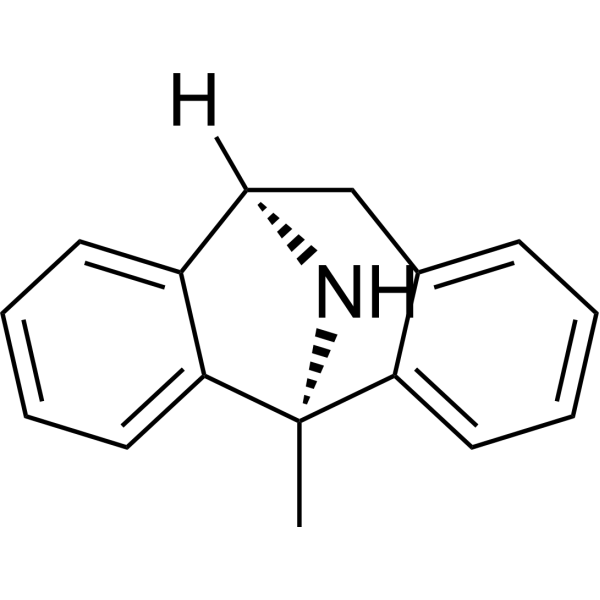
    Dizocilpine (MK-801), a potent anticonvulsant, is a selective and non-competitive NMDA receptor antagonist, with a Kd of 37.2 nM in rat brain membranes. Dizocilpine acts by binding to a site located within the NMDA associated ion channel and thus prevents Ca 2+ flux .
    Dizocilpine
  • HY-D2908

    Fluorescent Dye Others
    SYTO9 is a green fluorescent nucleic acid dye (Ex = 485 nm, Em = 498 nm (DNA)/501 nm (RNA)). SYTO9 can penetrate the intact cell membrane of viable bacteria. When the cell membrane is damaged (cell death), its rate of entry into cells increases, and it competes with propidium iodide (PI) (HY-D0815), another membrane-impermeable dye, for nucleic acid binding sites. SYTO9 is widely used in fluorescence microscopy, flow cytometry, and fluorometric assays in microbiology for bacterial counting, viability assessment, and cell imaging .
    SYTO9
  • HY-109061
    Lazertinib
    3 Publications Verification

    YH25448; GNS-1480

    Apoptosis Akt TRP Channel EGFR ERK Infection Neurological Disease Metabolic Disease Cancer
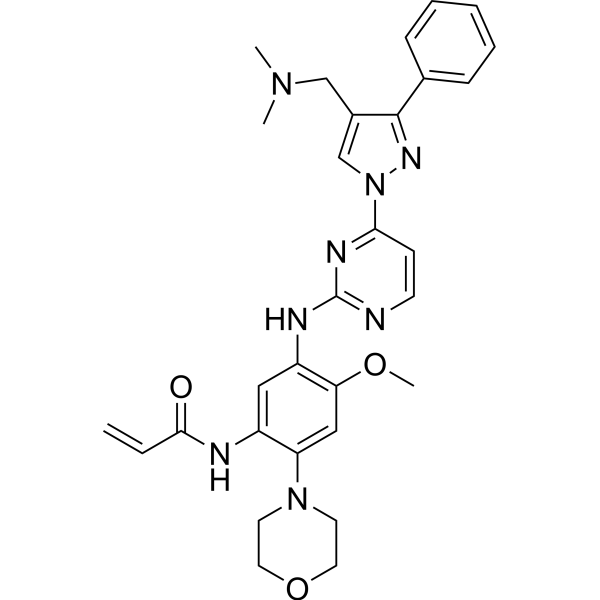
    Lazertinib (YH25448; GNS-1480) is an orally active, blood-brain barrier permeable third-generation EGFR tyrosine kinase inhibitor, as well as an ABCB1/ABCG2 inhibitor and a TRPA1 activator. Lazertinib exhibits IC50 values of 0.4 mM and 0.2 mM against human ABCB1 and ABCG2, respectively. By inhibiting mutant EGFR signaling, EGFR phosphorylation and the downstream ERK/AKT pathway, as well as upregulating surface expression of EGFR/MET, Lazertinib induces cell cycle arrest, apoptosis, spontaneous calcium responses, hyperexcitability of dorsal root ganglion (DRG) neurons, and TRPA1-dependent pain-like behaviors. Lazertinib competitively binds to the substrate-binding sites of ABCB1/ABCG2, stimulates their ATPase activity without altering their expression or plasma membrane localization, thereby enhancing ADCC activity, acting as a chemosensitizer, and reversing ABCB1-mediated multidrug resistance. It exerts antitumor activity as a single agent or in combination with other drugs. Lazertinib is applicable to research related to non-small cell lung cancer, multidrug-resistant cancers, and paresthesia .
    Lazertinib
  • HY-164036

    Antibiotic Bacterial Infection
    Lolamicin is an orally effective inhibitor that specifically targets the Gram-negative bacteria lipoprotein transport system LolCDE complex. It selectively inhibits the transmembrane transport of outer membrane lipoproteins by competitively binding to lipoprotein binding sites. Lolamicin destroys the integrity of the bacterial outer membrane, leading to cell death, and has both bactericidal and antibacterial activity. It has significant effects on multidrug-resistant Enterobacteriaceae pathogens (such as Escherichia coli and Klebsiella pneumoniae). Lolamicin can be used to inhibit the study of acute pneumonia, sepsis and other infections caused by Gram-negative bacteria .
    Lolamicin
  • HY-102064
    SR 57227A
    1 Publications Verification

    5-HT Receptor Neurological Disease
    SR 57227A is a potent, orally active and selective 5-HT3 receptor agonist, with ability to cross the blood brain barrier. SR 57227A has affinities (IC50) varying between 2.8 and 250 nM for 5-HT3 receptor binding sites in rat cortical membranes and on whole NG 108-15 cells or their membranes. Anti-depressant effects .
    SR 57227A
  • HY-116425
    N-1-Naphthylphthalamic acid
    2 Publications Verification

    Alanap 1

    Environmental Pollutants Herbicide Others
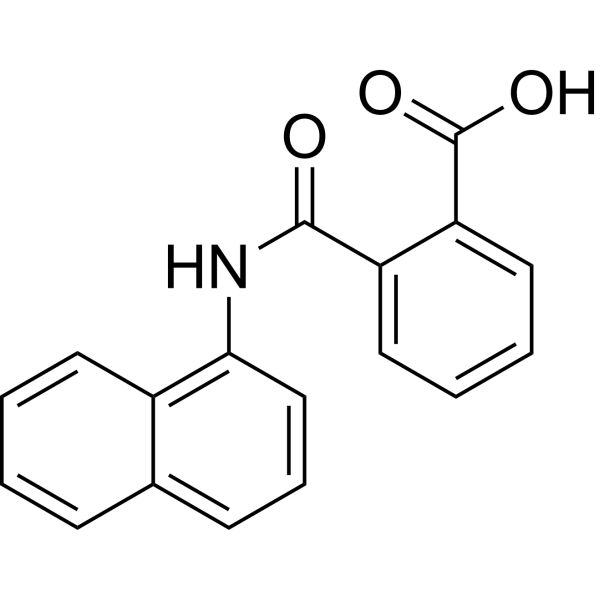
    N-1-Naphthylphthalamic acid (Alanap 1) is a modulator of polar auxin transport that competes with auxin (indole-3-acetic acid, IAA) for membrane binding sites. N-1-Naphthylphthalamic acid also disrupts maize leaf initiation, KNOX protein regulation, and leaf margin formation .
    N-1-Naphthylphthalamic acid
  • HY-D0896
    ANS
    1 Publications Verification

    ANSA; 8-Anilino-1-naphthalenesulfonic acid

    Bacterial Infection
    ANS (8-Anilino-1-naphthalenesulfonic acid) is a competitive inhibitor targeting thyroxine binding globulin (TBG) (Ki=2.09×10 6 M -1). ANS is used in radioimmunoassay by displacing bound triiodothyronine (T3) to improve detection sensitivity. ANS can block the protein binding site of T3 and release free T3 for antibody recognition. As a fluorescent probe, ANS can specifically bind to the hydrophobic region of proteins (such as membrane proteins) and monitor the dynamics of protein conformation through changes in fluorescent signals. It is widely used in biochemical research and antibacterial material development .
    ANS
  • HY-Y0095

    2-Hydroxyethanesulfonic acid

    Environmental Pollutants Mitochondrial Metabolism Parasite Metabolic Disease
    Isethionic acid is a calcium binder and anionic detergent that enhances mitochondrial calcium binding capacity by competitively binding to calcium binding sites on the outer mitochondrial membrane. Isethionic acid can inhibit calcium-activated mitochondrial respiration. Isethionic acid inhibits barnacle (Balanus amphitrite) larvae with LC50s of 23 μg/mL (24 h) and 17 μg/mL (48 h), respectively. Isethionic acid can inhibit the attachment of barnacle larvae (complete inhibition at 10 μg/mL) and regulate mitochondrial calcium transport, and can enhance ATP-dependent calcium uptake at high calcium concentrations. Isethionic acid can be used to study the mechanism of mitochondrial calcium metabolism.
    Isethionic acid (80% in water)
  • HY-B0633D

    CD44 Endogenous Metabolite Bacterial Akt PI3K Neurological Disease Metabolic Disease Inflammation/Immunology Cancer
    Hyaluronic acid sodium (MW 200-1560) is a biopolymer composed of repeating disaccharide units, with a molecular weight of 200-1560. Hyaluronic acid sodium is a major component of the extracellular matrix (ECM). It is synthesized on the plasma membrane. Hyaluronic acid sodium exerts its effects by binding to receptors CD44 and RHAMM. Hyaluronic acid sodium activates PI3K-Akt signaling. Hyaluronic acid sodium also enhances cell invasion and angiogenesis by promoting or stimulating the binding of proteolytic MMP-9 to the cell surface. Elevated hyaluronic acid levels are associated with tumor cell growth, adhesion, migration, invasion, and angiogenesis in digestive system cancers. Hyaluronic acid sodium is involved in tissue remodeling and rapid cell proliferation in several physiological processes, including embryonic morphogenesis and wound healing. Hyaluronic acid sodium can be used as a regulator of cancer-associated lymphangiogenesis. Hyaluronic acid sodium can be used as a drug delivery carrier for sodium butyrate, enhancing its anti-proliferative activity against breast cancer cell lines. Hyaluronic acid sodium can lubricate the corneal endothelium. Hyaluronic acid sodium can improve tissue hydration and enhance the resistance of cells to mechanical damage. Hyaluronic acid sodium has been conjugated with antibodies to ensure that the active compound continues to exert its effects at the site of inflammation. Hyaluronic acid sodium can be used in research in the fields of osteoarthritis, ophthalmology, cosmetic dermatology, oncology, and liver diseases .
    Hyaluronic acid sodium (MW 200-1560)
  • HY-B0633E

    Hyaluronan, low endotoxin; Hyaluronate, low endotoxin

    Endogenous Metabolite CD44 Bacterial Akt PI3K Neurological Disease Metabolic Disease Inflammation/Immunology Cancer
    Hyaluronic acid, low endotoxin (Hyaluronan, low endotoxin) is a biopolymer composed of repeating disaccharide units containing low levels of endotoxin. Hyaluronic acid is a major component of the extracellular matrix (ECM). It is synthesized on the plasma membrane. Hyaluronic acid exerts its effects by binding to receptors CD44 and RHAMM. Hyaluronic acid activates PI3K-Akt signaling. Hyaluronic acid also enhances cell invasion and angiogenesis by promoting or stimulating the binding of proteolytic MMP-9 to the cell surface. Elevated hyaluronic acid levels are associated with tumor cell growth, adhesion, migration, invasion, and angiogenesis in digestive system cancers. Hyaluronic acid is involved in tissue remodeling and rapid cell proliferation in several physiological processes, including embryonic morphogenesis and wound healing. Hyaluronic acid can be used as a regulator of cancer-associated lymphangiogenesis. Hyaluronic acid can be used as a drug delivery carrier for sodium butyrate, enhancing its anti-proliferative activity against breast cancer cell lines. Hyaluronic acid can lubricate the corneal endothelium. Hyaluronic acid can improve tissue hydration and enhance the resistance of cells to mechanical damage. Hyaluronic acid has been conjugated with antibodies to ensure that the active compound continues to exert its effects at the site of inflammation. Hyaluronic acid can be used in research in the fields of osteoarthritis, ophthalmology, cosmetic dermatology, oncology, and liver diseases .
    Hyaluronic acid, low endotoxin
  • HY-18698

    iGluR Neurological Disease
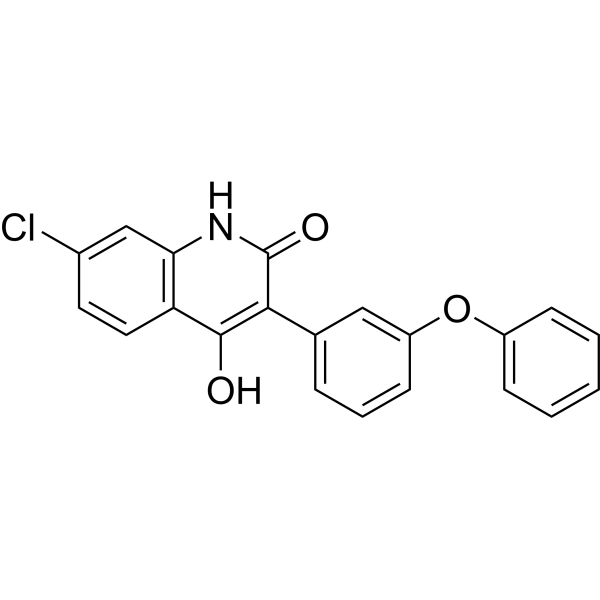
    L-701324 is a potent, orally active NMDA receptor antagonist that antagonizes the activity of the NMDA receptor by blocking its glycine B binding site. L-701324 binds with high affinity to rat brain membranes (IC50=2 nM). L-701324 has antidepressant activity .
    L-701324
  • HY-D1605
    BODIPY FL L-Cystine
    1 Publications Verification

    Fluorescent Dye Others
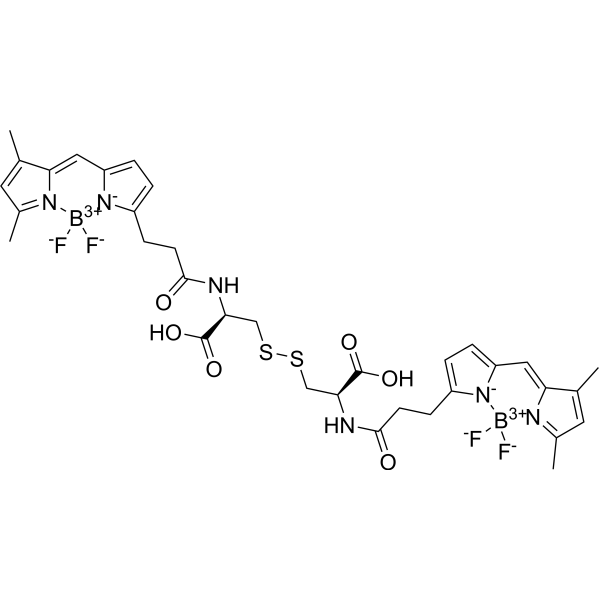
    BODIPY FL L-Cystine is a thiol-reactive, green-fluorescent dye. BODIPY FL L-Cystine can be the labeling of membrane proteins, proteins with hydrophobic binding sites, or hydrophobic ligands. (λex=504 nm, λem=511 nm) .
    BODIPY FL L-Cystine
  • HY-109061B
    Lazertinib mesylate
    3 Publications Verification

    YH25448 mesylate; GNS-1480 mesylate

    TRP Channel EGFR Akt ERK Apoptosis Cancer
    Lazertinib (YH25448; GNS-1480) mesylate is an orally active, blood-brain barrier permeable third-generation EGFR tyrosine kinase inhibitor, as well as an ABCB1/ABCG2 inhibitor and a TRPA1 activator. Lazertinib mesylate exhibits IC50 values of 0.4 mM and 0.2 mM against human ABCB1 and ABCG2, respectively. By inhibiting mutant EGFR signaling, EGFR phosphorylation and the downstream ERK/AKT pathway, as well as upregulating surface expression of EGFR/MET, Lazertinib mesylate induces cell cycle arrest, apoptosis, spontaneous calcium responses, hyperexcitability of dorsal root ganglion (DRG) neurons, and TRPA1-dependent pain-like behaviors. Lazertinib mesylate competitively binds to the substrate-binding sites of ABCB1/ABCG2, stimulates their ATPase activity without altering their expression or plasma membrane localization, thereby enhancing ADCC activity, acting as a chemosensitizer, and reversing ABCB1-mediated multidrug resistance. It exerts antitumor activity as a single agent or in combination with other drugs. Lazertinib mesylate is applicable to research related to non-small cell lung cancer, multidrug-resistant cancers, and paresthesia .
    Lazertinib mesylate
  • HY-NP180

    Calcium Channel Metabolic Disease
    Progesterone/BSA is a conjugate of Progesterone (HY-N0437) and bovine serum albumin (BSA). Progesterone/BSA cannot penetrate the plasma membrane of human sperm, but still rapidly elevates intracellular free calcium and induces the acrosome reaction. Progesterone/BSA can also act as a probe to specifically bind to progesterone-binding proteins on the membrane of rat brain synaptosomes .
    Progesterone/BSA
  • HY-15404

    Lu-135252

    Endothelin Receptor Cardiovascular Disease Endocrinology
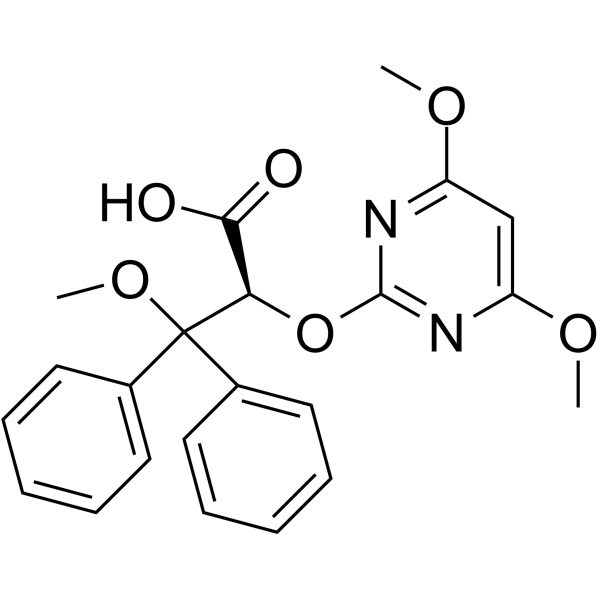
    Darusentan (Lu-135252) is a selective endothelin receptor A (ET-A) receptor antagonist, which binds with a Ki of 1.4 nM to the ET-A receptor and a Ki of 184 nM to ET-B receptor, respectively with a 100-fold selectivity for ETA rather than ETB receptors . Darusentan competes for radiolabeled endothelin binding in rat aortic vascular smooth muscle cells (RAVSMs) membranes with single-site kinetics, exhibiting a Ki of 13 nM .
    Darusentan
  • HY-156685

    PI4K Parasite Infection Metabolic Disease Cancer
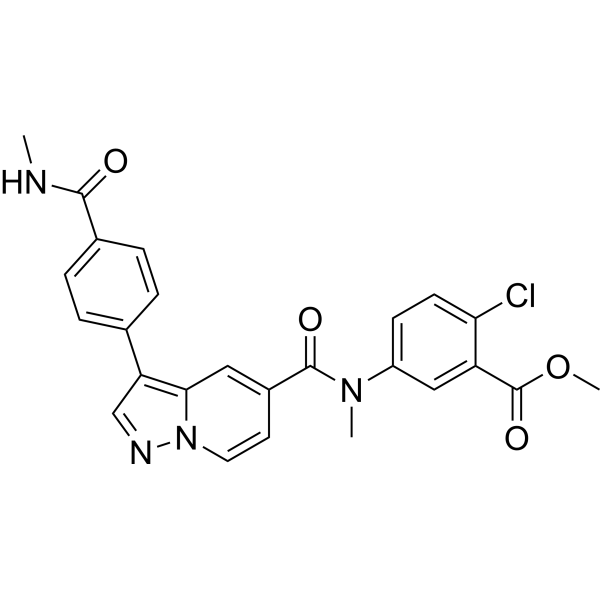
    EDI048 is an orally active, gut-restricted parasiticidal agent. EDI048 specifically binds to the ATP-binding site of Cryptosporidium phosphatidylinositol 4-kinase (CpPI (4) K), blocks parasite membrane biogenesis, arrests the pathogen at the schizont stage, and thus irreversibly clears the infection. EDI048 is rapidly converted to an inactive carboxylic acid metabolite via hepatic first-pass metabolism, with extremely low systemic exposure, good safety profile, and no cardiotoxicity, genotoxicity or off-target effects. EDI048 is used in studies of intestinal cryptosporidiosis in children .
    EDI048
  • HY-N9279

    Monocrotaline pyrrole; MCTP; 3,8-Didehydromonocrotaline

    Endogenous Metabolite Cardiovascular Disease Cancer
    Dehydromonocrotaline is a mitochondrial respiratory chain complex I NADH oxidase inhibitor, with a IC50 of 62.06 μM and a Ki of 8.1 μM in rats. Dehydromonocrotaline exerts non-competitive inhibitory effects by modifying cysteine thiol groups on complex I, and does not bind to the NADH-binding site. Dehydromonocrotaline dissipates mitochondrial membrane potential and reduces ATP levels. Dehydromonocrotaline can be used in studies related to hepatotoxicity, pulmonary hypertension and liver tumors .
    Dehydromonocrotaline
  • HY-100027A

    Monoamine Oxidase Neurological Disease
    Ro 41-1049 hydrochloride is a reversible and selective inhibitor of monoamine oxidase-A (MAO-A). An homogeneous population of high affinity binding sites for [ 3H]Ro 41-1049 is found in membrane preparations from human frontal cortex and placenta (Kd values of 16.5 and 64.4 nM, respectively) .
    Ro 41-1049 hydrochloride
  • HY-117005

    Bacterial Infection
    C450-0730 is an antagonist targeting the AHL membrane-bound sensor kinase and is an antagonist of the nine-transmembrane protein LuxN of Vibrio harveyi . C450-0730 competitively binds to the LuxN AI-1 binding site and specifically antagonizes the LuxN/AI-1 quorum sensing signal in Vibrio harveyi. The inhibitory activity of C450-0730 against LuxN I209F was not significant .
    C450-0730
  • HY-116425R

    Alanap 1 (Standard)

    Herbicide Reference Standards Others
    N-1-Naphthylphthalamic acid (Standard) is the analytical standard of N-1-Naphthylphthalamic acid. This product is intended for research and analytical applications. N-1-Naphthylphthalamic acid (Alanap 1) is a modulator of polar auxin transport that competes with auxin (indole-3-acetic acid, IAA) for membrane binding sites. N-1-Naphthylphthalamic acid also disrupts maize leaf initiation, KNOX protein regulation, and leaf margin formation .
    N-1-Naphthylphthalamic acid (Standard)
  • HY-121082

    L-Dihydroalprenolol

    Adrenergic Receptor Endocrinology
    (-)-Dihydroalprenolol (L-Dihydroalprenolol) is a β-adrenergic antagonist that inhibits the activity of β-adrenergic receptors. (-)-Dihydroalprenolol can cause desensitization of approximately 60% of β-adrenergic receptor binding sites. (-)-Dihydroalprenolol has also been shown to reduce the binding capacity of specific β-adrenergic ligands. (-)-Dihydroalprenolol may affect the ability to stimulate membrane-bound adenylate acylase .
    (-)-Dihydroalprenolol
  • HY-19578B

    (±)-Isamoltane hemifumarate

    5-HT Receptor Adrenergic Receptor Neurological Disease
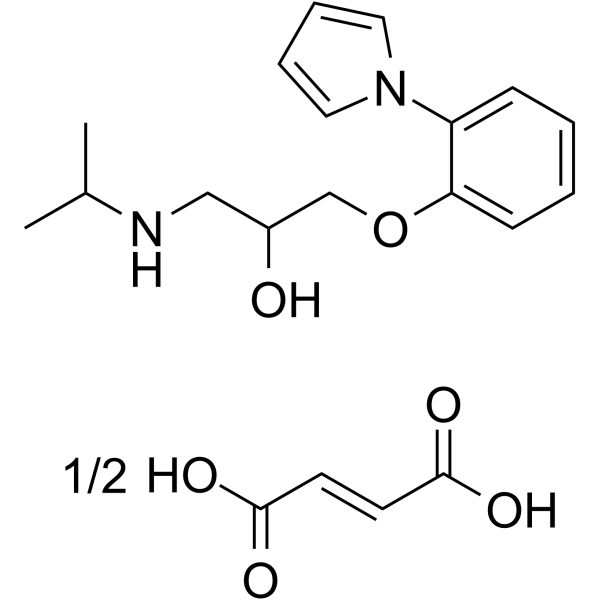
    Isamoltane hemifumarate is a selective antagonist of 5-HT1B receptor, with an IC50 of 39 nM for inhibits the binding of [ 125I]ICYP to 5-HT1B recognition sites in rat brain membranes. Isamoltane hemifumarate is also a β-adrenoceptor ligand, with an IC50 of 8.4 nM. Isamoltane hemifumarate shows anxiolytic activity .
    Isamoltane hemifumarate
  • HY-103172

    P2Y Receptor Metabolic Disease
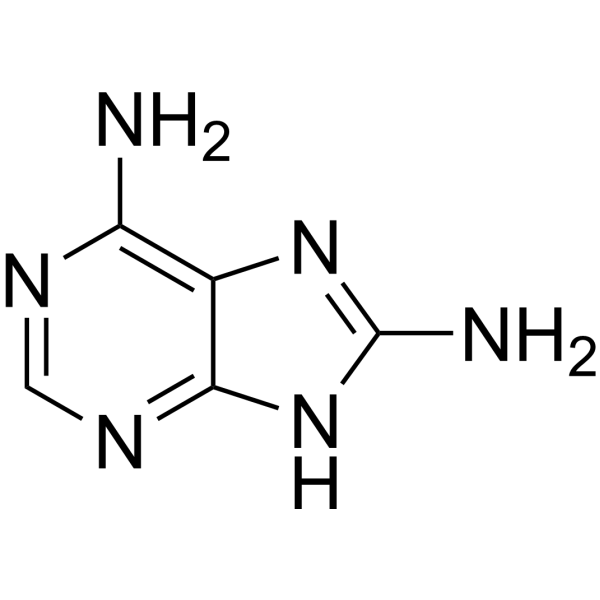
    8-Aminoadenine is an adenine receptor 1 (rAde1R) inhibitor with a Ki of 6.51 μM in rat and 0.0341 μM in human. 8-Aminoadenine inhibits isoprenaline-induced cAMP accumulation and adenine uptake in astrocytoma cells expressing rAde1R. 8-Aminoadenine serves as a lead structure for the development of adenine receptor ligands to elucidate the functions of the adenine receptor family .
    8-Aminoadenine
  • HY-101390D

    Calcium Channel Cardiovascular Disease
    (R)-Niguldipine, a R-epimer of Niguldipine (HY-101390B), is a calcium channel antagonist. (R)-Niguldipine exerts a vasodilatory effect by blocking calcium channels and reducing the transmembrane influx of calcium ions. (R)-Niguldipine can inhibit U-46619 (HY-108566)-induced coronary artery contraction in guinea pig Langendorff hearts (pID50 of 9.93), has high affinity for calcium channel binding sites on guinea pig skeletal muscle membranes (Ki of 8.10), and lowers blood pressure in spontaneously hypertensive rats (pED30 of 5.55). (R)-Niguldipine can improve cardiovascular diseases such as hypertension, angina pectoris, and arrhythmias .
    (R)-Niguldipine
  • HY-N15270

    Secantioquine

    Dopamine Receptor Others
    S-Secoantioquine (Secantioquine) is a bisbenzylisoquinoline alkaloid secoderivative. In the rat striate membrane experiment, S-Secoantioquine shows weak displacement activity on 3H-SCH 23390 binding site, and certain displacement activity on 3H-raclopride binding site .
    S-Secoantioquine
  • HY-P10700

    Antibiotic Bacterial Infection
    RO7196472 is a potent and selective macrocyclic peptide antibiotic that targets Acinetobacter strains. RO7196472 inhibits Acinetobacter strain activity by specifically binding to the Lipopolysaccharide (LPS) binding site on the LptB2FG complex located on the inner membrane of Acinetobacter strains, thereby blocking LPS transport and suppressing Acinetobacter strain activity .
    RO7196472
  • HY-105567A

    GABA Receptor Neurological Disease
    Carbiphene hydrochloride is a GABAA receptor allosteric modulator. Carbiphene hydrochloride inhibits [ 35S] TBPS binding and enhances [ 3H] muscimol binding on rat forebrain membranes, acting on specific GABAA receptor subsets. Carbiphene hydrochloride can be used in research related to schizophrenia .
    Carbiphene hydrochloride
  • HY-134311

    Fluorescent Dye Others
    8-NBD-cGMP is a fluorescent analog of cyclic guanosine monophosphate and a potent, membrane-permeable, fluorescent activator of cGMP-dependent protein kinase isozymes I α and I β. 8-NBD-cGMP is barely fluorescent in aqueous solution but fluoresces strongly in hydrophobic environments such as hydrophobic protein binding sites
    8-NBD-cGMP
  • HY-167091

    (Rac)-TRK-100 free acid; (Rac)-ML 1229

    Prostaglandin Receptor Cardiovascular Disease
    (Rac)-Beraprost ((Rac)-ML 1229) is an orally active prostacyclin analog that inhibits the release of Ca 2+ from intracellular storage sites by binding to prostacyclin membrane receptors (Prostaglandin Receptor), leading to relaxation of smooth muscle cells and vasodilation. Beraprost has vasodilatory, antiplatelet, and cytoprotective effects, making it promising for research in the field of cardiovascular diseases, such as thromboangiitis obliterans and atherosclerosis .
    (Rac)-Beraprost
  • HY-19578A

    (±)-Isamoltane hydrochloride

    Adrenergic Receptor 5-HT Receptor Neurological Disease
    Isamoltan ((±)-Isamoltane) hydrochloride is a selective antagonist of 5-HT1B receptor, with an IC50 of 39 nM for inhibits the binding of [ 125I]ICYP to 5-HT1B recognition sites in rat brain membranes. Isamoltan hydrochloride is also a β-adrenoceptor ligand, with an IC50 of 8.4 nM. Isamoltan hydrochloride shows anxiolytic activity .
    Isamoltan hydrochloride
  • HY-Z7721

    (Rac)-TRK-100; (Rac)-ML 1129 sodium

    Prostaglandin Receptor Cardiovascular Disease
    (Rac)-Beraprost ((Rac)-ML 1129) sodium is a racemic isomer of Beraprost sodium (HY-13569A). Beraprost sodium is an orally active prostacyclin analog that inhibits the release of Ca 2+ from intracellular storage sites by binding to prostacyclin membrane receptors (Prostaglandin Receptor), leading to relaxation of smooth muscle cells and vasodilation. Beraprost sodium has vasodilatory, antiplatelet, and cytoprotective effects, making it promising for research in the field of cardiovascular diseases, such as thromboangiitis obliterans and atherosclerosis .
    (Rac)-Beraprost sodium
  • HY-166363S

    TRK-100-d3; ML 1129-d3

    Isotope-Labeled Compounds Prostaglandin Receptor Cardiovascular Disease
    Beraprost-d3 (TRK-100-d3) is deuterium labeled (Rac)-Beraprost. (Rac)-Beraprost ((Rac)-ML 1229) is an orally active prostacyclin analog that inhibits the release of Ca 2+ from intracellular storage sites by binding to prostacyclin membrane receptors (Prostaglandin Receptor), leading to relaxation of smooth muscle cells and vasodilation. Beraprost has vasodilatory, antiplatelet, and cytoprotective effects, making it promising for research in the field of cardiovascular diseases, such as thromboangiitis obliterans and atherosclerosis .
    Beraprost-d3
  • HY-W205529

    Fluorescent Dye Neurological Disease
    RO 16-6491 Free base is a selective, reversible inhibitor of monoamine oxidase type B (MAO-B), exhibiting high affinity and specificity for binding sites in human frontal cortex mitochondria and platelet membranes. RO 16-6491 demonstrates a fast dissociation of bound radioactivity at 20 degrees C, indicating its dynamic binding properties. RO 16-6491 also acts as a substrate for MAO-B, suggesting that its oxidation may produce a stable intermediate responsible for its potent inhibitory effects. RO 16-6491 serves as an excellent radioligand probe for investigating the regional tissue distribution of MAO-B in various physiological and pathological states.
    RO 16-6491 free base
  • HY-168565

    Apoptosis Microtubule/Tubulin Reactive Oxygen Species (ROS) Cancer
    Tubulin polymerization-IN-70 (compound Q19) is a potent tubulin polymerization inhibitor. Tubulin polymerization-IN-70 shows antiproliferative activity. Tubulin polymerization-IN-70 target the colchicine binding site of tubulin and inhibited tubulin polymerization. Tubulin polymerization-IN-70 induces apoptosis and cell cycle arrest at G2/M phase. Tubulin polymerization-IN-70 induces mitochondrial membrane potential decrease and increases the levels of reactive oxygen species (ROS). Tubulin polymerization-IN-70 shows antiangiogenic and anticancer activity .
    Tubulin polymerization-IN-70
  • HY-175512

    Microtubule/Tubulin Apoptosis Reactive Oxygen Species (ROS) Cancer
    Tubulin-IN-53 is a potent Tubulin inhibitor with an IC50 of 6.06 μM. Tubulin-IN-53 inhibits the polymerization of tubulin by targeting the colchicine binding site of tubulin and destroys the microtubule network. Tubulin-IN-53 induces MCF-7 cell cycle arrest in the G2/M phase and apoptosis, and inhibits cell migration accompanied by the decrease of mitochondrial membrane potential and increase the accumulation of ROS. Tubulin-IN-53 destroys the angiogenesis of human umbilical vein endothelial cells.Tubulin-IN-53 can used for the study of cancers such as breast cancer and lung cancer .
    Tubulin-IN-53
  • HY-101390A

    (R)-Niguldipine hydrochloride

    Calcium Channel Cardiovascular Disease
    (-)-Niguldipine ((R)-Niguldipine) hydrochloride is a calcium channel antagonist. (-)-Niguldipine hydrochloride exerts a vasodilatory effect by blocking calcium channels and reducing the transmembrane influx of calcium ions. (-)-Niguldipine can inhibit U-46619 (HY-108566)-induced coronary artery contraction in guinea pig Langendorff hearts (pID50 of 9.93), has high affinity for calcium channel binding sites on guinea pig skeletal muscle membranes (Ki of 8.10), and lowers blood pressure in spontaneously hypertensive rats (pED30 of 5.55). (-)-Niguldipine hydrochloride can improve cardiovascular diseases such as hypertension, angina pectoris, and arrhythmias .
    (-)-Niguldipine hydrochloride
  • HY-170557

    Topoisomerase Apoptosis Mitochondrial Metabolism Cancer
    Topoisomerase IIα-IN-10 (Compound 13r) is an inhibitor of Topoisomerase IIα. It binds to the active site of DNA when complexed with Topoisomerase IIα, and this binding is stabilized through interactions with DNA base pairs and amino acid residues. Topoisomerase IIα-IN-10 can induce Apoptosis by intercalating DNA and inhibiting Topoisomerase IIα, thereby disrupting the mitochondrial membrane potential and inhibiting the growth of HCT116 cell lines, with an IC50 of 4.37 μM against HCT116 cells. Topoisomerase IIα-IN-10 can be used for research in the field of cancer treatment .
    Topoisomerase IIα-IN-10
  • HY-W778649

    Isotope-Labeled Compounds Herbicide Photosystem II Others
    Sarmentine-d8 is the deuterium labeled Sarmentine. Sarmentine is a broad-spectrum contact herbicide and PSII inhibitor, with an IC50 of 3.0 μM and a Ki of 1.5 μM against spinach, an IC50 of 1.72 μM against wild-type Amaranthus retroflexus, and an IC50 of 0.97 μM against triazine-resistant Amaranthus retroflexus. Sarmentine competitively binds to the QB binding site of plastoquinone on PSII, thereby blocking photosynthetic electron transport. Sarmentine inhibits enoyl-ACP reductase in Arabidopsis thaliana by targeting the early fatty acid synthesis process, with an IC50 of 18.3 μM. Sarmentine induces light-independent loss of plasma membrane integrity and electrolyte leakage. Sarmentine also exhibits antiplasmodial, antimycobacterial, antituberculous, and antiplatelet aggregation activities .
    Sarmentine-d8
  • HY-161863

    Microtubule/Tubulin Reactive Oxygen Species (ROS) Apoptosis Cancer
    Tubulin polymerization-IN-67 (Compound 5h) is an inhibitor for tubulin polymerization on colchicine binding site with an IC50 of 2.92 μM. Tubulin polymerization-IN-67 inhibits the proliferation of cancer cells HT29, A549, U2OS, MG-63 and HeLa with IC50s of 0.12-4.13 μM. Tubulin polymerization-IN-67 arrests the cell cycle at G2/M phase, induces apoptosis in cell U2OS, inhibits the cell migration of A549. Tubulin polymerization-IN-67 reduces the mitochondrial membrane potential (MMP) and increase intracellular ROS, inhibits the angiogenesis in HUVECs. Tubulin polymerization-IN-67 exhibits antitumor efficacy in mice
    Tubulin polymerization-IN-67
  • HY-183342

    NO Synthase Drug Derivative Metabolic Disease
    DHEA Benzophenone-biotin is a photoactive DHEA (HY-14650) analog containing Biotin (HY-B0511) and Benzophenone (HY-Y0546) groups. DHEA Benzophenone-biotin inhibits plasma membrane binding of DHEA, activates endothelial NO synthase. DHEA Benzophenone-biotin cross-links to plasma membrane DHEA binding sites upon UV irradiation to identify associated proteins .
    DHEA Benzophenone-biotin
  • HY-W099725

    Herbicide Photosystem II Cardiovascular Disease Infection
    Sarmentine is a broad-spectrum contact herbicide and PSII inhibitor, with an IC50 of 3.0 μM and a Ki of 1.5 μM against spinach, an IC50 of 1.72 μM against wild-type Amaranthus retroflexus, and an IC50 of 0.97 μM against triazine-resistant Amaranthus retroflexus. Sarmentine competitively binds to the QB binding site of plastoquinone on PSII, thereby blocking photosynthetic electron transport. Sarmentine inhibits enoyl-ACP reductase in Arabidopsis thaliana by targeting the early fatty acid synthesis process, with an IC50 of 18.3 μM. Sarmentine induces light-independent loss of plasma membrane integrity and electrolyte leakage. Sarmentine also exhibits antiplasmodial, antimycobacterial, antituberculous, and antiplatelet aggregation activities .
    Sarmentine
  • HY-116666

    Drug Derivative Metabolic Disease
    Etomidate acid (Compound 35) is an etomidate analog. Etomidate acid inhibits the binding of metyrapone (Metyrapol) and 4-iodometomidate to rat adrenal membrane sites .
    Etomidate acid
  • HY-180884

    Btk Cancer
    BTK-IN-46 (compound 24) is a reversible covalent BTK inhibitor. BTK-IN-46 covalently labels a lysine in the inositol phosphate (PIP3) binding site, thereby blocking Pleckstrin homology (PH) domain-mediated membrane recruitment and activation of BTK .
    BTK-IN-46
  • HY-105567

    GABA Receptor Neurological Disease
    Carbiphene is a GABAA receptor allosteric modulator. Carbiphene inhibits [ 35S] TBPS binding and enhances [ 3H] muscimol binding on rat forebrain membranes, acting on specific GABAA receptor subsets. Carbiphene can be used in research related to schizophrenia .
    Carbiphene
  • HY-102064R

    Reference Standards 5-HT Receptor Neurological Disease
    SR 57227A (Standard) is the analytical standard of SR 57227A (HY-102064). This product is intended for research and analytical applications. SR 57227A is a potent, orally active and selective 5-HT3 receptor agonist, with ability to cross the blood brain barrier. SR 57227A has affinities (IC50) varying between 2.8 and 250 nM for 5-HT3 receptor binding sites in rat cortical membranes and on whole NG 108-15 cells or their membranes. Anti-depressant effects .
    SR 57227A (Standard)
  • HY-165381

    MDM-2/p53 Cancer
    ZMC2 is a thiosemicarbazone-class metal ion chelator and zinc ionophore with a human mutant p53 R175H binding Ka of 27.4 nM.ZMC2 binds Fe, Cu, Mn, Zn, and other transition metals.ZMC2 facilitates zinc transport across membranes.ZMC2 restores zinc binding to zinc-deficient p53 mutants, restoring wild-type structure and function, including site-specific DNA binding.ZMC2 generates reactive oxygen species (ROS).ZMC2 can be used for the research of cancer .
    ZMC2
  • HY-138008

    Microtubule/Tubulin Apoptosis Cancer
    WX-132-18B is a tubulin inhibitor with an IC50 of 0.45-0.99 nM. WX-132-18B selectively binds to the colchicine-binding site on tubulin, reduces microtubule content via depolymerization, and inhibits tubulin polymerization. WX-132-18B induces tumor cell cycle arrest, apoptosis and changes in nuclear membrane permeability, and decreases mitochondrial membrane potential. WX-132-18B exhibits antiproliferative activity against endothelial cells and human tumor cells, and inhibits the proliferation and growth of xenograft tumors in mice. WX-132-18B can be used in research related to sarcoma, non-small cell lung cancer, gastric cancer and breast cancer .
    WX-132-18B
  • HY-P11733

    Bacterial Infection
    (KFF)3K-acpP is an antibacterial agent conjugating of cell penetrating peptide (KFF)3K (HY-P10556) and acpP
    peptide nucleic acid. (KFF)3K-acpP binds to the translation start site region of acpP mRNA, sterically blocking ribosome binding and inhibiting translation of the acyl carrier protein. (KFF)3K-acpP induces bacterial envelope stress response pathways, and triggers depletion of outer membrane protein F (ompF) transcript. (KFF)3K-acpP can be used for the research of infections .
    (KFF)3K-acpP
  • HY-182302

    Drug Derivative HSP Cancer
    SMTIN-P01 is a TRAP1 inhibitor that is selective for cytosolic Hsp90 and accumulates in mitochondria. SMTIN-P01 binds to the ATP-binding site of TRAP1 as an ATP mimic, thereby inhibiting ATPase and foldase activities. SMTIN-P01 induces mitochondrial membrane depolarization and proteolytic degradation in cancer cells. SMTIN-P01 exhibits significant cytotoxicity, but shows extremely low toxicity to primary mouse hepatocytes, and does not interfere with SIRT3-related functions or the levels of cytosolic Hsp90 substrates. SMTIN-P01 has important application value in cancer-related research .
    SMTIN-P01
  • HY-182068

    iGluR Cardiovascular Disease Neurological Disease
    NFI23 is a GluN2B-NMDAR inhibitor with an IC50 of 1.31 μM and a Ki of 5.98 nM against GluN2B-NMDAR. NFI23 can cross the blood-brain barrier. NFI23 binds to the ifenprodil binding site of GluN2B-NMDAR, reduces NMDA-induced Ca 2+ influx and reactive oxygen species (ROS) production, maintains mitochondrial membrane potential, inhibits neuronal apoptosis, and restores the expression of p-ERK1/2. NFI23 exerts neuroprotective effects against NMDA-induced cytotoxicity and in the rat middle cerebral artery occlusion (MCAO) model. NFI23 can be used for the research of ischemic stroke .
    NFI23

Inquiry Online

Your information is safe with us. * Required Fields.

Salutation


Country or Region *

Applicant Name *


Organization Name *

Department *


Email Address *


Product Name *

Cat. No.


Requested quantity *

Phone Number *


Remarks

Inquiry Online

Inquiry Information

Product Name:
Cat. No.:
Quantity:
MCE Japan Authorized Agent:

