58 Results for "

motor effects

" in MedChemExpress (MCE) Product Catalog:
Products (58)

58 Results for "motor effects" in MCE Product Catalog:

20
20 Publications Verification
Cat. No.: HY-76201
CAS No.: 149003-01-0
Synonyms: ICRF-187 hydrochloride; ADR-529 hydrochloride; NSC-169780 hydrochloride
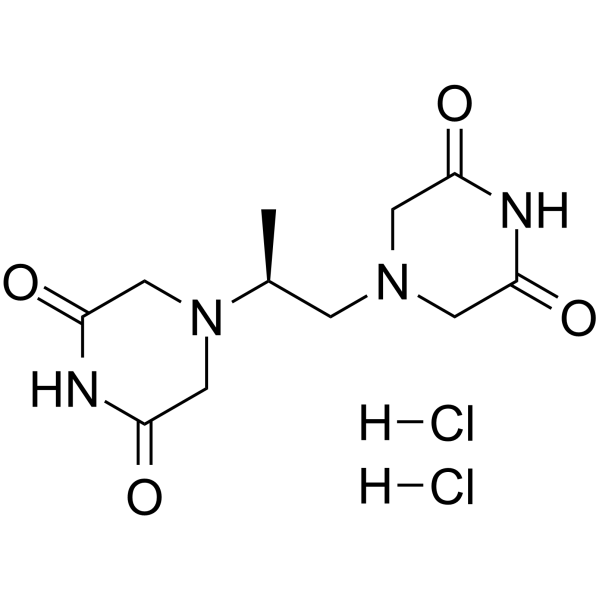
Dexrazoxane hydrochloride (ICRF-187 hydrochloride) is a heart protectant that can help preserve ovarian function and fertility. Dexrazoxane hydrochloride has antioxidant and anti-inflammatory properties, can cross the blood-brain barrier, improves motor function disorders, and offers neuroprotective effects, making it useful in the study of neurodegenerative diseases .
loading...
    loading...
13
13 Cited Publications
Cat. No.: HY-18100A
CAS No.: 75136-54-8
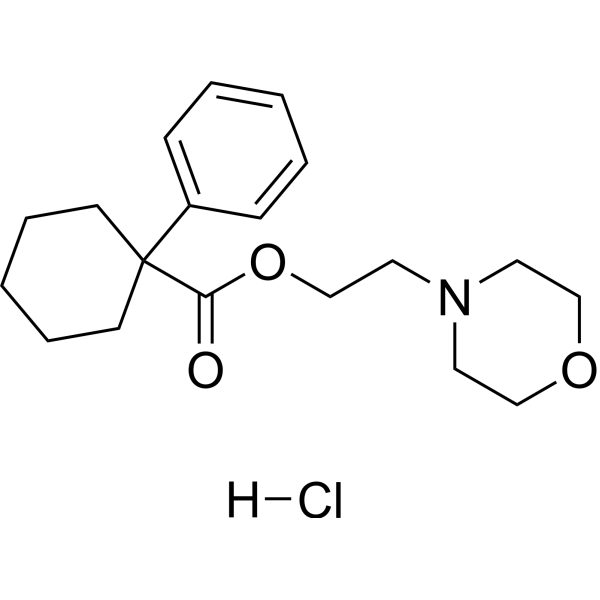
PRE-084 hydrochloride is a highly selective σ1 receptor (S1R) agonist, with an IC50 of 44 nM. PRE-084 hydrochloride exhibits good neuroprotective effects, can improve motor function and motor neuron survival in mice. PRE-084 hydrochloride also can ameliorate myocardial ischemia-reperfusion injury in rats by activating the Akt-eNOS pathway .
loading...
    loading...
8
8 Cited Publications
Cat. No.: HY-17417
CAS No.: 357-08-4
Target:  

Opioid Receptor

Research Areas:  

Neurological Disease

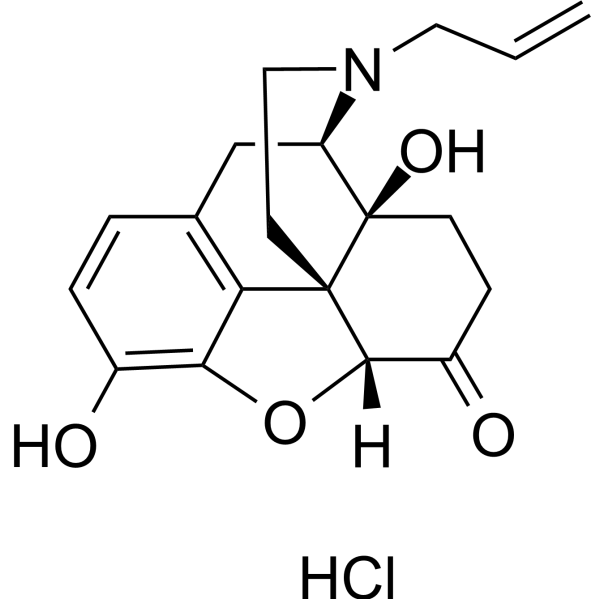
Naloxone hydrochloride is an orally active opioid receptor antagonist. Naloxone hydrochloride attenuates spinal cord stimulation‑associated anti‑hyperalgesic effects, antagonizes physiologic effects of endogenous opioid peptides linked to central nervous system injury sequelae, functions as a pressor agent to induce modest elevations in mean arterial blood pressure, exerts neuroprotective effects to improve post‑traumatic neurologic motor function, blocks opioid receptor‑mediated amnesic pathways, enhances memory consolidation, reverses Adrenocorticotropic hormone (ACTH) (HY-106373)- and epinephrine‑induced amnesia, and potentiates the memory‑facilitatory effects of ACTH and epinephrine .
loading...
    loading...
8
8 Cited Publications
Cat. No.: HY-17417A
CAS No.: 465-65-6
Target:  

Opioid Receptor

Research Areas:  

Neurological Disease

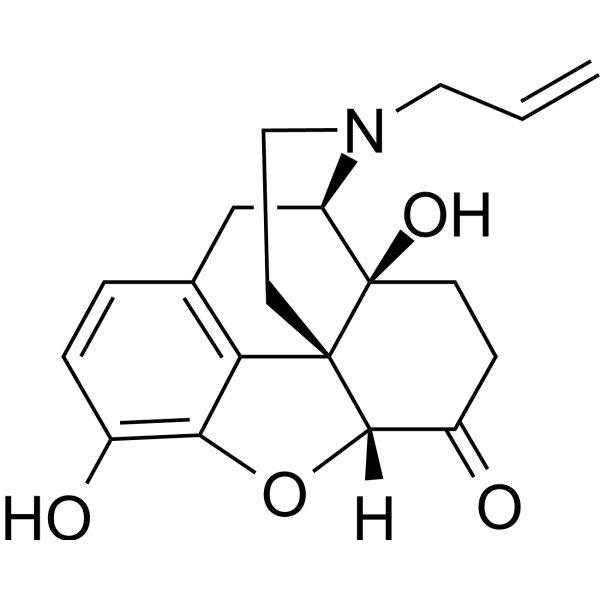
Naloxone hydrochloride is an orally active opioid receptor antagonist. Naloxone hydrochloride attenuates spinal cord stimulation‑associated anti‑hyperalgesic effects, antagonizes physiologic effects of endogenous opioid peptides linked to central nervous system injury sequelae, functions as a pressor agent to induce modest elevations in mean arterial blood pressure, exerts neuroprotective effects to improve post‑traumatic neurologic motor function, blocks opioid receptor‑mediated amnesic pathways, enhances memory consolidation, reverses Adrenocorticotropic hormone (ACTH) (HY-106373)‑ and epinephrine‑induced amnesia, and potentiates the memory‑facilitatory effects of ACTH and epinephrine .
loading...
    loading...
6
6 Cited Publications
Cat. No.: HY-B0411
CAS No.: 57808-66-9
Synonyms: R33812
Target:  

Dopamine Receptor

Research Areas:  

Neurological Disease

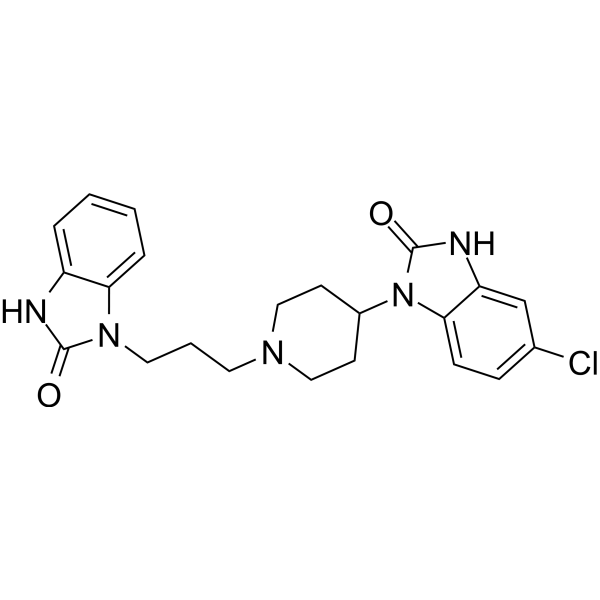
Domperidone (R33812) is an orally active and selective dopamine-2 receptor antagonist. Domperidone acts as an antiemetic and a prokinetic agent through its effects on the chemoreceptor trigger zone and motor function of the stomach and small intestine .
loading...
    loading...
6
6 Cited Publications
Cat. No.: HY-B0411A
CAS No.: 83898-65-1
Synonyms: R33812 monomaleate
Target:  

Dopamine Receptor

Research Areas:  

Neurological Disease

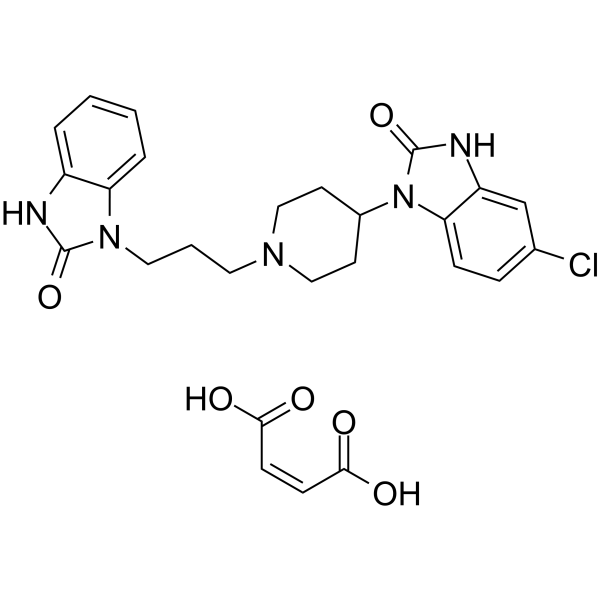
Domperidone (R33812) monomaleate is an orally active and selective dopamine-2 receptor antagonist. Domperidone monomaleate acts as an antiemetic and a prokinetic agent through its effects on the chemoreceptor trigger zone and motor function of the stomach and small intestine .
loading...
    loading...
3
3 Cited Publications
Cat. No.: HY-N5112A
CAS No.: 34539-65-6
Synonyms: Arnebin 1
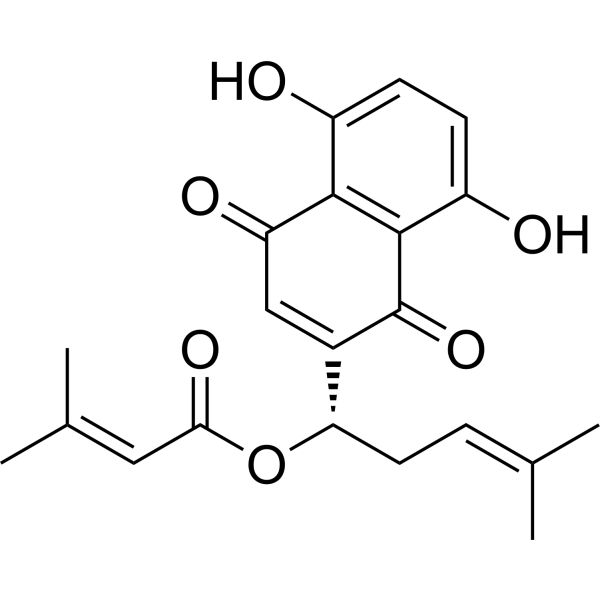
β,β-Dimethylacrylalkannin (Arnebin 1) is an orally active FGFR1 inhibitor (IC50=2.5 μM) and the main active component of Lithospermum erythrorhizon. β,β-Dimethylacrylalkannin blocks downstream signaling by binding to the ATP pocket of FGFR1, and regulates the CDK1/Cdc25C pathway and ROS-JNK axis, thereby inducing G2/M phase arrest, necrosis and apoptosis in cancer cells, and inhibiting tumor proliferation. β,β-Dimethylacrylalkannin also acts as a colistin adjuvant to disrupt the cell membrane of Gram-negative bacteria. β,β-Dimethylacrylalkannin exhibits significant tumor-inhibitory effects with no obvious toxicity in PDX models, but chronic exposure to high doses may alter the relative lung/liver weights of rats, while acute exposure to high doses causes responses such as reduced motor activity. β,β-Dimethylacrylalkannin finds wide application in studies related to hepatocellular carcinoma, colorectal cancer, colistin-resistant bacterial infections, hepatitis and psoriasis .
loading...
    loading...
2
2 Cited Publications
Cat. No.: HY-113413
CAS No.: 645-65-8
Purity:  99.56%
Synonyms: Imidazolyl-4-acetic acid
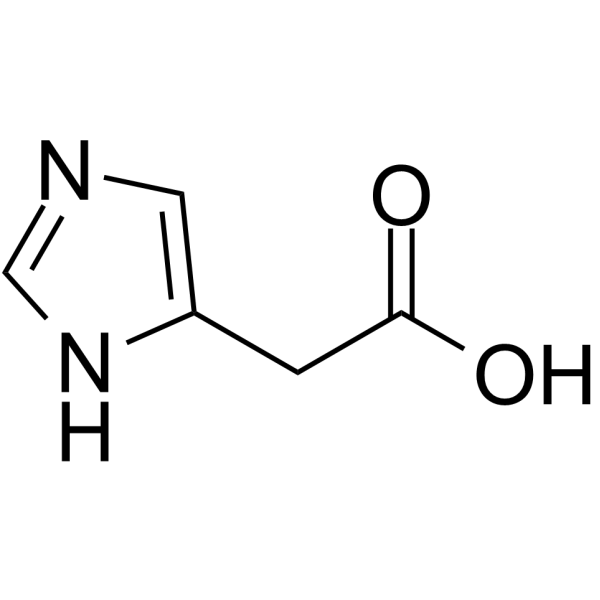
Imidazoleacetic acid (Imidazolyl-4-acetic acid) is a blood-brain barrier-permeable full agonist of the GABAA receptor. Imidazoleacetic acid forms via histamine oxidation in the mouse brain. Imidazoleacetic acid exerts multiple neurochemical and behavioral effects. Imidazoleacetic acid induces a range of centrally mediated effects, including analgesia, sedation, hypnosis, as well as reductions in blood pressure, body temperature, isolation-induced aggression and motor activity .
loading...
    loading...
1
1 Cited Publications
Cat. No.: HY-14604
CAS No.: 90494-79-4
Purity:  98.57%
Synonyms: SR57746A; SR57746 hydrochloride
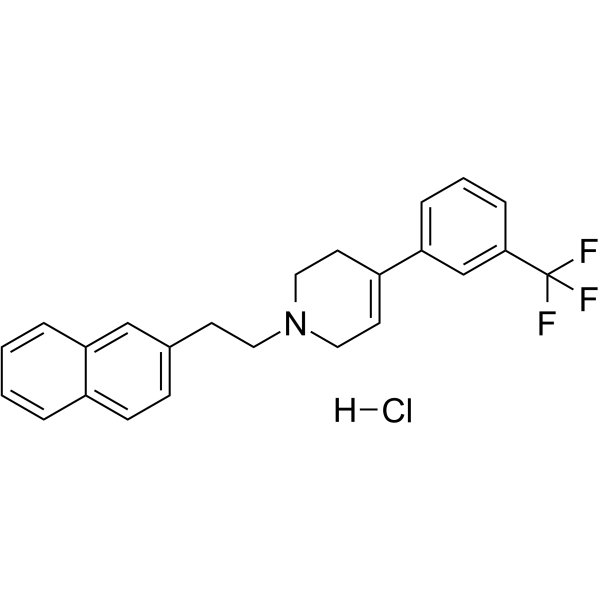
Xaliproden (SR57746) hydrochloride (SR57746A) is an orally active, highly selective 5-HT1A receptor agonist. Xaliproden hydrochloride activates pertussis toxin-sensitive G protein-coupled signaling cascades, as well as the PKC, ERK1/ERK2, Akt and p21 Ras/MEK-1 pathways. Xaliproden hydrochloride also downregulates the JNK/p66/c-Jun signaling pathway, induces phosphorylation of the shc adaptor protein, regulates extracellular dopamine and 5-HT levels, and induces [ 35S]GTPγS labeling in rat brain structures rich in 5-HT1A receptors. Xaliproden hydrochloride exerts neurotrophic, neuroprotective, renoprotective, anti-inflammatory, anti-apoptotic, anti-fibrotic and analgesic effects. Xaliproden hydrochloride also enhances NGF-induced neurite outgrowth, promotes motor neuron survival, attenuates renal tubular injury and inhibits chemotherapy-induced mechanical allodynia, without activating or altering NGF-induced TrkA receptor activation. Xaliproden hydrochloride can be used in the research of motor neuron disease, diabetic nephropathy, chemotherapy-induced peripheral neuropathy, amyotrophic lateral sclerosis, Alzheimer's disease, acute tonic nociceptive pain, inflammatory pain, depression and anxiety .
loading...
    loading...
Cat. No.: HY-W011978
CAS No.: 1218-34-4
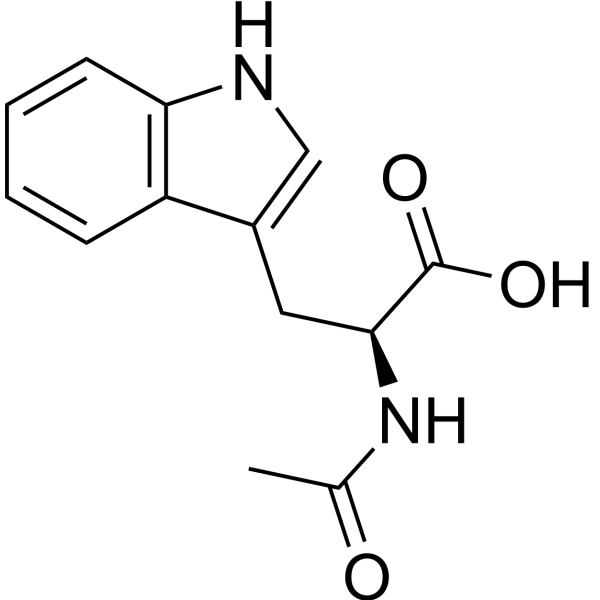
N-Acetyl-L-tryptophan is an antagonist of the neurokinin-1 receptor (NK-1R), disrupting the binding of substance P (SP) to NK-1R. This action provides neuroprotective effects, improving memory deficits and motor impairments. N-Acetyl-L-tryptophan is also an inhibitor of cytochrome c (Cytochrome c), and it exerts antioxidant and anti-inflammatory effects by inhibiting the expression of IL-1β and the activation of caspase-1. N-Acetyl-L-tryptophan holds promise for research in neurodegenerative and inflammatory diseases .
loading...
    loading...
Cat. No.: HY-171844
CAS No.: 1086377-48-1
Target:  

iGluR

CX1739 is an orally active, blood-brain barrier permeable, low-efficacy AMPA-glutamate receptor (AMPAR) potentiator. CX1739 enhances excitatory neurotransmission by potentiating glutamate-induced excitatory currents and promoting in vivo long-term potentiation. CX1739 eliminates amphetamine-induced locomotor activity, reverses opioid-, pentobarbital- and ethanol-induced respiratory depression, and exerts pro-cognitive effects in animals. CX1739 impairs motor function recovery and increases the risk of post-injury complications. CX1739 can be used in research related to attention-deficit/hyperactivity disorder, dementia, respiratory depression and spinal cord injury .
loading...
    loading...
Cat. No.: HY-W067716
CAS No.: 59981-63-4
Synonyms: (S)-Spinacine
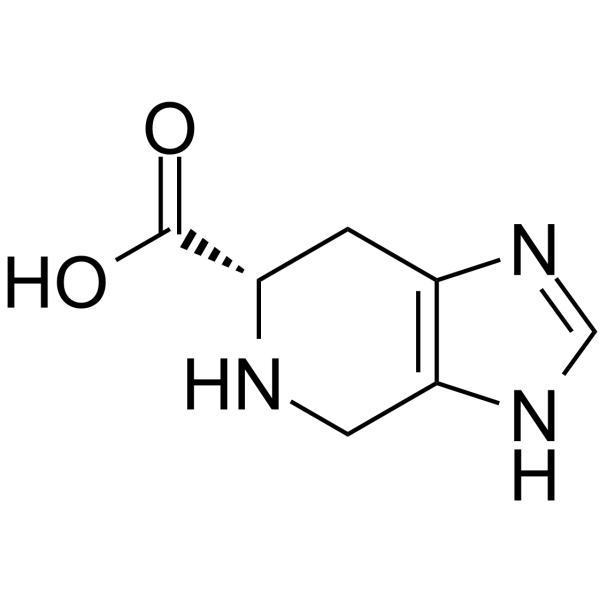
Spinacine ((S)-Spinacine) is a GABA uptake inhibitor. Spinacine enhances synaptic GABA effects via inhibition of gamma-aminobutyric acid uptake in cerebral cortex slices. Spinacine inhibits reflex responses of ventral roots in isolated spinal cord. Spinacine inhibits motor activity and reduces approaches to water dispensers in conflict situations. Spinacine raises pain sensitivity threshold via subarachnoidal injection .
loading...
    loading...
Cat. No.: HY-W010178
CAS No.: 54947-74-9
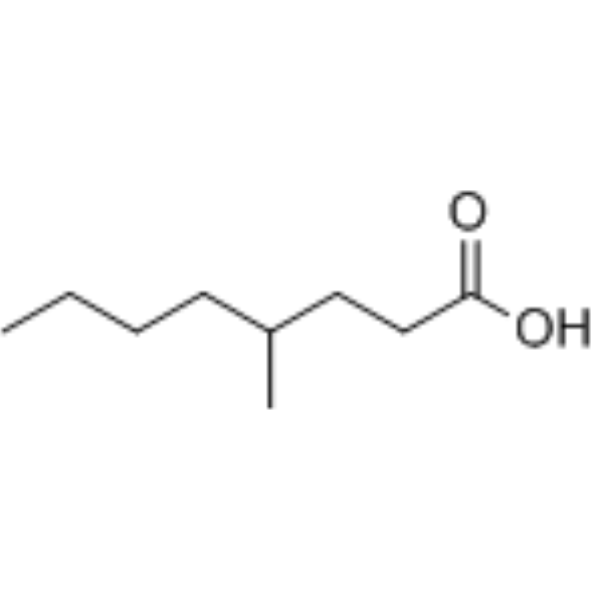
4-Methyloctanoic acid is an endogenous branched-chain medium-chain fatty acid and a negative regulator of the cAMP/PKA signaling pathway. 4-Methyloctanoic acid exerts antiepileptic effects by inhibiting epileptiform discharges and terminating behavioral and electroencephalographic seizures. 4-Methyloctanoic acid has neuroprotective effects; its polar metabolites can cross the blood-brain barrier, repair presynaptic release defects, improve motor function and alleviate neuromuscular degeneration in ALS models. 4-Methyloctanoic acid regulates phosphatidylinositol metabolism, reduces PIP/PIP2 levels and increases inositol levels. 4-Methyloctanoic acid can be used in studies related to epilepsy and amyotrophic lateral sclerosis .
loading...
    loading...
Cat. No.: HY-153898
CAS No.: 1332175-56-0
Purity:  99.10%
Target:  

Amyloid-β

Research Areas:  

Neurological Disease

rTRD01 is an orally active, specific TDP-43 binder that targets the RRM1 and RRM2 domains of TDP-43. rTRD01 partially disrupts the interaction between TDP-43 and c9orf72 repeat RNA, but does not affect the binding of TDP-43 to canonical binding sequences. rTRD01 exhibits significant neuroprotective effects in zebrafish models, improves motor function and protects against paraquat (a widely used herbicide)-induced neurodegeneration, with no teratogenicity at high concentrations. rTRD01 is not a general antioxidant and cannot counteract Rotenone (HY-B1756)-induced neuronal death. rTRD01 can be used to study amyotrophic lateral sclerosis and other TDP-43 proteinopathies .
loading...
    loading...
Cat. No.: HY-P3801
CAS No.: 77128-69-9
Synonyms: DiMe-C7
[Glp5,(Me)Phe8,Sar9] Substance P (5-11) (DiMe-C7) is a Substance P (HY-P0201) analogue that has approximately the same effects as Substance P (HY-P0201) on neurokinin 1 receptor (NK1R) in rat brain, but with a much longer duration of action. [Glp5,(Me)Phe8,Sar9] Substance P (5-11) selectively activates dopamine metabolism in the mesencephalon and midbrain cortex of the rat brain. [Glp5,(Me)Phe8,Sar9] Substance P (5-11) also increases motor activity and induces recovery of addictive agent-seeking behavior in rats .
loading...
    loading...
Cat. No.: HY-W611371
CAS No.: 61694-81-3
Target:  

TRP Channel iGluR

Research Areas:  

Neurological Disease

FP802 is an orally active potent TwinF interface inhibitor that disrupts and detoxifies the NMDAR/TRPM4 death complex. FP802 exerts powerful neuroprotective effects in the 5xFAD mouse model of Alzheimer’s disease (AD) by preventing cognitive decline, preserving neuronal structural integrity, reducing amyloid-β plaque formation, and mitigating mitochondrial pathology . FP802 stops loss of motor neurons, reduces serum neurofilament light chain (NfL) levels, improves motor performance, and extends life in a mouse model of amyotrophic lateral sclerosis (ALS). FP802 can be used for AD and ALS research .
loading...
    loading...
Cat. No.: HY-17417R
CAS No.: 357-08-4
Research Areas:  

Neurological Disease

Naloxone (hydrochloride) (Standard) is the analytical standard of Naloxone (hydrochloride) (HY-17417). This product is intended for research and analytical applications. Naloxone hydrochloride is an orally active opioid receptor antagonist. Naloxone hydrochloride attenuates spinal cord stimulation‑associated anti‑hyperalgesic effects, antagonizes physiologic effects of endogenous opioid peptides linked to central nervous system injury sequelae, functions as a pressor agent to induce modest elevations in mean arterial blood pressure, exerts neuroprotective effects to improve post‑traumatic neurologic motor function, blocks opioid receptor‑mediated amnesic pathways, enhances memory consolidation, reverses Adrenocorticotropic hormone (ACTH) (HY-106373)‑ and epinephrine‑induced amnesia, and potentiates the memory‑facilitatory effects of ACTH and epinephrine .
loading...
    loading...
Cat. No.: HY-W001692
CAS No.: 96604-21-6
Synonyms: DOV 273547
Target:  

GABA Receptor

Research Areas:  

Neurological Disease

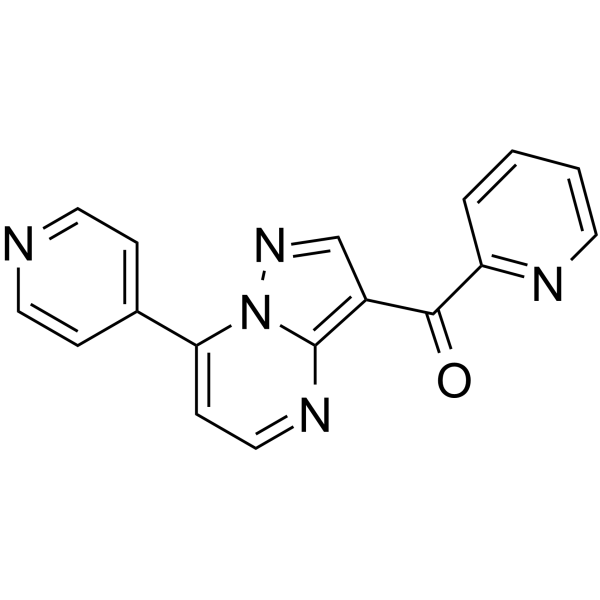
Ocinaplon (DOV 273547) is an orally active positive allosteric modulator of GABAA receptor, with an EC50 ranging from 3.07 μM (α1β2γ2 subtype) to 10.03 μM (α1β2γ3 subtype). Ocinaplon enhances GABA-stimulated chloride currents across multiple GABAA receptor subtypes, with varying potency between different subtypes. Ocinaplon exerts anxiolytic and anticonvulsant effects, and causes motor impairment at high doses. Ocinaplon can be used for research on generalized anxiety disorder .
loading...
    loading...
Cat. No.: HY-116561
CAS No.: 19835-42-8
Target:  

Drug Derivative

Research Areas:  

Neurological Disease

Adamantylmethamphetamine hydrochloride is a psychotic compound. Adamantylmethamphetamine hydrochloride has effects on hexobarbital sleeping time, spontaneous motor activity, and the potentiation of metrazole and antifatigue activity .
loading...
    loading...
Cat. No.: HY-18100
CAS No.: 138847-85-5
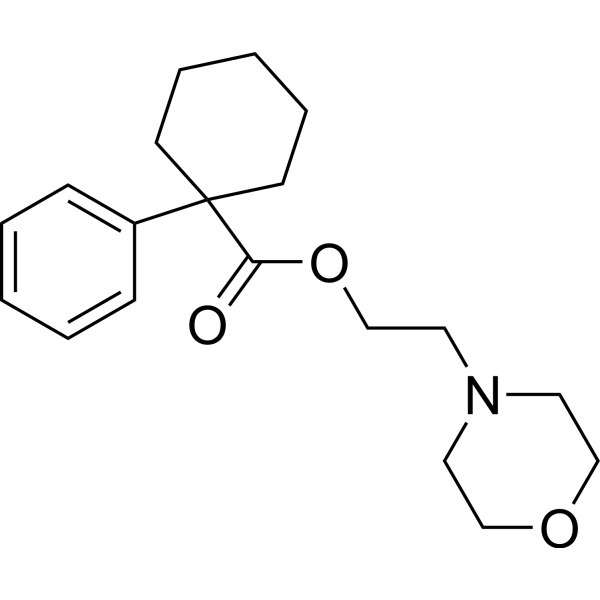
PRE-084 is a highly selective σ1 receptor (S1R) agonist, with an IC50 of 44 nM. PRE-084 exhibits good neuroprotective effects, can improve motor function and motor neuron survival in mice. PRE-084 also can ameliorate myocardial ischemia-reperfusion injury in rats by activating the Akt-eNOS pathway .
loading...
    loading...