Search Result
Results for "
nitrite
" in MedChemExpress (MCE) Product Catalog:
3
Biochemical Assay Reagents
2
Isotope-Labeled Compounds
| Cat. No. |
Product Name |
Target |
Research Areas |
Chemical Structure |
-
- HY-Y0882
-
|
|
Monoamine Oxidase
|
Cardiovascular Disease
|
|
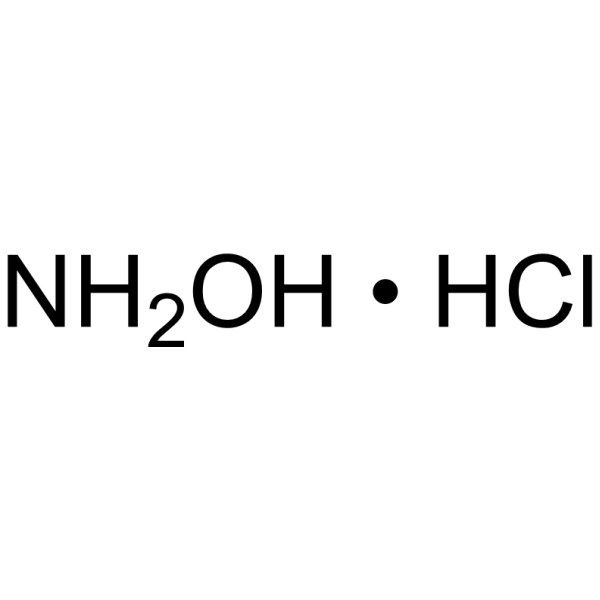
Hydroxylamine hydrochloride is a selective Monoamine oxidase (MAO) inhibitor used for inhibiting of platelet aggregation. Hydroxylamine hydrochloride is an intermediate of nitrogen cycle in aerobic ammonium oxidizers microorganisms, such as ammonium oxidizing bacteria (AOB), ammonium oxidizing archaea (AOA) and complete ammonium oxidizing bacteria (comammox). Hydroxylamine hydrochloride impacts NO and N2O emissions by aerobic ammonium oxidizers microorganisms and inhibits nitrite oxidizing bacteria (NOB) activity .
|
-
-
- HY-P2996
-
|
|
Others
|
Others
|
|
NAD(P)H-Nitrate reductase is isolated from Aspergillus niger that catalyses the reduction of nitrate to nitrite via a two-electron transfer. In plants, the electron donor for Nitrate reductase is NADPH is NADH:Nitrate reductase and a bispecific NAD(P)H: Nitrate reductase .
|
-
-
- HY-148983
-
|
|
Monoamine Oxidase
Bacterial
GLUT
|
Infection
Metabolic Disease
Inflammation/Immunology
|
|
Hydroxylamine (50% w/w in water) is an inorganic highly reactive compound and antibacterial agent. Hydroxylamine (50% w/w in water) acutely activates the transport activity of GLUT1, inhibits Monoamine oxidase activity. Hydroxylamine (50% w/w in water) inhibits nitrite oxidizing bacteria. Hydroxylamine (50% w/w in water) activates glucose uptake. Hydroxylamine (50% w/w in water) can be used in the research of inflammatory diseases and allergies[1][2][3][4] .
|
-
-
- HY-W034067
-
|
|
Biochemical Assay Reagents
Bacterial
|
Infection
|
|
Silver nitrite is an inorganic compound with the chemical formula AgNO2. Silver nitrite can inhibit cell division and bacterial growth by interfering with protein synthesis .
|
-
-
- HY-N4099
-
|
|
Drug Metabolite
|
Inflammation/Immunology
|
|
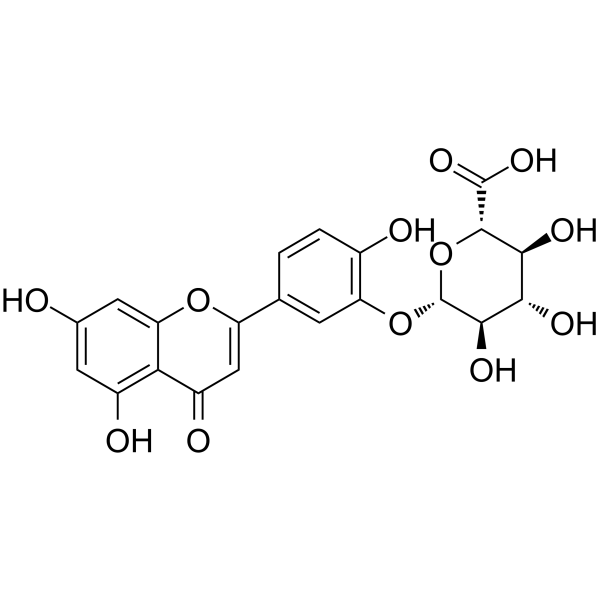
Luteolin-3-O-beta-D-glucuronide, a glucuronide derivative of Luteolin (HY-N0162), is found in the leaves of Rosmarinus officinalis L. Luteolin-3-O-beta-D-glucuronide inhibits nitrite production in macrophages and binds strongly to FYN kinase .
|
-
-
- HY-131521
-
|
Oxalomalate trisodium
|
Isocitrate Dehydrogenase (IDH)
|
Cancer
|
|
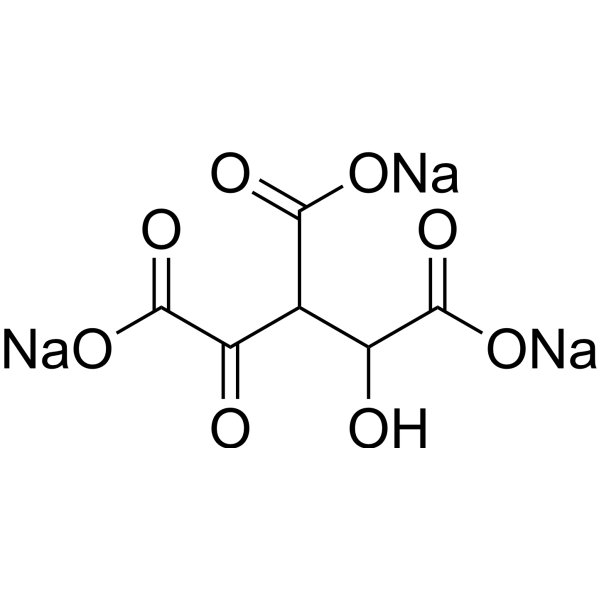
Oxalomalic acid (Oxalomalate) trisodium is a aconitase and NADP-dependent isocitrate dehydrogenase inhibitor. Oxalomalic acid trisodium inhibits nitrite production and iNOS protein expression in lipopolysaccharide (HY-D1056)-activated J774 macrophages .
|
-
-
- HY-W048682
-
|
|
Amino Acid Derivatives
|
Others
|
|
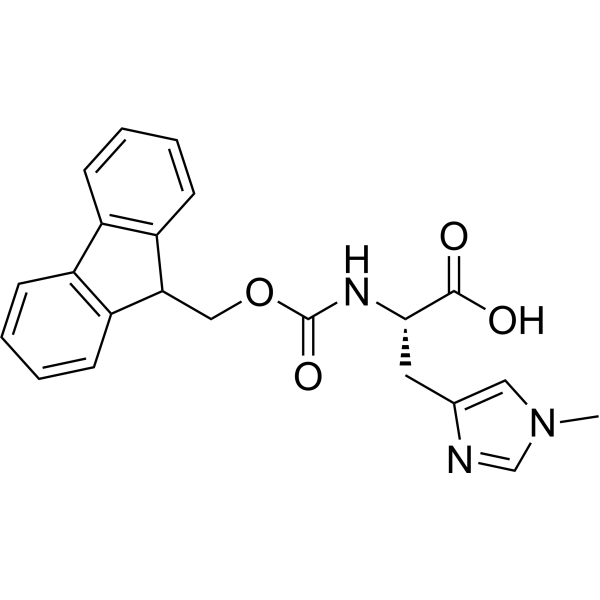
Fmoc-1-methyl-L-histidine is an Fmoc-protected amino acid as well as an amino acid-containing building block. Fmoc-1-methyl-L-histidine is applicable to the generation of the ε-nitrogen-coordinated copper center in nitrite copper reductase. It also serves as an intermediate in peptide synthesis .
|
-
-
- HY-Y0882S1
-
|
|
Monoamine Oxidase
|
Cardiovascular Disease
|
|
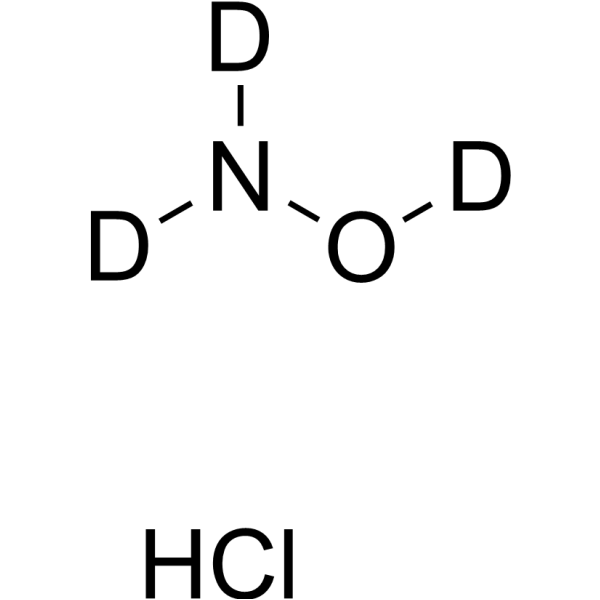
Hydroxylamine-d3 (hydrochloride) is the deuterium labeled Hydroxyamine hydrochloride. Hydroxylamine hydrochloride is a selective Monoamine oxidase (MAO) inhibitor used for inhibiting of platelet aggregation. Hydroxylamine hydrochloride is an intermediate of nitrogen cycle in aerobic ammonium oxidizers microorganisms, such as ammonium oxidizing bacteria (AOB), ammonium oxidizing archaea (AOA) and complete ammonium oxidizing bacteria (comammox). Hydroxylamine hydrochloride impacts NO and N2O emissions by aerobic ammonium oxidizers microorganisms and inhibits nitrite oxidizing bacteria (NOB) activity .
|
-
-
- HY-P2888
-
|
BOD
|
Biochemical Assay Reagents
|
Metabolic Disease
|
|
Bilirubin oxidase (BOD) is an electrocatalyst with oxygen removal activity. Bilirubin oxidase can catalyze the oxidation of bilirubin to biliverdin. Bilirubin oxidase participates in the metabolism of porphyrins and chlorophyll, and acts as a catalyst for oxygen reduction. Bilirubin oxidase can serve as a component of a single-enzyme oxygen removal system for reductase-based voltammetric biosensors .
|
-
-
- HY-N1510
-
|
|
Glycosidase
Notch
Toll-like Receptor (TLR)
NF-κB
Mucin
Reactive Oxygen Species (ROS)
Bacterial
TGF-beta/Smad
Anaplastic lymphoma kinase (ALK)
|
Infection
Inflammation/Immunology
Cancer
|
|
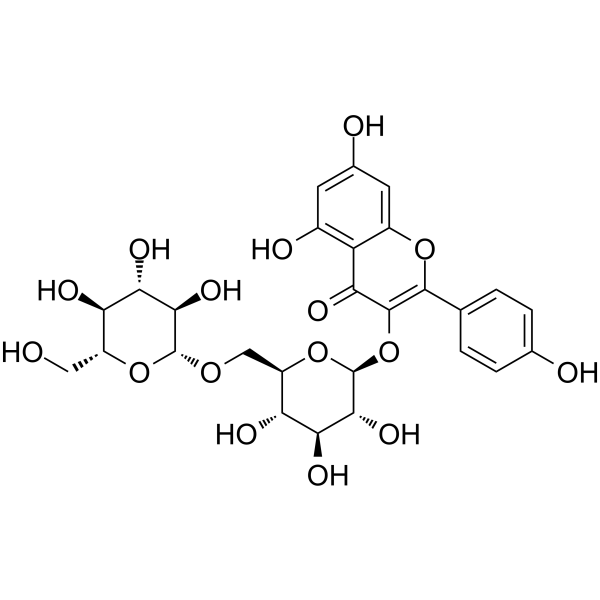
Kaempferol 3-O-gentiobioside is an orally active flavonoid, with a Ka value of 57 µM against human NOTCH1 and an IC50 value of 50 μM against α-glucosidase. Kaempferol 3-O-gentiobioside inhibits the NOTCH signaling pathway. It downregulates the expression of TLR4 and NLRP3, and suppresses the activation and nuclear translocation of NF-κB. Kaempferol 3-O-gentiobioside inhibits the expression of MUC5AC, reduces nitrite and ROS levels, and attenuates excessive mucus secretion. It exhibits antibacterial activity, reducing the formation and growth of MRSA biofilms. Kaempferol 3-O-gentiobioside blocks the TGF-β/ALK5/Smad signaling pathway and inhibits epithelial-mesenchymal transition. It suppresses the proliferation, migration, invasion and metastatic growth of tumor cells. Kaempferol 3-O-gentiobioside alleviates airway inflammation and mucus hypersecretion in mice with allergic asthma . It reduces the volume of ovarian cancer xenografts in mice. Kaempferol 3-O-gentiobioside can be used in research related to allergic asthma, diabetes, MRSA infection, breast cancer, gastric cancer and ovarian cancer .
|
-
-
- HY-N2556
-
|
|
Others
|
Inflammation/Immunology
|
|
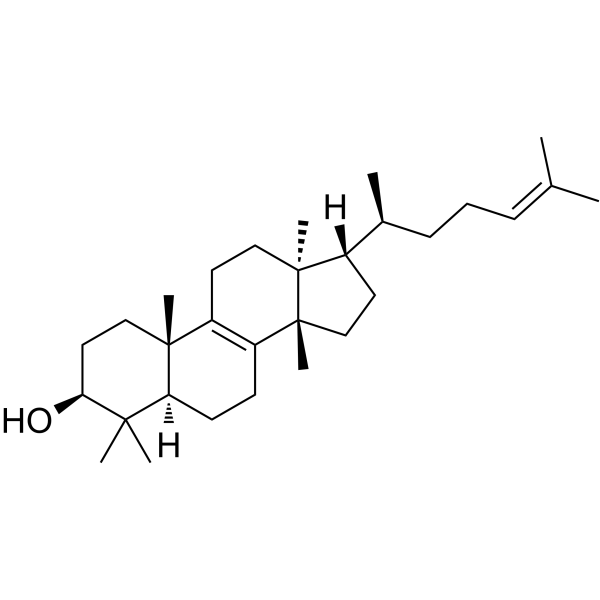
Tirucallol, a tetracyclic triterpene, is isolated from Euphorbia lacteal latex. Tirucallol has topical anti-inflammatory effect. Tirucallol can suppress ear edema in the mouse model and inhibit nitrite production in lipopolysaccharide-stimulated macrophages .
|
-
-
- HY-W004843
-
|
|
NO Synthase
|
Others
|
|
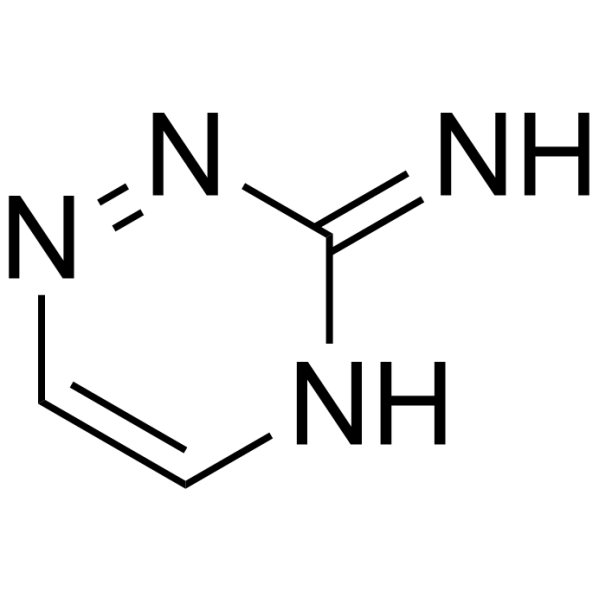
3-Amino-1,2,4-triazine is an inhibitor of NO synthase, and also inhibits nitrite secretion .
|
-
-
- HY-138564
-
|
|
NO Synthase
|
Inflammation/Immunology
|
|
NOS-IN-1 is a potent and orally active NO synthase (NOS) isoforms inhibitor with IC50s of 0.1 μM, 1.1 μM, and 0.2 μM for human iNOS (hiNOS), heNOS and hnNOS, respectively .
|
-
-
- HY-23206
-
|
|
Biochemical Assay Reagents
|
Others
|
|
DAN-1 EE hydrochloride is a fluorescent indicator, which can be used for the detection of nitrite content in vitro and biological process .
|
-
-
- HY-P2996A
-
|
|
Drug Isomer
|
Others
|
|
Nitrate Reductase, Arabidopsis thaliana is the isomer of NAD(P)H-Nitrate reductase (HY-P2996). NAD(P)H-Nitrate reductase is isolated from Aspergillus niger that catalyses the reduction of nitrate to nitrite via a two-electron transfer. In plants,the electron donor for Nitrate reductase is NADPH is NADH:Nitrate reductase and a bispecific NAD(P)H: Nitrate reductase .
|
-
-
- HY-176779
-
|
|
NO Synthase
|
Cardiovascular Disease
Neurological Disease
Inflammation/Immunology
|
|
Guanidino ethyl disulfide (GED) (Compound 23) is a NO Synthase (NOS) inhibitor with EC50s of 110, 630 and 180 μM for iNOS, eNOS and bNOS, respectivly. Guanidino ethyl disulfide effectively inhibits nitrite production in J774.2 macrophages. Guanidino ethyl disulfide can be used for circulatory shock, inflammation and neurological diseases research .
|
-
-
- HY-Y1132
-
|
6-Chloroanthranilic acid
|
Biochemical Assay Reagents
|
Others
|
|
2-Amino-6-chlorobenzoic acid is an autocoupling diazotization reagent used for spectrophotometric detection of nitrite ions in water. 2-Amino-6-chlorobenzoic acid exhibits good tolerance to various anions under acidic conditions. 2-Amino-6-chlorobenzoic acid is commonly used as a reagent in organic synthesis and analytical chemistry .
|
-
-
- HY-W923770
-
|
|
Biochemical Assay Reagents
|
Others
|
|
N-(1-Naphthyl)ethylenediamine dihydrochloride monomethanolate is a reagent that can be used for the spectrophotometric determination of nitrite and nitrate .
|
-
-
- HY-W726392
-
|
|
Adrenergic Receptor
|
Endocrinology
|
|
N-Nitrosometoprolol is an N-nitroso derivative formed by the in vitro reaction of β-adrenergic blockers with sodium nitrite. N-Nitrosometoprolol can induce micronuclei in rat liver, bone marrow and spleen .
|
-
-
- HY-W507009
-
|
|
Endogenous Metabolite
|
Cardiovascular Disease
|
|
L-Arginyl-L-alanine is a dipeptide, is a vascular smooth muscle-derived relaxing factor. L-Arginyl-L-alanine increases the smooth muscle levels of cyclic GMP and nitrite in endothelium-denuded arterial rings .
|
-
-
- HY-W579772
-
|
|
Bacterial
|
Infection
|
|
Tetrabutylammonium (nitrite) is a compound with antibacterial activity. Tetrabutylammonium (nitrite) has inhibitory activity against some Gram-negative bacteria and some Gram-positive bacteria .
|
-
-
- HY-N0577R
-
|
Apigenin 7-O-apiosylglucoside (Standard); Apigenin 7-(2-O-apiosylglucoside) (Standard)
|
Reference Standards
NO Synthase
|
Inflammation/Immunology
|
|
Apiin (Standard) is the analytical standard of Apiin. This product is intended for research and analytical applications. Apiin, a major constituent of Apium graveolens leaves with anti-inflammatory properties. Apiin shows significant inhibitory activity on nitrite (NO) production (IC50 = 0.08 mg/mL) in-vitro and iNOS expression (IC50 = 0.049 mg/ mL) in LPS-activated J774.A1 cells .
|
-
-
- HY-138896
-
|
9E,11E-9-Nitro CLA
|
Endogenous Metabolite
|
Others
|
|
(9E,11E)-9-Nitro-9,11-octadecadienoic acid (9E,11E-9-Nitro CLA) is a nitro-fatty acid, It is formed by exposure of 9Z, 11E-CLA to acidified nitrite, peroxynitrite, gaseous nitrogen dioxide, or a combination of myeloperoxidase, hydrogen peroxide, and nitrite .
|
-
-
- HY-163848
-
-
-
- HY-162093
-
|
|
Amyloid-β
|
Neurological Disease
|
|
Aβ1–42 aggregation inhibitor 2 (compound 7c) is a potent inhibitor of Aβ1-42 aggregation that plays an important role in Alzheimer's disease research. Aβ1–42 aggregation inhibitor 2 displays excellent antioxidant, metal ions chelating, oxidative stress alleviation, neuroprotective and anti-neuroinflammatory activities .
|
-
-
- HY-N8691
-
|
|
Parasite
|
Infection
Inflammation/Immunology
|
|
2',6'-Dihydroxy-4'-methoxydihydrochalcone is an orally active dihydrochalcone compound with antiplasmodial and anti-inflammatory activities. 2',6'-Dihydroxy-4'-methoxydihydrochalcone reduces the IL-1β, TNF, and nitrite levels in vitro .
|
-
-
- HY-172786
-
|
|
Caspase
Apoptosis
|
Metabolic Disease
|
|
Caspase-3-IN-3 (compound 7) is a caspase 3 inhibitor. Caspase-3-IN-3 increases cellular ATP levels, inhibits caspase-3 activity, decreases nitrite production, suppresses cytokine-induced apoptosis, and restores Glucose (HY-B0389)-stimulated insulin secretion .
|
-
-
- HY-N10770
-
|
|
Others
|
Metabolic Disease
|
|
5'-Geranyl-5,7,2',4'-tetrahydroxyflavone, a phenolic compound, presents strong oxygen radical absorbance capacity (ORAC), DPPH radical-scavenging capacity, ABTS radical-scavenging capacity, ferric reducing antioxidant power (FRAP) and nitrite-scavenging capacity. 5'-Geranyl-5,7,2',4'-tetrahydroxyflavone has the potential for natural antioxidant research .
|
-
-
- HY-N4099R
-
|
|
Reference Standards
Drug Metabolite
|
Inflammation/Immunology
|
|
Luteolin-3-O-beta-D-glucuronide (Standard) is the analytical standard of Luteolin-3-O-beta-D-glucuronide (HY-N4099). This product is intended for research and analytical applications. Luteolin-3-O-beta-D-glucuronide, a glucuronide derivative of Luteolin (HY-N0162), is found in the leaves of Rosmarinus officinalis L. Luteolin-3-O-beta-D-glucuronide inhibits nitrite production in macrophages and binds strongly to FYN kinase .
|
-
-
- HY-N9503
-
|
|
TRP Channel
Na+/K+ ATPase
Parasite
|
Others
Neurological Disease
Inflammation/Immunology
|
|
Carvacryl acetate is an orally active and brain-penetrant TRPA1 receptor activator and Na +/K +-ATPase activator. Carvacryl acetate modulates GABAergic signaling, alters hippocampal GABA and glutamine levels, reduces lipid peroxidation and nitrite formation, scavenges hydroxyl radicals, and boosts glutathione and antioxidant enzyme activity. Carvacryl acetate inhibits Haemonchus contortus larval hatching, development, adult motility, and fecal egg counts, and induces adult worm structural damage. Carvacryl acetate can be used for the research of intestinal mucositis, gastrointestinal nematode infection, epilepsy, and neurodegenerative diseases .
|
-
-
- HY-162963
-
|
|
PPAR
|
Inflammation/Immunology
|
|
PPARδ agonist 11 (Compound 11) is a selective agonist for PPARδ with an EC50 of 20 nM. PPARδ agonist 11 reduces the levels of nitrite oxide (NO), proinflammatory cytokines TNFα and IL-6 in LPS (HY-D1056)-stimulated RAW264.7 cell, and exhibits anti-inflammatory efficacy via NF-κB pathway. PPARδ agonist 11 exhibits good stability in human liver microsomes and plasma. PPARδ agonist 11 ameliorates Carrageenan (HY-125474)-induced foot edema .
|
-
-
- HY-177050
-
|
|
G protein-coupled Bile Acid Receptor 1
|
Metabolic Disease
Inflammation/Immunology
|
|
RG-239 is an orally active TGR5 agonist with an EC50 of 120 nM, significantly outperforming Betulinic acid (HY-10529) (EC50 = 1.04 μM). RG-239 demonstrates higher selectivity for TGR5 compared to the FXRα. RG-239 increases mitochondrial activity in adipocytes and promotes neurite outgrowth at higher concentrations. RG-239 inhibits LPS (HY-D1056)-induced iNOS expression and nitrite production in Raw264.7 and microglia cells. RG-239 can be used for the study of type 2 diabetes [1][2][3][4][5].
|
-
-
- HY-W968308
-
|
|
Amino Acid Derivatives
|
Metabolic Disease
|
|
H-Gly-D-Ala-OH is a dipeptide containing D-amino acid. H-Gly-D-Ala-OH can be specifically hydrolyzed by renal dipeptidase, which acts on peptide segments with a D-amino acid at the carboxyl terminus. H-Gly-D-Ala-OH enables highly specific detection of renal dipeptidase activity without interference from other serum or urine aminopeptidases. When used in combination with low-dose Sodium nitrite (HY-N11218), H-Gly-D-Ala-OH inhibits the initial spore growth of Clostridium botulinum in pork homogenate, whereas it has no such effect on its own. H-Gly-D-Ala-OH can be used in research related to chronic renal failure, diabetes mellitus and botulism .
|
-
-
- HY-P2996E
-
-
-
- HY-P2996D
-
-
-
- HY-P2996C
-
|
|
Biochemical Assay Reagents
|
Metabolic Disease
|
|
Nitrate Reductase (cytochrome), Escherichia coli (EC 1.9.6.1) is an enzyme of ferrocytochrome: nitrate oxidoreductase. Nitrate Reductase (cytochrome), Escherichia coli (EC 1.9.6.1) catalyzes the following chemical reaction: ferrocytochrome, H+, and nitrate to produce ferrocytochrome and nitrite.
|
-
-
- HY-W250061
-
|
|
Others
|
Cancer
|
|
(-)-(1S,3S)-MTCA can be isolated from Japanese soy sauce. (-)-(1S,3S)-MTCA induces revertants of Salmonella typhimurium TA100, after treatment with nitrite .
|
-
-
- HY-101328A
-
|
|
NO Synthase
|
Neurological Disease
Metabolic Disease
Inflammation/Immunology
|
|
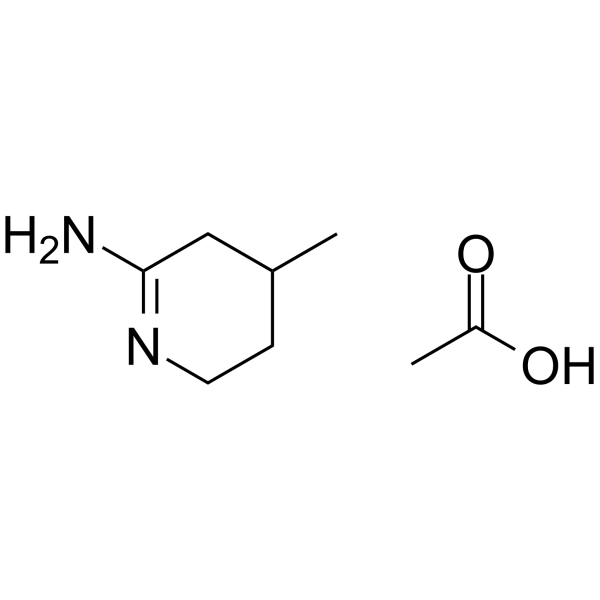
2-Iminopiperidine (compound 13) hydrochloride is an orally active inducible nitric oxide synthase inhibitor. 2-Iminopiperidine (hydrochloride) can be used to investigate NO-mediated arthritis, inflammatory bowel disease, diabetes, allodynia, cerebral ischemia and other central nervous system diseases .
|
-
-
- HY-Y0882S
-
|
|
Isotope-Labeled Compounds
Monoamine Oxidase
|
Cardiovascular Disease
|
|
Hydroxylamine- 15N hydrochloride is the 15N-labeled Hydroxylamine hydrochloride (HY-Y0882). Hydroxylamine hydrochloride is a selective Monoamine oxidase (MAO) inhibitor used for inhibiting of platelet aggregation. Hydroxylamine hydrochloride is an intermediate of nitrogen cycle in aerobic ammonium oxidizers microorganisms, such as ammonium oxidizing bacteria (AOB), ammonium oxidizing archaea (AOA) and complete ammonium oxidizing bacteria (comammox). Hydroxylamine hydrochloride impacts NO and N2O emissions by aerobic ammonium oxidizers microorganisms and inhibits nitrite oxidizing bacteria (NOB) activity .
|
-
-
- HY-N16877
-
-
-
- HY-183692
-
|
|
FXR
G protein-coupled Bile Acid Receptor 1
TNF Receptor
Heme Oxygenase (HO)
Quinone Reductase
Keap1-Nrf2
|
Cardiovascular Disease
Inflammation/Immunology
|
|
FXR agonist 18 is an orally active FXR agonist, with an EC50 of 10 nM against human FXR and an EC50 of 1360 nM against human TGR5. FXR agonist 18 inhibits inflammatory responses by reducing nitrite production, downregulating the expression of pro-inflammatory genes (Tnf, Adgre1, Cyp8b1, upregulating the expression of FXR, Hmox1, Nqo1, Nrf2, and enhancing antioxidant responses. FXR agonist 18 ameliorates liver fibrosis in mice, exhibits protective effects in mice with cholestatic liver injury, and shows anti-MASH efficacy. FXR agonist 18 can be used in studies of metabolic dysfunction-associated steatohepatitis .
|
-
-
- HY-177995
-
|
Monoisoamyl meso-2,3-dimercaptosuccinic acid
|
Reactive Oxygen Species (ROS)
SOD
|
Neurological Disease
Cancer
|
|
MiADMSA (Monoisoamyl meso-2,3-dimercaptosuccinic acid) is an orally active thiol chelator that can effectively remove heavy metals such as arsenic and lead from the body of animals. Arsenic binds with two vicinal sulfhydryl groups available in MiADMSA leading to marked reduction in body arsenic burden and also marked reduction in various oxidative stress parameters and antioxidant enzymes like-ROS, nitrite, TBARS, GSH, SOD and catalase. MiADMSA attenuates urinary bladder carcinogenesis, protects against oxidative stress, ameliorates copper-induced histopathology, reverses neurotoxicity, and is safe in animals. MiADMSA can be used in studies of bladder cancer, arsenic, and lead-induced developmental neurotoxicity .
|
-
-
- HY-N9229
-
|
|
NO Synthase
Bacterial
|
Infection
Inflammation/Immunology
|
|
Myricadenin A is an iNOS inhibitor, capable of effectively inhibiting the production of NO (EC₅₀ = 18.1 μM). Myricadenin A has moderate ABTS free radical scavenging activity (SC₅₀ = 175.4 μM) and relatively weak anti-tuberculosis activity (MIC = 80.0 μg/mL). Myricadenin A can be used in inflammation-related research .
|
-
| Cat. No. |
Product Name |
Type |
-
- HY-W034067
-
|
|
Biochemical Assay Reagents
|
|
Silver nitrite is an inorganic compound with the chemical formula AgNO2. Silver nitrite can inhibit cell division and bacterial growth by interfering with protein synthesis .
|
-
- HY-Y1132
-
|
6-Chloroanthranilic acid
|
Biochemical Assay Reagents
|
|
2-Amino-6-chlorobenzoic acid is an autocoupling diazotization reagent used for spectrophotometric detection of nitrite ions in water. 2-Amino-6-chlorobenzoic acid exhibits good tolerance to various anions under acidic conditions. 2-Amino-6-chlorobenzoic acid is commonly used as a reagent in organic synthesis and analytical chemistry .
|
-
- HY-W923770
-
|
|
Biochemical Assay Reagents
|
|
N-(1-Naphthyl)ethylenediamine dihydrochloride monomethanolate is a reagent that can be used for the spectrophotometric determination of nitrite and nitrate .
|
| Cat. No. |
Product Name |
Category |
Target |
Chemical Structure |
-
- HY-N4099
-
-
-
- HY-N1510
-
|
|
Flavonols
Structural Classification
Flavonoids
Sauropus spatulifolius Beille
Classification of Application Fields
Phenols
Polyphenols
Metabolic Disease
Euphorbiaceae
Plants
Disease Research Fields
Source Classification
|
Glycosidase
Notch
Toll-like Receptor (TLR)
NF-κB
Mucin
Reactive Oxygen Species (ROS)
Bacterial
TGF-beta/Smad
Anaplastic lymphoma kinase (ALK)
|
|
Kaempferol 3-O-gentiobioside is an orally active flavonoid, with a Ka value of 57 µM against human NOTCH1 and an IC50 value of 50 μM against α-glucosidase. Kaempferol 3-O-gentiobioside inhibits the NOTCH signaling pathway. It downregulates the expression of TLR4 and NLRP3, and suppresses the activation and nuclear translocation of NF-κB. Kaempferol 3-O-gentiobioside inhibits the expression of MUC5AC, reduces nitrite and ROS levels, and attenuates excessive mucus secretion. It exhibits antibacterial activity, reducing the formation and growth of MRSA biofilms. Kaempferol 3-O-gentiobioside blocks the TGF-β/ALK5/Smad signaling pathway and inhibits epithelial-mesenchymal transition. It suppresses the proliferation, migration, invasion and metastatic growth of tumor cells. Kaempferol 3-O-gentiobioside alleviates airway inflammation and mucus hypersecretion in mice with allergic asthma . It reduces the volume of ovarian cancer xenografts in mice. Kaempferol 3-O-gentiobioside can be used in research related to allergic asthma, diabetes, MRSA infection, breast cancer, gastric cancer and ovarian cancer .
|
-
-
- HY-N2556
-
-
-
- HY-N0577R
-
-
-
- HY-N8691
-
-
-
- HY-N10770
-
|
|
Flavonoids
Gramineae
Plants
Other Flavonoids
Saccharum officinarum
Source Classification
|
Others
|
|
5'-Geranyl-5,7,2',4'-tetrahydroxyflavone, a phenolic compound, presents strong oxygen radical absorbance capacity (ORAC), DPPH radical-scavenging capacity, ABTS radical-scavenging capacity, ferric reducing antioxidant power (FRAP) and nitrite-scavenging capacity. 5'-Geranyl-5,7,2',4'-tetrahydroxyflavone has the potential for natural antioxidant research .
|
-
-
- HY-N4099R
-
-
-
- HY-N9503
-
|
|
Structural Classification
Natural Products
Labiatae
Launaea mucronata (Forssk.) Muschl.
Plants
Source Classification
|
TRP Channel
Na+/K+ ATPase
Parasite
|
|
Carvacryl acetate is an orally active and brain-penetrant TRPA1 receptor activator and Na +/K +-ATPase activator. Carvacryl acetate modulates GABAergic signaling, alters hippocampal GABA and glutamine levels, reduces lipid peroxidation and nitrite formation, scavenges hydroxyl radicals, and boosts glutathione and antioxidant enzyme activity. Carvacryl acetate inhibits Haemonchus contortus larval hatching, development, adult motility, and fecal egg counts, and induces adult worm structural damage. Carvacryl acetate can be used for the research of intestinal mucositis, gastrointestinal nematode infection, epilepsy, and neurodegenerative diseases .
|
-
-
- HY-W250061
-
-
-
- HY-N16877
-
-
-
- HY-N9229
-
-
| Cat. No. |
Product Name |
Chemical Structure |
-
- HY-Y0882S1
-
|
|
|
Hydroxylamine-d3 (hydrochloride) is the deuterium labeled Hydroxyamine hydrochloride. Hydroxylamine hydrochloride is a selective Monoamine oxidase (MAO) inhibitor used for inhibiting of platelet aggregation. Hydroxylamine hydrochloride is an intermediate of nitrogen cycle in aerobic ammonium oxidizers microorganisms, such as ammonium oxidizing bacteria (AOB), ammonium oxidizing archaea (AOA) and complete ammonium oxidizing bacteria (comammox). Hydroxylamine hydrochloride impacts NO and N2O emissions by aerobic ammonium oxidizers microorganisms and inhibits nitrite oxidizing bacteria (NOB) activity .
|
-
-
- HY-Y0882S
-
|
|
|
Hydroxylamine- 15N hydrochloride is the 15N-labeled Hydroxylamine hydrochloride (HY-Y0882). Hydroxylamine hydrochloride is a selective Monoamine oxidase (MAO) inhibitor used for inhibiting of platelet aggregation. Hydroxylamine hydrochloride is an intermediate of nitrogen cycle in aerobic ammonium oxidizers microorganisms, such as ammonium oxidizing bacteria (AOB), ammonium oxidizing archaea (AOA) and complete ammonium oxidizing bacteria (comammox). Hydroxylamine hydrochloride impacts NO and N2O emissions by aerobic ammonium oxidizers microorganisms and inhibits nitrite oxidizing bacteria (NOB) activity .
|
-
Your information is safe with us. * Required Fields.
Inquiry Information
- Product Name:
- Cat. No.:
- Quantity:
- MCE Japan Authorized Agent:

