1. Search Result
Search Result
Results for "

ophthalmic

" in MedChemExpress (MCE) Product Catalog:

54

Inhibitors & Agonists

6

Fluorescent Dyes

2

Peptides

3

Natural
Products

3

Isotope-Labeled Compounds

Cat. No. Nombre del producto Target Áreas de investigación Chemical Structure
  • HY-D0711
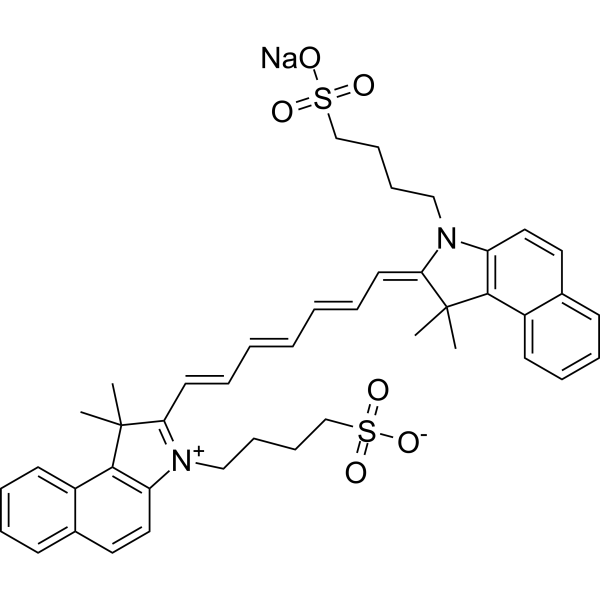
    Indocyanine green
    Maximum Cited Publications
    41 Publications Verification

    Foxgreen; IC Green; Cardiogreen

    Fluorescent Dye Cancer
    Indocyanine green (Foxgreen) is a low toxicic fluorescent agent that has been widely used in medical diagnostics, such as determining cardiac output, hepatic function, and liver blood flow, and for ophthalmic angiography (Ex/Em = 785/813 nm) .
    Indocyanine green
  • HY-D0214
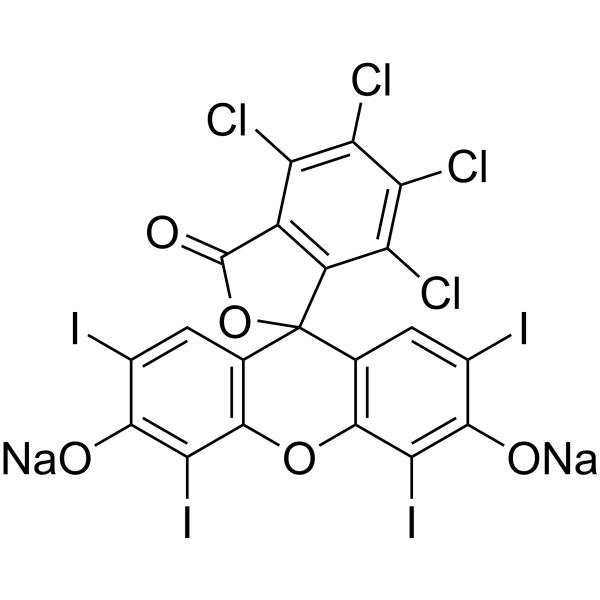
    Acid Red 94 sodium
    1 Publications Verification

    Influenza Virus Photosensitizer Amyloid-β Infection Neurological Disease Cancer
    Acid Red 94 sodium, a synthetic fluorescein derivative, is a deep red dye primarily composed of 4,5,6,7-tetrachloro-2,4,5,7-tetraiodo fluorescein. It is widely used as an ophthalmic diagnostic agent to detect dry or damaged cells on the ocular surface. Acid Red 94 sodium exhibits antitumor activity and can inhibit Friend Leukemia Virus (FLV) infection through photodynamic action. Additionally, Acid Red 94 sodium can inhibit aggregation through light irradiation. Acid Red 94 sodium holds potential for use in cancer, viral infections, and neurodegenerative disease research .
    Acid Red 94 sodium
  • HY-100543
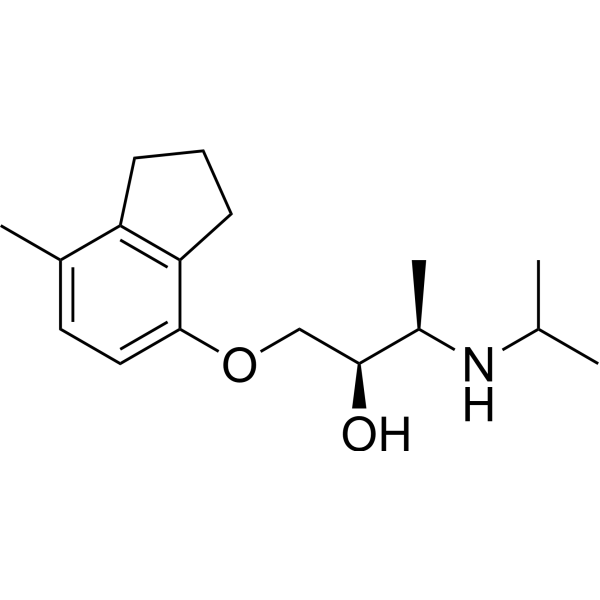
    Zenidolol
    Maximum Cited Publications
    45 Publications Verification

    ICI-118551

    Adrenergic Receptor Apoptosis Caspase Bcl-2 Family HIF/HIF Prolyl-Hydroxylase Cardiovascular Disease Neurological Disease Inflammation/Immunology
    Zenidolol (ICI-118551) is a selective β2-adrenergic receptor antagonist with Ki values of Zenidolol for β2, β1 and β3 adrenergic receptors of 0.7, 49.5 and 611 nM, respectively. Zenidolol exerts antitumor effects via inducing apoptosis, inhibiting tumor sphere formation, and downregulating the HIF pathway by blocking β2-AR on tumor cells. Zenidolol exhibits a unique pulmonary vessel-specific vasodilatory effect in mouse models. Zenidolol can be used as an intraocular pressure-lowering agent in ophthalmic disease research .
    Zenidolol
  • HY-B0580
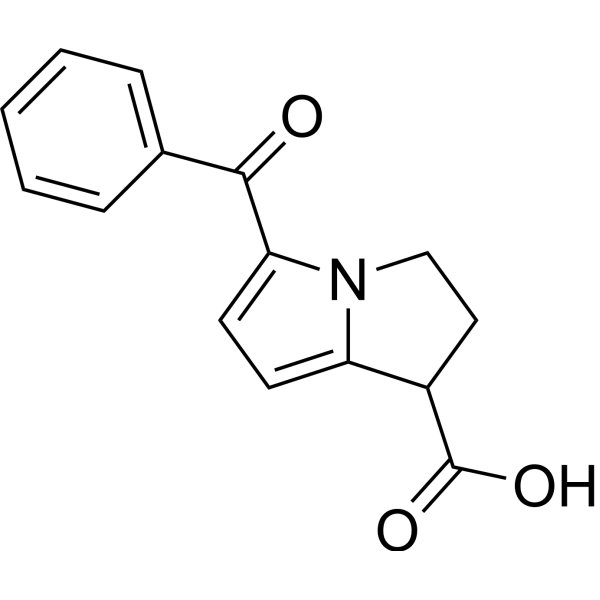
    Ketorolac
    3 Publications Verification

    RS37619

    COX Apoptosis Inflammation/Immunology Cancer
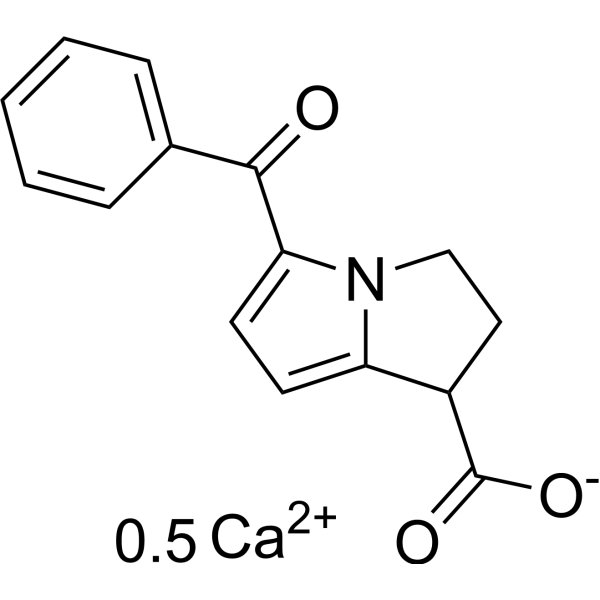
    Ketorolac (RS37619) is a non-steroidal anti-inflammatory drug (NSAID), acting as a nonselective COX inhibitor, with IC50s of 20 nM for COX-1 and 120 nM for COX-2. Ketorolac tromethamine is used as 0.5% ophthalmic solution for the research of allergic conjunctivitis, cystoid macular edema, intraoperative miosis, and postoperative ocular inflammation and pain. Ketorolac tromethamine is also a DDX3 inhibitor that can be used for cancer research .
    Ketorolac
  • HY-126752

    Reactive Oxygen Species (ROS) Neurological Disease Metabolic Disease Inflammation/Immunology
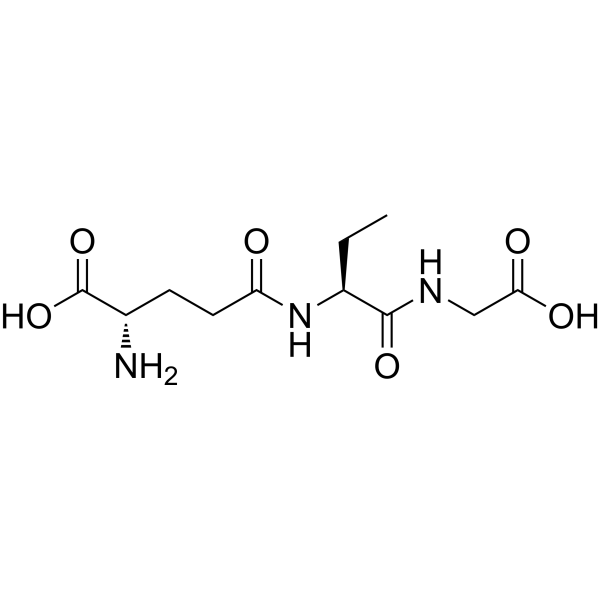
    Ophthalmic acid is a ubiquitous metabolite and glutathione modulator, with a Ki of 0.95 mM for glyoxalase I. Ophthalmic acid competitively inhibits glyoxalase I, glutathione S-transferase, glutaredoxin, glutamate-cysteine ligase, protein disulfide reductase (glutathione), as well as non-selective cation channels. Ophthalmic acid is applicable in diabetes-related research .
    Ophthalmic acid
  • HY-B0553
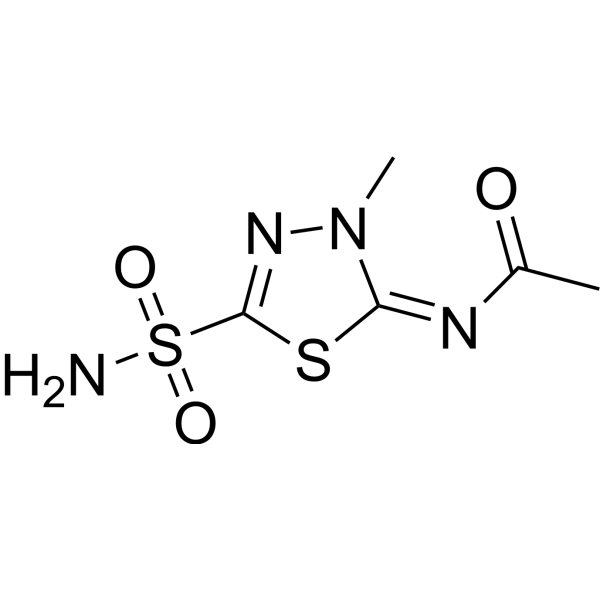
    Methazolamide
    4 Publications Verification

    L584601

    Carbonic Anhydrase Apoptosis Reactive Oxygen Species (ROS) Caspase Cardiovascular Disease Neurological Disease Inflammation/Immunology Cancer
    Methazolamide (L584601) is a BBB-penetrable and orally active carbonic anhydrase inhibitor, with a Ki of 14 nM for human carbonic anhydrase II. Methazolamide can reduce intraocular pressure and has a neuroprotective effect, being able to inhibit neuronal apoptosis. Methazolamide can be used in the research of ophthalmic diseases such as glaucoma and cerebrovascular diseases such as subarachnoid hemorrhage .
    Methazolamide
  • HY-133026

    N-Acetyl-L-carnosine

    Drug Intermediate Endogenous Metabolite Inflammation/Immunology
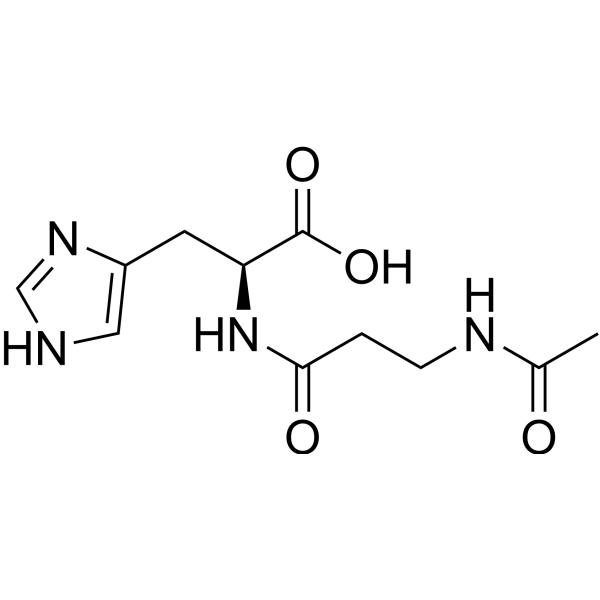
    N-Acetylcarnosine, a natural histidine-containing dipeptide, is a source of pharmacological principal L-carnosine. N-Acetylcarnosine is a potent ophthalmic agent in human cataracts .
    N-Acetylcarnosine
  • HY-172435

    AGN-232411; AG-80308; AGN-411

    Formyl Peptide Receptor (FPR) Neurological Disease
    Rezuforimod (AGN-232411; AG-80308) is an ophthalmic solution targeting the formyl peptide receptor (FPR) pathway. Rezuforimod exerts anti-inflammatory effects by targeting the formyl peptide receptor pathway. Administered topically, Rezuforimod significantly reduces the corneal conjunctival staining score and improves ocular discomfort symptoms, with no serious adverse events reported and favorable overall safety profile. Rezuforimod shows remarkable potential to serve as a novel therapeutic option for dry eye disease .
    Rezuforimod
  • HY-127032

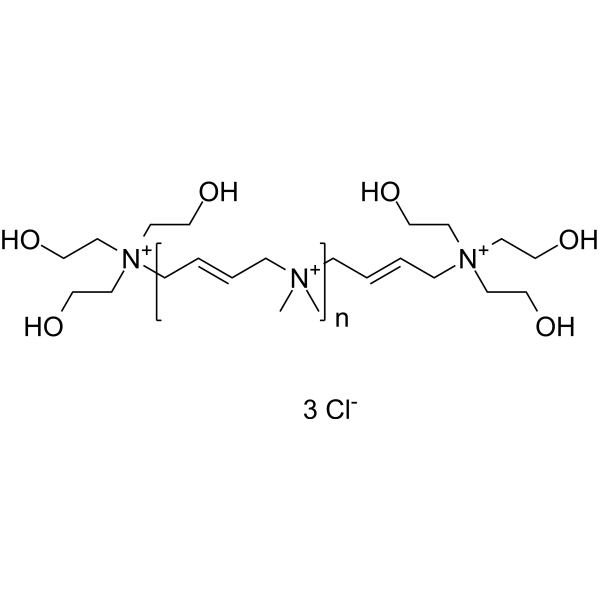
    Polidronium chloride

    Biochemical Assay Reagents Infection
    Polyquaternium-1 (Polidronium chloride; PQ-1) is an antimicrobial preservative and an activator of NF-κB. Polyquaternium-1 targets bacterial cell membranes, commonly used in ophthalmic surgery. Polyquaternium-1 adsorbs to the surface of microbial membranes through its polycationic properties, destroying membrane integrity and inducing potassium ion leakage, leading to bacterial death. Polyquaternium-1 exerts antimicrobial effects at a concentration of 0.001% and has low toxicity to mammalian cells. Polyquaternium-1 can be used to prepare products such as glaucoma eye drops (Travoprost preparations containing PQ-1), artificial tears, and contact lens solutions to reduce the ocular surface toxicity of traditional preservatives such as benzalkonium chloride (HY-B2232) .
    Polyquaternium-1
  • HY-B0556A

    Tetryzoline hydrochloride

    Adrenergic Receptor Cardiovascular Disease Endocrinology
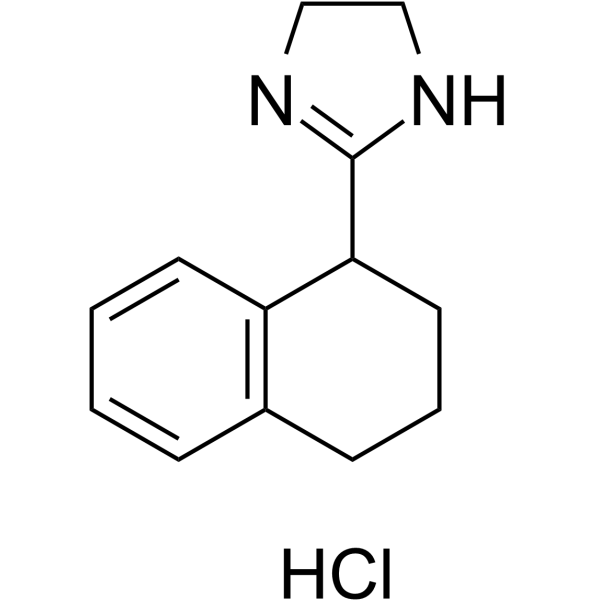
    Tetrahydrozoline hydrochloride (Tetryzoline hydrochloride), a derivative of imidazoline, is an α-adrenergic agonist that causes vasoconstriction. Tetrahydrozoline hydrochloride is widely used for the research of nasal congestion and conjunctival congestion .
    Tetrahydrozoline hydrochloride
  • HY-112076

    Methylatropine bromide

    mAChR Neurological Disease
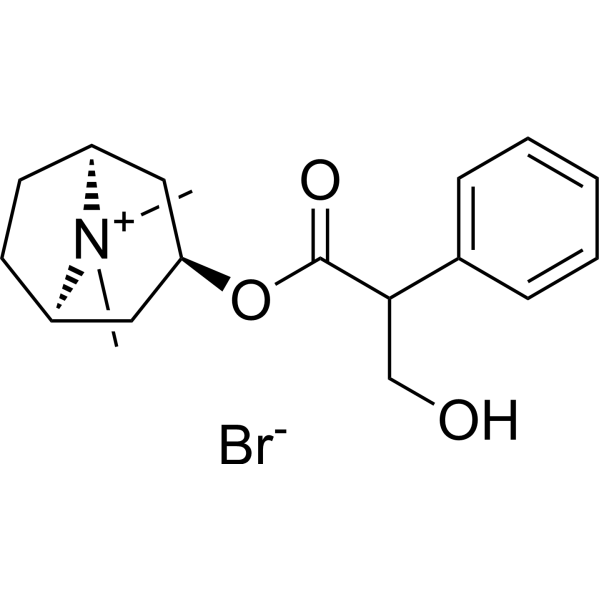
    Atropine methyl bromide, a muscarinic receptor (mAChR) antagonist, is a quaternary ammonium salt of atropine and a mydriatic for dilation of the pupil during ophthalmic examination. It is introduced for relieving pyloric spasm in infants for its highly polar nature. It penetrates less readily into the central nervous system than atropine .
    Atropine methyl bromide
  • HY-N7123
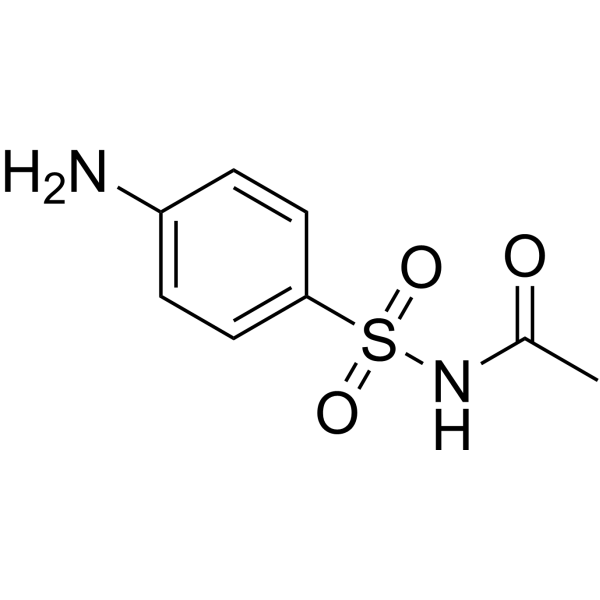
    Sulfacetamide
    3 Publications Verification

    Sulphacetamide

    Environmental Pollutants Antibiotic Bacterial Fungal Infection Inflammation/Immunology
    Sulfacetamide (Sulphacetamide) is a sulfonamide antibiotic. Sulfacetamide has antifungal and antibacterial activities. Sulfacetamide is employed as a topical formulation in various ophthalmic, dermatological, and hair solutions against bacterial infections, acne and scalp conditions. Sulfacetamide targets bacterial folic acid synthesis and is effective against various gram-positive and gram-negative bacteria. Sulfacetamide inhibits the synthesis of both dihydro-folic acid and para-aminobenzoic acid. Sulfacetamide can be used for the study of ocular infections .
    Sulfacetamide
  • HY-17357

    AHR 9434; AL 6515

    COX Prostaglandin Receptor Neurological Disease Inflammation/Immunology Endocrinology Cancer
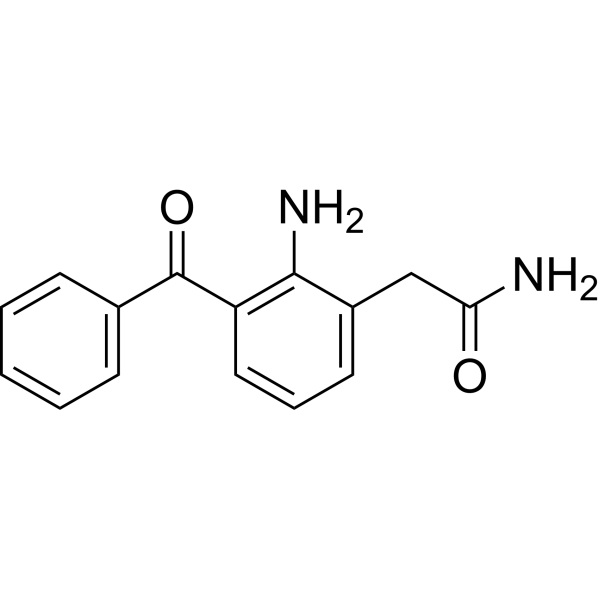
    Nepafenac (AHR 9434; AL 6515), a nonsteroidal anti-inflammatory agent, is a topically administered COX-2 inhibitor with an IC50 of 0.12 μM. Nepafenac exhibits only weak COX-1 inhibitory activity (IC50 = 64.3 μM). Nepafenac possesses unique prodrug properties, which enable it to rapidly convert into the active metabolite Amfenac (HY-17479) in the ocular tissues, thereby achieving high concentrations in the retina and choroid. Nepafenac reduces inflammation and pain by inhibiting the activity of cyclooxygenase (COX) enzymes and thereby decreasing the production of prostaglandin PGE. Nepafenac can delay the metastasis of uveal melanoma (UM) in rabbit eyes. Nepafenac is mainly used for pain management and inflammation control after ophthalmic surgeries .
    Nepafenac
  • HY-12720A
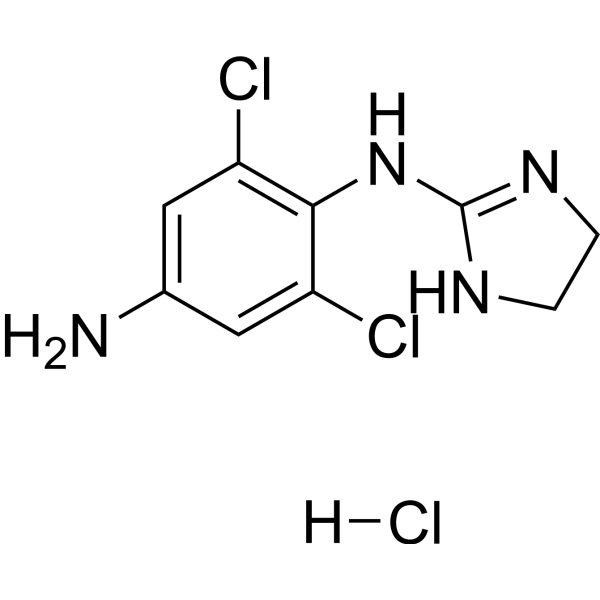
    Apraclonidine hydrochloride
    3 Publications Verification

    ALO 2145

    Adrenergic Receptor Neurological Disease
    Apraclonidine hydrochloride (ALO 2145), a selective α2 and weak α1 receptor agonist activity, effectively lowers intraocular pressure (IOP) in human eyes. Apraclonidine hydrochloride is a topical ophthalmic solution and has the ability to elevate the eye lid .
    Apraclonidine hydrochloride
  • HY-D0711R

    Foxgreen (Standard); IC Green (Standard); Cardiogreen (Standard)

    Fluorescent Dye Reference Standards Others
    Indocyanine green (Standard) is the analytical standard of Indocyanine green. This product is intended for research and analytical applications. Indocyanine green (Foxgreen) is a low toxicic fluorescent agent that has been widely used in medical diagnostics, such as determining cardiac output, hepatic function, and liver blood flow, and for ophthalmic angiography .
    Indocyanine green (Standard)
  • HY-126395

    Fluorescent Dye Others
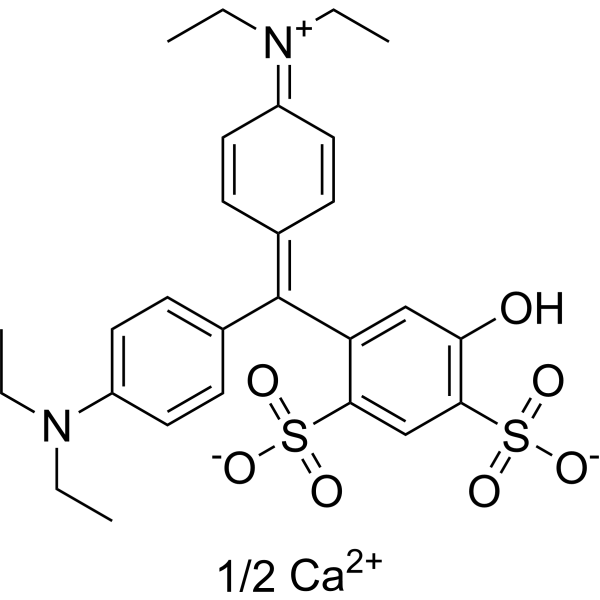
    Patent Blue V calcium salt is a triarylmethane dye used for tissue staining and lymphatic tracing, mainly applied by topical injection or eye drops. Patent Blue V calcium salt has affinity for specific tissues (such as corneal endothelium, lymphatic system), and stains the target structure by adsorption or binding, assisting in precise operation during surgery. Patent Blue V calcium salt is mainly used in ophthalmic surgery (such as graft staining for Descemet's membrane endothelial keratoplasty) and lymphatic drainage localization for sentinel lymph node biopsy of tumors .
    Patent Blue V calcium salt
  • HY-D0214R

    Reference Standards Influenza Virus Others
    Acid Red 94 sodium (Standard) is the analytical standard of Acid Red 94 sodium. This product is intended for research and analytical applications. Acid Red 94 sodium, a synthetic fluorescein derivative, and is a crimson-coloured dye with the principal component being 4,5,6,7-tetrachloro-2,4,5,7-tetraiodo fluorescein. Acid Red 94 sodium has been widely used as an ophthalmic diagnostic agents, and can detect desiccated or damaged cells on the ocular surface. Acid Red 94 sodium exhibits antiviral activities .
    Acid Red 94 sodium (Standard)
  • HY-112076A

    Methylatropine nitrate; Atropine methyl nitrate

    mAChR Neurological Disease
    Atropine methyl bromide, a muscarinic receptor (mAChR) antagonist, is a quaternary ammonium salt of atropine and a mydriatic for dilation of the pupil during ophthalmic examination. It is introduced for relieving pyloric spasm in infants for its highly polar nature. It penetrates less readily into the central nervous system than atropine .
    Atropine methyl nitrate
  • HY-137431A

    (R)-BAY-2433334

    Drug Isomer Cardiovascular Disease Neurological Disease
    (R)-Asundexian ((R)-BAY-2433334) is the enantiomer of Asundexian (HY-137431). (R)-Asundexian can be used in studies of cardiovascular disease, edema, and ophthalmic disease .
    (R)-Asundexian
  • HY-17357S

    AHR-9434-d5; AL-6515-d5

    Isotope-Labeled Compounds COX Prostaglandin Receptor Neurological Disease Inflammation/Immunology Endocrinology Cancer
    Nepafenac-d5 (AHR-9434-d5; AL-6515-d5) is the deuterium labeled Nepafenac (HY-17357). Nepafenac, a nonsteroidal anti-inflammatory agent, is a topically administered COX-2 inhibitor with an IC50 of 0.12 μM. Nepafenac exhibits only weak COX-1 inhibitory activity (IC50 = 64.3 μM). Nepafenac possesses unique prodrug properties, which enable it to rapidly convert into the active metabolite Amfenac (HY-17479) in the ocular tissues, thereby achieving high concentrations in the retina and choroid. Nepafenac reduces inflammation and pain by inhibiting the activity of cyclooxygenase (COX) enzymes and thereby decreasing the production of prostaglandin PGE. Nepafenac can delay the metastasis of uveal melanoma (UM) in rabbit eyes. Nepafenac is mainly used for pain management and inflammation control after ophthalmic surgeries.
    Nepafenac-d5
  • HY-B0580R

    RS37619 (Standard)

    Reference Standards COX Apoptosis Inflammation/Immunology Cancer
    Ketorolac (Standard) is the analytical standard of Ketorolac. This product is intended for research and analytical applications. Ketorolac (RS37619) is a non-steroidal anti-inflammatory drug (NSAID), acting as a nonselective COX inhibitor, with IC50s of 20 nM for COX-1 and 120 nM for COX-2. Ketorolac tromethamine is used as 0.5% ophthalmic solution for the research of allergic conjunctivitis, cystoid macular edema, intraoperative miosis, and postoperative ocular inflammation and pain. Ketorolac tromethamine is also a DDX3 inhibitor that can be used for cancer research .
    Ketorolac (Standard)
  • HY-164068

    Biochemical Assay Reagents Others Inflammation/Immunology
    Cross-linked sodium hyaluronate gel is a biomaterial formed by cross-linking sodium hyaluronate. Cross-linked sodium hyaluronate gel has good moisturizing properties, viscoelasticity and biocompatibility. Cross-linked sodium hyaluronate gel can be used for the treatment of arthritis and the development of auxiliary materials in ophthalmic surgery .
    Cross-linked sodium hyaluronate gel
  • HY-126752A

    Reactive Oxygen Species (ROS) Inflammation/Immunology
    Ophthalmic acid TFA, an analogue of GSH, is a marker of oxidative stress and hepatic GSH consumption. Ophthalmic acid TFA is an inhibitor of Glyoxalase I reaction .
    Ophthalmic acid TFA
  • HY-135808

    NF-κB Inflammation/Immunology
    BIZ 114 (Example 11) is a fatty acid derivative and potent inhibits the TNF-α activated NF-κΒ pathway. BIZ 114 has the potential to prevent and / or treat ophthalmic disorders such as retinal degenerative disorders and ocular inflammatory diseases .
    BIZ 114
  • HY-B1754

    Org 6216; Rimexel

    Glucocorticoid Receptor Inflammation/Immunology
    Rimexolone (Org 6216) is a glucocorticoid steroid with anti-inflammatory activity. Rimexolone can be used as a 1% ophthalmic suspension for the management of ocular inflammation .
    Rimexolone
  • HY-DY1027

    Fluorescent Dye Cancer
    Indocyanine green (Foxgreen) (solution) is a low toxicic fluorescent agent that has been widely used in medical diagnostics, such as determining cardiac output, hepatic function, and liver blood flow, and for ophthalmic angiography (Ex/Em = 785/813 nm) .
    Solvent and concentration: DMSO: 10 mM
    Indocyanine green (solution)
  • HY-12720

    ALO 2145 free base

    Adrenergic Receptor Infection Neurological Disease
    Apraclonidine (ALO 2145 (free base)), a selective α2 and weak α1 receptor agonist activity, effectively low intraocular pressure (IOP) in human eyes. Apraclonidine hydrochloride is a topical ophthalmic solution .
    Apraclonidine
  • HY-126752R

    Reactive Oxygen Species (ROS) Reference Standards Inflammation/Immunology
    Ophthalmic acid (Standard) is the analytical standard of Ophthalmic acid. This product is intended for research and analytical applications. Ophthalmic acid, an analogue of GSH, is a marker of oxidative stress and hepatic GSH consumption. Ophthalmic acid is an inhibitor of Glyoxalase I reaction .
    Ophthalmic acid (Standard)
  • HY-B0556

    Tetryzoline

    Adrenergic Receptor Cardiovascular Disease
    Tetrahydrozoline (Tetryzoline), a derivative of imidazoline, is an α-adrenergic agonist that causes vasoconstriction. Tetrahydrozoline is widely used for the research of nasal congestion and conjunctival congestion .
    Tetrahydrozoline
  • HY-16183

    Echothiophate iodide

    Cholinesterase (ChE) Neurological Disease
    Echothiopate iodide is a potent hBChE (human butyrylcholinesterase) inhibitor. Echothiopate iodide is a long-acting anticholinesterase agent. Echothiopate iodide can be used for glaucoma research .
    Echothiopate iodide
  • HY-N7123R

    Sulphacetamide (Standard)

    Reference Standards Antibiotic Bacterial Fungal Infection Inflammation/Immunology
    Sulfacetamide (Standard) (Sulphacetamide (Standard)) is the analytical standard of Sulfacetamide (HY-N7123). This product is intended for research and analytical applications. Sulfacetamide (Sulphacetamide) is a sulfonamide antibiotic. Sulfacetamide has antifungal and antibacterial activities. Sulfacetamide is employed as a topical formulation in various ophthalmic, dermatological, and hair solutions against bacterial infections, acne and scalp conditions. Sulfacetamide targets bacterial folic acid synthesis and is effective against various gram-positive and gram-negative bacteria. Sulfacetamide inhibits the synthesis of both dihydro-folic acid and para-aminobenzoic acid. Sulfacetamide can be used for the study of ocular infections .
    Sulfacetamide (Standard)
  • HY-16387

    VEGFR Others
    PF-00337210 is a potent and selective inhibitor of VEGFRs, designed for treating age-related macular degeneration via intravitreal injection. The formulation strategy focused on developing an ophthalmic solution that would precipitate upon injection into the vitreous, ensuring sustained drug delivery. Challenges included maintaining low dosing volumes, selecting safe excipients for intravitreal use, and addressing the drug's unique physicochemical properties. The final formulation, an isotonic solution in a citrate-buffered vehicle with NaCl, demonstrated stability, potency, and recovery through intravitreal dosing syringes. It formed a depot upon injection into vitreous humor, representing a novel nonpolymeric in situ-forming depot formulation for intravitreal drug delivery .
    PF 00337210
  • HY-12720B

    ALO 2145 dihydrochloride

    Adrenergic Receptor Neurological Disease
    Apraclonidine (ALO 2145) dihydrochloride, a selective α2 and weak α1 receptor agonist activity, effectively low intraocular pressure (IOP) in eyes. Apraclonidine dihydrochloride is a topical ophthalmic solution .
    Apraclonidine dihydrochloride
  • HY-133026R

    N-Acetyl-L-carnosine (Standard)

    Drug Intermediate Endogenous Metabolite Reference Standards Inflammation/Immunology
    N-Acetylcarnosine (Standard) is the analytical standard of N-Acetylcarnosine. This product is intended for research and analytical applications. N-Acetylcarnosine, a natural histidine-containing dipeptide, is a source of pharmacological principal L-carnosine. N-Acetylcarnosine is a potent ophthalmic agent in human cataracts .
    N-Acetylcarnosine (Standard)
  • HY-12720AR

    ALO 2145 (Standard)

    Reference Standards Adrenergic Receptor Neurological Disease
    Apraclonidine (hydrochloride) (Standard) is the analytical standard of Apraclonidine (hydrochloride). This product is intended for research and analytical applications. Apraclonidine hydrochloride (ALO 2145), a selective α2 and weak α1 receptor agonist activity, effectively lowers intraocular pressure (IOP) in human eyes. Apraclonidine hydrochloride is a topical ophthalmic solution and has the ability to elevate the eye lid .
    Apraclonidine hydrochloride (Standard)
  • HY-B0580D

    RS37619 hydrochloride

    COX Apoptosis Inflammation/Immunology Cancer
    Ketorolac (RS37619) hydrochloride is a non-steroidal anti-inflammatory drug (NSAID), acting as a nonselective COX inhibitor, with IC50s of 20 nM for COX-1 and 120 nM for COX-2. Ketorolac hydrochloride tromethamine is used as 0.5% ophthalmic solution for the research of allergic conjunctivitis, cystoid macular edema, intraoperative miosis, and postoperative ocular inflammation and pain. Ketorolac hydrochloride tromethamine is also a DDX3 inhibitor that can be used for cancer research .
    Ketorolac hydrochloride
  • HY-B0580C
    Ketorolac hemicalcium
    1 Publications Verification

    RS37619 hemicalcium

    COX Apoptosis Inflammation/Immunology Cancer
    Ketorolac (RS37619) hemicalcium is a non-steroidal anti-inflammatory drug (NSAID), acting as a nonselective COX inhibitor, with IC50s of 20 nM for COX-1 and 120 nM for COX-2. Ketorolac tromethamine is used as 0.5% ophthalmic solution for the research of allergic conjunctivitis, cystoid macular edema, intraoperative miosis, and postoperative ocular inflammation and pain. Ketorola chemicalcium is also a DDX3 inhibitor that can be used for cancer research .
    Ketorolac hemicalcium
  • HY-168904

    Proteasome Others
    BI-1942, a chemical probe, is a chymase inhibitor and has an IC50 of 0.4 nM for human chymase. BI-1942 can be used in the research of ophthalmic diseases .
    BI-1942
  • HY-B0556R

    Tetryzoline (Standard)

    Reference Standards Adrenergic Receptor Cardiovascular Disease
    Tetrahydrozoline (Standard) is the analytical standard of Tetrahydrozoline. This product is intended for research and analytical applications. Tetrahydrozoline (Tetryzoline), a derivative of imidazoline, is an α-adrenergic agonist that causes vasoconstriction. Tetrahydrozoline is widely used for the research of nasal congestion and conjunctival congestion .
    Tetrahydrozoline (Standard)
  • HY-B0556B

    Tetryzoline nitrate

    Adrenergic Receptor Cardiovascular Disease Metabolic Disease
    Tetrahydrozoline (Tetryzoline) nitrate , a derivative of imidazoline, is an α-adrenergic agonist that causes vasoconstriction. Tetrahydrozoline is widely used for the research of nasal congestion and conjunctival congestion .
    Tetrahydrozoline nitrate
  • HY-B0556AR

    Tetryzoline hydrochloride (Standard)

    Reference Standards Adrenergic Receptor Cardiovascular Disease Endocrinology
    Tetrahydrozoline (hydrochloride) (Standard) is the analytical standard of Tetrahydrozoline (hydrochloride). This product is intended for research and analytical applications. Tetrahydrozoline hydrochloride (Tetryzoline hydrochloride), a derivative of imidazoline, is an α-adrenergic agonist that causes vasoconstriction. Tetrahydrozoline hydrochloride is widely used for the research of nasal congestion and conjunctival congestion .
    Tetrahydrozoline hydrochloride (Standard)
  • HY-D0711S2

    Foxgreen-d7; IC Green-d7; Cardiogreen-d7

    Isotope-Labeled Compounds Fluorescent Dye Others
    Indocyanine green-d7 (Foxgreen-d7) is the deuterium labeled Indocyanine green (HY-D0711). Indocyanine green is a low toxicic fluorescent agent that has been widely used in medical diagnostics, such as determining cardiac output, hepatic function, and liver blood flow, and for ophthalmic angiography .
    Indocyanine green-d7
  • HY-112076R

    Methylatropine bromide (Standard)

    Reference Standards mAChR Neurological Disease
    Atropine methyl (bromide) (Standard) is the analytical standard of Atropine methyl (bromide). This product is intended for research and analytical applications. Atropine methyl bromide, a muscarinic receptor (mAChR) antagonist, is a quaternary ammonium salt of atropine and a mydriatic for dilation of the pupil during ophthalmic examination. It is introduced for relieving pyloric spasm in infants for its highly polar nature. It penetrates less readily into the central nervous system than atropine .
    Atropine methyl bromide (Standard)
  • HY-B0553R

    L584601 (Standard)

    Reference Standards Carbonic Anhydrase Apoptosis Reactive Oxygen Species (ROS) Caspase Cardiovascular Disease Neurological Disease Inflammation/Immunology Cancer
    Methazolamide (Standard) is the analytical standard of Methazolamide. This product is intended for research and analytical applications. Methazolamide (L584601) is a BBB-penetrable and orally active carbonic anhydrase inhibitor, with a Ki of 14 nM for human carbonic anhydrase II. Methazolamide can reduce intraocular pressure and has a neuroprotective effect, being able to inhibit neuronal apoptosis. Methazolamide can be used in the research of ophthalmic diseases such as glaucoma and cerebrovascular diseases such as subarachnoid hemorrhage .
    Methazolamide (Standard)
  • HY-139420R

    Reference Standards Drug Derivative Others
    Tafluprost ethyl amide (Standard) is the analytical standard of Tafluprost ethyl amide (HY-139420). This product is intended for research and analytical applications. Tafluprost ethyl amide is a derivative of Tafluprost (HY-B0600). Tafluprost ethyl amide is commonly used in studies related to eyelash hypotrichosis, and it can also be applied in research related to the cosmetic field .
    Tafluprost ethyl amide (Standard)
  • HY-B0580S2

    RS37619-13C6

    Isotope-Labeled Compounds Apoptosis COX Inflammation/Immunology Cancer
    Ketorolac- 13C6 (RS37619- 13C6) is 13C labeled Ketorolac. Ketorolac (RS37619) is a non-steroidal anti-inflammatory drug (NSAID), acting as a nonselective COX inhibitor, with IC50s of 20 nM for COX-1 and 120 nM for COX-2. Ketorolac tromethamine is used as 0.5% ophthalmic solution for the research of allergic conjunctivitis, cystoid macular edema, intraoperative miosis, and postoperative ocular inflammation and pain. Ketorolac tromethamine is also a DDX3 inhibitor that can be used for cancer research .
    Ketorolac-13C6
  • HY-178030

    Carbonic Anhydrase Adrenergic Receptor Neurological Disease
    CAXII-IN-3 is an effective carbonic anhydrase (CA XII) inhibitor with a Ki of 53 nM. CAXII-IN-3 exhibits selective inhibition against multiple human CA subtypes with Kis of 5.3 μM, 75 nM, 1.9 μM, > 10 μM against CA I, CA II, CA IV and CA IX. CAXII-IN-3 mainly inhibits CA II and XII, and reduces aqueous humor production. CAXII-IN-3 exhibits β3-AR agonistic activity, can dilate retinal blood vessels, and improve optic nerve perfusion. CAXII-IN-3 can be used in the research of ocular disorders such as glaucoma .
    CAXII-IN-3
  • HY-17357R

    AHR 9434 (Standard); AL 6515 (Standard)

    Reference Standards COX Prostaglandin Receptor Neurological Disease Inflammation/Immunology Endocrinology Cancer
    Nepafenac (AHR 9434; AL 6515) (Standard) is the analytical standard of Nepafenac (HY-17357). This product is intended for research and analytical applications. Nepafenac, a nonsteroidal anti-inflammatory agent, is a topically administered COX-2 inhibitor with an IC50 of 0.12 μM. Nepafenac exhibits only weak COX-1 inhibitory activity (IC50 = 64.3 μM). Nepafenac possesses unique prodrug properties, which enable it to rapidly convert into the active metabolite Amfenac (HY-17479) in the ocular tissues, thereby achieving high concentrations in the retina and choroid. Nepafenac reduces inflammation and pain by inhibiting the activity of cyclooxygenase (COX) enzymes and thereby decreasing the production of prostaglandin PGE. Nepafenac can delay the metastasis of uveal melanoma (UM) in rabbit eyes. Nepafenac is mainly used for pain management and inflammation control after ophthalmic surgeries.
    Nepafenac (Standard)
  • HY-D0214E
    Acid Red 94 sodium (80%)
    1 Publications Verification

    Influenza Virus Photosensitizer Amyloid-β Infection Neurological Disease Cancer
    Acid Red 94 sodium (80%), a synthetic fluorescein derivative, is a deep red dye primarily composed of 4,5,6,7-tetrachloro-2,4,5,7-tetraiodo fluorescein. Acid Red 94 sodium (80%) is widely used as an ophthalmic diagnostic agent to detect dry or damaged cells on the ocular surface. Acid Red 94 sodium (80%) exhibits antitumor activity and can inhibit Friend Leukemia Virus (FLV) infection through photodynamic action. Additionally, Acid Red 94 sodium (80%) can inhibit Aβ aggregation through light irradiation. Acid Red 94 sodium (80%) holds potential for use in cancer, viral infections, and neurodegenerative disease research .
    Acid Red 94 sodium (80%)
  • HY-119705

    Glucocorticoid Receptor Neurological Disease
    Prednival is a glucocorticoid. Prednival is used in studies of sustained-release ocular drug delivery .
    Prednival

Consulta en línea

Your information is safe with us. * Required Fields.

Saludo


Country or Region *

Nombre del solicitante *


Nombre de la Organizaciòn *

Department *


Direcciòn del E-mail *


Nombre del producto *

Cat. No.


Requested quantity *

Número de teléfono *


Observaciones

Consulta en línea

Inquiry Information

Nombre del producto:
Cat. No.:
Cantidad:
MCE Japan Authorized Agent:

