1. Search Result
Search Result
Results for "

precursor peptide

" in MedChemExpress (MCE) Product Catalog:

72

Inhibitors & Agonists

2

Screening Libraries

59

Peptides

4

Natural
Products

1

Recombinant Proteins

11

Antibodies

1

Oligonucleotides

Cat. No. Product Name Target Research Areas Chemical Structure
  • HY-W010712
    Fmoc-His(Trt)-OH
    1 Publications Verification

    Amino Acid Derivatives Others
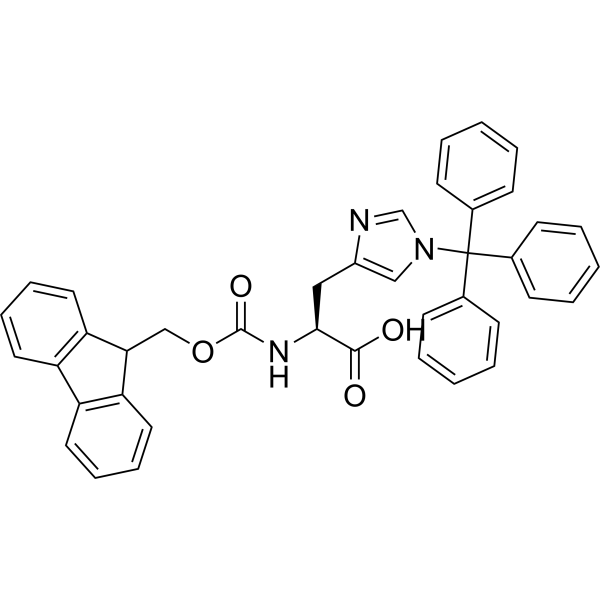
    Fmoc-His(Trt)-OH is a histidine derivative with a trityl (Trt) group protecting the His side chain. Fmoc-His(Trt)-OH also has an Fmoc group protecting the α-NH2 group. Fmoc-His(Trt)-OH can be used in solid-phase peptide synthesis to prevent racemization and byproduct formation. Fmoc-His(Trt)-OH acts as a protected histidine precursor in solid-phase peptide synthesis (SPPS), participating in peptide chain construction through amide bond formation. Fmoc-His(Trt)-OH can be precisely incorporated into the target peptide sequence, ensuring correct peptide chain synthesis and reducing impurity formation. Fmoc-His(Trt)-OH is mainly used in the solid-phase synthesis research of pharmaceutical peptides and bioactive peptides, and is particularly suitable for the preparation of peptide drugs requiring precise control of histidine configuration .
    Fmoc-His(Trt)-OH
  • HY-100138

    Radionuclide-Drug Conjugates (RDCs) ADC Linker Cancer
    2-Aminoethyl-mono-amide-DOTA-tris(tBu ester) is a metal chelator precursor containing a DOTA macrocyclic structure. DOTA can form highly stable complexes with metal ions (such as 68Ga, 177Lu) through four nitrogen atoms and four carboxylic acid groups to mediate targeted delivery of radionuclides. The tert-butyl ester group (tBu ester) of 2-Aminoethyl-mono-amide-DOTA-tris(tBu ester) also protects the carboxylic acid group during synthesis, and forms a free carboxyl group after deprotection reaction for coupling with targeting molecules (such as antibodies, peptides). 2-Aminoethyl-mono-amide-DOTA-tris(tBu ester) may be combined with tumor pre-targeting systems through bioorthogonal reactions (such as reverse electron demand Diels-Alder reaction) to study radioactive imaging or therapy of tumor tissues, and is mainly used in tumor pre-targeting research in the field of nuclear medicine .
    2-Aminoethyl-mono-amide-DOTA-tris(tBu ester)
  • HY-113283

    Amyloid-β Natriuretic Peptide Receptor (NPR) α-synuclein Transthyretin (TTR) Claudin Neurological Disease Metabolic Disease Cancer
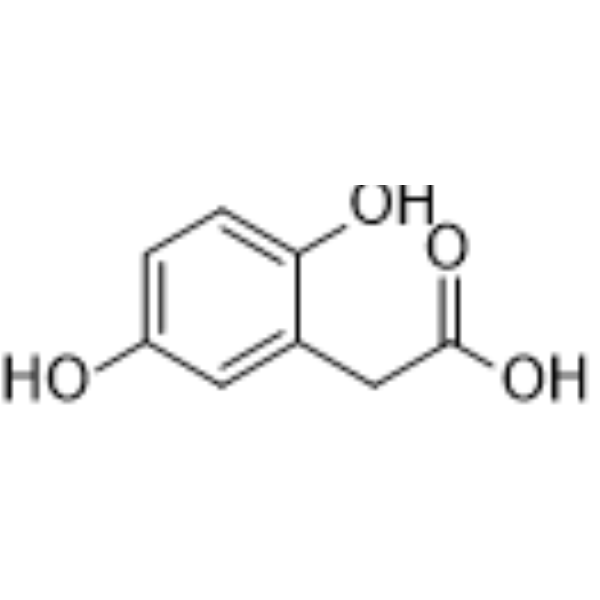
    Homogentisic acid is an orally active, blood-brain barrier-permeable amyloidogenic compound that functions as both an amyloid component and a pigment precursor. Accumulation of homogentisic acid downregulates tight junction proteins (such as claudin-5, occludin, ZO-1) and impairs blood-brain barrier integrity. Homogentisic acid and its oxidation product benzoquinone acetic acid not only induce the aggregation and fibrosis of multiple proteins (such as 1-42, α-synuclein, SAA, Transthyretin (TTR), atrial natriuretic peptide), but also trigger oxidative stress, damage to the Wnt/β-catenin pathway, and neurotoxicity, leading to ochronosis pigment deposition and synaptic dysfunction. At specific concentrations, homogentisic acid exerts no cytotoxicity or genotoxicity on human peripheral blood lymphocytes, and even counteracts the genotoxicity induced by Irinotecan (HY-16562). Homogentisic acid serves as an important tool molecule for investigating the mechanisms of diseases including ochronosis, secondary amyloidosis, Alzheimer's disease, and colorectal cancer .
    Homogentisic acid
  • HY-P2198

    Mas-related G-protein-coupled Receptor (MRGPR) Cardiovascular Disease
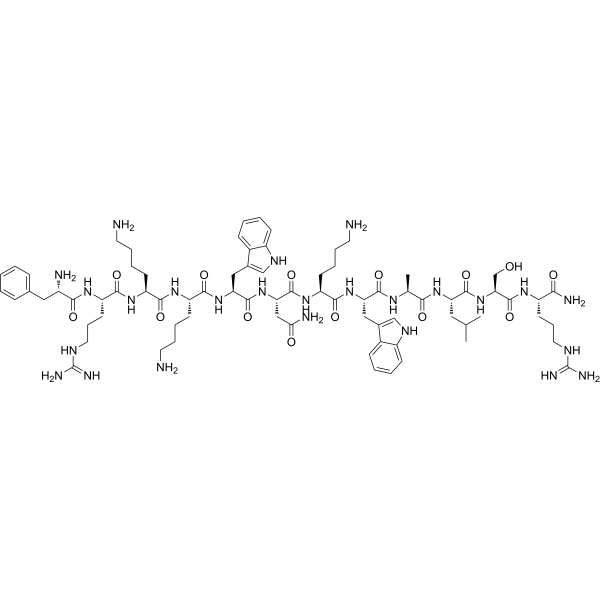
    PAMP-12(human, porcine) is a major component of immunoreactive (ir)-PAMP, is processed from the adrenomedullin precursor, is a potent hypotensive peptide and participates in cardiovascular control .
    PAMP-12(human, porcine)
  • HY-W007970

    Endogenous Metabolite Neurological Disease
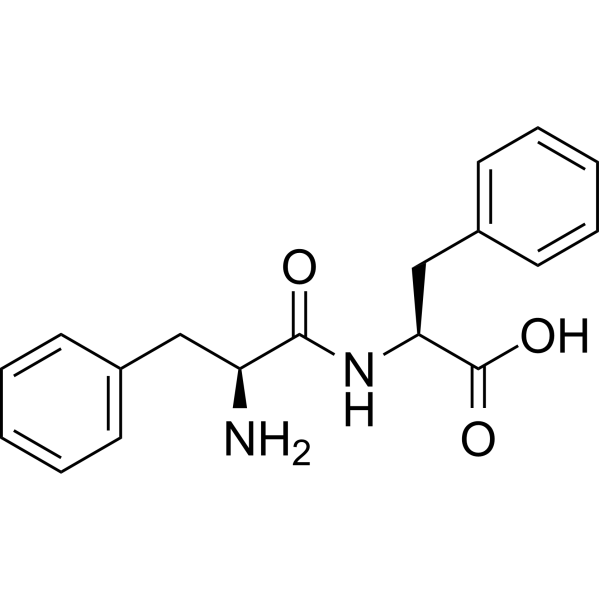
    H-Phe-Phe-OH is a peptide made of two phenylalanine molecules; Phenylalanine is an essential amino acid and the precursor for the amino acid tyrosine.
    H-Phe-Phe-OH
  • HY-114174
    Fmoc-Ala-Glu-Asn-Lys-NH2
    3 Publications Verification

    Amyloid-β Neurological Disease
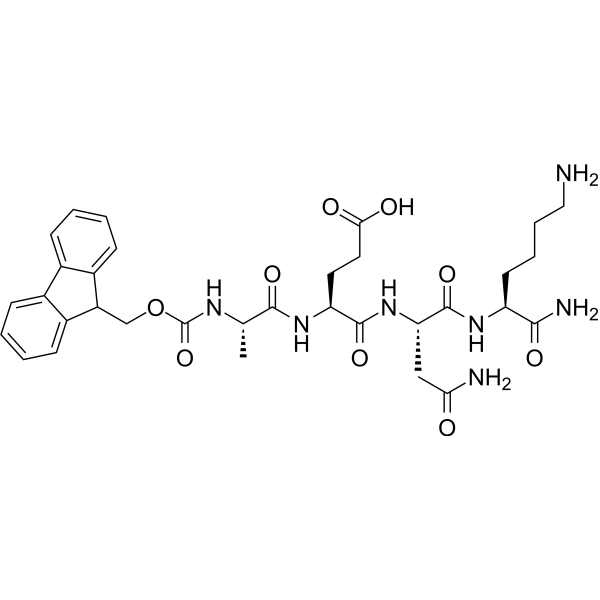
    Fmoc-Ala-Glu-Asn-Lys-NH2 is a selective asparagine endopeptidase (AEP) inhibitor peptide and suppresses amyloid precursor protein (APP) cleavage. AEP, a pH-controlled cysteine proteinase, is activated during ageing and mediates APP proteolytic processing .
    Fmoc-Ala-Glu-Asn-Lys-NH2
  • HY-103374

    (-)-Eseroline phenylcarbamate; (-)-Phenserine

    Cholinesterase (ChE) Amyloid-β Neurological Disease
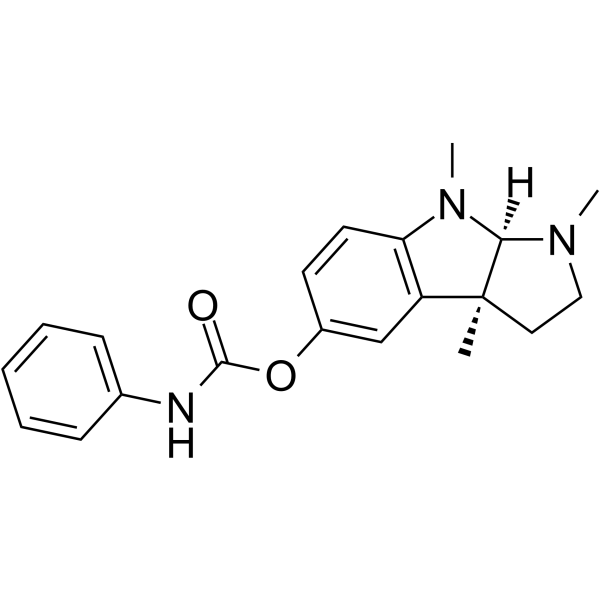
    Phenserine ((-)-Eseroline phenylcarbamate) is a derivative of Physostigmine (HY-N6608) and is a potent, noncompetitive, long-acting and selective AChE inhibitor. Phenserine reduces β-amyloid precursor protein (APP) and β-amyloid peptide (Aβ) formation. Phenserine improves cognitive performance and attenuates the progression of Alzheimer's disease .
    Phenserine
  • HY-13463A
    Avatrombopag maleate
    5 Publications Verification

    AKR-501 maleate; E5501 maleate; YM477 maleate

    Thrombopoietin Receptor Cytochrome P450 ERK STAT Inflammation/Immunology Cancer
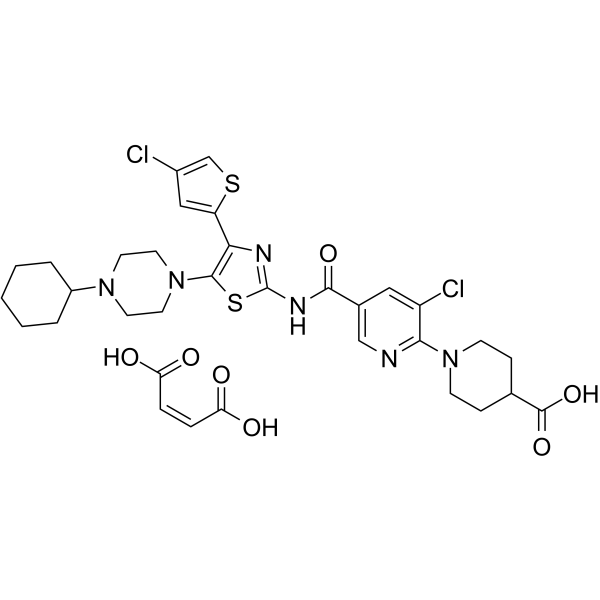
    Avatrombopag (AKR-501) maleate is an orally active, non-peptide thrombopoietin receptor (TPO receptor) agonist (EC50: 3.3 nM). Avatrombopag maleate mimics the biological activity of TPO. Avatrombopag maleate increases platelet production by activating intracellular signaling systems and promotes the production of platelets and megakaryocytes from hematopoietic precursor cells. Avatrombopag maleate is a substrate for cytochrome P450 (CYP) 2C9 and CYP3A .
    Avatrombopag maleate
  • HY-125372

    ABAO

    Biochemical Assay Reagents Others
    2-Amino benzamidoxime (ABAO) acts as a bioconjugation reagent precursor and a fluorescent probe precursor. 2-Amino benzamidoxime contains an aniline group for imine activation of aldehydes, as well as a nucleophilic group (Nu:) located at the ortho position of the amine, which is responsible for intramolecular cyclization. 2-Amino benzamidoxime reacts with glyoxal at the N-terminus of phage-displayed peptide libraries. Derivatives of 2-Amino benzamidoxime can be used for protein bioconjugation. Derivatives of 2-Amino benzamidoxime serve as fluorescent probes .\n


    2-Amino benzamidoxime
  • HY-P10489

    Kisspeptin Receptor Cancer
    Kisspeptin-14 human is a peptide hormone encoded by the KiSS-1 gene. Kisspeptin-14 human, along with several other similar peptide hormones, is produced from a common precursor protein by cleavage by different proteases. Kisspeptin-14 human is an endogenous ligand of KISS1R. Kisspeptin-14 human has the same receptor binding efficiency and potency as full-length kisspeptin. Kisspeptin-14 human binds to its receptor GPR54 and is able to activate this G protein-coupled receptor and activate multiple intracellular signaling pathways. Kisspeptin-14 human can be used to study reproductive development and tumor metastasis .
    Kisspeptin-14 human
  • HY-P1486

    Endogenous Metabolite Cardiovascular Disease
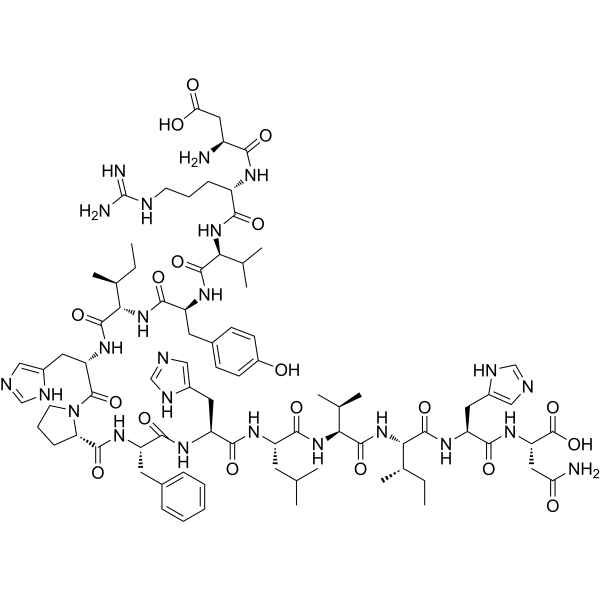
    Angiotensinogen (1-14), human is a fragment of the renin substrate angiotensinogen. Angiotensinogen is naturally occurring substrate for renin and a precursor for all angiotensin peptides .
    Angiotensinogen (1-14), human
  • HY-W142073

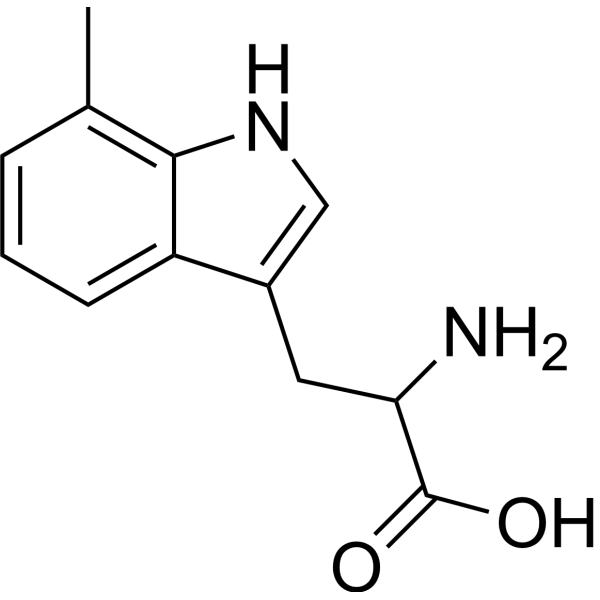
    7-Methyltryptophan

    Amino Acid Derivatives Infection
    7-Methyl-DL-tryptophan (7-Methyltryptophan) is an amino acid derivative, which is a key precursor for biosynthesis of many non-ribosomal peptide antibiotics. 7-Methyl-DL-tryptophan plays an important role in synthesis of high-efficiency antibacterial agents and analogues thereof .
    7-Methyl-DL-tryptophan
  • HY-W012000

    Boc-N-Me-Ile-OH

    Amino Acid Derivatives Others
    Boc-N-methyl-L-isoleucine (Boc-N-Me-Ile-OH) is a peptide products and can be used as a precursor in organic synthesis and pharmaceuticals .
    Boc-N-methyl-L-isoleucine
  • HY-P2538

    Vasopressin Receptor Cardiovascular Disease
    Big Endothelin-1 (1-38), human is the precursor of endothelin-1. Endothelin-1 (ET-1) is a potent vasopressor peptide .
    Big Endothelin-1 (1-38), human
  • HY-P3919

    Pro-ADM-153-185 (human)

    CGRP Receptor Cardiovascular Disease
    Adrenotensin (human) (Pro-ADM-153-185 (human)) is a 153-185 fragment of precursor peptide of Adrenomedullin. Adrenomedullin (ADM) is a 52-amino acid multifunctional peptide, which belongs to the CGRP superfamily of vasoactive peptide hormones .
    Adrenotensin (human)
  • HY-P4885

    AβpE3-40

    Amyloid-β Neurological Disease
    Glp-Amyloid-β (3-40) Peptide (human) (AβpE3-40) is a minor amounts of pyroglutamate-modified isolated from from 24-month-old Amyloid precursor protein (APP) transgenic Mice .
    Glp-amyloid-β (3-40) peptide (human)
  • HY-P1829A

    Angiotensin Receptor Cardiovascular Disease
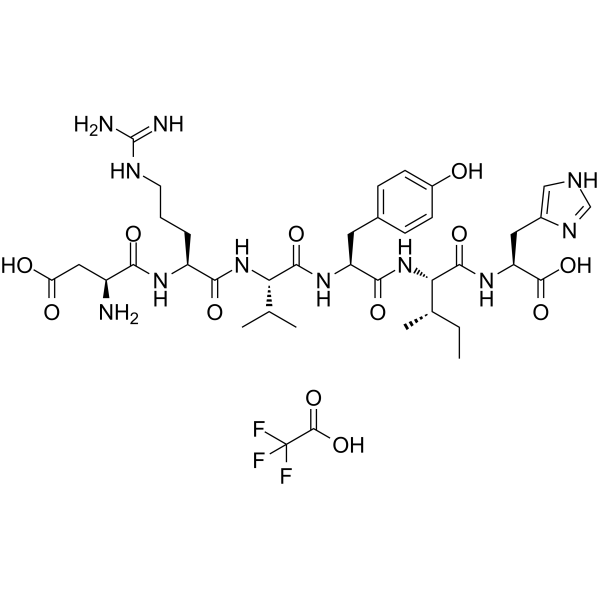
    Angiotensin I/II (1-6) TFA contains the amino acids 1-6 and is converted from Angiotensin I/II peptide. The precursor angiotensinogen is cleaved by renin to form angiotensin I. Angiotensin I ishydrolyzed by angiotensin-converting enzyme (ACE) to form the biologically active angiotensin II. Angiotensin II has been investigated for the treatment, basic science, and diagnostic of Hypertension, Renin Angiotensin System, and Idiopathic Membranous Nephropathy .
    Angiotensin I/II (1-6) TFA
  • HY-P3919A

    Pro-ADM-153-185 (human) TFA

    CGRP Receptor Cardiovascular Disease
    Adrenotensin (human) (Pro-ADM-153-185 (human)) TFA is a 153-185 fragment of precursor peptide of Adrenomedullin. Adrenomedullin (ADM) TFA is a 52-amino acid multifunctional peptide, which belongs to the CGRP superfamily of vasoactive peptide hormones .
    Adrenotensin (human) TFA
  • HY-P1894

    Amyloid-β Neurological Disease
    β-Amyloid Protein Precursor 770 (135-155) is a peptide of amyloid precursor protein isoform (APP 770). APP 770 produces Aβ40/42 .
    β-Amyloid Protein Precursor 770 (135-155)
  • HY-P4779

    Androgen Receptor Neurological Disease
    Acetyl-ACTH (2-24) (human, bovine, rat) is a fragment of proopiomelanocortin (POMC) peptide. POMC peptides such as adrenocorticotrophin (ACTH), which is the precursor of α-MSH, is also an agonist at the MC-1 receptor .
    Acetyl-ACTH (2-24) (human, bovine, rat)
  • HY-P5939

    Angiotensin Receptor Cardiovascular Disease
    Angiotensinogen (1-13) (human) is a fragment of the renin substrate angiotensinogen. Angiotensinogen is naturally occurring substrate for renin and a precursor for all angiotensin peptides .
    Angiotensinogen (1-13) (human)
  • HY-145649

    AD-85481; ALN-AGT

    Angiotensin Receptor Cardiovascular Disease
    Zilebesiran is a siRNA that reduce hepatic angiotensinogen levels through RNA interference. it is used for the study of mild to moderate Hypertension. Angiotensinogen is the predominant precursor of angiotensin peptides and a key regulator of systemic blood pressure.
    Zilebesiran
  • HY-P4886A

    Amyloid-β Neurological Disease
    Amyloid β-Protein (3-42) TFA is a precursor of Pyr peptide. Pyroglutamic acid-modified Aβ (pEAβ) (3-42) is the core of the amyloid plaque in Alzheimer's disease. pEAβ (3-42) accelerates the aggregation of Aβ(1-42), while Aβ(1-42) significantly slows down the primary and secondary nucleation of pEAβ(3-42).
    Amyloid β-Protein (3-42) TFA
  • HY-P1829

    Angiotensin Receptor Cardiovascular Disease
    Angiotensin I/II 1-6 contains the amino acids 1-6 and is converted from Angiotensin I/II peptide. The precursor angiotensinogen is cleaved by renin to form angiotensin I. Angiotensin I ishydrolyzed by angiotensin-converting enzyme (ACE) to form the biologically active angiotensin II. Angiotensin II has been investigated for the treatment, basic science, and diagnostic of Hypertension, Renin Angiotensin System, and Idiopathic Membranous Nephropathy .
    Angiotensin I/II (1-6)
  • HY-P1894A

    Amyloid-β Neurological Disease
    β-Amyloid Protein Precursor 770 (135-155) TFA is a peptide of amyloid precursor protein isoform (APP 770). APP 770 produces Aβ40/42 .
    β-Amyloid Protein Precursor 770 (135-155) TFA
  • HY-P2636

    Prepro CCK Fragment V-9-M

    Histamine Receptor Metabolic Disease
    Cholecystokinin Precursor (24-32) (rat) is a cholecystokinin precursor that can be expressed in the heart, lungs, and kidneys as well as in the gastrointestinal tract and brain. Cholecystokinin is a brain-gut peptide that stimulates gallbladder contraction and pancreatic exocrine secretion and also acts as a neurotransmitter .
    Cholecystokinin Precursor (24-32) (rat)
  • HY-P3964

    Endogenous Metabolite Endocrinology
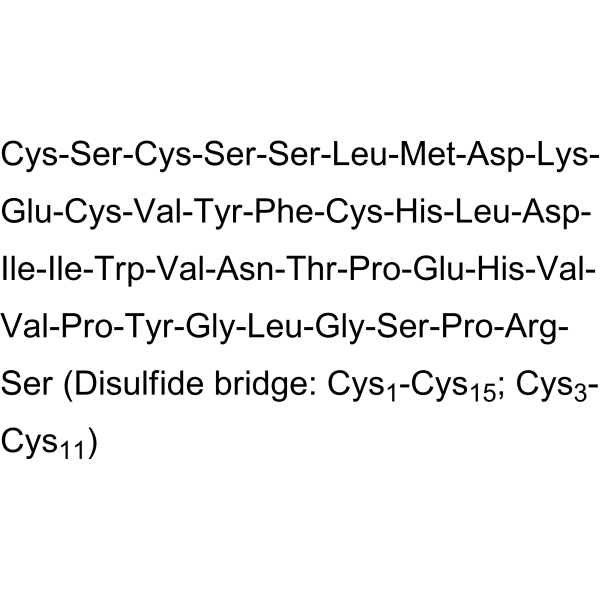
    TRH Precursor Peptide is a precursor peptide of thyrotropin-releasing hormone (TRH). TRH Precursor Peptide formation of TRH in rat brain and pituitary is zinc-dependent .
    TRH Precursor Peptide
  • HY-P10613

    Amyloid-β Neurological Disease
    RERMS are bioactive peptides produced from the active regions of amyloid-β and A4 protein precursors that promote fibroblast growth and can be used in the study of neurodegenerative diseases .
    RERMS
  • HY-139036

    Biochemical Assay Reagents Others
    Dicyanocobinamide is a precursor to vitamin B12. Dicyanocobinamide is a catalyst for the oxidation of peptides, which is utilized for a rapid, environmentally friendly method of disulfide bond formation in water. Dicyanocobinamide exhibits good biocompatibility .
    Dicyanocobinamide
  • HY-103538

    Amyloid-β Neurological Disease
    JLK-6 markedly reduce the production of amyloid β-peptide (Aβ) by amyloid-β Precursor protein (APP) expressing HEK293 cells by affecting the γ-secretase cleavage of APP, with no effect on the cleavage of the Notch receptor .
    JLK-6
  • HY-122487A

    BHV-4157 hydrochloride

    mGluR Neurological Disease
    Troriluzole hydrochloride is a third-generation peptide precursor of Riluzole (HY-B0211) and is an orally active glutamate modulator. Troriluzole hydrochloride can reduce synaptic glutamate levels and enhance the uptake of synaptic glutamate. Troriluzole hydrochloride shows potential for treating Alzheimer's disease and Generalized Anxiety Disorder (GAD) .
    Troriluzole hydrochloride
  • HY-120764

    HIV Infection
    PF-46396 is a potent HIV-1 inhibitor with an EC50 value of 0.206 µM. PF-46396 shows antiviral activity. PF-46396 inhibits the processing of capsid (CA)/spacer peptide 1 (SP1) (p25) Gag precursor proteins and blocks maturation of the viral core particle .
    PF-46396
  • HY-P10247

    Mitochondrial Metabolism Neurological Disease
    Amyloid precursor C-terminal peptide is cleaved from the C-terminus of Amyloid Precursor Protein (APP). Amyloid precursor C-terminal peptide accumulation causes mitochondrial morphology alteration and basal mitophagy failure, which indicates that amyloid precursor protein C-terminal peptide may correspond to an etiological trigger of Alzheimer’s disease (AD) pathology .
    Amyloid precursor C-terminal peptide
  • HY-125153

    Influenza Virus Others
    Bursin is a peptide that can be isolated from the bursa of Fabricius of chicken. Bursin induces the phenotypic differentiation of mammalian and avian B precursor cells. Bursin also increases cyclic guanosine monophosphate in cells of the human B-cell line Daudi, its derivatives are able to protect against infection by amplifying the immune response induced by H9N2 .
    Bursin
  • HY-P5291

    Caerulein precursor fragment

    Insulin Receptor Metabolic Disease
    CPF-7 (Caerulein precursor fragment) is an insulin-releasing peptide that stimulates the release of insulin. CPF-7 can induce epithelial-mesenchymal transition by upregulating Snai1 expression in PANC-1 ductal cells. CPF-7 also induces exocrine plasticity by upregulating Ngn3 expression. CPF-7 can be used in the research of type 2 diabetes .
    CPF-7
  • HY-P4886

    Amyloid-β Neurological Disease
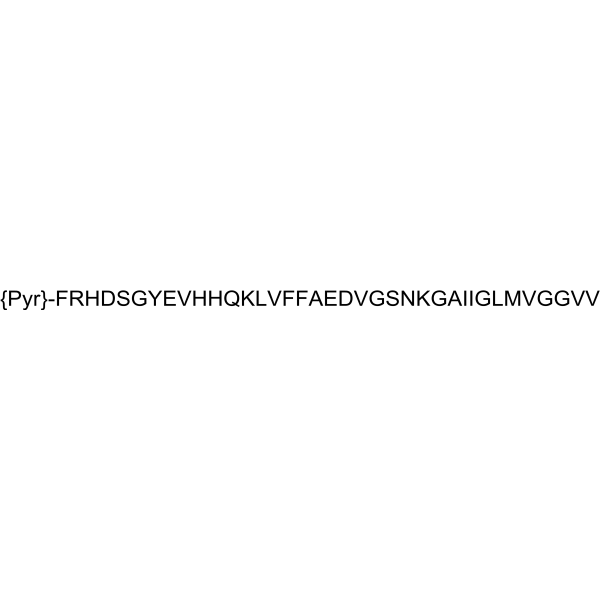
    Amyloid β-Protein (3-42) is the precursor of Pyr peptide. Pyroglutamate-modified Aβ (pEAβ) (3-42) is the core of the amyloid template block in Alzheimer's disease. pEAβ(3-42) accelerated the aggregation of Aβ(1-42), while Aβ(1-42) significantly slowed the primary and secondary nucleation of pEAβ(3-42) .
    Amyloid β-Protein (3-42)
  • HY-113225B

    GTP tritris

    Endogenous Metabolite Exosomes Cancer
    Guanosine triphosphate tritris (GTP tritris) serves as a vital enhancer of myogenic cell differentiation and plays a critical role in modulating miRNA-myogenic regulator factors. It also facilitates the release of exosomes enriched with guanosine and guanosine-derived molecules, and is regarded as an activated precursor for RNA synthesis. In mitochondrial function, GTP participates in the import of proteins into the matrix, which is essential for various regulated pathways, and is involved in initiating peptide synthesis through the binding of formylmethionyl-tRNA to the ribosome, as well as polypeptide chain elongation. Additionally, GTP acts as a phosphate and pyrophosphate carrier that channels chemical energy into specific biosynthetic pathways. It activates signal transducing G proteins that regulate cellular processes such as proliferation and differentiation, and its hydrolysis by small GTPases, including Ras and Rho, is integral to both proliferation and apoptosis. Furthermore, the small GTPase Rab is instrumental in vesicle docking, fusion, and formation. Beyond signal transduction, GTP is an energy-rich precursor in the enzymatic biosynthesis of DNA and RNA.
    Guanosine triphosphate tritris
  • HY-141460

    Ile-Ala; L-Isoleucyl-L-alanine

    Biochemical Assay Reagents Others
    H-Ile-Ala-OH (Ile-Ala; L-Isoleucyl-L-alanine) is a linear aliphatic dipeptide and self-reactive cyclization reagent that self-assembles into amorphous films or spherical structures from specific solvents. H-Ile-Ala-OH also serves as a precursor for the synthesis of the cyclic peptide cyclo (L-isoleucyl-L-alanine) (HY-N9251). H-Ile-Ala-OH undergoes solid-state cyclization when heated above 206 °C, and its initiation temperature is closely related to the size of side-chain substituents .
    H-Ile-Ala-OH
  • HY-P1486A

    Endogenous Metabolite Cardiovascular Disease
    Angiotensinogen (1-14), human TFA is a fragment of the renin substrate angiotensinogen. Angiotensinogen is naturally occurring substrate for renin and a precursor for all angiotensin peptides .
    Angiotensinogen (1-14), human TFA
  • HY-P2198A

    Mas-related G-protein-coupled Receptor (MRGPR) Cardiovascular Disease
    PAMP-12(human, porcine) TFA is a major component of immunoreactive (ir)-PAMP, is processed from the adrenomedullin precursor, is a potent hypotensive peptide and participates in cardiovascular control .
    PAMP-12(human, porcine) TFA
  • HY-P2202

    Bacterial Others
    Desferriferribactin is a cyclic peptide containing a thirteen-membered ring. Desferriferribactin is a precursor of pyoverdins .
    Desferriferribactin
  • HY-P1511

    PACAP Receptor Neurological Disease
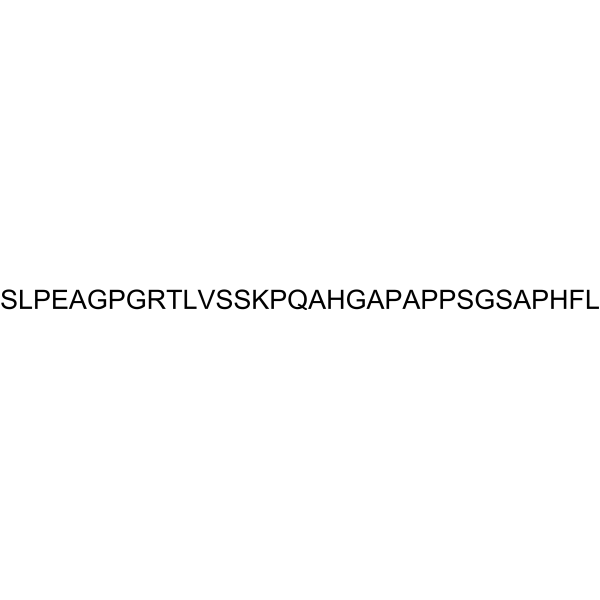
    PACAP-Related Peptide (PRP), human is a 29 amino-acid region of the PACAP precursor protein.
    PACAP-Related Peptide (PRP), human
  • HY-P11351

    DNA/RNA Synthesis Cancer
    Precursor-HhH is a nucleic acid-binding peptide capable of non-specific interactions with RNA and double-stranded DNA (dsDNA). Precursor-HhH is promising for research of nucleic acid-targeted therapeutics .
    Precursor-HhH
  • HY-P4782

    Androgen Receptor Neurological Disease
    Acetyl-ACTH (3-24) (human, bovine, rat) is a fragment of proopiomelanocortin (POMC) peptide. POMC peptides such as adrenocorticotrophin (ACTH), which is the precursor of α-MSH, is also an agonist at the MC-1 receptor .
    Acetyl-ACTH (3-24) (human, bovine, rat)
  • HY-P4784

    Androgen Receptor Neurological Disease
    Acetyl-ACTH (4-24) (human, bovine, rat) is a fragment of proopiomelanocortin (POMC) peptide. POMC peptides such as adrenocorticotrophin (ACTH), which is the precursor of α-MSH, is also an agonist at the MC-1 receptor .
    Acetyl-ACTH (4-24) (human, bovine, rat)
  • HY-P5696

    Bacterial Parasite Fungal Infection
    Xenopsin precursor fragment is an antimicrobial peptide, and has antibacterial/antifungal (10-500 μg/mL) and anti-protozoal (MIC: 2-20 μg/mL) activity .
    Xenopsin precursor fragment
  • HY-P3625

    Endogenous Metabolite Opioid Receptor Neurological Disease
    Dynorphin (2-17), amide (porcine) is a dynorphin derivative with some analgesic effects. Dynorphin is a class of opioid peptides produced by the precursor protein dynorphinogen and is involved in pain, addiction and mood regulation .
    Dynorphin (2-17), amide (porcine)
  • HY-P5007

    Biochemical Assay Reagents Cardiovascular Disease
    Copeptin (human) is a diagnostic and prognostic biomarker for cardiovascular disease (CVD). Copeptin (human) is also the carboxyl terminus of the arginine vasopressin (AVP) precursor peptide. Copeptin (human) can be used in the study of cardiovascular disease .
    Copeptin (human)
  • HY-P1032F

    Endogenous Metabolite Endocrinology
    Biotinyl-Angiotensin I (human, mouse, rat) is biotin-labeled Angiotensin I . Angiotensin I (human, mouse, rat) is the precursor to the vasoconstrictor peptide angiotensin II, cleaved by the angiotensin-converting enzyme (ACE) .
    Biotinyl-Angiotensin I (human, mouse, rat)
  • HY-P3234

    Casein Kinase Others
    Ac-ESMD-CHO is an inhibitor of caspase-3 and caspase-7. Ac-ESMD-CHO inhibits proteolytic cleavage of the caspase-3 precursor peptide (CPP32) at the Glu-Ser-Met-Asp (ESMD) site .
    Ac-ESMD-CHO

Inquiry Online

Your information is safe with us. * Required Fields.

Salutation


Country or Region *

Applicant Name *


Organization Name *

Department *


Email Address *


Product Name *

Cat. No.


Requested quantity *

Phone Number *


Remarks

Inquiry Online

Inquiry Information

Product Name:
Cat. No.:
Quantity:
MCE Japan Authorized Agent:

