1. Search Result
Search Result
Results for "

pro-apoptotic

" in MedChemExpress (MCE) Product Catalog:

223

Inhibitors & Agonists

5

Biochemical Assay Reagents

29

Peptides

4

Inhibitory Antibodies

44

Natural
Products

10

Isotope-Labeled Compounds

4

Oligonucleotides

Cat. No. Product Name Target Research Areas Chemical Structure
  • HY-B0617
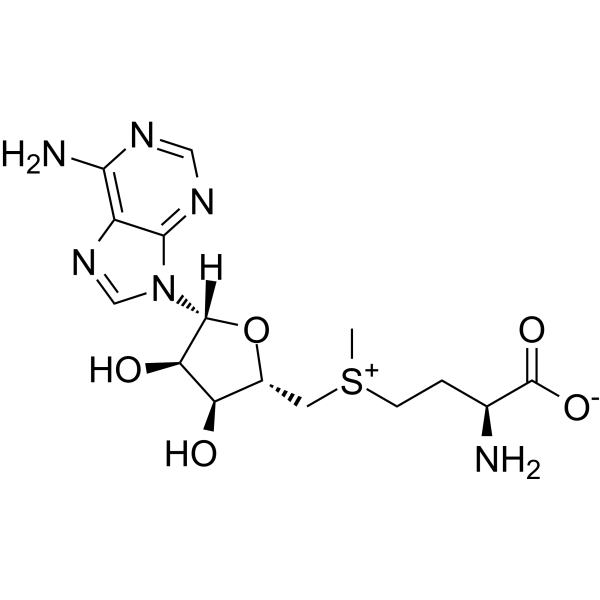
    S-Adenosyl-L-methionine
    20+ Cited Publications

    S-Adenosyl methionine; Ademetionine; AdoMet

    Endogenous Metabolite Apoptosis Neurological Disease Inflammation/Immunology Cancer
    S-Adenosyl-L-methionine (S-Adenosyl methionine) is an orally active methyl group donor. S-Adenosyl-L-methionine is a dietary supplement with potent antidepressant effects. S-Adenosyl-L-methionine also has anti‑proliferative, pro‑apoptotic and anti‑metastatic roles in cancers. S-Adenosyl-L-methionine has the potential for, cancer, liver disease and osteoarthritis research .
    S-Adenosyl-L-methionine
  • HY-W017770

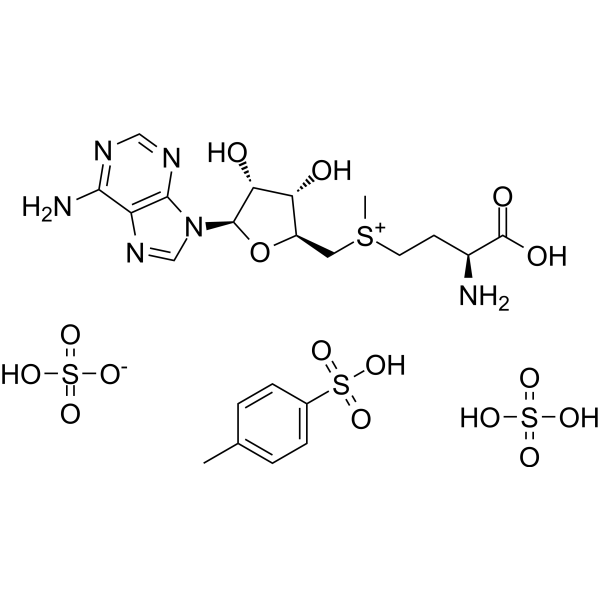
    Ademetionine disulfate tosylate; S-Adenosyl methionine disulfate tosylate; AdoMet disulfate tosylate

    Endogenous Metabolite Apoptosis Neurological Disease Inflammation/Immunology Cancer
    S-Adenosyl-L-methionine (Ademetionine) disulfate tosylate is the disulfate tosylate form of S-Adenosyl-L-methionine (HY-B0617). S-Adenosyl-L-methionine disulfate tosylate is an orally active methyl group donor. S-Adenosyl-L-methionine disulfate tosylate is a dietary supplement with potent antidepressant effects. S-Adenosyl-L-methionine disulfate tosylate also has anti‑proliferative, pro‑apoptotic and anti‑metastatic roles in cancers. S-Adenosyl-L-methionine disulfate tosylate has the potential for, cancer, liver disease and osteoarthritis research .
    S-Adenosyl-L-methionine disulfate tosylate
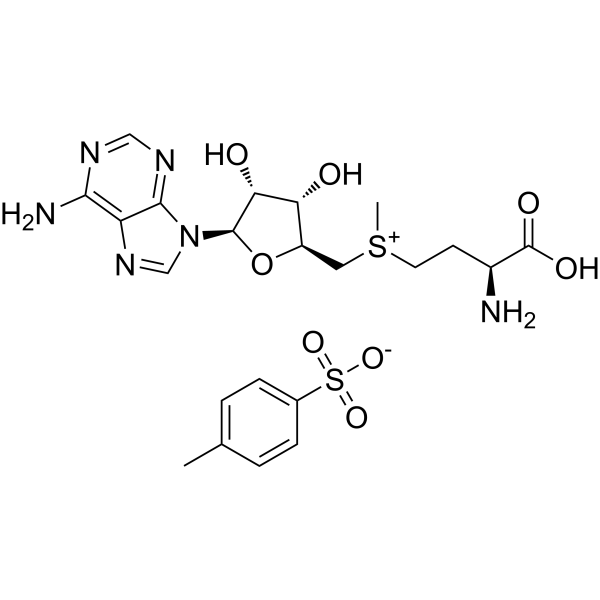
  • HY-B0617A
    S-Adenosyl-L-methionine tosylate
    15+ Cited Publications

    S-Adenosyl methionine tosylate; Ademetionine tosylate; AdoMet tosylate

    Endogenous Metabolite Apoptosis Neurological Disease Inflammation/Immunology Cancer
    S-Adenosyl-L-methionine (S-Adenosyl methionine) tosylate is an orally active methyl group donor. S-Adenosyl-L-methionine tosylate is a dietary supplement with potent antidepressant effects. S-Adenosyl-L-methionine tosylate also has anti‑proliferative, pro‑apoptotic and anti‑metastatic roles in cancers. S-Adenosyl-L-methionine tosylate has the potential for, cancer, liver disease and osteoarthritis research .
    S-Adenosyl-L-methionine tosylate
  • HY-10209
    Masitinib
    5+ Cited Publications

    AB1010

    c-Kit PDGFR Src FGFR FAK Apoptosis Cancer
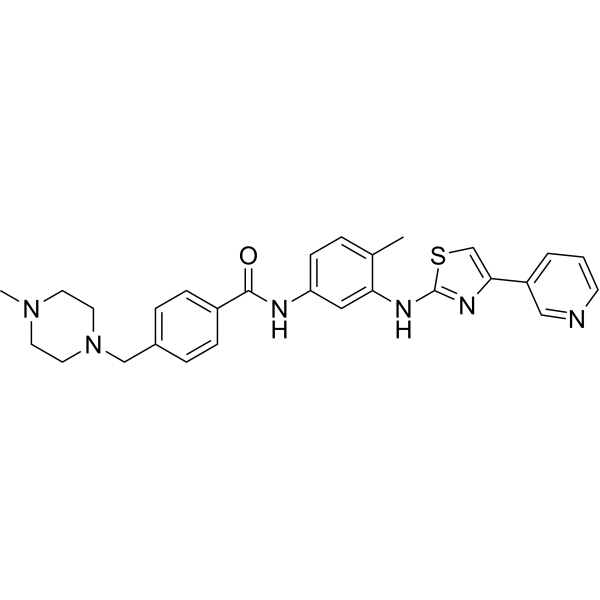
    Masitinib (AB1010) is a potent, orally bioavailable, and selective inhibitor of c-Kit (IC50=200 nM for human recombinant c-Kit). It also inhibits PDGFRα/β (IC50s=540/800 nM), Lyn (IC50= 510 nM for LynB), Lck, and, to a lesser extent, FGFR3 and FAK. Masitinib (AB1010) has anti-proliferative, pro-apoptotic activity and low toxicity .
    Masitinib
  • HY-W050044
    L-Azetidine-2-carboxylic acid
    1 Publications Verification

    Endogenous Metabolite PERK Atg8/LC3 Autophagy Bcl-2 Family Apoptosis Eukaryotic Initiation Factor (eIF) ATF6 Cardiovascular Disease Neurological Disease Metabolic Disease Endocrinology Cancer
    L-Azetidine-2-carboxylic acid is a proline analog. L-Azetidine-2-carboxylic acid upregulates the lipid autophagy marker LC3-II via activation of the PERK pathway. L-Azetidine-2-carboxylic acid increases pro-apoptotic BAX protein. L-Azetidine-2-carboxylic acid induces ATF6 cleavage and upregulates phosphorylated eIF2α levels. L-Azetidine-2-carboxylic acid induces ER stress, inducing protein misfolding and aggregation. L-Azetidine-2-carboxylic acid shows teratogenic, pro-inflammatory and pro-apoptotic effects .
    L-Azetidine-2-carboxylic acid
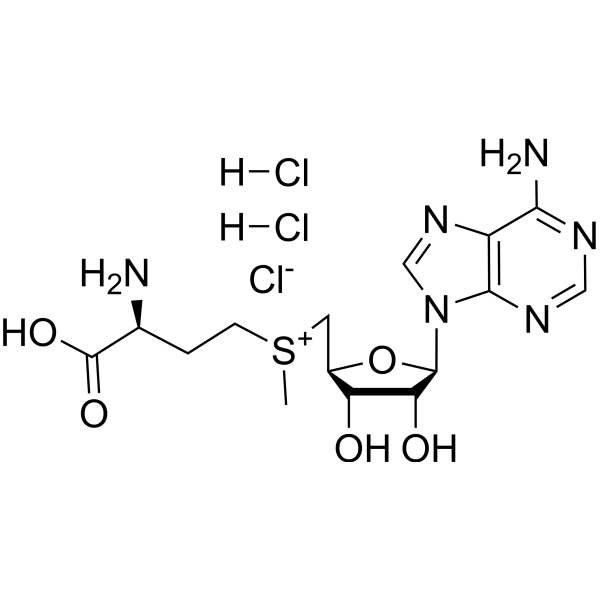
  • HY-14614A

    S-Adenosyl methionine chloride dihydrochloride; Ademetionine chloride dihydrochloride; AdoMet chloride dihydrochloride

    Endogenous Metabolite Apoptosis Neurological Disease Inflammation/Immunology Cancer
    S-Adenosyl-L-methionine (S-Adenosyl methionine) chloride dihydrochloride is an orally active methyl group donor. S-Adenosyl-L-methionine chloride dihydrochloride is a dietary supplement with potent antidepressant effects. S-Adenosyl-L-methionine chloride dihydrochloride also has anti‑proliferative, pro‑apoptotic and anti‑metastatic roles in cancers. S-Adenosyl-L-methionine chloride dihydrochloride has the potential for, cancer, liver disease and osteoarthritis research .
    S-Adenosyl-L-methionine chloride dihydrochloride
  • HY-10209A
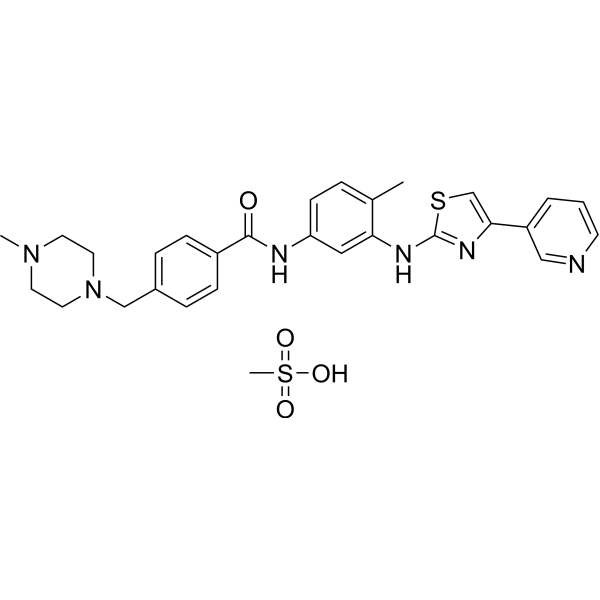
    Masitinib mesylate
    5+ Cited Publications

    AB-1010 mesylate

    c-Kit PDGFR Src FGFR Apoptosis Cancer
    Masitinib mesylate (AB-1010 mesylate) is a potent, orally bioavailable, and selective inhibitor of c-Kit (IC50=200 nM for human recombinant c-Kit). It also inhibits PDGFRα/β (IC50s=540/800 nM), Lyn (IC50= 510 nM for LynB), Lck, and, to a lesser extent, FGFR3 and FAK. Masitinib mesylate (AB-1010 mesylate) has anti-proliferative, pro-apoptotic activity and low toxicity .
    Masitinib mesylate
  • HY-114489A

    Apoptosis Influenza Virus Parasite Infection Neurological Disease Cancer
    Haemanthamine is a crinine-type alkaloid isolated from the Amaryllidaceae plants with potent anticancer activity. Haemanthamine targets ribosomal that inhibits protein biosynthesis during the elongation stage of translation. Haemanthamine has pro-apoptotic, antioxidant, antiviral, antimalarial and anticonvulsant activities .
    Haemanthamine
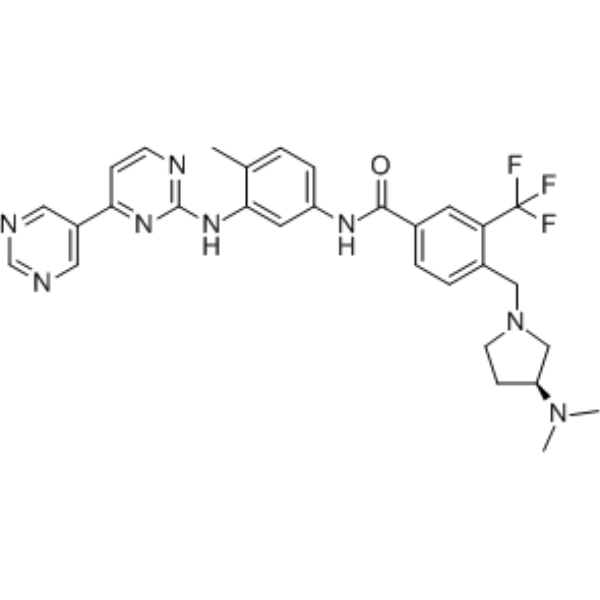
  • HY-50868
    Bafetinib
    10+ Cited Publications

    INNO-406; NS-187

    Bcr-Abl Src Apoptosis Cancer
    Bafetinib is an orally active Lyn/Bcr-Abl tyrosine kinase inhibitor. Bafetinib enhances the activity of several pro-apoptotic Bcl-2 homology (BH) 3-pure proteins (Bim, Bad, Bmf, and Bik) through intrinsic apoptotic pathways regulated by the Bcl-2 family, and induces apoptosis of Ph + leukemia cells. Bafetinib has antitumor activity .
    Bafetinib
  • HY-10496
    SC75741
    30+ Cited Publications

    NF-κB Influenza Virus Infection Cancer
    SC75741 is a broad and efficient NF-κB inhibitor with an IC50 of 200 nM for p65 . SC75741 blocks influenza viruses (IV) replication. SC75741 impairs DNA binding of the NF-κB subunit p65, resulting in reduced expression of cytokines, chemokines, and pro-apoptotic factors. SC75741 subsequently inhibits caspase activation and blocks caspase-mediated nuclear export of viral ribonucleoproteins .
    SC75741
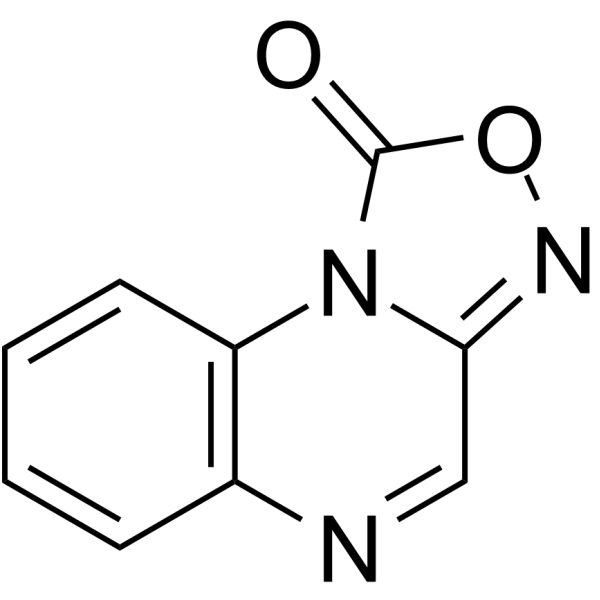
  • HY-101255
    ODQ
    10+ Cited Publications

    Guanylate Cyclase Apoptosis Cancer
    ODQ is a potent and selective soluble guanylyl cyclase (sGC, nitric oxide-activated enzyme) inhibitor. ODQ enhances the pro-apoptotic effects of Cisplatin in human mesothelioma cells .
    ODQ
  • HY-14993
    SCH79797
    5 Publications Verification

    Protease Activated Receptor (PAR) Apoptosis Cardiovascular Disease
    SCH79797 is a highly potent, selective nonpeptide protease activated receptor 1 (PAR1) antagonist. SCH79797 inhibits binding of a high-affinity thrombin receptor-activating peptide to PAR1 with an IC50 of 70 nM and a Ki of 35 nM. SCH79797 inhibits thrombin-induced platelet aggregation with an IC50 of 3 μM. SCH79797 has antiproliferative and pro-apoptotic effects, and limits myocardial ischemia/reperfusion injury in rat hearts. SCH79797 also potently prevents PAR1 activation in vascular smooth muscle cells, endothelial cells, and astrocytes .
    SCH79797
  • HY-113015

    Endogenous Metabolite Neurological Disease
    Stearoylethanolamide is an endocannabinoid-like compound with pro-apoptotic activity.
    Stearoylethanolamide
  • HY-N0060B
    (E)-Ferulic acid
    1 Publications Verification

    (E)-Coniferic acid

    β-catenin Bcl-2 Family Ferroptosis Endogenous Metabolite Cancer
    (E)-Ferulic acid is an isomer of ferulic acid, an aromatic compound abundant in plant cell walls. (E)-Ferulic acid causes phosphorylation of β-catenin (β-catenin), leading to proteasome degradation, increasing the expression of pro-apoptotic factor Bax and reducing pro-apoptotic factor Expression of the survival factor survivin. (E)-Ferulic acid can effectively remove reactive oxygen species (ROS) and inhibit lipid peroxidation. (E)-Ferulic acid exerts antiproliferative and antimigratory effects in the human lung cancer cell line H1299.
    (E)-Ferulic acid
  • HY-125959
    Ucf-101
    1 Publications Verification

    Apoptosis Cardiovascular Disease Neurological Disease
    Ucf-101 is a selective and competitive inhibitor of pro-apoptotic protease Omi/HtrA2, with an IC50 of 9.5 μM for His-Omi. Ucf-101 exhibits very little activity against various other serine proteases (IC50>200 μM). Ucf-101 has a natural red fluorescence at 543 nm that is used to monitor its ability to enter mammalian cells. Ucf-101 has a significant cardioprotective effect against MI/R injury and also has certain neuroprotective effect .
    Ucf-101
  • HY-108052
    Delphinidin 3-glucoside chloride
    1 Publications Verification

    Delphinidin 3-O-glucoside chloride; Delphinidin 3-O-β-glucoside chloride

    EGFR Apoptosis Akt Cardiovascular Disease Cancer
    Delphinidin 3-glucoside chloride (Delphinidin 3-O-glucoside chloride) is an active anthocyanin found in Hibiscus sabdariffa extract. Delphinidin 3-glucoside chloride induces a pro-apoptotic effect in B cell chronic lymphocytic leukaemia (B CLL) . Delphinidin 3-glucoside chloride exerts phytoestrogen activity by binding to ERβ, with an IC50 of 9.7 μM . Delphinidin-3-O-glucoside chloride inhibits EGFR with an IC50 of 2.37 µM . Delphinidin 3-glucoside chloride exhibits antitumor effects through pAKT/IRF1/HOTAIR pathway. Delphinidin 3-glucoside chloride exhibits efficacy against oxidative stress, inhibits platelet activation and endothelial dysfunction .
    Delphinidin 3-glucoside chloride
  • HY-109185
    Pelcitoclax
    1 Publications Verification

    APG-1252

    Bcl-2 Family Apoptosis Cancer
    Pelcitoclax (APG-1252) is a potent Bcl-2/Bcl-xl inhibitor with antineoplastic and pro-apoptotic effects .
    Pelcitoclax
  • HY-14994
    SCH79797 dihydrochloride
    5 Publications Verification

    Protease Activated Receptor (PAR) Apoptosis Cardiovascular Disease
    SCH79797 dihydrochloride is a highly potent, selective nonpeptide protease activated receptor 1 (PAR1) antagonist. SCH79797 dihydrochloride inhibits binding of a high-affinity thrombin receptor-activating peptide to PAR1 with an IC50 of 70 nM and a Ki of 35 nM. SCH79797 dihydrochloride inhibits thrombin-induced platelet aggregation with an IC50 of 3 μM. SCH79797 dihydrochloride has antiproliferative and pro-apoptotic effects, and limits myocardial ischemia/reperfusion injury in rat hearts. SCH79797 dihydrochloride also potently prevents PAR1 activation in vascular smooth muscle cells, endothelial cells, and astrocytes .
    SCH79797 dihydrochloride
  • HY-14658A

    (S)-(-)-Thalidomide

    Molecular Glues Ligands for E3 Ligase Autophagy Apoptosis Metabolic Disease Inflammation/Immunology
    (S)-Thalidomide ((S)-(-)-Thalidomide) is the S-enantiomer of Thalidomide. (S)-Thalidomide has immunomodulatory, anti-inflammatory, antiangiogenic and pro-apoptotic effects . (S)-Thalidomide induces teratogenic effects by binding to cereblon (CRBN) .
    (S)-Thalidomide
  • HY-N2587

    Integrin Apoptosis Cancer
    Irigenin is a is a lead compound, and mediates its anti-metastatic effect by specifically and selectively blocking α9β1 and α4β1 integrins binding sites on C-C loop of Extra Domain A (EDA). Irigenin shows anti-cancer properties. It sensitizes TRAIL-induced apoptosis via enhancing pro-apoptotic molecules in gastric cancer cells .
    Irigenin
  • HY-B0617S2

    S-Adenosyl methionine-13C dihydrochloride; Ademetionine-13C dihydrochloride; AdoMet-13C dihydrochloride

    Isotope-Labeled Compounds Endogenous Metabolite Apoptosis Neurological Disease Inflammation/Immunology Cancer
    S-Adenosyl-L-methionine- 13C (S-Adenosyl methionine- 13C) dihydrochloride is the 13C labeled S-Adenosyl-L-methionine (HY-B0617). S-Adenosyl-L-methionine (S-Adenosyl methionine) is an orally active methyl group donor. S-Adenosyl-L-methionine is a dietary supplement with potent antidepressant effects. S-Adenosyl-L-methionine also has anti‑proliferative, pro‑apoptotic and anti‑metastatic roles in cancers. S-Adenosyl-L-methionine has the potential for, cancer, liver disease and osteoarthritis research .
    S-Adenosyl-L-methionine-13C dihydrochloride
  • HY-101997

    Orthopoxvirus Apoptosis Caspase Bcl-2 Family Akt Infection Cancer
    BEPP hydrochloride is a double-stranded RNA-dependent protein kinase (PKR) modulator. BEPP hydrochloride enhances the phosphorylation levels of PKR and eIF2α, activates caspase-3, upregulates the pro-apoptotic protein BAX, and downregulates the anti-apoptotic protein Bcl-2. BEPP hydrochloride inhibits vaccinia virus replication and exhibits selective cytotoxicity in cells expressing PKR. BEPP hydrochloride can be used in research related to cancer and viral infections .
    BEPP hydrochloride
  • HY-108491
    N,N-Dimethylsphingosine
    1 Publications Verification

    SphK Apoptosis Cancer
    N,N-Dimethylsphingosine is a sphingosine kinase inhibitor. N,N-Dimethylsphingosine binds competitively to sphingosine kinase and blocks the conversion of sphingosine to sphingosine-1-phosphate. N,N-Dimethylsphingosine inhibits sphingosine-1-phosphate release and aggregation of platelets, and also exerts pro-apoptotic effects by resetting ceramide/sphingosine-1-phosphate homeostasis. N,N-Dimethylsphingosine can be used in cancer-related research .
    N,N-Dimethylsphingosine
  • HY-157334
    DEG-77
    1 Publications Verification

    Molecular Glues Casein Kinase IKZF Family Bcl-2 Family CDK Apoptosis Cancer
    DEG-77 is a molecular glue targeting IKZF2 and CK1α, with DC50 values of 15.3 nM and 10 nM, respectively. DEG-77 exhibits significant anti-tumor activity, inducing increased transcriptional levels of the pro-apoptotic protein Bax and the cell cycle arrest protein p21. DEG-77 is applicable to the research of acute myeloid leukemia (AmL), diffuse large B-cell lymphoma and ovarian cancer.
    DEG-77
  • HY-16366

    ON 014185

    Eukaryotic Initiation Factor (eIF) CDK c-Myc MDM-2/p53 Caspase Apoptosis Cancer
    Briciclib (ON 014185) is a eukaryotic translation initiation factor 4E (eIF4E) inhibitor. Briciclib exhibits broad-spectrum anti-cancer activity, including in mantle cell leukemia, breast cancer, gastric cancer, and esophageal cancer cells. Briciclib reduces the expression of cyclin D1 and c-Myc, and enhances the expression of P53 and Cleaved Caspase 3 pro-apoptotic proteins. Briciclib can be used for the study of hematological system tumors and solid tumors .
    Briciclib
  • HY-P11178

    Apoptosis SARS-CoV Infection Metabolic Disease Inflammation/Immunology
    Corisin is a pro-apoptotic small peptide produced by Staphylococcus species. Corisin binds to serum albumin to target organs such as the lungs and kidneys, induces cellular senescence, apoptosis and epithelial-mesenchymal transition, and accelerates the progression of organ fibrosis including pulmonary fibrosis and diabetic renal fibrosis. Corisin levels are closely associated with coronavirus disease 2019 (COVID-19), diabetic chronic kidney disease (CKD), non-diabetic CKD, and idiopathic pulmonary fibrosis (IPF) .
    Corisin
  • HY-P1527
    Bim BH3
    1 Publications Verification

    Bcl-2 Family Others
    Bim BH3 is a biological active peptide. (This Bim peptide belongs to the pro-apoptotic Bcl-2 family of proteins.)
    Bim BH3
  • HY-129524
    Ethylene dimethanesulfonate
    1 Publications Verification

    Apoptosis Inflammation/Immunology
    Ethylene dimethane sulfonate is a mild alkylating, non-volatile methanesulfonic diester of ethylene glycol. Ethylene dimethanesulfonate has selective pro-apoptotic effects on LCs .
    Ethylene dimethanesulfonate
  • HY-13108
    Bz 423
    1 Publications Verification

    BZ48

    Bcl-2 Family Inflammation/Immunology
    Bz 423 is a pro-apoptotic 1,4-benzodiazepine with therapeutic properties in murine models of lupus demonstrating selectivity for autoreactive lymphocytes, and activates Bax and Bak.
    Bz 423
  • HY-P1889

    Bcl-2 Family Inflammation/Immunology
    Bim BH3, Peptide IV is a 26-residue peptide from BH3-only protein Bim, which belongs to the pro-apoptotic group of the Bcl-2 family of proteins .
    Bim BH3, Peptide IV
  • HY-109184
    Murizatoclax
    1 Publications Verification

    AMG 397

    Bcl-2 Family Cancer
    Murizatoclax (AMG 397) is a potent, selective and orally active inhibitor of myeloid leukemia 1 (MCL-1) inhibitor, with a Ki of 15 pM. Murizatoclax competitive binds to the BH3-binding groove of MCL1 with pro-apoptotic BCL-2 family members. Murizatoclax can be used for the research of cancer .
    Murizatoclax
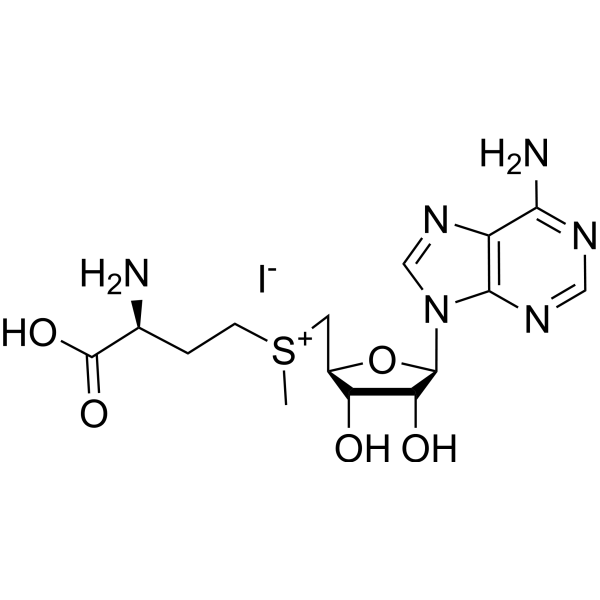
  • HY-14614D
    S-Adenosyl-L-methionine iodide
    Maximum Cited Publications
    18 Publications Verification

    S-Adenosyl methionine iodide; Ademetionine iodide; AdoMet iodide

    Endogenous Metabolite Apoptosis Neurological Disease Inflammation/Immunology Cancer
    S-Adenosyl-L-methionine (S-Adenosyl methionine) iodide is an orally active methyl group donor. S-Adenosyl-L-methionine iodide is a dietary supplement with potent antidepressant effects. S-Adenosyl-L-methionine iodide also has anti‑proliferative, pro‑apoptotic and anti‑metastatic roles in cancers. S-Adenosyl-L-methionine iodide has the potential for, cancer, liver disease and osteoarthritis research .
    S-Adenosyl-L-methionine iodide
  • HY-N4180
    Pennogenin 3-O-beta-chacotrioside
    1 Publications Verification

    Autophagy Atg8/LC3 Reactive Oxygen Species (ROS) Apoptosis Cancer
    Pennogenin 3-O-beta-chacotrioside is an autophagy (autophagy) inducer. Pennogenin 3-O-beta-chacotrioside exhibits strong binding affinity for the pro-apoptotic proteins CYTC, AIF1 and BAX. Pennogenin 3-O-beta-chacotrioside triggers reactive oxygen species-induced autophagy in cancer cells. Pennogenin 3-O-beta-chacotrioside can be used in studies related to colorectal cancer .
    Pennogenin 3-O-beta-chacotrioside
  • HY-177760

    Carboxypeptidase Apoptosis Akt Cancer
    PrCP-7414 is a prolyl carboxypeptidase (PRCP) inhibitor. PrCP-7414 blocks PRCP-mediated activation of the IGF1R/HER3 signaling pathway and subsequent AKT activation. PrCP-7414 exhibits pro-apoptotic, anti-tumor and synergistic cytotoxic activities, and inhibits the proliferation and survival of triple-negative breast cancer cells. PrCP-7414 can be used for the research of breast cancer .
    PrCP-7414
  • HY-135906
    CK2/ERK8-IN-1
    2 Publications Verification

    Casein Kinase ERK Pim DYRK Apoptosis Cancer
    CK2/ERK8-IN-1 is a dual casein kinase 2 (CK2) (Ki of 0.25 µM) and ERK8 (MAPK15, ERK7) inhibitor with IC50s of 0.50 μM. CK2/ERK8-IN-1 also binds to PIM1, HIPK2 (homeodomain-interacting protein kinase 2), and DYRK1A with Kis of 8.65 µM, 15.25 µM, and 11.9 µM, respectively. CK2/ERK8-IN-1 has pro-apoptotic efficacy .
    CK2/ERK8-IN-1
  • HY-N10544

    (+)-δ-Cadinene

    Bacterial Parasite Fungal Apoptosis Infection Cancer
    δ-Cadinene ((+)-δ-Cadinene) is a sesquiterpene in essential oils. δ-Cadinene shows antiproliferative and pro-apoptotic effects on human ovary cancer (OVCAR-3) cells. δ-Cadinene has trichomonacidal, antimicrobial, antifungal and anticancer properties .
    δ-Cadinene
  • HY-N12540

    MGDG

    DNA/RNA Synthesis Apoptosis Others
    Monogalactosyldiacylglycerol (MGDG) is a galactolipid with anti-inflammatory and anticancer activities, which is found in photosynthetic organisms. Monogalactosyldiacylglycerol is a potent DNA polymerase inhibitor with pro-apoptotic activity. Monogalactosyldiacylglycerol inhibits the synthesis of LPS (HY-D1056)-induced inflammation-related proteins (Ex-FABP, Avidin, Serum Amyloid A). Monogalactosyldiacylglycerol exerts an anti-proliferative effect on chicken articular chondrocytes . Monogalactosyldiacylglycerol can be used in research related to osteoarthritis, cancer and inflammatory diseases .
    Monogalactosyldiacylglycerol
  • HY-156084

    CDK PROTACs Apoptosis c-Myc Cancer
    LL-K9-3 is a potent small-molecule degrader of CDK9-cyclin T1. LL-K9-3 has anti-proliferative and pro-apoptotic activities and suppresses downstream signaling of CDK9 and AR. Moreover, LL-K9-3 inhibits AR and Myc-driven oncogenic transcriptional programs .
    LL-K9-3
  • HY-P3586

    Hunter-killer peptide ao; prohibitin-targeting peptide 1; prohibitin-TP01; Adipotide

    Apoptosis Cancer
    HKPao (Hunter-killer peptide ao) is a biologically active peptide. HKPao (Hunter-killer peptide ao) has anti-obesity and anti-tumor pro-apoptotic activity to cause release of cytochrome c from vesicles .
    HKPao
  • HY-114410

    Mitochondrial Metabolism Cancer
    CCI-006 is a selective inhibitor and chemosensitizer of MLL-rearranged leukemia cells, by inhibits mitochondrial respiration resulting in insurmountable mitochondrial depolarization and a pro-apoptotic unfolded protein response (UPR) in a subset of MLL-r leukemia cells .
    CCI-006
  • HY-P3342

    PD-1/PD-L1 Apoptosis Inflammation/Immunology
    [D-Leu-4]-OB3 inhibits expressions of pro-inflammatory, proliferative and metastatic genes and PD-L1 expression. [D-Leu-4]-OB3 stimulates expression of pro-apoptotic genes .
    [D-Leu-4]-OB3
  • HY-P2343

    Apoptosis Cancer
    BH3 hydrochloride, a BBB penetrated peptide, provoke apoptosis either by direct activation of pro-apoptotic Bax/Bak or by neutralizing anti-apoptotic Bcl-2 proteins (Bcl-2, Bcl-XL, Bcl-w, Mcl-1 and A-1) via their BH3 domian .
    BH3 hydrochloride
  • HY-P3385

    SCB-313

    Drug Derivative Apoptosis Cancer
    Rilunermin alfa (SCB-313) is a recombinant fusion protein composed of the human C-propeptide of alpha1(I) collagen (Trimer-Tag) to the C-terminus of the mature human tumor necrosis factor (TNF)-related apoptosis-inducing ligand (TRAIL; Apo2L). Rilunermin alfa has potential pro-apoptotic and antineoplastic activities .
    Rilunermin alfa
  • HY-161659

    Apoptosis Bcl-2 Family Caspase Reactive Oxygen Species (ROS) Cancer
    Apoptosis inducer 19 (Compound 7g) is an Apoptosis inducer. Apoptosis inducer 19 elevates expression of pro-apoptotic proteins (Bax and caspase-3) and downregulates anti-apoptotic protein (Bcl-2). Apoptosis inducer 19 upregulates cellular reactive oxygen species (ROS) levels and disrupts mitochondrial membrane potential (MMP). Apoptosis inducer 19 can be used for triple-negative breast cancer (TNBC) research .
    Apoptosis inducer 19
  • HY-175020

    Fatty Acid Synthase (FASN) Apoptosis Bcl-2 Family Cancer
    QNX-10 is a fatty acid synthase (FASN) inhibitor (IC50 = 0.7 μM) with anticancer activity. QNX-10 exhibits potent FASN inhibition and cytotoxicity against colorectal and breast cancer cells. QNX-10 induces apoptosis and cell cycle arrest in S phase by upregulating the pro-apoptotic protein Bax and downregulating the anti-apoptotic protein Bcl-xL. QNX-10 can be used to investigate anticancer therapies targeting FASN enzymes .
    QNX-10
  • HY-P10370

    Bacterial Apoptosis Infection Cancer
    d-(KLAKLAK)2, as an antibacterial and anti-tumor polypeptide, is a representative of the antimicrobial peptide group, and also has good anticancer properties. d-(KLAKLAK)2 is able to kill bacteria by damaging their cell membranes, causing cell contents to leak out. d-(KLAKLAK)2 can also inhibit tumor cell proliferation by causing mitochondrial swelling and mitochondrial membrane destruction, triggering apoptosis (programmed cell death) .
    d-(KLAKLAK)2, Proapoptotic Peptide
  • HY-P3707

    Apoptosis Cancer
    Tumor targeted pro-apoptotic peptide (CNGRC-GG-D(KLAKLAK)2) is an anti-tumor peptide. Tumor targeted pro-apoptotic peptide disrupts mitochondrial membranes and promotes apoptosis, showing anticancer activity in mice .
    Tumor targeted pro-apoptotic peptide
  • HY-W750678

    Apoptosis Caspase Inflammation/Immunology
    9-cis-Canthaxanthin is a carotenoid with pro-apoptotic activity in THP-1 macrophage cells. 9-cis-Canthaxanthin induces cell apoptosis by increasing caspase-3 and caspase-8 activity .
    9-cis-Canthaxanthin
  • HY-157343A

    Apoptosis Mitochondrial Metabolism Caspase Neurological Disease Cancer
    GD3 Ganglioside sodium is an Apoptosis inducer and biomarker for mouse neural stem cells. GD3 Ganglioside sodium expresses in neural stem cells and the subventricular zone of the adult mouse brain. GD3 Ganglioside sodium targets the mitochondrial permeability transition pore complex, induces pore opening, dissipates mitochondrial transmembrane potential, triggers Mitochondrial swelling, releases pro-apoptotic factors, and activates Caspase-9. GD3 Ganglioside sodium is applicable to research related to glioblastoma .
    GD3 Ganglioside sodium
  • HY-157343

    Apoptosis Mitochondrial Metabolism Caspase Neurological Disease Cancer
    GD3 Ganglioside is an Apoptosis inducer and a biomarker for mouse neural stem cells. GD3 Ganglioside expresses in neural stem cells and the subventricular zone of the adult mouse brain. GD3 Ganglioside targets the mitochondrial permeability transition pore complex, induces pore opening, dissipates mitochondrial transmembrane potential, triggers Mitochondrial swelling, releases pro-apoptotic factors, and activates Caspase-9. GD3 Ganglioside is applicable to research related to glioblastoma .
    GD3 Ganglioside

Inquiry Online

Your information is safe with us. * Required Fields.

Salutation


Country or Region *

Applicant Name *


Organization Name *

Department *


Email Address *


Product Name *

Cat. No.


Requested quantity *

Phone Number *


Remarks

Inquiry Online

Inquiry Information

Product Name:
Cat. No.:
Quantity:
MCE Japan Authorized Agent:

