

1. Search Result
Search Result
Results for "

proliferation rates

" in MedChemExpress (MCE) Product Catalog:

36

Inhibitors & Agonists

1

Screening Libraries

1

Biochemical Assay Reagents

4

Peptides

1

Inhibitory Antibodies

3

Natural
Products

2

Isotope-Labeled Compounds

1

Click Chemistry

Cat. No. Product Name Target Research Areas Chemical Structure
  • HY-P99901

    VIS649

    SARS-CoV Inflammation/Immunology Cancer
    Sibeprenlimab (VIS649) is a humanized IgG2 monoclonal antibody which inhibits a proliferation-inducing ligand (APRIL). Sibeprenlimab suppresses pathogenic immunoglobulins (IgA and IgM), while preserving antibody responses to mRNA-based vaccines against SARS-COV-2. Sibeprenlimab reduces urinary protein-to-creatinine ratio (UPCR) and glomerular filtration rate (GFR). Sibeprenlimab is promising for the research of IgA nephropathy (IgAN) .
    Sibeprenlimab
  • HY-133668

    Drug Metabolite Cytochrome P450 PPAR Endocrinology Cancer
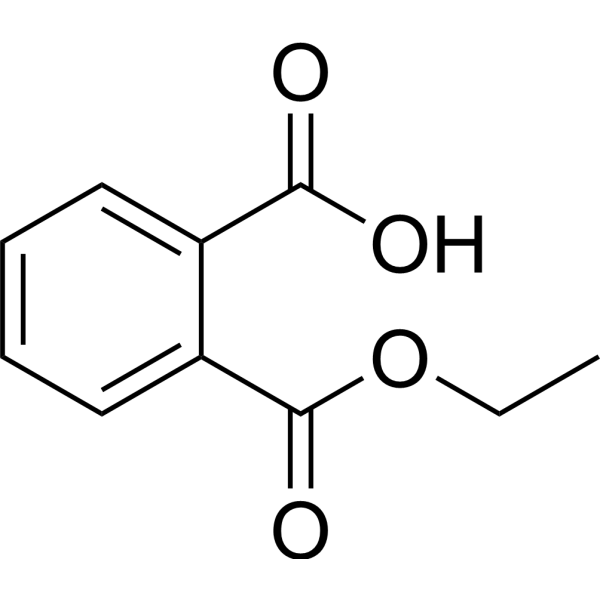
    Monoethyl phthalate is an orally active PDX-1 activator and the major hydrolytic metabolite of Diethyl phthalate (HY-Y0284) in vivo, with reproductive toxicity. Monoethyl phthalate targets aromatase (aromatase/CYP19A1) and PPAR to induce cell proliferation. The plasma protein binding rate of Monoethyl phthalate in rats and humans is lower than that of Diethyl phthalate. It exhibits significant enterohepatic circulation in rats and mainly accumulates in liver tissues. Monoethyl phthalate shows no estrogenic activity in estrogen-dependent human breast cancer cells. Monoethyl phthalate can be used in studies of reproductive toxicity and related environmental endocrine disruption mechanisms .
    Monoethyl phthalate
  • HY-152293

    VEGFR ERK Cancer
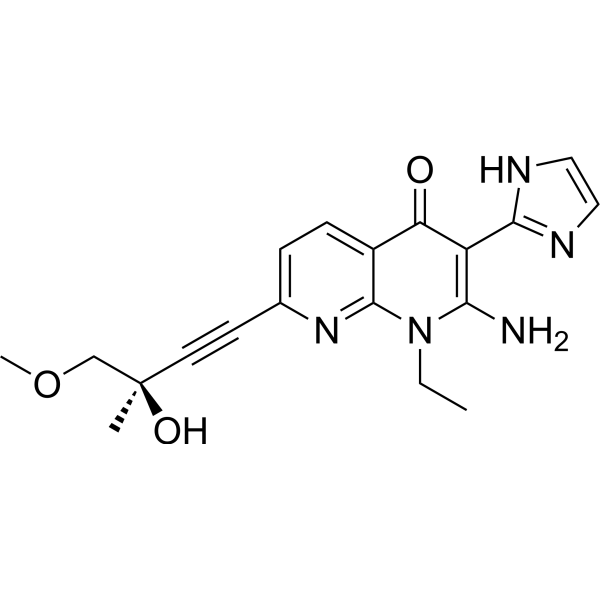
    EVT801 is an orally active and selective inhibitor of VEGFR-3 (IC50=11 nM), which has antitumor effects. EVT801 inhibits not only VEGF-C-induced human endothelial cell proliferation, but also tumor (lymphatic) angiogenesis in tumor mouse models. EVT801 can reduce tumor hypoxia, immunosuppressive cytokines (CCL4, CCL5) and myeloid derived suppressor cells (MDSC) production. EVT801 has synergistic effect with immune checkpoint therapy (ICT), which improves ICT response rate and has better inhibitory effect on cancer mouse models . EVT801 is a click chemistry reagent, it contains an Alkyne group and can undergo copper-catalyzed azide-alkyne cycloaddition (CuAAc) with molecules containing Azide groups.
    EVT801
  • HY-B1817

    Environmental Pollutants Apoptosis Biochemical Assay Reagents HSP Cardiovascular Disease Inflammation/Immunology Cancer
    Zinc acetate acts as an immune response modulator. Zinc acetate enhances the expression of HSP-70 mRNA. Zinc acetate restores the proliferation and cytokine production capacities of splenocytes. Zinc acetate reduces the Apoptosis level of splenocytes in endotoxemic mice. Zinc acetate increases plasma zinc levels and improves survival rates in mice with LPS-induced lethal endotoxemia. Zinc acetate induces rapid death of prostate cancer cell lines in vitro. Zinc acetate inhibits the growth of prostate cancer xenografts in SCID mice. Zinc acetate can be used in endotoxemia research .
    Zinc acetate
  • HY-139434

    Histone Demethylase Cancer
    JMJD6-IN-1 is a JMJD6 inhibitor, with an inhibition rate of 82% at 10 μM. JMJD6-IN-1 inhibits MCF-7 and HCC4006 cell proliferation with IC50 values of 19.2 μM and 25.2 μM. JMJD6-IN-1 inhibits JMJD6 demethylase activity. JMJD6-IN-1 can be used for the research of lung adenocarcinoma, prostate cancer, breast cancer, pancreatic cancer, colon cancer, oral squamous cell carcinoma, and glioblastoma .
    JMJD6-IN-1
  • HY-15163
    Zotiraciclib
    2 Publications Verification

    TG02; SB1317

    JAK CDK FLT3 Cancer
    Zotiraciclib (TG02; SB1317) is an orally active JAK2/FLT3/CDK2 inhibitor with IC50 values of 13 nM, 73 nM and 56 nM , respectively. Zotiraciclib inhibits cancer cell proliferation, tumor growth and the activity of CYP2D6. Zotiraciclib exhibits high plasma protein binding rate, Caco-2 permeability and tissue distribution capacity, as well as metabolic stability in human and canine liver microsomes. Zotiraciclib achieves tumor growth inhibition in nude mouse models of colon cancer and lymphoma xenografts. Zotiraciclib can be used for research related to colon cancer, B-cell lymphoma, advanced leukemia, acute leukemia and multiple myeloma .
    Zotiraciclib
  • HY-N0046

    Notoginseng triterpenes; Ginsenoside Mb

    Apoptosis Src Neurological Disease Metabolic Disease Cancer
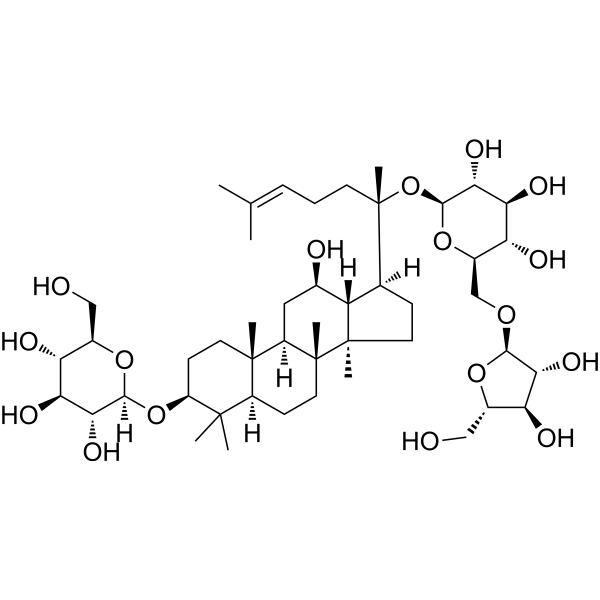
    Notoginsenoside Fe (Notoginseng triterpenes; Ginsenoside Mb) is a saponin with anti-obesity and anti-neuroblastoma activities. Notoginsenoside Fe can be isolated from leaves of Panax notoginseng. Notoginsenoside Fe specifically activates paraventricular nucleus neurons in the hypothalamus, effectively reducing body weight, improving fasting blood glucose and protecting liver function by decreasing food intake, increasing resting metabolic rate and enhancing energy expenditure. Notoginsenoside Fe also inhibits the c-Src signaling pathway, blocks the proliferation and viability of human neuroblastoma cells, while improving mitochondrial dysfunction and alleviating apoptosis. Notoginsenoside Fe can be used in studies related to diet-induced obesity and neuroblastoma .
    Notoginsenoside Fe
  • HY-139410

    c-Fms Inflammation/Immunology
    Sodium caseinates is a kind of sodium salts of major milk proteins, which act as protein-based biopolymers and innate immune system activators. Sodium caseinates induce granulopoiesis, activation and differentiation, promote the production of M-CSF, and increase serum levels of G-CSF and GM-CSF. Sodium caseinates inhibit the proliferation and reduce the viability of leukemia macrophage-like cells, thereby significantly improving the survival rate of mice inoculated with leukemia cells. Sodium caseinates can serve as carriers for probiotics in edible films and exhibit anti-Listeria activity. Sodium caseinates effectively protect vitamin A from degradation, enhance its stability, bioaccessibility and bioavailability, and regulate protein digestibility when complexed with vitamin A. Sodium caseinates can be applied to research related to acute monocytic leukemia and vitamin A deficiency .
    Sodium caseinates
  • HY-106647

    Interleukin Related Inflammation/Immunology
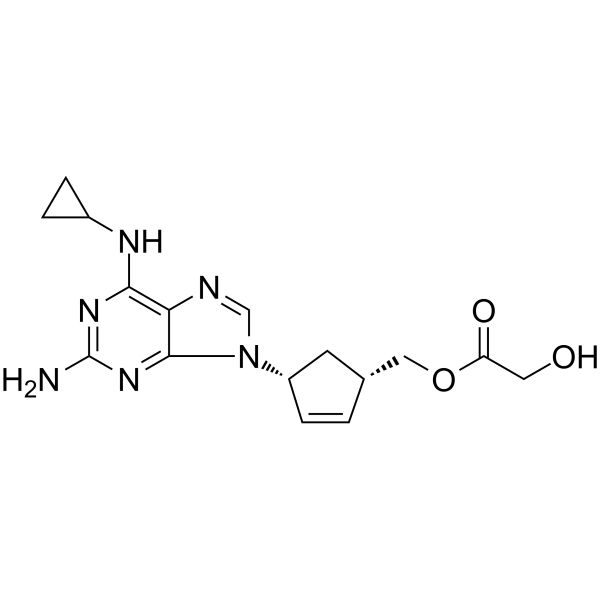
    Abacavir hydroxyacetate is an orally active inhibitor of IL-20 and PRINS. Abacavir hydroxyacetate reduces proliferation rate of skin in psoriasis as an immune modulator. Abacavir hydroxyacetate can be used for the research of inflammatory skin problems .
    Abacavir hydroxyacetate
  • HY-W704973

    DNA/RNA Synthesis Cancer
    F-ara-EdU is a low-toxic, highly stable probe for DNA synthesis that is used as a marker for cell proliferation and DNA replication by binding to DNA or RNA in cells. F-ara-EdU can also be used to detect the rate of DNA synthesis within cells, as well as to study the mechanisms of DNA repair and damage .
    F-ara-EdU
  • HY-P11417

    DNA/RNA Synthesis Cancer
    Epidermal mitosis inhibiting pentapeptide is a five-peptide that acts as a physiological inhibitor of epidermal cell proliferation. This pentapeptide can significantly reduce the DNA synthesis rate and mitotic rate of epidermal keratinocytes. Epidermal mitosis inhibiting pentapeptide moderately enhances the occurrence of skin tumors in skin cancer models, but also shows a higher tendency to promote the regression of already formed tumors. Epidermal mitosis inhibiting pentapeptide can be hydrolyzed by angiotensin-converting enzyme (ACE). Epidermal mitosis inhibiting pentapeptide can be used in cancer process research .
    Epidermal mitosis inhibiting pentapeptide
  • HY-172430S

    TNF Receptor Cancer
    Epaldeudomide (Compound A406) is the inhibitor for TNF-α (>50% inhibition rate at 100 nM). Epaldeudomide inhibits the proliferation of cancer cells MM.1S (IC50 < 300 nM), WSU-DLCL-2 (IC50 < 100 nM) and Rec-1 (IC50 < 100 nM). Epaldeudomide exhibits antineoplastic activity .
    Epaldeudomide
  • HY-178987

    Mitochondrial Metabolism Phosphodiesterase (PDE) Cancer
    BJH-86 is a soluble mitochondrial complex 1 inhibitor (oxygen consumption rate inhibition IC50 = 5 μM). BJH-86 exhibits weak inhibitory activity against phosphodiesterase 10A (PDE10A) (IC50 >10 μM). BJH-86 can reduce cellular oxygen consumption and inhibit cancer cell proliferation. BJH-86 can be used for the research of cancer, such as lung cancer .
    BJH-86
  • HY-145881

    Bacterial Infection
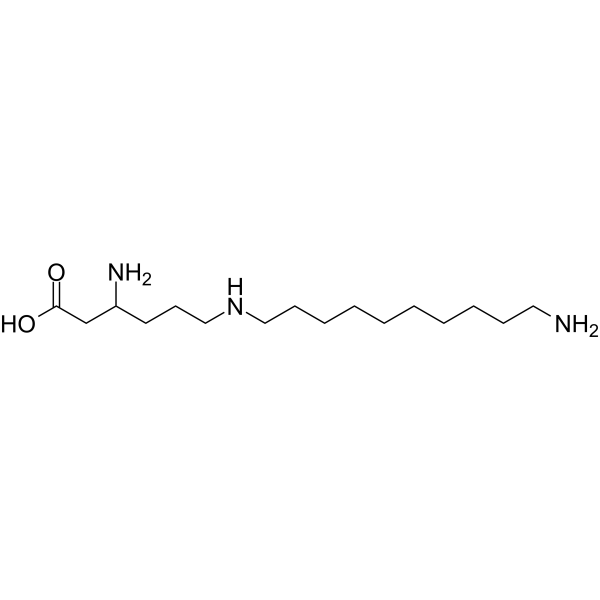
    Elongation factor P-IN-2 is a potent inhibitor elongation factor P (EFP). Elongation factor P-IN-2 is a β-lysine derivative compound. Elongation factor P-IN-2 affects the proliferation rates of E. coli .
    Elongation factor P-IN-2
  • HY-145880

    Bacterial Infection
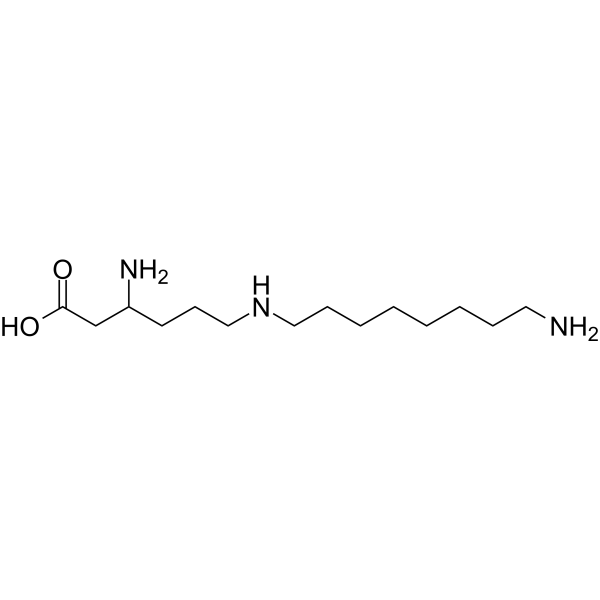
    Elongation factor P-IN-1 is a potent inhibitor elongation factor P (EFP). Elongation factor P-IN-1 is a β-lysine derivative compound. Elongation factor P-IN-1 affects the proliferation rates of E. coli .
    Elongation factor P-IN-1
  • HY-160927

    Drug Derivative Cancer
    Docosahexaenoyl Serinol (Compound 1) inhibits proliferation of lung cancaer cells A549, with 77.4% inhibition rate at 3 μM .
    Docosahexaenoyl Serinol
  • HY-P10616

    Endogenous Metabolite Cardiovascular Disease
    Salusin-α is an endogenous bioactive peptide with hemodynamic and cell proliferation activities. Salusin-α can stimulate the proliferation of quiescent vascular smooth muscle cells (VSMCs) and fibroblasts, leading to a rapid and significant decrease in blood pressure and heart rate, but its effect is weaker than that of Salusin-β (HY-P10617). Salusin-α has potential application value in cardiovascular disease research .
    Salusin-α
  • HY-W800162

    VEGFR Cancer
    VEGFR-2-IN-37 (compound 12) is an inhibitor of VEGFR-2. The inhibition rate at 200 μM was approximately 56.9 μM. VEGFR-2-IN-37 is a potential inhibitor of human umbilical vein endothelial cell (HUVEC) proliferation .
    VEGFR-2-IN-37
  • HY-168011

    Ferroptosis Glutathione Peroxidase Reactive Oxygen Species (ROS) Cancer
    GPX4-IN-14 (compound 2c) is an inhibitor of GPX4, with free radical scavenging activity (maximum scavenging rate is 72.52%) and anti-tumor proliferation activity in vitro. GPX4-IN-14 inhibits GPX4 protein, increases lipid peroxide levels and intracellular Reactive Oxygen Species (ROS) levels, thereby inducing ferroptosis and exerting anti-tumor proliferation effects .
    GPX4-IN-14
  • HY-N3862

    Others Cancer
    Erythrodiol 3-O-palmitate is a natural product isolated from Dicranostigma leptopodum (Maxim) Fedde, Gentiana rhodantha Franch or Swertia kouitchensis. Erythrodiol 3-O-palmitate has antitumor activity, and inhibits the proliferation of K562 cells with the inhibition rate of 47% at 100 ug/mL .
    Erythrodiol 3-O-palmitate
  • HY-101989

    Microtubule/Tubulin Apoptosis Cancer
    Tubulin polymerization-IN-24 (compound HMBA) is a potent tubulin polymerization inhibitor. Tubulin polymerization-IN-24 inhibits MCF-7 cells proliferation. Tubulin polymerization-IN-24 induces apoptosis and cell cycle arrest at G2/M phase. Tubulin polymerization-IN-24 increase the GTP hydrolysis rate and inhibits microtubule assembly .
    Tubulin polymerization-IN-24
  • HY-P10617

    Endogenous Metabolite Cardiovascular Disease
    Salusin-β is an endogenous bioactive peptide with significant hemodynamic and mitogenic activity. Salusin-β can stimulate the proliferation of quiescent vascular smooth muscle cells (VSMCs) and fibroblasts, leading to a rapid and significant decrease in blood pressure and heart rate. In addition, Salusin-β can stimulate the release of arginine vasopressin from the pituitary gland in rats. This makes Salusin-β have important application potential in cardiovascular disease research .
    Salusin-β
  • HY-144825

    Apoptosis Reactive Oxygen Species (ROS) Cancer
    Chol-CTPP is a ligand with dual targeting effect on blood-brain barrier (BBB) and glioma cells. Lip-CTPP can be gained by Chol-CTPP and another mitochondria targeting ligand (Chol-TPP). Lip-CTPP is a promising potential carrier to exert the anti-glioma effect of doxorubicin (DOX) and lonidamine (LND) collaboratively. Lip-CTPP elevates the inhibition rate of tumor cell proliferation, migration and invasion, promote apoptosis and necrosis, and interfere with mitochondrial function .
    Chol-CTPP
  • HY-162787

    Adenosine Receptor Cancer
    Adenosine receptor antagonist 5 (Compound 39) is a selective antagonist for human adenosine A3 receptor (hA3R) with Ki of 12 nM. Adenosine receptor antagonist 5 inhibits IB-MECA (HY-13591)-induced cAMP accumulation in NCI-H1792 cell, inhibits the proliferation of cancer cell LK-2 and NCI-H1792. Adenosine receptor antagonist 5 exhibits a fast metabolic rate in human liver microsomes .
    Adenosine receptor antagonist 5
  • HY-P10490

    Drug Derivative GnRH Receptor Others Cancer
    (D-His(Bzl)6)-LHRH (1-7) free acid is a synthetic peptide compound that is a derivative of luteinizing hormone-releasing hormone (LHRH). (D-His(Bzl)6)-LHRH (1-7) free acid enhances its stability and biological activity by introducing unnatural amino acid residues at specific positions of the LHRH molecule. This modification can improve the drug's performance in the body half-life, reducing the rate at which it is rapidly metabolized and cleared, thereby enhancing its efficacy in inhibiting cell proliferation .
    (D-His(Bzl)6)-LHRH (1-7) free acid
  • HY-172732

    Histone Methyltransferase Cancer
    PRMT5-IN-50 is an orally active and selective inhibitor of PRMT5. PRMT5-IN-50 has good metabolic stability and low clearance rate in human liver microsomes. PRMT5-IN-50 inhibits SDMA/HCT116-MTAPdel and SDMA/HCT116-MTAPwt with IC50s value of 1.0, 536 nM for arginine symmetric methylation, 19, 1620 nM for anti-proliferation, respectively. PRMT5-IN-50 inhibits tumor growth in mice .
    PRMT5-IN-50
  • HY-123187

    JAK Cardiovascular Disease
    AS2553627 is a type of JAK inhibitor, with IC50 values of 0.46, 0.30, 0.14, and 2.0 nM for JAK1, JAK2, JAK3 and TYK2, respectively. AS2553627 can inhibit the proliferation of human and rat T cells stimulated by IL-2, with IC50 values of 2.4 and 4.3 nM, respectively. AS2553627 can reduce cardiac allograft vasculopathy and fibrosis in a rat heart transplant model, effectively extending survival rates. AS2553627 can be used to prevent acute and chronic rejection in heart transplants .
    AS2553627
  • HY-170525

    CD73 Inflammation/Immunology
    CD73-IN-19 (Compound 4ab) is a CD73 inhibitor (with a 44% inhibition rate of CD73 enzymatic activity at 100 μM). CD73-IN-19 (at 10 μM and 100 μM) can completely antagonize the blockade of T cell proliferation induced by TCR (T cell receptor) triggering (which is induced by CD73 activity), and it can also inhibit the hA2A receptor activity in HEK-293 cells (Ki is 3.31 μM). CD73-IN-19 holds promise for research in the field of immune diseases .
    CD73-IN-19
  • HY-158138

    PARP Topoisomerase Apoptosis Cancer
    TOPOI/PARP-1-IN-1 (Compound B6) is an orally active, low cytotoxic TOPOI/PARP dual inhibitor with an IC50 value of 0.09 μM for PARP1. TOPOI/PARP-1-IN-1 can effectively inhibit the proliferation and migration of cancer cells. TOPOI/PARP-1-IN-1 also causes cell cycle arrest in the G0/G1 phase and induces apoptosis. The tumor growth inhibition rate (TGI) of TOPOI/PARP-1-IN-1 in mice is 75.4% .
    TOPOI/PARP-1-IN-1
  • HY-161641

    Microtubule/Tubulin Cancer
    Tubulin polymerization-IN-62 (Compound 14b) is an inhibitor for microtubule polymerization (IC50 is 7.5 μM) and a degrader for α- and β-tubulin. Tubulin polymerization-IN-62 inhibits proliferation of cancer cells MCF-7, A549 and HCT-116, with IC50 of 32, 60 and 29 nM, respectively. Tubulin polymerization-IN-62 arrests the cell cycle at G2/M phase, inhibits the migration of MCF-7. Tubulin polymerization-IN-62 exhibits antitumor efficacy with a tumor growth inhibition rate (TGI) of 74.27% in 4T1 homograft mouse model .
    Tubulin polymerization-IN-62
  • HY-133668S

    Isotope-Labeled Compounds Drug Metabolite Cytochrome P450 PPAR Cancer
    Monoethyl phthalate-d4 is the deuterium labeled Monoethyl phthalate. Monoethyl phthalate is an orally active PDX-1 activator and the major hydrolytic metabolite of Diethyl phthalate (HY-Y0284) in vivo, with reproductive toxicity. Monoethyl phthalate targets aromatase (aromatase/CYP19A1) and PPAR to induce cell proliferation. The plasma protein binding rate of Monoethyl phthalate in rats and humans is lower than that of Diethyl phthalate. It exhibits significant enterohepatic circulation in rats and mainly accumulates in liver tissues. Monoethyl phthalate shows no estrogenic activity in estrogen-dependent human breast cancer cells. Monoethyl phthalate can be used in studies of reproductive toxicity and related environmental endocrine disruption mechanisms .
    Monoethyl phthalate-d4
  • HY-111137

    XC-302 free base

    Akt Cancer
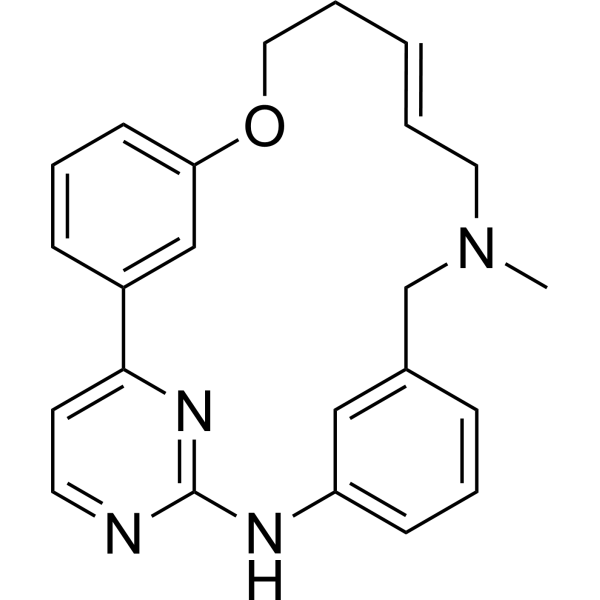
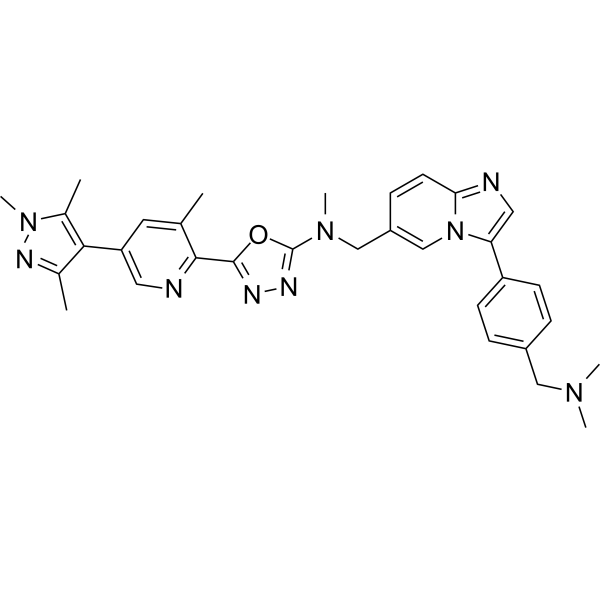
    Puquitinib (XC-302 free base) is a multi-target inhibitor with the activity of inducing autophagy in nasopharyngeal carcinoma cells by inhibiting the PI3K/AKT/mTOR signaling pathway. Puquitinib was able to inhibit the proliferation of CNE-2 cells, showing a dose-dependent antiproliferative effect. Puquitinib induced the formation of autophagosomes and autolysosomes in CNE-2 cells, which were observed by fluorescence microscopy and electron microscopy. Puquitinib promoted the formation of LC3-II and increased the expression of beclin 1, while reducing the level of p62. Puquitinib inhibited the PI3K/AKT/mTOR pathway by reducing the expression of p-AKT and p-mTOR. Puquitinib also induced apoptosis in CNE-2 cells, and when autophagy was inhibited, the apoptosis rate was reduced, which means that autophagy may interact with apoptosis to induce cell death .
    Puquitinib
  • HY-106647R

    Interleukin Related Reference Standards Inflammation/Immunology
    Abacavir hydroxyacetate (Standard) is the analytical standard of Abacavir hydroxyacetate (HY-106647). This product is intended for research and analytical applications. Abacavir hydroxyacetate is an orally active inhibitor of IL-20 and PRINS. Abacavir hydroxyacetate reduces proliferation rate of sKin in psoriasis as an immune modulator. Abacavir hydroxyacetate can be used for the research of inflammatory sKin problems .
    Abacavir hydroxyacetate (Standard)
  • HY-W404758

    Phosphatase Collagen Osteopontin Metabolic Disease
    Calcium glucoheptonate is a highly water-soluble calcium supplement. Calcium glucoheptonate can increase the proliferation rate and Calcium intake of MG-63 cells and increase the activity of alkaline phosphatase (ALP). Calcium glucoheptonate can upregulate the expression of osteogenic-related genes and proteins,such as collagen-1, osteocalcin and osteocalcin. Calcium glucoheptonate can be used for the researches of osteoporosis and hypocalcemia .
    Calcium glucoheptonate
  • HY-180995

    DNA/RNA Synthesis Cancer
    VARS1-IN-1 is a valyl-tRNA synthetase (VARS1) inhibitor with a Kd of 0.213 μM. VARS1-IN-1 suppresses VARS1’s tRNA aminoacylation activity, reduces charged levels of valine tRNAs and redues total protein synthesis rate. VARS1-IN-1 suppresses aggressive tumor growth and cell proliferation in PC3 prostate cancer xenograft models. VARS1-IN-1 can be used for the research of prostate cancer .
    VARS1-IN-1
  • HY-W761985

    Insecticide Inflammation/Immunology
    Furathiocarb is a carbamate pro-insecticide and a contact allergen. Furathiocarb is commonly used in studies related to contact allergy. Furathiocarb induces significant proliferation of MHC II-positive B cells in auricular lymph node cells and induces the production of Th1 cytokines (such as IL-2, TNF-γ and IFN-γ). However, Furathiocarb does not induce respiratory allergy in mice. After absorption through the abdominal skin of isolated rats, Furathiocarb is completely metabolized into carbofuran, and its permeation amount increases with time and dosage. The skin permeation rates of both emulsifiable concentrate (EC) and wettable powder (WP) formulations of Furathiocarb are higher than that of Furathiocarb itself, with no significant difference between the two formulations .
    Furathiocarb

Inquiry Online

Your information is safe with us. * Required Fields.

Salutation


Country or Region *

Applicant Name *


Organization Name *

Department *


Email Address *


Product Name *

Cat. No.


Requested quantity *

Phone Number *


Remarks

Inquiry Online

Inquiry Information

Product Name:
Cat. No.:
Quantity:
MCE Japan Authorized Agent:

