
Search Result
Results for "
proteasomal activity
" in MedChemExpress (MCE) Product Catalog:
| Cat. No. |
Product Name |
Target |
Research Areas |
Chemical Structure |
-
- HY-10969
-
|
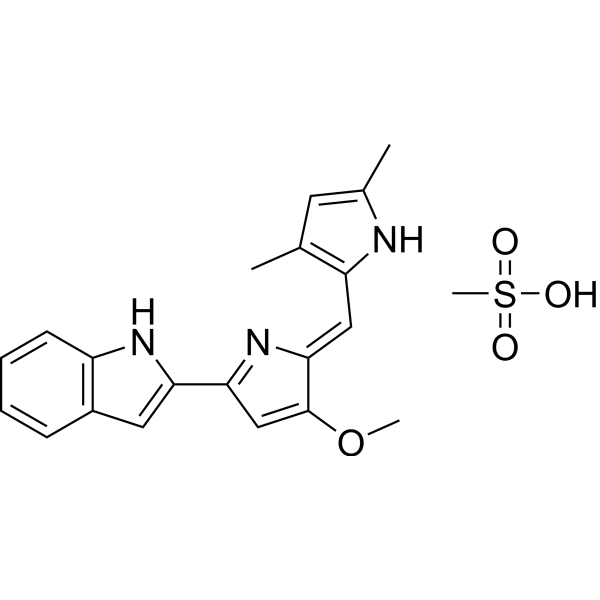
GX15-070 Mesylate
|
Bcl-2 Family
Autophagy
Parasite
|
Infection
Cancer
|
|
Obatoclax Mesylate (GX15-070 Mesylate), a BH3 mimetic, is a pan-BCL-2 family proteins inhibitor with a Ki of 220 nM for BCL-2 . Obatoclax Mesylate induces autophagy-dependent cell death and targets cyclin D1 for proteasomal degradation. Obatoclax Mesylate has anti-cancer and broad-spectrum antiparasitic activity .
|
-
-
- HY-170430
-
|
|
Molecular Glues
E1/E2/E3 Enzyme
|
Cancer
|
|
HGC652 is a molecular glue degrader targeting TRIM21 with a TRIM21-dependent nuclear membrane disruption effect. HGC652 binds to the PRY-SPRY domain of TRIM21 with high affinity (Ka=0.061 μM), mediates the interaction between TRIM21 and NUP98, and redirects E3 ligase activity. By triggering the polyubiquitination and proteasomal degradation of nucleoporins (such as NUP155 and GLE1), HGC652 disrupts nuclear membrane integrity, alters nuclear morphology, induces genomic instability, and thereby induces cancer cell death .
|
-
-
- HY-13822
-
|
|
SphK
Wnt
Apoptosis
|
Cancer
|
|
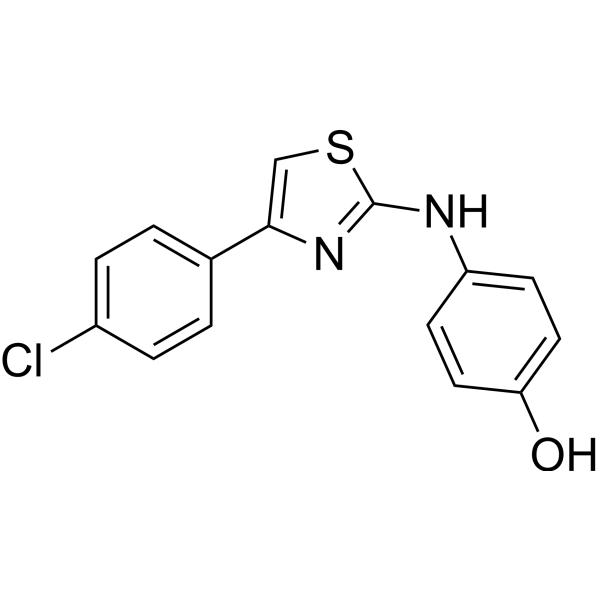
SKI-II is an oral active and synthetic inhibitor of sphingosine kinase (SK) activity, with IC50 values of 78 μM and 45 μM for SK1 and for SK2, respectively. SKI II causes an irreversible inhibition of SK1 by inducing its lysosomal and/or proteasomal degradation .
|
-
-
- HY-176444
-
|
|
Molecular Glues
CDK
|
Cancer
|
|
CDK2 degrader 6 is an orally active and potent CDK2 molecular glue degrader with a DC50 of 46.5 nM. CDK2 degrader 6 binds to cereblon and CDK2 to induce ubiquitination and subsequent proteasomal degradation of CDK2. CDK2 degrader 6 modulates cell cycle in breast cancer cells. CDK2 degrader 6 reduces proliferation of breast cancer cells. CDK2 degrader 6 exhibits in vivo antitumor activity in gastric cancer mouse models. CDK2 degrader 6 can be used for the research of breast cancer, gastric cancer .
|
-
-
- HY-161779
-
|
|
Molecular Glues
Epigenetic Reader Domain
Apoptosis
|
Cancer
|
|
PLX-3618 is a molecular glue, that degrades BRD4 with DC50 of 12.2 nM. PLX-3618 promotes polyubiquitination and subsequent proteasomal degradation of BRD4 by recruiting of the E3 ligase substrate receptor, DCAF11. PLX-3618 inhibits the proliferation of various cancer cells, induces apoptosis in AML cells. PLX-3618 exhibits antitumor activity against AML in mouse models .
|
-
-
- HY-122542B
-
|
|
Ligands for E3 Ligase
Molecular Glues
IKZF Family
|
Cardiovascular Disease
|
|
PPACK TFA is an orally active, selective molecular glue degrader targeting IKZF2. Through a molecular glue mechanism, PPACK TFA binds to CRBN, recruits IKZF2 to form a ternary complex, and promotes its ubiquitination and proteasomal degradation. This further converts inhibitory regulatory T cells (Treg) into effector-like T cells, enhances CD8 + T cell responses, and modulates the Teff:Treg balance. PPACK TFA also increases the production of the inflammatory cytokine IL-2 and reduces the suppressive activity of Treg. PPACK TFA can be used in cancer immunotherapy research, and exhibits a synergistic effect when combined with immune checkpoint inhibitors such as anti-PD1 .
|
-
-
- HY-128577
-
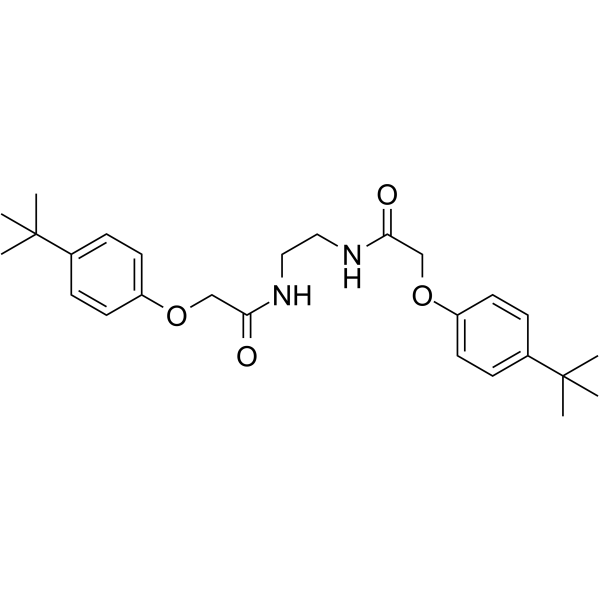
NIC3
1 Publications Verification
|
BTB/POZ Family
|
Cancer
|
|
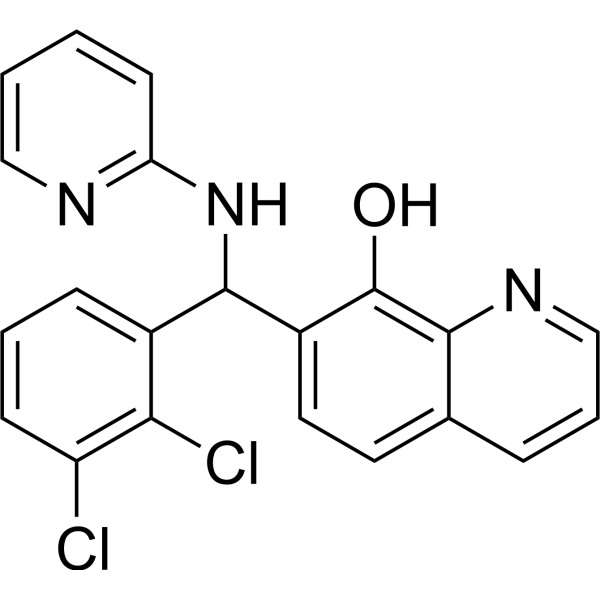
NIC3 is a selective nucleus accumbens-associated protein-1 (NAC1) inhibitor, binds to the conserved Leu-90 of NAC1, prevents its homodimerization, and leads to proteasomal NAC1 degradation. Anti-cancer activity .
|
-
-
- HY-12842
-
|
|
IAP
Survivin
Apoptosis
Caspase
|
Inflammation/Immunology
Cancer
|
|
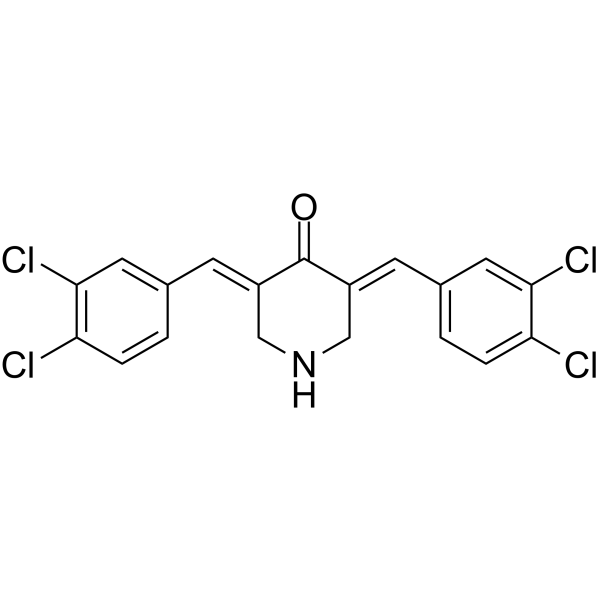
UC-112 is a XIAP inhibitor with anticancer activity. UC-112 selectively downregulates and degrades survivin via the ubiquitin-mediated proteasomal degradation pathway. UC-112 reduces XIAP levels in in vivo tumor models. UC-112 activates caspase-3/7 and caspase-9, and induces cancer cell apoptosis. UC-112 is applicable to studies on melanoma, prostate cancer and cancer-related research .
|
-
-
- HY-164027
-
|
|
E1/E2/E3 Enzyme
|
Metabolic Disease
Cancer
|
|
MyoMed 205 is an orally active muscle ring finger protein 1 (MuRF1) inhibitor. MyoMed-205 reduces ubiquitination and subsequent proteasomal degradation of muscle proteins by inhibiting MuRF1 activity. MyoMed 205 augments muscle performance, attenuates muscle weight loss and alleviates disease-induced weight loss. MyoMed 205 can be used for the research of cancer cachexia, type 2 diabetes mellitus, and heart failure with preserved ejection fraction .
|
-
-
- HY-P11306
-
|
|
Proteasome
NF-κB
|
Inflammation/Immunology
|
|
Biotin-(Oaa)3-epoxomicin is a biotin-labeled form of Epoxomicin (HY-13821), prepared by conjugating Epoxomicin with biotin via three hydrophilic oxaacetyl amino acid (Oaa) linkers. Biotin-(Oaa)3-epoxomicin is primarily used in proteomic studies for the capture, identification and target validation of proteasome complexes, to determine the intracellular targets of epoxomicin. Epoxomicin acts as a proteasome inhibitor and NF-κB inhibitor, which effectively blocks inflammatory responses in mouse ear edema assays. It inhibits proteasome activity via covalent binding to catalytic subunits including LMP7, X, MECL1 and Z, with the strongest inhibitory effect on chymotrypsin-like activity, and does not interfere with non-proteasomal proteases such as trypsin and papain .
|
-
-
- HY-148409
-
|
|
Ferroptosis
Apoptosis
Autophagy
MDM-2/p53
|
Cancer
|
|
MMRi62, a ferroptosis inducer targeting MDM2-MDM4 (negative regulators of tumor suppressor p53). MMRi62 shows a P53-independent pro-apoptotic activity against pancreatic ductal adenocarcinoma (PDAC) cells and induce autophagy. MMRi62 inducesferroptosis, resulting in a increase of reactive oxygen and lysosomal degradation of ferritin heavy chain (FTH1). MMRi62 also leads to proteasomal degradation of mutant p53, also inhibits orthotopic xenograft PDAC mouse model in vivo with high frequency mutation characteristics of KRAS and TP53.12 .
|
-
-
- HY-N10549
-
|
|
Ferroptosis
c-Myc
Glutathione Peroxidase
JNK
Reactive Oxygen Species (ROS)
GSK-3
|
Infection
Metabolic Disease
Cancer
|
|
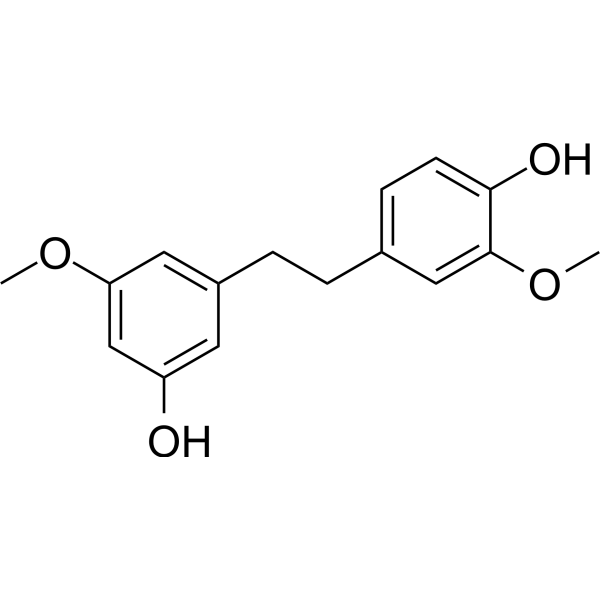
Gigantol is an orally active bibenzyl compound. Gigantol targets MYC to promote its ubiquitin-proteasomal degradation and inhibit the growth of lung cancer cells. Gigantol exerts anti-lung cancer activity by inducing ferroptosis (Ferroptosis) via the SLC7A11-GPX4 axis. Gigantol restores the sensitivity of mcr-harboring multidrug-resistant bacteria to colistin. Gigantol ameliorates carbon tetrachloride-induced liver injury by inhibiting the activation of the JNK/cPLA2/12-LOX inflammatory pathway. Gigantol promotes cholesterol metabolism and progesterone biosynthesis in Leydig cells. Gigantol can be used in studies related to diseases such as lung cancer, multidrug-resistant Gram-negative bacterial infections, and acute liver injury .
|
-
-
- HY-162723
-
|
|
PROTACs
AP-1
|
Cancer
|
|
FOSL1 degrader 1 is a FOSL1 PROTAC degrader with a DC50 of 2.3 μM. FOSL1 degrader 1 induces proteasomal degradation of FOSL1. FOSL1 degrader 1 eliminates cancer stem cells in head and neck squamous cell carcinoma. FOSL1 degrader 1 suppresses head and neck squamous cell carcinoma tumorigenesis. FOSL1 degrader 1 can be used for the research of head and neck squamous cell carcinoma .
|
-
-
- HY-123587
-
|
|
Proteasome
Apoptosis
|
Cancer
|
|
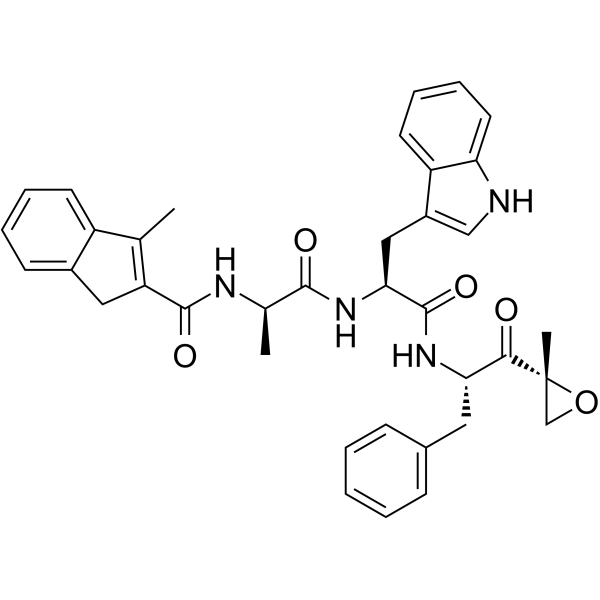
PR-924 is a selective tripeptide epoxyketone immunoproteasome subunit LMP-7 inhibitor with an IC50 of 22 nM. PR-924 covalently modifies proteasomal N-terminal threonine active sites. PR-924 inhibits growth and triggers apoptosis in multiple myeloma (MM) cells. PR-924 has antitumor activities .
|
-
-
- HY-122542A
-
|
Pebac; D-Phenylalanyl-prolyl-arginyl Chloromethyl Ketone; D-Phe-Pro-Arg-CH2Cl
|
Ligands for E3 Ligase
Molecular Glues
IKZF Family
|
Cardiovascular Disease
|
|
PPACK dihydrochloride is an orally active, selective molecular glue degrader targeting IKZF2. Through a molecular glue mechanism, PPACK dihydrochloride binds to CRBN, recruits IKZF2 to form a ternary complex, and promotes its ubiquitination and proteasomal degradation. This further converts inhibitory regulatory T cells (Treg) into effector-like T cells, enhances CD8 + T cell responses, and modulates the Teff:Treg balance. PPACK dihydrochloride also increases the production of the inflammatory cytokine IL-2 and reduces the suppressive activity of Treg. PPACK dihydrochloride can be used in cancer immunotherapy research, and exhibits a synergistic effect when combined with immune checkpoint inhibitors such as anti-PD1 .
|
-
-
- HY-159647
-
|
|
Molecular Glues
Ligands for E3 Ligase
IKZF Family
|
Cancer
|
|
PLX-4545 is an orally active, selective molecular glue degrader targeting IKZF2. Through a molecular glue mechanism, PLX-4545 binds to CRBN, recruits IKZF2 to form a ternary complex, and promotes its ubiquitination and proteasomal degradation. This further converts inhibitory regulatory T cells (Treg) into effector-like T cells, enhances CD8 + T cell responses, and modulates the Teff:Treg balance. PLX-4545 also increases the production of the inflammatory cytokine IL-2 and reduces the suppressive activity of Treg. PLX-4545 can be used in cancer immunotherapy research, and exhibits a synergistic effect when combined with immune checkpoint inhibitors such as anti-PD1 .
|
-
-
- HY-12929
-
|
SU093
|
Pim
Apoptosis
|
Cancer
|
|
NSC756093 (SU093) is a GBP1:PIM1 interaction inhibitor. NSC756093 binds to GBP1-PIM1 with a Kd of 38 nM. NSC756093 suppresses proliferation, reduces migration, induces G1 phase cell-cycle arrest, and increases apoptotic cell death in ovarian cancer cells. NSC756093 reduces cellular proteasomal activity, induces accumulation of ubiquitinated proteins, and restrains tumor progression and lung metastasis in murine ovarian cancer xenograft models. NSC756093 increases sensitivity of prostate cancer cells to Docetaxel (HY-B0011) and sensitizes GBP1-overexpressing ovarian cancer cells to Paclitaxel (HY-B0015). NSC756093 can be used for the research of prostate cancer and ovarian cancer .
|
-
-
- HY-168669
-
|
|
PROTACs
Ras
Caspase
ERK
|
Cancer
|
|
PROTAC K-Ras Degrader-5 is a cereblon-based K-Ras PROTAC degrader with a DC50 of <100 nM for KRAS G12D. PROTAC K-Ras Degrader-5 recruits KRAS G12D to the cereblon E3 ubiquitin ligase complex for ubiquitination and subsequent proteasomal degradation. PROTAC K-Ras Degrader-5 suppresses pERK levels downstream of KRAS G12D degradation in cancer cells. PROTAC K-Ras Degrader-5 reduces proliferation of cancer cells. PROTAC K-Ras Degrader-5 induces caspase 3/7 activity and cPARP, markers of apoptosis, in pancreatic cancer spheroids and tumors. PROTAC K-Ras Degrader-5 can be used for the research of pancreatic cancer and colorectal cancer .
|
-
-
- HY-171705
-
|
|
Keap1-Nrf2
AMPK
JNK
IKK
p38 MAPK
NO Synthase
α-synuclein
Interleukin Related
|
Neurological Disease
|
|
KMS99220 is an orally active, blood-brain barrier-permeable activator of the Nrf2 inhibitory protein Keap-1. KMS99220 enhances the activity of AMPK, activates the Nrf2 signaling pathway, and reduces the phosphorylation of IκB, nuclear translocation of NFκB, as well as the phosphorylation levels of JNK, IKK and p38 MAPK via HO-1. KMS99220 binds to Keap1 to trigger the nuclear translocation of Nrf2, induces the expression of HO-1, NQO1, GCLC, GCLM and proteasome subunits; enhances proteasomal enzymatic activity; inhibits iNOS expression, nitric oxide production and IL-1β generation; attenuates microglial activation; reduces α-synuclein aggregation; and prevents dopaminergic neuron degeneration and motor dysfunction. KMS99220 prevents the degeneration of dopaminergic neurons in the substantia nigra, induces the expression of Nrf2 downstream target genes, and effectively ameliorates associated motor dysfunction in a mouse model of Parkinson's disease. KMS99220 is applicable to research related to Parkinson's disease .
|
-
-
- HY-P3414A
-
|
|
Proteasome
|
Neurological Disease
|
|
Proteasome-activating peptide 1 TFA is a peptide and a potent proteasome activator. Proteasome-activating peptide 1 TFA increases the chymotrypsin-like proteasomal catalytic activity and, consequently, proteolytic rates both in vitro and in culture. Proteasome-activating peptide 1 TFA prevents protein aggregation in a cellular model of amyotrophic lateral sclerosis .
|
-
-
- HY-10969A
-
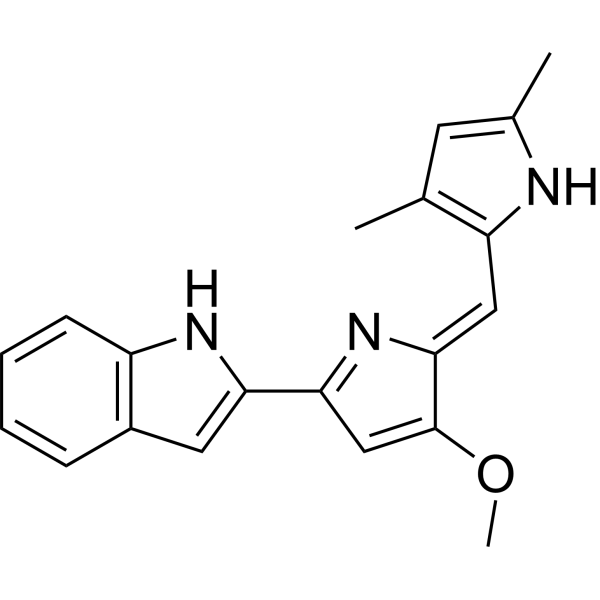
Obatoclax
Maximum Cited Publications
12 Publications Verification
GX15-070
|
Bcl-2 Family
Autophagy
Parasite
|
Infection
Cancer
|
|
Obatoclax (GX15-070), a BH3 mimetic, is a pan-BCL-2 family proteins inhibitor with a Ki of 220 nM for BCL-2 . Obatoclax induces autophagy-dependent cell death and targets cyclin D1 for proteasomal degradation. Obatoclax has anti-cancer and broad-spectrum antiparasitic activity .
|
-
-
- HY-161108
-
|
|
PROTACs
Checkpoint Kinase (Chk)
|
Cancer
|
|
PROTAC Chk1 degrader-1 is a Chk1-targeting PROTAC.PROTAC Chk1 degrader-1 recruits the Cereblon E3 ligase to induce ubiquitination and proteasomal degradation of Chk1.PROTAC Chk1 degrader-1 exhibits Chk1 degradation activity in malignant melanoma cells without showing a hook effect.PROTAC Chk1 degrader-1 can be used for the research of malignant melanoma .
|
-
-
- HY-155218
-
|
|
PROTACs
CDK
|
Cancer
|
|
TMX-2172 is a selective bivalent cereblon-recruiting PROTAC-based dual CDK2 and CDK5 degrader with IC50 values of 6.5 nM and 6.8 nM, respectively. TMX-2172 shows selectivity for CDK2 and CDK5 over other cell cycle CDKs (CDK1, CDK4, and CDK6) and transcriptional CDKs (CDK7 and CDK9). TMX-2172 inhibits CDK2/CDK5 enzymatic activity, induces their proteasomal degradation, reduces ASCL1 protein levels and half-life, induces cancer cell death, and exerts antiproliferative effects. TMX-2172 can be used for the research of ovarian cancer and small cell lung cancer .
|
-
-
- HY-147100
-
|
|
PROTACs
Adrenergic Receptor
|
Cancer
|
|
α1A-AR Degrader 9c (compound 9c) is a potent, selective and reversible α1A-AR (Adrenergic receptor) PROTAC degrader, with a DC50 of 2.86 μM. α1A-AR Degrader 9c induces α1A-AR degradation can be attributed to proteasomal degradation. α1A-AR Degrader 9c inhibits the proliferation of PC-3 cells, with an IC50 of 6.12 μM. α1A-AR Degrader 9c shows antitumor activity, and can be used for prostate cancer research .
|
-
-
- HY-P3414
-
|
|
Proteasome
|
Neurological Disease
|
|
Proteasome-activating peptide 1 is a peptide, which increases the chymotrypsin-like proteasomal catalytic activity and, consequently, proteolytic rates both in vitro and in culture. Proteasome-activating peptide 1 prevents protein aggregation in a cellular model of amyotrophic lateral sclerosis .
|
-
-
- HY-W054146
-
RAMB4
1 Publications Verification
|
Proteasome
|
Cancer
|
|
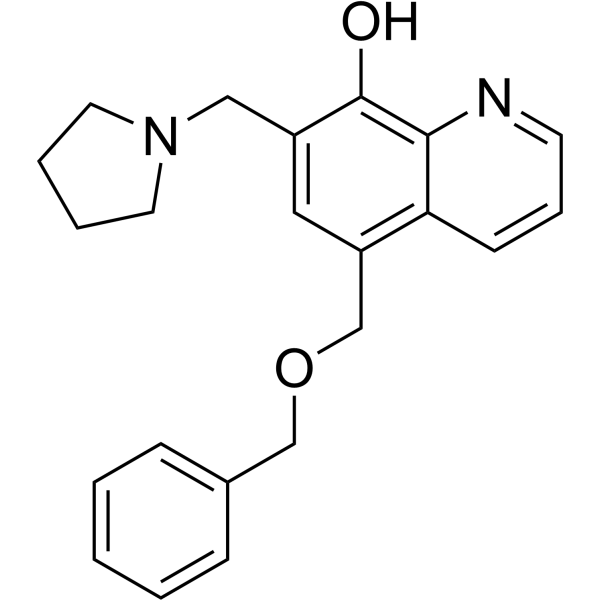
RAMB4 is a ubiquitin-proteasome system (UPS)-stressor. RAMB4 inhibits ubiquitin-mediated protein degradation upstream of the 20S proteasomal catalytic activites. RAMB4 triggers a ubiquitin-proteasome-system (UPS)-stress response without affecting 20S proteasome catalytic activities. Anticancer activity .
|
-
-
- HY-170900
-
|
|
PROTACs
Epigenetic Reader Domain
c-Myc
MDM-2/p53
|
Neurological Disease
Cancer
|
|
SJ44236 is a BET PROTAC degrader with activity against BRD2, BRD3 and BRD4 (DC50 = 127 pM). SJ44236 induces ubiquitination and proteasomal degradation by forming a ternary complex with BET proteins and CRBN-DDB1. SJ44236 downregulates c-Myc, upregulates p53 and reduces cancer cell viability. SJ44236 can be used for the research of leukemia and medulloblastoma .
|
-
-
- HY-179578
-
|
|
Enolase
AMPK
Autophagy
Apoptosis
mTOR
Caspase
|
Metabolic Disease
Cancer
|
|
SU212 is a podophyllotoxin-derived ENO1 inhibitor and AMPK activator. SU212 can selectively induce oxidative phosphorylation, reduce glycolysis activity and glucose uptake in tumor cells, and directly bind to ENO1 without affecting these pathways in normal cells. SU212 induces apoptosis and promotes ENO1 degradation via proteasomal and autophagic pathways without inhibiting the catalytic activity. SU212 leads to mitotic arrest and apoptosis in TNBC (triple-negative breast cancer) cells by activating AMPK, demonstrating potent anti-tumor activity in vitro. SU212 inhibits tumor growth and metastasis in syngeneic, xenograft, and diabetic mouse models, exhibiting an excellent safety profile. SU212 can be used in research on t TNBC, diabetes, and fatty liver disease .
|
-
-
- HY-178389
-
|
|
Molecular Glues
Glutathione Peroxidase
Ferroptosis
Reactive Oxygen Species (ROS)
|
Cancer
|
|
GPX4-IN-20, a Arctigenin (HY-N0035) derived, is a GPX4& molecular gluedegrader. GPX4-IN-20 induces ferroptosis by increasing lipid ROS levels and suppressing GSH levels. GPX4-IN-20 reduces the protein expression and enzyme activity of GPX4 in a dose-dependent manner without affecting other ferroptosis-related proteins. GPX4-IN-20 induces ubiquitination-dependent proteasomal degradation of GPX4. GPX4-IN-20 also increases the level of malondialdehyde (MDA) in HCT-116 cells. GPX4-IN-20 can be used for the research of colorectal cancer .
|
-
-
- HY-164487
-
|
|
Proteasome
|
Cancer
|
|
JBJ-08-178-01 is a mutant-selective tyrosine kinase inhibitor against human epidermal growth factor receptor 2 (HER2) with an antitumoral activity. JBJ-08-178-01 reduces both the kinase activity and protein levels of HER2 by inducing proteasomal degradation of the receptor in lung cancer. JBJ-08-178-01 is promising for research of non-small-cell lung cancer .
|
-
-
- HY-177791
-
|
|
PROTACs
Influenza Virus
|
Infection
|
|
vRNPs degrader-1 is a potent PROTAC viral ribonucleoproteins (vRNPs) degrader. vRNPs degrader-1 shows broad-spectrum anti-influenza A viruses (IAV) activity by targeting the conserved 5′ end of viral RNA, thereby inducing proteasomal degradation of viral proteins. vRNPs degrader-1 inhibits H1N1, H9N2, and H3N2 infection in mice. vRNPs degrader-1 can be used for influenza research .
|
-
-
- HY-167673
-
|
|
E1/E2/E3 Enzyme
|
Infection
Inflammation/Immunology
Cancer
|
|
RNF5-IN-1 (FX12) is a selective RNF5 degrader. RNF5-IN-1 binds to RNF5 and inhibits its E3 activity, and promotes proteasomal degradation of RNF5 in an endoplasmic reticulum (ER)-associated degradation (ERAD) way in cells. RNF5-IN-1 inhibits α-1-antitrypsin (NHK) dislocation with an IC50 value of 2.7 μM. RNF5-IN-1 can be used for research of cystic fibrosis, acute myeloid leukemia, and certain viral infections .
|
-
-
- HY-164476
-
|
|
EGFR
GSK-3
PD-1/PD-L1
|
Cancer
|
|
ES-072 is an orally effective selective EGFR mutant (EGFR-T790M) inhibitor. ES-072 activates GSK3α by inhibiting EGFR-T790M activity, which promotes phosphorylation of PD-L1 at Ser279 and Ser283. The phosphorylated PD-L1 recruits the E3 ubiquitin ligase ARIH1, leading to ubiquitination and proteasomal degradation of PD-L1. This mechanism not only reduces cancer cell growth but also enhances anti-tumor immune response by lowering PD-L1 levels. ES-072 can be used to inhibit proliferation in non-small cell lung cancer (NSCLC) cells .
|
-
-
- HY-P10007
-
|
Z-GPFL-CHO
|
Proteasome
|
Cancer
|
|
Z-Gly-Pro-Phe-Leu-CHO (Z-GPFL-CHO) is a tetrapeptide aldehyde that acts as a highly selective and potent proteasomal inhibitor (Ki = 1.5 µM for branched chain amino acid preferring, 2.3 µM for small neutral amino acid preferring, and 40.5 µM for chymotrypsin-like activities; IC50 = 3.1 µM for peptidyl-glutamyl peptide hydrolyzing activity) .
|
-
-
- HY-123587A
-
|
|
Apoptosis
|
Cancer
|
|
(R)-PR-924 is the isomer of PR-924 (HY-123587), and can be used as an experimental control. PR-924 is a selective tripeptide epoxyketone immunoproteasome subunit LMP-7 inhibitor with an IC50 of 22 nM. PR-924 covalently modifies proteasomal N-terminal threonine active sites. PR-924 inhibits growth and triggers apoptosis in multiple myeloma (MM) cells. PR-924 has antitumor activities .
|
-
-
- HY-179033
-
|
|
Nuclear Hormone Receptor 4A/NR4A
Apoptosis
ASK1
JNK
p38 MAPK
|
Cancer
|
|
Nur77 antagonist 2 (Compound 12b) is an orally active Nur77 antagonist with a KD value of 0.42 μM. Nur77 antagonist 2 exhibits proliferative activity on liver cancer cells. Nur77 antagonist 2 stabilizes Nur77 by inhibiting its ubiquitin-proteasomal degradation,
leading to Nur77-dependent apoptosis via the ASK1-JNK/p38 pathway. Nur77 antagonist 2 inhibits tumor growth in the HCCLM3 xenograft model. Nur77 antagonist 2 can be used for the study of hepatocellular carcinoma (HCC) .
|
-
-
- HY-135779
-
|
|
Deubiquitinase
|
Neurological Disease
|
|
IU2-6 is a USP14 deubiquitinase inhibitor. IU2-6 inhibits deubiquitinating activity of proteasome-associated USP14, blocks substrate rescue from degradation, and enhances proteasomal activity. IU2-6 can be used for the research of neurodegeneration .
|
-
-
- HY-182057
-
|
|
HyT
Anaplastic lymphoma kinase (ALK)
|
Cancer
|
|
ALK degrader 4 is a ALK HyT degrader with an IC50 of 0.74 nM. ALK degrader 4 inhibits ALK kinase activity, increases the solvent-accessible surface area of hydrophobic residues near the ALK binding pocket, promotes ALK to form a partially unfolded conformation, and induces proteasomal degradation of ALK. ALK degrader 4 inhibits cancer cell proliferation. ALK degrader 4 can be used in research related to non-small cell lung cancer (ALK ligand: Brigatinib (HY-12857); hydrophobic tag: Norbornene (HY-W013021)) .
|
-
-
- HY-181590
-
|
|
PROTACs
SNIPERs
YAP
IAP
|
Cancer
|
|
PROTAC TEAD1/IAP degrader-3 is a TEAD1/IAP PROTAC degrader. PROTAC TEAD1/IAP degrader-3 recruits the cIAP1 and XIAP E3 ligases to form a ternary complex, drives proteasomal degradation of TEAD1, and triggers autoubiquitination and proteasomal degradation of cIAP1. PROTAC TEAD1/IAP degrader-3 inhibits cell proliferation. PROTAC TEAD1/IAP degrader-3 regulates Hippo pathway activity by downregulating CTGF gene expression in a TEAD-dependent manner. PROTAC TEAD1/IAP degrader-3 is applicable to the research of mesothelioma .
|
-
-
- HY-181147
-
|
|
PROTACs
HSP
|
Cancer
|
|
PROTAC HSP70 Degrader-1 (compound C4) is a cytosolic HSP70 PROTAC degrader that can engage CRBN to form a ternary complex. PROTAC HSP70 Degrader-1 mediates ubiquitination and proteasomal degradation of cytosolic HSP70. PROTAC HSP70 Degrader-1 exhibits cytotoxic activity against cancer cells, suppressing tumor cell proliferation and inducing apoptosis in combination with DTHIB. PROTAC HSP70 Degrader-1 can be used for the research of colon cancer and leukemia .
|
-
-
- HY-182623
-
|
|
MDM-2/p53
|
Cancer
|
|
WB214 is an MDM2 and GSPT1 degrader with human MDM2 Ki >10 μM. WB214 induces a neo-interaction between MDM2 and the cereblon E3 ligase complex, triggering MDM2 ubiquitination, proteasomal degradation, and bystander p53 degradation, and does not bind MDM2’s p53 binding region. WB214 induces GSPT1 degradation, and exhibits anti-proliferative activity in leukemia cells. WB214 can be used for the research of leukemia .
|
-
-
- HY-181656
-
|
|
Molecular Glues
Glutathione Peroxidase
Ferroptosis
Reactive Oxygen Species (ROS)
|
Cancer
|
|
GPX4 degrader-2 is a GPX4 molecular glue degrader and ferroptosis inducer. GPX4 degrader-2 suppresses GPX4 enzyme activity, promotes ubiquitination-dependent proteasomal degradation of GPX4 protein. GPX4 degrader-2 indues ferroptosis, increases lipid ROS and MDA levels, suppresses glutathione levels in cancer cells. GPX4 degrader-2 inhibits cancer cells proliferation and colony formation. GPX4 degrader-2 can be used for the research of colorectal cancer .
|
-
-
- HY-182087
-
|
|
HyT
Anaplastic lymphoma kinase (ALK)
|
Cancer
|
|
ALK degrader 3 is a ALK HyT degrader with an IC50 of 1.2 nM. ALK degrader 3 inhibits ALK kinase activity, increases the solvent-accessible surface area of hydrophobic residues near the ALK binding pocket, promotes ALK to form a partially unfolded conformation, and drives ALK degradation via the proteasomal pathway. ALK degrader 3 inhibits the proliferation of tumor cells. ALK degrader 3 can be used for the research of non-small cell lung cancer. (ALK ligand: Brigatinib (HY-12857); hydrophobic tag: Tetraasterane (HY-W1139353)) .
|
-
-
- HY-181594
-
|
|
PROTACs
SNIPERs
YAP
|
Cancer
|
|
PROTAC TEAD/IAP degrader-1 is a TEAD/IAP PROTAC degrader. PROTAC TEAD/IAP degrader-1 is also a specific and Nongenetic inhibitor of apoptosis protein (IAP)-dependent protein eraser (SNIPERs). PROTAC TEAD/IAP degrader-1 recruits cIAP1 to form ternary complexes, induces ubiquitination, proteasomal TEAD1, TEAD4 degradation. PROTAC TEAD/IAP degrader-1 inhibits TEAD transcriptional activity, reduces CTGF expression, and reduces cell proliferation. PROTAC TEAD/IAP degrader-1 can be used for the research of mesothelioma .
|
-
-
- HY-181287
-
|
|
PROTACs
CCR
E1/E2/E3 Enzyme
|
Inflammation/Immunology
|
|
PROTAC CCR9 Degrader 1 is a PROTAC-based degrader targeting CCR9. PROTAC CCR9 Degrader 1 induces ubiquitination, proteasomal degradation of CCR9 and reduces intracellular CCR9 levels by recruiting the VHL E3 ligase. PROTAC CCR9 Degrader 1 has a Ki value of 78.0 nM against human CCR9. PROTAC CCR9 Degrader 1 modulates GPCR activity by binding to the intracellular allosteric binding site of CCR9. PROTAC CCR9 Degrader 1 can be used in research related to Crohn's disease .
|
-
-
- HY-W470101
-
|
|
HIF/HIF Prolyl-Hydroxylase
Apoptosis
HSP
Caspase
|
Cancer
|
|
HIF-2α-IN-17 is a selective hypoxia-inducible factor 2α (HIF2α) inhibitor that binds to the PAS-B domain of HIF2α. HIF-2α-IN-17 disrupts the interaction between HIF2α and the molecular chaperone Hsp70, leading to proteasomal degradation of HIF2α. HIF-2α-IN-17 exhibits antitumor activity and induces apoptosis in cancer cells. HIF-2α-IN-17 is applicable for research on cancers such as clear cell renal cell carcinoma .
|
-
-
- HY-183604
-
|
|
Deubiquitinase
|
Cancer
|
|
T-10531 is a selective USP25/USP28 inhibitor. T-10531 exhibits an IC50 of 0.03 μM and a Kd of 0.2 μM against human USP25, as well as an IC50 of 0.12 μM and a Kd of 0.06 μM against human USP28. T-10531 inhibits USP25/USP28 activity and induces the degradation of USP25 via the proteasomal pathway, without inhibiting other deubiquitinases. T-10531 can be used in the research of squamous cell carcinoma, colorectal cancer, gastric cancer, triple-negative breast cancer and pancreatic cancer .
|
-
-
- HY-185546
-
|
|
E3 Ligase Ligand-Linker Conjugates
|
Others
|
|
CRBN ligand-900 Gly is a synthesized E3 ligase ligand-linker conjugate (E3 Ligase Ligand-Linker Conjugate) that incorporates a CRBN ligand and a linker. CRBN ligand-900 Gly can be connected to the target protein ligand to form a PROTAC NTRK1 degrader-1 (HY-181052) .
|
-
-
- HY-185311
-
|
|
Molecular Glues
NEKs
NOD-like Receptor (NLR)
Caspase
Interleukin Related
Pyroptosis
|
Neurological Disease
Inflammation/Immunology
|
|
NEK7 degrader-3 is an orally active and brain-penetrant NEK7 molecular glue degrader with a DC50 of 33.1 nM. NEK7 degrader-3 mediates interaction between NEK7 and E3 ligase cereblon, promoting proteasomal degradation of NEK7 and attenuating NLRP3 inflammasome-mediated inflammatory responses. NEK7 degrader-3 inhibits caspase-1 activity, cytokine release of IL-1β, IL-1α, and IL-18, and pyroptosis-related plasma membrane permeabilization. NEK7 degrader-3 shows antiinflammatory activity in an LPS (HY-D1056)-induced neuroinflammation mouse model. NEK7 degrader-3 can be used for the research of neuroinflammation .
|
-
-
- HY-186132
-
|
|
PROTACs
CDK
|
Cancer
|
|
PROTAC CDK2-pRb degrader-1 is an orally active PROTAC-class degrader of CDK2. PROTAC CDK2-pRb degrader-1 effectively inhibits the phosphorylation of retinoblastoma protein (Rb) at serine residues 807/811 by inducing ubiquitination and proteasomal degradation of CDK2. PROTAC CDK2-pRb degrader-1 exhibits significant activity against human cells (with EC50 values of 12 nM and 125 nM, respectively). In xenograft models, PROTAC CDK2-pRb degrader-1 effectively inhibits tumor growth and induces tumor stasis, making it suitable for research related to CCNE1-amplified cancers (such as ovarian cancer, gastric cancer, and breast cancer) .
|
-
| Cat. No. |
Product Name |
Target |
Research Area |
-
- HY-122542B
-
|
|
Ligands for E3 Ligase
Molecular Glues
IKZF Family
|
Cardiovascular Disease
|
|
PPACK TFA is an orally active, selective molecular glue degrader targeting IKZF2. Through a molecular glue mechanism, PPACK TFA binds to CRBN, recruits IKZF2 to form a ternary complex, and promotes its ubiquitination and proteasomal degradation. This further converts inhibitory regulatory T cells (Treg) into effector-like T cells, enhances CD8 + T cell responses, and modulates the Teff:Treg balance. PPACK TFA also increases the production of the inflammatory cytokine IL-2 and reduces the suppressive activity of Treg. PPACK TFA can be used in cancer immunotherapy research, and exhibits a synergistic effect when combined with immune checkpoint inhibitors such as anti-PD1 .
|
-
- HY-P11306
-
|
|
Proteasome
NF-κB
|
Inflammation/Immunology
|
|
Biotin-(Oaa)3-epoxomicin is a biotin-labeled form of Epoxomicin (HY-13821), prepared by conjugating Epoxomicin with biotin via three hydrophilic oxaacetyl amino acid (Oaa) linkers. Biotin-(Oaa)3-epoxomicin is primarily used in proteomic studies for the capture, identification and target validation of proteasome complexes, to determine the intracellular targets of epoxomicin. Epoxomicin acts as a proteasome inhibitor and NF-κB inhibitor, which effectively blocks inflammatory responses in mouse ear edema assays. It inhibits proteasome activity via covalent binding to catalytic subunits including LMP7, X, MECL1 and Z, with the strongest inhibitory effect on chymotrypsin-like activity, and does not interfere with non-proteasomal proteases such as trypsin and papain .
|
-
- HY-P3414A
-
|
|
Proteasome
|
Neurological Disease
|
|
Proteasome-activating peptide 1 TFA is a peptide and a potent proteasome activator. Proteasome-activating peptide 1 TFA increases the chymotrypsin-like proteasomal catalytic activity and, consequently, proteolytic rates both in vitro and in culture. Proteasome-activating peptide 1 TFA prevents protein aggregation in a cellular model of amyotrophic lateral sclerosis .
|
-
- HY-P3414
-
|
|
Proteasome
|
Neurological Disease
|
|
Proteasome-activating peptide 1 is a peptide, which increases the chymotrypsin-like proteasomal catalytic activity and, consequently, proteolytic rates both in vitro and in culture. Proteasome-activating peptide 1 prevents protein aggregation in a cellular model of amyotrophic lateral sclerosis .
|
-
- HY-P10007
-
|
Z-GPFL-CHO
|
Proteasome
|
Cancer
|
|
Z-Gly-Pro-Phe-Leu-CHO (Z-GPFL-CHO) is a tetrapeptide aldehyde that acts as a highly selective and potent proteasomal inhibitor (Ki = 1.5 µM for branched chain amino acid preferring, 2.3 µM for small neutral amino acid preferring, and 40.5 µM for chymotrypsin-like activities; IC50 = 3.1 µM for peptidyl-glutamyl peptide hydrolyzing activity) .
|
| Cat. No. |
Product Name |
Category |
Target |
Chemical Structure |
Your information is safe with us. * Required Fields.
Inquiry Information
- Product Name:
- Cat. No.:
- Quantity:
- MCE Japan Authorized Agent:

