1. Search Result
Search Result
Results for "

reduced coenzyme

" in MedChemExpress (MCE) Product Catalog:

25

Inhibitors & Agonists

1

Biochemical Assay Reagents

2

MCE Kits

15

Natural
Products

3

Oligonucleotides

Targets Recommended:
Cat. No. Product Name Target Research Areas Chemical Structure
  • HY-F0001
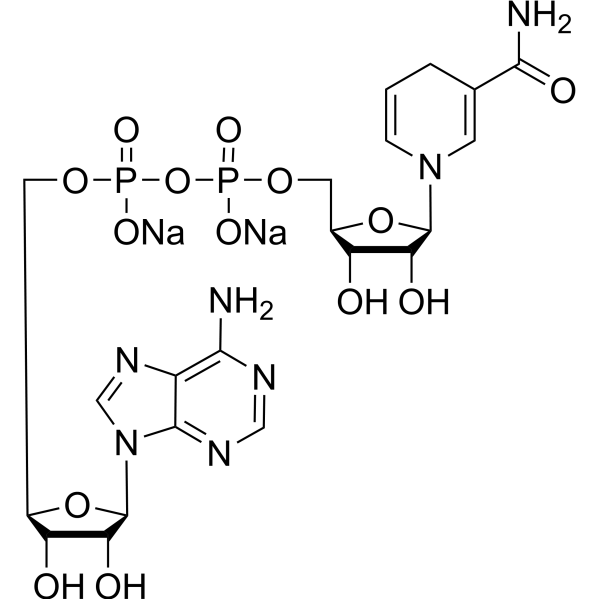
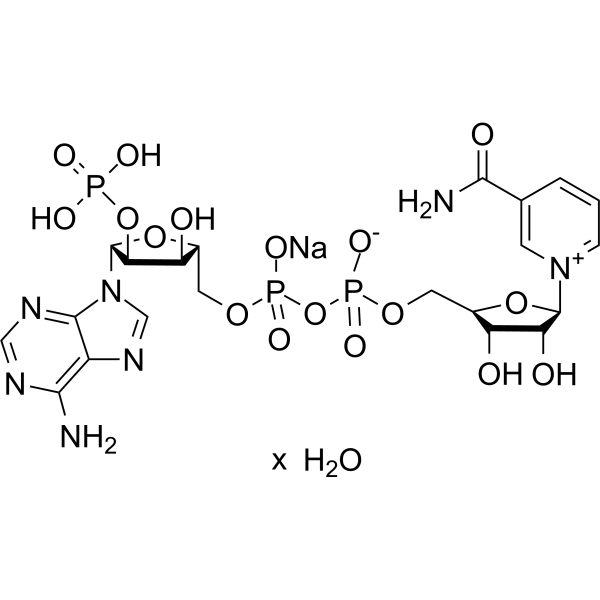
    NADH disodium salt
    5+ Cited Publications

    Disodium NADH

    Endogenous Metabolite Metabolic Disease
    NADH disodium salt (Disodium NADH) is an orally active reduced coenzyme. NADH disodium salt is a donor of ADP-ribose units in ADP-ribosylaton reactions and a precursor of cyclic ADP-ribose. NADH disodium salt plays a role as a regenerative electron donor in cellular energy metabolism, including glycolysis, β-oxidation and the tricarboxylic acid (TCA) cycle .
    NADH disodium salt
  • HY-113324
    NADPH
    Maximum Cited Publications
    18 Publications Verification

    Endogenous Metabolite Cancer
    NADPH is a coenzyme of glutathione reductase (GR), thioredoxin reductase (TrxR) and NADPH oxidase (NOX), and participates in redox reactions as a hydrogen donor. NADPH has the characteristic of selectively participating in the regulation of cellular redox homeostasis. NADPH exerts antioxidant activity and resists reactive oxygen species (ROS) damage by providing reducing equivalents for the regeneration of glutathione (GSH) and thioredoxin (Trx); at the same time, it acts as a substrate of NOX to generate superoxide anions, mediating oxidative stress and immune response. NADPH participates in maintaining the intracellular reducing environment, biosynthesis and regulating gene expression (such as the Nrf2 pathway), and is mainly used in the study of oxidative stress-related diseases (such as cardiovascular diseases, neurodegenerative diseases, cancer) and immune regulation mechanisms .
    NADPH
  • HY-F0002
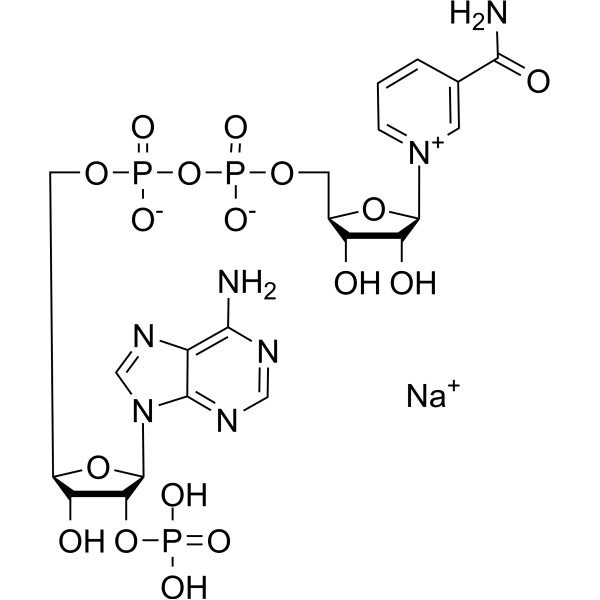
    NADP sodium salt
    Maximum Cited Publications
    6 Publications Verification

    Sodium NADP

    Endogenous Metabolite Metabolic Disease Inflammation/Immunology Cancer
    NADP sodium salt is the sodium salt form of NADP (HY-113325). NADP is a coenzyme involved in cellular electron transfer reactions in biological metabolism, which is alternately oxidized (NADP+) and reduced (NADPH), and can maintain cellular redox homeostasis and regulate many biological events, including cellular metabolism. NADPH is a universal electron donor that provides reducing ability for synthetic metabolic reactions and redox balance. NADPH plays a multifunctional role in regulating inflammation, redox homeostasis, and synthetic metabolism processes .
    NADP sodium salt
  • HY-F0002A
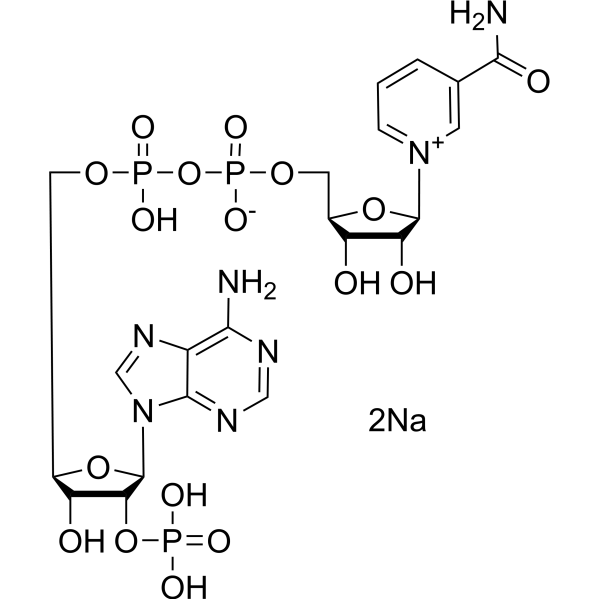
    NADP disodium salt
    Maximum Cited Publications
    6 Publications Verification

    Disodium NADP

    Endogenous Metabolite Metabolic Disease Inflammation/Immunology Cancer
    NADP disodium salt is the disodium salt form of NADP (HY-113325). NADP is a coenzyme involved in cellular electron transfer reactions in biological metabolism, which is alternately oxidized (NADP+) and reduced (NADPH), and can maintain cellular redox homeostasis and regulate many biological events, including cellular metabolism. NADPH is a universal electron donor that provides reducing ability for synthetic metabolic reactions and redox balance. NADPH plays a multifunctional role in regulating inflammation, redox homeostasis, and synthetic metabolism processes .
    NADP disodium salt
  • HY-113449

    Endogenous Metabolite NADPH Oxidase Metabolic Disease
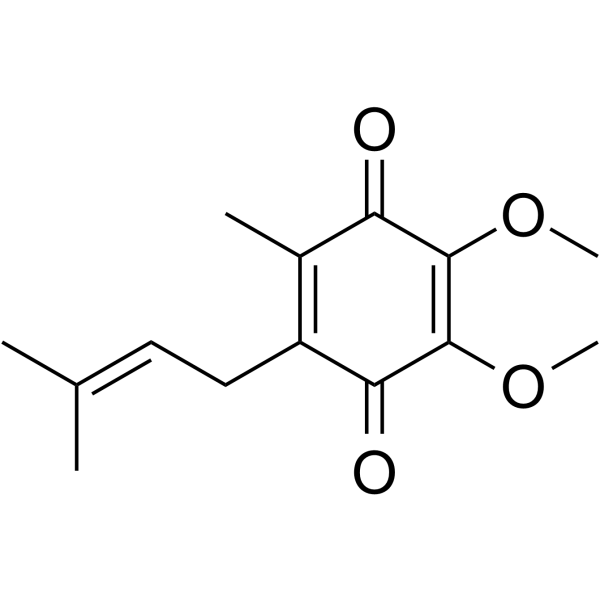
    Ubiquinone-1 is an intermediate in the synthesis of Coenzyme Q. Ubiquinone-1 can be reduced by NADPH oxidase, hepatoma cells, Ascorbic acid (HY-B0166) .
    Ubiquinone-1
  • HY-113325
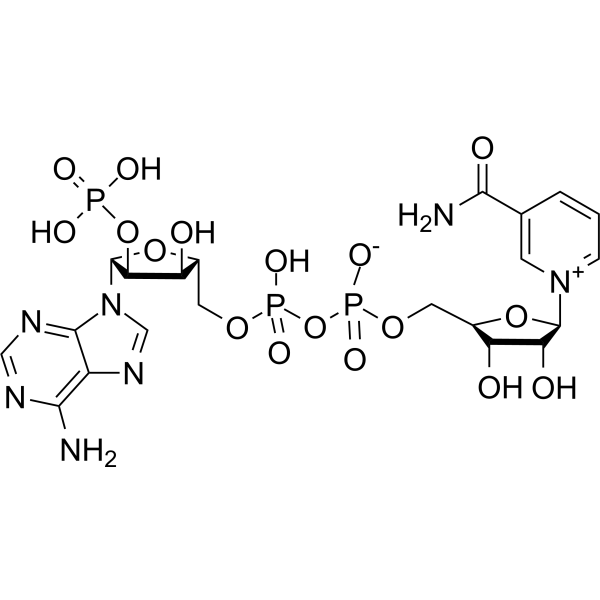
    NADP
    Maximum Cited Publications
    6 Publications Verification

    Endogenous Metabolite Metabolic Disease Inflammation/Immunology Cancer
    NADP is a coenzyme involved in cellular electron transfer reactions in biological metabolism, which is alternately oxidized (NADP+) and reduced (NADPH), and can maintain cellular redox homeostasis and regulate many biological events, including cellular metabolism. NADPH is a universal electron donor that provides reducing ability for synthetic metabolic reactions and redox balance. NADPH plays a multifunctional role in regulating inflammation, redox homeostasis, and synthetic metabolism processes .
    NADP
  • HY-101415
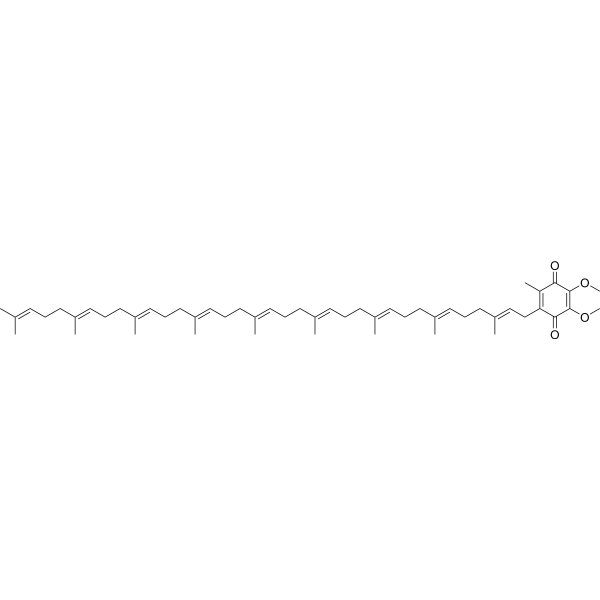
    Coenzyme Q9
    1 Publications Verification

    Ubiquinone Q9; CoQ9; Ubiquinone 9

    Apoptosis Endogenous Metabolite Cardiovascular Disease
    Coenzyme Q9 (Ubiquinone Q9), the major form of ubiquinone in rodents, is an amphipathic molecular component of the electron transport chain that functions as an endogenous antioxidant. Coenzyme Q9 attenuates the diabetes-induced decreases in antioxidant defense mechanisms. Coenzyme Q9 improves left ventricular performance and reduces myocardial infarct size and cardiomyocyte apoptosis .
    Coenzyme Q9
  • HY-113325A
    NADP sodium hydrate
    5+ Cited Publications

    Endogenous Metabolite Metabolic Disease Inflammation/Immunology Cancer
    NADP sodium hydrate is the sodium salt hydrate form of NADP (HY-113325). NADP is a coenzyme involved in cellular electron transfer reactions in biological metabolism, which is alternately oxidized (NADP+) and reduced (NADPH), and can maintain cellular redox homeostasis and regulate many biological events, including cellular metabolism. NADPH is a universal electron donor that provides reducing ability for synthetic metabolic reactions and redox balance. NADPH plays a multifunctional role in regulating inflammation, redox homeostasis, and synthetic metabolism processes .
    NADP sodium hydrate
  • HY-126833A
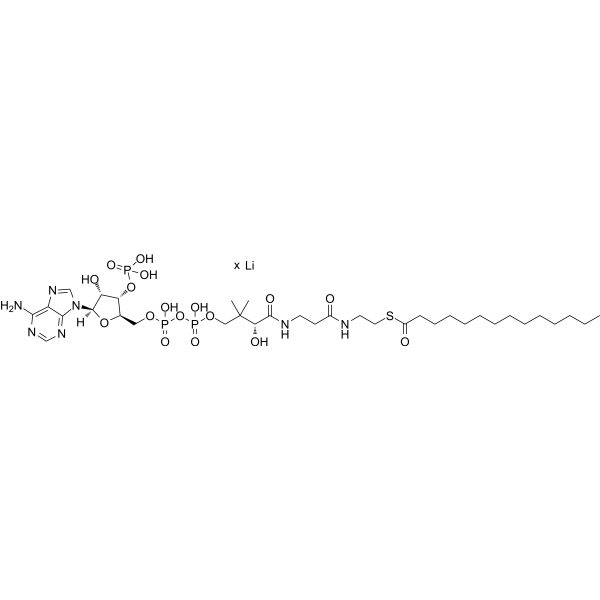
    Myristoyl coenzyme A lithium
    1 Publications Verification

    Endogenous Metabolite Infection Cancer
    Myristoyl coenzyme A lithium is lithium-labeled myristoylated coenzyme A (CoA). Myristoylation is an essential process in viruses and is generally controlled by N-myristoyltransferase (NMT). And NMT is more active in colon epithelial tumors than in normal cells. Reduced Ccoenzyme A (CoA) is known to be a key regulator of NMT activity, whereas oxidized CoA does not allow NMT to promote myristoylation. Myristoyl coenzyme A blocks the demyristoylation process and has potential anticancer and antiviral mechanisms .
    Myristoyl coenzyme A lithium
  • HY-F0001R
    NADH disodium salt (Standard)
    1 Publications Verification

    Disodium NADH (Standard)

    Reference Standards Endogenous Metabolite Metabolic Disease
    NADH (disodium salt) (Standard) is the analytical standard of NADH (disodium salt). This product is intended for research and analytical applications. NADH disodium salt (Disodium NADH) is an orally active reduced coenzyme. NADH disodium salt is a donor of ADP-ribose units in ADP-ribosylaton reactions and a precursor of cyclic ADP-ribose. NADH disodium salt plays a role as a regenerative electron donor in cellular energy metabolism, including glycolysis, β-oxidation and the tricarboxylic acid (TCA) cycle .
    NADH disodium salt (Standard)
  • HY-P3186A

    GDH-NAD

    Endogenous Metabolite Metabolic Disease
    NAD-dependent glucose dehydrogenase (GDH-NAD) is an oxidoreductase that uses NAD + as a coenzyme, specifically catalyzes the dehydrogenation of glucose to gluconolactone, and reduces NAD + to NADH. NAD-dependent glucose dehydrogenase exhibits favorable substrate selectivity and stability, and is not affected by oxygen .
    NAD-dependent Glucose dehydrogenase
  • HY-N10788

    Acyltransferase Inflammation/Immunology
    Pomonic acid is an acyl-coenzyme A: cholesterol acyltransferase (ACAT) inhibitor. Pomonic acid reduces the esterification of free cholesterol to cholesteryl esters and the accumulation of intracellular cholesteryl esters. Pomonic acid can be used in the research of atherosclerosis .
    Pomonic acid
  • HY-113325AR

    Endogenous Metabolite Reference Standards Metabolic Disease Inflammation/Immunology Cancer
    NADP sodium hydrate (Standard) is the analytical standard of NADP sodium hydrate (HY-113325A). This product is intended for research and analytical applications. NADP sodium hydrate is the sodium salt hydrate form of NADP (HY-113325). NADP is a coenzyme involved in cellular electron transfer reactions in biological metabolism, which is alternately oxidized (NADP+) and reduced (NADPH), and can maintain cellular redox homeostasis and regulate many biological events, including cellular metabolism. NADPH is a universal electron donor that provides reducing ability for synthetic metabolic reactions and redox balance. NADPH plays a multifunctional role in regulating inflammation, redox homeostasis, and synthetic metabolism processes.
    NADP sodium hydrate (Standard)
  • HY-E70236

    Drug Derivative Others
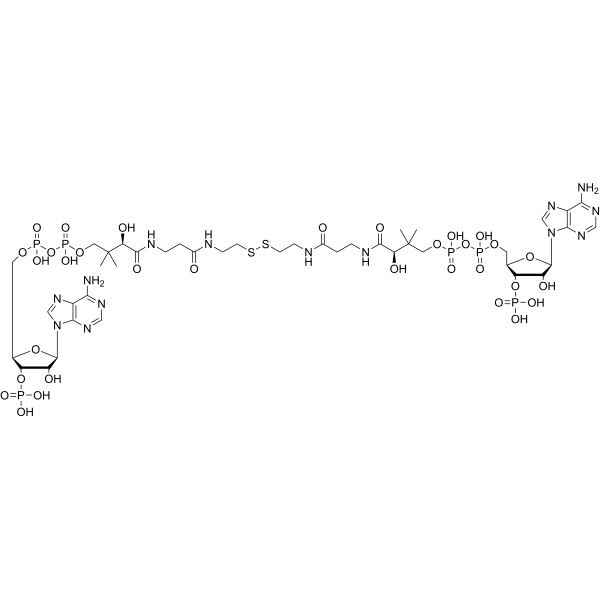
    CoA-S-S-CoA is an oxidized disulfide form of Coenzyme A (HY-128851). CoA-S-S-CoA acts as a pool of disulfide reducing equivalents .
    CoA-S-S-CoA
  • HY-F0002R

    Sodium NADP (Standard)

    Endogenous Metabolite Reference Standards Metabolic Disease Inflammation/Immunology Cancer
    NADP (sodium salt) (Standard) is the analytical standard of NADP (sodium salt). This product is intended for research and analytical applications. NADP sodium salt is the sodium salt form of NADP (HY-113325). NADP is a coenzyme involved in cellular electron transfer reactions in biological metabolism, which is alternately oxidized (NADP+) and reduced (NADPH), and can maintain cellular redox homeostasis and regulate many biological events, including cellular metabolism. NADPH is a universal electron donor that provides reducing ability for synthetic metabolic reactions and redox balance. NADPH plays a multifunctional role in regulating inflammation, redox homeostasis, and synthetic metabolism processes[1][4].
    NADP sodium salt (Standard)
  • HY-101415R

    Ubiquinone Q9 (Standard); CoQ9 (Standard); Ubiquinone 9 (Standard)

    Reference Standards Apoptosis Endogenous Metabolite Cardiovascular Disease
    Coenzyme Q9 (Standard) is the analytical standard of Coenzyme Q9. This product is intended for research and analytical applications. Coenzyme Q9 (Ubiquinone Q9), the major form of ubiquinone in rodents, is an amphipathic molecular component of the electron transport chain that functions as an endogenous antioxidant. Coenzyme Q9 attenuates the diabetes-induced decreases in antioxidant defense mechanisms. Coenzyme Q9 improves left ventricular performance and reduces myocardial infarct size and cardiomyocyte apoptosis .
    Coenzyme Q9 (Standard)
  • HY-106380

    HR 780

    HMG-CoA Reductase (HMGCR) Metabolic Disease
    Glenvastatin (HR 780) is an orally active 3-hydroxy-3-methylglutaryl coenzyme A (HMG-CoA) reductase inhibitor. Glenvastatin can reduces plasma total cholesterol and phospholipid levels and liver cholesterol contents. Glenvastatin does not increase the contents of cholesterol and total bile acid in the gallbladder bile. Glenvastatin can be used for the research of hyperlipemia
    Glenvastatin
  • HY-126833B
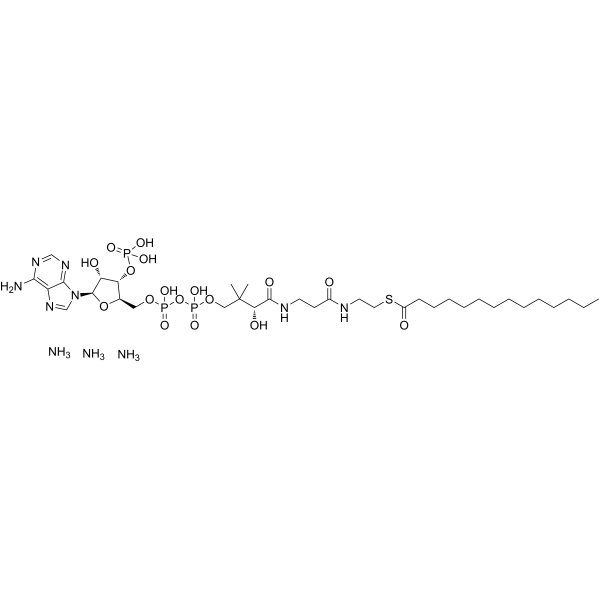
    Myristoyl coenzyme A triammonium
    1 Publications Verification

    14:0 coenzyme A triammonium; S-Tetradecanoate-CoA triammonium; S-Tetradecanoate-coenzyme A triammonium

    Endogenous Metabolite Infection Cancer
    Myristoyl coenzyme A triammonium (14:0 Coenzyme A) is a myristoylated coenzyme A (CoA). Myristoylation is an essential process in viruses and is generally controlled by N-myristoyltransferase (NMT). And NMT is more active in colon epithelial tumors than in normal cells. Reduced Ccoenzyme A (CoA) is known to be a key regulator of NMT activity, whereas oxidized CoA does not allow NMT to promote myristoylation. Myristoyl coenzyme A blocks the demyristoylation process and has potential anticancer and antiviral mechanisms .
    Myristoyl coenzyme A triammonium
  • HY-W250154

    Endogenous Metabolite Metabolic Disease
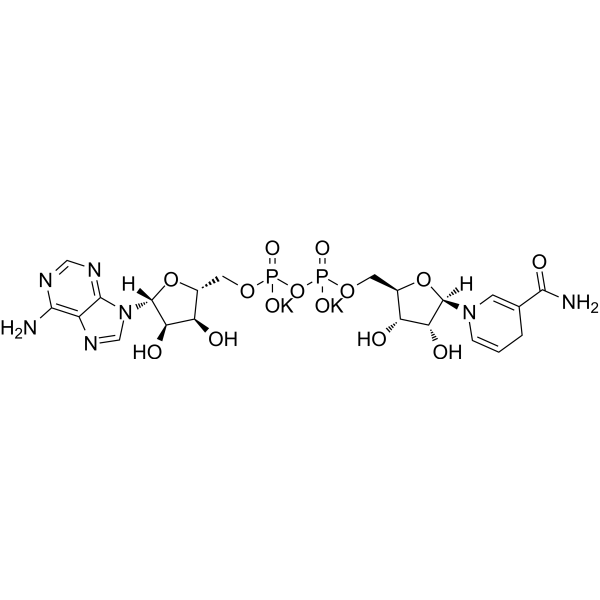
    β-Nicotinamide adenine dinucleotide reduced dipotassium is an orally active reduced coenzyme. β-Nicotinamide adenine dinucleotide reduced dipotassium is a donor of ADP-ribose units in ADP-ribosylaton reactions and a precursor of cyclic ADP-ribose. β-Nicotinamide adenine dinucleotide reduced dipotassium plays a role as a regenerative electron donor in cellular energy metabolism, including glycolysis, β-oxidation and the tricarboxylic acid (TCA) cycle .
    β-Nicotinamide adenine dinucleotide reduced dipotassium
  • HY-N9680

    Ubiquinone 8

    Endogenous Metabolite Bacterial Infection Inflammation/Immunology
    Coenzyme Q8 (Ubiquinone 8) is an isoprenoid quinone that mediates electron transfer within the aerobic respiratory chain and reduces oxidative stress. Coenzyme Q8 maintains bacterial respiratory function and enhances host resistance to bacterial infection. Coenzyme Q8 stimulates macrophage phagocytosis and increases antibody-producing cells. Coenzyme Q8 can be used in infectious disease research .
    Coenzyme Q8
  • HY-F0001A

    Disodium NADH hydrate

    Endogenous Metabolite Metabolic Disease
    NADH disodium salt (Disodium NADH) hydrate is an orally active reduced coenzyme. NADH disodium salt hydrate is a donor of ADP-ribose units in ADP-ribosylaton reactions and a precursor of cyclic ADP-ribose. NADH disodium salt hydrate plays a role as a regenerative electron donor in cellular energy metabolism, including glycolysis, β-oxidation and the tricarboxylic acid (TCA) cycle .
    NADH disodium hydrate
  • HY-F0002AR

    Disodium NADP (Standard)

    Endogenous Metabolite Reference Standards Metabolic Disease Inflammation/Immunology Cancer
    NADP (disodium salt) (Standard) is the analytical standard of NADP (disodium salt). This product is intended for research and analytical applications. NADP disodium salt is the disodium salt form of NADP (HY-113325). NADP is a coenzyme involved in cellular electron transfer reactions in biological metabolism, which is alternately oxidized (NADP+) and reduced (NADPH), and can maintain cellular redox homeostasis and regulate many biological events, including cellular metabolism. NADPH is a universal electron donor that provides reducing ability for synthetic metabolic reactions and redox balance. NADPH plays a multifunctional role in regulating inflammation, redox homeostasis, and synthetic metabolism processes .
    NADP disodium salt (Standard)
  • HY-19112

    Acyltransferase Metabolic Disease Endocrinology
    447C88 is an acyl-coenzyme A cholesterol acyltransferase (ACAT) inhibitor with an IC50 of 23 nM. 447C88 can reduce plasma cholesterol levels and can be used in the research of endocrine and metabolic diseases such as hyperlipidemia .
    447C88
  • HY-125863D

    Endogenous Metabolite Metabolic Disease
    Glucose-6-phosphate dehydrogenase, Torula yeast (EC 1.1.1.49), is a cytoplasmic enzyme located in the pentose phosphate pathway, a metabolic pathway that provides reducing energy to cells (e.g., erythrocytes) by maintaining the level of the coenzyme nicotinamide adenine dinucleotide phosphate (NADPH).
    Glucose-6-phosphate dehydrogenase, Torula yeast
  • HY-E71039

    Biochemical Assay Reagents Others
    Chemically modified Glucose-6-phosphate Dehydrogenase, Leuconostoc mesenteroides is a cytosolic enzyme. Chemically modified Glucose-6-phosphate Dehydrogenase, Leuconostoc mesenteroides is in the pentose phosphate pathway, a metabolic pathway that supplies reducing energy to cells (such as erythrocytes) by maintaining the level of the co-enzyme nicotinamide adenine dinucleotide phosphate (NADPH) .
    Chemically modified Glucose-6-phosphate Dehydrogenase, Leuconostoc mesenteroides

Inquiry Online

Your information is safe with us. * Required Fields.

Salutation


Country or Region *

Applicant Name *


Organization Name *

Department *


Email Address *


Product Name *

Cat. No.


Requested quantity *

Phone Number *


Remarks

Inquiry Online

Inquiry Information

Product Name:
Cat. No.:
Quantity:
MCE Japan Authorized Agent:

