
25 Results for "

renal secretion

" in MedChemExpress (MCE) Product Catalog:
Products (25)

25 Results for "renal secretion" in MCE Product Catalog:

16
16 Publications Verification
Cat. No.: HY-50919
CAS No.: 131918-61-1
Target:  

VD/VDR

Research Areas:  

Metabolic Disease Cancer

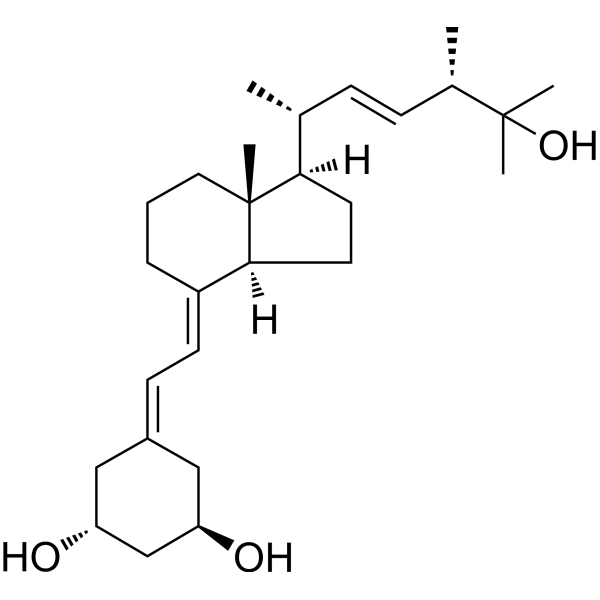
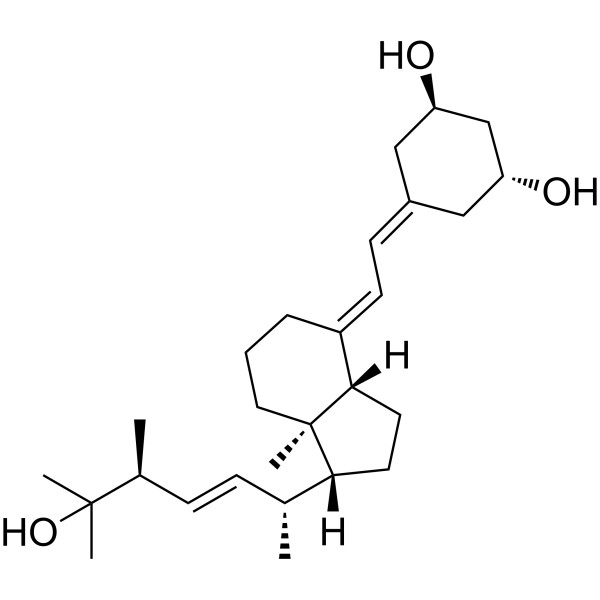
Paricalcitol, a vitamin D analogue, is a vitamin D receptor agonist, used for the prevention and treatment of secondary hyperparathyroidism (excessive secretion of parathyroid hormone) associated with chronic renal failure.
loading...
    loading...
1
1 Cited Publications
Cat. No.: HY-P10899
Target:  

PROTACs TGF-beta/Smad

Research Areas:  

Endocrinology

ETTAC-2 is a LRG1 PROTAC degrader, degrading LRG1 via the ubiquitin-proteasome pathway with a DC50 value of 8.38 μM. ETTAC-2 penetrates damaged renal cells to reduce the extracellular secretion of LRG1. ETTAC-2 effectively inhibits the TGF-β-Smad3 signaling pathway and diminishes the secretion of fibrosis-associated extracellular matrix proteins. ETTAC-2 degrades LRG1 within fibrotic kidneys and the efficacy in inhibiting the TGF-β-Smad3 pathway both in vitro and vivo. ETTAC-2 can be used for renal fibrosis research .
loading...
    loading...
1
1 Cited Publications
Cat. No.: HY-173425
CAS No.: 2912492-05-6
STING-IN-15 is an orally active STING inhibitor, with an IC50 of 116 nM against h-STING and an IC50 of 96.3 nM against m-STING. STING-IN-15 inhibits the STING signaling pathway in cells, reduces the secretion of IFN-β and IP-10, downregulates the expression of ISG15, ISG56 and TNF-α, and suppresses the phosphorylation of TBK1/IRF3. STING-IN-15 alleviates systemic and renal inflammation induced by STING agonists in mice, reduces tissue damage and the expression of interferon pathway genes, and inhibits spontaneous tissue inflammation in mice. STING-IN-15 can be used for the research of acute kidney injury and autoimmune/inflammatory diseases .
loading...
    loading...
Cat. No.: HY-113493
CAS No.: 82-82-6
Purity:  99.82%
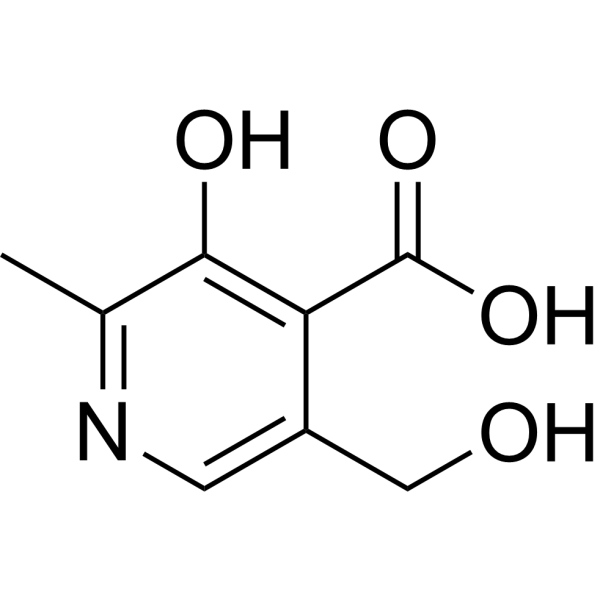
4-Pyridoxic acid is an endogenous substrate of renal organic anion transporters (OAT1/3) and a catabolite of vitamin B6. 4-Pyridoxic acid is excreted through OAT1/3-mediated tubular active secretion, which can reflect OAT1/3 activity. Elevated plasma concentrations of 4-Pyridoxic acid are associated with decreased OAT1/3 activity in chronic kidney disease (CKD) and can be used as a biomarker to reflect the severity of knee osteoarthritis (KOA) and lumbar spondylosis (LS) .
loading...
    loading...
Cat. No.: HY-108585A
CAS No.: 1222810-74-3
Purity:  98.81%
Target:  

Potassium Channel

Research Areas:  

Neurological Disease

VU591 is a selective inhibitor of the renal outer medullary potassium channel (ROMK, Kir1.1). VU591 inhibits ROMK via binding to the intracellular pore region near residues Val168 and Asn171, with IC50 of 240 nM in Tl + flux assay and 300 nM in whole cell patch clamp electrophysiology, suppresses native ROMK mediated K + secretion in isolated perfused rat collecting ducts, and exerts antidepressive effects in the mouse tail suspension test (TST). VU591 can be used for the study of ROMK channel function, renal potassium handling, antidepressant mechanisms, and diuretic drug discovery .
loading...
    loading...
Cat. No.: HY-107544
CAS No.: 1152197-23-3
Target:  

PKA

Research Areas:  

Metabolic Disease

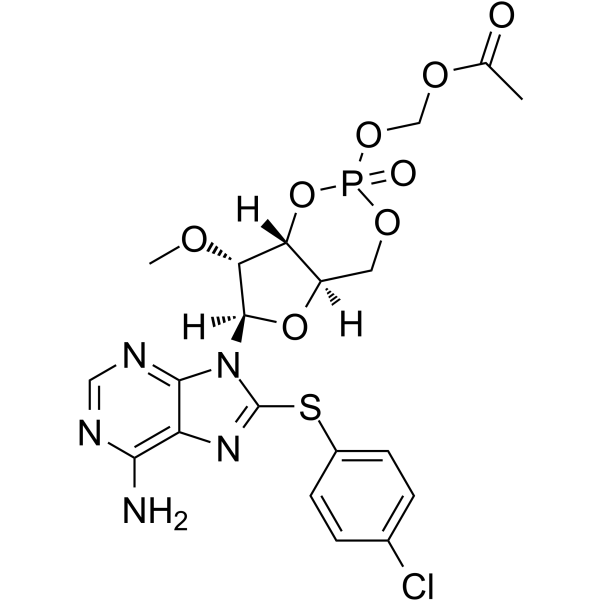
8-pCPT-2'-O-Me-cAMP-AM is a cyclic AMP analogue, selectively activates Epac-Rap signaling pathway. 8-pCPT-2'-O-Me-cAMP-AM protects renal function by activating Epac from ischemia injury. 8-pCPT-2'-O-Me-cAMP-AM also stimulates insulin secretion by interaction with PKA pathway .
loading...
    loading...
Cat. No.: HY-76585
CAS No.: 2070009-67-3
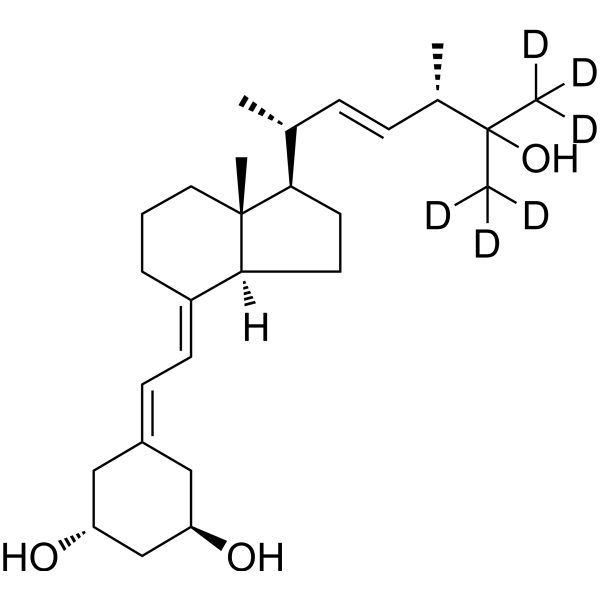
Paricalcitol-d6 is the deuterium labeled Paricalcitol. Paricalcitol is a agent used for the prevention and treatment of secondary hyperparathyroidism (excessive secretion of parathyroid hormone) associated with chronic renal failure .
loading...
    loading...
Cat. No.: HY-P10939A
Target:  

Caspase Pyroptosis

Research Areas:  

Inflammation/Immunology Cancer

Ac-DMLD-CMK TFA is a caspase 3 inhibitor and a GSDME inhibitor. Ac-DMLD-CMK TFA binds directly to the catalytic domain of caspase-3, blocks caspase-3-mediated cleavage of GSDME, inhibits the activation of caspase 3 and Gsdme in the caspase 3-Gsdme signaling pathway, and reduces the levels of pyroptosis and apoptosis as well as the expression of LDH, IL-6, IL-1β and IL-18. Ac-DMLD-CMK TFA alleviates renal function deterioration, renal tubular epithelial cell injury, inflammatory cytokine secretion, pulmonary structural damage, and chemotherapy-induced nephrotoxicity .
loading...
    loading...
Cat. No.: HY-P10939
CAS No.: 2588354-33-8
Target:  

Caspase Pyroptosis

Research Areas:  

Inflammation/Immunology Cancer

Ac-DmLD-CMK is a caspase 3 inhibitor and a GSDME inhibitor. Ac-DmLD-CMK binds directly to the catalytic domain of caspase-3, blocks caspase-3-mediated cleavage of GSDME, inhibits the activation of caspase 3 and Gsdme in the caspase 3-Gsdme signaling pathway, and reduces the levels of pyroptosis and apoptosis as well as the expression of LDH, IL-6, IL-1β and IL-18. Ac-DmLD-CMK alleviates renal function deterioration, renal tubular epithelial cell injury, inflammatory cytokine secretion, pulmonary structural damage, and chemotherapy-induced nephrotoxicity .
loading...
    loading...
Cat. No.: HY-108649A
CAS No.: 2567869-47-8
Purity:  98.7%
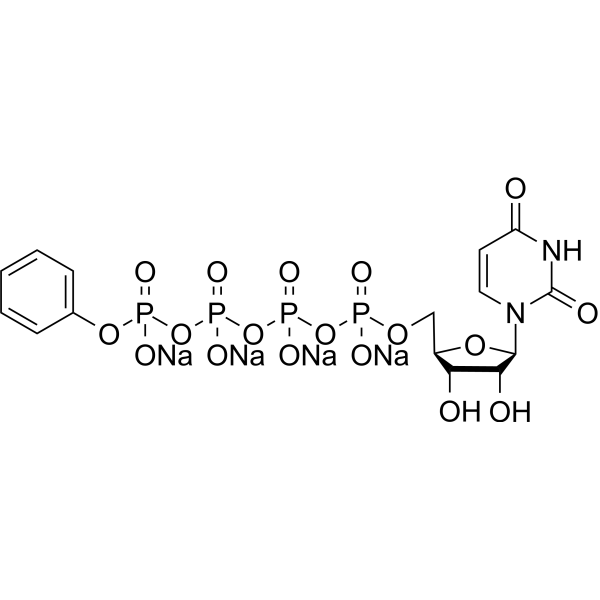
MRS2768 tetrasodium salt is a potent, selective, and metabolically stable P2Y2 receptor agonist with an EC50 of 1.89 μM for the human P2Y2 receptor. MRS2768 tetrasodium salt activates Gq/PLC/PKC signaling, leading to downstream phosphorylation of Akt, eNOS, and ERK, with effects varying by cell type. MRS2768 tetrasodium salt inhibits ENaC via Gq/PKC/Src/Akt to promote natriuresis and lower blood pressure in the kidney. MRS2768 tetrasodium salt activates eNOS to increase NO secretion in endothelial cells. MRS2768 tetrasodium salt drives proliferation via PI3K/Akt in fibroblasts and cancer cells. MRS2768 tetrasodium salt exerts anti-apoptotic effects through PKC/Src/Akt in cardiomyocytes. MRS2768 tetrasodium salt can be applied to investigate P2Y2-dependent pathological processes, including acute kidney injury, chronic kidney disease and renal fibrosis, DOCA-salt induced hypertension, myocardial infarction, pulmonary arterial hypertension, pancreatic cancer, cardiac fibrosis, dry eye disease, as well as shear stress-mediated vascular remodeling and atherosclerosis .
loading...
    loading...
Cat. No.: HY-108585
CAS No.: 1315380-70-1
Purity:  98.02%
Target:  

Potassium Channel

Research Areas:  

Neurological Disease

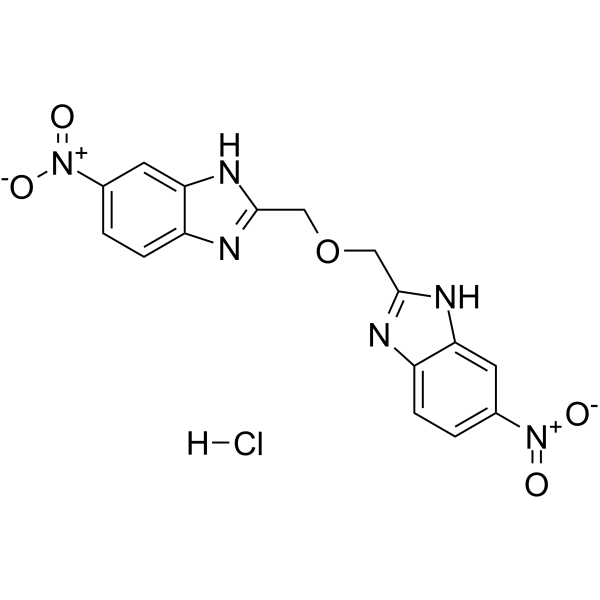
VU591 hydrochloride is a selective inhibitor of the renal outer medullary potassium channel (ROMK, Kir1.1). VU591 hydrochloride inhibits ROMK via binding to the intracellular pore region near residues Val168 and Asn171, with IC50 of 240 nM in Tl + flux assay and 300 nM in whole cell patch clamp electrophysiology, suppresses native ROMK mediated K + secretion in isolated perfused rat collecting ducts, and exerts antidepressive effects in the mouse tail suspension test (TST). VU591 hydrochloride can be used for the study of ROMK channel function, renal potassium handling, antidepressant mechanisms, and diuretic drug discovery .
loading...
    loading...
Cat. No.: HY-155463
CAS No.: 2660230-90-8
Purity:  99.78%
NLRP3-IN-25 (compound 32) is an orally available NLRP3 inhibitor with anti-inflammatory activity. NLRP3-IN-25 attenuates renal injury in doxorubicin-induced glomerulonephritis in mice. NLRP3-IN-25 inhibits IL-1β secretion in THP-1 cells with an IC50 of 21 nM .
loading...
    loading...
Cat. No.: HY-179041
CAS No.: 924851-91-2
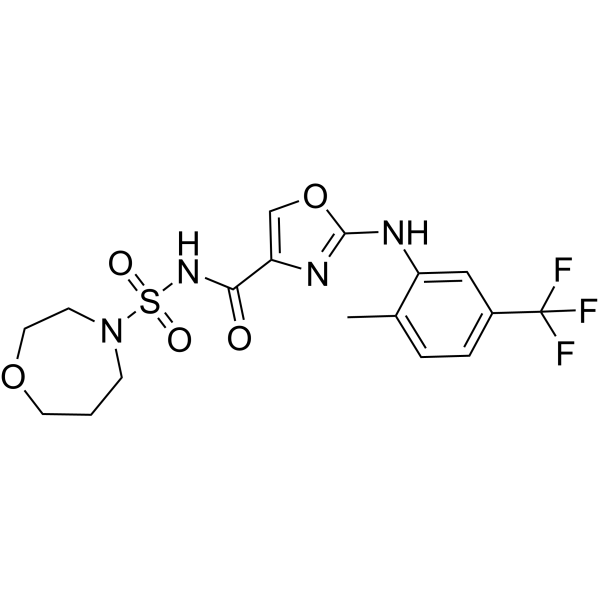
SZ0232 is a selective mPGES-2 inhibitor. SZ0232 binds to the active site of mPGES-2 via hydrogen bonds and π-π stacking, reduces the production of prostaglandin E2 (PGE2) and blocks the PGE2-EP3 pathway. SZ0232 regulates Ferroptosis by activating the heme-dependent p53/SLC7A11/GPX4 axis, inhibits lipid peroxidation, and protects renal tubules. SZ0232 enhances glucose-stimulated insulin secretion, inhibits β-cell senescence, and improves glucose homeostasis. SZ0232 reduces renal lipid accumulation, alleviates fibrosis, and ameliorates renal dysfunction in diabetic mice. SZ0232 inhibits renal cyst growth in polycystic kidney disease models. SZ0232 exhibits an insulinotropic effect that strengthens with the increase of animal age. SZ0232 can be used in studies related to type 2 diabetes, acute kidney injury, diabetic kidney disease, and autosomal dominant polycystic kidney disease .
loading...
    loading...
Cat. No.: HY-W153159
CAS No.: 13062-76-5
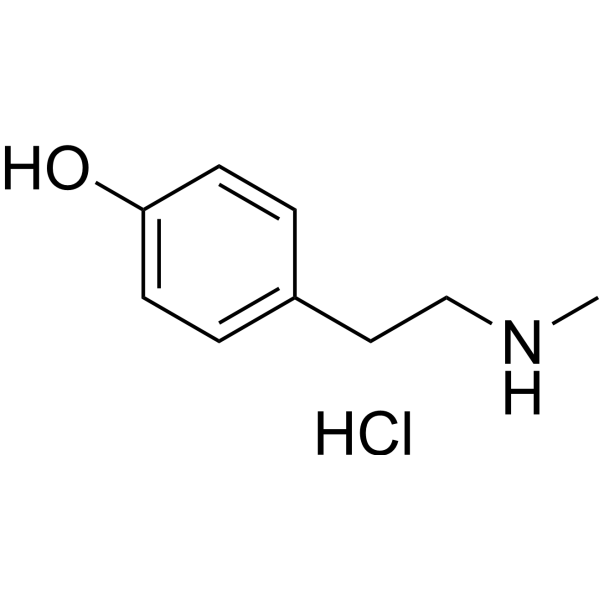
N-Methyltyramine hydrochloride is an orally active α2-adrenoreceptor antagonist with an IC50 value of 5.53 μM against rat targets. N-Methyltyramine hydrochloride blocks α2-adrenoreceptors, while inhibiting lipolysis, hyperactivity responses and small intestinal peristalsis in mice. N-Methyltyramine hydrochloride promotes gastrin release and pancreatic juice secretion, upregulates appetite, blood pressure, myocardial contraction frequency and contraction intensity, and increases renal blood flow, renal vascular resistance and mean peripheral arterial resistance. N-Methyltyramine hydrochloride relaxes mouse small intestinal smooth muscle and undergoes biotransformation in vivo to produce adrenaline. N-Methyltyramine hydrochloride can be used in studies related to gastrointestinal diseases .
loading...
    loading...
Cat. No.: HY-W153897
CAS No.: 370-98-9
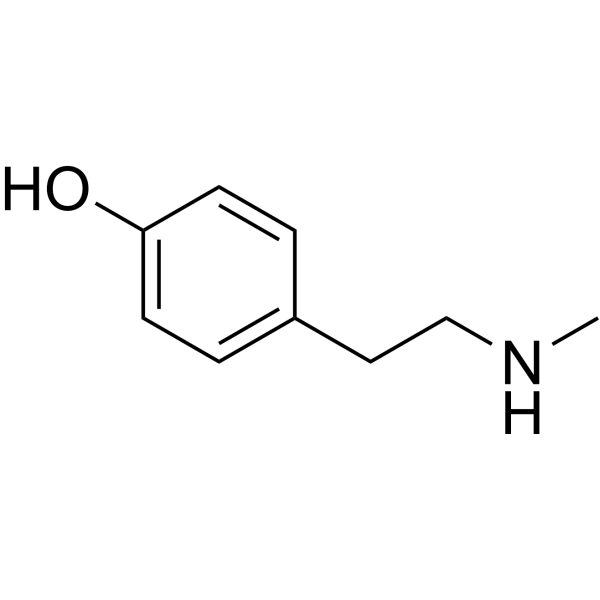
N-Methyltyramine is an orally active α2-adrenoreceptor antagonist with an IC50 value of 5.53 μM against rat targets. N-Methyltyramine blocks α2-adrenoreceptors, while inhibiting lipolysis, hyperactivity responses and small intestinal peristalsis in mice. N-Methyltyramine promotes gastrin release and pancreatic juice secretion, upregulates appetite, blood pressure, myocardial contraction frequency and contraction intensity, and increases renal blood flow, renal vascular resistance and mean peripheral arterial resistance. N-Methyltyramine relaxes mouse small intestinal smooth muscle and undergoes biotransformation in vivo to produce adrenaline. N-Methyltyramine can be used in studies related to gastrointestinal diseases .
loading...
    loading...
Cat. No.: HY-P4890
CAS No.: 1158181-62-4
Relaxin H3 (human) is a relaxin peptide with anti-inflammatory, anti-apoptotic, anti-pyroptotic, anti-migratory, protective and anti-fibrotic activities. Relaxin H3 (human) acts on RXFP1 to generate cAMP and reduce the levels of ATP and ROS. Relaxin H3 (human) inhibits renal inflammatory pyroptosis (pyroptosis), NLRP3 inflammasome activation, caspase-1 activation, IL-1β/IL-18 secretion, collagen synthesis, TGF-β1 signaling pathway, Smad2 phosphorylation, myofibroblast differentiation, TIMP expression, and HRMEC migration. Relaxin H3 (human) activates AMPK, upregulates MFN2 expression, improves mitochondrial quality control and membrane potential, inhibits apoptosis (apoptosis) and pyroptosis, restores retinal ultrastructure, and reverses excessive left ventricular collagen expression. Relaxin H3 (human) can be used in studies related to kidney stones, nephrocalcinosis, diabetic cardiomyopathy, fibrotic cardiomyopathy, and diabetic retinopathy .
loading...
    loading...
Cat. No.: HY-B0939
CAS No.: 1213-06-5
Target:  

Bacterial

Research Areas:  

Metabolic Disease

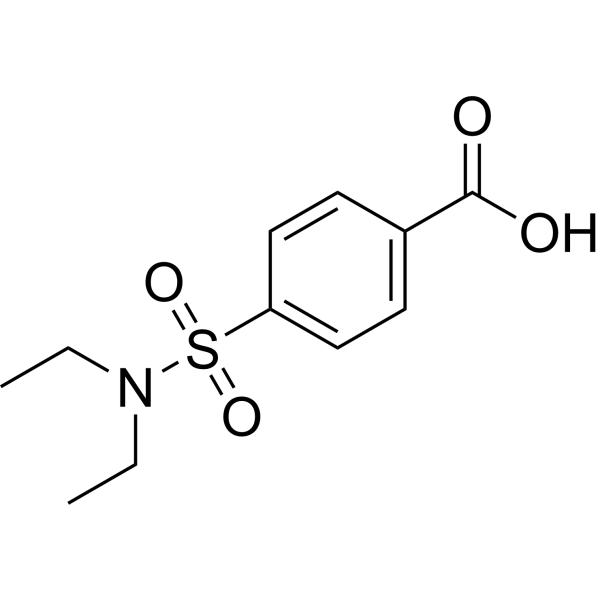
Etebenecid is a uricosuric agent that also inhibits the renal tubular secretion of penicillin.
loading...
    loading...
Cat. No.: HY-50919R
CAS No.: 131918-61-1
Research Areas:  

Metabolic Disease Cancer

Paricalcitol (Standard) is the analytical standard of Paricalcitol. This product is intended for research and analytical applications. Paricalcitol, a vitamin D analogue, is a vitamin D receptor agonist, used for the prevention and treatment of secondary hyperparathyroidism (excessive secretion of parathyroid hormone) associated with chronic renal failure.
loading...
    loading...
Cat. No.: HY-107962
CAS No.: 18656-21-8
Synonyms: Renovue 65
Research Areas:  

Others

Iodamide meglumine (Renovue 65) is a type of trityl ion contrast agent. Iodamide meglumine can block X-rays and is used in examinations such as cholangiography and cholecystography to display the gallbladder and bile ducts. Iodamide meglumine has the property of renal tubular active secretion. Iodamide meglumine can be used for intravenous urography .
loading...
    loading...
Cat. No.: HY-W153897R
CAS No.: 370-98-9
N-Methyltyramine (Standard) is the analytical standard of N-Methyltyramine (HY-W153897). This product is intended for research and analytical applications. N-Methyltyramine is an orally active α2-adrenoreceptor antagonist with an IC50 value of 5.53 μM against rat targets. N-Methyltyramine blocks α2-adrenoreceptors, while inhibiting lipolysis, hyperactivity responses and small intestinal peristalsis in mice. N-Methyltyramine promotes gastrin release and pancreatic juice secretion, upregulates appetite, blood pressure, myocardial contraction frequency and contraction intensity, and increases renal blood flow, renal vascular resistance and mean peripheral arterial resistance. N-Methyltyramine relaxes mouse small intestinal smooth muscle and undergoes biotransformation in vivo to produce adrenaline. N-Methyltyramine can be used in studies related to gastrointestinal diseases .
loading...
    loading...

