1. Search Result
Search Result
Results for "

reversible MAO-B

" in MedChemExpress (MCE) Product Catalog:

62

Inhibitors & Agonists

2

Fluorescent Dyes

3

Natural
Products

5

Isotope-Labeled Compounds

2

Click Chemistry

Targets Recommended:
Cat. No. Product Name Target Research Areas Chemical Structure
  • HY-14280
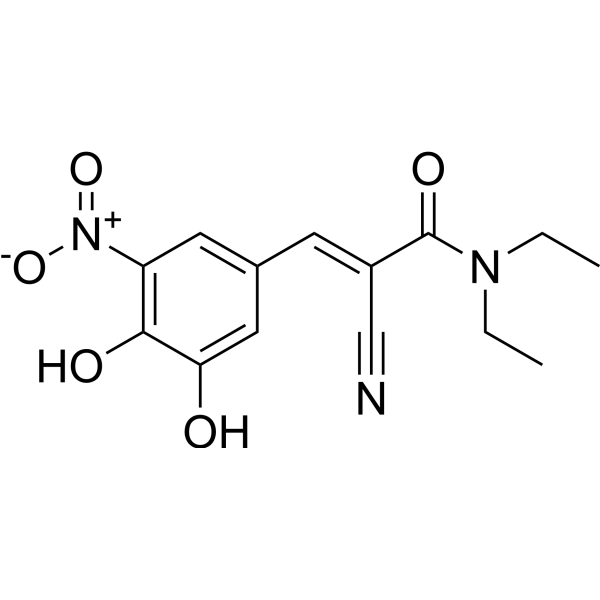
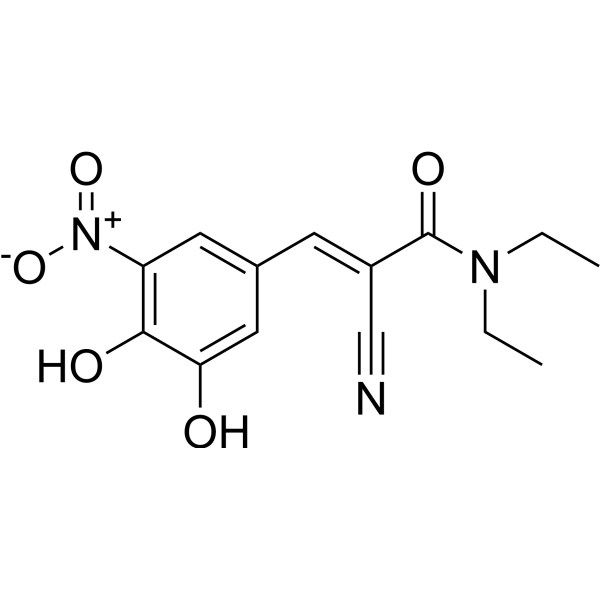
    Entacapone
    Maximum Cited Publications
    8 Publications Verification

    COMT Neurological Disease Cancer
    Entacapone is a potent, reversible, peripherally acting and orally active catechol-O-methyltransferase (COMT) inhibitor. Entacapone inhibits COMT from rat brain, erythrocytes and liver with IC50 values of 10 nM, 20 nM, and 160 nM, respectively. Entacapone is selective for COMT over other catecholamine metabolizing enzymes, including MAO-A, MAO-B, phenolsulphotransferase M (PST-M) and PST-P (IC50s>50 μM). Entacapone can be used for the research of Parkinson's disease . Entacapone serves as a inhibitor of FTO demethylation with an IC50 of 3.5 μM, can be used for the research of metabolic disorders .
    Entacapone
  • HY-W008566

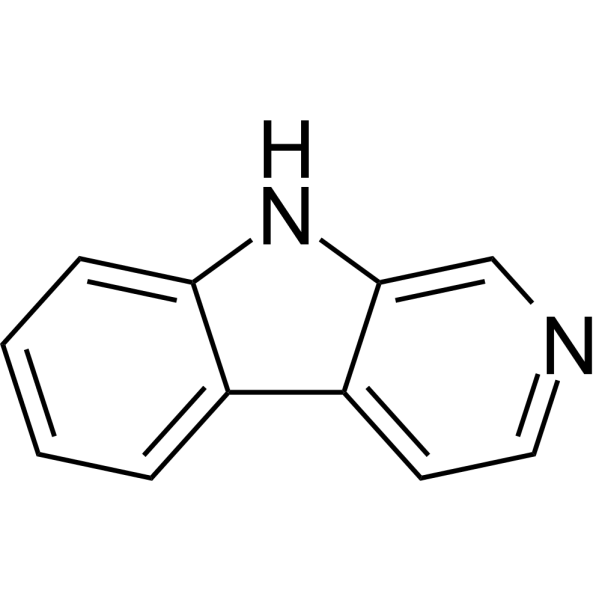
    Norharman; β-Carboline

    Monoamine Oxidase Endogenous Metabolite Infection Neurological Disease Cancer
    Norharmane (Norharman), a β-carboline alkaloid, is a potent and reversible monoamine oxidase inhibitor, with IC50 values of 6.5 and 4.7 μM for MAO-A and MAO-B, respectively. Norharmane causes antidepressant responses. Norharmane is also a prospective anti-cancer photosensitizer. Norharmane alters polar auxin transport (PAT) by inhibiting PIN2, PIN3 and PIN7 transport proteins, thus causing a significant inhibitory effect on the growth of Arabidopsis thaliana seedlings .
    Norharmane
  • HY-129388B
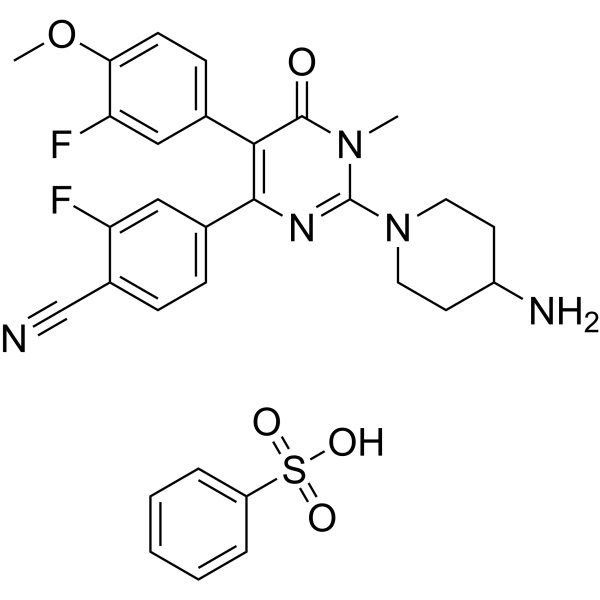
    Pulrodemstat benzenesulfonate
    4 Publications Verification

    CC-90011 benzenesulfonate; LSD1-IN-7 benzenesulfonate

    Histone Demethylase Inflammation/Immunology Cancer
    Pulrodemstat (CC-90011) benzenesulfonate is a potent, selective, reversible and orally active inhibitor of lysine specific demethylase-1 (LSD1) with an IC50 of 0.25 nM. Pulrodemstat benzenesulfonate is less enzymatic inhibition against LSD2, MAO-A, and MAO-B. Pulrodemstat benzenesulfonate induces acute myeloid leukemia (AML) and small cell lung cancer (SCLC) cells differentiation and has potent anticancer activity .
    Pulrodemstat benzenesulfonate
  • HY-70057
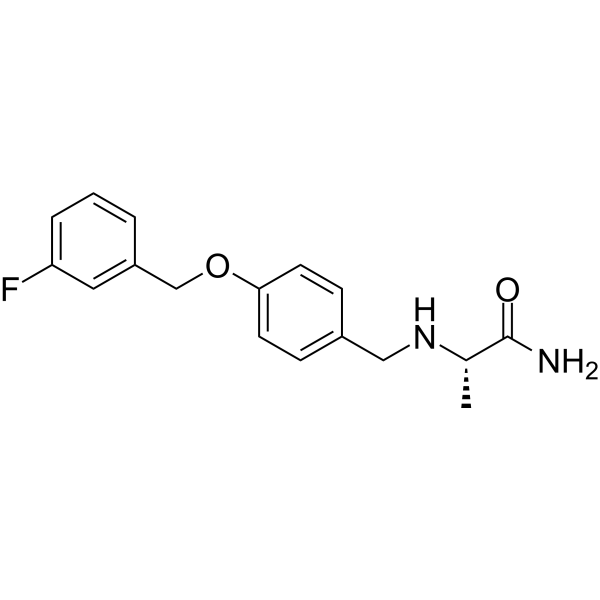
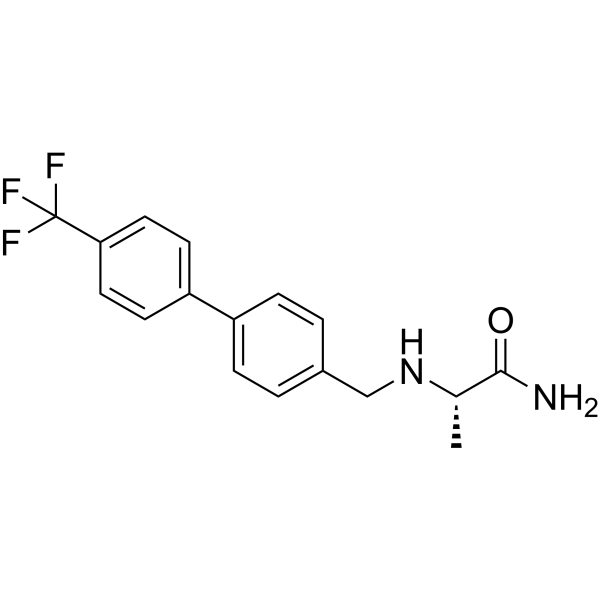
    Safinamide
    2 Publications Verification

    FCE 26743; EMD 1195686

    Monoamine Oxidase Neurological Disease
    Safinamide is a potent, selective, and reversible monoamine oxidase B (MAO-B) inhibitor (IC50=0.098 μM) over MAO-A (IC50=580 μM) . Safinamide also blocks sodium channels and modulates glutamate (Glu) release, showing a greater affinity at depolarized (IC50=8 μM) than at resting (IC50=262 μM) potentials. Safinamide has neuroprotective and neurorescuing effects and can be used for the study of parkinson disease, ischemia stroke etc.al .
    Safinamide
  • HY-D0004

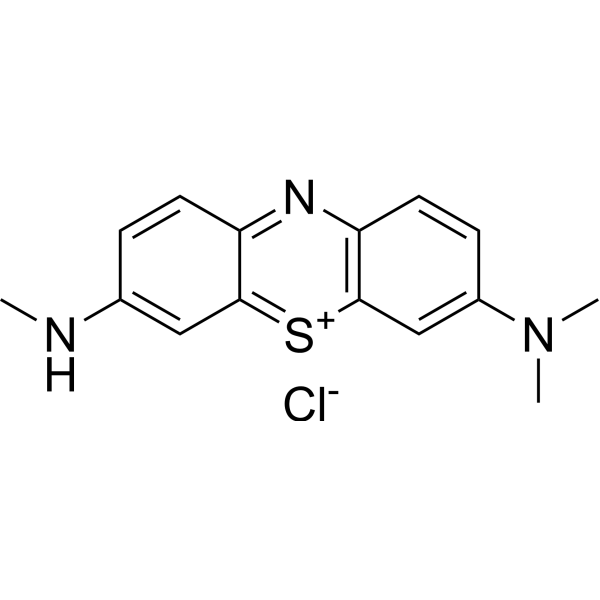
    Azure B chloride

    Monoamine Oxidase Neurological Disease
    Azure B is a cationic dye and the major metabolite of Methylene blue. Azure B is used in making Azure eosin stains for blood smear staining. Azure B is a high-potency, selective and reversible inhibitor of monoamine oxidases (MAO)-A, with IC50s of 11 and 968 nM for recombinant human MAO-A and MAO-B, respectively. Azure B possesses significant antidepressant-like effects .
    Azure B
  • HY-70057A
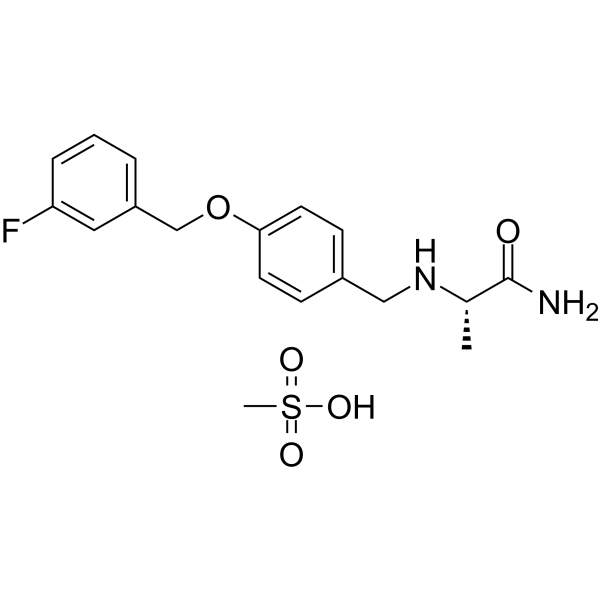
    Safinamide mesylate
    2 Publications Verification

    FCE 26743 mesylate; EMD 1195686 mesylate

    Monoamine Oxidase Cardiovascular Disease Neurological Disease
    Safinamide (FCE 26743; EMD 1195686) mesylate is a potent, selective, and reversible monoamine oxidase B (MAO-B) inhibitor (IC50=0.098 μM) over MAO-A (IC50=580 nM) . Safinamide mesylate also blocks sodium channels and modulates glutamate (Glu) release, showing a greater affinity at depolarized (IC50=8?μM) than at resting (IC50=262?μM) potentials. Safinamide mesylate has neuroprotective and neurorescuing effects and can be used for the study of parkinson disease, ischemia stroke et.al .
    Safinamide mesylate
  • HY-127109

    KDS2010

    Monoamine Oxidase Neurological Disease Cancer
    Tisolagiline (KDS2010) is the selective, reversible and orally active inhibitor for MAO-B with an IC50 of 8 nM. Tisolagiline exhibits neuroprotective and anti-neuroinflammatory activities .
    Tisolagiline
  • HY-14201

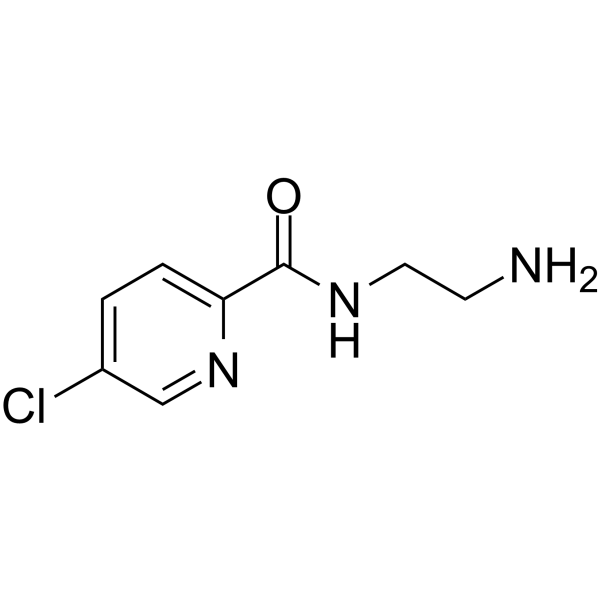
    Ro 19-6327

    Monoamine Oxidase Neurological Disease
    Lazabemide (Ro 19-6327) is a selective, reversible inhibitor of monoamine oxidase B (MAO-B) (IC50=0.03 μM) but less active for MAO-A (IC50>100 μM). Lazabemide ?inhibits monoamine uptake at high concentrations, the IC50 values are 86 μM, 123 μM and >500 μM for noradrenalin, serotonin and dopamine uptake, respectively. Lazabemide can be used for the research of parkinson and?alzheimer′s disease .
    Lazabemide
  • HY-129388A
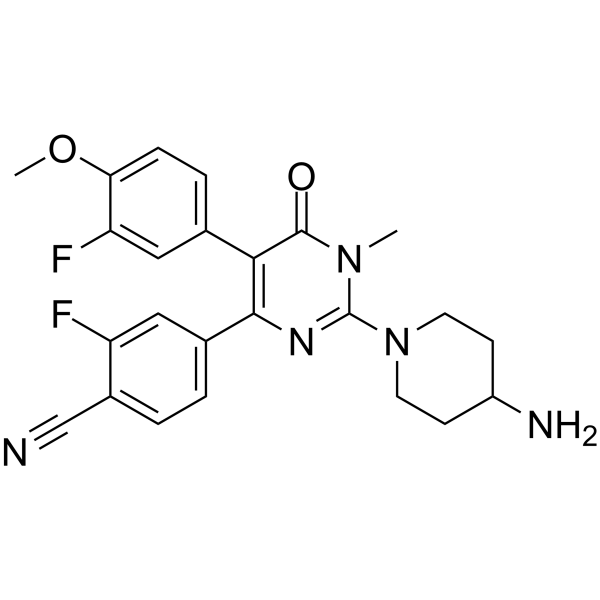
    Pulrodemstat
    4 Publications Verification

    CC-90011; LSD1-IN-7

    Histone Demethylase Inflammation/Immunology Cancer
    Pulrodemstat (CC-90011) is a potent, selective, reversible and orally active inhibitor of lysine specific demethylase-1 (LSD1) with an IC50 of 0.25 nM. Pulrodemstat is less enzymatic inhibition against LSD2, MAO-A, and MAO-B. Pulrodemstat induces acute myeloid leukemia (AML) and small cell lung cancer (SCLC) cells differentiation and has potent anticancer activity .
    Pulrodemstat
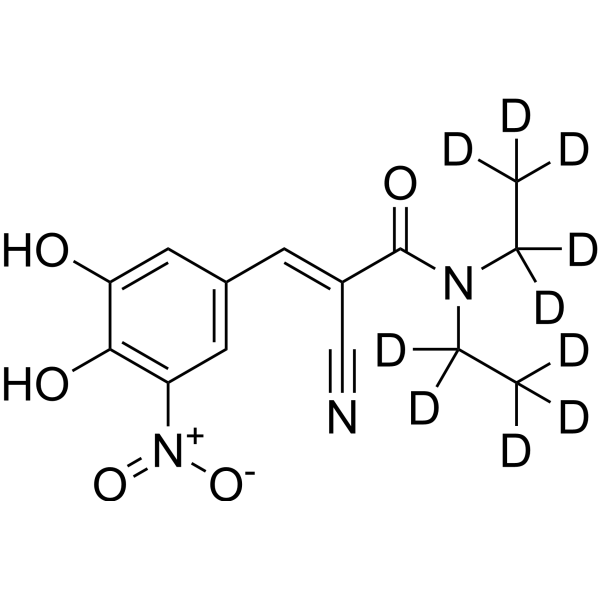
  • HY-14280S

    COMT Neurological Disease
    Entacapone-d10 is the deuterium labeled Entacapone. Entacapone is a potent, reversible, peripherally acting and orally active catechol-O-methyltransferase (COMT) inhibitor. Entacapone inhibits COMT from rat brain, erythrocytes and liver with IC50 values of 10 nM, 20 nM, and 160 nM, respectively. Entacapone is selective for COMT over other catecholamine metabolizing enzymes, including MAO-A, MAO-B, phenolsulphotransferase M (PST-M) and PST-P (IC50s>50 μM). Entacapone can be used for the research of Parkinson's disease . Entacapone serves as a inhibitor of FTO demethylation with an IC50 of 3.5 μM, can be used for the research of metabolic disorders .
    Entacapone-d10
  • HY-127109A

    KDS2010 monomethylsulfate

    Monoamine Oxidase Neurological Disease Cancer
    Tisolagiline methylsulfate (KDS2010) is the selective, reversible and orally active inhibitor for MAO-B with an IC50 of 8 nM. Tisolagiline methylsulfate exhibits neuroprotective and anti-neuroinflammatory activities .
    Tisolagiline monomethylsulfate
  • HY-14280R

    Reference Standards COMT Neurological Disease Cancer
    Entacapone (Standard) is the analytical standard of Entacapone. This product is intended for research and analytical applications. Entacapone is a potent, reversible, peripherally acting and orally active catechol-O-methyltransferase (COMT) inhibitor. Entacapone inhibits COMT from rat brain, erythrocytes and liver with IC50 values of 10 nM, 20 nM, and 160 nM, respectively. Entacapone is selective for COMT over other catecholamine metabolizing enzymes, including MAO-A, MAO-B, phenolsulphotransferase M (PST-M) and PST-P (IC50s>50 µM). Entacapone can be used for the research of Parkinson's disease . Entacapone serves as a inhibitor of FTO demethylation with an IC50 of 3.5 μM, can be used for the research of metabolic disorders .
    Entacapone (Standard)
  • HY-127109B

    KDS2010 methylsulfate

    Monoamine Oxidase Neurological Disease
    Tisolagiline (KDS2010) methylsulfate is the selective, reversible and orally active inhibitor for MAO-B with an IC50 of 8 nM. Tisolagiline methylsulfate exhibits neuroprotective and anti-neuroinflammatory activities .
    Tisolagiline methylsulfate
  • HY-14202

    Ro 19-6327 hydrochloride

    Monoamine Oxidase Neurological Disease
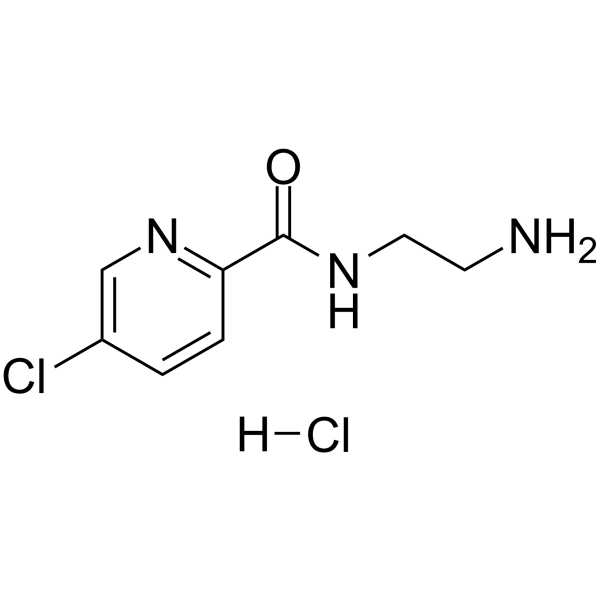
    Lazabemide hydrochloride (Ro 19-6327 hydrochloride) is a selective, reversible inhibitor of monoamine oxidase B (MAO-B) (IC50=0.03 μM) but less active for MAO-A (IC50>100 μM). Lazabemide  inhibits monoamine uptake at high concentrations, the IC50 values are 86 μM, 123 μM and >500 μM for noradrenalin, serotonin and dopamine uptake, respectively. Lazabemide can be used for the research of parkinson and alzheimer′s disease .
    Lazabemide hydrochloride
  • HY-120826

    Monoamine Oxidase Adenosine Receptor Neurological Disease
    A2AAR/hMAO-B-IN-1 (compoudn 17) is a non-xanthine dual-target inhibitor targeting the A2A adenosine receptor (A2AAR) (IC50: 34.9 nM) andMAO-B (Ki: 39.5 nM, human). A2AAR/hMAO-B-IN-1 inhibits A2AAR-induced cAMP accumulation and exhibits competitive, reversible inhibition of MAO-B. A2AAR/hMAO-B-IN-1 can be used in the study of neurodegenerative diseases such as Parkinson's disease (PD) .
    A2AAR/hMAO-B-IN-1
  • HY-70057S1

    FCE 26743-d4-1; EMD 1195686-d4-1

    Isotope-Labeled Compounds Monoamine Oxidase Neurological Disease
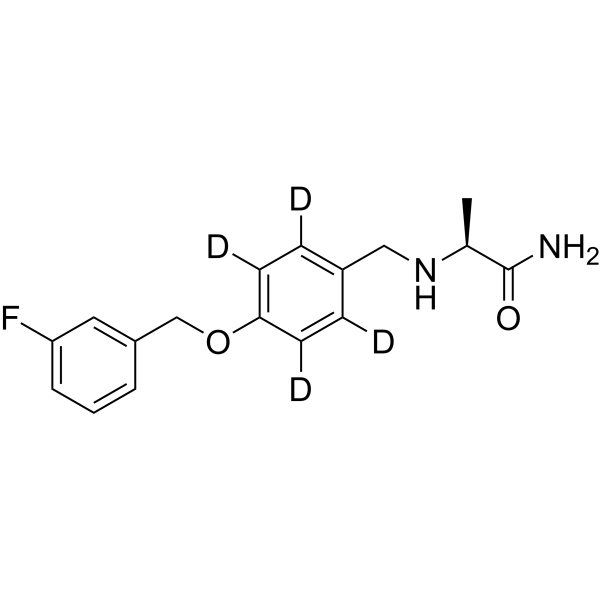
    Safinamide-d4-1 is deuterium labeled Safinamide. Safinamide is a potent, selective, and reversible monoamine oxidase B (MAO-B) inhibitor (IC50=0.098 μM) over MAO-A (IC50=580 μM) . Safinamide also blocks sodium channels and modulates glutamate (Glu) release, showing a greater affinity at depolarized (IC50=8?μM) than at resting (IC50=262?μM) potentials. Safinamide has neuroprotective and neurorescuing effects and can be used for the study of parkinson disease, ischemia stroke etc.al .
    Safinamide-d4-1
  • HY-101578

    Monoamine Oxidase Neurological Disease
    2614W94 is a selective, reversible and orally active monoamine oxidase-A (MAO-A) inhibitor with an IC50 of 5 nM and a Ki of 1.6 nM. 2614W94 shows no significant inhibition of MAO-B. 2614W94 has antidepressant and anxiolytic effects .
    2614W94
  • HY-149527

    Monoamine Oxidase Neurological Disease
    MAO-B-IN-23 (Compound 11f) is a reversible and competitive MAO-B inhibitor (IC50: 1.44 μM, Ki: 0.51 μM) .
    MAO-B-IN-23
  • HY-129388C

    CC-90011 hydrochloride; LSD1-IN-7 hydrochloride

    Histone Demethylase Inflammation/Immunology Cancer
    Pulrodemstat (CC-90011) hydrochloride is a potent, selective, reversible and orally active inhibitor of lysine specific demethylase-1 (LSD1) with an IC50 value of 0.25 nM. Pulrodemstat hydrochloride is less enzymatic inhibition against LSD2, MAO-A, and MAO-B. Pulrodemstat hydrochloride induces acute myeloid leukemia (AML) and small cell lung cancer (SCLC) cells differentiation and has potent anticancer activity .
    Pulrodemstat hydrochloride
  • HY-16731

    EVT 302; RG1577; RO4602522

    Monoamine Oxidase Reactive Oxygen Species (ROS) Neurological Disease
    Sembragiline (EVT 302) is a potent, selective and reversible monoamine oxidase B (MAO-B) inhibitor. Sembragiline reduces the metabolism of dopamine and other amine neurotransmitters by inhibiting the activity of the MAO-B enzyme, thereby potentially increasing the concentration of these neurotransmitters in the brain. Inhibition of the MAO-B enzyme also reduces the formation of toxic reactive oxygen species (ROS) that play a role in the pathological process of AD. Sembragiline has good oral activity and blood-brain barrier permeability. Sembragiline can be used in studies of AD, especially in patients with AD who show increased MAO-B activity .
    Sembragiline
  • HY-D0004R

    Azure B chloride (Standard)

    Reference Standards Monoamine Oxidase Neurological Disease
    Azure B (Standard) is the analytical standard of Azure B. This product is intended for research and analytical applications. Azure B is a cationic dye and the major metabolite of Methylene blue. Azure B is used in making Azure eosin stains for blood smear staining. Azure B is a high-potency, selective and reversible inhibitor of monoamine oxidases (MAO)-A, with IC50s of 11 and 968 nM for recombinant human MAO-A and MAO-B, respectively. Azure B possesses significant antidepressant-like effects .
    Azure B (Standard)
  • HY-176254

    Histone Demethylase Amyloid-β Neurological Disease
    LSD1-IN-43 is a highly selective, reversible, orally active and brain-penetrant LSD1 inhibitor with an IC50 value of 0.8 μM. LSD1-IN-43 has low inhibitory activity against MAO-A and MAO-B, two homologs of LSD1. LSD1-IN-43 significantly inhibits aggregation and enhances Aβ-induced neuronal cell viability. LSD1-IN-43 can be used for the study of Alzheimer’s disease (AD).
    LSD1-IN-43
  • HY-14280A

    COMT Neurological Disease Cancer
    Entacapone sodium salt is a potent, reversible, peripherally acting and orally active catechol-O-methyltransferase (COMT) inhibitor. Entacapone sodium salt inhibits COMT from rat brain, erythrocytes and liver with IC50 values of 10 nM, 20 nM, and 160 nM, respectively. Entacapone sodium salt is selective for COMT over other catecholamine metabolizing enzymes, including MAO-A, MAO-B, phenolsulphotransferase M (PST-M) and PST-P (IC50s>50 µM). Entacapone sodium salt can be used for the research of Parkinson's disease . Entacapone sodium salt serves as as a inhibit of FTO demethylation with an IC50 of 3.5 μM, can be used for the research of metabolic disorders .
    Entacapone sodium salt
  • HY-70057R

    FCE 26743 (Standard); EMD 1195686 (Standard)

    Reference Standards Monoamine Oxidase Neurological Disease
    Safinamide (Standard) is the analytical standard of Safinamide. This product is intended for research and analytical applications. Safinamide is a potent, selective, and reversible monoamine oxidase B (MAO-B) inhibitor (IC50=0.098 µM) over MAO-A (IC50=580 µM) . Safinamide also blocks sodium channels and modulates glutamate (Glu) release, showing a greater affinity at depolarized (IC50=8 µM) than at resting (IC50=262 µM) potentials. Safinamide has neuroprotective and neurorescuing effects and can be used for the study of parkinson disease, ischemia stroke etc.al .
    Safinamide (Standard)
  • HY-106972

    Monoamine Oxidase Neurological Disease
    SL-251131 is a reversible non-specific MAO inhibitor. SL-251131 temporarily blocks both MAO-A and MAO-B enzymes, which are responsible for breaking down neurotransmitters like dopamine. SL-251131 can be used for the study of Parkinson's disease .
    SL-251131
  • HY-143438

    Monoamine Oxidase Neurological Disease
    2-PAT, an analogue of Rasagiline and Selegiline, a reversible MAO-A inhibitor with an IC50 of 0.721 µM. 2-PAT is an inactivator of MAO-B with an IC50 of 14.6 µM. 2-PAT has the potential for Parkinson’s disease and depression research .
    2-PAT
  • HY-146958
    MAO-B-IN-8
    1 Publications Verification

    Monoamine Oxidase Neurological Disease
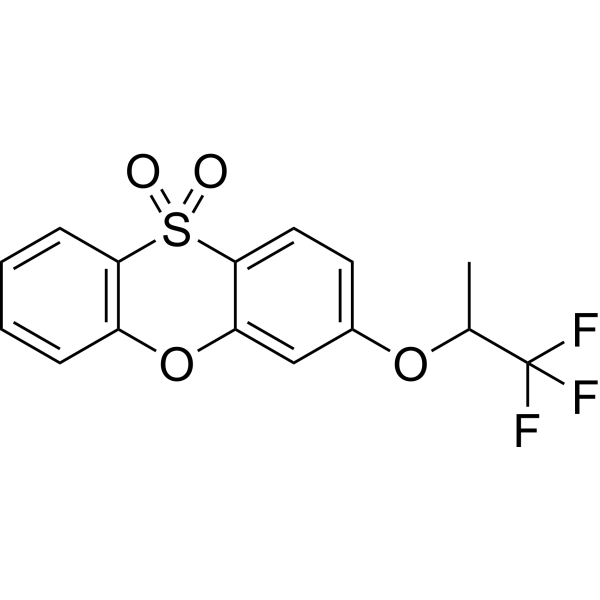
    MAO-B-IN-8 is a potent reversible MAO-B inhibitor and an inhibitor of microglial production of neuroinflammatory mediator. MAO-B-IN-8 can be used for neurodegenerative disease research .
    MAO-B-IN-8
  • HY-158732

    Monoamine Oxidase Inflammation/Immunology
    MAO-B-IN-33 (compound C3) is a potent, reversible and selective monoamine oxidase-B (MAO-B) inhibitor with an IC50 of 0.021 μM and 26.805 μM for MAO-B and MAO-A, respectively. The selectivity of MAO-B-IN-33 is attributed to the steric clash arising from the residue differences between Phe208 (MAO-A) and Ile199 (MAO-B). MAO-B-IN-33 inhibits cerebral MAO-B activity and alleviates MPTP (HY-15608)-induced dopaminergic neuronal loss in the mouse. MAO-B-IN-33 has the potential for Parkinson's disease research .
    MAO-B-IN-33
  • HY-149477

    Monoamine Oxidase Neurological Disease
    IHC3 is a competitive and reversible MAO-B inhibitor (IC50: 1.672 μM). IHC3 can interact with the amino acid Cys172 of MAO-B. IHC3 can be used for neurological diseases research .
    IHC3
  • HY-178352

    Monoamine Oxidase Reactive Oxygen Species (ROS) Neurological Disease Inflammation/Immunology
    MAO-B-IN-49 is a selective and reversible MAO-B inhibitor (IC50 of 1 nM for human MAO-B). MAO-B-IN-49 shows much higher selectivity for MAO-B than for MAO-A (IC50 = 633.9 μM). MAO-B-IN-49 can reduce ROS production induced by Lipopolysaccharides (HY-D1056) (LPS) in HT22 cells. MAO-B-IN-49 demonstrates substantial neuroprotective properties and significantly improves motor dysfunction in MPTP (HY-W114750)-induced mouse models of Parkinson’s disease (PD). MAO-B-IN-49 can be used for the study of PD .
    MAO-B-IN-49
  • HY-143329

    Monoamine Oxidase 5-HT Receptor Neurological Disease
    MAO-B-IN-3 is a reversible and selective MAO-B inhibitor (IC50=96 nM). MAO-B-IN-3 also binds to 5-HT6R with Ki value of 696 nM. MAO-B-IN-3 can be used for research of in Alzheimer's disease .
    MAO-B-IN-3
  • HY-147953

    Monoamine Oxidase Neurological Disease
    MAO-B-IN-13 (compound 12a) is a highly potent, reversible and blood-brain barrier (BBB) penetrant MAO-B inhibitor with an IC50 value of 10 nM. MAO-B-IN-13 has neuroprotective and antioxidant activity. MAO-B-IN-13 can be used for researching Parkinson’s disease .
    MAO-B-IN-13
  • HY-149528

    Monoamine Oxidase Cholinesterase (ChE) Cancer
    MAO-B-IN-24 (compound 11h) is a selective, reversible, competitive inhibitor of MAO-B (IC50: 1.60 μM). MAO-B-IN-24 also inhibited MAO-A (22.42 μM); at 10 μM concentration, it also reduced AChE and BChE activities to 54.58% and 88.43% .
    MAO-B-IN-24
  • HY-146312

    Cholinesterase (ChE) Monoamine Oxidase Neurological Disease
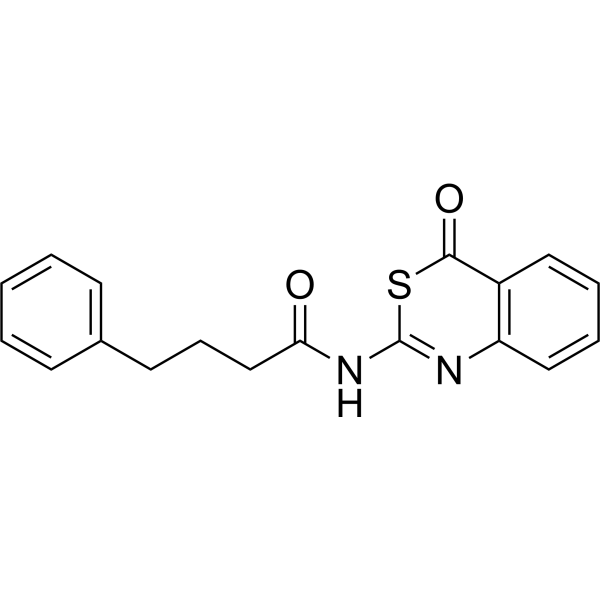
    AChE/BChE/MAO-B-IN-1 is a reversible and non-time-dependent AChE, BChE and MAO-B inhibitor with IC50 values of 7.31, 0.56 and 26.1 μM for hAChE, hBChE and hMAO-B, respectively. AChE/BChE/MAO-B-IN-1 can cross the BBB and shows neuroprotective effects without cytotoxicity .
    AChE/BChE/MAO-B-IN-1
  • HY-W205529

    Fluorescent Dye Neurological Disease
    RO 16-6491 Free base is a selective, reversible inhibitor of monoamine oxidase type B (MAO-B), exhibiting high affinity and specificity for binding sites in human frontal cortex mitochondria and platelet membranes. RO 16-6491 demonstrates a fast dissociation of bound radioactivity at 20 degrees C, indicating its dynamic binding properties. RO 16-6491 also acts as a substrate for MAO-B, suggesting that its oxidation may produce a stable intermediate responsible for its potent inhibitory effects. RO 16-6491 serves as an excellent radioligand probe for investigating the regional tissue distribution of MAO-B in various physiological and pathological states.
    RO 16-6491 free base
  • HY-170798

    Monoamine Oxidase SOD Glutathione Peroxidase Neurological Disease
    Monoamine Oxidase B inhibitor 6 (Compound BT5) is a BBB-penetrable, highly selective, reversible and competitive MAO-B inhibitor, with an IC50 of 0.11 μM. Monoamine Oxidase B inhibitor 6 has antioxidant and neuroprotective effects and can be used in the research of neurodegenerative diseases .
    Monoamine Oxidase B inhibitor 6
  • HY-143245

    Monoamine Oxidase Neurological Disease
    Monoamine Oxidase B inhibitor 2 is a potent, reversible, orally active and selective monoamine oxidase B (MAO-B) inhibitor with an IC50 of 1.33 nM. Monoamine Oxidase B inhibitor 2 has antioxidant and anti-neuroinflammatory activities. Monoamine Oxidase B inhibitor 2 can across the blood-brain barrier (BBB), and can be used for Parkinson’s disease study .
    Monoamine Oxidase B inhibitor 2
  • HY-143244

    Monoamine Oxidase Neurological Disease
    Monoamine Oxidase B inhibitor 1 is a potent, reversible, orally active and selective monoamine oxidase B (MAO-B) inhibitor with an IC50 of 0.02 nM. Monoamine Oxidase B inhibitor 1 has antioxidant and anti-neuroinflammatory activities. Monoamine Oxidase B inhibitor 1 can across the blood-brain barrier (BBB), and can be used for Parkinson’s disease study .
    Monoamine Oxidase B inhibitor 1
  • HY-172461

    Monoamine Oxidase Cholinesterase (ChE) Neurological Disease
    MAO-IN-6 (Compound 3f) is a BBB permeable and reversible MAO-B inhibitor with an IC50 of 0.09 μM. MAO-IN-6 also exhibits certain inhibitory activities against AChE and BChE, with IC50 values of 4.48 μM and 17.03 μM, respectively. MAO-IN-6 has low cytotoxicity and can be used in the research of Alzheimer's disease .
    MAO-IN-6
  • HY-129388

    CC-90011 Methylbenzenesulfonate; LSD1-IN-7 Methylbenzenesulfonate

    Histone Demethylase Inflammation/Immunology Cancer
    Pulrodemstat (CC-90011) Methylbenzenesulfonate is a potent, selective, reversible and orally active inhibitor of lysine specific demethylase-1 (LSD1) with an IC50 of 0.25 nM. Pulrodemstat Methylbenzenesulfonate is less enzymatic inhibition against LSD2, MAO-A, and MAO-B. Pulrodemstat Methylbenzenesulfonate induces acute myeloid leukemia (AML) and small cell lung cancer (SCLC) cells differentiation and has potent anticancer activity .
    Pulrodemstat Methylbenzenesulfonate
  • HY-100679B

    Monoamine Oxidase Neurological Disease
    (R)-Pirlindole mesylate is selective and reversible a Monoamine oxidase A (MAO-A) inhibitor with an IC50 of 0.43  μM for MAO-A over MAO-B. (R)-Pirlindole mesylate has an antidepressant activity. (R)-Pirlindole mesylate significantly decreases immobility time of the forced swim test and inhibits Reserpine (HY-N0480)-induced palpebral ptosis in behavioural mice models. (R)-Pirlindole mesylate can be used for depression research .
    (R)-Pirlindole mesylate
  • HY-N13041

    Monoamine Oxidase Neurological Disease
    Acacetin 7-O-(6-O-malonylglucoside) is a monoamine oxidase inhibitor with strong inhibitory effects on monoamine oxidase A (MAO-A) and monoamine oxidase B (MAO-B) with IC50 values ​​of 2.34 and 1.87 μM, respectively. Acacetin 7-O-(6-O-malonylglucoside) is a reversible MAO inhibitor that can be used in the research of neurodegenerative diseases and affective disorders .
    Acacetin 7-O-(6-O-malonylglucoside)
  • HY-W269511

    Drug Derivative Neurological Disease
    NW-1689 is a process-related impurity of safinamide mesilate (SAFM). SAFM can be used for the study of Parkinson's disease (PD). It is a highly selective and reversible inhibitor of monoamine oxidase-B (MAO-B) and also blocks sodium channels and N-type calcium channels. These effects of SAFM help reduce the breakdown of dopamine and inhibit the release of glutamate. NW-1689 has a similar chemical structure to SAFM and has some similar pharmacological effects as SAFM, and can be used in Parkinson's disease research .
    NW-1689
  • HY-W700241

    Isotope-Labeled Compounds Monoamine Oxidase Endogenous Metabolite Infection Neurological Disease Cancer
    Norharman-d7 is deuterium labeled Norharmane. Norharmane (Norharman), a β-carboline alkaloid, is a potent and reversible monoamine oxidase inhibitor, with IC50 values of 6.5 and 4.7 μM for MAO-A and MAO-B, respectively. Norharmane causes antidepressant responses. Norharmane is also a prospective anti-cancer photosensitizer. Norharmane alters polar auxin transport (PAT) by inhibiting PIN2, PIN3 and PIN7 transport proteins, thus causing a significant inhibitory effect on the growth of Arabidopsis thaliana seedlings .
    Norharman-d7
  • HY-W008566R

    Norharman (Standard); β-Carboline (Standard)

    Reference Standards Monoamine Oxidase Endogenous Metabolite Infection Neurological Disease Cancer
    Norharmane (Standard) is the analytical standard of Norharmane. This product is intended for research and analytical applications. Norharmane (Norharman), a β-carboline alkaloid, is a potent and reversible monoamine oxidase inhibitor, with IC50 values of 6.5 and 4.7 μM for MAO-A and MAO-B, respectively. Norharmane causes antidepressant responses. Norharmane is also a prospective anti-cancer photosensitizer. Norharmane alters polar auxin transport (PAT) by inhibiting PIN2, PIN3 and PIN7 transport proteins, thus causing a significant inhibitory effect on the growth of Arabidopsis thaliana seedlings .
    Norharmane (Standard)
  • HY-70057S4

    FCE 26743-d5; EMD 1195686-d5

    Isotope-Labeled Compounds Monoamine Oxidase Neurological Disease
    Safinamide-d5 (FCE 26743-d5) is deuterium labeled Safinamide. Safinamide is a potent, selective, and reversible monoamine oxidase B (MAO-B) inhibitor (IC50=0.098 μM) over MAO-A (IC50=580 μM) . Safinamide also blocks sodium channels and modulates glutamate (Glu) release, showing a greater affinity at depolarized (IC50=8?μM) than at resting (IC50=262?μM) potentials. Safinamide has neuroprotective and neurorescuing effects and can be used for the study of parkinson disease, ischemia stroke etc.al .
    Safinamide-d5
  • HY-149515

    Monoamine Oxidase Cancer
    MAO-IN-3 (Compound 5) is a reversible and competitive MAO inhibitor (Ki: 0.6 and 0.2 μM for MAO A and MAO B). MAO-IN-3 inhibits LN-229 glioblastoma cell proliferation with an IC50 of 0.8 μM. MAO-IN-3 can be used for cancer research .
    MAO-IN-3
  • HY-14205

    Monoamine Oxidase Neurological Disease
    NW-1772 (methanesulfonate) (compound 22b) is a potent and selective monoamine oxidase (MAO) B inhibitor. NW-1772 has some advantages, such as rapid blood-brain barrier penetration, short-acting and reversible inhibitory activity, slight inhibition of selected cytochrome P450s, and low in vitro toxicity. NW-1772 can be used for the research of neurodegenerative diseases .
    NW-1772
  • HY-184026

    Monoamine Oxidase Neurological Disease
    MAO-B-IN-58 (Compound 2e) is a reversible, selective MAO-B inhibitor with an IC50 of 170 nM against rat MAO-B. MAO-B-IN-58 is applicable for the research of Parkinson's disease and Alzheimer's disease .
    MAO-B-IN-58
  • HY-114620

    Monoamine Oxidase Neurological Disease
    MAO-B-IN-55 (Compound 5c) is a reversible competitive MAO-B inhibitor with an IC50 of 2.9 nM, and it exhibits approximately 2750-fold higher selectivity for MAO-B over MAO-A. MAO-B-IN-55 can be used for the research of Parkinson's disease .
    MAO-B-IN-55

Inquiry Online

Your information is safe with us. * Required Fields.

Salutation


Country or Region *

Applicant Name *


Organization Name *

Department *


Email Address *


Product Name *

Cat. No.


Requested quantity *

Phone Number *


Remarks

Inquiry Online

Inquiry Information

Product Name:
Cat. No.:
Quantity:
MCE Japan Authorized Agent:

