


47 Results for "

staphylococcal

" in MedChemExpress (MCE) Product Catalog:
Products (47)

47 Results for "staphylococcal" in MCE Product Catalog:

15
15 Publications Verification
Cat. No.: HY-B1455
CAS No.: 18323-44-9
Research Areas:  

Infection Cancer

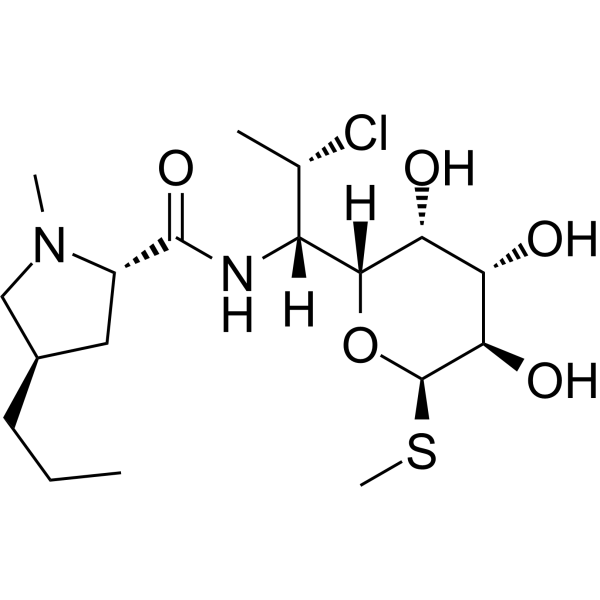
Clindamycin is an orally active and broad-spectrum bacteriostatic lincosamide antibiotic. Clindamycin can inhibit bacterial protein synthesis, possessing the ability to suppress the expression of virulence factors in Staphylococcus aureus at sub-inhibitory concentrations (sub-MICs). Clindamycin resistance results from enzymatic methylation of the antibiotic binding site in the 50S ribosomal subunit (23S rRNA). Clindamycin decreases the production of Panton-Valentine leucocidin (PVL), toxic-shock-staphylococcal toxin (TSST-1) or alpha-haemolysin (Hla). Clindamycin also can be used for researching malaria .
3
3 Cited Publications
Cat. No.: HY-107193
CAS No.: 1405-87-4
Bacitracin is a polypeptide antibiotic against staphylococcal and pathogenic protozoa infections. Bacitracin inhibits cell wall biosynthesis and permeability through binding to the undecaprenyl pyrophosphate. Bacitracin inhibits macromolecular synthesis. Bacitracin is also a protein disulfide isomerase (PDI) inhibitor .
2
2 Cited Publications
Cat. No.: HY-B0555A
CAS No.: 7177-50-6
Research Areas:  

Infection

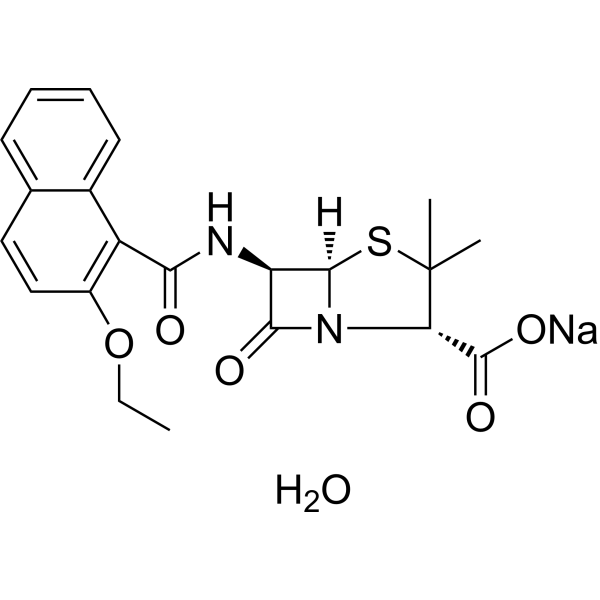
Nafcillin sodium monohydrate, an antibiotic, is a reversible inhibitor of β-lactamase. Nafcillin sodium monohydrate can be used for the research of staphylococcal infections .
Cat. No.: HY-107150
CAS No.: 916056-79-6
Purity:  98.85%
Synonyms: ADX-102; NS-2
Target:  

PKC Caspase

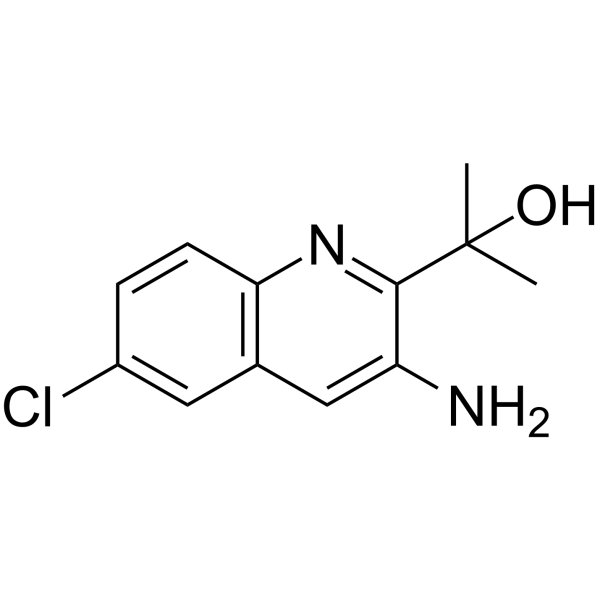
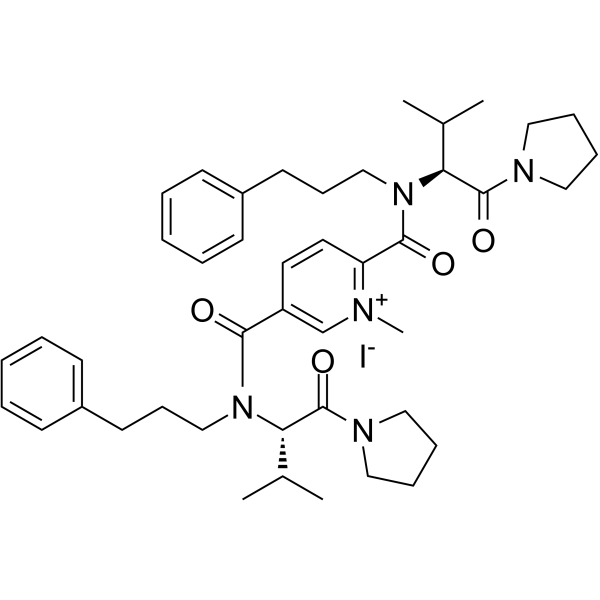
Reproxalap (ADX-102) is an active aldehyde sequestering agent. Reproxalap reduces the PKCα activity. Reproxalap blocks caspase 3/7 activation. Reproxalap protects cells from the cytotoxicity of C18:0-al. Reproxalap has anti-inflammatory and pain-relieving effects. Reproxalap is used in studies of dry eye, allergic conjunctivitis, and non-infectious anterior uveitis .
Cat. No.: HY-113953
CAS No.: 153088-73-4
Purity:  99.64%
Target:  

Caspase Apoptosis

Research Areas:  

Inflammation/Immunology

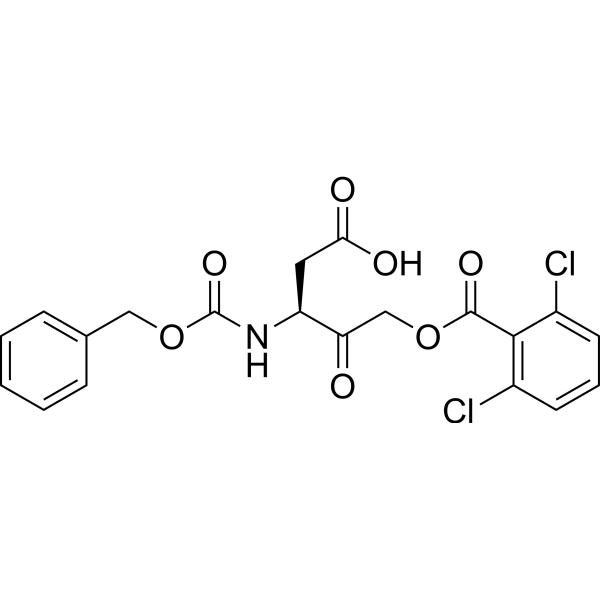
Z-Asp-CH2-DCB is an irreversible broad spectrum caspase inhibitor. Z-Asp-CH2-DCB also inhibits proteases with caspase-like activity. Z-D-CH2-DCB blocks the production of IL-1β, TNF-α, IL-6, and IFN-γ in staphylococcal enterotoxin B (SEB)-stimulated peripheral blood mononuclear cells (PBMC), and reduces SEB-1-stimulated T-cell proliferation in a dose-dependent manner. Z-Asp-CH2-DCB prevents SU5416-induced septal cell apoptosis and emphysema development .
Cat. No.: HY-103249
CAS No.: 303957-69-9
Purity:  98.08%
Synonyms: Reutericycline
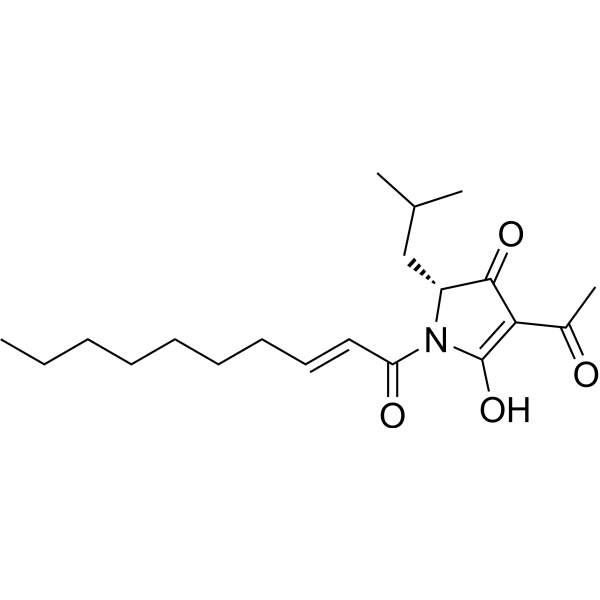
Reutericyclin (Reutericycline) is an orally active antibacterial and anti-obesity agent that selectively inhibits Gram-positive bacteria. By selectively dissipating transmembrane potential, Reutericyclin exerts non-lytic bactericidal or bacteriostatic activity against pathogens such as Clostridium difficile and Staphylococcus aureus, and rapidly kills vegetative cells and spores of Clostridium difficile. Reutericyclin possesses favorable properties including resistance to enzymatic hydrolysis, iron-chelating function, and poor absorption by colonic epithelium. Reutericyclin not only eradicates staphylococcal biofilms and inhibits drug-resistant strains, but also counteracts Risperidone (HY-11018)-induced weight gain by inducing changes in gut microbiota composition and restoring energy utilization efficiency. Reutericyclin can be used in research related to Clostridium difficile infection, Risperidone-induced weight gain, and staphylococcal superficial skin infections .
Cat. No.: HY-14926
CAS No.: 154357-42-3
Purity:  99.79%
Synonyms: (S)-(-)-Nadifloxacin; WCK 771
Target:  

Antibiotic Bacterial

Research Areas:  

Infection

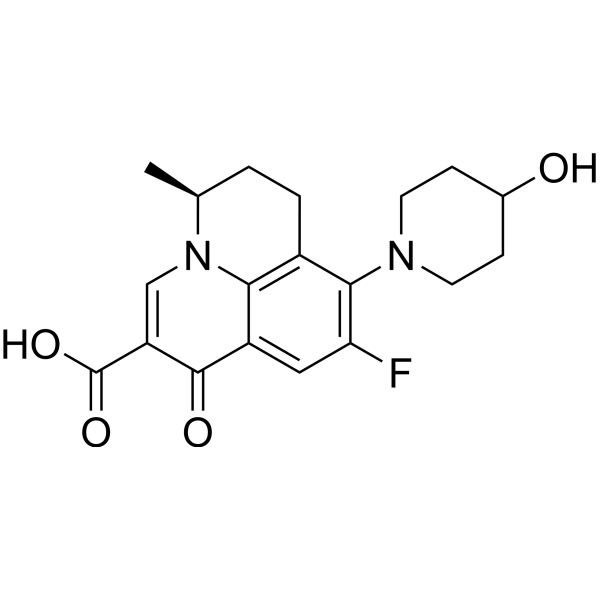
Levonadifloxacin ((S)-(-)-Nadifloxacin; WCK 771) is a broad-spectrum anti-staphylococcal agent. Levonadifloxacin shows antibacterial activity against Methicillin (HY-121544)-susceptible Staphylococcus aureus (MSSA) and Methicillin-resistant S. aureus (MRSA) strains, with a reduction of which phagocytized in THP-1 monocytes .
Cat. No.: HY-115581A
CAS No.: 118675-87-9
Purity:  ≥97.0%
Synonyms: Deoxythymidine 3′,5′-diphosphate tetrasodium; pdTp tetrasodium
Target:  

Apoptosis MicroRNA

Research Areas:  

Cancer

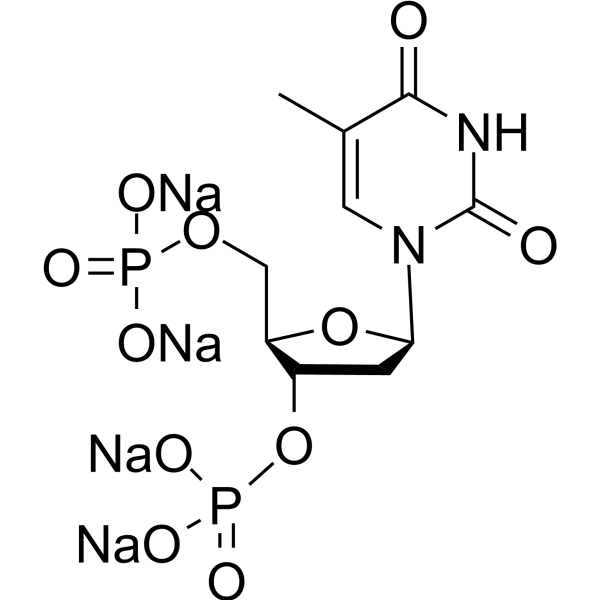
Thymidine 3',5'-diphosphate (Deoxythymidine 3′,5′-diphosphate) tetrasodium is a selective inhibitor of staphylococcal nuclease and tudor domain containing 1 (SND1, the MicroRNA regulatory complex RISC subunit) and [3,5- 2H2] tyrosyl nuclease. Thymidine 3',5'-diphosphate tetrasodium has anti-tumor activity and can also be used as a catalyst in biochemical reactions .
Cat. No.: HY-B0555
CAS No.: 147-52-4
Research Areas:  

Infection

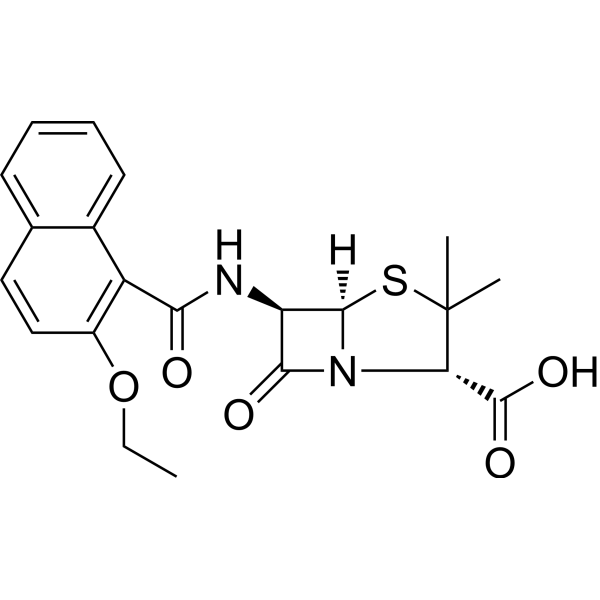
Nafcillin, an antibiotic, is a reversible inhibitor of β-lactamase. Nafcillin exhibits bactericidal activity, and can be used for the research of staphylococcal infections .
Cat. No.: HY-P99770
CAS No.: 2241724-48-9
Synonyms: 514-G3

Target:  

Bacterial

Research Areas:  

Infection

Omodenbamab is an anti-SpA (Staphylococcal protein A) human monoclonal antibody with a KD value of 0.0467 nM. Omodenbamab circumvents a key S. aureus evasion mechanism by targeting the cell wall moiety Protein A (SpA). Omodenbamab can be used in research of S. aureus bloodstream infection .
Cat. No.: HY-P99309
CAS No.: 595566-61-3
Synonyms: BSYX-A 110; Anti-S. Epidermidis LTA Recombinant Antibody

Target:  

Bacterial

Research Areas:  

Infection

Pagibaximab is a chimeric IgG1 antibody recognizing the surface component lipoteichoic acid of S. aureus and S. epidermidis. Pagibaximab can be used to prevent staphylococcal sepsis .
Cat. No.: HY-P4211
Target:  

Bacterial

Research Areas:  

Infection

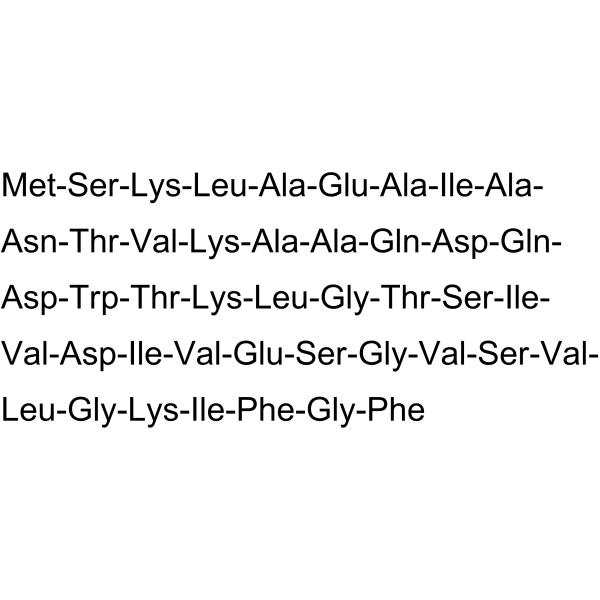
PSM-β is a active peptide , which can be isolated from Staphylococcus epidermidis. PSM-β is an analog of staphylococcal toxins, as well as a termed phenol-soluble modulin. PSM-β has bacteriostatic and poorly hemolytic properties .
Cat. No.: HY-W040216
CAS No.: 85261-19-4
Synonyms: N-Nonanoyl-N-methylglucamine
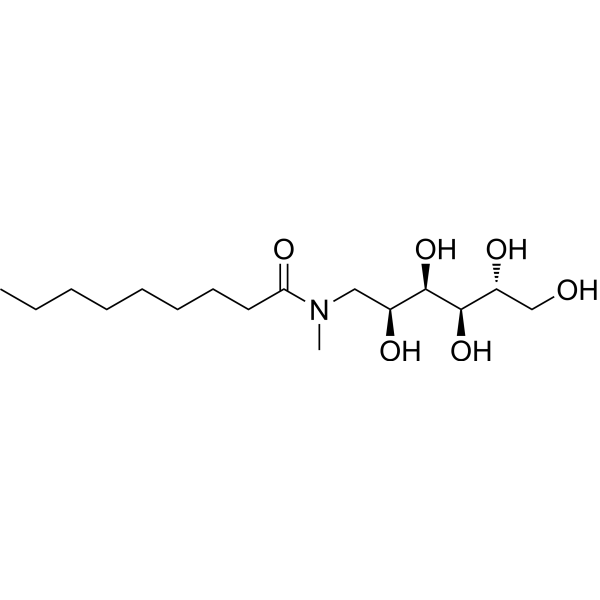
MEGA-9 (N-Nonanoyl-N-methylglucamine) is a green, biodegradable glycosyl nonionic surfactant and micelle-forming agent. MEGA-9 acts as a membrane solubilizer, forms vesicles, solubilizes milk fat, eliminates non-specific reactions of test strips, and restores antigen-antibody reactions in cheddar cheese homogenates for the detection of staphylococcal enterotoxin B (SEB) .
Cat. No.: HY-P4984
CAS No.: 137593-46-5
Target:  

Endogenous Metabolite

Research Areas:  

Infection

Toxic Shock Syndrome Toxin-1 (TSST-1) (58-78) is a superantigen exotoxin produced by Staphylococcus aureus. Toxic Shock Syndrome Toxin-1 (TSST-1) (58-78) binds to TCR and MHC II outside the antigen-presenting site, thereby inducing unconventional polyclonal lymphocyte activation, excessive cytokine production, rapid shock, multiple organ failure syndrome and even death. Toxic Shock Syndrome Toxin-1 (TSST-1) (58-78) exacerbates mammary gland inflammation and further induces mastitis. Toxic Shock Syndrome Toxin-1 (TSST-1) (58-78) is thermostable and can be transmitted to humans via food, causing toxic shock syndrome. Toxic Shock Syndrome Toxin-1 (TSST-1) (58-78) can be used in studies related to toxic shock syndrome and staphylococcal food poisoning .
Cat. No.: HY-163035
CAS No.: 1206480-93-4
Target:  

TNF Receptor IFNAR

Research Areas:  

Inflammation/Immunology

EM-163 is a summative BB-Loop analog. EM-163 can alleviate inflammation and prevent death from toxic shock by targeting the TIR domain of MyD88. EM-163 can be used in the study of SEB poisoning (SEB: Staphylococcal enterotoxin B) .
Cat. No.: HY-N7118
CAS No.: 58207-19-5
Target:  

Bacterial Antibiotic

Research Areas:  

Infection Cancer

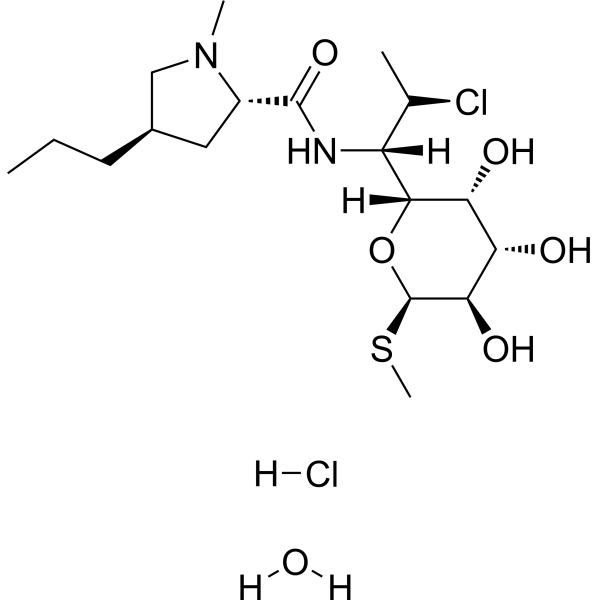
Clindamycin hydrochloride monohydrate is an oral protein synthesis inhibitory agent that has the ability to suppress the expression of virulence factors in Staphylococcus aureus at sub-inhibitory concentrations (sub-MICs). Clindamycin hydrochloride monohydrate resistance results from enzymatic methylation of the antibiotic binding site in the 50S ribosomal subunit (23S rRNA). Clindamycin hydrochloride monohydrate decreases the production of Panton-Valentine leucocidin (PVL), toxic-shock-staphylococcal toxin (TSST-1) or alpha-haemolysin (Hla) .
Cat. No.: HY-B1455S1
CAS No.: 2140264-63-5
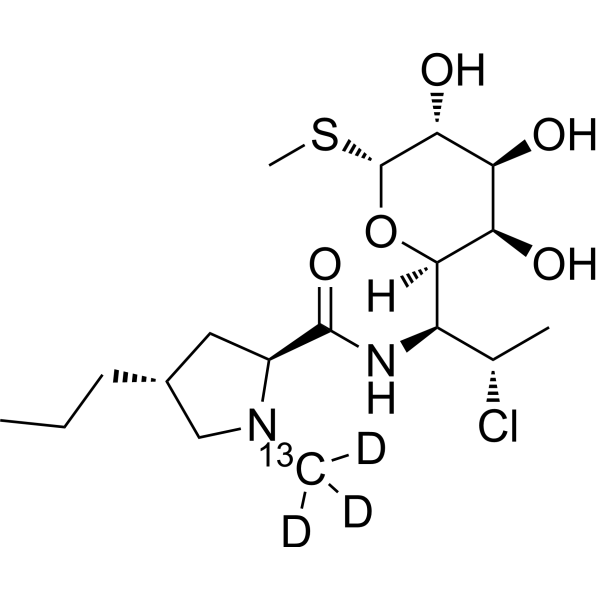
Clindamycin- 13C,d3 is the 13C- and deuterium labeled Clindamycin. Clindamycin is an orally active and broad-spectrum bacteriostatic lincosamide antibiotic. Clindamycin can inhibit bacterial protein synthesis, possessing the ability to suppress the expression of virulence factors in Staphylococcus aureus at sub-inhibitory concentrations (sub-MICs). Clindamycin resistance results from enzymatic methylation of the antibiotic binding site in the 50S ribosomal subunit (23S rRNA). Clindamycin decreases the production of Panton-Valentine leucocidin (PVL), toxic-shock-staphylococcal toxin (TSST-1) or alpha-haemolysin (Hla). Clindamycin also can be used for researching malaria .
Cat. No.: HY-B0555B
CAS No.: 985-16-0
Research Areas:  

Infection

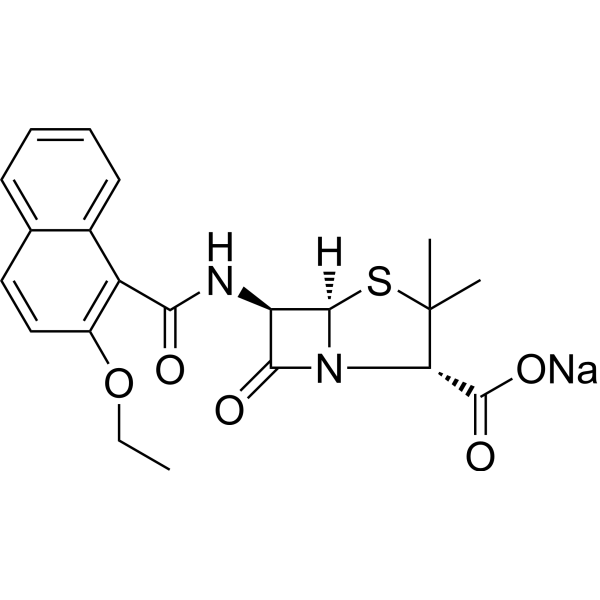
Nafcillin sodium, an antibiotic, is a reversible inhibitor of β-lactamase. Nafcillin sodium can be used for the research of staphylococcal infections .
Cat. No.: HY-101726
CAS No.: 96800-41-8
Purity:  99.38%
Target:  

Bacterial

Research Areas:  

Infection

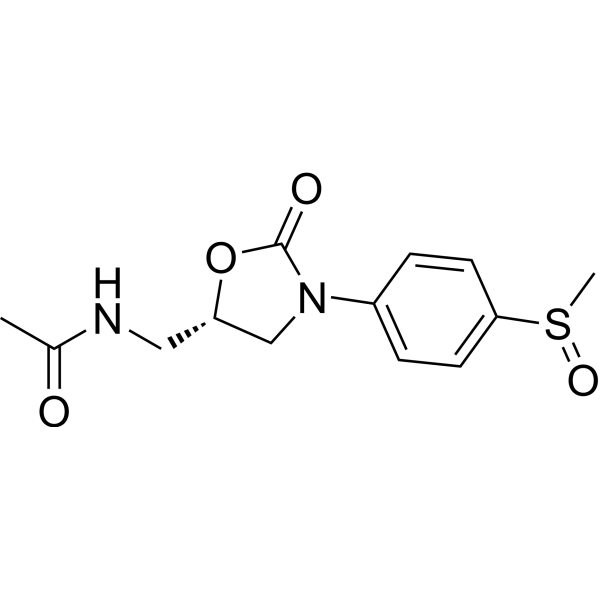
DuP 105 is an orally active oxazolidinone with activity against Gram-positive bacteria. DuP 105 protects staphylococcal and streptococcal infections in mice. DuP 105 can be used for the study of infections caused by gram-positive bacteria .
Cat. No.: HY-B0555BS
CAS No.: 1356354-25-0
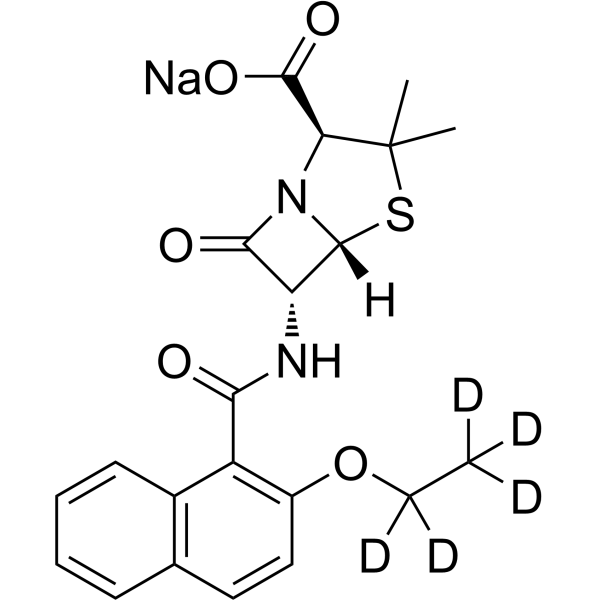
Nafcillin-d5 (sodium) is the deuterium labeled Nafcillin sodium. Nafcillin sodium, an antibiotic, is a reversible inhibitor of β-lactamase. Nafcillin sodium can be used for the research of staphylococcal infections .

