
1. Search Result
Search Result
Results for "

surface functionalization

" in MedChemExpress (MCE) Product Catalog:

77

Inhibitors & Agonists

1

Screening Libraries

2

Fluorescent Dye

63

Biochemical Assay Reagents

3

Peptides

1

MCE Kits

2

Natural
Products

1

Isotope-Labeled Compounds

1

Click Chemistry

25

Oligonucleotides

Cat. No. Product Name Target Research Areas Chemical Structure
  • HY-125865
    Casein
    2 Publications Verification

    Environmental Pollutants Endogenous Metabolite Casein Kinase Endocrinology Cancer
    Casein is an orally active phosphoprotein that can be separated into various electrophoretic components, such as α2-Casein, κ-Casein, β-casein, and γ-casein. Casein has also been blended and grafted with other polymers, cross-linkers, or monomers to improve its functional properties. Casein enhances calcium absorption and reduces the extent of fissure as well as smooth-surface caries. Casein promotes proliferation of prostate cancer. Casein has various applications in the paper, leather, textile, and food industries, serving as coatings, adhesives, and packaging materials .
    Casein
  • HY-137383

    Biochemical Assay Reagents Reactive Oxygen Species (ROS) Others
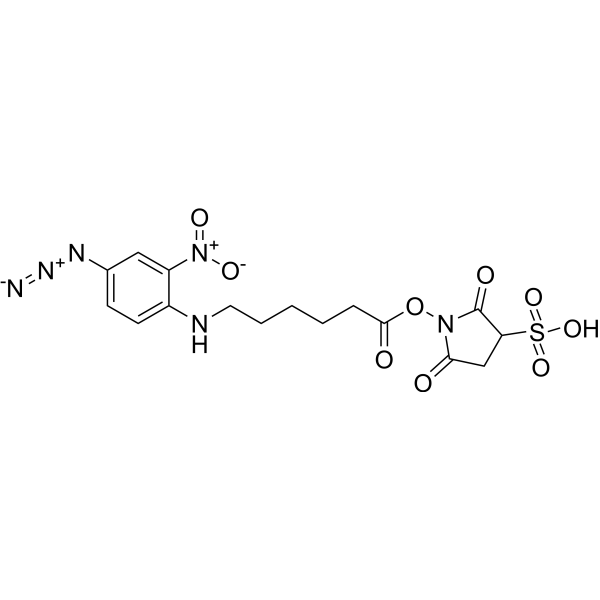
    Sulfo-SANPAH is a primary amine-nitrobenzene azide cross-linker. Sulfo-SANPAH improves the functionalization process of PDMS surfaces, is covalently bound to the PAAm gel surface. Sulfo-SANPAH is widely used to crosslink ECM proteins to various substrates, including acrylic-based hydrogels, such as polyacrylamide hydrogels. Sulfo-SANPAH facilitates covalent binding through its negatively charged sulfonate group on its N-hydroxysuccinimide ester ring and a photoactivated phenyl azide group that is highly reactive with nucleophiles and free radicals .
    Sulfo-SANPAH
  • HY-107799
    Castor oil
    5 Publications Verification

    Environmental Pollutants Biochemical Assay Reagents Others
    Castor oil is a natural triglyceride and a solvent. Castor oil has a laxative effect and induces labor in pregnant females. Castor oil can be used as a solvent, co-solvent, stabilizing agent and polyol for the formation of polymer-nanoparticle composites .
    Castor oil
  • HY-B1306
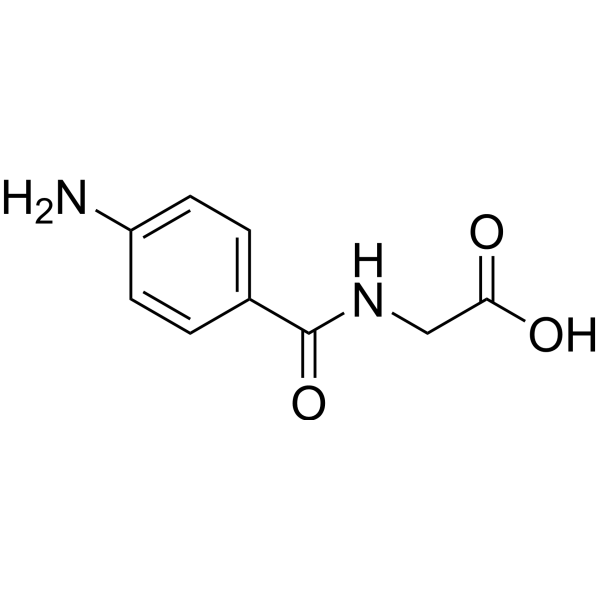
    4-Aminohippuric acid
    4 Publications Verification

    p-Aminohippuric acid

    Others Neurological Disease Metabolic Disease
    4-Aminohippuric acid (p-Aminohippuric acid) is a coordination ligand for metal ions (such as Cu 2+, Fe 3+, Hg 2+) and a functionalization reagent for nanomaterials. 4-Aminohippuric acid can coordinate with metal ions or modify the surface of materials such as carbon nanotubes and gold nanoparticles through amino and carboxyl groups. 4-Aminohippuric acid can form stable complexes with metal ions or participate in the synthesis of nanomaterials as a reducing agent/stabilizer, enriching metal ions or giving nanoparticles peroxidase-mimicking activity. 4-Aminohippuric acid can be used to construct highly sensitive electrochemical sensors or colorimetric sensors to detect and quantitatively analyze heavy metal ions such as copper, iron, and mercury in environmental water samples and biological samples. 4-Aminohippuric acid may also be a biomarker for attention-deficit/hyperactivity disorder (ADHD) .
    4-Aminohippuric acid
  • HY-W440823A

    DSPE-PEG1000-NH2 ammonium

    Liposome Cancer
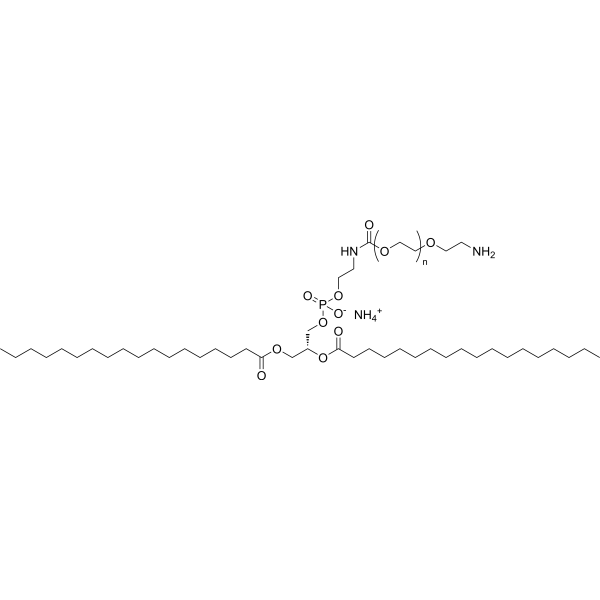
    DSPE-PEG1000-Amine (DSPE-PEG1000-NH2) ammonium is a 1,2-distearoyl-sn-glycero-3-phosphoethanolamine-polyethylene glycol conjugate with a terminal amino group. DSPE-PEG1000-Amine ammonium can functionalize the surface of PLGA-lecithin-PEG core-shell nanoparticles to introduce positive surface charges. The amino group of DSPE-PEG1000-Amine ammonium can be converted into an aromatic aldehyde to react with the acetone-protected aromatic hydrazide on the surface of bovine carbonic anhydrase (BCA) molecules .
    DSPE-PEG1000-Amine ammonium
  • HY-W105426

    [3-(Methacryloyloxy)propyl]trimethoxysilane

    Biochemical Assay Reagents Others
    3-(Trimethoxysilyl)propyl methacrylate is a reactive monomer and silane coupling agent with C=C and O-C=O functional groups, acting as a surface modifier and anti-agglomeration agent. 3-(Trimethoxysilyl)propyl methacrylate can be used to prepare nanoparticles .
    3-(Trimethoxysilyl)propyl methacrylate
  • HY-W440896

    Liposome Others
    DSPE-PEG2000-SH is an amphiphilic thiol-functionalized DSPE-PEG molecule. DSPE-PEG2000-SH inserts into extracellular vesicle (EV) bilayer membranes via hydrophobic interactions, displaying surface thiol groups to form EV-SH crosslinkers.DSPE-PEG2000-SH enables crosslinking of EV-SH with 8-arm PEG-norbornene via thiol-ene photochemistry to construct hydrogels, with hydrogel mechanical properties tunable via PEG segment molecular weight variation.DSPE-PEG2000-SH can be used to encapsulate agents for drug delivery system, such as mRNA vaccine .
    DSPE-PEG2000-SH
  • HY-W591476

    mPEG1000-SH

    Biochemical Assay Reagents Others
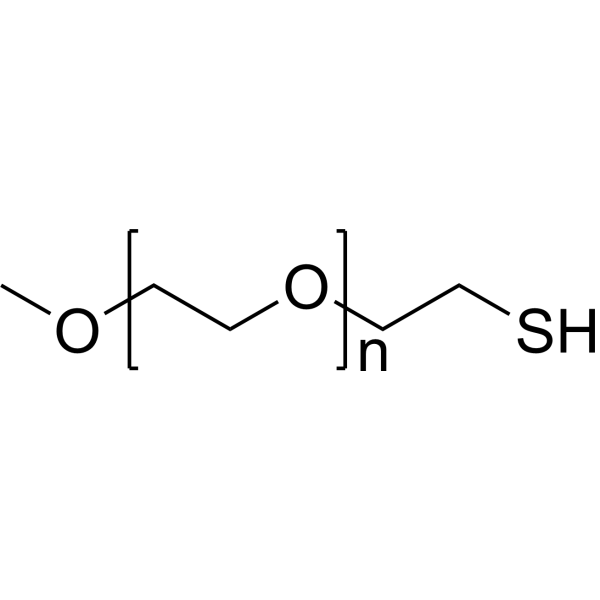
    m-PEG1000-thiol is a surface modifier that can modify DNA thiolation and is used in the synthesis of gold nanorods (AuNR). m-PEG1000-thiol can load thiolated DNA onto AuNR, form a covalent bond with the surface of gold nanoparticles through the thiol group, and stabilize the nanoparticles by the steric hindrance effect of the polyethylene glycol chain, preventing aggregation and enhancing its biocompatibility. m-PEG1000-thiol can also provide a platform for the subsequent coupling of biomolecules (such as DNA, antibodies) by replacing surfactants (such as CTAB) on the surface of nanoparticles, thereby exerting its activity in promoting the functionalization of nanomaterials [2].
    m-PEG1000-thiol
  • HY-W243303J

    Biochemical Assay Reagents Cancer
    Poly(acrylic acid) (MW 250000) is a synthetic cationic electrolyte containing abundant carboxyl groups (-COOH), which exhibits excellent water absorption and retention properties and is often cross-linked to form hydrogels. Poly(acrylic acid) (with a molecular weight of 250,000). Poly(acrylic acid) (MW 250000) can be used as a non-collagenous analog in the biomimetic mineralization research of type I collagen. Poly(acrylic acid) (MW 250000) has pH responsiveness and biocompatibility and is often used as a drug carrier, surface modifier and functional material .
    Poly(acrylic acid) (MW 250000)
  • HY-D0917

    DNA Stain Cancer
    NIR-Red Dead Cell-1 Dye is a DNA-binding fluorescent dye for non-living cells (Ex/Em=515 nm/531 nm). NIR-Red Dead Cell-1 Dye can intercalate into base pairs of double-stranded DNA and produce stronger fluorescence. NIR-Red Dead Cell-1 Dye is suitable for necrotic cells or late apoptotic cells with damaged cell membranes, showing green fluorescence under fluorescence microscopy or flow cytometry. NIR-Red Dead Cell-1 Dye can be used to distinguish live cells from dead cells and distinguish cell membrane integrity. NIR-Red Dead Cell-1 Dye can be attached to the surface of Feraheme (FH) nanoparticles (NPs) to obtain fluorescent dye-functionalized NPs for drug delivery studies .
    NIR-Red Dead Cell-1 Dye
  • HY-W102456

    L-4-Acetylphenylalanine

    Biochemical Assay Reagents Amino Acid Derivatives Others
    H-Phe(4-Ac)-OH (L-4-Acetylphenylalanine) is a keto-amino acid that can be converted from α-keto acids containing an acetyl group. H-Phe(4-Ac)-OH can be added to the amber position to form mutant Z-domain proteins. H-Phe(4-Ac)-OH is used as a functional amino acid in peptide modification to achieve chemical bonding between peptides and solid surfaces .
    H-Phe(4-Ac)-OH
  • HY-145485

    PROTAC Linkers Others
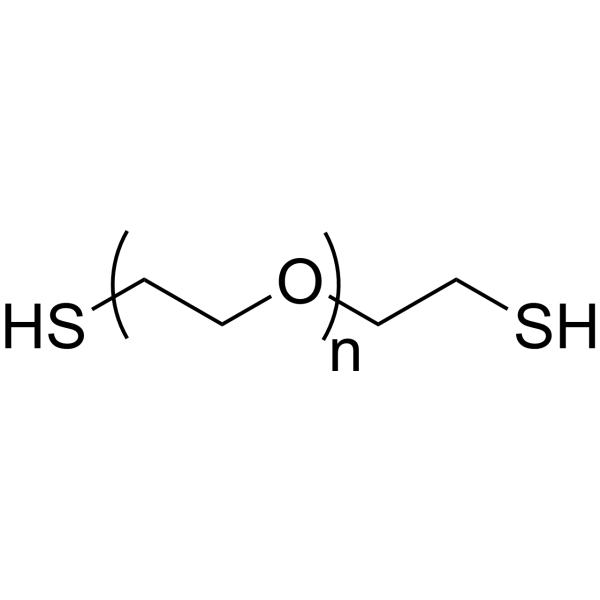
    HS-PEG3400-SH, a linear homobifunctional PEG, is a cross-linker. HS-PEG-SH can be used for drug delivery and preparation of PEG hydrogels .
    HS-PEG3400-SH
  • HY-91018

    N-[3-(Trimethoxysilyl)propyl]-N,N,N-trimethylammonium chloride, 50% in methanol

    Biochemical Assay Reagents Others
    Trimethyl[3-(trimethoxysilyl)propyl]ammonium (N-[3-(Trimethoxysilyl)propyl]-N,N,N-trimethylammonium) chloride (50% in methanol) is a functional organic silane coupling agent and quaternary ammonium salt cationic functional monomer, which can be used for functionalizing mesoporous silica with electrochemical modified electrodes or surface chemical modification .
    Trimethyl[3-(trimethoxysilyl)propyl]ammonium chloride (50% in methanol)
  • HY-154927

    Liposome Cancer
    DSPE-PEG-Cy5 is a fluorescent lipophilic PEG lipid. DSPE-PEG-Cy5 can insert into cell membranes and localize uniformly on them. DSPE-PEG-Cy5 can serve as a fluorescent model molecule to optimize and validate membrane insertion conditions for cell surface functionalization. DSPE-PEG-Cy5 can be used in research on drug delivery, cancer, and other fields .
    DSPE-PEG-Cy5
  • HY-W1048555A

    Biochemical Assay Reagents Others
    Mal-PEG2000-SCM is a heterobifunctional PEG crosslinker bearing maleimide and succinimidyl carboxymethyl ester functional groups. MMal-PEG2000-SCM conjugates the F3 peptide to nanoparticles: the SCM group reacts with amino groups on the nanoparticle surface to form amide groups, while the MAL group reacts with thiol groups of the F3 peptide to form carbon-sulfur bonds. Mal-PEG-SCM enables unidirectional addition of linkers, ensuring that appropriate functional groups are available for RGD incorporation. Mal-PEG2000-SCM can be used in the development of nanoparticles targeting specific tumor cells .
    Mal-PEG2000-SCM
  • HY-W007392

    Methyl 4-bromopyrrole-2-carboxylate

    Biochemical Assay Reagents Others
    Methyl 4-bromo-1H-pyrrole-2-carboxylate (Methyl 4-bromopyrrole-2-carboxylate) is a biologically active pyrrole derivative. Methyl 4-bromo-1H-pyrrole-2-carboxylate can be used in studies on the development of pyrrole-related biosensors .
    Methyl 4-bromo-1H-pyrrole-2-carboxylate
  • HY-155887

    DSPE-PEG-NH2, MW 3400 ammonium

    Liposome Cancer
    DSPE-PEG-Amine (DSPE-PEG-NH2), MW 3400 ammonium is an amino-functionalized PEGylated phospholipid. It serves not only as a key component for preparing σ receptor-targeted liposomes (such as anisamide-modified lipids) but also as a starting material for synthesizing click chemistry- and tumor-targeted lipids including DSPE-PEG-DBCO (HY-155788) and DSPE-PEG2000-TCO (HY-170704). DSPE-PEG-Amine, MW 3400 ammonium effectively modulates the ζ potential of nanoparticles, enables complexation with nucleic acids or proteins to protect DNA from nuclease degradation, and supports ligand conjugation on the nanoparticle surface. It is used in studies related to DU-145 tumors, breast cancer, and other relevant research .
    DSPE-PEG-Amine, MW 3400 ammonium
  • HY-B1306R

    p-Aminohippuric acid (Standard)

    Reference Standards Biochemical Assay Reagents Neurological Disease Metabolic Disease
    4-Aminohippuric acid (p-Aminohippuric acid) (Standard) is the analytical standard of 4-Aminohippuric acid (HY-B1306). This product is intended for research and analytical applications. 4-Aminohippuric acid (p-Aminohippuric acid) is a coordination ligand for metal ions (such as Cu 2+, Fe 3+, Hg 2+) and a functionalization reagent for nanomaterials. 4-Aminohippuric acid can coordinate with metal ions or modify the surface of materials such as carbon nanotubes and gold nanoparticles through amino and carboxyl groups. 4-Aminohippuric acid can form stable complexes with metal ions or participate in the synthesis of nanomaterials as a reducing agent/stabilizer, enriching metal ions or giving nanoparticles peroxidase-mimicking activity. 4-Aminohippuric acid can be used to construct highly sensitive electrochemical sensors or colorimetric sensors to detect and quantitatively analyze heavy metal ions such as copper, iron, and mercury in environmental water samples and biological samples. 4-Aminohippuric acid may also be a biomarker for attention-deficit/hyperactivity disorder (ADHD) .
    4-Aminohippuric acid (Standard)
  • HY-168939A

    Biochemical Assay Reagents Others
    Poly(ethylene glycol) 2-mercaptoethyl ether acetic acid (Mn 2000) is a derivative of polyethylene glycol, which can be used for bioconjugation, drug delivery, PEG hydrogel, crosslinker and surface functionalization .
    Poly(ethylene glycol) 2-mercaptoethyl ether acetic acid (Mn 2000)
  • HY-144013B

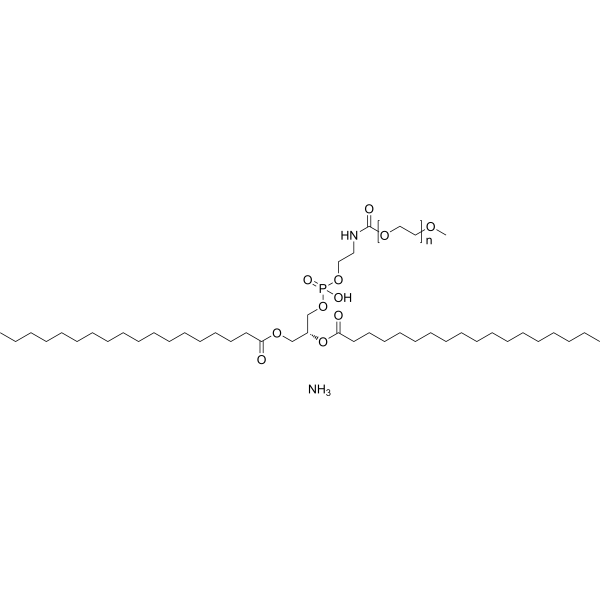
    DSPE-mPEG550 ammonium; 1,2-Distearoyl-sn-glycero-3-phosphoethanolamine-N-[methoxy(polyethylene glycol)-550] ammonium

    Biochemical Assay Reagents Liposome Others
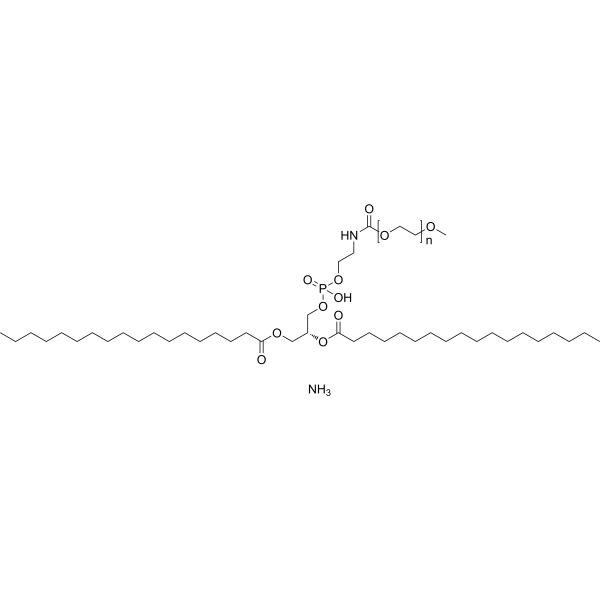
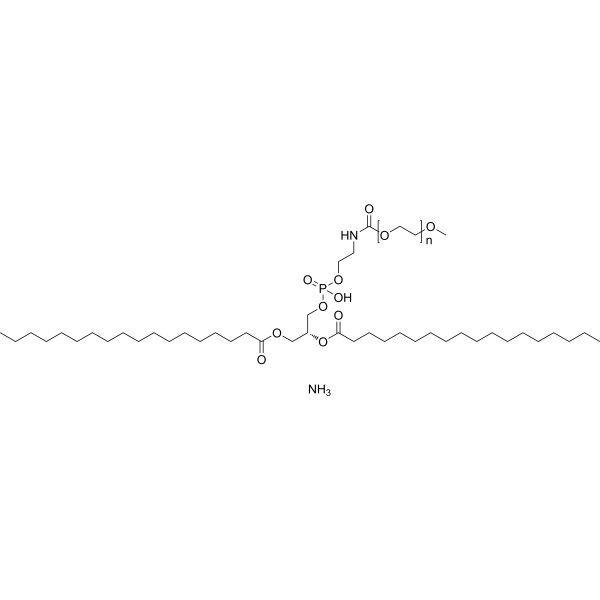
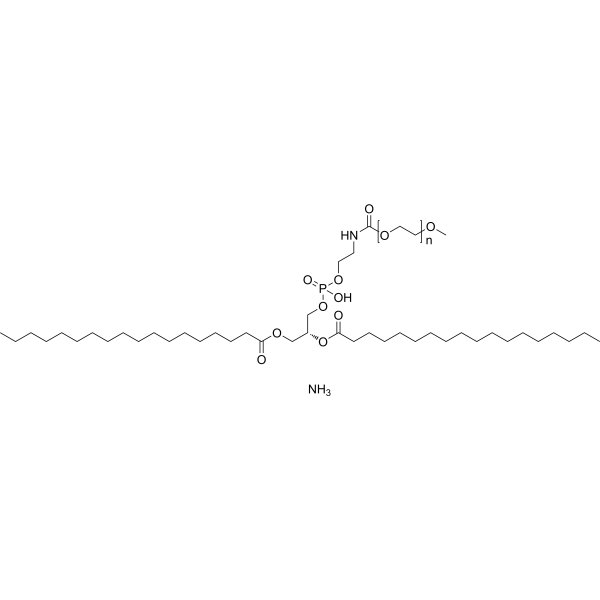
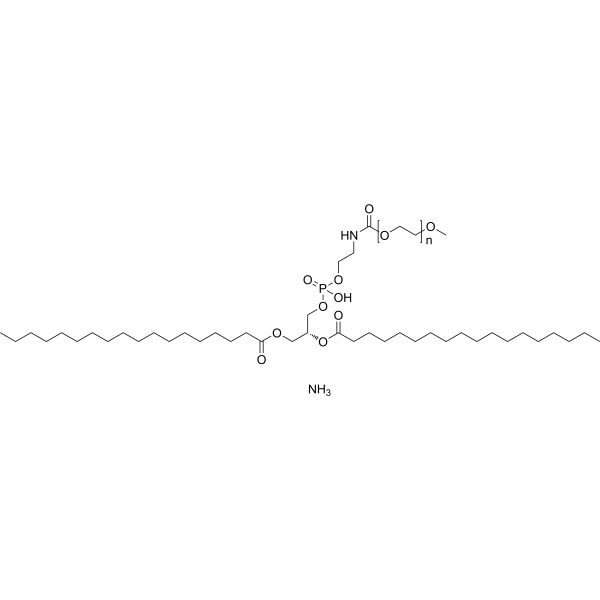
    18:0 mPEG550 PE (ammonium) is a PEG lipid functional end group used in the synthesis of liposomes (LPs) for the design of conjugated polymeric nanoparticles. Through biotin modification and carboxyl terminus, lipid nanoparticles (LNPs) further coupling with other biomolecules can be achieved. Functionalized nanoparticles can be used for targeted labeling of specific cellular proteins. With streptavidin as a linker, biotinylated PEG lipid-conjugated polymer nanoparticles are able to bind to biotinylated antibodies on cell surface receptors, yielding the utility of fluorescence-based imaging and sensing.
    18:0 mPEG550 PE ammonium
  • HY-144013A

    DSPE-mPEG350 ammonium; 1,2-Distearoyl-sn-glycero-3-phosphoethanolamine-N-[methoxy(polyethylene glycol)-350] ammonium

    Liposome Others
    18:0 mPEG350 PE (ammonium) is a PEG lipid functional end group used in the synthesis of liposomes (LPs) for the design of conjugated polymer nanoparticles. Through biotin modification and carboxyl terminus, lipid nanoparticles (LNPs) further coupling with other biomolecules can be achieved. Functionalized nanoparticles can be used for targeted labeling of specific cellular proteins. With streptavidin as a linker, biotinylated PEG lipid-conjugated polymer nanoparticles are able to bind to biotinylated antibodies on cell surface receptors, yielding the utility of fluorescence-based imaging and sensing.
    18:0 mPEG350 PE ammonium
  • HY-144013D

    DSPE-mPEG1000 ammonium; 1,2-Distearoyl-sn-glycero-3-phosphoethanolamine-N-[methoxy(polyethylene glycol)-1000] ammonium

    Liposome Others
    18:0 mPEG1000 PE (ammonium) is a PEG lipid functional end group used in the synthesis of liposomes (LPs) for the design of conjugated polymeric nanoparticles. Through biotin modification and carboxyl terminus, lipid nanoparticles (LNPs) further coupling with other biomolecules can be achieved. Functionalized nanoparticles can be used for targeted labeling of specific cellular proteins. With streptavidin as a linker, biotinylated PEG lipid-conjugated polymer nanoparticles are able to bind to biotinylated antibodies on cell surface receptors, yielding the utility of fluorescence-based imaging and sensing.
    18:0 mPEG1000 PE ammonium
  • HY-144013E

    DSPE-mPEG3000 ammonium; 1,2-Distearoyl-sn-glycero-3-phosphoethanolamine-N-[methoxy(polyethylene glycol)-3000] ammonium

    Liposome Others
    18:0 mPEG3000 PE (ammonium) is a PEG lipid functional end group used in the synthesis of liposomes (LPs) for the design of conjugated polymeric nanoparticles. Through biotin modification and carboxyl terminus, lipid nanoparticles (LNPs) further coupling with other biomolecules can be achieved. Functionalized nanoparticles can be used for targeted labeling of specific cellular proteins. With streptavidin as a linker, biotinylated PEG lipid-conjugated polymer nanoparticles are able to bind to biotinylated antibodies on cell surface receptors, yielding the utility of fluorescence-based imaging and sensing.
    18:0 mPEG3000 PE ammonium
  • HY-144013C

    DSPE-mPEG750 ammonium; 1,2-Distearoyl-sn-glycero-3-phosphoethanolamine-N-[methoxy(polyethylene glycol)-750] ammonium

    Biochemical Assay Reagents Liposome Others
    18:0 mPEG750 PE (ammonium) is a PEG lipid functional end group used in the synthesis of liposomes (LPs) for the design of conjugated polymeric nanoparticles. Through biotin modification and carboxyl terminus, lipid nanoparticles (LNPs) further coupling with other biomolecules can be achieved. Functionalized nanoparticles can be used for targeted labeling of specific cellular proteins. With streptavidin as a linker, biotinylated PEG lipid-conjugated polymer nanoparticles are able to bind to biotinylated antibodies on cell surface receptors, yielding the utility of fluorescence-based imaging and sensing.
    18:0 mPEG750 PE ammonium
  • HY-155934

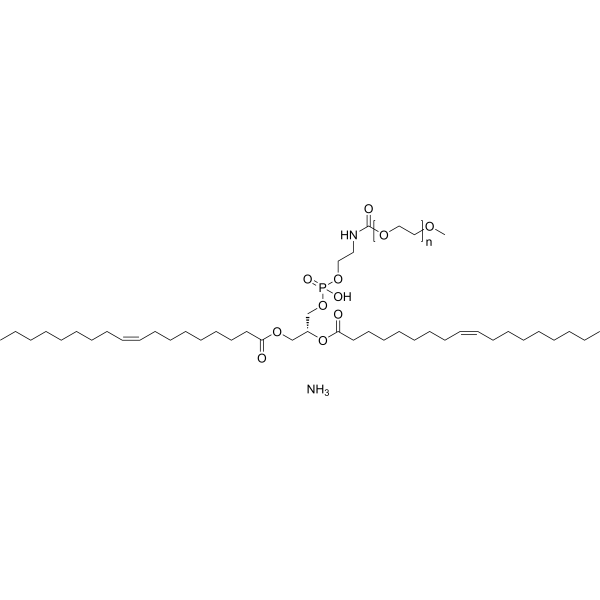
    DOPE-PEG5000 ammonium; 1,2-Dioleoyl-sn-glycero-3-phosphoethanolamine-N-[methoxy(polyethylene glycol)-5000] ammonium

    Liposome Others
    18:1 PEG5000 PE ammonium (DOPE-PEG5000 ammonium) is a PEG lipid functional end group used in the synthesis of liposomes (LPs) for the design of conjugated polymer nanoparticles. Through biotin modification and carboxyl terminus, lipid nanoparticles (LNPs) further coupling with other biomolecules can be achieved. Functionalized nanoparticles can be used for targeted labeling of specific cellular proteins. With streptavidin as a linker, biotinylated PEG lipid-conjugated polymer nanoparticles are able to bind to biotinylated antibodies on cell surface receptors, yielding the utility of fluorescence-based imaging and sensing.
    18:1 PEG5000 PE ammonium
  • HY-155926

    14:0 PEG750 PE ammonium; 1,2-Dimyristoyl-sn-glycero-3-phosphoethanolamine-N-[methoxy(polyethylene glycol)-750] ammonium

    Liposome Others
    DMPE-PEG750 ammonium (14:0 PEG750 PE ammonium) is a PEG lipid functional end group used in the synthesis of liposomes (LPs) for the design of conjugated polymeric nanoparticles. Through biotin modification and carboxyl terminus, lipid nanoparticles (LNPs) further coupling with other biomolecules can be achieved. Functionalized nanoparticles can be used for targeted labeling of specific cellular proteins. With streptavidin as a linker, biotinylated PEG lipid-conjugated polymer nanoparticles are able to bind to biotinylated antibodies on cell surface receptors, yielding the utility of fluorescence-based imaging and sensing.
    DMPE-PEG750 ammonium
  • HY-155924

    14:0 PEG350 PE ammonium; 1,2-Dimyristoyl-sn-glycero-3-phosphoethanolamine-N-[methoxy(polyethylene glycol)-350] ammonium

    Liposome Others
    DMPE-PEG350 ammonium (14:0 PEG350 PE ammonium) is a PEG lipid functional end group used in the synthesis of liposomes (LPs) for the design of conjugated polymer nanoparticles. Through biotin modification and carboxyl terminus, lipid nanoparticles (LNPs) further coupling with other biomolecules can be achieved. Functionalized nanoparticles can be used for targeted labeling of specific cellular proteins. With streptavidin as a linker, biotinylated PEG lipid-conjugated polymer nanoparticles are able to bind to biotinylated antibodies on cell surface receptors, yielding the utility of fluorescence-based imaging and sensing.
    DMPE-PEG350 ammonium
  • HY-155927

    14:0 PEG1000 PE ammonium; 1,2-Dimyristoyl-sn-glycero-3-phosphoethanolamine-N-[methoxy(polyethylene glycol)-1000] ammonium

    Liposome Others
    DMPE-PEG1000 ammonium (14:0 PEG1000 PE ammonium) is a PEG lipid functional end group used in the synthesis of liposomes (LPs) for the design of conjugated polymer nanoparticles. Through biotin modification and carboxyl terminus, lipid nanoparticles (LNPs) further coupling with other biomolecules can be achieved. Functionalized nanoparticles can be used for targeted labeling of specific cellular proteins. With streptavidin as a linker, biotinylated PEG lipid-conjugated polymer nanoparticles are able to bind to biotinylated antibodies on cell surface receptors, yielding the utility of fluorescence-based imaging and sensing.
    DMPE-PEG1000 ammonium
  • HY-155925

    14:0 PEG550 PE ammonium; 1,2-Dimyristoyl-sn-glycero-3-phosphoethanolamine-N-[methoxy(polyethylene glycol)-550] ammonium

    Liposome Others
    DMPE-PEG550 ammonium (14:0 PEG550 PE ammonium) is a PEG lipid functional end group used in the synthesis of liposomes (LPs) for the design of conjugated polymeric nanoparticles. Through biotin modification and carboxyl terminus, lipid nanoparticles (LNPs) further coupling with other biomolecules can be achieved. Functionalized nanoparticles can be used for targeted labeling of specific cellular proteins. With streptavidin as a linker, biotinylated PEG lipid-conjugated polymer nanoparticles are able to bind to biotinylated antibodies on cell surface receptors, yielding the utility of fluorescence-based imaging and sensing.
    DMPE-PEG550 ammonium
  • HY-155929

    14:0 PEG5000 PE ammonium; 1,2-Dimyristoyl-sn-glycero-3-phosphoethanolamine-N-[methoxy(polyethylene glycol)-5000] ammonium

    Liposome Others
    DMPE-PEG5000 ammonium (14:0 PEG5000 PE ammonium) is a PEG lipid functional end group used in the synthesis of liposomes (LPs) for the design of conjugated polymer nanoparticles. Through biotin modification and carboxyl terminus, lipid nanoparticles (LNPs) further coupling with other biomolecules can be achieved. Functionalized nanoparticles can be used for targeted labeling of specific cellular proteins. With streptavidin as a linker, biotinylated PEG lipid-conjugated polymer nanoparticles are able to bind to biotinylated antibodies on cell surface receptors, yielding the utility of fluorescence-based imaging and sensing.
    DMPE-PEG5000 ammonium
  • HY-155928

    14:0 PEG3000 PE ammonium; 1,2-Dimyristoyl-sn-glycero-3-phosphoethanolamine-N-[methoxy(polyethylene glycol)-3000] ammonium

    Liposome Others
    DMPE-PEG3000 ammonium (14:0 PEG3000 PE ammonium) is a PEG lipid functional end group used in the synthesis of liposomes (LPs) for the design of conjugated polymer nanoparticles. Through biotin modification and carboxyl terminus, lipid nanoparticles (LNPs) further coupling with other biomolecules can be achieved. Functionalized nanoparticles can be used for targeted labeling of specific cellular proteins. With streptavidin as a linker, biotinylated PEG lipid-conjugated polymer nanoparticles are able to bind to biotinylated antibodies on cell surface receptors, yielding the utility of fluorescence-based imaging and sensing.
    DMPE-PEG3000 ammonium
  • HY-B1306S

    p-Aminohippuric acid-d4

    Biochemical Assay Reagents Neurological Disease Metabolic Disease
    4-Aminohippuric acid-d4 (p-Aminohippuric acid-d4) is the deuterium labeled 4-Aminohippuric acid (HY-B1306). 4-Aminohippuric acid (p-Aminohippuric acid) is a coordination ligand for metal ions (such as Cu 2+, Fe 3+, Hg 2+) and a functionalization reagent for nanomaterials. 4-Aminohippuric acid can coordinate with metal ions or modify the surface of materials such as carbon nanotubes and gold nanoparticles through amino and carboxyl groups. 4-Aminohippuric acid can form stable complexes with metal ions or participate in the synthesis of nanomaterials as a reducing agent/stabilizer, enriching metal ions or giving nanoparticles peroxidase-mimicking activity. 4-Aminohippuric acid can be used to construct highly sensitive electrochemical sensors or colorimetric sensors to detect and quantitatively analyze heavy metal ions such as copper, iron, and mercury in environmental water samples and biological samples. 4-Aminohippuric acid may also be a biomarker for attention-deficit/hyperactivity disorder (ADHD) .
    4-Aminohippuric acid-d4
  • HY-144012B

    16:0 PEG550 PE; 1,2-Dipalmitoyl-sn-glycero-3-phosphoethanolamine-N-[methoxy(polyethylene glycol)-550] ammonium

    Biochemical Assay Reagents Liposome Others
    DPPE-PEG550 is a PEG lipid functional end group used in the synthesis of liposomes (LPs) for the design of conjugated polymer nanoparticles. Through biotin modification and carboxyl terminus, lipid nanoparticles (LNPs) further coupling with other biomolecules can be achieved. Functionalized nanoparticles can be used for targeted labeling of specific cellular proteins. With streptavidin as a linker, biotinylated PEG lipid-conjugated polymer nanoparticles are able to bind to biotinylated antibodies on cell surface receptors, yielding the utility of fluorescence-based imaging and sensing.
    DPPE-PEG550
  • HY-144012C

    16:0 PEG750 PE; 1,2-Dipalmitoyl-sn-glycero-3-phosphoethanolamine-N-[methoxy(polyethylene glycol)-750] ammonium

    Biochemical Assay Reagents Liposome Others
    DPPE-PEG750 is a PEG lipid functional end group used in the synthesis of liposomes (LPs) for the design of conjugated polymer nanoparticles. Through biotin modification and carboxyl terminus, lipid nanoparticles (LNPs) further coupling with other biomolecules can be achieved. Functionalized nanoparticles can be used for targeted labeling of specific cellular proteins. With streptavidin as a linker, biotinylated PEG lipid-conjugated polymer nanoparticles are able to bind to biotinylated antibodies on cell surface receptors, yielding the utility of fluorescence-based imaging and sensing.
    DPPE-PEG750
  • HY-144012E

    16:0 PEG3000 PE; 1,2-Dipalmitoyl-sn-glycero-3-phosphoethanolamine-N-[methoxy(polyethylene glycol)-3000] ammonium

    Liposome Others
    DPPE-PEG3000 is a PEG lipid functional end group used in the synthesis of liposomes (LPs) for the design of conjugated polymer nanoparticles. Through biotin modification and carboxyl terminus, lipid nanoparticles (LNPs) further coupling with other biomolecules can be achieved. Functionalized nanoparticles can be used for targeted labeling of specific cellular proteins. With streptavidin as a linker, biotinylated PEG lipid-conjugated polymer nanoparticles are able to bind to biotinylated antibodies on cell surface receptors, yielding the utility of fluorescence-based imaging and sensing.
    DPPE-PEG3000
  • HY-144012D

    16:0 PEG1000 PE; 1,2-Dipalmitoyl-sn-glycero-3-phosphoethanolamine-N-[methoxy(polyethylene glycol)-1000] ammonium

    Liposome Others
    DPPE-PEG1000 is a PEG lipid functional end group used in the synthesis of liposomes (LPs) for the design of conjugated polymer nanoparticles. Through biotin modification and carboxyl terminus, lipid nanoparticles (LNPs) further coupling with other biomolecules can be achieved. Functionalized nanoparticles can be used for targeted labeling of specific cellular proteins. With streptavidin as a linker, biotinylated PEG lipid-conjugated polymer nanoparticles are able to bind to biotinylated antibodies on cell surface receptors, yielding the utility of fluorescence-based imaging and sensing.
    DPPE-PEG1000
  • HY-155931

    DOPE-PEG550 ammonium; 1,2-Dioleoyl-sn-glycero-3-phosphoethanolamine-N-[methoxy(polyethylene glycol)-550] ammonium

    Liposome Others
    18:1 PEG550 PE ammonium (DOPE-PEG550 ammonium) is a PEG lipid functional end group used in the synthesis of liposomes (LPs) for the design of conjugated polymer nanoparticles. Through biotin modification and carboxyl terminus, lipid nanoparticles (LNPs) further coupling with other biomolecules can be achieved. Functionalized nanoparticles can be used for targeted labeling of specific cellular proteins. With streptavidin as a linker, biotinylated PEG lipid-conjugated polymer nanoparticles are able to bind to biotinylated antibodies on cell surface receptors, yielding the utility of fluorescence-based imaging and sensing.
    18:1 PEG550 PE ammonium
  • HY-155933

    DOPE-PEG3000 ammonium; 1,2-Dioleoyl-sn-glycero-3-phosphoethanolamine-N-[methoxy(polyethylene glycol)-3000] ammonium

    Liposome Others
    18:1 PEG3000 PE ammonium (DOPE-PEG3000 ammonium) is a PEG lipid functional end group used in the synthesis of liposomes (LPs) for the design of conjugated polymer nanoparticles. Through biotin modification and carboxyl terminus, lipid nanoparticles (LNPs) further coupling with other biomolecules can be achieved. Functionalized nanoparticles can be used for targeted labeling of specific cellular proteins. With streptavidin as a linker, biotinylated PEG lipid-conjugated polymer nanoparticles are able to bind to biotinylated antibodies on cell surface receptors, yielding the utility of fluorescence-based imaging and sensing.
    18:1 PEG3000 PE ammonium
  • HY-155932

    DOPE-PEG1000 ammonium; 1,2-Dioleoyl-sn-glycero-3-phosphoethanolamine-N-[methoxy(polyethylene glycol)-1000] ammonium

    Liposome Others
    18:1 PEG1000 PE ammonium (DOPE-PEG1000 ammonium) is a PEG lipid functional end group used in the synthesis of liposomes (LPs) for the design of conjugated polymer nanoparticles. Through biotin modification and carboxyl terminus, lipid nanoparticles (LNPs) further coupling with other biomolecules can be achieved. Functionalized nanoparticles can be used for targeted labeling of specific cellular proteins. With streptavidin as a linker, biotinylated PEG lipid-conjugated polymer nanoparticles are able to bind to biotinylated antibodies on cell surface receptors, yielding the utility of fluorescence-based imaging and sensing.
    18:1 PEG1000 PE ammonium
  • HY-155930

    DOPE-PEG350 ammonium; 1,2-Dioleoyl-sn-glycero-3-phosphoethanolamine-N-[methoxy(polyethylene glycol)-350] ammonium

    Liposome Others
    18:1 PEG350 PE ammonium (DOPE-PEG350 ammonium) is a PEG lipid functional end group used in the synthesis of liposomes (LPs) for the design of conjugated polymer nanoparticles. Through biotin modification and carboxyl terminus, lipid nanoparticles (LNPs) further coupling with other biomolecules can be achieved. Functionalized nanoparticles can be used for targeted labeling of specific cellular proteins. With streptavidin as a linker, biotinylated PEG lipid-conjugated polymer nanoparticles are able to bind to biotinylated antibodies on cell surface receptors, yielding the utility of fluorescence-based imaging and sensing.
    18:1 PEG350 PE ammonium
  • HY-W1048547J

    HOOC-PEG40000-Amine

    PROTAC Linkers Others
    HOOC-PEG40000-NH2 (HOOC-PEG40000-Amine) is a heterobifunctional PEG crosslinker that can be used to attach functional PEG to biomolecules, particles, and other surface materials. The carboxyl group reacts with the amine group to form a stable amide bond. It can also react with the hydroxyl group to form an unstable ester bond. On the other hand, the amine group can be used to react with many amine-reactive groups, such as succinimidyl NHS esters, aldehydes, etc .
    HOOC-PEG40000-NH2
  • HY-P10870

    Peptide-Drug Conjugates (PDCs) FGFR Apoptosis Cancer
    Pep1-DNP conjugate 9 is a functionalized peptide which is composed of the DNP-Hapten and the FGFR1 binding peptide. Pep1-DNP conjugate 9 exhibits good affinity to FGFR1 with KD of 5.01 μM. Pep1-DNP conjugate 9 recruits anti-DNP antibodies to the surface of FGFR1-positive cells, inhibits the FGF2-induced proliferation in rat skeletal myoblast cells, and induces apoptosis. Pep1-DNP conjugate 9 exhibits antitumor efficacy in mouse models .
    Pep1-DNP conjugate 9
  • HY-114776

    Fluorescent Dye Others
    Biotin-olefin (Compound 1) is a biotin probe. Biotin-olefin can used for photoimmobilization on thiol-functionalized surfaces .
    Biotin-olefin
  • HY-116210

    Biochemical Assay Reagents Others
    Phenylphosphinic acid binds to metal oxide surfaces for a modification and functionalization. Phenylphosphinic acid can also be used for nanoparticles or sol-gel synthesis .
    Phenylphosphinic acid
  • HY-168490

    Biochemical Assay Reagents Others
    Poly(ethylene glycol)methyl ether thiol (MW 800) is a thiol-modified PEG that can be used to modify the surface of materials to enhance their hydrophilicity and functionality .
    Poly(ethylene glycol)methyl ether thiol (MW 800)
  • HY-168490A

    Biochemical Assay Reagents Others
    Poly(ethylene glycol)methyl ether thiol (MW 2000) is a thiol-modified PEG that can be used to modify the surface of materials to enhance their hydrophilicity and functionality .
    Poly(ethylene glycol)methyl ether thiol (MW 2000)
  • HY-168490B

    Biochemical Assay Reagents Others
    Poly(ethylene glycol)methyl ether thiol (MW 6000) is a thiol-modified PEG that can be used to modify the surface of materials to enhance their hydrophilicity and functionality .
    Poly(ethylene glycol)methyl ether thiol (MW 6000)
  • HY-168939

    Biochemical Assay Reagents Others
    Poly(ethylene glycol) 2-mercaptoethyl ether acetic acid (Mn 1000) is a derivative of polyethylene glycol, which can be used for bioconjugation, drug delivery, PEG hydrogel, crosslinker and surface functionalization .
    Poly(ethylene glycol) 2-mercaptoethyl ether acetic acid (Mn 1000)
  • HY-174364E

    Biochemical Assay Reagents Others
    Alkyne-PEG20000-COOH is a heterobifunctional PEG crosslinker that can be used to attach functional PEG to biomolecules, particles, and other material surfaces. The carboxyl group can react with the amine group to form a stable amide bond .
    Alkyne-PEG20000-COOH
  • HY-124013

    4-(α-N-L-alanine)-NBD

    Fluorescent Dye Others
    NBDA (4-(α-N-L-alanine)-NBD) is a structural and functional analogue of the 2,4-dinitrophenyl group (DNP). NBDA can be used to detect and characterize antinitroaromatic antibodies, even in crude preparations, and possibly on cell surfaces .
    NBDA

Inquiry Online

Your information is safe with us. * Required Fields.

Salutation


Country or Region *

Applicant Name *


Organization Name *

Department *


Email Address *


Product Name *

Cat. No.


Requested quantity *

Phone Number *


Remarks

Inquiry Online

Inquiry Information

Product Name:
Cat. No.:
Quantity:
MCE Japan Authorized Agent: