1. Search Result
Search Result
Results for "

thromboxane B2

" in MedChemExpress (MCE) Product Catalog:

29

Inhibitors & Agonists

10

Natural
Products

5

Isotope-Labeled Compounds

Cat. No. Product Name Target Research Areas Chemical Structure
  • HY-N0652

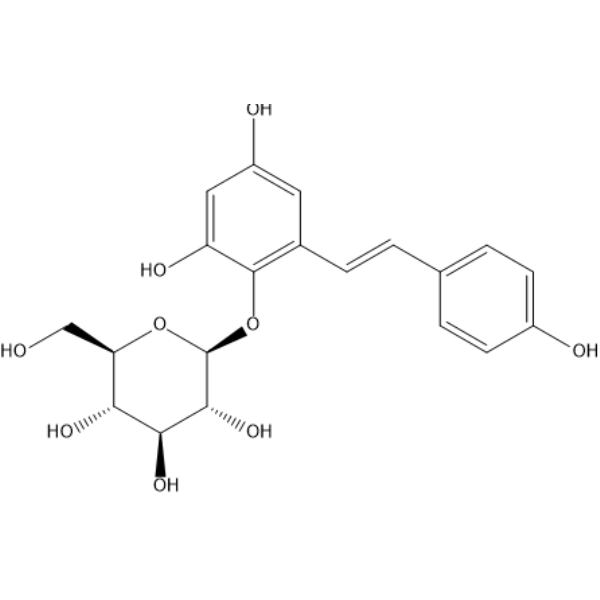
    2,3,4',5-Tetrahydroxystilbene 2-O-D-glucoside

    ERK NF-κB Cardiovascular Disease Neurological Disease
    2,3,5,4'-Tetrahydroxystilbene 2-O-β-D-glucoside isolats from the roots of Polygonaceae species, inhibits the formation of 5-HETE, HHT and thromboxane B2. 2,3,5,4'-Tetrahydroxystilbene 2-O-β-D-glucoside has hypotensive, anti-ageing, anti-inflammatory, hypolipidemic, cardioprotective, and neuroprotective actions .
    2,3,5,4'-Tetrahydroxystilbene 2-O-β-D-glucoside
  • HY-113331
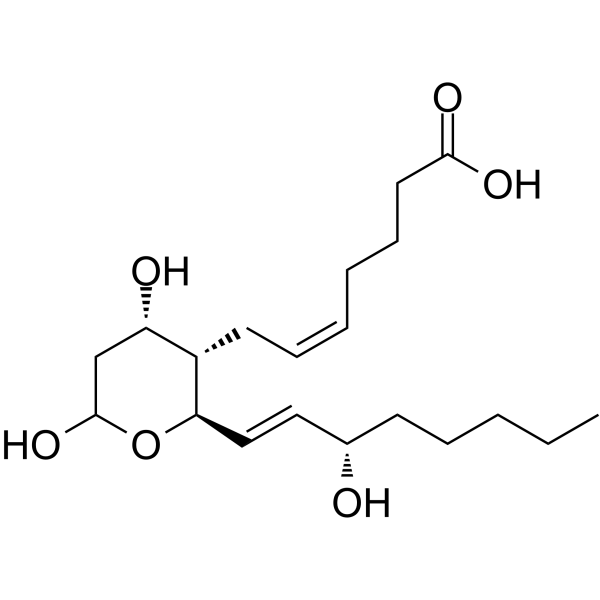
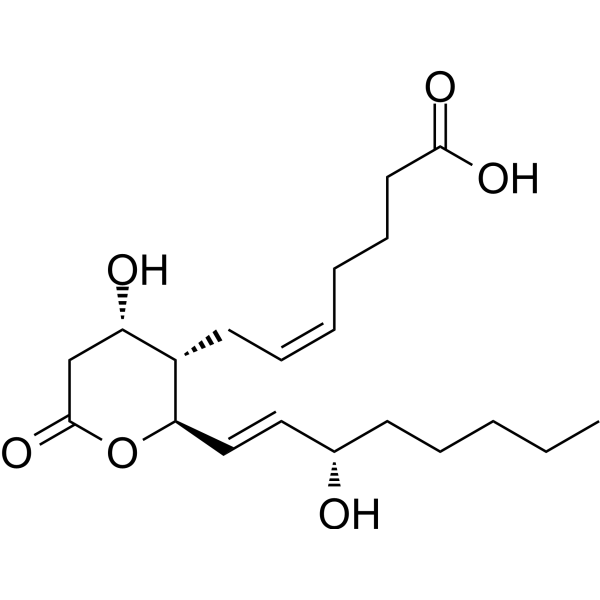
    Thromboxane B2
    1 Publications Verification

    Prostaglandin Receptor Cardiovascular Disease Inflammation/Immunology
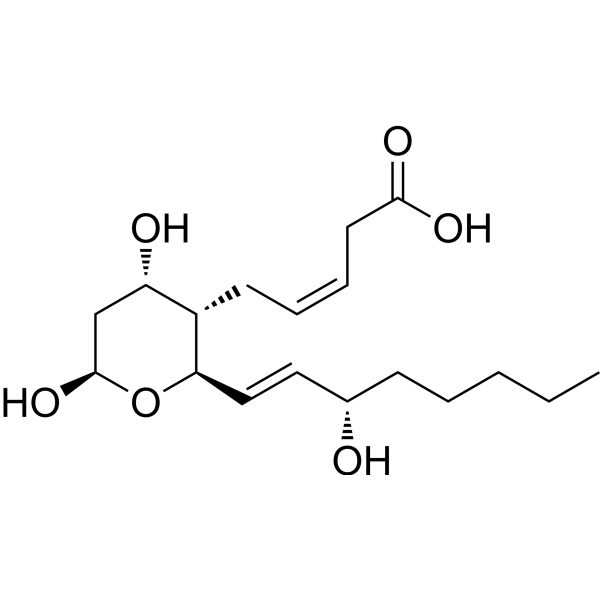
    Thromboxane B2 is a prostaglandin derivative that is released during anaphylaxis. Thromboxane B2 induces arterial contraction and platelet aggregation. Thromboxane B2 is a biological inactive product and circulating catabolite of thromboxane A2. Thromboxane B2 levels in peripheral venous blood and coronary sinus blood can be used as a diagnostic marker for angina. Thromboxane B2 level in serum is also associated with inhibition of COX-1 activity inhibition in platelets. Thromboxane B2 is a major product of prostaglandin endoperoxide metabolism. Thromboxane B2 produces dose-related decreases in airflow rate, tidal volume and dynamic lung compliance, whilst simultaneously increasing pulmonary airway resistance in dog model. Thromboxane B2 appears to be a naturally occurring bronchoactive metabolite in the bioconversion of arachidonic acid .
    Thromboxane B2
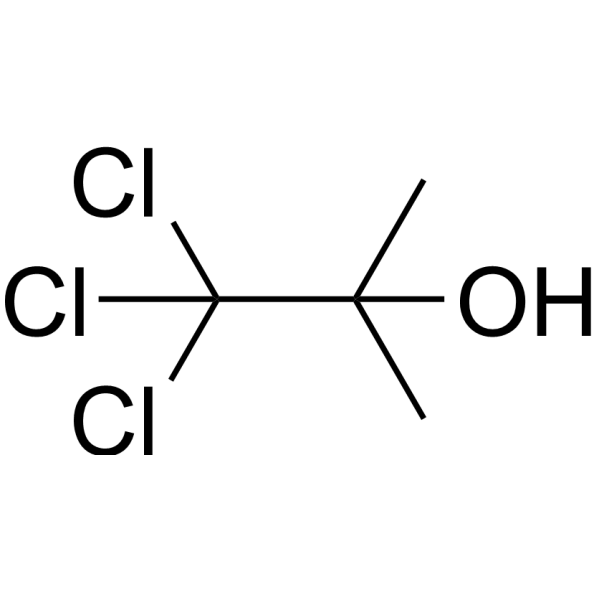
  • HY-B1263

    Environmental Pollutants Bacterial Fungal Infection Neurological Disease
    Chlorobutanol is an orally active and potent inhibitor of platelet aggregation and release and a pharmaceutical preservative with antibacterial activity. Chlorobutanol inhibits thromboxane B2 formation, ATP release, and elevation of cytosolic free calcium caused by collagen, ADP, epinephrine, arachidonic acid and thrombin. Chlorobutanol is active against a wide variety of Gram-positive and Gram-negative bacteria, and several mold spores and fungi. Chlorobutanol is widely used in food and cosmetic industry .
    Chlorobutanol
  • HY-N3617
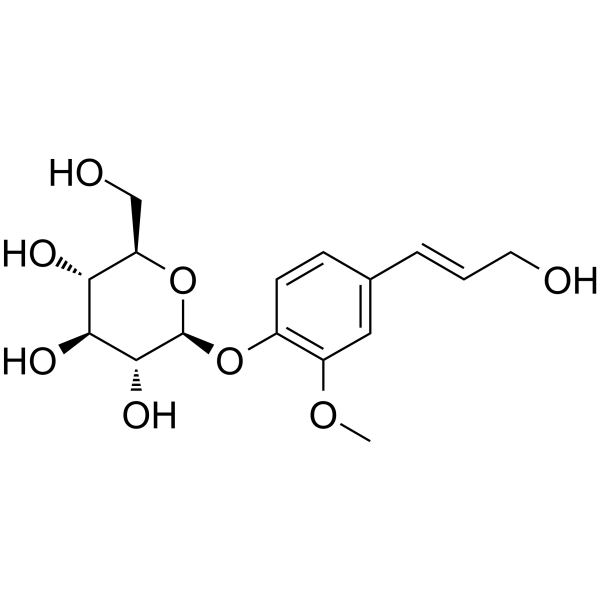
    Coniferin
    2 Publications Verification

    Laricin

    Fungal Prostaglandin Receptor Infection Cardiovascular Disease
    Coniferin (Laricin) is a glucoside of coniferyl alcohol. Coniferin inhibits fungal melanization. Coniferin inhibits the release of certain hormones from cells, including Prostaglandin E2 and Thromboxane B2 .
    Coniferin
  • HY-113420

    Endogenous Metabolite Metabolic Disease
    11-Dehydro-thromboxane B2 is a platelet hemagglutinin. Thromboxane inhibition was assessed by urinary excretion levels of 11-Dehydro-thromboxane B2. 11-Dehydro-thromboxane B2 can be used in the study of atherosclerotic thrombosis .
    11-Dehydro-thromboxane B2
  • HY-N2391

    Endogenous Metabolite Prostaglandin Receptor Endocrinology
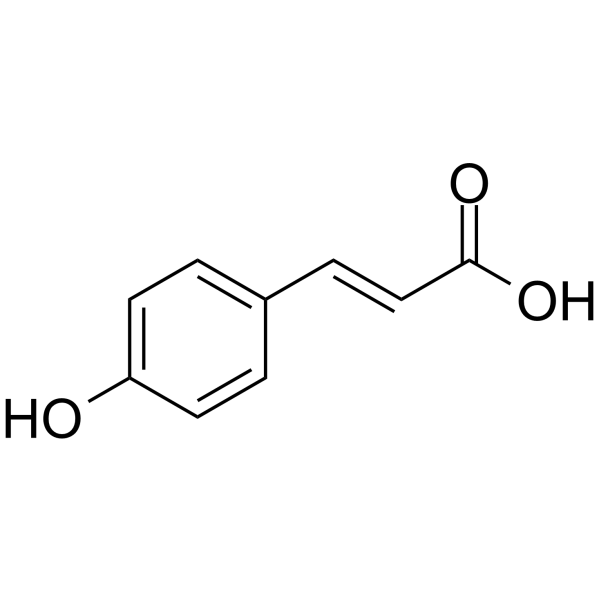
    p-Hydroxycinnamic acid, a common dietary phenol, could inhibit platelet activity, with IC50s of 371 μM, 126 μM for thromboxane B2 production and lipopolysaccharide-induced prostaglandin E2 generation, respectively.
    p-Hydroxycinnamic acid
  • HY-13219

    COX Lipoxygenase Reactive Oxygen Species (ROS) NF-κB Neurological Disease Inflammation/Immunology
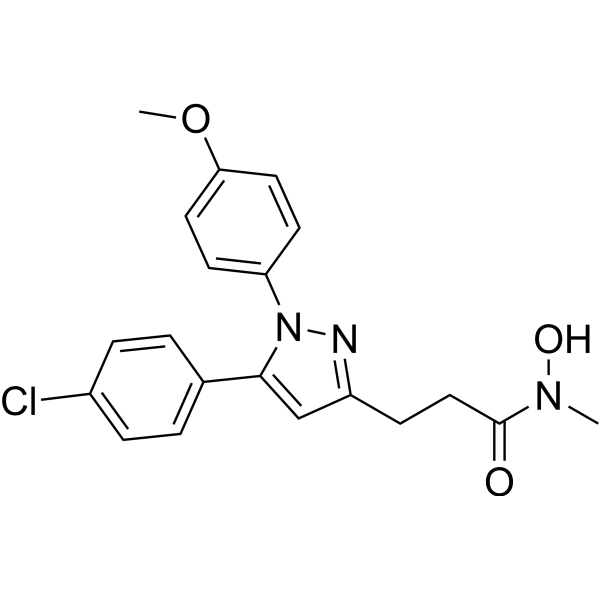
    Tepoxalin is an orally active dual inhibitor of Cyclooxygenase/Lipoxygenase, with IC50 values of 4.6 μM (sheep cyclooxygenase), 2.85 μM (rat cyclooxygenase), 0.15 μM (rat 5-lipoxygenase), and 3.0 μM (h12-lipoxygenase), respectively. Tepoxalin inhibits ROS production and NF-κB activation. Tepoxalin suppresses the production of thromboxane B2, leukotriene B4, prostaglandins and cytokines, and blocks platelet aggregation. Tepoxalin exhibits potent anti-inflammatory activity in rats with adjuvant-induced arthritis. Tepoxalin possesses analgesic activity. Tepoxalin shows no ulcerogenic activity within the anti-inflammatory dose range. Tepoxalin can be used in studies related to adjuvant-induced arthritis, skin inflammation and Alzheimer's disease .
    Tepoxalin
  • HY-N5031

    Others Inflammation/Immunology
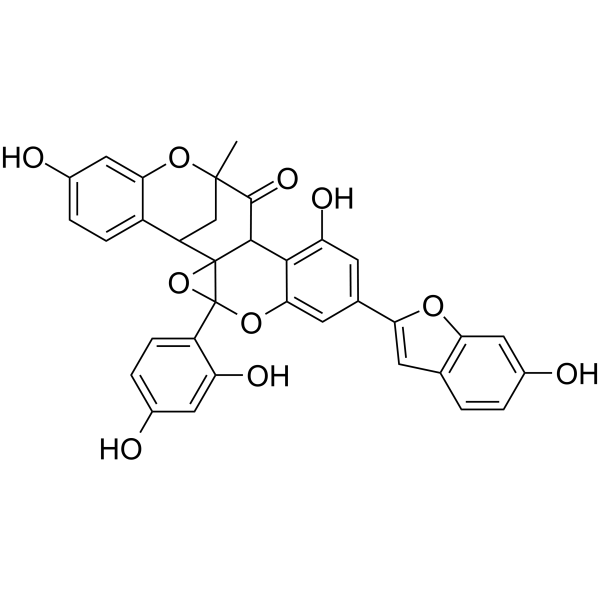
    Mulberrofuran Q inhibits the formation of 12-hydroxy-5,8,10-heptadecatrienoic acid (HHT) and thromboxane B2 (cyclooxygenase products) .
    Mulberrofuran Q
  • HY-12463A

    Adrenergic Receptor Inflammation/Immunology
    Carmoterol is a highly potent and selective long-acting β2-adrenergic receptor agonist with a pEC50 of 10.19. Carmoterol shows 53-fold higher affinity for β2-adrenergic receptors than for β1-adrenergic receptors. Carmoterol stimulates cyclic adenosine monophosphate accumulation, induces airway smooth muscle relaxation, inhibits bronchoconstriction, reduces thromboxane B2 release, and prolongs survival time. Carmoterol can be used in research related to asthma and chronic obstructive pulmonary disease (COPD) .
    Carmoterol
  • HY-113331S1

    Isotope-Labeled Compounds Prostaglandin Receptor Inflammation/Immunology
    Thromboxane B2-d9 is deuterium labeled Thromboxane B2. Thromboxane B2 is a prostaglandin derivative that is released during anaphylaxis. Thromboxane B2 induces arterial contraction and platelet aggregation .
    Thromboxane B2-d9
  • HY-113331S

    Isotope-Labeled Compounds Inflammation/Immunology
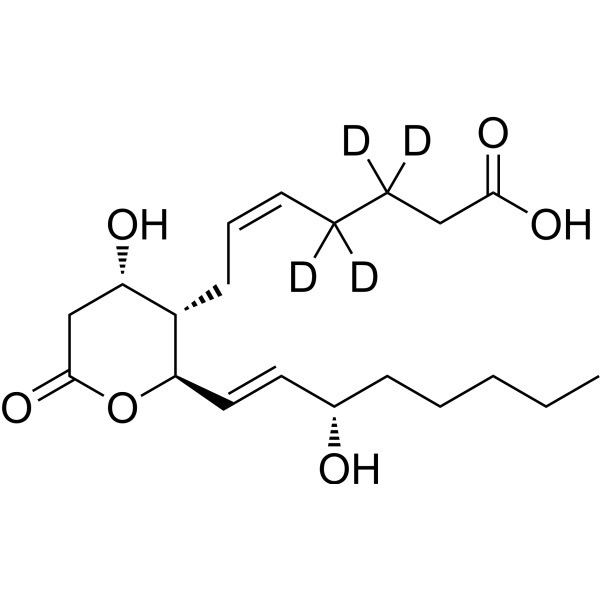
    Thromboxane B2-D4 is the deuterium labeled Thromboxane B2. Thromboxane B2 is a prostaglandin derivative that is released during anaphylaxis. Thromboxane B2 induces arterial contraction and platelet aggregation .
    Thromboxane B2-d4
  • HY-137555

    11-dehydro-2,3-dinor TXB2

    Endogenous Metabolite Metabolic Disease
    11-dehydro-2,3-dinor Thromboxane B2 (11-dehydro-2,3-dinor TXB2) is a metabolite of the TXA2 inactive metabolite TXB2 (Item No. 19030). It is formed from TXB2 by cytosolic aldehyde dehydrogenase (ALDH) and β-oxidation. Levels of 11-dehydro-2,3-dinor TXB2 are increased 5.2-fold in a surgery-induced rat model of tendon overuse.
    11-dehydro-2,3-dinor Thromboxane B2
  • HY-N0652R

    2,3,4',5-Tetrahydroxystilbene 2-O-D-glucoside (Standard)

    Reference Standards ERK NF-κB Cardiovascular Disease Neurological Disease
    2,3,5,4'-Tetrahydroxystilbene 2-O-β-D-glucoside (Standard) is the analytical standard of 2,3,5,4'-Tetrahydroxystilbene 2-O-β-D-glucoside. This product is intended for research and analytical applications. 2,3,5,4'-Tetrahydroxystilbene 2-O-β-D-glucoside isolats from the roots of Polygonaceae species, inhibits the formation of 5-HETE, HHT and thromboxane B2. 2,3,5,4'-Tetrahydroxystilbene 2-O-β-D-glucoside has hypotensive, anti-ageing, anti-inflammatory, hypolipidemic, cardioprotective, and neuroprotective actions .
    2,3,5,4'-Tetrahydroxystilbene 2-O-β-D-glucoside (Standard)
  • HY-179561

    Drug Derivative Cardiovascular Disease
    ACS14 is a derivative of Aspirin (HY-14654). ACS14 reduces Buthionine Sulfoximine (BSO) (HY-106376)-induced hypertension, plasma levels of thromboxane B2, 8-isoprostane, and insulin in rats, while GSH remained in the control range. ACS14 can be used for hypertension research .
    ACS14
  • HY-177362

    TXB2-EA

    Endogenous Metabolite Others
    Thromboxane B2 ethanolamide (TXB2-EA) is a metabolite of thromboxane A2 ethanolamide. Thromboxane B2 ethanolamide is formed from thromboxane A2 ethanolamide by hydrolysis .
    Thromboxane B2 ethanolamide
  • HY-100516

    UR-8880

    COX Cytochrome P450 Inflammation/Immunology
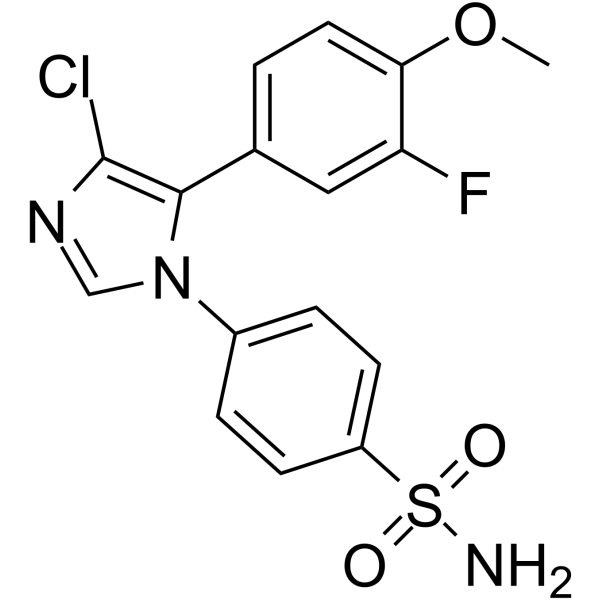
    Cimicoxib (UR-8880) is an orally active, blood-brain barrier-permeable COX-2 inhibitor that also exerts targeted inhibition on CYP2D15. It has an IC50 of 66 nM against hCOX-2, an IC50 of 1.6 μM against canine CYP2D15, and an IC50 of 0.056 μM against feline CYP2D15. By inhibiting the COX-2 pathway to reduce the production of thromboxane B2 and prostaglandin E2, Cimicoxib exerts antipyretic, anti-inflammatory and analgesic effects. Cimicoxib is metabolized by CYP2D15 to form demethyl-cimicoxib, undergoes glucuronidation via UDP-glucuronosyltransferases, and exhibits biphasic elimination kinetics in beagle dogs. Cimicoxib is widely used in studies of inflammatory diseases, osteoarthritis, and perioperative pain associated with orthopedic or soft tissue surgeries .
    Cimicoxib
  • HY-126923

    2,3-Dinor-TXB2

    Endogenous Metabolite Cardiovascular Disease Metabolic Disease
    2,3-Dinor thromboxane B2 (2,3-Dinor-TXB2), a metabolite of urine, serves as an indicator of the production of thromboxane A2 (TxA2) in the body, and can be used as a tool to study the role of thromboxane in various pathophysiological processes in the human body .
    2,3-Dinor thromboxane B2
  • HY-113420S2

    Endogenous Metabolite Isotope-Labeled Compounds Metabolic Disease
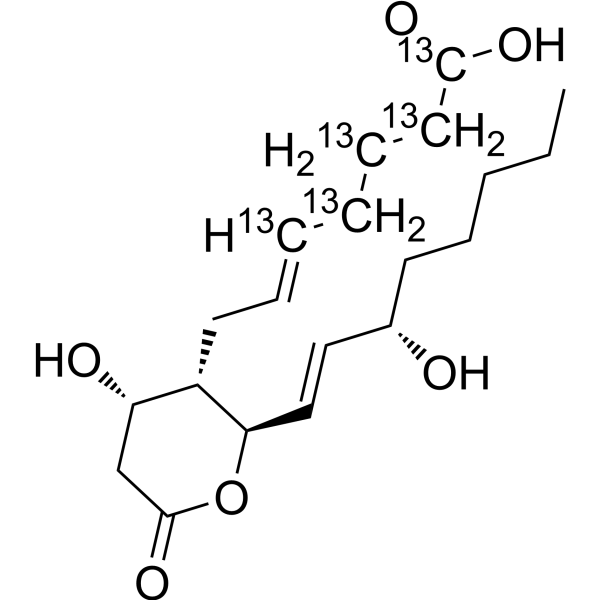
    11-Dehydro-thromboxane B2- 13C5 is 13C labeled 11-Dehydro-thromboxane B2 (HY-113420). 11-Dehydro-thromboxane B2 is a platelet hemagglutinin. Thromboxane inhibition was assessed by urinary excretion levels of 11-Dehydro-thromboxane B2. 11-Dehydro-thromboxane B2 can be used in the study of atherosclerotic thrombosis .
    11-Dehydro-thromboxane B2-13C5
  • HY-113420S

    Isotope-Labeled Compounds Others
    11-Dehydro-thromboxane B2-d4 is the deuterium labeled 11-Dehydro-thromboxane B2 .
    11-Dehydro-thromboxane B2-d4
  • HY-U00364

    Histamine Receptor Prostaglandin Receptor Leukotriene Receptor Inflammation/Immunology Endocrinology
    CI-949 is an allergic mediator release inhibitor, which inhibits histamine, leukotriene C4/D4 (LTC4/LTD4), and thromboxane B2 (TXB2) release with IC50s of 11.4 μM, 0.5 μM and 0.1 μM, respectively.
    CI-949
  • HY-113331F

    Biochemical Assay Reagents Others
    Thromboxane B2-biotin is an affinity probe that allows detection of thromboxane B2 through an interaction with the biotin ligand. Thromboxane B2-biotin is designed to allow thromboxane B2 to be detected in complexes with protein binding partners .
    Thromboxane B2-biotin
  • HY-U00231

    Prostaglandin Receptor Cardiovascular Disease Endocrinology
    KF 13218 is a potent, selective and long lasting thromboxane B2 (TXB2) synthase inhibitor with an IC50 value of 5.3±1.3 nM.
    KF 13218
  • HY-N2391R

    Reference Standards Endogenous Metabolite Prostaglandin Receptor Endocrinology
    p-Hydroxycinnamic acid, a common dietary phenol, could inhibit platelet activity, with IC50s of 371 μM, 126 μM for thromboxane B2 production and lipopolysaccharide-induced prostaglandin E2 generation, respectively.
    p-Hydroxycinnamic acid (Standard)
  • HY-N3617R

    Laricin (Standard)

    Reference Standards Fungal Infection
    Coniferin (Standard) is an analytical standard for Coniferin. This product is intended for research and analytical applications. Coniferin (Laricin) is a glucoside of coniferyl alcohol. Coniferin inhibits fungal melanization. Coniferin inhibits the release of certain hormones from cells, including Prostaglandin E2 and Thromboxane B2 .
    Coniferin (Standard)
  • HY-125122

    Others Inflammation/Immunology
    Mulberrofuran A is a natural product, that can be isolated from the root bark of mulberry tree. Mulberrofuran A inhibits the formations of 12-hydroxy-,8,10-heptadecatrienoic acid (HHT) and thromboxane B2 (cyclooxygenase products), but it increases the formation of 12-hydroxy-5,8,10,14-eicosatetraenoic acid (12-HETE) (12-lipoxygenase product) .
    Mulberrofuran A
  • HY-165674S

    11-dehydo-2,3-dio TXB2-d9

    Isotope-Labeled Compounds Others
    11-dehydro-2,3-dinor Thromboxane B2-d9 (11-dehydo-2,3-dio TXB2-d9) is deuterium labeled 11-dehydro-2,3-dinor Thromboxane B2 .
    11-dehydro-2,3-dinor Thromboxane B2-d9
  • HY-100516R

    UR-8880 (Standard)

    Reference Standards Cytochrome P450 COX Inflammation/Immunology
    Cimicoxib (Standard) is the analytical standard of Cimicoxib. This product is intended for research and analytical applications. Cimicoxib (UR-8880) is an orally active, blood-brain barrier-permeable COX-2 inhibitor that also exerts targeted inhibition on CYP2D15. It has an IC50 of 66 nM against hCOX-2, an IC50 of 1.6 μM against canine CYP2D15, and an IC50 of 0.056 μM against feline CYP2D15. By inhibiting the COX-2 pathway to reduce the production of thromboxane B2 and prostaglandin E2, Cimicoxib exerts antipyretic, anti-inflammatory and analgesic effects. Cimicoxib is metabolized by CYP2D15 to form demethyl-cimicoxib, undergoes glucuronidation via UDP-glucuronosyltransferases, and exhibits biphasic elimination kinetics in beagle dogs. Cimicoxib is widely used in studies of inflammatory diseases, osteoarthritis, and perioperative pain associated with orthopedic or soft tissue surgeries .
    Cimicoxib (Standard)
  • HY-120975

    Prostaglandin Receptor Inflammation/Immunology
    2,3-Dinor thromboxane b1 is an urinary metabolite of Thromboxane B2 (HY-113331) .
    2,3-Dinor thromboxane b1
  • HY-116778

    Reactive Oxygen Species (ROS) Cardiovascular Disease Neurological Disease Inflammation/Immunology
    Prostaglandin G2 is a prostaglandin peroxide. Prostaglandin G2 acts as a precursor for thromboxane A2 production, inducing platelet aggregation and serotonin release. Prostaglandin G2 also induces cerebral arteriole injury in anesthetized cats via the generation of reactive oxygen free radicals, triggering persistent vasodilation, reduced reactivity to hypocapnia, and endothelial damage. Prostaglandin G2 can be used in studies related to cerebral arteriole injury .
    Prostaglandin G2

Inquiry Online

Your information is safe with us. * Required Fields.

Salutation


Country or Region *

Applicant Name *


Organization Name *

Department *


Email Address *


Product Name *

Cat. No.


Requested quantity *

Phone Number *


Remarks

Inquiry Online

Inquiry Information

Product Name:
Cat. No.:
Quantity:
MCE Japan Authorized Agent:

