
1. Search Result
Search Result
Results for "

vaginal

" in MedChemExpress (MCE) Product Catalog:

46

Inhibitors & Agonists

1

Biochemical Assay Reagents

2

Peptides

1

Inhibitory Antibodies

8

Natural
Products

4

Isotope-Labeled Compounds

2

Oligonucleotides

Cat. No. Product Name Target Research Areas Chemical Structure
  • HY-Y0850E

    PVA (Mw 30000-70000, 87-90% hydrolyzed); Poly(Ethenol) (Mw 30000-70000, 87-90% hydrolyzed)

    Environmental Pollutants Biochemical Assay Reagents Cardiovascular Disease Cancer
    Polyvinyl alcohol (Mw 30000-70000, 87-90% hydrolyzed) is a polyvinyl alcohol with a molecular weight of 30000-70000 and hydrolytic properties. The degree of hydrolysis refers to the degree to which the acetate groups in the original polyvinyl acetate are converted into hydroxyl groups during the hydrolysis process. Polyvinyl alcohol (Mw 30000-70000, 87-90% hydrolyzed) is the hydrolysis and removal of acetate groups after the polymerization of ethylene acetate. And polyvinyl alcohol is obtained. A degree of hydrolysis of 87-90% indicates that a large part of the acetate groups have been removed, resulting in a large number of hydroxyl groups in the PVA structure. Polyvinyl alcohol with different degrees of hydrolysis can be used to self-crosslink to form cryogel, which can be used as biological excipients .
    Polyvinyl alcohol (Mw 30000-70000, 87-90% hydrolyzed)
  • HY-B0723
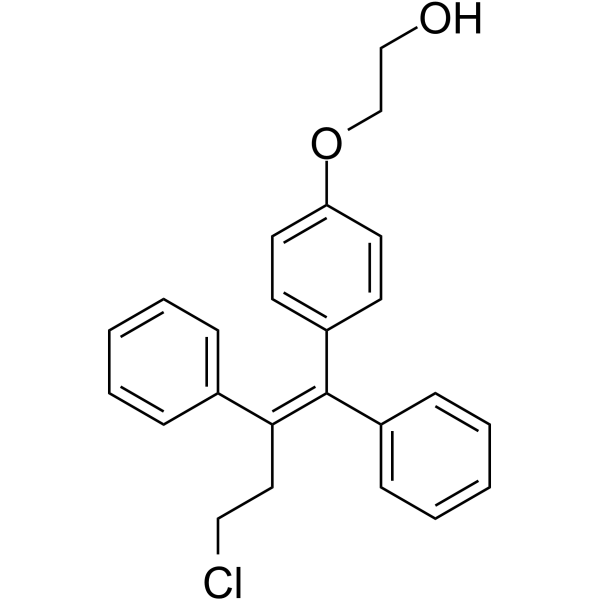
    Ospemifene
    2 Publications Verification

    FC-1271a

    Estrogen Receptor/ERR Caspase Neurological Disease Endocrinology Cancer
    Ospemifene (FC-1271a) is an orally active and non-estrogenic selective estrogen receptor modulator (SERM) with Ki values of 380 and 410 nM for estrogen receptor α (ERα) and ERβ, respectively. Ospemifene inhibits caspase-3 activity. Ospemifene inhibits neuronal degeneration, prevents bone loss, and increases vaginal weight and vaginal epithelial height. Ospemifene has anticancer activity against breast cancer .
    Ospemifene
  • HY-P3004

    Lyticase

    Endogenous Metabolite Fungal Infection
    Endo-1,3-β-glucanase (Lyticase) is an endoenzyme that can specifically cleave β-1,3-glycosidic bonds. Endo-1,3-β-glucanase recognizes and binds to β-1,3-glucan chains, catalyzing the cleavage of glycosidic bonds and hydrolyzing polysaccharides into oligosaccharides. Endo-1,3-β-glucanase eliminates vaginal Candida. Endo-1,3-β-glucanase can be used in the study of recurrent Candida vaginitis .
    Endo-1,3-β-glucanase
  • HY-B0238
    Amorolfine hydrochloride
    1 Publications Verification

    Ro 14-4767/002

    Fungal Antibiotic Infection
    Amorolfine (Ro 14-4767/002) hydrochloride is a potent anti-fungal agent. Amorolfine hydrochloride inhibits ergosterol biosynthesis. Amorolfine hydrochloride has the potential for the research of Neoscytalidium dimidiatum onychomycosis .
    Amorolfine hydrochloride
  • HY-W015591
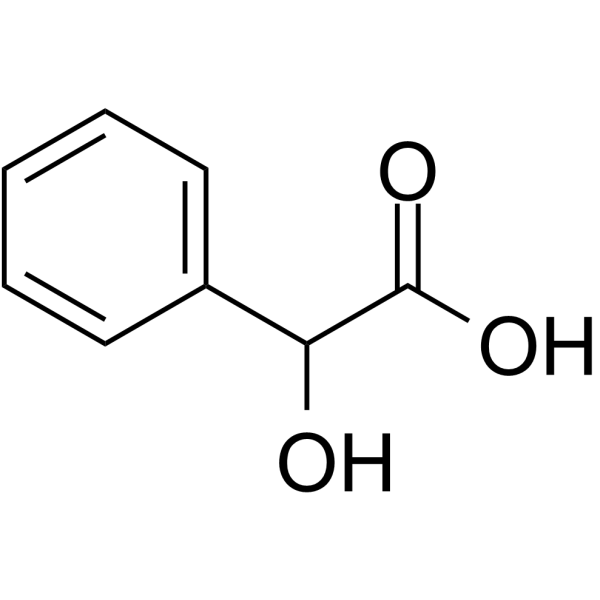
    Mandelic acid
    1 Publications Verification

    (±)-Mandelic acid; DL-Mandelic acid

    Bacterial Endogenous Metabolite Infection
    Mandelic acid ((±)-Mandelic acid), an alpha-hydroxycarboxylic acid, has been widely used as an intermediate of pharmaceutical and fine chemicals. Mandelic acid shows antimicrobial activity and has been used for the research of urinary tract infections and vaginal trichomoniasis. Mandelic acid exhibits high sperm-immobilizing activity and low vaginal irritation .
    Mandelic acid
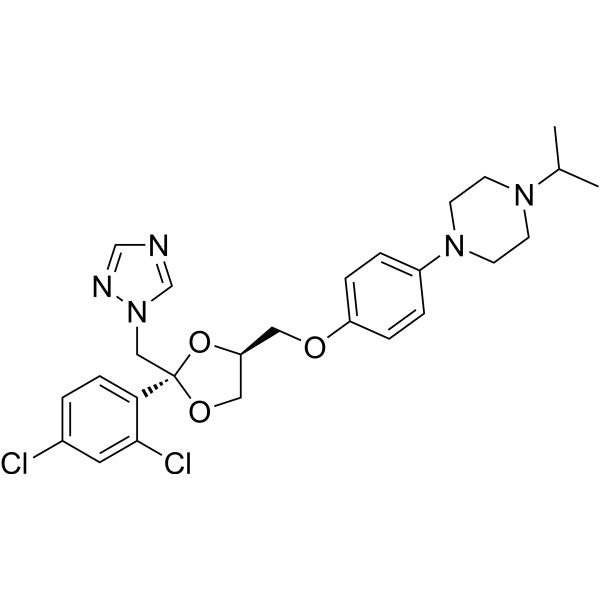
  • HY-B1790

    R42470

    Fungal Infection
    Terconazole is a broad-spectrum antifungal medication for the treatment of vaginal yeast infection.
    Terconazole
  • HY-B1360
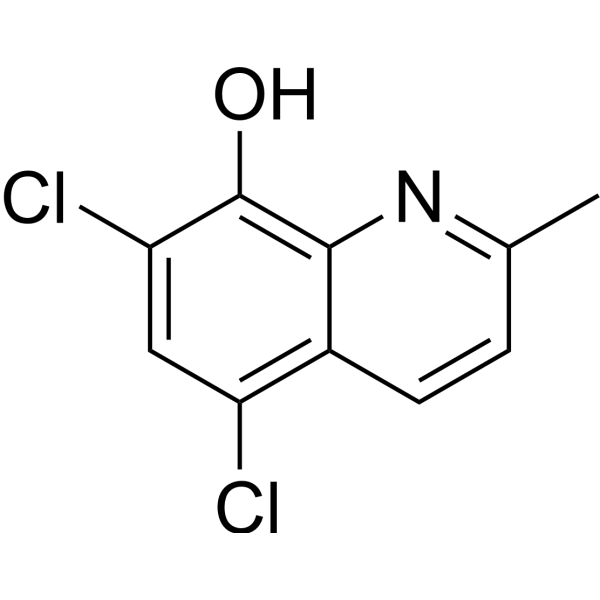
    Chlorquinaldol
    Maximum Cited Publications
    6 Publications Verification

    Chloquinan

    Antibiotic Bacterial Fungal β-catenin Apoptosis Infection Cancer
    Chlorquinaldol (Chloquinan) is an antibacterial agent with the potential use in topical skin conditions and vaginal infections. Chlorquinaldol is a β-catenin/TCF4 inhibitor, showing anti-proliferation, anti-migration, and apoptosis-inducing activity in cancer cells .
    Chlorquinaldol
  • HY-108293

    Estrogen Receptor/ERR Endocrinology Cancer
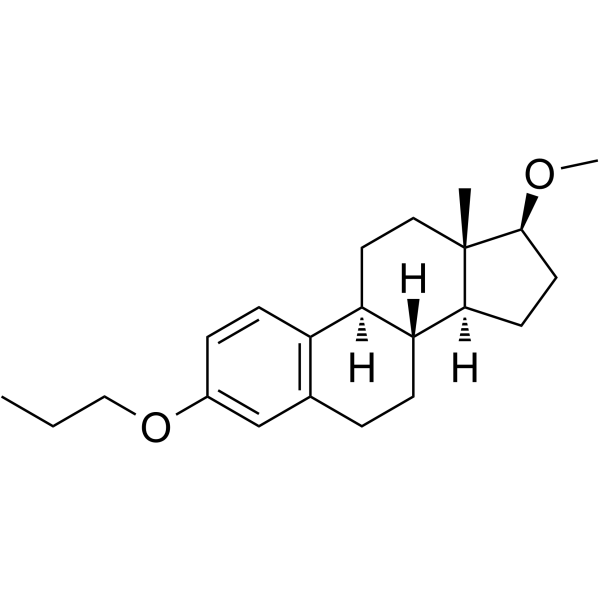
    Promestriene is a synthetic diethyl-ether of estradiol and a locally effective estrogen. Promestriene has an efficient action on vaginal atrophy while it is minimally absorbed .
    Promestriene
  • HY-B0359
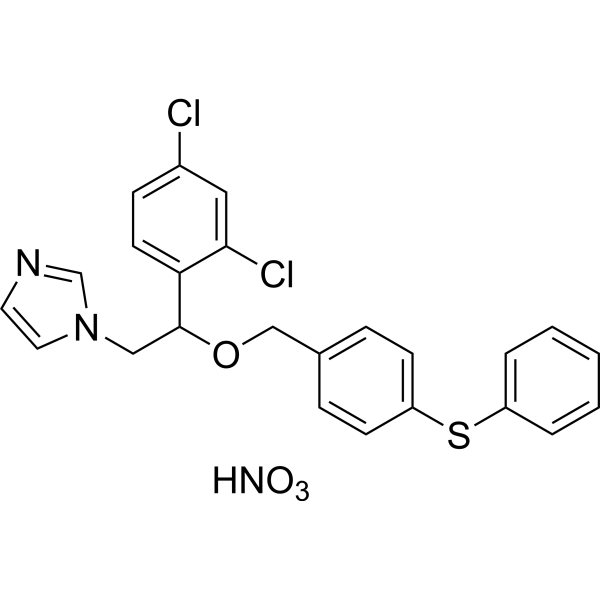
    Fenticonazole Nitrate
    4 Publications Verification

    REC 15-1476

    Fungal Antibiotic Infection
    Fenticonazole Nitrate is an antifungal imidazole ring derivative. Fenticonazole Nitrate operates via hindering ergosterol integration, and sequentially destructing the cytoplasmatic outer membrane. Fenticonazole Nitrate is effective against Gram-positive bacteria, mycoses, and vaginal candidiasis .
    Fenticonazole Nitrate
  • HY-B0293
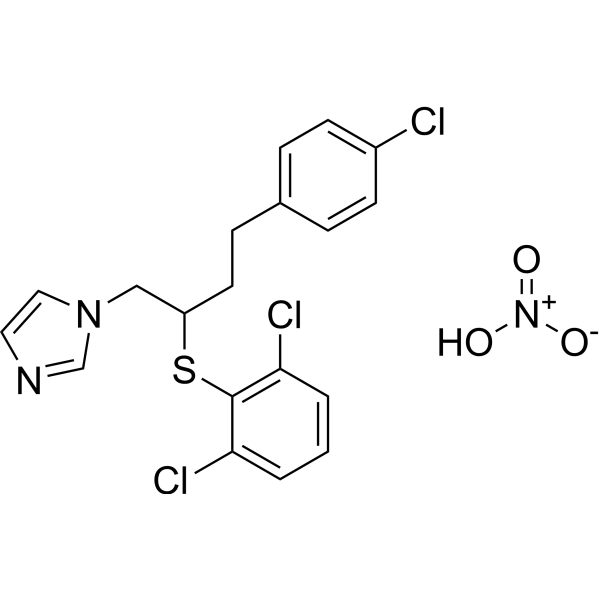
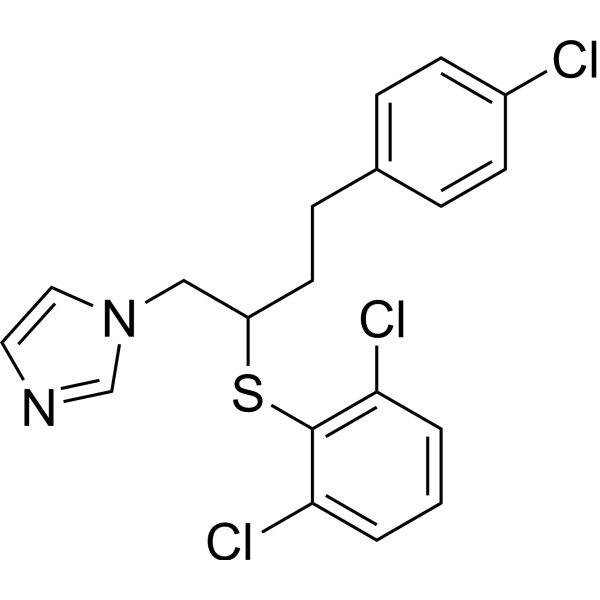
    Butoconazole nitrate
    2 Publications Verification

    RS 35887

    Fungal Infection
    Butoconazole nitrate (RS 35887), an imidazole antifungal agent, is active against Candida spp. and effective against vaginal infections due to Candida albicans. Butoconazole nitrate is presumed to function as other imidazole derivatives via inhibition of steroid synthesis .
    Butoconazole nitrate
  • HY-101530B

    PEG 40 stearate

    Biochemical Assay Reagents Others
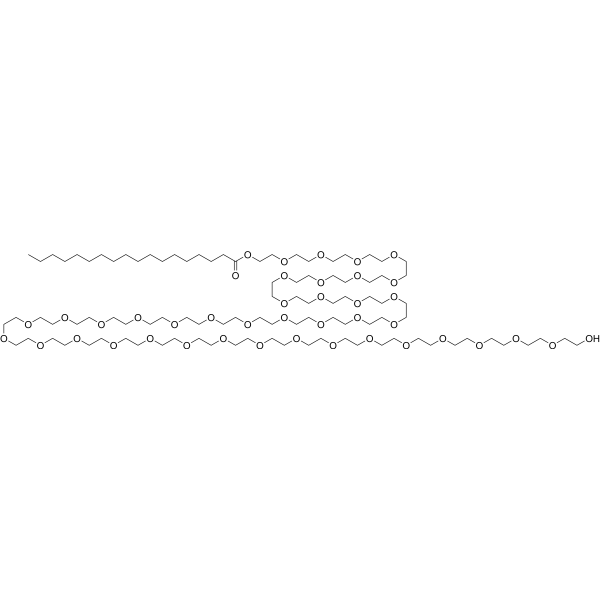
    Polyoxyl 40 stearate (PEG 40 stearate) is a nonionic surfactant formed by the esterification of stearic acid with polyethylene glycol (PEG) containing approximately 40 ethoxy units, it is widely used in pharmaceutical preparations, nanodrug carriers, emulsification systems and biomedical materials. Polyoxyl 40 stearate can serve as a matrix component of solid lipid nanoparticles to achieve controlled release of encapsulated antifungal drugs; it can also act as a base material for solid lipid nanoparticles for vaginal administration, and polymerizable groups can be introduced via modification with acryloyl chloride .
    Polyoxyl 40 stearate
  • HY-W015591S

    (±)-Mandelic acid-2,3,4,5,6-d5; DL-Mandelic acid-2,3,4,5,6-d5

    Isotope-Labeled Compounds Bacterial Endogenous Metabolite Infection
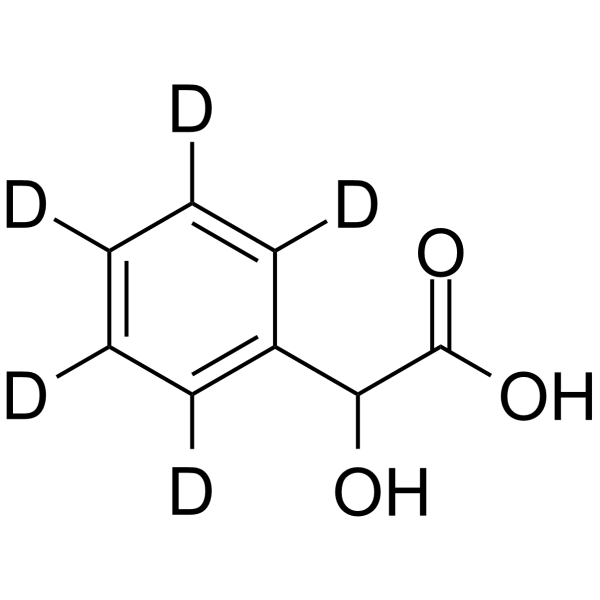
    Mandelic acid-2,3,4,5,6-d5 is the deuterium labeled Mandelic acid. Mandelic acid ((±)-Mandelic acid), an alpha-hydroxycarboxylic acid, has been widely used as an intermediate of pharmaceutical and fine chemicals. Mandelic acid shows antimicrobial activity and has been used for the research of urinary tract infections and vaginal trichomoniasis. Mandelic acid exhibits high sperm-immobilizing activity and low vaginal irritation .
    Mandelic acid-2,3,4,5,6-d5
  • HY-B0293A
    Butoconazole
    2 Publications Verification

    Fungal Infection
    Butoconazole, an imidazole antifungal agent, is active against Candida spp. and effective against vaginal infections due to Candida albicans. Butoconazole is presumed to function as other imidazole derivatives via inhibition of steroid synthesis .
    Butoconazole
  • HY-W129596

    Virus Protease Dengue Virus Infection Inflammation/Immunology
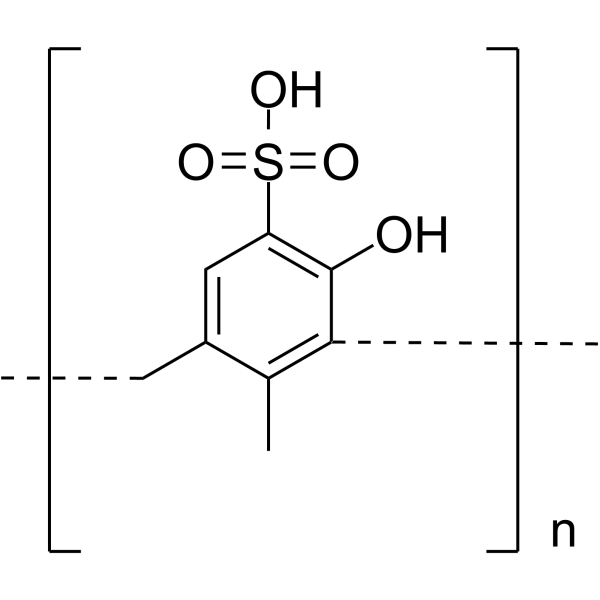
    Policresulen is a competitive inhibitor for DENV2 NS2B/NS3 protease with an IC50 of 0.48 μg/mL. Policresulen can be used as a local hemostatic and antibacterial agent for research of cervical and vaginal inflammation, skin lesions, oral mucosa and gingival inflammation .
    Policresulen
  • HY-B1237

    Calcium Channel Fungal Cardiovascular Disease Infection
    Suloctidil is an orally active calcium channel blocker and antifungal agent. Suloctidil antagonizes vasoconstriction induced by norepinephrine, angiotensin and serotonin. Suloctidil inhibits platelet function and exhibits neuroprotective effects. Suloctidil exerts inhibitory effects on Candida albicans biofilm and virulence. Suloctidil can be used in research on vasospasm relief, antithrombosis and superficial candidiasis .
    Suloctidil
  • HY-B0238R

    Ro 14-4767/002 (Standard)

    Reference Standards Fungal Antibiotic Infection
    Amorolfine (hydrochloride) (Standard) is the analytical standard of Amorolfine (hydrochloride). This product is intended for research and analytical applications. Amorolfine (Ro 14-4767/002) hydrochloride is a potent anti-fungal agent. Amorolfine hydrochloride inhibits ergosterol biosynthesis. Amorolfine hydrochloride has the potential for the research of Neoscytalidium dimidiatum onychomycosis .
    Amorolfine hydrochloride (Standard)
  • HY-W015591R

    (±)-Mandelic acid (Standard); DL-Mandelic acid (Standard)

    Reference Standards Bacterial Endogenous Metabolite Infection
    Mandelic acid (Standard) is the analytical standard of Mandelic acid. This product is intended for research and analytical applications. Mandelic acid ((±)-Mandelic acid), an alpha-hydroxycarboxylic acid, has been widely used as an intermediate of pharmaceutical and fine chemicals. Mandelic acid shows antimicrobial activity and has been used for the research of urinary tract infections and vaginal trichomoniasis. Mandelic acid exhibits high sperm-immobilizing activity and low vaginal irritation .
    Mandelic acid (Standard)
  • HY-178347

    Bacterial Infection
    Debio 1453 is a bactericidal FabI inhibitor potent against N. gonorrhoeae (IC50 = 0.6 nM), including drug-resistant strains. Debio 1453 demonstrates a low propensity for resistance selection and is effective in eradicating both planktonic and intracellular bacteria through a mechanism of concurrently inhibiting FabI and engaging the non-mutable NADH cofactor. Debio 1453 clears antibiotic-resistant N. gonorrhoeae infection in a murine vaginal model. Debio 1453 can be used for gonorrhoea research .
    Debio 1453
  • HY-W654255

    (±)-Mandelic acid-13C8; DL-Mandelic acid-13C8

    Isotope-Labeled Compounds Bacterial Endogenous Metabolite Infection
    Mandelic Acid- 13C8 ((±)-Mandelic acid- 13C8) is the 13C-labeled Mandelic acid (HY-W015591). Mandelic acid ((±)-Mandelic acid), an alpha-hydroxycarboxylic acid, has been widely used as an intermediate of pharmaceutical and fine chemicals. Mandelic acid shows antimicrobial activity and has been used for the research of urinary tract infections and vaginal trichomoniasis. Mandelic acid exhibits high sperm-immobilizing activity and low vaginal irritation .
    Mandelic Acid-13C8
  • HY-P991072

    MAPP-66

    HIV HSV Infection
    MB-66 (MAPP-66) is a fully human IgG1 antibody that targets HSV and HIV. MB-66 is a monoclonal antibody film for vaginal application. The isotype control for MB-66 can refer to Human IgG1 kappa, Isotype Control (HY-P99001) .
    MB-66
  • HY-108293R

    Reference Standards Estrogen Receptor/ERR Endocrinology Cancer
    Promestriene (Standard) is the analytical standard of Promestriene. This product is intended for research and analytical applications. Promestriene is a synthetic diethyl-ether of estradiol and a locally effective estrogen. Promestriene has an efficient action on vaginal atrophy while it is minimally absorbed .
    Promestriene (Standard)
  • HY-171956

    Proteasome Parasite Infection
    Carmaphycin-17 (CP-17) is a selective 20S proteasome inhibitor with an EC50 of 217 ?nM. Carmaphycin-17 has potent antimicrobial activity against Trichomonas vaginalis. Carmaphycin-17 overcomes Metronidazole (HY-B0318) resistance and significantly reduces parasite burden upon topical treatment without any apparent adverse effects in vaginal trichomonad infection mice model. Carmaphycin-17 can be used for sexually transmitted disease like trichomoniasis research .
    Carmaphycin-17
  • HY-118711

    HIV Reverse Transcriptase Infection
    HI-346 is a non-nucleoside reverse transcriptase inhibitor (NNRTI) for HIV-1 with an IC50 value against the HIV-1 virus strain (HTLV-IIIB) of 3 nM. HI-346 is a vaginal bactericidal contraceptive agent, with its sperm-killing activity having an EC50 value of 42 μM. HI-346 shows no cytotoxicity to normal cells at effective concentrations. HI-346 can be used in anti-HIV-1 and contraceptive research .
    HI-346
  • HY-119968

    Granaticin A; Litmomycin

    Bacterial Infection Cancer
    Granaticin A inhibits the initial stage of RNA biosynthesis, has anti-Gram-positive bacteria, Mycobacterium (weak) and Vaginal trichomonas activity, but also can inhibit tumor cells .
    Granaticin
  • HY-103209

    Adrenergic Receptor Cardiovascular Disease Endocrinology
    Rec 15/2615 hydrochloride is a potent and selective α-1B adrenoceptor antagonist with Ki values of 1.9 nM, 0.3 nM, 2.6 nM for α1A, α1B, α1D, respectively. Rec 15/2615 hydrochloride modulates vaginal smooth muscle contractility and genital engorgement .
    Rec 15/2615 hydrochloride
  • HY-W109299

    Methyl cedryl ether

    Environmental Pollutants Inflammation/Immunology
    Cedrol methyl ether is an active ingredient that can be extracted from ginger. Cedrol methyl ether has anti-inflammatory activity. Cedrol methyl ether can be used for research on hyperhidrosis and abnormal vaginal discharge .
    Cedrol methyl ether
  • HY-146190

    Bacterial Antibiotic Infection Inflammation/Immunology
    Callophycin A, a red seaweed derived metabolite, possessing potent activity against Candida albicans with MIC of 62.5~250 mg/L. Callophycin A significantly reduces fungal burden of vaginal candidiasis induced mice, also decreases inflammatory response and immune molecules .
    Callophycin A
  • HY-113863

    HOE 351

    Fungal Infection
    Rilopirox (HOE 351) is a hydroxy-pyridone compound with antimycotic properties. Rilopirox, a chelating agent, can inhibit catalase. Rilopirox inhibits the respiratory chain. Rilopirox inhibits growth of yeast isolates with a MIC50 of 4 μg/mL. Rilopirox has the potential for vaginal candidosis and oropharyngeal Candida infections research .
    Rilopirox
  • HY-B1790S

    R42470-d4

    Fungal Infection
    Terconazole-d4 is the deuterium labeled Terconazole. Terconazole is a broad-spectrum antifungal medication for the treatment of vaginal yeast infection.
    Terconazole-d4
  • HY-B1790R

    R42470 (Standard)

    Reference Standards Fungal Infection
    Terconazole (Standard) is the analytical standard of Terconazole. This product is intended for research and analytical applications. Terconazole is a broad-spectrum antifungal medication for the treatment of vaginal yeast infection.
    Terconazole (Standard)
  • HY-N14028

    Bacterial Infection Cancer
    Coriolin A has anti-Gram-positive bacteria, negative bacteria (weak), yeast and vaginal trichomoniasis activities. Coriolin A of 5 μg/mL can inhibit the growth of yoshida sarcoma 61.6%. Coriolin A has no inhibitory effect on Ehrlich ascites carcinoma in animals .
    Coriolin A
  • HY-117166

    K-F-224

    Bacterial Infection
    Naftoxate is an ester compound containing aminomethylsulfate, and its ammonium salt analog can inhibit free thiols to chemically weaken the reactive oxygen species (ROS)-sensitive anaerobic bacterium Trichomonas vaginalis and inhibit common pathogens causing vaginal infections: Candida albicans and Staphylococcus aureus .
    Naftoxate
  • HY-N14029

    Bacterial Infection Cancer
    Coriolin B has anti-Gram-positive bacteria, negative bacteria (weak), yeast and vaginal trichomoniasis activities. Coriolin B of 5 μg/mL can inhibit the growth of yoshida sarcoma 61.6%. Coriolin B has no inhibitory effect on Ehrlich ascites carcinoma in animals .
    Coriolin B
  • HY-B1360R

    Chloquinan (Standard)

    Antibiotic Bacterial Fungal β-catenin Reference Standards Apoptosis Infection Cancer
    Chlorquinaldol (Standard) is the analytical standard of Chlorquinaldol. This product is intended for research and analytical applications. Chlorquinaldol (Chloquinan) is an antibacterial agent with the potential use in topical skin conditions and vaginal infections. Chlorquinaldol is a β-catenin/TCF4 inhibitor, showing anti-proliferation, anti-migration, and apoptosis-inducing activity in cancer cells .
    Chlorquinaldol (Standard)
  • HY-B0359R

    REC 15-1476 (Standard)

    Reference Standards Fungal Antibiotic Infection
    Fenticonazole (Nitrate) (Standard) is the analytical standard of Fenticonazole (Nitrate). This product is intended for research and analytical applications. Fenticonazole Nitrate is an antifungal imidazole ring derivative. Fenticonazole Nitrate operates via hindering ergosterol integration, and sequentially destructing the cytoplasmatic outer membrane. Fenticonazole Nitrate is effective against Gram-positive bacteria, mycoses, and vaginal candidiasis .
    Fenticonazole Nitrate (Standard)
  • HY-B0293R

    RS 35887 (Standard)

    Reference Standards Fungal Infection
    Butoconazole (nitrate) (Standard) is the analytical standard of Butoconazole (nitrate). This product is intended for research and analytical applications. Butoconazole nitrate (RS 35887), an imidazole antifungal agent, is active against Candida spp. and effective against vaginal infections due to Candida albicans. Butoconazole nitrate is presumed to function as other imidazole derivatives via inhibition of steroid synthesis .
    Butoconazole nitrate (Standard)
  • HY-B0723S2

    FC-1271a-d5

    Isotope-Labeled Compounds Estrogen Receptor/ERR Cancer
    Ospemifene-d5 (FC-1271a-d5) is deuterium labeled Ospemifene. Ospemifene is a non-estrogen selective estrogen receptor modulator (SERM), with Kis of 380 and 410 nM for estrogen receptor α (ERα) and ERβ, respectively. Ospemifene can be used for the research of vaginal atrophy and breast cancer .
    Ospemifene-d5
  • HY-P10653

    HCV HIV Infection
    C5A is a microbicidal peptide, anti-hepatitis C virus (HCV), and anti-HIV agent. C5A disrupts the membrane integrity of the HIV virion as well as the integrity of the conical capsid core that surrounds the viral genome. C5A inhibits in vitro infectivity of a broad range of primary HIV isolates in various primary target cells. C5A protects mice against vaginal and rectal HIV challenges .
    C5A
  • HY-105206A

    ZD0870

    Fungal Infection
    D0870 (ZD0870) is an antifungal agent that inhibits C. neoformans, vaginal candidiasis and viable yeasts .
    D0870
  • HY-P3343
    hFSH-β-(33-53)
    1 Publications Verification

    Estrogen Receptor/ERR Endocrinology
    hFSH-β-(33-53) is a polypeptide corresponding to residues 33-53 of hFSH-β, and also a follicle-stimulating hormone (FSH) antagonist. hFSH-β-(33-53) stimulates basal estradiol synthesis in cells. hFSH-β-(33-53) prolongs vaginal estrus in mice with normal estrous cycles .
    hFSH-β-(33-53)
  • HY-107906

    Estrogen Receptor/ERR Endocrinology
    Conjugated estrogen sodium is a medication composed of a blend of estrogen hormones, utilized in the treatment of moderate to severe hot flashes, vaginal changes, and various other symptoms associated with menopause or decreased estrogen levels.
    Conjugated estrogen sodium
  • HY-N14030

    Bacterial Infection Cancer
    Coriolin C has anti-Gram-positive bacteria, negative bacteria (weak), yeast and vaginal trichomoniasis activities. Coriolin C of 5 μg/mL can inhibit the growth of yoshida sarcoma 61.6%. Coriolin C has no inhibitory effect on Ehrlich ascites carcinoma in animals .
    Coriolin C
  • HY-183322

    HPV Infection
    Antiviral agent 83 is a boronic acid-modified Neocryptolepine (HY-E70250) derivative and is an anti-HPV agent. Antiviral agent 83 bind to the viral capsid protein and/or envelope protein, inducing conformational changes that effectively obstruct the interaction between the virus and host cell receptors. Antiviral agent 83 exhibits inhibitory activity against multiple high-risk HPV strains. Antiviral agent 83 inhibits HPV infection in vitro and in vaginal tract in vivo .
    Antiviral agent 83
  • HY-W587782

    HIV SOD HSV Interleukin Related Bacterial Infection
    Nonoxynol-9 is a nonionic detergent. Nonoxynol-9 inhibits SOD activity. Nonoxynol-9 exhibits activity against diverse microbes and pathogens. Nonoxynol-9 can be used for the research of HIV infection .
    Nonoxynol-9
  • HY-181404

    Fungal P-glycoprotein Infection
    PA36-2 is an Mdr1 inhibitor and azole resistance reversal agent, with a IC50 of 1.0 μg/mL and a Kd of 4.209 μM against Candida albicans Mdr1. By effectively inhibiting the activity of the Mdr1 efflux pump, PA36-2 prevents the pumping of substrates out of cells, enhances the intracellular accumulation of azole antibiotics, and exerts a synergistic effect with antifungal agents such as Fluconazole (FLC) (HY-B0101). PA36-2 can be used in the research of azole-resistant candidiasis .
    PA36-2
  • HY-183080

    Bacterial Penicillin-binding protein (PBP) Infection
    VNRX-14079 is an antibacterial agent and PBP2 inhibitor, with an IC50 value of 1.7 μM against wild-type Neisseria gonorrhoeae PBP2. VNRX-14079 forms a covalent bond with Ser310 of PBP2, interacts with multiple residues of PBP2 to stabilize the complex, and induces an inward conformational change of the β34 loop in chimeric PBP2. VNRX-14079 exhibits antibacterial activity against Ceftriaxone (HY-B0712)-resistant Neisseria gonorrhoeae strains. VNRX-14079 can be used in the research of gonorrhea .
    VNRX-14079

Inquiry Online

Your information is safe with us. * Required Fields.

Salutation


Country or Region *

Applicant Name *


Organization Name *

Department *


Email Address *


Product Name *

Cat. No.


Requested quantity *

Phone Number *


Remarks

Inquiry Online

Inquiry Information

Product Name:
Cat. No.:
Quantity:
MCE Japan Authorized Agent:

