



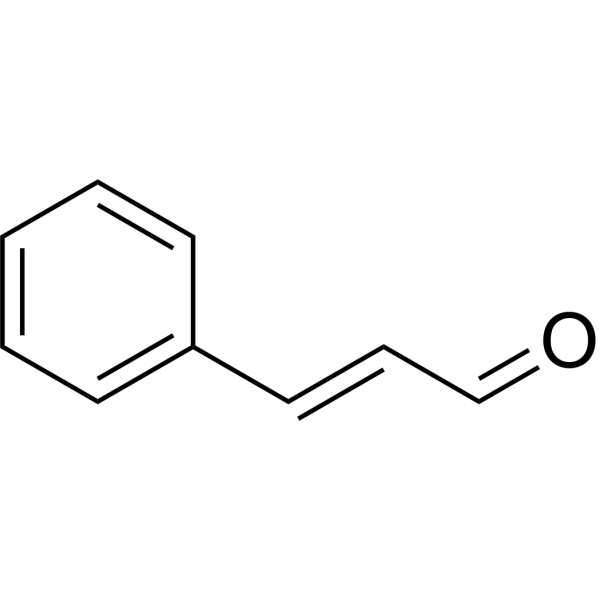
trans-Cinnamaldehyde
Based on 7 publication(s) in Google Scholar
trans-Cinnamaldehyde can be used to prepare highly polyfunctionalized furan ring by reaction of alkyl isocyanides with dialkyl acetylenedicarboxylate. trans-Cinnamaldehyde can be used to synthesize trans-cinnamaldehyde -β-cyclodextrin complex, an antimicrobial edible coating that increases the shelf life of fresh-cut fruits.
For research use only. We do not sell to patients.
- Purity : 98.0%
- CAS No.: 14371-10-9
- Formula: C9H8O
- Molecular Weight:132.16
-
Storage:
-20°C, stored under nitrogen
* In solvent : -80°C, 6 months; -20°C, 1 month (stored under nitrogen)

To place orders, for customer services and technical support, please contact: MedChemExpress USA
Tel: 609-228-6898 E-mail: [email protected] [email protected]


-
 Biological Activity
-
Chemical Information
-
Solvent & Solubility
- Protocols
- Purity & Documentation
- References
-
 Help & FAQs


-
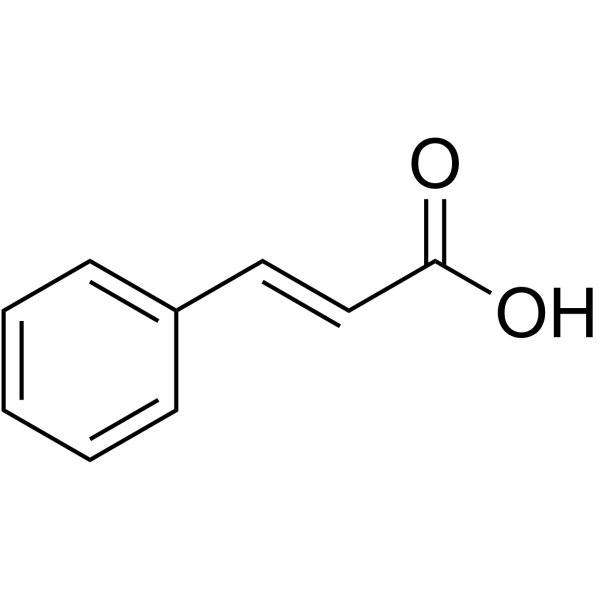
HY-N0610A
Cinnamic acidEndogenous Metabolite -
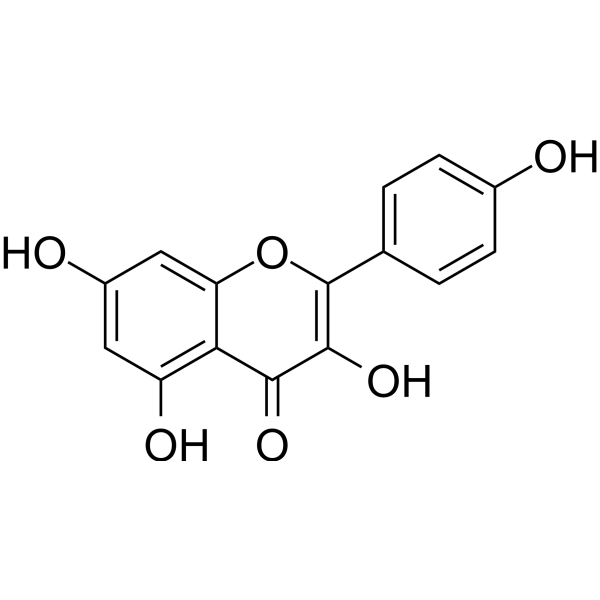
HY-14590
KaempferolEstrogen Receptor α Inhibitor -
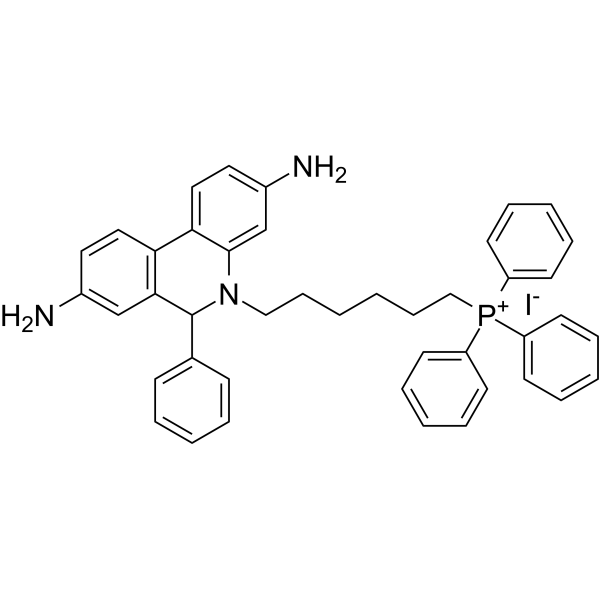
HY-D1055
MitoSOX RedMitochondrial ROS Indicator -
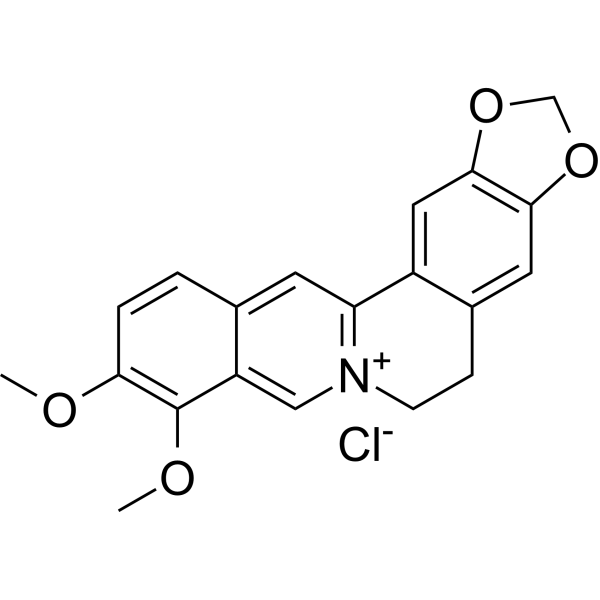
HY-18258
Berberine chlorideAntibiotic -
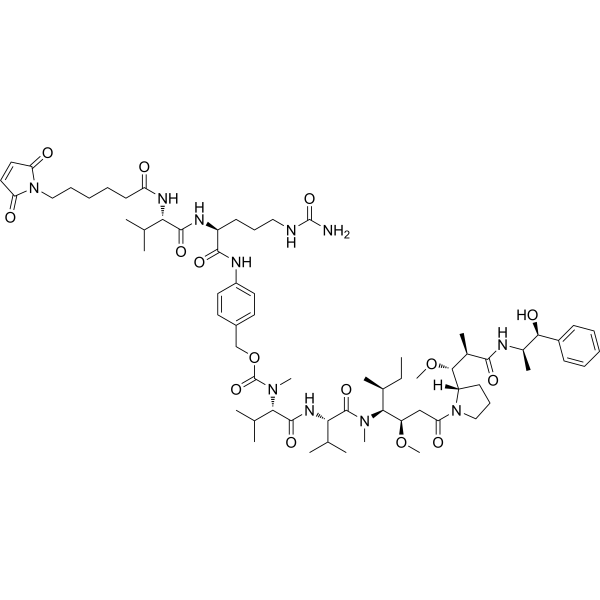
HY-15575
VcMMAEDrug-Linker Conjugate for ADC -
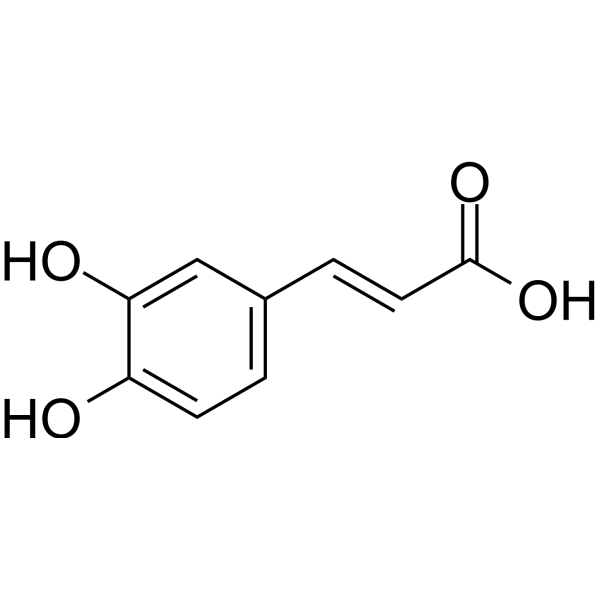
HY-N0172
Caffeic acidEndogenous Metabolite -
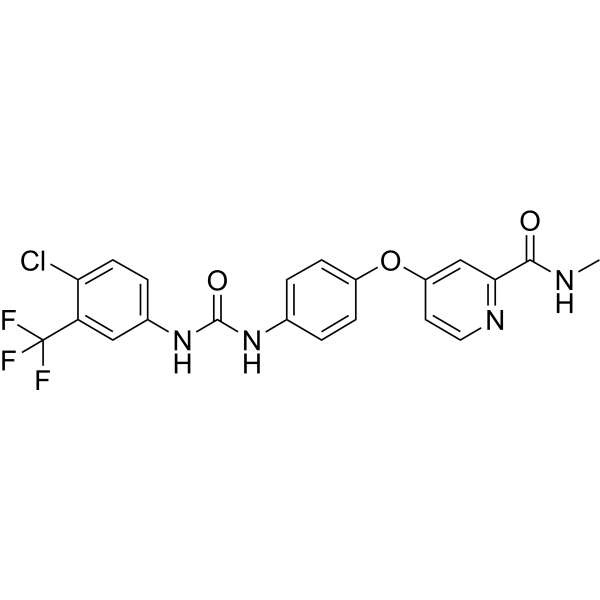
HY-10201
SorafenibMultikinase Inhibitor -
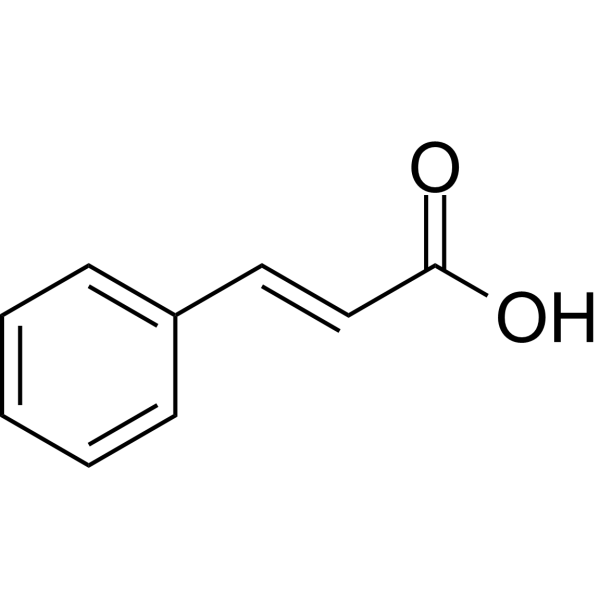
HY-N0610
Trans-Cinnamic acidAntibacterial Agent -
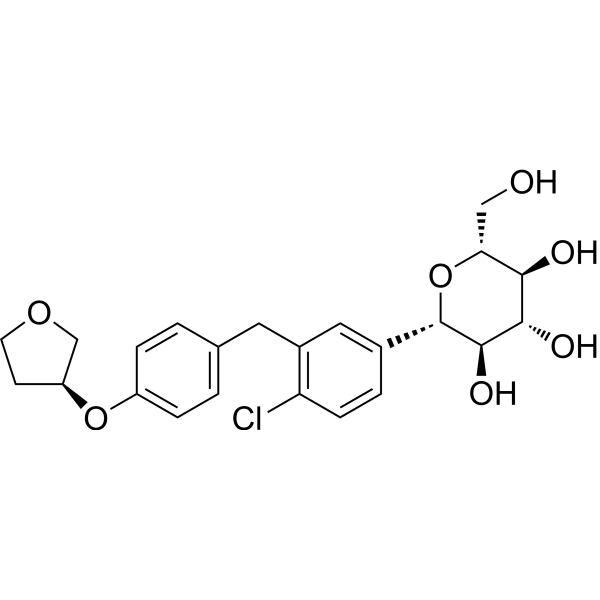
HY-15409
EmpagliflozinSGLT2 Inhibitor -

HY-D1056
Lipopolysaccharides, from E. coli O55:B5Endotoxin -
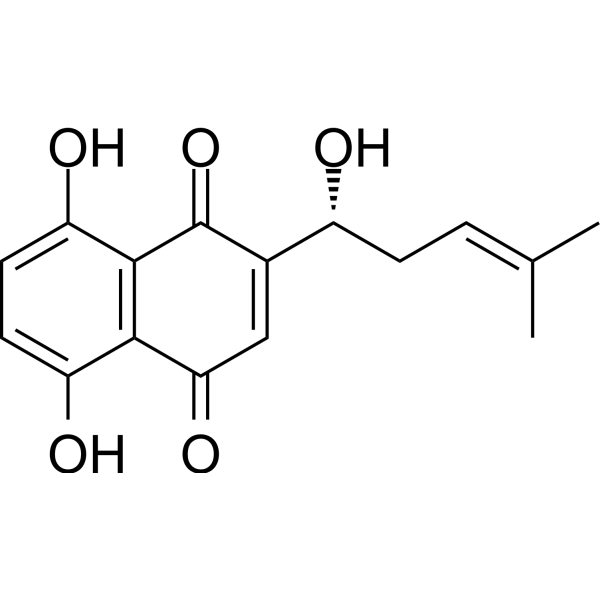
HY-N0822
ShikoninChloride Channel Inhibitor -
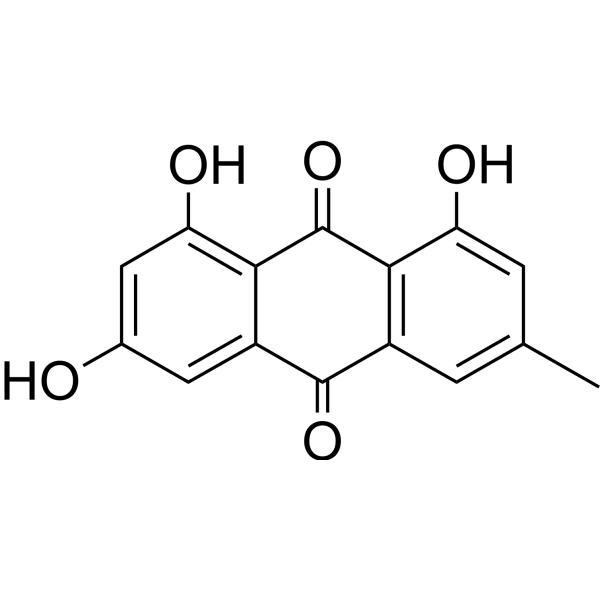
HY-14393
EmodinNatural Anthraquinone
Publications Citing Use of MedChemExpress (MCE) trans-Cinnamaldehyde
More- Phytomedicine. 2025 Jul:142:156713. [Abstract]
- PLoS Biol. 2024 Jun 27;22(6):e3002672. [Abstract]
- Biomolecules. 2025 Feb 1;15(2):208. [Abstract]
- Mol Med Rep. 2021 Sep;24(3):638. [Abstract]
- Biomed Pharmacother. 2024 Aug:177:116970. [Abstract]
- bioRxiv. 2024 Apr 3:2023.06.02.542933. [Abstract]
- Dis Markers. 2022 Jan 19:2022:6530934. [Abstract]
 Customer Validation & Images

-
In Vivo Efficacy Study
-
ELISA
-
ELISA
-
WB
-
WB
All Endogenous Metabolite Isoforms
More

Biological Activity
Description
Cellular Effect
|
Cell Line

|
Type | Value | Description | References |
|---|---|---|---|---|
| CHO | EC50 |
6.5 μM
Compound: 15
|
Activation of TRPA1 channel expressed in CHO cells assessed as increase in intracellular calcium levels
Activation of TRPA1 channel expressed in CHO cells assessed as increase in intracellular calcium levels
|
[PMID: 20356305] |
| CHO | EC50 |
61 μM
Compound: CA
|
Agonist activity at mouse TRPA1 expressed in CHO cells assessed as increase in calcium influx by Fluo-3 based FLIPR analysis
Agonist activity at mouse TRPA1 expressed in CHO cells assessed as increase in calcium influx by Fluo-3 based FLIPR analysis
|
[PMID: 30878828] |
| HCT-8 | IC50 |
15.6 μM
Compound: 12; CA
|
Antiproliferative activity against human HCT8 cells after 72 hrs in presence of aspirin by MTT assay
Antiproliferative activity against human HCT8 cells after 72 hrs in presence of aspirin by MTT assay
|
[PMID: 30037494] |
| HCT-8 | IC50 |
29.4 μM
Compound: 12; CA
|
Antiproliferative activity against human HCT8 cells after 72 hrs by MTT assay
Antiproliferative activity against human HCT8 cells after 72 hrs by MTT assay
|
[PMID: 30037494] |
| HEK293 | EC50 |
51.4 μM
Compound: CA 3
|
Agonist activity at human TRPA1 expressed in HEK293 cells assessed as [45]Ca2+ influx by microbeta plate count
Agonist activity at human TRPA1 expressed in HEK293 cells assessed as [45]Ca2+ influx by microbeta plate count
|
[PMID: 19945872] |
| HEK293 | EC50 |
9 μM
Compound: CA
|
Agonist activity at human TRPA1 expressed in HEK293 cells assessed as increase in calcium influx by Fluo-4-AM dye based fluorescence assay
Agonist activity at human TRPA1 expressed in HEK293 cells assessed as increase in calcium influx by Fluo-4-AM dye based fluorescence assay
|
[PMID: 30878828] |
| RAW264.7 | IC50 |
43 μM
Compound: CA
|
Inhibition of NF-kappaB transfected in LPS-stimulated mouse RAW264.7 cells
Inhibition of NF-kappaB transfected in LPS-stimulated mouse RAW264.7 cells
|
[PMID: 18823786] |
In Vitro
trans-cinnamaldehyde -β-cyclodextrin complex against Salmonella spp. and Lis-teria spp. with minimum inhibitory concentrations ranging from 10 to 20 mg/mL, respectively[1].
MedChemExpress (MCE) has not independently confirmed the accuracy of these methods. They are for reference only.
Clinical Trial
| NCT Number | Sponsor | Condition | Start Date |
Phase
|
|---|---|---|---|---|
| NCT01329991 | 2011-05 | PHASE1 |


Chemical Information
-
CAS No. 14371-10-9
-
Appearance Liquid (Density: 1.05 g/cm3)
-
Molecular Weight 132.16
-
Formula C9H8O
-
Color Colorless to light yellow
-
SMILES
O=C/C=C/C1=CC=CC=C1
-
Structure Classification
-
Shipping
Room temperature in continental US; may vary elsewhere.
-
Storage
-20°C, stored under nitrogen
* In solvent : -80°C, 6 months; -20°C, 1 month (stored under nitrogen)


Publications (7)
-
Journal Impact Factor
-
Most Recent
-
Phytomedicine
Bioactive equivalent combinatorial components of Xiao-Xu-Ming decoction inhibit the calmodulin-mediated MLCK/MLC axis to attenuate coronary artery spasm. [Abstract]2025 Jul:142:156713. PMID: 40349422 -
PLoS Biol
2024 Jun 27;22(6):e3002672. PMID: 38935621 -
Biomolecules
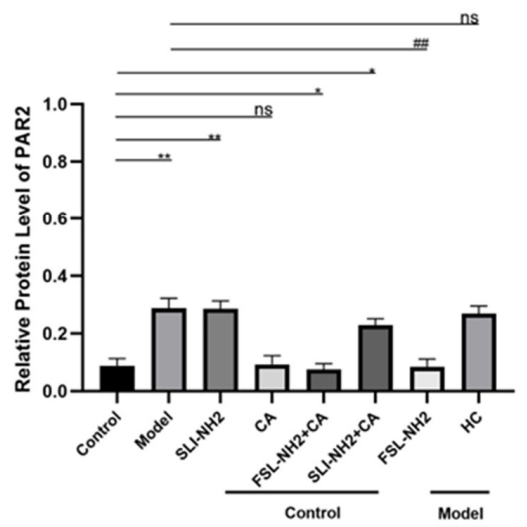
PAR2 Participates in the Development of Cough Hypersensitivity in Guinea Pigs by Regulating TRPA1 Through PKC. [Abstract]2025 Feb 1;15(2):208. PMID: 40001511
trans-Cinnamaldehyde purchased from MedChemExpress. Usage Cited in: Biomolecules. 2025 Feb 1;15(2):208. [Abstract]
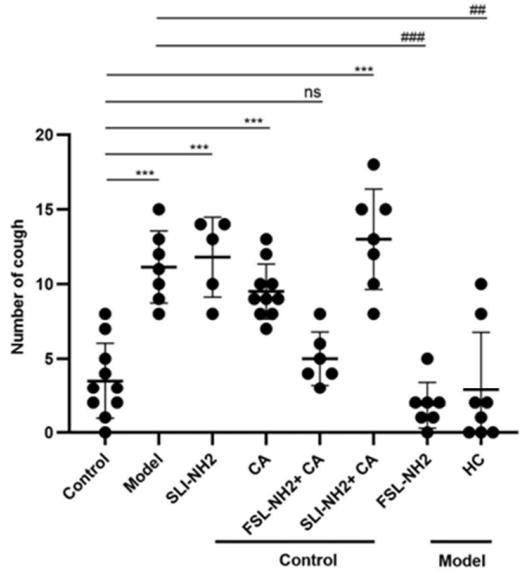
TRPA1 agonist cinnamaldehyde (CA, 5 mg/kg). In citric acid-induced enhanced cough guinea pigs, there was a significant increase in cough frequency. However, the cough frequency in the guinea pigs with a cough was not further increased by the activation of PAR2/TRPA1. Inhibition of PAR2 or TRPA1 significantly reduced the cough frequency in guinea pigs with a cough.
trans-Cinnamaldehyde purchased from MedChemExpress. Usage Cited in: Biomolecules. 2025 Feb 1;15(2):208. [Abstract]
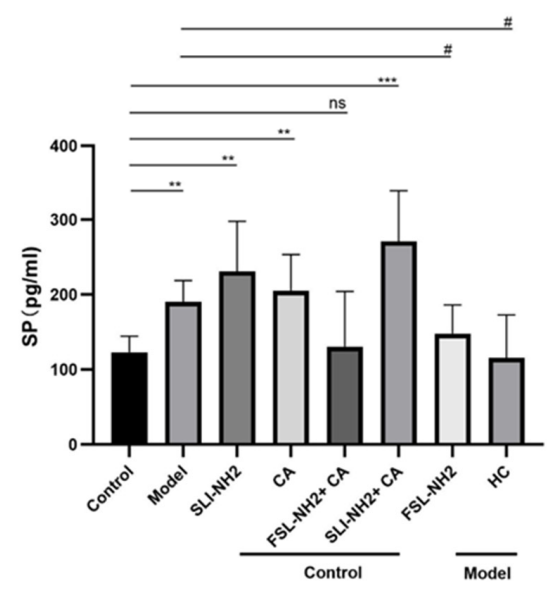
TRPA1 agonist cinnamaldehyde (CA, 5 mg/kg). SP levels in the BALF of guinea pigs with a cough were further increased by the activation of PAR2. Inhibition of PAR2/TRPA1 decreased the level of SP in the BALF of guinea pigs with a cough.
trans-Cinnamaldehyde purchased from MedChemExpress. Usage Cited in: Biomolecules. 2025 Feb 1;15(2):208. [Abstract]
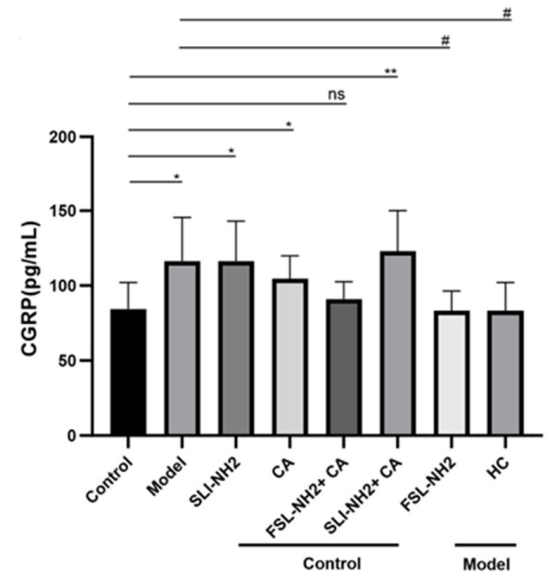
TRPA1 agonist cinnamaldehyde (CA, 5 mg/kg). The changes in CGRP levels in the BALF of guinea pigs.
trans-Cinnamaldehyde purchased from MedChemExpress. Usage Cited in: Biomolecules. 2025 Feb 1;15(2):208. [Abstract]
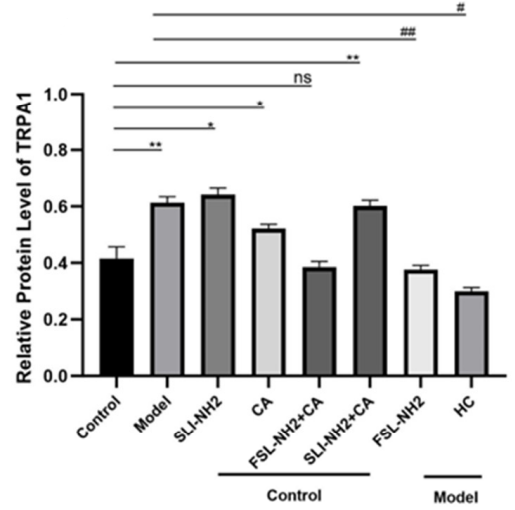
TRPA1 agonist cinnamaldehyde (CA, 5 mg/kg). The expression of TRPA1 in the nerve fibers of the trachea was increased in the citric acid-induced enhanced cough group after drug treatment. Activation of PAR2 upregulated TRPA1 expression, whereas inhibition of PAR2 in cough group suppressed TRPA1 expression.
trans-Cinnamaldehyde purchased from MedChemExpress. Usage Cited in: Biomolecules. 2025 Feb 1;15(2):208. [Abstract]
TRPA1 agonist cinnamaldehyde (CA, 5 mg/kg). The expression of PAR2 in the nerve fibers of the trachea was increased in the cough group after drug treatment, whereas TRPA1 receptor activation/inhibition had no effect on PAR2 expression.
-
Mol Med Rep
Cinnamaldehyde inhibits psoriasis‑like inflammation by suppressing proliferation and inflammatory response of keratinocytes via inhibition of NF‑κB and JNK signaling pathways. [Abstract]2021 Sep;24(3):638. PMID: 34278486 -
Biomed Pharmacother
Ciwujianoside E inhibits Burkitt lymphoma cell proliferation and invasion by blocking ENO1-plasminogen interaction and TGF-β1 activation. [Abstract]2024 Aug:177:116970. PMID: 38897160 -
bioRxiv
An efficient behavioral screening platform classifies natural products and other chemical cues according to their chemosensory valence in C. elegans. [Abstract]2024 Apr 3:2023.06.02.542933. PMID: 37333363 -
Dis Markers
Cinnamaldehyde Downregulation of Sept9 Inhibits Glioma Progression through Suppressing Hif-1 α via the Pi3k/Akt Signaling Pathway. [Abstract]2022 Jan 19:2022:6530934. PMID: 35096204


Solvent & Solubility
In Vitro:
DMSO : 50 mg/mL (378.33 mM; Need ultrasonic; Hygroscopic DMSO has a significant impact on the solubility of product, please use newly opened DMSO)
Please refer to the solubility information to select the appropriate solvent. Once prepared, please aliquot and store the solution to prevent product inactivation from repeated freeze-thaw cycles.
Storage method and period of stock solution: -80°C, 6 months; -20°C, 1 month (stored under nitrogen). When stored at -80°C, please use it within 6 months. When stored at -20°C, please use it within 1 month.
Please refer to the solubility information to select the appropriate solvent. Once prepared, please aliquot and store the solution to prevent product inactivation from repeated freeze-thaw cycles.
Storage method and period of stock solution: -80°C, 6 months; -20°C, 1 month (stored under nitrogen). When stored at -80°C, please use it within 6 months. When stored at -20°C, please use it within 1 month.
Concentration (start) × Volume (start) = Concentration (final) × Volume (final)
In Vivo:
Select the appropriate dissolution method based on your experimental animal and administration route.
- For the following dissolution methods, please ensure to first prepare a clear stock solution using an In Vitro approach and then sequentially add co-solvents:
- To ensure reliable experimental results, the clarified stock solution can be appropriately stored based on storage conditions. As for the working solution for In Vivo experiments, it is recommended to prepare freshly and use it on the same day.
- The percentages shown for the solvents indicate their volumetric ratio in the final prepared solution. If precipitation or phase separation occurs during preparation, heat and/or sonication can be used to aid dissolution.
Add each solvent one by one: 10% DMSO 40% PEG300 5% Tween-80 45% Saline
Solubility: ≥ 2.5 mg/mL (18.92 mM); Clear solution
This protocol yields a clear solution of ≥ 2.5 mg/mL (saturation unknown).
Taking 1 mL working solution as an example, add 100 μL DMSO stock solution (25.0 mg/mL) to 400 μL PEG300, and mix evenly; then add 50 μL Tween-80 and mix evenly; then add 450 μL Saline to adjust the volume to 1 mL.
Preparation of Saline: Dissolve 0.9 g sodium chloride in ddH₂O and dilute to 100 mL to obtain a clear Saline solution.
Add each solvent one by one: 10% DMSO 90% (20% SBE-β-CD in Saline)
Solubility: ≥ 2.5 mg/mL (18.92 mM); Clear solution
This protocol yields a clear solution of ≥ 2.5 mg/mL (saturation unknown).
Taking 1 mL working solution as an example, add 100 μL DMSO stock solution (25.0 mg/mL) to 900 μL 20% SBE-β-CD in Saline, and mix evenly.
Preparation of 20% SBE-β-CD in Saline (4°C, storage for one week): 2 g SBE-β-CD powder is dissolved in 10 mL Saline, completely dissolve until clear.
In Vivo Dissolution Calculator
Please enter the basic information of animal experiments:
-
-
-
-
Recommended: Prepare an additional quantity of animals to account for potential losses during experiments.
Please enter your animal formula composition:
-
%DMSO +
Recommended: Keep the proportion of DMSO in working solution below 2% if your animal is weak.
-
%+
-
+%Tween-80 + +
-
%Saline +
The co-solvents required include: DMSO, . All of co-solvents are available by MedChemExpress (MCE). , Tween 80. All of co-solvents are available by MedChemExpress (MCE).
Working solution concentration: 0.22 mg/mL
Method for preparing stock solution: mg drug dissolved in μL DMSO. Stock solution concentration: mg/mL. * In solvent : -80°C, 6 months; -20°C, 1 month (stored under nitrogen)
1. Take μL DMSO stock solution;
2. Add μL .
μL , mix evenly;
3. Then add μL Tween 80, mix evenly;
4. Then add μL
Please ensure that the stock solution in the first step is dissolved to a clear state, and add co-solvents in sequence. You can use ultrasonic heating (ultrasonic cleaner, recommended frequency 20-40 kHz), vortexing, etc. to assist dissolution.


Purity & Documentation
-
Data Sheet (272 KB)
-
SDS (454 KB)
- English - EN (454 KB)
- Français - FR (454 KB)
- Deutsch - DE (454 KB)
- Norwegian - NO (454 KB)
- Español - ES (454 KB)
- Swedish - SV (454 KB)
- Italian - IT (454 KB)
- Korean - KR (454 KB)
- Portuguese - PT (454 KB)
-
Handling Instructions (2659 KB)
References


Complete Stock Solution Preparation Table
Please refer to the solubility information to select the appropriate solvent. Once prepared, please aliquot and store the solution to prevent product inactivation from repeated freeze-thaw cycles.
Storage method and period of stock solution: -80°C, 6 months; -20°C, 1 month (stored under nitrogen). When stored at -80°C, please use it within 6 months. When stored at -20°C, please use it within 1 month.
| Optional Solvent | Concentration Solvent Mass | 1 mg | 5 mg | 10 mg | 25 mg |
|---|---|---|---|---|---|
| DMSO | 1 mM | 7.5666 mL | 37.8329 mL | 75.6659 mL | 189.1646 mL |
| 5 mM | 1.5133 mL | 7.5666 mL | 15.1332 mL | 37.8329 mL | |
| 10 mM | 0.7567 mL | 3.7833 mL | 7.5666 mL | 18.9165 mL | |
| 15 mM | 0.5044 mL | 2.5222 mL | 5.0444 mL | 12.6110 mL | |
| 20 mM | 0.3783 mL | 1.8916 mL | 3.7833 mL | 9.4582 mL | |
| 25 mM | 0.3027 mL | 1.5133 mL | 3.0266 mL | 7.5666 mL | |
| 30 mM | 0.2522 mL | 1.2611 mL | 2.5222 mL | 6.3055 mL | |
| 40 mM | 0.1892 mL | 0.9458 mL | 1.8916 mL | 4.7291 mL | |
| 50 mM | 0.1513 mL | 0.7567 mL | 1.5133 mL | 3.7833 mL | |
| 60 mM | 0.1261 mL | 0.6305 mL | 1.2611 mL | 3.1527 mL | |
| 80 mM | 0.0946 mL | 0.4729 mL | 0.9458 mL | 2.3646 mL | |
| 100 mM | 0.0757 mL | 0.3783 mL | 0.7567 mL | 1.8916 mL |


trans-Cinnamaldehyde Related Classifications
HY-W019711 Related Classifications
 Powered by Bioz