Others
-
Others Related Products (76353)
Related Products (76353)


-
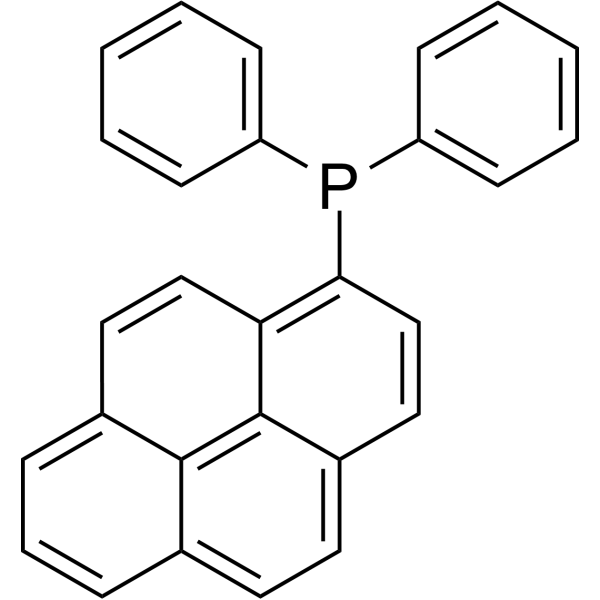
Diphenyl-1-pyrenylphosphine
 0 ImagesSynonyms: DPPP
Diphenyl-1-pyrenylphosphine (DPPP) is a functional organic molecule with both fluorescent properties and metal coordination ability, which is commonly used in materials and coordination chemistry research. Upon exposure to ultraviolet light, Diphenyl-1-pyrenylphosphine undergoes photoinduced phosphorus atom oxidation to form O-DPPP, triggering a transition from aggregation-induced emission (AIE) to aggregation-caused quenching (ACQ). Diphenyl-1-pyrenylphosphine reacts stoichiometrically with lipid hydroperoxides to produce fluorescent diphenyl-1-pyrenylphosphine oxide. Diphenyl-1-pyrenylphosphine can insert into cell membranes to monitor lipid peroxidation processes in living cells.
-
ISIS 626112 sodium
 0 ImagesCat. No.: HY-159693ASynonyms: ION-626112 sodium
ISIS 626112 sodium (ION-626112 sodium) is a blood-brain barrier-permeable MOE-gapmer antisense oligonucleotide and also an inhibitor of the Malat1 long non-coding RNA. ISIS 626112 sodium triggers RNase H1-mediated cleavage and degradation of complementary Malat1 RNA. ISIS 626112 sodium dose-dependently reduces Malat1 RNA levels in all tested central nervous system regions and major central nervous system cell types in mice, with glial cells showing higher sensitivity than neurons.
-
NH2-Gly-PAB-Exatecan-D-glucuronic acid formic
 0 ImagesCat. No.: HY-160885APurity: 98.87%
NH2-Gly-PAB-Exatecan-D-glucuronic acid formic (Compound 8) is an intermediate that reacts with NHS-group-containing molecules to generate the ADC drug-linker conjugate Mal-Gly-PAB-Exatecan-D-glucuronic acid (HY-153179).
-
N-Lactylleucine
 0 Images
N-Lactylleucine is an endogenous N-lactoyl-amino acid formed from L-lactic acid and L-leucine. N-Lactylleucine has been detected in intermediate maple syrup urine disease.
-
DBCO-PEG3-NHS
 0 Images
DBCO-PEG3-NHS is a biochemical assay reagent, that can be used to chemically modify proteins and antibodies with an alkynyl (DBCO) or N-hydroxysuccinimide (NHS) ester group. DBCO-PEG3-NHS can be used as a linker in PROTAC synthesis or for drug delivery and the development of biosensors and diagnostic reagents.
-
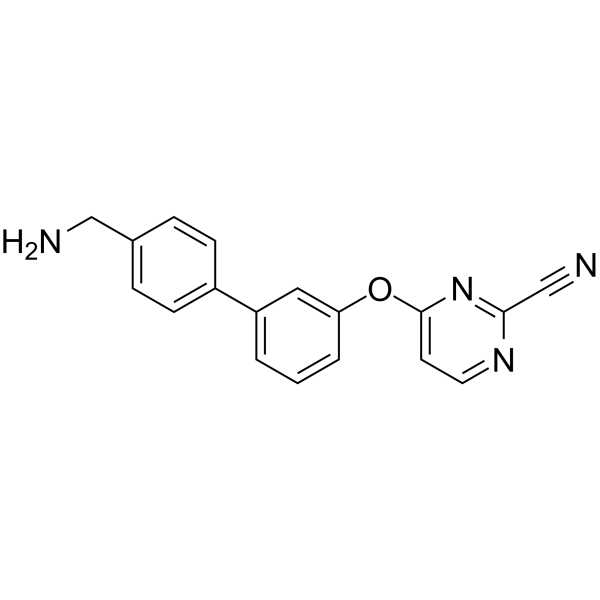
Cysteine Protease inhibitor
 0 ImagesCat. No.: HY-17541CAS No.: 921625-62-9
Cysteine Protease inhibitor is a cysteine protease inhibitor. Cysteine Protease inhibitor can be used in immunoblotting experiments of cells or tissues.
-
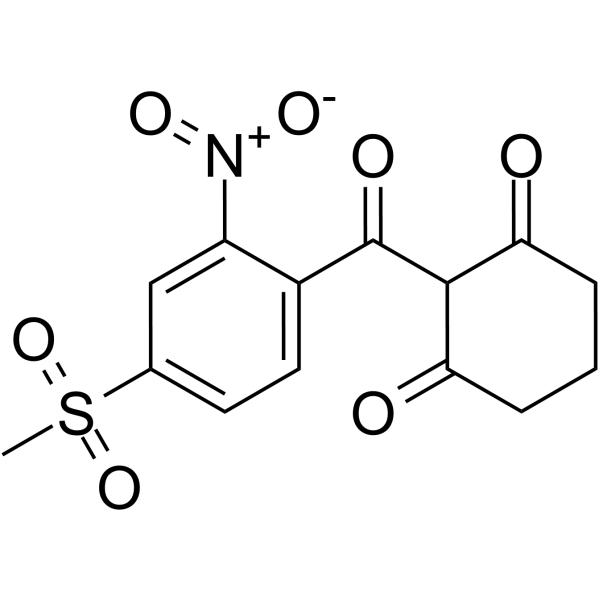
Pyr6
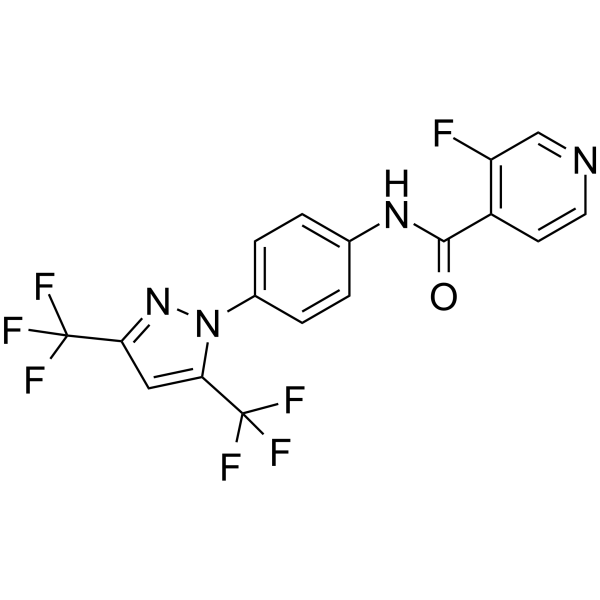 0 ImagesSynonyms: N-[4-[3,5-Bis(trifluoromethyl)-1H-pyrazol-1-yl]phenyl]-3-fluoro-4-pyridinecarboxamide
Pyr6 is a selective store operated calcium entry (SOCE) inhibitor with an IC50 of 0.49 μM. Pyr6 displays 37-fold higher potency for RBL SOCE than for TRPC3 ROCE.
-
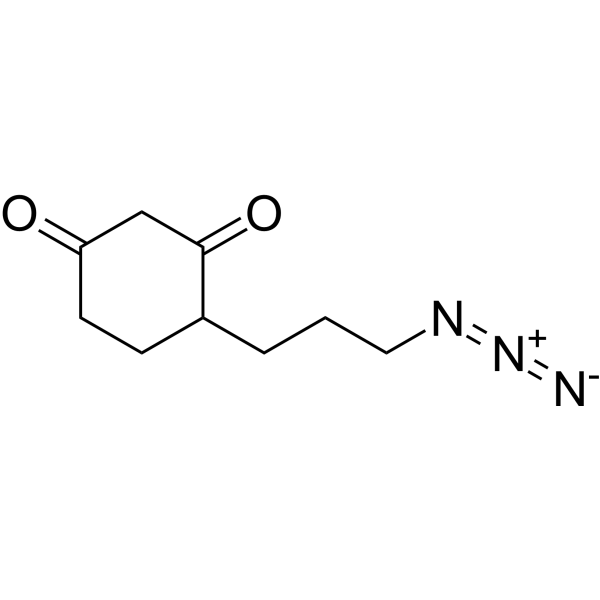
DAz-2
 0 Images
DAz-2 is a sulfonic acid probe for living cells, which can directly detect sulfonic acid-modified proteins in living cells and is cell-permeable.
-
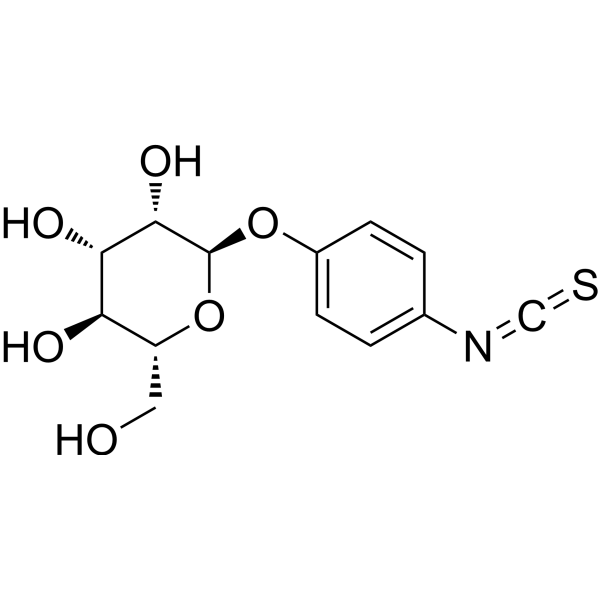
4-Isothiocyanatophenyl α-D-Mannopyranoside
 0 Images
4-Isothiocyanatophenyl α-D-Mannopyranoside, an organic isothiocyanate, is a building block and reagent which is used for preparing neoglycoproteins.
-
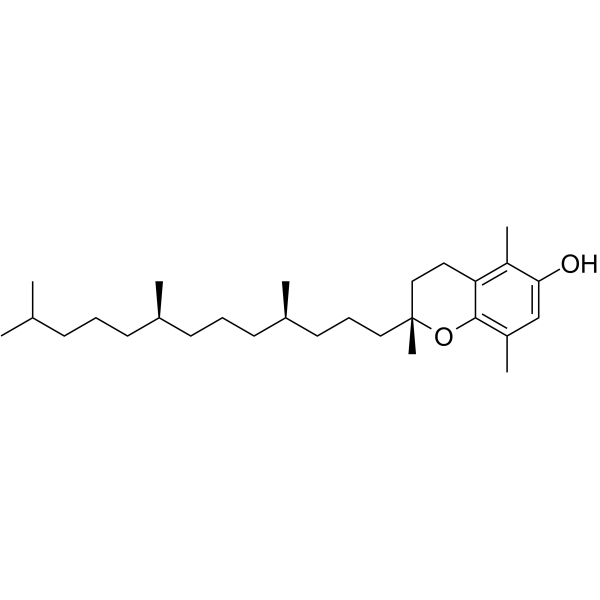
β-Tocopherol
 0 Images
β-Tocopherol is an analogue of vitamin E, exhibits antioxidant properties. β-Tocopherol can inhibit tyrosinase activity and melanin synthesis. β-Tocopherol also can prevent the inhibition of cell growth and of PKC activity caused by d-alpha-tocopherol.
-
Nitrosobiotin
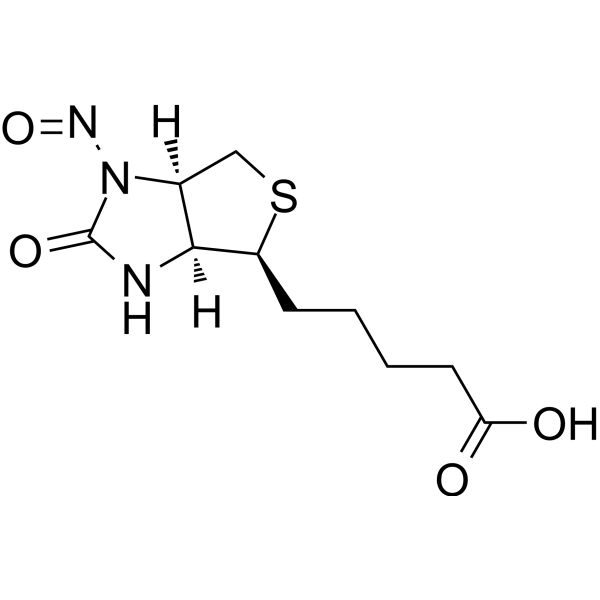 0 Images
Nitrosobiotin is prepared from biotin.
-
Cyanine 5 Tyramide
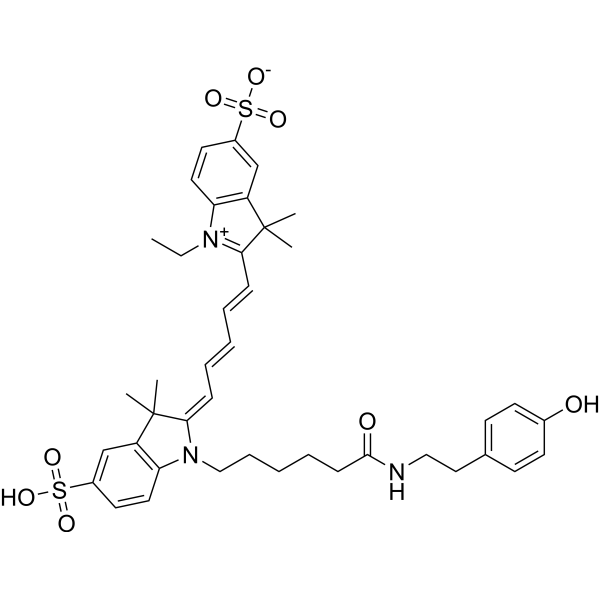 0 ImagesCat. No.: HY-136247CAS No.: 1431148-26-3Synonyms: Tyramide-Cy5
Cyanine 5 Tyramide (Tyramide-Cy5), a red fluorescent dye, is utilized as reporter fluorescent substrate for horseradish peroxidase (HRP)-catalyzed deposition that is signal amplification technique in immunoassay and in situ hybridization of nucleic acids.
-
Fmoc-N-Me-Arg(Pbf)-OH
 0 Images
Fmoc-N-Me-Arg(Pbf)-OH is an amino acid derivative containing a guanidinium protecting group on the arginine side chain. Fmoc-N-Me-Arg(Pbf)-OH is used in the synthesis of neurotensin-derived NTS1 ligands for PET imaging.
-
Pro-Phe-Arg-AMC
 0 Images
Pro-Phe-Arg-AMC is a substrate for human glandular kallikrein 2. Pro-Phe-Arg-AMC can be used for the quantitative detection of enzyme activity.
-
L-Arginine-7-amido-4-methylcoumarin hydrochloride
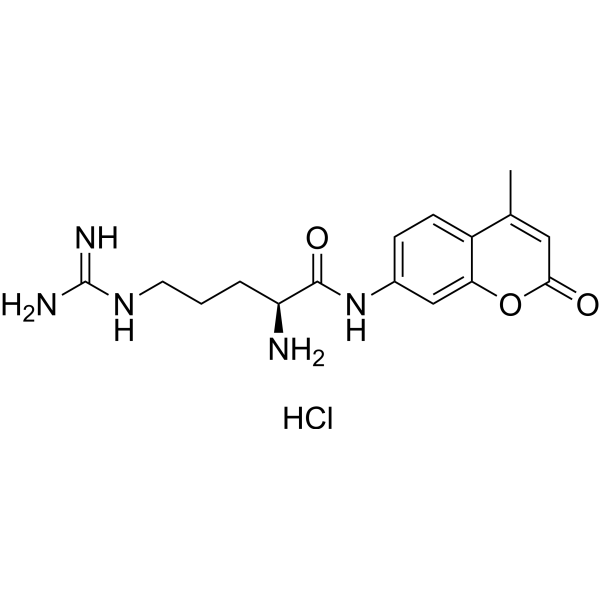 0 ImagesSynonyms: Arginine 4-methyl-7-coumarylamide hydrochloride
L-Arginine-7-amido-4-methylcoumarin (Arginine 4-methyl-7-coumarylamide) hydrochloride is a specific substrate of cathepsin H but not for cathepsins L and B.
-
16:0-18:1 PE-d31
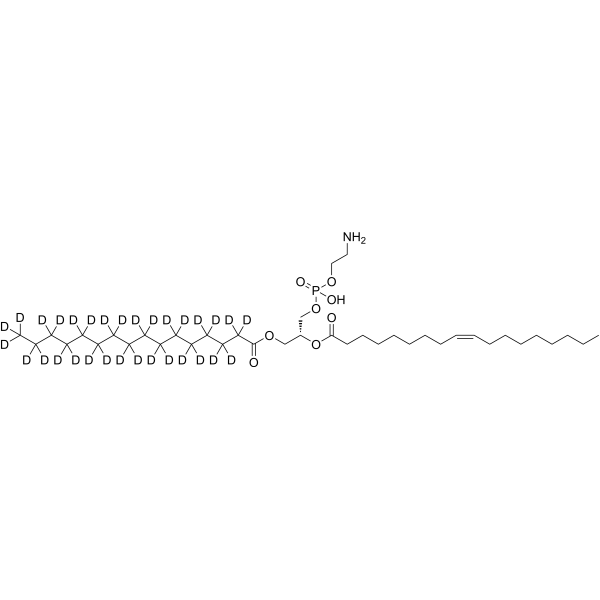 0 Images
16:0-18:1 PE-d31 is deuterium labeled 16:0-18:1 PE.
-
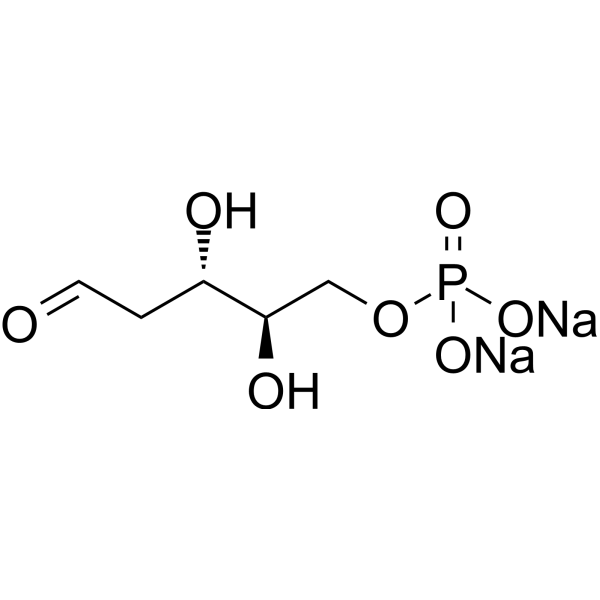
2-Deoxyribose 5-phosphate disodium
 0 Images
2-Deoxyribose 5-phosphate disodium is a substrate of 2-deoxyribose-5-phosphate aldolase (DERA). DERA belongs to class I aldolases, catalyzes reversible aldol reactions, and does not require any cofactors.
-
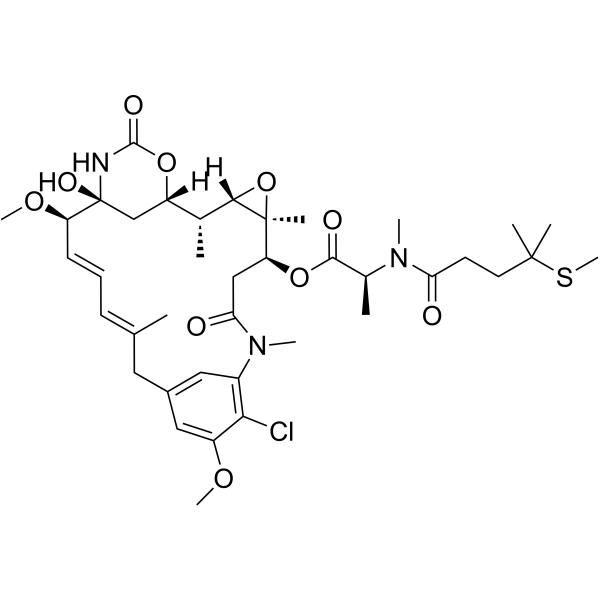
S-Me-DM4
 0 Images
S-Me-DM4 is a metabolite of DM4 S-methylated by intracellular enzyme. DM4 (HY-100503) is a microtubule-depolymerizing maytansinoid with strong cytotoxicity. DM4 can be used as an ADC Cytotoxin molecule.