



Others
-
Others Related Products (76331)
Related Products (76331)


-
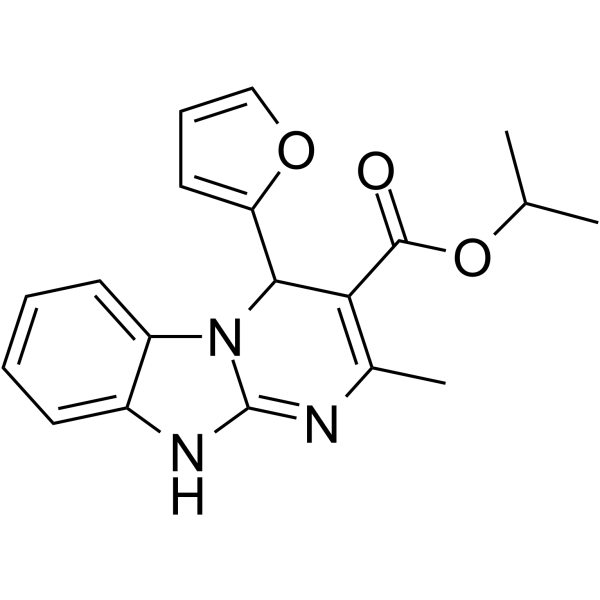
ISAM-140
 0 Images
ISAM-140 (22b) is a potent and highly selective A2B adenosine receptor antagonist with a Ki of 3.49 nM.
-
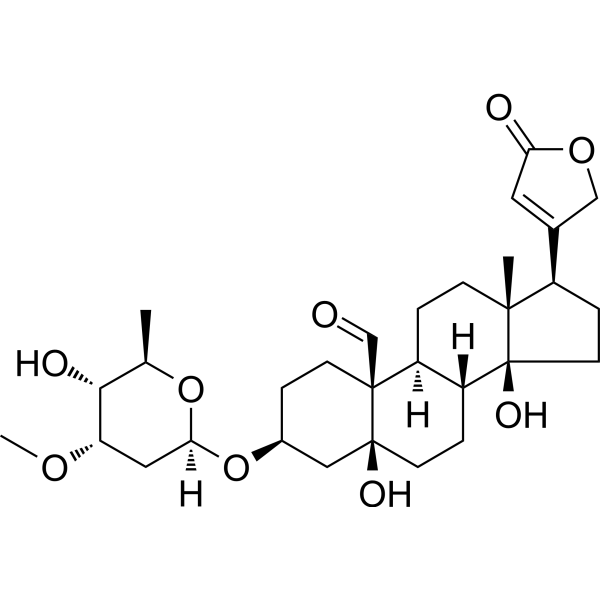
Dextran T5 (MW 5,000)
 0 ImagesCat. No.: HY-112624KCAS No.: 9004-54-0Synonyms: Dextran 5; Dextran D5; Dextran T5(MW 4500-5500)
Dextran T5 (MW 5,000) is a sulfated polysaccharide anti-apoptotic and autophagic agent. Dextran T5 (MW 5,000) has sulfated groups and interacts with cell membranes by mimicking endogenous glycosaminoglycans, inhibiting the mitochondrial apoptotic pathway and delaying DNA fragmentation to exert anti-apoptotic activity. Dextran T5 (MW 5,000) also promotes the conversion of LC3-I to LC3-II and the formation of autophagosomes to activate the autophagic pathway. Dextran T5 (MW 5,000) can prolong the survival cycle of CHO cells and increase the production of recombinant erythropoietin (EPO). The Dextran series of compounds are also natural polysaccharide drug carriers that can be connected to drugs through covalent bonding methods such as ester bonds, amide bonds or click chemistry, or self-assembled to form carriers such as nanoparticles and hydrogels. Dextran is biodegradable and biocompatible, and can achieve targeted delivery and controlled release of drugs. Dextran derivatives can prolong drug half-life, increase local concentration and reduce immune clearance activity. The Dextran series of compounds are also natural polysaccharide drug carriers that can be connected to drugs through covalent bonding methods such as ester bonds, amide bonds or click chemistry, or self-assembled to form carriers such as nanoparticles and hydrogels. Dextran is biodegradable and biocompatible, and can achieve targeted delivery and controlled release of drugs. Dextran derivatives can prolong the half-life of drugs, increase local concentrations, and reduce the activity of immune clearance.
-
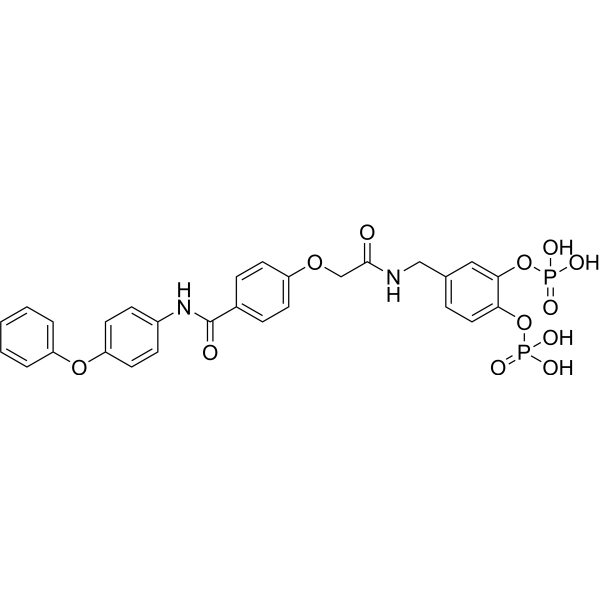
Stafib-2
 0 Images
Stafib-2 is a potent and selctive inhibitor of the transcription factor STAT5b, with an IC50 of 82 nM and 1.7 μM for STAT5b and STAT5a, respectively. Stafib-2 exhibits poor cell permeability.
-
19-Hydroxyandrost-4-ene-3,17-dione
 0 Images
19-Hydroxyandrost-4-ene-3,17-dione is a substrate for Corticotropin-lipotropin and Cytochrome P450 19A1.
-
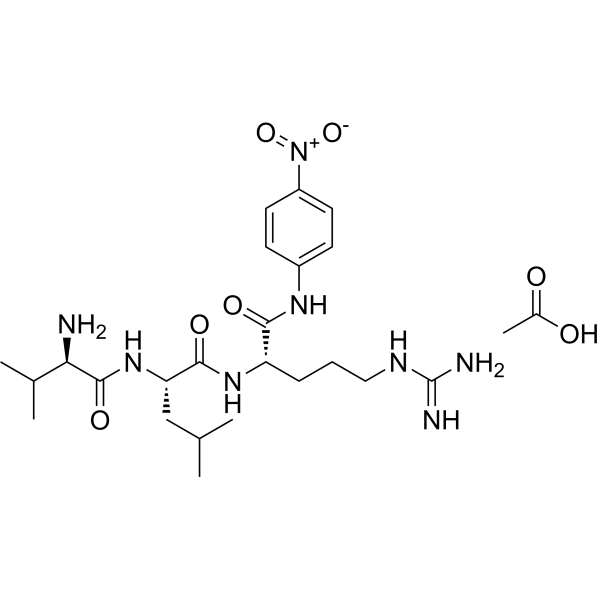
D-Val-Leu-Arg-pNA acetate
 0 Images
D-Val-Leu-Arg-pNA (acetate) is the acetate form of D-Pro-Phe-Arg-p-nitroanilide (pNa). D-Pro-Phe-Arg-p-nitroanilide (pNa) is the substrate for kallikrein and can be used to assay the activity of kallikrein.
-
DL-alpha-Tocopherol methoxypolyethylene glycol succinate
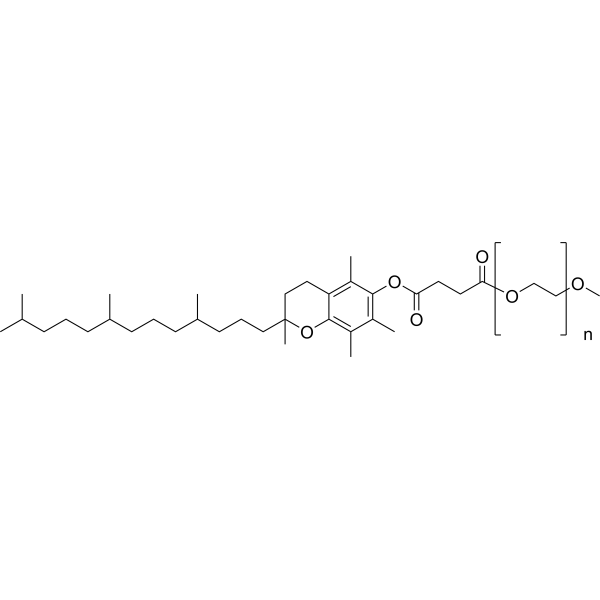 0 ImagesSynonyms: TPGS-750-M
DL-alpha-Tocopherol methoxypolyethylene glycol succinate (TPGS-750-M) is an amphiphile, acts as a surfactant. DL-alpha-Tocopherol methoxypolyethylene glycol succinate has a positive effect on Suzuki-Miyaura cross coupling. DL-alpha-Tocopherol methoxypolyethylene glycol succinate increases the styrene titer. DL-alpha-Tocopherol methoxypolyethylene glycol succinate is used in the stability test of NPYM-modified drugs in biological fluids.
-
NBD-amine
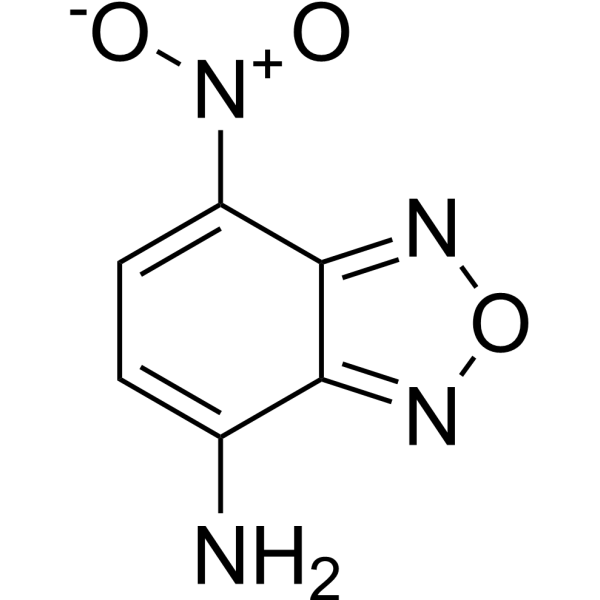 0 ImagesCat. No.: HY-119791CAS No.: 10199-91-4
NBD-amine is a fluorogenic amine. NBD-amine displays the property of fluorescing weakly in water and strongly in organic solvents, membranes or hydrophobic environments.
-
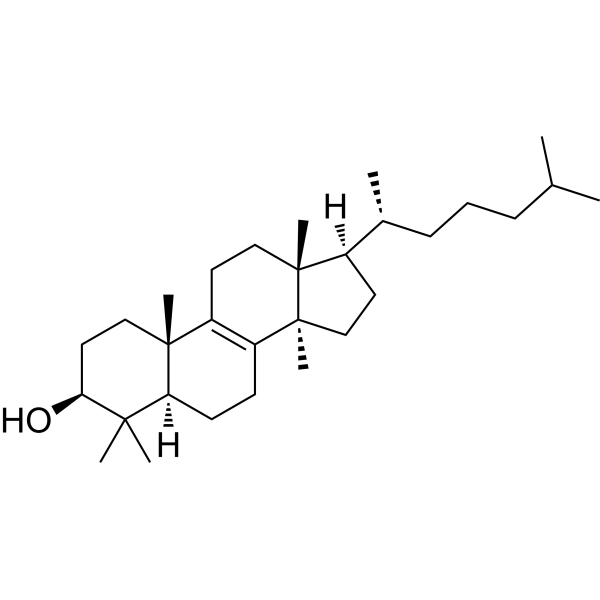
Dihydrolanosterol
 0 Images
Dihydrolanosterol is a subtrate of CYP51 and a cholesterol biosynthesis inhibitor..
-
Tetramethylrhodamine-5-iodoacetamide
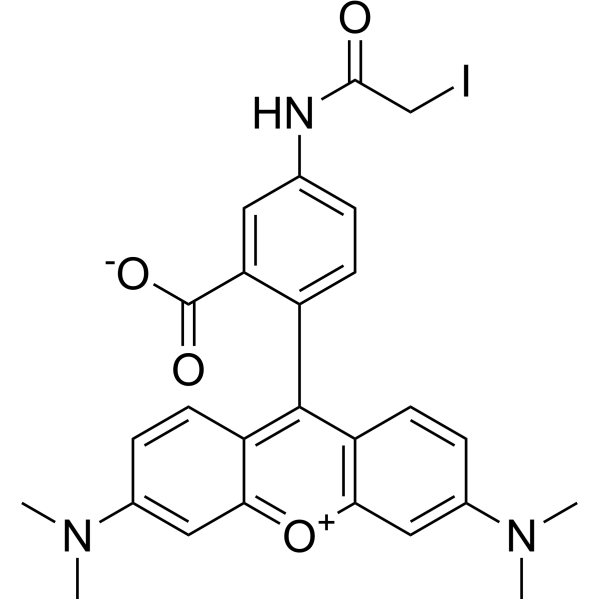 0 ImagesCat. No.: HY-123749CAS No.: 114458-99-0Synonyms: 5-TMRIA
Tetramethylrhodamine-5-iodoacetamide (5-TMRIA) is a thiol-selective reactive dye that is used to non-specifically label proteins via the cysteine residues. Tetramethylrhodamine-5-iodoacetamide (5-TMRIA) can be used to covalently label DNA fragments.
-
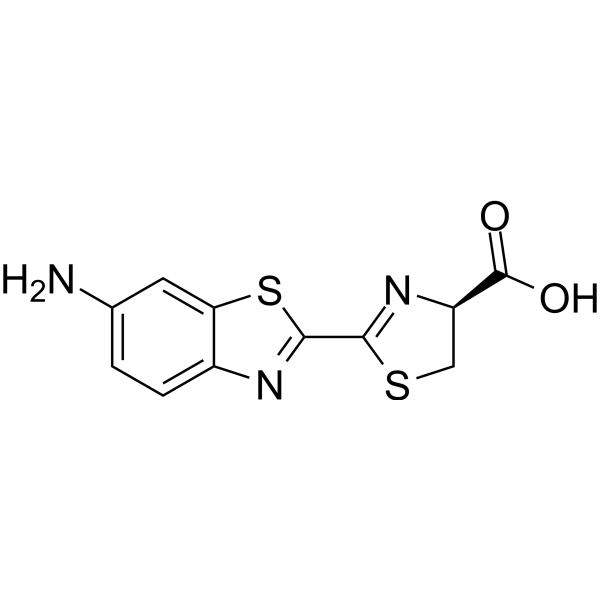
LK 614
 0 Images
LK 614 is a membrane permeable iron chelator that can be used to study the protective effects against L-Histidine (HY-N0832)-induced cell damage.
-
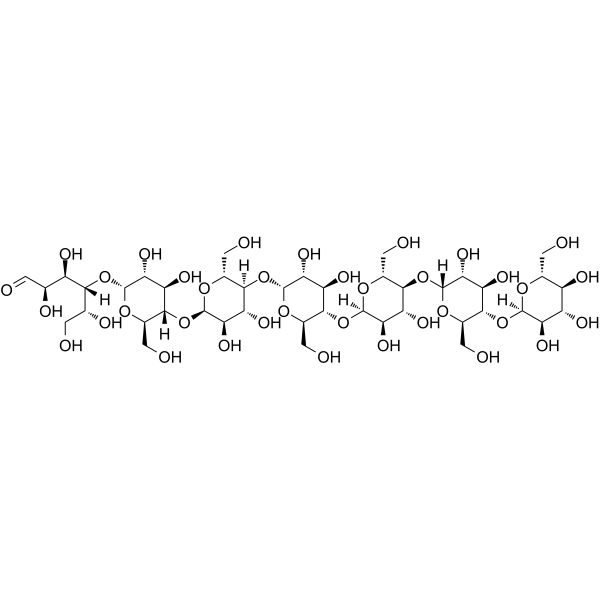
Maltoheptaose
 0 Images
Maltoheptaose is a linear oligosaccharide composed of seven glucose units and belongs to the class of malto-oligosaccharides.
-
NC9
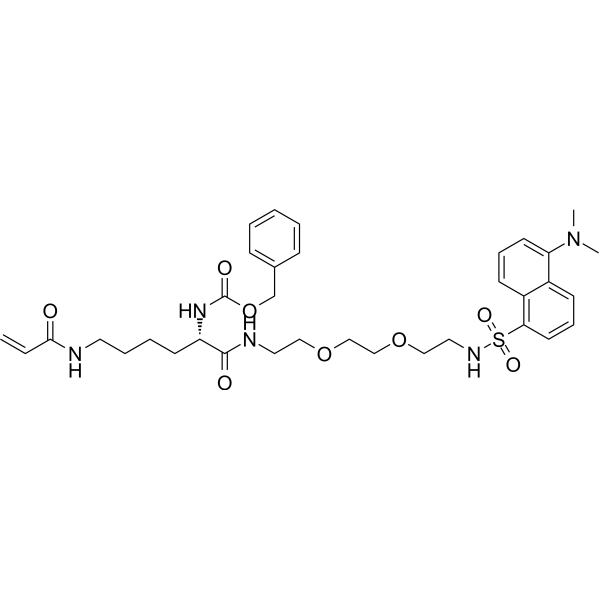 0 ImagesSynonyms: Cbz-Lys(Acr)-PEG2-dansyl
NC9 (Cbz-Lys(Acr)-PEG2-dansyl) is an irreversible transglutaminase (TG) inhibitor. NC9 inhibits osteoblast differentiation and mineralization. NC9 destabilizes microtubules. NC9 can be used for the research of osteoblast differentiation.
-
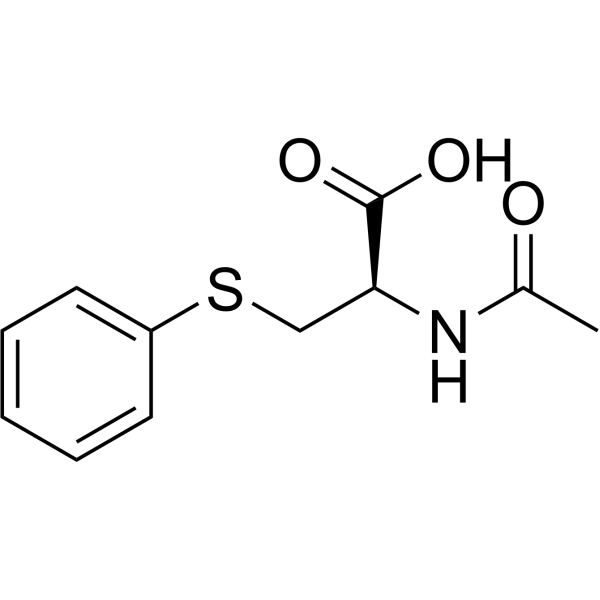
S-Phenylmercapturic acid
 0 Images
S-Phenylmercapturic acid, a metabolite of benzene, can be used as a biomarker, identified by GC, HPLC (UV or fluorescence detection), GC-MS, LC-MS/MS or immunoassay.
-
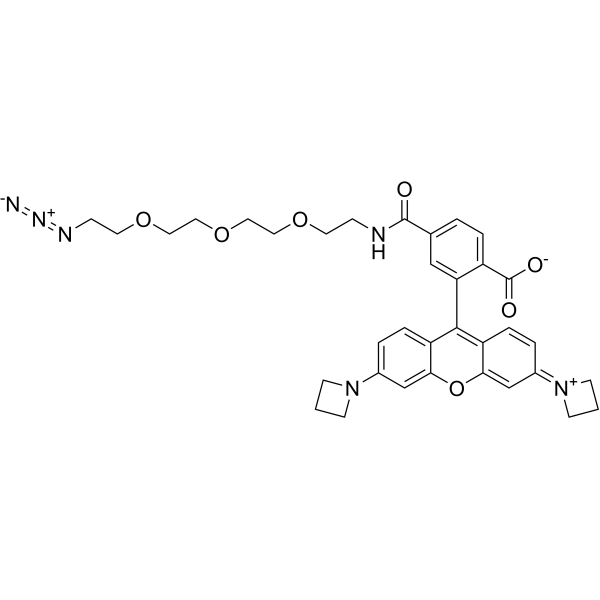
Janelia Fluor® 549, Azide
 0 ImagesCat. No.: HY-131021Purity: 99.49%Synonyms: JF549, Azide
Janelia Fluor 549, Azide (JF549, Azide) is a fluorescent dye with the absorption maximum (λab (max)) of 549 nm and emission maximum (λem (max)) of 571 nm. Janelia Fluor fluorescent dyes can be chemically conjugated to the specific HaloTag substrate (a chloroalkane ligand) to form a fluorescent ligand, rather than binding directly to the HaloTag protein itself. Janelia Fluor products are licensed under U.S. Pat. Nos. 9,933,417, 10,018,624 and 10,161,932 and other patents from Howard Hughes Medical Institute. It contains an azide group and can undergo copper-catalyzed azide-alkyne cycloaddition (CuAAc) with molecules containing alkyne groups. It can also undergo ring strain-promoted alkyne-azide cycloaddition (SPAAC) with molecules containing DBCO or BCN groups.
-
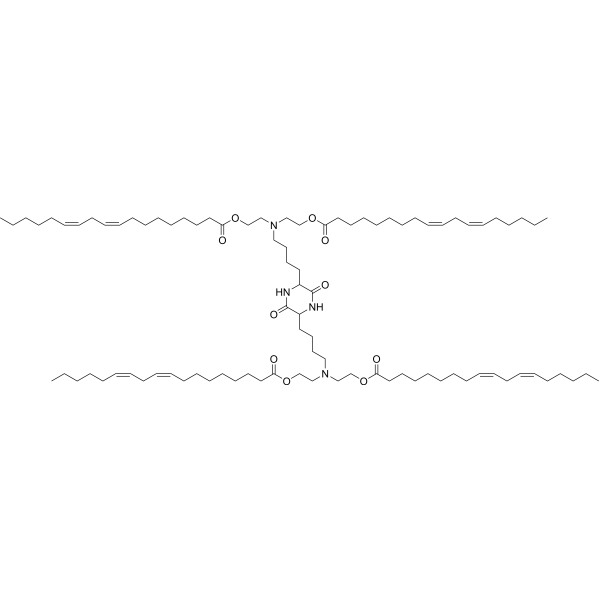
OF-Deg-Lin
 0 ImagesCat. No.: HY-134782CAS No.: 1853202-95-5
OF-Deg-Lin is an ionizable amino lipid used for the generation of Lipid nanoparticles (LNPs).
-
2-Di-1-ASP
 0 Images
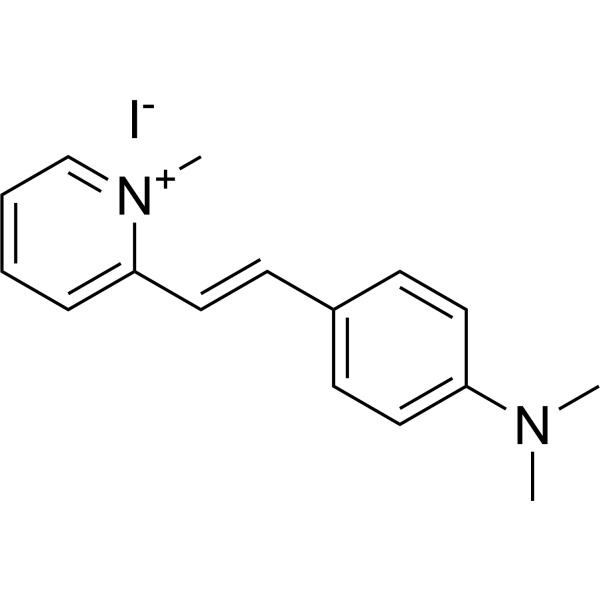
2-Di-1-ASP (DASPI; Compound 18a) is a mono-stryryl dye, and widely used as mitochondrial stain and groove-binding fluorescent probes for double-stranded DNA. 2-Di-1-ASP is selective for G-quadruplex (G4) and double-stranded DNA.



