



Others
All Product Categories
-
Others Inhibitors
(67)
View all products
-
Others Agonists
(3)
View all products
-
Others Antagonists
(3)
View all products
-
Others Activators
(5)
View all products
-
Others Modulators
(4)
View all products
-
Others Chemical
(1)
View all products
-
Others Inducer
(1)
View all products
-
Others Substrate
(1)
View all products
-
Others Related Products (2846)
Related Products (2846)

-
Antibodies (138)
-
Related Compound Screening Libraries (1)

-
P7C3-A20
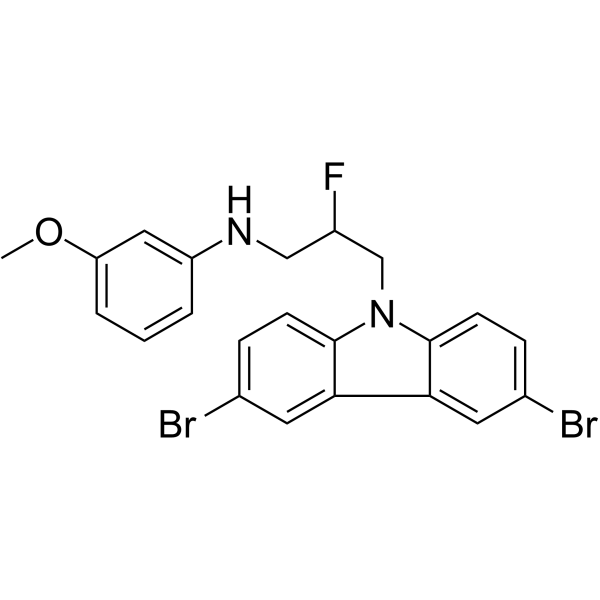 0 ImagesP7C3-A20 is a derivative of P7C3 with potent proneurogenic and neuroprotective activity. P7C3-A20 exerts an antidepressant-like effect. P7C3-A20 can cross the blood-brain barrier and therefore has the potential for brain injury treatment.
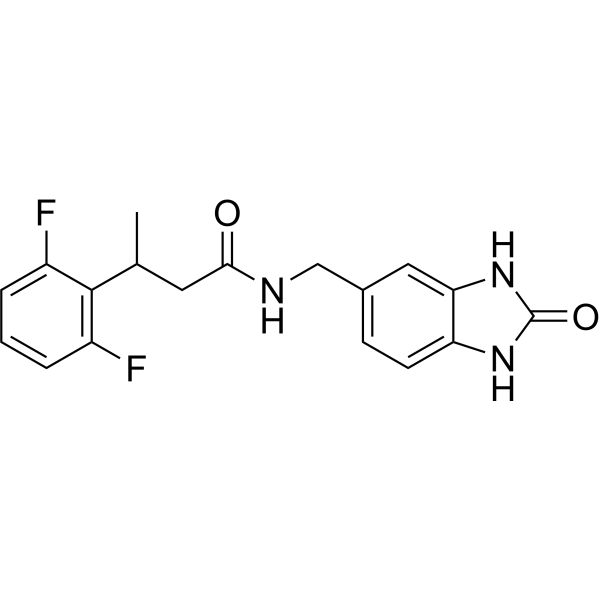
-
SPA70
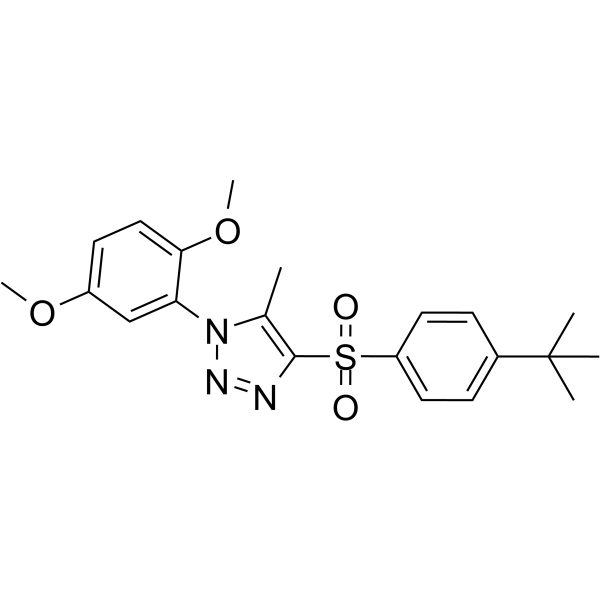 0 ImagesSPA70 is a potent and selective antagonist of human pregnane X receptor (hPXR), with an IC50 of 540 nM (Ki=390 nM). SPA70 can enhance the chemosensitivity of cancer cells.
-
60 kcal% High Fat Diet
 0 ImagesCat. No.: HY-AF000560 kcal% High Fat Diet is a high-fat model diet used to establish animal models of obesity and type 2 diabetes. Designed with similarities to Research Diets, Inc.formula D12492. This product comes with an authoritative third-party quality testing report.
-
0.5 mL SBS Rack
 0 ImagesCat. No.: HY-E0225The 0.5 mL SBS Rack is a 96-well biobank storage rack suitable for -80°C environments. It can hold 0.5 mL externally threaded cryogenic vials with 2D codes on the bottom, and supports automated sample tracking, detection, and laboratory information system integration. The 0.5 mL SBS Rack can be used with camera-based reading devices to scan and log biobank vials with 2D codes into databases, enabling rapid identification of aliquoted samples.
-
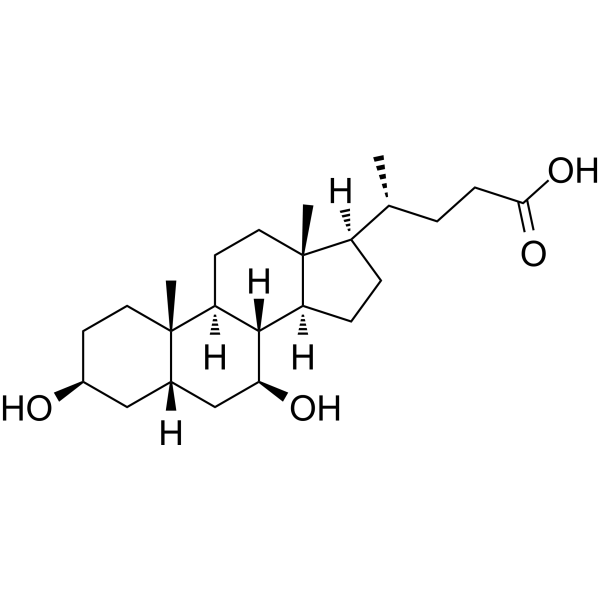
20-HEDE
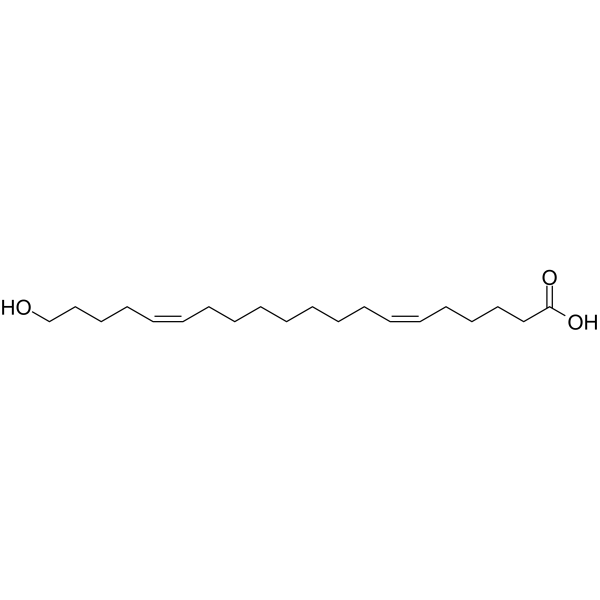 0 ImagesCat. No.: HY-101527CAS No.: 240427-90-1Synonyms: WIT 00220-HEDE (WIT 002) is an antagonist of 20-hydroxyeicosatetraenoic acid (20-HETE).
-
AMT-NHS
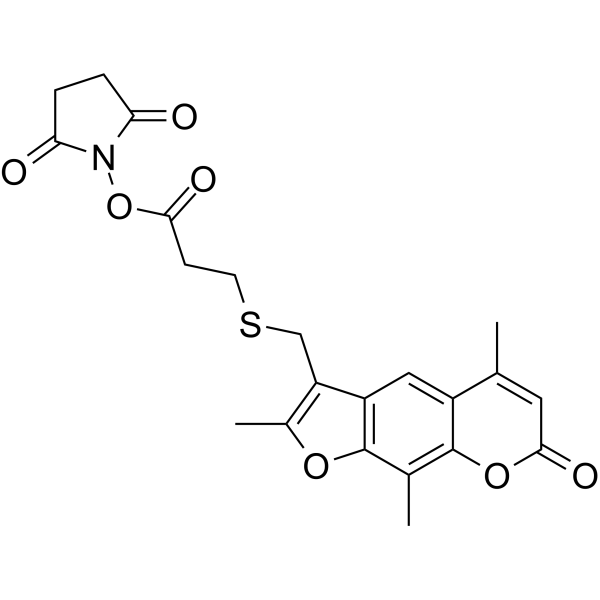 0 ImagesAMT-NHS is an RNA-protein crosslinker. AMT-NHS is composed of a psoralen derivative and an N-hydroxysuccinimide ester group which react with RNA bases and primary amines of protein, respectively. AMT-NHS can penetrate into living yeast cells and crosslink Cbf5 to H/ACA snoRNAs with high specificity. AMT-NHS induces different crosslinking patterns and targets both single- and double-stranded regions of RNA. AMT-NHS can be used for capturing diverse RNA-protein interactions in cells.
-
P7C3
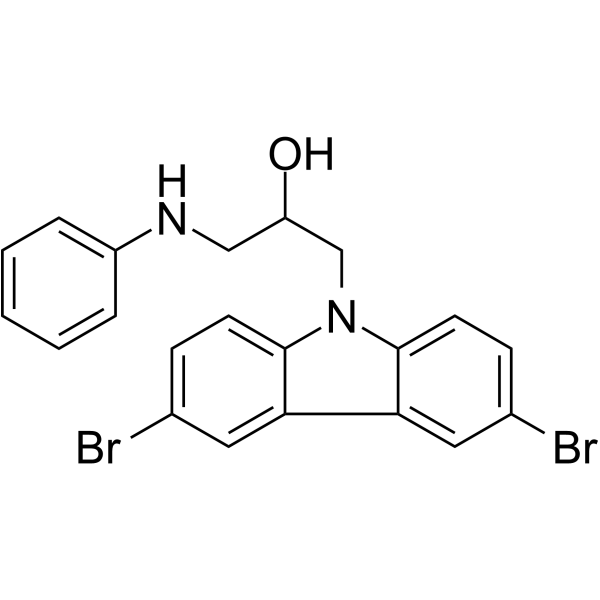 0 ImagesP7C3 is an orally bioavailable and blood-brain barrier penetrant aminopropyl carbazole, with neuroprotective effects. P7C3 can be used for the research of neurodegenerative diseases, including Parkinson's disease.
-
5-Dehydroepisterol
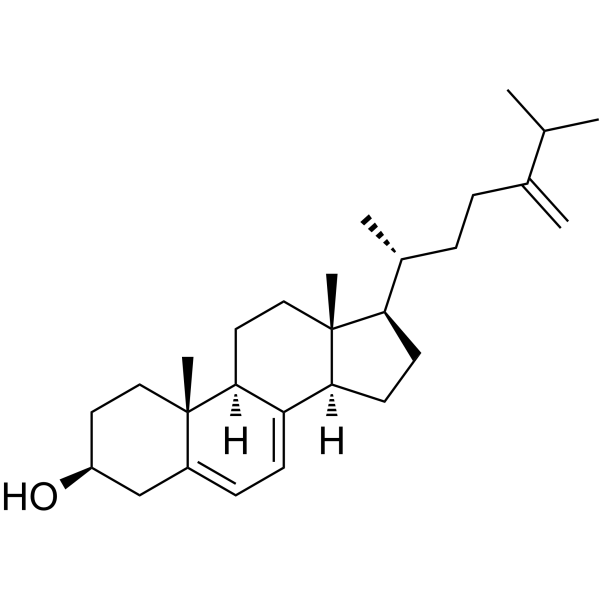 0 ImagesCat. No.: HY-130703CAS No.: 23582-83-45-Dehydroepisterol is a C28 alkylated sterol based on ergostane, and serves as a major component of the sterol pool in Leishmania parasites. The content of 5-Dehydroepisterol in Leishmania promastigotes can be depleted by 22,26-Azasterol, Amiodarone (HY-14187) and Tomatine (HY-N2166). Among these agents, Amiodarone (HY-14187) inhibits the biosynthetic process of this sterol by disrupting the function of squalene epoxidase. 5-Dehydroepisterol can be used in the research of leishmaniasis and cutaneous leishmaniasis.
-
3-Fluoro-L-tyrosine
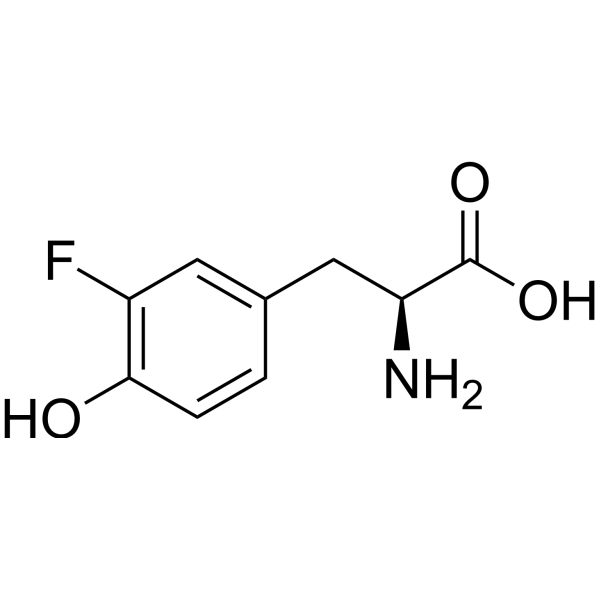 0 Images3-Fluoro-L-tyrosine is a tyrosine analogue, inhibits transamination by tyrosine aminotransferase (TAT). And 3-FluoroL-tyrosine has been shown to be biologically incorporated into proteins in place of tyrosine. 3-Fluoro-L-tyrosine pretends to be the substrate of rat liver tyrosine aminotransferase, markedly disturbs the Tyr-TAT association.
-
TMPD dihydrochloride
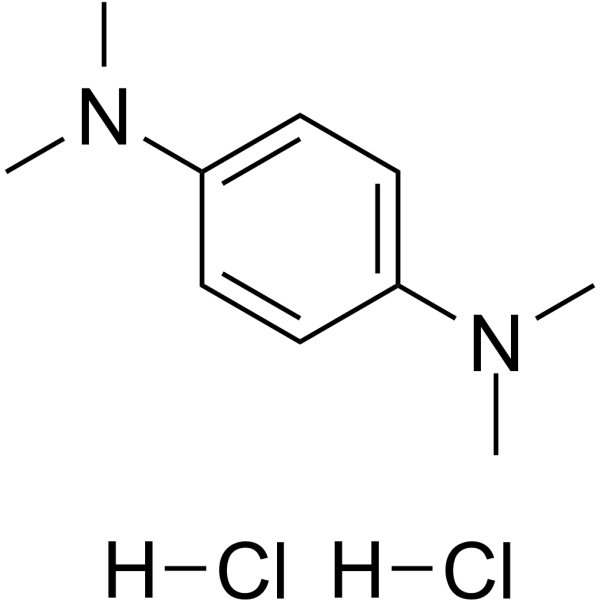 0 ImagesTMPD dihydrochloride, a readily oxidizable compound, is an enzymatically convert redox active substrate molecule. TMPD dihydrochloride is also an electron donor and serves as a reducing cosubstrate for heme peroxidases. TMPD dihydrochloride is also a complex IV substrate.
-
AIN-76A
 0 ImagesCat. No.: HY-AF0001AIN-76A is a formula of a purified diet for experimental rodents that can be easily reformulated to be used in many different types of nutrition studies. AIN-76A is typically used as a control group for drug-additive feeds. The feed ingredient meet the US AIN-76 standard.
-
O4I4
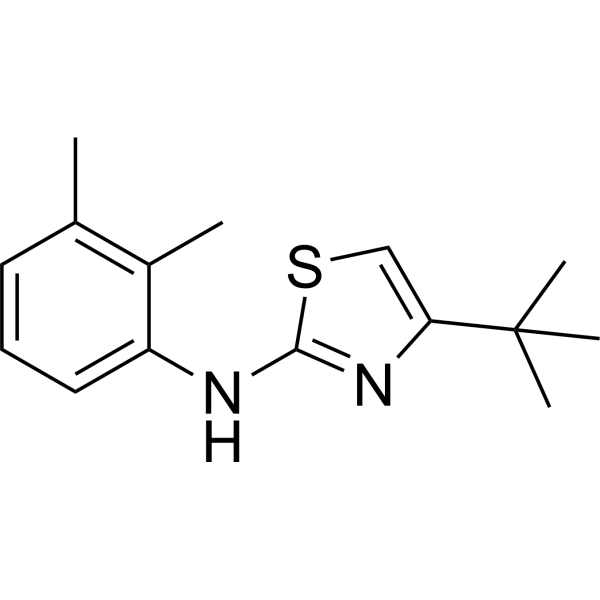 0 ImagesO4I4 (compound 23) is a OCT4-inducing compound with metabolical stability. O4I4 extends lifespan in Caenorhabditis elegans and Drosophila. O4I4 can be used for regenerative medicine and rejuvenation research.
-
NSC47924
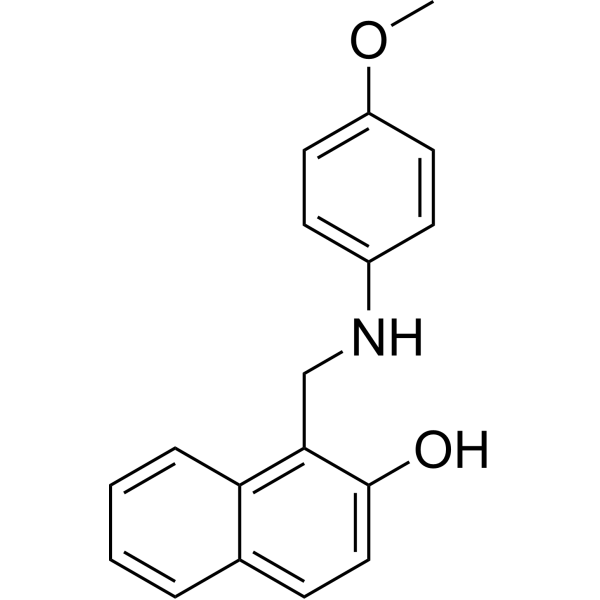 0 ImagesNSC47924 is a laminin receptor (LR) inhibitor. NSC47924 affects 37/67 kDa LR cell surface localization and interaction with the cellular prion protein. NSC47924 can be used for testing prion diseases.
-
Pt(acac)2
 0 ImagesSynonyms: Platinum(II) acetylacetonatePt (acac)2 (Platinum (II) acetylacetonate) is a halide-free platinum (II) acetylacetonate complex. Pt (acac)2 serves as a platinum source and precursor for the preparation of nanocatalysts and thin films, and also acts as a catalyst in N-allylation reactions.
-
Bemotrizinol
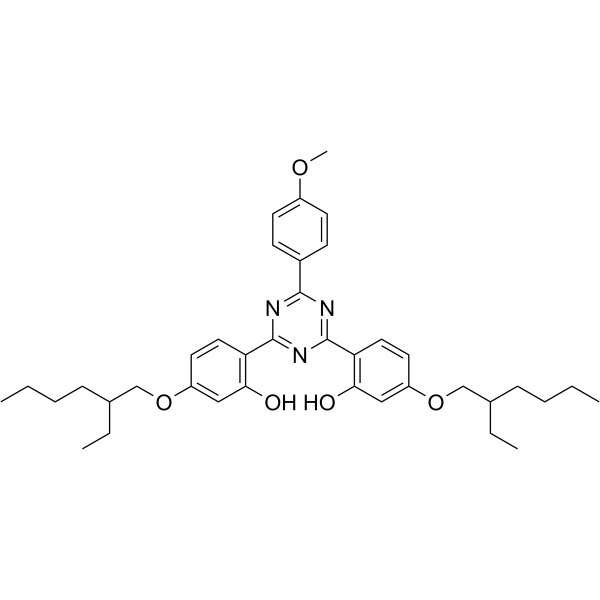 0 ImagesSynonyms: Tinosorb SBemotrizinol (Tinosorb S), a compound that can absorb ultraviolet light, has been shown to accept atomic oxygen generated by N-oxide photodeoxygenation.
-
5,6-trans-Vitamin D2
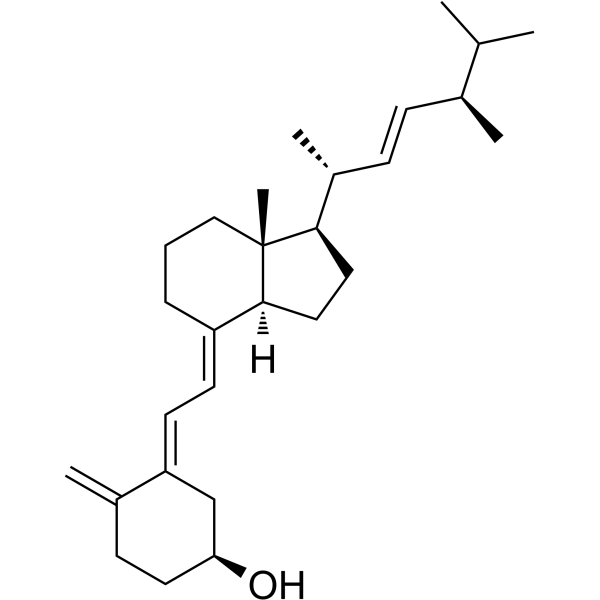 0 ImagesCat. No.: HY-76542ACAS No.: 51744-66-2Synonyms: 5,6-trans-Ergocalciferol; 5,6-trans-Calciferol; 5,6-trans-Ercalciol5,6-trans-Vitamin D2 is the isomer of Vitamin D2.




