



Mer
Mer/MERTK is a TAM receptor tyrosine kinase activated by Gas6 and protein S, linking apoptotic-cell recognition to inflammation, hemostasis, survival, adhesion, and migration[1]. Mechanistically, Mer supports efferocytosis because Gas6 and protein S bind apoptotic cells and enable TAM-dependent phagocytosis and receptor phosphorylation[2]. Mer signaling connects this recognition step to Src-FAK^Tyr861^-p130^CAS^/CrkII/Dock180-Rac1 activation, thereby promoting lamellipodia formation and apoptotic-cell engulfment[3]. In human macrophage models, MerTK blockade uniformly suppresses apoptotic-cell uptake, while Axl blockade affects poly(I:C)-stimulated macrophages but not resting macrophages, distinguishing Mer from Axl in baseline efferocytosis[4]. In retinal pigment epithelium models, Mertk triggers photoreceptor outer-segment ingestion, and MERTK-mutant patient iPSC-RPE cells show reduced outer-segment internalization, supporting retinitis pigmentosa disease modeling[5]. Compared with related TAM isoforms, Mer is described as uniquely capable of tethering apoptotic cells to macrophages and driving their internalization[2]. For experimental applications, MRX-2843 inhibits MERTK and FLT3 activation, induces apoptosis in AML models, and prolongs survival in xenografts[6]. MerTK ASO reduces MerTK in tumor-associated macrophages and improves immunoradiotherapy efficacy in mouse tumor models[7].
References:
- [1]. van der Meer JH, et al. TAM receptors, Gas6, and protein S: roles in inflammation and hemostasis. Blood. 2014 Apr 17;123(16):2460-9. [Content Brief]
- [2]. Dransfield I, et al. Mer receptor tyrosine kinase mediates both tethering and phagocytosis of apoptotic cells. Cell Death Dis. 2015 Feb 19;6(2):e1646. [Content Brief]
- [3]. Wu Y, et al. A role for Mer tyrosine kinase in alphavbeta5 integrin-mediated phagocytosis of apoptotic cells. J Cell Sci. 2005 Feb 1;118(Pt 3):539-53. [Content Brief]
- [4]. Grabiec AM, et al. Axl and MerTK receptor tyrosine kinases maintain human macrophage efferocytic capacity in the presence of viral triggers. Eur J Immunol. 2018 May;48(5):855-860. [Content Brief]
- [5]. Feng W, et al. Mertk triggers uptake of photoreceptor outer segments during phagocytosis by cultured retinal pigment epithelial cells. J Biol Chem. 2002 May 10;277(19):17016-22. [Content Brief]
- [6]. Minson KA, et al. The MERTK/FLT3 inhibitor MRX-2843 overcomes resistance-conferring FLT3 mutations in acute myeloid leukemia. JCI Insight. 2016 Mar;1(3):e85630. [Content Brief]
- [7]. Hu Y, et al. Inhibition of MER proto-oncogene tyrosine kinase by an antisense oligonucleotide enhances treatment efficacy of immunoradiotherapy. J Exp Clin Cancer Res. 2024 Mar 6;43(1):70. [Content Brief]
All Product Categories
-
Mer Related Products (19)
Related Products (19)

- 1
-
Zanzalintinib
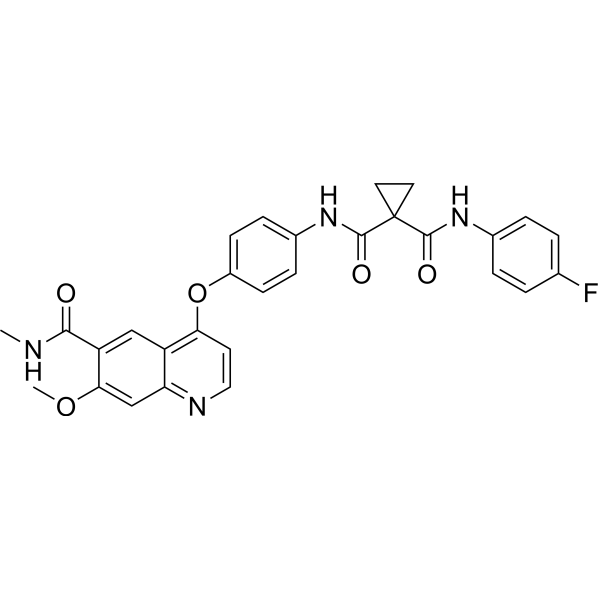 0 ImagesSynonyms: XL092Zanzalintinib (XL092) is an orally active, ATP-competitive inhibitor of multiple receptor tyrosine kinases (RTKs) including MET, VEGFR2, AXL and MER, with IC50s in cell-based assays of 15 nM, 1.6 nM, 3.4 nM, 7.2 nM respectively. Zanzalintinib exhibits anti-tumor activity. Zanzalintinib has the potential for kinase-dependent diseases and conditions research.
-
LDC1267
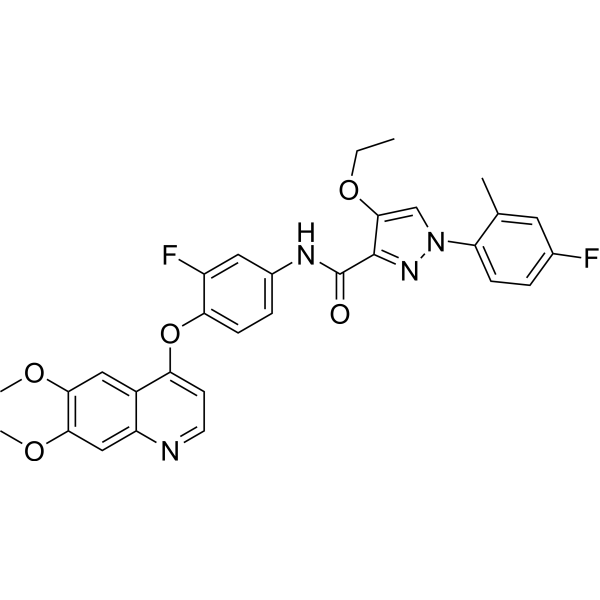 0 ImagesLDC1267 is a AXL/TAM/FLT3 inhibitor with IC50 values of 42 nM, 130 nM, and 63 nM against AXL, MERTK, and TYRO3, respectively. LDC1267 blocks GAS6-induced AXL phosphorylation and the downstream AKT/ERK1/2 signaling pathway. LDC1267 inhibits cancer cell proliferation, colony formation, and glioblastoma cell invasion, without causing obvious impairment of cytotoxic autophagic flux. LDC1267 exerts a synergistic effect when used in combination with Imatinib (HY-15463) in chronic myeloid leukemia models. LDC1267 can be widely applied in studies related to glioblastoma and chronic myeloid leukemia.
-
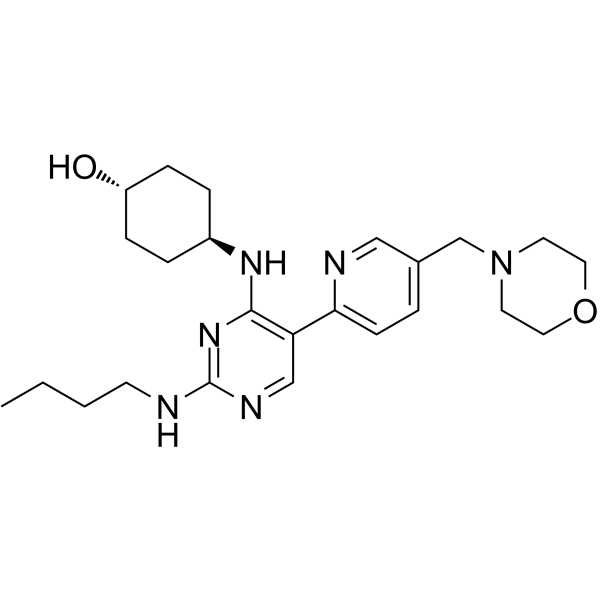
UNC569
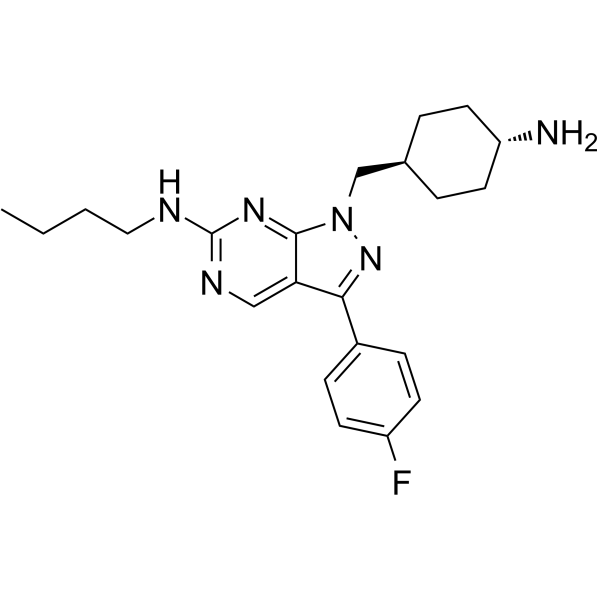 0 ImagesUNC569 is a potent, reversible, ATP-competitive and orally active Mer kinase inhibitor with an IC50 of 2.9 nM and a Ki of 4.3 nM. UNC569 also inhibits Axl and Tyro3 with IC50s of 37 nM and 48 nM, respectively. UNC569 can be used for acute lymphoblastic leukemia (ALL) and atypical teratoid/rhabdoid tumors research
-
UNC2541
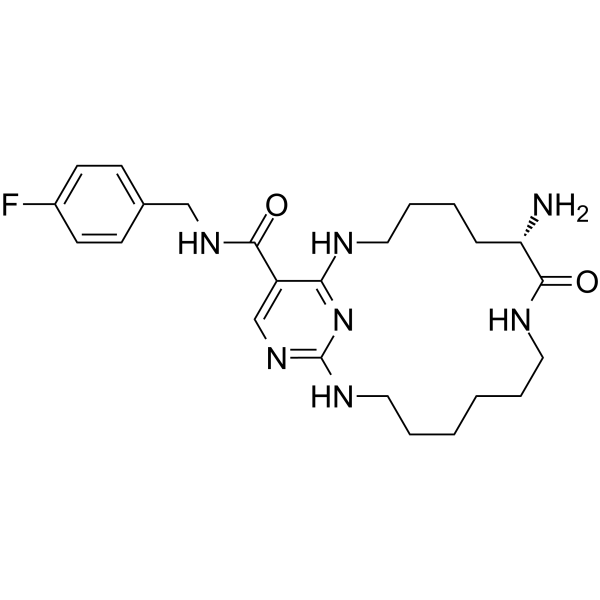 0 ImagesUNC2541 is a potent and Mer tyrosine kinase (MerTK)-specific inhibitor, binds in the MerTK ATP pocket, with an IC50 of 4.4 nM, more selective over Axl, Tyro3 and Flt3. UNC2541 inhibits phosphorylated MerTK (pMerTK; EC50, 510 nM). UNC2541 abolishes the analgesic and anti-inflammatory effects of ozone in vivo and in vitro.
-
AZ14145845
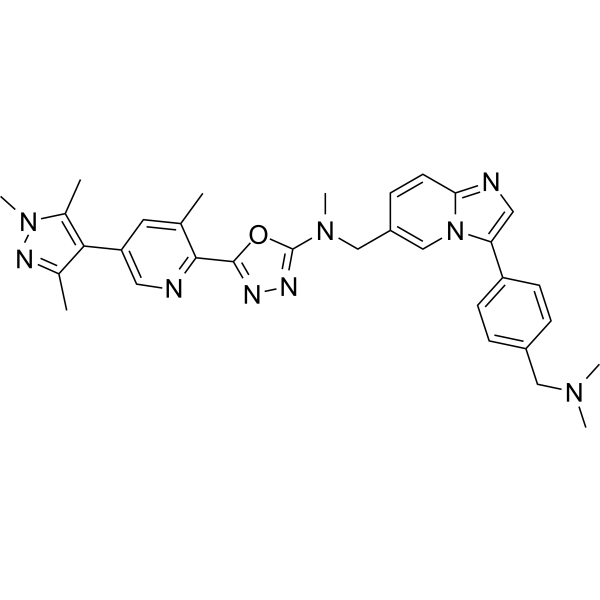 0 ImagesAZ14145845 is an orally active dual-target type 1½ kinase inhibitor of Mer/Axl, which inhibits Mer kinase (pIC50 = 9.0) and Axl kinase (pIC50 = 7.9) with high selectivity over Flt3 and Tyro3. AZ14145845 suppresses Mer- and Axl-dependent proliferation in Ba/F3 cells and inhibits efferocytosis in macrophages. AZ14145845 reduces the phagocytosis of photoreceptor outer segments by polarized human retinal epithelial cells. AZ14145845 inhibits tumor growth and induces tumor regression in vivo, and its combination with anti-PD1 antibody and ionizing radiation improves the survival rate of mice with colorectal cancer. AZ14145845 causes retinal degeneration in mice, with pathological changes similar to those in MERTK loss-of-function models. AZ14145845 can be used in studies related to retinal degeneration, lymphoma and colorectal cancer.
-
Tamnorzatinib
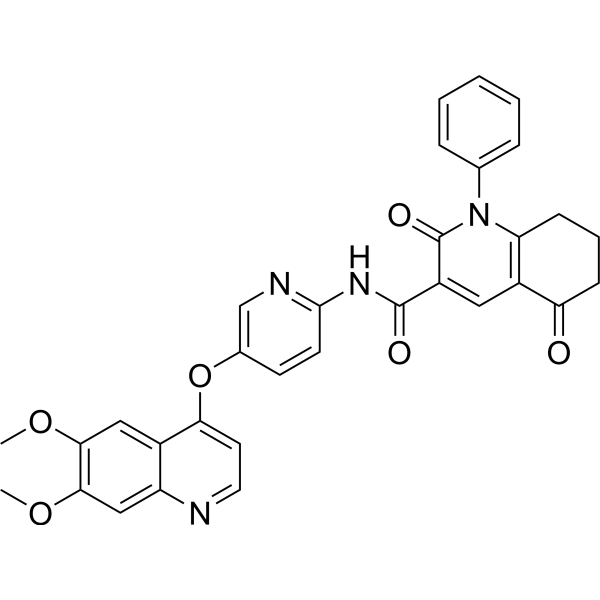 0 ImagesSynonyms: ONO-7475Tamnorzatinib (ONO-7475) is a potent, selective, and orally active Axl/Mer inhibitor with IC50 values of 0.7 nM and 1.0 nM, respectively. Tamnorzatinib sensitizes AXL-overexpressing EGFR-mutant NSCLC cells to the EGFR-TKIs, suppresses the emergence and maintenance of tolerant cells. Tamnorzatinib combines with Osimertinib (HY-15772) provides a bright promise for the study of EGFR-mutated non-small cell lung cancer (NSCLC).
-
UNC9426
 0 ImagesUNC9426 is a potent and selective TYRO3 inhibitor (IC50 = 2.1 nM), demonstrating 276-fold and 90-fold selectivity over MERTK and AXL, respectively. UNC9426 reduces platelet aggregation without increasing bleeding time and blocks TYRO3-dependent functions in tumor cells and macrophages. UNC9426 demonstrates a favorable safety profile with no significant increase in bleeding risk in vivo. UNC9426 can be used for functional studies of TYRO3-dependent phenotypes such as non-small cell lung cancer (NSCLC).
-
UNC2881
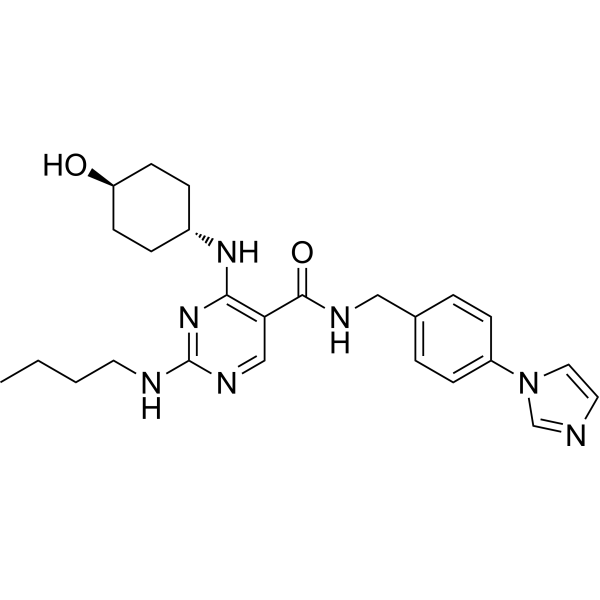 0 ImagesUNC2881 is an orally active and specific Mer kinase inhibitor, inhibits steady-state Mer kinase phosphorylation with an IC50 value of 22 nM. UNC2881 shows additional inhibition against Axl and Tyro with IC50s of 360 nM and 250 nM, respectively. UNC2881 potently inhibits collagen-induced platelet aggregation, can be used for pathologic thrombosis research.
-
PF-07265807
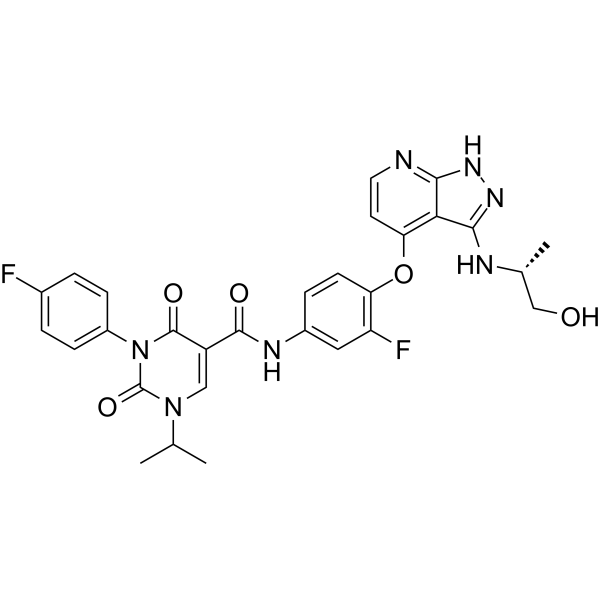 0 ImagesCat. No.: HY-147218CAS No.: 2412356-57-9Synonyms: ARRY-067PF-07265807 (ARRY-067) is a kinase inhibitor with primary targets AXL, MERTK, and TYRO3. PF-07265807 acts as an immunomodulator that cross-activates CD8+ T cells by enhancing dendritic cell function. PF-07265807 blocks downstream signal transduction of AXL and MERTK, and inhibits the proliferation and migration of tumor cells with high expression of these two kinases. PF-07265807 is applicable to research related to advanced or metastatic solid tumors, such as colorectal cancer.
-
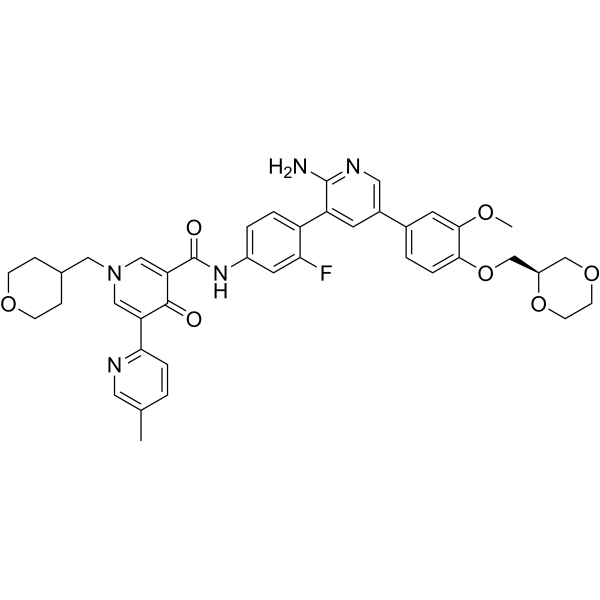
Adrixetinib
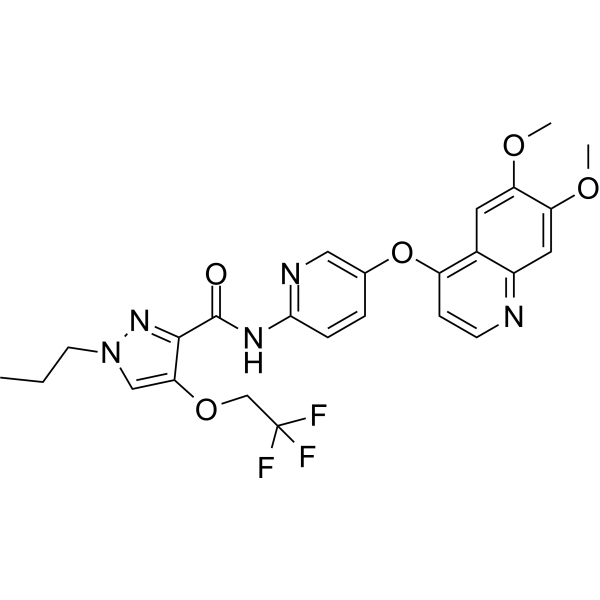 0 ImagesSynonyms: Q702Adrixetinib (Q702) is an orally active triple inhibitor against CSF1R, Mer, and Axl, with Kd values of 8.7 nM, 0.8 nM, and 0.3 nM, respectively. Adrixetinib acts as a potent immune modulator that remodels the tumor microenvironment. Adrixetinib increases the abundance of M1 macrophages and CD8⁺ T cells, while decreasing the levels of M2 macrophages and myeloid-derived suppressor cells (MDSCs). Adrixetinib upregulates the expression of MHC class I and E-cadherin in tumor cells. Adrixetinib shows remarkable antitumor efficacy in syngeneic mouse tumor models. Adrixetinib is suitable for the research of breast cancer, renal adenocarcinoma, colon carcinoma, and melanoma.
-
Adrixetinib TFA
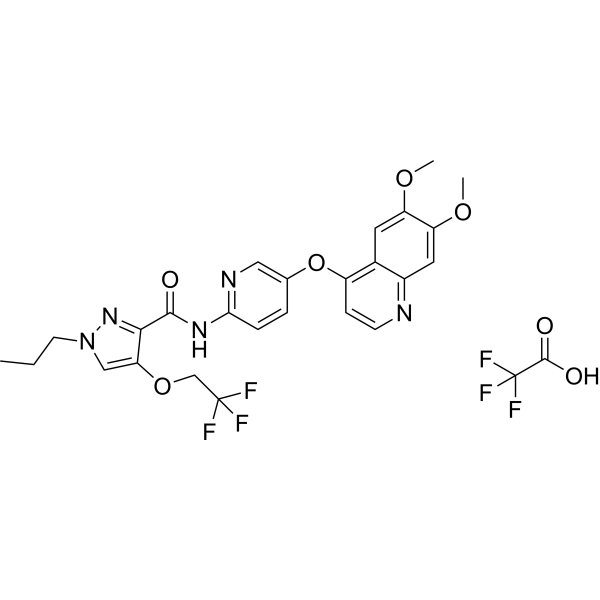 0 ImagesCat. No.: HY-152830APurity: 99.26%Synonyms: Q702 TFAAdrixetinib (Q702) TFA is an orally active triple inhibitor against CSF1R, Mer, and Axl, with Kd values of 8.7 nM, 0.8 nM, and 0.3 nM, respectively. Adrixetinib TFA acts as a potent immune modulator that remodels the tumor microenvironment. Adrixetinib TFA increases the abundance of M1 macrophages and CD8⁺ T cells, while decreasing the levels of M2 macrophages and myeloid-derived suppressor cells (MDSCs). Adrixetinib TFA upregulates the expression of MHC class I and E-cadherin in tumor cells. Adrixetinib TFA shows remarkable antitumor efficacy in syngeneic mouse tumor models. Adrixetinib TFA is suitable for the research of breast cancer, renal adenocarcinoma, colon carcinoma, and melanoma.
-
UNC8212
 0 ImagesCat. No.: HY-173400UNC8212 is a TAM kinase inhibitor. UNC8212 has potent inhibitory activity against MERTK and AXL (IC50: 1.5 nM and 1.3 nM, respectively), and also inhibits TYRO3 (IC50: 6.7 nM). UNC8212 mediates polypharmacological properties by targeting the structurally diverse "back pocket" region of the TAM kinase family. UNC8212 binds tightly to TAM kinases and potently inhibits MERTK and AXL phosphorylation. UNC8212 has anti-tumor effects and can be used in cancer immunotherapy and tumor cell targeting research.
-
TAM-IN-1
 0 ImagesCat. No.: HY-122601CAS No.: 1454847-05-2
-
Axl-IN-17
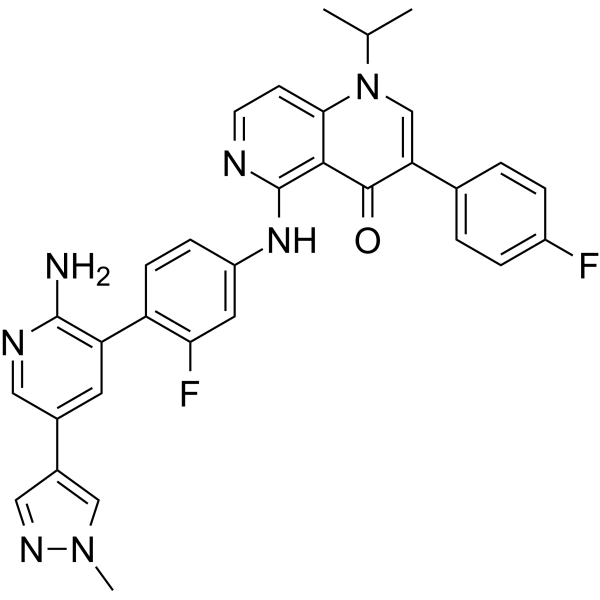 0 ImagesCat. No.: HY-162085CAS No.: 3048409-80-6Axl-IN-17 (compound 13c) is an orally active, selective AXL inhibitor with an IC50 value of 3.2 nM. Axl-IN-17 reveals antitumor efficacy.
-
Axl/Mer/CSF1R-IN-1
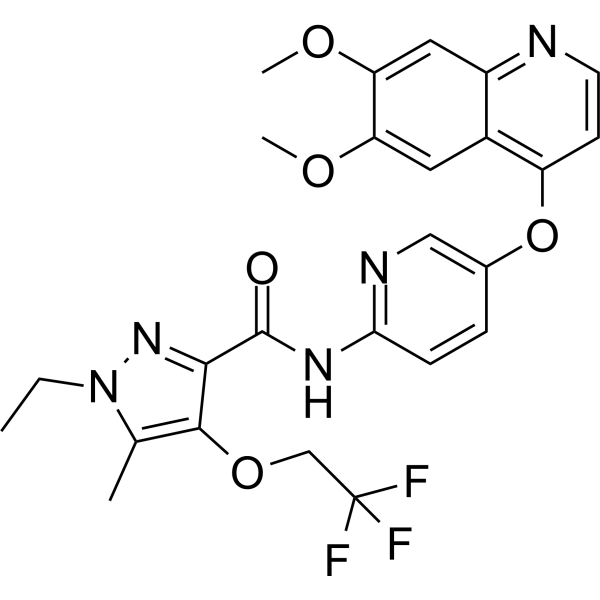 0 ImagesCat. No.: HY-153012CAS No.: 2394874-60-1Axl/Mer-IN-1 (Compound 1) is an Axl/Mer receptor tyrosine kinase (Axl/Mer RTK) and CSF1R inhibitor with Kds of <0.1 μM.
-
Axl-IN-21
 0 ImagesCat. No.: HY-179535CAS No.: 1958081-87-2Axl-IN-21 is an orally active and selective AXL inhibitor (Kd = 2.7 nM, IC50 = 4.0 nM). Axl-IN-21 displays kinase selectivity and retains strong activity against cancer-related mul-kinases (Mer with Kd = 1.4 nM, DDR1 with IC50 = 22.2 nM, HIPK4 with Kd = 11.0 nM and LOK with Kd =10 nM). Axl-IN-21 overcomes tumor microenvironment-driven resistance by blocking CAF-derived GAS6-induced AXL/STAT3/ABCG1 signaling, restoring chemosensitivity and inhibiting drug efflux in gastric cancer (GC). Axl-IN-21 suppresses TGF-β1-induced epithelial-mesenchymal transition (EMT), migration, and invasion in MDA-MB-231 cells. Axl-IN-21 exhibits no significant cytotoxicity in non-cancerous cells. Axl-IN-21 can be research for triple negative breast cancer and gastric cancer[1] [2] .
-
UNC3133
 0 ImagesCat. No.: HY-115778CAS No.: 2011034-35-6
- 1



