



-
FOXO Related Products (19)
Related Products (19)

- 1
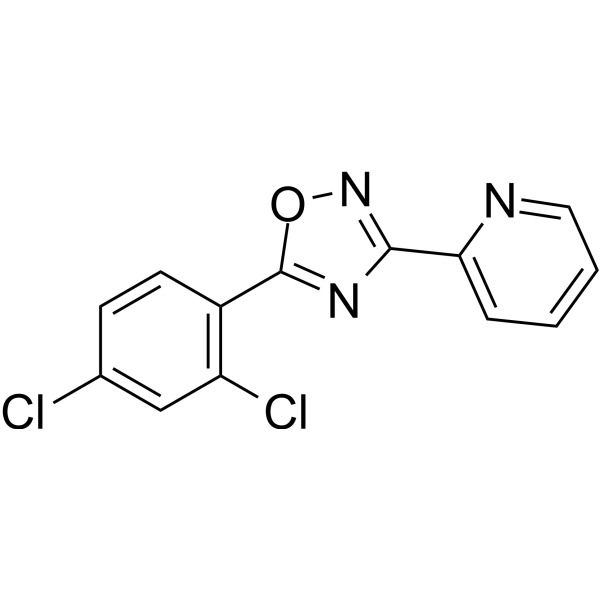
-
Kaempferide
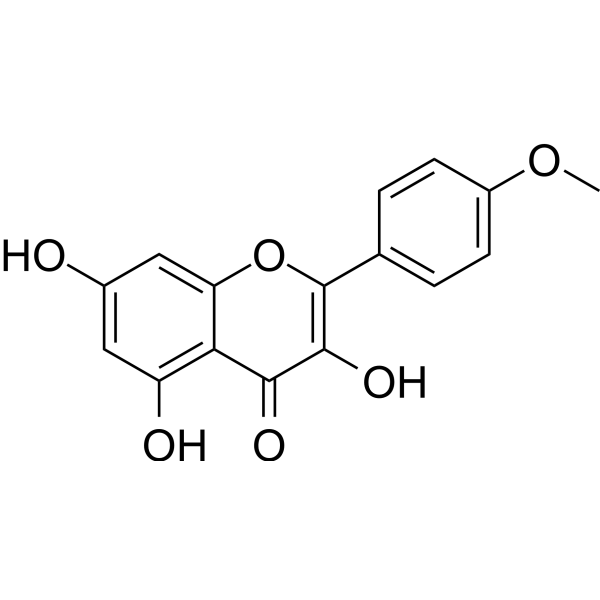 0 ImagesKaempferide is an orally active flavonol isolated from Hippophae rhamnoides L. Kaempferide has anticancer, anti-inflammatory, antioxidant, antidiabetic, antiobesity, antihypertensive, and neuroprotective activities. Kaempferide induces apoptosis. Kaempferide promotes osteogenesis through antioxidants and can be used in osteoporosis research.
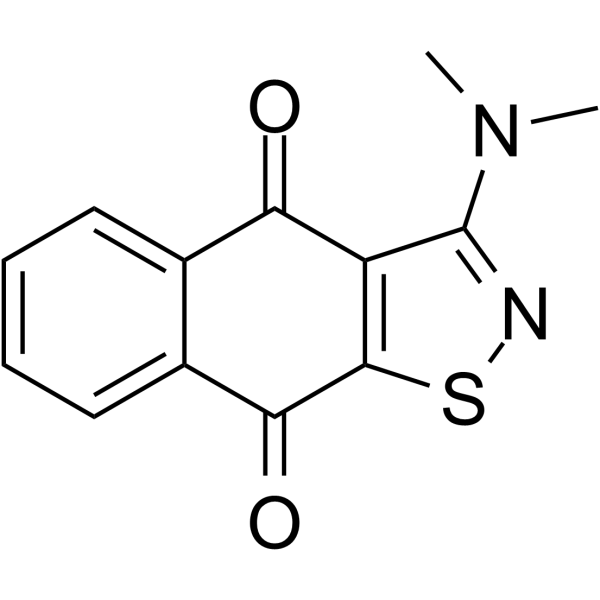
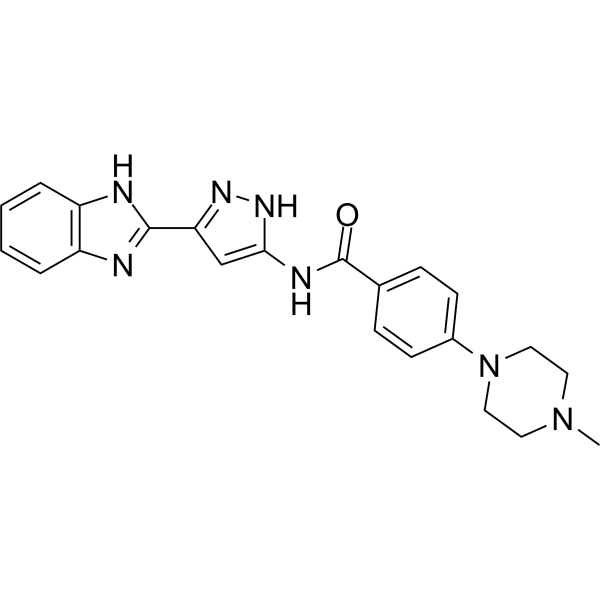
-
Piperacetazine
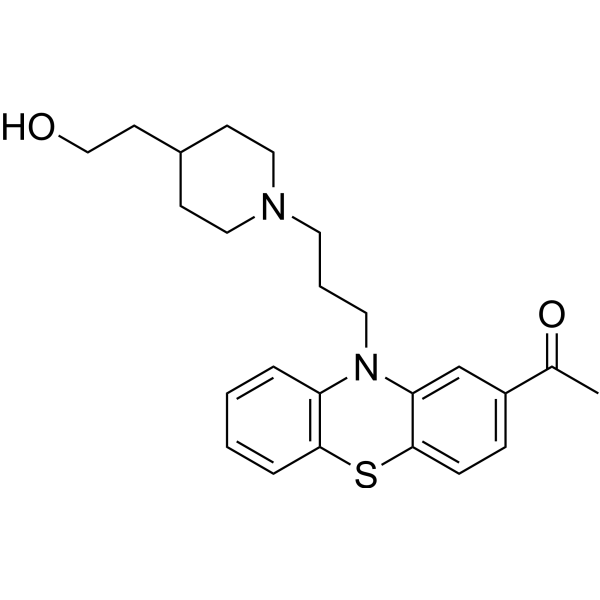 0 ImagesPiperacetazine is an orally active dopamine receptor antagonist and phenothiazine antipsychotic. Piperacetazine can directly bind to the PAX3::FOXO1 fusion protein and inhibit its transcriptional activity. Piperacetazine also exhibits antitumor activity with an IC50 of 7.627 μM against PANC-1 cells. Piperacetazine can be used for the research of diseases such as schizophrenia and pancreatic cancer and other tumors.
-
Methyl protodioscin
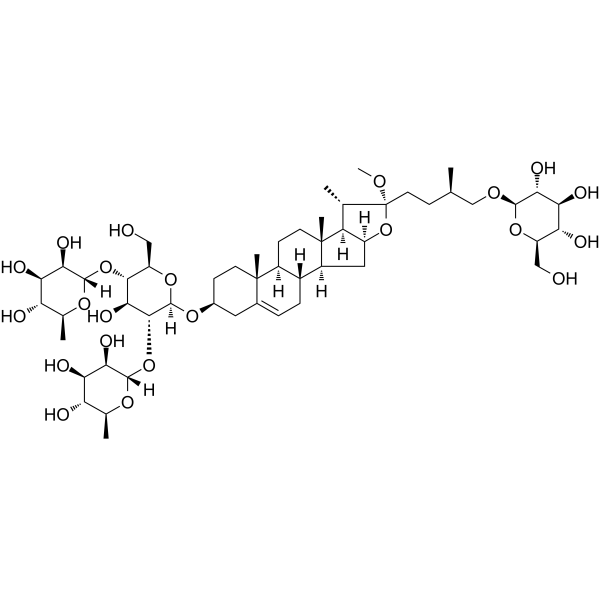 0 ImagesSynonyms: NSC-698790; Smilax saponin BMethyl protodioscin (NSC-698790; Smilax saponin B) is a multi-target, selective, steroidal diglycoside inhibitor with antitumor activity that induces cell cycle arrest. The mechanism of action of Methyl protodioscin is complex, involving the induction of G2/M cell cycle arrest, regulation of the Bcl-2/Bax apoptotic pathway, inhibition of the Akt1/c-Myc axis and MAPK/ERK signaling, while simultaneously downregulating ADAM15 and inducing FOXO1 to reduce cholesterol synthesis. It also inhibits the JNK/c-Jun pathway, reducing the production of inflammatory factors (IL-6, TNF-α). Methyl protodioscin exhibits significant antitumor (inhibiting proliferation, migration, invasion, and inducing apoptosis), anti-inflammatory, and anti-restenosis activities. Methyl protodioscin can be used in research on lung cancer, prostate cancer, pancreatic cancer, and other tumors, as well as inflammatory diseases such as airway inflammation and enteritis.
-
FuBIG
 0 ImagesCat. No.: HY-182469FuBIG is an iminoguanidine derivative with neuroprotective effects. FuBIGL inhibits L-LDH activation and reduces lactate production. FuBIGL exerts protective effects on inflammatory nerve cells, upregulates the expressions of AMPK, pAMPK and FOXO3, and activates the AMPK pathway in cells. FuBIG exerts anti-inflammatory effects by reducing pro-inflammatory cytokines (IL-6, IL-1β, TNF-α) and increasing the anti-inflammatory cytokine IL-10. FuBIG maintains mitochondrial membrane potential, alleviates mitochondrial dysfunction, reduces ROS production, and relieves oxidative stress. FuBIG upregulates Bcl-2, downregulates Bax and Caspase-3, and inhibits cell apoptosis (apoptosis). FuBIG improves metabolic disorders in diabetic mice, decreases the levels of LDL-C, ALT and AST, and increases HDL-C level simultaneously. FuBIG can be used in the research of diabetic neuroinflammation.
-
5,7-Dihydroxy-4-methylcoumarin
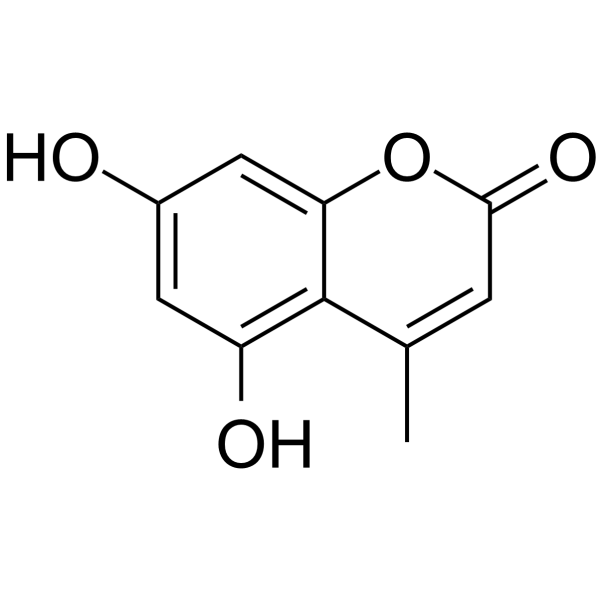 0 Images5,7-Dihydroxy-4-methylcoumarin is an antioxidant. 5,7-Dihydroxy-4-methylcoumarin protects mouse cochlear hair cells from Cisplatin-induced damage, enhances cell viability and inhibits apoptosis. 5,7-Dihydroxy-4-methylcoumarin downregulates phosphorylated JNK levels, increases the ratio of phosphorylated FoxO1 to total FoxO1, scavenges free radicals, reduces ROS accumulation, maintains mitochondrial membrane potential and alleviates mitochondrial dysfunction. 5,7-Dihydroxy-4-methylcoumarin downregulates the expression of caspase-3 and improves cell viability. 5,7-Dihydroxy-4-methylcoumarin can be used in studies related to ototoxicity.
-
Demethylasterriquinone B1
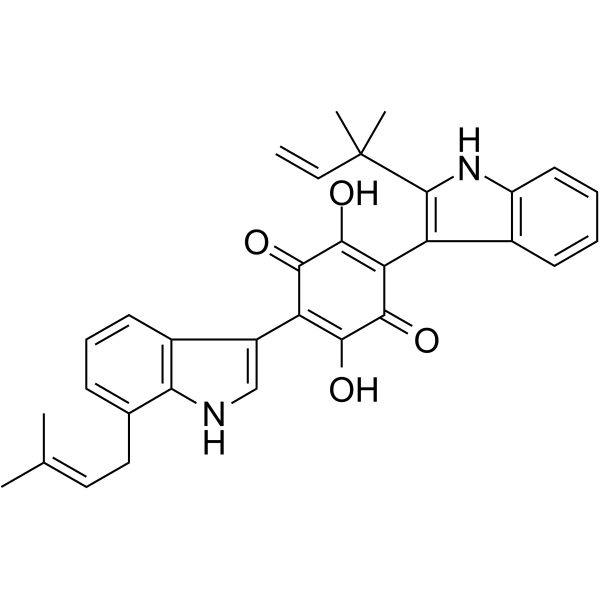 0 ImagesSynonyms: DAQ B1; L-783281; DimethylasterriquinoneDemethylasterriquinone B1 (DAQ B1; L-783281) is an orally active insulin receptor (insulin receptor) agonist and AKT activator. By activating AKT, Demethylasterriquinone B1 upregulates the expression and activity of eNOS to increase NO production, while downregulating the expression of the NADPH oxidase subunit p22phox to reduce oxidative stress and improve vascular endothelial dysfunction in hypertensive rats. Demethylasterriquinone B1 combind with an AKT inhibitor targets the insulin signaling pathway to activate two antiviral pathways, RNA interference and JAK/STAT, in mosquitoes, thereby reducing Zika virus infection.
-
Conessine
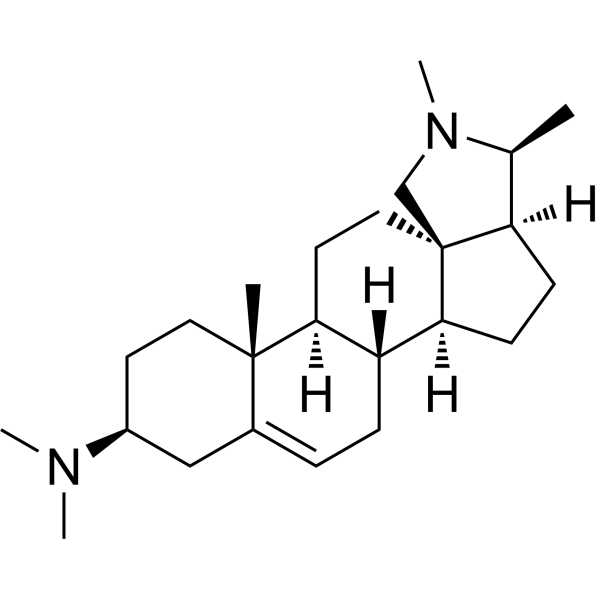 0 ImagesConessine is an orally active and BBB-penetrable selective histamine H3 receptor antagonist. The pKi values of Conessine for rat and human H3 receptors are 7.61 and 8.27, respectively. Conessine is an inhibitor of the multidrug efflux pump system in Pseudomonas aeruginosa and can enhance the activity of antibiotics. Conessine has antimalarial activity. Conessine can also be used in the research of muscle atrophy.
-
Dipropyl phthalate-d4
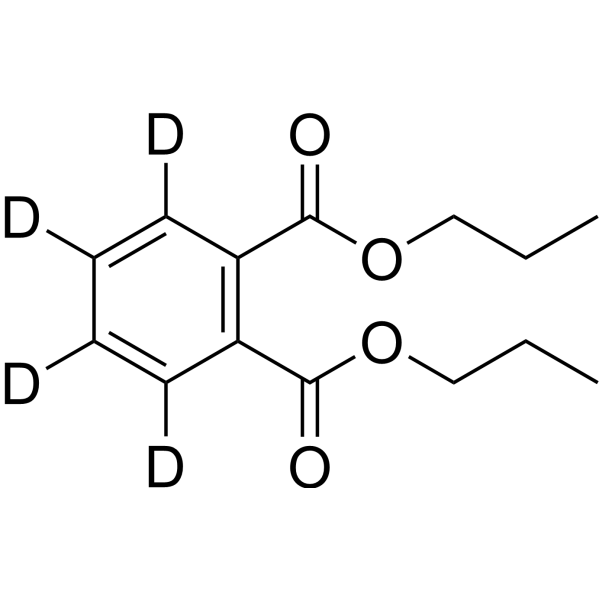 0 ImagesSynonyms: NSC 15314-d4; Di-n-Propyl phthalate-d4Dipropyl phthalate-d4 (NSC 15314-d4) is the deuterated-labeled Dipropyl phthalate (HY-B1944). Dipropyl phthalate is an immunomodulator. Dipropyl phthalate alters the activities of acid phosphatase, phenoloxidase and superoxide dismutase, increases the activity of β-glucuronidase in a dose-dependent manner, and elevates the mRNA level of hemocyanin in shrimp. Dipropyl phthalate activates the FoxO signaling pathway, interferes with cell proliferation and apoptosis, downregulates chondrocyte-related genes, and induces craniofacial cartilage developmental malformations in zebrafish embryos. Dipropyl phthalate can be used in studies related to Aeromonas veronii infection and micrognathia syndrome.
-
Dipropyl phthalate
 0 ImagesDipropyl phthalate is an immunomodulator. Dipropyl phthalate alters the activities of acid phosphatase, phenoloxidase and superoxide dismutase, increases the activity of β-glucuronidase in a dose-dependent manner, and elevates the mRNA level of hemocyanin in shrimp. Dipropyl phthalate activates the FoxO signaling pathway, interferes with cell proliferation and apoptosis, downregulates chondrocyte-related genes, and induces craniofacial cartilage developmental malformations in zebrafish embryos. Dipropyl phthalate can be used in studies related to Aeromonas veronii infection and micrognathia syndrome.
-
Anticancer agent 7
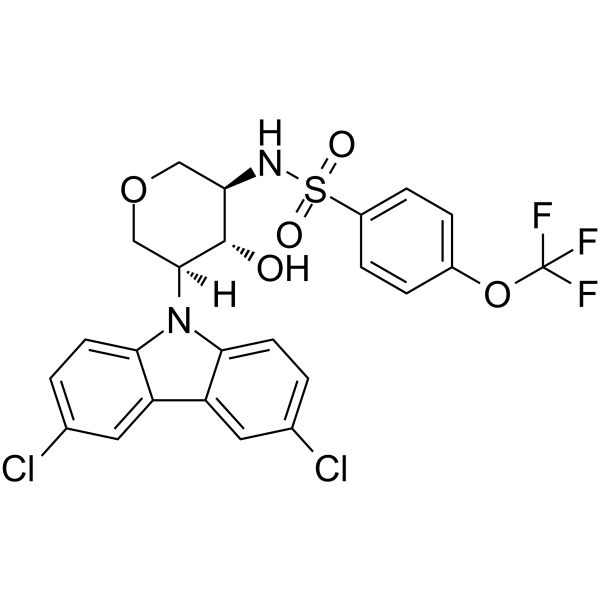 0 ImagesCat. No.: HY-W072940CAS No.: 2088956-21-0Anticancer agent 7 (Example 5) modulates PP2A, and induces FOXOl transcription factor translocation to the nucleus. Anticancer agent 7 inhibits the proliferation of H1650 lung cancer cell with an IC50 of 5 μM.
-
Phoenixin-14 TFA
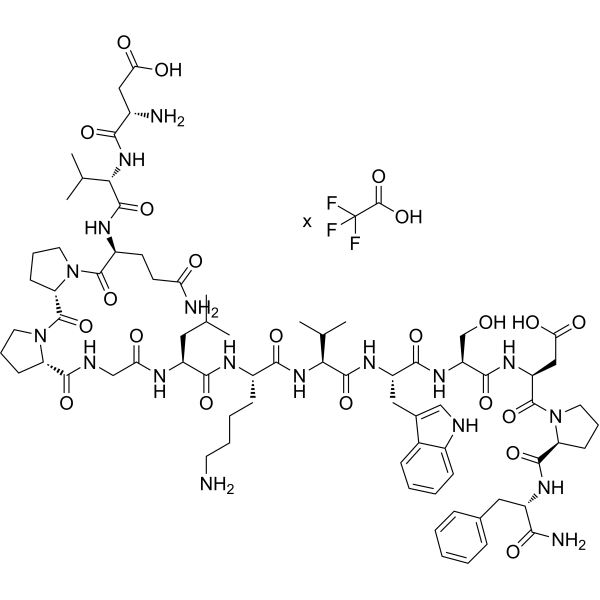 0 ImagesCat. No.: HY-P5762ASynonyms: PNX-14 TFAPhoenixin-14 (PNX-14) TFA is an endogenous neuropeptide with multiple biological activities, and serves as the endogenous ligand of GPR173. Phoenixin-14 TFA reduces ROS production by inhibiting the HMGB1/TLR4/MyD88/NF-κB signaling axis, thereby exerting antioxidant and mitochondrial protective effects. Phoenixin-14 TFA inhibits FOXO3 phosphorylation by upregulating SIRT3 expression, suppresses apoptosis, and improves myocardial systolic/diastolic function. Phoenixin-14 TFA resists ferroptosis by activating the ATF4/SLC7A11/GPX4 axis; it activates ERK1/2 phosphorylation via GPR173. Phoenixin-14 TFA can be used in researches on neuroprotection, diabetes, cardiomyopathy, reproductive protection and so on.
-
Dipropyl phthalate (Standard)
 0 ImagesDipropyl phthalate (Standard) is the analytical standard of Dipropyl phthalate (HY-B1944). This product is intended for research and analytical applications. Dipropyl phthalate is an immunomodulator. Dipropyl phthalate alters the activities of acid phosphatase, phenoloxidase and superoxide dismutase, increases the activity of β-glucuronidase in a dose-dependent manner, and elevates the mRNA level of hemocyanin in shrimp. Dipropyl phthalate activates the FoxO signaling pathway, interferes with cell proliferation and apoptosis, downregulates chondrocyte-related genes, and induces craniofacial cartilage developmental malformations in zebrafish embryos. Dipropyl phthalate can be used in studies related to Aeromonas veronii infection and micrognathia syndrome.
-
D-chiro-Inositol (Standard)
 0 ImagesD-chiro-Inositol is a stereoisomer of inositol that exhibits activities such as improving glucose metabolism, anti-tumor effects, anti-inflammatory properties, and antioxidant activity. D-chiro-Inositol effectively alleviates cholestasis by enhancing bile acid secretion and reducing oxidative stress. D-chiro-Inositol improves insulin resistance, lowers hyperglycemia and circulating insulin levels, reduces serum androgen levels, and ameliorates some metabolic abnormalities associated with X syndrome by mimicking the action of insulin. Additionally, D-chiro-Inositol can induce a reduction in pro-inflammatory factors (such as Nf-κB) and cytokines (such as TNF-α), thereby exerting anti-inflammatory effects. D-chiro-Inositol may be used in the study of liver cirrhosis, breast cancer, type 2 diabetes, and polycystic ovary syndrome.
-
LOM612 (Standard)
 0 ImagesCat. No.: HY-101035RCAS No.: 2173232-79-4
-
SB-699551 (Standard)
 0 ImagesCat. No.: HY-103100RCAS No.: 864741-95-7SB-699551 (Standard) is the analytical standard of SB-699551 (HY-103100). This product is intended for research and analytical applications. SB-699551 is a potent and selective 5-HT5A antagonist with a Ki value of 5.1 μM. SB-699551 increases the phosphorylation levels of CREB and ATF1, and decreases the phosphorylation levels of AKT, PRAS40, P70S6K, FOXO1, and S6RP. SB-699551 improves drug-induced cognitive deficits. SB-699551 improves social withdrawal and forgetfulness. SB-699551 inhibits breast cancer.
-
Conessine dihydrobromide
 0 ImagesCat. No.: HY-107566ACAS No.: 5913-82-6Conessine dihydrobromide is an orally active and BBB-penetrable selective histamine H3 receptor antagonist. The pKi values of Conessine dihydrobromide for rat and human H3 receptors are 7.61 and 8.27, respectively. Conessine dihydrobromide is an inhibitor of the multidrug efflux pump system in Pseudomonas aeruginosa and can enhance the activity of antibiotics. Conessine dihydrobromide has antimalarial activity. Conessine dihydrobromide can also be used in the research of muscle atrophy.
- 1



