



Insecticide
Insecticide
Insecticides refer to any toxic substances used to kill insects, which exert toxic effects on pests through different mechanisms, thereby achieving the purpose of controlling pest populations and protecting crops and human health. Insecticides have both chemical and biological origins and can be classified into organochlorine insecticides, organophosphorus insecticides, carbamate insecticides, and mineral insecticides based on their chemical properties. Insecticides interact with different target and non-target sites, including receptors, enzymes, and many other known and unknown molecules. Most insecticides are neurotoxicants that target the nervous system, but they can also affect other organs and body systems. Insecticides are metabolized through different metabolic pathways and often serve as biomarkers of exposure in the form of their parent compounds or metabolites. The toxicity of insecticides can be acute, subacute, or chronic, depending on the duration of exposure and the dose involved. Therefore, selecting sensitive, accurate, and validated biomarkers of exposure, effects, and susceptibility appears to be a challenging task.
Insecticides are widely used in agriculture, horticulture, forestry, gardening, homes, offices, and other fields[1][2].
All Product Categories
-
Insecticide Related Products (541)
Related Products (541)

-
Chlorobenzuron
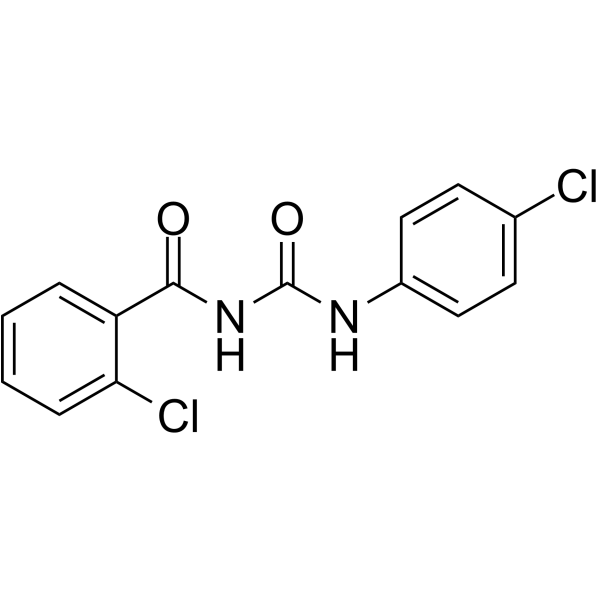 0 ImagesChlorobenzuron is a chitin synthetase inhibitor and insecticide. Chlorobenzuron inhibits larval development and pupation. Chlorobenzuron controls Prodenia liturd Fabricius and Prodenia liturd Fabricius.
-
Cyproflanilide
 0 ImagesCyproflanilide is a meta-diamide insecticide. Cyproflanilide exhibits potent insecticidal activity against third Chilo suppressalis and Spodoptera frugiperda larvae. Cyproflanilide can be used for the research of insect pests.
-
2-Methylbenzaldehyde
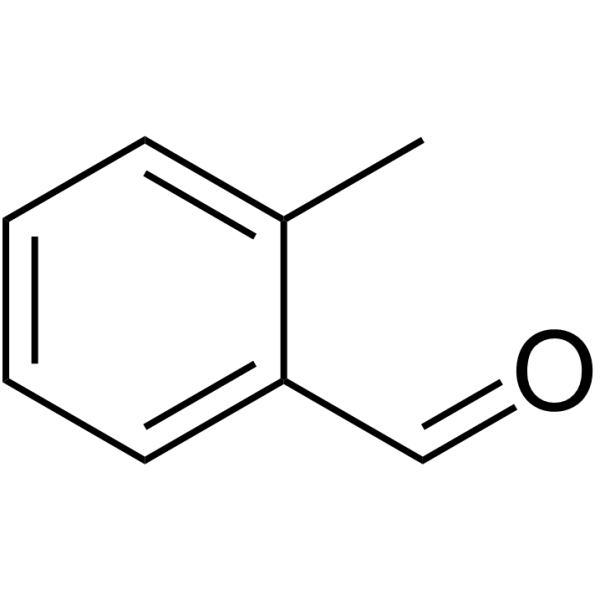 0 Images2-Methylbenzaldehyde is an acaricide found in Morinda officinalis. 2-Methylbenzaldehyde exerts fumigant and contact acaricidal activity against Dermatophagoides farinae, Dermatophagoides pteronyssinus, and Haemaphysalis longicornis. 2-Methylbenzaldehyde can be used for the research of severe fever with thrombocytopenia syndrome.
-
Tridecanedioic acid
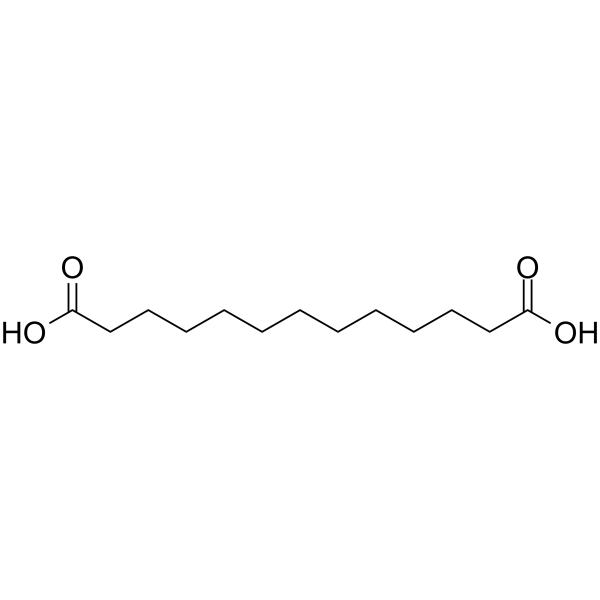 0 ImagesTridecanedioic acid (Brassylic Acid) is a long-chain fatty acid and an endogenous serum metabolite. Tridecanedioic acid is positively correlated with the intestinal genus Tuzzerella in non-alcoholic steatohepatitis (NASH) mice fed a MCD diet. Tridecanedioic acid accumulates at high levels in Brassica napus germplasm tolerant to Plutella xylostella (diamondback moth), thereby participating in plant defense. Tridecanedioic acid can be used in studies related to Plutella xylostella infestation.
-
Diflubenzuron
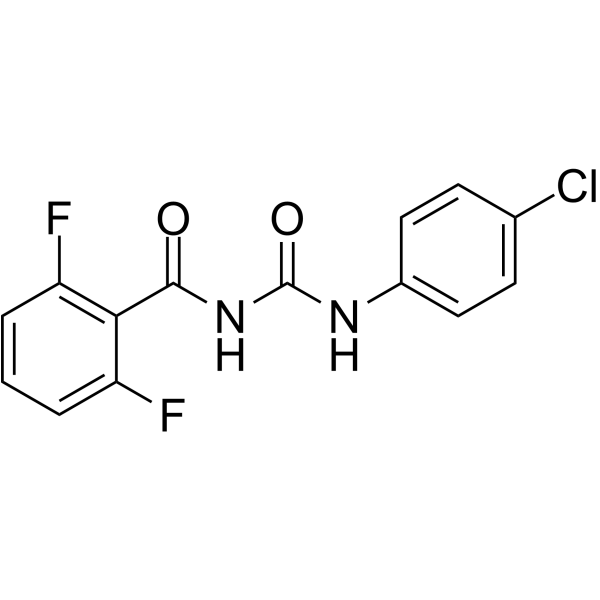 0 ImagesDiflubenzuron is an insecticide with larvicidal and ovicidal activities. Diflubenzuron can inhibit the synthesis of chitin in insects, affect insect molting and lead to the death of insects.
-
Resmethrin
 0 ImagesSynonyms: Benzofuroline; Isathrine; Resmethrin(mixture of isomers)Resmethrin (Benzofuroline) is a reproductively toxic compound that inhibits spermatogenesis and induces apoptosis of germ cells in mouse testis culture in vitro, but has no significant toxicity to supporting cells and interstitial cells.
-
Fenoxycarb
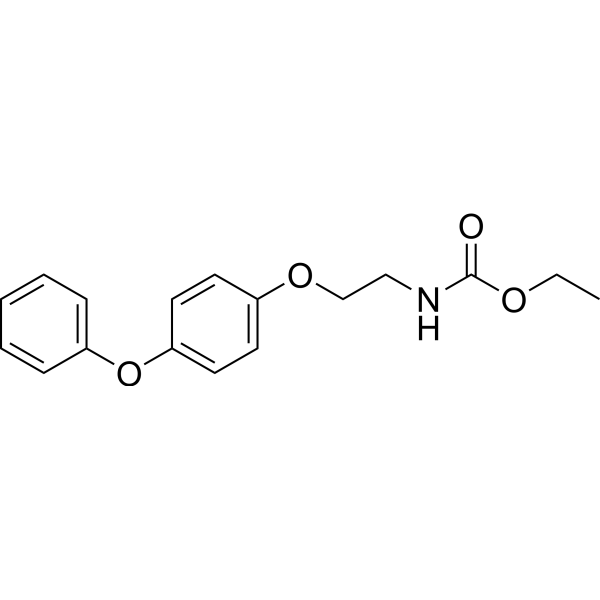 0 ImagesFenoxycarb, a juvenile hormone, is an insecticide and can be used for agricultural pest control.
-
Flumethrin
 0 ImagesSynonyms: FCR 2769Flumethrin (FCR 2769) is a pyrethroid insecticide and acaricide. Flumethrin targets voltage-gated sodium channels and estrogen receptor α (ERα). Flumethrin induces cytotoxicity, apoptosis, genotoxicity and DNA damage in breast cancer cells by regulating the expression of BCL2, BAX, TP53 and P21 genes. Flumethrin is applicable to relevant studies on ectoparasite infections (tick and flea burdens) in dogs and cats, as well as breast cancer.
-
Chromafenozide
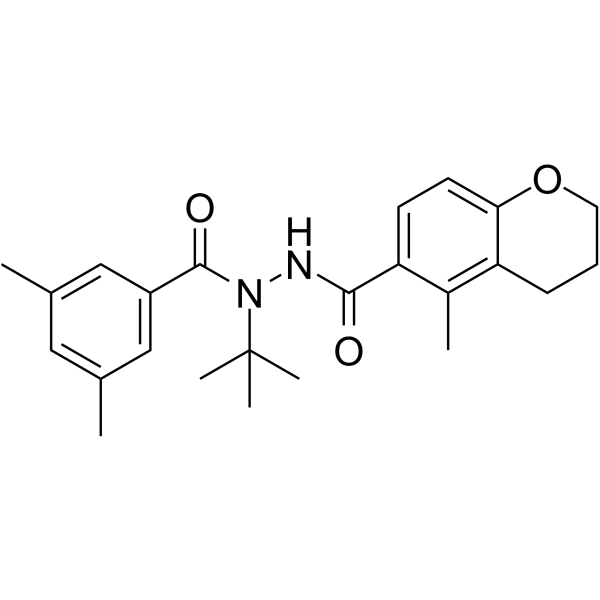 0 ImagesSynonyms: ANS118Chromafenozide is a potent partial ecdysone receptor agonist and dibenzoylhydrazine insecticide. Chromafenozide inhibits insect feeding and causes the insect to molt prematurely, leading to death. Chromafenozide shows antagonistic activity against 20-HE. Chromafenozide shows high toxicity against Spodoptera exigua and Spodoptera littoralis.
-
6-Hydroxycoumarin
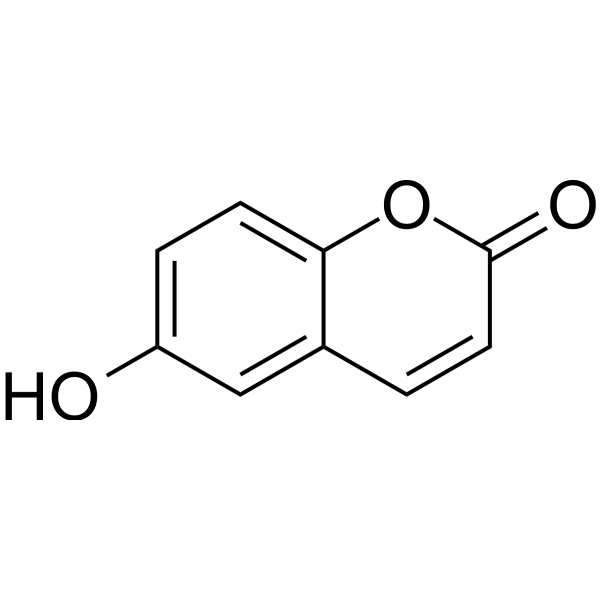 0 Images6-Hydroxycoumarin is a plant-derived secondary metabolite of the coumarin class, possessing insecticidal, antitumor, and other biological activities. 6-Hydroxycoumarin targets the midgut tissue of the red imported fire ant (Solenopsis invicta), inhibits CYP450, induces elevated activities of GST, CarE, and SOD, disrupts mitochondrial ultrastructure, triggers apoptosis, and also impairs insect neuromuscular behavior. 6-Hydroxycoumarin exhibits photoallergic properties and serves as an intermediate for the synthesis of isoxazolyl and triazolyl derivatives. 6-Hydroxycoumarin is applicable to research related to red imported fire ant control.
-
(25S)-Δ7-Dafachronic acid
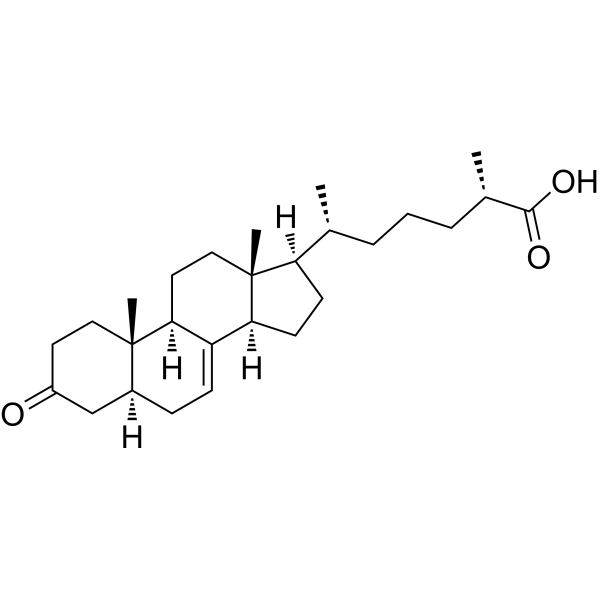 0 ImagesCat. No.: HY-130221CAS No.: 949004-12-0Synonyms: Dafachronic acid A; Δ7-Dafachronic acid(25S)-Δ7-Dafachronic acid is a ligand and activator of DAF-12 receptor. DAF-12 is a nuclear hormone receptor that regulates larval diapause, developmental age, and adult longevity in Caenorhabditis elegans.
-
Carbosulfan
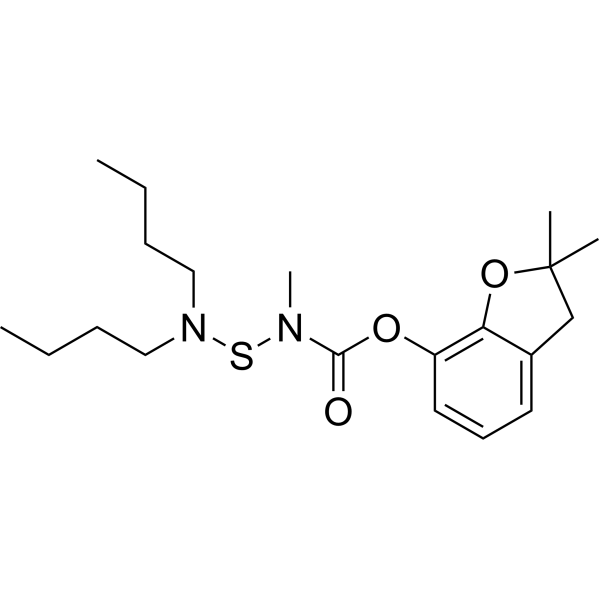 0 ImagesCarbosulfan is an orally active AChE inhibitor that hydrolyzes to Carbofuran in organisms to exert insecticidal effects. Carbosulfan exhibits broad-spectrum insecticidal activity, and it also induces severe oxidative stress by enhancing lipid peroxidation and impairing the antioxidant defense system. Carbosulfan causes reproductive toxicity in male rats and developmental disorders in their offspring. Carbosulfan shows persistence in paddy field environments and potential hazards to non-target organisms, and it is commonly used in studies related to reproductive toxicity and environmental risk assessment.
-
Roridin A
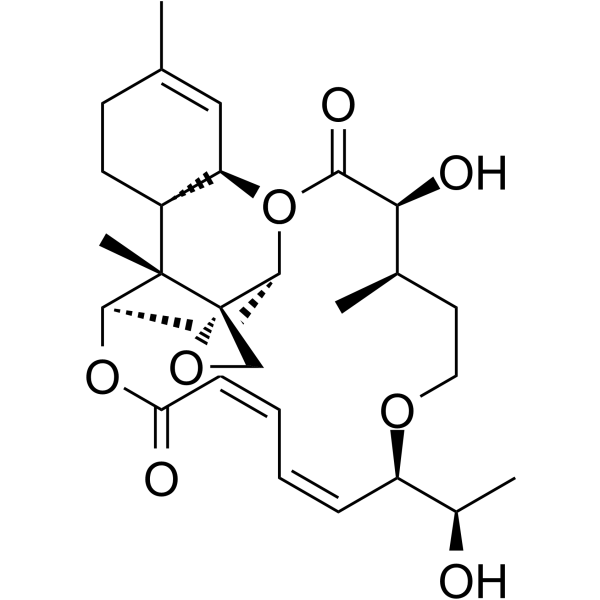 0 ImagesRoridin A acts as an inhibitor of pollen development in Arabidopsis thaliana and nematicide. Roridin A is isolated from the fungus Cylindrocarpon sp. Roridin A delays the flowering time of Arabidopsis thaliana, inhibits pollen development and stem elongation, and blocks plant growth. Roridin A induces larval death of the southern root-knot nematode (Meloidogyne incognita).
-
Flubendiamide
 0 ImagesSynonyms: NNI-0001Flubendiamide (NNI-0001) is an orally active phthalic diamide insecticide that acts by targeting insect ryanodine receptors (RyRs), causing insect muscle dysfunction, paralysis and death. Flubendiamide disrupts molting, metamorphosis and reproductive processes, induces oxidative stress by increasing the levels of ROS/RNS, MDA and 8OHdG and decreasing the levels of SOD, CAT and GST, activates the CncC/Maf apoptosis pathway, impairs calcium homeostasis, promotes adipogenesis, increases triglyceride accumulation, and upregulates the expression of regulatory factors for adipocyte differentiation and adipogenesis.
-
Tyclopyrazoflor
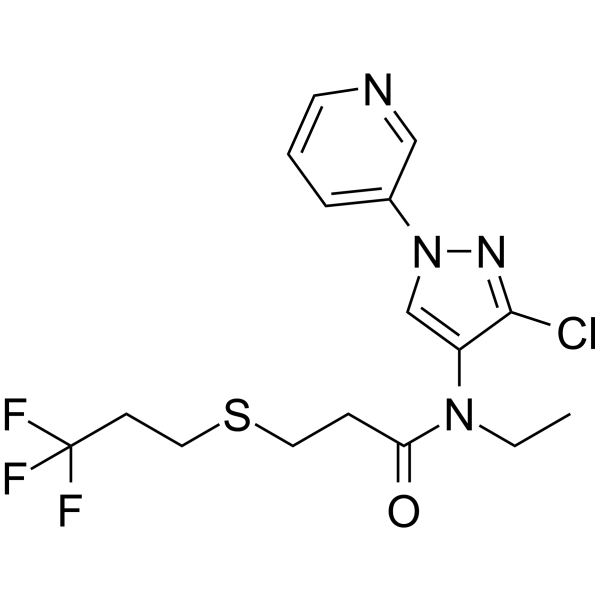 0 ImagesSynonyms: GF-3242Tyclopyrazoflor (GF-3242) is a pyridylpyrazole Insecticide. Tyclopyrazoflor exhibits excellent insecticidal efficacy against sap-sucking insects. Tyclopyrazoflor effectively controls insect pests caused by Myzus persicae and Bemisia tabaci larvae.\n
-
Pirimiphos-methyl
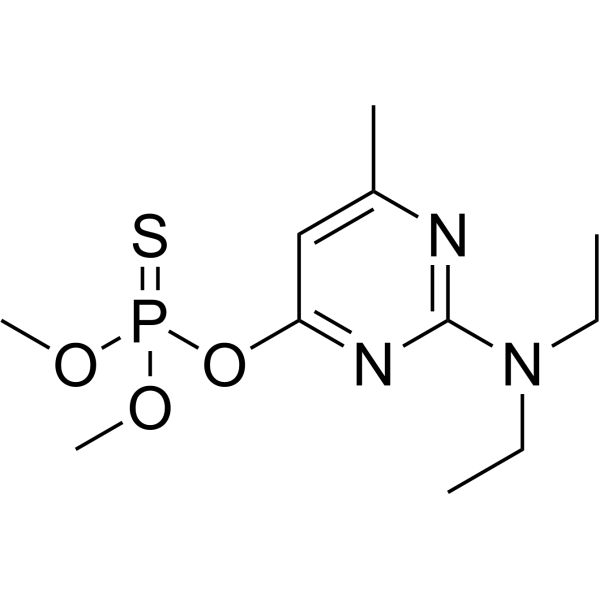 0 ImagesPirimiphos-methyl is an organophosphorus insecticide and acaricide that can inhibit AChE in target organisms. Pirimiphos-methyl is often used for prevention and control of beetles, snout beetles, moths and Ephestia cautella during storage of agricultural grains.
-
Ethiprole
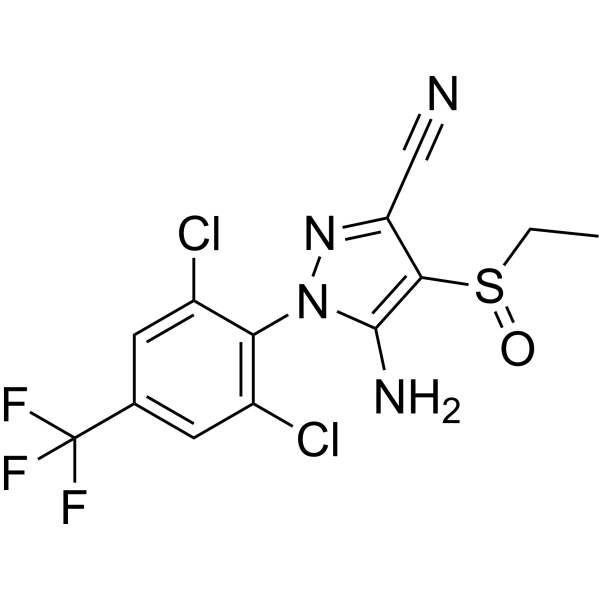 0 ImagesEthiprole is an insecticide.Metabolic sulfones are produced faster than Fipronil (HY-B0822) in CYP3A4-expressing cells and in vivo in mouse brain and liver.Ethiprole's sulfide, sulfoxide, sulfone and desulfinyl derivatives have better biological activity.
-
Propyl dodecanoate
 0 ImagesSynonyms: Propyl lauratePropyl dodecanoate (Propyl laurate) is a synthetic dodecanoic acid ester, exhibiting biting deterrent activity against Aedes aegypti mosquitoes. Propyl dodecanoate can be used for the research of mosquito-borne disease vectors (Aedes aegypti).
-
Esfenvalerate
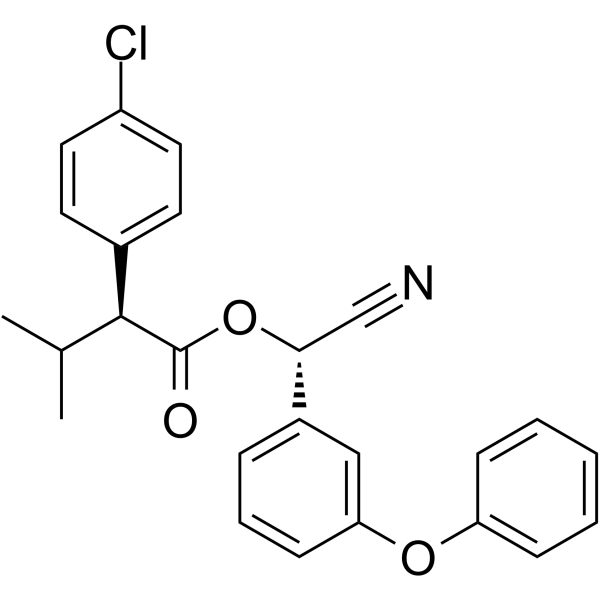 0 ImagesEsfenvalerate is one of the four isomers of the pyrethroid insecticide fenvalerate.



