



Insecticide
Insecticide
Insecticides refer to any toxic substances used to kill insects, which exert toxic effects on pests through different mechanisms, thereby achieving the purpose of controlling pest populations and protecting crops and human health. Insecticides have both chemical and biological origins and can be classified into organochlorine insecticides, organophosphorus insecticides, carbamate insecticides, and mineral insecticides based on their chemical properties. Insecticides interact with different target and non-target sites, including receptors, enzymes, and many other known and unknown molecules. Most insecticides are neurotoxicants that target the nervous system, but they can also affect other organs and body systems. Insecticides are metabolized through different metabolic pathways and often serve as biomarkers of exposure in the form of their parent compounds or metabolites. The toxicity of insecticides can be acute, subacute, or chronic, depending on the duration of exposure and the dose involved. Therefore, selecting sensitive, accurate, and validated biomarkers of exposure, effects, and susceptibility appears to be a challenging task.
Insecticides are widely used in agriculture, horticulture, forestry, gardening, homes, offices, and other fields[1][2].
All Product Categories
-
Insecticide Related Products (541)
Related Products (541)

-
(+)-trans-Permethrin
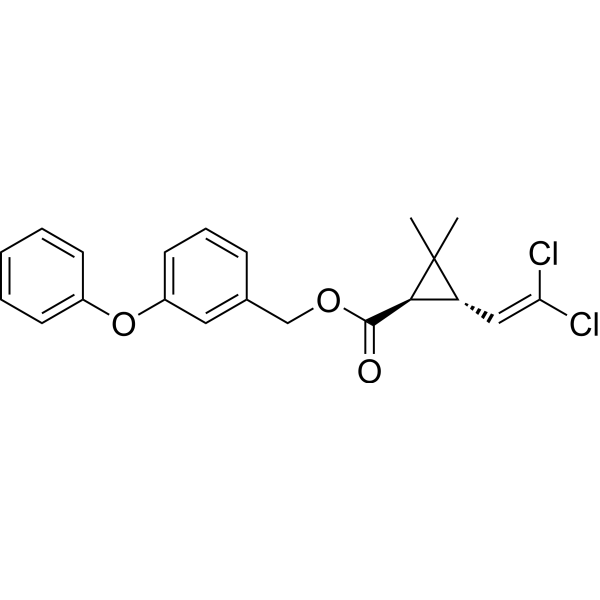 0 ImagesSynonyms: (+)-trans-NRDC-143; (1R)-trans-Permethrin(+)-trans-Permethrin ((+)-trans-NRDC-143) is a pyrethroid which is synthetic derivative of the natural toxins pyrethrins contained in the flowers of Chrysanthemum species.
-
Sennidin B
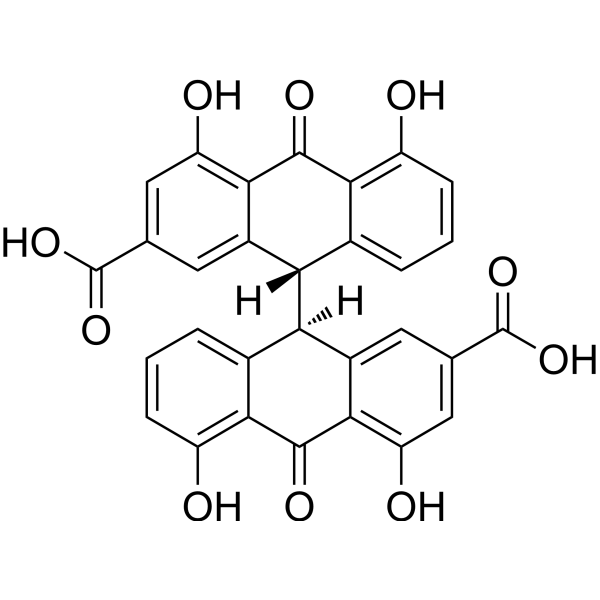 0 ImagesSennidin B is an anthraquinone compound isolated from Cassia angustifolia. Sennidin B is a DPP-4 inhibitor with an IC50 of 39.39 μM. Sennidin B is an insect chitinase inhibitor with a Ki of 80 nM against OfChi-h. Sennidin B competitively inhibits chitinase activity by forming π-π stacking interactions with key tryptophan residues in the active site through a folded conformation. Sennidin B activates PI3K/Akt to promote glucose uptake in adipocytes. Sennidin B can be used for the development of biopesticides and research on type 2 diabetes and metabolism-related signaling pathways.
-
Etofenprox
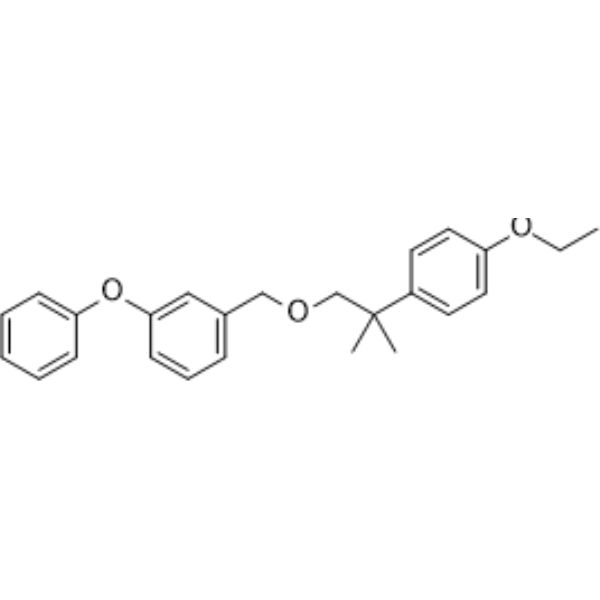 0 ImagesEtofenprox is an orally active non-ester pyrethroid insecticide. Etofenprox induces toxicity against many pest insects, including Diptera rather than mammalian and fish. Etofenprox has a liver tumor-promoting activity in rats accompanied with microsomal ROS production increase. Etofenprox can be used in agricultural pest control and malaria research.
-
Methyl orsellinate
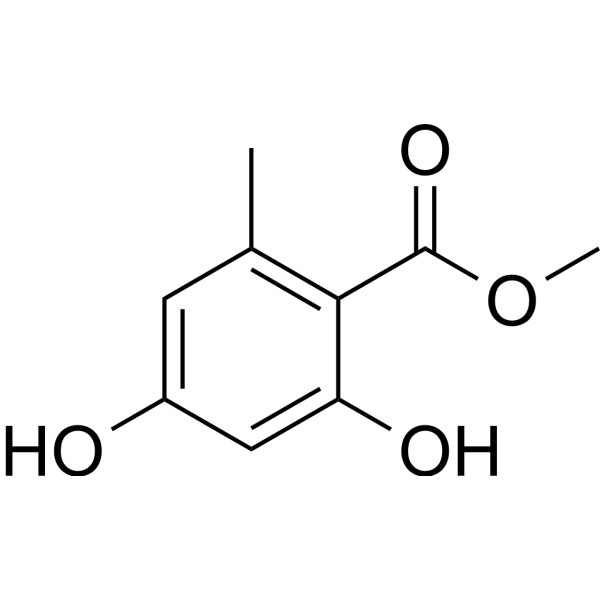 0 ImagesMethyl orsellinate acts as an antiviral agent and insecticide. Methyl orsellinate exhibits enzyme inhibitory activity, with an IC50 of 59.6 µM against porcine leukocyte 5-lipoxygenase (5-LOX); it inhibits soybean 15-lipoxygenase (15-LOX), and shows weak inhibitory activity against acetylcholinesterase (AChE) and glutathione S-transferase (GST). Methyl orsellinate displays contact toxicity against adult Drosophila suzukii. Methyl orsellinate shows anti-HSV-1 activity. Methyl orsellinate can be used in studies related to *Drosophila suzukii* infestation and HSV-1 infection.
-
γ-Hexalactone
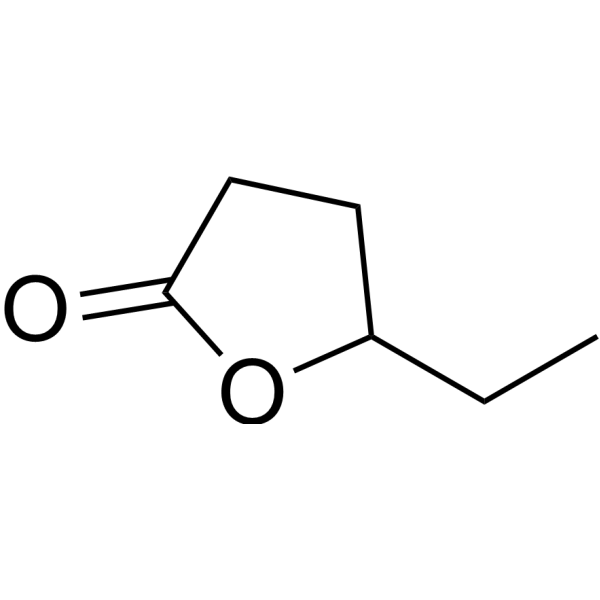 0 ImagesSynonyms: γ-Caprolactoneγ-Hexalactone (γ-Caprolactone) is a gamma-lactone found in ripe fruits. γ-Hexalactone induces DNA damage in human lymphocytes and HepG2 cells, modulates cytokine secretion in human lymphocytes, and reduces recombinant PON1 activity. γ-Hexalactone serves as a dose-dependent oviposition inhibitor against Bactrocera oleae. γ-Hexalactone can be used for the research of Bactrocera oleae pest management.
-
p,p'-DDD
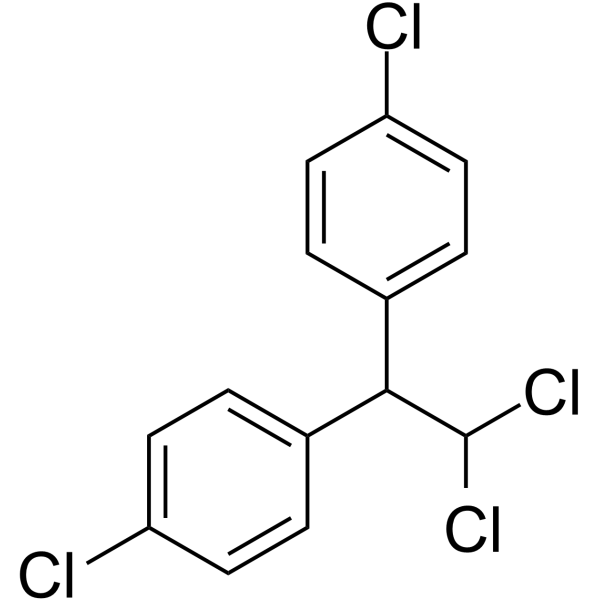 0 ImagesSynonyms: 4,4'-DDD; p,p'-Dichlorodiphenyl dichloroethanep,p'-DDD (4,4’-DDD) is an organochlorine insecticide, a major metabolite of p,p'-DDT. p,p'-DDD is an agonist at estrogen receptor α(ERα) and ERβ. p,p'-DDD increases DNA damage, apoptosis and necrosis in peripheral blood. p,p'-DDD stimulates cell proliferation in SKBR3 cells. p,p'-DDD activates the AP-1 transcription factor. p,p'-DDD decreases sleep times of barbiturates and steroids in rats.
-
Hexaflumuron
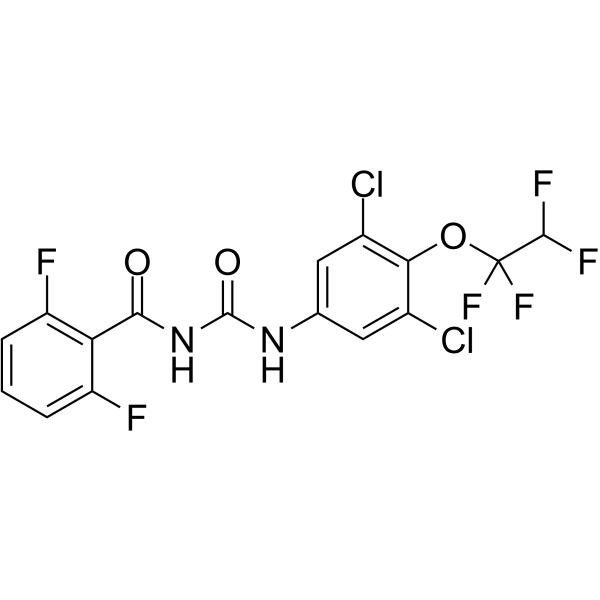 0 ImagesHexaflumuron is an insect growth regulator (IGR) that inhibits chitin synthesis during insect molting.
-
Flufenoxuron
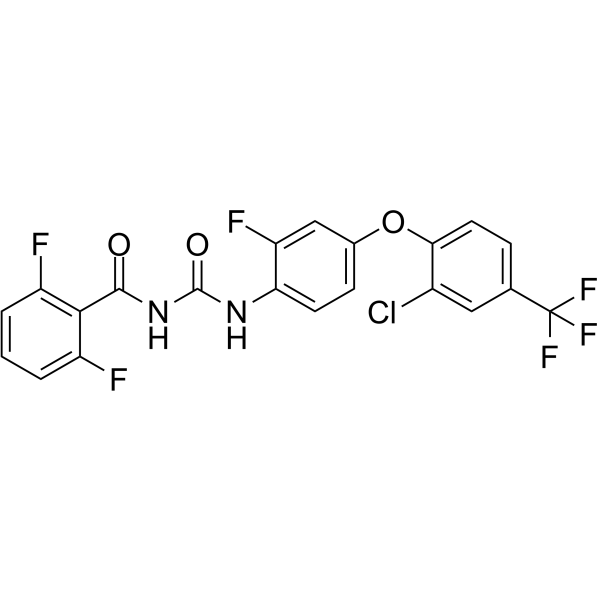 0 ImagesFlufenoxuron is a chitin synthesis inhibitor that is used as a benzoylurea insecticide. Flufenoxuron decreases chitin synthesis, molting, and egg hatching, preventing development in insects.
-
(E)-Ethyl cinnamate
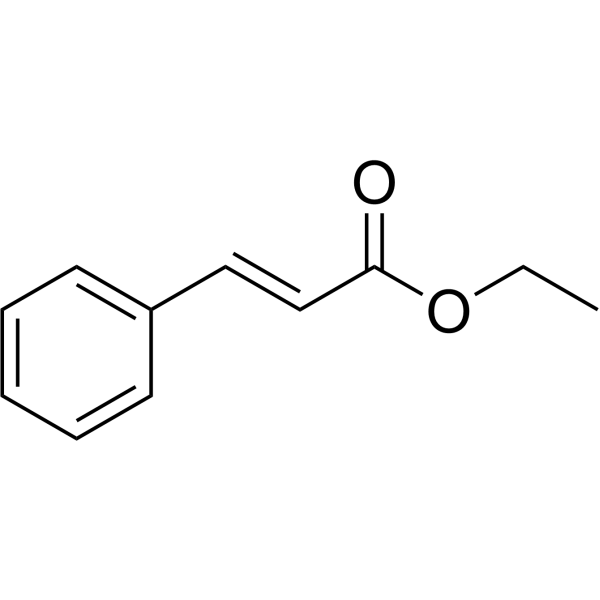 0 Images(E)-Ethyl cinnamate is an isomer of Ethyl cinnamate (HY-Y0121), a cinnamate ester, and a plant secondary metabolite. (E)-Ethyl cinnamate exists in cinnamon, Artemisia pallens, and various other plants. (E)-Ethyl cinnamate exhibits acaricidal activity.
-
Dimethoate-d6
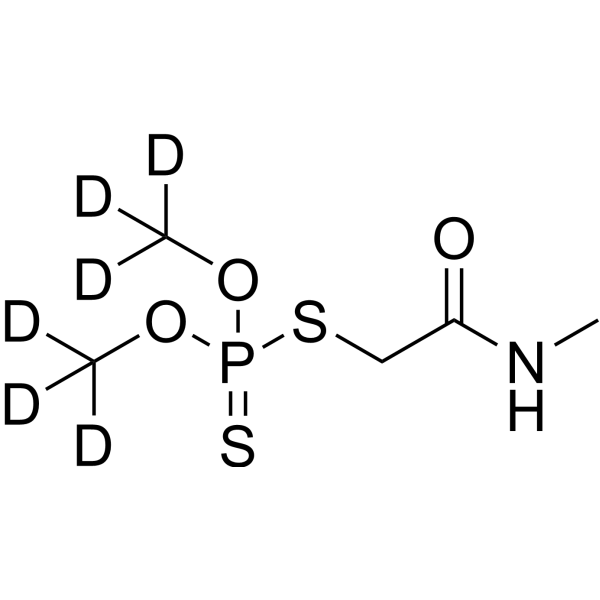 0 ImagesDimethoate-d6 is the deuterium labeled Dimethoate. Dimethoate is an organophosphate insecticide and acaricide. Dimethoate is an orally active acetylcholinesterase inhibitor. Dimethoate induces reactive oxygen species (ROS). Dimethoate induces DNA damage and cell apoptosis in vivo. Dimethoate affect immune system in mice.
-
CPPD-Q
 0 ImagesCPPD-Q is an antimicrobial agent and insecticide. CPPD-Q has an EC50 of 6.98 mg/L against Vibrio fischeri. At doses of 1 or 10 µg/mL, CPPD-Q exerts its insecticidal effect by inducing the production of reactive oxygen species (ROS) in the intestines of Caenorhabditis elegans.
-
Dimethoate (Standard)
 0 ImagesDimethoate (Standard) is the analytical standard of Dimethoate. This product is intended for research and analytical applications. Dimethoate is an organophosphate insecticide and acaricide. Dimethoate is an orally active acetylcholinesterase inhibitor. Dimethoate induces reactive oxygen species (ROS). Dimethoate induces DNA damage and cell apoptosis in vivo. Dimethoate affect immune system in mice.
-
Imidaclothiz
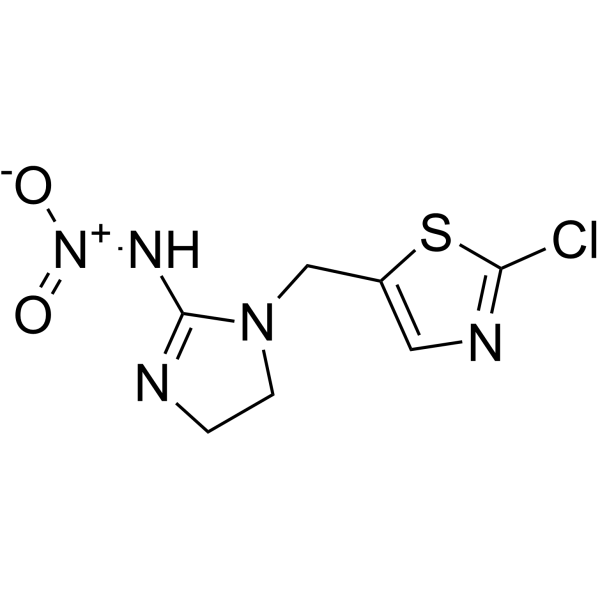 0 ImagesImidaclothiz is a kind of neonicotinoid insecticides. Imidaclothiz has excellent insecticidal effect. Imidaclothiz can be used for the research of sucking and biting insects.
-
Oxazosulfyl
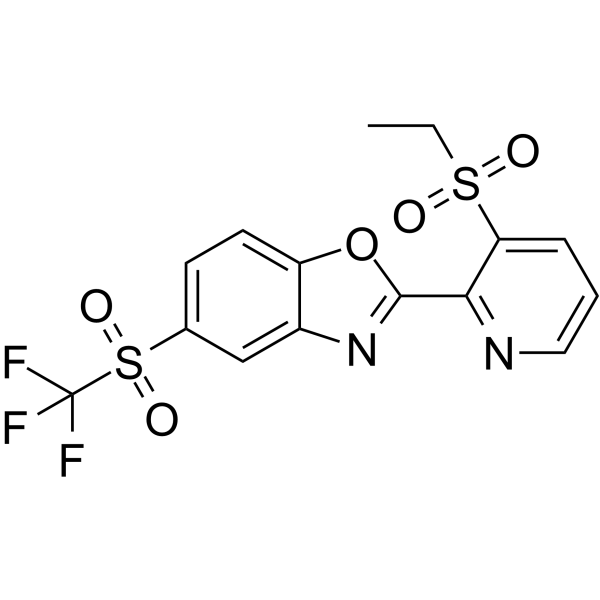 0 ImagesOxazosulfyl is a sulfyl insecticide with potent and cross-spectrum insecticidal activity. Oxazosulfyl inhibits sodium currents by binding to and stabilizing the slow-inactivated state of voltage-gated sodium channels, leading to insect paralysis. Oxazosulfyl's ability to block sodium channels is correlated with its insecticidal activity.
-
Triflumuron
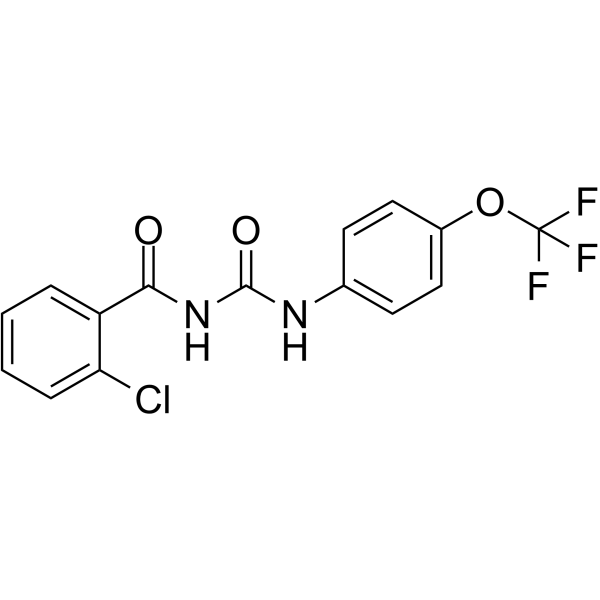 0 ImagesTriflumuron is a potent chitin synthesis inhibitor. Triflumuron shows the efficacy in emergence inhibition (EI) against Culex quinquefasciatus and Aedes albopictus, with EI50 values of 5.28 and 1.59 μg/L, respectively. Triflumuron can be used as an insecticide. Triflumuron represents a potential tool for the control of disease vectors in public health.
-
2,3-Dimethylmaleic anhydride
 0 ImagesCat. No.: HY-W015850CAS No.: 766-39-22,3-Dimethylmaleic anhydride is biofumigant found in Colocasia esculenta var. esculenta (L.) Schott. 2,3-Dimethylmaleic anhydride is highly toxic to insect pests for stored grains even at very low concentration, but has no adverse effect on seed germination. 2,3-Dimethylmaleic anhydride can be used as insecticide.
-
Thujopsene
 0 ImagesCat. No.: HY-W587878CAS No.: 470-40-6Thujopsene is the inhibitor for cytochrome P450, that inhibits CYP2B6, CYP3A4, CYP2C19, CYP2C8, CYP2C9 with IC50s of 1.3, 12.6, 13.6, 29.8, and 44.9 μM, respectively. Thujopsene binds to PKM2, inhibits the metabolism pathway of cancer cell, induces apoptosis in MKN45, thereby exhibiting antitumor efficacy. Thujopsene exhibits anti-termite and antifungal activities through autoxidation.
-
2-Tridecanone
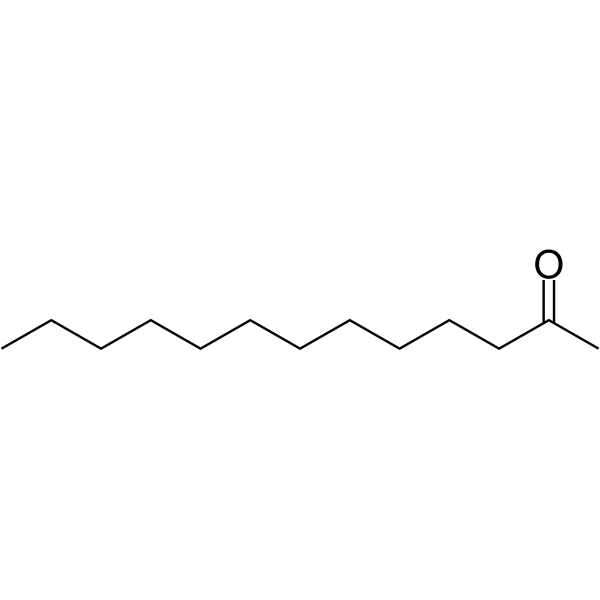 0 Images2-Tridecanone, a nonalkaloid insecticide, is isolated from the wild tomato Lycopersicon hirsutum f. glabratum. 2-Tridecanone is a volatile organic compound.
-
Milbemycin A3
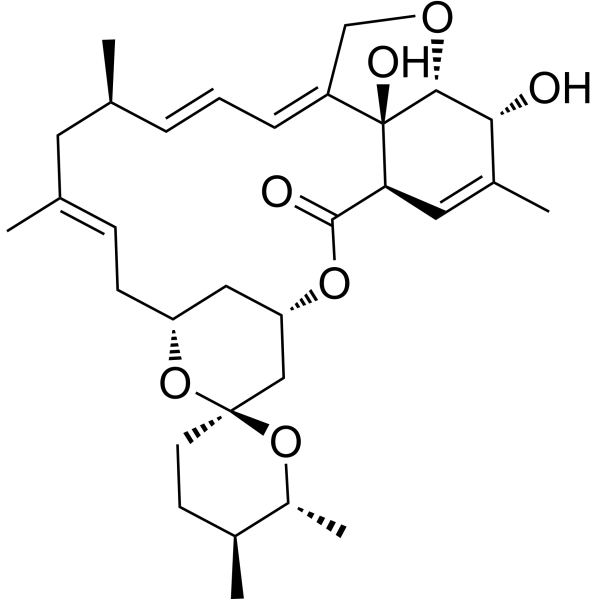 0 ImagesMilbemycin A3 is a 16-membered macrocyclic lactone compound found in the soil bacterium Saccharopolyspora hygroscopicus subsp. aureolacrimosus. Milbemycin A3 enhances the opening of glutamate- and GABA-gated chloride channels and exhibits insecticidal activity. Milbemycin A3 can be used in insect resistance-related research.
-
Phenothrin
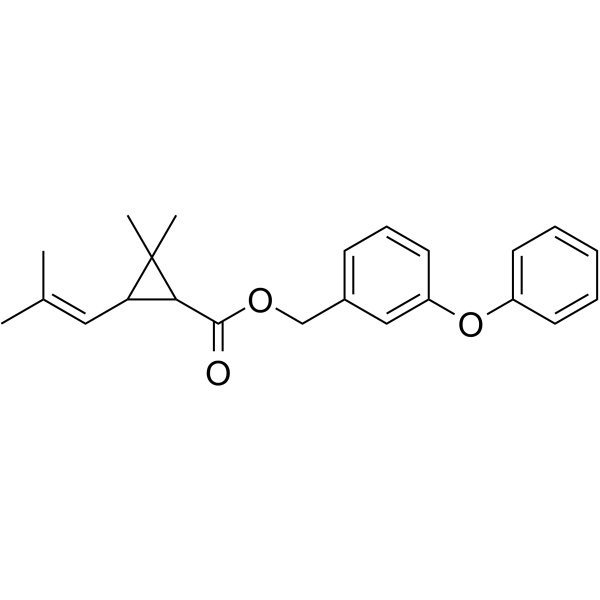 0 ImagesCat. No.: HY-B1072CAS No.: 26002-80-2Phenothrin is a Type I pyrethroid insecticide. Phenothrin induces dose-dependent DNA damage in human peripheral blood lymphocytes and hepatocytes, and exhibits definite genotoxic potential. Phenothrin acts as an insecticide for pest control in agriculture, households and public health, as well as for the elimination of human head lice infestations.



