
453 Results for "

ACE

" in MedChemExpress (MCE) Product Catalog:
Products (453)

453 Results for "ACE" in MCE Product Catalog:

Cat. No.: HY-D2348
CAS No.: 3058751-62-2
ACE is a low-background, photostable fluorophore with nanomolar binding affinity for the Okra RNA aptamer. ACE enables clear visualization of mRNA in live bacteria and mammalian cells, including tracking the trafficking of mRNA to stress granules and dual-color super-resolution imaging of RNA in live cells. (Ex=488 nm, Em=555 nm) .
loading...
    loading...
42
42 Publications Verification
Cat. No.: HY-14393
CAS No.: 518-82-1
Purity:  99.25%
Synonyms: Frangula emodin
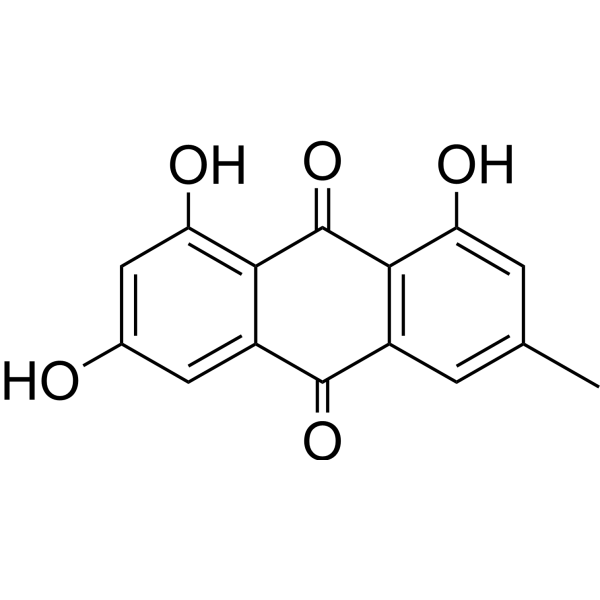
Emodin (Frangula emodin), an anthraquinone derivative, is an anti-SARS-CoV compound. Emodin blocks the SARS coronavirus spike protein and angiotensin-converting enzyme 2 (ACE2) interaction . Emodin inhibits casein kinase-2 (CK2). Anti-inflammatory and anticancer effects . Emodin is a potent selective 11β-HSD1 inhibitor with the IC50 of 186 and 86 nM for human and mouse 11β-HSD1, respectively. Emodin ameliorates metabolic disorder in diet-induced obese mice .
loading...
    loading...
30
30 Cited Publications
Cat. No.: HY-13771
CAS No.: 128-13-2
Purity:  99.94%
Synonyms: Ursodeoxycholate; Ursodiol; UDCA
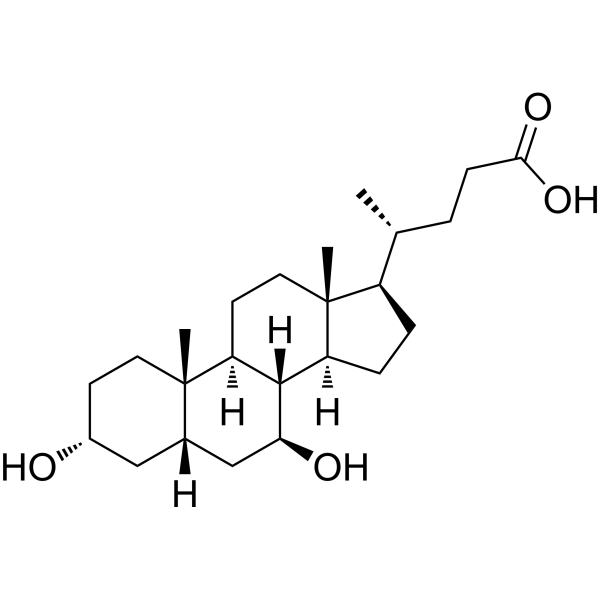
Ursodeoxycholic acid (Ursodeoxycholate) is a secondary bile acid issued from the transformation of (cheno)deoxycholic acid by intestinal bacteria, acting as a key regulator of the intestinal barrier integrity and essential for lipid metabolism. Ursodeoxycholic acid acts as signaling molecule, exerting its effects by interacting with bile acid activated receptors, including G-protein coupled bile acid receptor 5 (TGR5, GPCR19) and the farnesoid X receptor (FXR). Ursodeoxycholic acid can be used for the research of a variety of hepatic and gastrointestinal diseases. Ursodeoxycholic acid also reduces ACE2 expression and is beneficial for reducing SARS-CoV-2 infection. Orally active .
loading...
    loading...
25
25 Cited Publications
Cat. No.: HY-19414
CAS No.: 305335-31-3
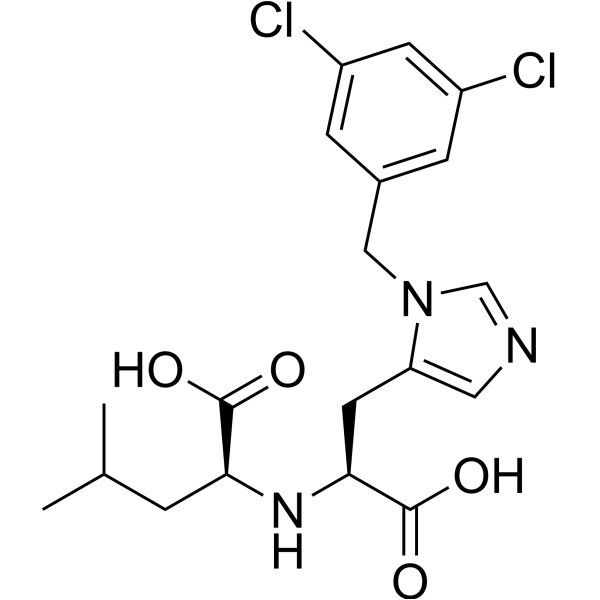
MLN-4760 is a potent and selective human ACE2 inhibitor (IC50, 0.44 nM), with excellent selectivity (>5000-fold) versus related enzymes including human testicular ACE (IC50, >100 μM) and bovine carboxypeptidase A (CPDA; IC50, 27 μM).
loading...
    loading...
23
23 Cited Publications
Cat. No.: HY-B0368
CAS No.: 62571-86-2
Synonyms: SQ 14225
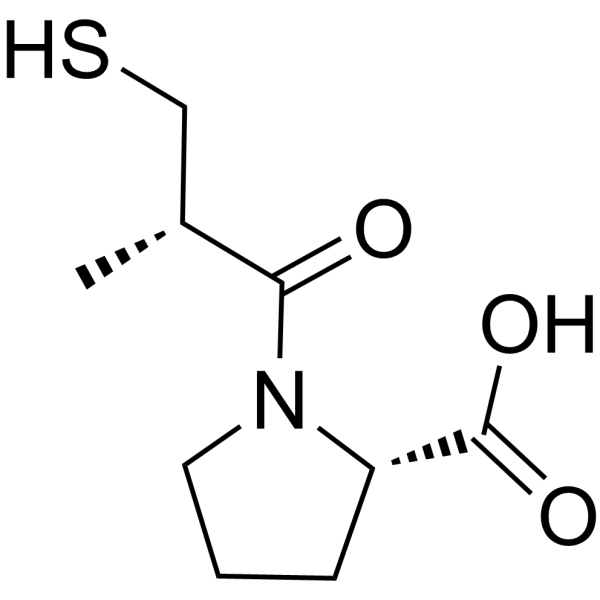
Captopril (SQ 14225), antihypertensive agent, is a thiol-containing competitive, orally active angiotensin-converting enzyme (ACE) inhibitor (IC50=0.025 μM) and has been widely used for research of hypertension and congestive heart failure. Captopril is also a New Delhi metallo-β-lactamase-1 (NDM-1) inhibitor with an IC50 of 7.9 μM .
loading...
    loading...
21
21 Cited Publications
Cat. No.: HY-B0260
CAS No.: 83-43-2
Synonyms: U 7532
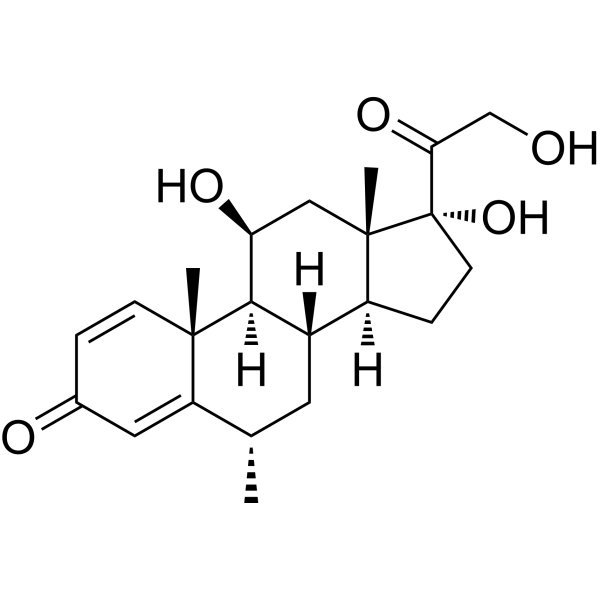
Methylprednisolone (U 7532) is a synthetic corticosteroid with anti-inflammatory and immunomodulating properties. Methylprednisolone improve severe or critical COVID-19 by activating ACE2 and reducing IL-6 levels .
loading...
    loading...
17
17 Cited Publications
Cat. No.: HY-12403A
CAS No.: 2855063-75-9
Purity:  99.87%
Synonyms: TXA127 ACEtate; Angiotensin (1-7) ACEtate; Ang-(1-7) ACEtate
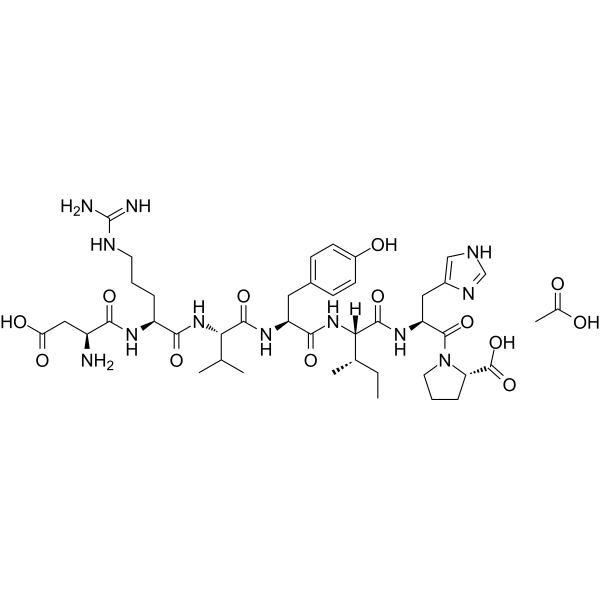
Angiotensin 1-7 (Ang-(1-7)) acetate is an endogenous heptapeptide from the renin-angiotensin system (RAS) with a cardioprotective role due to its anti-inflammatory and anti-fibrotic activities in cardiac cells. Angiotensin 1-7 acetate inhibits purified canine ACE activity (IC50=0.65 μM). Angiotensin 1-7 acetate acts as a local synergistic modulator of kinin-induced vasodilation by inhibiting ACE and releasing nitric oxide. Angiotensin 1-7 acetate blocks Ang II-induced smooth muscle cell proliferation and hypertrophy and shows antiangiogenic and growth-inhibitory effects on the endothelium .
loading...
    loading...
17
17 Cited Publications
Cat. No.: HY-12403
CAS No.: 51833-78-4
Purity:  99.75%
Synonyms: TXA127; Angiotensin (1-7); Ang-(1-7)
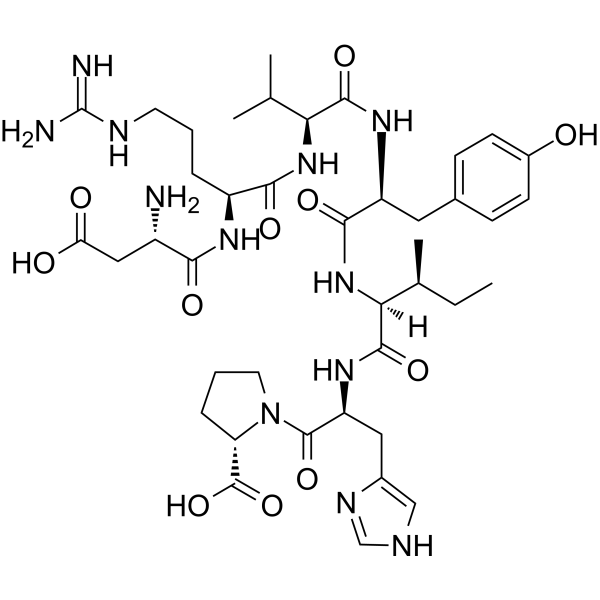
Angiotensin 1-7 (Ang-(1-7)) is an endogenous heptapeptide from the renin-angiotensin system (RAS) with a cardioprotective role due to its anti-inflammatory and anti-fibrotic activities in cardiac cells. Angiotensin 1-7 inhibits purified canine ACE activity (IC50=0.65 μM). Angiotensin 1-7 acts as a local synergistic modulator of kinin-induced vasodilation by inhibiting ACE and releasing nitric oxide. Angiotensin 1-7 blocks Ang II-induced smooth muscle cell proliferation and hypertrophy and shows antiangiogenic and growth-inhibitory effects on the endothelium. Angiotensin 1-7 shows anti-inflammatory activity .
loading...
    loading...
14
14 Cited Publications
Cat. No.: HY-12404
CAS No.: 908-54-3
Purity:  99.16%
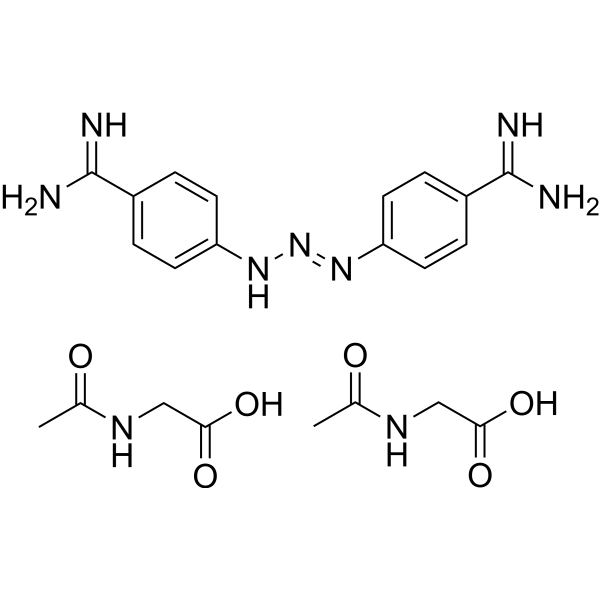
Synonyms: Diminazene diACEturate
Diminazene aceturate (Diminazene diaceturate) is an anti-trypanosome agent for livestock. The main biochemical mechanism of the trypanocidal actions of Diminazene aceturate is by binding to trypanosomal kinetoplast DNA (kDNA) in a non-intercalative manner through specific interaction with sites rich in adenine-thymine base pairs. Diminazene aceturate is also an angiotensin-converting enzyme 2 (ACE2) activator and has strong and potent anti-inflammatory properties .
loading...
    loading...
8
8 Cited Publications
Cat. No.: HY-N2165
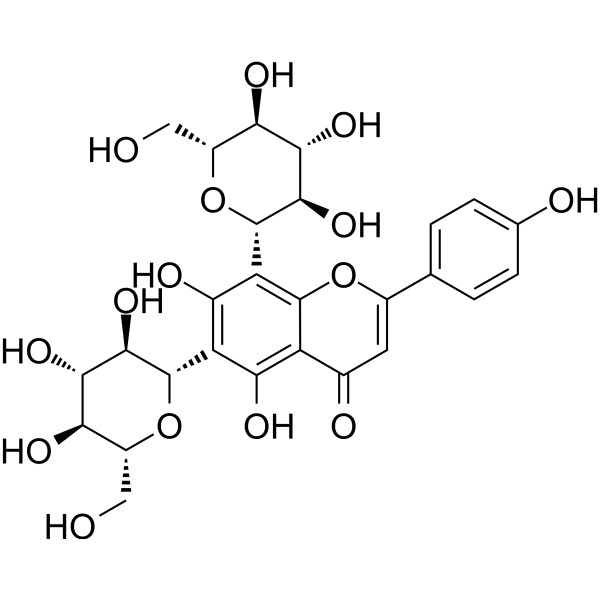
CAS No.: 23666-13-9
Vicenin 2, a flavonoid, is an orally active angiotensin-converting enzyme (ACE) inhibitor (IC50 of 43.83 μM) . Vicenin 2 has radioprotective, anti-nociceptive effects, anti-glycation anti-inflammatory, antioxidant, anticancer, antiangiogenic properties .
loading...
    loading...
8
8 Cited Publications
Cat. No.: HY-110066
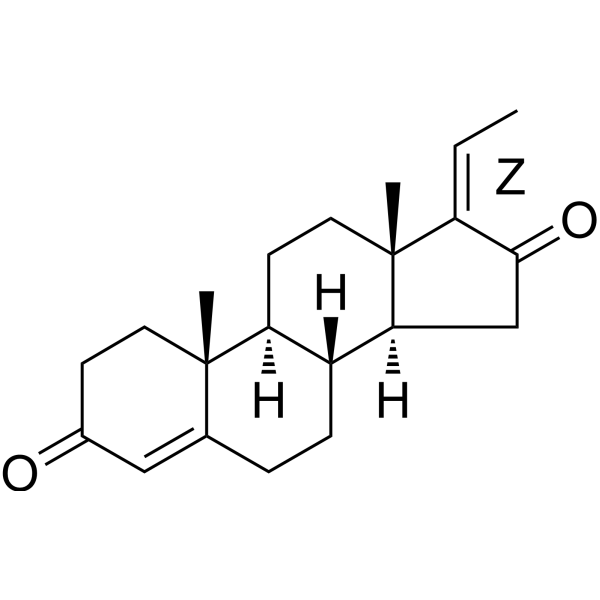
CAS No.: 39025-23-5
Purity:  99.30%
(Z)-Guggulsterone, a constituent of Indian Ayurvedic medicinal plant Commiphora mukul, inhibits the growth of human prostate cancer cells by causing apoptosis. (Z)-Guggulsterone inhibits angiogenesis by suppressing the VEGF–VEGF-R2–Akt signaling axis . (Z)-Guggulsterone is also a potent FXR antagonist. (Z)-Guggulsterone reduces ACE2 expression and SARS-CoV-2 infection .
loading...
    loading...
5
5 Cited Publications
Cat. No.: HY-P99720
CAS No.: 1373715-00-4
Synonyms: ACE-536; luspatercept–aamt

Target:  

TGF-beta/Smad

Research Areas:  

Cardiovascular Disease

Luspatercept (ACE-536) is a recombinant modified ActRIIB fusion protein that binds with transforming growth factor β superfamily ligands. Luspatercept increases the erythrocyte numbers and promotes maturation of erythroid precursors. Luspatercept binds with GDF11 and inhibits Smad2/3 signaling. Luspatercept can be used for the research of anemia .
loading...
    loading...
5
5 Cited Publications
Cat. No.: HY-W009732
CAS No.: 530-59-6
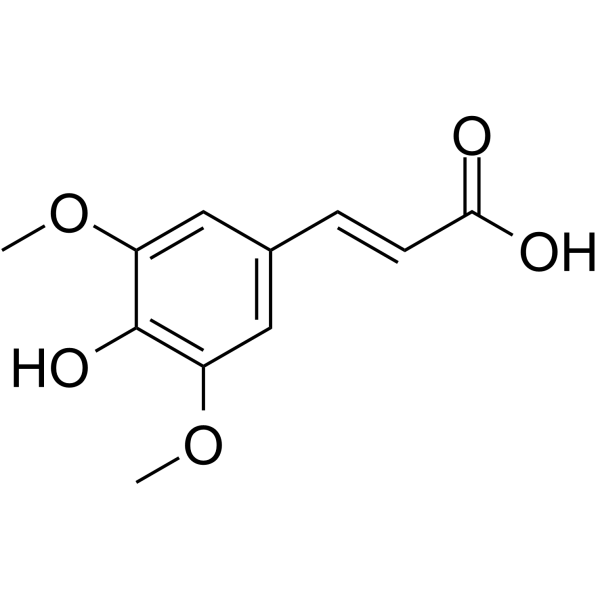
Synonyms: Sinapic acid
Sinapinic acid (Sinapic acid) is a phenolic compound isolated from Hydnophytum formicarum Jack. Rhizome, acts as an inhibitor of HDAC, with an IC50 of 2.27 mM , and also inhibits ACE-I activity . Sinapinic acid posssess potent anti-tumor activity, induces apoptosis of tumor cells . Sinapinic acid shows antioxidant and antidiabetic activities . Sinapinic acid reduces total cholesterol, triglyceride, and HOMA-IR index, and also normalizes some serum parameters of antioxidative abilities and oxidative damage in ovariectomized rats .
loading...
    loading...
3
3 Cited Publications
Cat. No.: HY-B0382
CAS No.: 88889-14-9
Synonyms: SQ28555
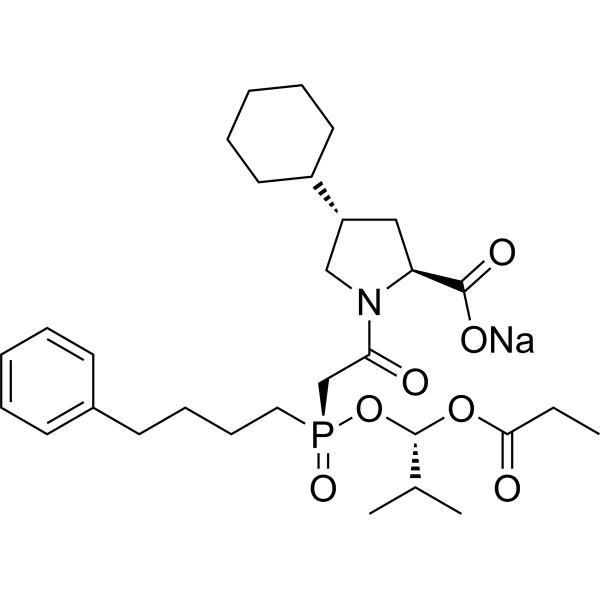
Fosinopril Sodium is the ester prodrug of an angiotensin-converting enzyme (ACE) inhibitor, used for the treatment of hypertension and some types of chronic heart failure.
loading...
    loading...
3
3 Cited Publications
Cat. No.: HY-B0093
CAS No.: 86541-75-5
Synonyms: CGS14824A free base
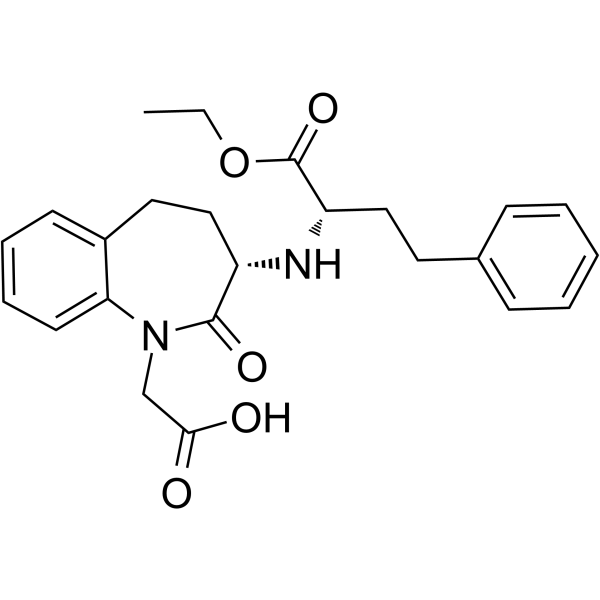
Benazepril (CGS14824A free base) is an orally active angiotensin-converting enzyme (ACE) inhibitor to reduce angiotensin-II production. Benazepril inhibits oxidative stress and inhibits apoptosis by the PI3K/Akt signaling pathway. Benazepril improves diabetic nephropathy and decreases proteinuria. Benazepril can be used in the study of hypertension, heart failure and diabetic nephropathy .
loading...
    loading...
3
3 Cited Publications
Cat. No.: HY-B0093A
CAS No.: 86541-74-4
Synonyms: CGS14824A
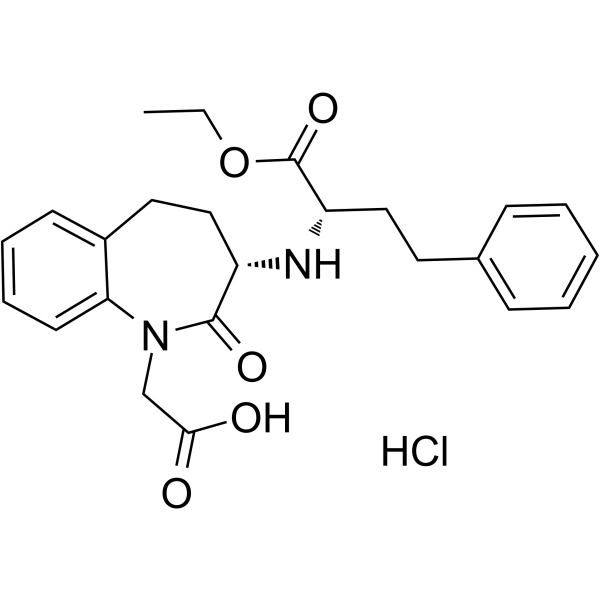
Benazepril (CGS14824A) hydrochloride is an orally active angiotensin-converting enzyme (ACE) inhibitor to reduce angiotensin-II production. Benazepril hydrochloride inhibits oxidative stress and inhibits apoptosis by the PI3K/Akt signaling pathway. In addition, Benazepril hydrochloride improves diabetic nephropathy and decreases proteinuria. Benazepril hydrochloride can be used in the study of hypertension, heart failure and diabetic nephropathy .
loading...
    loading...
3
3 Cited Publications
Cat. No.: HY-N0214
CAS No.: 19773-24-1
Synonyms: Ebeiensine
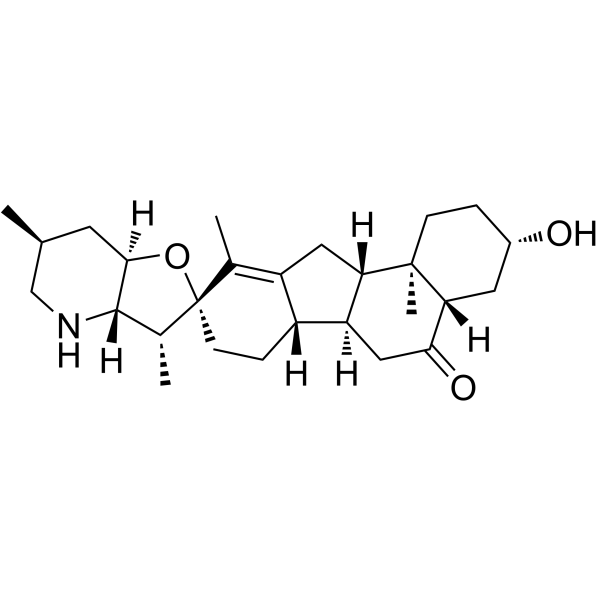
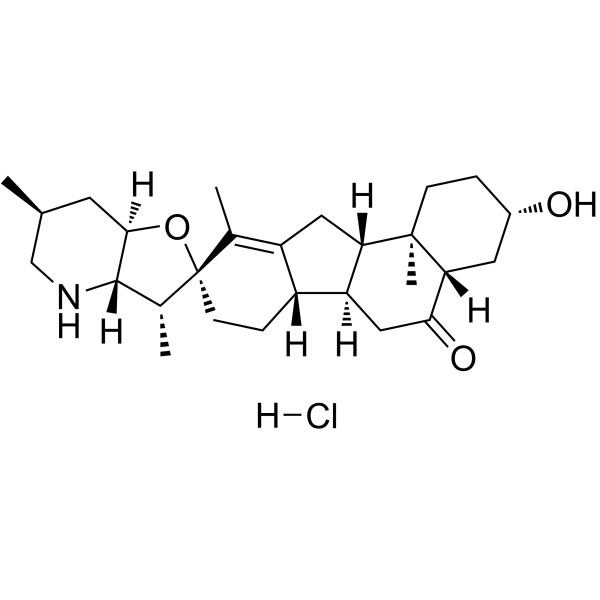
Peimisine (Ebeiensine) is a muscarinic M receptor antagonist and angiotensin converting enzyme (ACE) inhibitor. Peimisine shows anti-tumor, anti-inflammatory, antihypertensive activities. Peimisine can induce apoptosis and be used in cough and asthma research .
loading...
    loading...
3
3 Cited Publications
Cat. No.: HY-N0214A
CAS No.: 900498-44-4
Synonyms: Ebeiensine hydrochloride
Peimisine (Ebeiensine) hydrochloride is a muscarinic M receptor antagonist and angiotensin converting enzyme (ACE) inhibitor. Peimisine hydrochloride shows anti-tumor, anti-inflammatory, antihypertensive activities. Peimisine can induce apoptosis and be used in cough and asthma research .
loading...
    loading...
3
3 Cited Publications
Cat. No.: HY-W010991
CAS No.: 64967-39-1
Synonyms: FAPGG
Research Areas:  

Others

N-[3-(2-Furyl)acryloyl]-Phe-Gly-Gly (FAPGG) is a specific substrate of angiotensin converting enzyme (ACE) with a Ki of 2.546×10 -4 M. It is used as a chromogenic probe for quantitative detection of ACE activity. N-[3-(2-Furyl)acryloyl]-Phe-Gly-Gly can be hydrolyzed by ACE to generate N-[3-(2-furyl)acryloyl]-Phe (FAP) and Gly-Gly, and the ACE inhibitory effect is monitored by photometry. FAPGG competitively binds to the active center of ACE and is a key tool for screening ACE inhibitors such as Captopril (HY-B0368) and Dioscorin. Its reversible mechanism of action supports hypertension research and drug development targeting the renin-angiotensin system .
loading...
    loading...
3
3 Cited Publications
Cat. No.: HY-P2222
CAS No.: 478188-26-0
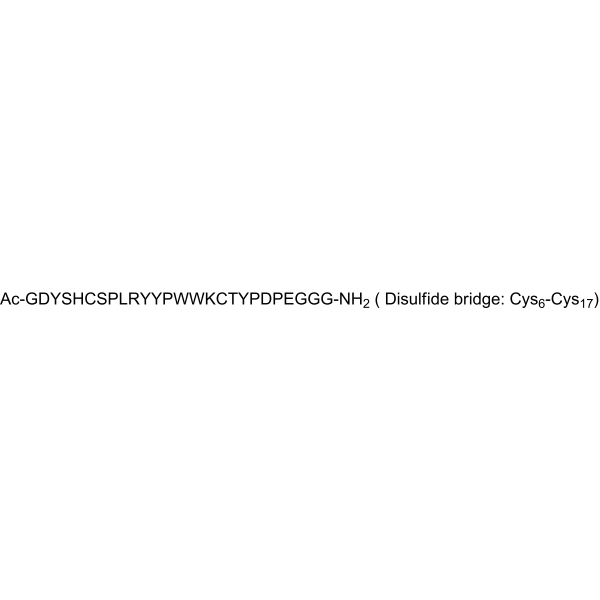
DX600 is a selective ACE2 specific inhibitor (KD: 1.3 nM), and does not cross-react with ACE. DX600 exacerbates diabetes-induced cardiovascular dysfunction and the increase in cardiac and renal NOX activity .
loading...
    loading...